
Tokyo · Nishi-Shinjuku | City resort and full facilities
Hilton Tokyo
Hilton Tokyo Hotel
To stay at ease, transport and hotel facilities belong in the choice together
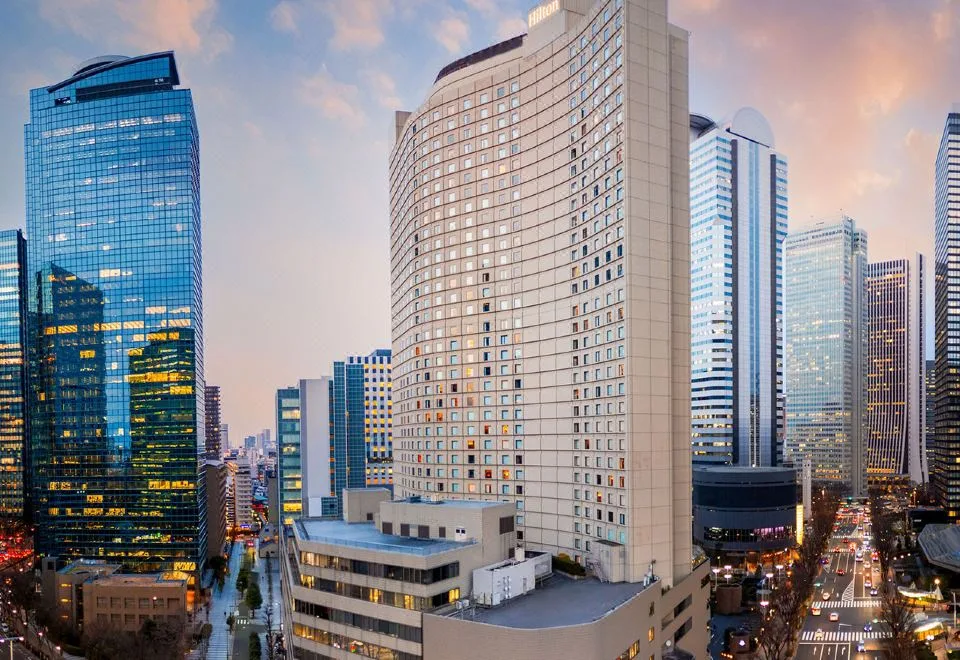
For people willing to set time aside to enjoy the hotel
- About 2 minutes via the Nishi-Shinjuku C8 underground passage, about 3 minutes from Tochomae A7, and about 10 minutes from the JR Shinjuku West Exit.
- A basic Hilton twin room is 28–30 sq m, and an upgrade does not necessarily mean a bigger room.
- Pool, gym and sauna can be part of the stay; executive lounge use needs its eligibility confirmed.
On some Tokyo trips I treat the hotel as a place to sleep; on others I want a proper breakfast in the morning, a swim in the afternoon, and no need to go out for a restaurant in the evening. Hilton Tokyo suits the latter kind of trip better.
It sits in the Nishi-Shinjuku high-rise area, with a different rhythm from the shopping and nightlife districts at the East Exit. The underground passage, in-hotel dining and sports facilities are practical advantages, but setting out from JR Shinjuku Station every day still means a trip back and forth; you cannot treat it as station-side just because the hotel name contains “Shinjuku”.
I decide first whether I will use the pool, breakfast or lounge, then pick a room type. Paying just for the words “five-star” while leaving early and returning late every day could mean missing the part of it worth comparing.
Transport: the underground passage is handy, but allow time for JR trips in both directions
The address is 6-6-2 Nishi-Shinjuku, Shinjuku-ku, Tokyo. The official walking times are about 2 minutes from Nishi-Shinjuku Station Exit C8, about 3 minutes from Tochomae Station Exit A7, and about 10 minutes from Shinjuku Station West Exit. For Marunouchi Line or Oedo Line trips, the first two stations come first. 146 guests were satisfied with the location.
C8 refers to the route to the Hilton’s underground Hilltopia shopping street, then on to the first-floor lobby; it is not walking straight into a guest room after getting off the train. The route includes escalators; for fully step-free movement, use the ground-level lift at Nishi-Shinjuku Station Exit 2 instead, then reach the hotel at street level.
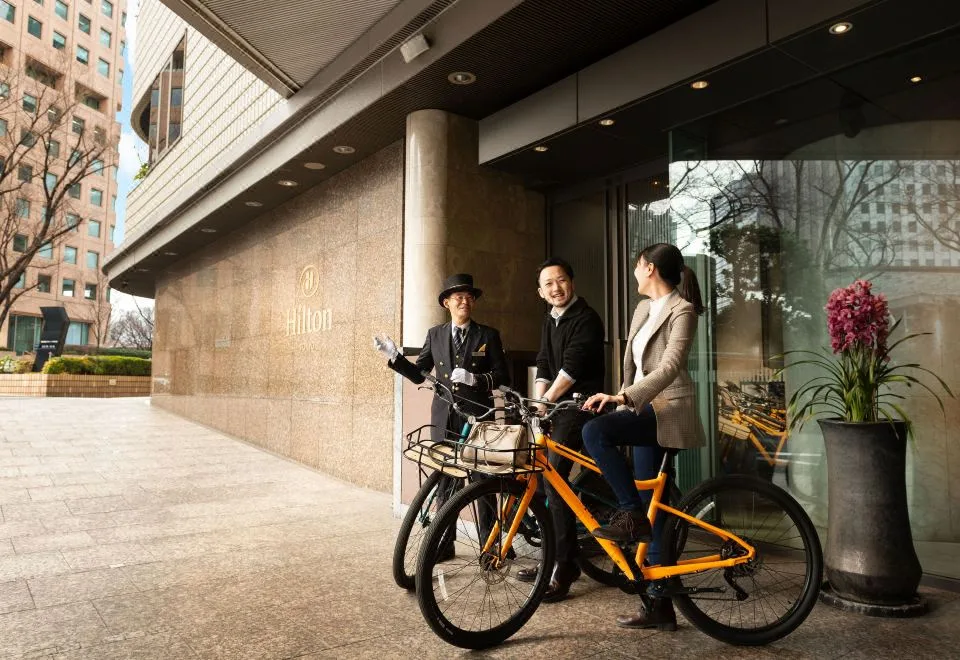
The free shuttle lowers the walking burden of trips to and from Shinjuku Station. The boarding points now listed officially are Exit 9 of the Shinjuku Station West Exit underground plaza and boarding point 28 along Chuo-dori. Check the current timetable before going out, and allow waiting time.
Paid Limousine Buses run between Haneda and Narita airports and the hotel. With large suitcases, the bus to the hotel saves the most effort, but check first whether your arrival terminal and service connect, and on departure leave room for possible city traffic, rather than setting your departure time from a single ride.
Room types: sort by size, bathroom and lounge first, not by name alone
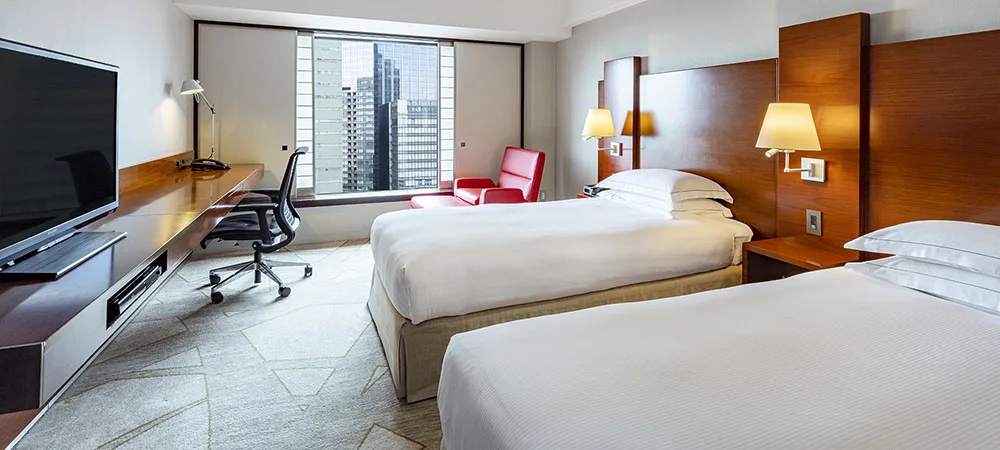
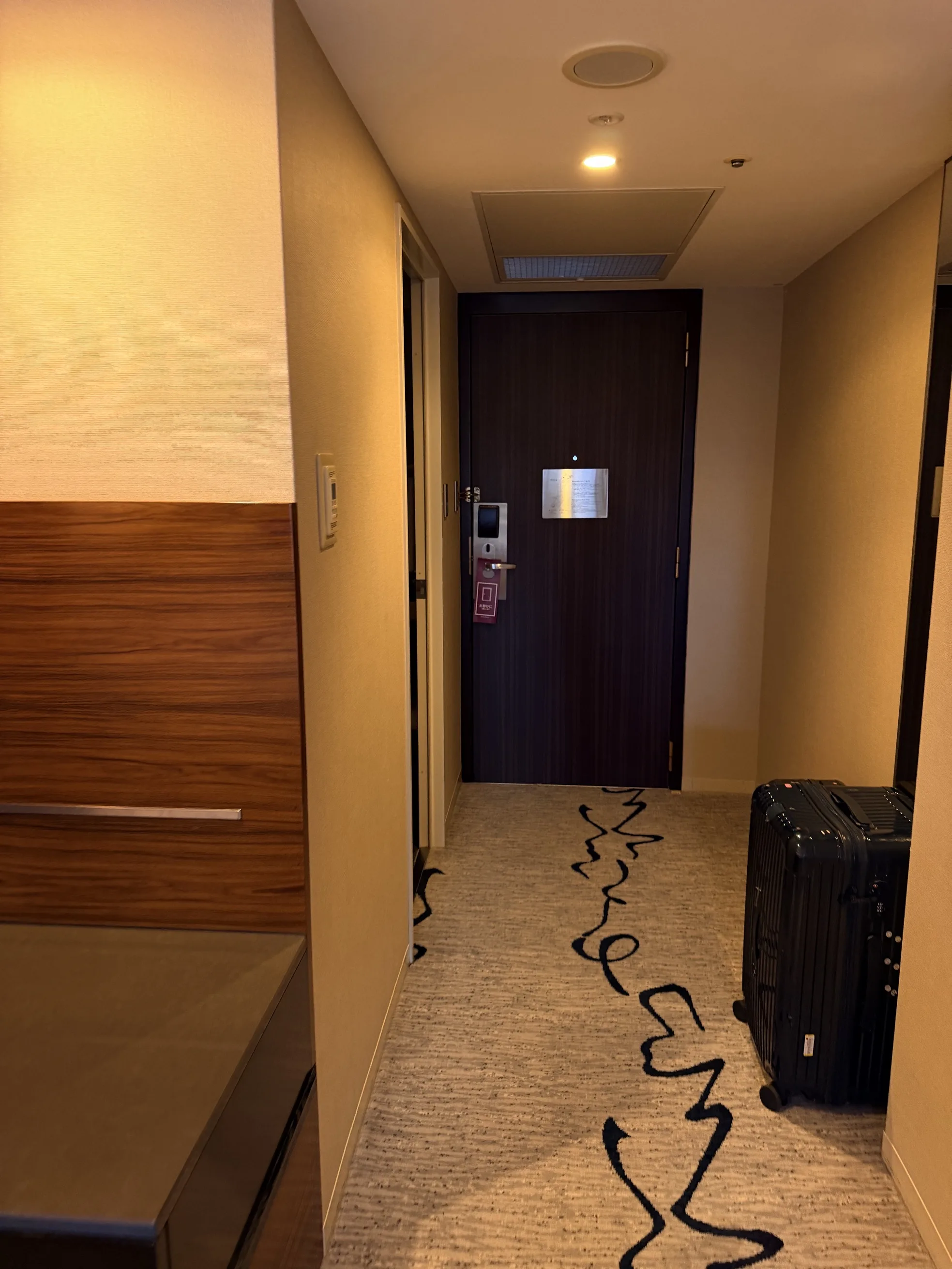
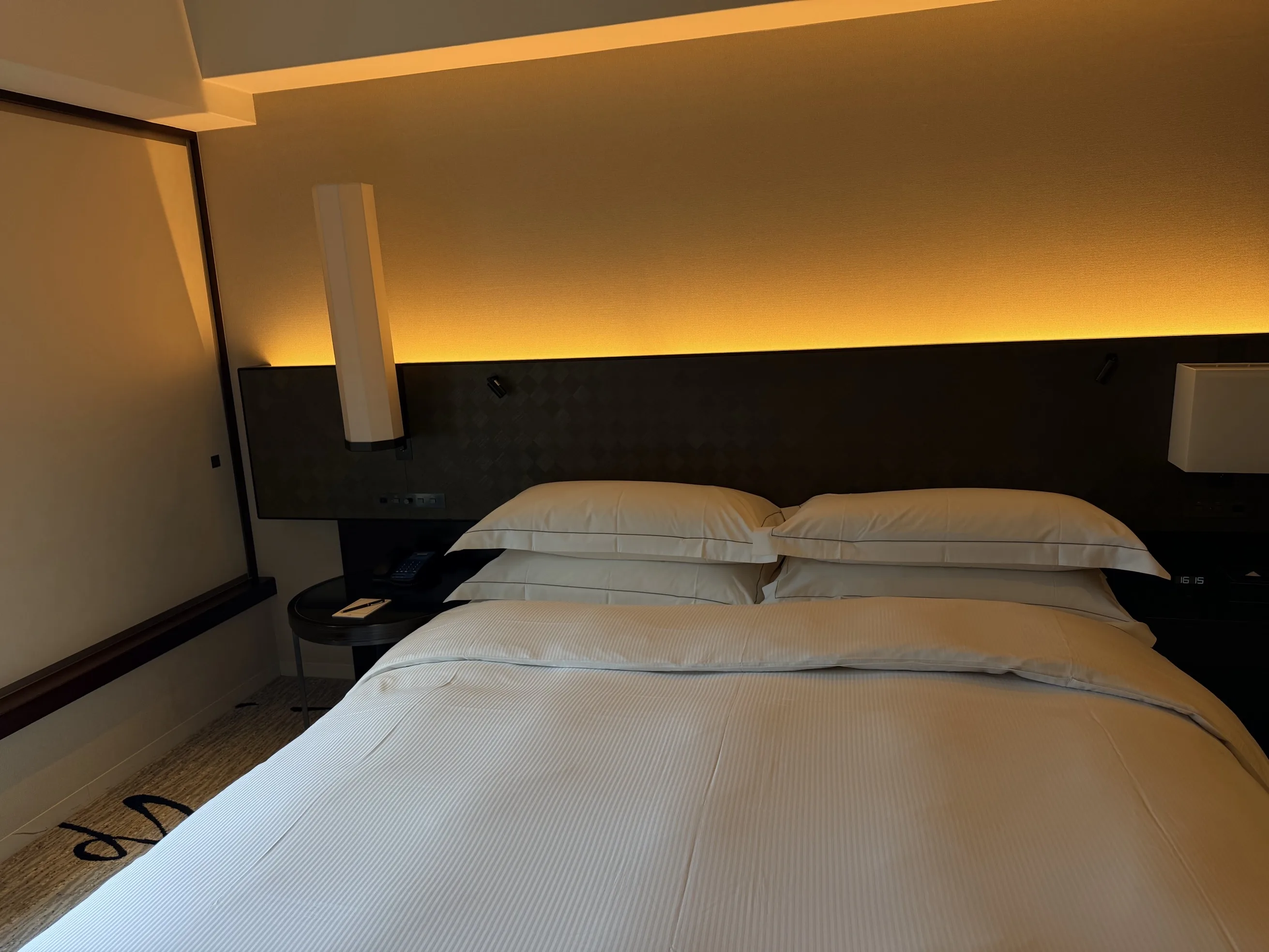
The Hilton twin room is listed at 28–30 sq m, with two 110 × 205 cm beds; when up to 3 adults stay, the third person uses an extra bed. Two people travelling have relaxed space for sorting things, but once an extra bed is added, corridor and suitcase space shrink too.
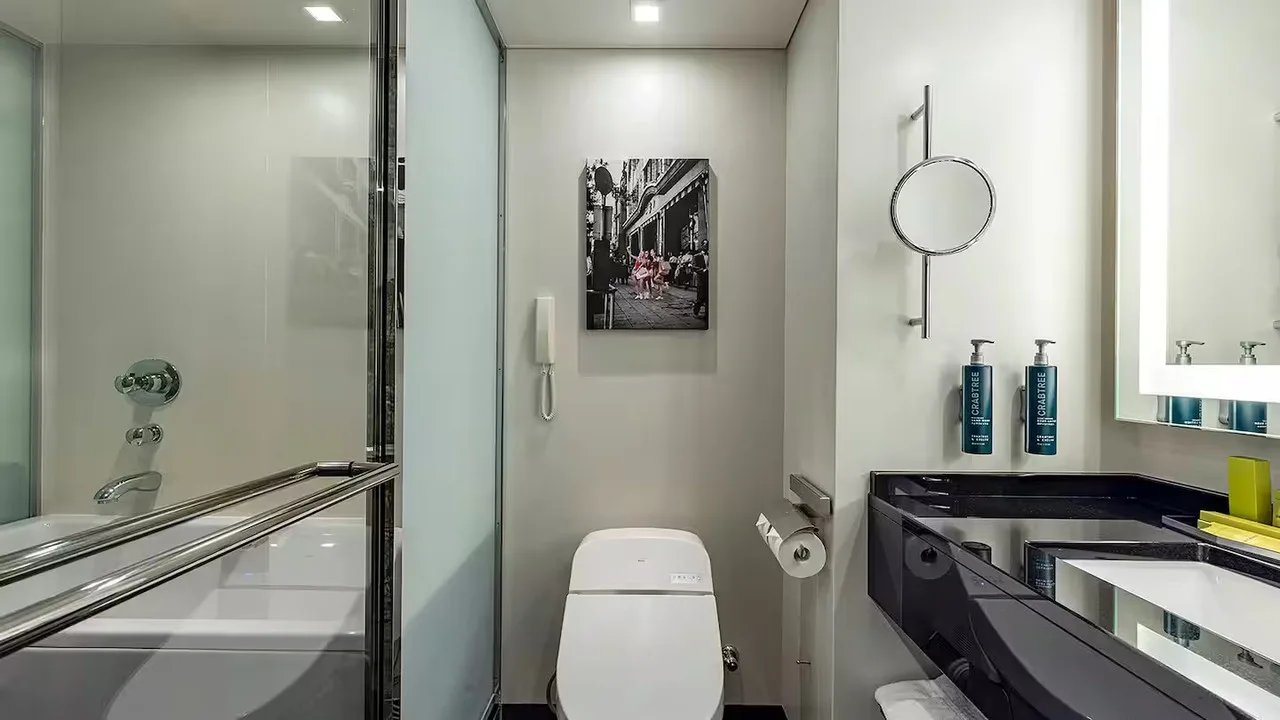
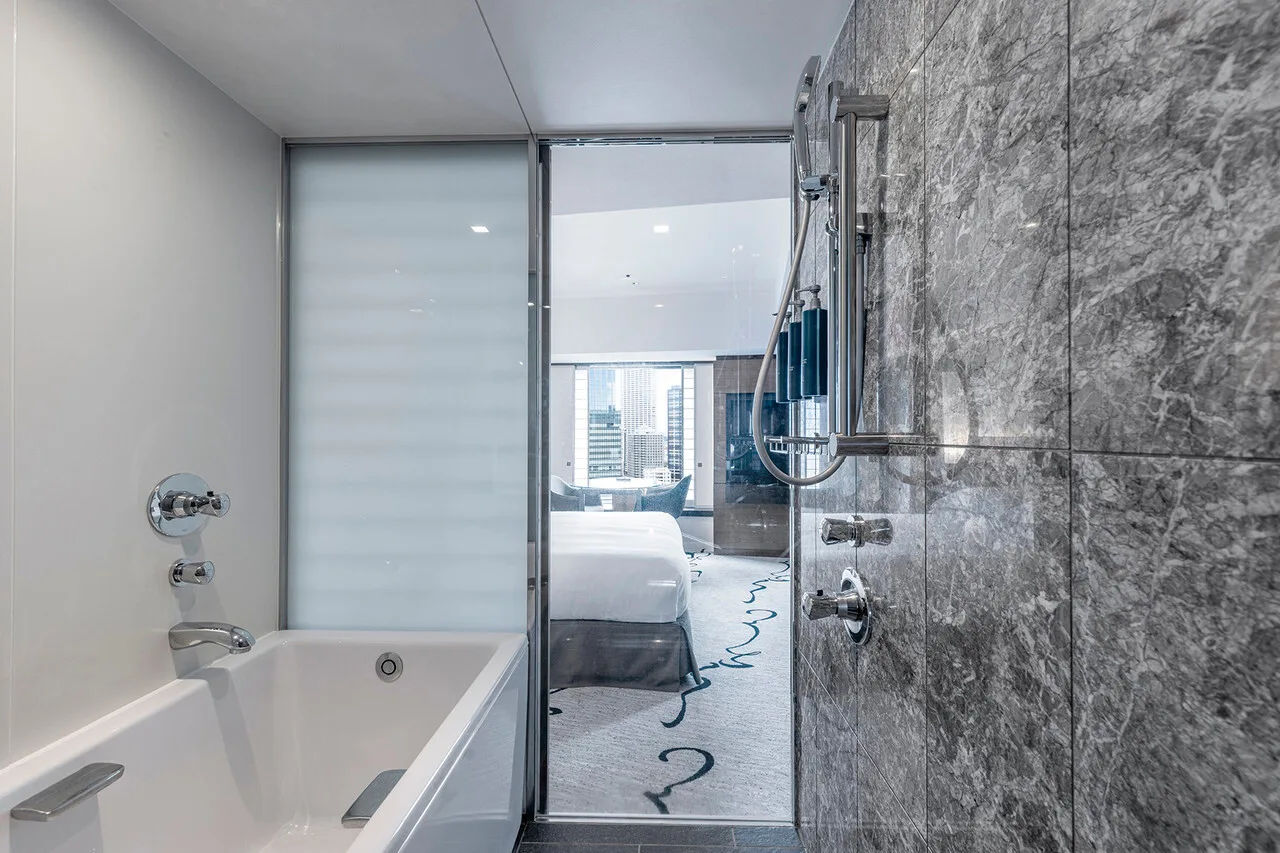
The Premium twin room is likewise 28–30 sq m, with two 110 × 205 cm beds and a basic occupancy limit of 2 people. The difference is a more Japanese-style interior with a deeper bath and a separate shower area; you cannot expect the room to be bigger just because the name is one level up. Love a bath? The bathroom matters more than the floor.
The executive twin room is likewise listed at 28–30 sq m, with two 110 × 200 cm beds. Before upgrading to an executive room, check lounge entitlement, party size and dining arrangements, then compare the cost; out day and night, the lounge may go unused. Studio, Plus and suite rooms have different layouts again, so when booking check against the full room name and do not treat Plus or suite photos as the basic room.
Families with children should also enter ages accurately. Officially, children aged 6 and over count as adults, and children’s breakfast also needs separate confirmation; children under 6 can share a bed, but that does not make children of all ages free or exempt from occupancy.
Pool and sports facilities are the part to set time aside for
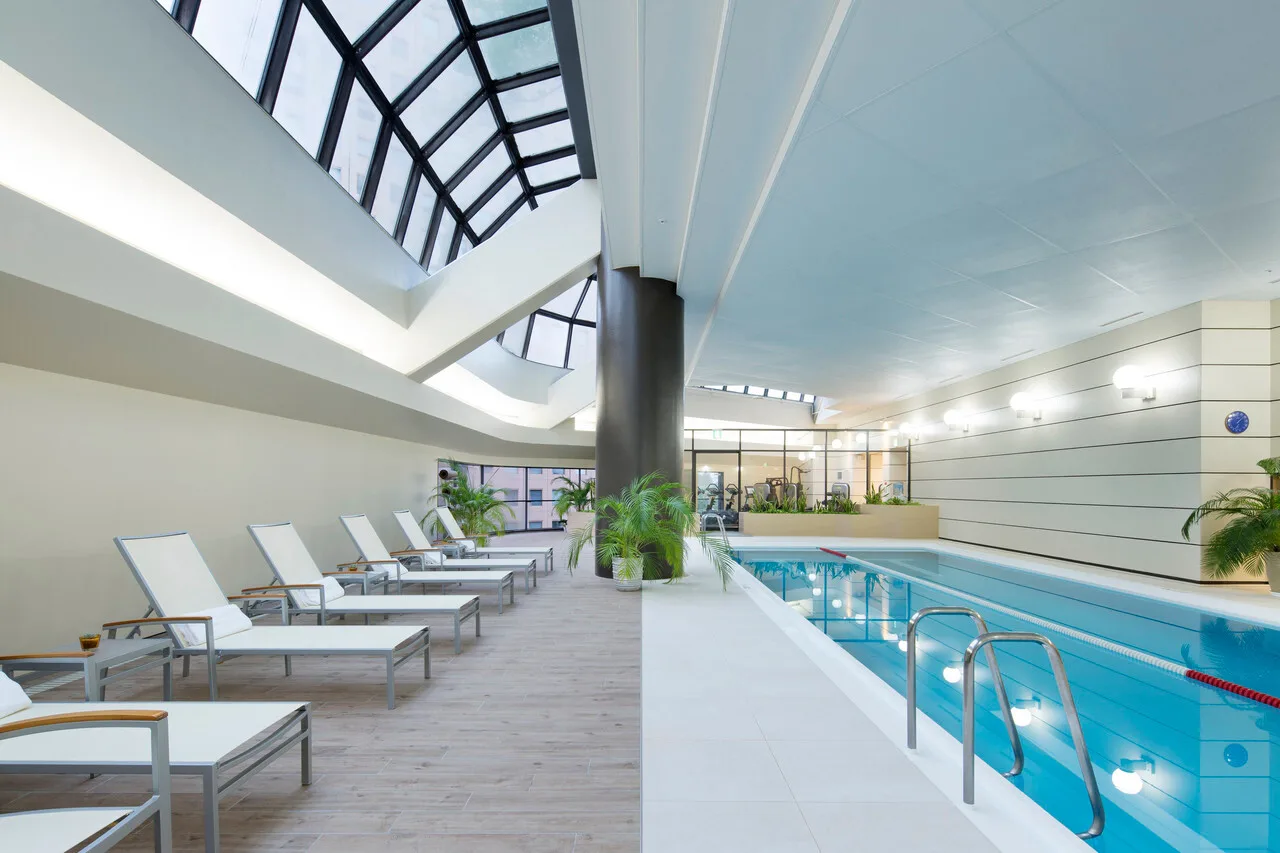
Guests can use the gym, indoor pool and sauna free of charge. The pool’s official size is 4.5 × 12 m, 1.1–1.3 m deep, suited to a relaxed swim or workout, not to be imagined as a large resort water park.
Officially the pool is open 6:00–22:00, with last admission at 21:30; the main gym is 24 hours. Family trips should note the pool is limited to ages 4 and over, children in nappies cannot use it, and under-16s must be accompanied by an adult aged 18 or over. Confirm whether a child meets the rules first, before writing swimming into the itinerary.
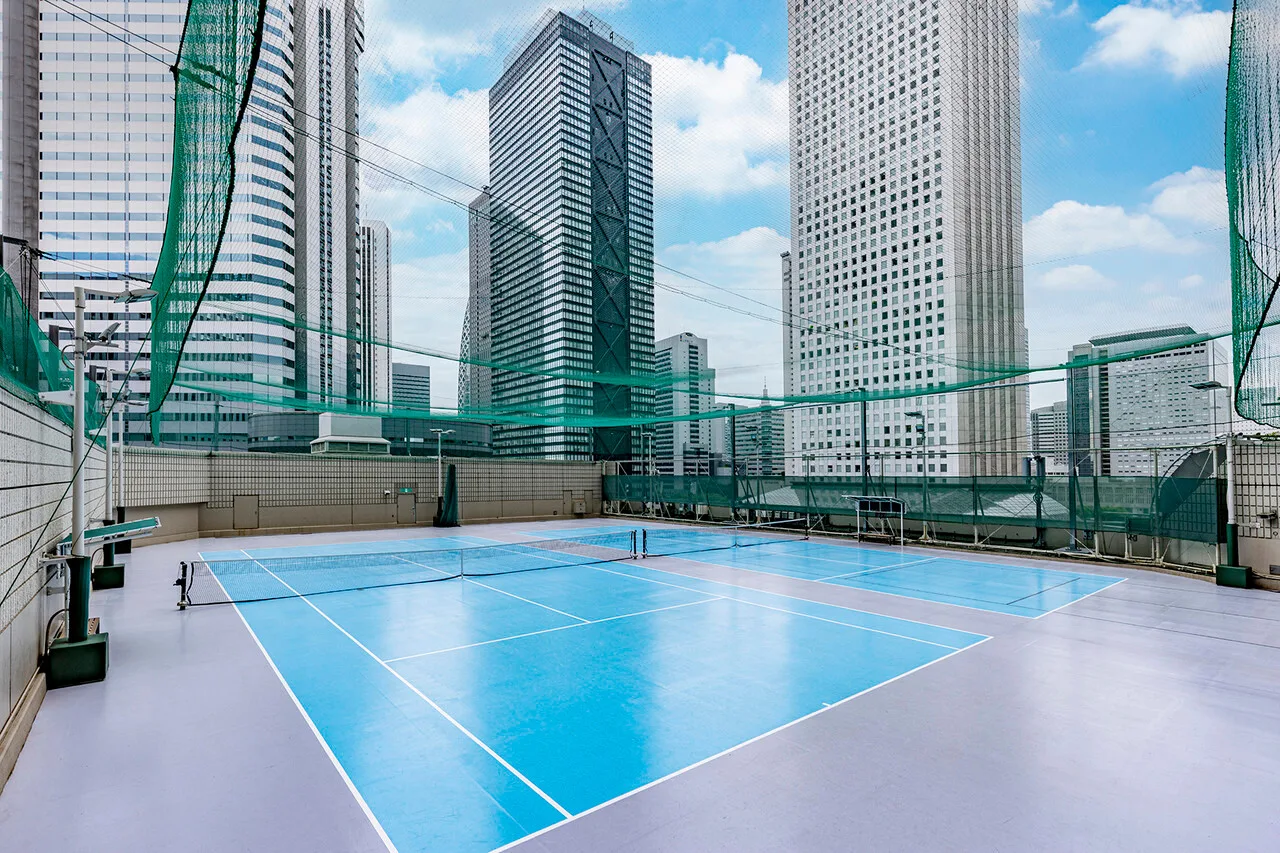
Outdoor tennis, pickleball and similar activities have their own rules and charges; you cannot assume every sports facility is included just because the guest pool is free. Planning only occasional use? Arrange them after check-in according to time and weather, without cramming your Tokyo itinerary just to use the facilities.
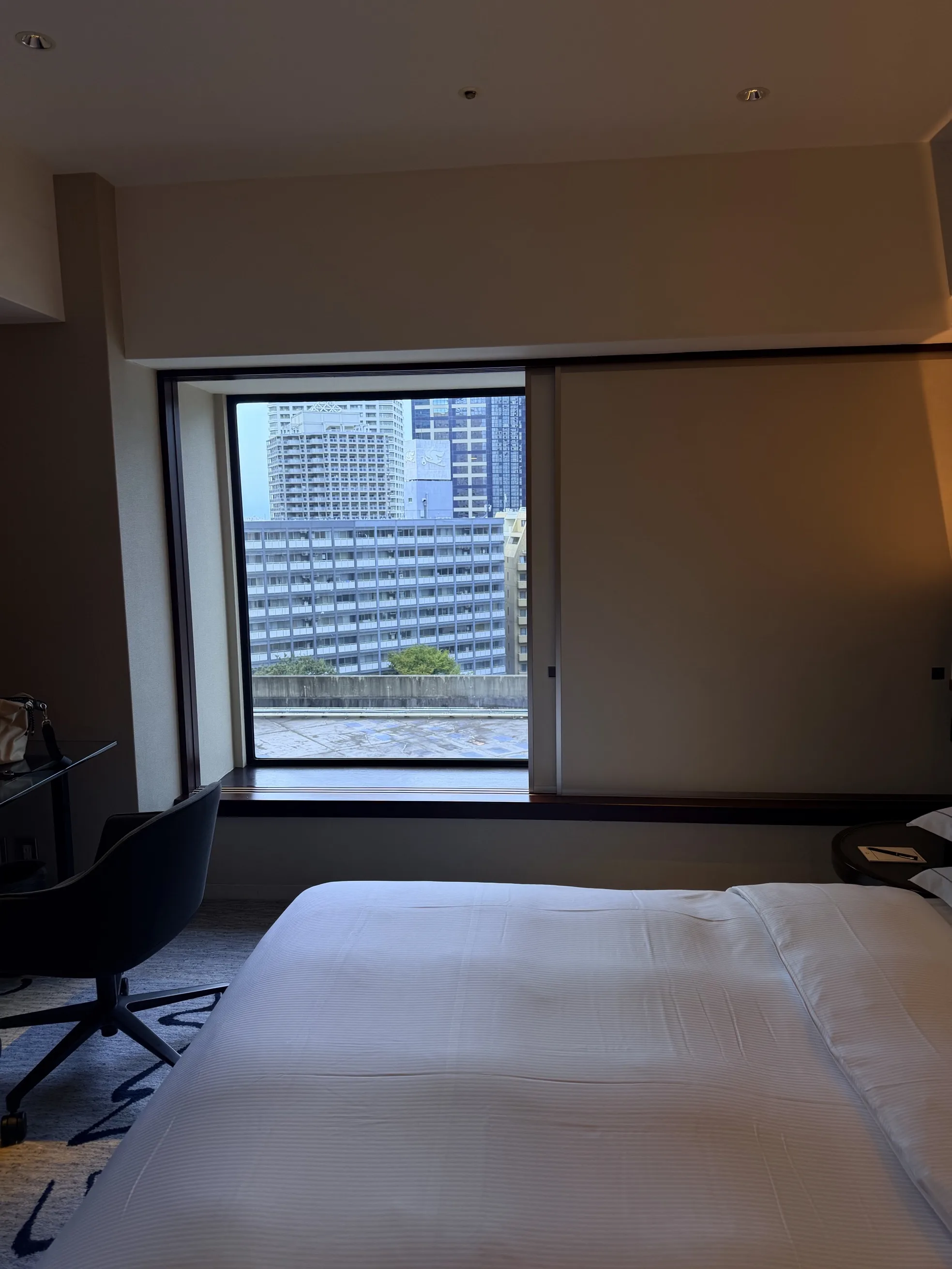
Room bathroom photos show different layouts, so especially for a separate shower, bath depth, or ease of access for older travellers, ask about the chosen room type directly, and do not judge only from the most flattering photo in the gallery.
Executive lounge: before upgrading, work out whether you will actually stay in the hotel
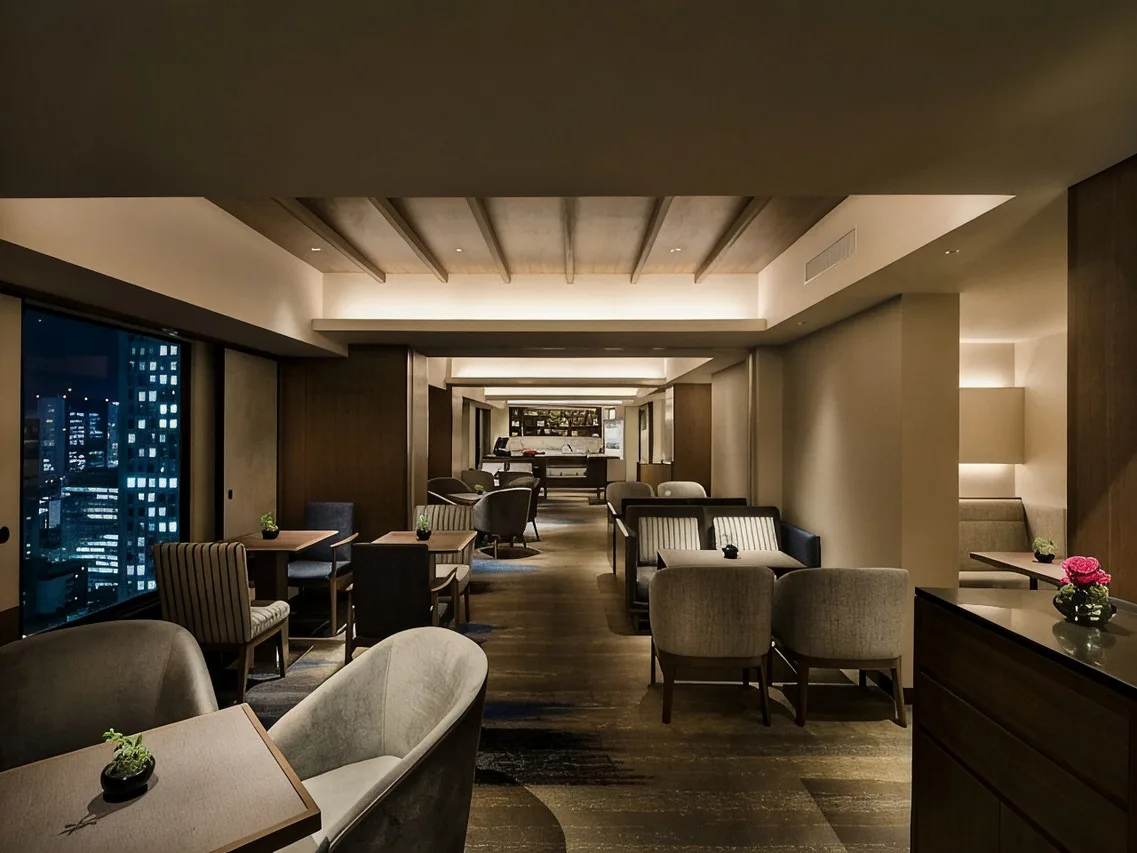
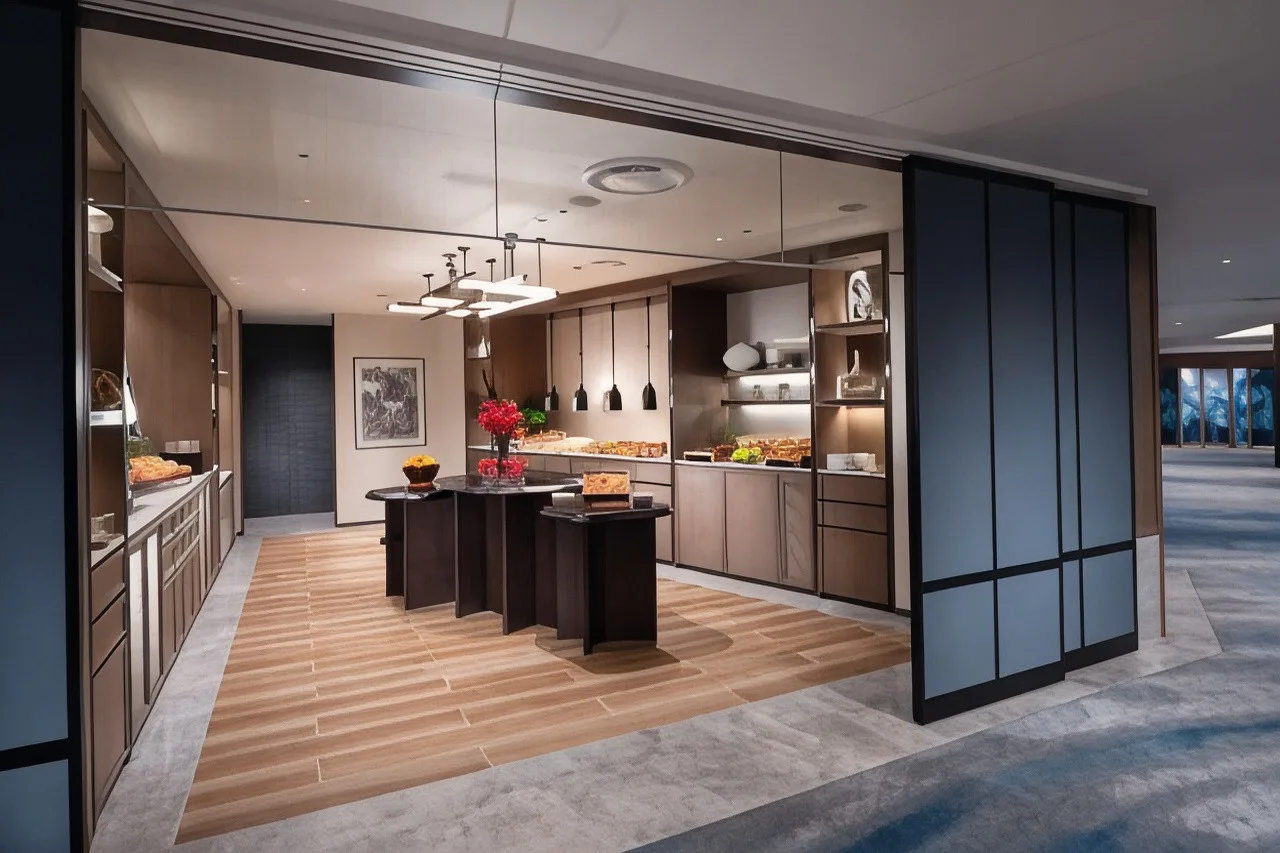
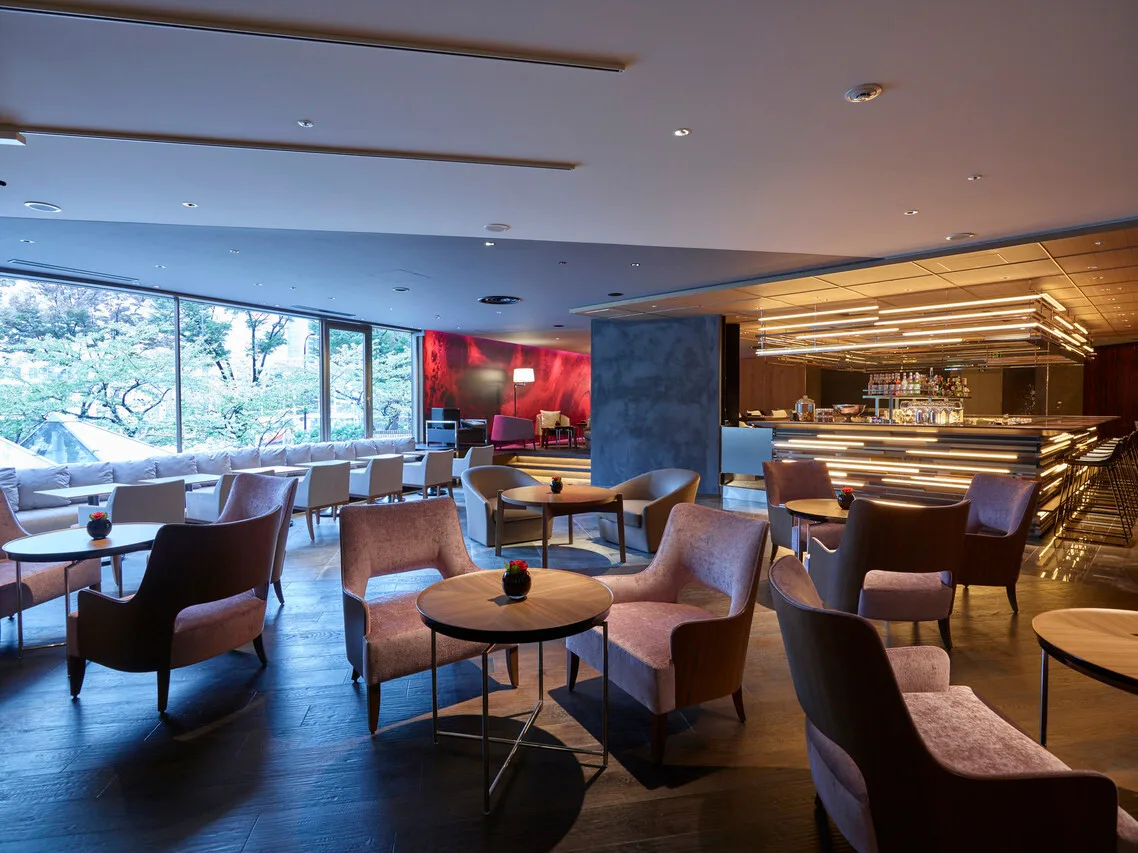
The executive lounge is on the 37th floor, offering window-side seating, rest and dining periods. See it as a place to slow the day’s pace down, not schedule every dining session as a must-eat task.
Lounge hours are 6:30–20:30, breakfast 6:30–10:30, and cocktail hour 17:00–19:00; actual eligibility and breakfast venue depend on booking entitlement. Eating out every evening leaves the cocktail hour the upgrade benefit most likely to go unused.
The lounge has a dress code, and phone and video calls are to be avoided. For work here, stick mainly to quiet reading or simple tidying; for meetings, find a suitable place elsewhere. Views on clear days are good, but Mount Fuji is not visible on every stay.
Breakfast: eating a proper meal and just wanting a quick exit are two different choices
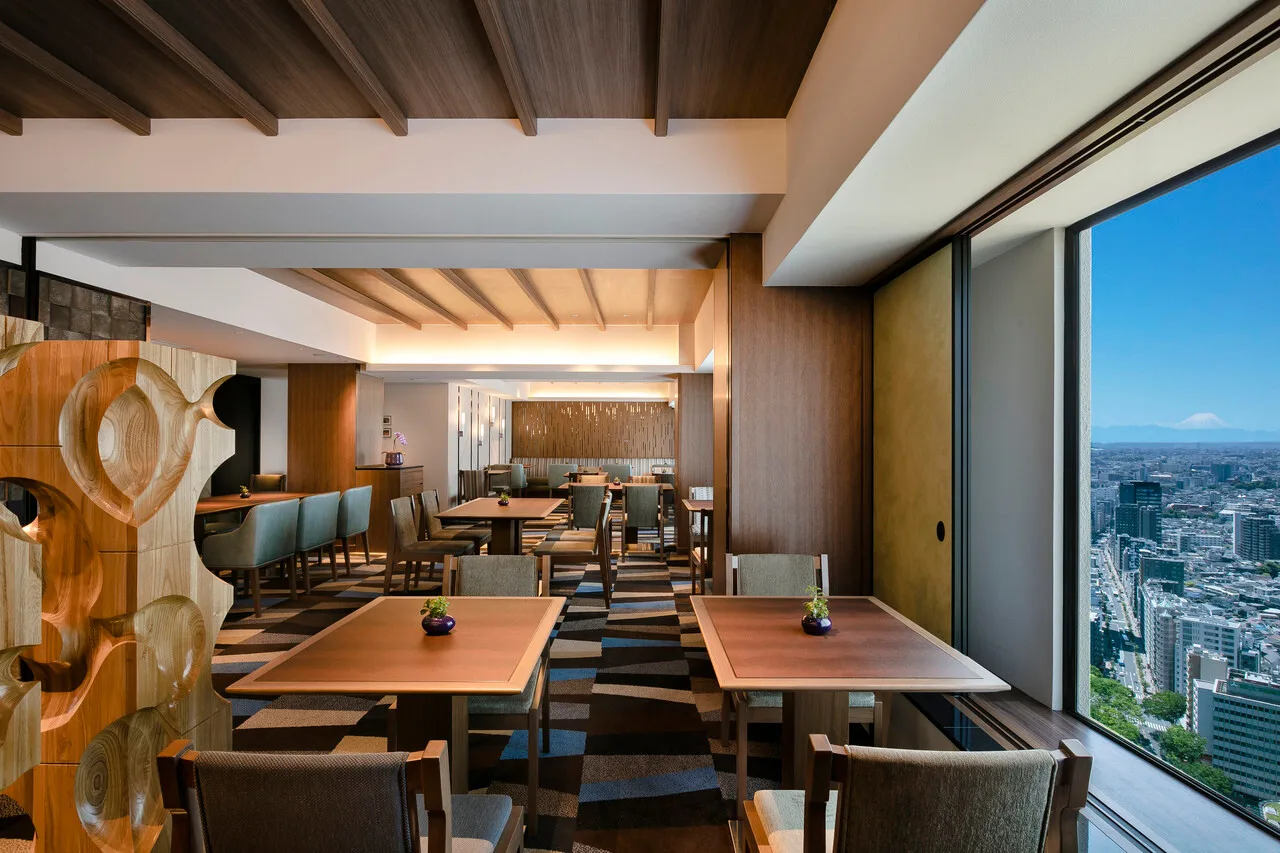
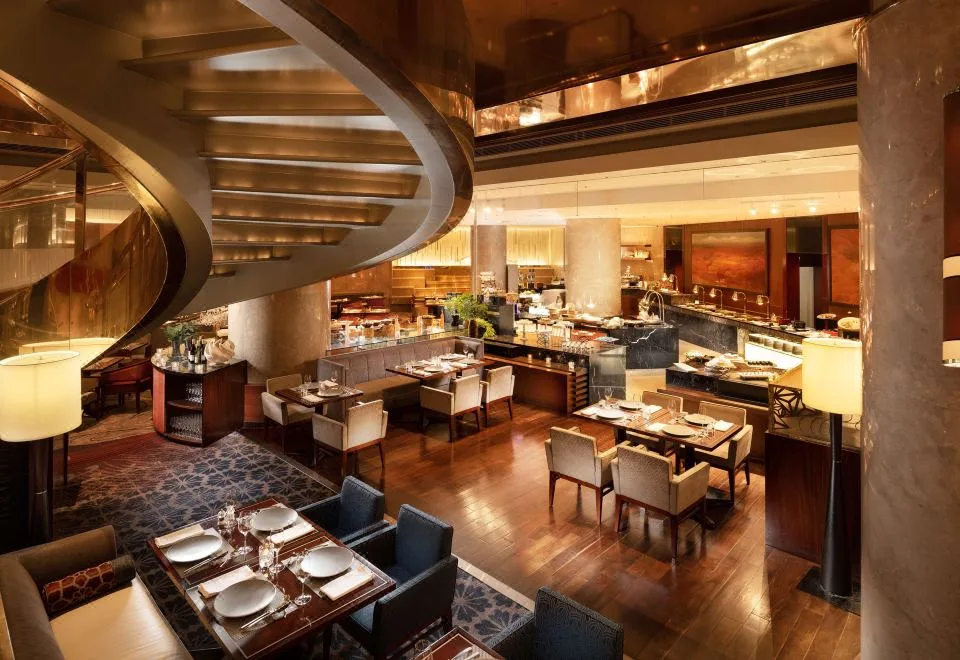
The first-floor Marble Lounge breakfast buffet runs 6:00–10:30, with an official 90-minute seating rule, adults 5,500 yen and children aged 6–12 at 2,750 yen, including tax and service charge. Breakfast-inclusive plans or executive-room dining entitlement: confirm against your own booking.
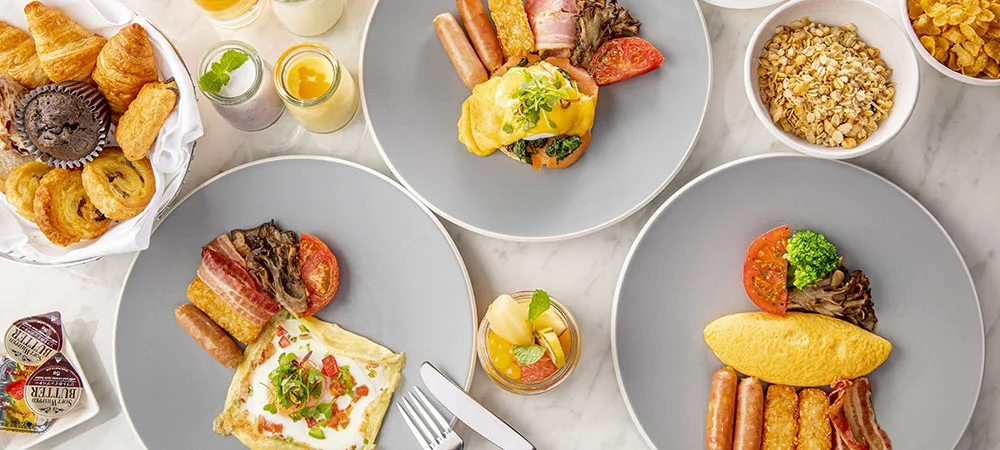
The food direction covers Japanese, Western and Chinese styles: freshly cooked egg dishes, bread, congee, noodles, vegetables, fruit and drinks. Plenty of choice does not automatically mean it suits your appetite — choose by your usual appetite and tastes, not conclude “definitely worth it” just because there are many items. On one point the guests who answered were unanimous: the breakfast spread is generous.
I would keep one day for a slow breakfast, then a walk in Shinjuku Central Park; if that day starts with a rush to the airport or a suburban trip, first confirm whether breakfast can be eaten. On a longer stay you do not need a large buffet every day; coffee or breakfast bought outside can be mixed in.
Marble Lounge also serves lunch, desserts and dinner, which are different meal periods, and the dessert buffet is on the same floor. Attractive restaurant, bar or dessert photos in the gallery do not mean breakfast will offer the same dishes.
Around the hotel: leave a Nishi-Shinjuku stroll in your trip
The high-rise district, parks and in-hotel facilities can be linked together, so plan a relaxed half-day in Nishi-Shinjuku: breakfast in the morning, a walk around Shinjuku Central Park, or a trip up to the free 45th-floor observatories of the Tokyo Metropolitan Government Building — the North Observatory stays open until 23:00, back to the hotel for a swim and rest in the afternoon, then decide whether dinner is in the hotel or around Shinjuku Station.
For shopping and department stores, use the shuttle or walk to Shinjuku Station. On the way back, check the last service first, rather than shopping until late and discovering you can only drag your purchases back on foot. For street shops and nightlife, think first about whether you are willing to move from the west side to the east side every day.
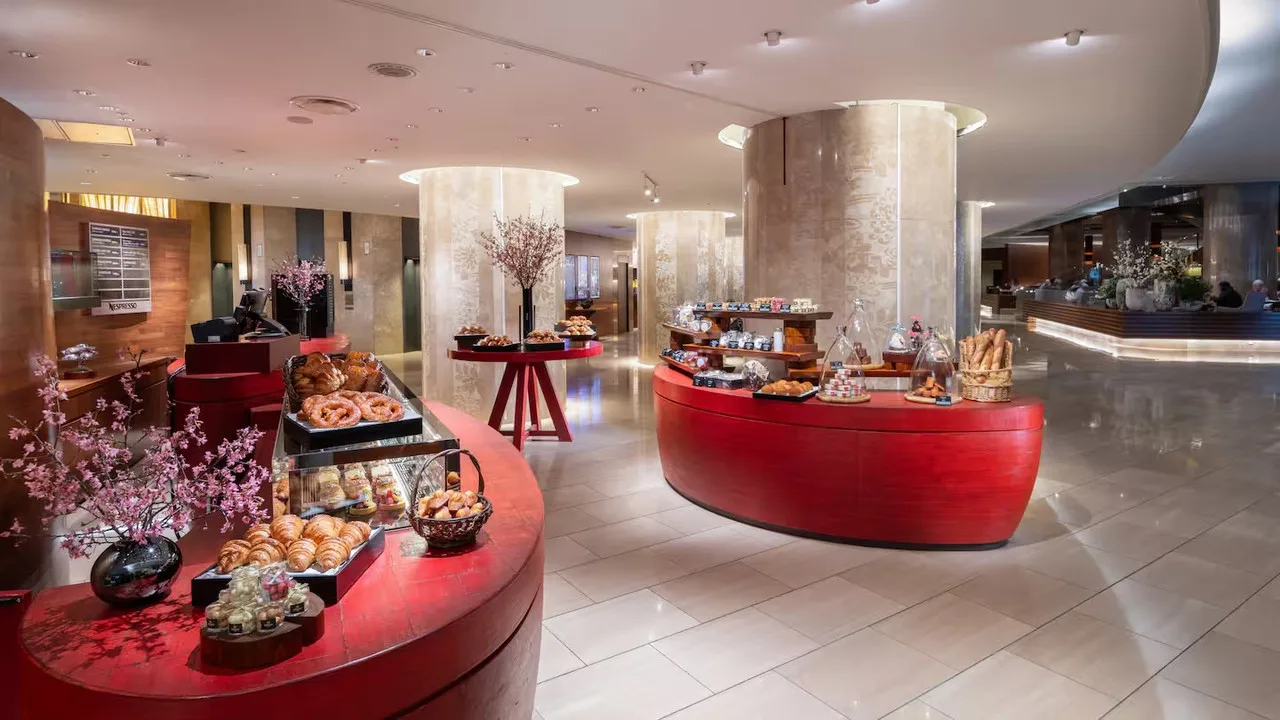
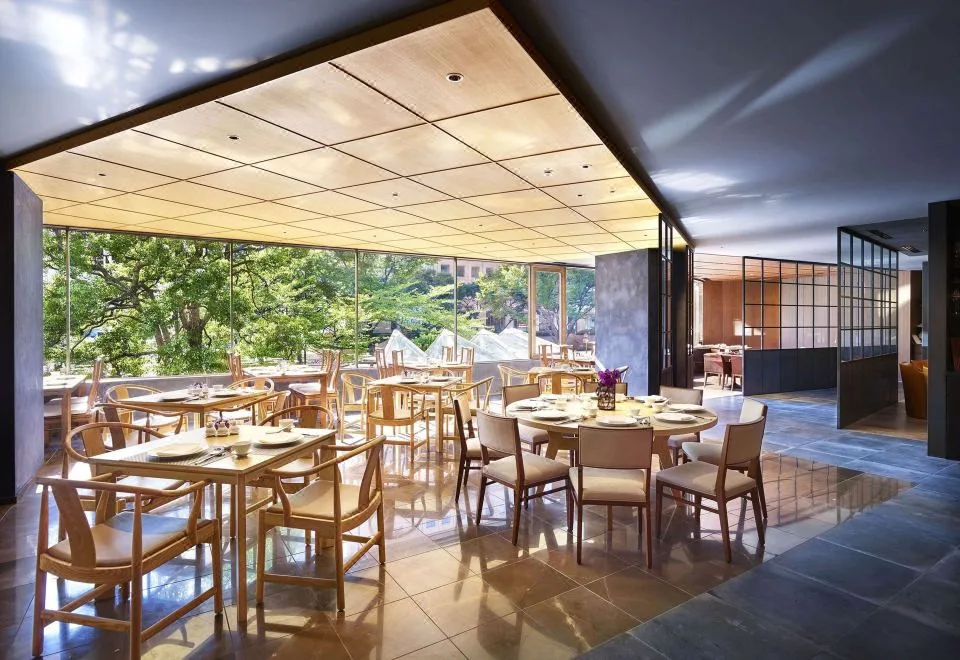
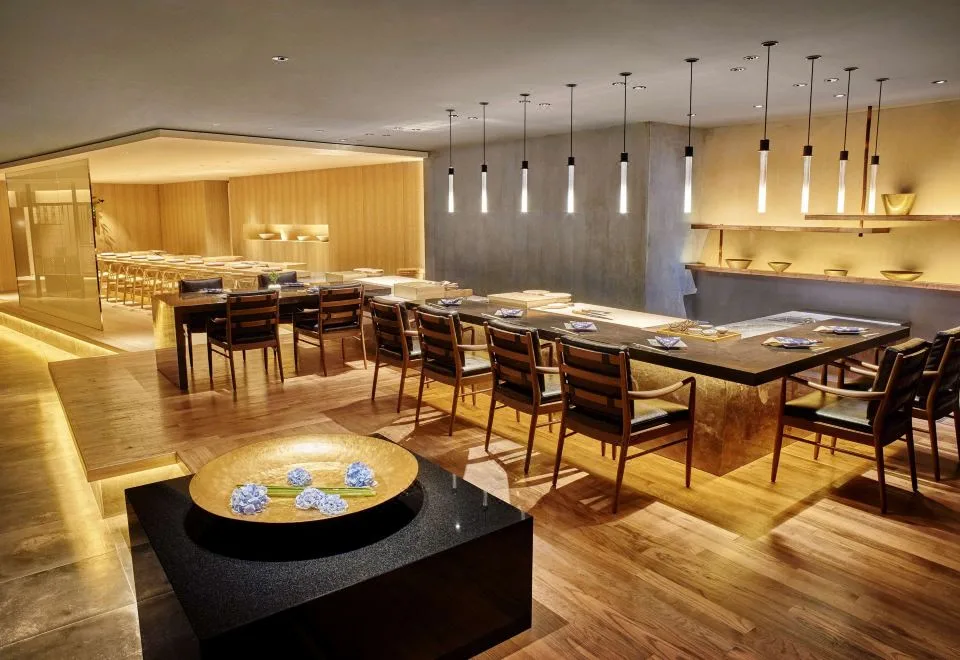
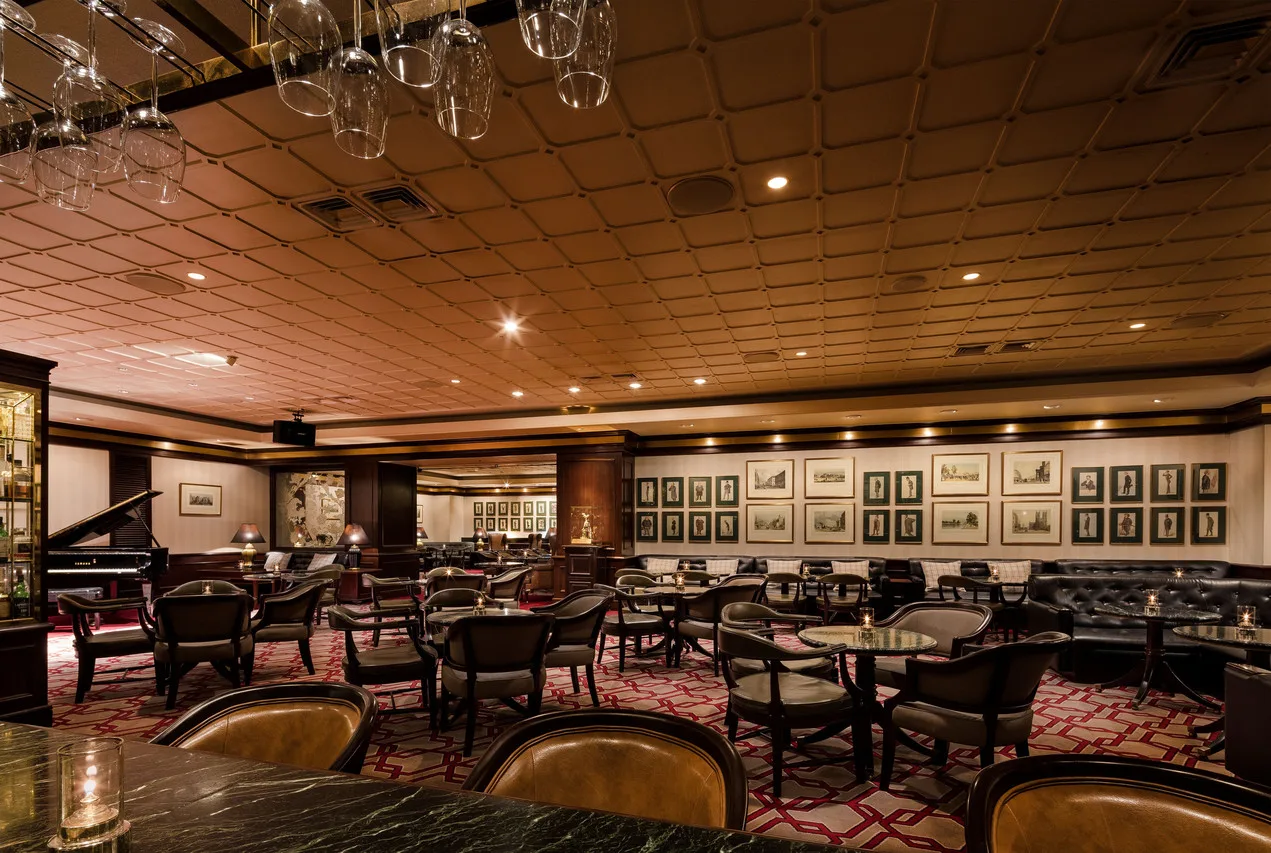
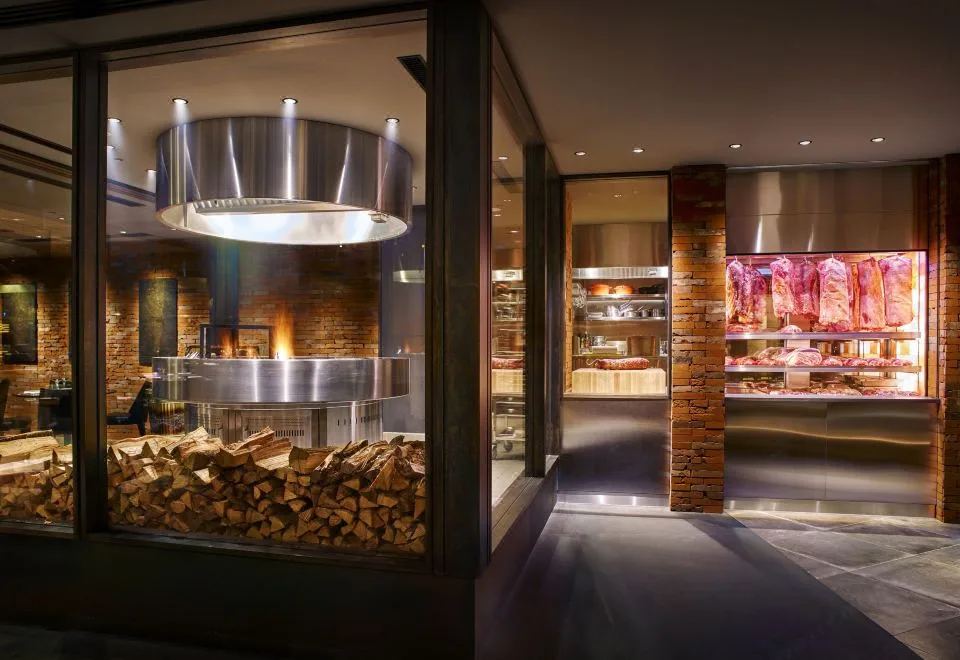
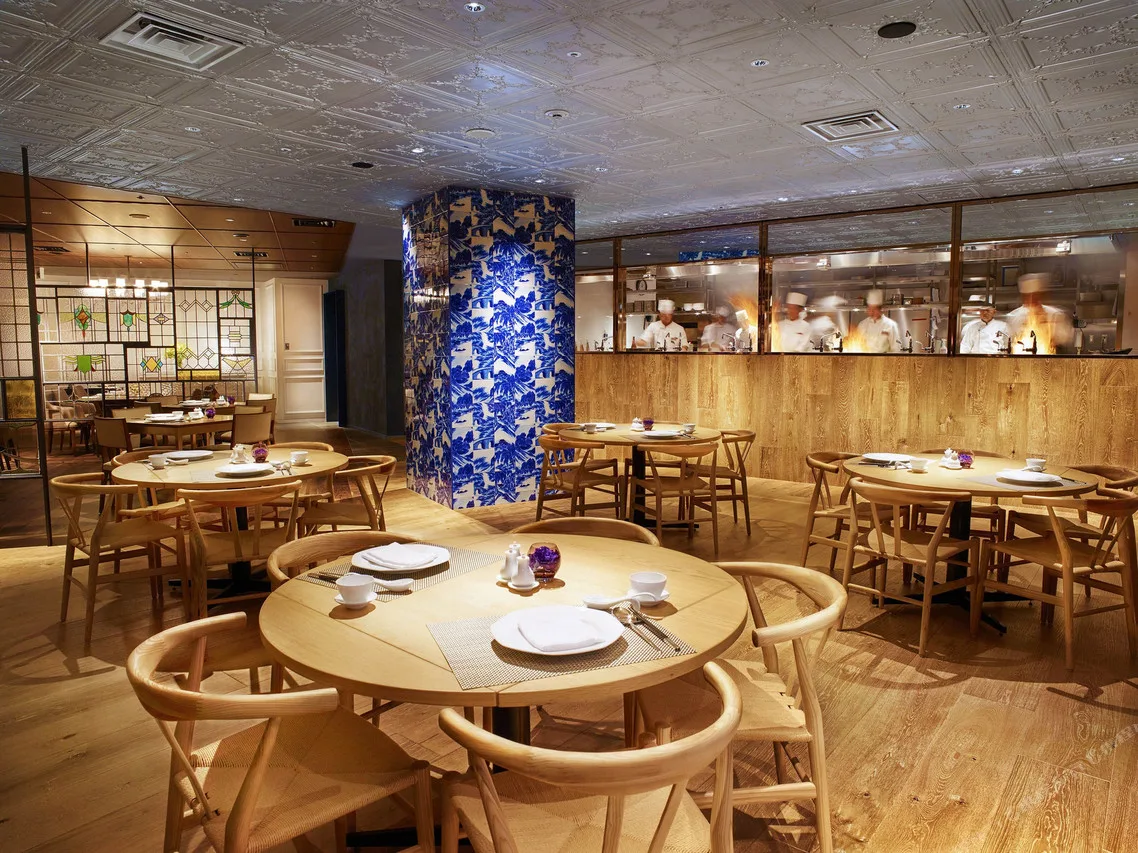
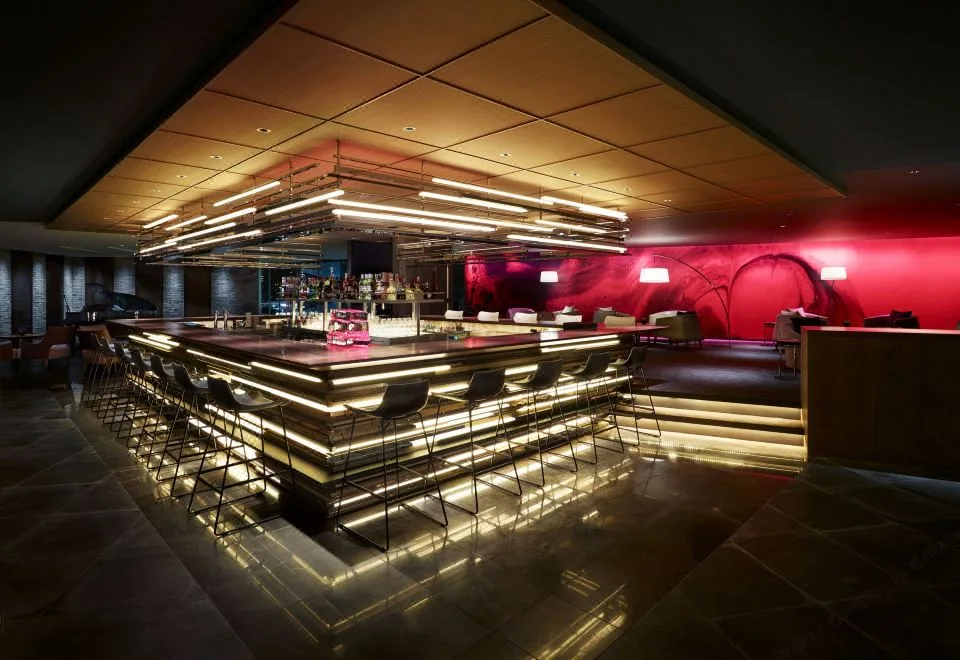
Dining sits on the 2nd-floor TSUNOHAZU floor and the 1st-floor lobby: the 2nd floor has the Metropolitan Grill, Japanese restaurant Junisou, Chinese restaurant Dynasty, the ZATTA bar and lounge, and afternoon tea, while the 1st floor has the Marble Lounge and the St. George Bar, and room service is available too. When it rains or companions are tired, keeping one meal in the hotel is very convenient. Treat it as a backup; meals need not all be tied to the hotel.
One night or several: the value only becomes clear when you actually use the facilities
For a single night, look at arrival and departure times first. Arriving in the afternoon and leaving early the next morning, even an attractive pool and lounge may never get used; then transport connections and a comfortable bed type become the main considerations.
Over several nights, you can plan a half-day back at the hotel so breakfast, the pool and shared spaces come into use. Rooms are not set up around laundry and simple cooking, so if what you most need on a trip is washing and cooking in the room every day, compare with lifestyle hotels.
Check-in 15:00, check-out 11:00. Sort out luggage to store or send, and supplies children need, first; the hotel offers luggage storage, and extra loan items are limited in number, so asking in advance beats searching after arrival.
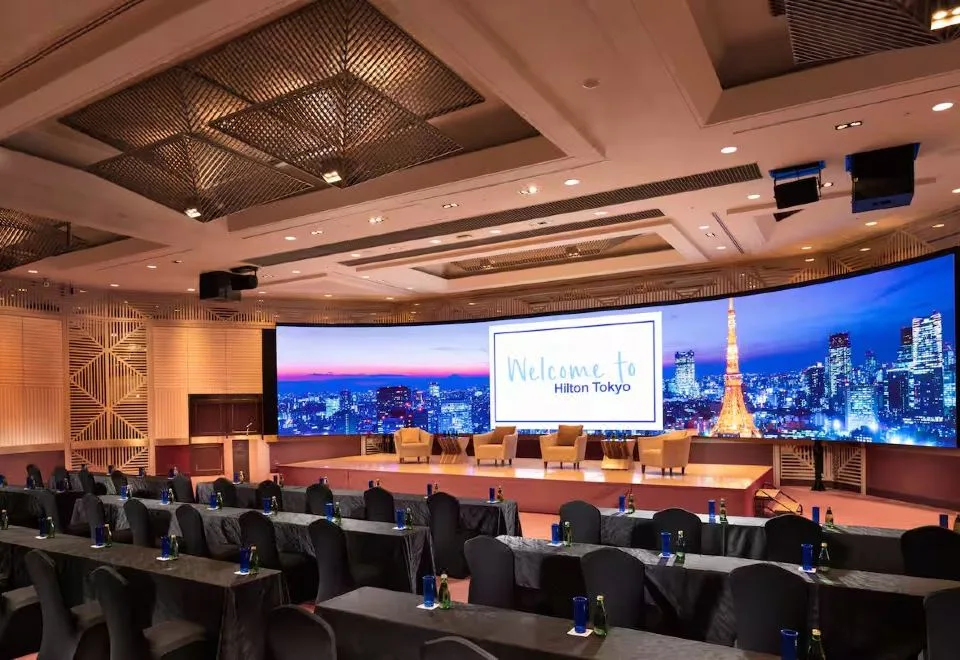
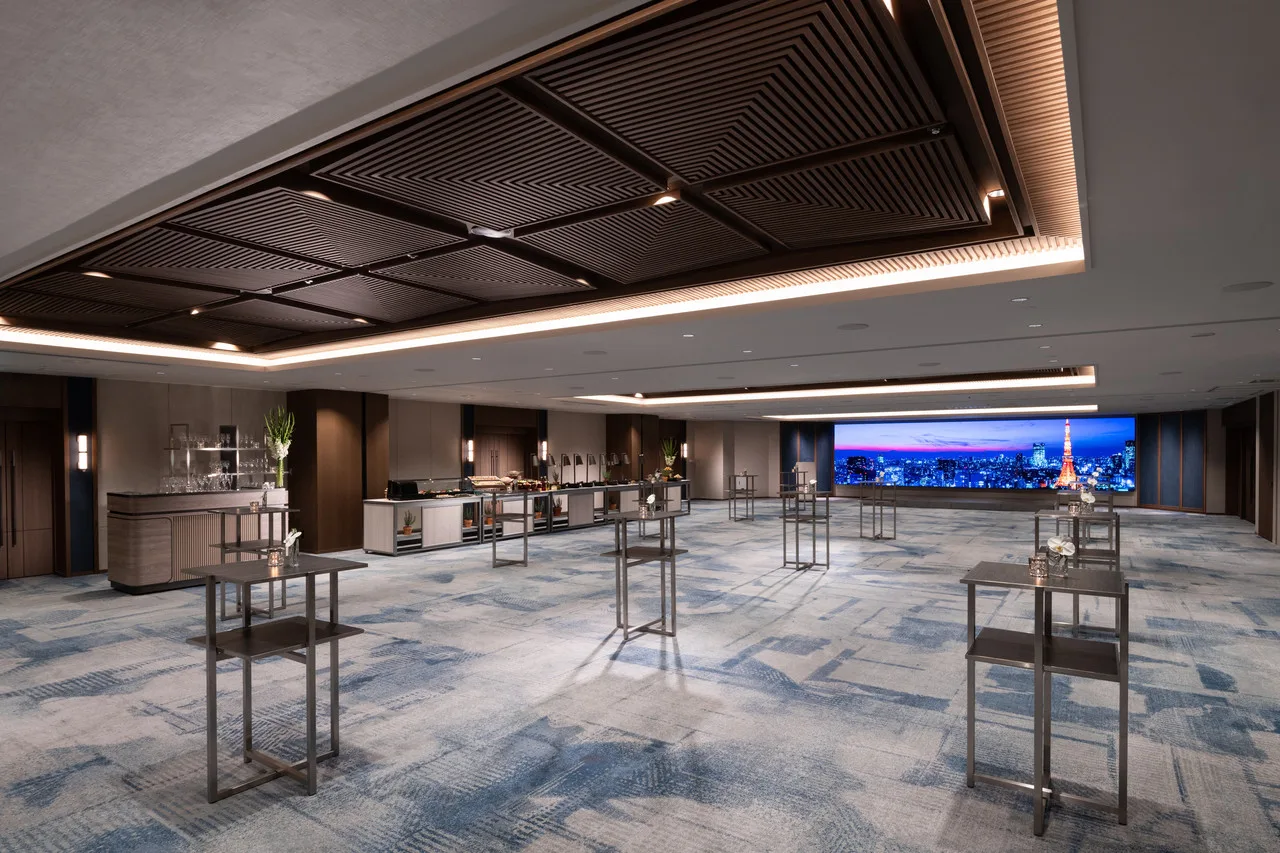
A few more practical services in the building: a car service when you need a ride, currency exchange for money on the way back, and public-area Wi-Fi that is charged; meeting rooms are charged too, so ask the price before booking an event. Besides Shinjuku Station, JR Shin-Okubo is another nearby station; the Shinjuku Sumitomo Building and the South Observatory of the Tokyo Metropolitan Government Building are nearby as well, and can be paired with the North Observatory in the daytime.
Before booking: check the specifics on renovation, service and room condition
The hotel website shows a June-to-October guest-room upgrade and underground piping works notice for this hotel, opened in 1984. If a stay falls close to the works period, ask first which floors, times and room types are affected, and do not treat a platform “2026 renovation” label as meaning every room is finished and the same.
Service, cleanliness and views are worth expecting, but the small number of serious complaints about bedding cleanliness and handling of forgotten clothing should not be overlooked. The panel sub-scores are cleanliness 9.0, amenities 9.0, location and service 8.9 each, from 327 reviews with an overall 9.0; these experiences do not prove every room has the same problems, and a well-known brand is no reason to ignore them. After check-in, check the bedding, bathroom and equipment used most, and ask the hotel to deal with any issue early.
A 10-point review also notes staff who are polite and ready to help and answer questions, a room that is large and tidy with an open view, and transport that is convenient with two subway lines connected. Another guest wrote that check-in was possible at 2 pm and that the airport limousine can be booked; a 195 cm-tall friend who booked a king room reportedly stayed comfortably too.
On transport, having an underground passage does not mean every entrance is step-free; on service, early check-in, free drinks and other courtesies are individual cases, and do not mean every booking gets them. Keep fixed facilities separate from individual entitlements, and your expectations will be more accurate.
Upsides and trade-offs compared
| Aspect | Upside | Trade-off to accept |
|---|---|---|
| Transport | Close to two subway lines, with a usable underground passage | JR Shinjuku still takes walking or shuttle-waiting time |
| Rooms | Basic twin rooms 28–30 sq m, with more relaxed luggage space | The same size may come in different grades; an upgrade does not necessarily mean bigger |
| Facilities | Guests can use the pool, gym and sauna | Families face age rules; outdoor courts are not necessarily free |
| Breakfast | From 6 in the morning, with Japanese, Western and Chinese choices | Cost and portion may not suit people who eat simply every day |
| Executive rooms | Lounge and high-floor rest add hotel time | Often out in the evening, you may miss the main dining periods |
| Setting | Nishi-Shinjuku suits park walks and hotel rest | Shopping and nightlife at the East Exit need a separate trip |
My choice: Hilton only suits you better when hotel time is built into your trip
Hilton Tokyo suits people who want to stay in Tokyo at ease, are willing to use the pool and breakfast, and want complete in-hotel dining. On rainy days or when tired, you can still spend a comfortable day in the hotel.
For a trip for two, first compare the bathroom differences between the basic twin and Premium rooms; to slowly enjoy high-floor rest, work out the value of an executive room and lounge. Rushing for JR trains every day and only returning late at night? Factor in shuttle use and facility usage before deciding whether this is worth choosing.
Pros and cons summary
Pros
- About 2 minutes via the Nishi-Shinjuku C8 underground passage, about 3 minutes from Tochomae A7 — handy for the Marunouchi and Oedo lines.
- A basic Hilton twin room is 28–30 sq m, with two 110 × 205 cm beds and relaxed space for two people’s luggage.
- Guests use the gym, indoor pool and sauna free of charge; the pool is 4.5 × 12 m, open 6:00–22:00.
- The executive lounge is on the 37th floor, with window-side seating, breakfast 6:30–10:30 and cocktail hour 17:00–19:00.
- The first-floor Marble Lounge breakfast buffet runs 6:00–10:30, Japanese, Western and Chinese, adults 5,500 yen including tax and service charge.
Cons
- JR Shinjuku Station West Exit is about 10 minutes away, so trips there mean walking or waiting for the free shuttle.
- The Hilton, Premium and executive twin rooms are all 28–30 sq m — an upgrade does not mean a bigger room.
- The pool is limited to ages 4 and over, under-16s need an adult aged 18 or over with them, and outdoor tennis and pickleball cost extra.
- Lounge cocktail hour is 17:00–19:00, so evening meals out leave it unused.
- The hotel website still shows a June-to-October guest-room upgrade and underground piping works notice, so ask which floors, times and room types are affected when your stay falls close to the works period.
Fact-check date: 2026-10-25