
TOKYO / CHUO
Super Hotel Premier Ginza: Natural Hot Spring, Light Breakfast and Rooms
Super Hotel Premier Ginza
A natural hot spring near Higashi-ginza, light breakfast and compact rooms: how to choose.
If you want Ginza shopping by day and a hot-spring soak at night, I would put this hotel on your shortlist. The large public bath uses natural hot-spring water brought in from Okuyugawara, and Higashi-ginza Station is about a one-minute walk away, so coming back for a bath before bed is the part I like most. The welcome bar runs 5:00–9:00 p.m., a good place to sit after coming back. The rooms run small, though, so decide where your luggage will go before you book, and the stay will feel much easier.
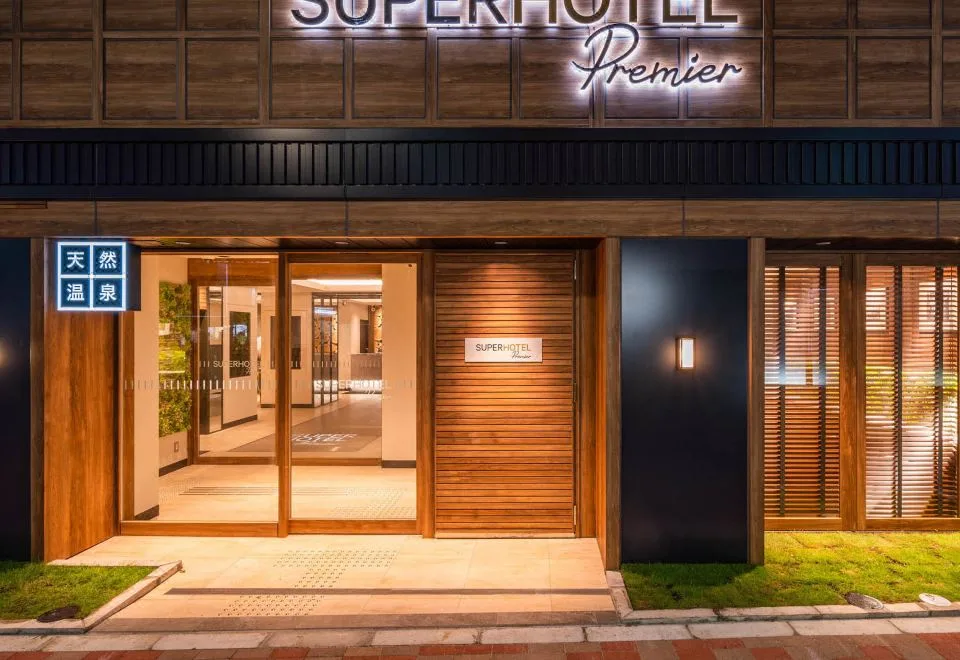
Choosing this hotel
| Item | Stay details |
|---|---|
| Location | 3-11-15 Ginza, Chuo City, Tokyo 104-0061, Japan. |
| Check-in / Checkout | 3:00 p.m.–midnight / before 11:00 a.m. |
| Room choice | Photos show several arrangements including standard double beds, twin beds and bunks. |
| Stay length | A one-night stay gives you a chance to try the spa; over several nights it can become part of your routine. |
| Breakfast | Paid set meal, 1,500 yen per adult; GREEN SPOON soup or smoothie, jam bread, salad and drinks. |
| Parking | Public lot near the hotel, 2,300 yen a day, advance reservation required. |
Rooms and suitcase space
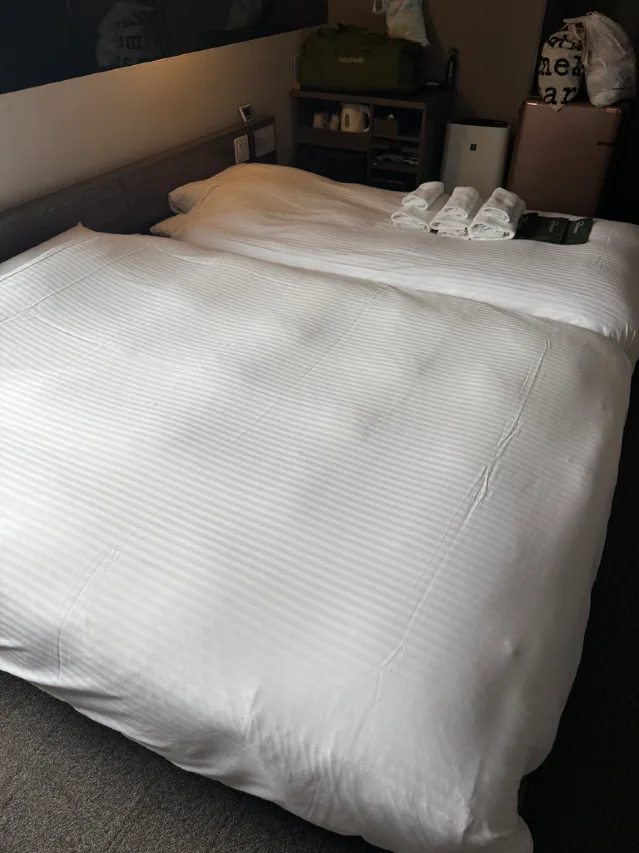
Room photos show standard doubles, twins and bunk-bed layouts. If two people want separate beds, confirm a twin room; families should decide in advance who takes the upper bunk, and older travelers or anyone who gets up at night will be more comfortable in a regular bed. Do not judge comfort by occupancy alone — the bed arrangement is what matters.
I know from staying in rooms like this that only one suitcase opens at a time, and the space beside the bed and desk has to take turns. If you shop a lot or want to spend hours relaxing in the room, check the floor area, bed layout and luggage space when you book. A good public bath cannot replace the moving space you need in the room every day.
When you book, ask how extra beds and cribs work, because the policy varies by room type. Children of all ages are welcome, and an extra charge may still apply even without an extra bed, so add the children to the booking to get an exact price. Bunk beds suit children or younger travel companions; whoever sleeps up top should take care climbing up and down at night.
When I look at room photos, I check the bed, the seat and the walkway beside the window first, then match them to the room name. Whether the two twin beds leave a walkway between them, whether the upper bunk has a rail, and whether the double room leaves room to open a suitcase beside the bed — once those three are clear, the room choice is mostly made.
Before booking I ask three things: first, how the room and beds are arranged — twin, standard double or bunks; second, the extra-bed and crib policy, with the children added so the price is exact; third, whether parking needs an advance reservation and whether a post-midnight arrival needs a phone call. With those three answered, check-in day runs without surprises.
Whether the double room leaves room to open a suitcase beside the bed depends on the distance between the bed and the wall in the photos, and whether the walkway between the twin beds fits two people passing depends on the photos too. Anything the photos do not make clear, I ask the front desk when I book — better than discovering it on arrival.
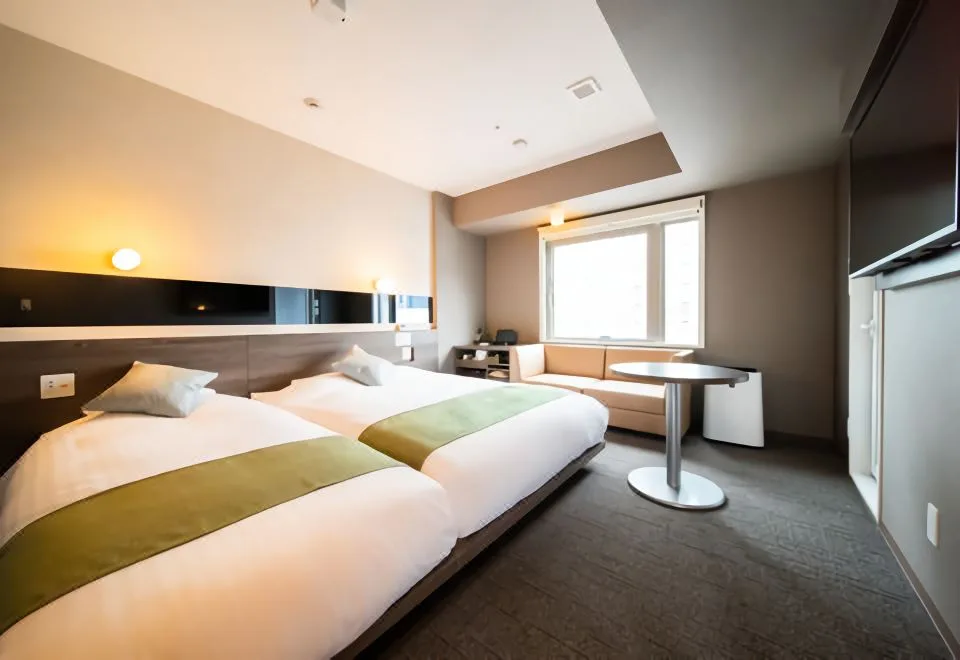
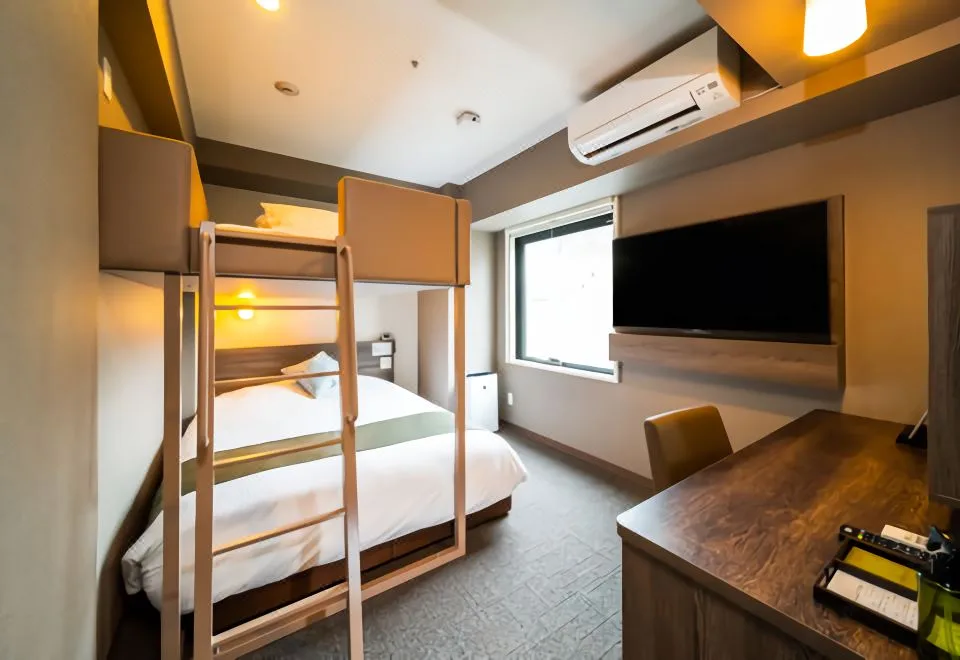
Room photos
Look at how the beds, desk and entryway sit next to each other, then picture where your bags will go. Furniture and bed layouts differ by room type, so judge by the exact room you booked. The twin room and the double room in the photos leave different amounts of open floor and walkway beside the bed, so compare them together when you choose.
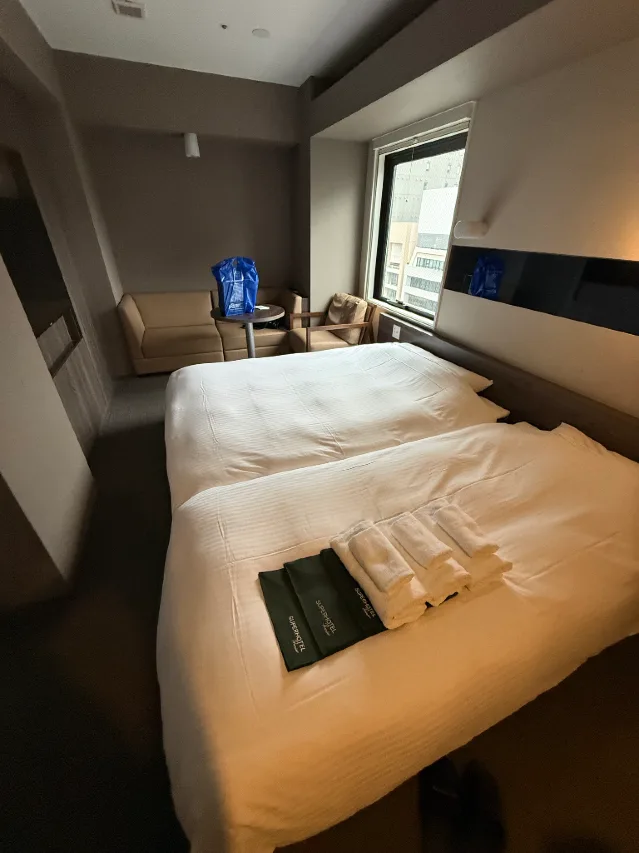
How to choose breakfast
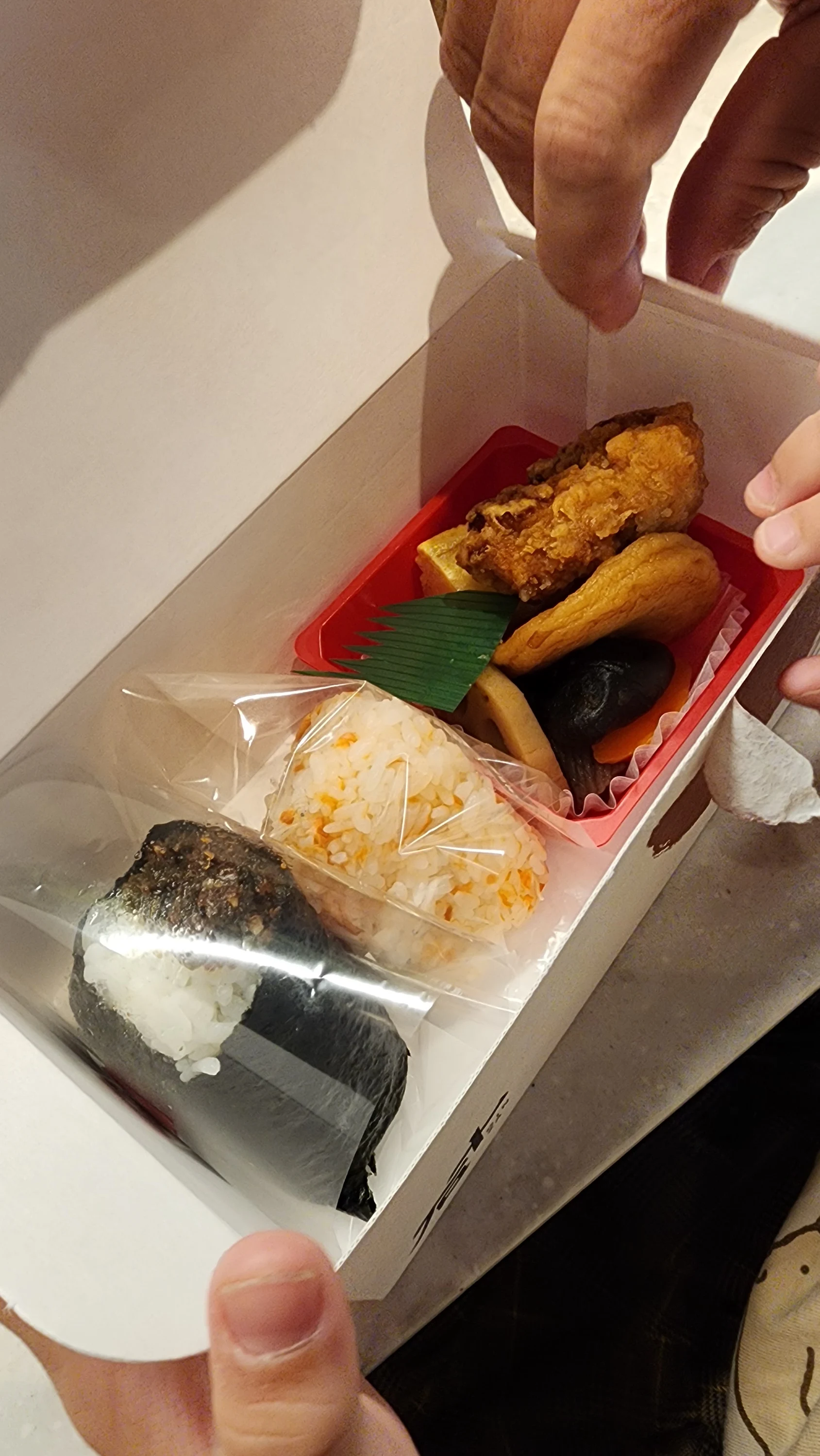
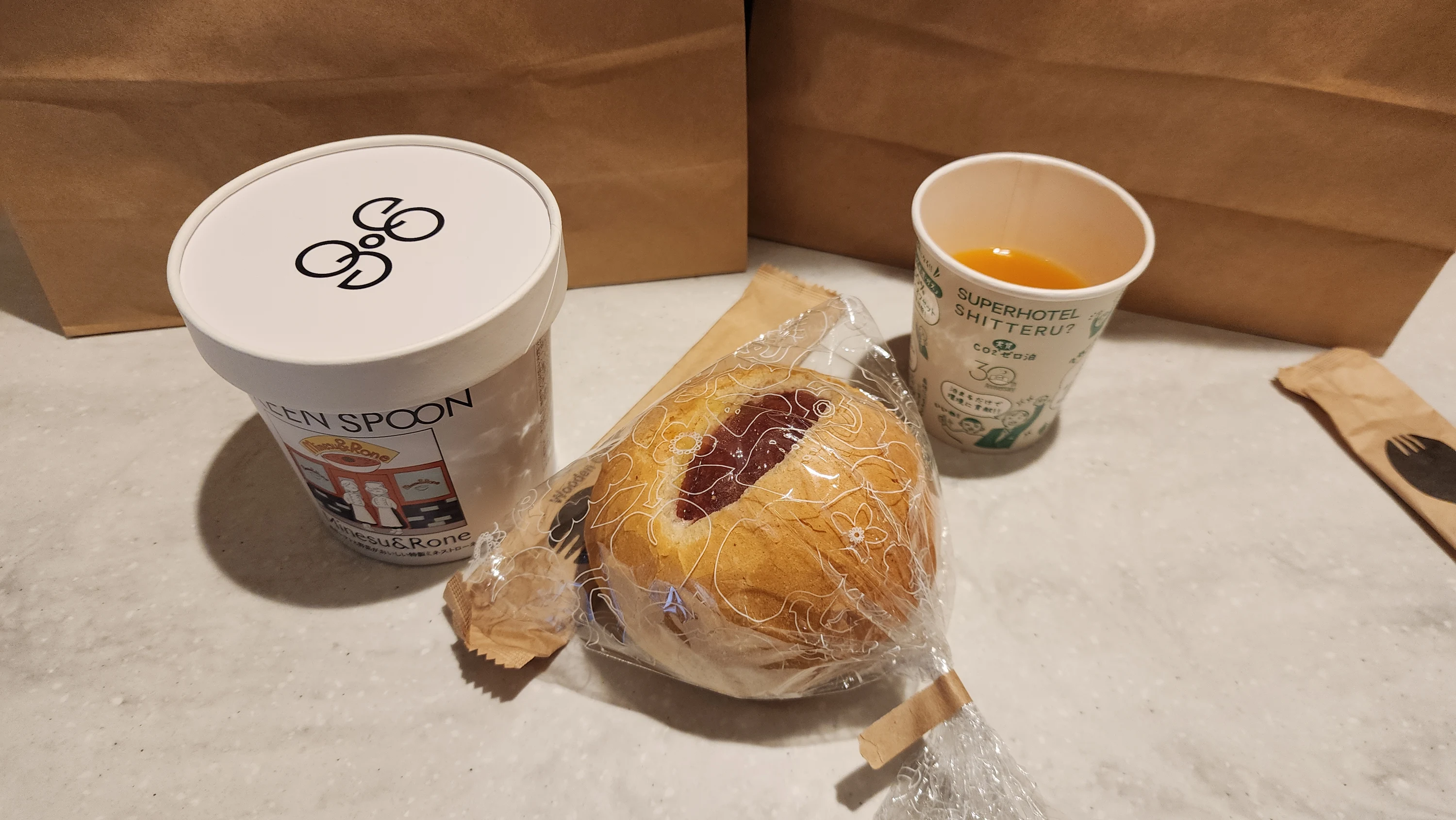
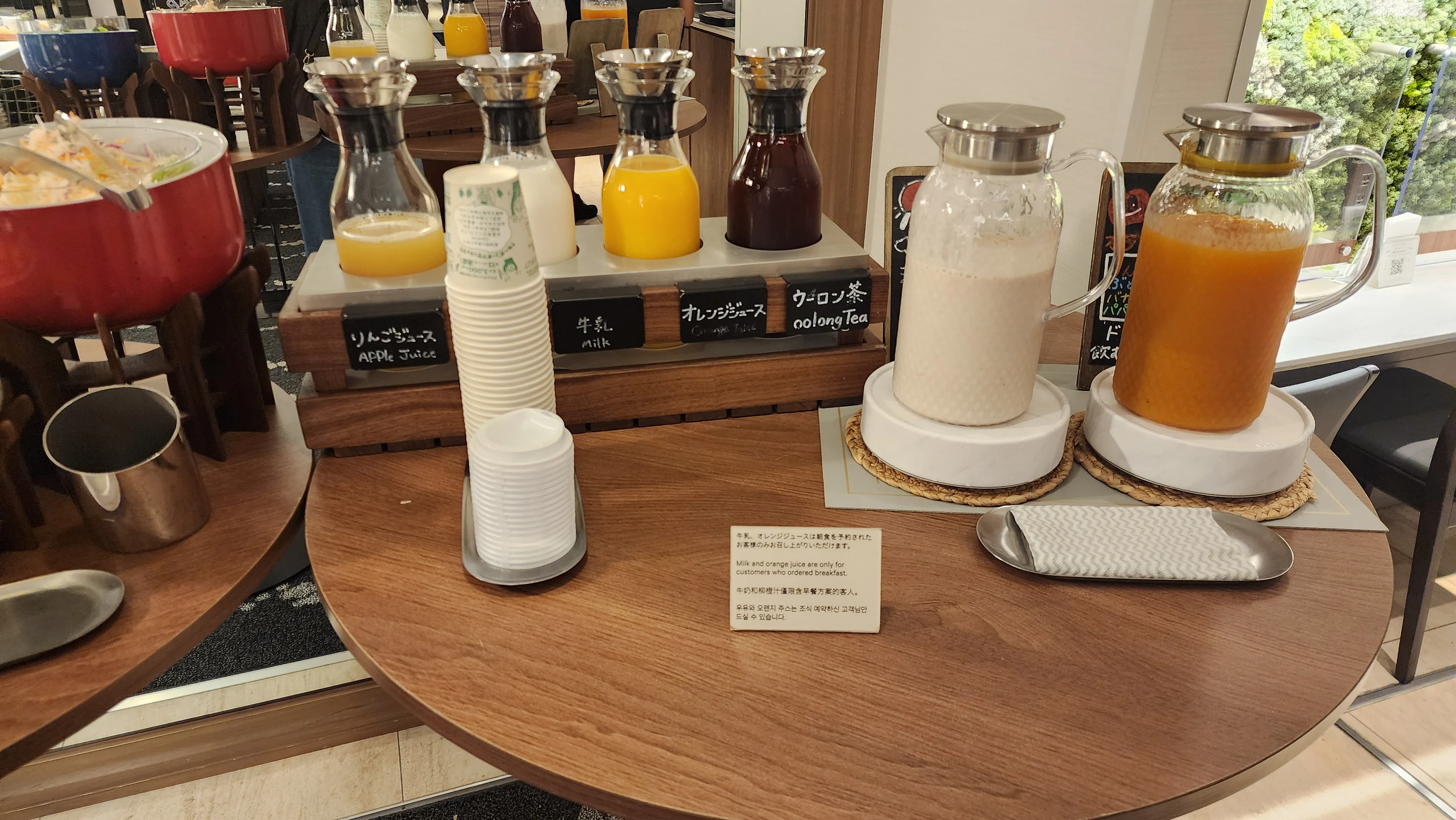
Breakfast costs extra at this branch: a set meal at 1,500 yen per adult, paid at the hotel. The official English page describes GREEN SPOON soups or smoothies, jam-filled bread from Ginza’s Tsuki to Hana bakery, salads and drinks. It is a light combination, not the free hot-food buffet you may know from other Super Hotel branches.
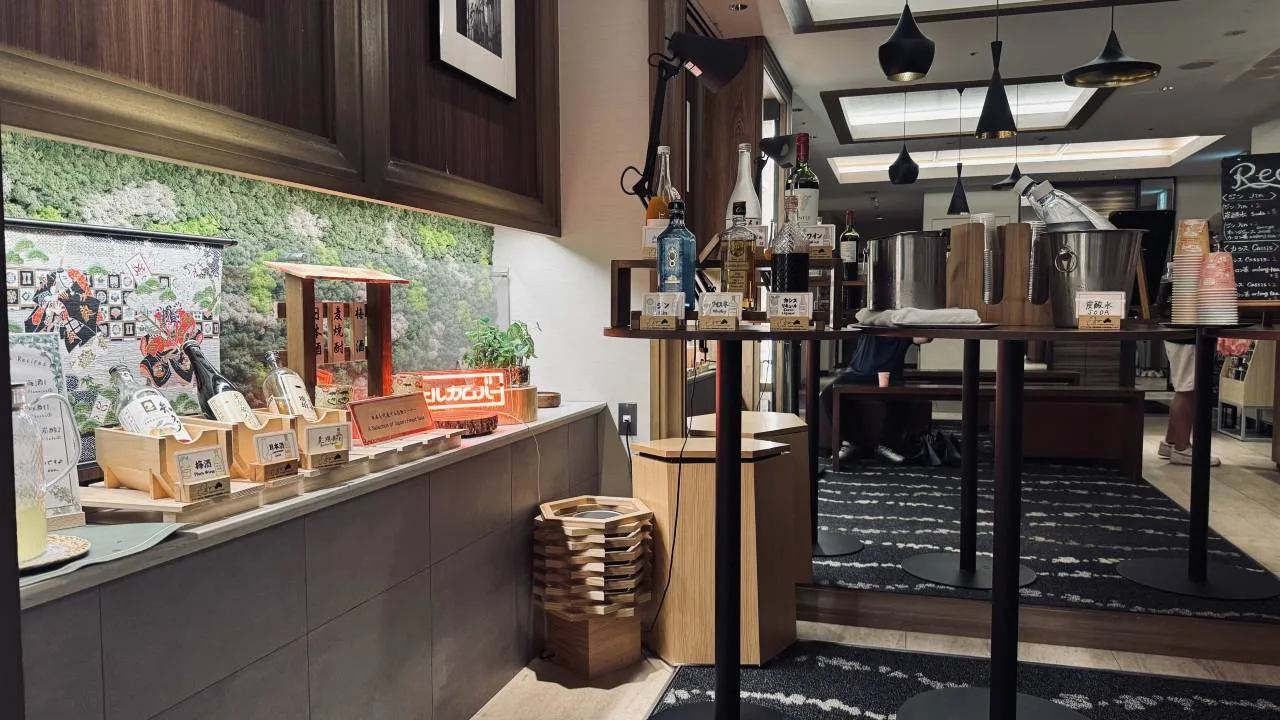
If you like a simple bite before heading out, compare the breakfast-included rate; if you want a full Japanese hot breakfast or a different restaurant each day, a room-only plan fits better. There is also a welcome bar, listed on the official guide as 5:00–9:00 p.m., good for a rest after coming back, with the day’s offerings as served.
Soup or a smoothie, jam bread, salad and a drink make a light, quick start. If that feels too little, treat breakfast here as a first course and walk 530 metres to the Tsukiji Outer Market for a second round in the morning; if you want to save time, finish here and walk straight to Higashi-ginza Station next door.
I treat the welcome bar, 5:00–9:00 p.m., as the full stop to the day back at the hotel: come back from shopping, sit in the bar for a while, then go upstairs, bathe and sleep. The offerings are as served on the day — decide what to drink when you get there.
Stations, luggage and map
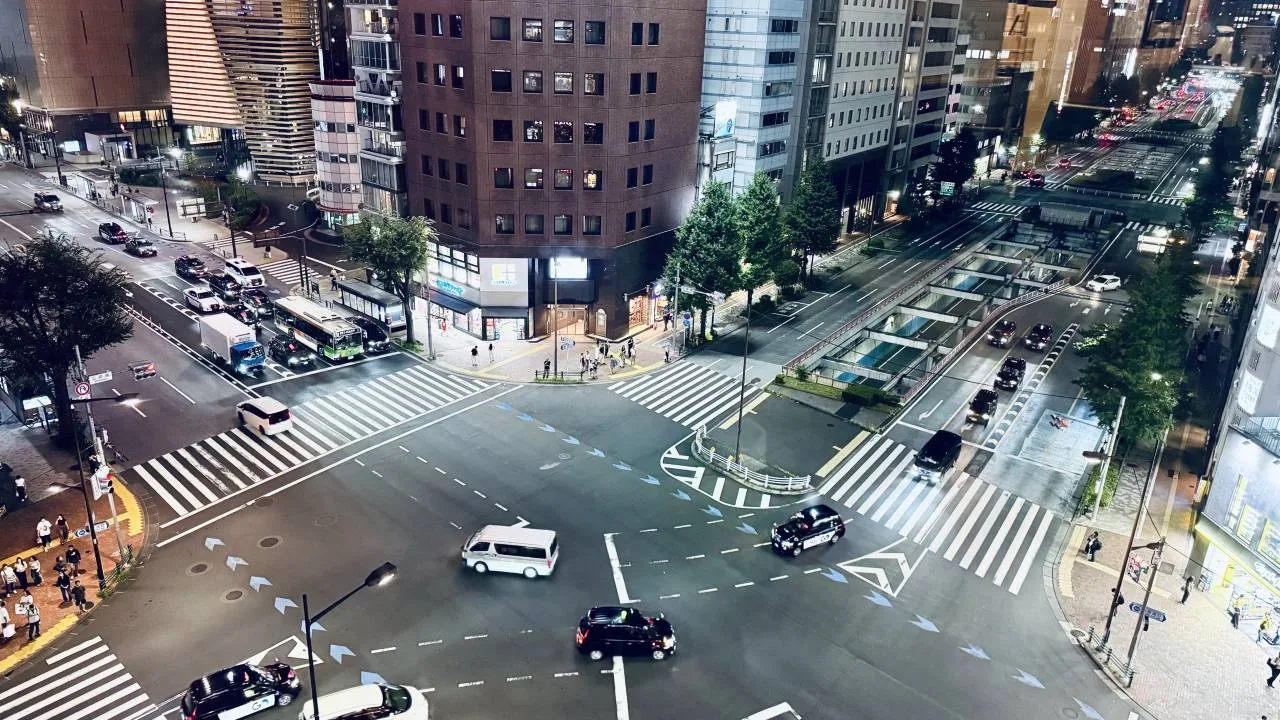
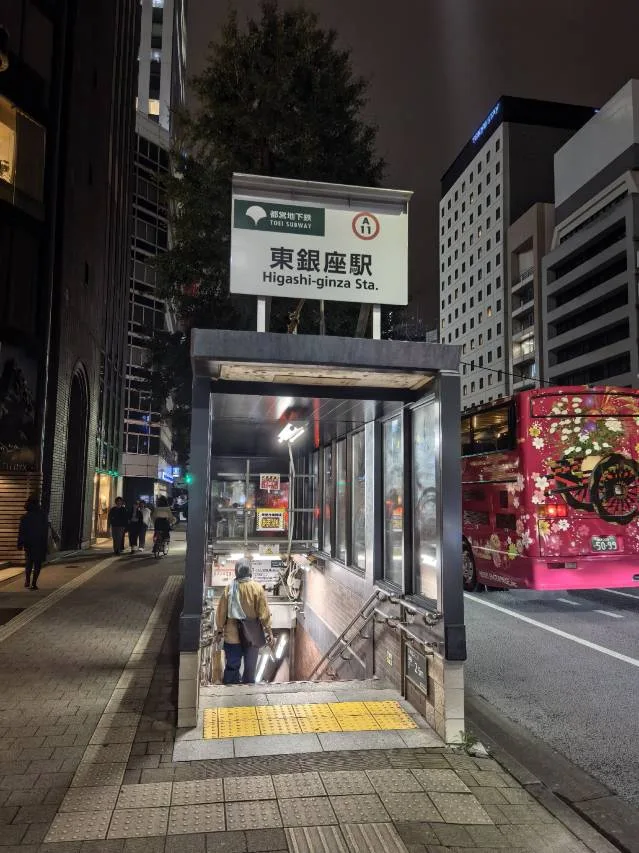
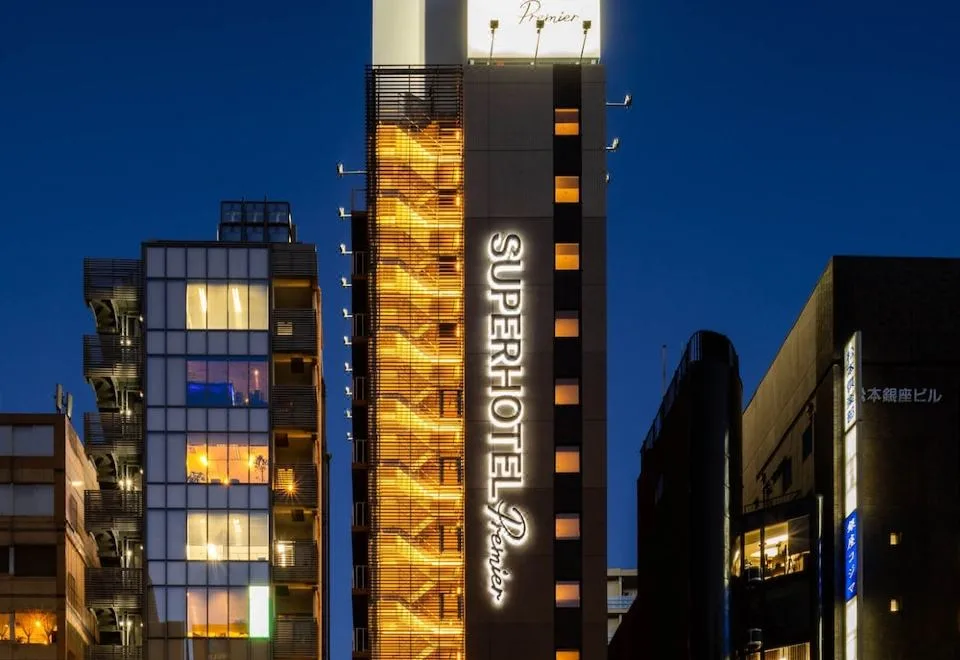
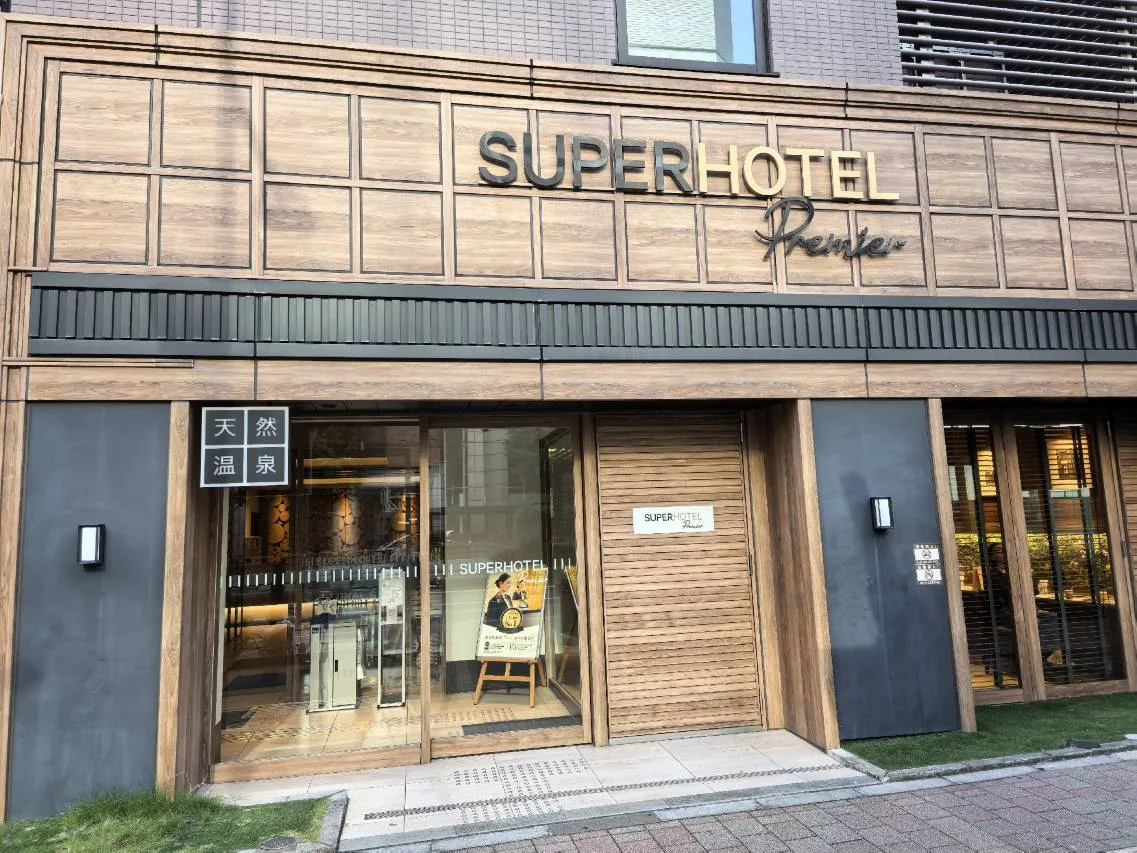
The hotel stands at 3-11-15 Ginza, under 100 metres from Higashi-ginza Station, so shopping and trains are both easy. Entrance photos help you recognize the building, and Ginza-itchome Station is 350 metres away as another route.
With luggage, take the elevator route, not the nearest staircase exit. On the Hibiya Line, ride the elevator inside the gates from the middle of the platform up to the central gate, then take the elevator toward Exit 3, which comes out beside Kabukiza; or use the Miharabashi-side gate and take the A1 elevator. Both are step-free routes listed in Tokyo Metro’s official barrier-free information. On the Toei Asakusa Line, use the Miharabashi-side gate and the elevator toward Exit A1, then walk along Harumi-dori toward Ginza 3-chome — the hotel is about a one-minute walk from Higashi-ginza Station.
From Haneda Airport, the Toei Asakusa Line runs through trains to Higashi-ginza Station with no change. Check the day’s timetable before you book so the last train is covered.
Beyond the Hibiya and Asakusa lines at Higashi-ginza, Ginza-itchome Station is another Hibiya Line stop 350 metres away, one more option toward Nihonbashi; the Tokyo International Forum is 860 metres away, so an exhibition or performance fits the same day.
Address: 3-11-15 Ginza, Chuo City, Tokyo 104-0061, Japan. Plan the route on Google Maps.
How to plan the neighborhood
Combine Higashi-ginza, Kabukiza Theater and Ginza Chuo-dori in one day. Set aside another morning for Tsukiji so you can alternate a simple breakfast at the hotel with something from outside.
Distances make planning simple: the Art Aquarium Museum Ginza is 320 metres away, Ginza-itchome Station 350 metres, the Tsukiji Outer Market 530 metres, the Tokyo International Forum 860 metres, Nihonbashi 1.1 kilometres, the Imperial Palace 1.6 kilometres and Tokyo Tower 3.1 kilometres. Walk Chuo-dori for shopping, or head toward the Forum for exhibitions.
On a Kabukiza performance day, staying in the same district is the easiest plan — walk back after the show, take a bath, and the day never feels rushed. The shops along Ginza Chuo-dori run one after another; when the bags get heavy I drop them in the room first and go back out, which is the whole advantage of staying close. Chuo-dori is crowded by day, so I go to Tsukiji in the morning and come back to Chuo-dori in the afternoon, when the crowds are easier to walk through.
Short visits and longer stays
One night is enough to try the hot spring; with several nights, bathing can become part of daily life. As the large bath is shared, check usage rules and any restrictions related to tattoos or special requirements. Allow time for the laundry as well rather than leaving it until bedtime.
I use the facilities this way on a longer stay: the laundry room, dryer and laundry service are all here, so a few nights need not mean a whole suitcase of clothes; public Wi-Fi is free, and a water purifier and humidifier come with the room; the massage room is there for evenings when you want to unwind; luggage storage is free, so an early arrival or late departure never means dragging bags around Ginza.
Check-in runs 3:00 p.m. to midnight and checkout is before 11:00 a.m., with the front desk staffed from 6:00 a.m. to 1:00 a.m. If you arrive after midnight, call the hotel at least a day ahead. Guests must be at least 18 to check in, and pets are not allowed. Drivers should note that parking uses a public lot near the hotel at 2,300 yen a day, and it must be reserved in advance.
The large bath is shared, so on busy evenings I avoid the hour just after dinner, bathe, and go straight to bed. The Okuyugawara water is brought in, and it feels different from an ordinary hotel bath — after a day walking Ginza, a soak before sleep is what keeps my legs fresh for the next morning.
I plan the luggage flow this way: on an early arrival I leave the bags at reception for free and walk Ginza empty-handed, and I do the same after checkout, picking the bags up in the evening. The car-hailing service is there when I need to reach a station or the airport — ask at the desk; late at night or with large bags it beats dragging luggage around looking for a car.
Exterior and public areas
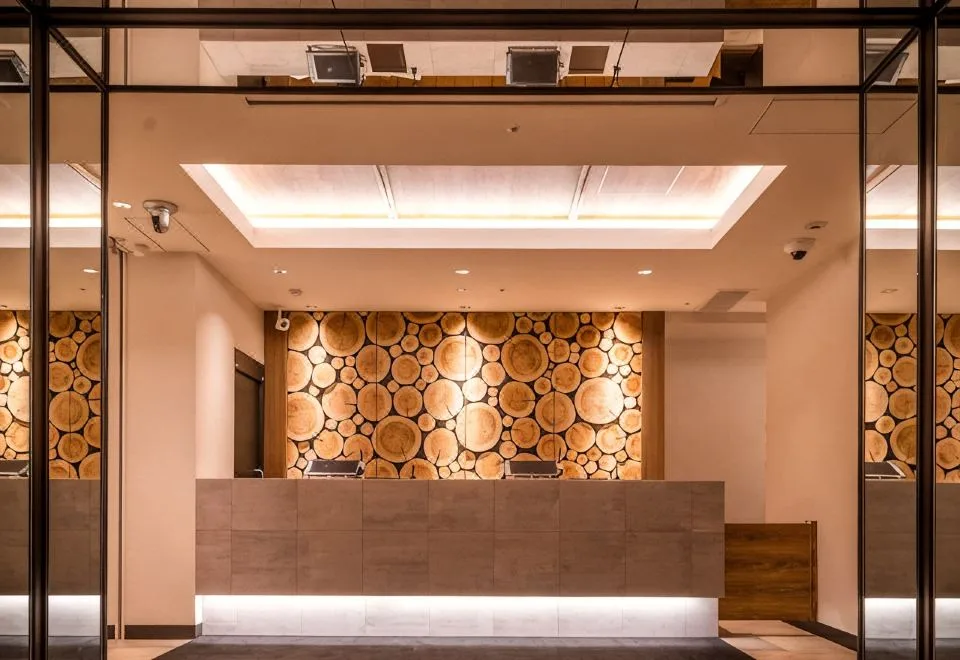
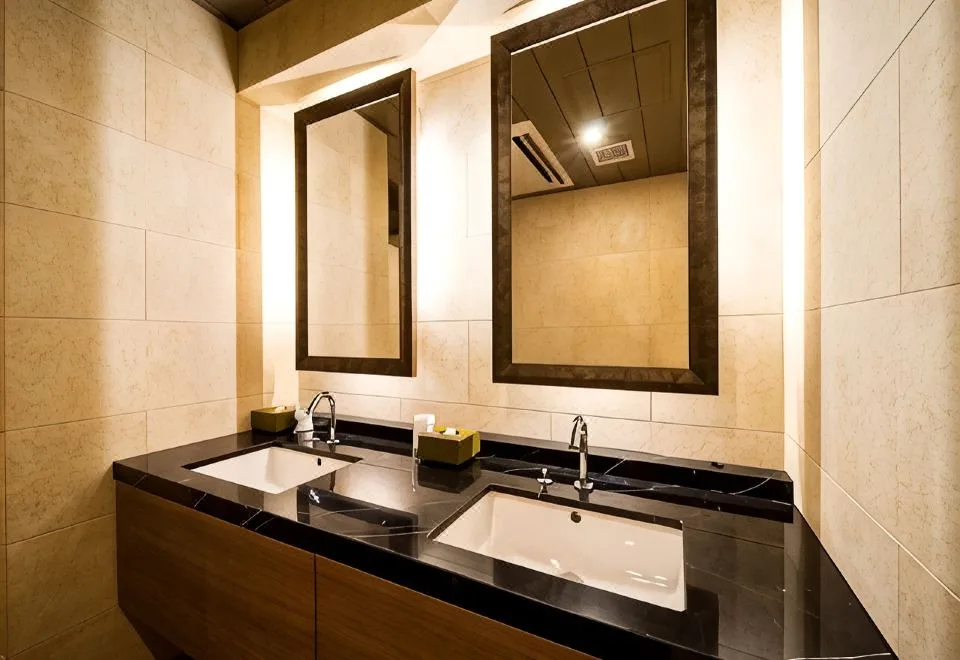
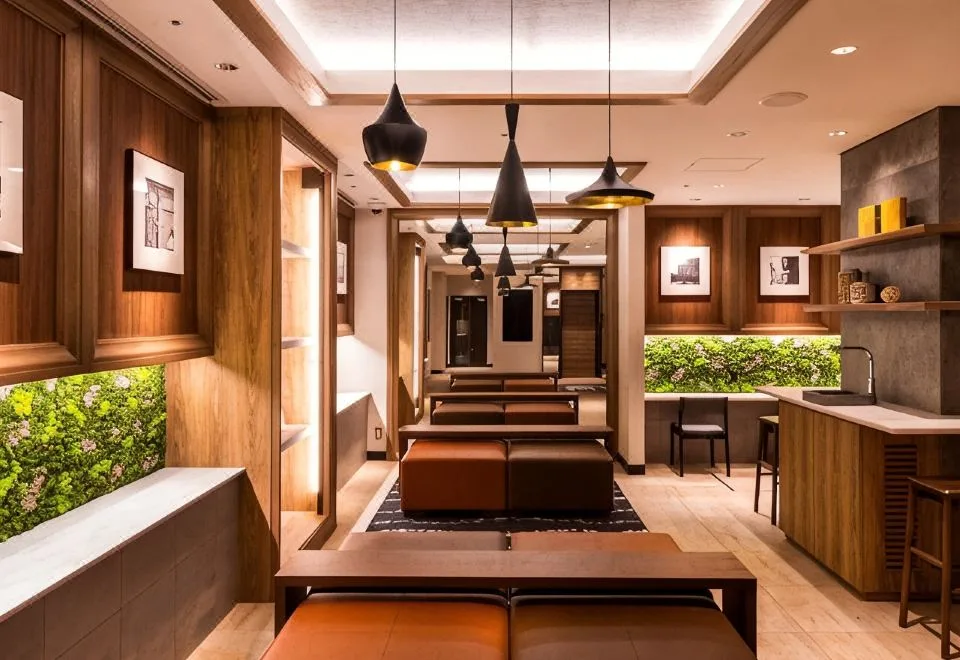
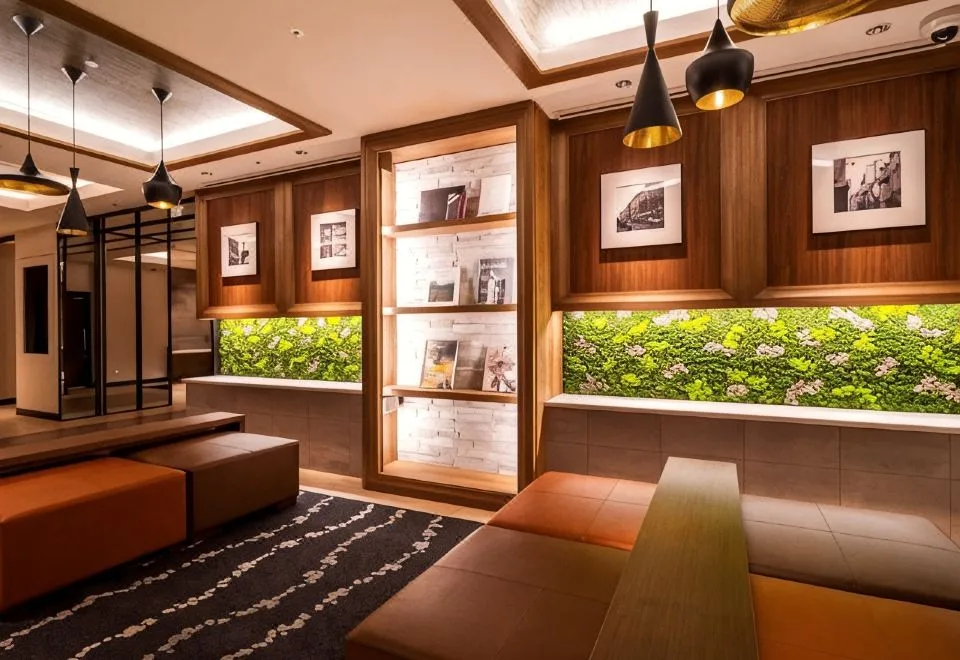
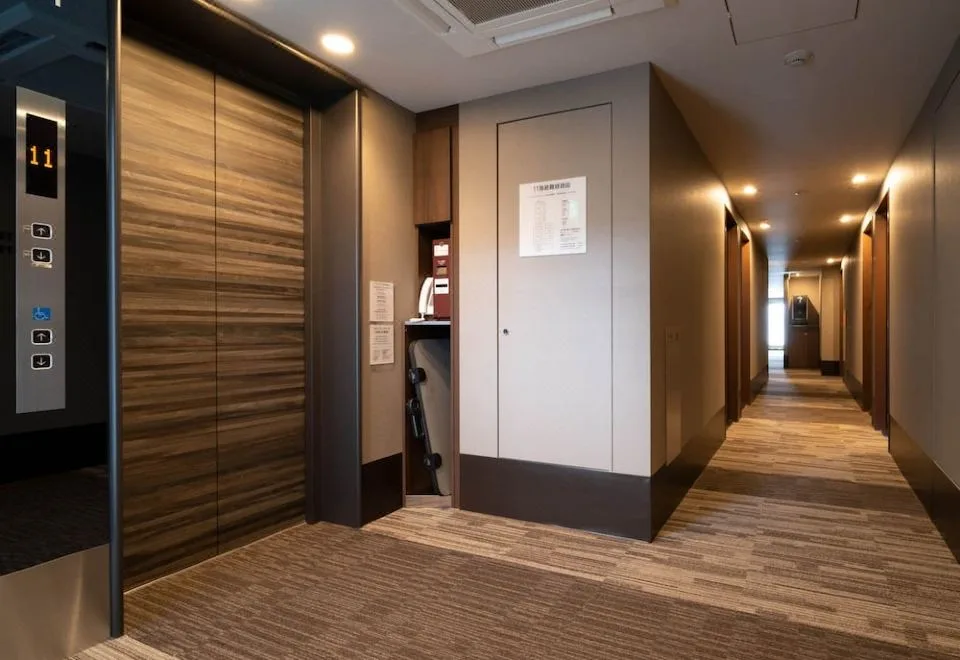
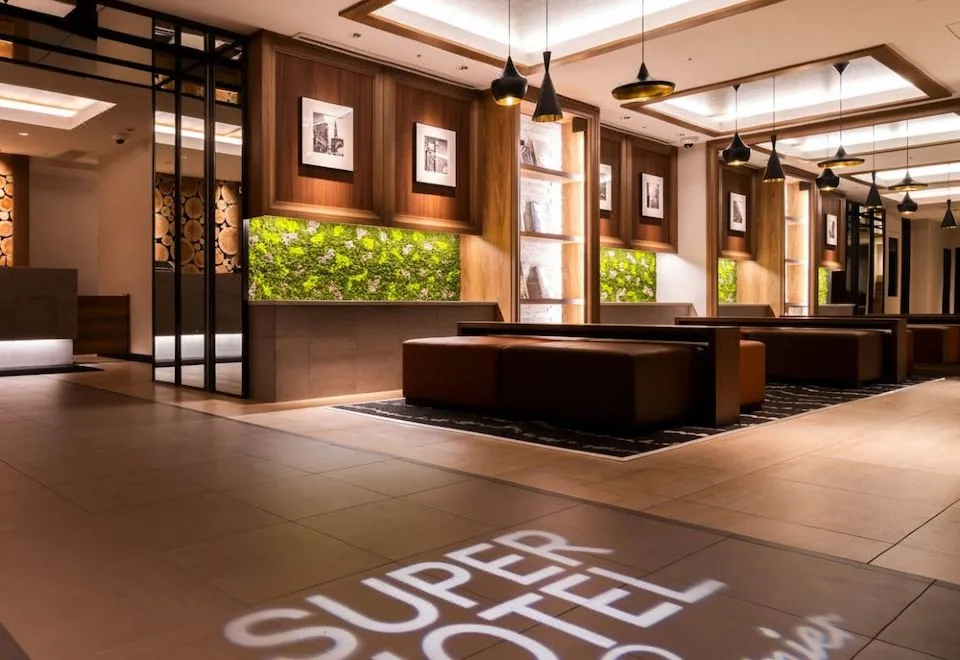
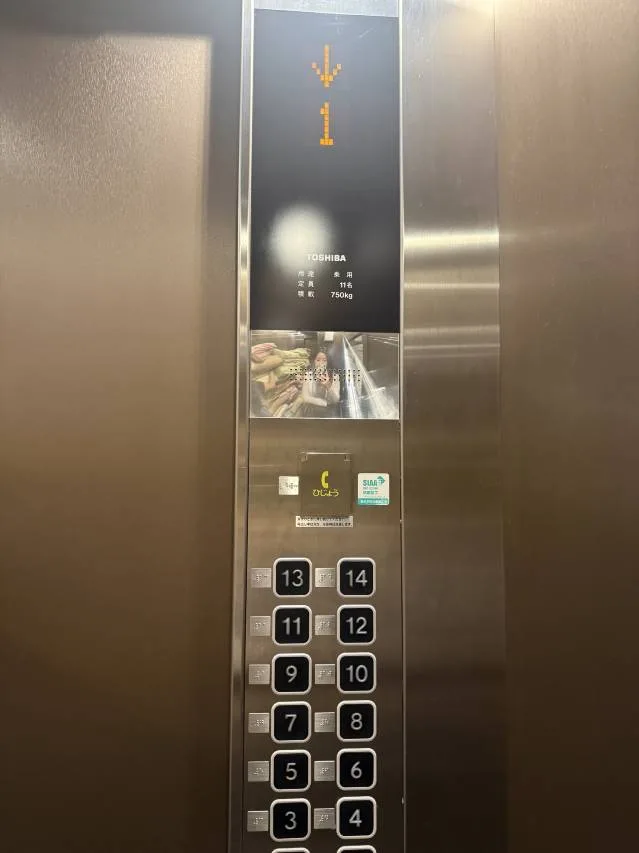
I start at the front desk and walk through the public spaces: the reception counter, shared washbasins, lobby seats and lounge sofa are compact but looked after. The elevator and corridor, the building at night, the lobby logo, the shared drinks station, the entrance, the elevator buttons and the amenities look in the photos the way they look in person. Accessible rooms, a front-desk safe and a courier service are also on the facilities list — ask at the desk when you need them.
The shared drinks station in the photos is where I stop for a glass of water and a short sit-down before going upstairs — a small routine at the end of each day back at the hotel. The amenities in the photos cover the basics; if anything is missing, ask at the front desk instead of packing a bag full of spares.
Public areas are non-smoking; the humidifier and water purifier come with the room, a small comfort in winter or dry weather. Accessible rooms are on the facilities list — ask when you book and the desk will confirm. The elevator reaches every floor, so heavy bags never need carrying up stairs; the lobby seats are useful when one of you arrives first — sit and wait instead of standing at the door.
Reasons to choose it, and compromises
Why it stands out
Few central Ginza stays combine a natural hot spring with this convenient a location, and the welcome drinks make coming back more relaxing. The friendly front desk is a reason I like staying here: shop by day, bathe at night, and the rhythm of the day is clear. After a day on foot, a soak before bed leaves me ready to keep going the next morning.
Things to consider
Small rooms and waiting when the public bath is busy are the practical trade-offs, and breakfast expectations can easily miss if you are thinking of another Super Hotel branch. On arrival I check the headboard and desk first, make sure the cleaning is fine, and only then open my luggage. Go in knowing these points and the stay will hold no surprises.
If this is your first stay in Ginza, your luggage is light and you want an evening soak, I suggest trying one night here; if your bags are heavy, two people are sharing and you plan long hours in the room, confirm the twin room and the luggage space before you book.
Pros and Cons Summary
Pros
- The large public bath uses natural hot-spring water from Okuyugawara — a rare combination of hot spring and location in central Ginza.
- Higashi-ginza Station is about a one-minute walk away, and Exits 3 and A1 both have elevators, so luggage is manageable.
- Breakfast is a light GREEN SPOON soup-or-smoothie set with Tsuki to Hana jam bread at 1,500 yen per adult — right for a quick start.
- The welcome bar runs 5:00–9:00 p.m., so evenings end with somewhere to sit.
- Luggage storage is free, public Wi-Fi is free, and the laundry room, dryer and laundry service cover longer stays.
- The front desk is staffed 6:00 a.m. to 1:00 a.m., so even a late arrival is met.
Cons
- Rooms run small — only one suitcase opens at a time, and the bed and desk take turns.
- The public bath can mean waiting at busy times.
- Breakfast is paid, not a free hot buffet, so branch-based expectations can miss.
- Parking uses a public lot near the hotel at 2,300 yen a day and must be reserved in advance.
- On arrival I check the headboard and desk myself before unpacking.
Information checked: November 22, 2026.