
TOKYO / CHUO
Sotetsu Fresa Inn Nihombashi Ningyocho
Sotetsu Fresa Inn Nihombashi-Ningyocho (Renewal in March 2026)
Ningyocho’s everyday convenience is ideal for light-packing solo travelers; two shoppers need to think about room space.
Sotetsu Fresa Inn Nihombashi Ningyocho makes it easy to arrange meals, convenience-store stops and subway travel around Ningyocho. Rather than treating it as a spacious holiday room, I would use it as a practical base for getting ready quickly every morning and sleeping comfortably after a day out.
I chose this hotel for a practical reason: eating, stocking up and catching the subway around Ningyocho are all within walking distance, so days start without a transport puzzle and evenings end with somewhere still open to eat. It suits a light-packing solo trip best; two people with heavy shopping need to settle where the luggage goes before anything else.
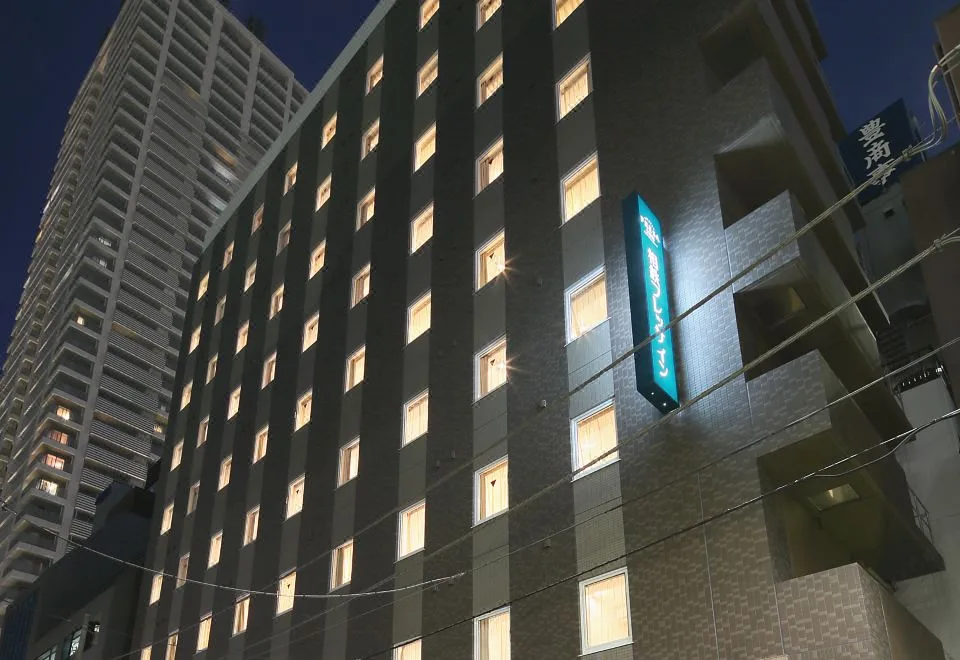
The hotel was renewed in March 2026, at 1-15-4 Nihonbashi Kakigaracho in the Tokyo Station and Nihonbashi area. Room names and layouts follow the renewed layout, so when I choose a room I go by the room name, bed count and occupancy on the current booking page, not an older room list.
| Compare this first | How to choose |
|---|---|
| Suitable trip | Solo travelers, business trips or two light-packing guests who spend time exploring Tokyo. If returning with lots of shopping every day, consider a larger room before focusing on nightly rates. |
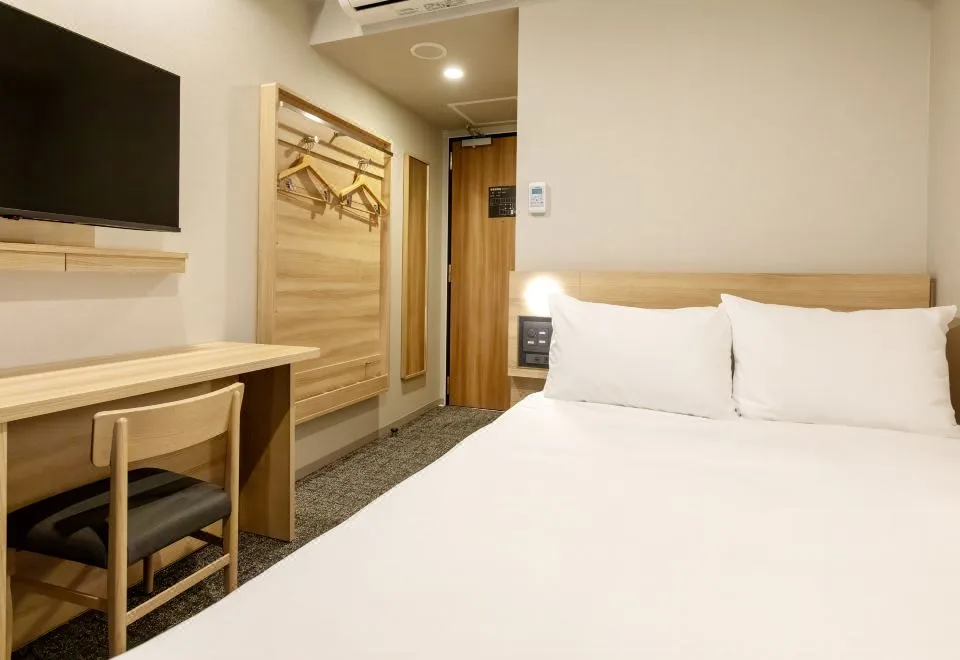
| Room size | Earlier official room materials show singles and semidoubles of 11.3–12.1 m² with 120 cm beds, doubles of 11.8 m² with 140 cm beds, a 16.7 m² Comfort Double and 19.3 m² twins with two 120 cm beds. |
| Trade-off | Windows, distance to neighboring buildings and floor area can affect comfort. |
Choose the room carefully for luggage
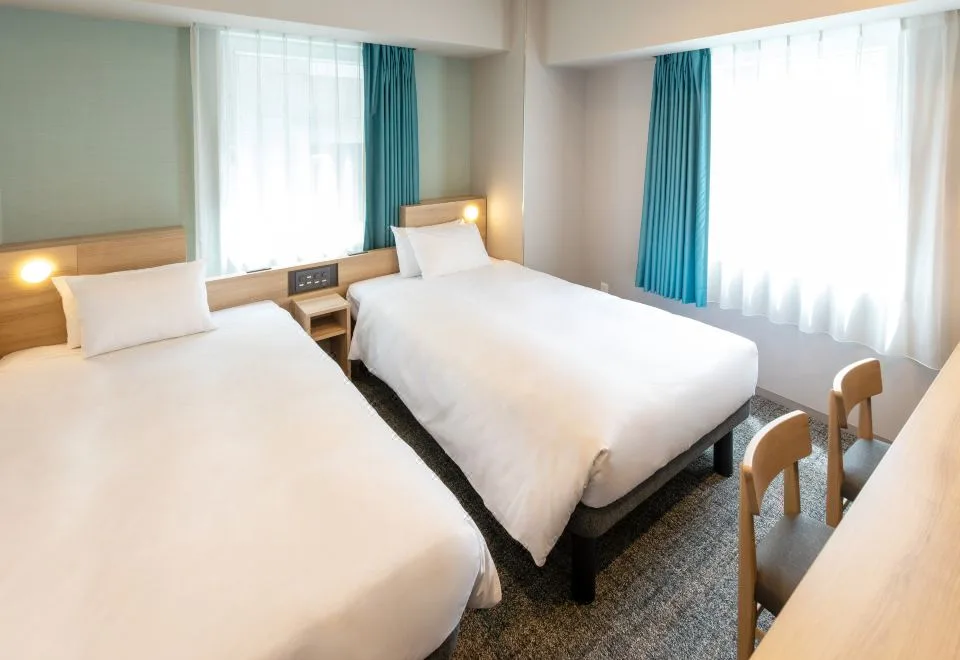
Earlier official descriptions list singles and semidoubles at 11.3–12.1 m² with a 120 cm bed, doubles at 11.8 m² with a 140 cm bed, Comfort Doubles at 16.7 m² and twins at 19.3 m² with two 120 cm beds. The Comfort Double’s main advantage is extra floor area, not a wider bed. With two suitcases, I would compare 16.7 m² and 19.3 m² first. As the hotel has undergone renewal, the renewed room list is the one that counts.
| Room type | Area / arrangement | How to choose |
|---|---|---|
| Double | 11.8 m² / 140 cm bed | For two people with light luggage. |
| Comfort Double | 16.7 m² / 140 cm bed | For more usable floor space. |
| Twin | 19.3 m² / two 120 cm beds | For separate beds, checking the renewed category. |
See the hotel room descriptions and compare the actual room name, beds and occupancy on your reservation.
Travelling alone, I go straight for a single or semidouble: 11.3–12.1 m² with a 120 cm bed leaves room for one cabin case and a backpack, and it costs the least. Two people sharing an 11.8 m² double with a 140 cm bed will be taking turns opening cases, so I compare the 16.7 m² Comfort Double with the 19.3 m² twin instead — the Comfort Double buys floor space, the twin buys each person their own bedside. No room type takes an extra bed, so families should ask about a crib before arrival rather than sorting occupancy at the desk.
Bed widths are worth checking too: singles, semidoubles and twins all use 120 cm beds, while doubles and Comfort Doubles use 140 cm beds. If you each want your own blanket or your own bed, the 19.3 m² twin is the straightforward pick.
For a business trip alone, I look at the single room first: from 11.3 m² there is just enough space for one cabin case, a 120 cm bed is plenty for one person, and packing up in the morning means no walking around luggage. An 11.8 m² double with a 140 cm bed works for two light packers for two or three nights, but once shopping piles up, cases take turns opening and the floor runs out fast. Two friends or family members sharing should take the 19.3 m² twin — two 120 cm beds, one each side, so different sleep schedules do not disturb each other.
I remember room sizes like this: 11.3–12.1 m² is right for one person, 11.8 m² is enough for two light packers, two people with big cases need 16.7 m² or more, and separate beds mean the 19.3 m² twin. Bigger is not always better — decide how much luggage you have and how you sleep, and the room picks itself.
Getting here with suitcases
With cases in tow, I match the station and the exit first, not the line name: the Hibiya and Asakusa lines bring you to Ningyocho, the Hanzomon line to Suitengumae, and both stations are a few minutes away, so there is no need to add a transfer to shave a minute off the map.
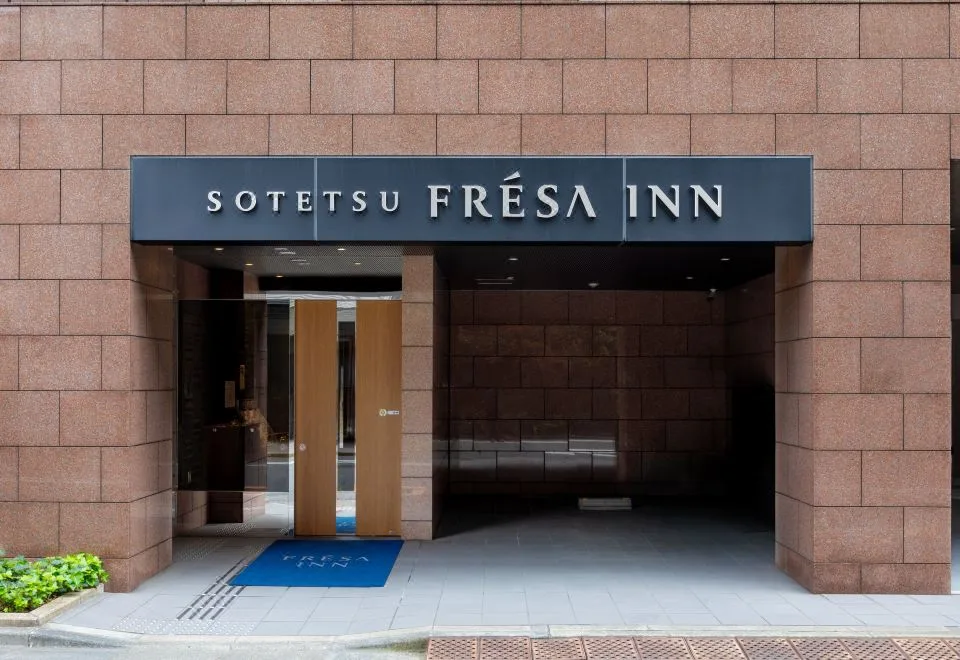
With large luggage, a wheelchair, or a stroller, take an elevator exit: at Ningyocho use the intersection-side ticket gate, where exits A3 and A6 both have elevators; at Suitengumae use the City Air Terminal-side gate and take the elevator to Exit 4. Exit A6, on the Toei Asakusa Line side, has its own street-level elevator — come out at street level, turn left and walk straight past Tamahide, cross the street, turn right at the sandwich shop crossing, and the hotel is on your left. From Suitengumae Exit 4 it is about 230 m, four minutes, to the hotel. Without heavy luggage, Ningyocho Exit A2 is four minutes, Suitengumae Exit 8 is three minutes, and Kayabacho Exit 7 is eight minutes, as listed in the hotel access guide.
Train times are worth fixing in advance too: Tokyo Station is about 11 minutes away, Shinjuku about 20, Shimbashi about 6, Ueno about 10, Asakusa about 10, and Shinagawa about 25, so the hotel works as a base for meetings and transfers around Tokyo Station. Airport buses run from the Suitengumae area, about 25 minutes to Haneda and 65 to Narita — check the timetable before the travel day.
Besides Ningyocho and Suitengumae, I keep two more stations in mind: Kayabacho Station on the Tozai Line, about eight minutes from Exit 7, and Hamacho Station, about 840 m away. JR Shin-Nihombashi is about 1.0 km, handy for transfers toward Tokyo Station. All of them are walkable, so over a few nights I pick the departure station by where I am going that day instead of using the same exit every morning.
| Stay details | Information |
|---|---|
| Address | 1-15-4 Nihonbashi Kakigaracho, Chuo City, Tokyo 103-0014, Japan. |
| Check-in / checkout | From 3 p.m. / before 11 a.m. |
| Typical walk | About 230 m or four minutes from Suitengumae Station. |
Breakfast: decide based on departure time
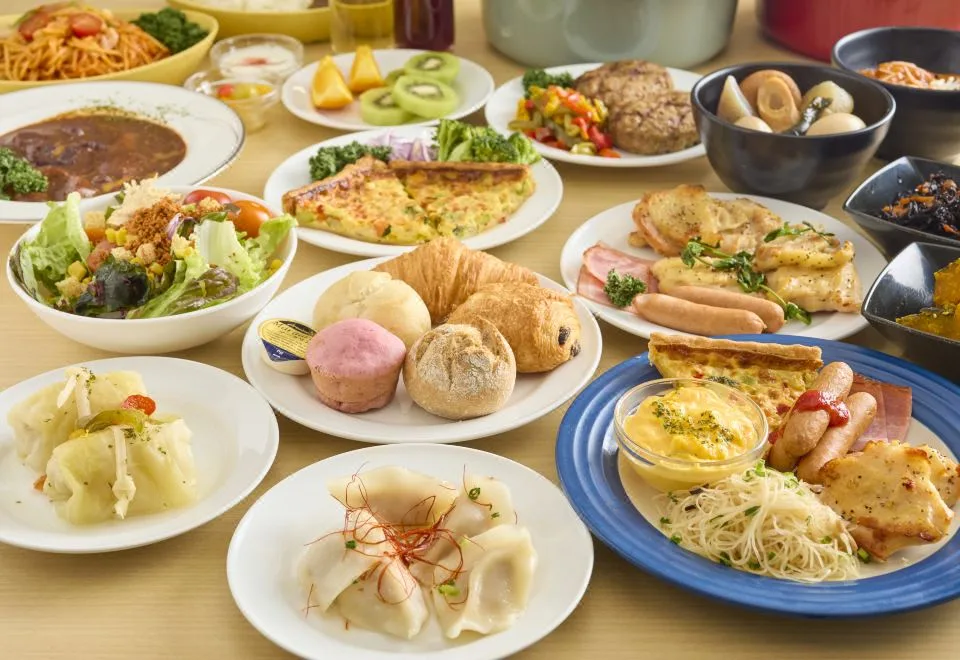
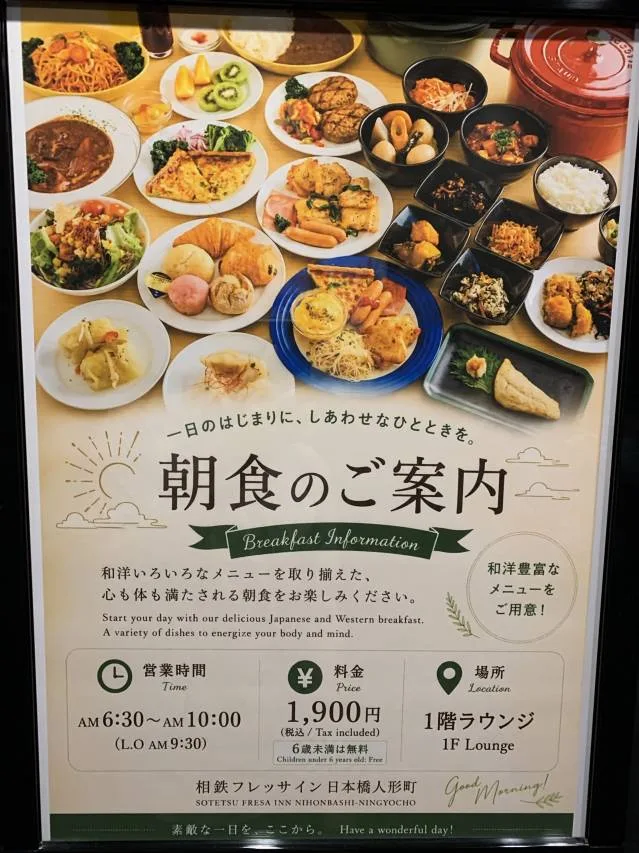
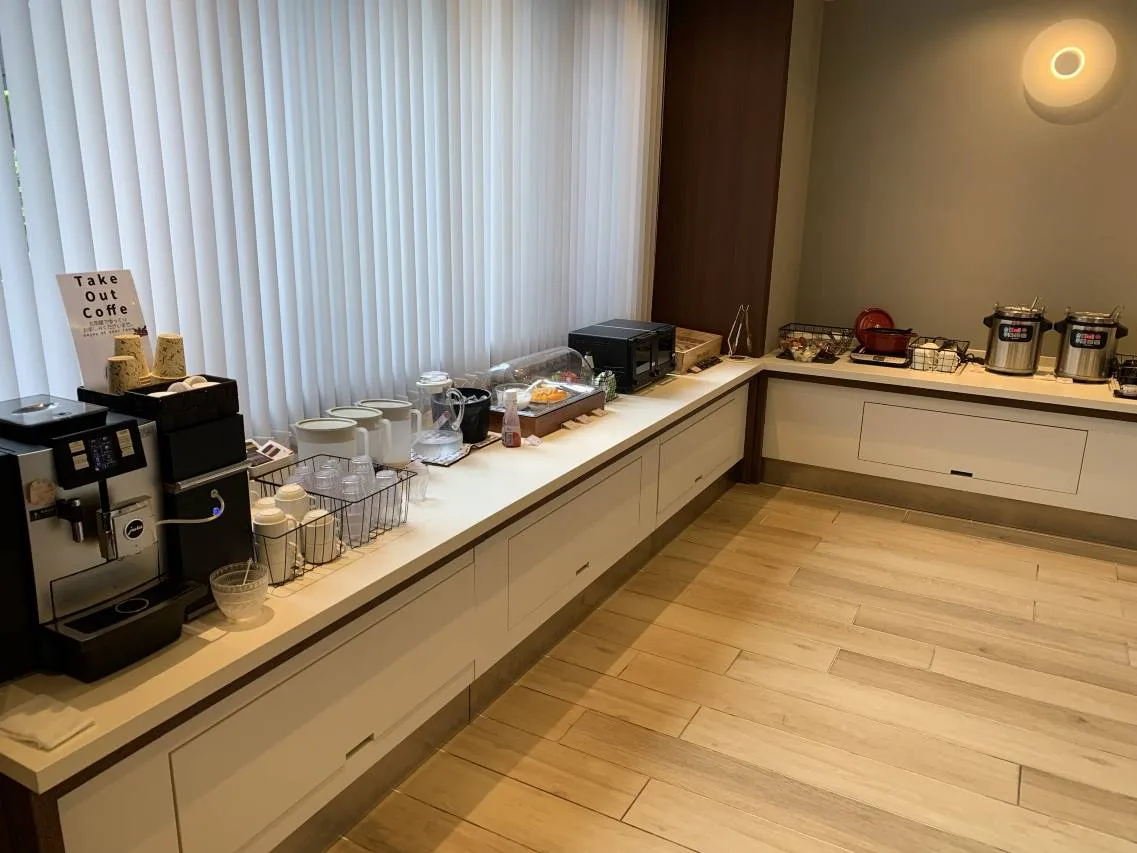
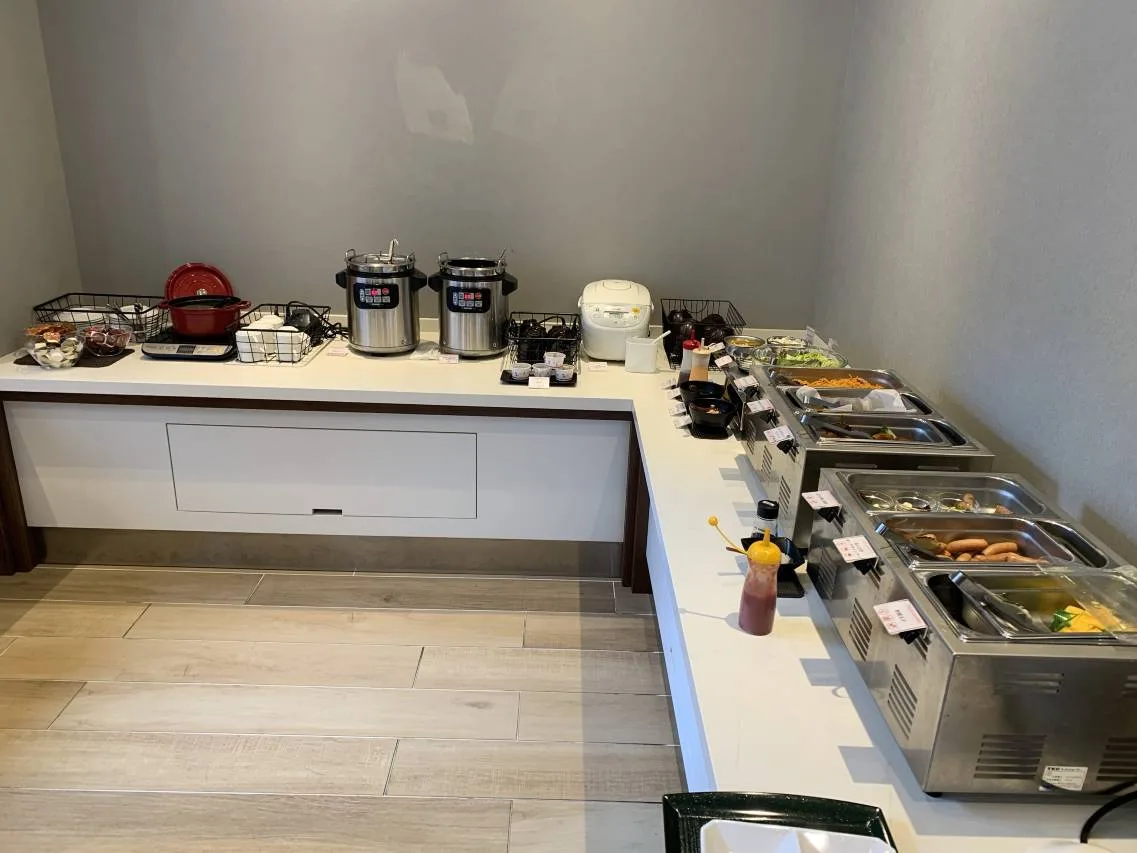
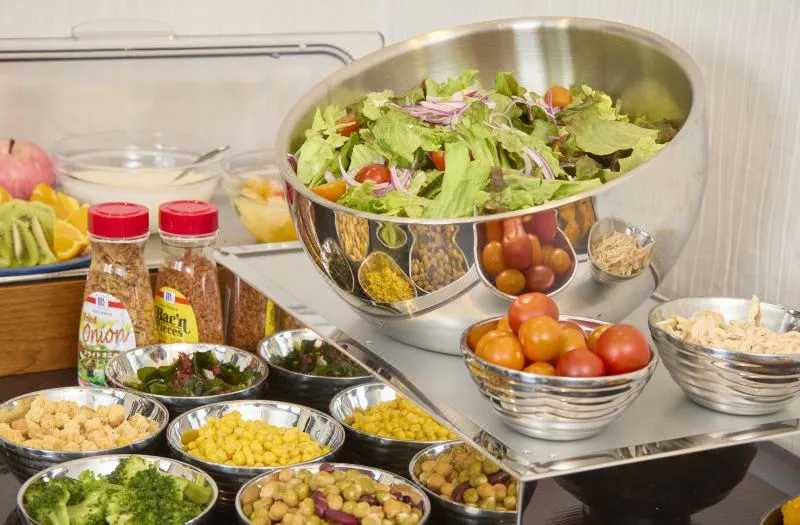
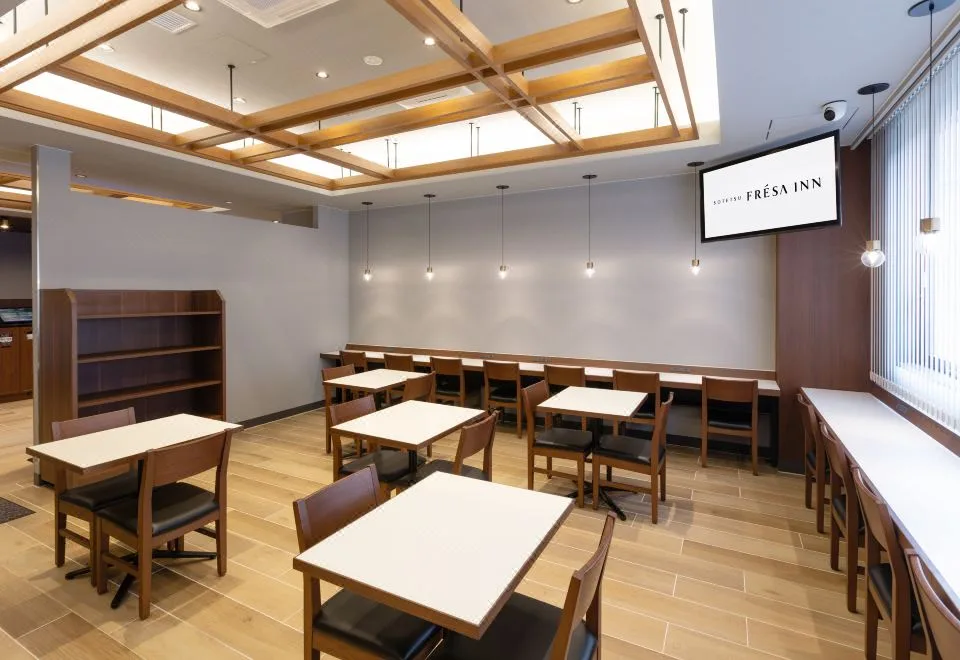
Breakfast is a buffet from 6:30 to 10:00, with Japanese, Western and Chinese dishes, at 1,900 yen per person for adults and for children aged 17 and under. I found the range modest rather than wide, changing a little day to day. I include breakfast on mornings with a fixed departure, and leave a day or two to eat in Ningyocho during a longer stay.
Whether 1,900 yen is worth it depends on what time you leave: down at 6:30 when service starts, you get the full buffet at its best; a slow start around 9:00 still leaves time, but service ends at 10:00.
If breakfast is not on your booking, you can ask the hotel at the front desk about adding it and pay on the spot. Families do not need a separate child price. I try it on the first morning — if I like it I add the rest of the stay, and if not I eat on the street instead.
Facilities and house rules
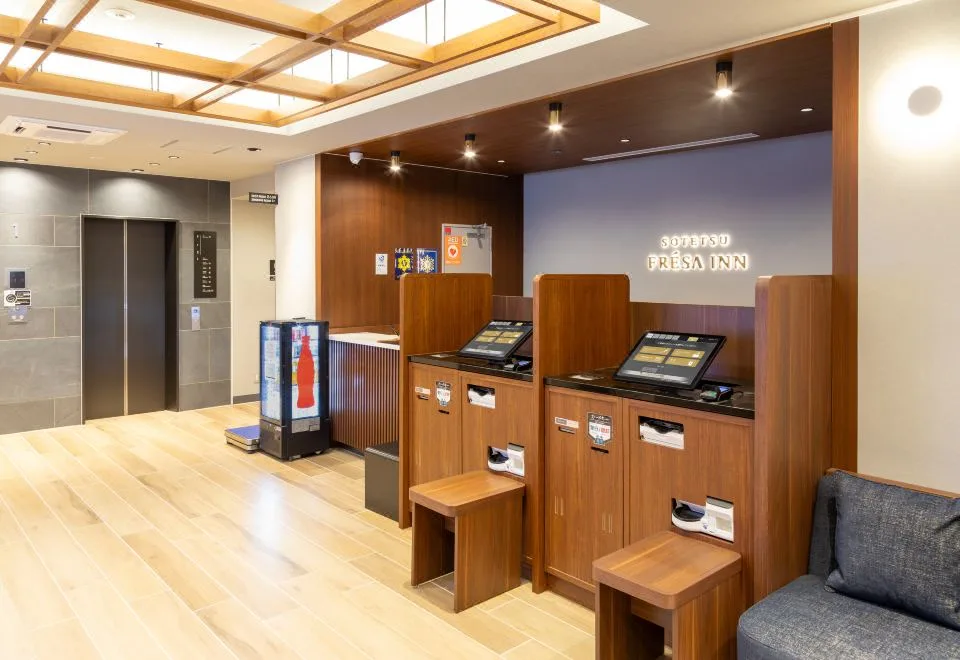
Check-in is from 3 p.m., checkout by 11 a.m., and the front desk runs 24 hours, so a late arrival is no problem. Luggage storage is free and Wi-Fi in public areas is free — after checkout I leave bags at the desk and walk Ningyocho before collecting them. The hotel has a laundry room and a dryer, plus a laundry delivery service, so a multi-night stay does not mean carrying dirty clothes home; the desk also handles taxi bookings, currency exchange and wake-up calls, in Chinese, English and Japanese.
A few house rules are worth knowing before you book: the building has an elevator, a fresh-air system and a humidifier, vending machines sit in the public areas, and the floors are non-smoking throughout. Children of all ages are welcome, but no room type takes an extra bed, so ask the hotel about a crib first; guests must be at least 18 to check in, and pets are not allowed. Safety fittings are covered too, with fire alarms, smoke detectors, fire extinguishers, a door-entry system, security staff and CCTV in public areas; the desk can also arrange courier service and fax or photocopying, with fax and photocopying charged, and the laundry service is charged as well.
Drivers should sort out parking first: the hotel has no parking of its own, so use a nearby car park. The Hakozaki exit of the Shuto Expressway inner loop is about three minutes by car, Tokyo Station about 10 minutes, Haneda Airport about 25 minutes, Narita about 65 minutes, Tokyo Disney Resort about 30 minutes, and Tokyo Skytree about 17 minutes. Driving around central Tokyo from here is easy, but parking fees are separate since there is no hotel car park.
One more question for families with primary-school children: the hotel serves them an adult meal with limited choices and a Japanese-style mattress, and children may still cost extra even without an extra bed — add children to the booking to get an accurate price. Guests aged 12 and over count as adults; children aged 3 to 5 and babies aged 0 to 2 get neither a meal nor a Japanese-style mattress, so record the ages of the children on the booking to keep the price right.
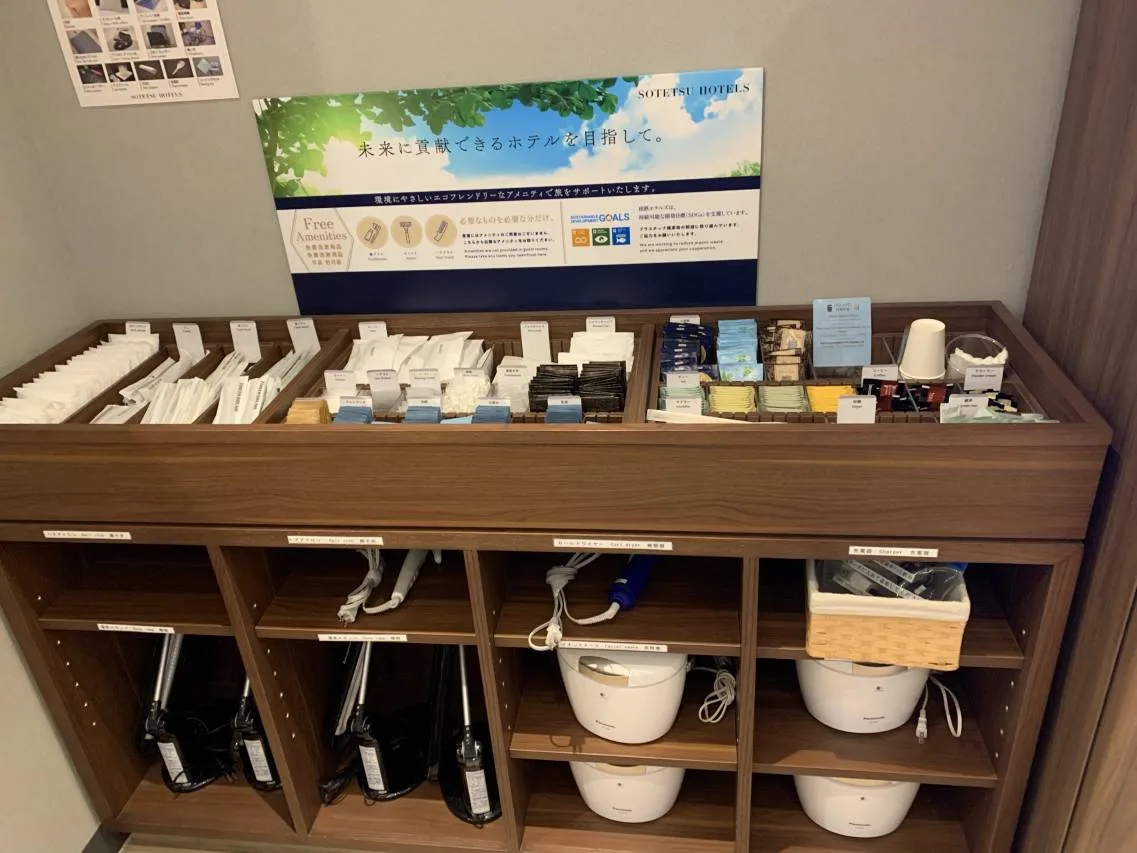
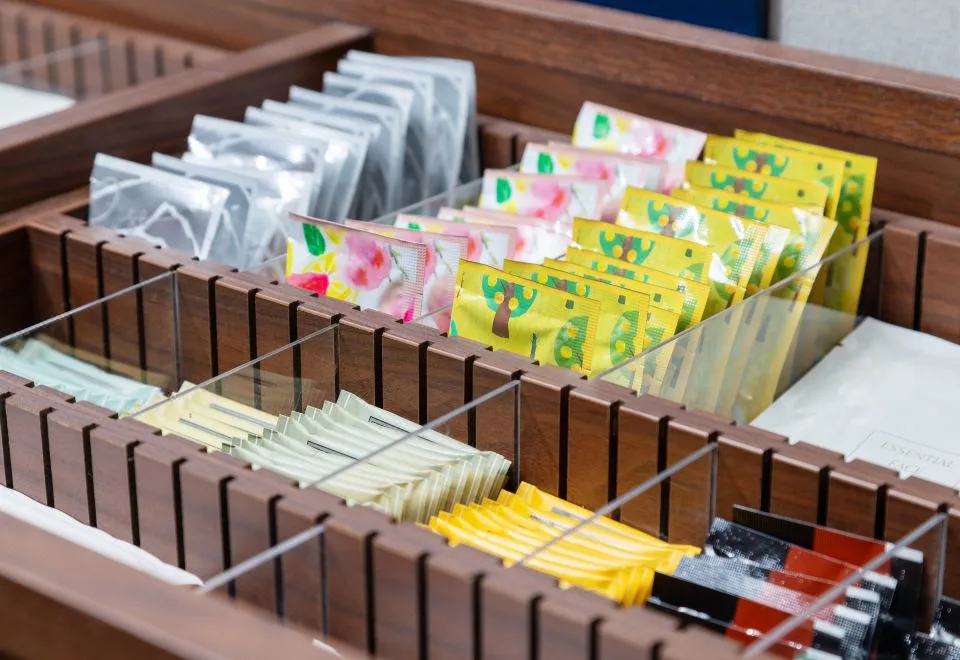
I ask about amenities on day one too: the lobby has a self-service amenities station with baskets, so I pick up everything I need in one trip instead of going downstairs again at night.
One night or several nights?
A short stay is simple: walk Ningyocho, Nihonbashi and Ginza with light luggage, come back, shower and sleep — a smaller room hardly matters. For a longer stay, I ask on day one how the cleaning sign, towels and amenities work, so evenings are not spent chasing small things. A mid-stay wash in the laundry room means packing one fewer change of clothes.
For an early flight or first train, wake-up calls and taxi bookings are both available at the front desk. Checkout is by 11:00 a.m., and after checkout bags stay free at the desk — walk Ningyocho and collect them on the way back instead of dragging luggage around.
For three nights or more, I leave the middle day for laundry and restocking: clothes go in for a wash after breakfast, I pick up whatever I need for the rest of the stay around Ningyocho, and by evening the washing is dry and the case stays tidy.
Compromises to check before booking
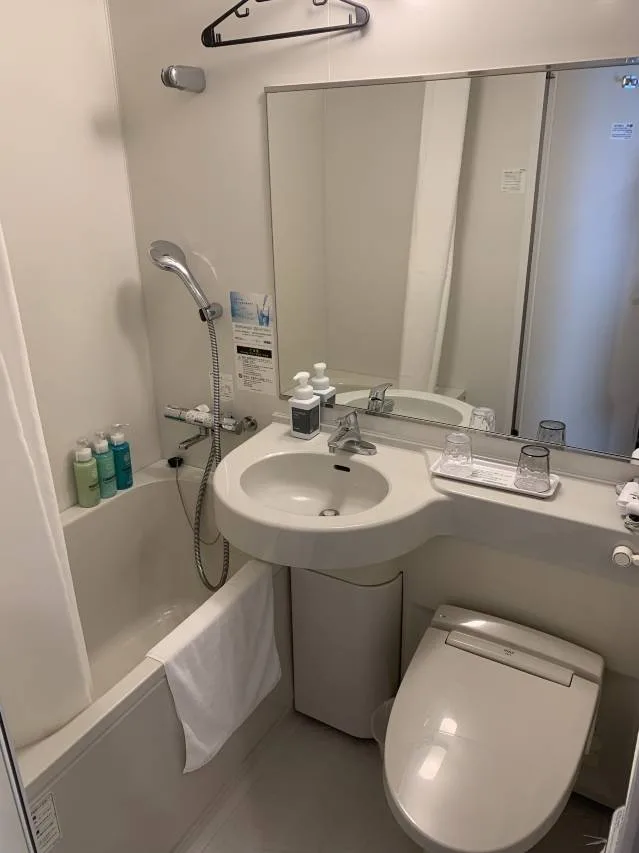
I am sensitive to smells, and a March 2026 renewal does not mean every room is completely odor-free — if that matters to you, ask the hotel first. Window size and distance to neighbouring buildings vary by room, so I weigh those together with room size rather than judging by floor area alone.
Use the neighborhood to reduce backtracking
During a Nihonbashi stay, reserve one day for Ningyocho (Chinese guide) or small Nihonbashi museums (Chinese guide) and treat the nearby streets as part of your itinerary.
Staying here, I build Ningyocho into the plan: Koami Shrine is 240 m away, Nihonbashi 370 m, and Ginza about 1.0 km. The Tokyo Lights festival site is about 790 m — worth an evening walk in season. JR Shin-Nihombashi is about 1.0 km, Hamacho 840 m, Akihabara about 2.5 km and Ueno about 2.5 km, all one subway ride away. Meiji-za is about a 10-minute walk, close enough to walk back after an evening show.
For a longer stay, go further afield: the Tokyo International Forum is about 2.8 km away and the Imperial Palace about 5.1 km — one stop on the metro in the morning, and a walk plus a visit fills half a day. On the way back, dinner in Ginza is on the route, and from here no district needs many transfers.
Once the room and lifestyle fit, compare the total cost for the same dates, party size and cancellation rules. Price breakfast and larger rooms independently to see which extra costs are truly useful.
Pros and cons at a glance
Pros
- About 230 m, four minutes, from Suitengumae Station, with Ningyocho, Suitengumae and Kayabacho all within walking distance.
- Elevators serve Ningyocho exits A3 and A6 and Suitengumae Exit 4, so large luggage never needs stairs.
- Renewed in March 2026, with clearly separated room sizes: 11.3–12.1 m² singles and semidoubles, a 16.7 m² Comfort Double and 19.3 m² twins.
- Breakfast buffet 6:30–10:00 with Japanese, Western and Chinese dishes, 1,900 yen per person for adults and children aged 17 and under.
- 24-hour front desk, free luggage storage and free public Wi-Fi, plus a laundry room and dryer for longer stays.
- Koami Shrine 240 m and Nihonbashi 370 m away, with Ningyocho streets for meals and supplies.
Cons
- Doubles are only 11.8 m² with a 140 cm bed — two people with big cases take turns opening them, so heavy shoppers should size up first.
- The breakfast range is modest; anyone expecting a large buffet spread will be disappointed.
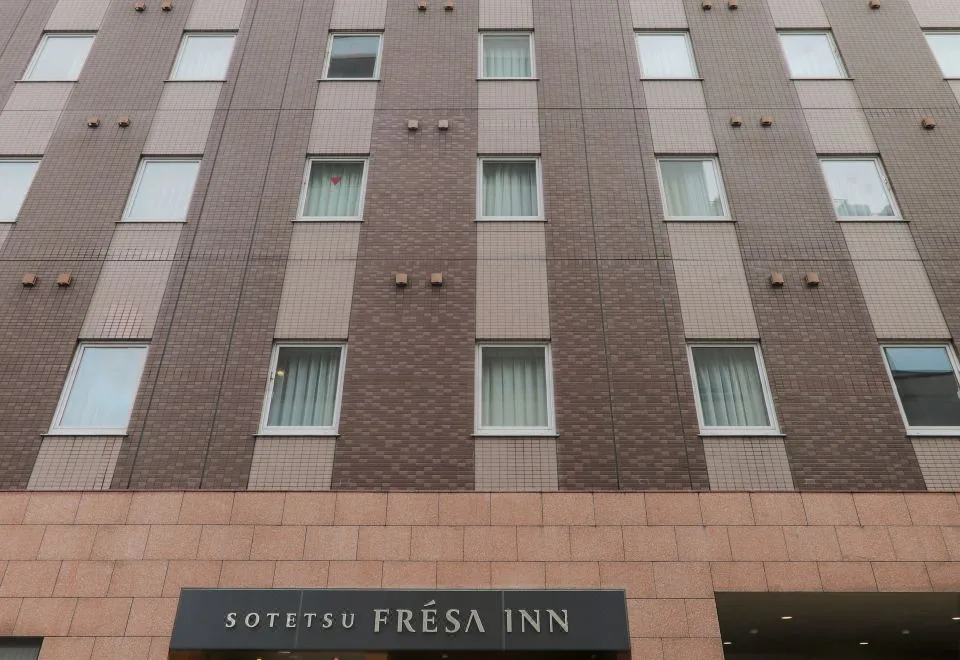
- Window size and distance to neighbouring buildings vary by room, so the feel differs from room to room.
- Extra beds are not available in any room type — families must ask about a crib and occupancy first.
- The hotel has no parking of its own, so drivers use a nearby car park; pets are not allowed.
Information checked: November 22, 2026.