
TOKYO / CHUO
Sotetsu Fresa Inn Nihombashi Kayabacho
Sotetsu Fresa Inn Nihombashi Kayabacho
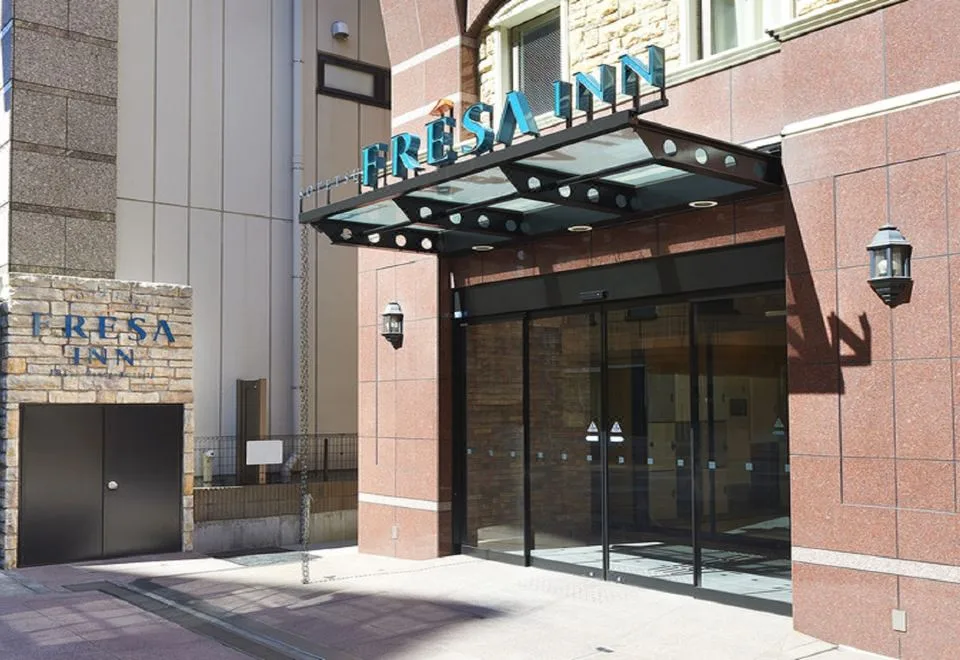
If I planned to start each day at Kayabacho Station and accepted a small room in exchange for a short walk to trains, I would consider this hotel.
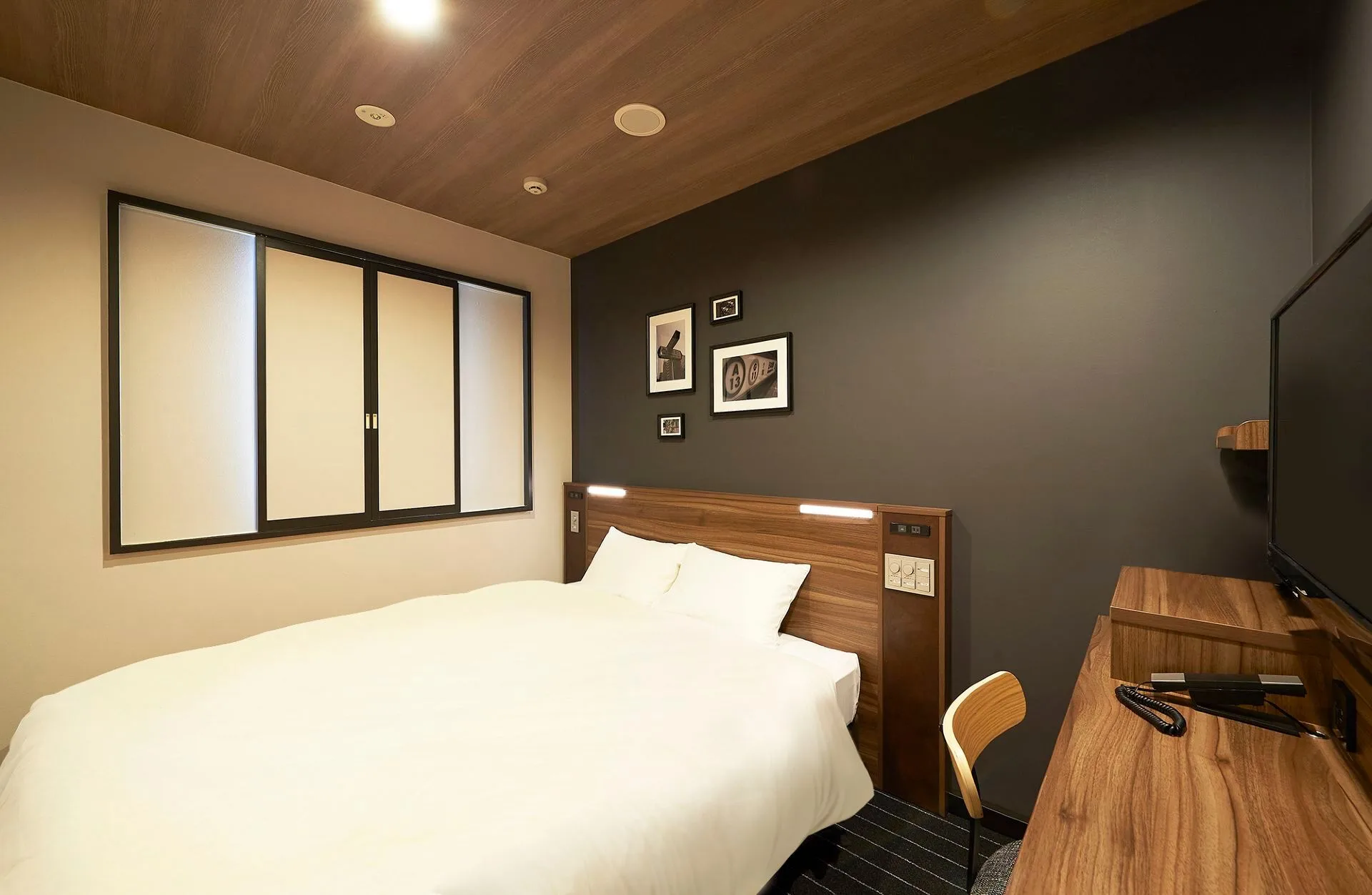
How I would choose: how many suitcases are coming?
- Solo and out all day: A 12 m² single/double is worth comparing if you have a plan for luggage storage.
- Two people with large cases: Look at an 18 m² twin. A room described as ‘Comfort’ is not necessarily larger.
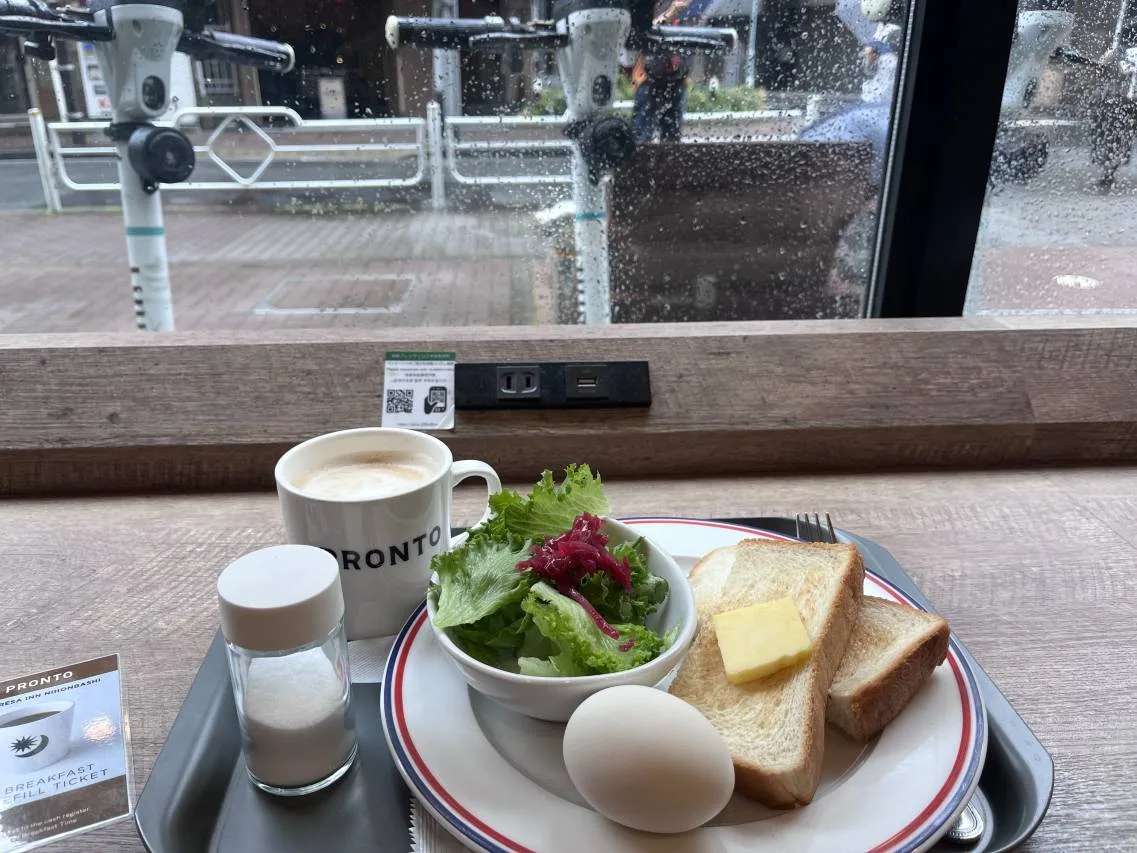
- Toast, eggs and coffee: A light PRONTO set may suit you; for a full Japanese buffet, plan elsewhere.
For me, the appeal is access to the Hibiya and Tozai Lines at Kayabacho and whether I can accept a compact room. The hotel is at 1-3-10 Nihonbashi Kayabacho, useful for spreading Ginza, Tsukiji and Nihonbashi over different days. Travelers frequently taking large bags to JR Tokyo Station need a separate transfer plan.
With two large suitcases, space comes ahead of price. An opened case can block the entry and the way to the bathroom. If you do not want to take turns unpacking and then folding cases away, compare a larger room.
Location: Exit 7 is close; elevators require another route
Tokyo’s tourism information lists Kayabacho Exit 7 at about one minute on foot and Nihombashi Exit D2 at about five minutes. Hibiya and Tozai Line users benefit from the location, but these times start outside the station, not on the platform.
| Route | Verified reference | How I would plan it |
|---|---|---|
| Normal walk | Kayabacho Exit 7, around one minute | Direct with light bags if stairs are manageable. |
| Elevator route | Station information lists street lifts near the east gate toward exits 3/4a/4b, the west gate toward Exit 10, and a separate Hibiya-side direction toward 1a | With large luggage, a wheelchair or a stroller, use the lifts to Exits 4a, 10 or 1a — never Exit 7. |
| Via Nihombashi | Nihombashi Station Exit D2, about five minutes | Useful for exploring Nihonbashi; with large luggage, still enter and leave through the Kayabacho lift exits. |
With a 28-inch suitcase, a wheelchair or a stroller, do not use Exit 7: it has no lift. On the Tozai Line, take the lift outside the East Gate to Exits 3, 4a or 4b, or the lift outside the West Gate to Exit 10 — Exits 4a and 10 both have lifts to street level. On the Hibiya Line, take the lift to Exit 1a. Once outside, walk toward Exit 7; the hotel stands beside Exit 7 under the Fresa Inn sign. With light bags and stairs, Exit 7 is the fastest way in, about one minute on foot. Lifts can close for inspection, so check Tokyo Metro’s Kayabacho accessibility page for the day’s lift outage notice before setting out.
Save both the station map and the hotel location before arriving so you do not need to search for a lift while carrying bags.
Nearby walks: architecture in Nihonbashi or an afternoon in Ningyocho
Group older Nihonbashi and Muromachi buildings with small museums rather than rushing every Tokyo landmark from this hotel. Mitsui Main Building is worth seeing from the street. Check opening days for the Currency Museum and Ozu History Museum and leave time for lunch.
Another option is Ningyocho and Amazake Yokocho for a meal or snacks. Both areas need walking time. Neighborhood photographs below depict sights, not hotel window views or breakfast.
From the hotel, Nihonbashi is a 300-metre walk, JR Shin-Nihonbashi Station is 1.1 km, Ginza is 1.2 km, Hamacho Station is 1.3 km, and the Tokyo International Forum is about 2 km. Kayabacho Station itself is only 110 metres away, so an early train does not mean leaving much earlier. The road toward Ginza is also straight, so an evening walk back needs no detour; Tokyo International Forum is about 2 km away, walkable for an exhibition or a lecture, or check the train first.
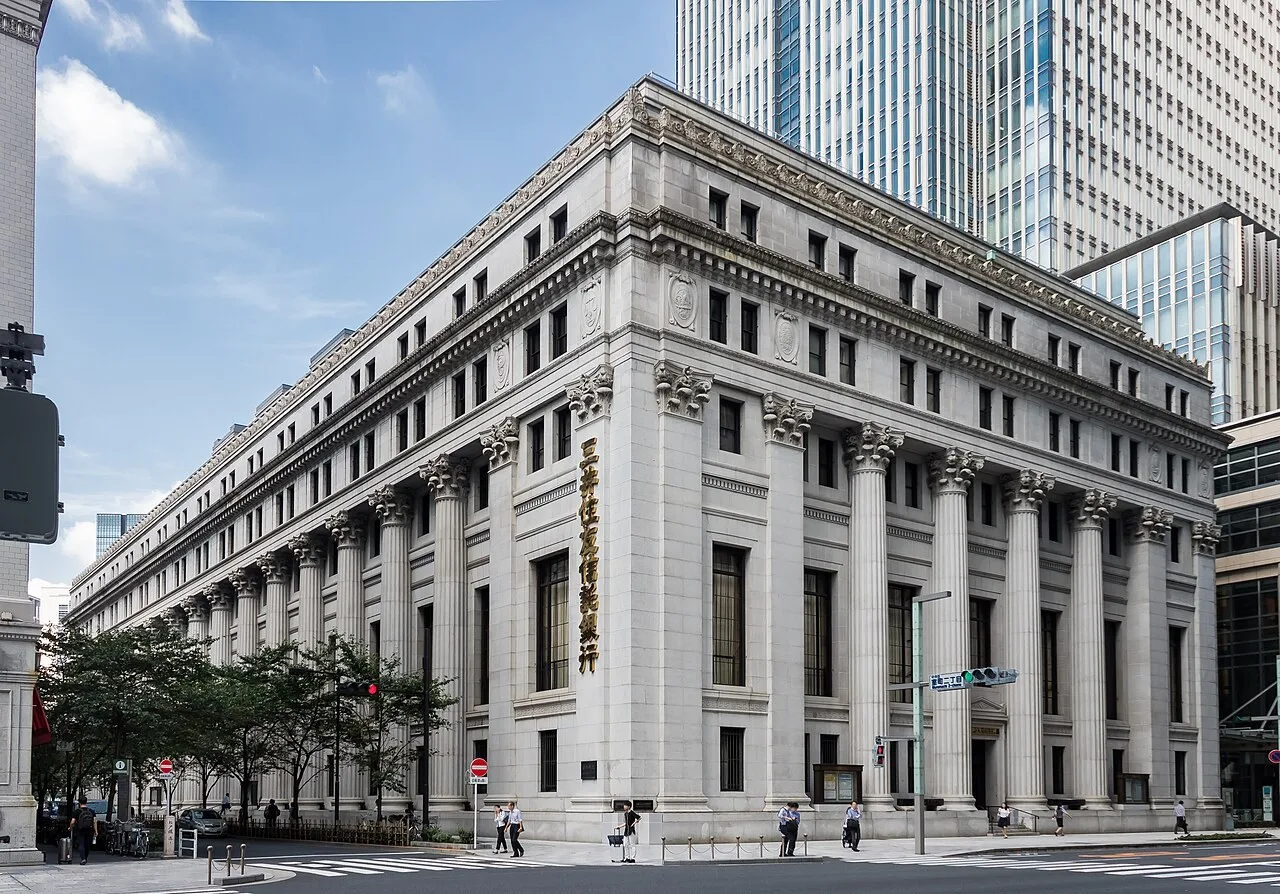
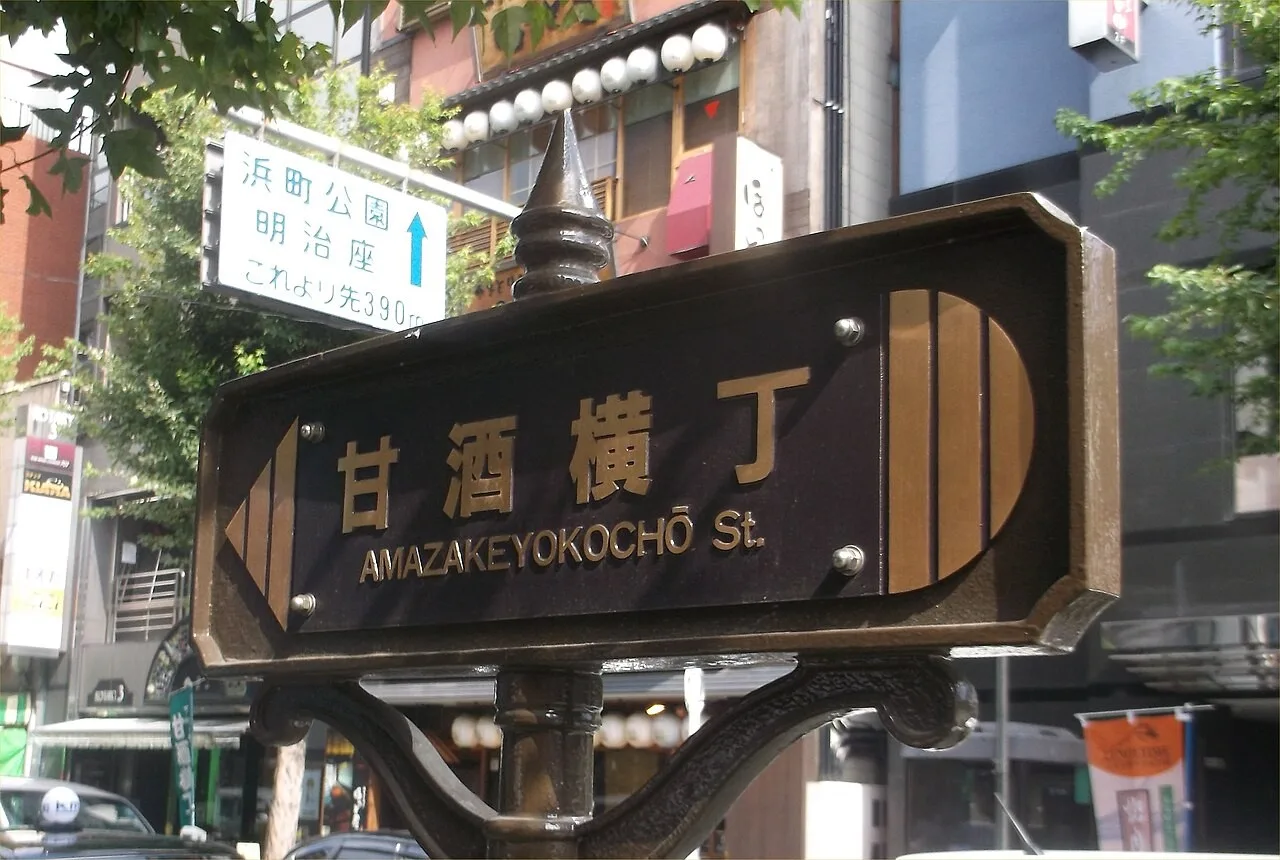
For more detail, use the Nihonbashi museum and architecture walk (Chinese) and Ningyocho walking guide (Chinese). Convenience stores and restaurants are within walking distance; check the day’s hours.
Choosing rooms: Comfort does not mean bigger; start with 12 vs 18 m²
The room data lists Single, Double and Comfort Double as 12 m², with Twin at 18 m². Choose by space and number of beds before the category name. For separate sleeping or more room for baggage, inspect the 18 m² twin. ‘Comfort’ does not promise more floor space.
| Source room type | Area / bed listed | What matters |
|---|---|---|
| Single | 12 m² / one double bed | For a solo short stay; the exact width is not listed in the room data, so ask when booking. |
| Double | 12 m² / one double bed | Both travelers should consider luggage, not just the mattress. |
| Comfort Double | 12 m² / one large double | The bed label changes but floor area does not; confirm width. |
| Twin | 18 m² / two single beds | Check if you want separate beds and more usable space. |
| Standard Twin | 24 m² / two single beds | Listed in the data but no corresponding photos; verify bookability and exact type with the hotel. |
Two people sharing a bed, or traveling with a child, should verify the actual mattress width. The name sounding comfortable matters less than whether both people can sleep properly.
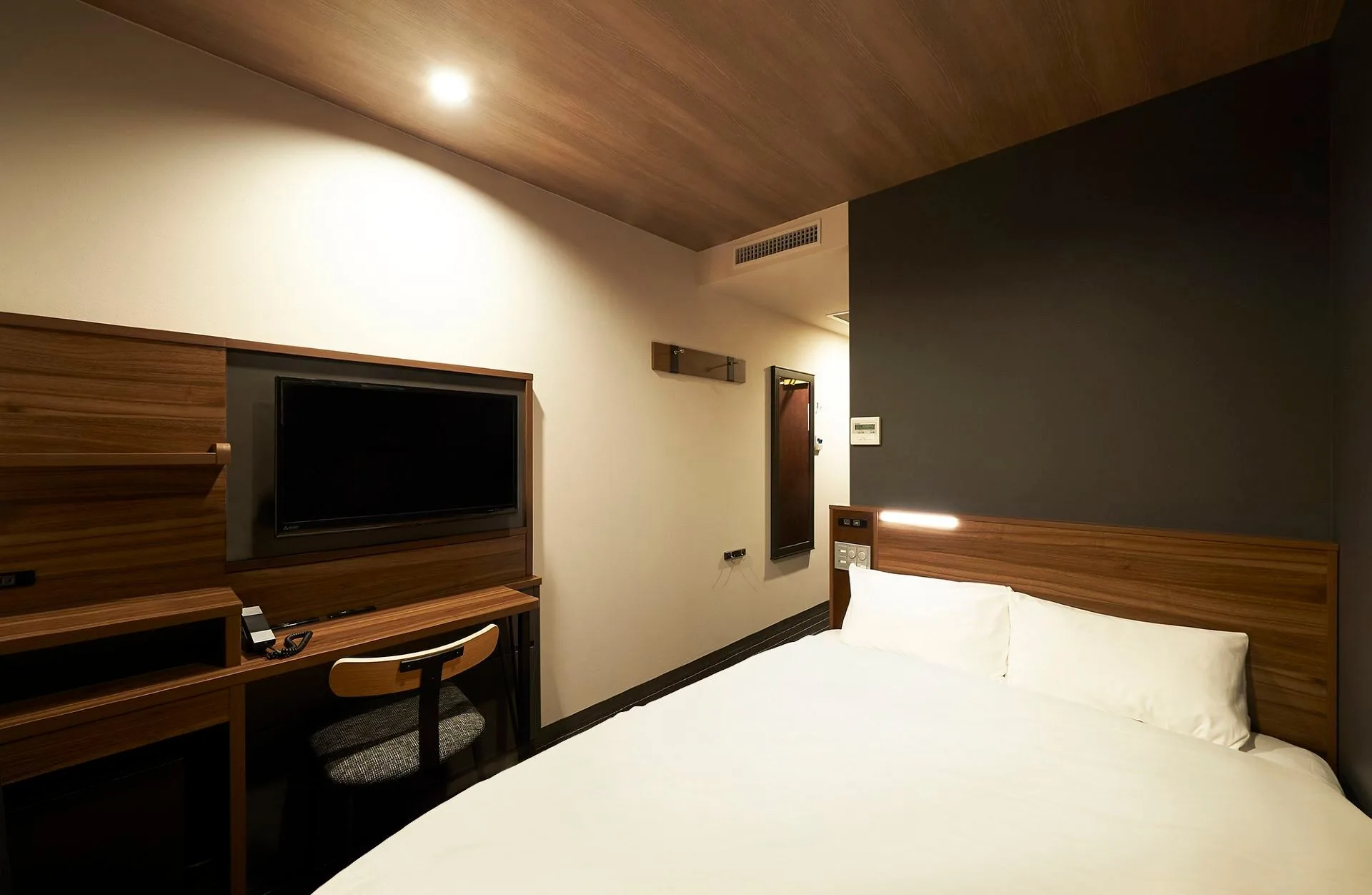
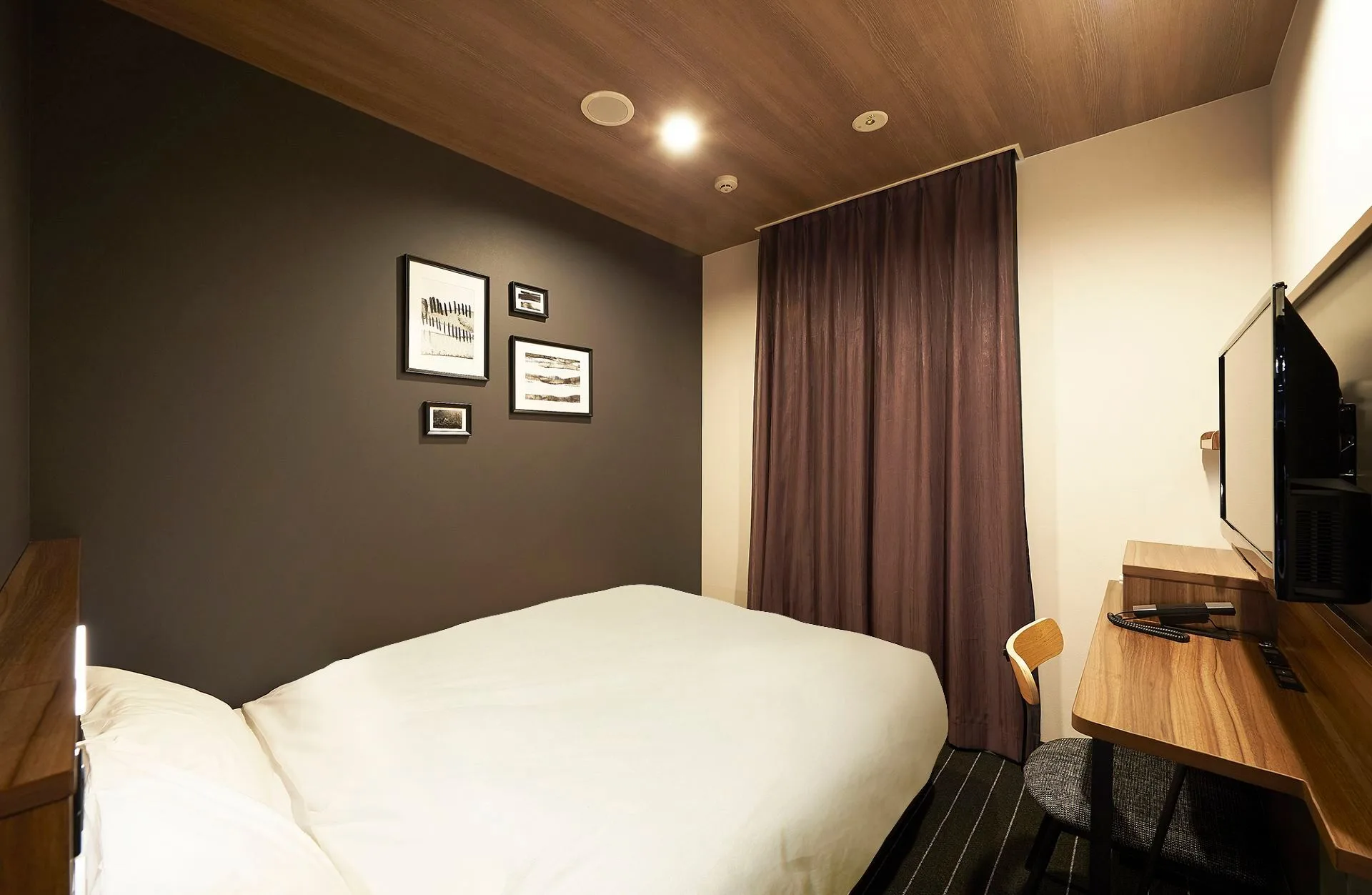
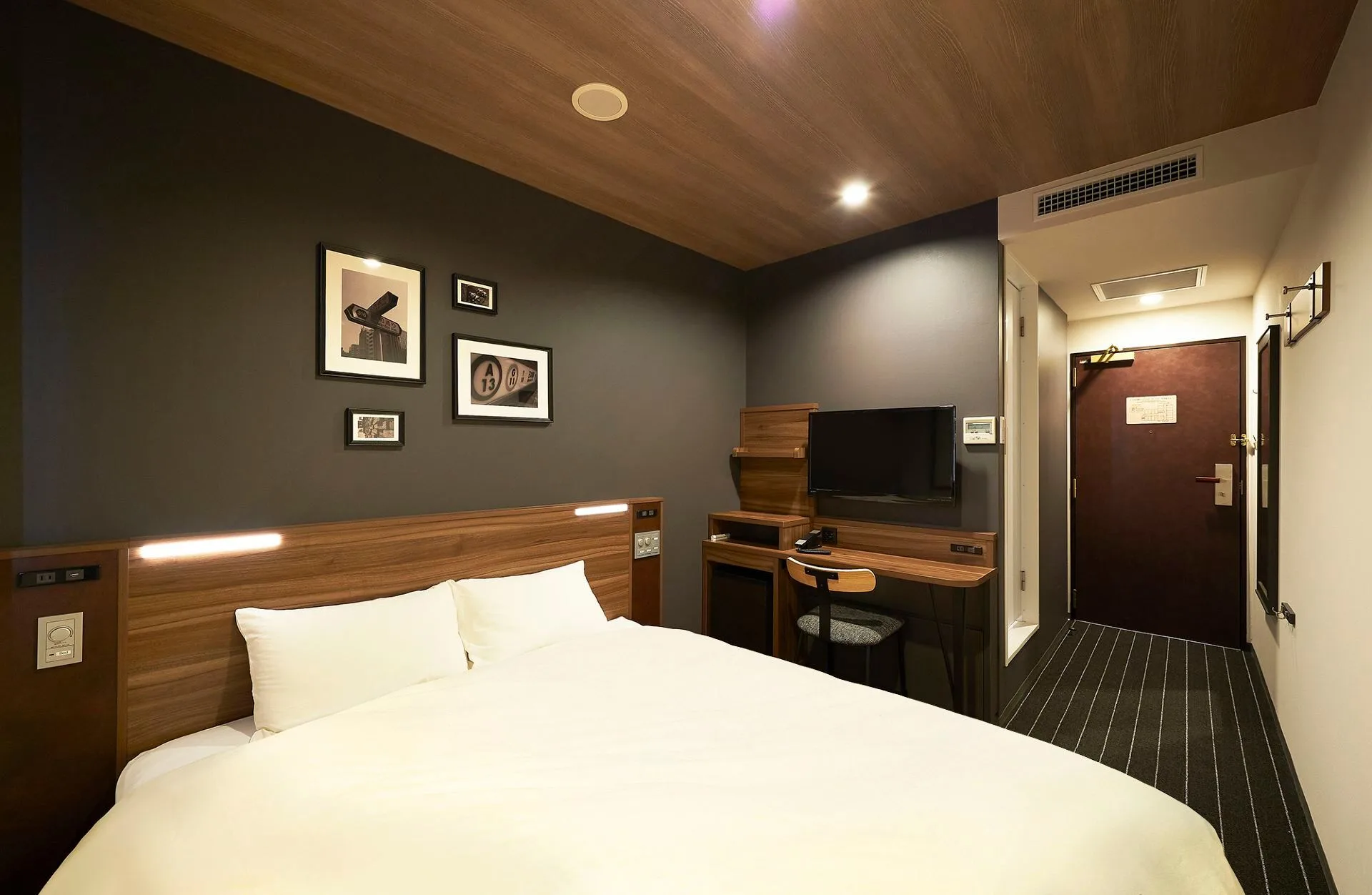
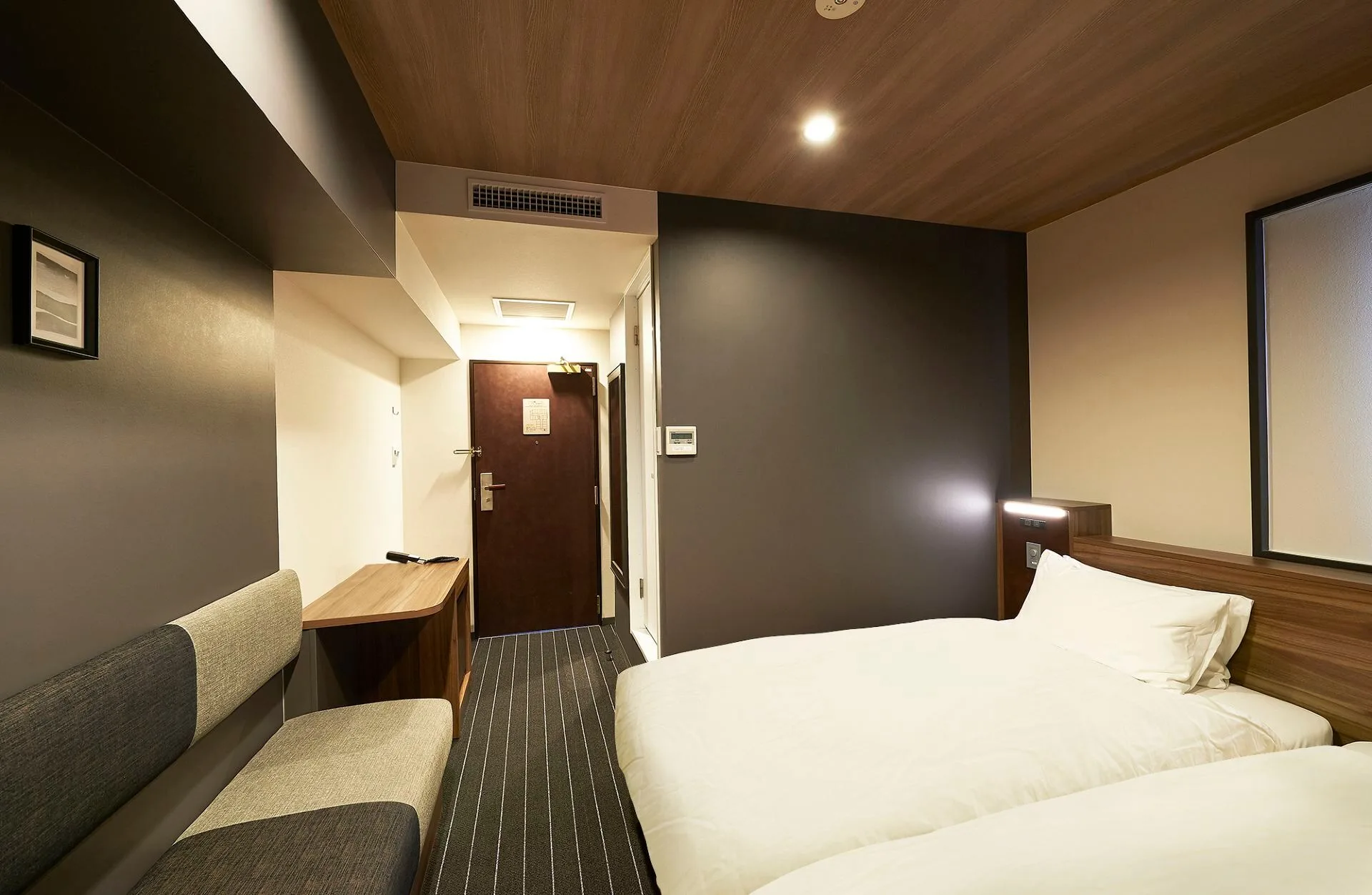
Look at passage by beds and chairs as well as the entrance. Photos used across several types must be compared with the specific room reserved.
Guest room photos: beds and luggage passages
A double room leaves little floor space for a 28-inch suitcase. Even when a case fits at the entrance, it can block the bathroom route. Before booking for two, imagine where each case will be stored.
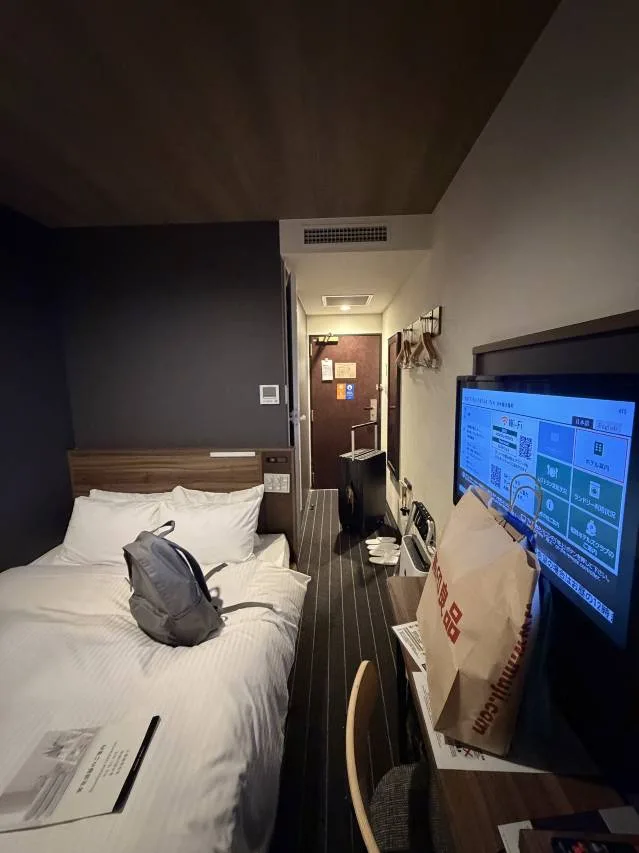
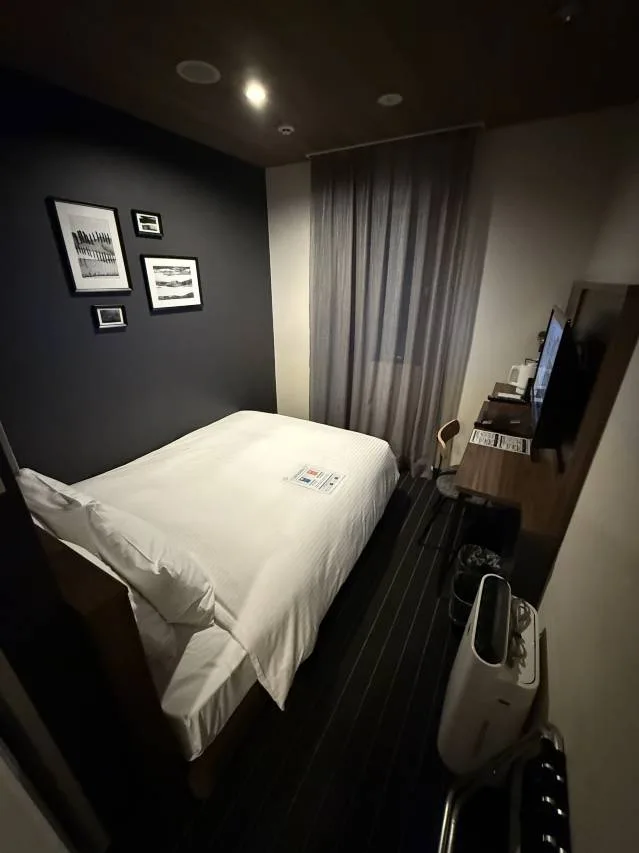
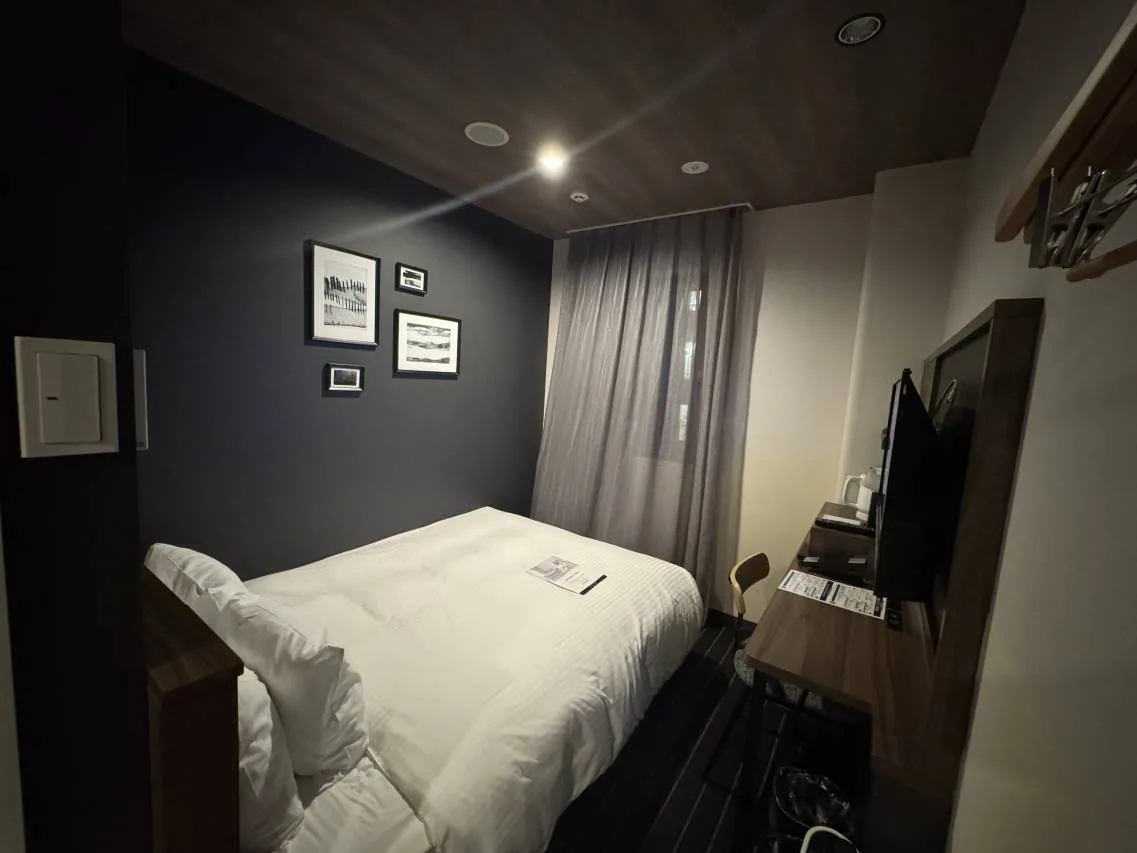
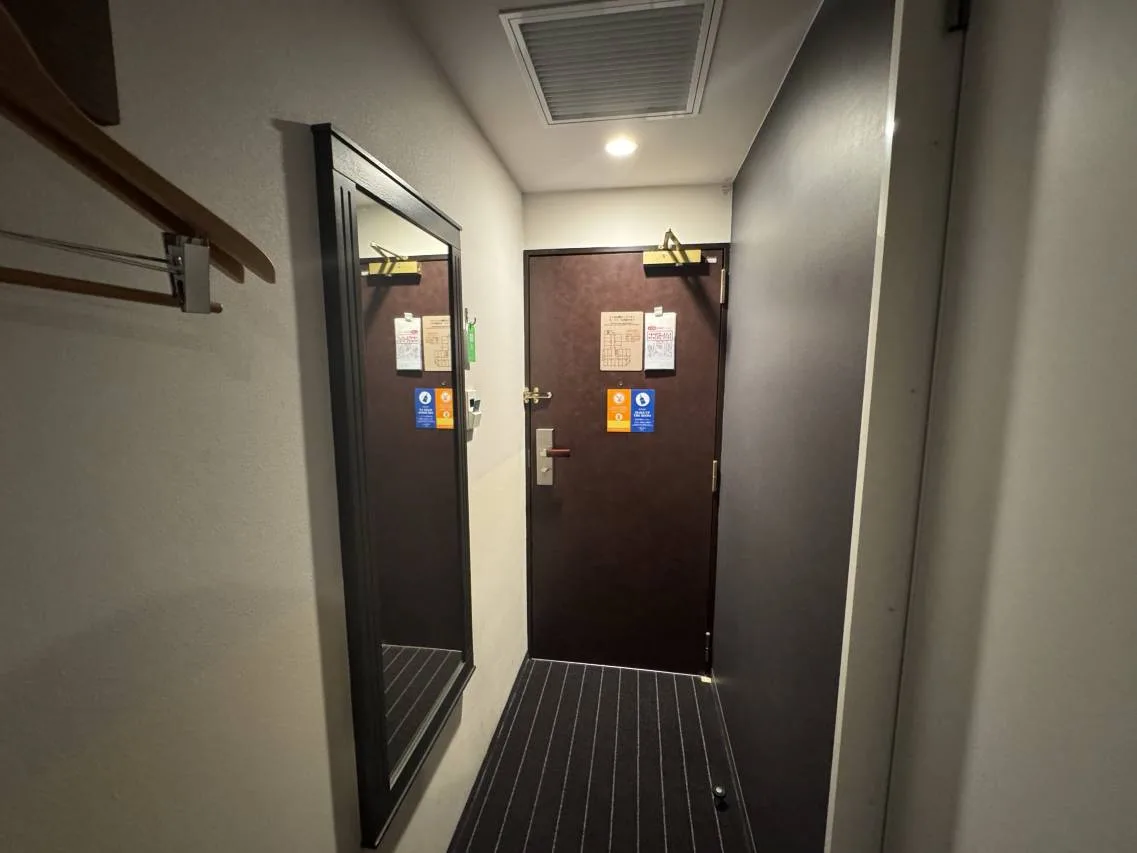
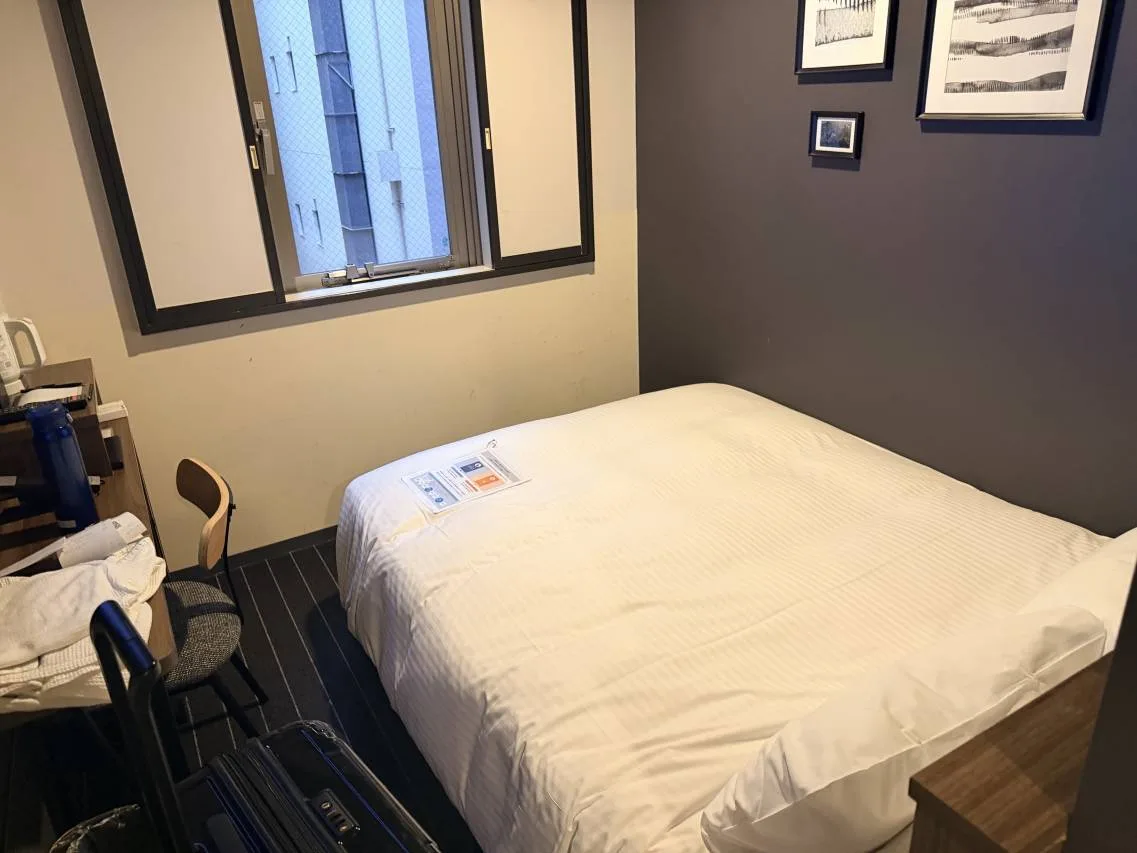
With only small bags it is easier. For a long stay or two large cases, compare the 18 m² twin rather than making unpacking a daily chore.
The photos below show the bed, entrance and where suitcases could go. Imagine the remaining walking space after putting your bags down.
Bathroom: compact tub with a shower curtain
Room and guest photographs show the tub, curtain, washbasin and toilet close together. It is a compact bathroom with a bath, not an independent shower room. Pictures cannot show slip resistance, ventilation or the smell of a particular room.
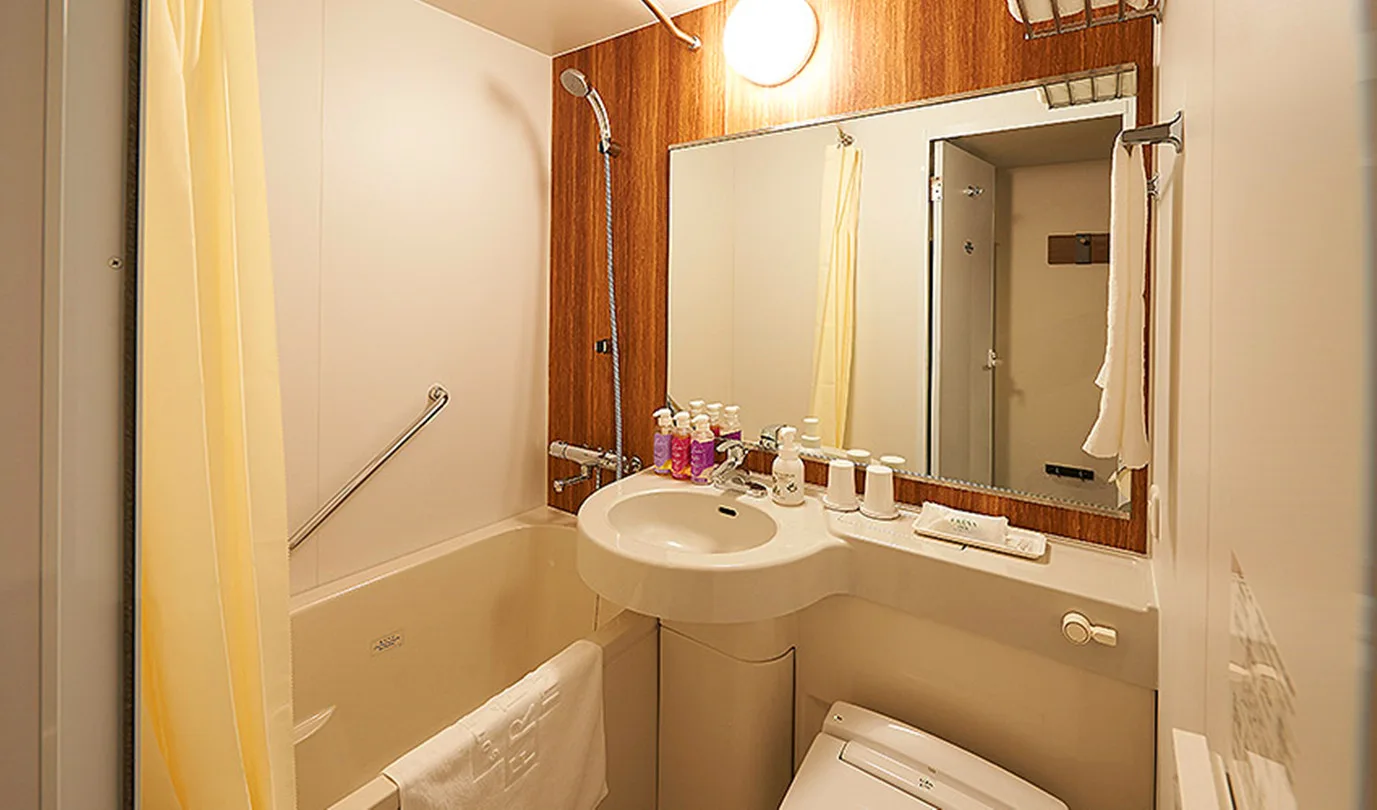
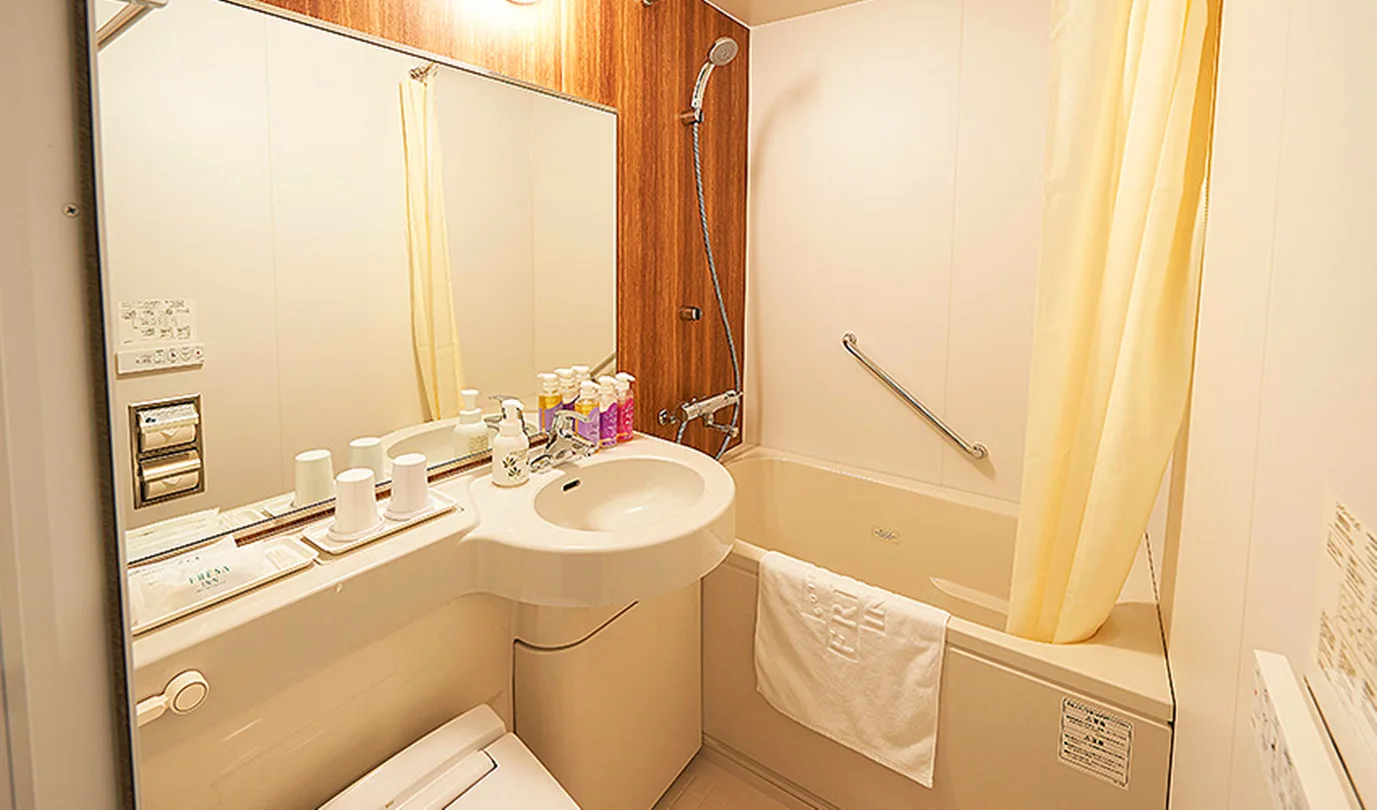
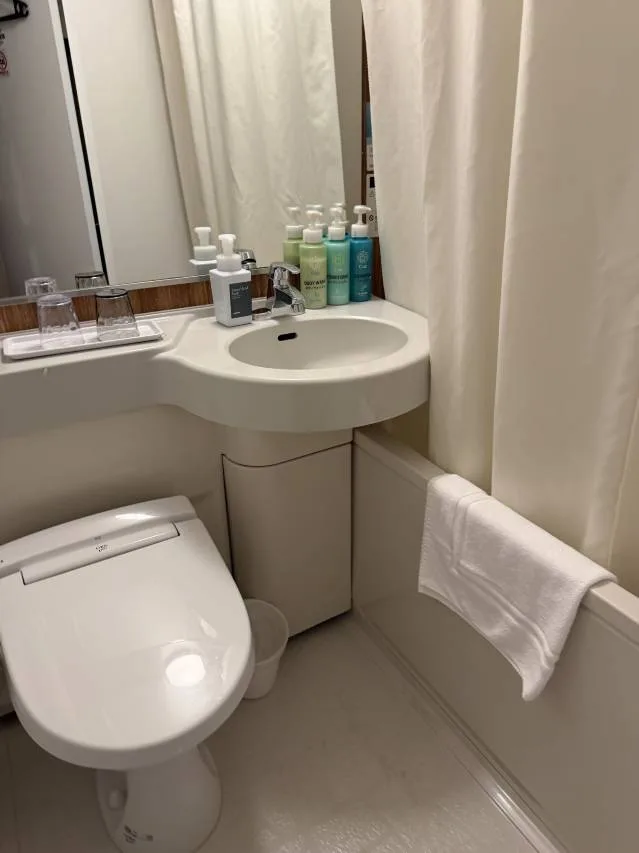
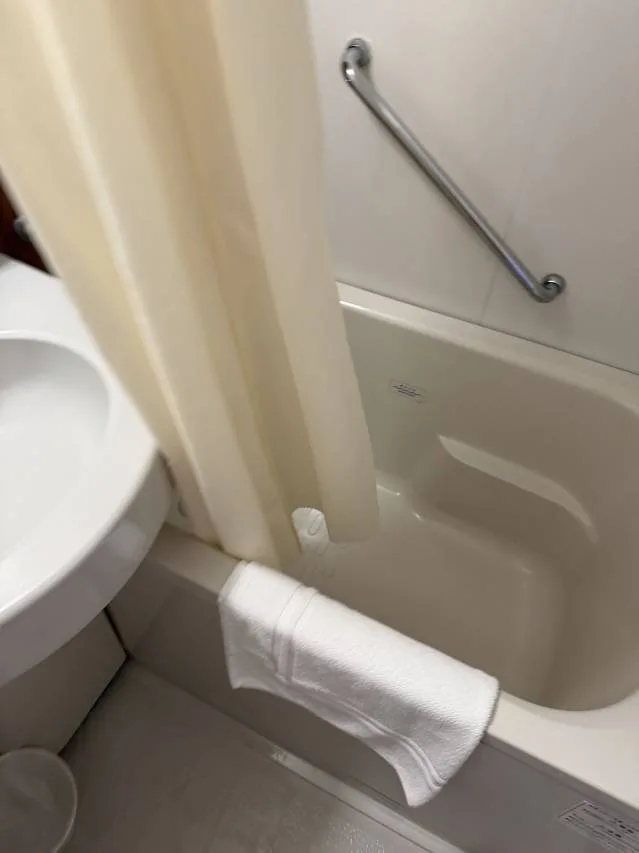
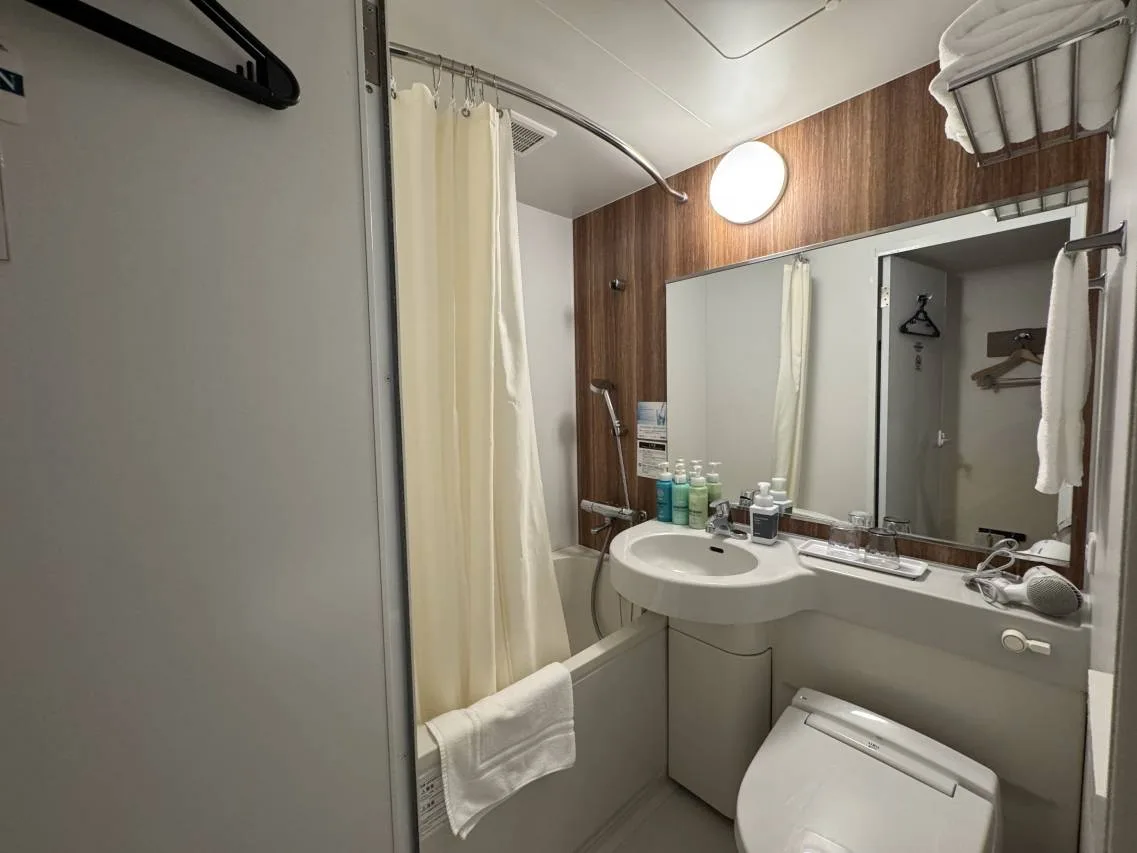
Bathroom smell gets mixed marks: mildew has come up as a problem here, and cleanliness has also been praised. Check ventilation and the bathroom promptly on arrival, and ask the reception for help if something is wrong.
Facilities: laundry and lobby amenities matter more than luxury
Hotel photos include reception, self-check-in equipment, lobby seating, and washers/dryers. For sightseeing stays I care more about these practical needs than resort facilities. Ask about machine prices and hours at check-in.
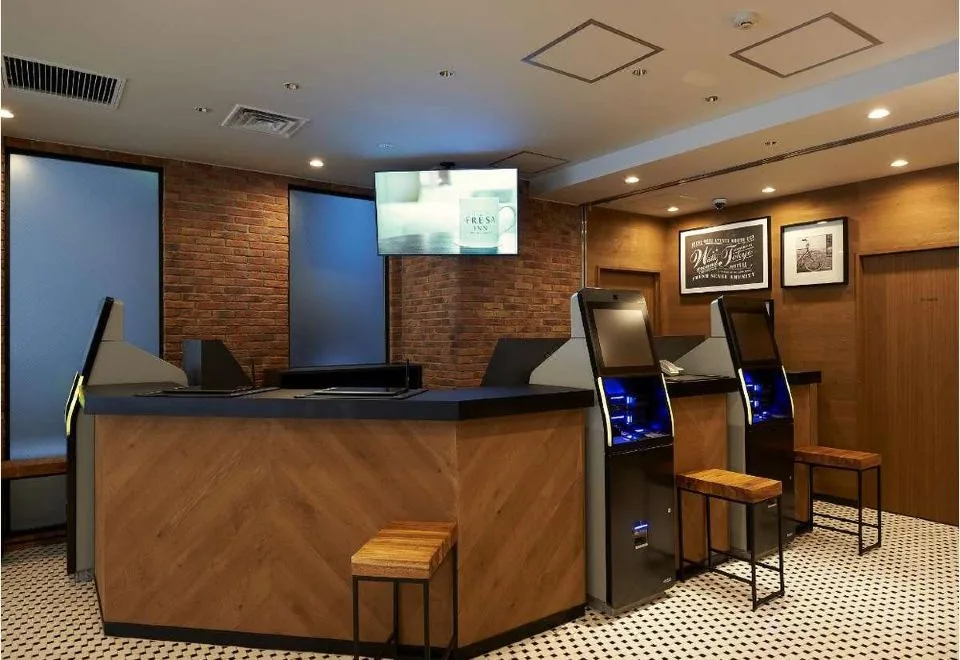
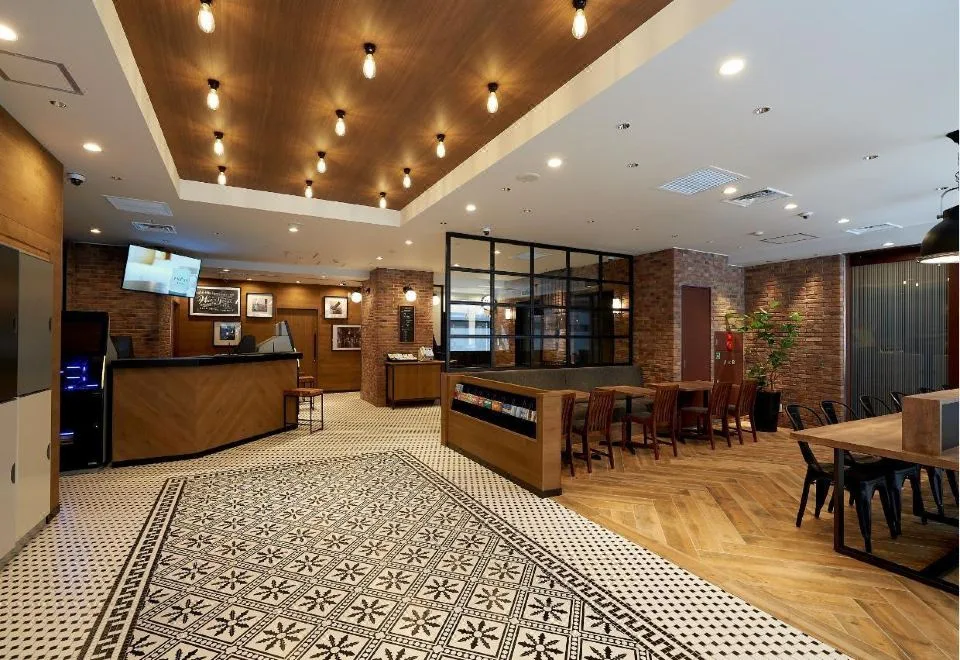
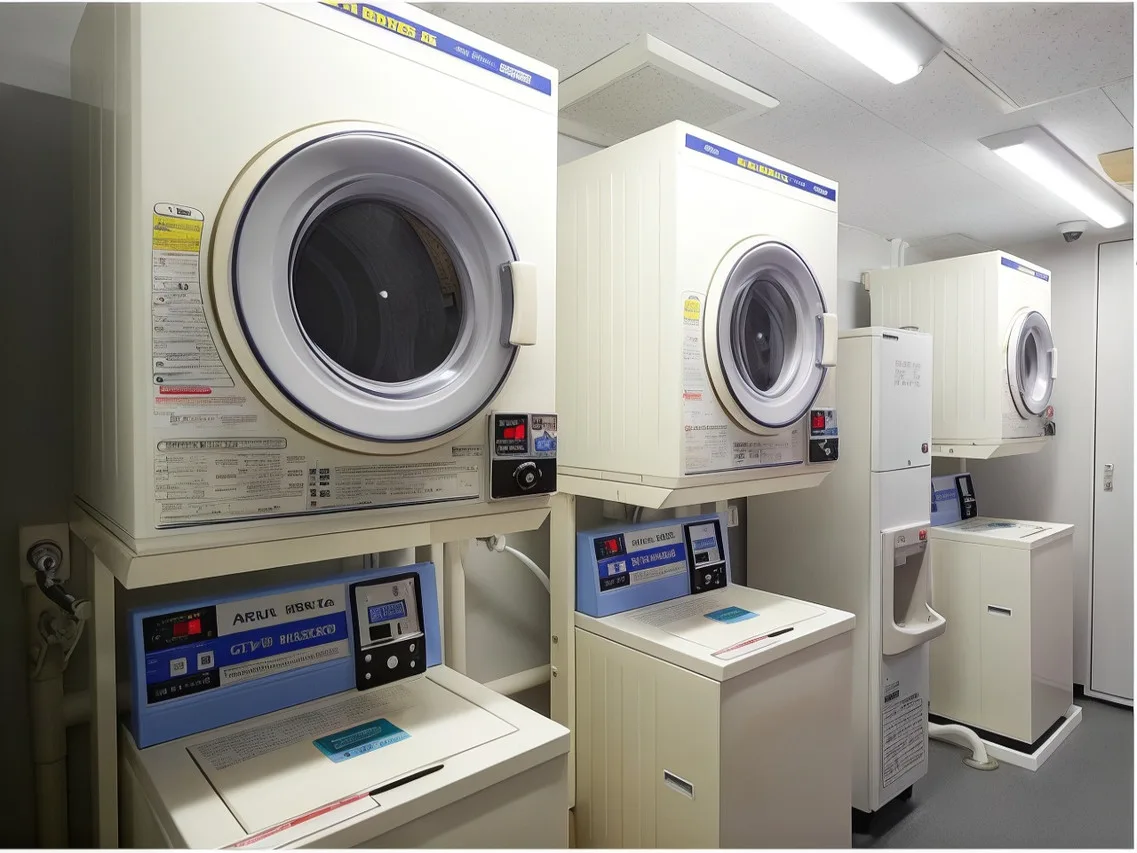
For longer stays, ask about the floor 8 laundry, microwave and vending machines, plus lobby amenity and luggage services. Learn how to use them at check-in.
The front desk runs 24 hours, so a late arrival or an early departure is no problem. I can leave bags at the desk, spend the day out after checkout, and pick them up in the evening. The desk also offers wake-up calls, currency exchange, a safe and quick check-in and check-out, with English and Japanese spoken and translation tools on hand. Traveling with children, there is no need to pack extra slippers and toothbrushes — the hotel provides children’s slippers and toothbrushes.
The building has a lift and accessible rooms, and a wheelchair is kept on site, so getting in and out with one needs no extra arrangement. Public areas are non-smoking, with a separate smoking area, so smokers do not need to go out to the street. Laundry is more than the self-service laundry room: there are dryers, laundry supplies, ironing service and a laundry delivery service, so several nights of frequent changes are covered. There is a vending machine and a microwave in the building, so a late-night snack or a cold drink does not need a trip outside; ask the front desk about luggage-related amenities in one go.
Check-in normally starts at 3 p.m. and checkout is by 11 a.m. Longer-stay cleaning is by request; ask how door signs and towel replacements work.
PRONTO breakfast: think light set rather than a buffet
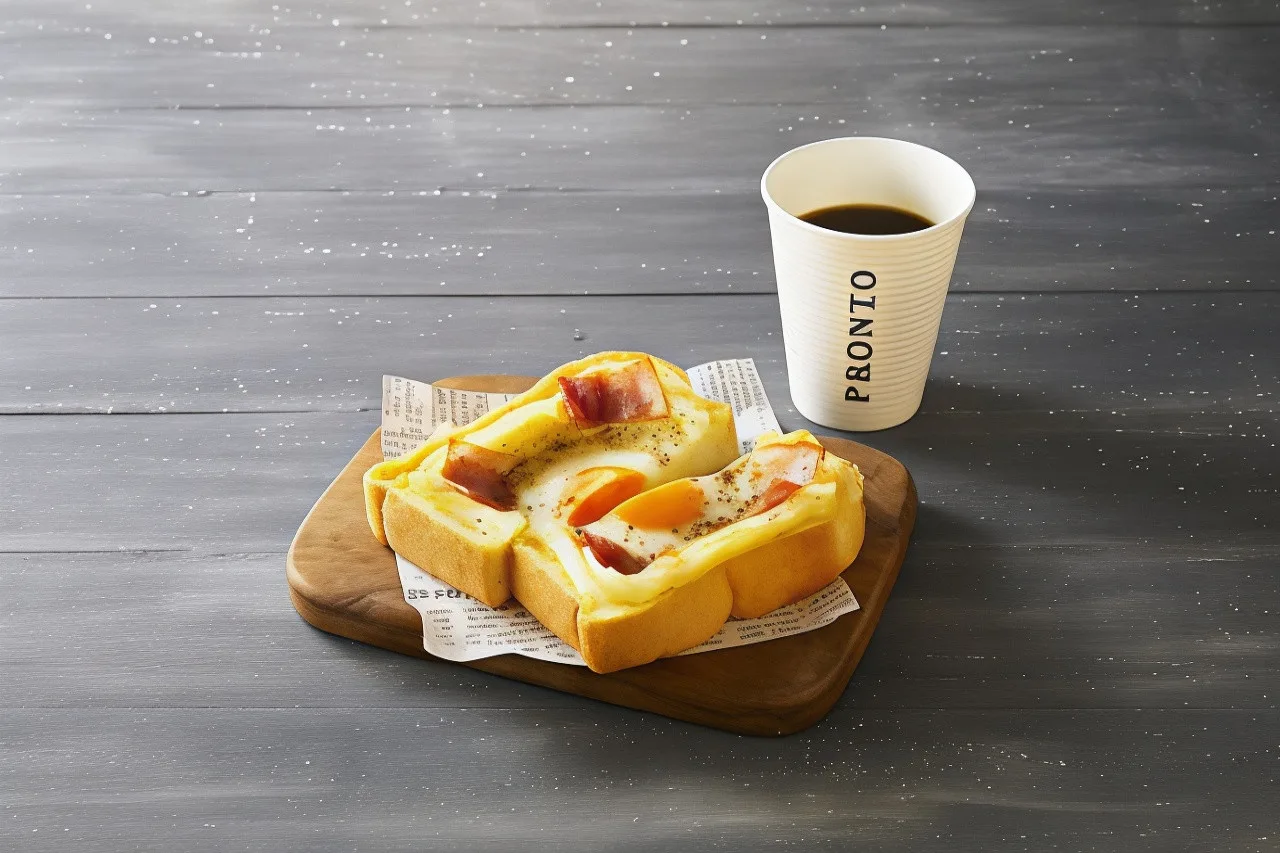
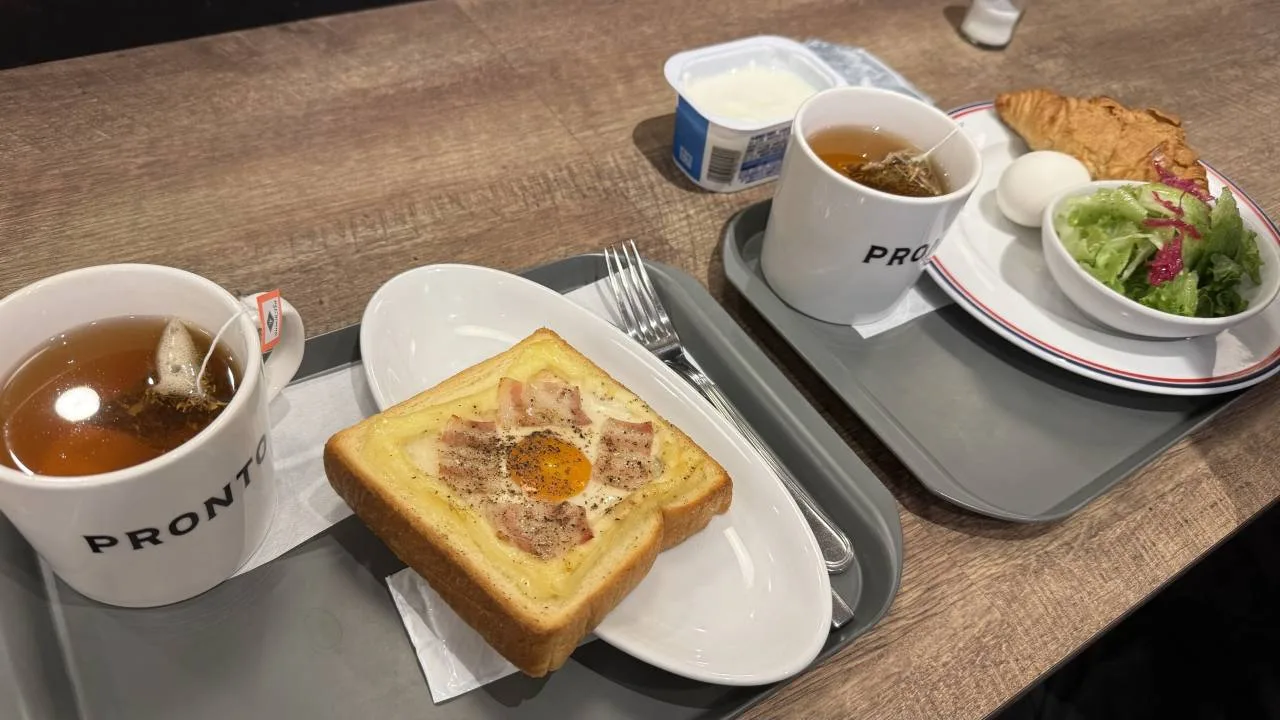
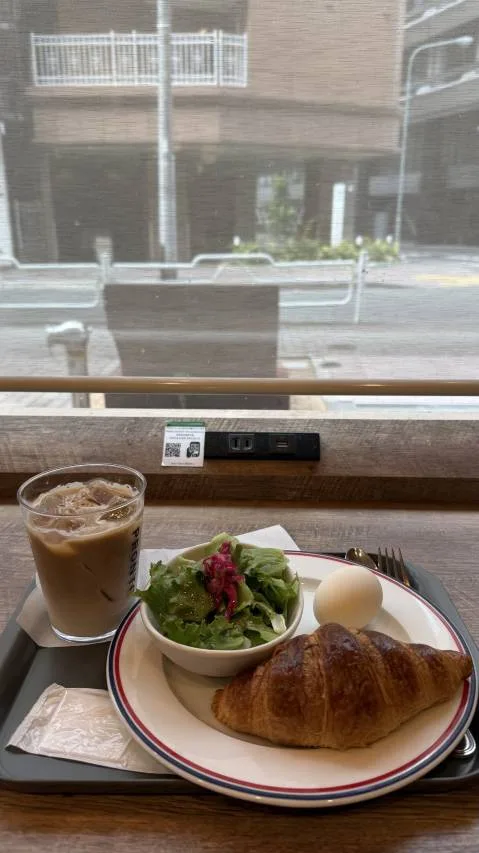
Breakfast is a PRONTO café set: photos show toast or croissants, eggs, salad and drinks. If you like a simple breakfast before leaving, this is suitable. Do not expect a large buffet of hot Japanese dishes. The reference serving time is 6:30–10:00; confirm current hours before booking.
A breakfast voucher costs 600 yen per person, the same for adults and children aged 17 and under, for a Western-style set served from 6:30 to 10:00. An extra breakfast can be paid for on site, but ask the hotel first whether it can be added. Six hundred yen for a plate of toast, eggs and salad plus a coffee is, for me, the price of not having to find a cafe; anyone wanting a fuller meal should not treat this plate as the main meal of the day.
PRONTO is in the building, so you do not need to go out to find breakfast, and on checkout day you can eat before you leave. For a Japanese breakfast or a bigger meal, the coffee shops and bakeries around Kayabacho and Nihonbashi are options; if you have time, check the shop and its opening hours first so you do not make a wasted trip.
Before paying extra, compare departure time and full price
To save finding a restaurant, an included set of toast, eggs and coffee may be worth it. For varied breakfasts, only coffee or a departure before 6:30, room-only is the better choice. Compare the total price difference for the actual number of guests and days. Two plates in one photo are not necessarily one person’s set.
Before adding breakfast, ask what the voucher covers, where it can be redeemed and the last ordering time. Prices and meals can change; do not choose only from a bacon toast photograph.
I treat it as a convenient time saver. If discovering a different Tokyo breakfast each day matters to you, keep the flexible option.
One night versus several: the shortest exit may not suit luggage
For one night with light bags and days spent out, a 12 m² room is easier to accept. If you want to unpack a large suitcase and move around with another guest, room area matters.
For longer stays, the narrow passage is an everyday concern. Open only one case at a time and put it away; otherwise compare 18 m² twins or other large types. Laundry photos do not remove the need to plan for waiting, drying and cleaning.
Everyday room comfort matters more than a minute saved outside
Suitcases that cannot be opened are a major room-selection concern. Check bathroom odors, bed and quietness on arrival. Light sleepers, smell-sensitive guests and remote workers should compare alternatives rather than tolerate discomfort solely for station proximity.
Children of all ages are welcome, and a child sharing a bed without an extra bed may still be charged, so enter the number of children when booking to get the exact price. No room type allows an extra bed, and a crib has to be asked about separately. Check-in requires guests to be at least 18, and pets are not allowed.
- Ginza, Tsukiji and Nihonbashi: Kayabacho works as a daily starting station; plan each route by destination.
- Families and two separate beds: Check the 18 m² twin, permitted occupancy and children’s terms before booking for a family.
- Concerts, intercity travel or early flights: Check transport to the venue, JR or airport before booking and allow sufficient time for the return.
My verdict: accept compact rooms and use the station location
Advantages worth keeping
- Kayabacho Exit 7 is a short walk for Hibiya and Tozai Line city trips.
- Nihonbashi and Ningyocho make different neighborhood walks, not just Ginza shopping.
- Room, bathroom and luggage photos make judging luggage space more concrete.
- Laundry and lobby amenities help with light-packed multi-night stays.
- The PRONTO light meal works for travelers who want a quick breakfast.
Trade-offs to accept or check
- Most shared-bed categories are 12 m², and Comfort does not mean a larger room.
- Unpacking is difficult in double rooms, especially with two large suitcases.
- Confirm the bed width for two; choose a twin for separate beds.
- The tub and shower curtain differ from a separate shower room.
- Elevator access, breakfast prices and the daily menu are the three things to ask about before booking.
For a solo traveler packing light and exploring Tokyo all day, it makes the shortlist. Two people staying several nights or with large suitcases should compare an 18 m² twin before deciding whether the station access outweighs a smaller room. Choose breakfast by the light set, departure time and real price difference.
Pros and cons at a glance
Pros
- Kayabacho Exit 7 is a short walk for Hibiya and Tozai Line city trips.
- Nihonbashi and Ningyocho make different neighborhood walks, not just Ginza shopping.
- Room, bathroom and luggage photos make judging luggage space more concrete.
- Laundry and lobby amenities help with light-packed multi-night stays.
- The PRONTO light meal works for travelers who want a quick breakfast.
Cons
- Most shared-bed categories are 12 m², and Comfort does not mean a larger room.
- Unpacking is difficult in double rooms, especially with two large suitcases.
- Confirm the bed width for two; choose a twin for separate beds.
- The tub and shower curtain differ from a separate shower room.
- Elevator access, breakfast prices and the daily menu are the three things to ask about before booking.
Information checked: November 21, 2026.