
TOKYO / CHUO
Smile Hotel Nihombashi Mitsukoshimae
Smile Hotel Nihombashi Mitsukoshimae
Start by comparing the 12 m² semi-double and 14 m² double, then factor in station routes and construction next door.
For walks and shopping around Nihonbashi and Mitsukoshimae, with the room primarily for sleep, this Smile Hotel belongs on the shortlist. Walking from Mitsukoshimae Station is practical, and the official room measurements help compare beds and living space.
The 12 m² semi-double uses a 120 cm bed, while the 14 m² double has a 140 cm bed. A 17 m² twin is available if you want separate beds. A small room deserves a second thought before booking it for two large suitcases or working indoors for hours.
The official site announces construction on neighboring land through August 2027, potentially involving noise and vibration. Anyone sensitive to sound or needing daytime sleep should ask about the work on their dates and the room’s location.
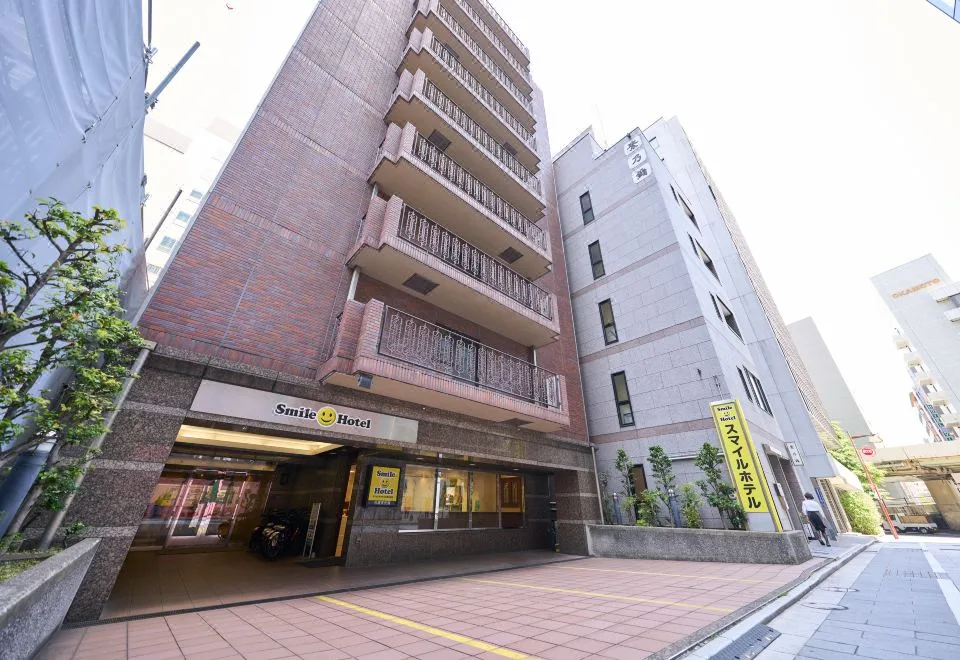
How I would choose
- Solo short stay: Consider the 12 m² single, checking smoking status and bag space.
- Two sharing one bed: Compare the 14 m² double with the 12 m² semi-double; the latter’s 120 cm mattress requires agreement.
- Friends with separate beds: Compare the 17 m² twin and confirm the actual category.
- Need quiet or daytime work: Ask about construction next door and room direction.
Find the Mitsukoshimae branch and choose the right station
Address: 1-4-14 Nihonbashihoncho, Chuo City, Tokyo. Save the full name: there is another Smile Hotel in the Kayabacho area, so check ‘Mitsukoshimae’ before navigating.
| Station | Official normal exit / walking time | With luggage |
|---|---|---|
| Mitsukoshimae / Ginza and Hanzomon lines | Exits A1 or A4; about five minutes | With large luggage, use the street elevators beside A5 and A7 (the A7 elevator runs 7:00–23:00); on the Hanzomon Line use B4. Do not rely on the nearest exits A1/A4 — they have no elevator. |
| JR Shin-Nihombashi | Exit 6; about five minutes | Exit 6 has no elevator. With large luggage, take the underground passage to Mitsukoshimae Station and use the A5 or A7 elevator to street level, or use the elevator inside the Muromachi Mitsui Tower (COREDO Muromachi Terrace). |
| Nihombashi Station | Metro B12 or Asakusa Line D4; about seven minutes | B12/D4 are ordinary exits. Nihombashi Station itself has elevators (one barrier-free route is in place, per the Toei subway site); leave by an elevator exit, then walk about seven minutes at street level. With heavy luggage, ride on to Mitsukoshimae and use the A5 or A7 elevator instead. |
For big bags on the Ginza Line, note the street elevators near exits A5 and A7. The elevator beside A7 is marked for use 7:00–23:00. On the Hanzomon Line, consider B4. Choose according to the line and check for elevator outages.
Walking from Tokyo Station’s Nihombashi or Yaesu side takes about 15 minutes by hotel estimates. Luggage, rain and traffic lights make it feel longer; after a Shinkansen journey a taxi is worth comparing.
From ordinary Mitsukoshimae exits the walk is about five minutes. Save the map and continue from an elevator exit if carrying a suitcase.
Combine Nihombashi stores, old buildings and dining
Keep department stores, older architecture and lunch in one area, with a rest at the hotel rather than filling every hour.
For a half-day route, see our Nihonbashi museums and historic architecture walk (Chinese) and nearby dining (Chinese).
The hotel is about 220 metres from Mitsukoshimae Station — three minutes on the official estimate, five in my book. JR Shin-Nihombashi Station is about 370 metres away, the Nihonbashi bridge about 680 metres, Koami Shrine about 620 metres and Hamacho Station about 1.4 km. Stretching further, Akihabara Electric Town and the Imperial Palace are each about 1.8 km, and the Tokyo International Forum about the same — all walkable on a morning stroll.
Official neighborhood photos of Nihonbashi and Mitsukoshi
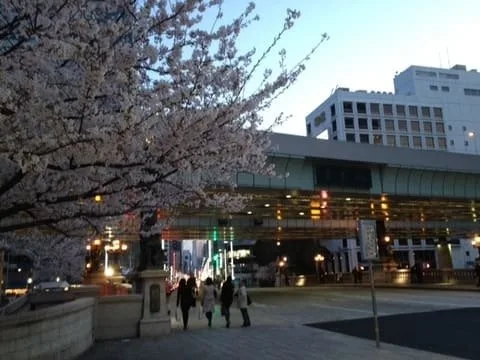
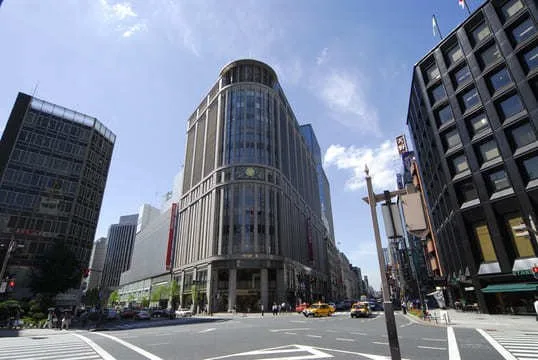
Two people should decide whether a 120 cm bed is enough
For two sharing a bed, consider whether 120 cm works. If you want more room, start with the 14 m² double and its 140 cm mattress. Check the full category, width and area before booking.
| Official room type | Area and bed size | How I would choose |
|---|---|---|
| Single | 12 m²; 120 × 200 cm; one person | Short solo stays; check non-smoking or smoking. |
| Semi-double | 12 m²; 120 × 200 cm; two people | For two light packers who accept a narrow shared bed. |
| Double | 14 m²; 140 × 200 cm; two people | Extra 2 m² and a wider shared bed. |
| Twin | 17 m²; two 110 × 200 cm beds; two people | For separate beds and more floor space. |
On longer stays check housekeeping: some rates clean fully every three days. Ask about towel replacement, rubbish and the frequency of full cleaning.
If you want the bed made daily, verify what your selected rate includes before arrival.
Check-in is from 14:00, check-out by 11:00, and the front desk runs 24 hours. No room takes an extra bed or a crib, so count beds before booking for more than two; children of all ages are welcome, but an extra charge may apply even without an extra bed — include children in the booking to get the exact price. You must be at least 18 to check in, pets are not allowed, and payment at the hotel is by cash.
The twin’s two beds are 110 × 200 cm each — together wider than the 140 cm double bed. For friends travelling together, different sleep schedules, or simply your own bedside space, The 17 m² twin is the first room to look at; confirm the exact room name and availability when booking.
For a solo short stay, I would start with the 12 m² single: the bed is the same 120 × 200 cm, plenty for one person, and smoking and non-smoking versions both exist — confirm the smoking status when booking, not just the area. With light luggage and a room used mainly for sleep, this is the best-value tier.
Judge bedside passages, desks and bathrooms, not just mattresses
Photos repeatedly show a long desk along the wall and narrow spaces by the bed. The desk is useful, but a pulled-out chair and open luggage occupy the same walking space. Do not assume two people can work comfortably here all day.
Official room and bathroom photographs
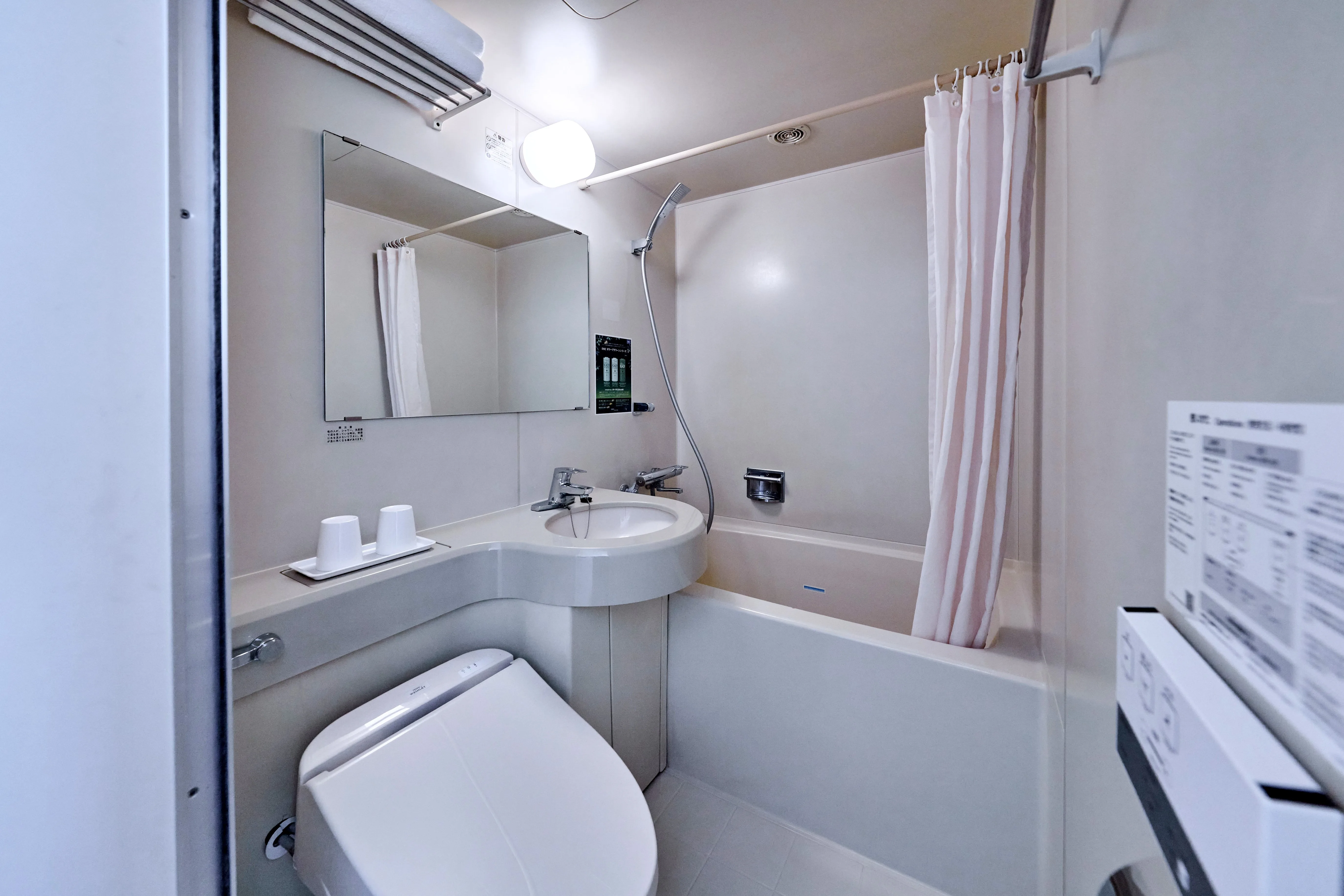
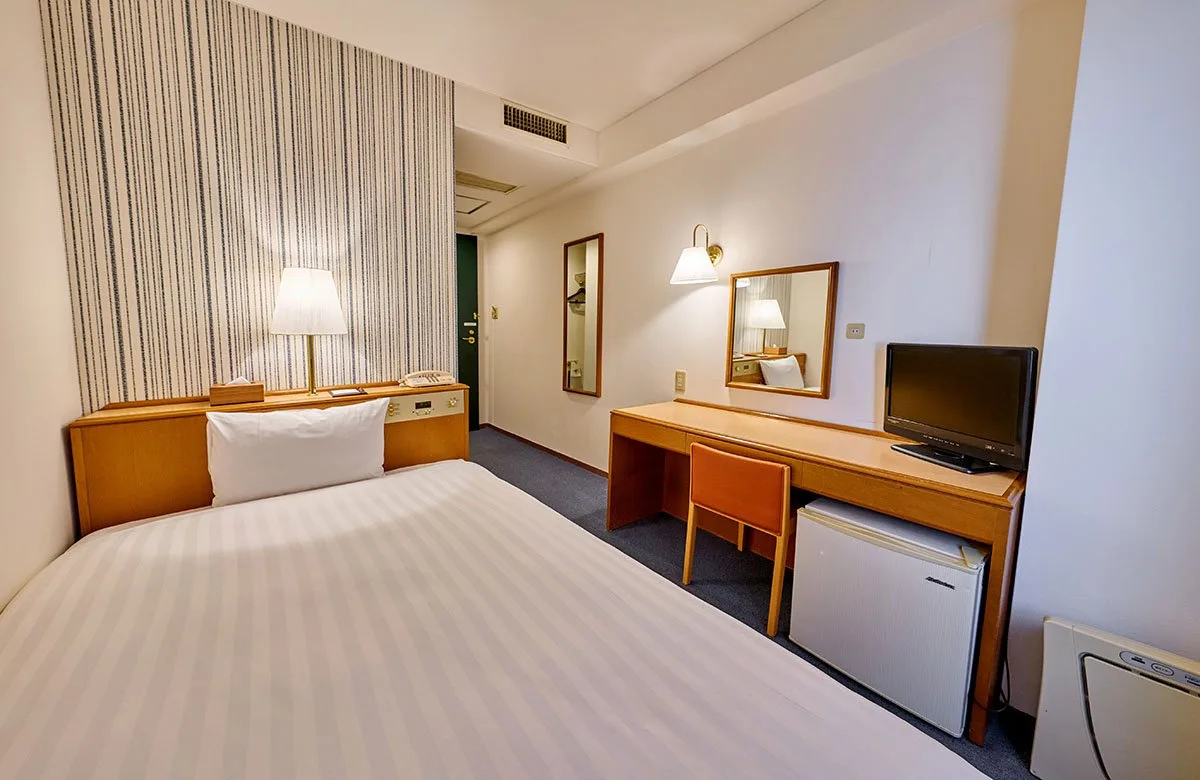
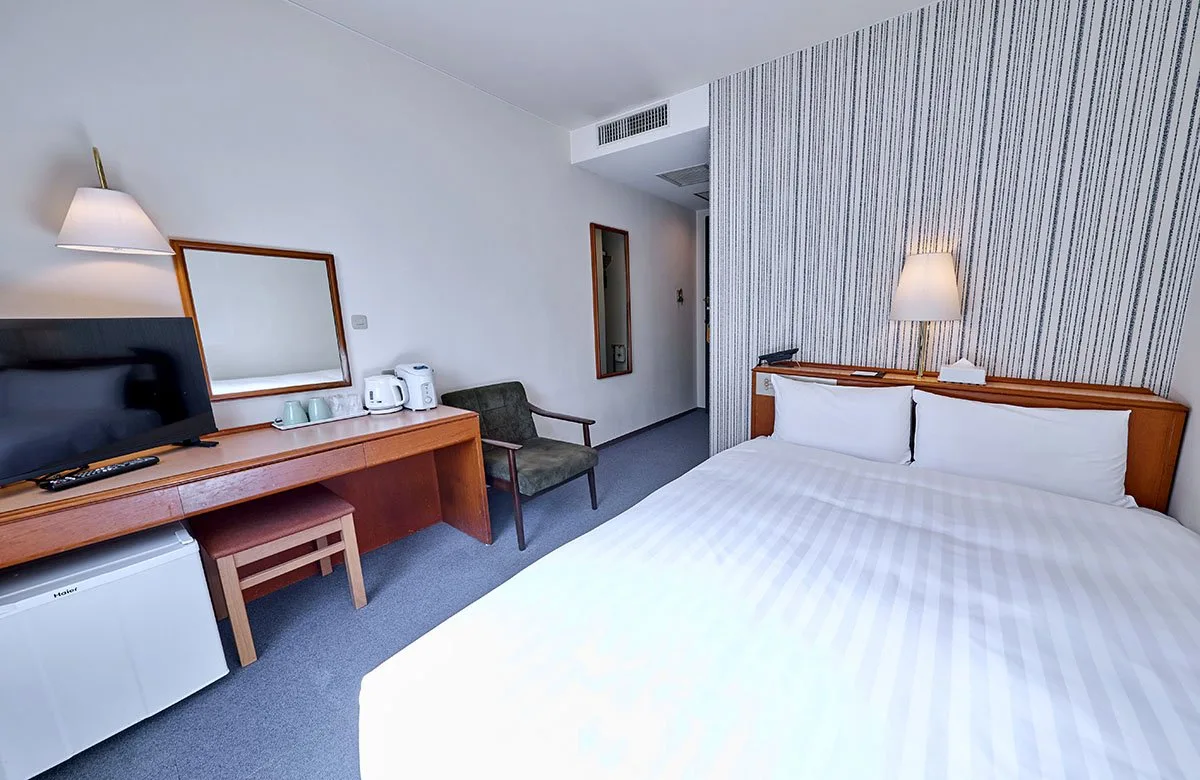
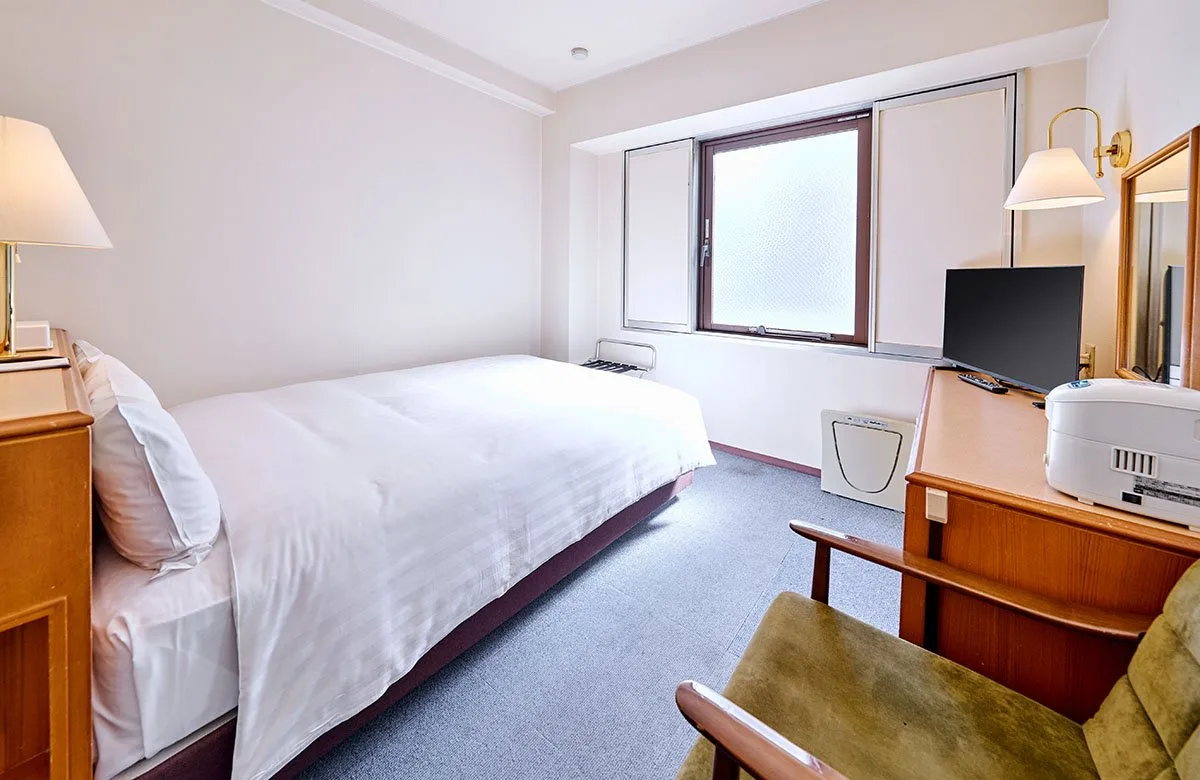
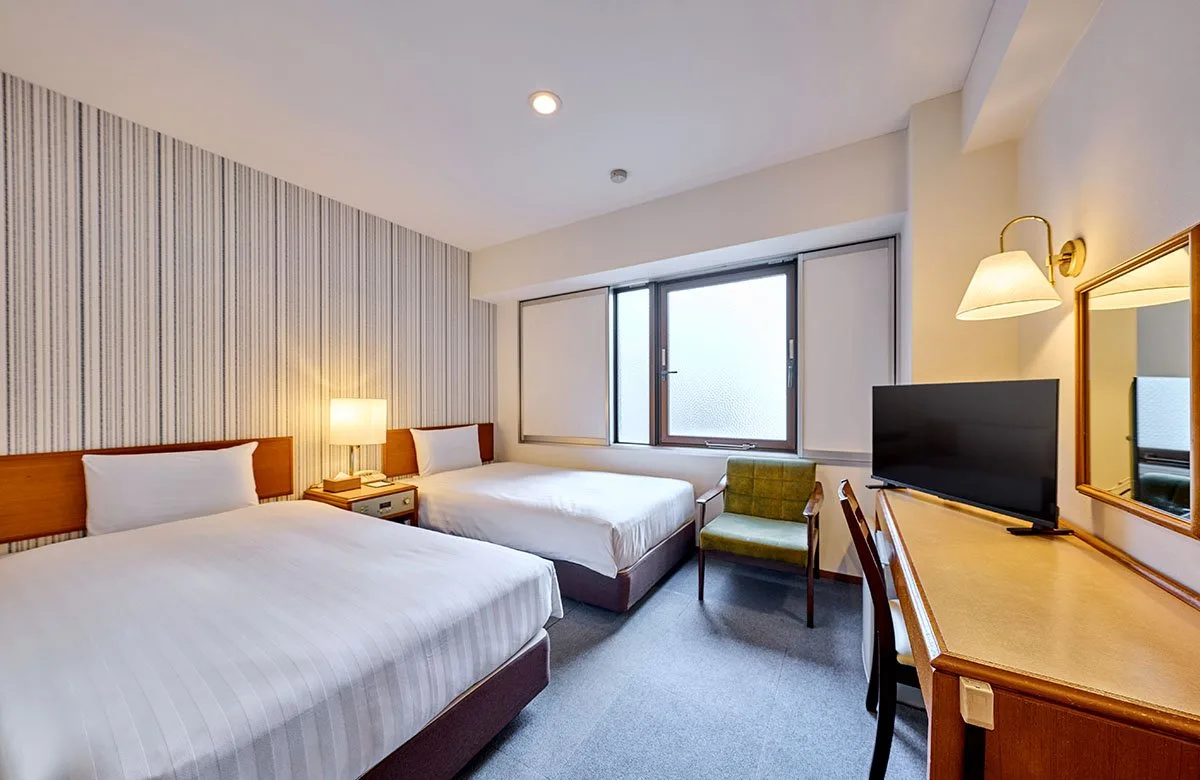
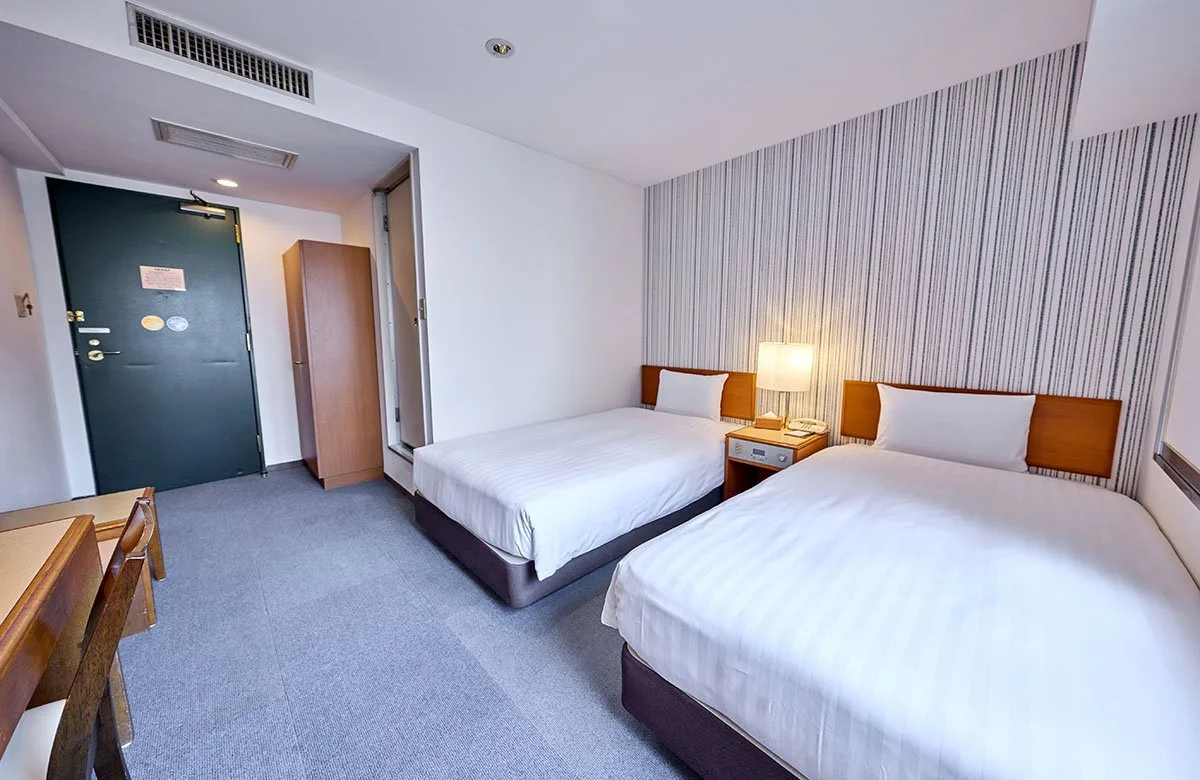
The photos below show beds, desks and bathrooms by category. Shared amenity photos illustrate equipment; compare actual dimensions with your booked type.
Room photos: beds, desks and bathrooms
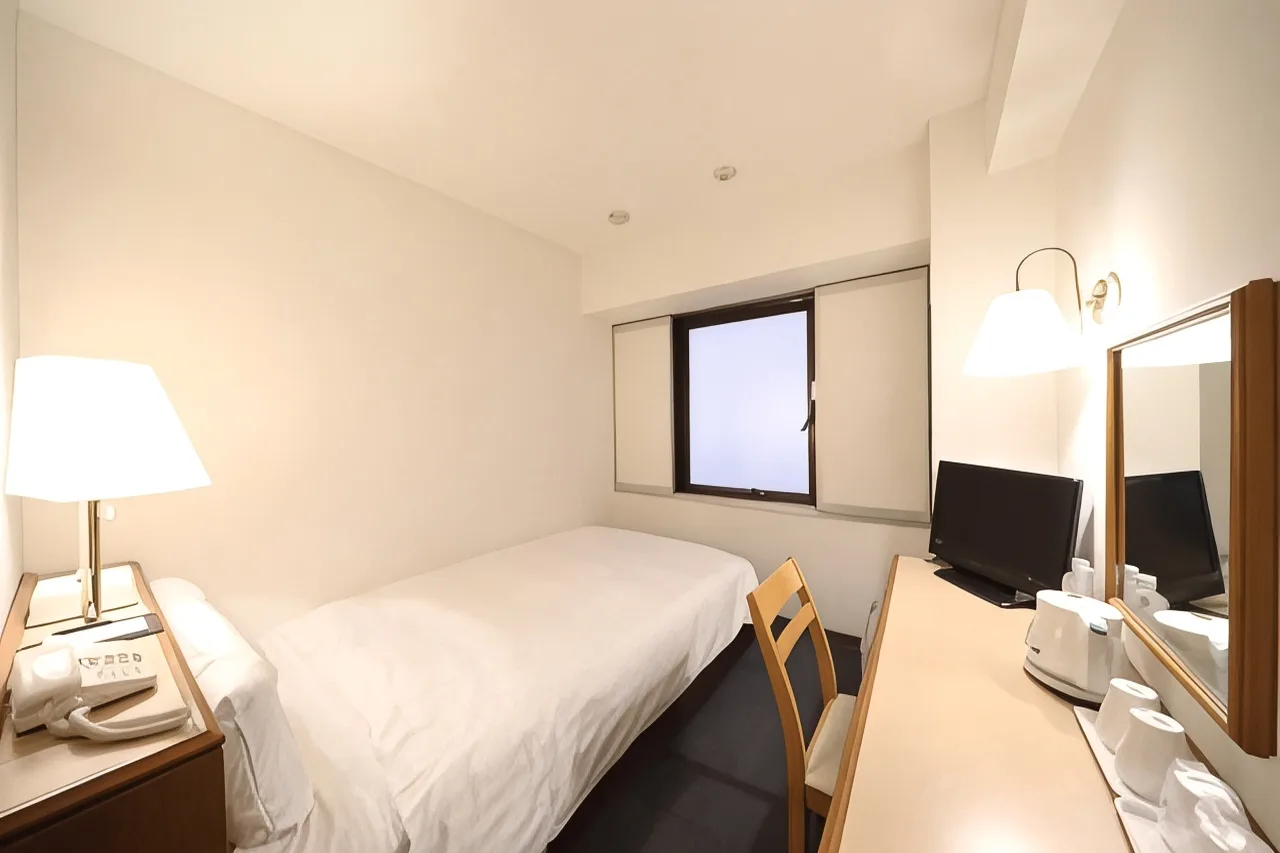
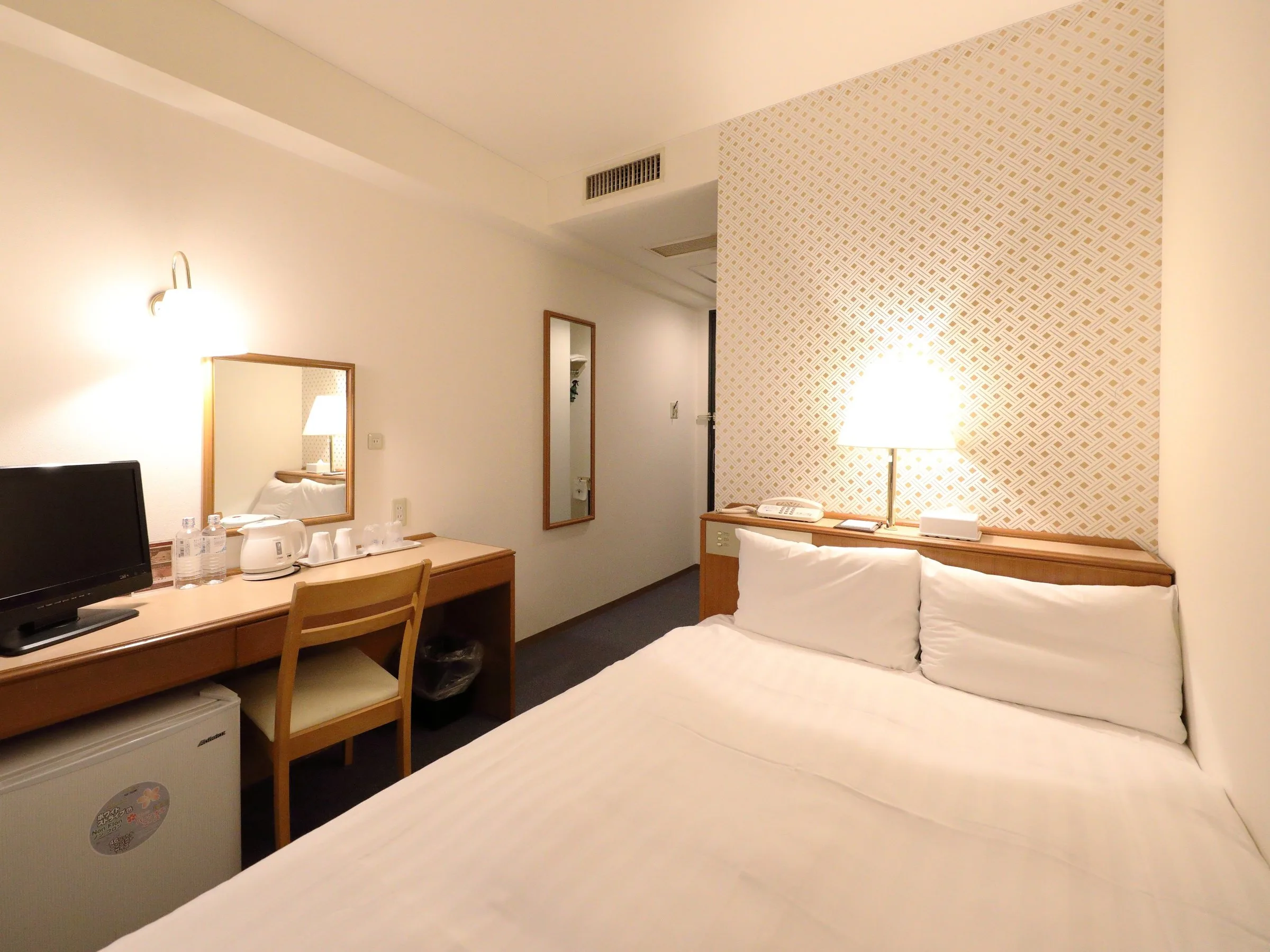
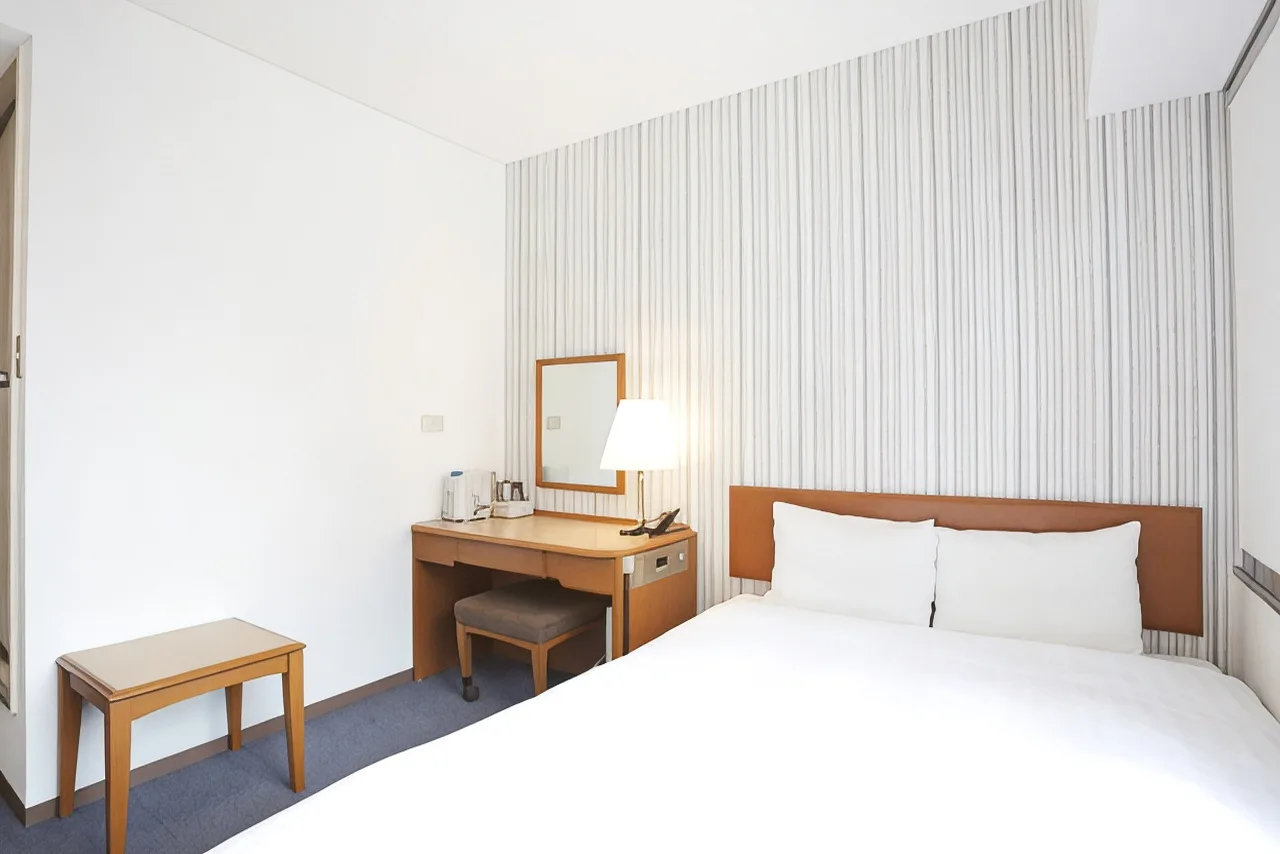
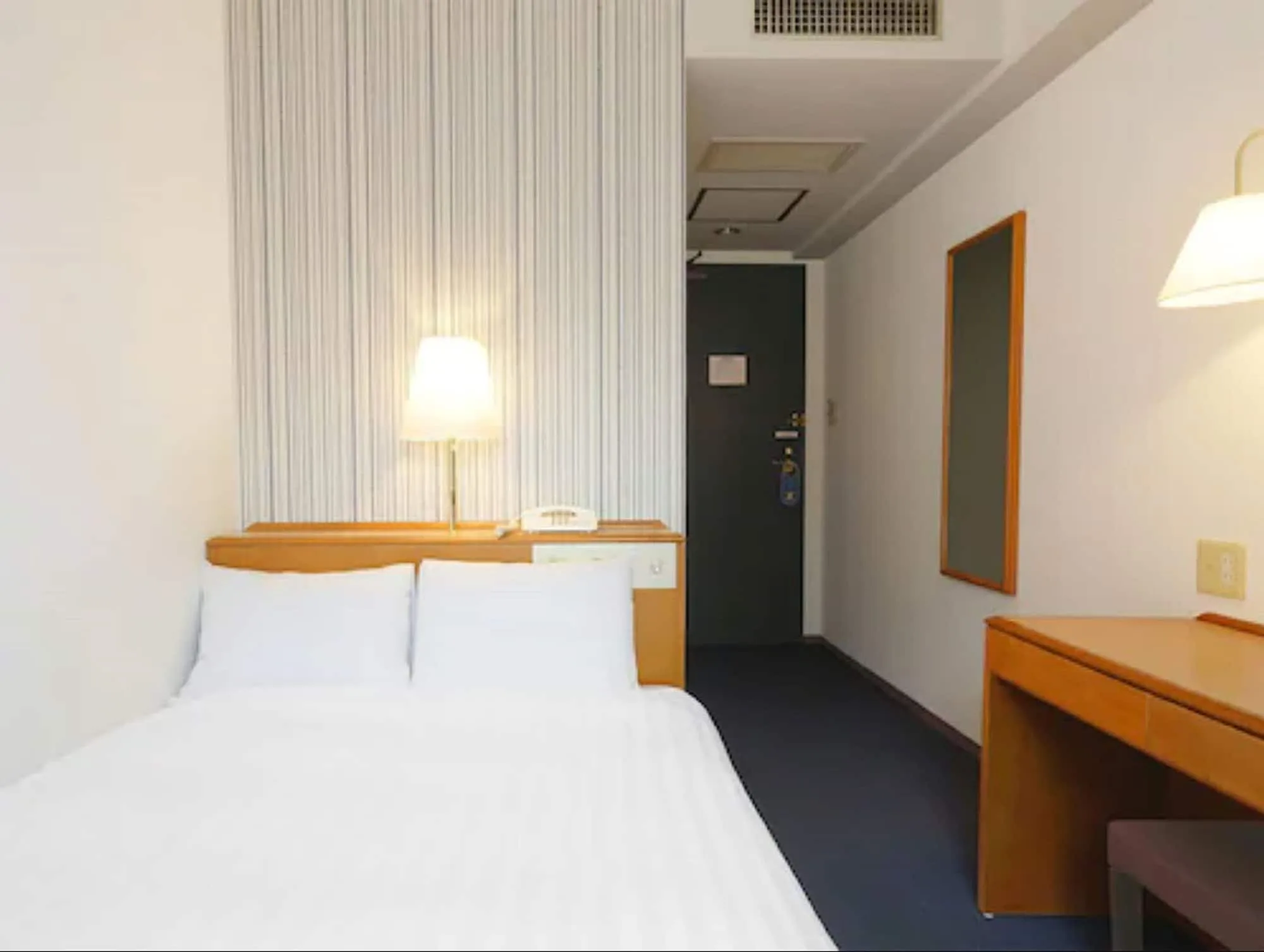
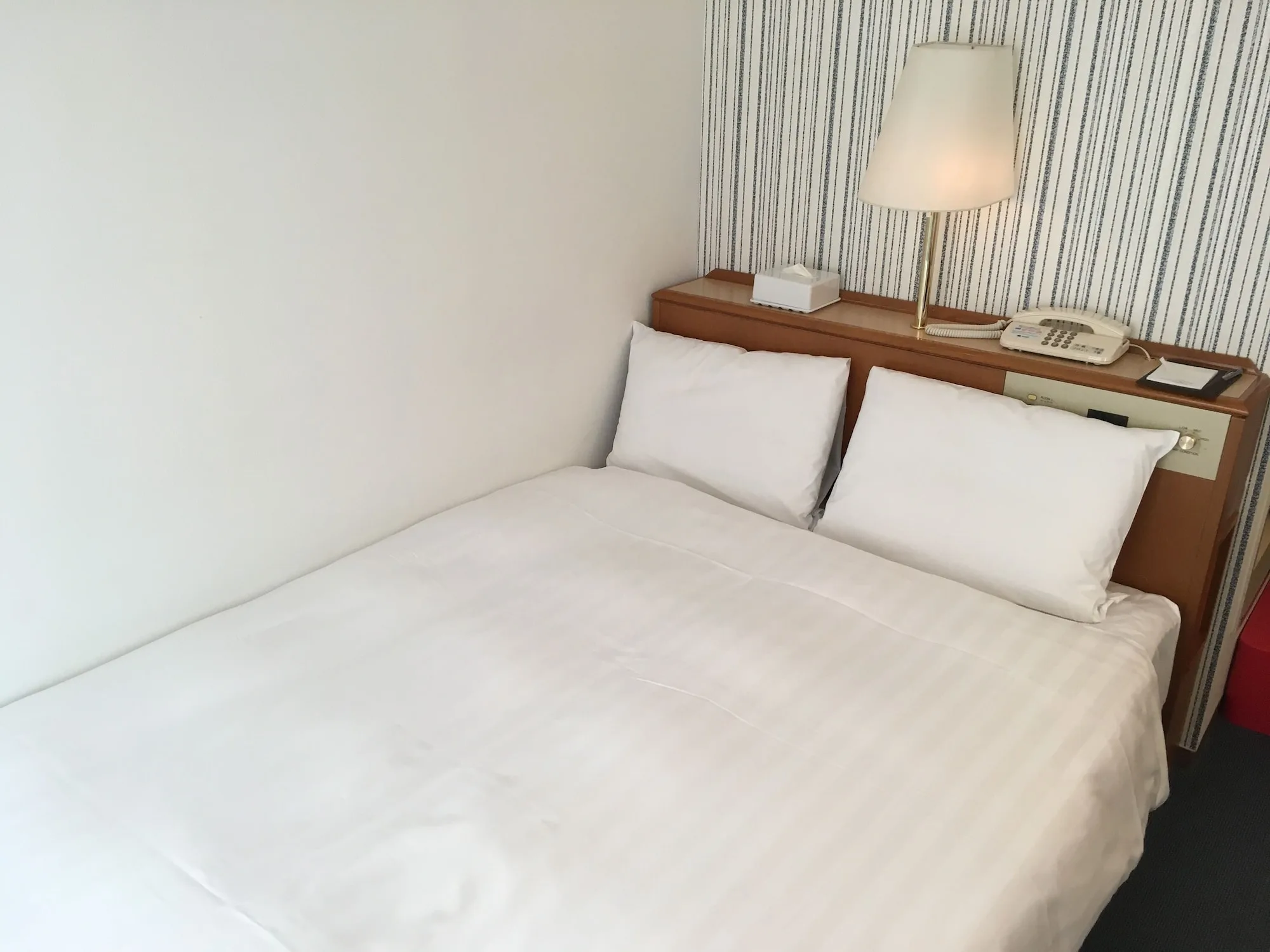
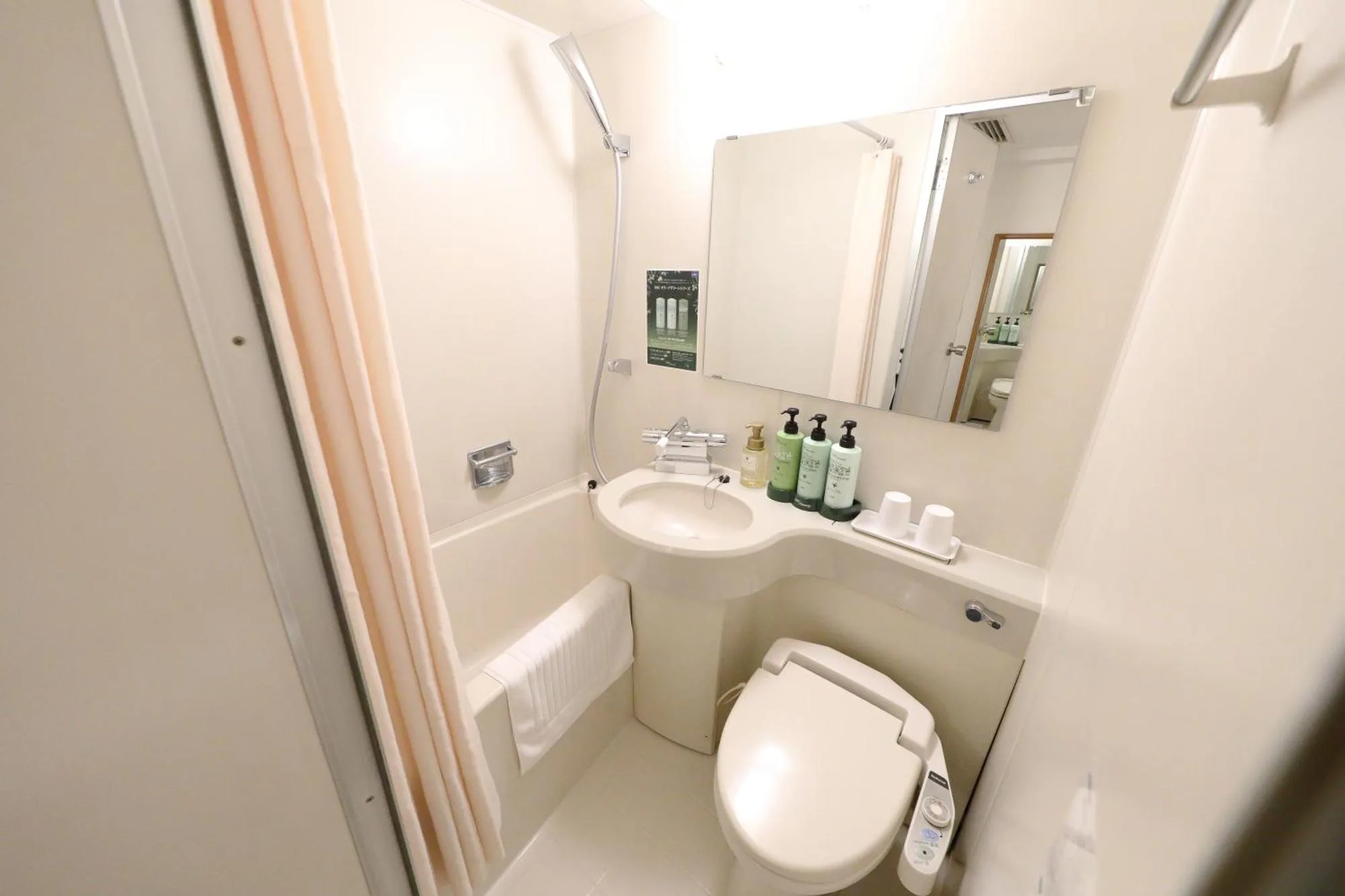
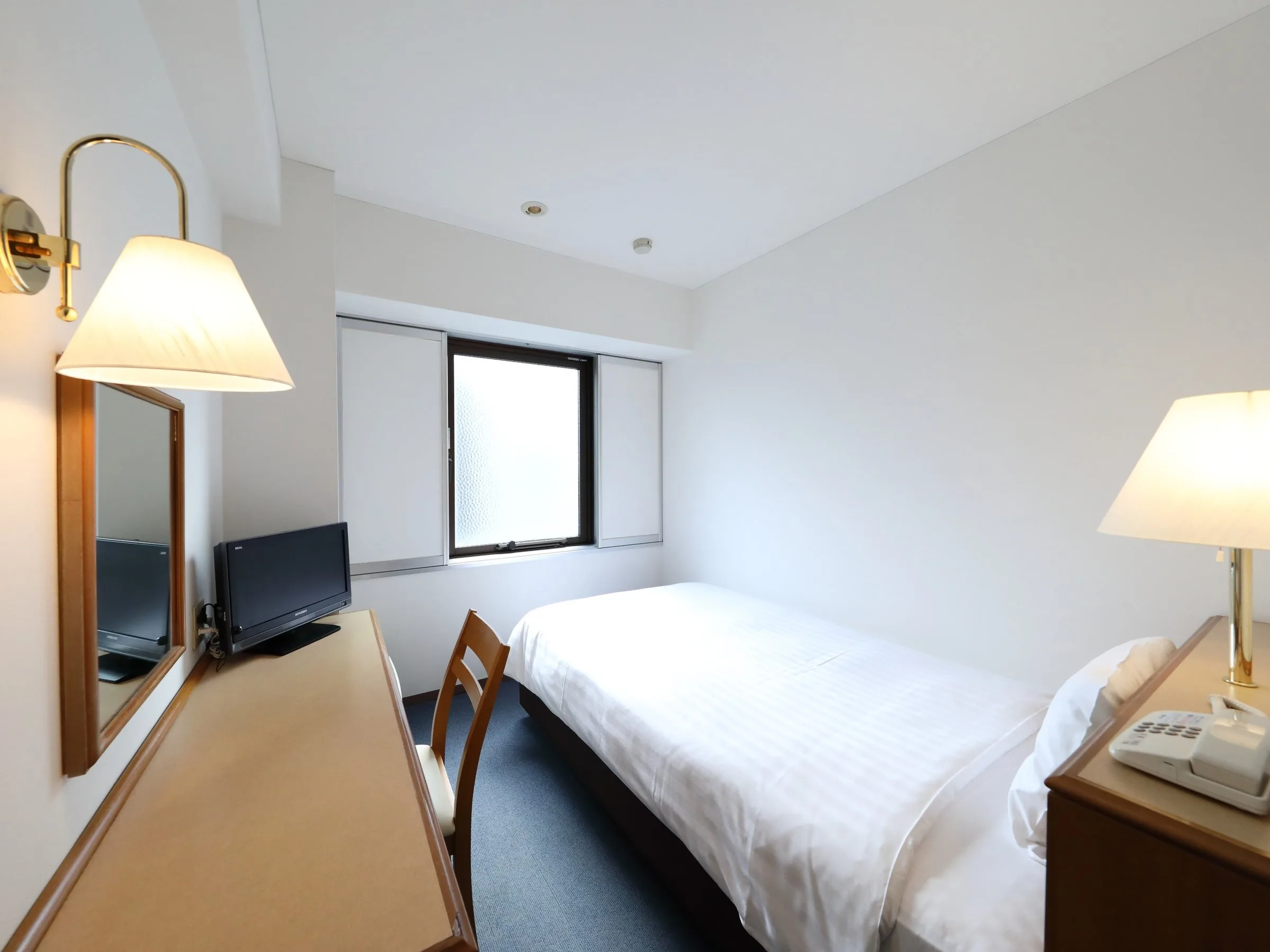
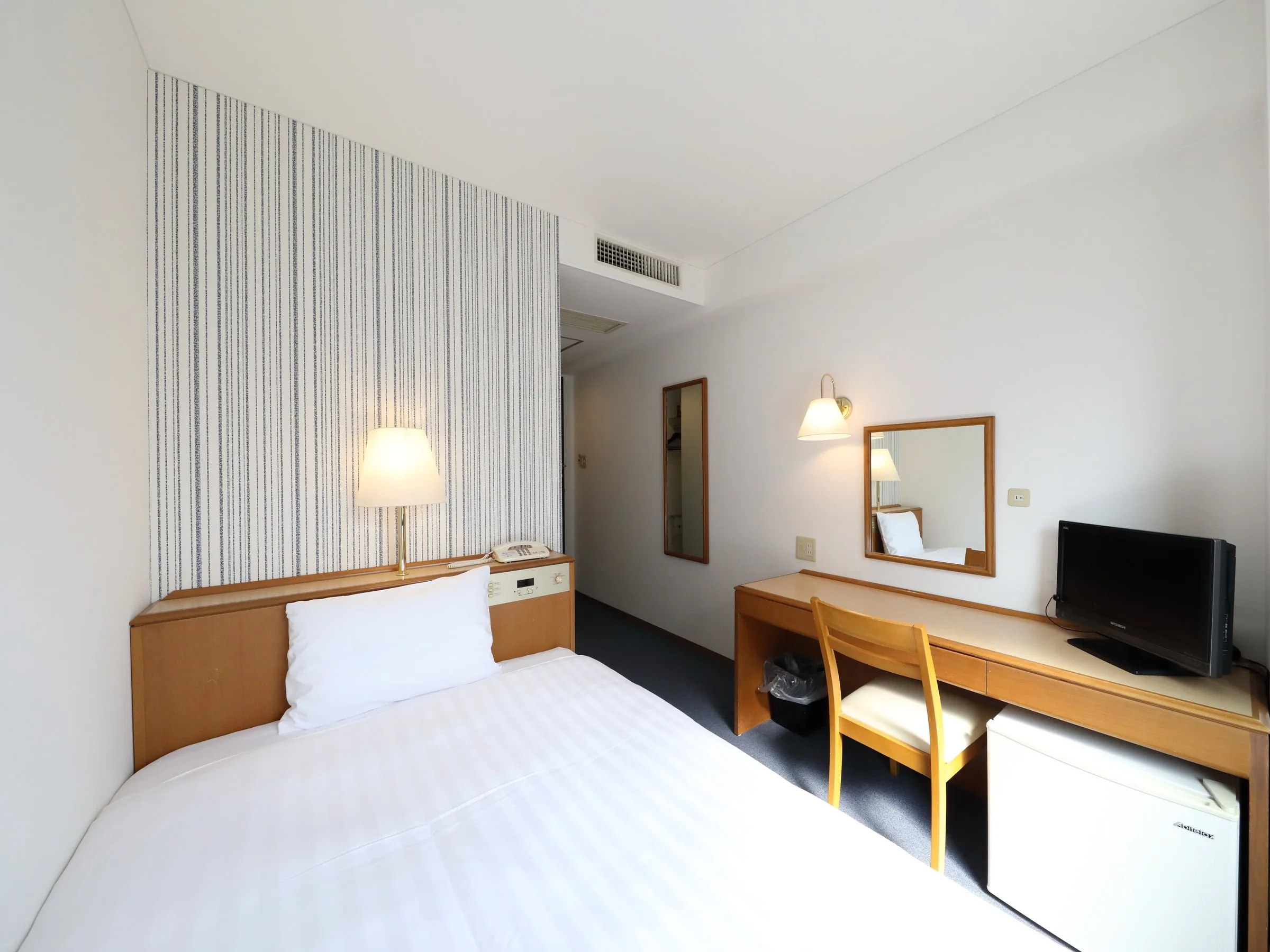
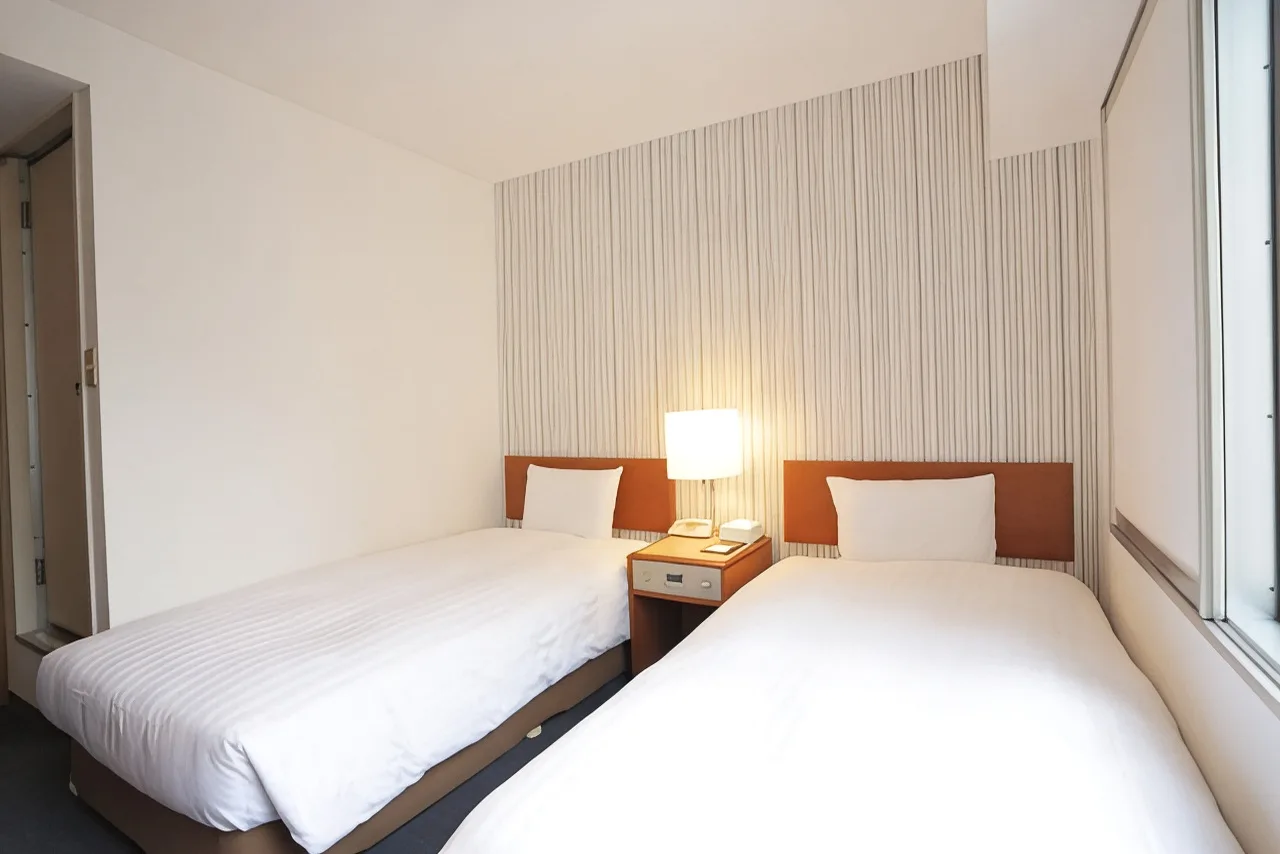
Photos with luggage and personal items in the room show the proportions. What matters is the passage left after two 24-inch cases are opened — I check that first, not just whether the cases fit.
Room photographs: living with suitcases
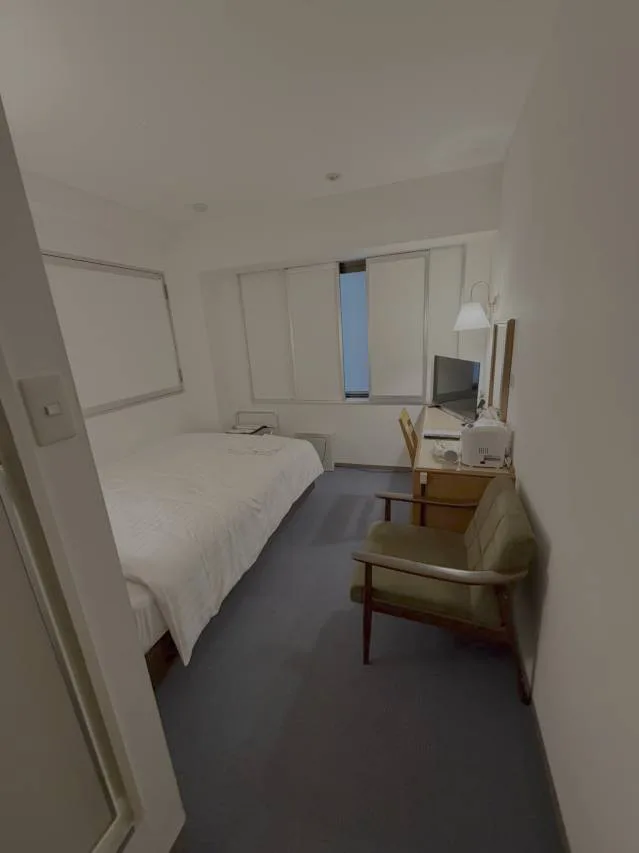
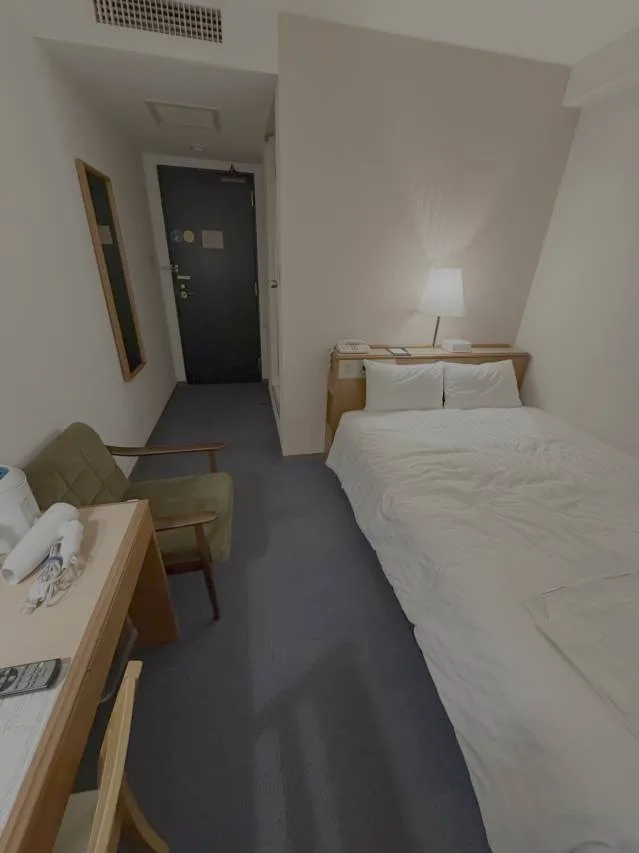
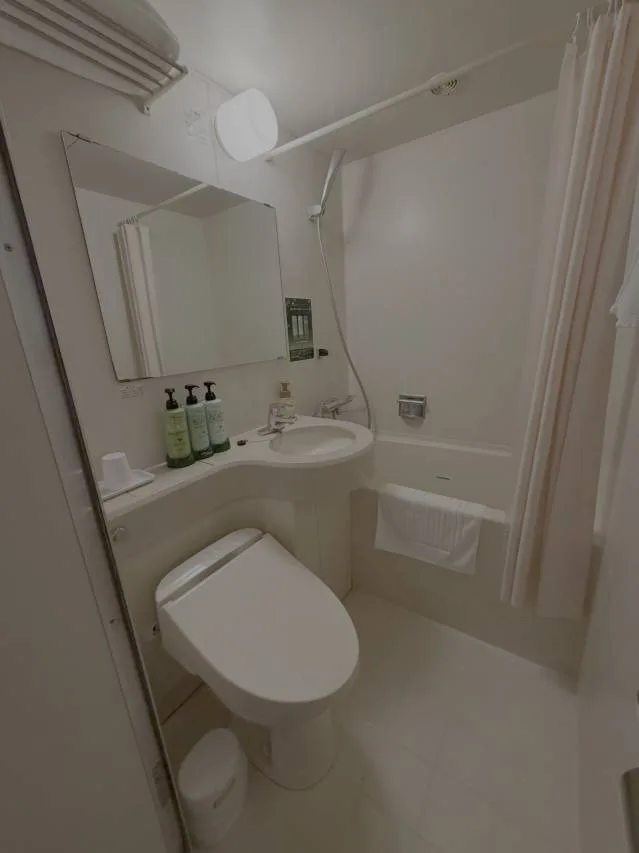
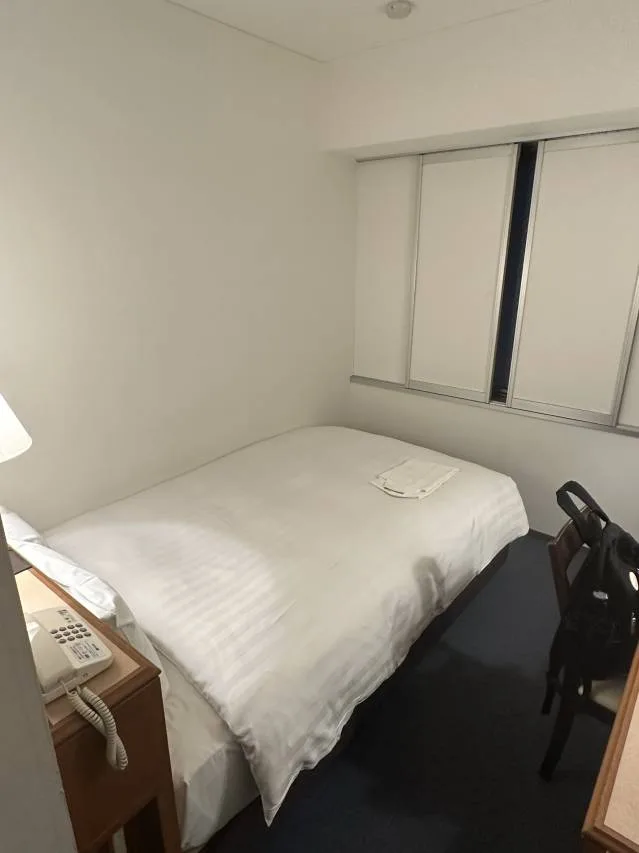
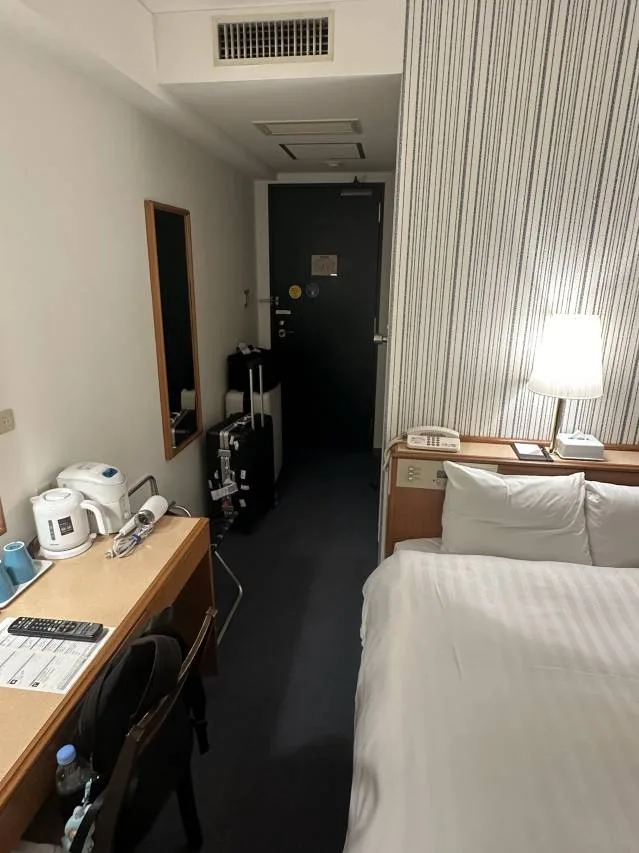
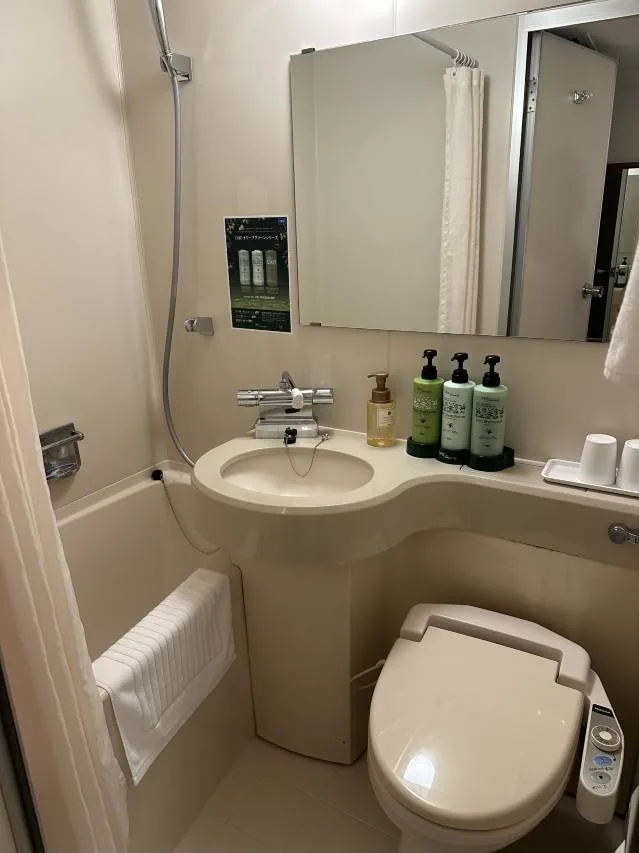
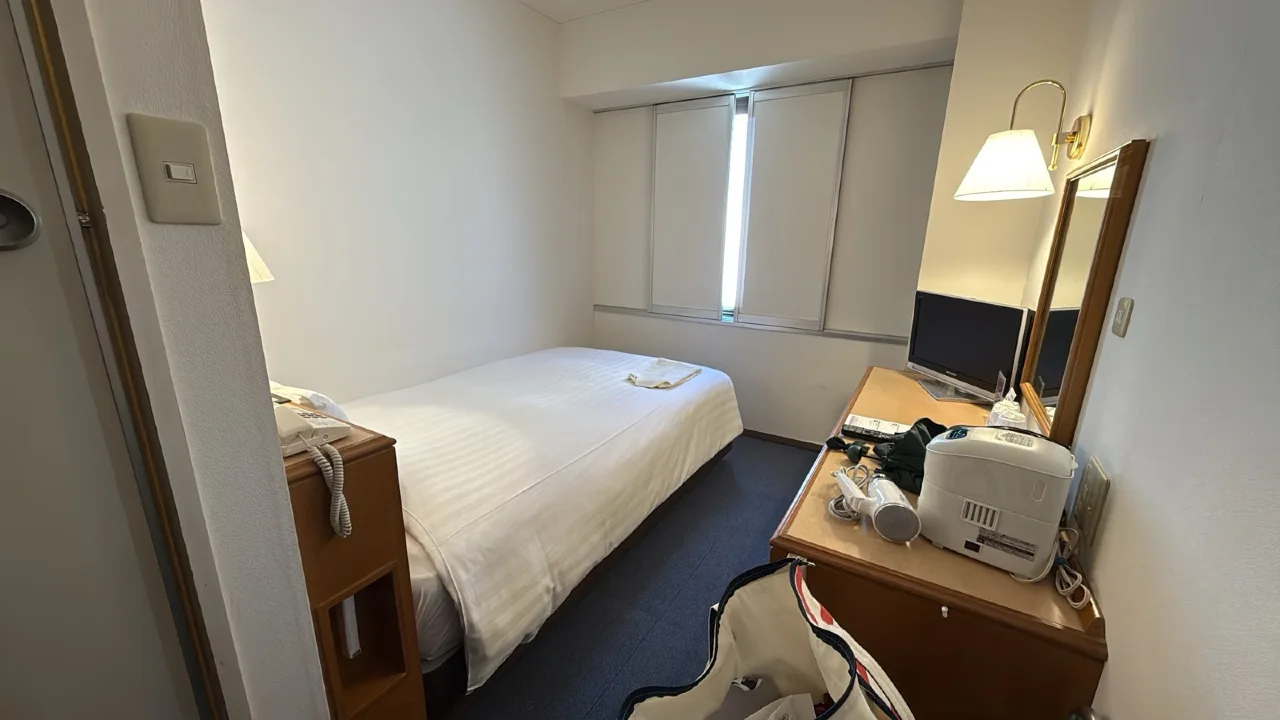
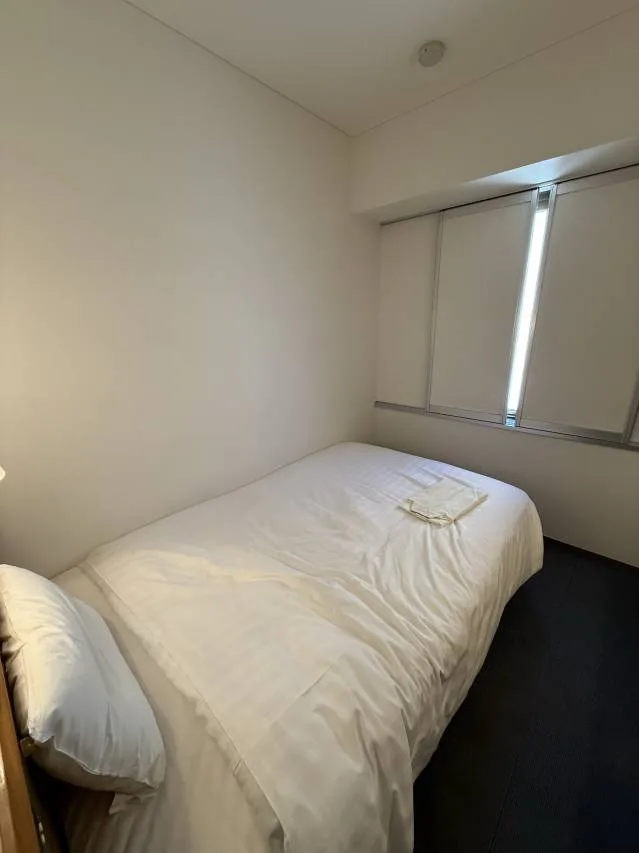
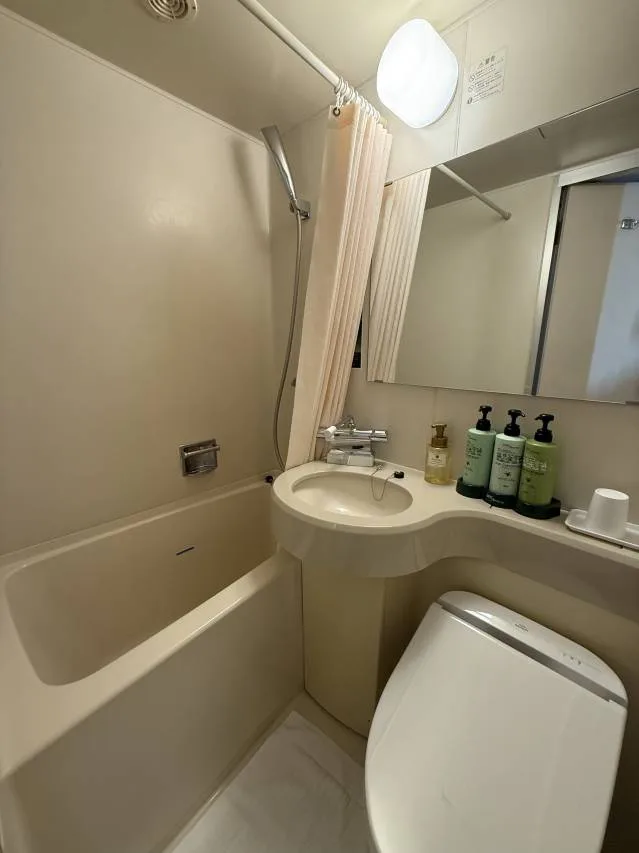
The official site describes combined bathrooms with a bathtub, shower, basin and toilet in one space. This is compact; wheelchair transfers, grab rails or step-free access require individual confirmation, not assumptions from images.
Laundry, microwave and amenities help on longer stays
For one night I focus on bed type, smoking status and transport. Over several nights, laundry and cleaning matter more. The website lists coin laundry on floor 8, microwave and ice machine on floor 4, and some self-service amenities with welcome coffee and barley tea in the lobby. These conveniences do not make a 12 m² room larger.
Arrange washing for after returning, and check the exact cleaning and towel policy. The hotel uses centralized air conditioning; if sensitive to room temperature or seasonal switchovers, ask how the system operates. Equipment and amenities depend on availability.
Drivers should note the private car park costs ¥2,100 per stay, spaces are few, and advance booking is required. Luggage can be left at the front desk, the lobby has free public Wi-Fi, and wake-up calls and taxi bookings are available; together they take some daily hassle out of short and longer stays.
Photos of equipment and in-room supplies
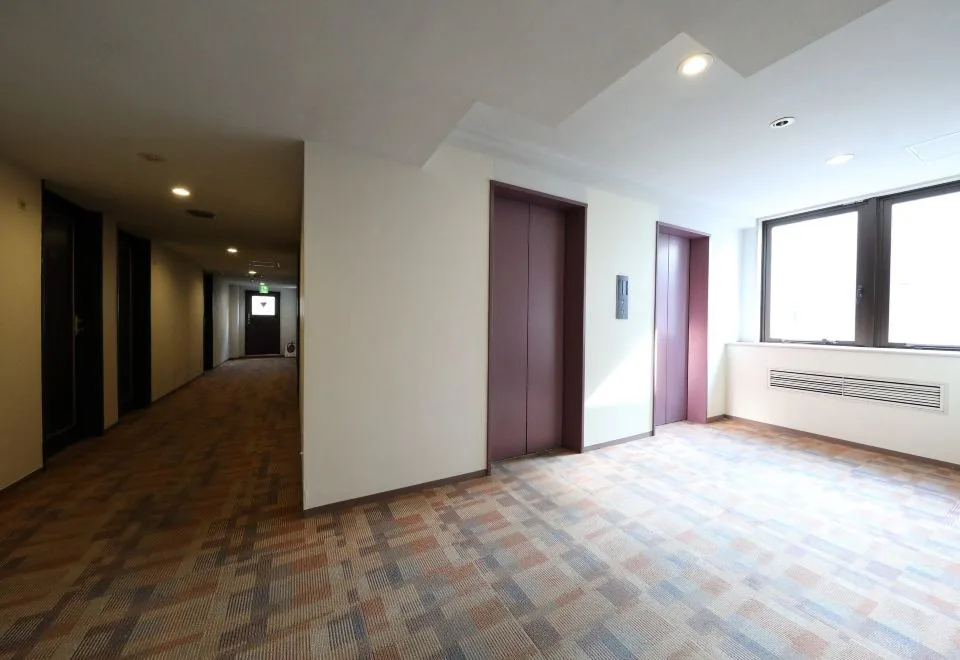
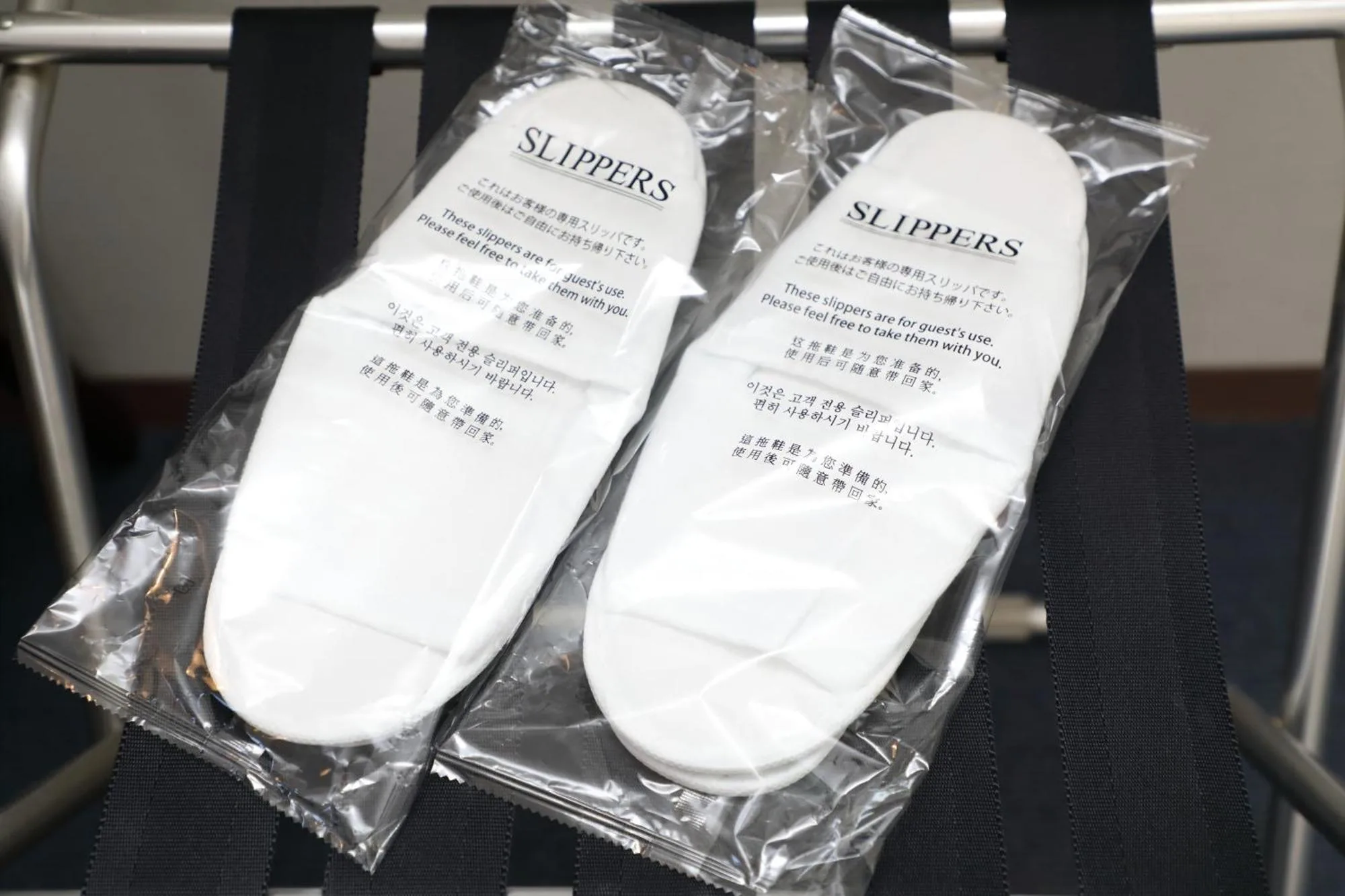
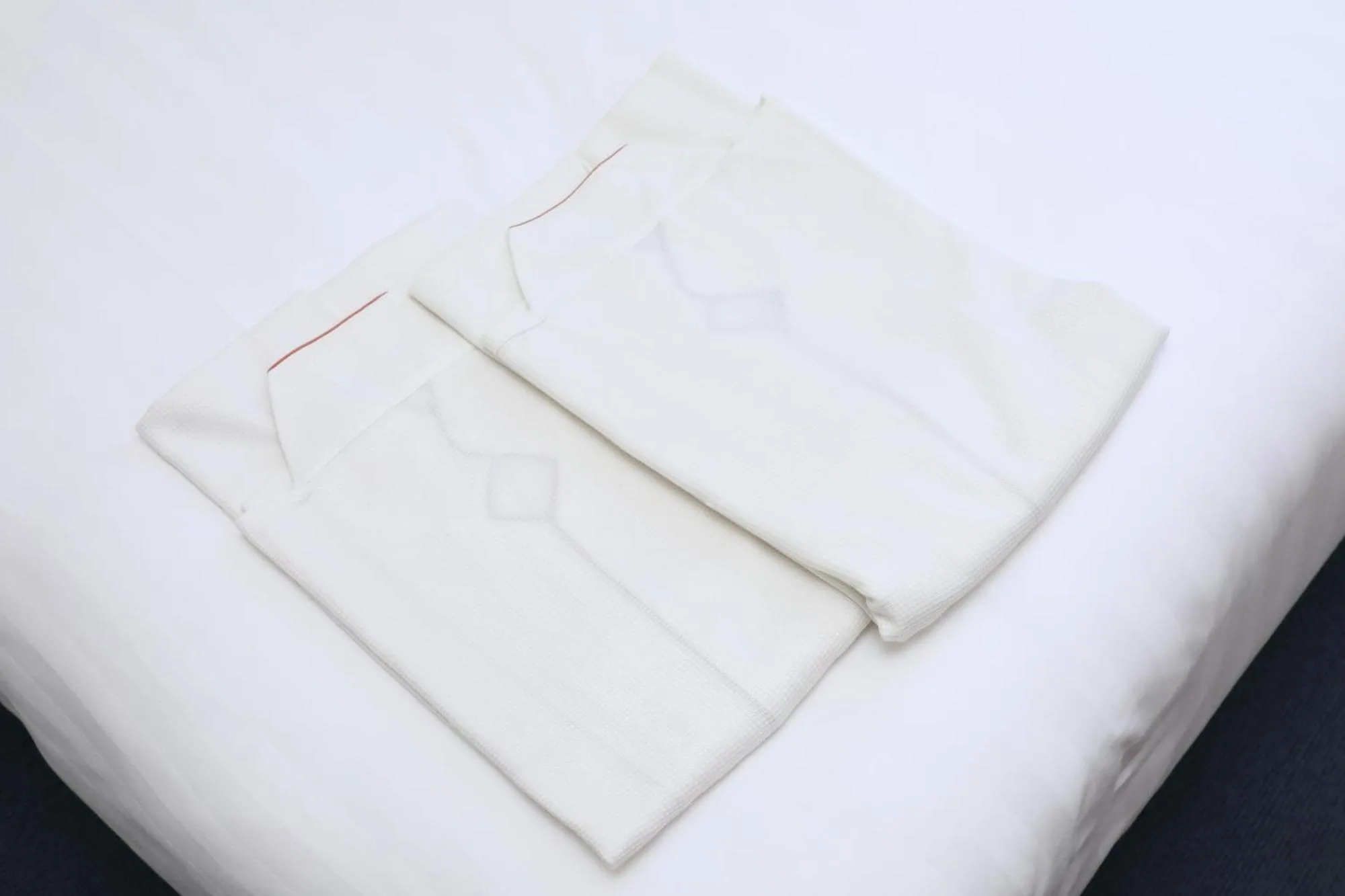
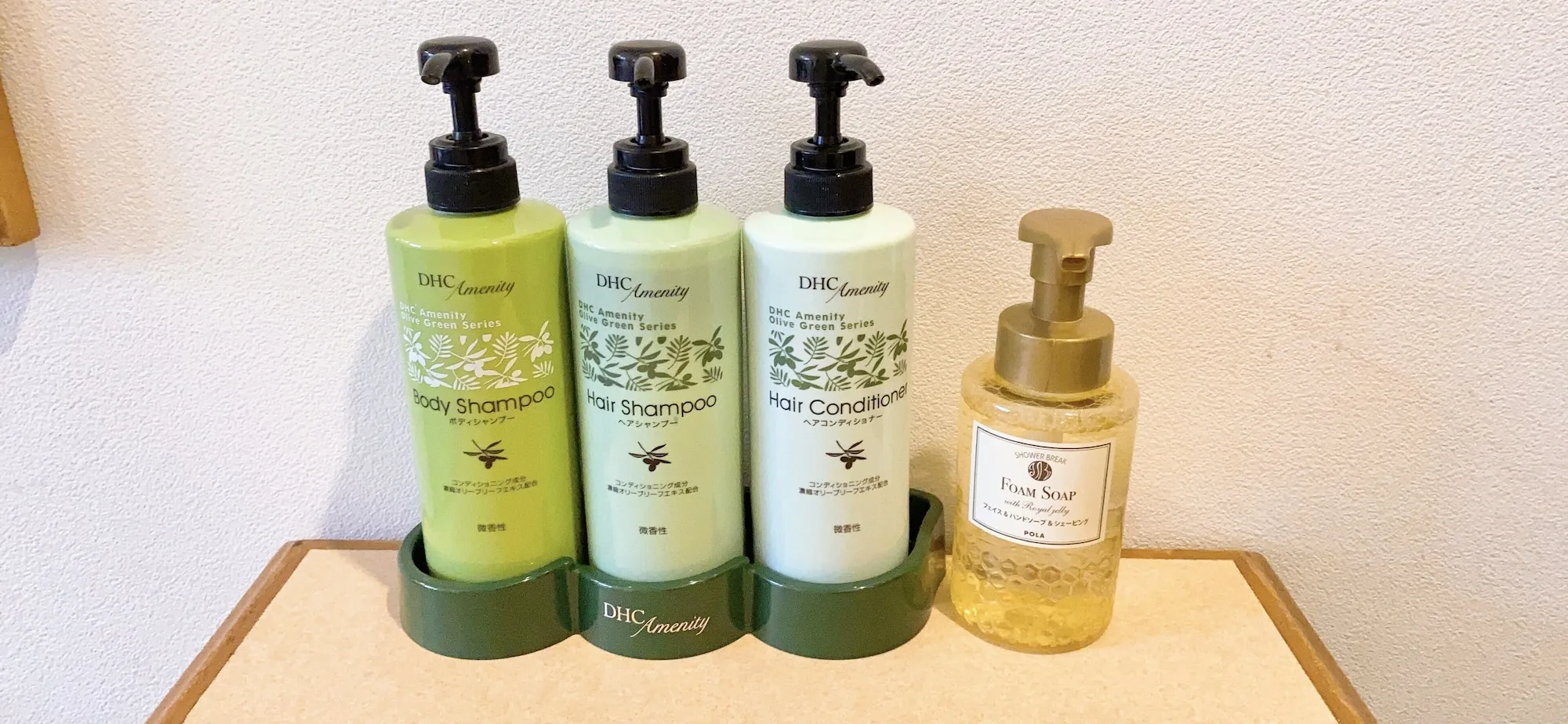
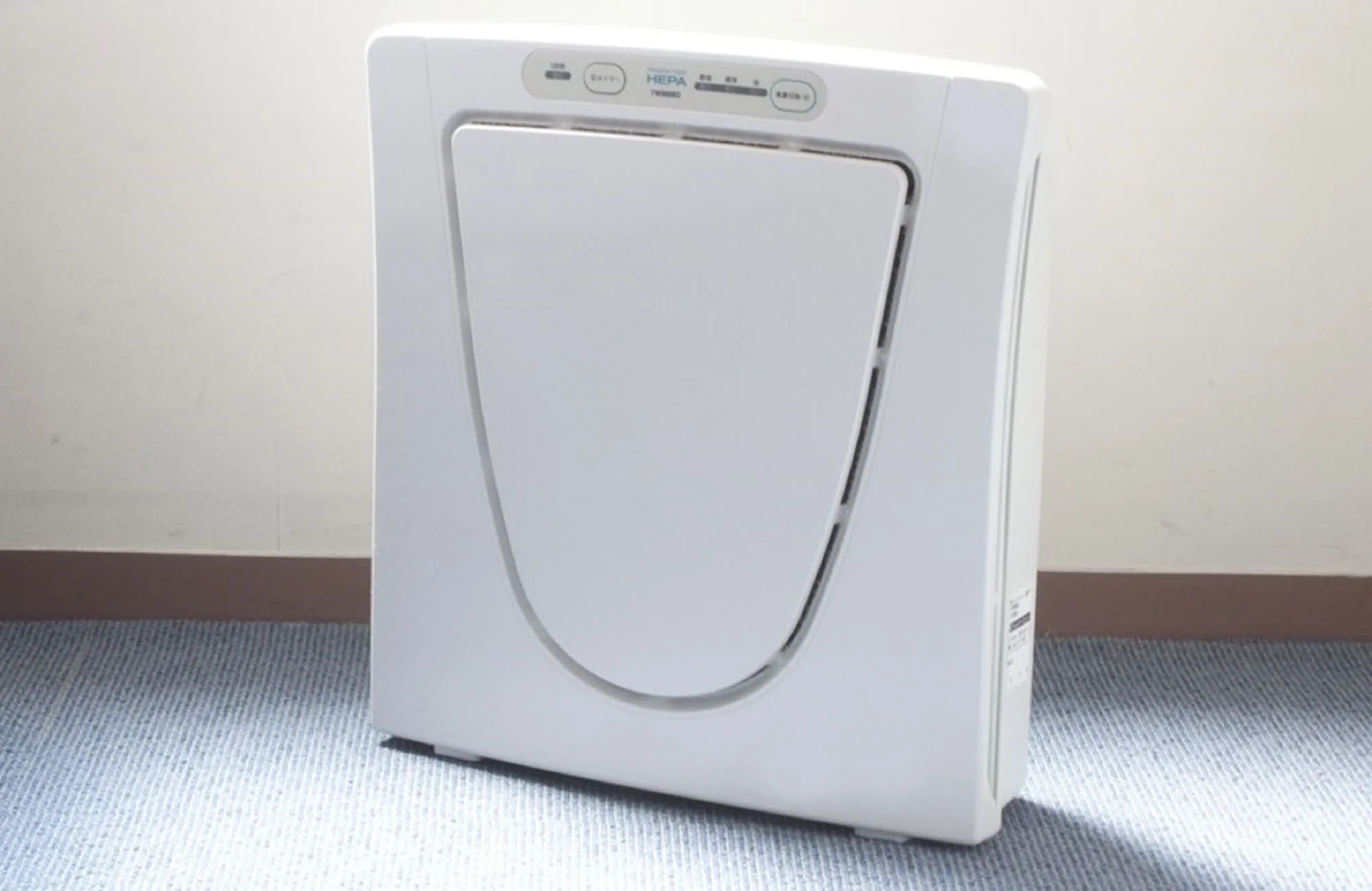
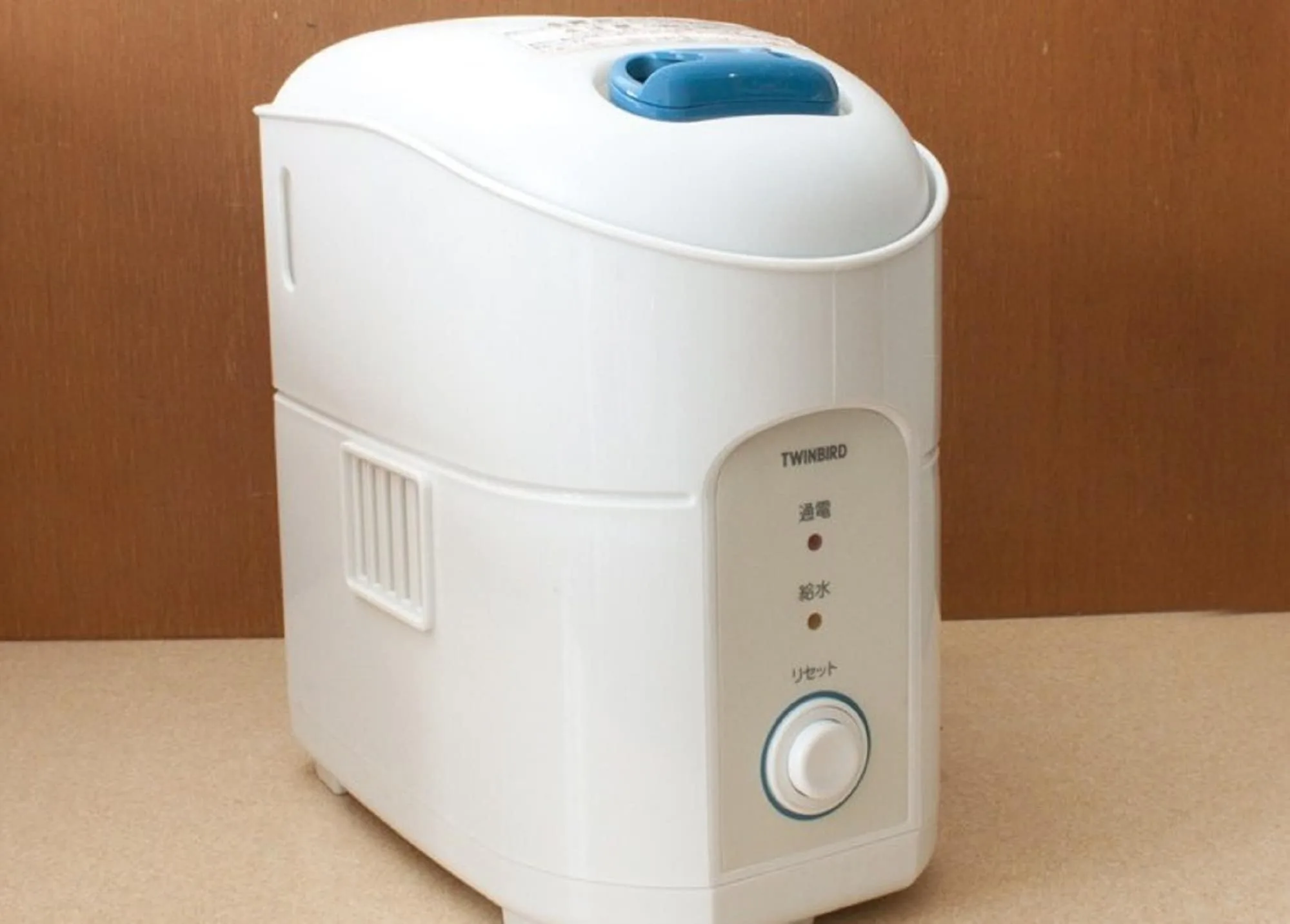
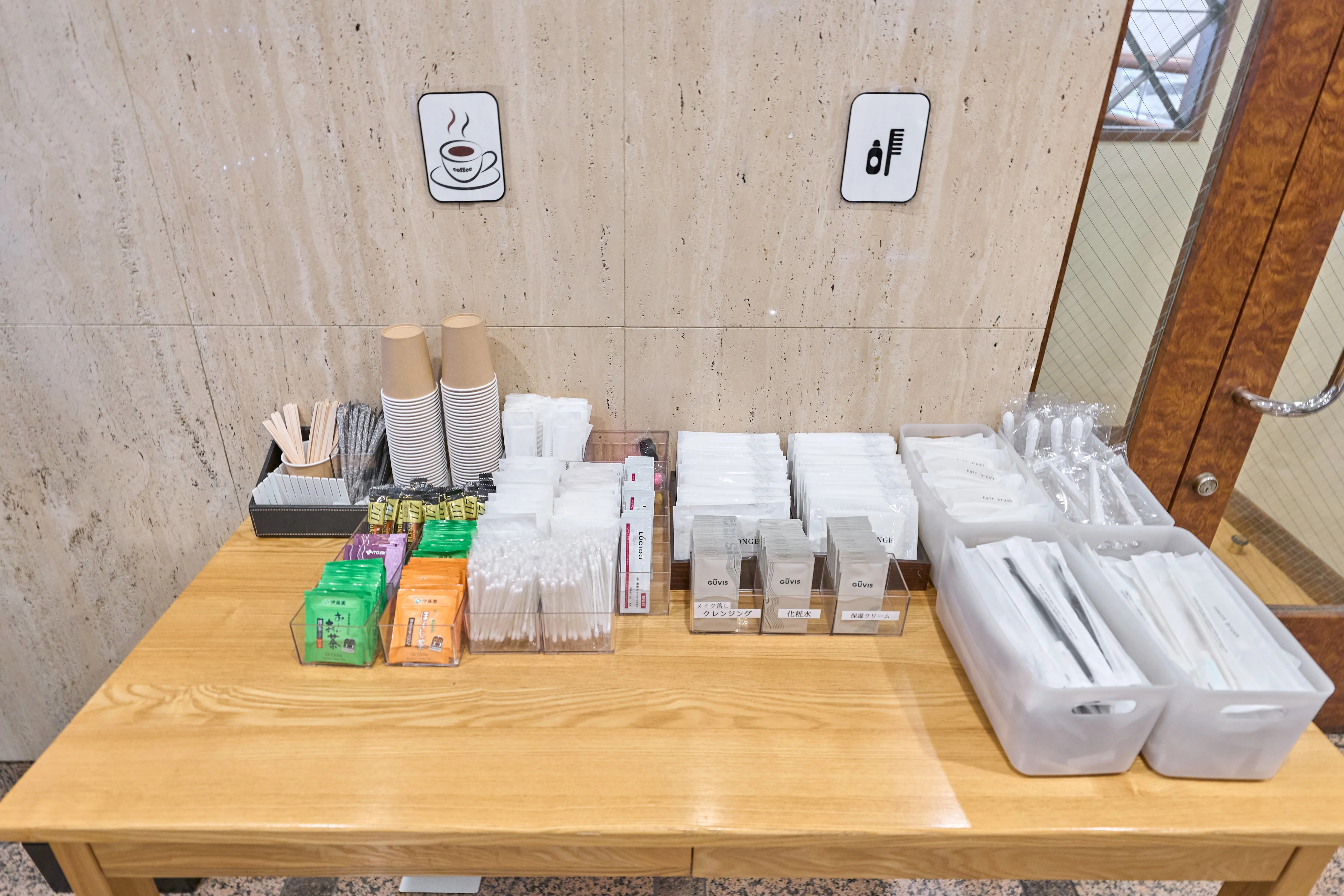
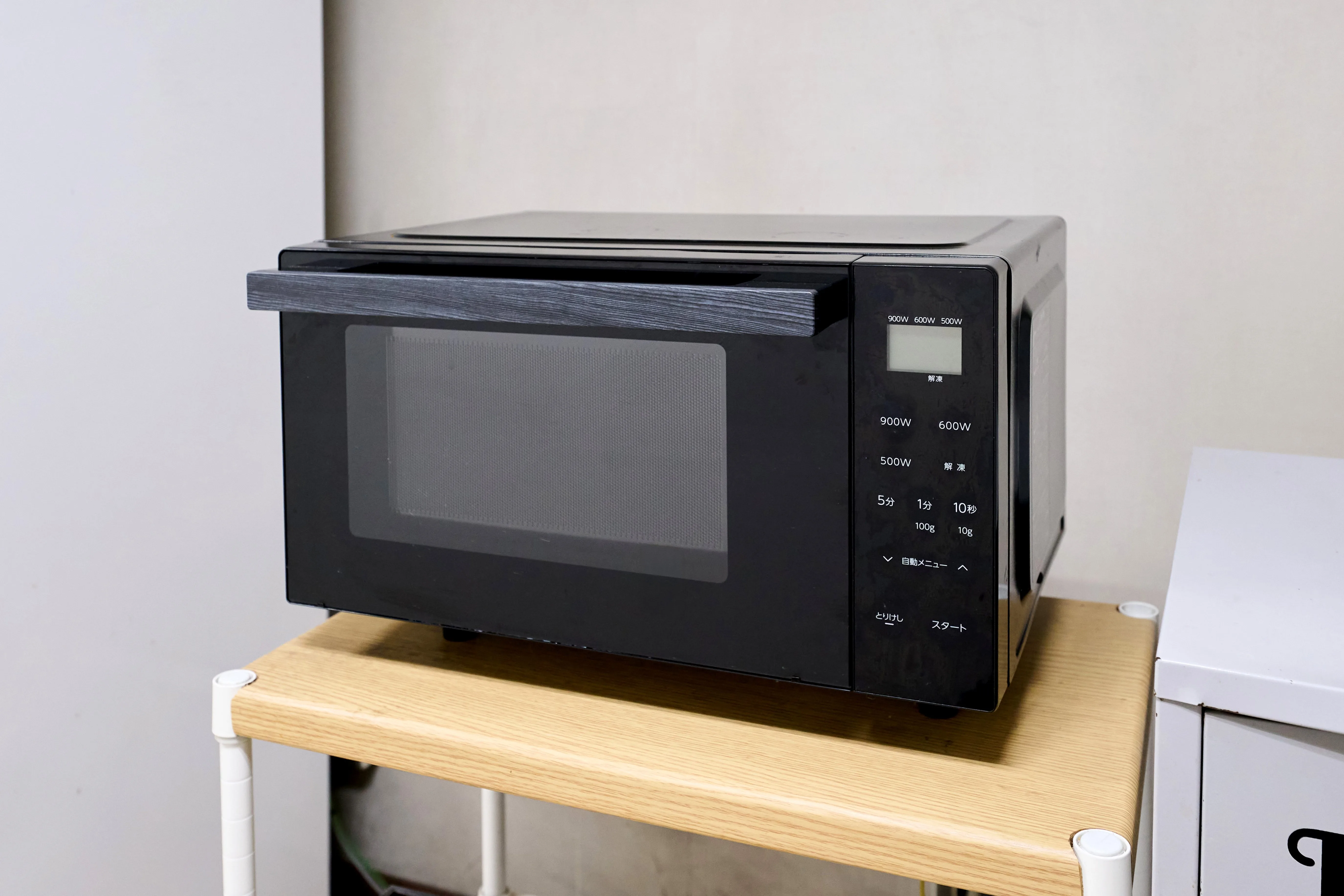
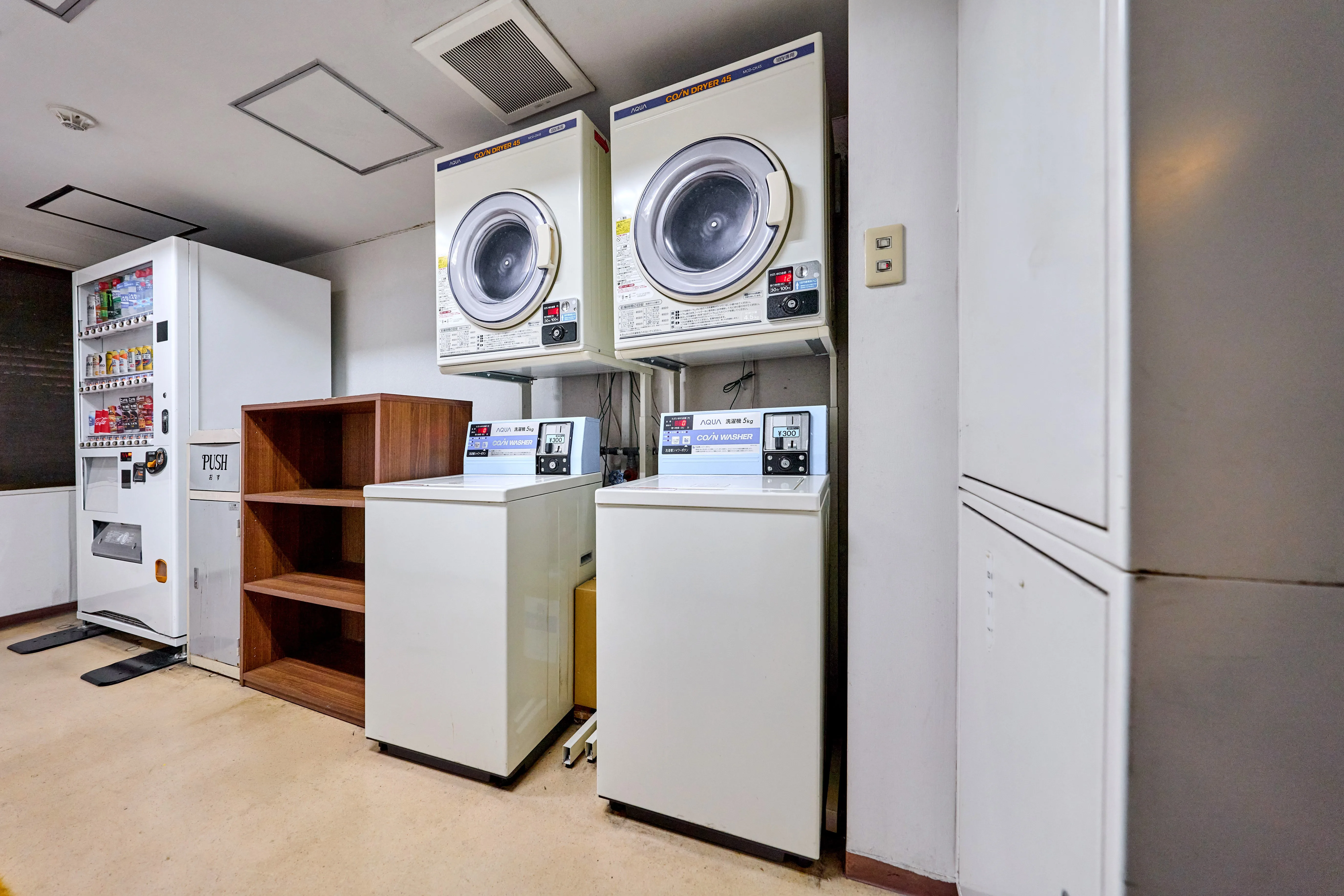
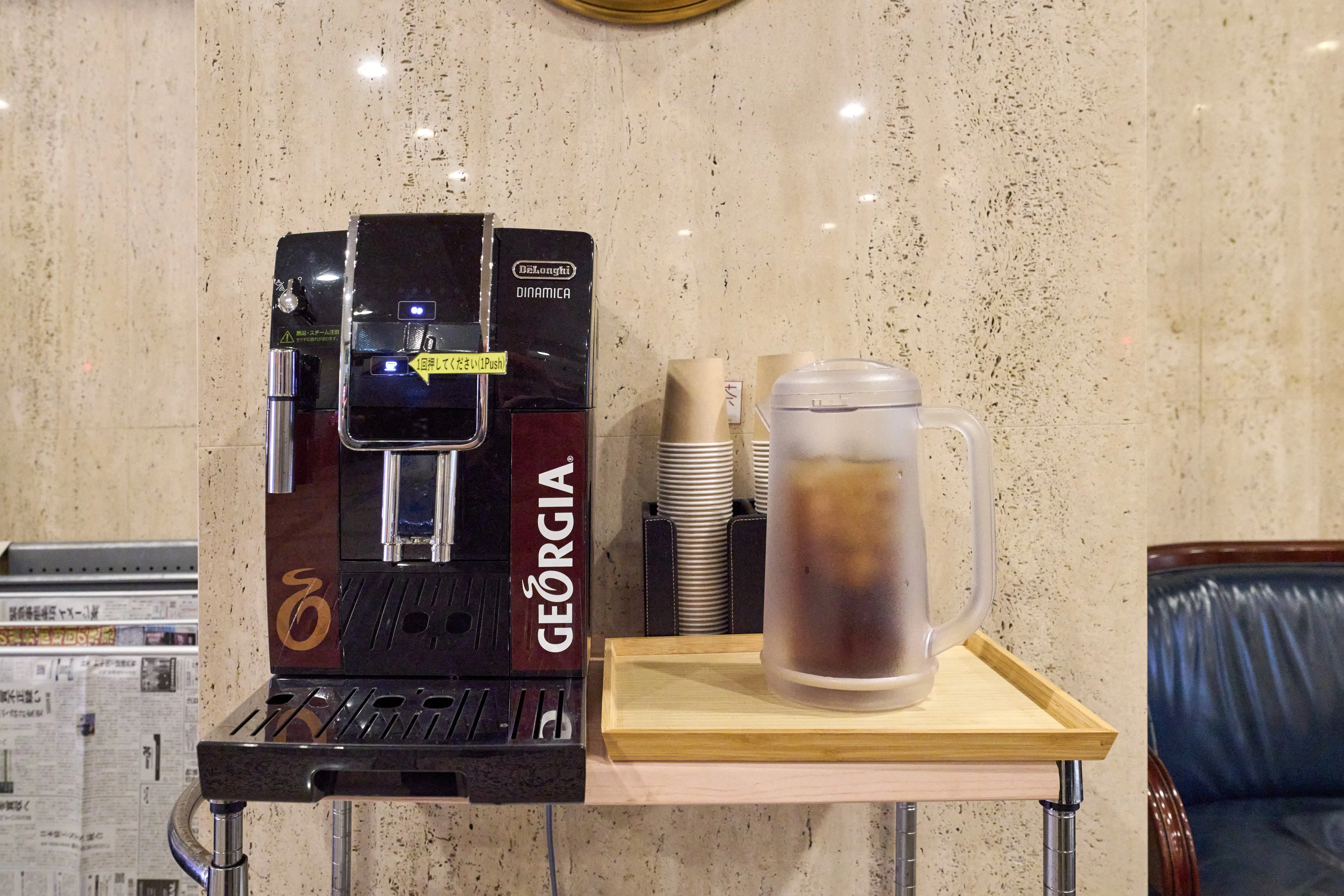
Before heading out, schedule breakfast, luggage storage on the last day and laundry, so a multi-night stay feels easier.
Breakfast saves finding a shop, but consider the value
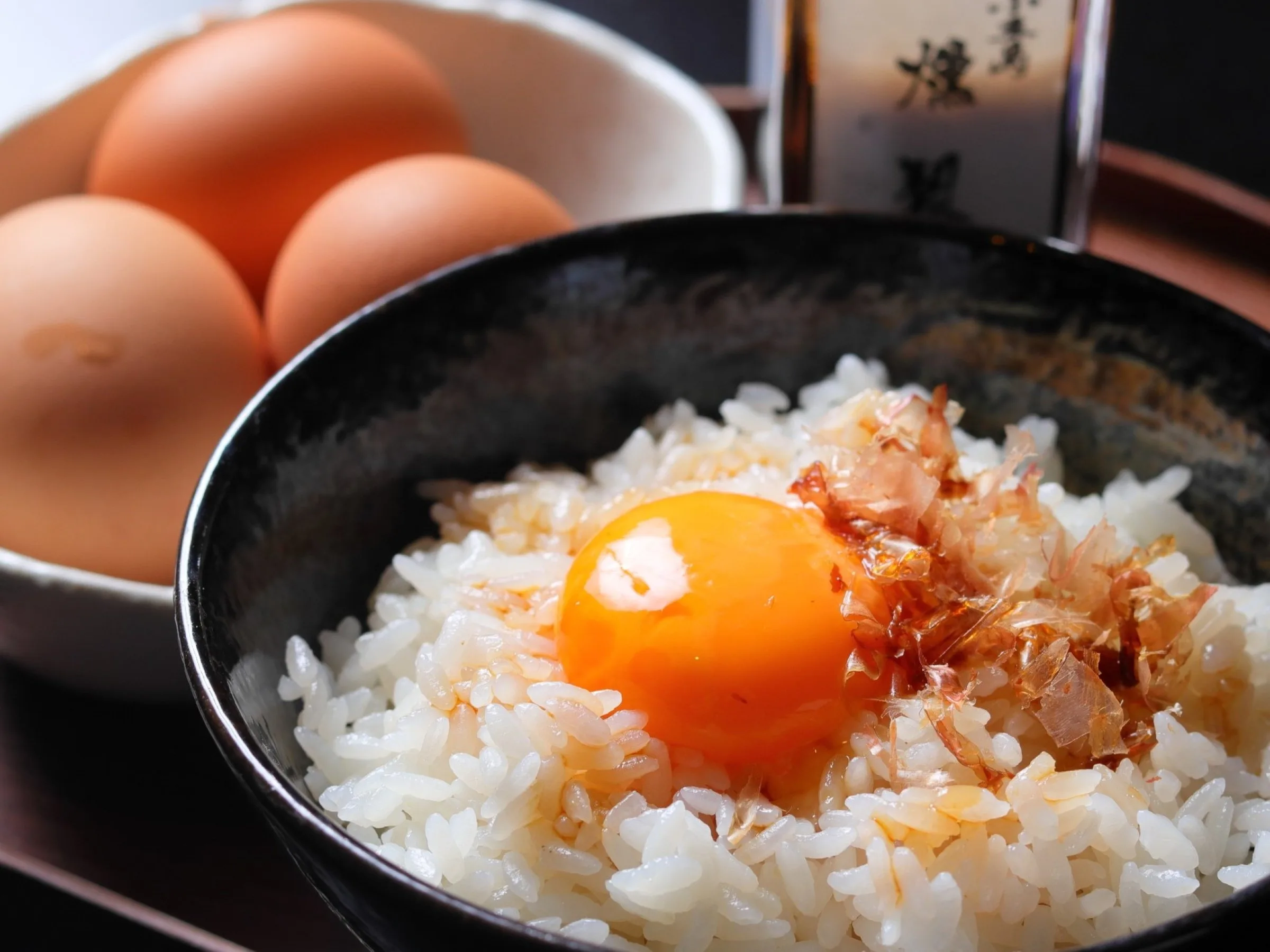
The official site lists breakfast on the first floor from 7:00–9:30 at a reference price of ¥1,100 per person including tax, as checked November 21, 2026. Guests without a breakfast package may ask to add it on the day. Reconfirm prices and service on your actual dates.
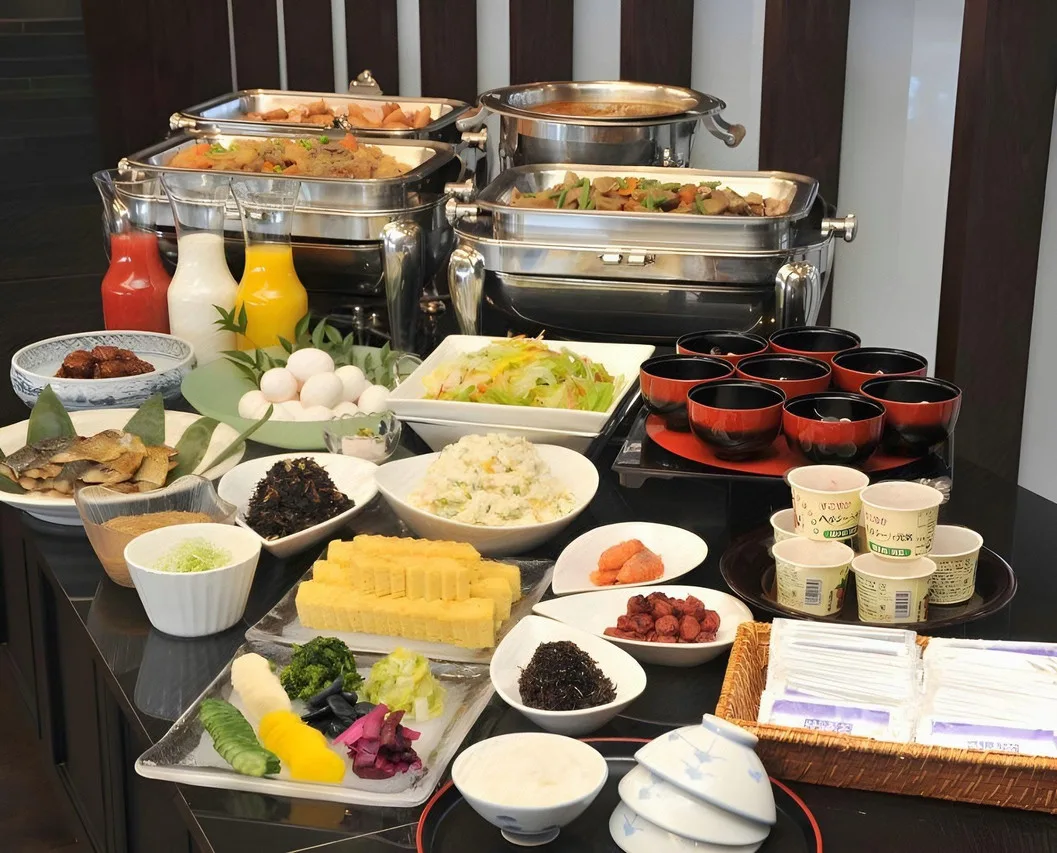
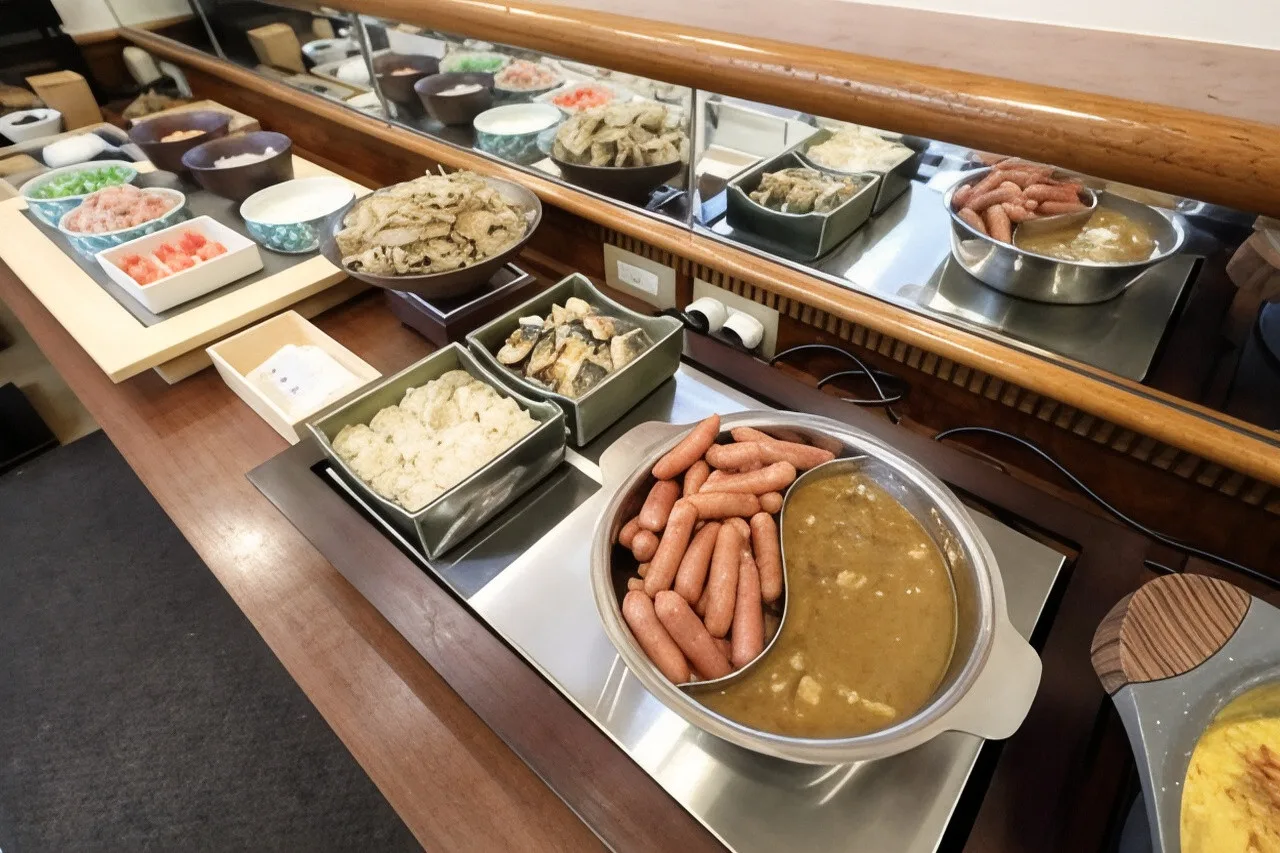
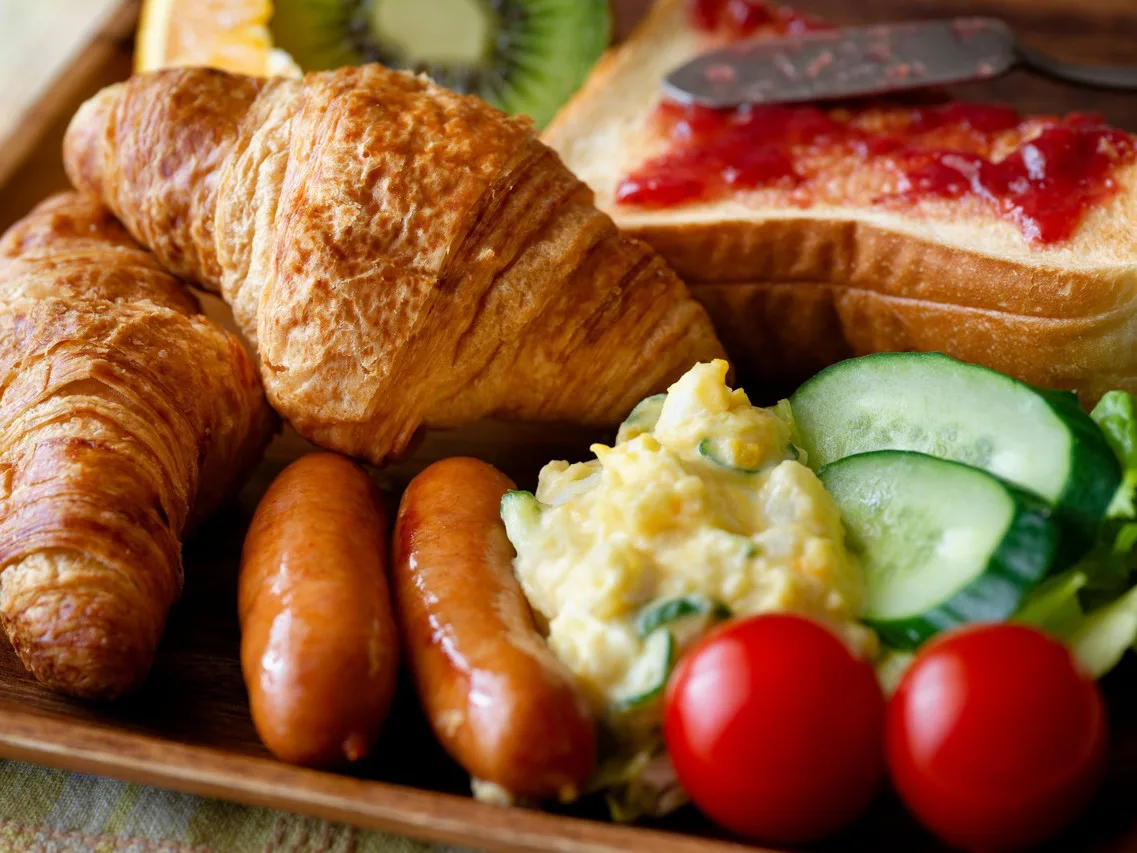
Photos show rice, eggs, small Japanese side dishes, bread and beverages. Compare what you would eat; the daily selection varies.
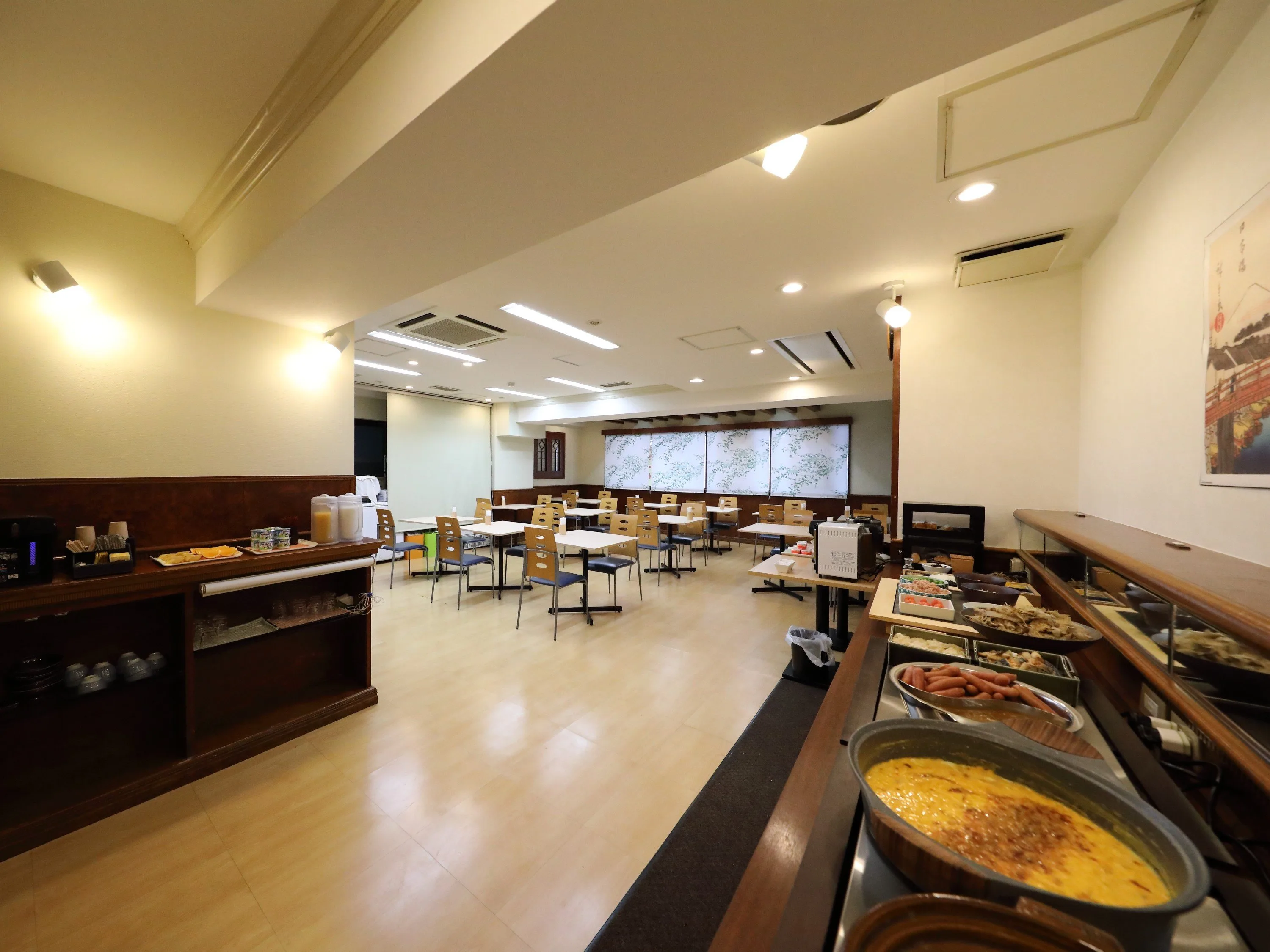
The buffet leans Japanese: cold dishes, small side dishes, fruit, yogurt, juices and drinks sit on the serving counters, with hot dishes, eggs, salads, sausages and Japanese sides arranged separately. The dining room is on the first floor with the buffet along the wall, so the serving route is short. The menu changes daily; if you want more vegetables, plan a café breakfast outside as well.
Breakfast buffet food and serving counter

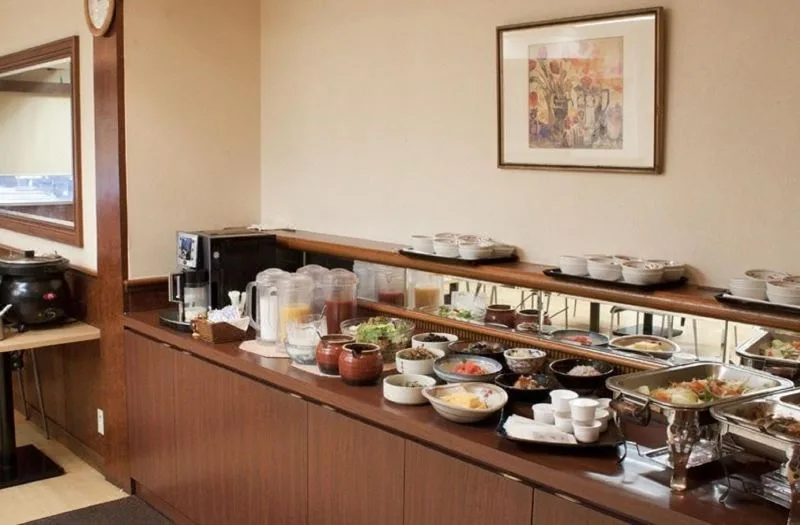
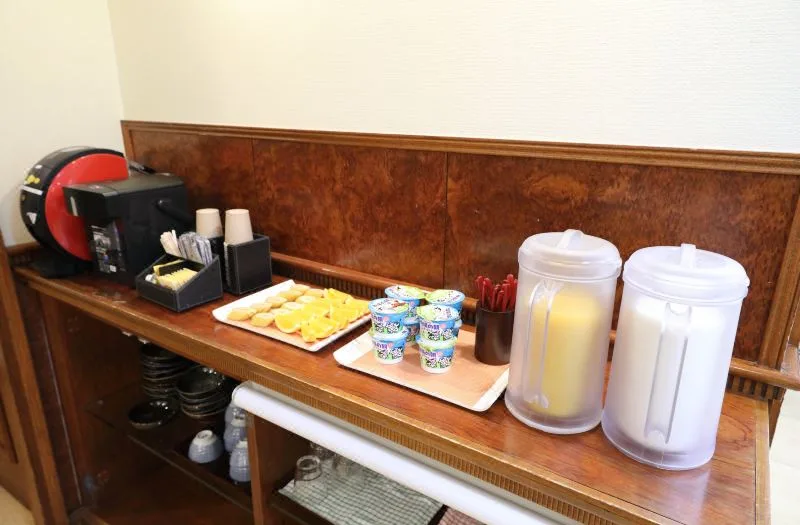
Breakfast dining room
The simple Japanese breakfast works for one or two nights when it saves time; after several mornings the vegetable choice feels thin, and on a longer stay some mornings are better spent at local cafés.
If leaving after 7 a.m. and wanting to eat on site, compare the breakfast-inclusive rate with buying it separately. For an early train or a kissaten visit, room-only is more flexible. The value is in whether your itinerary uses breakfast.
Do not change a planned neighborhood breakfast just to use an included meal.
Light sleepers and daytime rest: check noise and construction
The rooms feel dated, and cleaning and soundproofing are uneven. If quiet and fresh furnishings matter to you, they outweigh saving a few minutes’ walk.
I factor in aging facilities, dust and differences from promotional photographs: inspect the bed, bathroom and window on arrival and report concerns immediately.
Close-up photos relating to specific stays
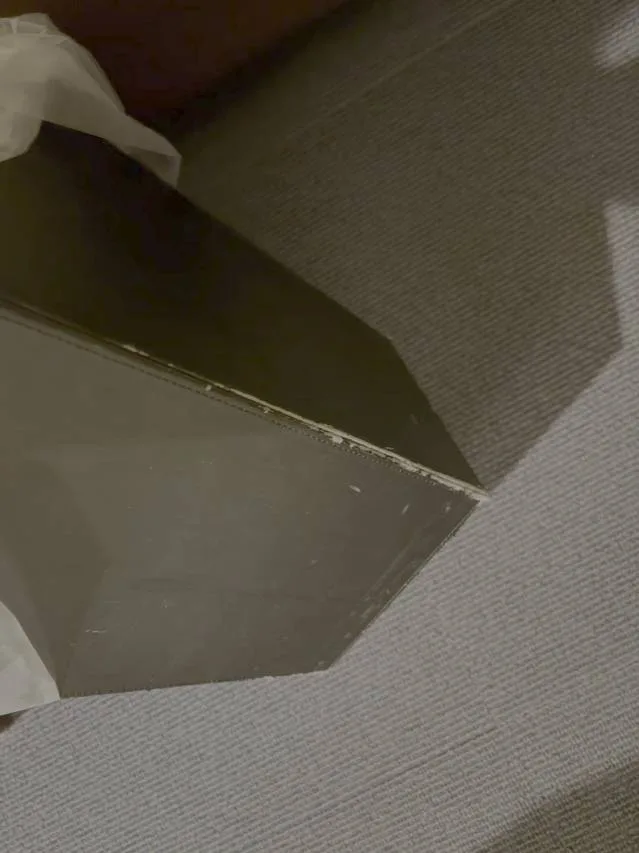
Noise and nearby construction: The neighboring worksite is expected to operate until August 2027. General work may run 8:00–18:00, with some night works possible. Noise or vibration can affect rest; ask the hotel about your dates and room orientation.
Room position matters too: a room facing the worksite hears more than one facing away, so ask about that together with the construction schedule when booking.
For naps, remote meetings or many nights, ask if work will take place during your stay and which room side is available. Even on a one-night stay, do not assume evenings are guaranteed quiet.
Even if returning only at night, confirm the current construction schedule before deciding.
Best for accepting compact rooms and exploring Nihonbashi
Pros
- About five minutes’ walk from Mitsukoshimae’s ordinary exits, with Nihonbashi and Muromachi shopping nearby.
- Official floor areas and bed widths distinguish single, semi-double, double and twin rooms.
- Breakfast, coin laundry, microwave and self-service supplies simplify everyday routines.
- 24-hour front desk with luggage storage, free public Wi-Fi in the lobby, and wake-up calls and taxi bookings on request.
- Single rooms come in smoking and non-smoking versions, so smokers do not need to look elsewhere.
Cons
- The 12 m² semi-double still has a 120 cm bed, tight for two people and their luggage.
- Neighboring construction remains announced; confirm works if sensitive to noise or staying during the day.
- Interiors feel dated and cleaning is uneven; check real room photographs before choosing.
- Ordinary exits and elevator exits differ — with large luggage use the A5/A7 street elevators (A7 runs 7:00–23:00), or B4 on the Hanzomon Line, not A1/A4.
It works for a solo daytime sightseeing trip if you accept the compact room and confirm construction conditions. For two, compare 14 m² Double or 17 m² Twin first instead of booking 12 m² solely because the category says it can take two.
Information checked: November 21, 2026.