
TOKYO / CHUO
Mitsui Garden Hotel Ginza Premier
Mitsui Garden Hotel Ginza Premier
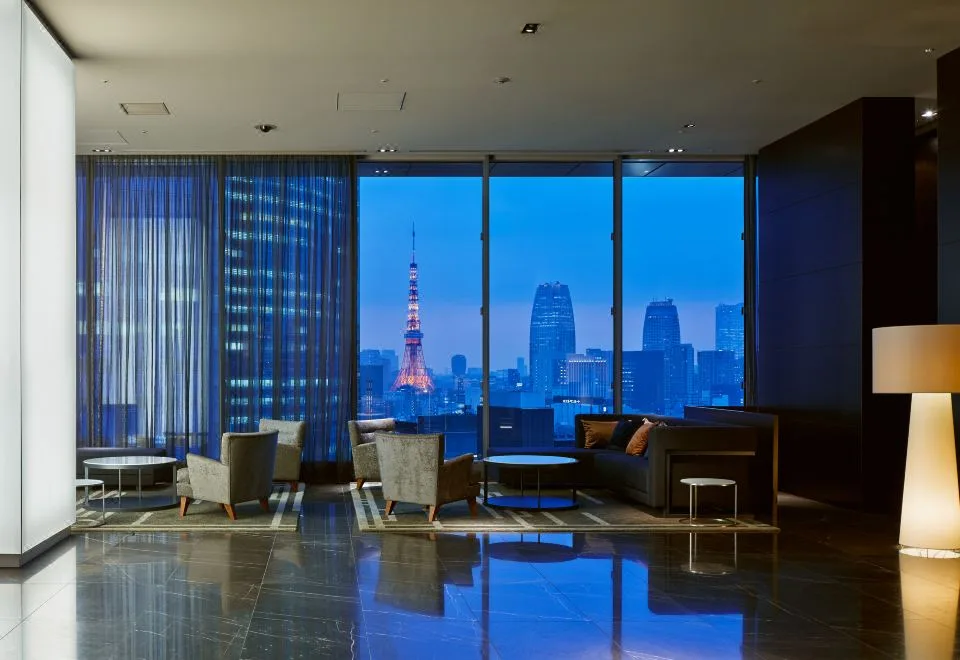
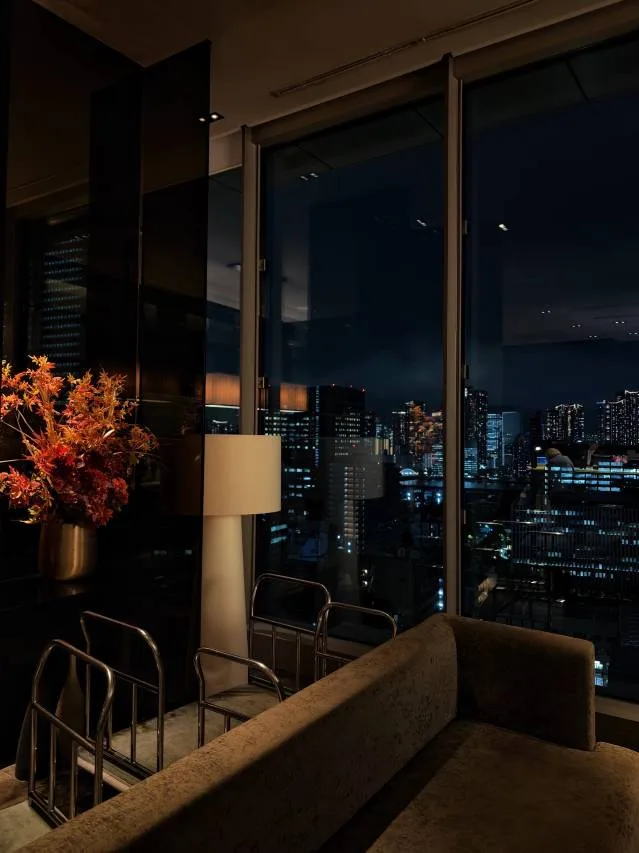
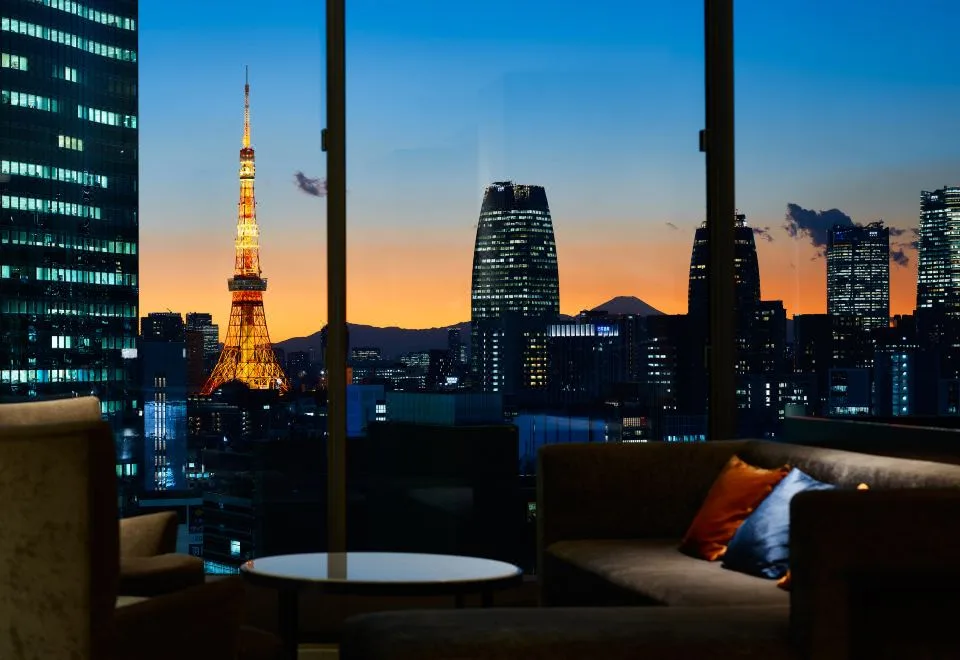
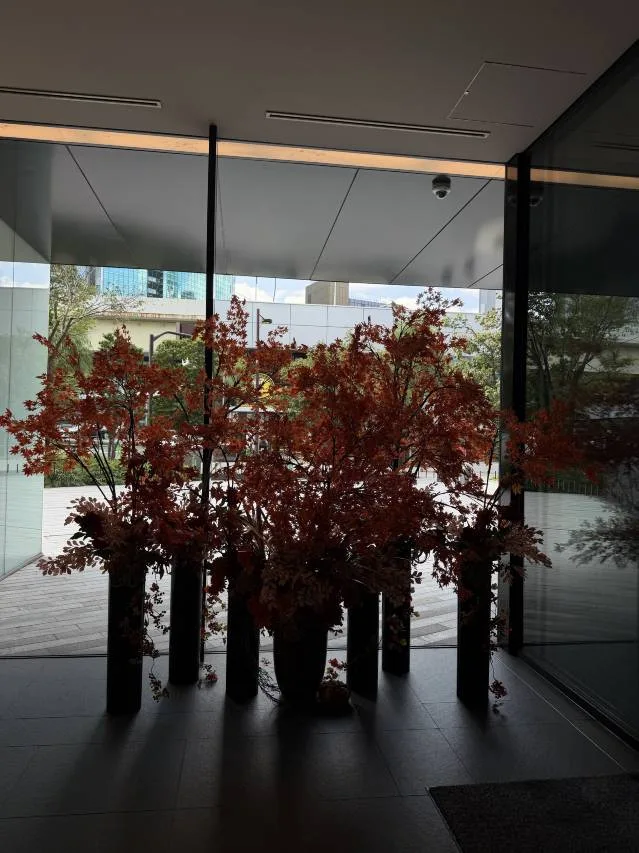
If you want a little more occasion in Ginza, the high-floor lobby and city views at Mitsui Garden Hotel Ginza Premier stand out. It suits a trip with time to sit in the hotel, admire the night skyline, then head to dinner. For a single night spent mostly outside, weigh the value of the view against the actual room size.
Reasons to stay and trade-offs to consider
Reasons to choose it
- High-floor lobby and night views are distinctive; the hotel itself can become part of your trip.
- Near Ginza and Shimbashi for separate shopping, dining and transit plans.
- Selected rooms have view baths, appealing to travellers who enjoy bathing and relaxing indoors.
Trade-offs
- Shimbashi still requires walking; luggage in the rain makes it less convenient than being next to the exit.
- Tokyo Tower visible from the lobby does not guarantee the same view from your room.
- Bathroom cleaning and maintenance are worth checking on arrival; look closely if this matters to you.
Rooms and luggage space: what to choose
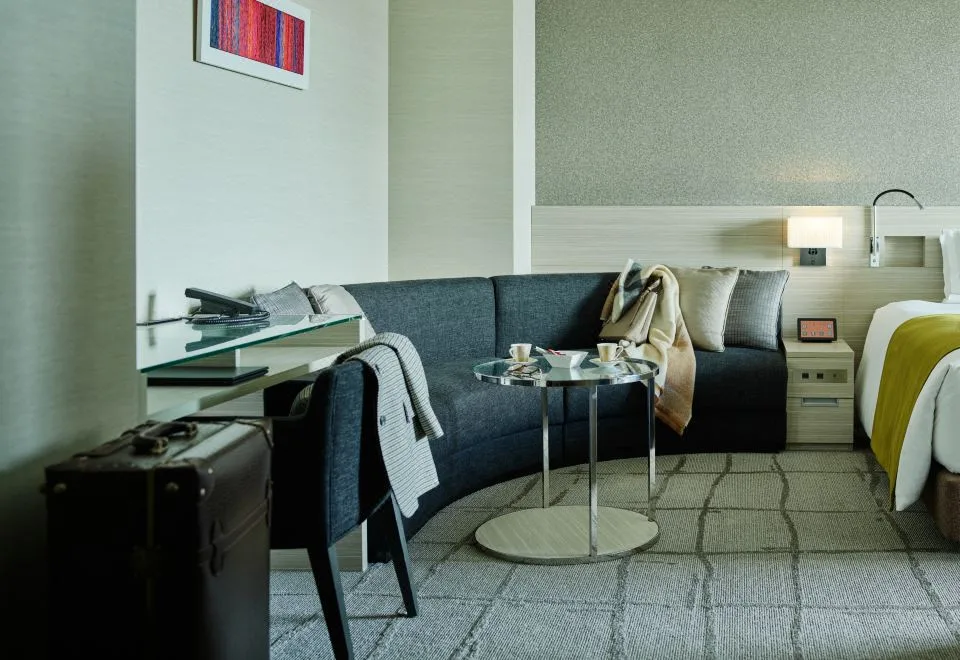
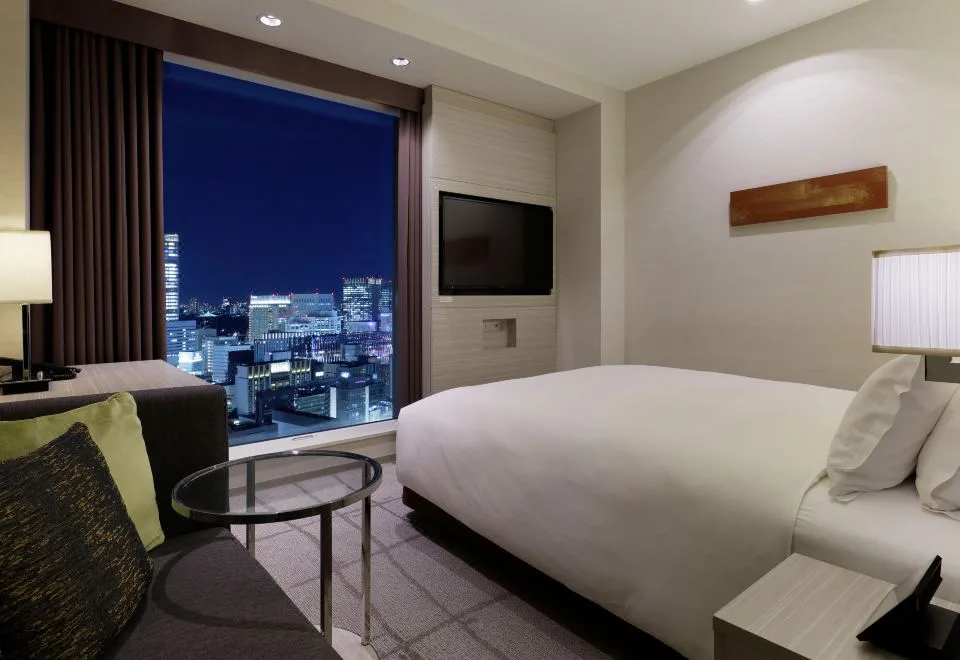
Decide first whether your priority is a city view, view bath, or simply a more comfortable bed and floor space. The hotel separates bathroom types and Executive options; do not assume all rooms share the bath shown in a photo. For two guests with big luggage, look at the floor plan and bedside passages. If spending time inside, window orientation and seating matter more than floor number alone.
Rooms sit on floors 17 to 25, with the lobby and restaurant on the 16th floor and a shuttle lift from the ground floor straight to the 16th. The top 25th floor is an Executive-only floor with dedicated security. Room types run from the Standard at 18.5 square metres, Standard Queen at 20.4, Standard Twin at 24.0 and Superior Twin at 26.0 (sleeps three), to the Superior View Bath Queen at 23.3, Deluxe View Bath Twin at 30.1 and Deluxe King at 31.0, plus the Executive Twin and Executive Wide King at 40.0 each; the Wide King takes an extra bed for three guests and is non-smoking only. A Standard at 18.5 square metres fits one person well; two people wanting more space should take a Standard Twin at 24.0 or above.
For a bath with a night view, choose a view-bath room: the Deluxe King, Deluxe View Bath Twin and Superior View Bath Queen all have bathtubs facing the windows. Other rooms use a two-point separation layout, with the bath, washbasin and toilet apart and a separate washing area, so bathing and toilet use do not compete for one room. Accessible Queen and Twin rooms are both 23.2 square metres and suit wheelchair users or older travellers.
Rooms have free Wi-Fi plus wired internet (a LAN cable is provided), so a phone and laptop connect at once without competing. Amenities include a toothbrush set, shampoo, conditioner, body soap, face and hand soap, cotton swabs, a hairbrush, a shower cap, nightwear, coffee, a tea set, flavoured tea and mineral water, so packing light still works. Two people with large cases should check the bedside passages before choosing a room, not just the floor area.
Window direction decides which side of the night view you see, so ask what orientations are still available when booking; for a high-floor night view, a higher floor opens the view further.
Breakfast: plan around your mornings
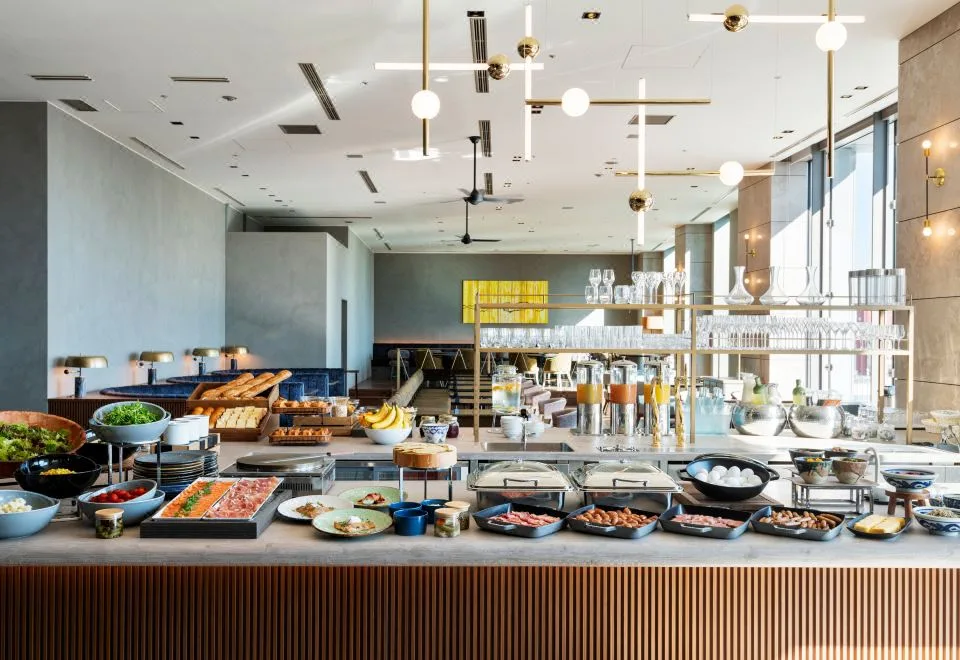
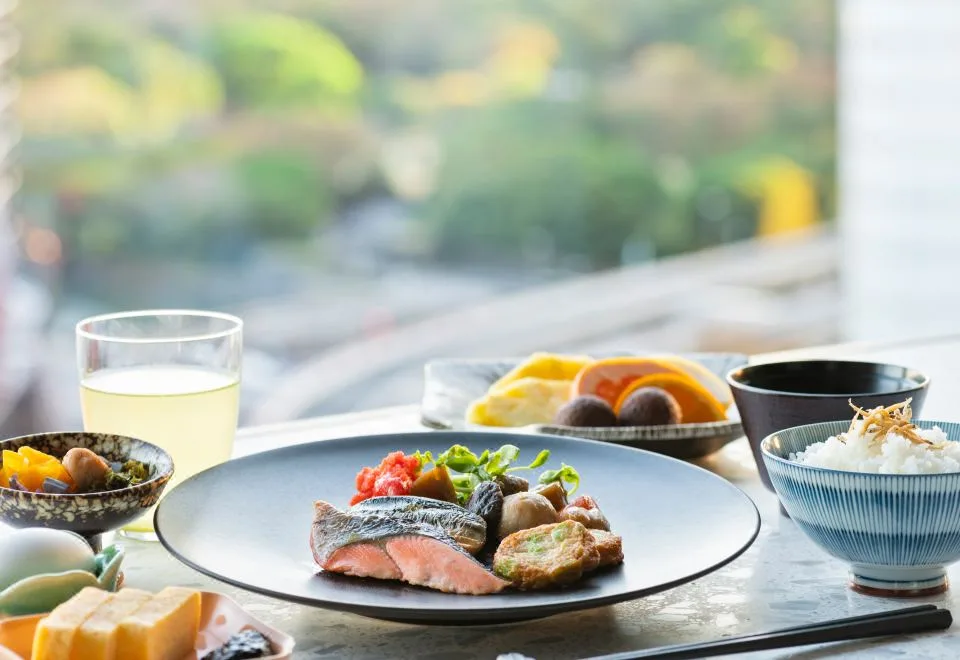
The hotel describes a high-floor Japanese and Western breakfast buffet with rice-friendly Japanese dishes. If the stay is for relaxation, I would make time for one leisurely breakfast. With early departures every day, an inclusive plan may be less useful. Breakfast is most worthwhile when you can enjoy the food and scenery rather than rushing through it.
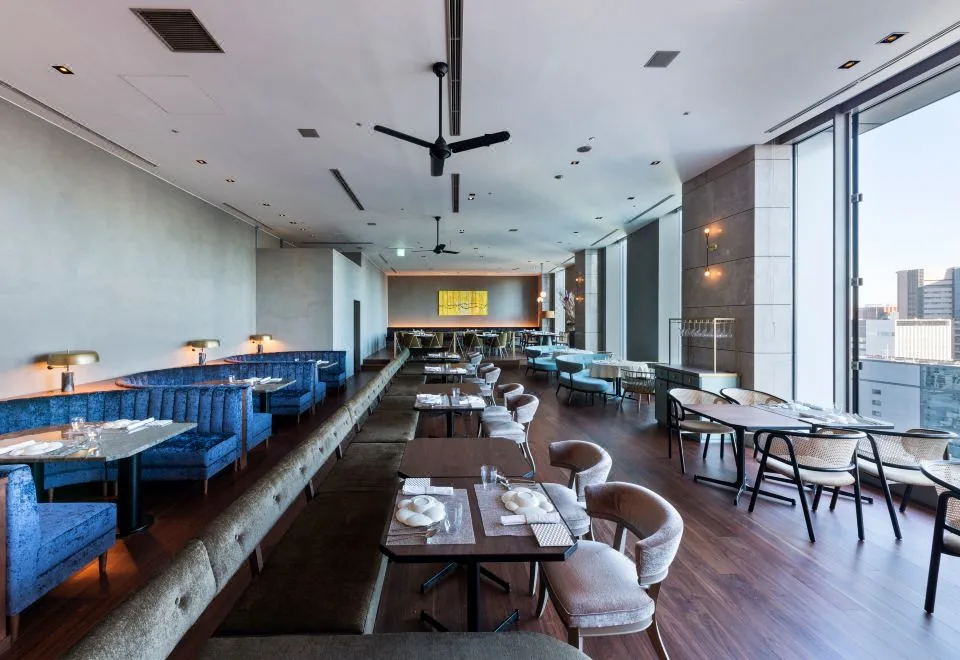
Breakfast is served at RISTORANTE EʼVOLTA –il cielo– on the 16th floor, an all-day dining restaurant built around the idea of Japanese spirit. The Japanese-Western buffet runs 06:30–10:00 with last entry at 09:30; adults pay 3,850 yen, children aged 5 to 17 the same, and children four and under eat free. Whole-wheat galettes and crepes are made to order and are the signature; anyone who likes food cooked fresh should not miss them. The plate in the photo carries grilled fish, rice and tamagoyaki, so the Japanese side is solid; anyone who likes a Japanese breakfast will not be disappointed.
The same restaurant serves lunch 12:00–14:00 as a set menu, afternoon tea 14:00–16:00 with five savoury items and six desserts, and dinner 17:30–22:00 (course last entry 20:00, à la carte and drinks 21:00). Anyone who does not want to hunt for a restaurant every day can settle lunch and dinner in-house, and the 16th-floor view changes between day and night.
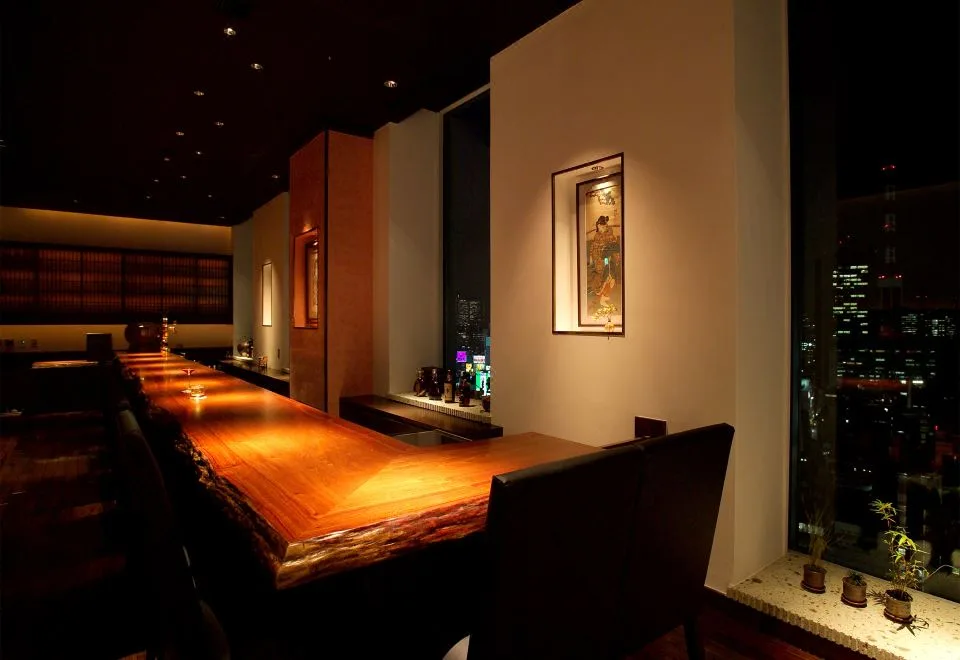
The 16th floor also has Cocktail KARIN, a 32-seat bar with a 600-year-old karin wood counter; it works as a lounge 10:00–17:00 and as a bar 17:00–26:00 (last entry 25:30). Smoking is allowed in the bar and a table charge applies at different times of day; anyone who dislikes smoke can use the lounge in the daytime instead.
Breakfast opens at 06:30 and entry stops at 09:30; anyone who wants a slow meal should go early, while late arrivals need to finish before 10:00.
Location, transport and luggage
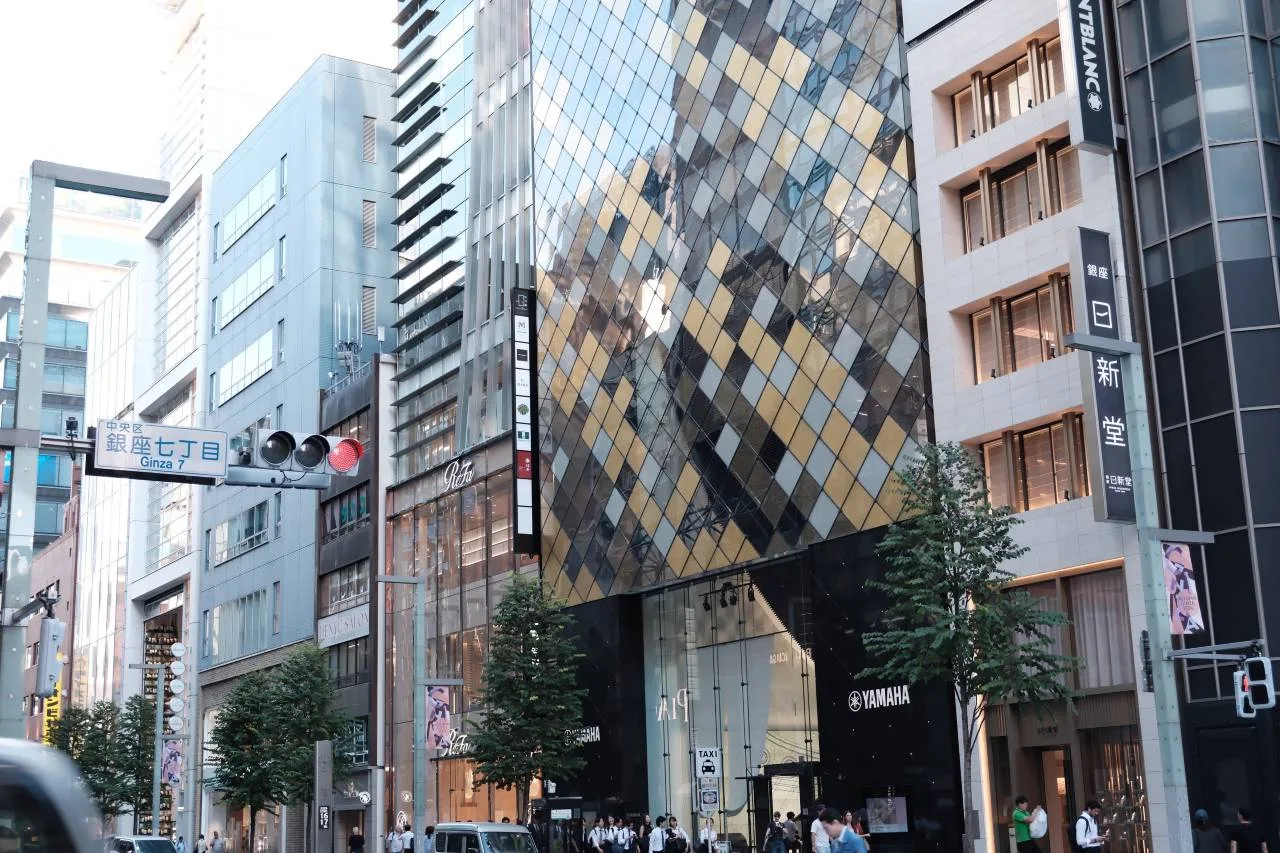
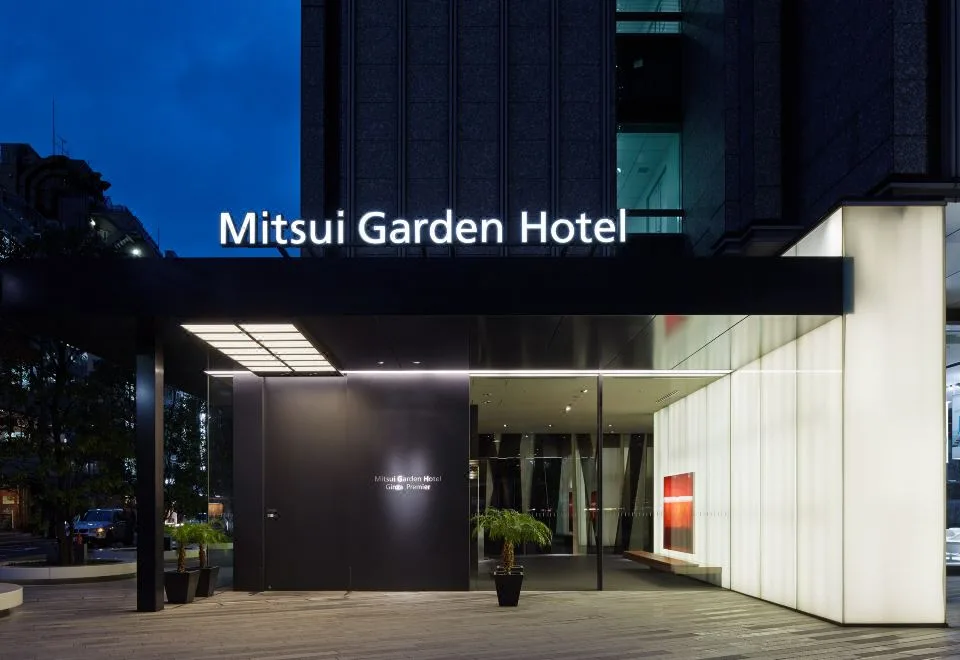
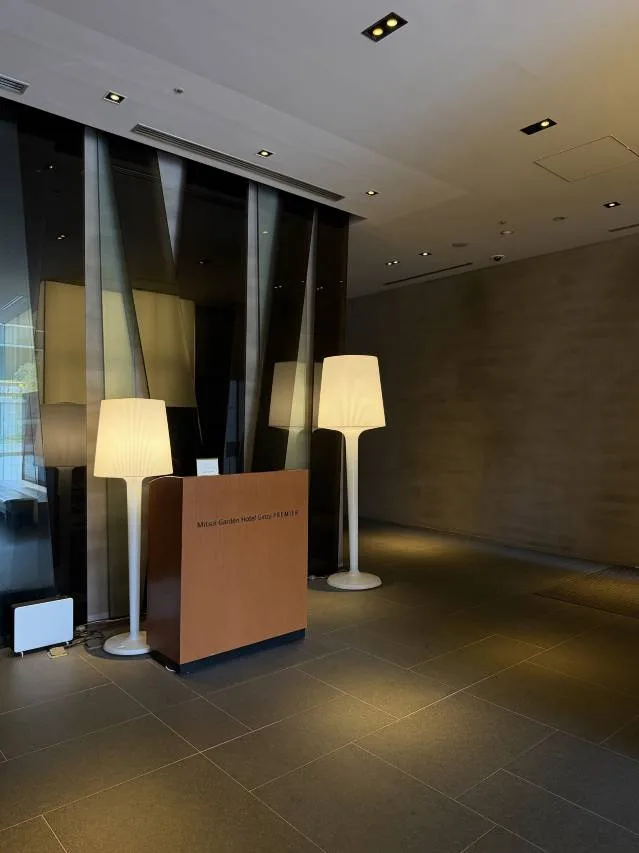
JR Shimbashi Station is about 420 metres away, a seven-minute walk. In the rain that walk with a suitcase is genuinely awkward, so I keep an umbrella and a waterproof jacket within easy reach before heading out. The lower floors hold offices, so first-time visitors should look for the hotel entrance sign, then take the shuttle lift from the ground floor up to the 16th-floor lobby.
Address:8-13-1 Ginza, Chuo-ku, Tokyo 104-0061, Japan
With heavy luggage, use the JR Shimbashi platform lift (lift B or C) down to the first-floor concourse, then leave through the Ginza exit at the north gate — the whole route is step-free, the Ginza exit is at street level, and you step straight onto the pavement. For the Tokyo Metro Ginza line, cross the road in front of the Ginza exit toward the Shimbashi Higashiguchi Building, where a dedicated ground-level Metro lift drops to the JR Shimbashi-side ticket gate on basement level 1, then take the platform lift down to the train.
Distances I keep in mind: Tsukiji Market Station about 470 metres, the Ginza Art Aquarium about 630 metres, Tsukiji Outer Market about 690 metres and Hibiya Park about 940 metres; Tokyo International Forum about 1.3 kilometres, Shiba Park about 1.4 kilometres, JR Hamamatsucho Station about 1.5 kilometres, the Imperial Palace about 1.7 kilometres and Nihonbashi about 1.8 kilometres. Tokyo Tower is about 2.3 kilometres by car. For a Tsukiji breakfast, one stop to Tsukiji Market Station is fastest.
From the airport, take the train to Shimbashi Station and walk the 420 metres to the hotel; with heavy luggage, a taxi from the station to the hotel door saves the last stretch of pulling cases.
Where to go and eat nearby
I would plan Ginza shopping and dinner in Shimbashi on the same day, return to drop off shopping bags, then spend time enjoying the city view in the lobby. It appeals to travellers wanting more than a shopping-street hotel. For frequent intercity trips or early Shinkansen departures, factor in the journey to Tokyo Station.
Ginza Mitsukoshi is close by, with the Ginza Art Aquarium inside it; Tsukiji Outer Market suits a morning breakfast trip. A convenience store on the way back sells water and late snacks, so the walk home is easy. It fits into a shopping trip without a separate outing.
For farther trips, JR Hamamatsucho Station connects to the Yamanote and Keihin-Tohoku lines without going back to Shimbashi first. The Imperial Palace and Nihonbashi are both within a walk or one subway stop, and suit a slow afternoon. For Odaiba, the Yurikamome line departs from Shimbashi Station, so no other station is needed first.
For a half-day nearby, see the Ginza walking guide.
Useful amenities and services
The high-floor lobby and dining area are worth using. Official housekeeping guidance includes daily bed-making, towel changes, cleaning and rubbish removal, with bed linen changed by default every three days or on request. That differs from changing all bedding every day, so check the schedule if staying longer.
In-house parking is 2,000 yen per day with no reservation needed, so drivers can park inside the building. The 16th floor has a currency exchange machine, so changing money needs no separate bank trip; luggage storage is free, and early arrivals or late departures can drop bags first. The car park sits inside the building, so moving luggage in the rain stays dry.
The front desk is staffed around the clock and speaks English and Japanese; wake-up calls, concierge service, a front-desk safe, dry cleaning, ironing and laundry are all available, and rooms have their own safes. Baby beds and extra beds vary by room type, so ask first; children’s slippers are provided in-house, so families can pack one pair fewer.
Step-free access covers an accessible passage and accessible rooms, with lifts running straight to the high-floor lobby; floors are non-smoking with a separate smoking area, so choose the floor type when booking. Safety alarms, smoke detectors, CCTV and fire extinguishers are installed throughout, which makes late-night returns feel safe.
The hotel has a massage room; ask the front desk how to book it after a long day of shopping. Fax, copying and courier services are available too, so paperwork or parcels need no outside shop; car service can also be arranged at the desk, and settling the pick-up time in advance is more reassuring.
One or two nights versus a longer stay
For one night, views and breakfast can be a small treat. On longer stays, cleaning, suitcase space and walking back every day matter more. Spending the entire room budget on a view leaves two people struggling to organise luggage. Choose a comfortable layout first, then treat the scenery as a bonus.
Check-in runs 15:00–24:00 and check-out is before 12:00. No deposit is required and pets are not allowed; children of all ages are welcome, though an extra fee may apply even without an extra bed, and baby beds and extra beds vary by room type, so ask before booking.
For a longer stay, a suitcase does not open fully in an 18.5-square-metre Standard room, so plan storage first rather than reorganising every day. The walk back takes about seven minutes, and rain adds time; the 16th-floor lobby has plenty of seats, so resting there before going up is another way to recover.
For early check-in or late check-out, ask the front desk whether a room is free that day; asking on the day itself rarely works on busy dates.
Accommodation details worth checking
Lobby views, location and service are the first things I notice in its favour, while bathroom cleaning is what I check first on arrival: mildew and maintenance details are worth inspecting, not just the skyline photos. My rule is simple — a clean, comfortable bathroom makes the whole night feel easy; I look at the bathroom first, and if something is wrong I tell the front desk at once instead of discovering it at shower time.
Window direction and bathroom type should be chosen together: a view bath for soaking with a night view, a Twin or King for sleeping wider — one photo cannot settle both. Before booking I ask about the room type and bathroom type together, because a mismatch found at check-in may leave no free room to change to.
My recommendation
For a Ginza trip with time to enjoy city views and the restaurant as well as shopping, I would consider this hotel. Choose window orientation and bathroom type first, then decide on breakfast. Travellers especially sensitive to bathroom cleanliness should prioritise recent room-specific impressions over beautiful lobby photos.
On a limited budget, take a Standard or Standard Queen and keep the money for shopping and meals; for both the night view and a soaking bath, consider a view-bath room. Breakfast is not worth adding every day — add it on the morning you have time to eat slowly, and skip it on a packed day.
For a first stay in Ginza, the location is easy to use: Shimbashi and Tsukiji Market stations are both walkable, and Ginza Mitsukoshi and Tsukiji Outer Market are close. For more space, choose a Superior Twin or above, which leaves more room for luggage.
Pros and cons
Pros
- Rooms sit on floors 17 to 25, with the lobby and restaurant on the 16th floor; the top 25th floor is an Executive-only floor.
- View-bath rooms are clearly defined: Deluxe King 31 square metres, Deluxe View Bath Twin 30.1 and Superior View Bath Queen 23.3, so a soak comes with a night view.
- Breakfast is a 16th-floor Japanese-Western buffet, 06:30–10:00, 3,850 yen per adult, with made-to-order whole-wheat galettes and crepes.
- JR Shimbashi Station is about 420 metres away, a seven-minute walk; the platform lift drops to the first floor and the Ginza exit at the north gate opens straight onto the street.
- The front desk is staffed around the clock and luggage storage is free; in-house parking is 2,000 yen per day with no reservation needed.
Cons
- Basic rooms are compact: a Standard is 18.5 square metres, so two people with large cases should check the floor plan and bedside passages first.
- Bathroom cleaning needs checking on arrival; anyone sensitive to mildew and maintenance details should not trust the lobby photos alone.
- Baby beds and extra beds vary by room type; the Executive Wide King takes an extra bed for three guests, while other room types need a direct question first.
- Cocktail KARIN on the 16th floor allows smoking; anyone who dislikes smoke can use the lounge in the daytime instead.
- The lower floors hold offices, so first-time visitors should look for the entrance sign, then take the shuttle lift from the ground floor to the 16th-floor lobby.
Information checked: 23 November 2026