
Home / Japan / Tokyo / Chuo
TOKYO / CHUO
Mandarin Oriental, Tokyo
Mandarin Oriental, Tokyo
Mandarin Oriental, Tokyo is best for travelers who make the hotel part of the trip. Its high-rise Nihombashi views, spacious rooms and dining options mean returning to the room can be an experience, not simply the end of the day. I would seriously consider it for an anniversary or slower-paced Tokyo visit. If I were out from dawn until late at night, though, the question is whether those facilities and services would get used at all.
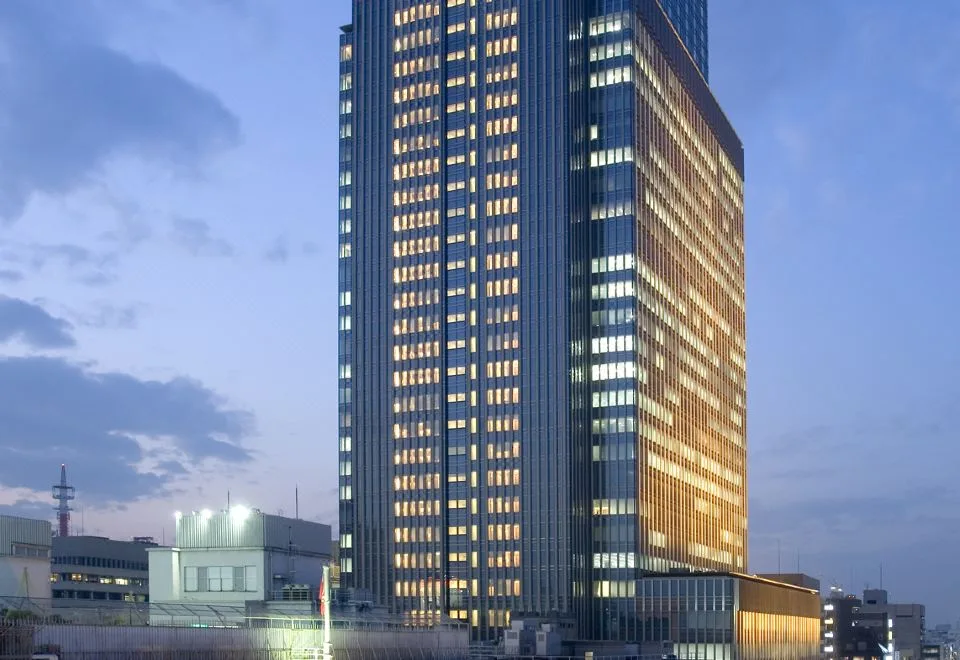
Choosing a room and luggage space
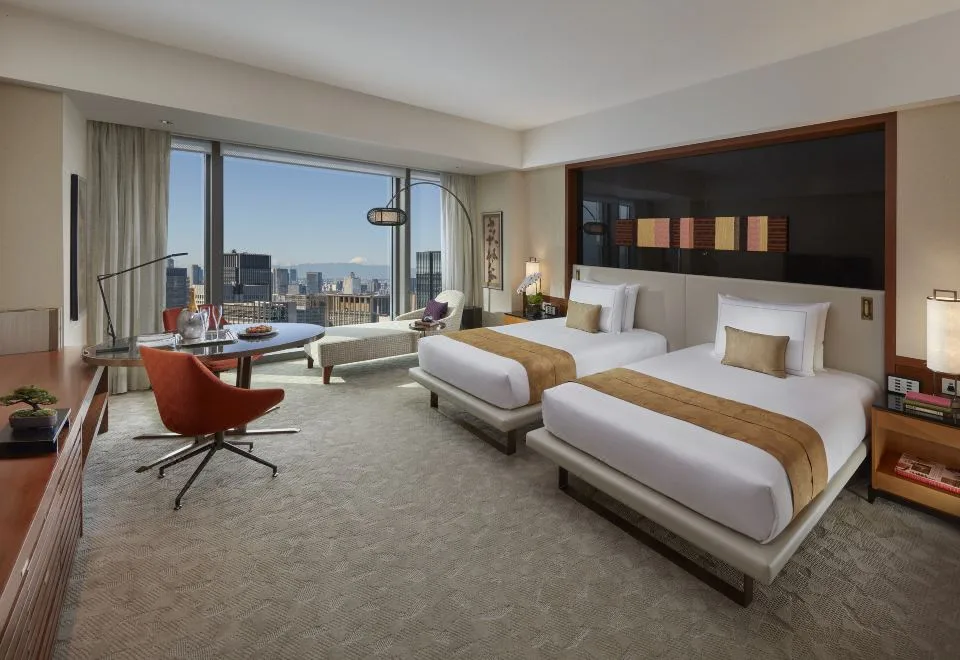
The hotel’s official Deluxe Room starts at 50 m²; check whether your booked category has a King or Twin bed. Two guests can unpack separately and relax without constantly closing their suitcases. If considering corner rooms, suites or a bathtub with a view, decide whether you value seating, a bath outlook or a particular direction. Paying more does not guarantee the landmark you hoped to see.
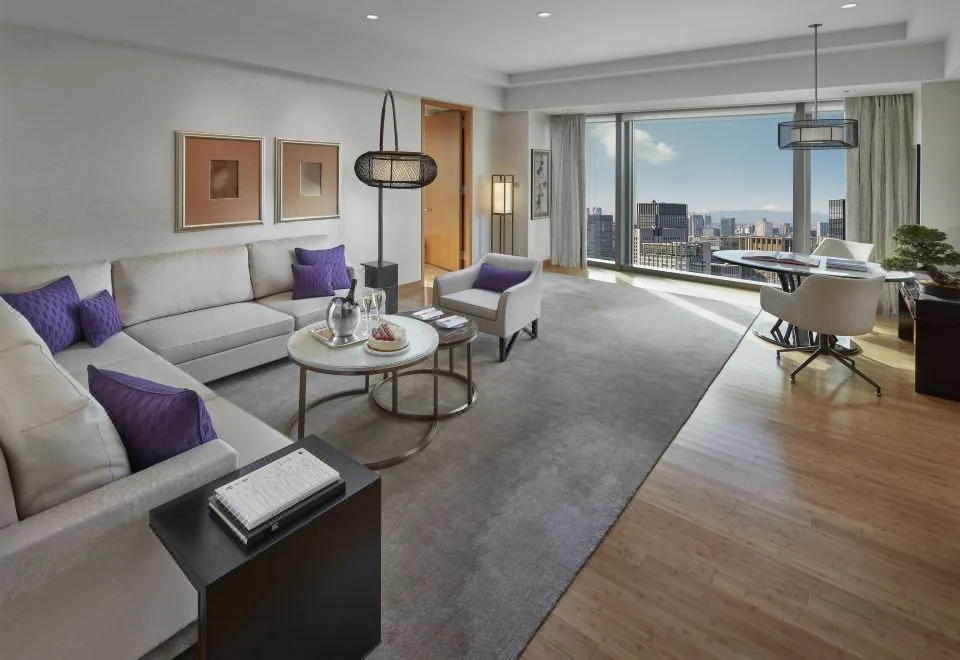
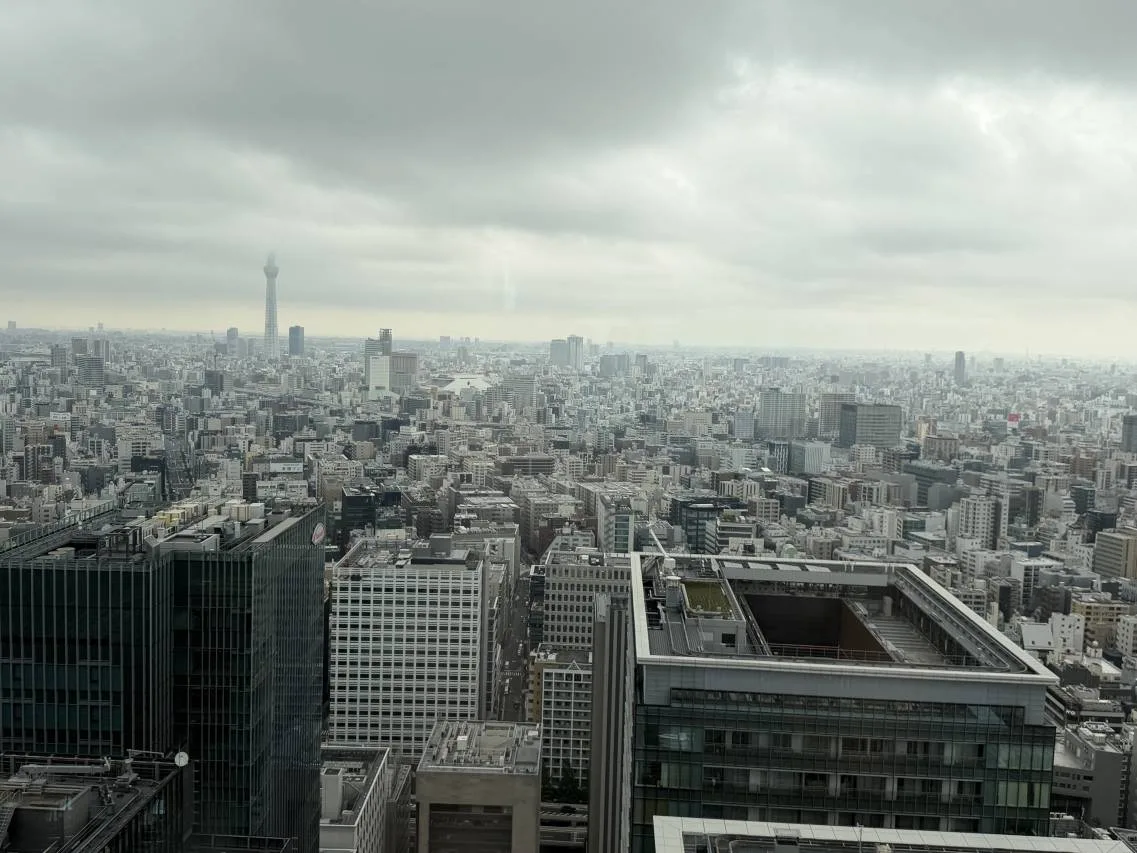
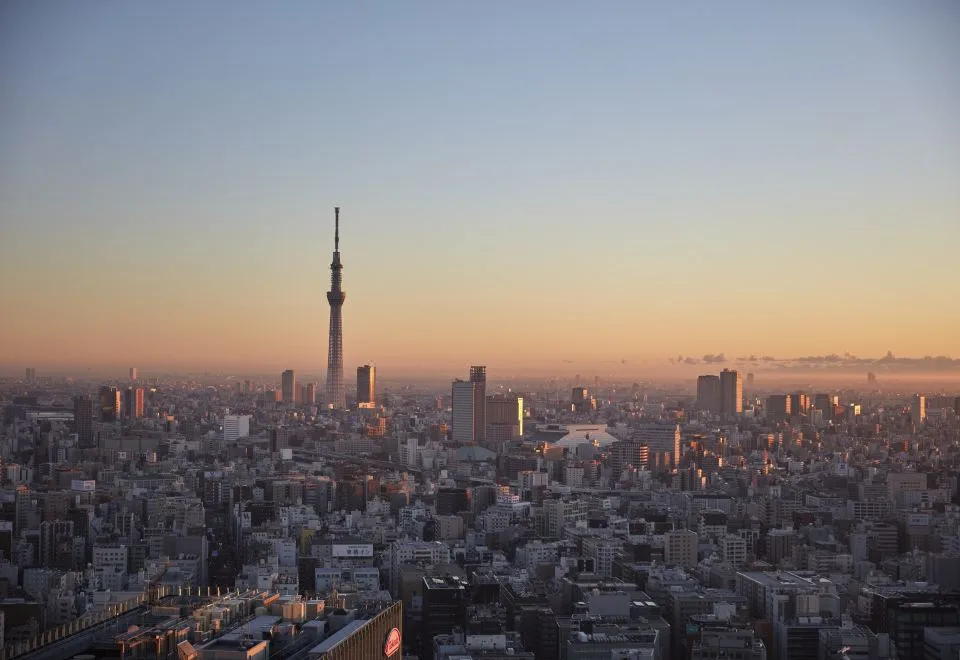
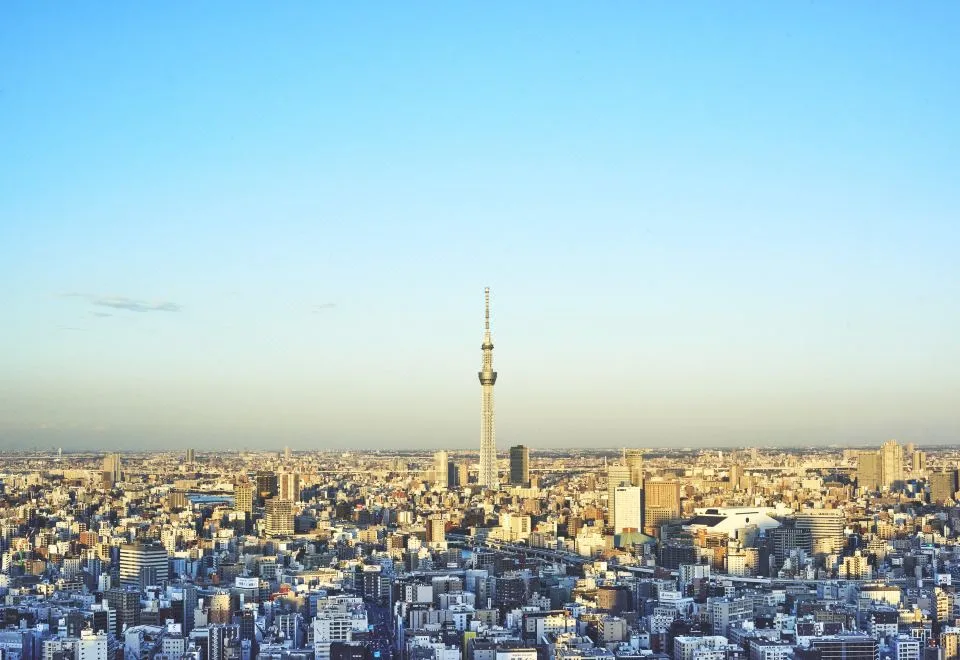
The room ladder is clear: Deluxe starts at 50 m² on floors 30 to 36, facing the city or the Tokyo Skytree, for a maximum of two guests; Deluxe Premier keeps the same 50 m² on floors 32 to 36 with the emphasis on the Skytree view; Deluxe Corner is also 50 m² on floors 33 to 36, with windows on two walls toward Tokyo Bay or the city. One step up, the Mandarin Grand is 60 m²; suites start at the 90 m² Premier Suite, the Mandarin, Corner and Oriental Suites are 100 m², and the largest Presidential Suite reaches 250 m² with a dining room for eight. What matters is not the room name — ask first which direction and which floor your room faces.
The room itself is worth knowing before you book: floor-to-ceiling windows, a walk-in dressing area, a bathtub plus a separate walk-in shower, and motorised blackout blinds that turn the city into night at a touch. Deluxe rooms sleep two at most; with a small child, a crib is free for babies under one, while extra beds depend on the room type. Pets can stay too, for an extra charge — ask the hotel for the details.
Ask three things before you book and the stay will hold no surprises: which direction and floor the room faces; how extra beds and cribs are charged — a crib is free for babies under one; and which breakfast is included, buffet or à la carte, and how it is priced. Suites start at 90 m², and the largest Presidential Suite reaches 250 m² with a dining room for eight, so if you travel as a group or celebrate, ask whether the living and dining space is enough. Asking first beats discovering the wrong view or an extra breakfast charge after you have paid.
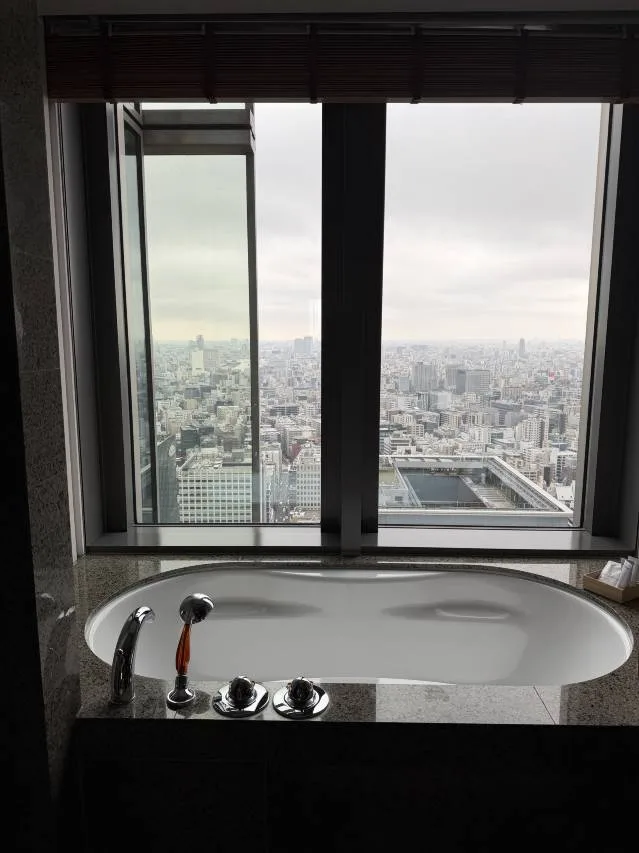
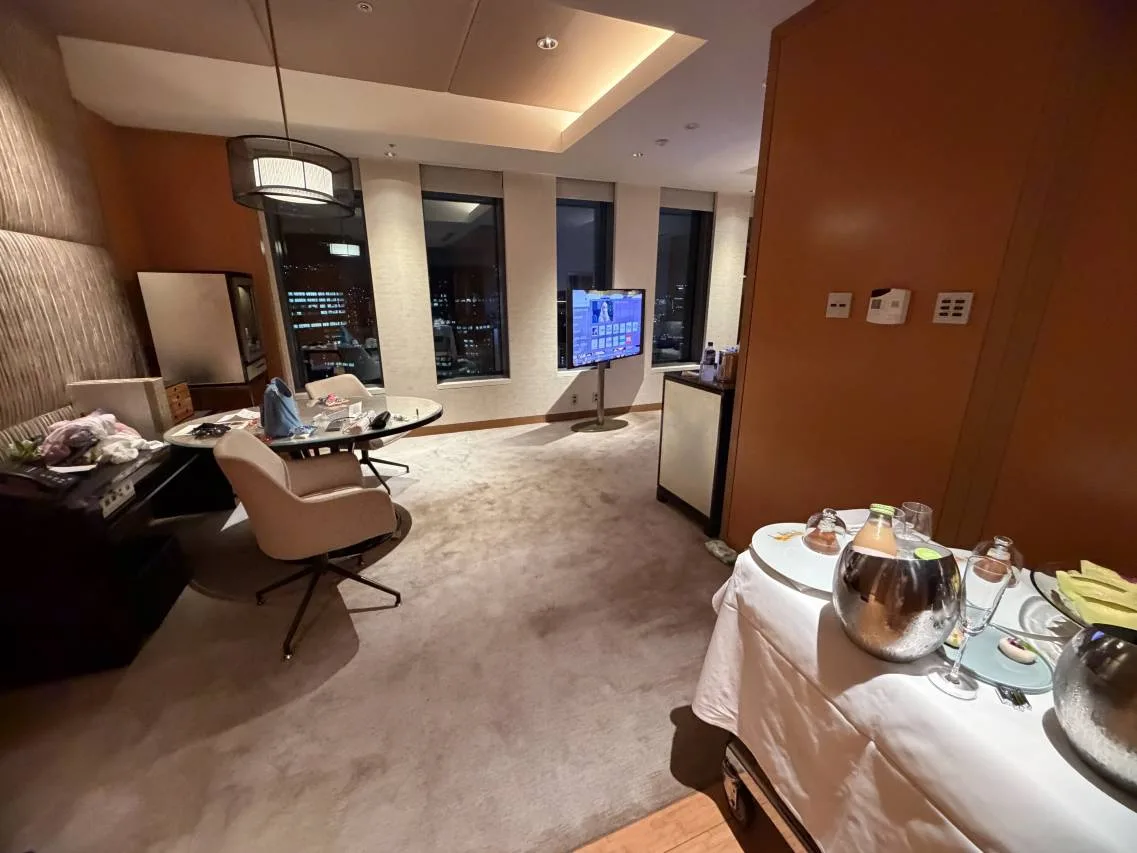
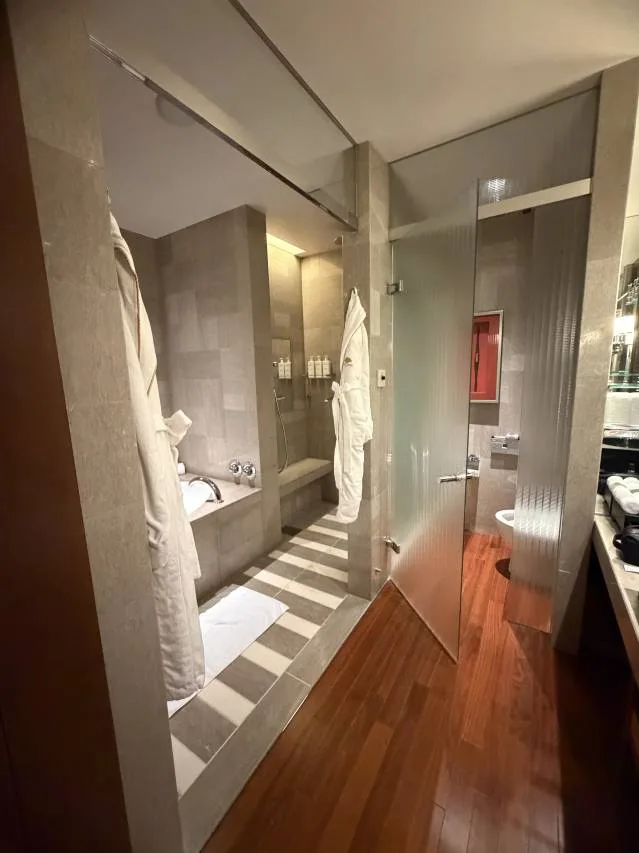
Bathrooms and everyday amenities
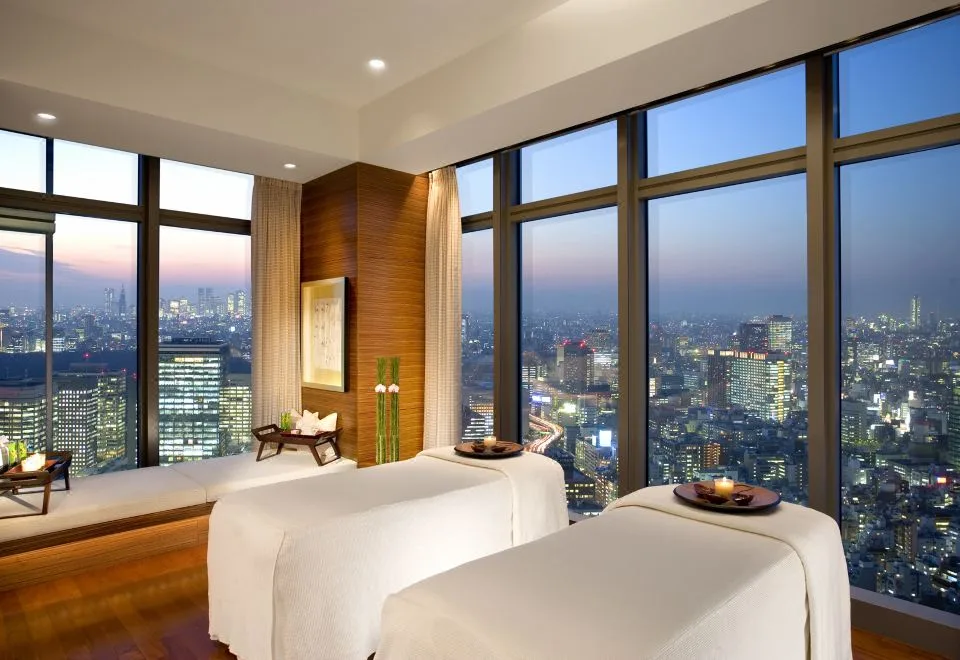
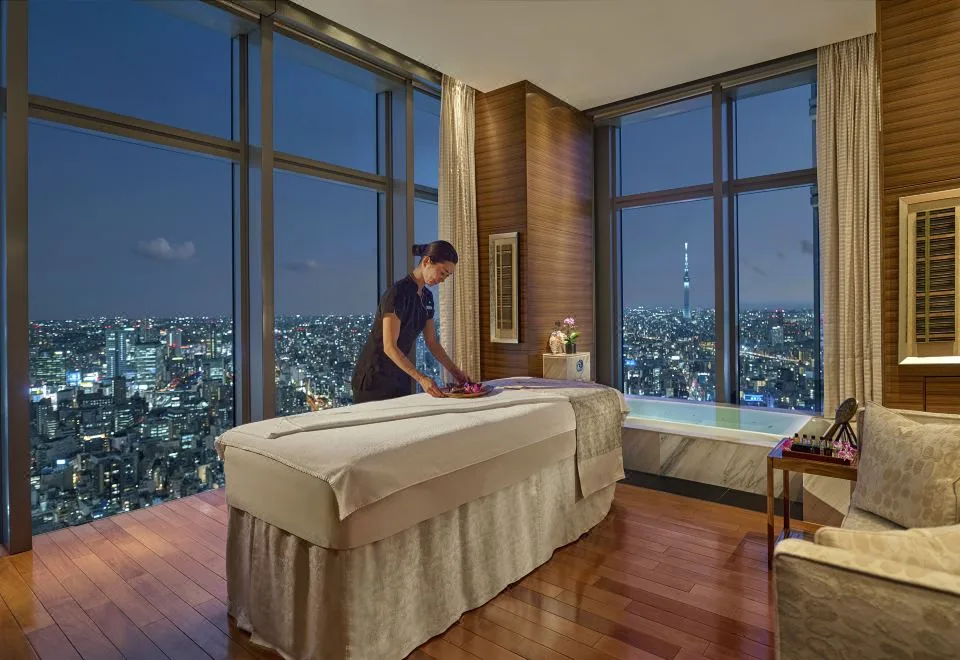
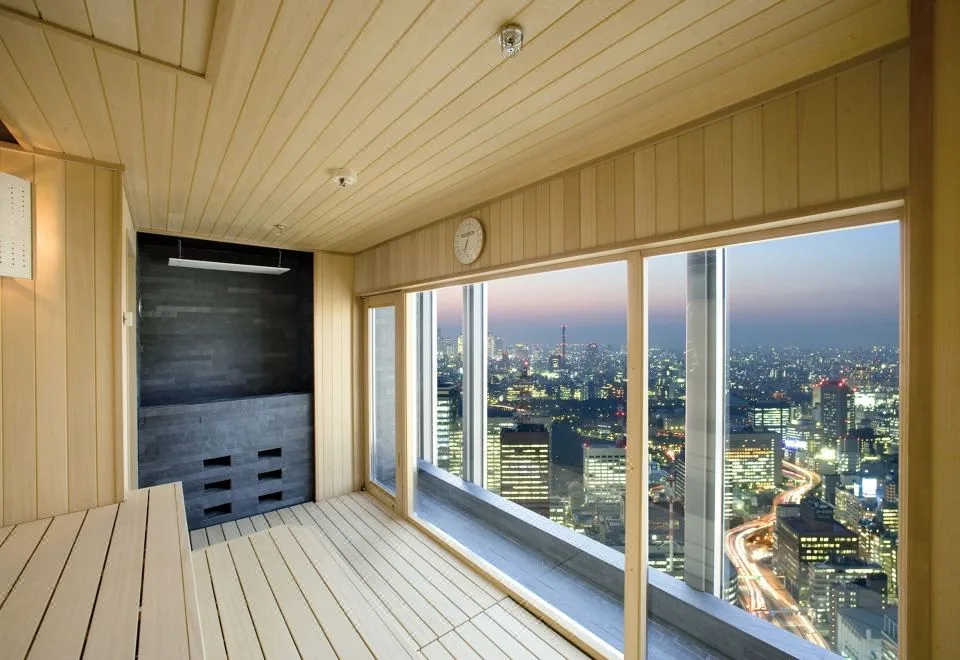
Beyond the bathroom, the spa on the 37th floor deserves time in your day: the Heat & Water facilities include a vitality pool and a dry sauna, with the city towers outside the glass, open to guests aged 16 and over, with tattoos to be covered. There is no conventional swimming pool here — the vitality pool is for soaking and unwinding, not for laps, and knowing that in advance saves a disappointment.
The fitness centre on the 38th floor has Technogym equipment and stays open to guests around the clock; spa treatments need a separate booking, so reserve the popular hours early — a last-minute slot is not guaranteed. The washbasin and dressing area are already separated inside the room, so two people getting ready at the same time never get in each other’s way; that is the kind of difference you notice once you have stayed.
Breakfast: choose what suits your morning
The breakfast selection and service are genuinely good, but egg dishes or desserts added to in-room dining cost extra — know that first. My approach is to confirm which restaurant, service format and menu items the included breakfast covers before deciding on room service. Leave enough time for a leisurely meal; if leaving early, check serving hours and takeaway options rather than planning around a breakfast your schedule cannot accommodate.
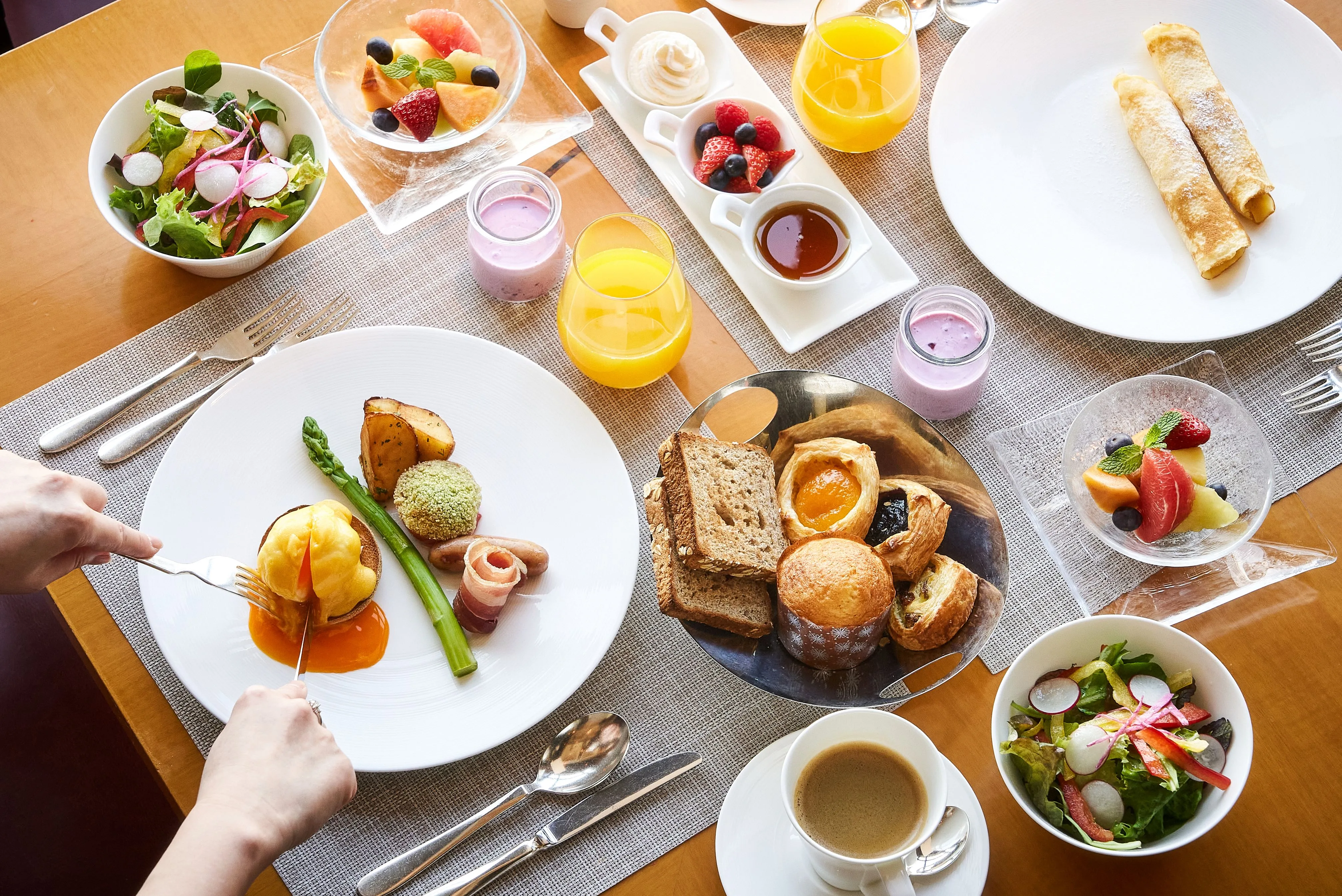
Breakfast comes in two add-on options, so sort them out before you decide. Option one is a buffet, Western plus Japanese, from 07:00 to 10:00: 8,855 yen per adult, 4,427 yen for children aged 6 to 11, free for children aged 5 and under; in-house guests aged 12 and under also eat free from the kids’ menu at K’shiki and Ventaglio. Option two is à la carte — Chinese, Japanese and Italian — from 04:00 to 15:59, priced per dish and paid at the hotel.
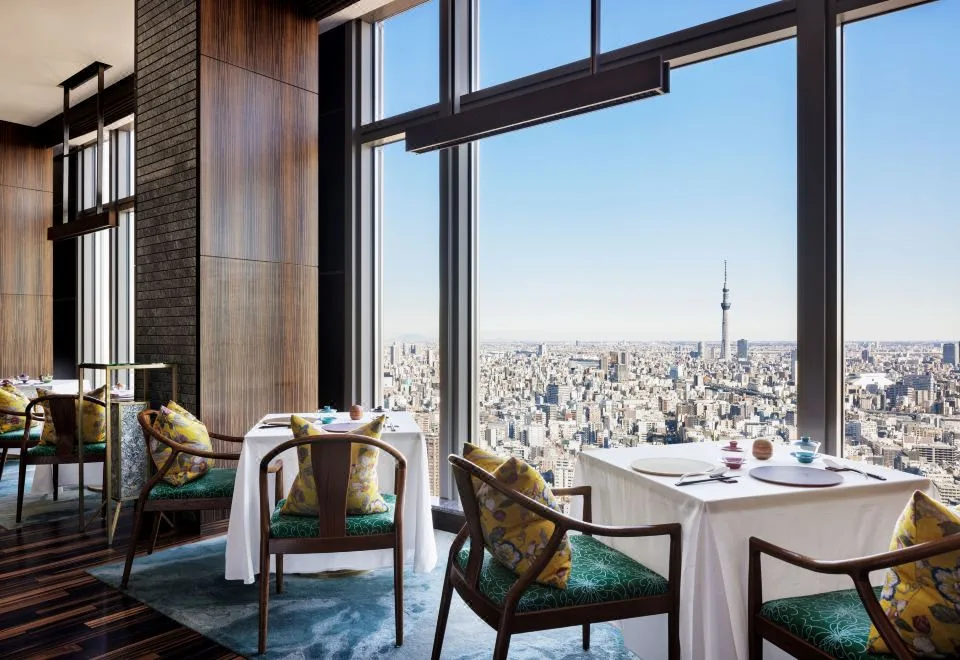
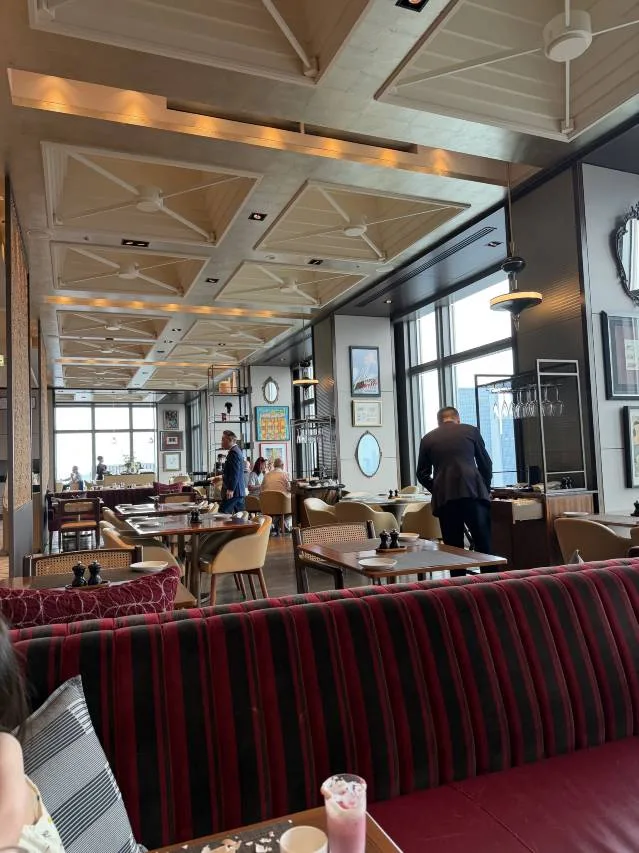
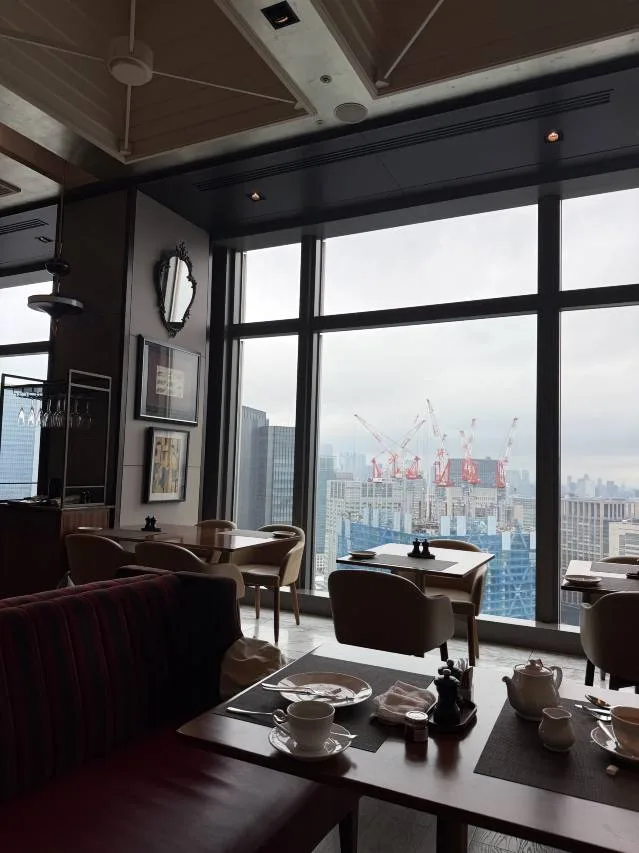
The buffet is served at K’shiki on the 38th floor, an Italian dining room with high-rise windows; the à la carte menu starts at four in the morning, so even a late riser can order Chinese, Japanese or Italian without rushing downstairs before ten. If you want a slow breakfast, keep a whole morning free; if you leave early, check the serving and takeout arrangements first, and do not plan a breakfast you cannot actually eat.
Missing breakfast is no reason to rush: Ventaglio serves its international buffet lunch from 11:30 to 15:00, the same dining room in its lunch hours. In-room dining needs care with extra charges — egg dishes or desserts added to an order are priced separately, so check the menu prices before you order rather than discovering them on the bill. The à la carte menu starts at four in the morning, so even an early flight departure can begin with a meal instead of an empty stomach; for a slow breakfast eater, the lunch hours may suit you better.
Location, transport and luggage
The hotel’s information places Mitsukoshimae Station close by and describes Nihombashi as its main location. Arriving at a high-rise hotel involves more than reaching the ground-floor entrance: you still need to reach the lobby and guest rooms by lift. With older relatives or large suitcases, allow time for staff assistance and elevator changes. To stay on step-free routes, use the station accessibility guide and hotel entrance information, not simply the nearest stairs.
Address: 2-1-1 Nihonbashimuromachi, Chuo City, Tokyo 103-8328, Japan
Mitsukoshimae Station sits right below the hotel: leave the ticket gate and stay underground, follow the passage into the Mitsui Tower basement, then take the tower lift straight to the 38th-floor lobby — no stairs at any point. The shortest exit, A4, is stairs only, so skip it with large luggage; use the elevator through the COREDO Muromachi underground passage instead, and there is also a barrier-free lift near Exit A6. The Ginza Line gates are closest; the Hanzomon Line needs a longer underground walk, and JR Shin-Nihonbashi Station is 220 metres away with an underground connection of its own.
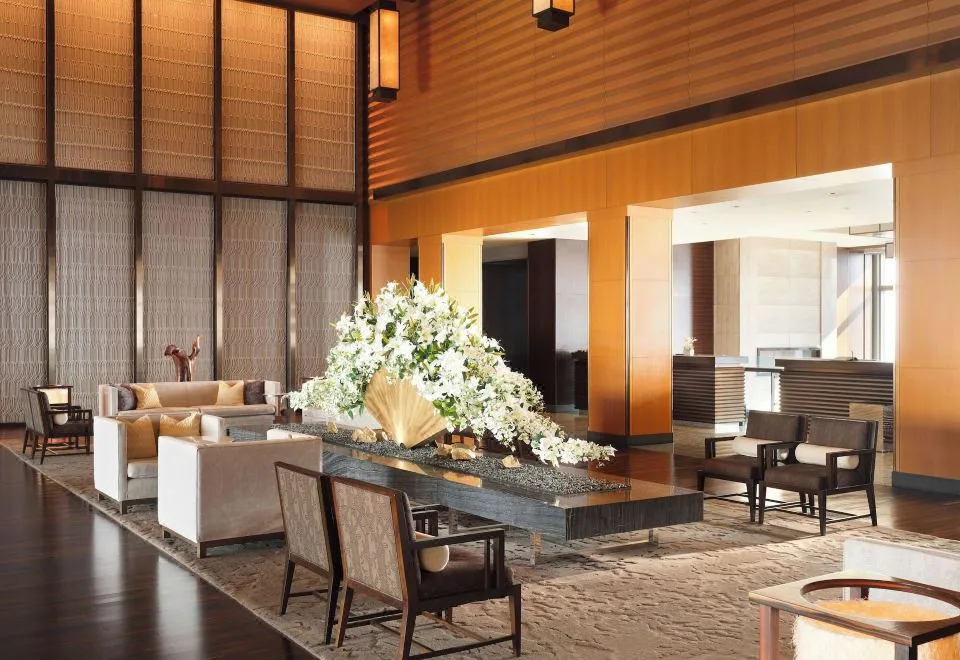
One thing to get used to at a high-rise hotel: every entry and exit passes through the 38th-floor lobby to change lifts — there is no single lift from the street to your room. With older relatives or large cases, allow time for the change and the trip feels unhurried. Luggage storage and valet parking are both available; drivers can use the private car park inside the hotel at 6,000 yen per day, with no advance booking needed.
Mitsukoshimae Station serves two lines, the Ginza Line and the Hanzomon Line, so Asakusa, Ginza and Shibuya are all direct rides with no change of train; JR Shin-Nihonbashi Station is also 220 metres away with an underground connection, one more option toward Tokyo Station. Check the platform direction before you leave — a wrong turn in the underground passages adds a long walk.
Shopping and dining nearby
I plan a day around Nihombashi Mitsukoshi, COREDO Muromachi, coffee and dinner at the hotel, with an afternoon break in my room to enjoy the skyline. That makes better use of the hotel than rushing across Tokyo every day. Ginza and Asakusa can be separate train outings; an upscale hotel does not mean every meal has to be eaten inside.
For a nearby half-day, try a Nihombashi museum and historic-building walk.
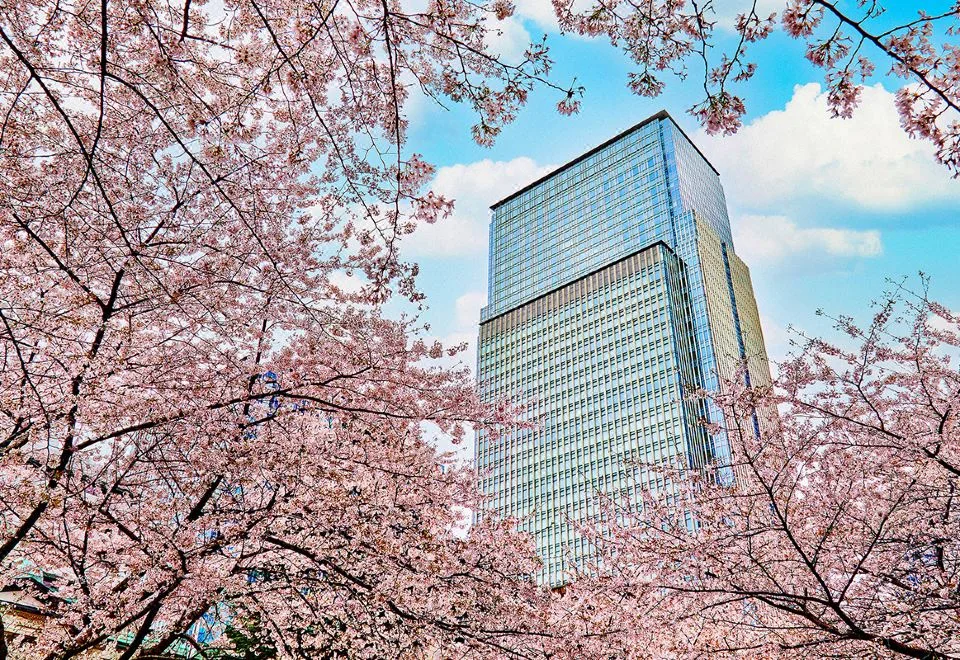
The tower the hotel occupies — Nihonbashi Muromachi Mitsui Tower — has Nihombashi Mitsukoshi and COREDO Muromachi at its base, so shopping, meals and coffee need no trip outside the building; the Nihonbashi bridge is 440 metres away and Ginza is 1.2 kilometres, one subway stop. Half a day covers the neighbourhood; the rest of the time belongs to the room and the restaurants, and that is the way to use this stay.
Facilities and services worth using
The restaurants, spa and fitness facilities are experiences you can actively schedule. Book treatments, meals and special events in advance if they matter to the trip. Let the hotel know about a birthday or anniversary, but do not count on surprise gifts or upgrades that individual guests received. To me, good service means explaining my needs and being helped thoughtfully rather than expecting extra perks every time.
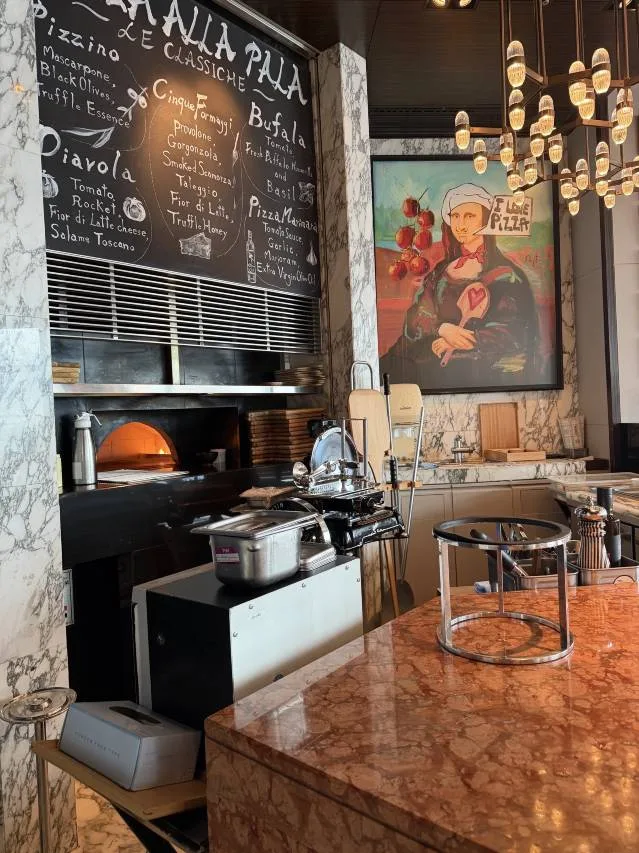
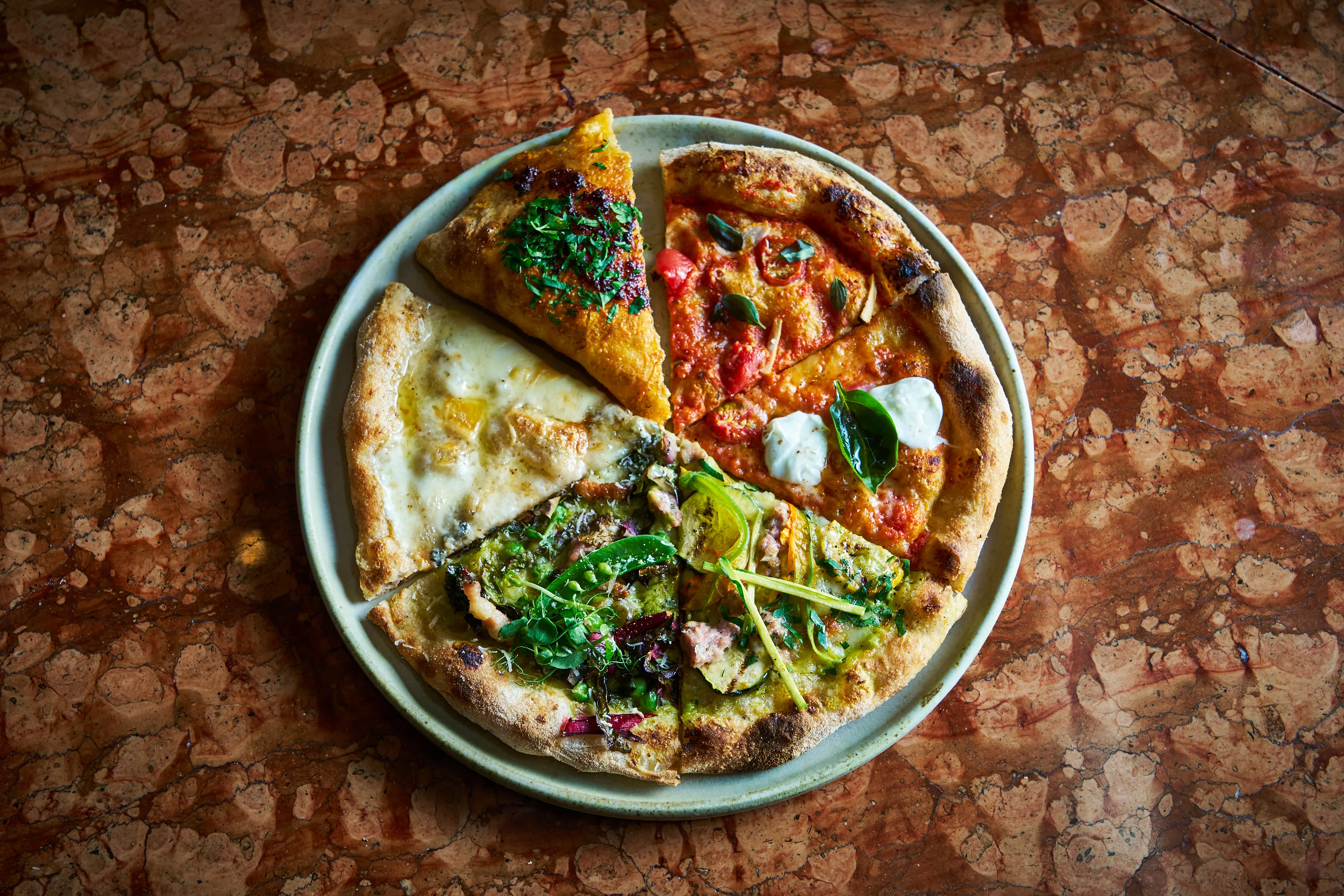
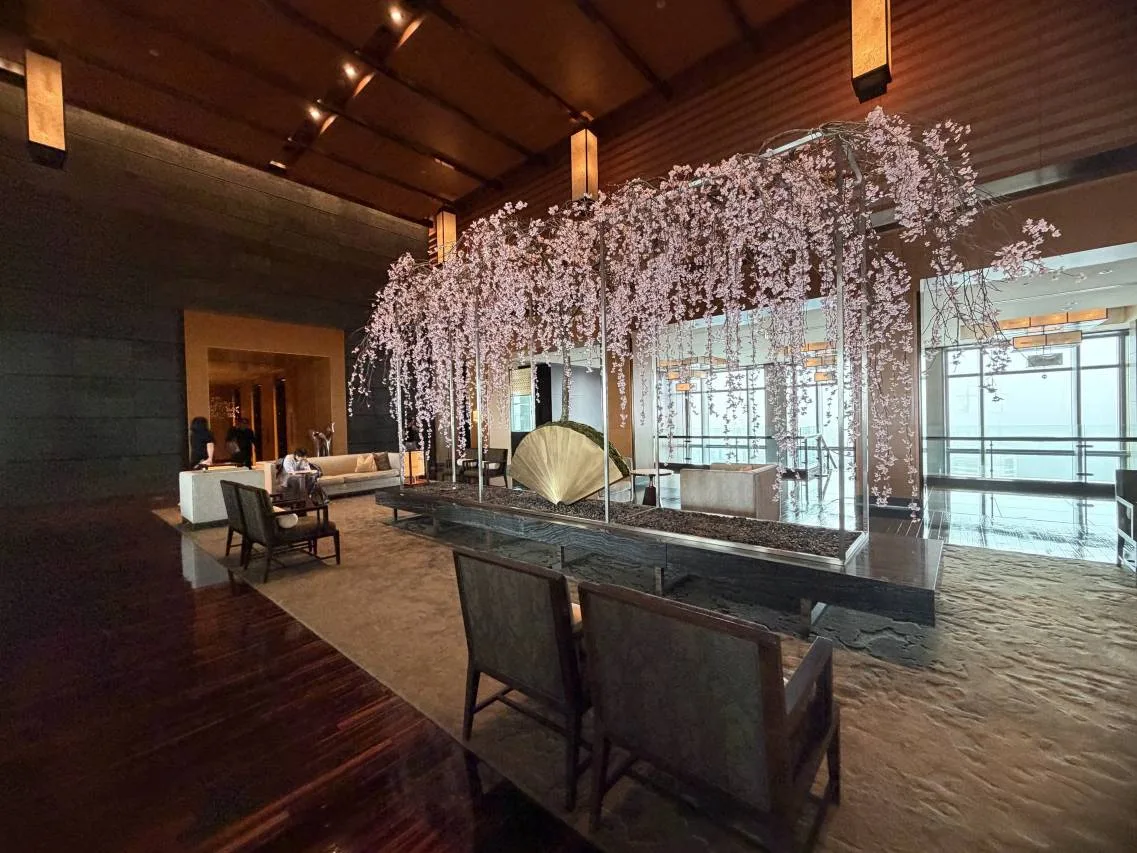
Dining inside the hotel runs wider than most hotels: the 37th floor holds Signature for French cooking and Sense for Cantonese, the 38th floor holds the Italian K’shiki, The Pizza Bar on 38th and Sushi Shin by Miyakawa, plus Ventaglio, the Mandarin Bar, the Oriental Lounge and the Tapas Molecular Bar. The Pizza Bar has just eight marble counter seats and dough fermented for 48 hours, so book ahead; Sushi Shin is the Tokyo branch of a Hokkaido sushi name, with separate lunch and dinner seatings, so reserve if you want a counter.
On the service side, there is a concierge, luggage storage, valet parking, a shuttle, laundry and dry cleaning, currency exchange, meeting rooms and business services; travelling with children, you will find kids’ meals, children’s robes and slippers, toys, toothbrushes, strollers, board games and books or videos already provided. Check-in is after 15:00, check-out is before 12:00, and the front desk is staffed around the clock; the guest checking in must be at least 18, and the spa and fitness centre admit guests aged 16 and over.
One or two nights versus a longer stay
A single night can work as an anniversary or a rest day during a Tokyo trip. Multiple nights let you enjoy Nihombashi at a slower pace. If you spend all day out and return late, the 50 m² room and shared facilities offer less value. Within my budget, I would first reserve an afternoon to enjoy the room before paying more for a particular view or suite.
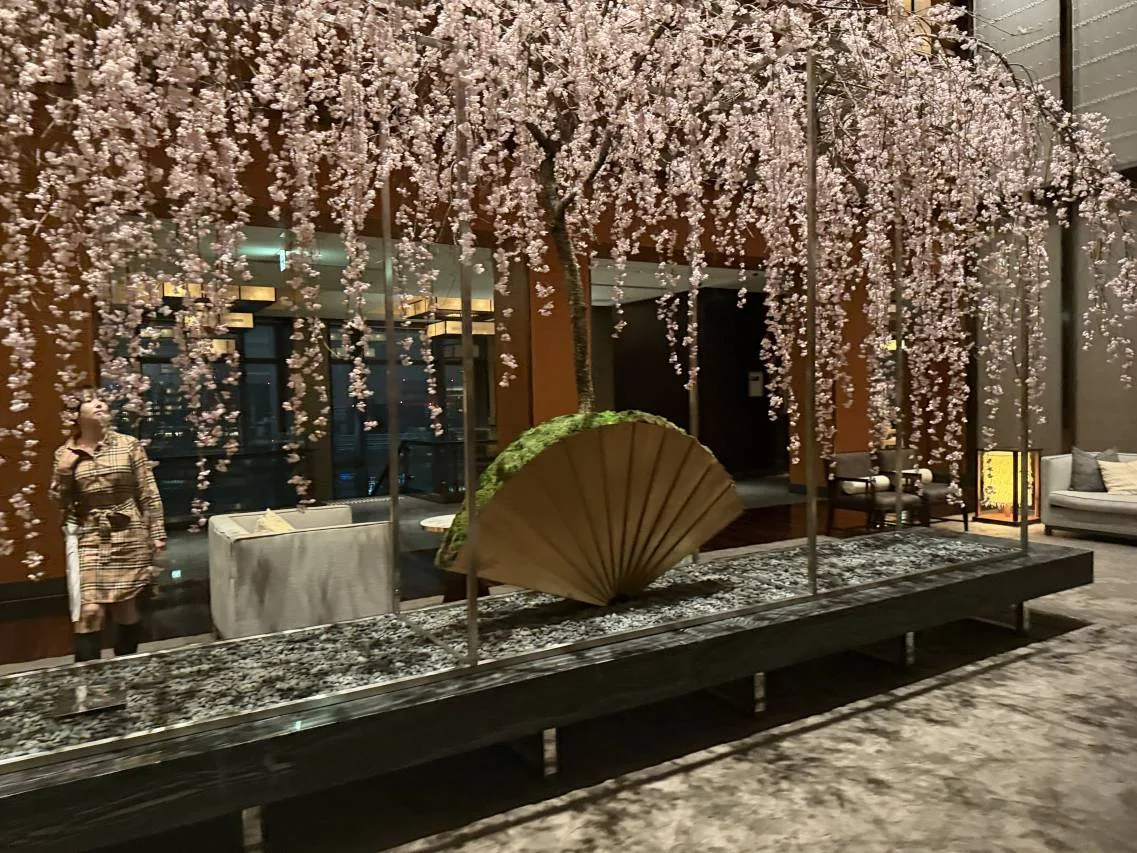
The hotel opened in 2005 as Mandarin Oriental’s first in Japan and was renovated in 2019. A single night suits an anniversary or a rest day inside a Tokyo trip; a longer stay is what lets you spread the restaurants, the spa and Nihonbashi across unhurried days. The Pizza Bar and the spa treatments both need advance booking — on a longer stay, secure those seats on day one and the rest of the trip stops feeling rushed.
This is the smoothest way to plan it: arrive after the 15:00 check-in, see the view from the 38th-floor lobby once, then dine at a 37th- or 38th-floor restaurant — remember to book ahead. On the second day, have breakfast, walk to the Nihonbashi bridge and COREDO Muromachi, return to the 37th-floor spa in the afternoon, and try another restaurant in the evening. With two nights or more, the restaurants and the spa can take turns instead of being squeezed into one day; book the restaurants and the spa when you book the room, so day one needs no last-minute searching.
Details to consider before booking
The view, the service and the sense of space are the three things that stay with me most: a large room, a good window, careful service. Three things need sorting out in advance too: where breakfast and extra dishes start costing more, which direction and floor the room faces, and what an anniversary or a travelling companion needs. Book the restaurants and the spa ahead, know the 38th-floor lift change in advance, and if your expectations run high, say these things clearly before you travel.
My final choice
For a relaxed Nihombashi stay with time for views and dining, I would put Mandarin Oriental on the shortlist. First see whether the 50 m² Deluxe is enough, then consider a corner room or suite. Check what breakfast includes and leave one unrushed morning to enjoy it.
The final trade-off is simple: the more time you spend inside the hotel, the more this stay is worth. Keep the budget for the room and the restaurants — transport and shopping are already downstairs. Book the restaurants and treatments first, and leave one whole afternoon on the itinerary for the room, so the view and the space actually get used.
Pros and cons at a glance
Pros
- Deluxe rooms start at 50 m², and all 179 rooms sit on floors 30 to 38, so the 38th-floor lobby and the high-rise view are part of the stay itself
- Mitsukoshimae Station connects underground, with Nihombashi Mitsukoshi and COREDO Muromachi downstairs and Ginza 1.2 kilometres away, one subway stop
- Dining runs wide inside the hotel: French, Cantonese, Italian, sushi, a pizza bar, bars and a tea lounge upstairs
- The 37th-floor spa has a vitality pool and a dry sauna, and the 38th-floor fitness centre stays open around the clock
- Breakfast has two add-on options, with free meals for children aged 12 and under at the Italian restaurant and the international buffet
Cons
- Every entry and exit passes through the 38th-floor lobby to change lifts — there is no single lift from the street to your room
- The shortest exit, A4, is stairs only, so large luggage needs the elevator through the COREDO Muromachi underground passage
- The breakfast buffet costs 8,855 yen per adult, and in-room and in-house extras add up, so check the charge boundaries before booking
- The Pizza Bar has just eight counter seats, and popular restaurants and spa hours need advance booking
- The landmark you see depends on the room direction and floor — a high-rise view does not guarantee a particular landmark
Information last checked: 2026-11-22