
TOKYO / CHUO
Keikyu EX INN Tokyo Nihombashi
Keikyu Ex Inn Tokyo Nihombashi
A practical base for Kayabacho and Nihombashi outings
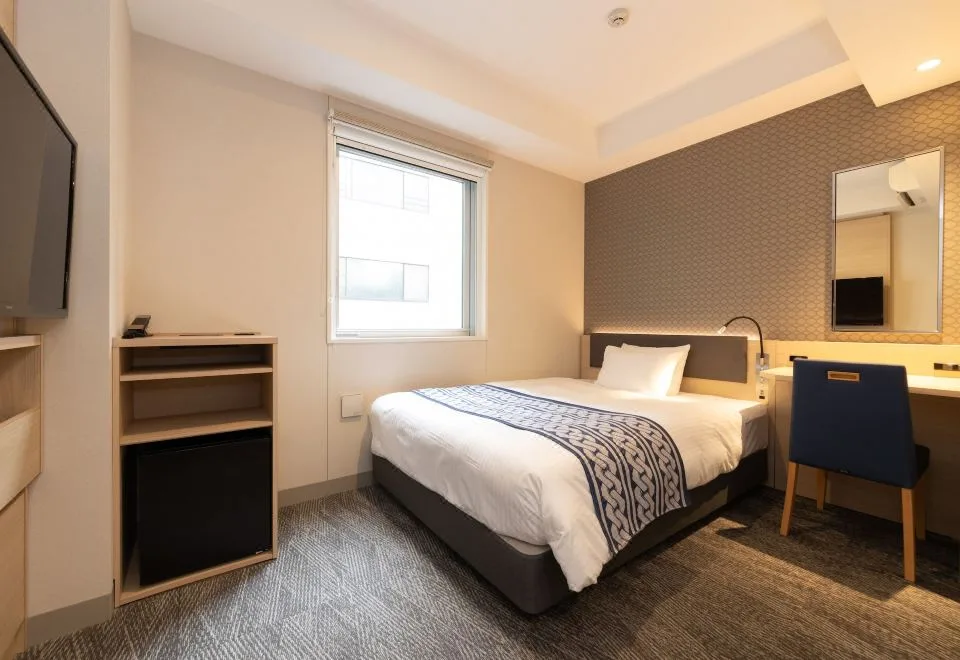
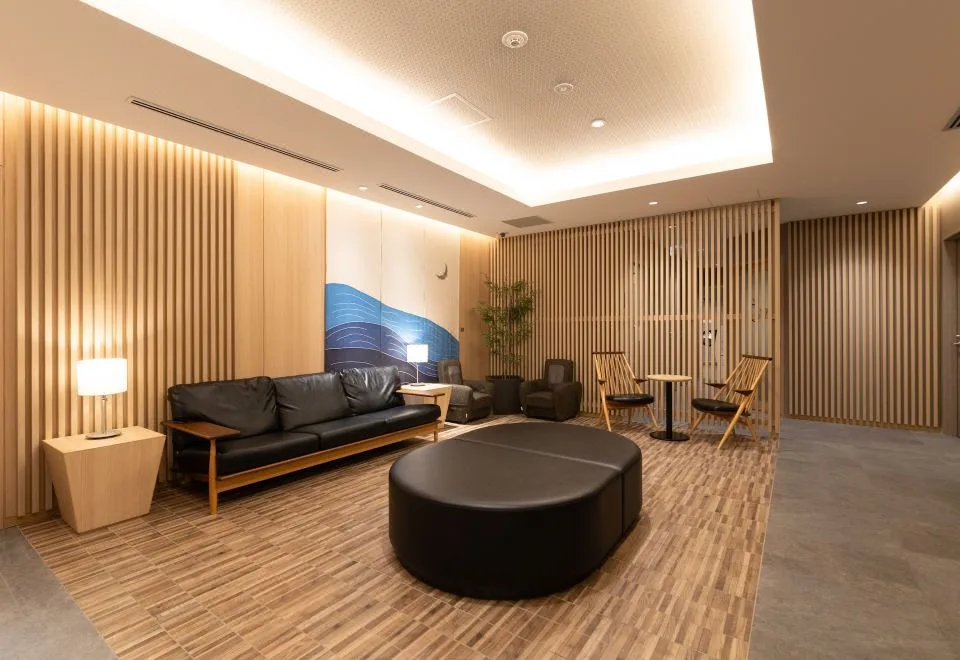
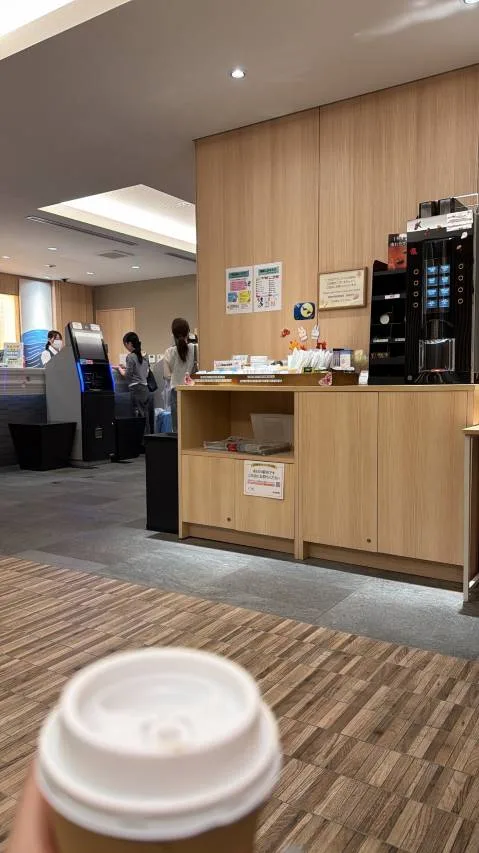
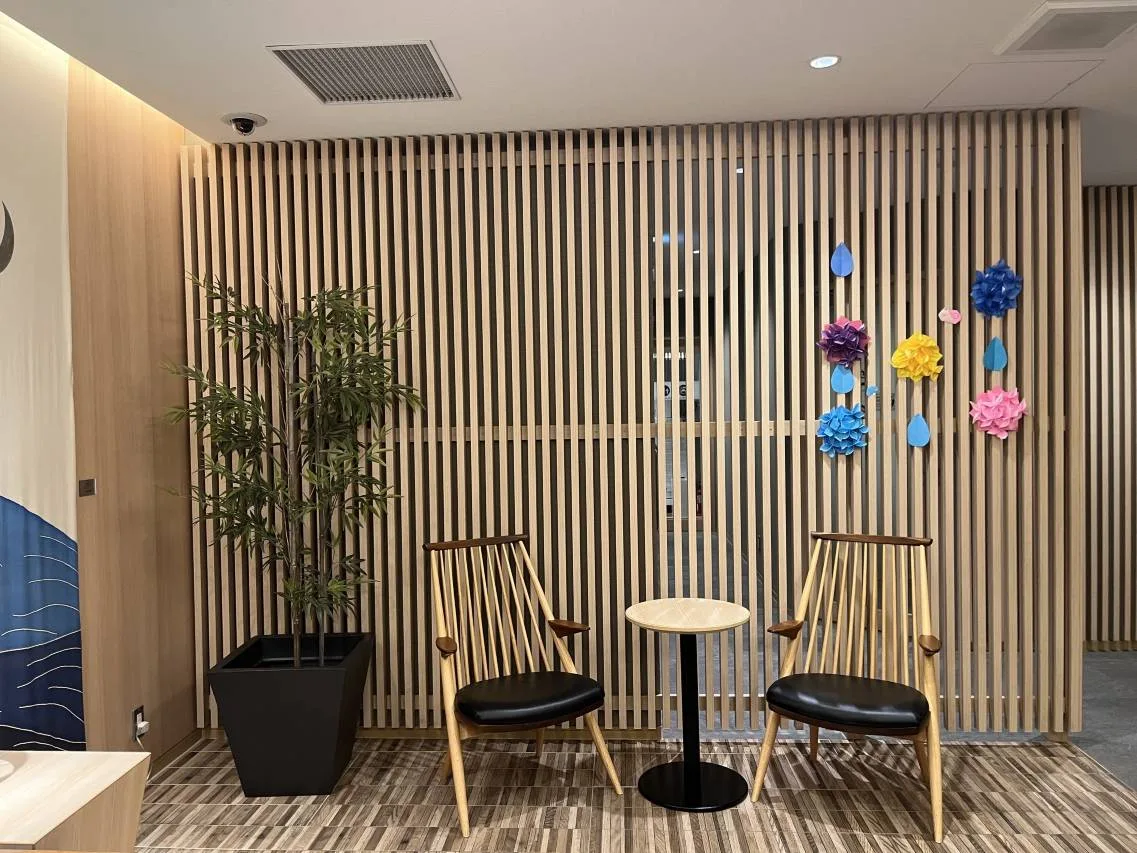
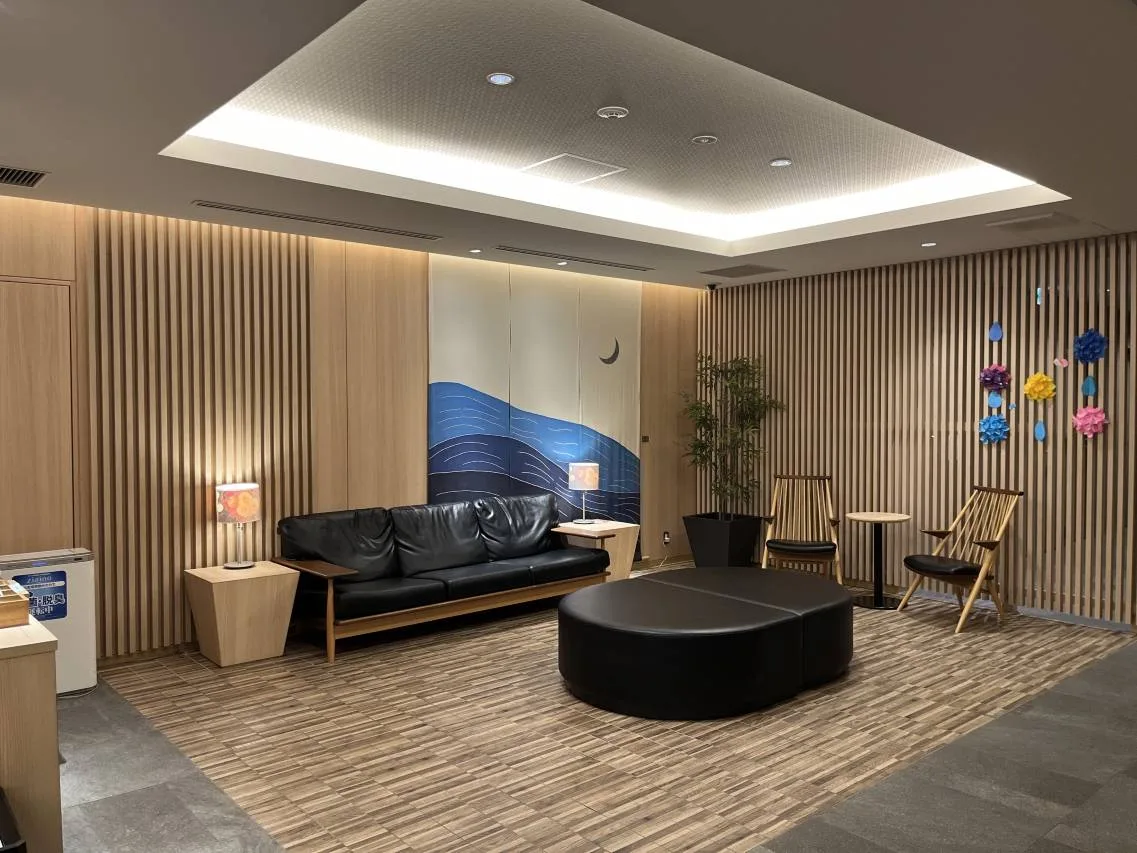
Keikyu EX INN Tokyo Nihombashi suits travellers who want to stay near Kayabacho, ride trains during the day and return to a simple place to rest. Timber tones in the lobby and functional rooms make it practical, while Nihombashi walks are close enough to enjoy. Rather than resort-style facilities, its value lies in everyday transport and access to supplies.
This is Keikyu EX INN’s Nihombashi-Kayabacho property, and every room is non-smoking. I treat it as a station-centred base: out on the Hibiya or Tozai line by day, back to shower and sleep at night, then out again the next day. If you are not looking for a large bath or resort facilities, this setup is simply less fuss — the hotel is just the place you leave from and come back to, not something to plan extra time around. Staying here, Kayabacho Station is the centre of the trip, with trains in every direction, so you do not need to work out transfers before you leave in the morning.
Is this hotel right for your trip?
First, the short version: this hotel suits travellers who use Kayabacho as a base and ride trains every day. The room choice is clear — pick by party size and luggage, without guessing which room is bigger. Breakfast and the station are both within walking distance, so the trip does not have to be planned around the hotel: eat breakfast and leave in the morning, and come straight back at night without another transfer. Its strength is not facilities but the combination of location and rooms: the station is close, there are many room types, and breakfast is covered. When those three are right, nothing feels awkward.
Reasons to choose it
- Good for Kayabacho and Nihombashi itineraries
- Practical guest rooms and communal areas
- Set breakfasts fit a straightforward morning routine
It is equally clear who it does not suit: anyone wanting resort facilities, spacious rooms or a car park right at the door will not find them here. If you can accept that, read on for how to choose a room and a breakfast. Pick the right room and the right exit and the stay goes smoothly; pick the wrong ones and the same hotel feels very different.
Trade-offs to consider
- Large luggage calls for careful room selection
- Kayabacho Exit 2 has no lift; with large luggage use Exit 1a or 4a instead
- No private car park; drivers need a nearby coin car park
Access: exits, lifts and luggage
Walking from standard exits
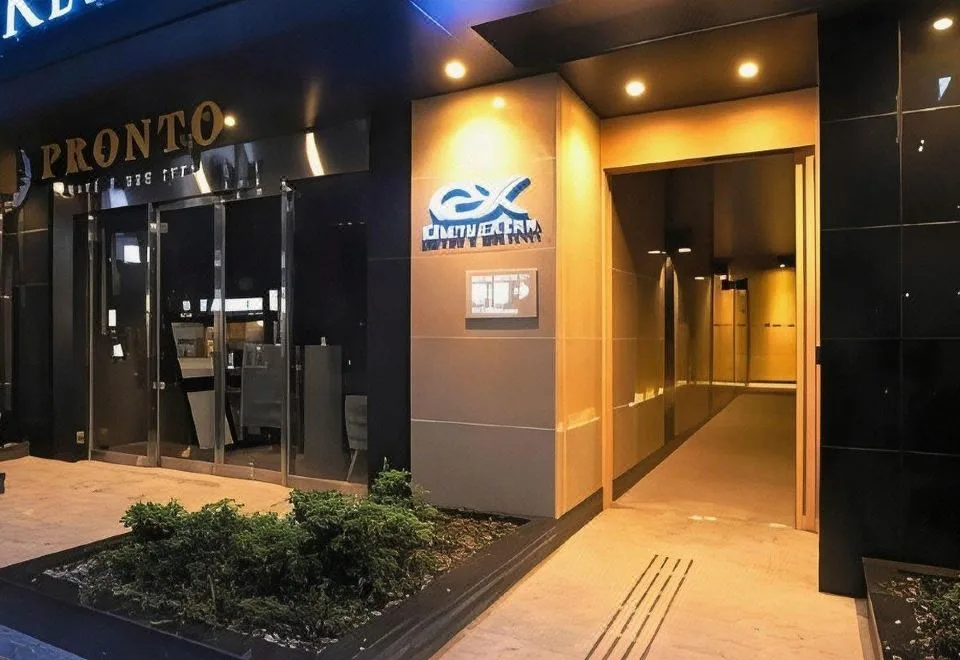
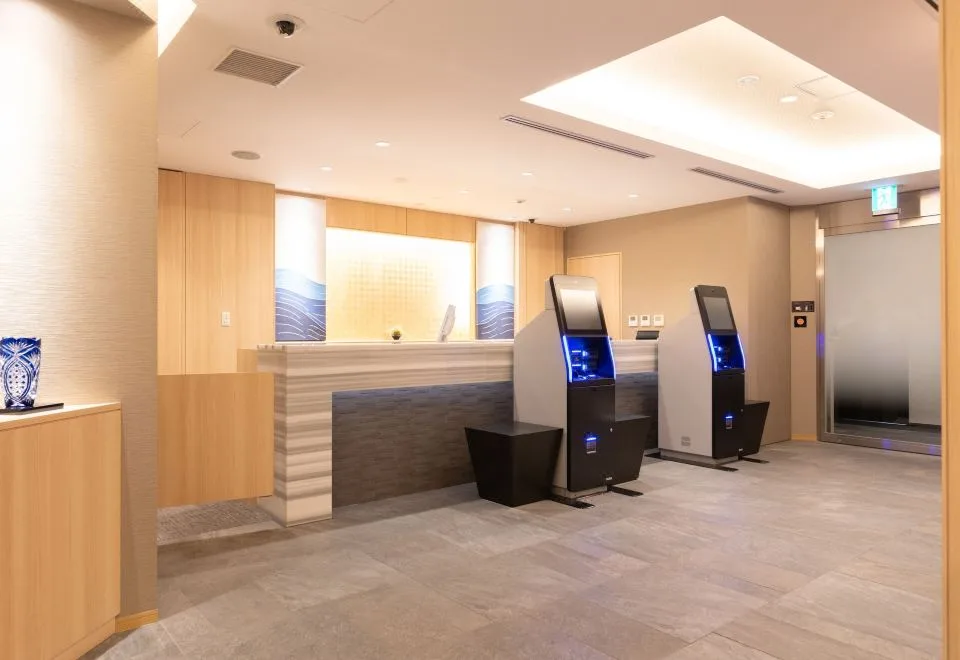
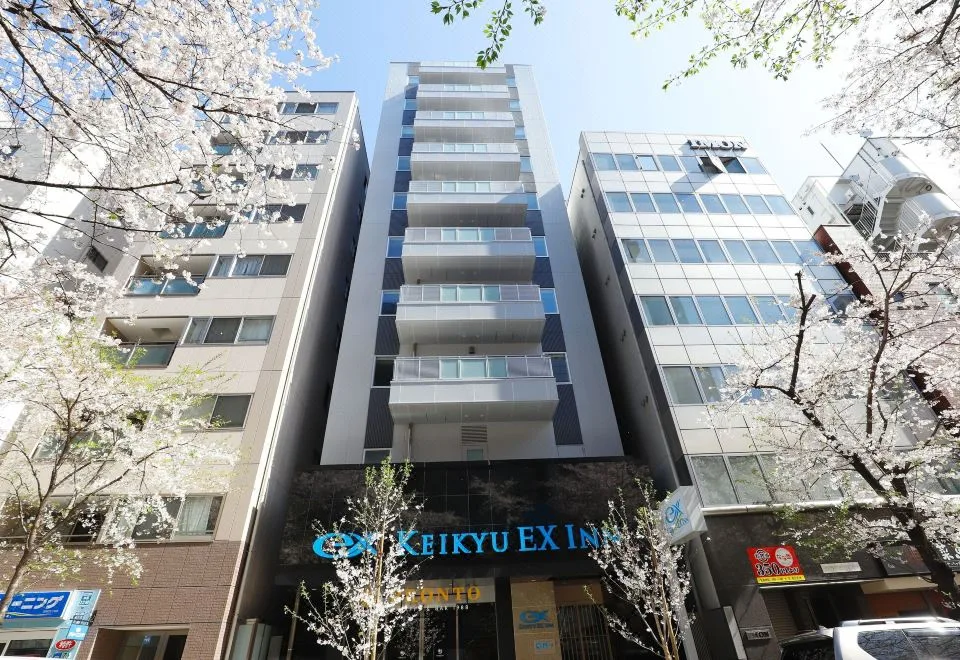
The usual approach is around two minutes from Kayabacho Exit 2, four minutes from Hatchobori A5 or six minutes from Nihombashi D1. The hotel’s Kayabacho directions pass a 7-Eleven and Tomod’s drugstore before turning at the first junction. Reception is on the second floor, so follow the building signs when you arrive.
Luggage and lift routes
Kayabacho Exit 2 has no elevator, so do not use it with large luggage, a wheelchair or a stroller. Lifts from the platforms serve the East, West and Central gates; outside the East Gate, a lift runs to street level at Exits 3, 4a and 4b, and there are also street-level lifts at Exits 1a, 4a and 10. Take the lift route out of the station and walk back to the hotel from there — do not treat the usual two-minute walk as the lift-route time, and allow extra time for the lift route.
Hatchobori A5 also has no elevator, and the usual walk is about four minutes. For a step-free route, use the street-level lifts at Exits A2 or A3 outside the Sakuragawa-koen Gate; inside the station, a stairlift connects the platform to the gate, and staff can help if needed. Walking from A2 or A3 to the hotel is longer than from A5, so if you are in a hurry, A5 is fastest — but with large luggage, the longer walk beats carrying cases up the stairs, and you can sort your bags out once you reach the hotel.
The location works well on foot: Nihombashi is about 300 metres away, Ginza about 840 metres, JR Shin-Nihombashi Station about 1.4 km, the Imperial Palace about 2.1 km and Hamacho about 1.7 km. The 7-Eleven and Tomod’s drugstore on the Kayabacho route are right at the turn, and there is a small supermarket across from the entrance, so topping up water or breakfast supplies in the evening is easy, with no detour needed. The Tokyo Lights festival is about 450 metres away in winter, an easy walk from here during the season; for the Tsukiji Outer Market, take the Hibiya Line two stops, Ginza is walkable, and the Tokyo Station area is a short ride away. This is the Nihombashi shopping district, with shops by day and restaurants at night, so eating and shopping fit naturally into a walk.
If you ride the Ginza or Asakusa line, get off at Nihombashi Station and walk back to the hotel through the Nihombashi area — good for a daytime stroll or an evening meal, with no need to ride back to Kayabacho. First-time visitors can learn the way on that walk, and the next few days’ outings will be easy from there.
View hotel access directions / Check station lift facilities
| Hotel name | Keikyu EX INN Tokyo Nihombashi |
| Address | 2-4-8 Nihonbashi Kayabacho, Chuo-ku, Tokyo 103-0025, Japan |
| Check-in and check-out | Check-in 15:00–05:00 next day; check-out by 10:00; reception staffed 24 hours. |
| Transit reference | About 160 m from Kayabacho subway station, a two-minute walk. |
Choosing a room: beds, bathrooms and luggage
| Room type | Room size and bed configuration | Best choice for |
|---|---|---|
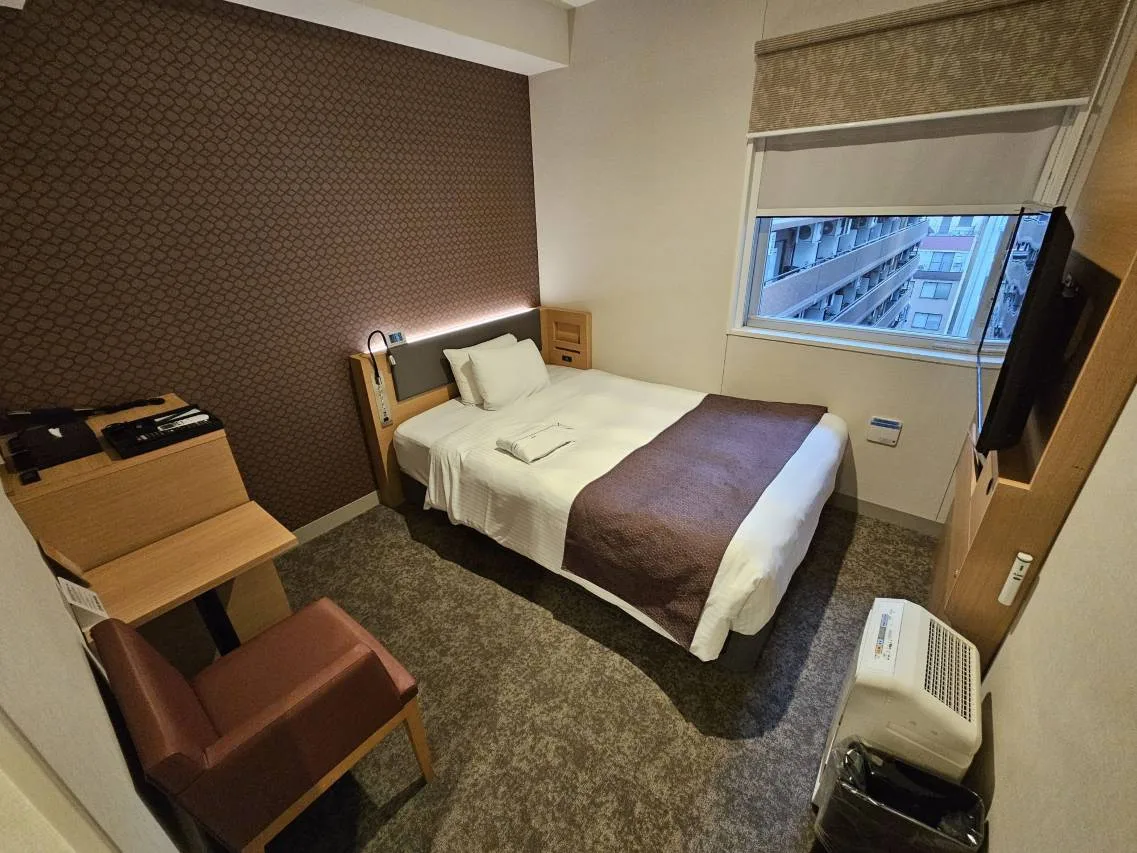
| Semi-Double A | 13 m² / one 140 cm bed | Work desk layout |
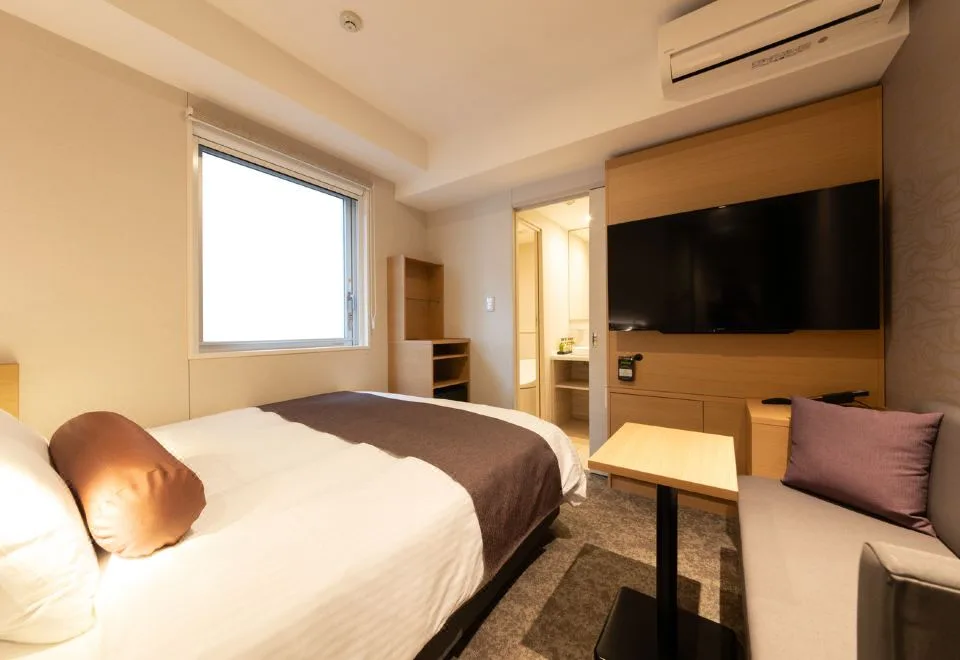
| Semi-Double B | 13 m² / one 140 cm bed | Small table and lounge-style layout |
| Double | 16 m² / one 150 cm bed | Bathroom with separate washing area and toilet |
| EX Double | 17 m² / one 160 cm bed | Separate bathroom, toilet and washbasin |
| Universal Semi-Double | 19 m² / one 140 cm bed | Barrier-free, wheelchair-friendly, only one in the hotel |
Room types A and B are the same size with the same bed width; the difference is a work desk versus a small table, not extra floor area. If bathrooms matter, I would compare the 16 m² Double and 17 m² EX Double; the latter also has a separate washbasin, handy when two guests get ready in the morning.
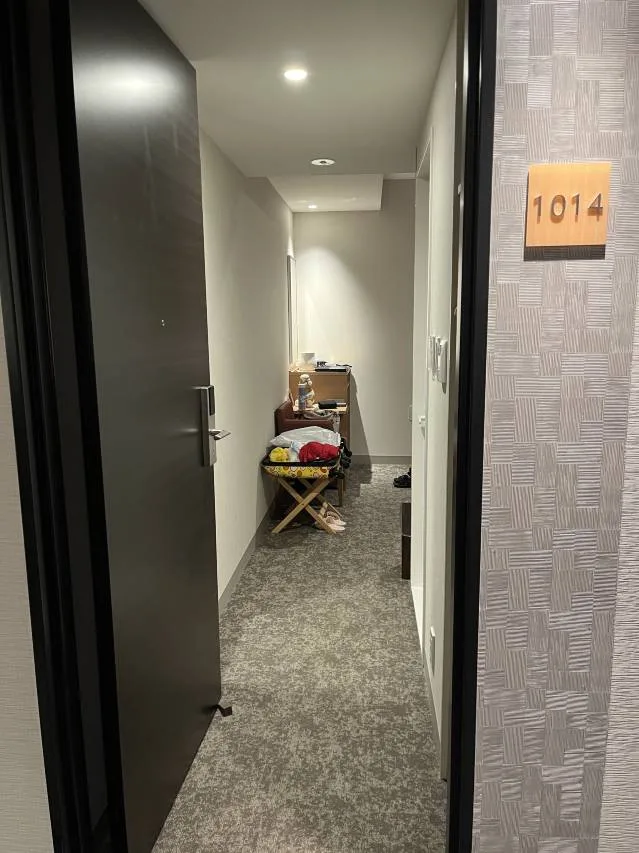
Gallery and guest photos show single-bed layouts, small tables, chairs and bathroom arrangements. Light-packing solo guests or couples may find them practical, but two large cases require checking floor space at the foot of the bed. Compare each room type and bed width on the booking page; do not guess the dimensions from its name.
There are 142 rooms in total: 72 Semi-Double A, 42 Semi-Double B, 18 Double, 9 EX Double and just one barrier-free Semi-Double. The mattresses were developed with Simmons, and rooms have a humidifying air purifier, individual air conditioning and free Wi-Fi, so the basics of sleeping and getting online are covered and a longer stay in the room does not feel stuffy. The barrier-free Semi-Double is 19 m² with a 140 cm bed and is wheelchair-friendly, so name the room type when you book if you need it rather than asking at check-in.
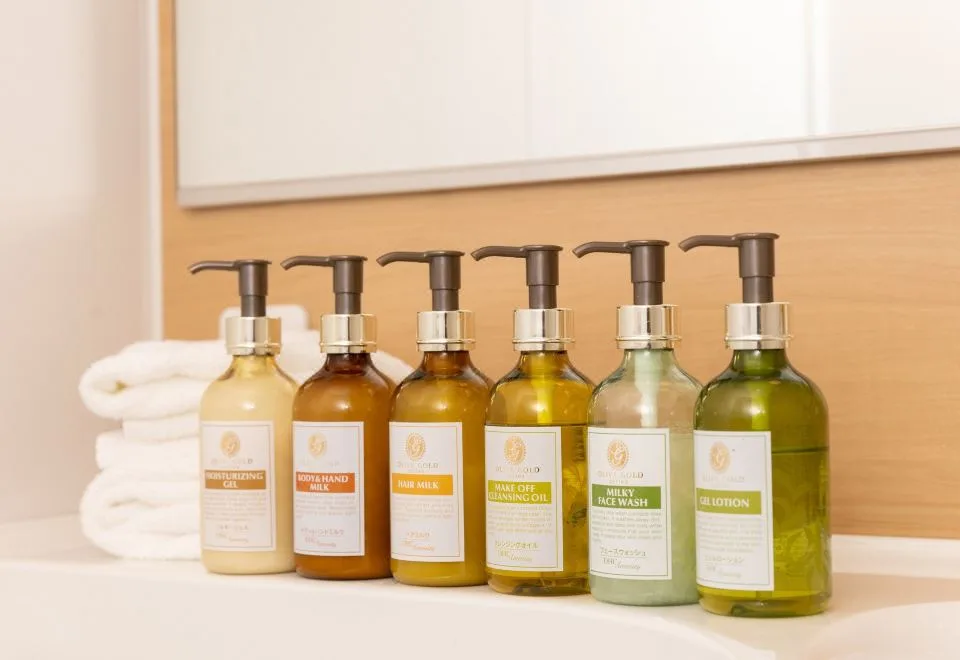
Women travelling alone can choose the eighth-floor ladies’ floor, where the lift is card-key controlled and check-out is at noon, so there is no rush to pack in the morning and a little extra sleep is fine. The floor stocks a six-piece DHC skincare set, a hair dryer and a hair straightener, with two bath towels and two face towels per room; the shower head and dryer are ReFa, so drying your hair after a shower is easy and there is no need to bring a full skincare set of your own. Ask for the ladies’ floor by name when you book if you want it — asking at check-in may be too late.
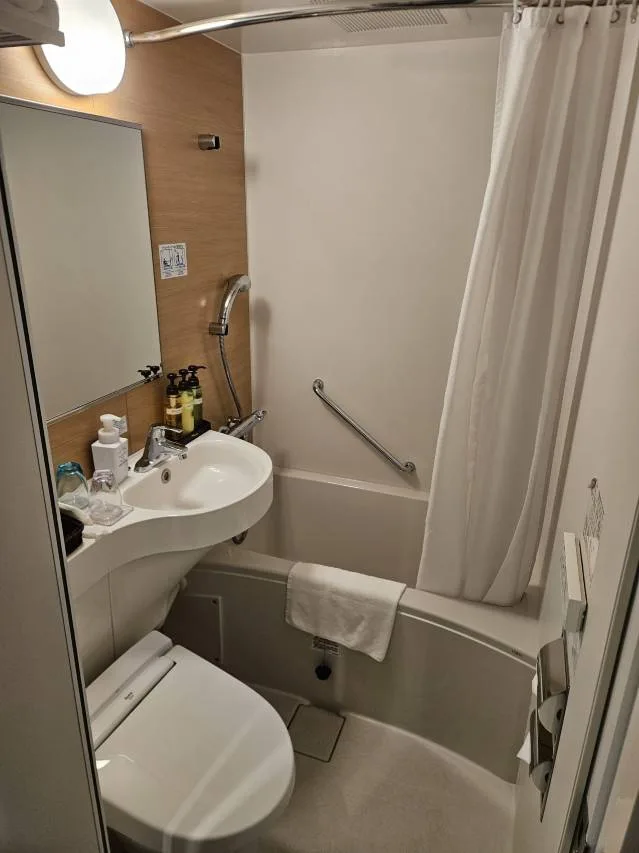
Bathroom layouts differ by room type: the Double has a bathroom with a washing area and a separate toilet, and the EX Double separates the bathroom, toilet and washbasin as well, so two people getting ready in the morning do not have to take turns — one showers while the other brushes their teeth, and the time saved buys ten more minutes of sleep. For two guests, a Double with a bed from 150 cm wide is more comfortable than a 140 cm Semi-Double; if you want a washing area and a separate toilet, go straight for the 16 m² Double or above rather than squeezing two people in to save a little. When choosing, look at bed width first, then the bathroom, then the desk or small table — when all three are right, the room works.
Breakfast: plan around the morning
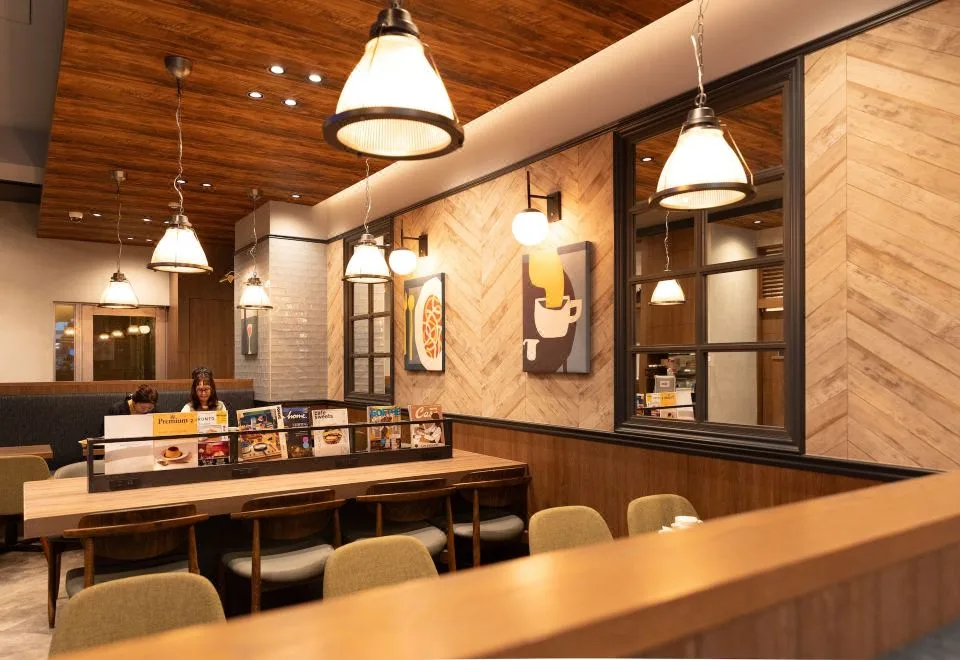
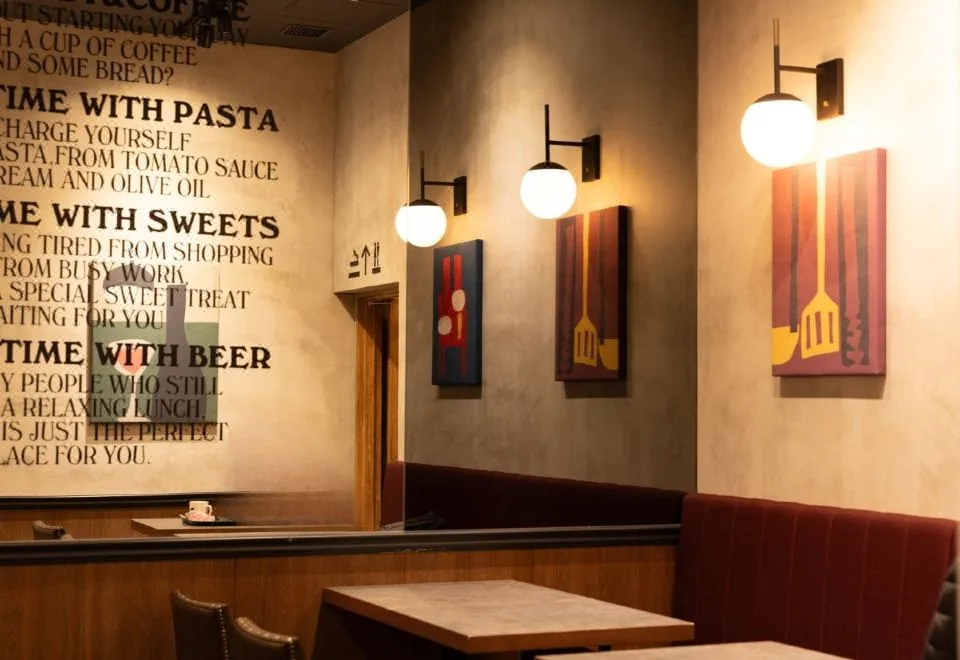
Breakfast is served at PRONTO on the first floor as a set meal, from 07:00 to 10:30, at ¥1,100 per adult; if your rate does not include breakfast, you can buy a voucher at the front desk. There are Japanese and Western sets — the omelette, toast, salad, yoghurt and coffee in the photo are one of the Western sets. Dining-area photos show the atmosphere, but they do not guarantee every dish will be offered daily; the breakfast seats are the wooden ones in the photos, and you can leave straight after eating.
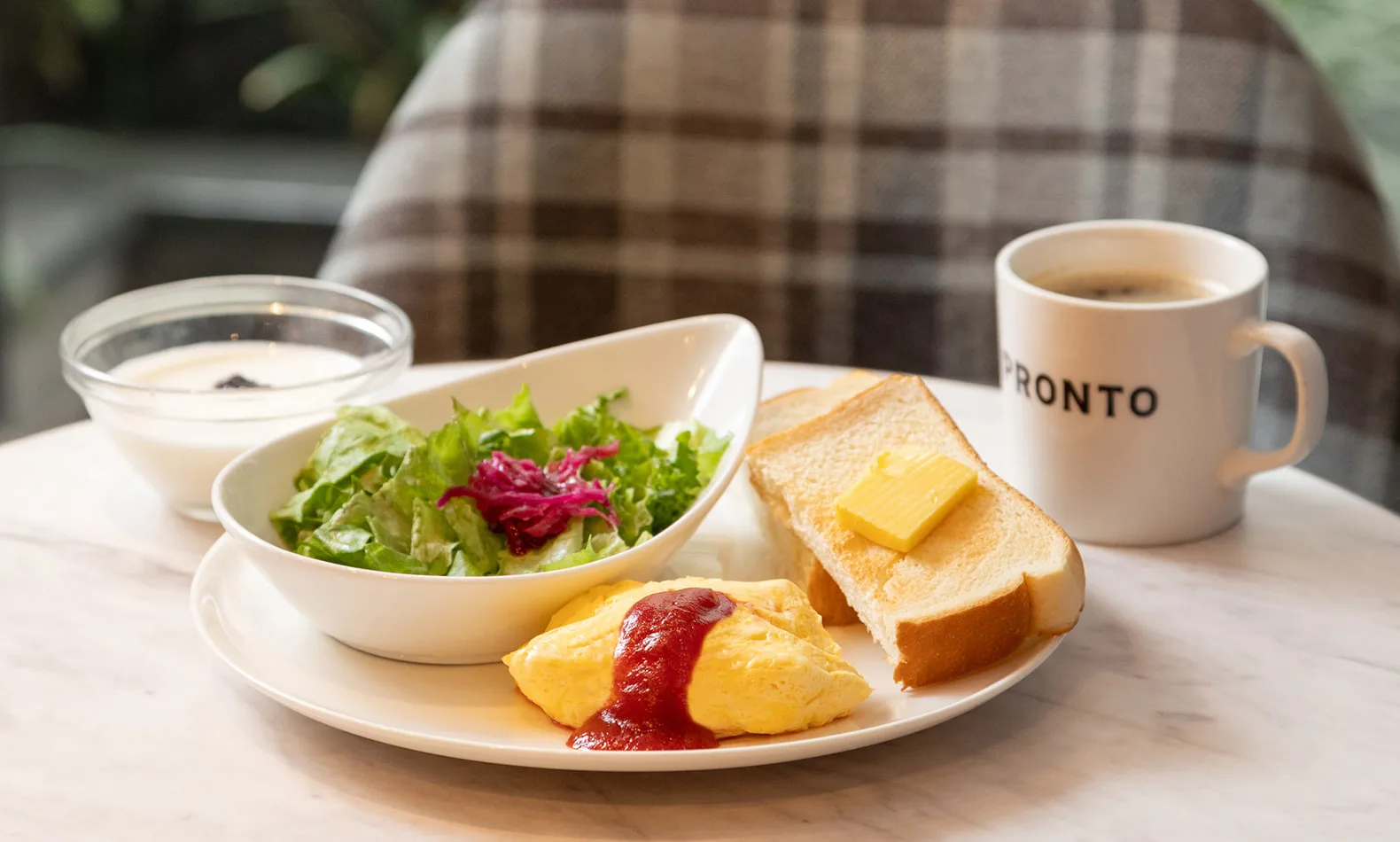
I treat breakfast as a fixed part of the morning: downstairs when service starts at 7, one set meal, then off to the train — more reliable than hunting for food at the station. In a hurry, a set meal is a portion you finish and leave, with no buffet queue to wait in and no standing in the station wondering what to eat. Staying several nights, I would leave some mornings for a nearby café instead, for a change of pace — not the same set every morning, which changes how the day starts. Eat well and you have the energy for walking and riding in the morning; take your time if you are not in a hurry, and leave as soon as you finish if you are.
If breakfast is not in your rate, buy a voucher at the front desk and pay on the spot; check the child breakfast charge separately and put the number of guests on the booking to be safe. If you have to leave before 7, you will miss breakfast altogether, so do not count it into the plan on an early-train day — get the next morning’s food ready the night before, so you do not leave in the morning and find there is nothing to eat.
Pros and trade-offs
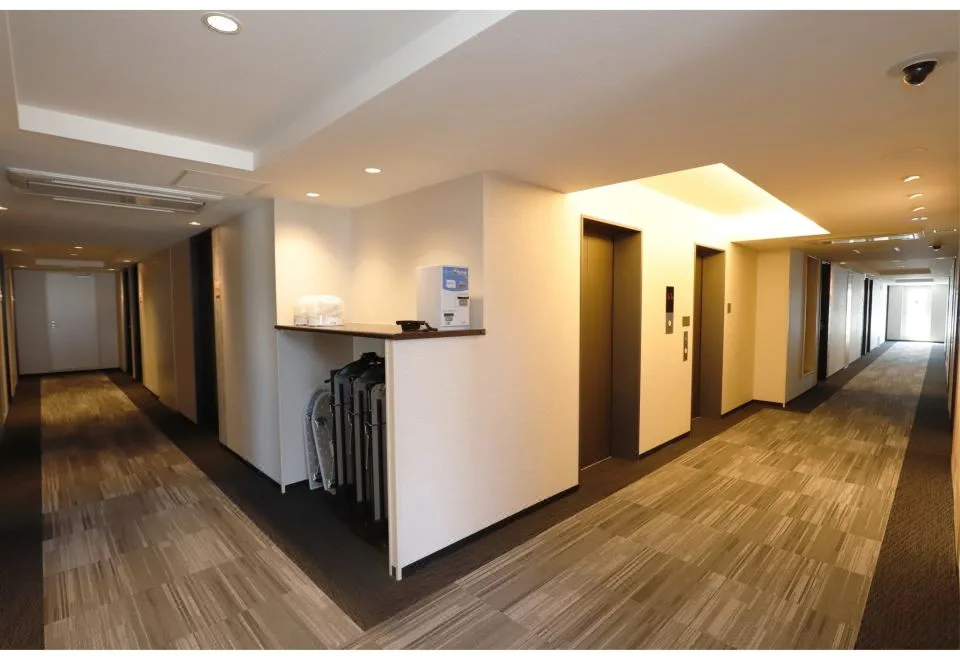
The front desk is staffed around the clock; check-in starts at 15:00 and check-out is by 10:00. Luggage can be left with the hotel and picked up by 23:00 on the day of check-out; valuables, frozen or refrigerated items and flowers cannot be stored, and oversized luggage may be refused, so take valuables out and carry them with you before leaving a bag. There is no private car park — drivers should use a nearby coin car park. The second floor has an amenity corner, welcome coffee, coin laundry and a microwave, and there are vending machines and an ice maker in the building, so a hot or cold drink in the evening does not need a trip outside.
There is no large bath, pool, gym or room service here, so plan a bath or a meal delivery elsewhere if you want one; pets are not allowed, so pet travel needs another hotel. On the plus side, no deposit is required at check-in, children of all ages are welcome, and an extra fee may still apply even without an extra bed — put the number of guests on the booking and it is covered. These trade-offs fit a business hotel: spend on the room and the location, not on resort facilities you would not use.
Business or long-distance travellers can use the copy, fax and rental computer in the building, ask the front desk to arrange a courier for heavy luggage, and rent a wheelchair; the front desk works in English and Japanese, so asking the way or about a station is fine without Japanese. There is a smoking area in the building, so smokers do not need to go outside to find a spot, and check-in and check-out are quick, so nobody in a hurry has to wait long.
Short stays, longer stays and neighbourhood trips
A short stay suits rail trips around Nihombashi, Kayabacho and Ginza. For longer stays, use it as a fixed base while sightseeing in different districts. If you leave early and return late, a basic room may be enough; if you work inside, check desk space and outlet positions rather than judging by bed photographs alone.
Early check-in or late check-out costs ¥1,100 per room per hour; checking in before noon or out after 14:00 is charged as an extra night. If your trip needs that flexibility, build the cost into the booking; if you would rather not pay extra, keep to the published check-in and check-out times. The ladies’ floor checks out at noon.
Check-in runs until 05:00 the next morning, so even a late-night arrival can check in directly without worrying about missing the desk. For the trip itself: a walk around Nihombashi on the first day, the Tsukiji Outer Market two stops away on the Hibiya Line on the second, Ginza on foot, and the Tokyo Station area a short ride away.
Pros and cons
Pros
- About two minutes on foot from Kayabacho Exit 2, with Nihombashi about 300 m and Ginza about 840 m away, so stations and shopping are all within walking distance.
- 142 rooms, all non-smoking, in five types from 13 to 19 m², with beds 140 to 160 cm wide, so you can choose by party size and luggage.
- Breakfast at PRONTO on the first floor, Japanese and Western sets from 07:00 to 10:30, ¥1,100 per adult, with vouchers sold at the front desk.
- Front desk staffed around the clock, with an amenity corner, welcome coffee, coin laundry and a microwave on the second floor, and luggage storage until 23:00 on the day of check-out.
- Eighth-floor ladies’ floor with card-key lift control, a six-piece DHC skincare set, a hair dryer and a hair straightener, and check-out at noon.
Cons
- The 13 m² rooms are small; two people with large cases will feel squeezed, so check the space between the foot of the bed and the chairs first.
- Kayabacho Exit 2 and Hatchobori A5 both have no lift; large luggage, wheelchairs and strollers need the lift exits instead.
- No large bath, pool, gym or room service in the building, so a bath or a meal in the room needs separate arrangements.
- No private car park; drivers need a nearby coin car park.
- Check-out at 10:00 is early, and early check-in or late check-out costs ¥1,100 per room per hour.
Information last checked: 2026-11-23