
TOKYO / CHUO
ICI Hotel Tokyo Hatchobori
Ici Hotel Tokyo Hatchobori
Convenient Hatchobori trains and light-blue rooms for easy travel
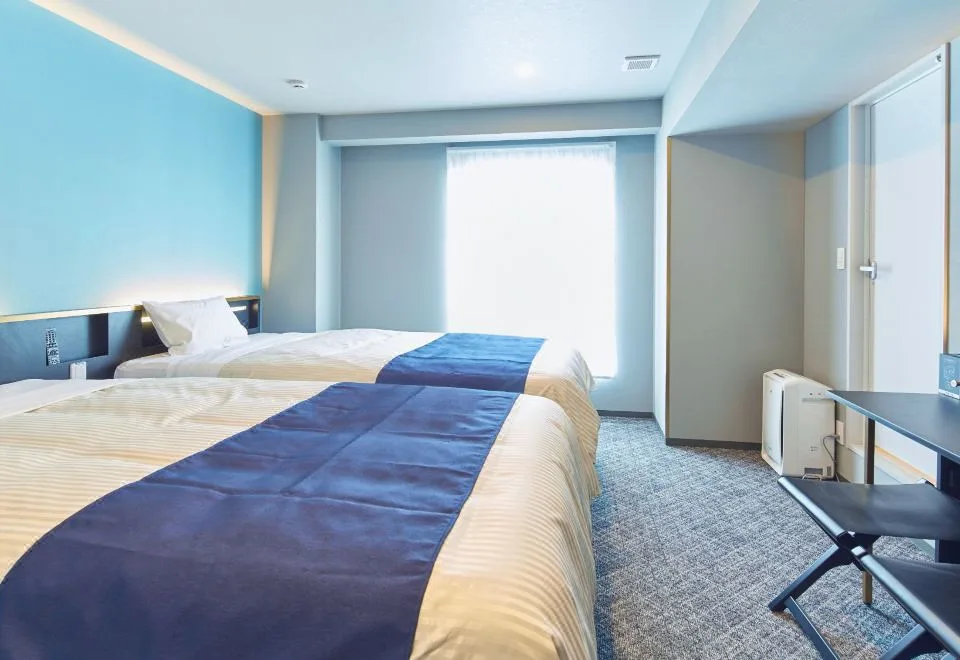
ICI Hotel Tokyo Hatchobori works for travellers who rely on the Hibiya Line or JR Keiyo Line and spend most of the day out. The light-blue rooms and bright dining area give it a cheerful feel, but the main appeal is having an easy base to come and go from. For Disney or eastern Tokyo outings, Hatchobori is worth comparing.
The hotel has 102 rooms, with Compact Twin the largest group at 48 rooms, plus one 23.96 m² accessible room; beds are 203 cm long. Reception runs 24 hours, so a late-night arrival is no problem. If you plan to use Hatchobori as a base, look at room types and luggage space first, then decide how many nights to stay. Rooms are small, but beds are long enough that tall guests will not find their feet hitting the end.
The hotel concept is Waterway: the name Hatchobori comes from an Edo-period waterway about eight cho, or 873 metres, long, and the pale blue rooms and bright dining area carry that water theme, keeping the stay light rather than cramped.
Is this hotel right for your trip?
Reasons to choose it
- Easy to plan trips using trains from Hatchobori
- Bright dining area makes hotel breakfast an option
- Practical for light-packing solo travellers and short stays
Trade-offs to consider
- Guest rooms and luggage paths are compact
- Allow for the full rail journey to western Tokyo
- Breakfast value depends on when you leave
I read this hotel as a transport base: rooms are small, but the station is close, and breakfast and reception fit an early-out, late-back schedule; if you want a larger room or a slow breakfast, compare a bigger room type in the same area first. For a limited budget with plans between east Tokyo and Disney, this hotel fits well; if plans centre on Shinjuku, Shibuya and further west, work out the daily transfer time first.
For a short stay, treat this hotel as a place to sleep: luggage fits, breakfast fills you up and the station is a short walk, and that is how the hotel works best; for a longer stay, plan laundry and storage first and the stay runs much smoother.
Access: exits, elevators and luggage
Regular exit directions
The hotel lists Hatchobori Station Exit B3 as around a one-minute walk for normal arrivals. If using the Hibiya Line or JR Keiyo Line, identify your actual platform and exit area; the movement between the two lines within the station is not reflected by the short walk from exit to hotel.
Luggage and station lifts
Do not use Exit B3 with luggage: it has no lift. On the Hibiya Line, head for the Sakuragawa Park-side gate: a stair lift runs from the Nakameguro end of the platform to that gate, and outside-gate lifts serve street level at exits A2 and A3. The JR Keiyo Line station has public lifts to street level, but official sources do not name the exit the lift serves; the reliable step-free route is the Hibiya Line A2 or A3 lift, then a street-level walk back to the hotel. Leave extra time for lift detours and queues.
Without luggage, Exit B3 is the fastest way in, about a one-minute walk. The Hibiya Line reaches Tokyo Station in about two minutes, and the JR Keiyo Line reaches Maihama in five stops, so a Disney day trip needs no hotel change; Tokyo International Forum and Yurakucho are on the same line. Take the JR Keiyo Line to Maihama in the morning and the same line back at night, with luggage staying in the room.
The Hibiya Line and the JR Keiyo Line share the station, but their platforms sit in different areas, and changing lines means a walk inside the station; identify your own line, platform and exit first, and do not judge the trip by the one-minute walk from the exit to the hotel. Shinjuku and Shibuya need a change of line, so work out the full journey first instead of assuming everywhere is close because Hatchobori Station is near. When changing lines, read the station signs first and confirm your own line before walking; checking the transfer route before departure saves time spent looking for the way on the spot.
Several places are an easy walk from the hotel: Nihonbashi about 590 metres, Ginza about 610 metres, Tsukiji Outer Market about 1.4 km, Tokyo International Forum about 1.4 km, and the Ginza Art Aquarium about 1.6 km. A morning at Tsukiji, an afternoon walk to Ginza and a night back in Hatchobori needs no train at all. Ginza-itchome Station is also nearby, about 1.1 km on foot; the Tokyo International Forum and Yurakucho Station area suits daytime shopping and evening exhibitions or performances.
From Hatchobori, the Hibiya Line reaches Tokyo Station, which suits Shinkansen and Narita Express connections; on a late return to Tokyo Station, one more stop brings you back to Hatchobori without dragging luggage far.
View hotel access directions / Check station lift facilities
| Hotel name | ICI Hotel Tokyo Hatchobori |
| Address | 3-26-11 Hatchobori, Chuo-ku, Tokyo 104-0032, Japan |
| Check-in and check-out | Check-in 15:00–24:00, check-out by 10:00; 24-hour reception. |
| Transit reference | Less than 100 m from JR Hatchobori Station, around two minutes on foot. |
Choosing rooms: beds, bathrooms and luggage
| Room type | Room sizes and beds | Best choice for |
|---|---|---|
| Compact Twin | 12.11–12.32 m²; two 85 cm beds | Separate beds with little luggage; bed width is narrow |
| Standard Double | 11.9–12.32 m²; one 140 cm bed | For solo guests or two comfortable with compact space |
| Standard Twin | 17.70–18.84 m²; two 120 cm beds | For wider beds and more floor space |
| Deluxe Double | 13.16–14.38 m²; one 140 cm bed | More floor space with the same bed width |
| Universal Room | 23.96 m²; two 120 cm beds | Largest room in the hotel, for step-free stays |
The hotel has 102 rooms: 48 Compact Twins, 35 Standard Doubles, 8 Standard Twins, 10 Deluxe Doubles and 1 accessible room. Every bed is 203 cm long; Compact Twin beds are 85 cm wide, Standard Twin and accessible-room beds are 120 cm wide, and Standard Double and Deluxe Double beds are 140 cm wide. At 23.96 m², the accessible room is the largest in the hotel. Room counts differ a lot: Compact Twin has 48 rooms and Standard Twin only 8, so anyone wanting Standard Twin should book early, as one may not be free on arrival.
The most important distinction is Compact Twin versus Standard Twin. The former is around 12 m² with 85 cm-wide beds; the latter is roughly 18 m² with two 120 cm beds. The difference is much more than the room name. For two people with separate beds and suitcases, Standard Twin is the first comparison.
For one person, Standard Double or Compact Twin is enough, and the difference is bed width and separate beds; for two people sleeping separately, Compact Twin beds are only 85 cm wide and feel narrow, while Standard Twin gives two 120 cm beds in about 18 m², with more room for luggage. Deluxe Double keeps the same 140 cm bed width and adds floor space, which suits a stay with more time spent in the room. Families with children should plan how to split the beds first: two adults plus one child in a single 140 cm bed is very tight, while Standard Twin with two separate beds is more practical.
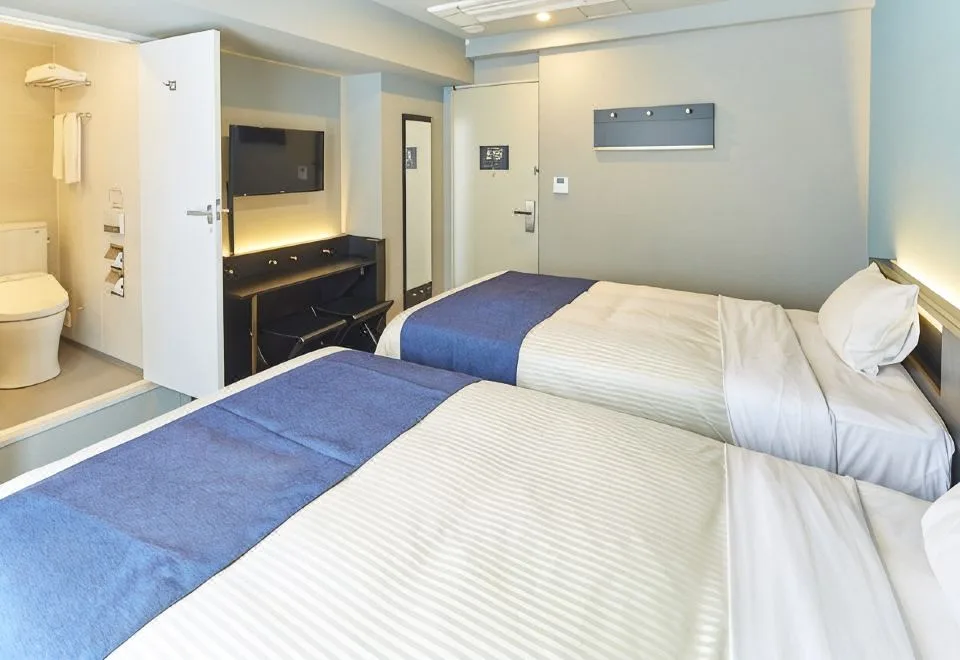
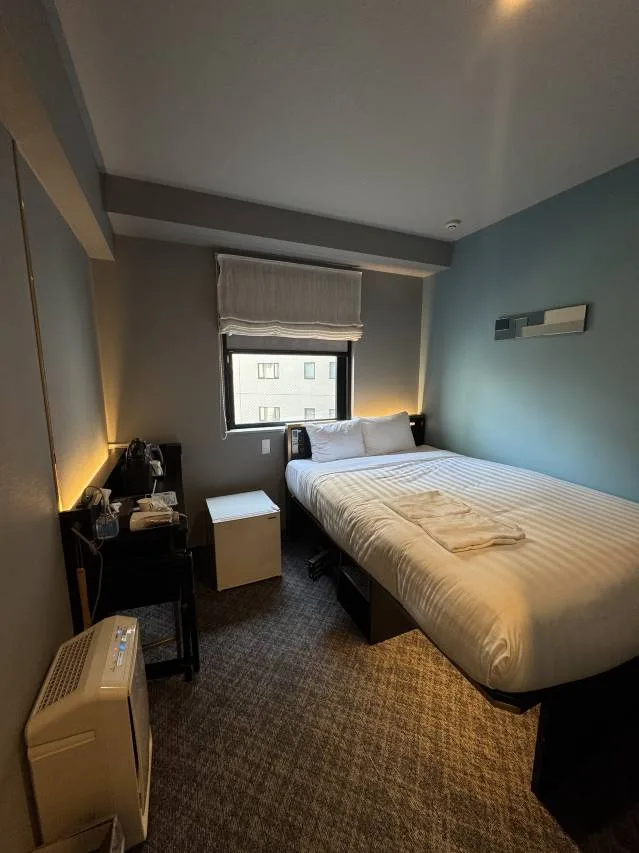
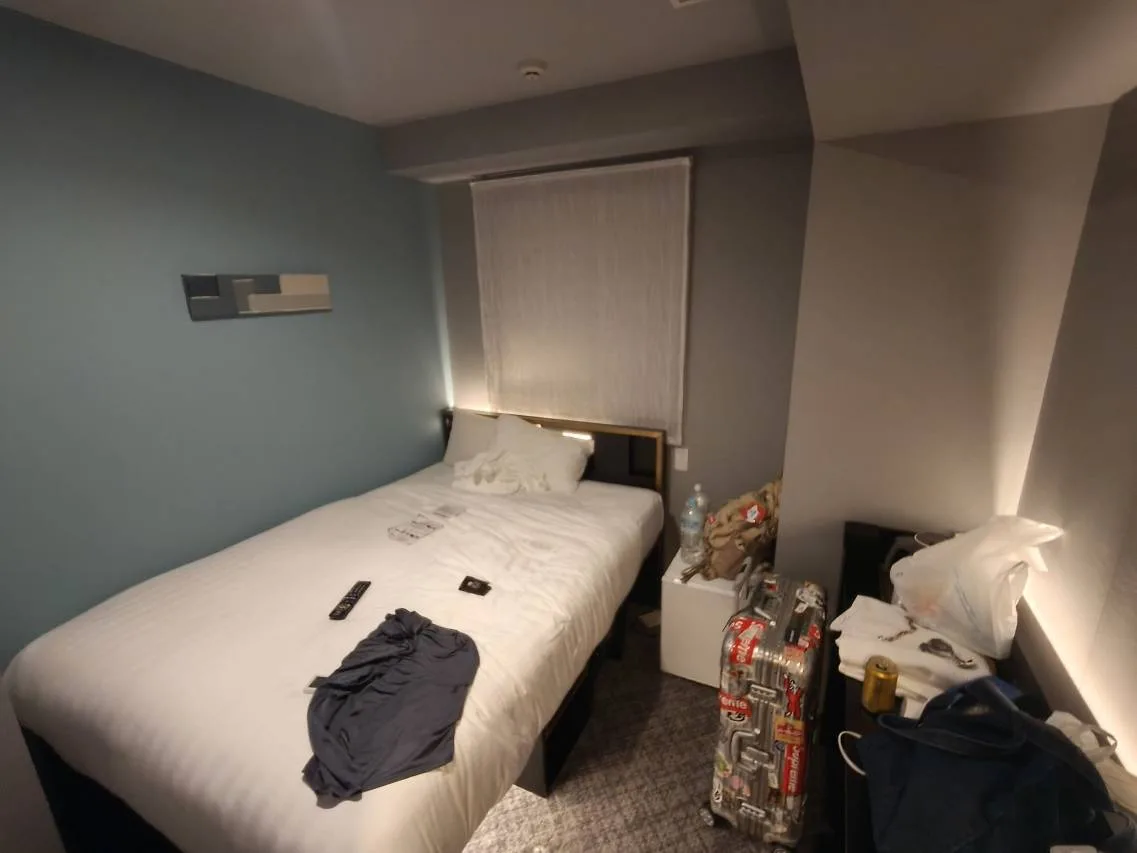
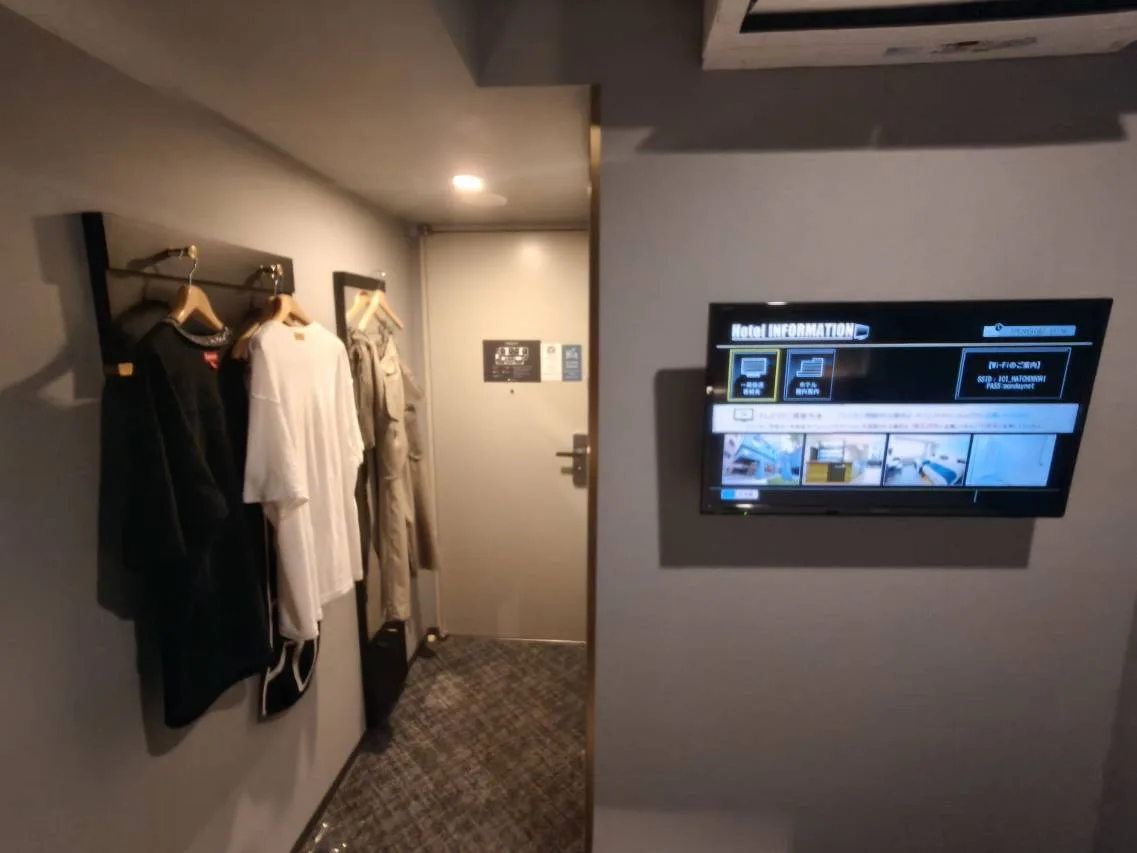
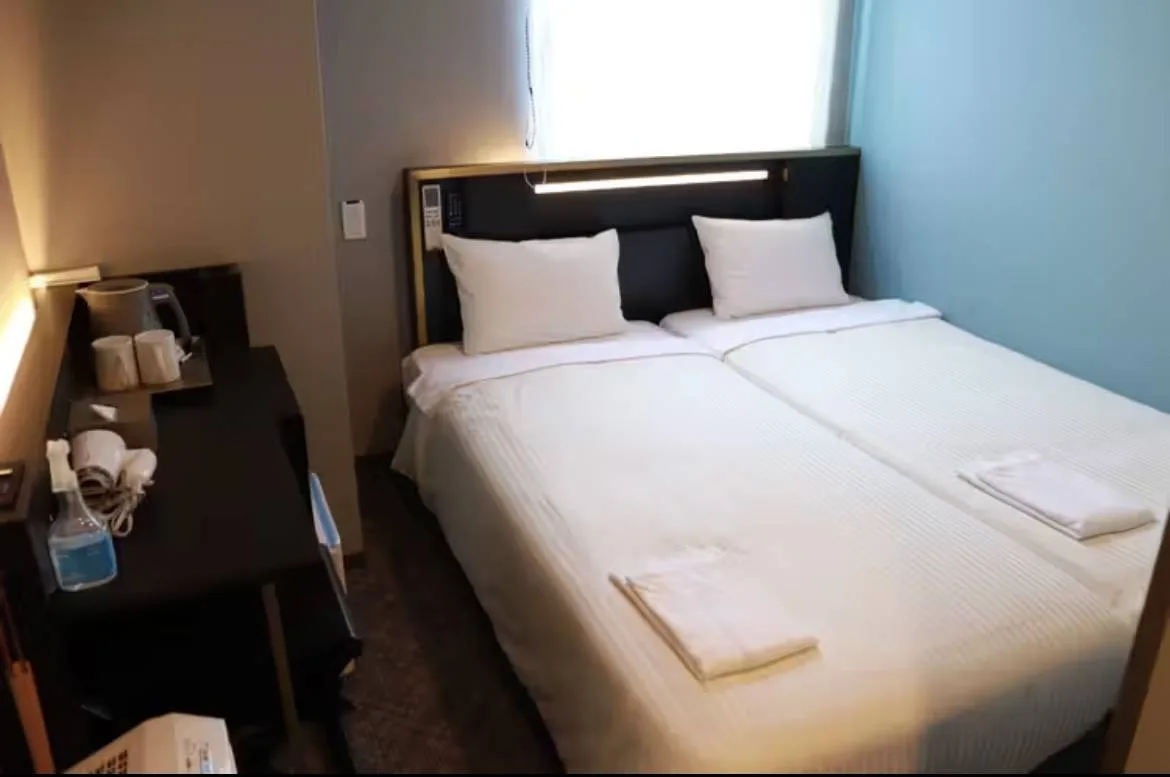
Photos show Twin and Double layouts, with space at the foot of the bed, hanging areas near the entrance and the desk. A solo traveller may manage easily, but two guests with large suitcases should confirm whether cases can fit beside or below the beds. The packing arrangement in one photo does not apply to every room. Families should also check actual bedding and occupancy.
Rooms have free Wi-Fi, a humidifier and air purifier, a safe, an electric kettle, a refrigerator and a hairdryer; amenities include bath towels, face towels, slippers, body soap, shampoo, conditioner and in-house wear. Mobile phone chargers, a sewing kit, a wine opener, a desk mirror, a desk lamp and a handheld scale are available to borrow in limited numbers, and the wine opener is kept at reception. The humidifier and air purifier in the room helps in winter and between seasons; the safe holds passports and valuables, so they need not be carried out all day.
Children of all ages are welcome, but no room type offers an extra bed or a crib, so children must fit the existing beds; breakfast is free for children aged five and under, and 1,500 yen for ages 6 to 17, the same as adults. Check-in guests must be at least 18 years old, the hotel takes no deposit, and pets are not allowed. Public areas are entirely non-smoking; anyone who needs an accessible room should reserve ahead.
Double rooms have a separate bathroom and a bidet toilet seat; in the morning two people can get ready at once, one at the sink and one in the shower, with no waiting. With a small room, a separate bathroom works better.
Breakfast: fit it to your morning
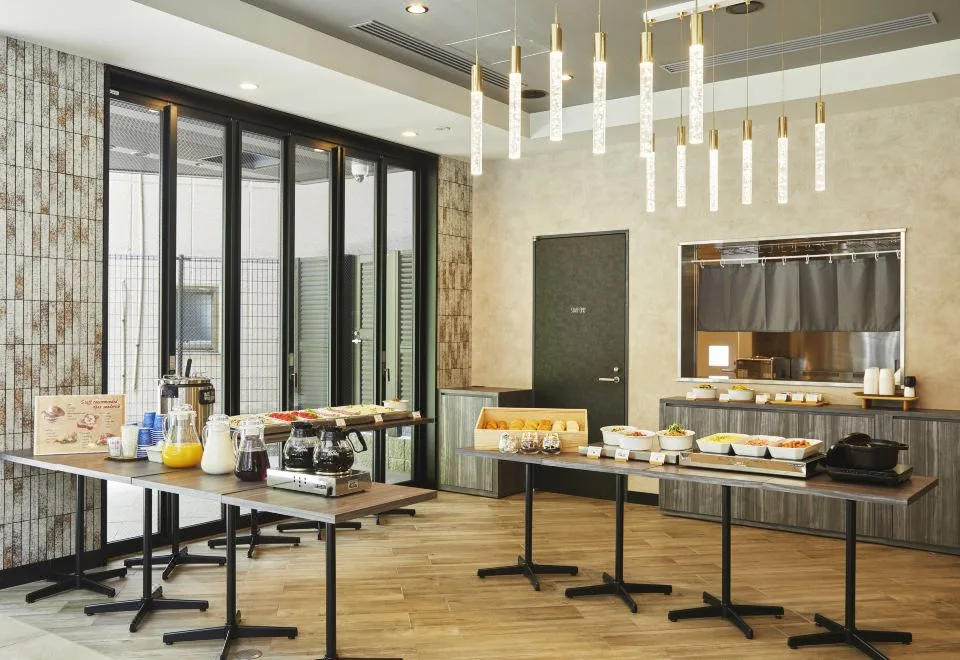
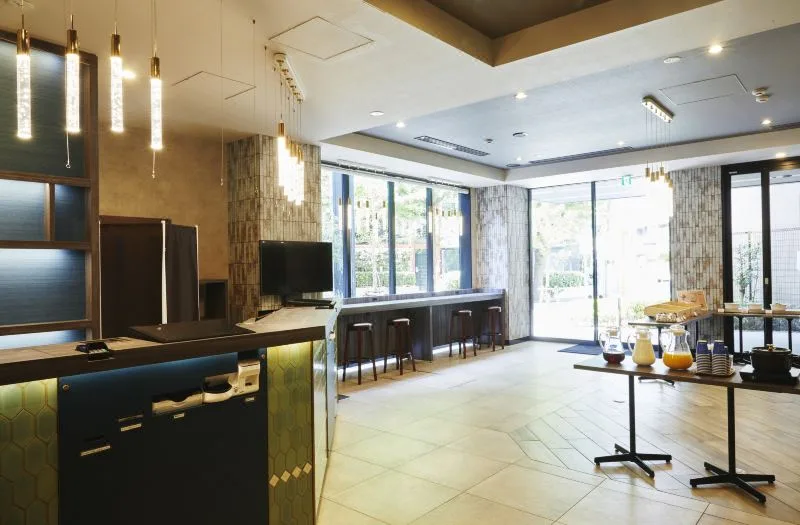
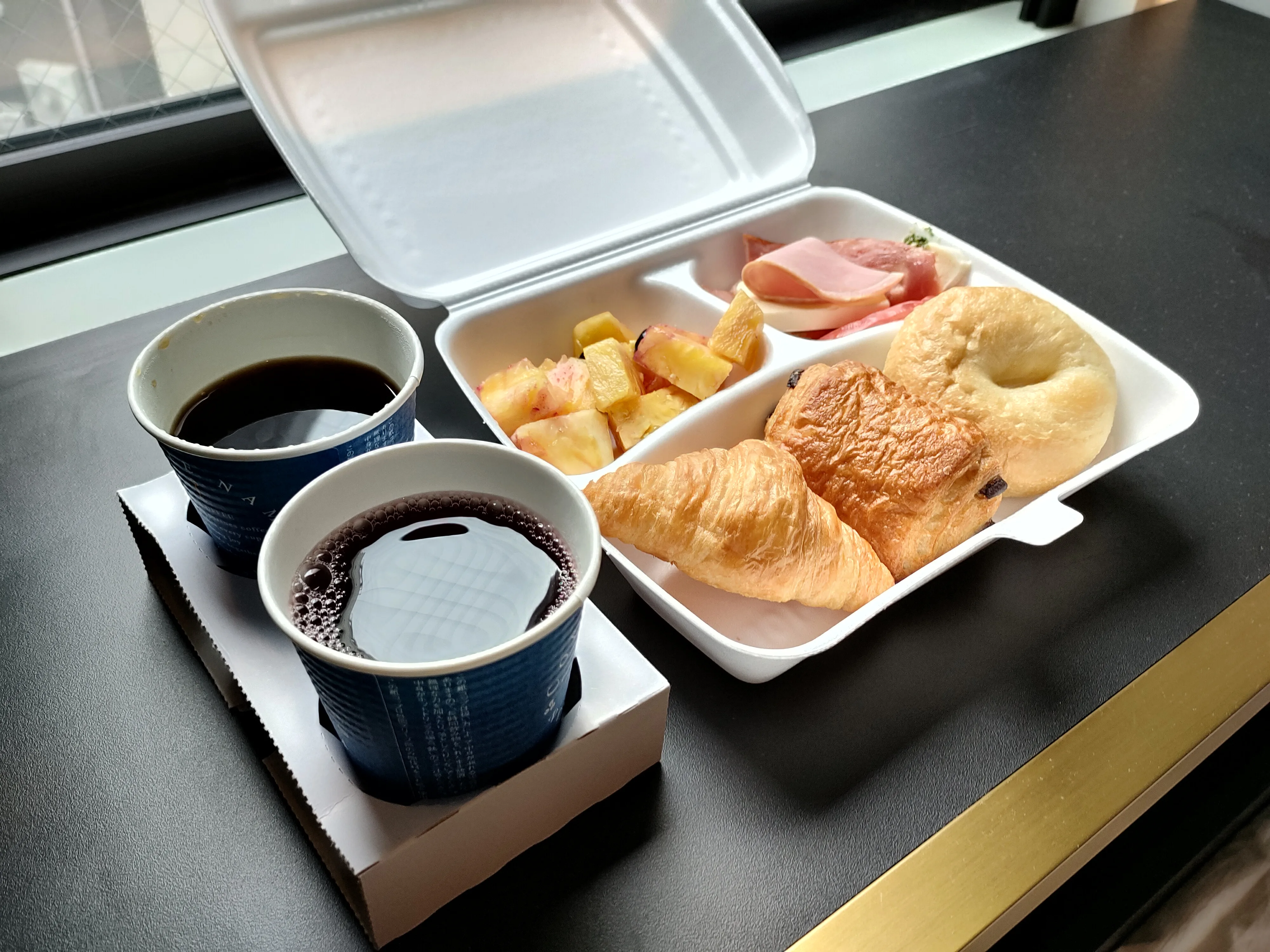
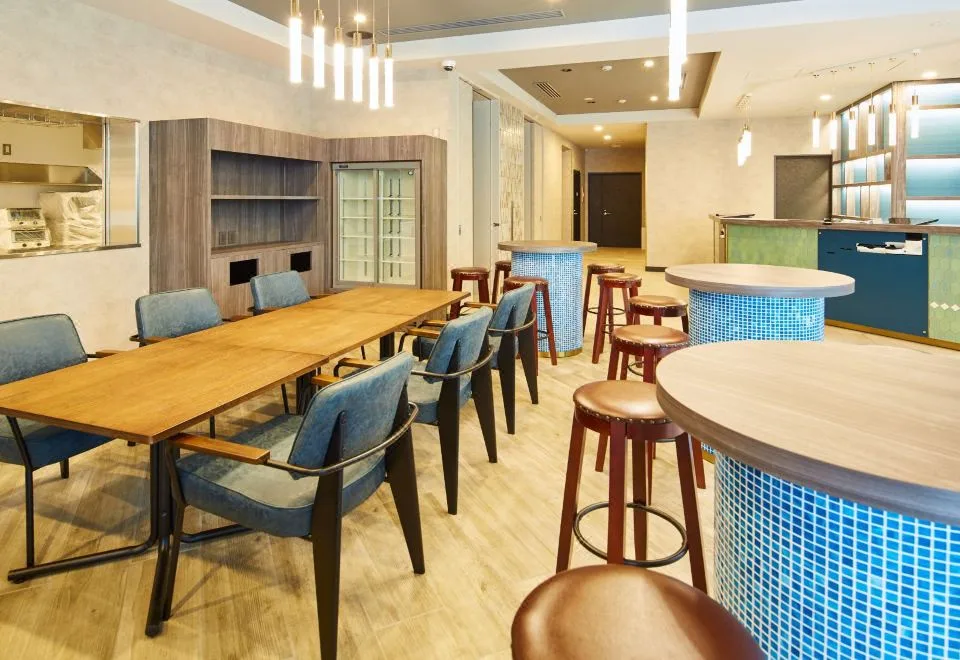
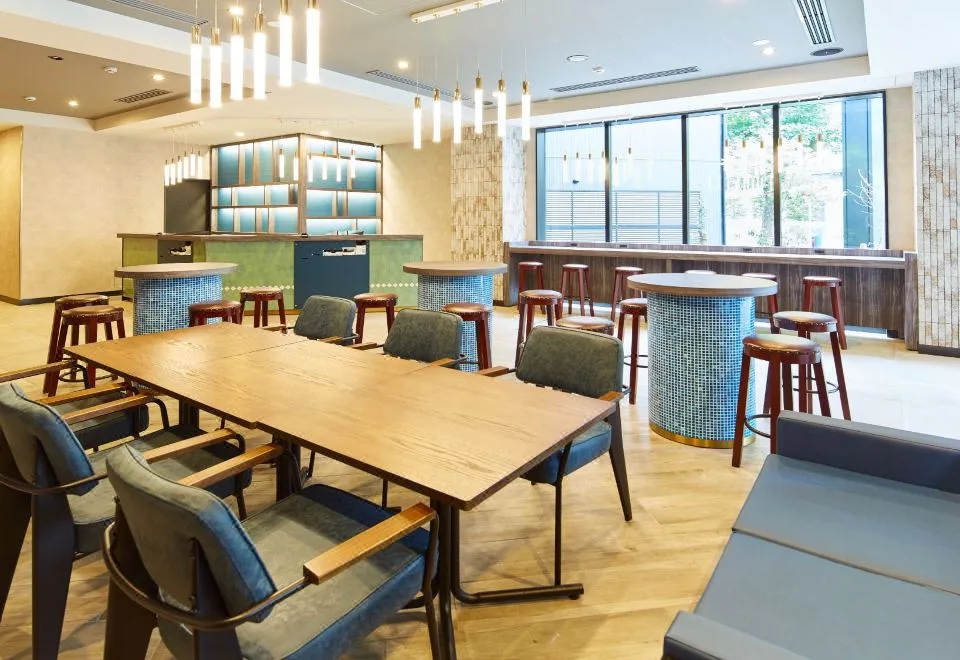
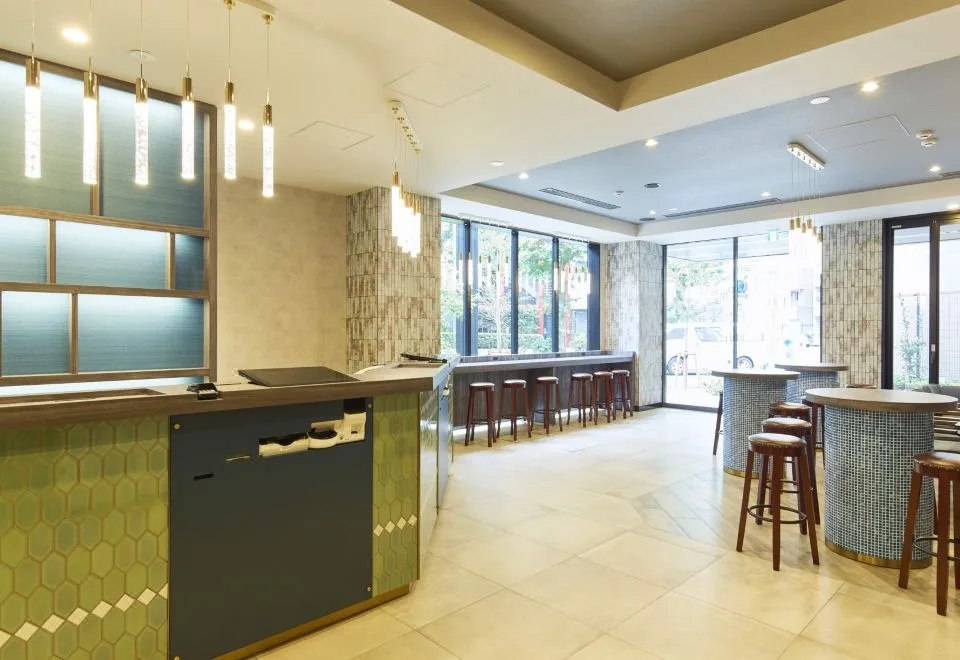
The hotel serves a breakfast buffet, and photos show a serving counter and dining seats. Breakfast runs 6:30 to 9:30 with last order at 9:30, 1,500 yen for adults and free for children aged five and under. Eating slowly, I find the spread filling, and eating in before heading out suits me; an early departure leaves no time for it. Whether to add breakfast should depend on your departure time, not simply on getting one more item in a package.
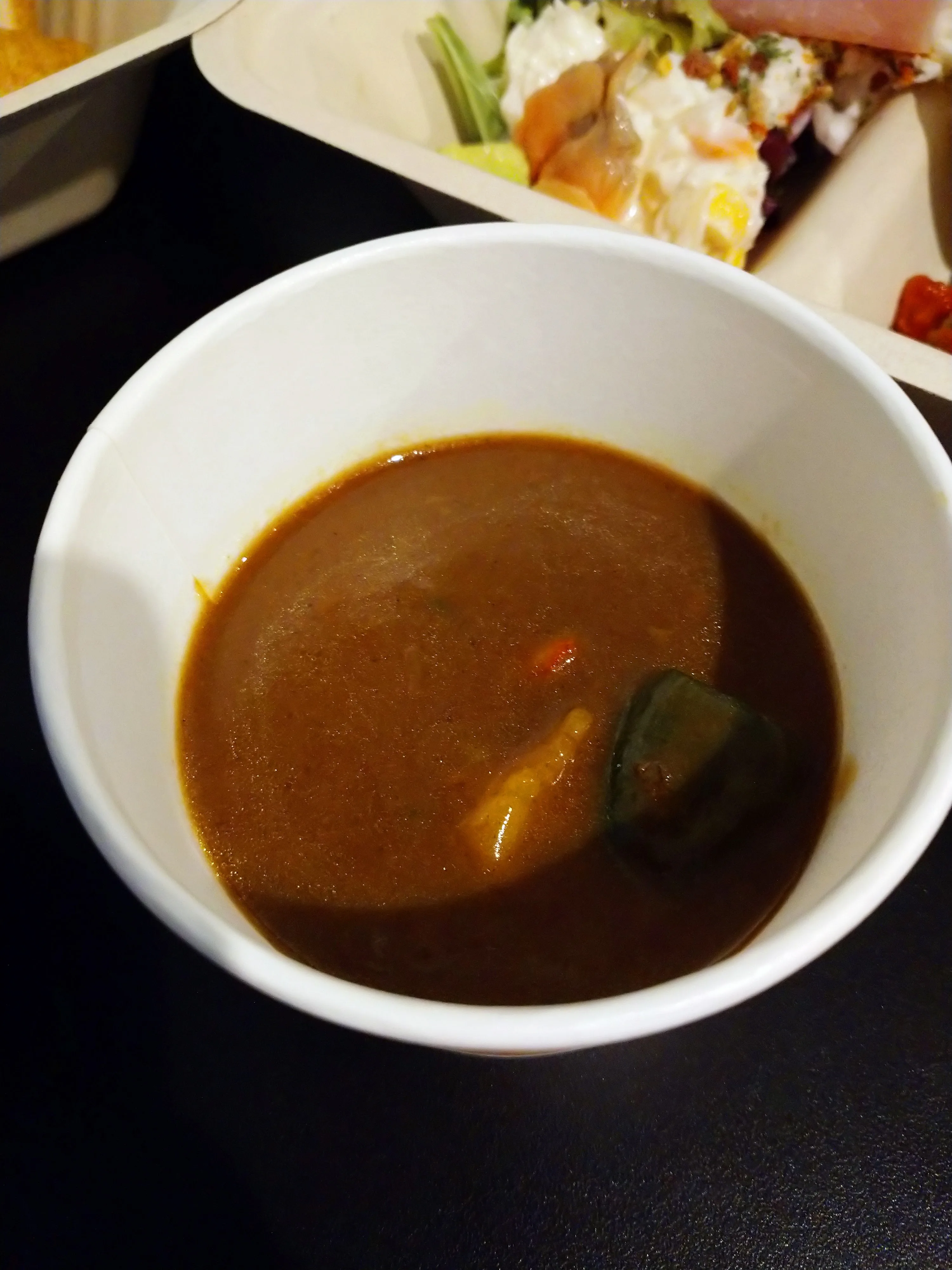
Breakfast is an open sandwich buffet: bread made from domestic wheat, with toppings to choose and build your own sandwich; halal-certified bread is also available, and the buffet works for vegetarian guests. The signature dish is a seafood curry made with 20 spices, with fruit and drinks alongside. Seating is limited, and food can be packed in a takeaway container to eat in the room, but not taken outside the hotel. Bread and toppings are self-serve, so take as much as you like; fruit and drinks can be picked up separately. Arriving late may mean waiting for a seat, so anyone in a hurry should plan the departure time first.
Benefits and trade-offs
Compact rooms are the main compromise, especially late in a trip when shopping bags pile up. For journeys to Shinjuku or Shibuya, factor in the entire rail trip rather than assuming all destinations are near because Hatchobori Station is close. Confirm cleaning frequency, amenities and laundry at check-in if staying longer.
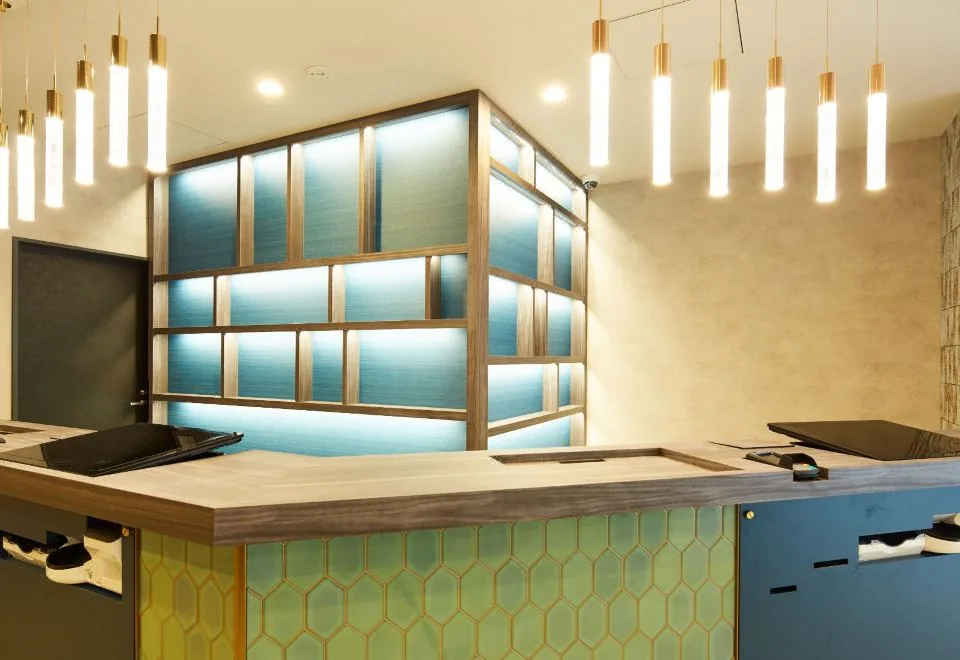
Public areas have free Wi-Fi, a lift and a humidifier, and reception offers a safe and luggage storage, with service in English and Japanese. Laundry service and fax and photocopying are available, with a charge for fax and photocopying; public areas are non-smoking, and accessible rooms are available. After check-out you can go out first and pick up your luggage on the way back, which suits anyone catching a train the same day. For chargers or a desk lamp, ask at reception first.
Bottled water is sold in the lobby for 50 yen, cheaper than a vending machine; the hotel has no vending machines, and a Lawson stands on the corner. Buying water or a snack at the corner before heading out is the easiest option. A late-night snack or bread for the next morning needs no long walk.
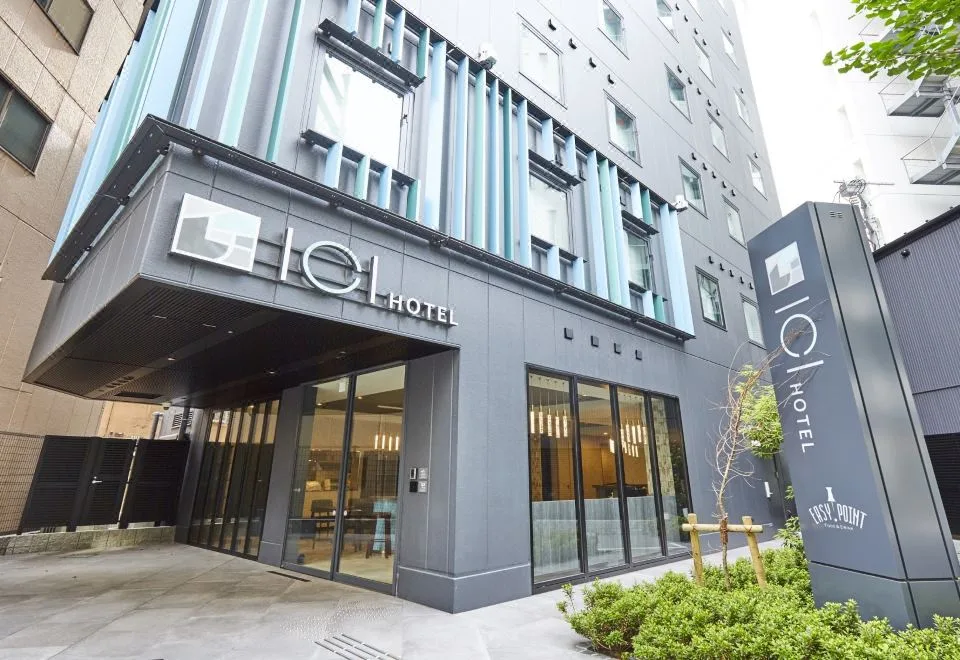
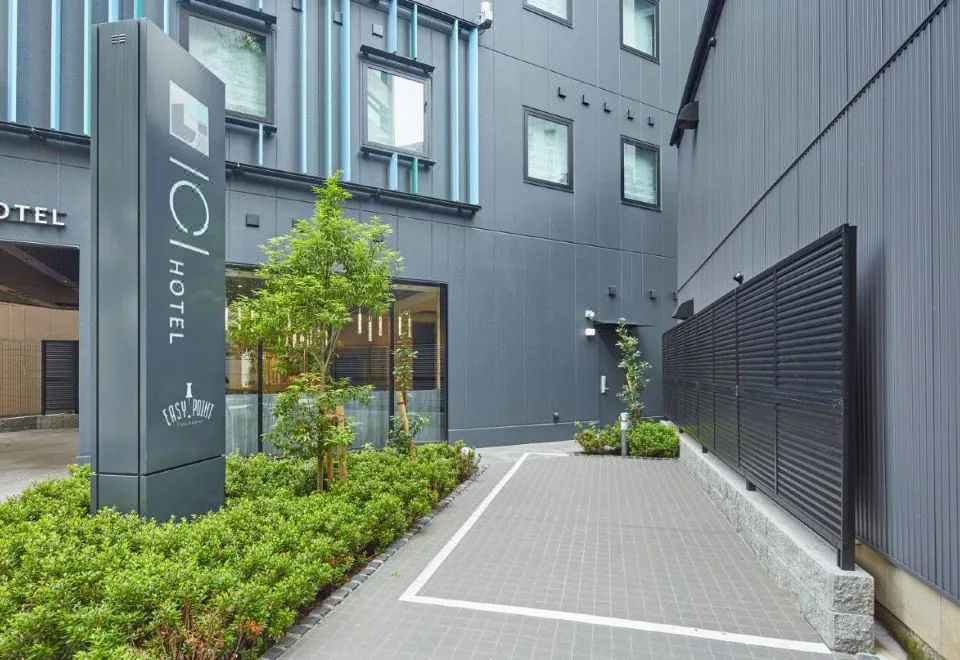
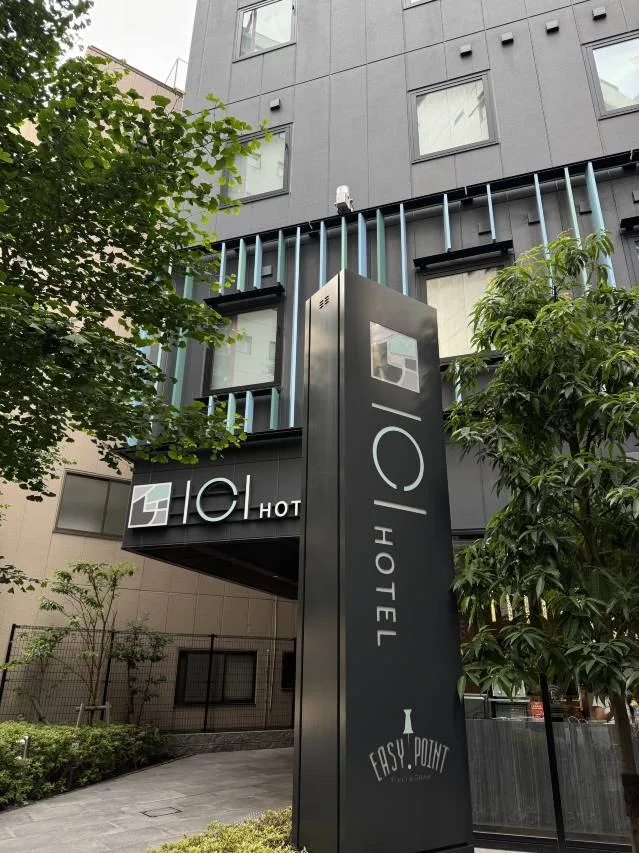
The hotel sits near Hatchobori Station, a short walk from Exit B3; coming back at night needs no worry about finding the way, as the stretch between the exit and the hotel is short.
Short and longer stays, nearby outings
One or two nights work well for Tsukiji, Ginza or the JR Keiyo Line. Staying longer avoids moving luggage but also means budgeting time for washing clothes and buying supplies. Families who want to spend much of the day in the room should compare larger categories. Take breakfast when you have time; prepare food ahead for early departures.
For two nights or more, Hatchobori works as a base: one day to Maihama for Disney, one day walking between Tsukiji and Ginza, and back to the same room at night. Longer stays need time set aside for laundry and supplies, and cases and shopping bags pile up fast, so plan storage before deciding how many nights to stay. The Disney day is an early-out, late-back day, with just a shower and sleep on return; the Tsukiji and Ginza day can start with a sleep-in and breakfast before a slow departure.
On an early-departure day, buy breakfast the night before or book a breakfast-included plan, since breakfast in the hotel starts at 6:30; on a relaxed day, reach the dining area before 9:30 and take your time, as seating is limited and earlier is safer. Eating a little in the hotel before a Disney opening beats travelling on an empty stomach; on a no-breakfast day, bread from the Lawson on the corner works as a takeaway.
For stays over three nights, open the suitcase as a storage shelf and layer clothes inside, so even a small room stays tidy; pack the luggage on the morning of check-out and leaving before the 10:00 check-out feels unhurried.
Pros and cons at a glance
Pros
- Hatchobori Station Exit B3 is about a one-minute walk, with the Hibiya Line and JR Keiyo Line in the same station; Tokyo Station is about two minutes by train and Maihama is five stops away.
- 102 rooms in total, including 48 Compact Twins and 35 Standard Doubles, plus a 23.96 m² accessible room; beds are 203 cm long.
- Breakfast is an open sandwich buffet from 6:30 to 9:30, 1,500 yen for adults, with domestic wheat bread and toppings to choose, and food can be taken back to the room.
- 24-hour reception, check-in from 15:00 to midnight, luggage storage and free public Wi-Fi.
- Nihonbashi is about 590 metres on foot and Ginza about 610 metres, with Tsukiji Outer Market about 1.4 km away.
Cons
- Rooms are 12 to 18 m², so luggage and floor space are tight; two people with large cases should check bedside storage first.
- No extra bed or crib in any room type, so children must fit the existing beds.
- The Hibiya Line has no single lift route to the platform; with luggage use the stair lift to the Sakuragawa Park-side gate and the street lifts at exits A2 and A3, as Exit B3 has no lift.
- Check-out at 10:00 is early, so longer stays need a plan for laundry and the day schedule.
Information last checked: 2026-11-23