
TOKYO / CHUO
Hotel Villa Fontaine Tokyo-Nihombashi Mitsukoshimae
Hotel Villa Fontaine Tokyo-Nihombashi Mitsukoshimae
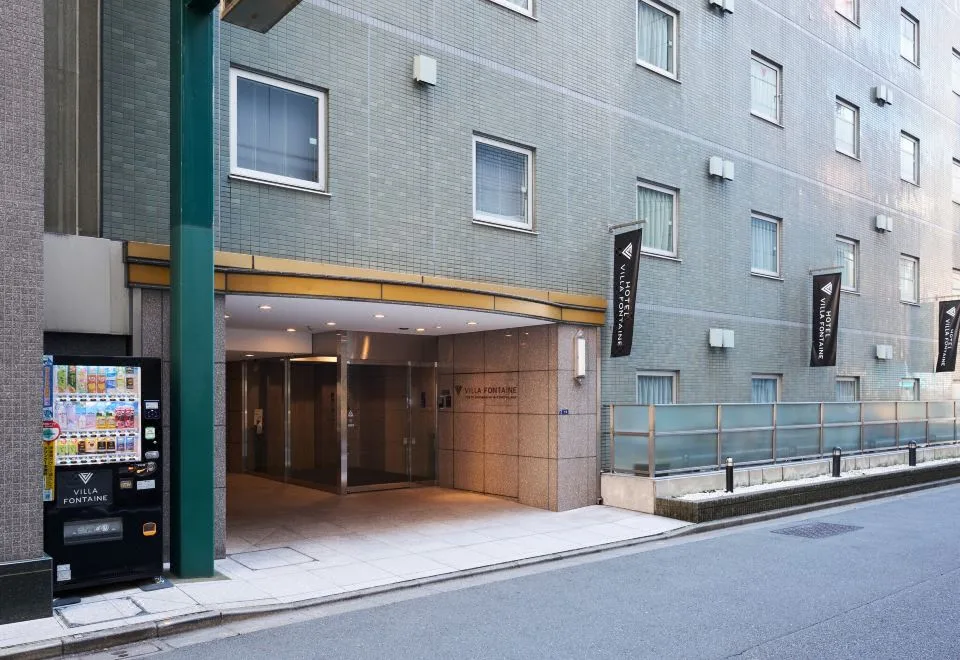
Villa Fontaine Mitsukoshimae suits travellers who like the Nihombashi shopping area and want quieter streets at night. The first thing to sort out here is not breakfast, but which building and floor your room type is in: basement rooms, standard rooms and newer layouts feel different to stay in.
The hotel is split between the main building and the new building (the annex), with rooms from 14 to 20 square metres, plus a ReFa room floor below ground. Before you book, pin down the building, the floor and the bed width, then decide about breakfast, so the stay matches what you pictured.
What is worth choosing, and what to accept
Worth choosing
- Close to Mitsukoshimae and the Shin-Nihombashi area, department stores, restaurants and supplies can be linked into a daily route.
- Lobby coffee, a microwave and seating make takeaway food, or sorting things out before returning to the room, more convenient.
- Different bed widths, buildings and facilities to choose from, so you can pick a room for one or two guests.
To accept
- The 14 sqm base rooms are compact; two guests with large suitcases on a longer stay should choose carefully.
- Some room types are on basement floors, so anyone who minds a lack of natural light should check carefully.
- Some routes go via the basement lobby to change lifts, which is less straightforward with luggage than going straight up to the room.
How to choose a room type and luggage space
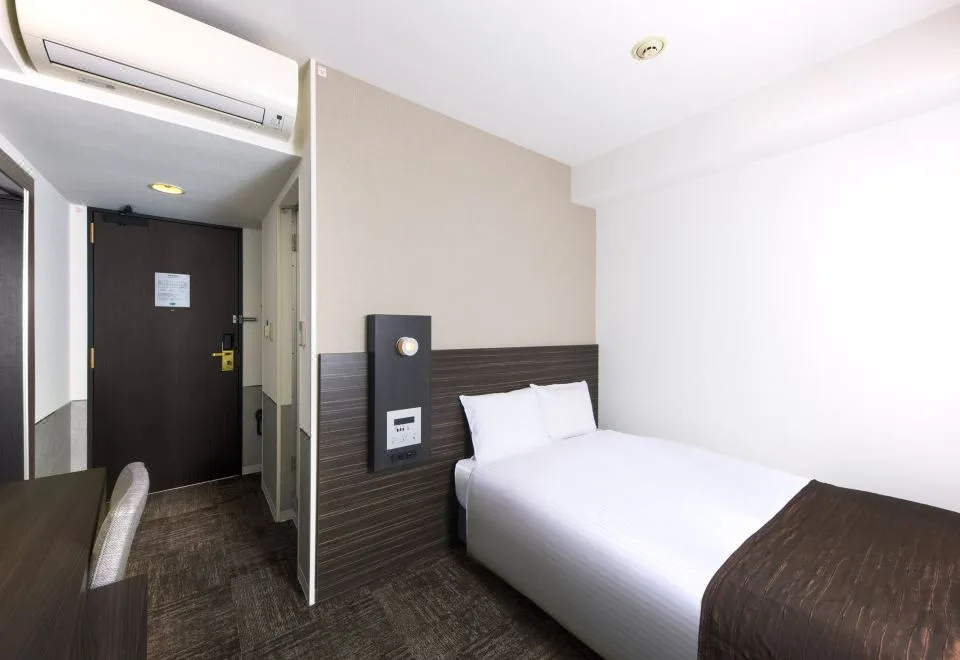
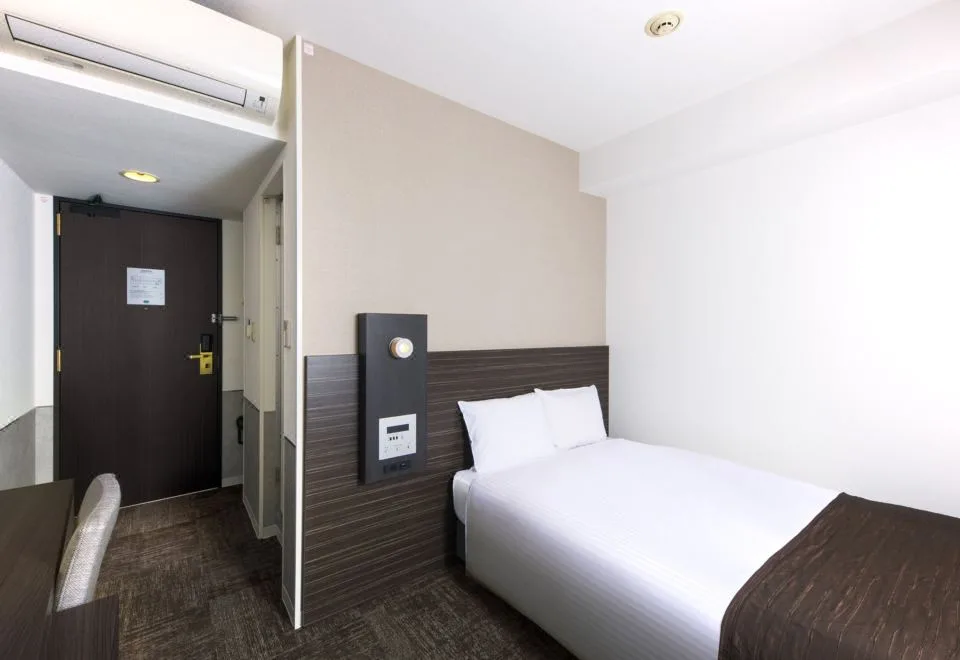
The official listing gives a 105 cm bed for the 14 sqm single room; the 14 sqm Standard and Semi Double rooms have 130 cm beds, so two guests sharing should first weigh up the bed width. There is also a 14 sqm ReFa room marked as a basement floor; the extra facilities do not change its basement conditions. To gain more space, compare the 16 sqm Double; if you choose the annex, also write the building into your own booking checklist, rather than just saving a nice room photo.
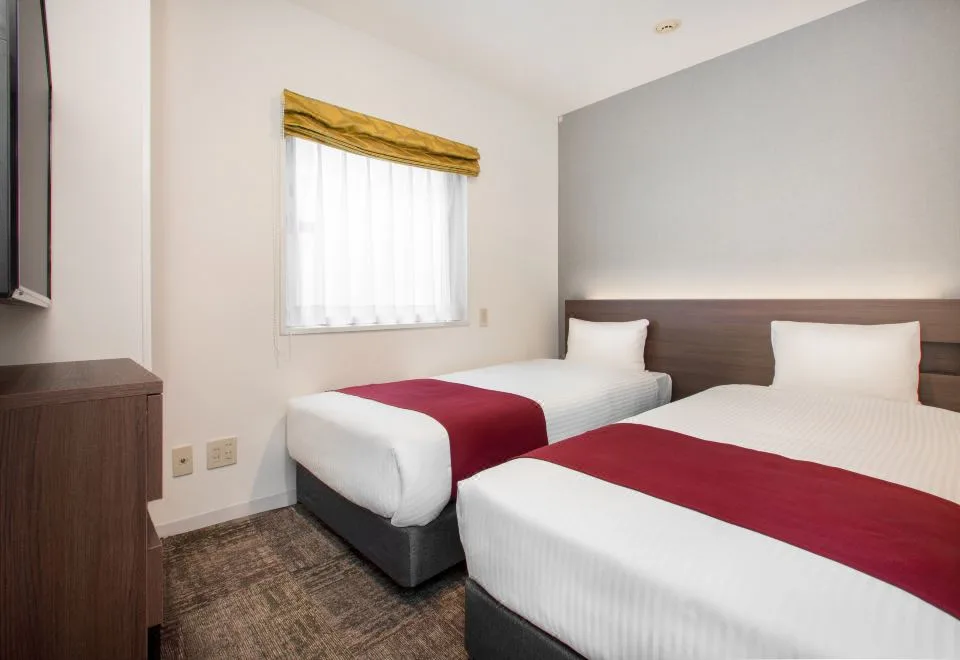
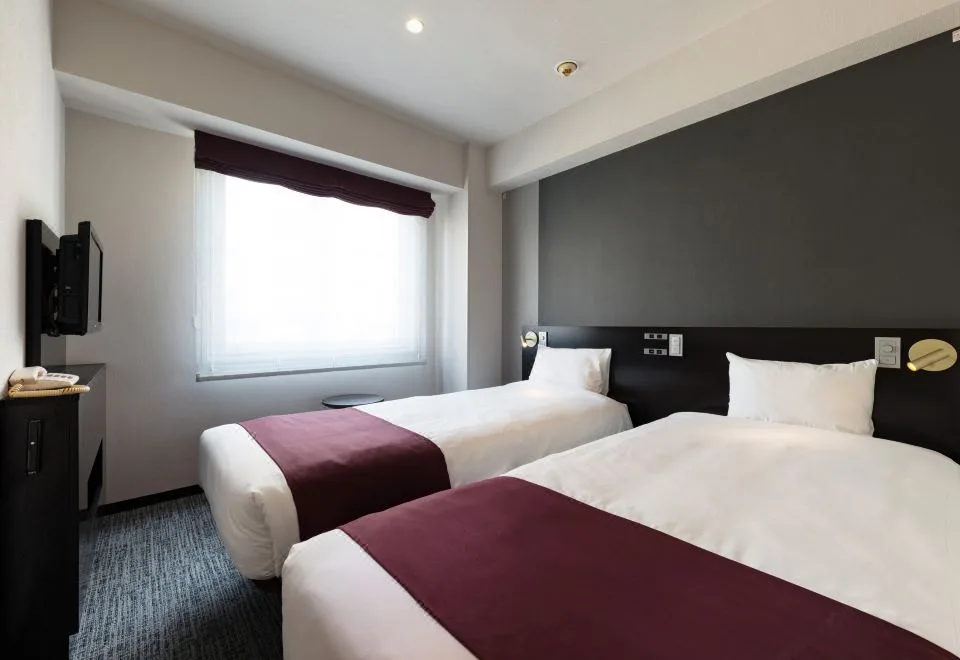
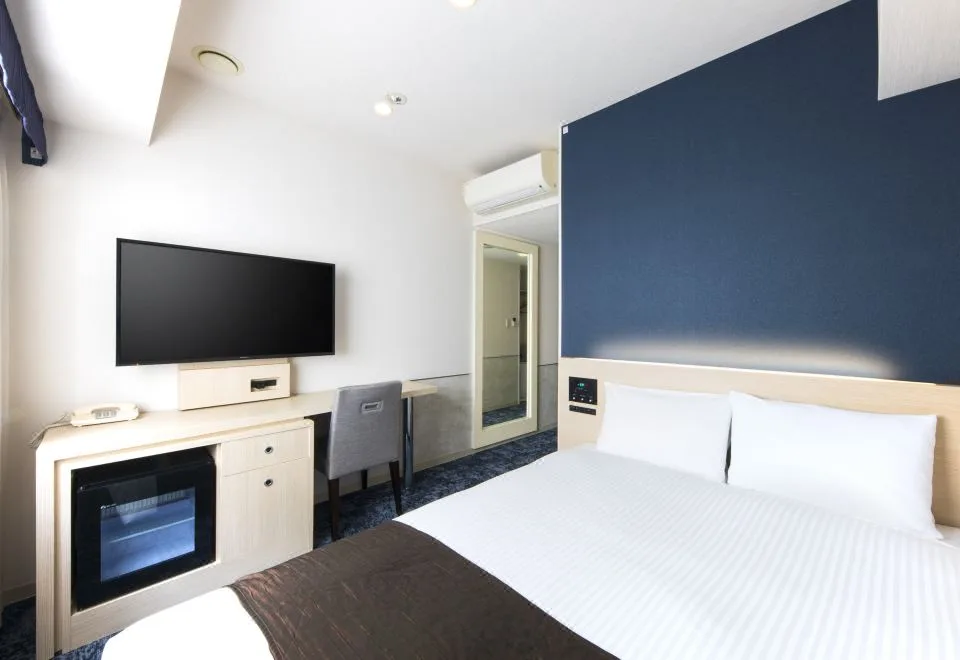
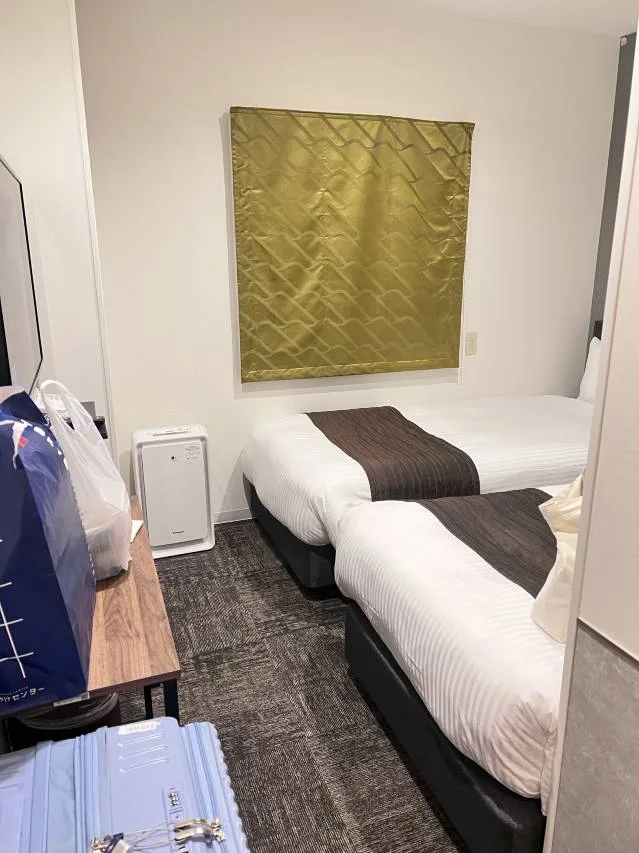
The official room list has eight room types, all non-smoking. The 14-square-metre single has a 105 cm bed, right for one person travelling light; the 14-square-metre Standard and Semi Double have 130 cm beds, so if two people share one bed, check the bed width first. The new building’s 16-square-metre Double has a 140 cm bed, and its twin rooms have two 90 cm beds; the widest is the main building’s 20-square-metre Superior Twin, with two 120 cm beds, which also leaves more room to spread out two large suitcases.
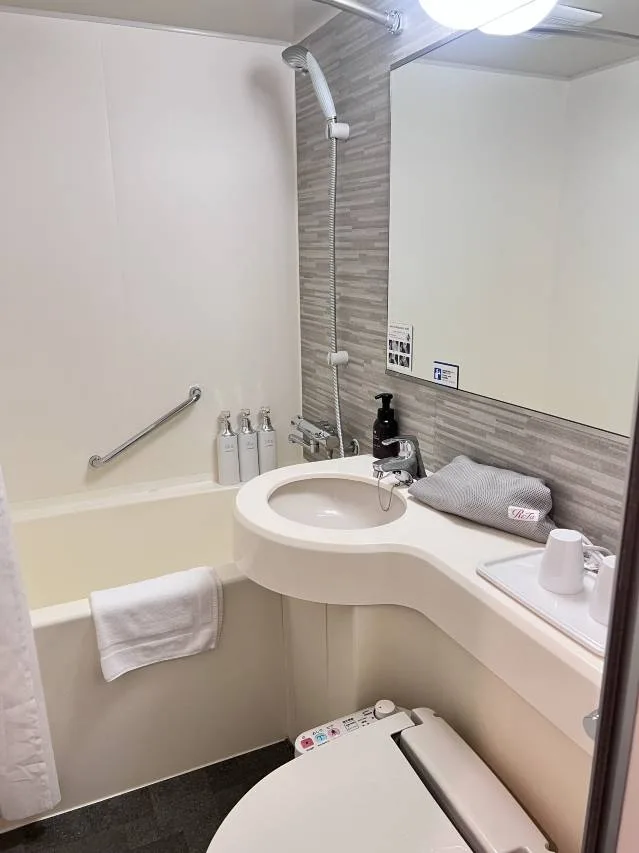
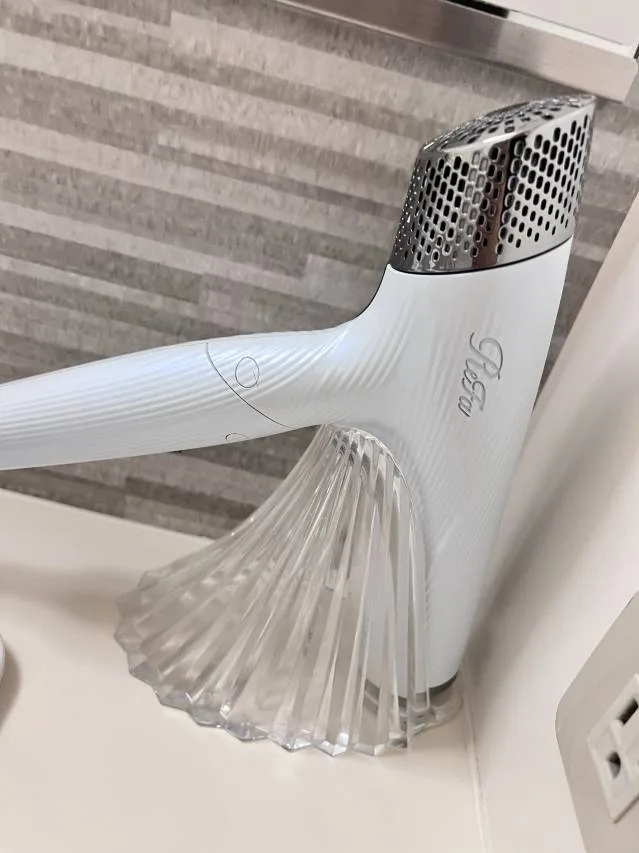
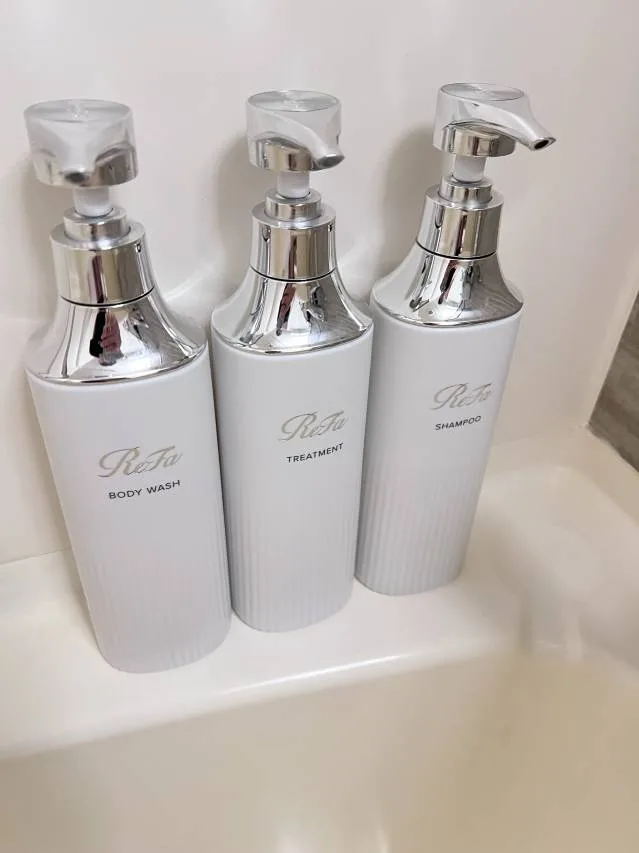
The 14-square-metre ReFa room sits on the basement floor and comes with a ReFa shower head, hair dryer and hair-care products. Those fittings are the reason to pay extra for it, but it is below ground with no natural light. If you spend long daytime hours in the room, or you need window light to sleep well, it is not the right pick; if you only want the ReFa experience and come back to sleep at night, it is worth considering.
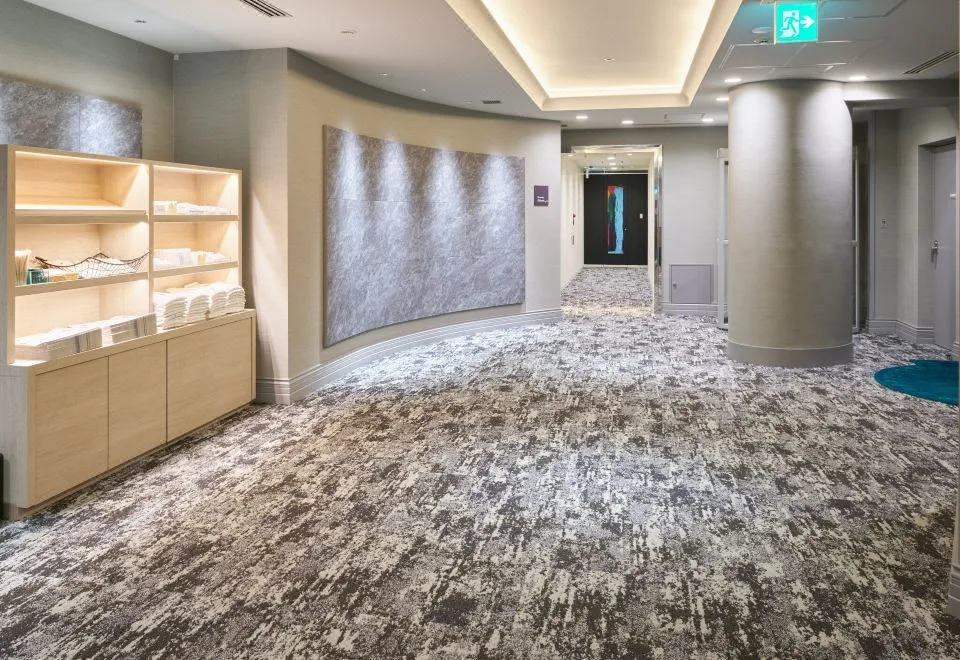
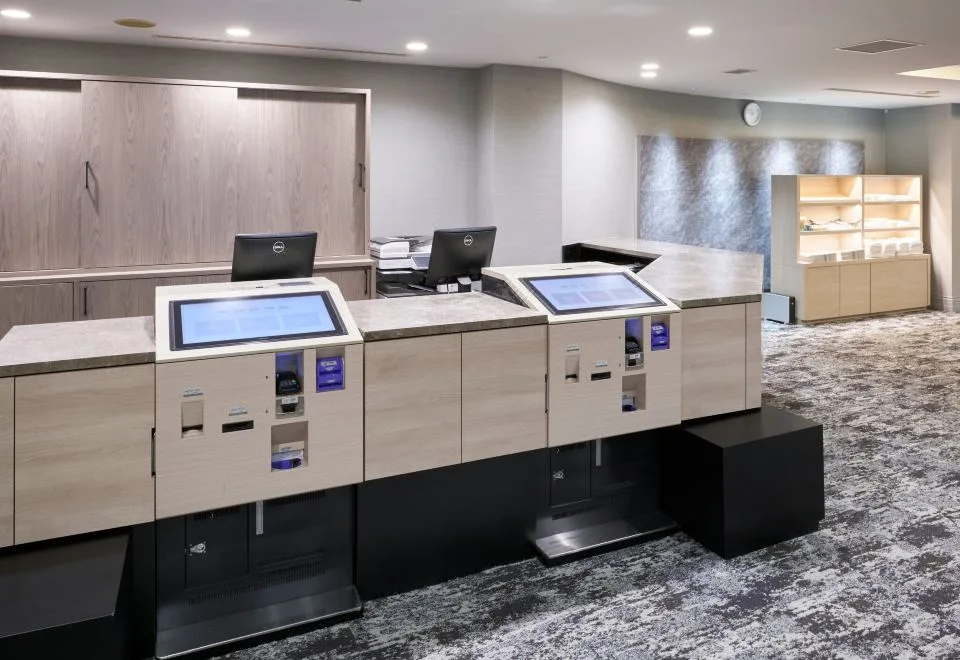
Rooms are split between the main building and the new building (the annex), and the official room list marks which is which. When you book, write the building into your own checklist instead of saving a pretty room photo; on arrival, confirm the room name against your booking before unpacking fully. The front desk is on the basement floor, so reaching the room means changing lifts, and with a suitcase you should allow extra time.
No room type takes an extra bed or a crib, so when you travel with a child, add the headcount to the booking search first and confirm the headcount and the cost before you book. Check-in needs a guest aged 18 or over; children of all ages are welcome, but a child without an extra bed can still cost extra; pets are not allowed.
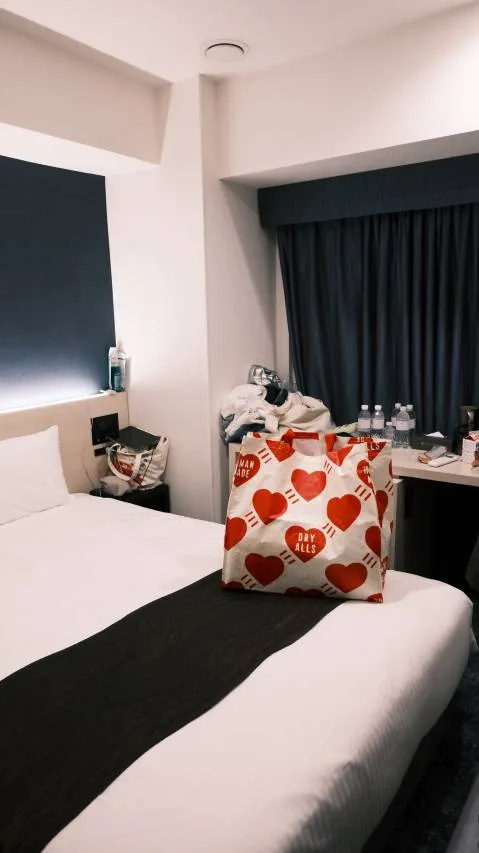
The room photos are worth checking first for the bed, the seats and the passage by the window, then matching the room name on the booking page. The twin rooms, single rooms and bedside microwave in the photos are real room types, and comparing them is more accurate than judging by the room-type name alone; the furniture and bed layout still depend on the room you actually booked.
| Room type | Size | Bed | Max guests | Building |
|---|---|---|---|---|
| Room typeReFa Room | Size14 sqm | Bed130 cm double × 1 | Max guests2 | BuildingMain building (basement) |
| Room typeSingle | Size14 sqm | Bed105 cm single × 1 | Max guests1 | BuildingMain building |
| Room typeStandard | Size14 sqm | Bed130 cm double × 1 | Max guests2 | BuildingMain building |
| Room typeSemi Double | Size14 sqm | Bed130 cm double × 1 | Max guests2 | BuildingMain building |
| Room typeDouble | Size16 sqm | Bed140 cm double × 1 | Max guests2 | BuildingNew building |
| Room typeTwin (new building) | Size16 sqm | Bed90 cm single × 2 | Max guests2 | BuildingNew building |
| Room typeTwin (main building) | Size14 sqm | Bed90 cm single × 2 | Max guests2 | BuildingMain building |
| Room typeSuperior Twin | Size20 sqm | Bed120 cm single × 2 | Max guests2 | BuildingMain building |
Bathroom and daily amenities
The bathroom is a unit bath, with the washbasin, toilet and shower in one room, so two people getting ready at the same time need to take turns. The ReFa room’s shower head, hair dryer and hair-care products are all from the ReFa line, and if you like the brand you can pick that room directly; the hair dryer and bath amenities in other room types are visible in the photos first.
You do not need to pack many amenities: the lobby has an amenities area to pick from, and the room has basic toiletries. The official site also mentions an amenity buffet with small pouches of Sekkisei basic skincare; if your skin is sensitive, or you have products you always use, bringing your own is the safer choice.
Breakfast: choose for your own mornings
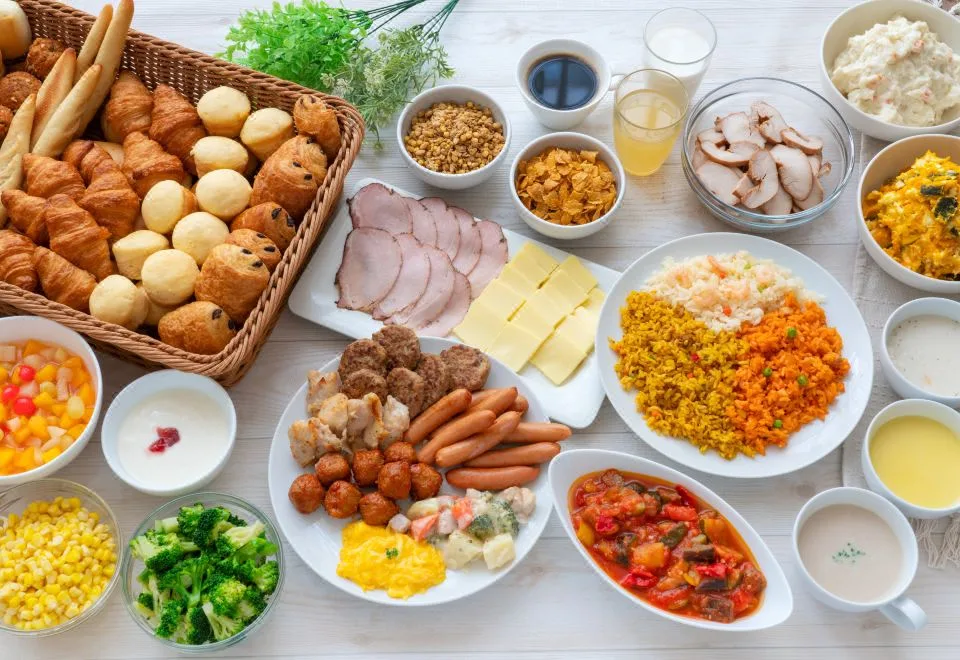
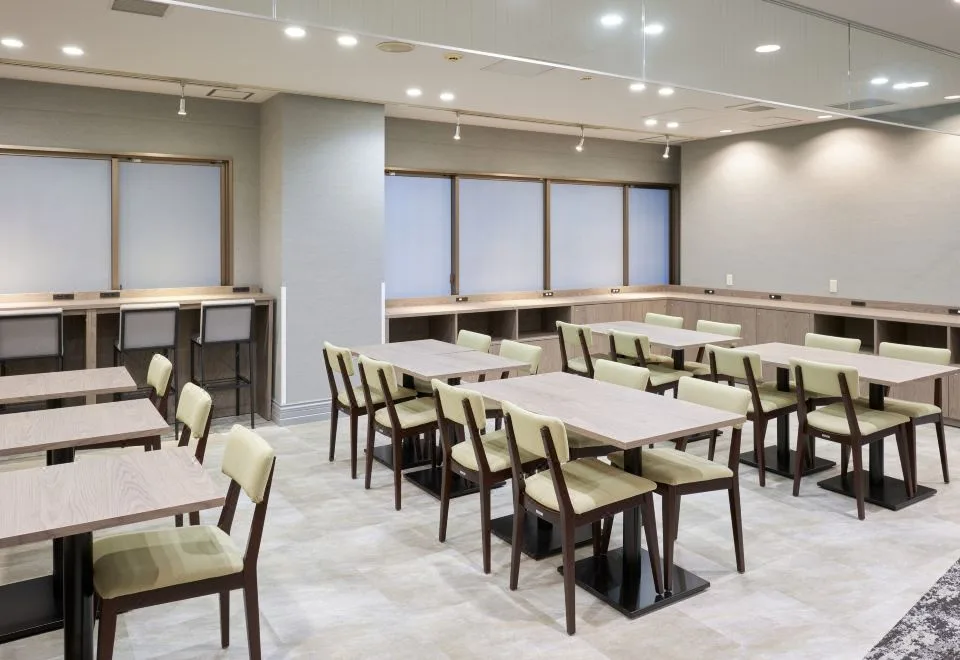
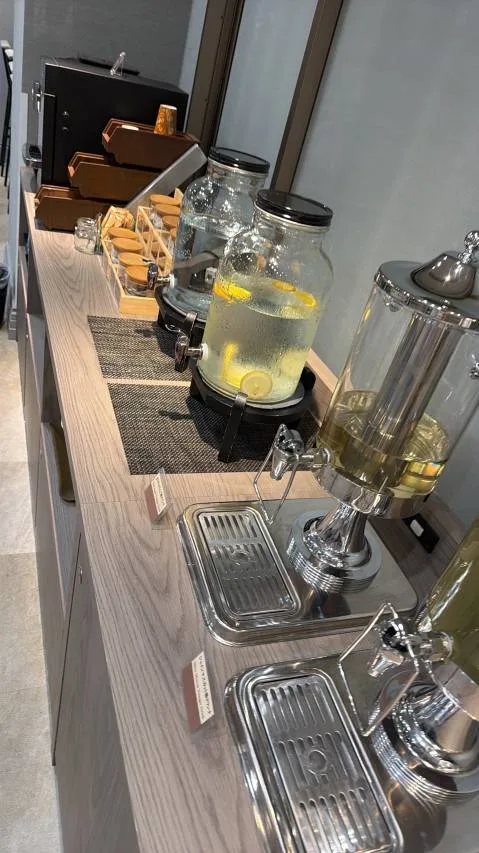
Breakfast offers an in-house buffet choice, and the photos show a combination of bread, hot dishes and side dishes. If you want to sit down and eat in the morning before exploring Nihombashi, including breakfast saves trouble; but if on this trip you want to rotate between coffee shops and breakfasts around the department stores, I would leave some days without breakfast. For a longer stay, whether breakfast varies matters more than a single plate, and there is no need to tie every night to the same rhythm.
Breakfast is an in-house buffet, served from 6:30 to 9:30. Adults and guests aged 6 to 17 pay 1,540 yen each, and children aged 5 and under eat free. Hot dishes, bread, soup and salad are the buffet basics, and if you want to sit down and eat before heading out, adding breakfast saves trouble.
Two people staying five nights pay close to 15,000 yen for breakfast in total, which is not a small sum. If you want to try coffee shops and breakfast spots around the department stores on different days, keep breakfast on some days only and plan the rest yourself; for a longer stay, whether breakfast changes day to day matters more than any single plate.
The restaurant serves breakfast only, so lunch and dinner mean heading out, though the Nihombashi area has plenty of restaurants and you will not struggle to find somewhere in the evening. The breakfast seats are visible in the photos, the buffet is self-service, and once you finish eating you can head straight out to explore.
Location, transport and luggage
Shin-Nihombashi Station is about 400 metres away, a 6-minute walk, and the closest station; Mitsukoshimae serves the Ginza and Hanzomon lines, and the official site puts it 5 minutes from Exit B6. Travelling light is fast on foot, while pulling a suitcase in the rain is tiring, and the difference comes down to the exit and the luggage. After exiting, check the lift route first, then navigate to Nihonbashihoncho 1-7-6; on arrival, note that the lobby is on the basement floor and reaching the room means changing lifts, so do not assume you can go straight to the room as soon as you walk in.
Address: 1 Chome-7-6 Nihonbashihoncho, Chuo Ward, 103-0023 Tokyo, Japan
With large luggage, do not judge by the nearest exit alone: Shin-Nihombashi Station has no lift of its own to the street, so use the underground passage and the Mitsukoshimae station lift to reach the street. Mitsukoshimae’s street lifts are at Exits A7 and B4, with a lift from the Ginza Line platform; changing between the Hanzomon and Ginza lines means leaving the gates and crossing the Yume Road passage, then tapping in again, so allow 5 minutes.
Nihombashi Station works too, 7 minutes from Exit D2 on the official site; Ningyocho Station is also 7 minutes from Exit A5, for the Hibiya and Asakusa lines. Tokyo Station is also within walking distance, though pulling a suitcase all the way from Tokyo Station takes longer, and taking the subway to Mitsukoshimae or Shin-Nihombashi is the easier way.
How to explore and eat nearby
Convenience stores and supermarket shopping suit longer stays well, and what you buy back can be heated with the microwave in the shared space; however, this is more of an office district, so anyone wanting to browse shops late every night should check opening hours separately.
Nihonbashi itself is 250 metres away, the starting point of the Tokaido, with the Mitsukoshi main store, Takashimaya and COREDO Muromachi in the area, along with old shops, Japanese confectionery and traditional craft stores. Spending a day on Mitsukoshi, COREDO Muromachi and the old shops nearby, then heading in the evening towards an area with restaurants, is the smoothest way to plan it.
Ginza is 850 metres away and walkable, so you can walk all the way over if you want the brand shops and department stores; Akihabara Electric Town is 1.8 km, and Ueno and the Imperial Palace are 2 km each, reachable on foot or by subway, depending on how much energy you have that day.
For a half-day walk, start around Mitsukoshimae: the Mitsui Memorial Museum and the Mitsukoshi Theater are right by the station, and Fukutoku Shrine and the Bank of Japan Currency Museum are also within walking distance; the old buildings and museums cluster here, and half a day covers them.
Facilities and services you will use
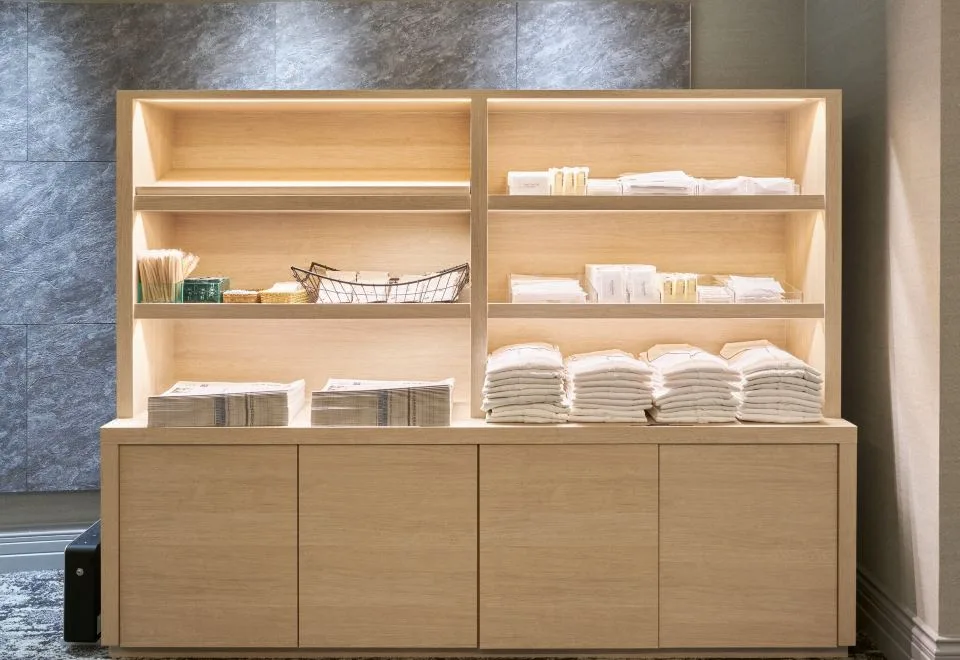
The lobby has coffee, tea and water, tableware and a microwave, which is handy for a simple takeaway meal back at the hotel. Refrigerating large food items, storing luggage across days and other special requests still need to be asked at the front desk first; the small in-room fridge is no guarantee for large shopping. When booking several rooms, also check each guest’s name and room type, to reduce time spent making changes on arrival.
Wi-Fi in the public areas is free, luggage storage is free, and the front desk is staffed 24 hours, so a late-night arrival is nothing to worry about. The front desk works in Japanese only, so for English you will need simple words or a translation app, and writing down an important request before asking makes things smoother.
A laundry room, laundry service and laundry delivery are all available, so a longer stay does not mean packing many clothes; a massage room, a drinks vending machine and a lobby smoking area are also in the building, while the rooms and main areas are entirely non-smoking. The rooms have video streaming, so logging in with your own account lets you watch films and series; after check-out, you can also book a luggage delivery service to the airport, applying and paying on your phone by 11 p.m. the night before check-out.
The lobby has seats where you can eat takeaway and sort out luggage before going up, and a drinks vending machine is also in the building, so a late-night drink does not mean going out. The small in-room fridge cannot hold a large shop, so if you buy too much, ask the front desk first whether it can be refrigerated instead of stuffing it into the room fridge.
The difference between one or two nights, and a longer stay
One guest for two nights will find 14 sqm easy to keep tidy; two guests for six or seven nights will find bed width and suitcases affecting rest more often. I would put the budget for upgrading to a larger room type towards a longer stay, rather than only paying extra for ReFa facilities. If you need to spend a long time in the room during the day, a room with natural light, in a building you can accept, matters more than extra amenities.
Check-in is from 3 p.m. and check-out by 11 a.m., and the front desk is staffed 24 hours, so an early flight or a late-night arrival is nothing to worry about. Luggage storage is free, so arrive early, leave the bags and go exploring, or leave them after check-out and head to the station, without letting luggage tie down the day.
Before booking, think through these stay details
Location, service and lobby supplies are the parts I value most, while small rooms, lift changes and check-in checks are things to think through yourself first. The main building, the annex and the different room types have to be judged separately, and the annex cannot stand in for a basement room on daylight. On arrival, first confirm the room name, and once it matches your booking, unpack fully.
The light and air in a basement room are conditions to accept before booking, so if natural light matters to you, do not book on the ReFa fittings alone. The room photos look clean and tidy; after check-in, listen to the air conditioning and equipment first, then decide whether to ask the front desk about a room change.
How to choose in the end
I would consider it as a Nihombashi base for a longer stay, but first pick the building, floor and bed width. Light-travelling solo guests can compare the 14 sqm rooms, while two guests should first look at the 16 sqm and other larger options; arrange breakfast around each day’s going-out rhythm, with no need to include it all at once.
Both stations are walkable, department stores, restaurants and supplies are all within walking distance, and the evenings back here are a quiet office district. If you accept the compact 14 square metres and the basement-room conditions, this is a good-value base for a longer stay in the Nihombashi area.
Summary of pros and cons
Pros
- Mitsukoshimae is 5 minutes from Exit B6, Shin-Nihombashi is 400 metres away, and the Ginza, Hanzomon and JR Sobu Rapid lines are all in reach.
- Rooms run from 14 to 20 square metres, with beds from 105 to 140 cm plus twin rooms, and the ReFa room comes with ReFa hair-care fittings.
- Breakfast buffet runs 6:30–9:30 with hot dishes, bread, soup and salad, 1,540 yen for adults and free for children aged 5 and under.
- Wi-Fi in the public areas and luggage storage are free, the front desk is staffed 24 hours, and the laundry room and laundry service are available.
- Nihonbashi, Mitsukoshi and COREDO Muromachi are all within walking distance, Ginza is 850 metres away, and evenings back here are a quiet office district.
Cons
- The 14-square-metre base rooms are compact, so two people with a large suitcase each on a longer stay should choose 16 square metres or more.
- The basement floor has a ReFa room, and the fittings are a plus, but there is no natural light, so anyone who cares about daylight should check carefully.
- The front desk is on the basement floor, so reaching the room means changing lifts, which is less simple than going straight up with a suitcase.
- No room type takes an extra bed or a crib, so travelling with a child means confirming the headcount and the cost first.
- The front desk works in Japanese only, so writing down an important request before asking makes things smoother.
Information last checked: 2026-11-22