
TOKYO / CHUO
Hotel Rakuragu
Hotel Rakuragu
A design stay in Nihonbashi — how to choose a terrace room and in-room features
Does this hotel fit my trip?
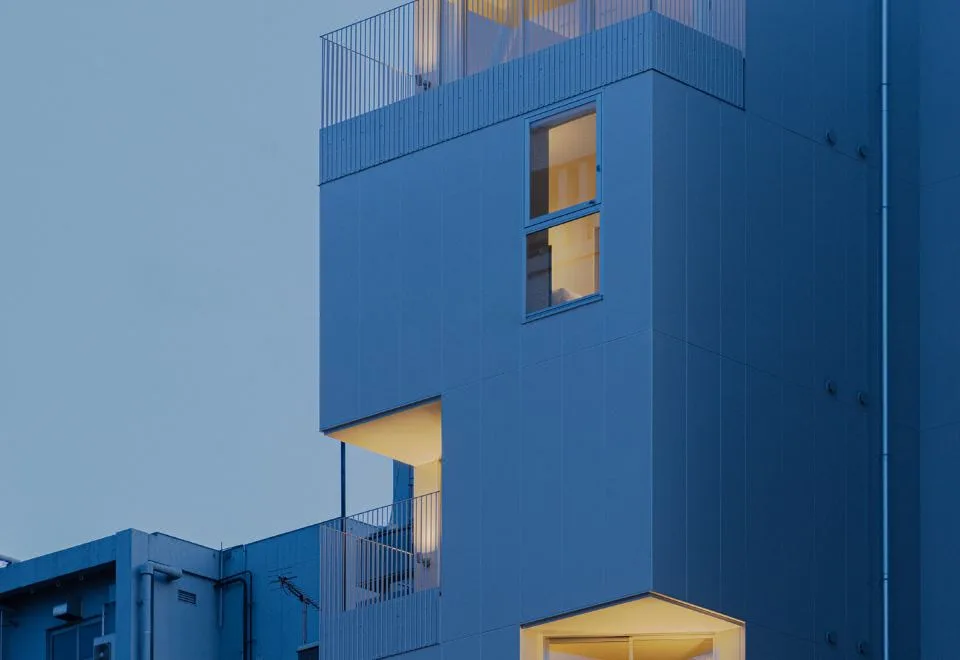
This hotel opened in March 2024, with only 14 rooms across 9 floors, 1 to 2 rooms per floor, designed by Kooo Architects. The name comes from ragtime, and jazz runs through the whole building — it won a 2025 iF Design Award and made Dezeen’s Top 10 hotels of 2024. The plot is only 84 square metres, a slim little building tucked into a side street in Nihonbashi.
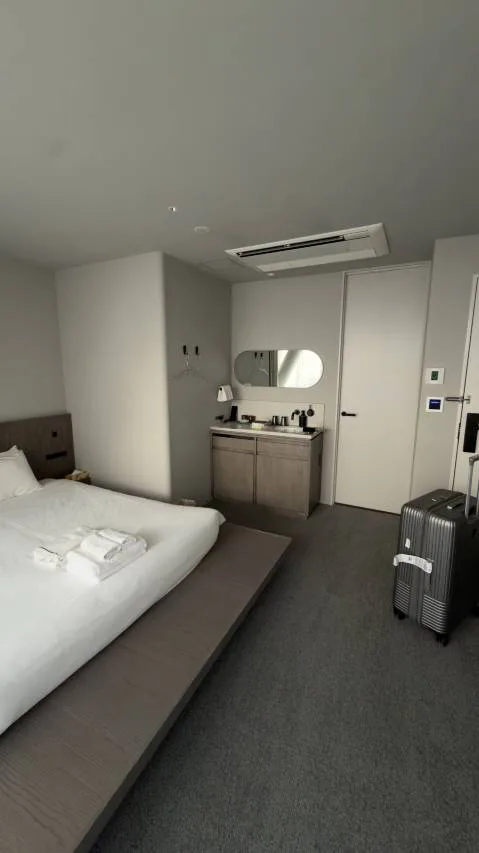
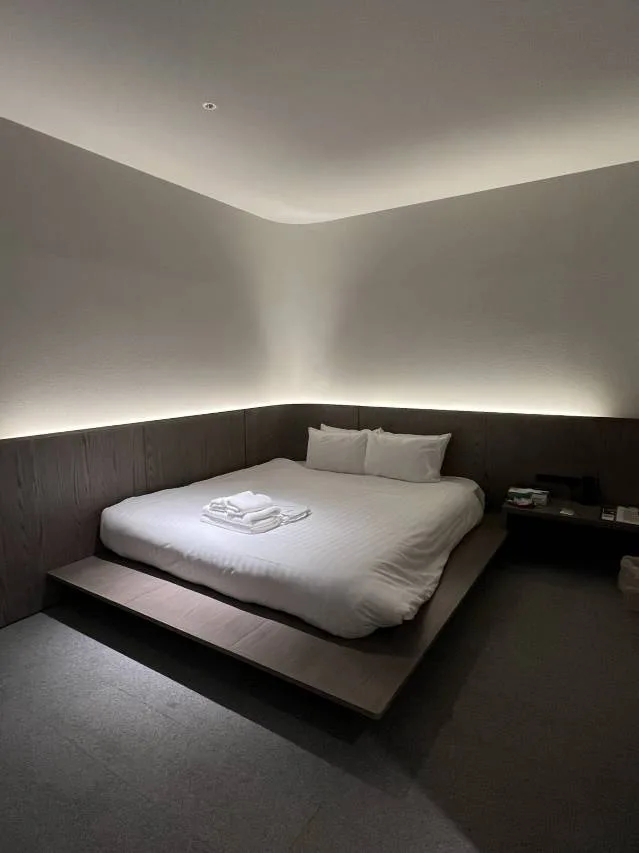
Rooms run in grey tones, with low wooden bed platforms, rounded wall corners, diatomaceous-earth wallpaper and round mirrors, and good daylight by the window. Jazz plays in the lobby, and a QR code in the room opens a playlist, so the mood stays consistent through the building — if you like this style, you know from the doorway that you came to the right place. The round mirrors and low bed platforms make the small rooms feel wider, and the sightlines never get blocked by furniture.
I put this hotel on the list for travellers who like simple rooms and want a stay with character in Nihonbashi, best for two people travelling together. If you are bringing an older family member, think first about getting in and out of the low bed platform; if you want breakfast inside the hotel, this place has no restaurant, so look elsewhere.
The hotel sits at 1-chome Nihonbashihoncho, in the old Muromachi neighbourhood, with Mitsukoshi and COREDO Muromachi within walking distance, so you do not need a train every day to go shopping.
Look at the strengths first, and think through the trade-offs too
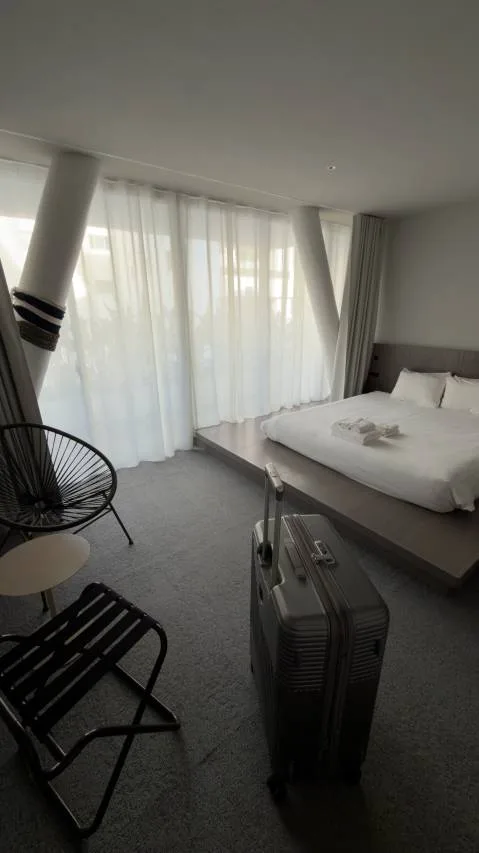
What I liked most after staying here is the sense of space in the rooms, the water pressure and the quiet, and terrace rooms add an extra openness — pulling the curtains open in the morning and sitting by the terrace sets the tone for the whole day. The design details hold up too: the low bed platform, round mirror and diatomaceous-earth walls look simple and feel comfortable to live with. Coming back at night, the rooms stay quiet, and sounds from next door and the corridor barely reach you.
What I want to flag for you is dust in the corners, towel cleanliness, a small fridge and too little surface space — I ran into all of these. Room types differ a lot too: 18 to 35 square metres, beds 160 to 165 centimetres, terraces 2 to 9 square metres, so compare area and bed size before you book instead of judging from photos alone.
Location and transport: Think separately about strolling light and dragging luggage
The nearest station is Mitsukoshimae, on the Ginza and Hanzomon lines, about 5 minutes on foot. With large luggage, a wheelchair or a stroller, take the elevator beside Exit A7 — it sits next to the A7 exit past the Mitsukoshi-side ticket gates. From there, walk east through Muromachi-koji, cross the Showa-dori intersection, and the hotel is about 5 minutes away.
JR Shin-Nihombashi Station is close too, 410 metres, about 6 minutes, with elevators in the station, and the Sobu Rapid line reaches Tokyo Station in two stops, handy for Narita and Chiba. The ride from Shin-Nihombashi to Tokyo takes only 2 minutes, so anyone changing to the Shinkansen or the Narita Express can keep this route in mind.
Ningyocho Station is about 7 minutes away, on the Asakusa and Hibiya lines, and the Asakusa line runs straight through to Haneda and Narita, so airport trips need no change. Nihonbashi Station is nearby too, where the Ginza and Tozai lines meet, with elevators in the station and no change needed toward Otemachi and Kudanshita.
Two routes work for the airports. For Haneda, the Asakusa line runs through from Ningyocho with no change; for Narita, take the Sobu Rapid line to Tokyo and change to the Narita Express, boarding at Shin-Nihombashi. Neither route makes you drag luggage through many changes.
| Item | Stay information |
|---|---|
| Address | 1 Chome-7-9 Nihonbashihoncho, Chuo-ku, 103-0023 Tokyo, Japan |
| Japanese name | ホテル楽楽 |
| 15:00–23:30 / by 11:00 | From 15:00 / by 11:00 |
Open the map to plan your route
How to choose a room type: Compare beds, living space and bathroom together
The whole building has only 5 room types and 14 rooms. Areas run 18 to 35 square metres, with terrace rooms adding 2 to 9 square metres of terrace. Beds come in three forms: the standard double has one 160-centimetre bed, the standard twin has two 110-centimetre singles, and terrace rooms have one 160- or 165-centimetre bed. Rooms sit on floors 2 to 9, 1 to 2 rooms per floor, and higher floors feel quieter. Guest rooms start on the 2nd floor, with the lobby and entrance on the 1st floor.
| Room type / layout | Area and facility differences | How to choose |
|---|---|---|
| Standard Double | 18 sqm; one 160 cm bed; floors 2–8, west side | Two sharing a bed, mainly out and about, back only to sleep |
| Standard Balcony Room | 22 sqm, plus 2 sqm terrace; one 160 cm bed, curved custom-made bed; floors 2–7 | Want a small terrace on a budget, start here |
| Deluxe Balcony Room | 23 sqm, plus 9 sqm terrace; one 165 cm bed; 4th floor | Terrace matters as much as the room, like sitting out on it |
| Standard Twin Room | 25 sqm; two 110 cm beds; sofa and small table; floors 5–8 | Two people sleeping separately, want a place to sit in the room |
| Premier Balcony Suite | 35 sqm, plus 9 sqm terrace; one 165 cm bed; 9th floor east side, Skytree view; sleeps 1–3 | Want the most space and the view; three people should ask about the sofa bed first |
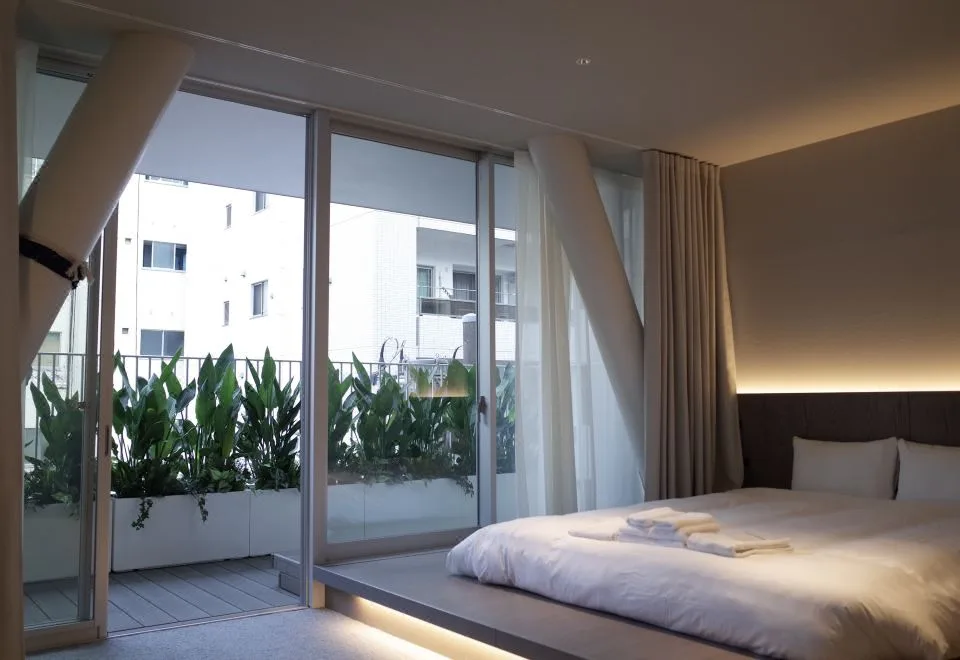
If you want a terrace, start with the three terrace rooms. The top-floor suite is 35 square metres plus a 9-square-metre terrace, on the 9th floor facing east, with a Skytree view on clear days, sleeping 1 to 3 people. The deluxe balcony room is 23 square metres plus a 9-square-metre terrace, on the 4th floor, with a terrace as large as the suite’s. The standard balcony room is 22 square metres plus a 2-square-metre terrace, on floors 2 to 7, with a bed custom-made to the room’s curved shape.
If you do not need a terrace, look at the two indoor rooms. The standard twin is 25 square metres, the largest room without a terrace, with two 110-centimetre singles, on floors 5 to 8, plus a sofa and a small table — pick it if two people want separate beds and a place to sit in the room. The standard double is 18 square metres, the smallest in the building, with one 160-centimetre bed, on floors 2 to 8 facing west, enough for travellers who spend the day out and only come back to sleep.
Beds are low wooden platforms, sitting lower than a standard bed, so getting on and off takes a bit more effort. If you are travelling with an older family member or are used to high beds, think about that first — the twin room has a sofa to hold on to, which helps a little.
For three people, ask the hotel first. The top-floor suite sleeps three, and the official site says a sofa bed can be arranged when the third person is a fellow guest under 18; the booking platform says no extra beds or cribs in any room type, so the two do not agree. If you are booking with a child, ask the hotel about the sofa bed directly, not on the day you arrive.
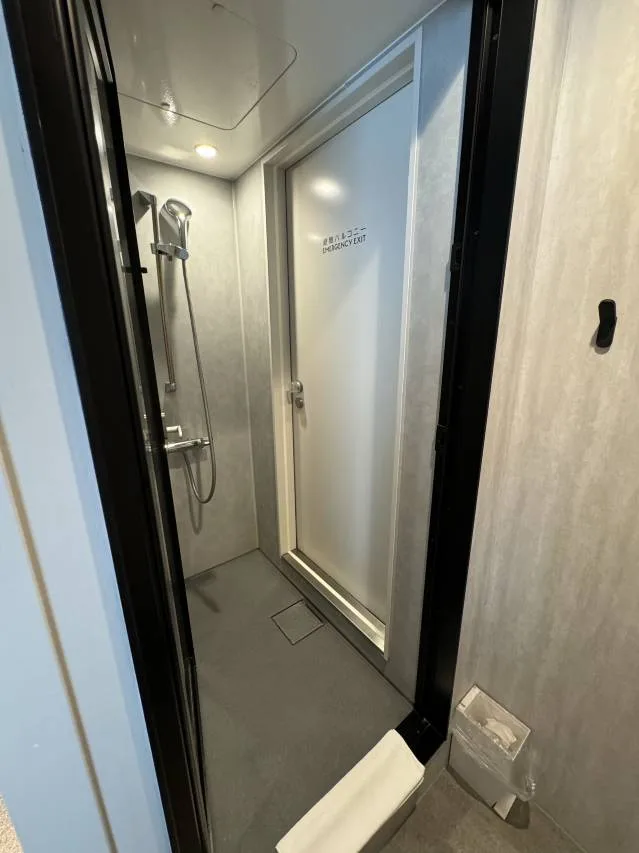
Bathrooms split the toilet and shower into separate rooms, and the in-room photos show both doors and the flow between them, so two people can wash up separately in the morning. The wash area sits inside the room with the bed, so getting up at night to wash your hands means no trip out the door.
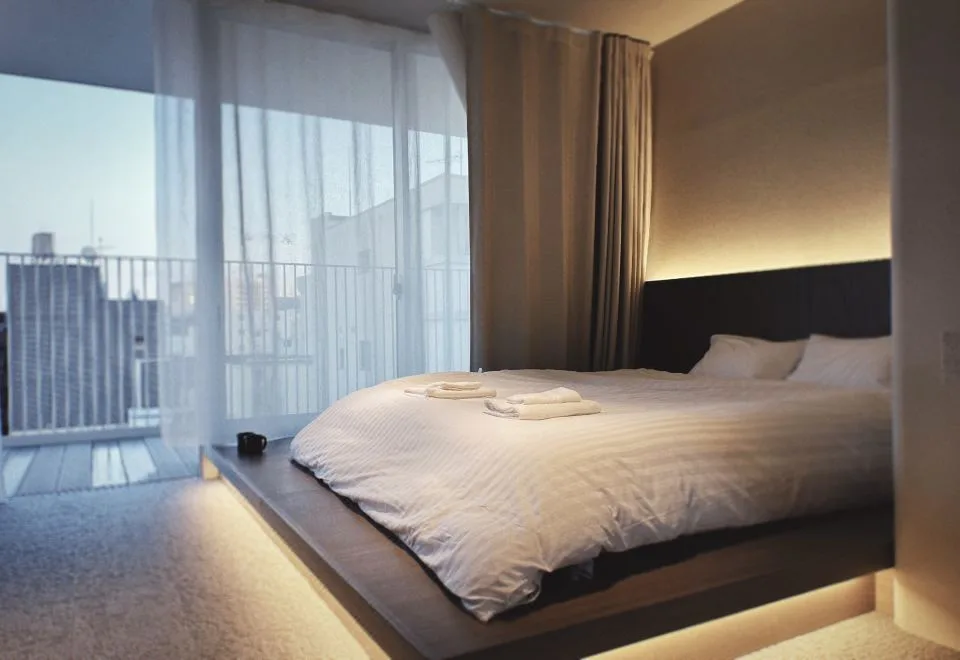
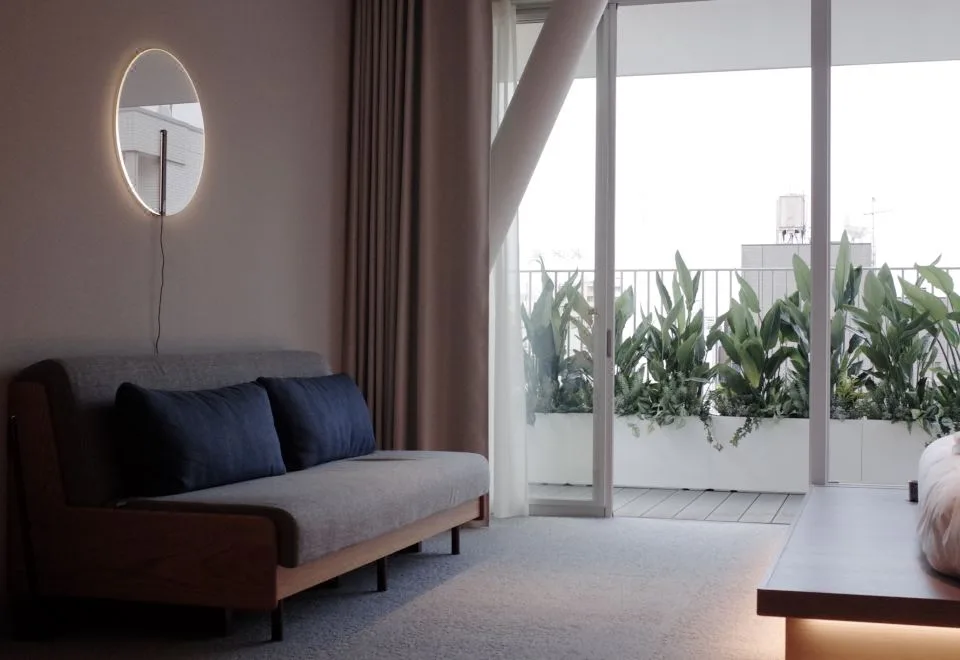
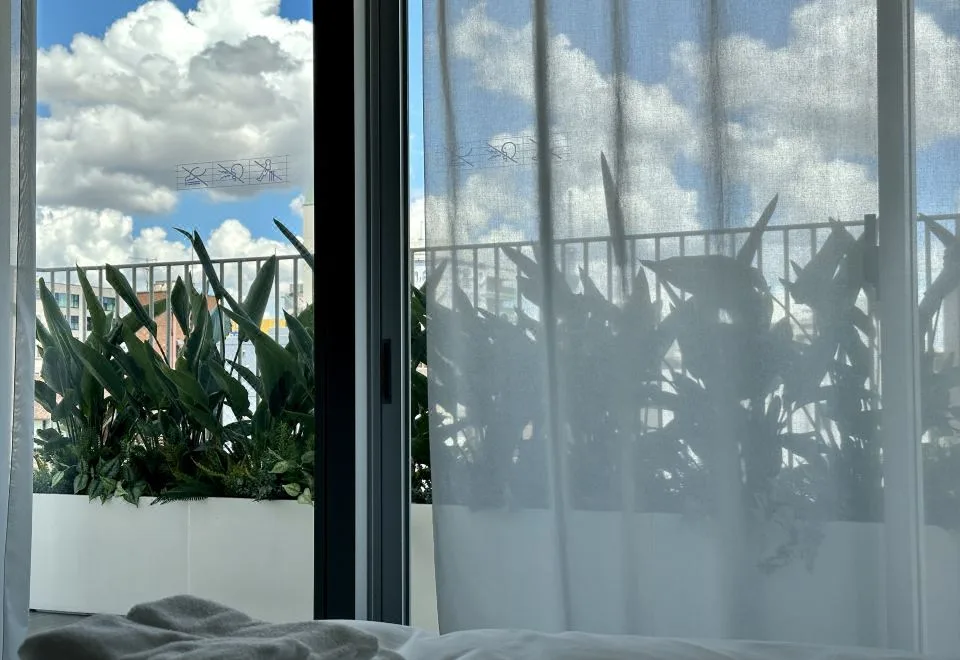
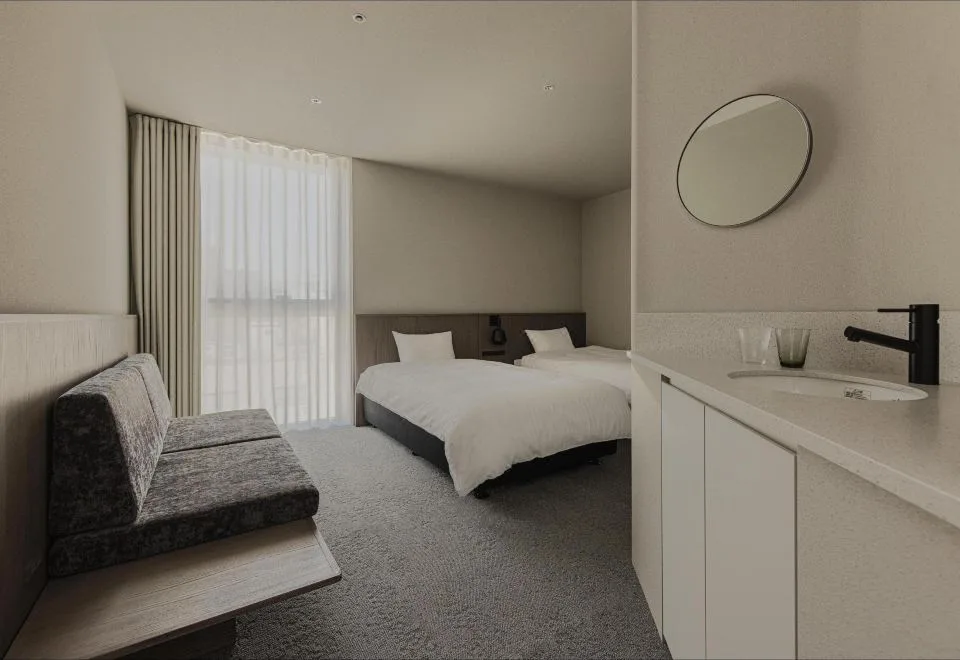
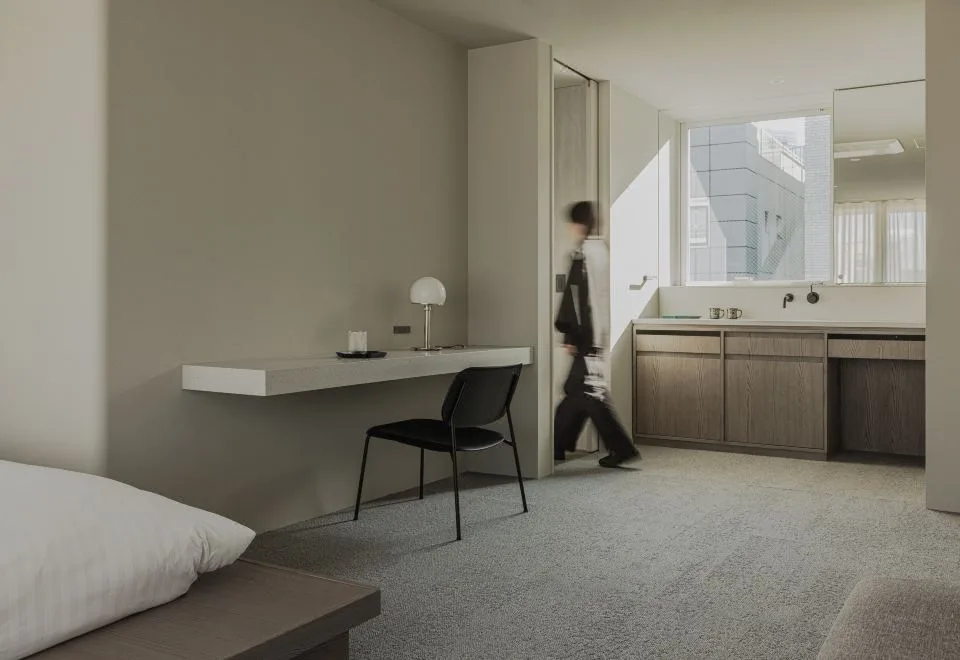
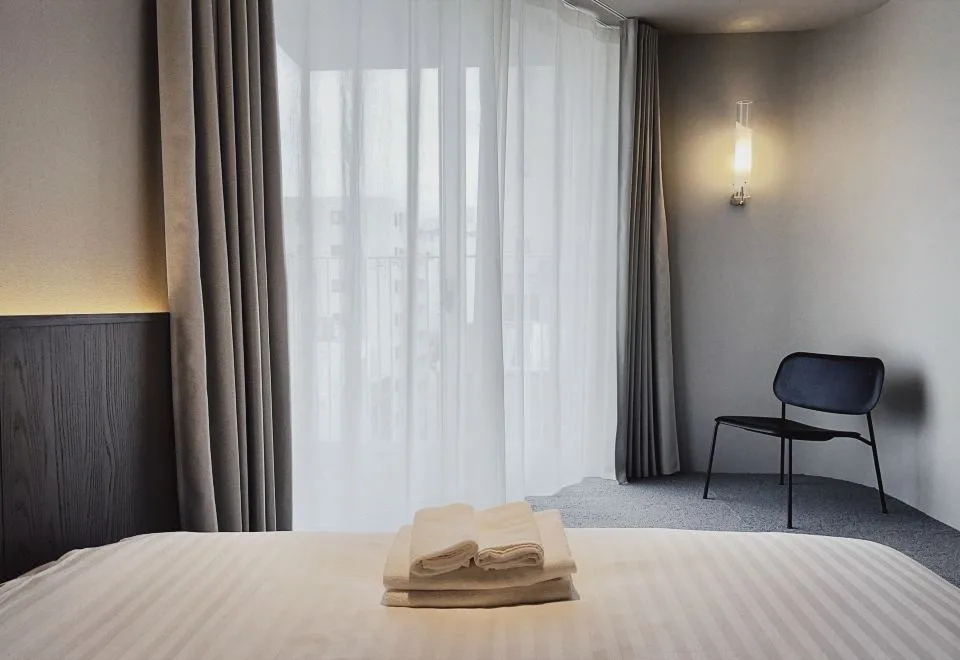
Guest photos inside rooms: See what it looks like once everyday items are in
In-room photos show what the rooms look like in everyday use, and the bedside, desk and bathroom flow are the parts worth studying. The room type in a photo may not match the one you booked, so use your own booking as the reference and treat the photos as a check on living flow.
From the photos, the walkway beside the low bed platform is not wide, so luggage spread open still needs a path left clear to the wash area; the separate toilet and shower each have their own door and flow, easy to see in the photos; the desk and bedhead light sit where you can find them, so working or reading in the room at night needs no extra lamp. The wash area and desk share the same space, so washing up and sorting luggage in the morning means no walking back and forth.
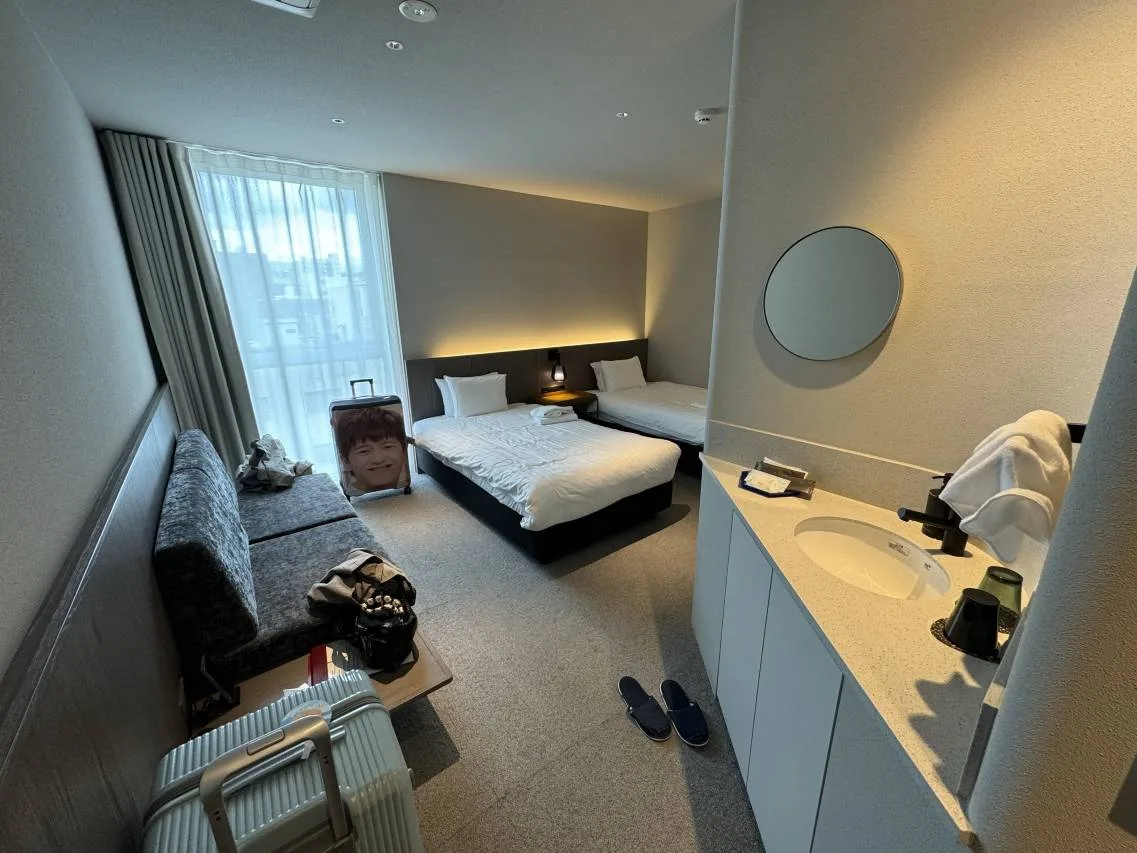
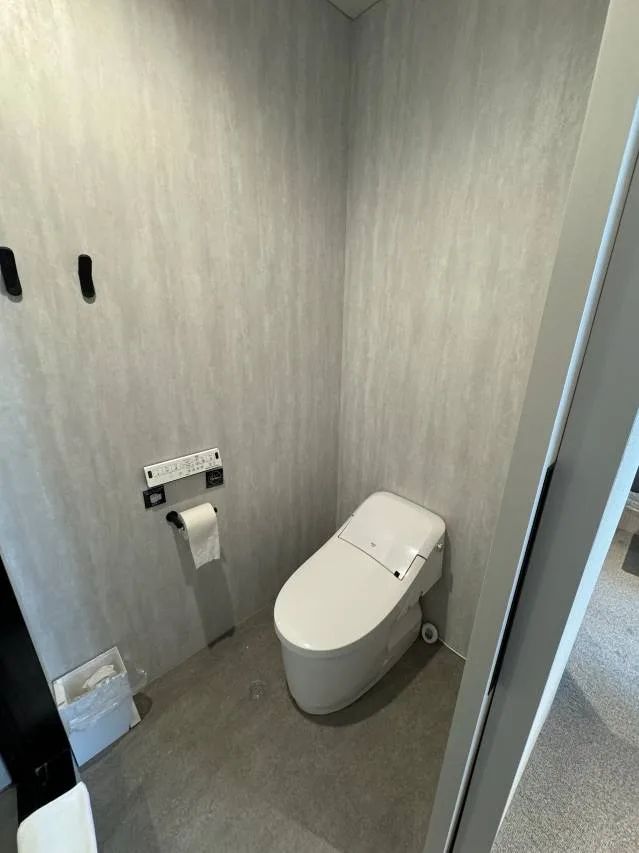
Facilities and services: Put the parts you will actually use first
The front desk is staffed 24 hours, so a late-night arrival still finds someone at the desk. Luggage storage is free, public Wi-Fi is free, and an elevator runs to every floor.
The desk handles VIP check-in and keeps a front-desk safe, so valuables can stay at the desk instead of in the room. The desk works in English and Japanese, with Chinese instructions also available, and the room comes with a humidifier, children’s slippers and a children’s toothbrush.
Check-in runs 15:00 to 23:30 and check-out is before 11:00, so anyone arriving after 23:30 should contact the hotel first. Guests checking in must be 18 or older, and children of all ages can stay, with an extra fee possible when no extra bed is used. No deposit is taken, pets are not accepted, and service animals need prior application.
Rooms centre on the bed, desk and wash area, with a small fridge, so anyone planning long hours of work in the room or a meal inside should size up the desk and fridge first and buy only what gets eaten the same day.
The building has a fire alarm and access control, and public areas and floors are fully non-smoking. In winter and the dry season, the in-room humidifier works well, so anyone bothered by dry air need not bring one.
To reach the hotel directly, call 03-6628-5109; the registration number is 3中保生環き第27号. The address is 1-7-9 Nihonbashihoncho, Chuo-ku, Tokyo 103-0023, which drops straight into a map search.
Whether to add breakfast: It depends how you want to spend your morning
This hotel serves no breakfast and has no restaurant on site — the booking platform FAQ states it plainly: no breakfast, no on-site restaurant. Mornings mean eating out, so there is no breakfast plan to ask about at booking; plan the day around eating out instead. The same goes for a longer stay: every morning starts outside, so build breakfast time into the day.
In the morning, head toward Muromachi, where a convenience store sits just around the corner — buy something and take it back to the room. Anyone wanting something savoury will find convenience stores and cafes around the station the fastest choice, and you can sit down and eat at your own pace.
If you usually eat breakfast in the room, remember this hotel has no breakfast on site, so anything brought back needs planning of its own. The in-room desk and fridge both run small, so takeout breakfast for two plus drinks fills the desk fast — work out where it all goes first.
Nearby itineraries: Leave a little time for the neighbourhood
The Nihonbashi bridge itself is 250 metres away, about 3 minutes on foot, with Mitsukoshi and COREDO Muromachi standing as the landmarks of the area — daytime shopping and evening meals both sit in this circle. Walking toward Ningyocho leads into the old streets, and the Amazake Yokocho area is good for a slow wander.
Hamacho is 1.1 kilometres away, Ginza 820 metres, Akihabara 1.8 kilometres, and Ueno and the Imperial Palace about 2 kilometres each, all within day-trip range. Staying here keeps Tokyo Station, Ginza and Akihabara close by day, and the ride back to the hotel at night stays short.
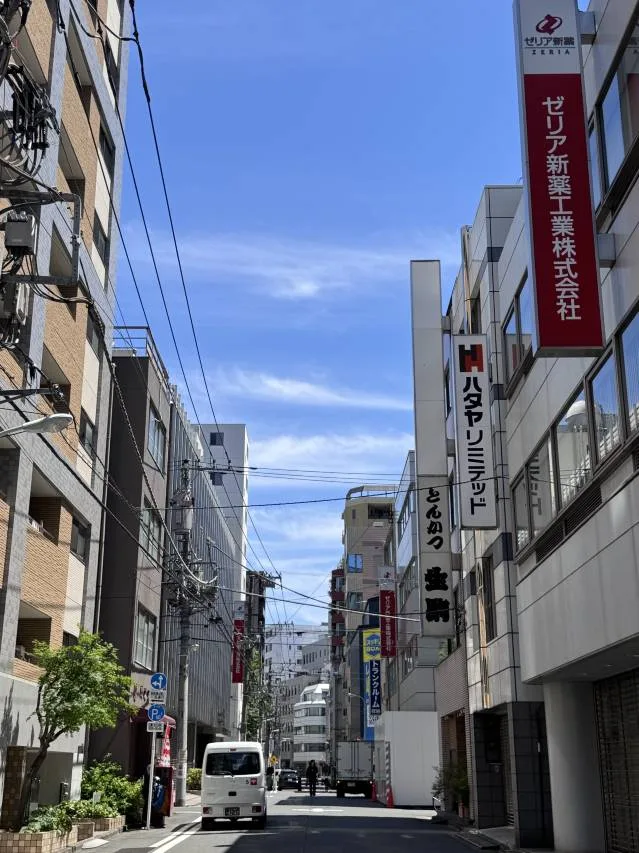
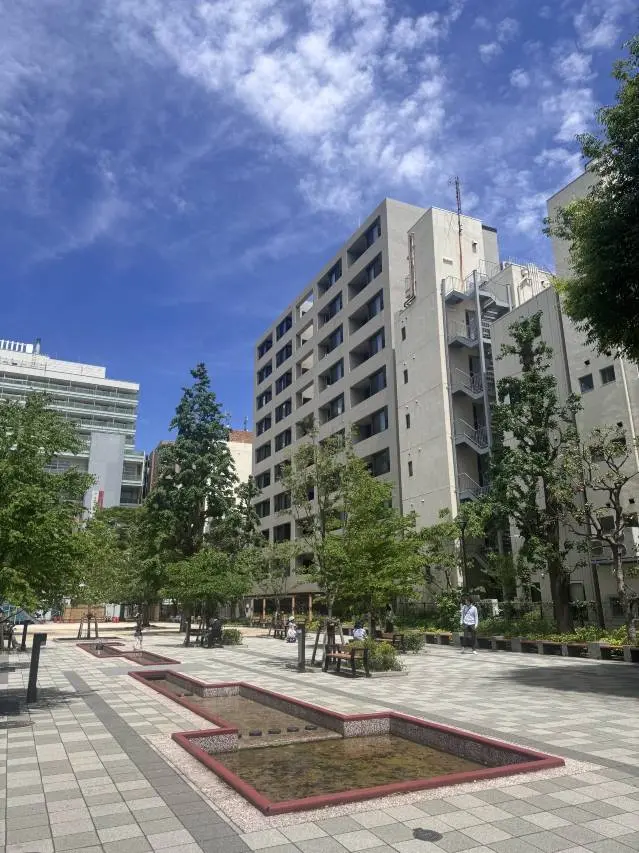
Muromachi in the daytime covers Mitsukoshi, COREDO Muromachi and the old shops around Nihonbashi, and dinner nearby before heading back means no luggage to carry out. Staying two nights or more, spend one day toward Ginza and another toward Ningyocho and Hamacho, with no need to change hotels.
Tokyo Station is easy to reach from here, and the underground shopping streets and Ichibangai can fill a whole day. Heading north, Ueno and Akihabara are close too, so day trips work without changing hotels.
Short stays, longer stays, and the final choice
A short stay of 1 to 2 nights fits the room design and the Nihonbashi streets best, and terrace rooms suit anyone who wants to linger in the room — sitting on the terrace in the morning before heading out sets an unhurried tone for the day. Drop the luggage first, wander around Mitsukoshimae, and head to Ningyocho on day two.
For 3 nights or more, the desk, fridge, cleaning schedule and clothes organisation matter more. Anyone planning a meal in the room should check whether the desk holds takeout for two and whether the fridge holds the next day’s drinks.
Before booking, confirm once more: guest numbers, the actual room type and its English name, the bed type, whether you want a terrace. Check-in runs 15:00 to 23:30, so anyone arriving after 23:30 should contact the hotel first and confirm check-in is still possible that day.
Pros and cons at a glance
Pros
- Mitsukoshimae Station is about 5 minutes away, and the elevator beside Exit A7 means large luggage, wheelchairs and strollers never need stairs.
- Opened in March 2024, so rooms feel new; 14 rooms with 1 to 2 per floor keep the stay quiet.
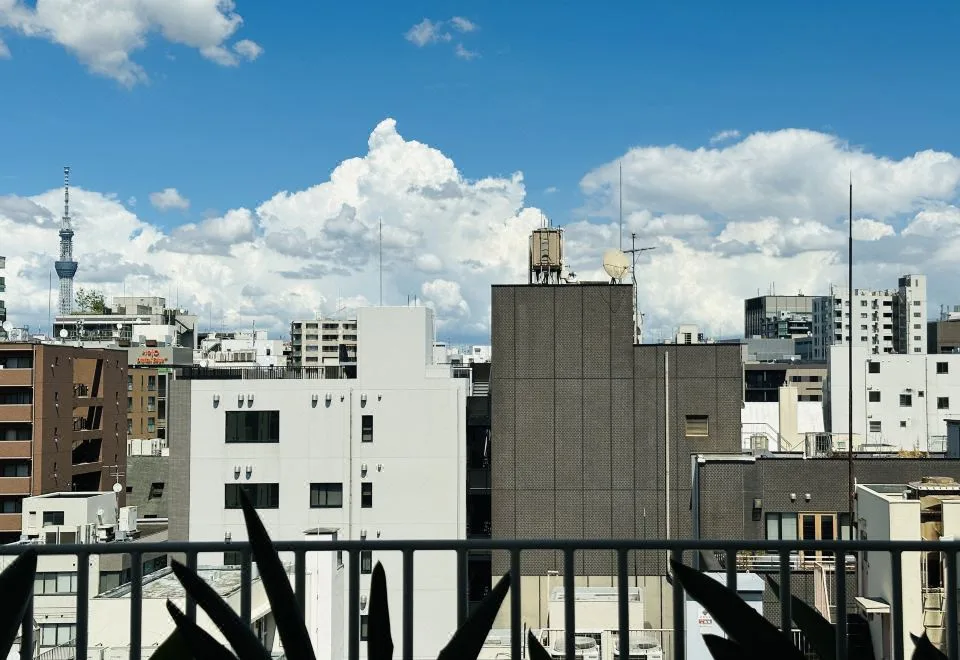
- Three terrace room types to choose from; the top-floor suite is 35 sqm with a 9 sqm terrace facing east toward the Skytree.
- The front desk is staffed 24 hours, luggage storage and public Wi-Fi are free, and the desk covers English and Japanese with Chinese instructions available.
- Water pressure and quiet are good, and design details like the low wooden bed platform, round mirror and diatomaceous-earth walls feel comfortable to live with.
Cons
- No breakfast and no restaurant on site, so every morning starts outside.
- Extra-bed information conflicts: the booking platform lists no extra beds or cribs in any room type, while the official site says a sofa bed can be arranged for a fellow guest under 18; families with children should ask the hotel first.
- Dust in corners, towel cleanliness, a small fridge and too little surface space; room types differ a lot.
- Beds are low wooden platforms, so older travellers or anyone used to high beds should think about getting in and out first.
- The standard double is only 18 sqm, so two people with luggage open leave little walkway; check-in ends at 23:30, so late arrivals must contact the hotel first.
Information last checked: 2026-11-23