
TOKYO / CHUO
Hotel Monterey Ginza
Hotel Monterey Ginza
Hotel Monterey Ginza suits travellers who enjoy classic European styling and want to be within walking distance of Ginza shopping. The exterior and lobby have distinctive character, and it is convenient to return with purchases. decide the room by the number of guests before choosing breakfast, because attractive decor and usable floor space are different things.Opened in 2000, the hotel has 224 rooms on floors 2 to 13, and its stone facade stands on Ginza Yanagi-dori, one turn off the main street.
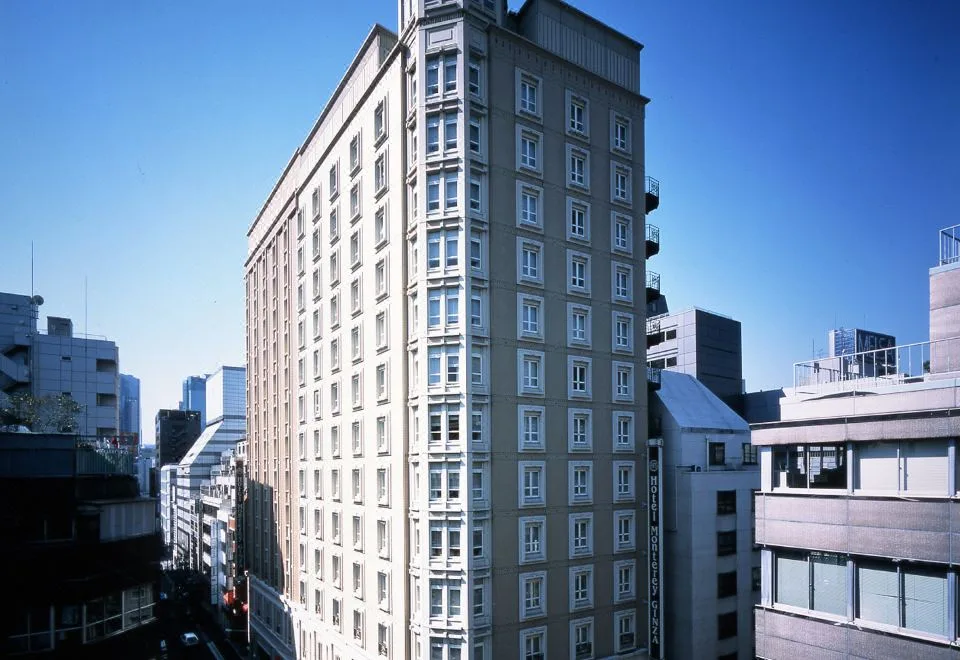
Reasons to stay and trade-offs to consider
Reasons to choose it
- Ginza 2-chome is convenient for department stores, restaurants and returning to drop off shopping.
- The official room list includes Singles, Twins and family options; for families, check how connecting rooms work.
- The toiletries, room facilities and characterful décor stand out against ordinary business hotels.
Trade-offs
- Basic rooms are compact, and two large suitcases can block the passage.
- Windows may face neighbouring buildings; the European façade does not guarantee a view from every room.
- Breakfast can feel crowded and the food is a matter of taste, so you need not book breakfast for every morning.
Rooms and luggage space: what to choose
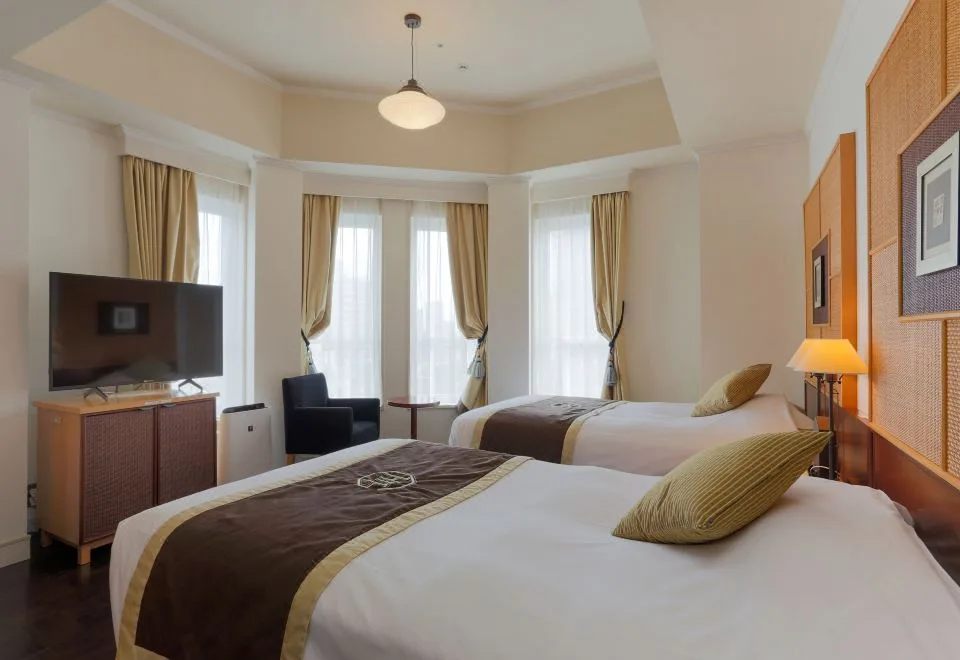
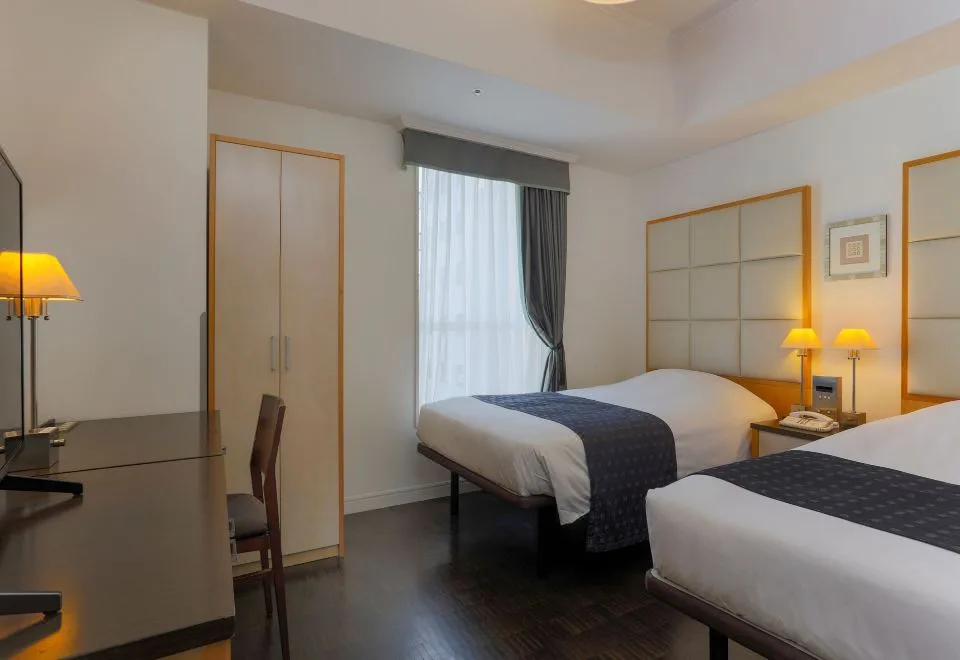
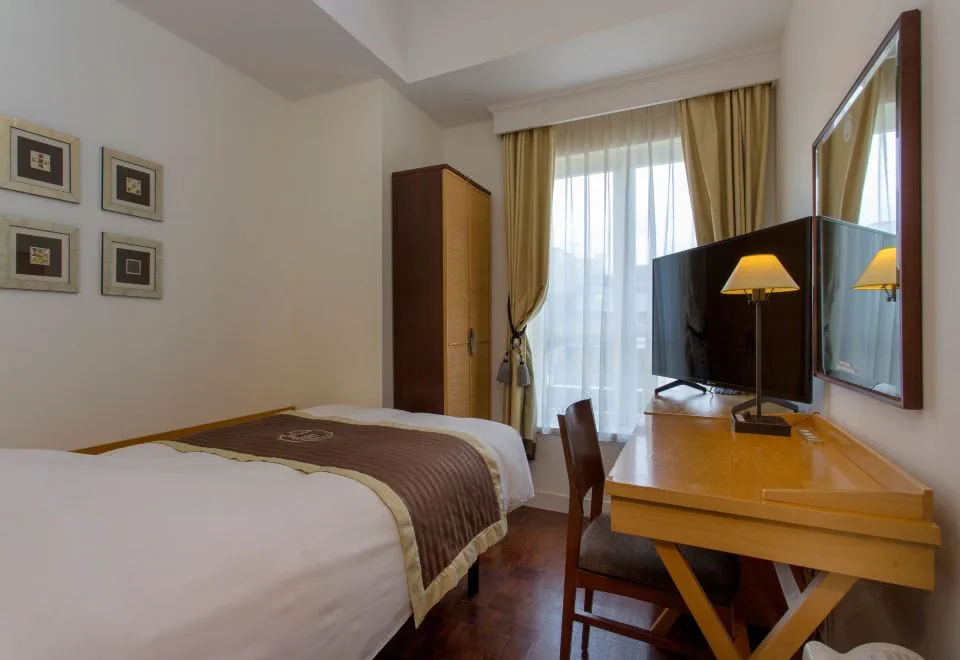
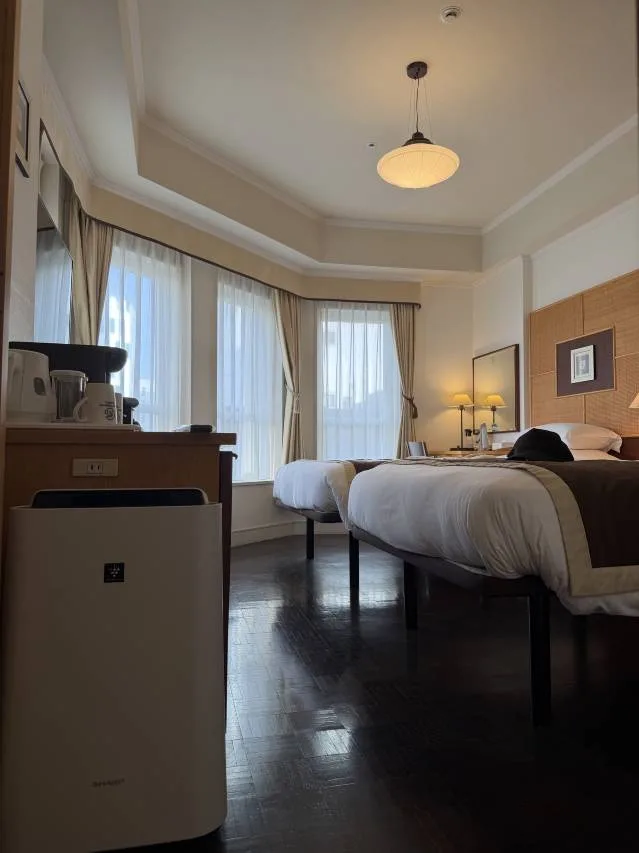
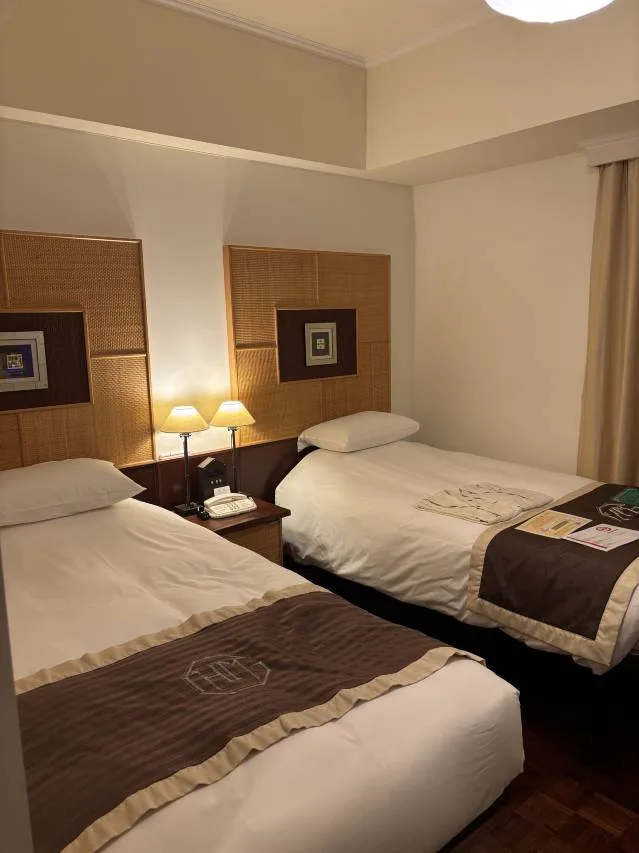
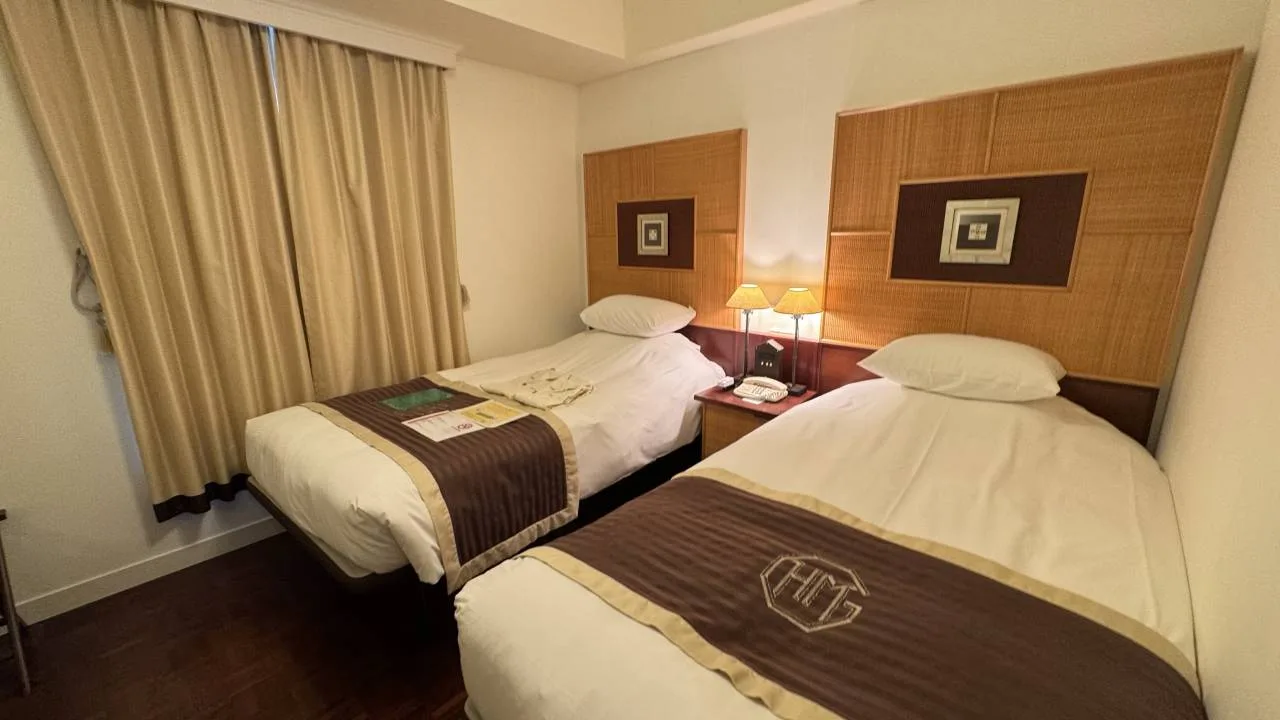
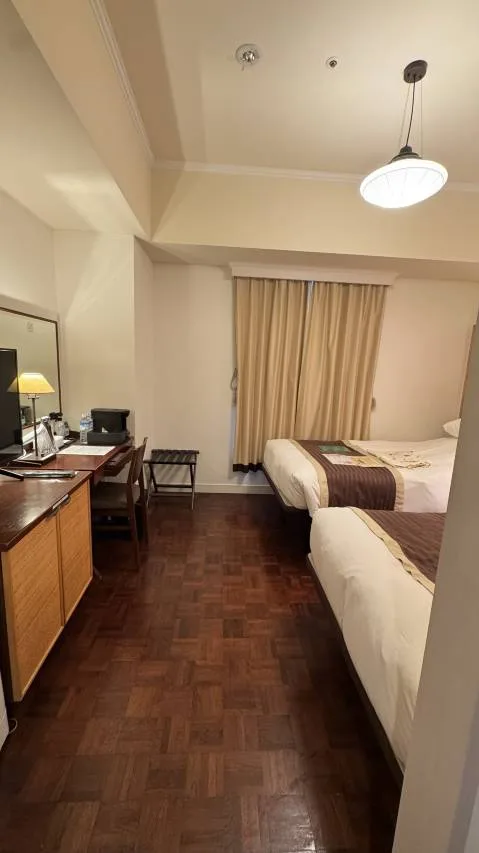
The official Single B is 15.8–20 m² with a 140 × 195 cm bed, while the Deluxe Twin is 24.9 m². Solo guests should focus on bed and storage space. Two people wanting separate beds and room to open large cases should compare the bigger Twin. Family options include connecting rooms, so groups of three or four must confirm the actual number of beds, how rooms connect and maximum occupancy rather than trusting the word ‘family’.
The room list is longer than the two types above: a Single at 14 square metres, a Semi-Double at 15 to 16, a Twin at 19, a Double at 20, and a Triple at 20 with two single beds plus a sofa bed; a Queen at 20 and a Deluxe Twin at 24.9, while Connecting and Family rooms are both 40 square metres with two bedrooms, each with two single beds. All 224 rooms sit on floors 2 to 13 and come with a refrigerator, a flat-screen TV, free Wi-Fi and wired internet; bathrooms have a shower-over-bath with a bidet, plus air conditioning, a safe and a desk.
The bed details are worth a look before booking: every room uses a Simmons pocket-spring mattress, the showers have a Mirabul ultra-fine-bubble head, and the floors are wood rather than carpet. Decide on people and bed count first — no room type allows an extra bed, and baby cots depend on the room type, so families should confirm the beds are enough before arriving rather than finding out at the front desk that the children need a separate room.
For three or four people, the logic changes: a Triple at 20 square metres has two single beds plus a sofa bed, and the sofa bed feels narrow for an adult, so it suits a family of three with a child better; four people should look at a Connecting room at 40 square metres, with two bedrooms each holding two single beds, so bathrooms and storage are shared less tightly than squeezing into one Deluxe Twin. The Deluxe Twin at 24.9 square metres suits two people who want extra space, not four people packed in.
Breakfast: plan around your mornings
This hotel serves a buffet breakfast, unlike the Western set breakfast at nearby Hotel Monterey La Soeur Ginza. If you like taking your time over breakfast before shopping, an inclusive rate is worth considering; if you plan to head to Tsukiji or a coffee shop in the morning, a room-only rate gives you more freedom. The dining room feels crowded at peak times, and whether the food suits you is a matter of taste, so choose by your own meal times and what you like to eat rather than by the photos alone.
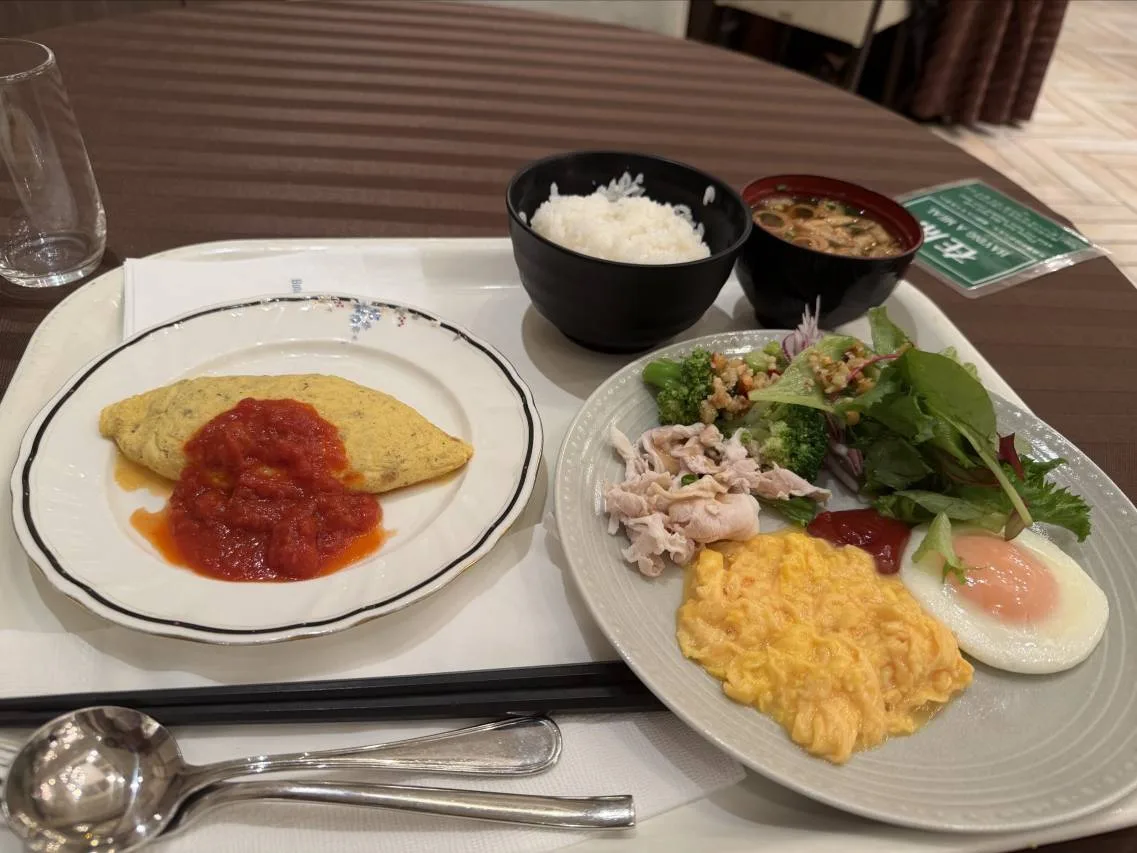
Breakfast is a Japanese-Western buffet — bread, salad, hot soup, egg dishes, Japanese small plates, miso soup and rice are all there, and the tray in the photo, with its tomato-sauce omelette, scrambled eggs, soft egg, salad, rice and miso soup, is what it actually looks like. The French restaurant Escale is on the first floor, with lunch on weekdays 11:30–15:00 and weekends 12:30–15:00, and dinner 17:30–22:00; it has only 16 seats, plus private rooms for two and four. Children under seven cannot use the main seats, while the private rooms have no age limit.
Work out the breakfast price first: 4,015 yen per adult, free for children six and under, and 4,015 yen for ages 7 to 17. Without a breakfast-inclusive plan, ask the hotel on the day and pay on site to add it. Breakfast belongs on the slow mornings only, not on every day of the trip — the money saved buys a good breakfast in Tsukiji instead.
If you do not want the buffet every morning, save one day for lunch at the first-floor French restaurant — lunch starts 11:30 on weekdays and 12:30 on weekends, dinner from 17:30; with only 16 seats, book ahead for popular times. To avoid the breakfast crowds, eat outside the peak around 8 o’clock, when there is no queue at the buffet and tables are easy to find.
Location, transport and luggage
Ginza-itchome Station is less than 100 metres away, about a two-minute walk. Navigate to 2-10-2 Ginza and specifically Hotel Monterey Ginza, not the separate La Soeur property. Tokyo Station is also walkable, but with suitcases it takes longer than a stroll; if you use Higashi-ginza, check the exits and lift routes first rather than hauling cases on an uncertain exit number.
With luggage, take the street-level lift at Ginza-itchome Station’s Exit 6 — Tokyo Metro opened this all-lift route on 29 August 2025, so you can ride from the platform straight to street level without changing to an escalator. From street level it is a few minutes’ walk to the hotel; on foot without luggage, Exits 10 or 11 are closer, about one minute. Higashi-ginza is also walkable in about four minutes according to the hotel website; with cases, I still take the Exit 6 lift route at Ginza-itchome.
Address:2-10-2 Ginza, Chuo-ku, Tokyo 104-0061, Japan
I checked the nearby distances: JR Tokyo Station 840 metres, Nihombashi 860 metres, the Tokyo International Forum 650 metres, the Ginza Art Aquarium Museum 470 metres, and the Tsukiji Outer Market 800 metres, with the Imperial Palace at 1.7 km and Hibiya Park at 1.1 km. Yurakucho Station is about six minutes on foot, handy for Shinkansen and JR lines.
Yurakucho Station is also worth remembering: about six minutes on foot, with the JR Yamanote and Keihin-Tohoku lines stopping there; Shinkansen trains leave from Tokyo Station, so leave early and allow time inside the station. The walk from the hotel to Yurakucho is flat all the way, easy even with cases, and it follows naturally after shopping on the Ginza main street.
Where to go and eat nearby
I would combine Ginza-itchome, the department-store street and Kyobashi, breaking shopping, meals and rest into shorter segments. Nearby convenience stores and supermarkets help a lot on a longer stay. For a Shinkansen departure, allow extra time inside Tokyo Station — the walk from the hotel to the station building is not the same as reaching the platform.
For a half-day nearby, the Ginza main street, Kyobashi and Nihombashi make a natural loop, with a rest back at the room at the end.
My half-day plan runs like this: breakfast at the Tsukiji Outer Market in the morning, back to the Ginza main street for department stores, then Nihombashi or the Tokyo International Forum in the afternoon, and dinner around Kabukiza in the evening after dropping bags at the hotel. GINZA SIX and Kyobashi are both in walking distance, so shopping can go back to the room at any point instead of being carried all day.
For an evening at the theatre, Kabukiza is in the Higashi-ginza area, and you can walk back to the hotel after the show without a train; for daytime shopping, GINZA SIX and Ginza Mitsukoshi are both in walking distance, so drop purchases at the room first and continue empty-handed. The Kyobashi area has old shops and galleries, worth a slow afternoon for anyone who likes browsing without a schedule.
Useful amenities and services
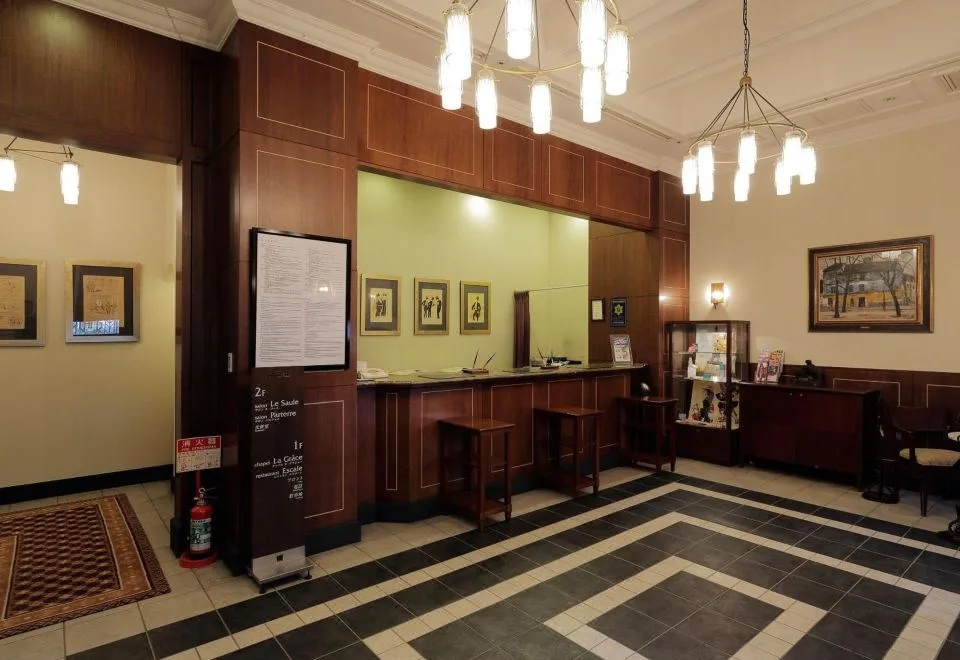
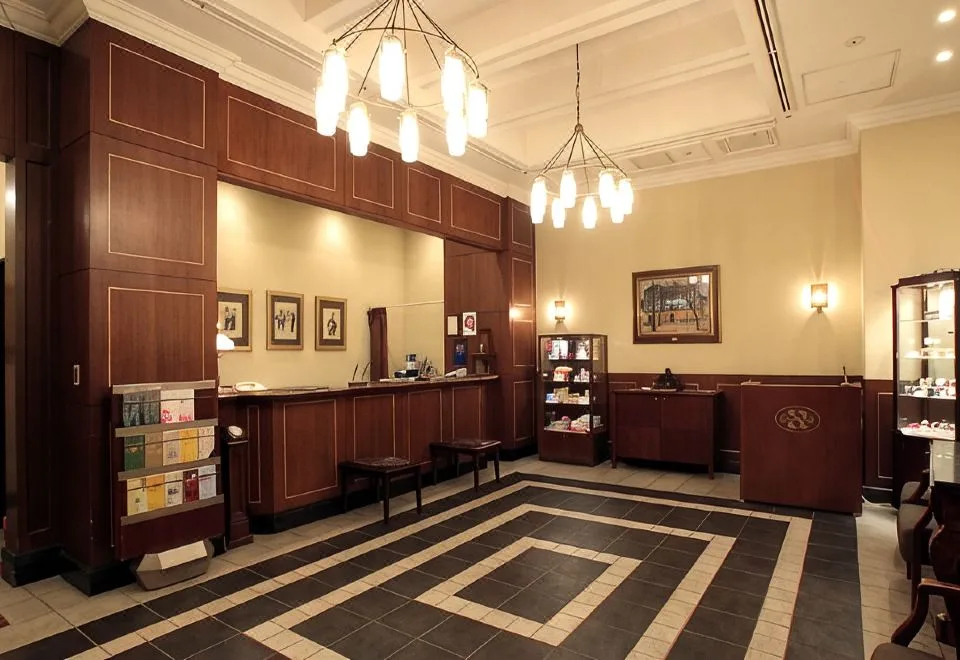
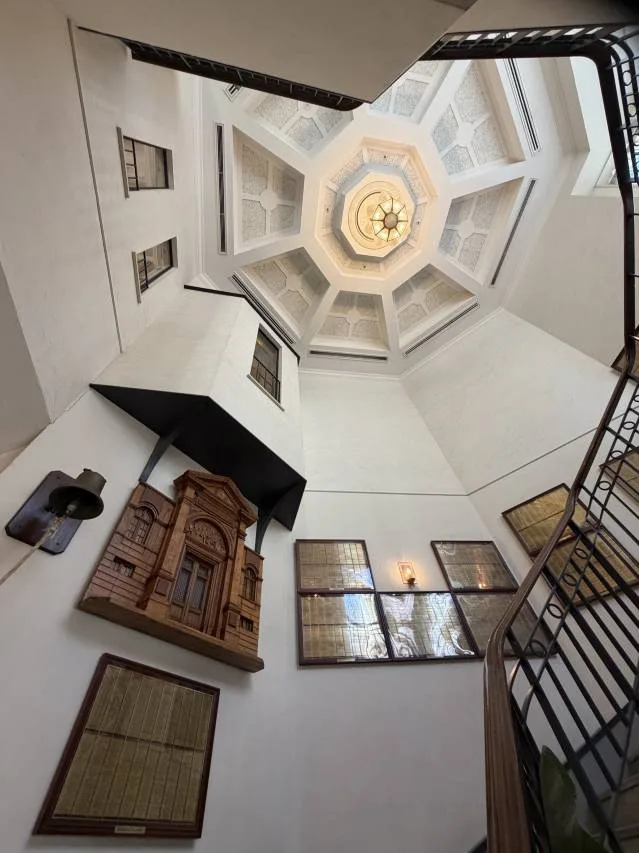
The lobby and lifts carry the European styling, while everyday amenities and loan items may be even more useful. Reserve limited items such as baby cots and wheelchairs ahead of time. If splitting a long stay into separate bookings, ask the hotel first whether the same room can be kept — do not assume it will be.
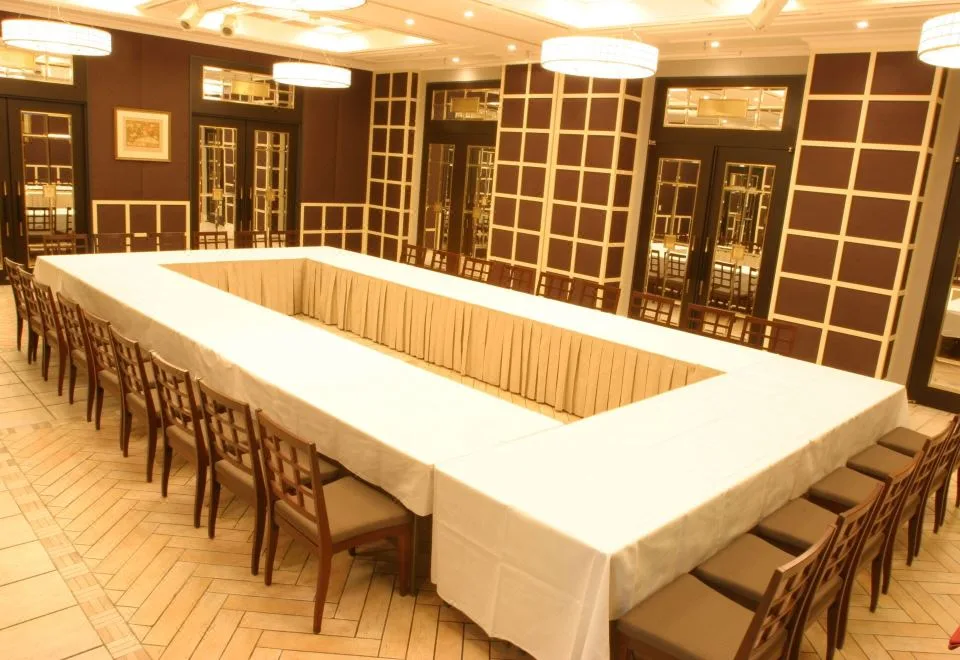
The front desk is staffed around the clock, with concierge, luggage storage, wake-up calls and fast check-in and check-out; the desk serves guests in Chinese, English and Japanese. Dry cleaning is charged, as are the meeting room and multi-purpose hall, and wedding services are available. Public areas are non-smoking, the building has lifts, and the safety list includes alarms, smoke sensors and surveillance cameras.
Drivers should plan parking first: the hotel has its own private car park at 2,000 yen per day, and a reservation in advance is required. No deposit is asked at check-in, and pets are not allowed. The hotel opened in 2000, with the main building from 2000 and the new wing from 2003, and 224 rooms in total.
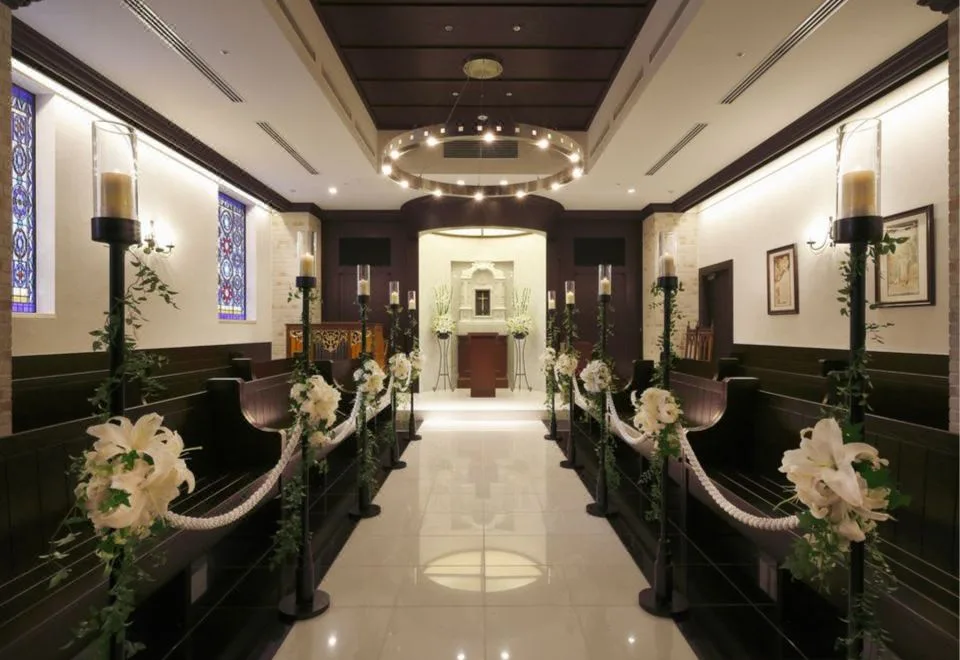
Business and wedding needs are covered too: the meeting room and multi-purpose hall are charged, wedding services can be arranged through the hotel, and the front desk can help with photocopying and faxing for a fee. On safety, the building has fire alarms, smoke sensors, surveillance cameras and dedicated security staff, and public areas are non-smoking, so families need not worry about smoke in the corridors.
One or two nights versus a longer stay
One or two nights are ideal for enjoying the Ginza location and style. Over five or six nights, luggage, shopping bags and desk space matter more. I would upgrade to a room that makes daily packing easy before paying for breakfast each day. For a family, two connecting rooms may support different sleep schedules better than squeezing everyone into one room.
Check-in is from 15:00 and check-out is before 11:00, with the front desk staffed around the clock. Children of all ages are welcome to stay, though an extra charge may apply even without an extra bed, so enter the number of children when booking to get the right price. For a split booking across a long stay, ask about keeping the same room when you book, in one go.
For a five- or six-night stay, luggage space matters more than daily breakfast: upgrade to a room where the cases can open flat, so shopping bags and desk space are enough; the front desk is staffed around the clock, so late returns and early departures never mean waiting. If splitting a long stay into two bookings, ask about keeping the same room when you book, not on arrival.
Accommodation details worth checking
Location, amenities and service are what I like most here, while small rooms, views onto neighbouring buildings and breakfast space are the concrete trade-offs. A favourable impression of a large Twin does not apply automatically to a basic room; the gap in how it feels usually comes down to room type. Rather than asking whether the hotel is good to stay in, decide first what you cannot give up — luggage space, bed count or the view.
Before booking, I check three things: whether the people and bed count match, whether a suitcase can open flat in the room, and whether the view is one I can live with. Once those three are settled, there is no regretting the cases or the beds after arrival.
My recommendation
Hotel Monterey Ginza is worth considering for travellers who enjoy classic European-style city hotels and plan to explore Ginza. For two people, compare Twin room sizes; for families, check connecting arrangements. Choose breakfast only for the mornings you want to take slowly, rather than deciding the whole trip at once.
And the people it does not suit: if you want a large room, or room to open two big cases and work in it, a basic room will feel tight — look at the Deluxe Twin or a connecting room instead. If you want a fresh, modern style, this hotel’s old-style European décor may not be your taste, and Ginza has newer options to compare.
Pros and cons
Pros
- Ginza-itchome Station is less than 100 metres away, about a two-minute walk, with Higashi-ginza about four minutes — easy for shopping and transfers.
- Twin beds let two people sleep separately without disturbing each other, and the Deluxe Twin at 24.9 square metres gives two people room.
- Breakfast is a Japanese-Western buffet at 4,015 yen per adult, free for children six and under, and can be added on site without a breakfast-inclusive plan.
- The front desk is staffed around the clock and luggage storage is free, so early arrivals and late departures travel light.
- A classic European hotel opened in 2000 with 224 rooms, free in-room Wi-Fi, Simmons mattresses and ultra-fine-bubble showers.
Cons
- Basic rooms are still compact — a Single is 14 square metres, and two large cases can block the passage.
- Windows may face neighbouring buildings, so do not expect a view from every room.
- Breakfast feels crowded at peak times, and popular slots may mean a wait.
- No room type allows an extra bed, and baby cots depend on the room type, so families must count the beds first.
- Parking is 2,000 yen per day and needs a reservation in advance — drivers must call the hotel first.
Information checked: 23 November 2026