
TOKYO / CHUO
HOTEL LiVEMAX Tokyo Shintomicho
HOTEL LiVEMAX Tokyo Shintomicho
An economical base by Shintomicho: solo stays and family bookings require different room choices.
If you spend most of the day outside and come back at night just to shower and sleep, this hotel fits how you travel: it sits close to Shintomicho, with Hatchobori and Tsukiji within reach. The first thing to settle when you book is whether you are one person packing light or several people sharing — the two needs are very different, and the wrong room choice makes the stay feel cramped.
The address is 1-7-12 Shintomi, Chuo City, Tokyo. Check-in runs from 3 p.m. to 5 a.m. the next day, checkout is before 10 a.m., and the front desk is staffed 24 hours. A late-night arrival is no problem — the latest check-in is 5 a.m., so even a red-eye into Tokyo works. What sold me first is that flexibility: days out on the road, nights back for a shower and sleep, with no tight check-in window to worry about.
For anything you need to ask the hotel, call 03-5566-2300 — the fastest way. Ask whether breakfast can be added, until what time bags can be held, and how a crib works, all in one call, so nothing is left to guess at check-in.
How to choose this hotel
| Item | Accommodation details |
|---|---|
| Location | 1-7-12 Shintomi, Chuo City, Tokyo 104-0041, Japan. |
| Check-in / Check-out | 3 p.m. to 5 a.m. the next day / before 10 a.m. |
| Rooms to compare | The official singles are 11–13 m² with a 120 cm bed, while twins are 18 m² with two 120 cm beds. Check the number and ages of all guests before assuming bed-sharing is allowed. |
| Travel plan | One or two nights with light luggage work well; families or shoppers staying longer should plan room size and luggage storage carefully. |
Room types and space for suitcases
The hotel’s room information lists single rooms at 11–13 m² with one 120 cm bed and twin rooms at 18 m² with two 120 cm beds. Maximum occupancy and sharing beds depend on the guests’ ages. Photos of twin rooms show the bed-end passage and windows; the single rooms place desks close to sleeping spaces.
I go by the official bed widths only: a 120 cm bed in a single, two 120 cm beds in a twin — how big a bed feels does not count. Two adults or more with large cases should check the 18 m² twin layout first. Even if a family of four is allowed on a given rate, work out whether bed-sharing and limited storage are acceptable.
Traveling with children, put the number and ages of everyone on the booking: children of all ages are welcome, but a child sharing a bed without an extra bed may still cost extra, and only the booking with children added gives an accurate price. No room type takes an extra bed or a crib, so four people on two 120 cm beds means accepting bed-sharing. The guest checking in must be at least 18 — settle that before you book.
One person packing light fits the 11–13 m² single: a 120 cm bed is plenty for one, and though the desk and sleeping area sit close together, one cabin case still leaves room to walk. Two adults with a big case each should look at the 18 m² twin — two 120 cm beds to sleep apart, with space at the bed ends for the cases. The twin photos show the window side and the space at the bed ends, so picture where the cases go before you book and there is nothing to rearrange on arrival.
I remember room sizes like this: one person, the 11–13 m² single; two people sleeping apart, the 18 m² twin; four people sharing, first decide whether bed-sharing works. Bigger is not always better — decide how many people sleep here and how many big cases come along, and the room picks itself.
When you book, look at the room name and bed count first, not just the price: a single and a twin differ in more than floor area — the number of beds and where the cases go matter too. The room name, bed count and occupancy on the booking page are what you check against, so settle them before you book and there is nothing left to guess on arrival.
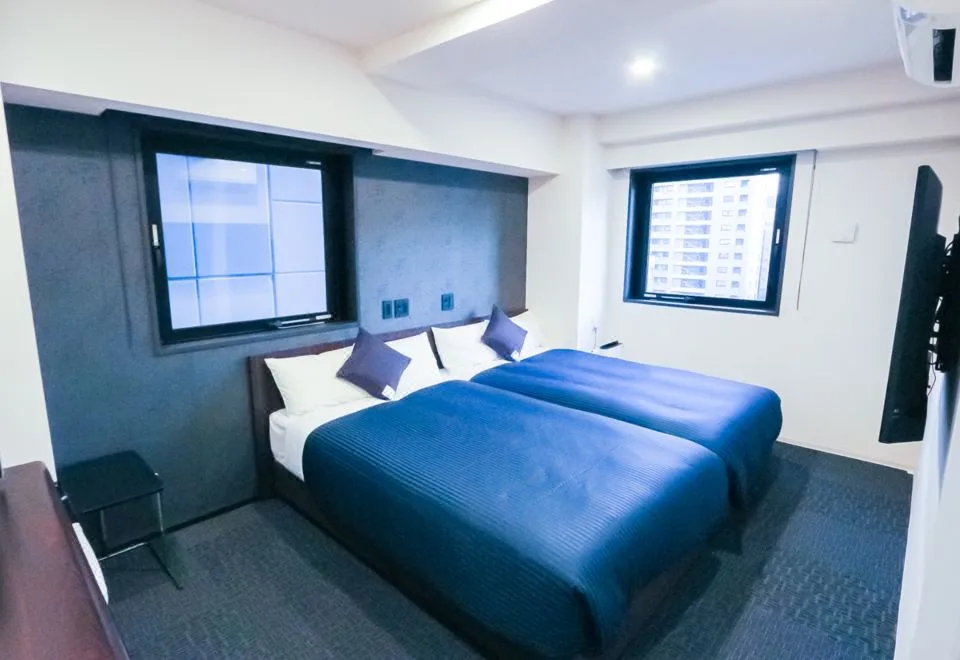
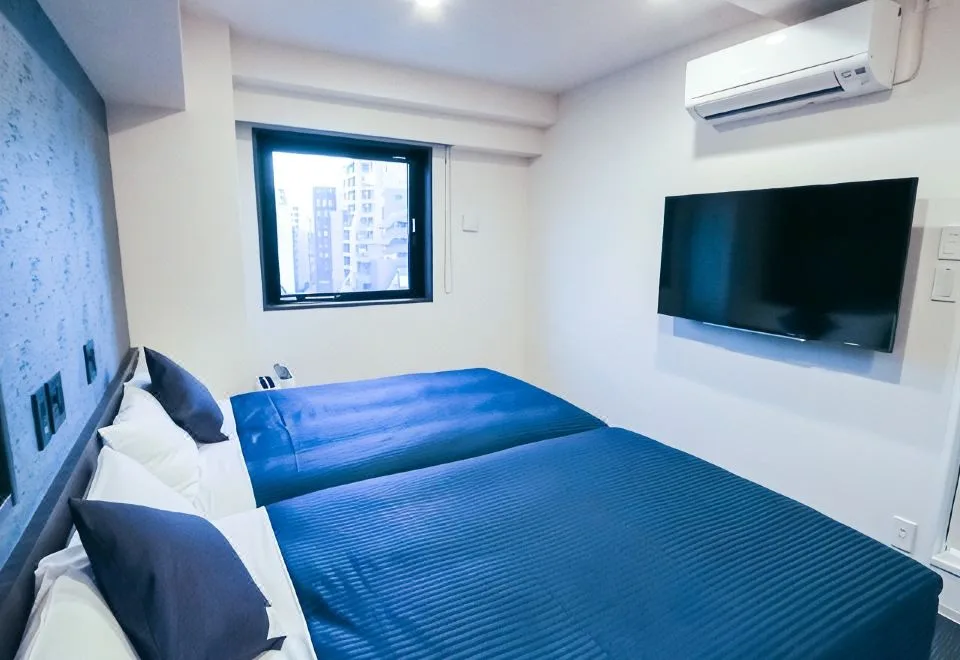

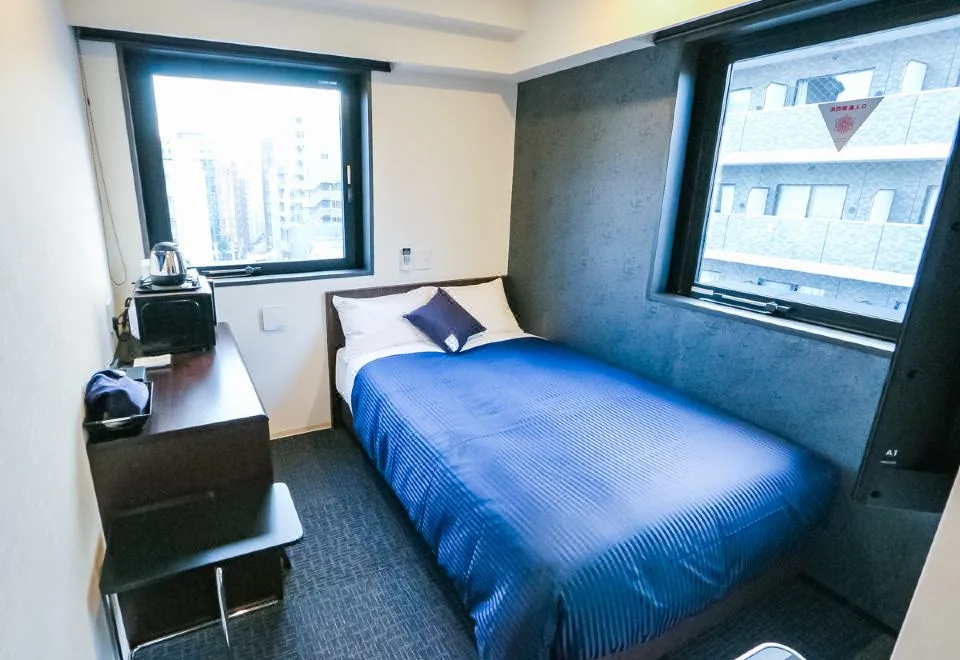
Photos of the rooms
Look at the beds, desks and entry passage to imagine where your luggage will fit. Furniture and layout vary with the actual room category you reserve.
Breakfast choices
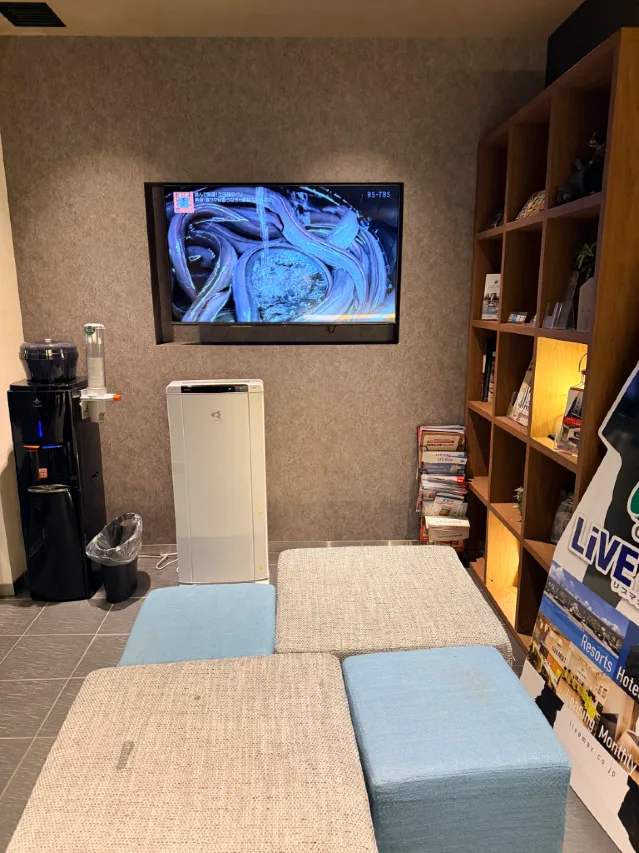
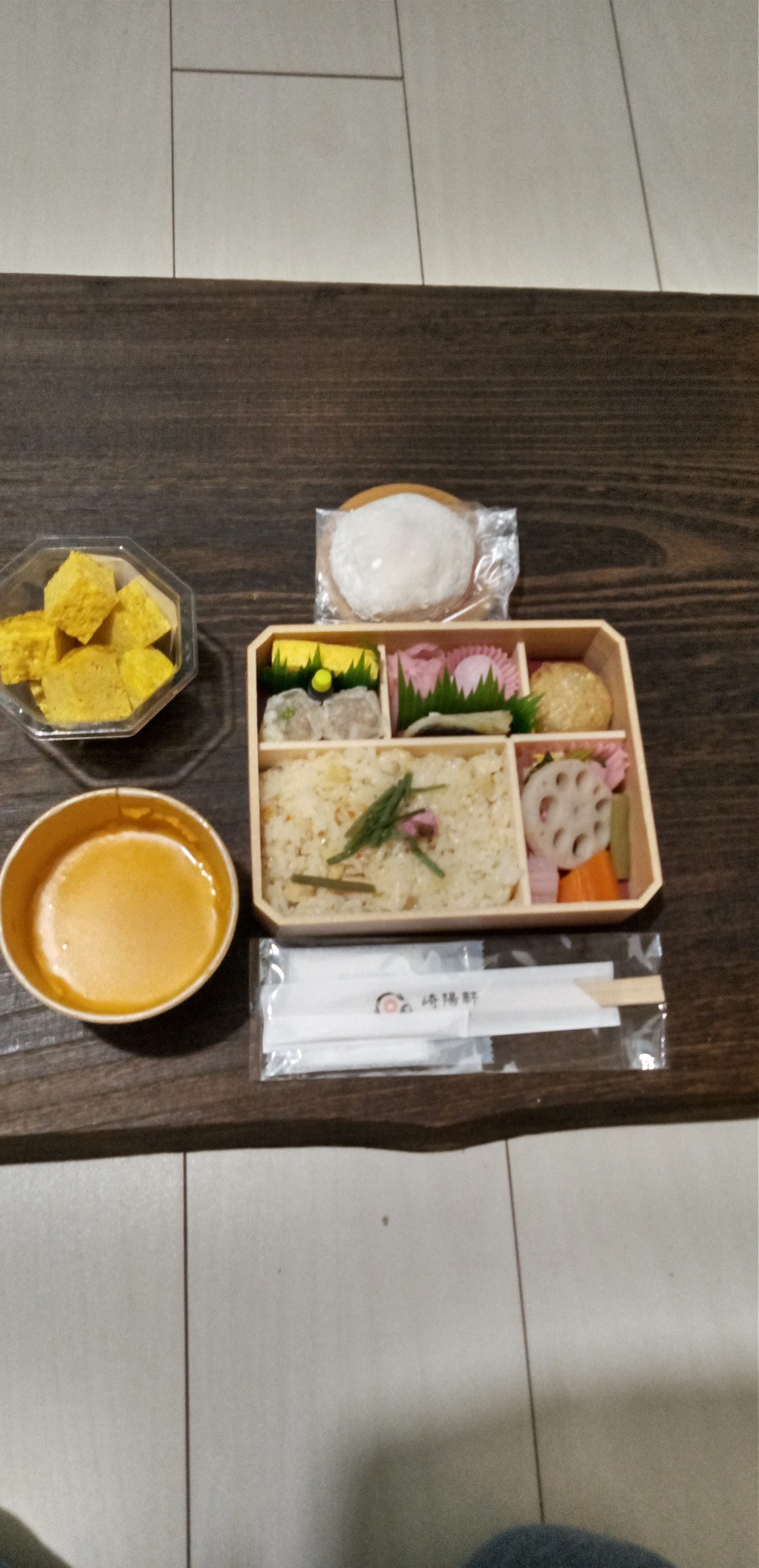
Booking information mentions a boxed-breakfast option. Before paying for breakfast, ask where the box is collected, the hours and what is included. Lobby-seat photos do not mean there is a breakfast buffet in the hotel.
If you want to eat early at Tsukiji or try a different breakfast every day, choose a room-only rate. Confirm the equipment in your room before planning to heat takeout and follow the hotel’s usage rules.
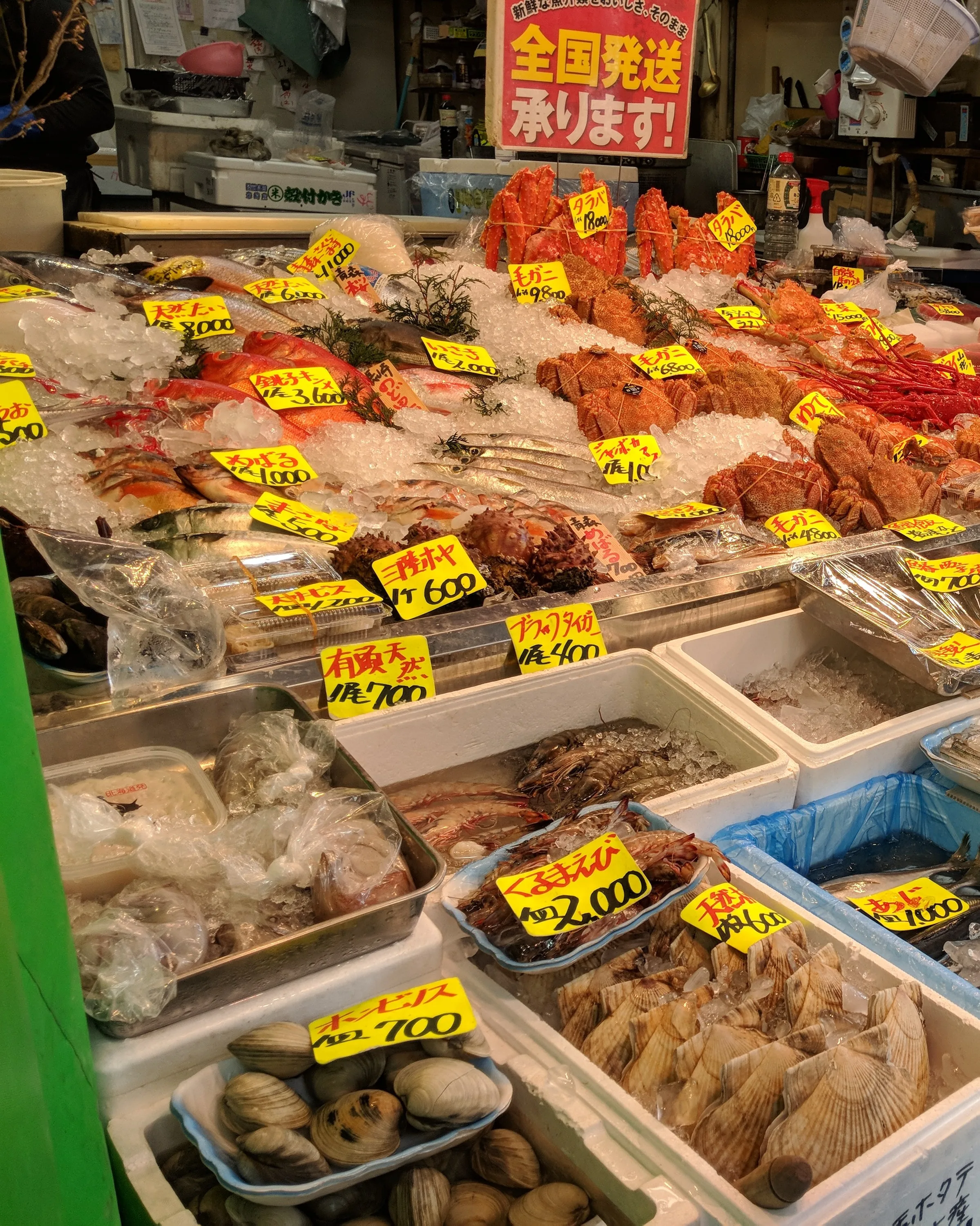
The price of adding the boxed breakfast is something to ask the hotel about, payable on site; if it is not on your booking, there is no rush — ask at check-in whether it can be added. I do not treat breakfast here as a buffet: the lobby-seat photos show seats only, so ask where the box is collected, the serving hours and what is inside before deciding. If you want a different breakfast every day, Tsukiji in the morning has plenty of choice and is an easy walk away.

Station access and luggage
The hotel’s official guide places Shintomicho Exit 3 about one minute away, Takaracho Exit A1 and JR Hatchobori Exit A3 around five minutes, and Tsukiji Exit 4 about six minutes. With bags, take an accessible lift to ground level, then navigate to 1-7-12 Shintomi instead of lifting suitcases up the nearest stairs.
At Shintomicho Station, the dedicated elevator exit at the Chuo City Office-side ticket gate offers a surface route. Do not assume ordinary Exit 3 or Exit 5 is itself the elevator.
Haneda Airport is about 42 minutes away, as the official site states, and the train ride in needs no complicated transfers. From Shintomicho Station, Ginza is about 10 minutes, Shin-Kiba about 10 minutes, Kokusai-tenjijo about 23 minutes, and Odaiba-kaihinkoen about 33 minutes, so trips toward Toyosu and Odaiba work from here too. Staying here puts Ginza and Toyosu within easy reach without routing everything through Tokyo Station.
Besides Shintomicho, I keep three more stations in mind: Takaracho Exit A1, about five minutes; JR Hatchobori Exit A3, about five minutes; Tsukiji Exit 4, about six minutes. Takaracho is on the Asakusa Line, Hatchobori serves the JR Keiyo Line and the Hibiya Line, and Tsukiji is on the Hibiya Line, so the departure station can change with where you are going. With large luggage, the Shintomicho elevator exit is still the easiest way up; navigate to 1-7-12 Shintomi once you are at street level.
Address: 1-7-12 Shintomi, Chuo City, Tokyo 104-0041, Japan. Plan directions on Google Maps.
Planning nearby walks
Leave Ginza for an afternoon walk and Tsukiji for breakfast or lunch. At night you can pick up essentials in Shintomicho before resting. This is not the same as stepping straight into central Ginza’s main shopping avenue; weather and walking distance still matter.
I check the distances first: Ginza 180 m, Nihonbashi 780 m, Shintomicho Station 170 m, about three minutes on foot. From the hotel, Ginza is a few minutes away and Nihonbashi is an easy stroll. I put Nihonbashi in the morning, Ginza in the afternoon and Tsukiji down for breakfast or lunch, so the day runs without doubling back.
For one or two nights, I plan it this way: breakfast in Tsukiji on the first morning, supplies near Shintomicho around midday, a walk to Ginza after lunch, and back to rest in the evening. Sleep in on the second morning, wander toward Nihonbashi, then collect your bags at the hotel and head for the airport. Keep the schedule loose — this location is built for days out and nights back to sleep.
Back near the hotel in the evening, convenience stores cover the resupply: water, breakfast for tomorrow and anything else you need are a few minutes away. Keep the plan light — supplies and meals are all within walking distance from here.
Nihonbashi is 780 m away, and I walk there in the morning: about ten minutes on foot, a loop around the area, then back for lunch, Ginza after lunch, and Shintomicho in the evening. There is no need to take the subway every day — what you can reach on foot from the hotel fills two days.
One night or several
For one or two nights and light luggage, the compact format is easy to use. Longer shopping stays or larger families should settle the exact layout and luggage location first. If sightseeing after checkout, ask about storage rather than assuming you can leave bags into the evening.
On a stay of several nights, I leave the middle day for restocking: think through what you need for the days ahead before the morning, then buy it all nearby in the evening, so the luggage never gets messier as the stay goes on.
If you want to keep sightseeing on checkout day, bags can be left at the front desk — but ask before you book until what time, and whether they can stay into the evening, rather than treating storage as a given. I keep checkout-day plans close to the hotel: check out in the morning, leave the bags, walk Tsukiji or Ginza, then come back for the bags and head to the airport, with no cases to drag around.
On a stay of three nights or more, I sort the luggage on the first evening: things out of the case and put away, toiletries into the bathroom, so the next morning starts without digging through the case. The room is small to begin with, and an 11–13 m² single only feels roomy when everything has its place.
Exterior and public spaces
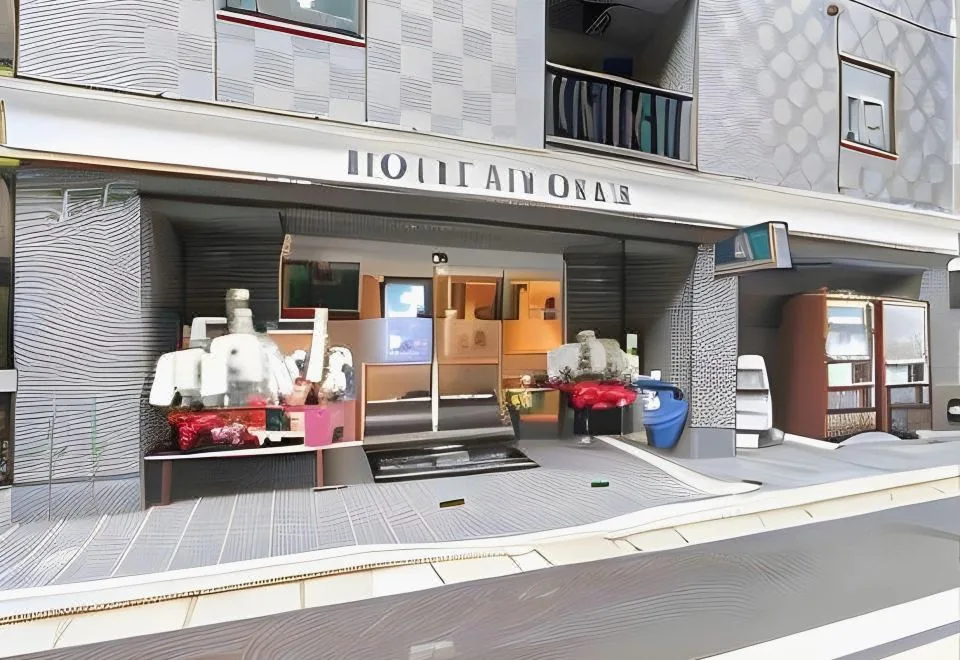
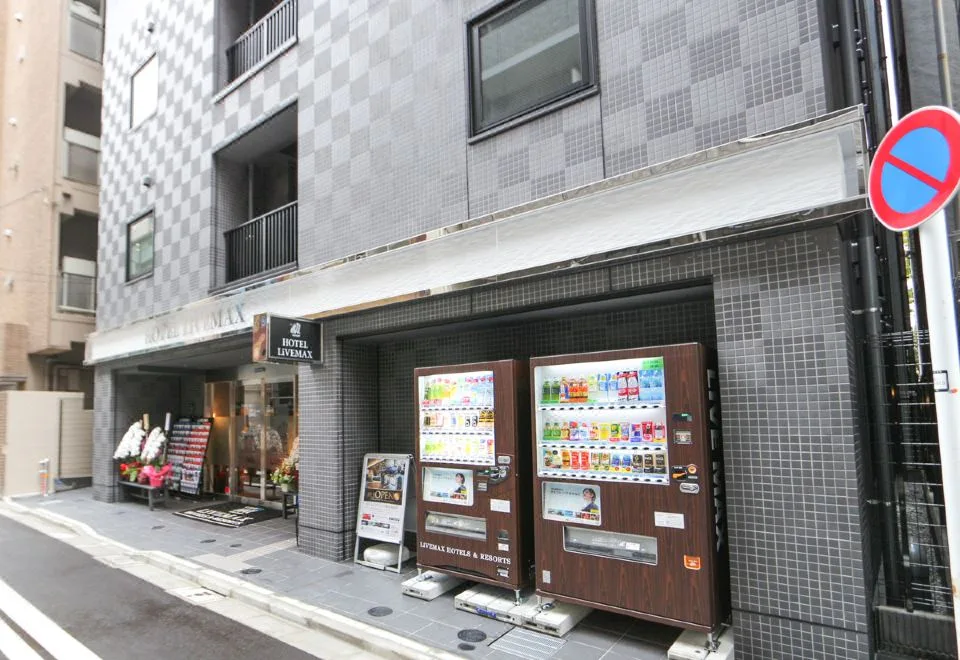
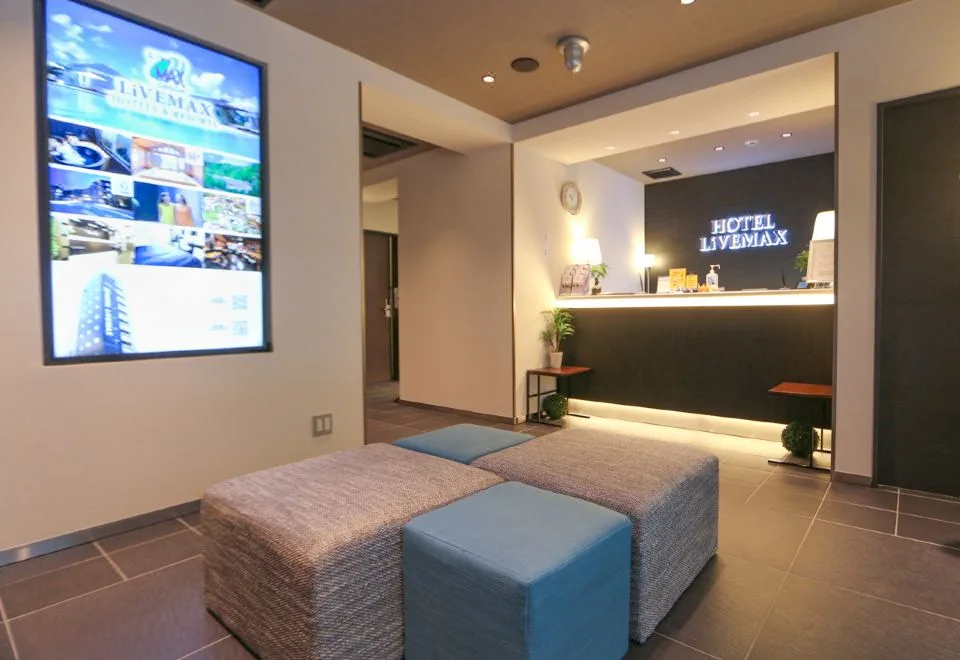
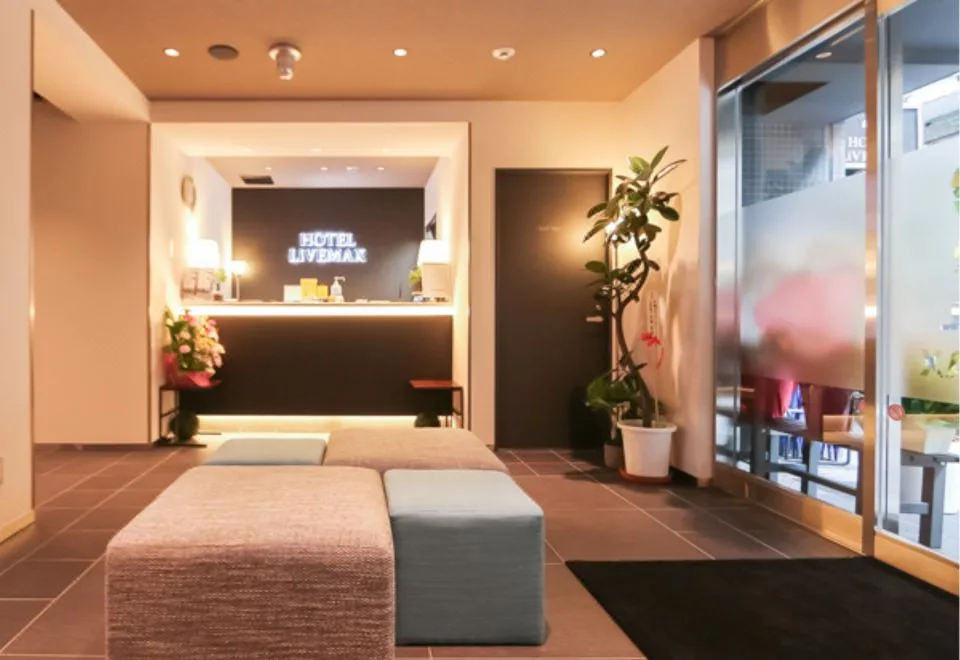
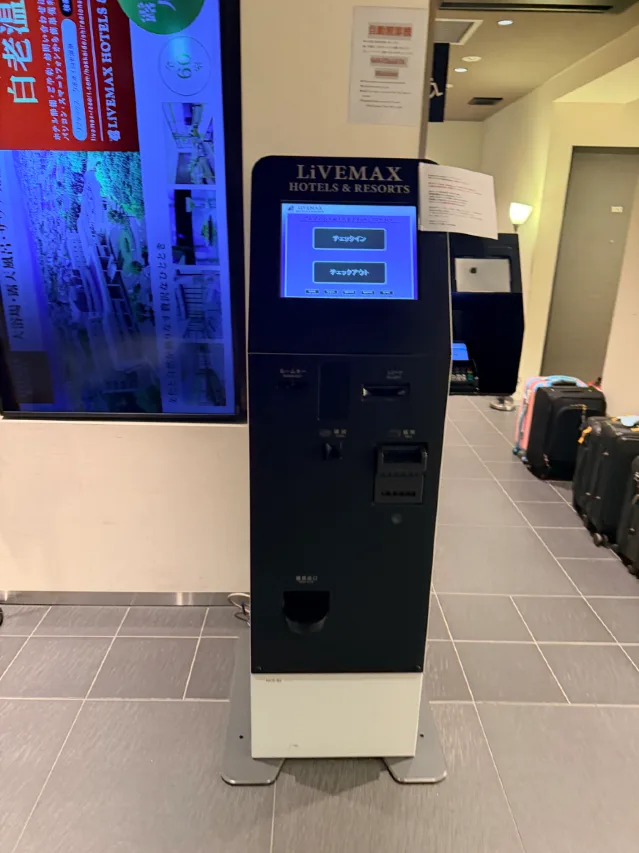
The building has an elevator and a self check-in terminal, and the lobby has seats, so an early arrival can sit down before heading out. The front desk works in Chinese, Japanese and Korean — ask there about directions, laundry and breakfast.
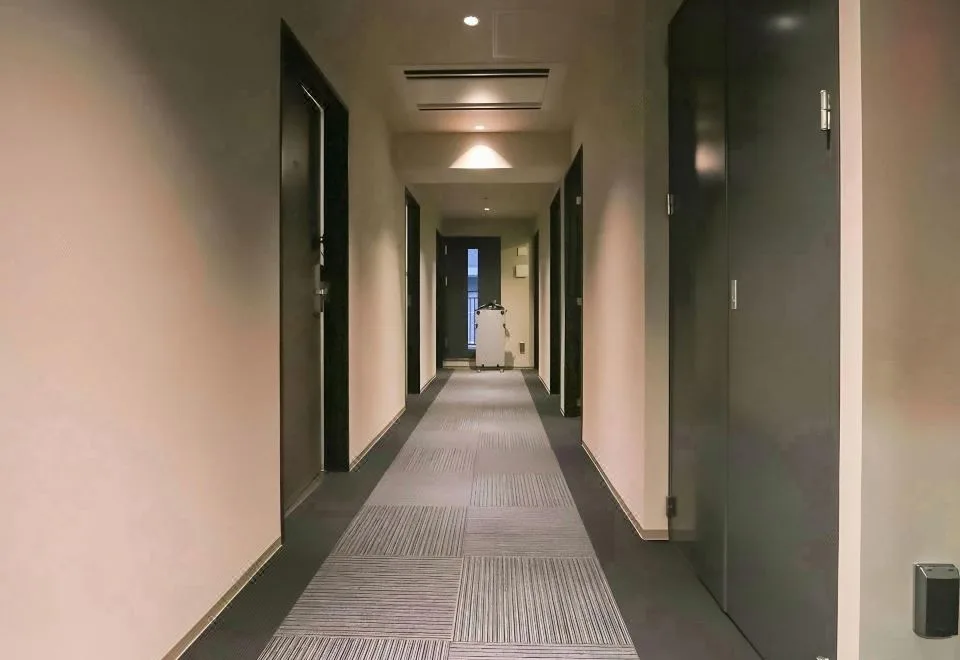
Wi-Fi in public areas is free, the building has vending machines, and there is a laundry room and a dryer, so a longer stay does not mean carrying dirty clothes home. The photos show the room amenities and toiletries — ask for anything missing in one go, and you will not need a second trip downstairs at night.
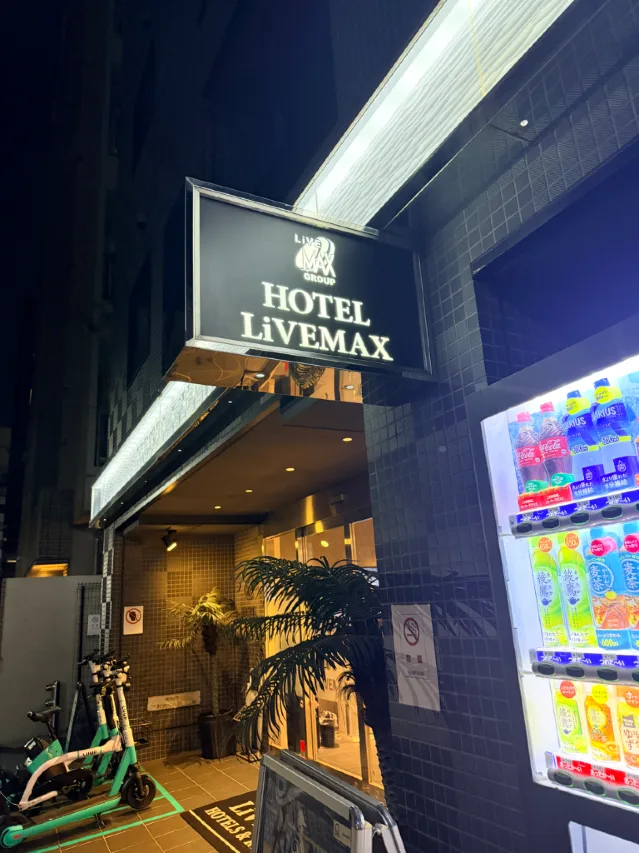
Drivers should sort out parking first: the hotel has no parking of its own, and the official site points to a coin car park about five minutes away on foot, with only four spaces — if it is full, another spot is needed. Pets are not allowed; service animals need advance approval. Since July 2023 the hotel has a LUUP shared e-scooter and e-bike dock, so you can ride out and return the vehicle at a designated dock. The coin car park is the Mitsui Repark Shintomi 1-chome No. 4: 400 yen per 15 minutes from 8 a.m. to 8 p.m., 100 yen per 60 minutes from 8 p.m. to 8 a.m., with a 1,700 yen maximum on Sundays and holidays until midnight.
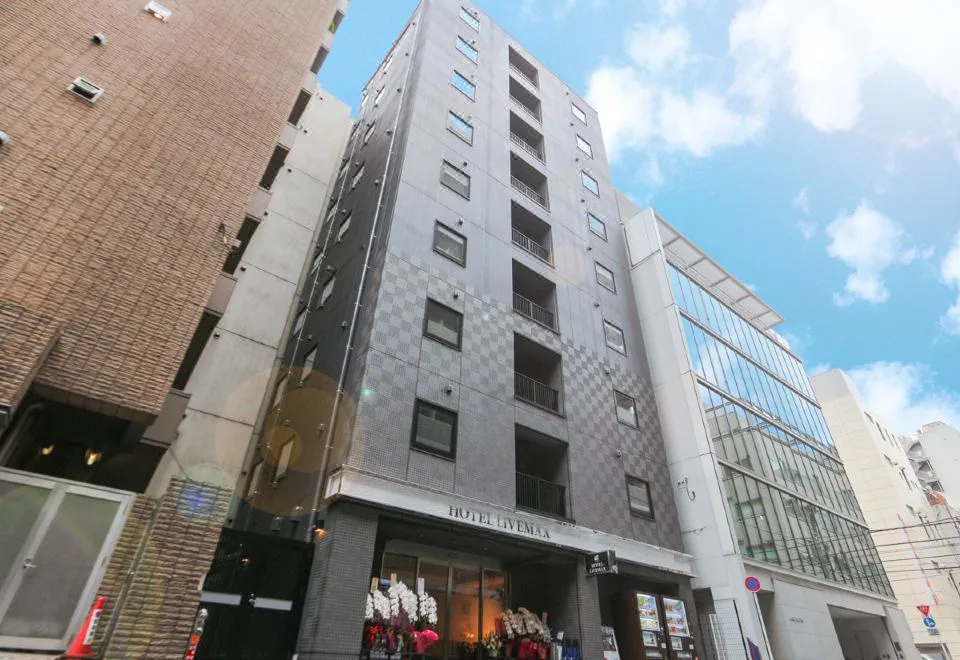
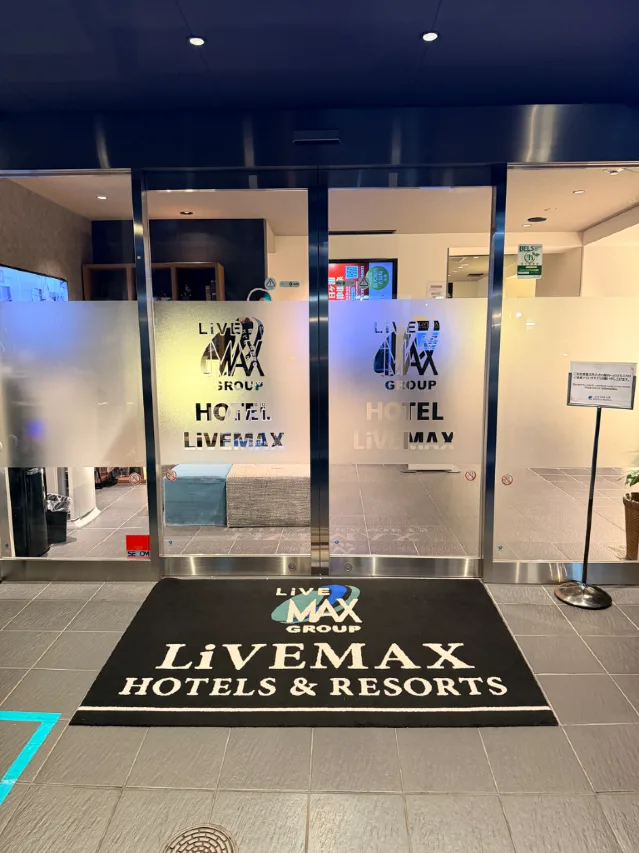
Arriving late, you can run check-in yourself at the terminal without waiting. The lobby seats, entrance mat and nighttime sign in the photos are what you see coming and going: a small frontage, with the counter and seats just inside the door and a very short walk to the lift.
Why stay here and what to accept
Advantages
I chose this hotel because the stations are close, convenience stores are near, and Tsukiji and Ginza are both easy to reach. For a solo short stay I find this compact setup enough: the rooms are clean and quiet, self check-in is easy, and if all you want at night is a shower and sleep, there is little to fault.
Trade-offs
What you accept first is the small size: bathrooms and regular rooms are both small, the hair dryer is something I test on arrival, and service feels different from stay to stay. Decide what matters most to you before you book.
Pros and cons at a glance
Pros
- Shintomicho Exit 3 is about one minute away and the station is 170 m; Takaracho, Hatchobori and Tsukiji are also within walking distance.
- The Chuo City Office-side ticket gate at Shintomicho has a dedicated elevator exit, so large luggage never needs stairs.
- Singles are 11–13 m² with a 120 cm bed and twins are 18 m² with two 120 cm beds — room sizes are clearly separated.
- Check-in runs 3 p.m. to 5 a.m. the next day, checkout is before 10 a.m., and the front desk is staffed 24 hours, so late arrivals are covered.
- Wi-Fi in public areas is free, and the laundry room and dryer make longer stays easy to manage.
- Ginza is 180 m and Nihonbashi 780 m away, with Tsukiji and Ginza both easy to reach.
Cons
- Singles are only 11–13 m², so two adults with big cases need the 18 m² twin — rooms run small.
- No room type takes an extra bed or a crib, so a family of four must work out bed-sharing first.
- Breakfast is a boxed option only, with no buffet in the hotel; the add-on price has to be asked about.
- The hotel has no parking of its own — drivers walk five minutes to a nearby coin car park; pets are not allowed.
- Bathrooms run small, and the hair dryer is something I test on arrival.
Information checked: November 22, 2026.