
TOKYO / CHUO
Hotel LiVEMAX Nihonbashi Ningyocho
HOTEL LiVEMAX Nihonbashi-Ningyocho
A short-stay base in Ningyocho: check smoking and cleaning
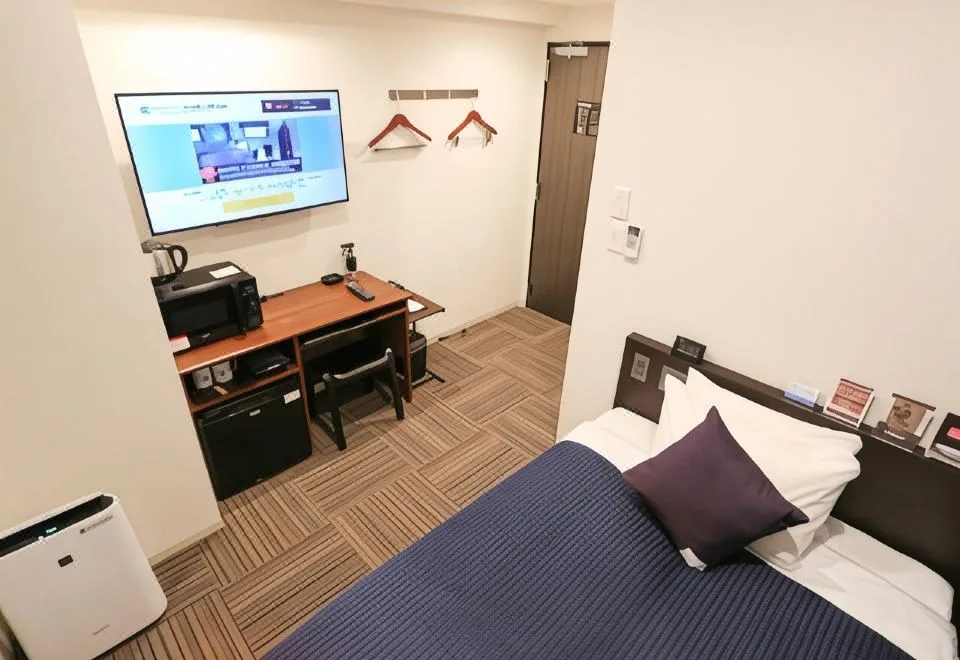
Hotel LiVEMAX Nihonbashi Ningyocho’s main advantage is convenient trains and dining around Ningyocho. It is best for travellers who spend most of the day outside and return to shower and sleep. If you expect a spacious room, long hours of work or attentive service, compare room choices more carefully.
Is this hotel right for your trip?
Reasons to choose it
- Convenient access around Ningyocho Station
- Many nearby dining and shopping choices
- Easy to plan a light-packing solo stay
Trade-offs to consider
- Rooms and desks are compact
- Check non-smoking versus smoking room types
- Check cleaning and odours yourself on arrival
Access: exits, lifts and luggage
Walking from standard exits
The official site lists Ningyocho Station Exit A6 about one minute away on foot. Travellers on the Hibiya or Asakusa Line can use this as a starting point. Not every airport-bound train runs through to the same terminal, so confirm your service on the day rather than repeatedly transferring with suitcases just to chase the fastest route.
Luggage and lift routes
Ningyocho’s street-level lifts link the Ningyocho Intersection-side gates to exits A3 and A6. With large suitcases, follow accessible signs from your platform, then walk above ground. Do not assume the shortest path from another exit is step-free.
View hotel access directions / Check station lift facilities
Ningyocho station serves two lines: the Hibiya Line (H14) and the Asakusa Line (A14), whose platform sits below the Hibiya Line gates and is reached by a lift inside the station, and you can transfer between them without leaving the gates. The hotel official site gives these journey times: about 12 minutes to Tokyo Station, about 30 minutes to Haneda Airport and about 31 minutes to Maihama, which is a useful basis for planning the day.
The hotel sits in the old Ningyocho shopping district. In the Edo period this was home to the Nakamura-za and Ichimura-za kabuki theatres and puppet plays, and doll-makers settled here, which is how the district got its name; it became the official town name in 1933. Amazake Yokocho is about 280 metres from the station exits and runs about 400 metres towards the Meijiza theatre, named after the Owariya amazake shop that stood at its entrance in the early Meiji years, and Suitengu Shrine is about 390 metres, both measured from the exits, so both are an easy walk. A convenience store is a few steps away if you want something late at night.
The hotel has no car park of its own, so drivers should plan ahead. The nearest coin parking is about a 3-minute walk away and has only six spaces: 400 yen per 15 minutes from 08:00 to 22:00 and 100 yen per hour from 22:00 to 08:00, with a maximum of 3,500 yen for 12 hours after entry. It is not affiliated with the hotel and may be full, so have a backup in mind.
If you are travelling with large luggage or a stroller, exit A4 has an upward escalator, and the lift exits depend on your line: for the Hibiya Line, platform 1 towards Kita-Senju is reached from A3 and platform 2 towards Naka-Meguro from A6, while the Asakusa Line platform is reached by a lift inside the gates. There is also a wheelchair-accessible toilet outside the gates, so you do not have to worry about finding one after you exit.
There is plenty to walk to from here. Koami Shrine is about 290 metres from the station exits and Suehiro Shrine about 170 metres, both measured from the exits. A look on the way out in the morning or on the way back in the evening is easy, with no need to set aside half a day.
Koami Shrine, Suitengu Shrine and Suehiro Shrine are all within walking distance, and all three are part of the Nihonbashi Seven Lucky Gods. Koami Shrine dates from 1466 and is known for strong luck, warding off evil and money luck, with a money-washing well in its grounds; Suitengu Shrine dates from 1818 and is prayed to for safe childbirth; Suehiro Shrine is an Inari shrine from before 1596, where Bishamonten is prayed to for victory. The seven shrines cover about 3 km, around 55 minutes on foot, or about 2 hours with visits, so you can complete the round before you head out in the morning.
| Hotel name | Hotel LiVEMAX Nihonbashi Ningyocho |
| Address | 1-19-9 Nihonbashi Ningyocho, Chuo-ku, Tokyo 103-0013, Japan |
| Check-in and check-out | Check-in 15:00–05:00 next day; check-out by 10:00; reception hours daily 12:00–06:00 next day. |
| Transit reference | Less than 100 m from Ningyocho subway station; around one minute on foot. |
Choosing rooms: beds, bathrooms and luggage
| Room type | Room size and beds | Best choice for |
|---|---|---|
| Single (smoking or non-smoking by plan) | 9–10 m² / one 120 × 195 cm bed | Best for one person travelling light |
The official Single is only 9–10 m² with a 120 cm bed. Even if a rate allows two guests, that does not turn it into a spacious double. If two travellers bring large suitcases and need to organise clothing separately, compare bigger alternatives rather than booking solely for proximity to Ningyocho Station.
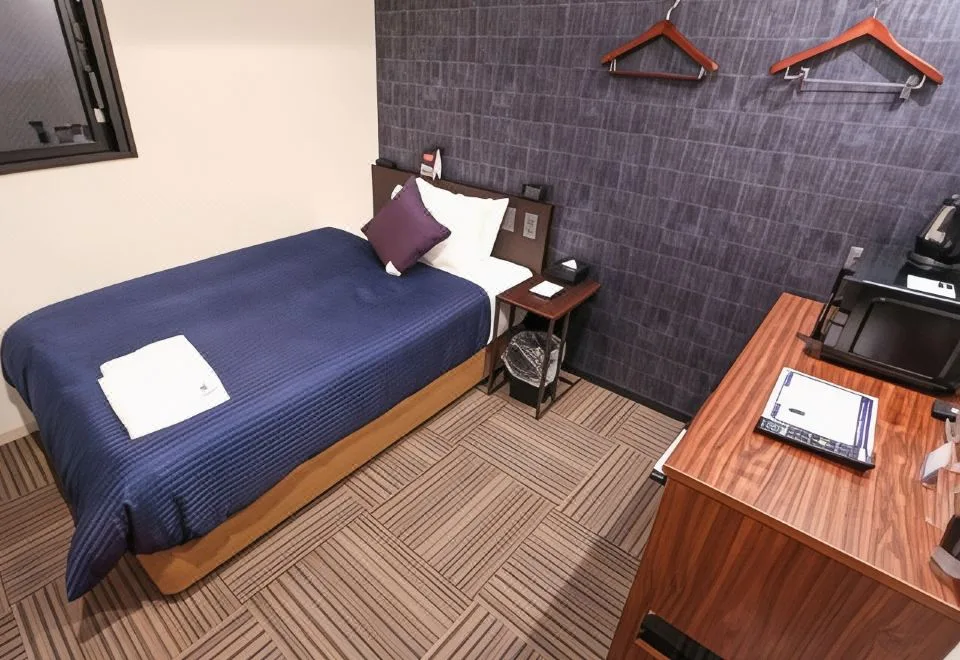
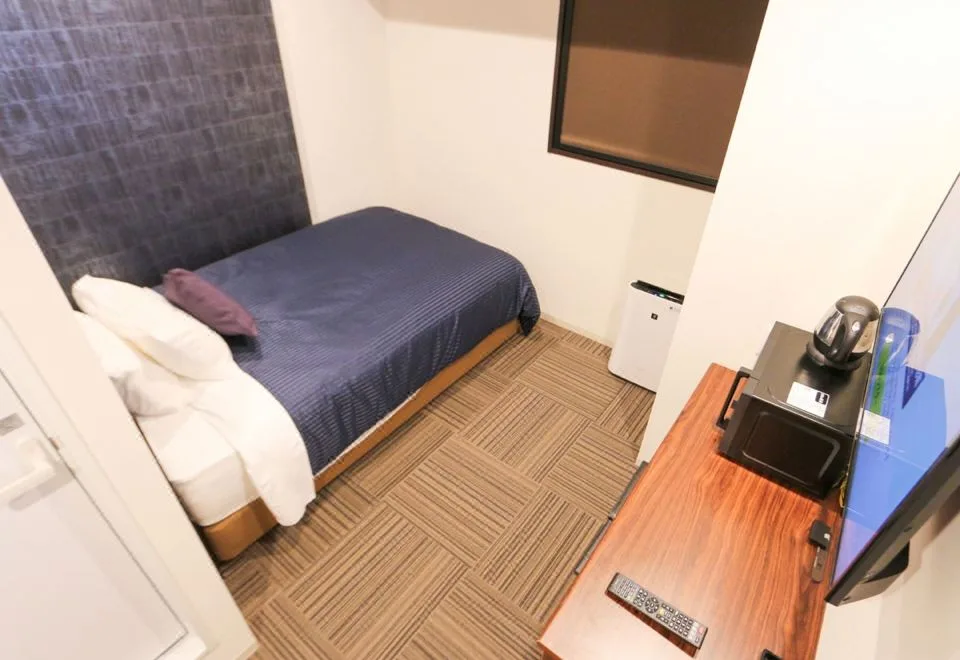
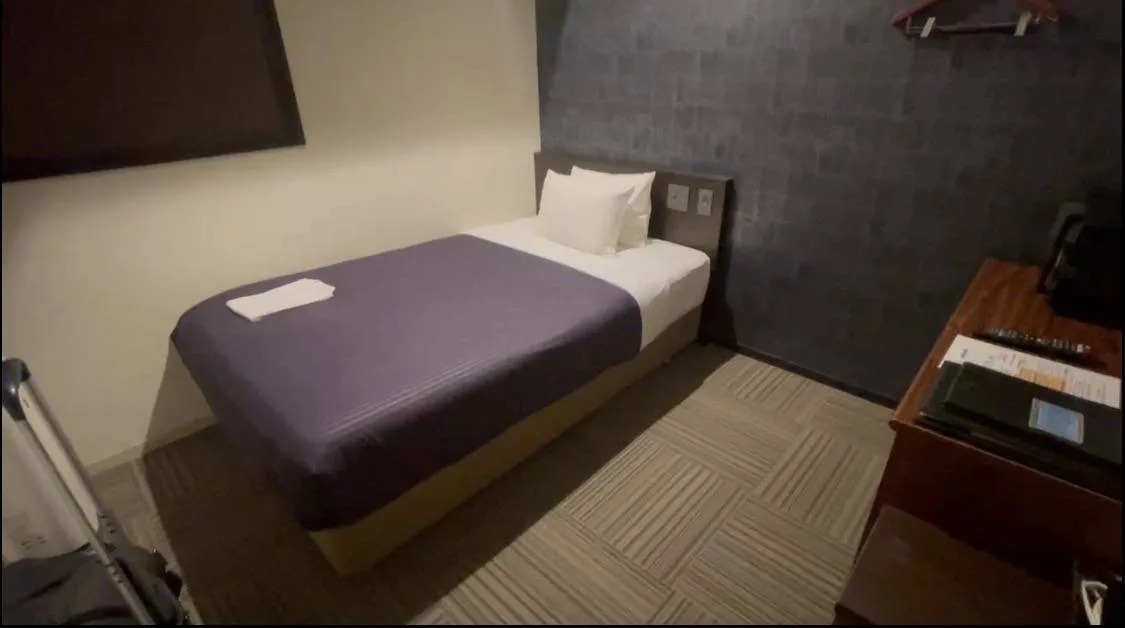
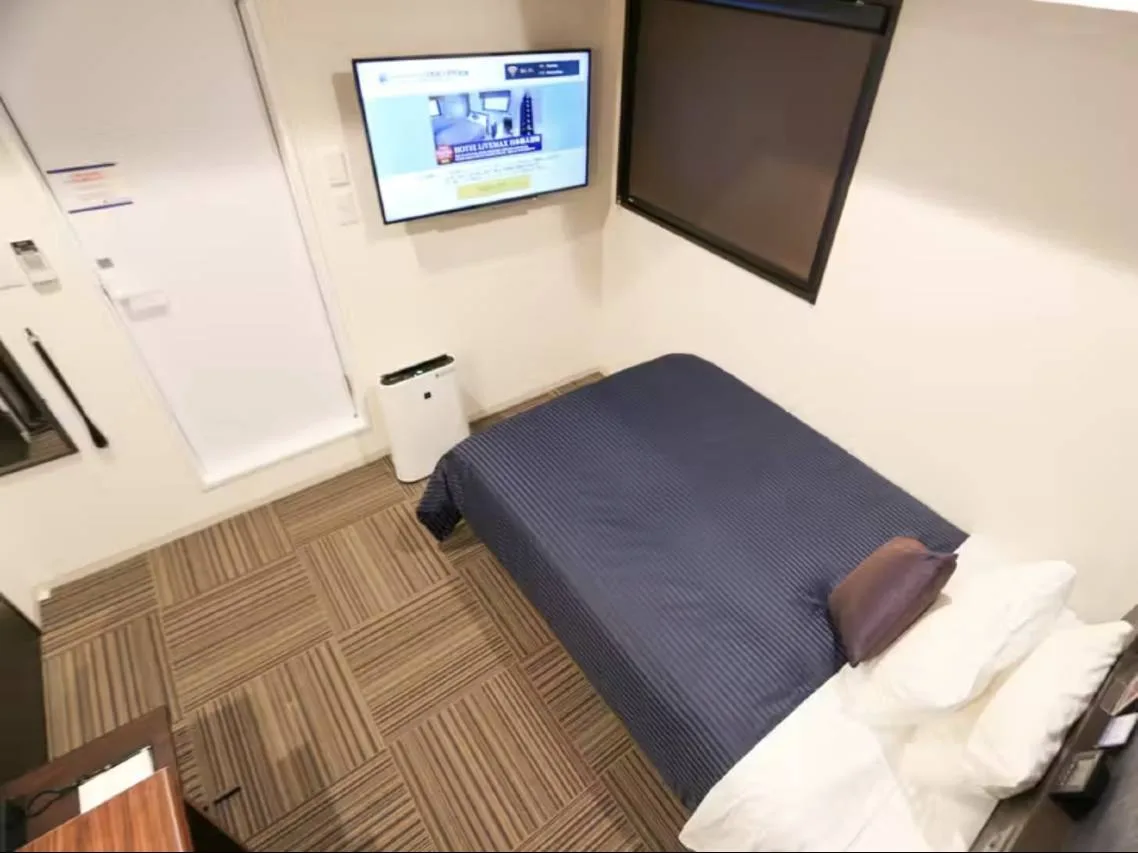
Rooms have compact circulation around beds, desks and TVs, with different layouts in the gallery. Solo light-packing guests may find them manageable, while two people with suitcases need to consider bed width and floor space. Choose smoking versus non-smoking at booking: the two can smell and feel very different, and a photo of one does not describe the other.
There is only one room type here: the Single, 42 rooms in total, for up to two people. Every room has a Slumberland bed, and non-smoking rooms are available, so choose smoking or non-smoking when you book. The hotel opened in June 2019, so the rooms still feel fairly new.
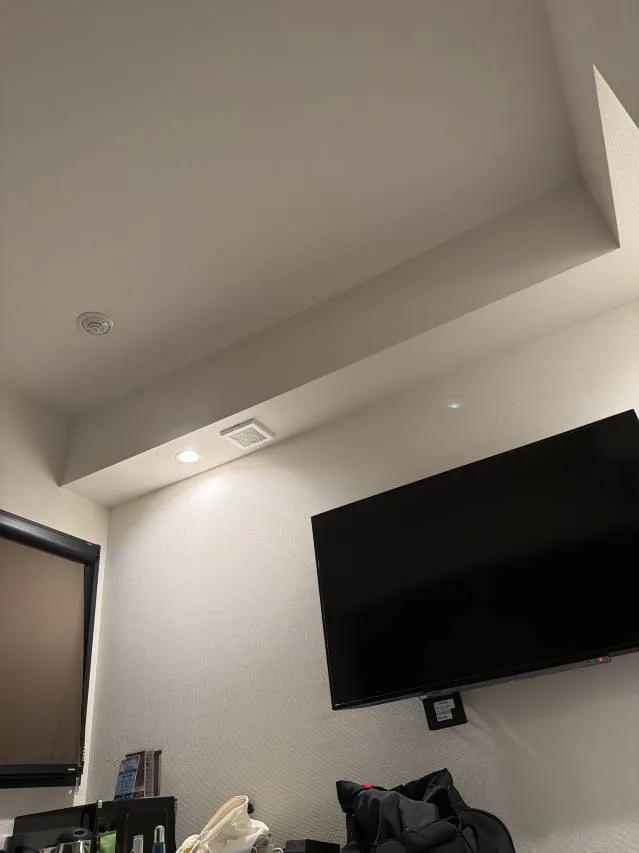
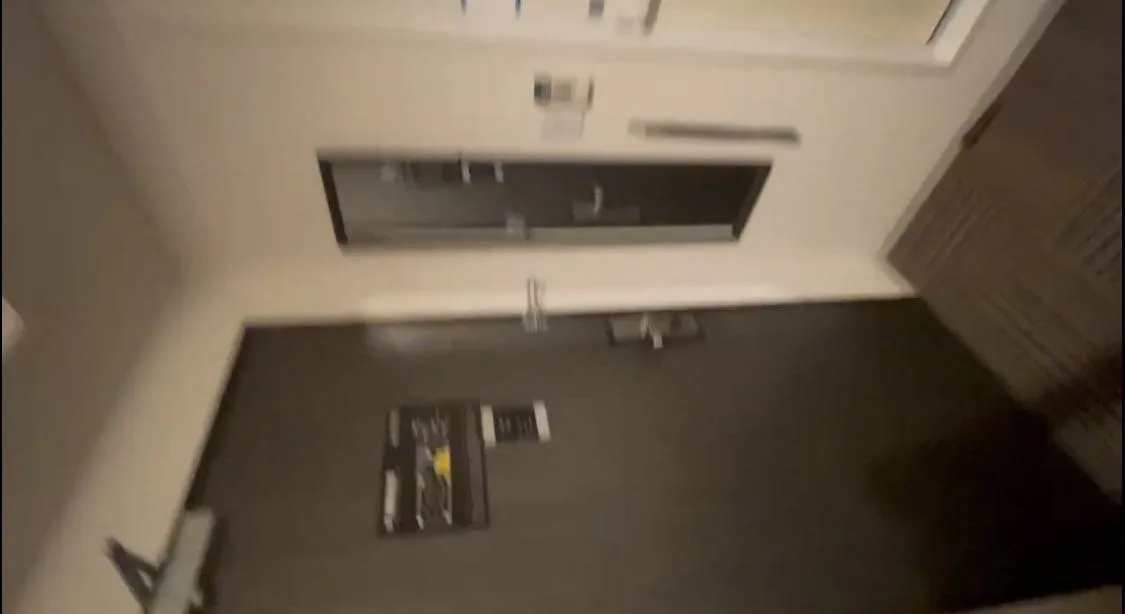
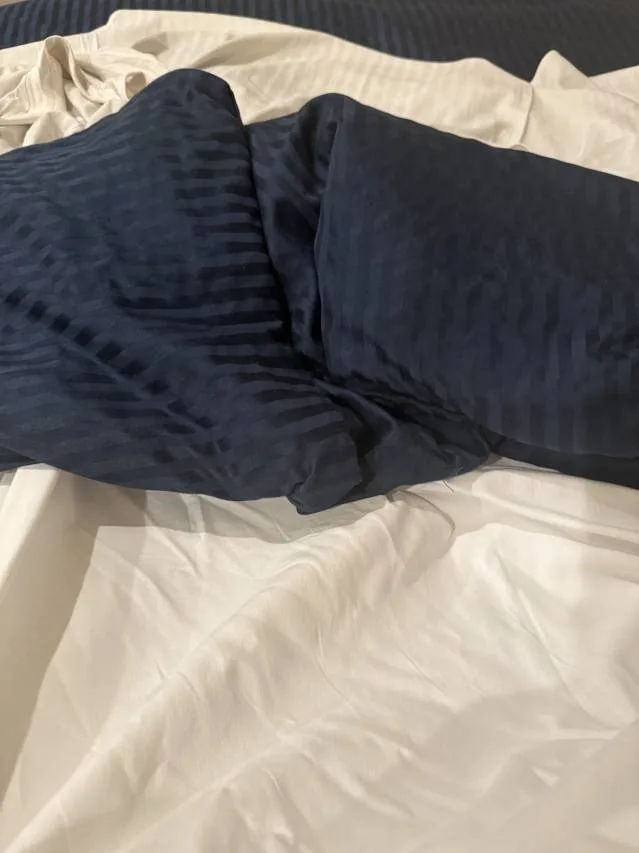
Each room has a bathroom with toilet, a bidet toilet, a television, a desk and air conditioning, plus in-room internet, so working from the room on a laptop is easy. Floor space beside the bed is limited, so if you have a lot of luggage, leave the big case at the foot of the bed or by the door to keep the walkway clear. The air conditioning and hanging area are visible in the photos; check them once when you arrive.
Think it through before you book: every room in the hotel is a Single, with no twin or double rooms, so two people share one 120 cm bed, and turning over in the night means giving way to each other. If you have a lot of luggage, count the floor space beside the bed first; a large case opened out takes up a good part of it, and two people unpacking at the same time will get in each other’s way.
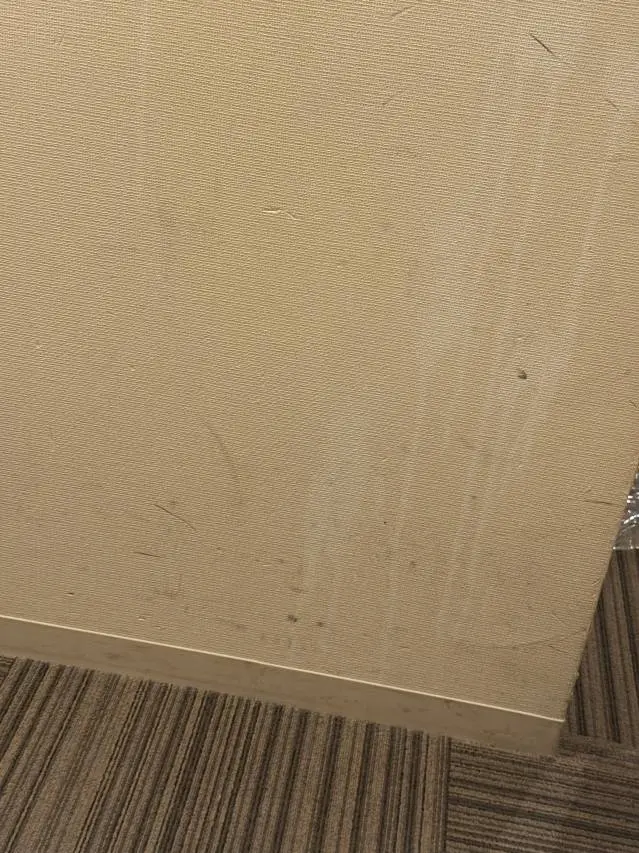
This is how I read the eight room photos in the gallery: first check whether the space beside the bed fits a suitcase, then the distance from the foot of the bed to the television, and finally the condition of the walls and bedding. Check them again yourself once you arrive.
Breakfast: match your morning routine
Breakfast information describes a boxed or bagged meal; confirm current contents and pickup arrangements. Ningyocho has many places to eat, so a room-only plan is flexible if breakfast walks are part of your trip. Local cafés, Japanese restaurants and convenience stores suit this simple hotel better than expecting a luxury buffet.
Breakfast is a boxed meal, not a buffet. The breakfast-included plan is the “Livemax Set Plan”, a collaboration with JR-PLUS: pick it up between 06:00 and 10:00 and you get a rice-ball bento plus a 500 ml bottle of Shizuoka tea. The bento holds rice balls (greens rice and shiso wakame rice), grilled fish, meatballs, Japanese rolled omelette, sausages, a simmered dish and pickles, and the contents may change with the season. You eat it in your room, so pick it up and take your time.
Whether to include breakfast depends on how your morning runs. The bento suits an early start: pick it up and go, with no waiting for a table. Ask the hotel for the price first and pay on site, and work out the difference between the breakfast-included and room-only rates before you book.
The bento pick-up window is limited, so if you sleep in you miss it. If you have an early train, set the alarm the night before, pick it up as soon as the window opens, take it back to your room and eat it before you leave.
Pros and trade-offs
I treat cleaning, bedding odour and service as the three things to judge for yourself here: a non-smoking room can be perfectly comfortable, but I would still check the sheets, bathroom and air conditioning first and ask the front desk for help straight away if something is wrong. Do not ignore whether you can rest well just because the station is convenient.
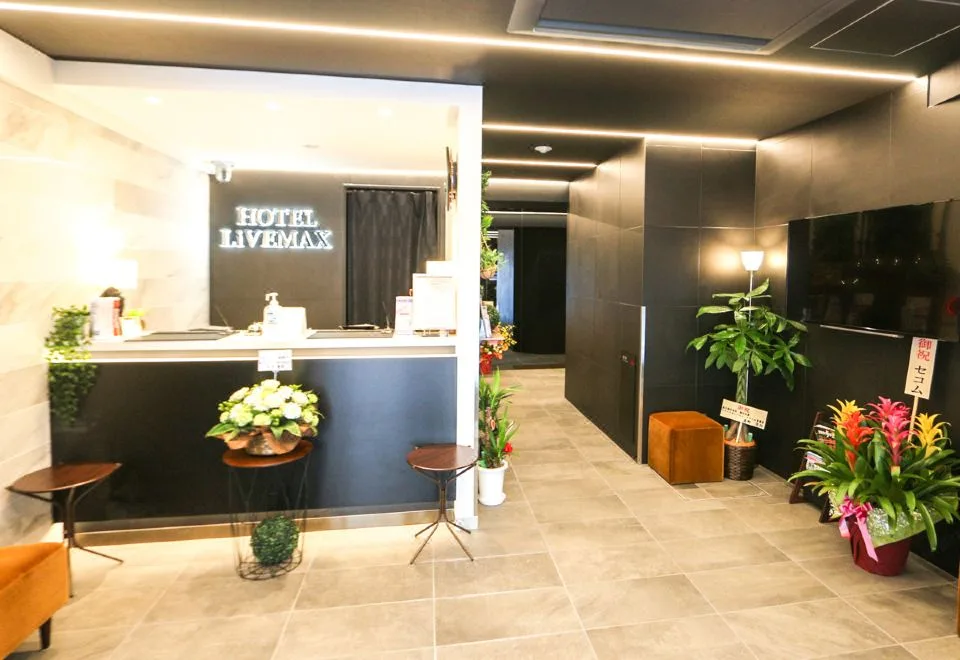
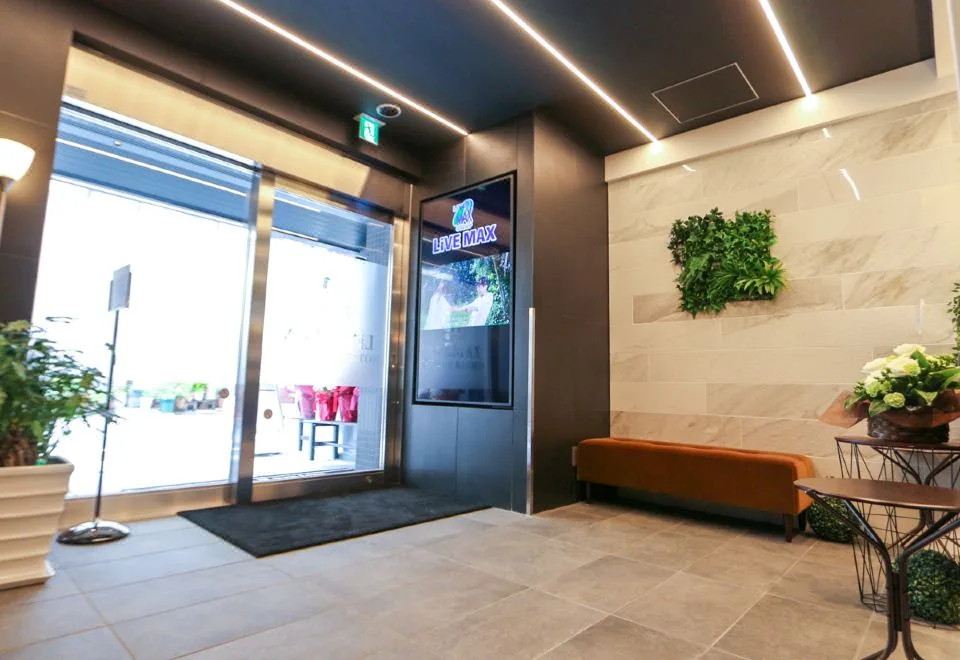
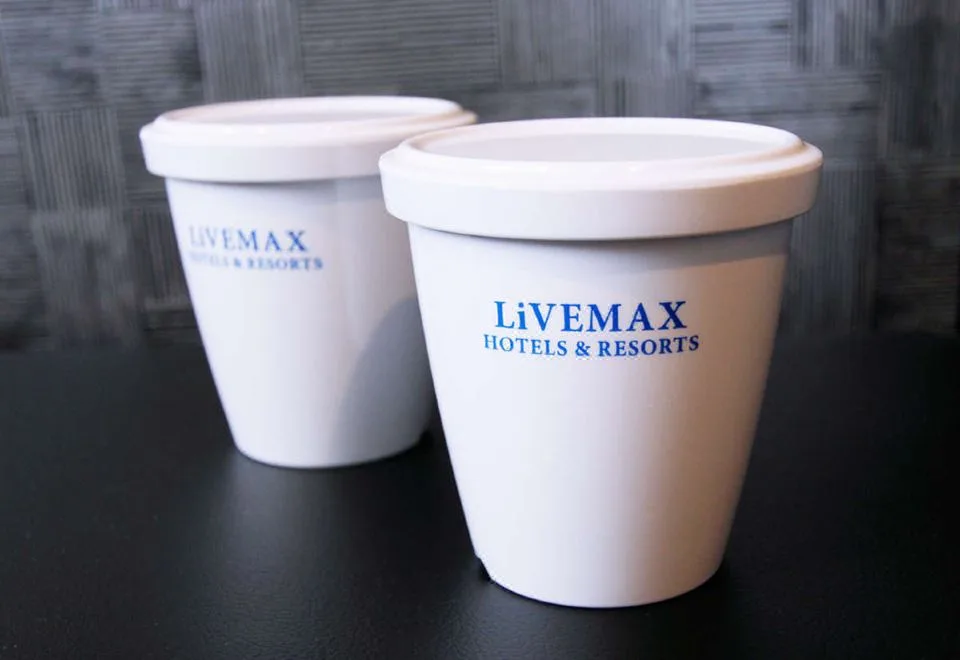
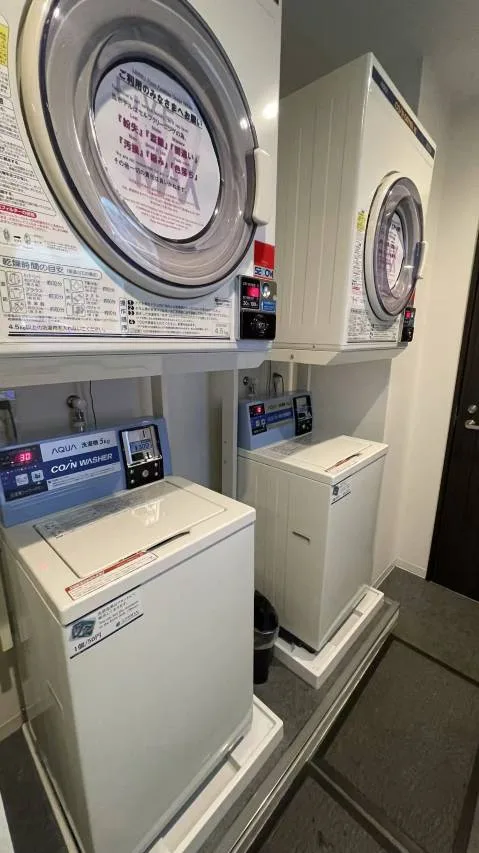
The shared facilities are few but cover the basics: free Wi-Fi in public areas, a self-service laundry with a dryer, an ironing service, an iron and a steamer, a lift, and Chinese-language information at the front desk. For a stay of several nights the laundry is genuinely useful, and you can see what it looks like in the gallery: wash and dry and you can travel with far fewer clothes.
The policies are worth knowing in advance. Children of all ages are welcome, though an extra fee may apply even without an extra bed; no room type allows an extra bed or a crib, so work out the sleeping arrangements before you book with a child. Guests checking in must be 18 or older, under-18s cannot check in alone, no deposit is taken, and pets are not allowed, though service animals are accepted with prior application. Payment is flexible: cash is accepted, and so are credit cards and e-money such as iD, WAON, transport IC cards, PayPay, au PAY and QUICPay.
The front desk works mainly in Japanese, though Chinese-language information is available on site. If you do not speak Japanese, write out your questions about room type, smoking and breakfast with a translation app before you arrive and show them at the desk; it makes the conversation much smoother.
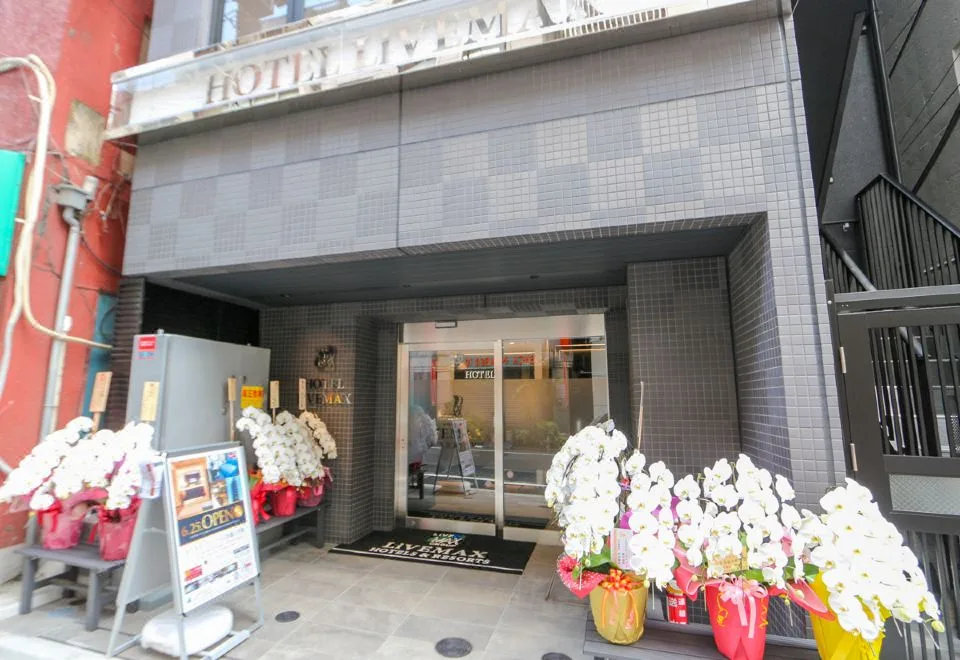
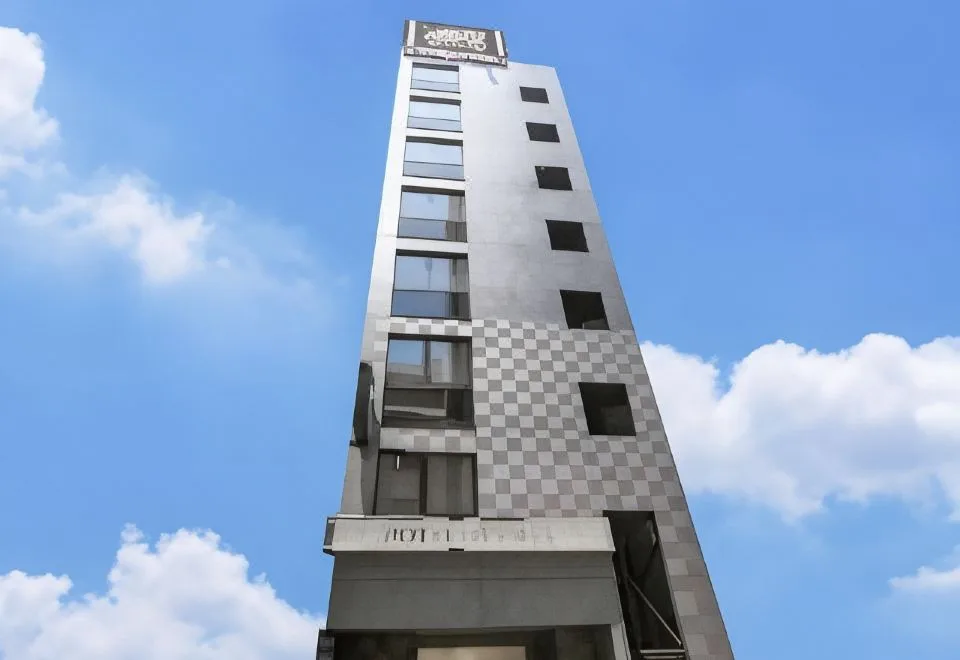
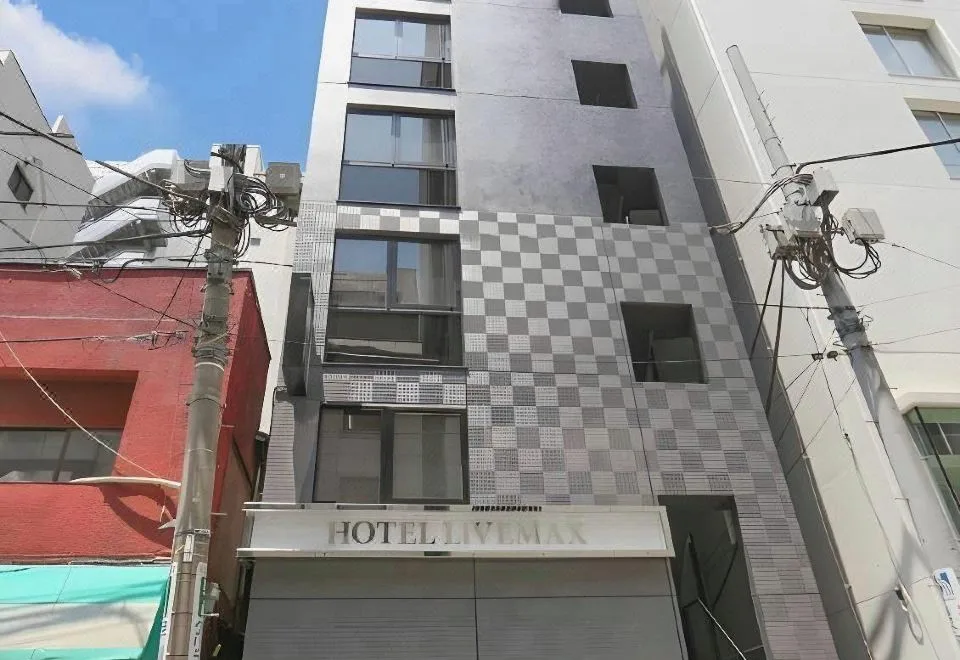
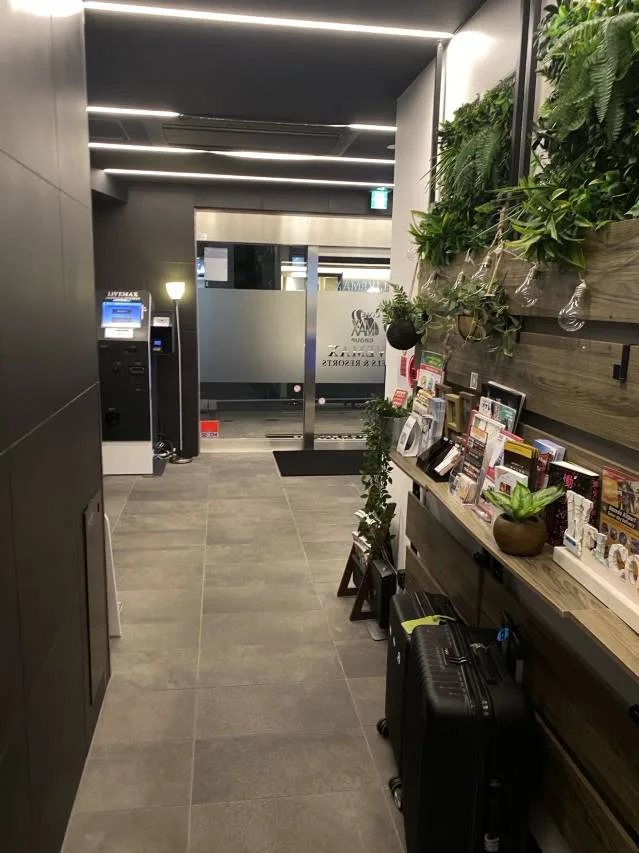
This is how I read the photos in the gallery: first the street entrance and the building exterior, for finding my way back at night, then the front desk and the entrance area, so I know where to go when I walk in. Learn what the entrance looks like first, and you will not walk past it at night.
Short and long stays, nearby outings
A light-packing stay of one or two nights uses the location best. On longer stays, confirm cleaning, towel changes and laundry because these affect daily comfort more than lobby photos. For children or travellers organising lots of luggage every day, look for larger room layouts or another hotel.
Check-in is from 15:00 and check-out is before 10:00. On the first night only, you can check in as late as 05:00 the next morning, but if you pass that time without contacting the hotel, the booking may be treated as cancelled, which matters if your flight lands late. The front desk runs from 12:00 to 06:00 the next morning, so plan luggage and arrival around those hours.
If you are travelling with a child, do the sums first: the room is only 9 to 10 square metres, the bed is 120 cm wide and no extra bed can be added, so two adults and a child would be very tight. Keep this hotel for a light one- or two-night solo stay or a short stay for two, and compare larger rooms nearby for a longer trip or a family. Tokyo Station is about 12 minutes away, so a day in Ginza or a trip to Maihama fits easily.
For a stay of several nights, hang out the next day’s clothes before you leave each morning, keep the case at the foot of the bed or by the door, and leave the walkway clear so even a small room stays tidy.
The positioning here is clear: a Single-only hotel by the station, with new rooms and a bento breakfast. If you want a large room, a twin room or a buffet breakfast, this is not the hotel for you; look elsewhere first.
Pros and cons at a glance
Pros
- About a minute on foot from Ningyocho station exit A6, with the Hibiya and Asakusa lines both in reach.
- One room type only, 42 Single rooms in total, every room with a Slumberland bed, opened in June 2019.
- Free Wi-Fi in public areas, a self-service laundry with a dryer and an ironing service, so a longer stay needs fewer clothes.
- Breakfast is a rice-ball bento with Shizuoka tea, ready to pick up from 06:00, with no waiting for a table.
- Children of all ages are welcome, cash, credit cards and e-money are all accepted, and no deposit is taken.
Cons
- The Single room is only 9 to 10 square metres with a 120 cm bed, so two people with large luggage will feel squeezed.
- No room type allows an extra bed or a crib, so travelling with a child needs the sleeping plan worked out first.
- There is no car park of its own, and the nearest coin parking has only six spaces and is not affiliated.
- The front desk runs only from 12:00 to 06:00 the next morning, so late arrivals and early departures need planning.
- Breakfast is not a buffet, so a cooked hot breakfast means a coffee shop or Japanese restaurant nearby.
Information checked: 23 November 2026.