
Home / Japan / Tokyo / Chuo Ward hotels
TOKYO / CHUO
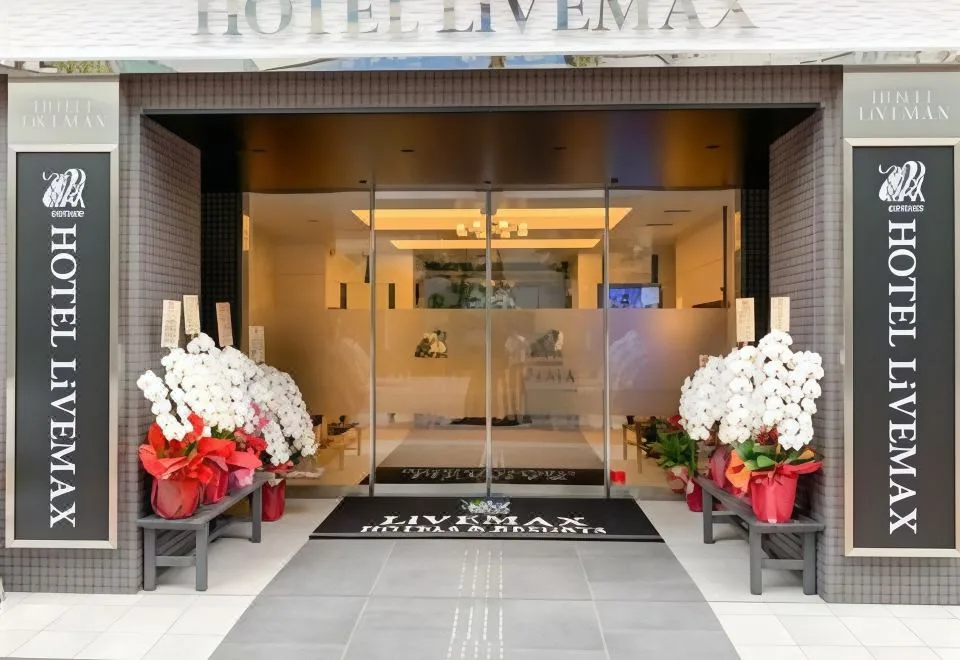
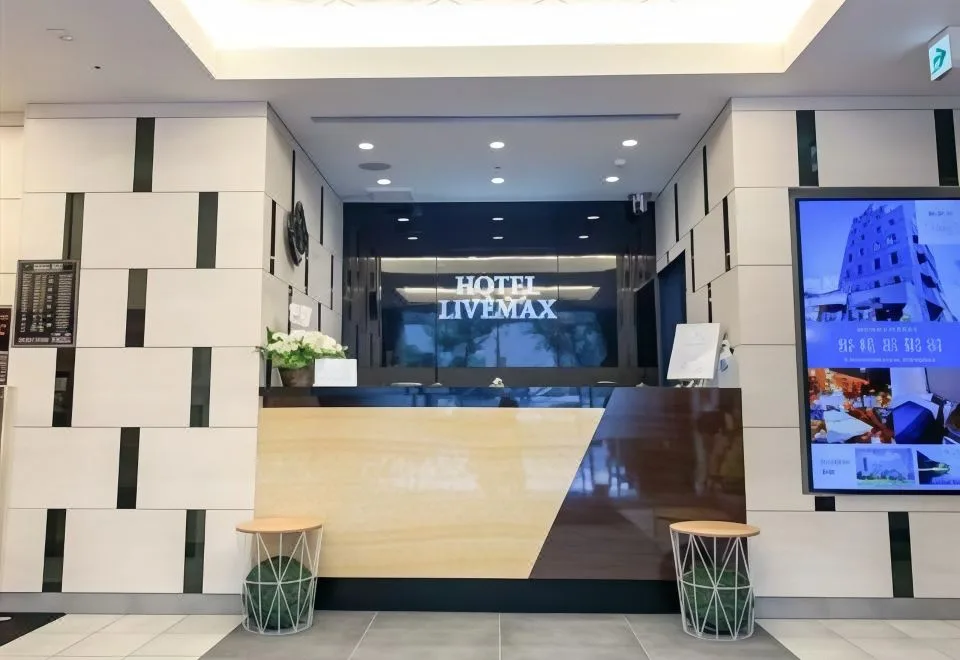
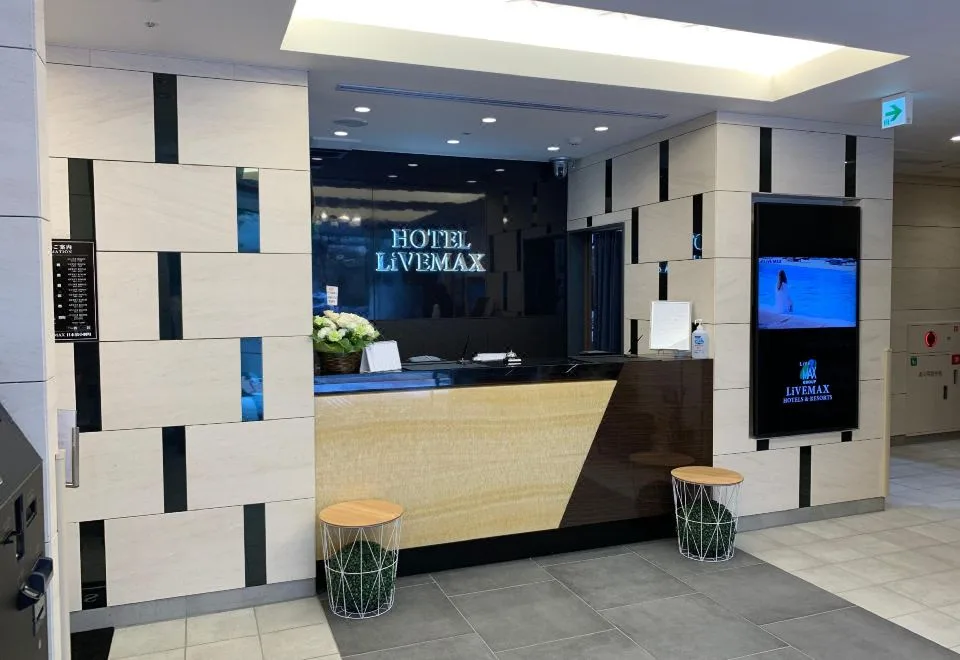
Hotel LiVEMAX Nihonbashi Koamicho
HOTEL LiVEMAX Nihonbashi Koamicho
A simple Koamicho base: check cleanliness and bedding first
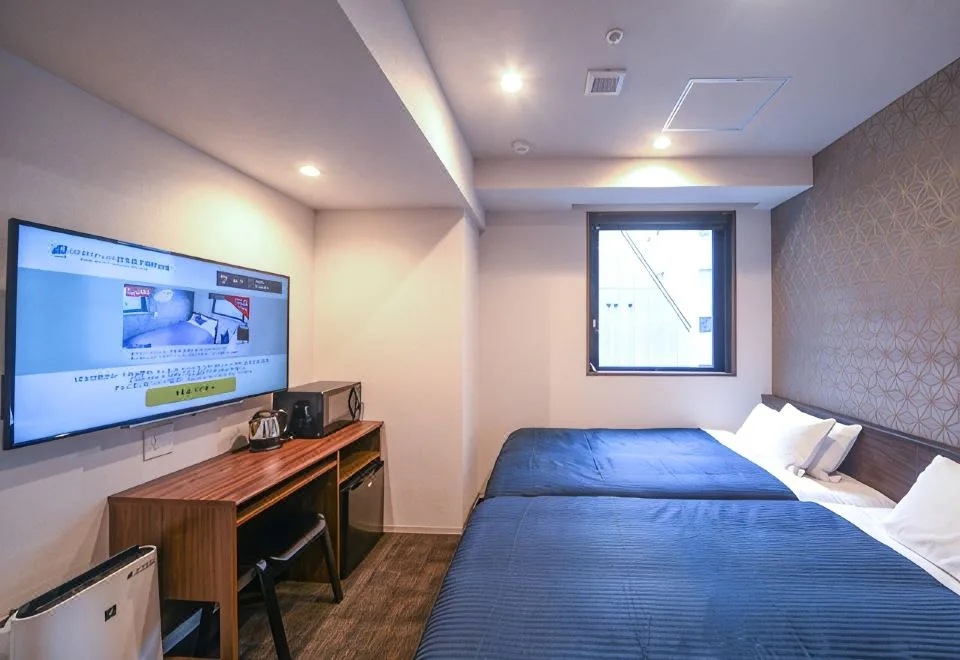
Hotel LiVEMAX Nihonbashi Koamicho suits travellers who spend most of the day out and want a base around Ningyocho and Suitengumae. Basic rooms are straightforward and there are plenty of places to eat nearby. Before choosing it for convenience alone, I would make sure the cleanliness and bedding conditions meet my needs.
Is this hotel suitable for your trip?
Reasons to choose it
- Easy to explore Ningyocho and Suitengumae
- Basic equipment works for light-packing travellers
- Many nearby dining options
Trade-offs to consider
- Negative feedback about cleanliness and bedding
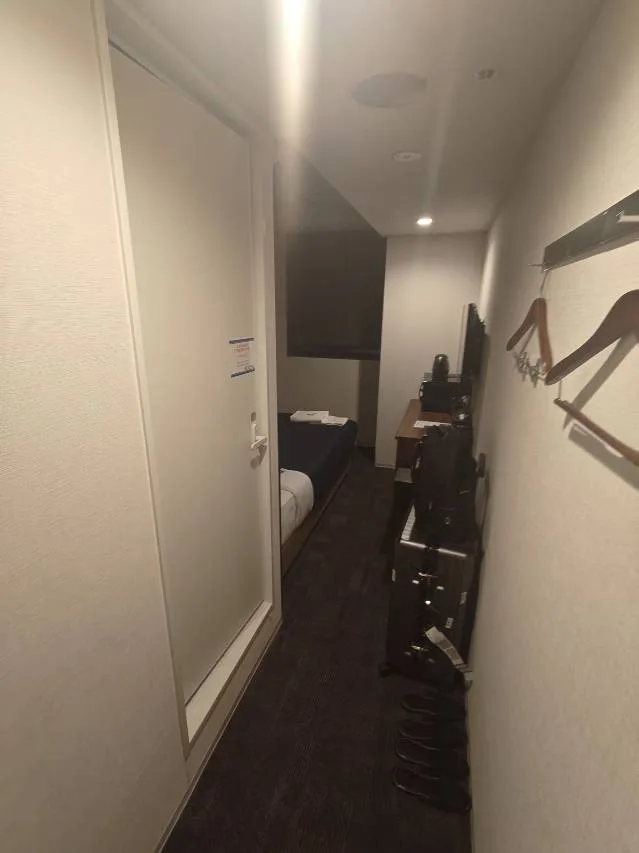
- Compact circulation space in standard rooms
- Confirm how breakfast is supplied
Set expectations before booking: this hotel sells location and simplicity, not space and service. Small rooms, a bento breakfast, and housekeeping on request — accept those three and the Ningyocho area is easy to enjoy on foot; if they bother you, paying more for a larger room or a hotel with a buffet breakfast is the better deal.
Access: exits, elevators and luggage
Regular station exits
For a normal arrival, Kayabacho Exit 4a is about four minutes on foot, while Suitengumae Exit 6 or Ningyocho Exit A6 are about five minutes. Choose based on the line you are already taking rather than making an extra transfer to one particular station.
Luggage and lift access
Ningyocho Station’s lifts connect the Ningyocho Intersection-side gates with exits A3 and A6. With large luggage, follow these accessible routes before walking to the hotel; the nearest stairs at other exits are not equivalent. At Suitengumae, the lift is via the City Air Terminal-side gates toward Exit 4, which requires planning a separate street-level walk.
Haneda is about 50 minutes away, and the official website lists the Suitengumae airport bus terminal (T-CAT) as a reference point; taking the bus from the airport to T-CAT and then the subway is easier with luggage than transferring all the way. The hotel has no car park of its own, so drivers use a nearby coin car park — the official website lists the Paraka Nihonbashi-Hakozaki No. 4 car park, about a 10-minute walk, 6 spaces, 200 yen per 15 minutes, 1,500 yen maximum for 24 hours, and 500 yen overnight.
Beyond the three nearest stations, Nihonbashi Station is about an 8-minute walk (350 metres), Hamacho Station about 970 metres, and JR Shin-Nihonbashi Station about 950 metres. Walking toward Ginza takes longer than the straight-line distance suggests, so the subway is faster. Akihabara is about 2.7 km, the Tokyo International Forum about 2.5 km, Ueno about 3 km and the Imperial Palace about 4.8 km away, all an easy drive, so they can share one day of sightseeing.
Choose the station by the line you need: Kayabacho serves the Hibiya and Tozai lines, Suitengumae serves the Hanzomon line, and Ningyocho serves the Hibiya line and the Toei Asakusa line. Akihabara and Ginza are easy from Ningyocho or Kayabacho; for Asakusa and Oshiage, the Asakusa line from Ningyocho runs direct. Decide from the direction you are heading rather than always using the same exit, and the trip is quicker.
View hotel access directions / Check station lift facilities
| Hotel name | Hotel LiVEMAX Nihonbashi Koamicho |
| Address | 10-7 Nihonbashi Koamicho, Chuo-ku, Tokyo 103-0016, Japan |
| Check-in and check-out | Check-in from 15:00 to 03:00 next day; check-out by 10:00; 24-hour reception and self-check-in kiosk. |
| Transit reference | About 360 m from Suitengumae subway station, a six-minute walk. |
Choosing a room: beds, bathrooms and luggage
| Room type | Room sizes and beds | Best choice for |
|---|---|---|
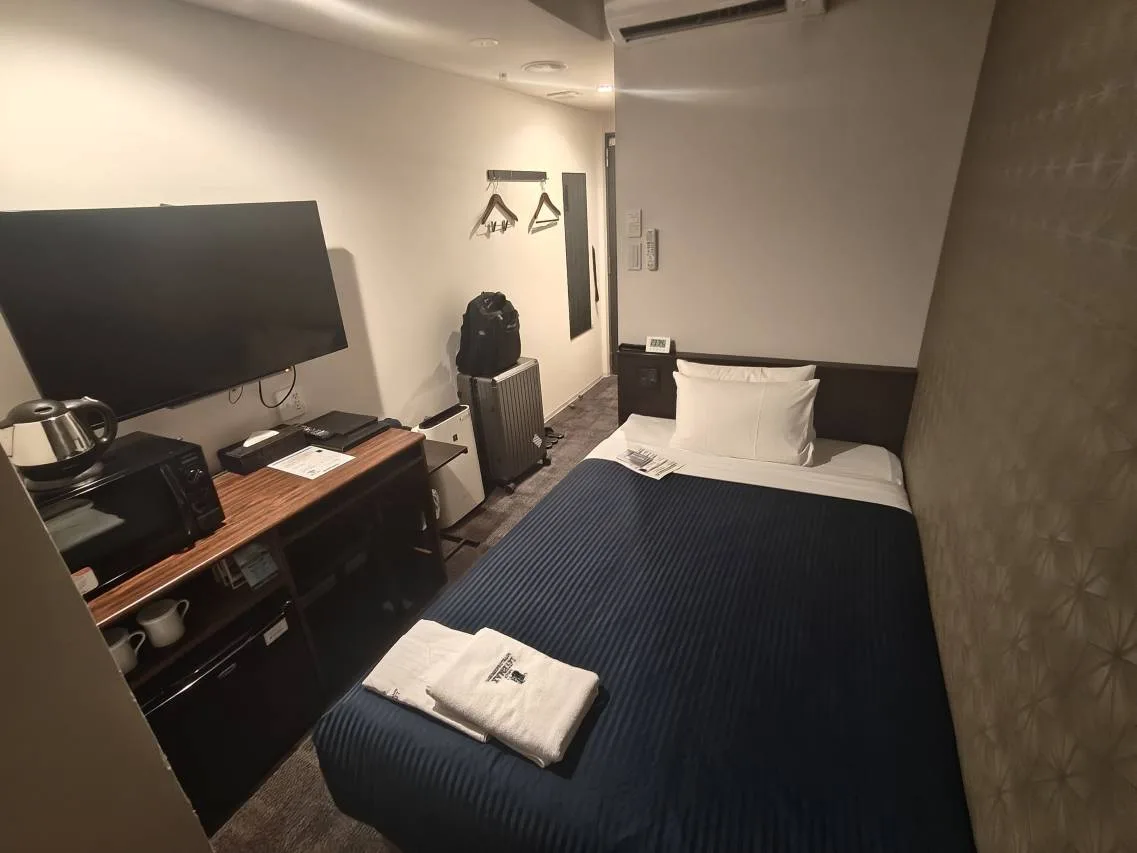
| Single | 11.3–12.6 m² / one 120 × 195 cm bed | For solo travellers with light luggage |
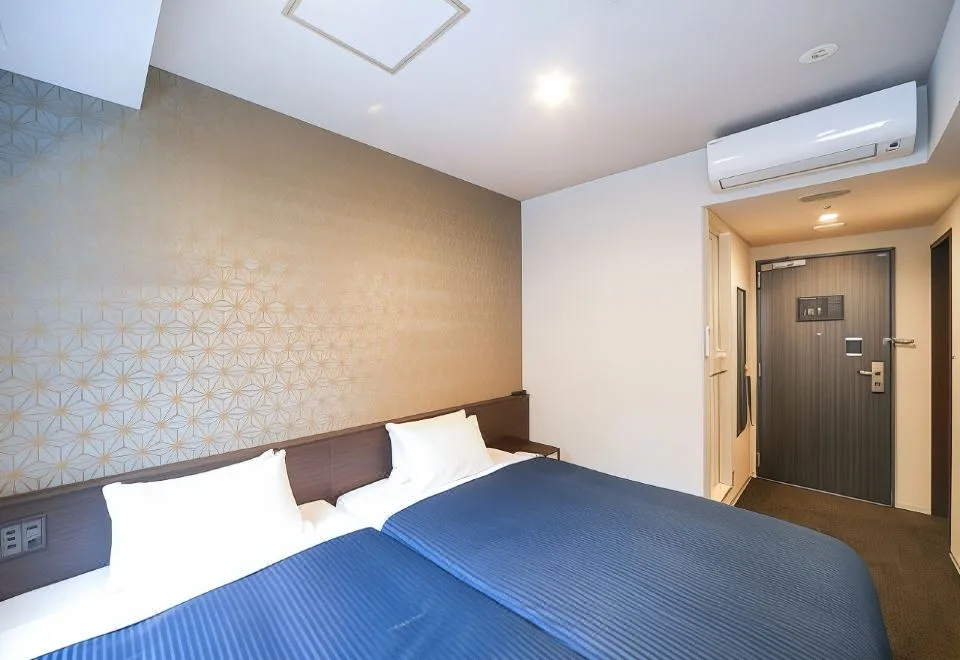
| Twin | 17.8–18.2 m² / two 120 × 195 cm beds | For two people wanting separate beds and more floor space |
For two people I would compare the Twin first rather than choose the smallest Single simply because some rates permit double occupancy. The Twin offers 17.8–18.2 m² and two 120 cm beds, which makes separate sleep easier. Still check the maximum occupancy for the adults and children in your booking.
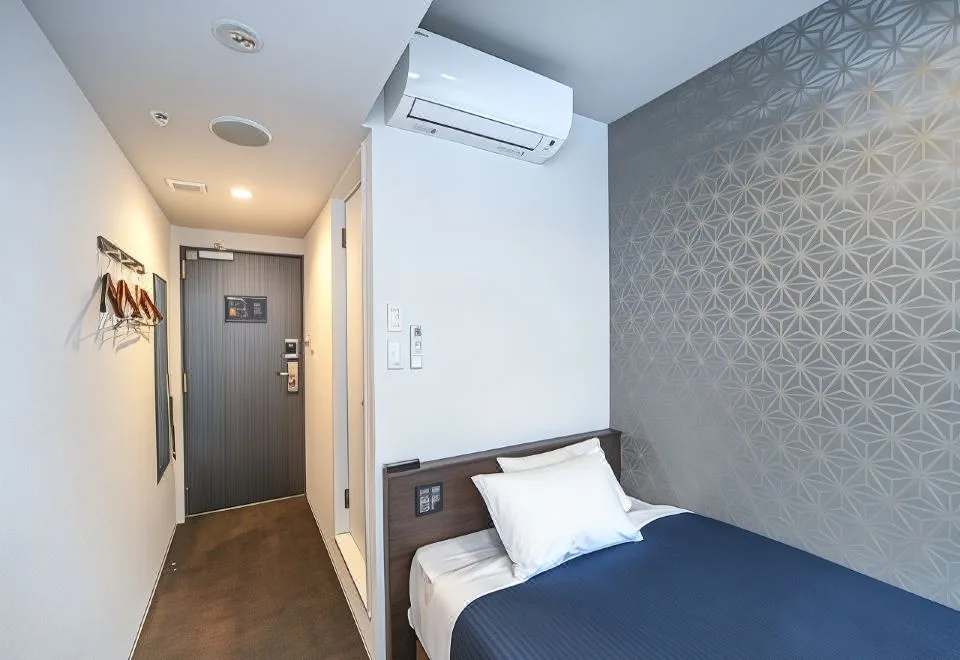
The single-bed room is tight between the bed and the desk, and looking at the photos I read that as a practical layout, not a spacious one. It works well for a solo stay, but two people should ask about actual bed width and luggage space first. Confirm the room type and smoking or non-smoking status item by item; one wide-angle photo does not guarantee the same space in every room.
The hotel has 95 rooms in total: 72 Singles and 23 Twins, all with Slumberland beds. The official room page lists Singles at 11.3–12.6 m² and Twins at 17.8–18.2 m², with beds 120 × 195 cm in both types; a Single takes at most 2 people and a Twin at most 4. Smoking and non-smoking rooms both exist, so choose at booking — switching on arrival depends on availability.
Remember the extra-bed policy first: no room type offers extra beds or cribs. Children are welcome, but without an extra bed or crib, so occupancy follows the room’s stated capacity. Rooms have no telephone and no kitchen, so there is no self-catering. Late checkout is possible if you ask at the front desk and rooms are available. A microwave and a coin laundry are shared facilities — families staying longer or travelling with small children should factor that in.
When booking, split smoking from non-smoking and Single from Twin first, then decide on breakfast. A 120 cm Single bed is a comfortable fit for one person and a squeeze for two; a Twin’s two separate beds and 17.8 m² or more also leave room for two large cases. Price the difference between the breakfast-included plan and the room-only plan before choosing, since adding breakfast on site is not always the better deal.
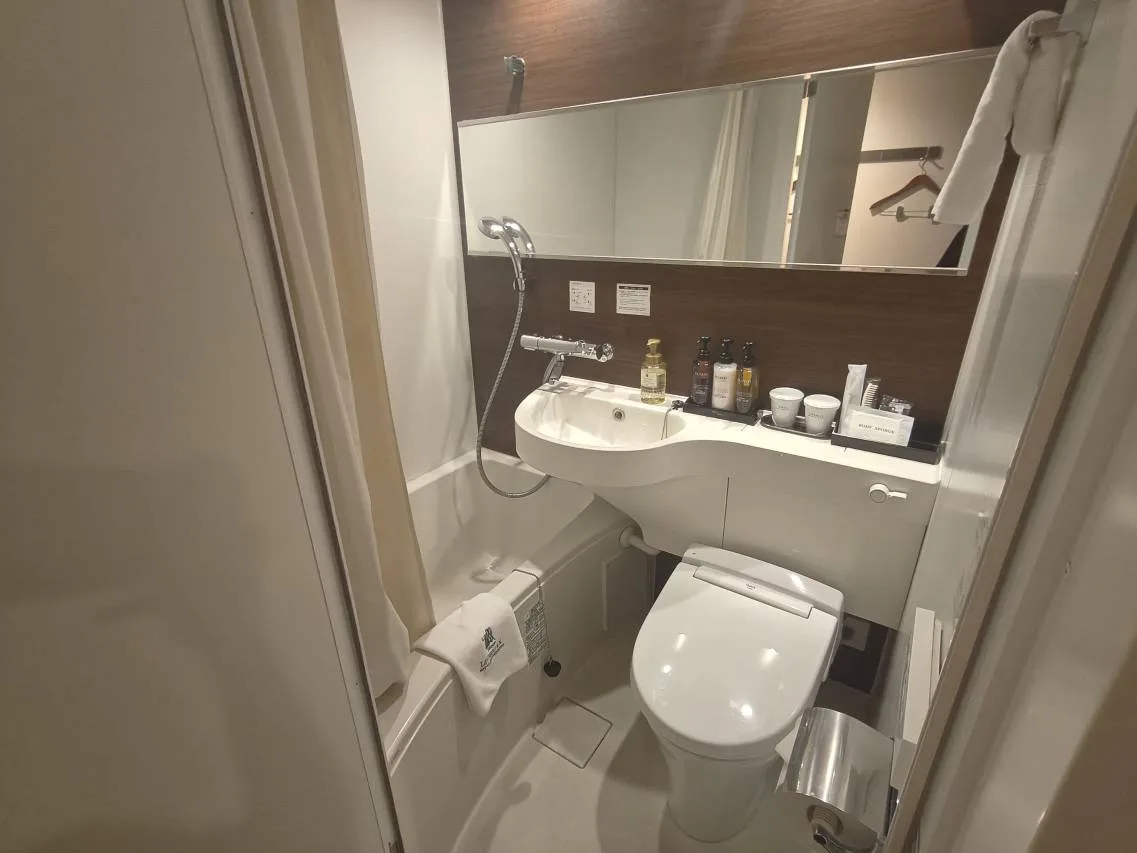
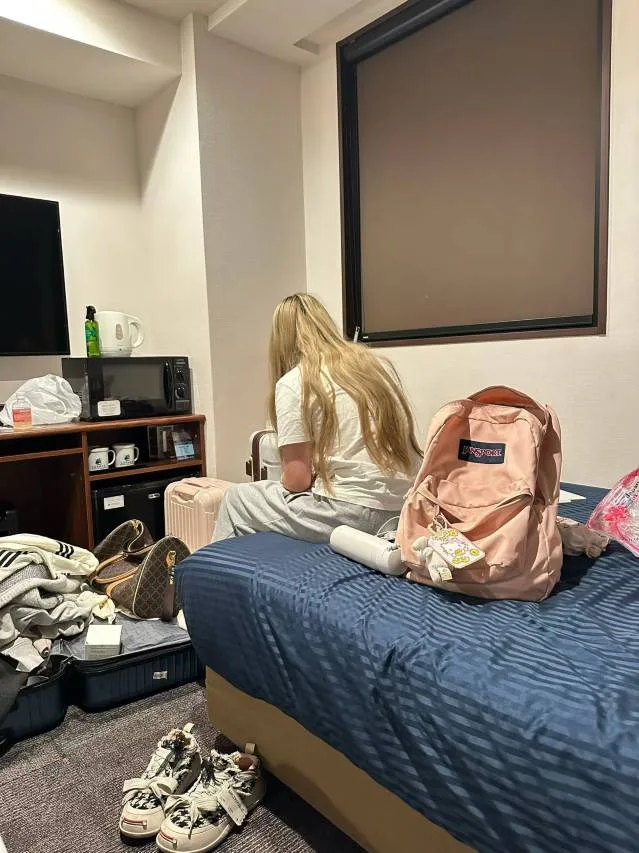
The official room page shows four photos each for the Single and the Twin, covering the bed, desk and bathroom layout. When looking at them, check the width of the passage beside the bed and where a case would go: the Twin’s two beds leave a gap in the middle for a large case to open, while the Single’s bedside passage is narrow, so plan where a large case goes first. The beds in the photos are all Slumberland, and how firm the mattress feels is something only a night’s sleep can tell — there is no trying it out on site.
Travelling alone, I can fit one large case in a Single and still move around; with two people, two cases opened out leave nowhere to walk, so the Twin is the one that holds both. Rubbish is not collected from the room automatically during a longer stay — I tie the bag and leave it in the corridor before 11:00, so it does not sit in a small room in the way.
Breakfast: plan around your morning
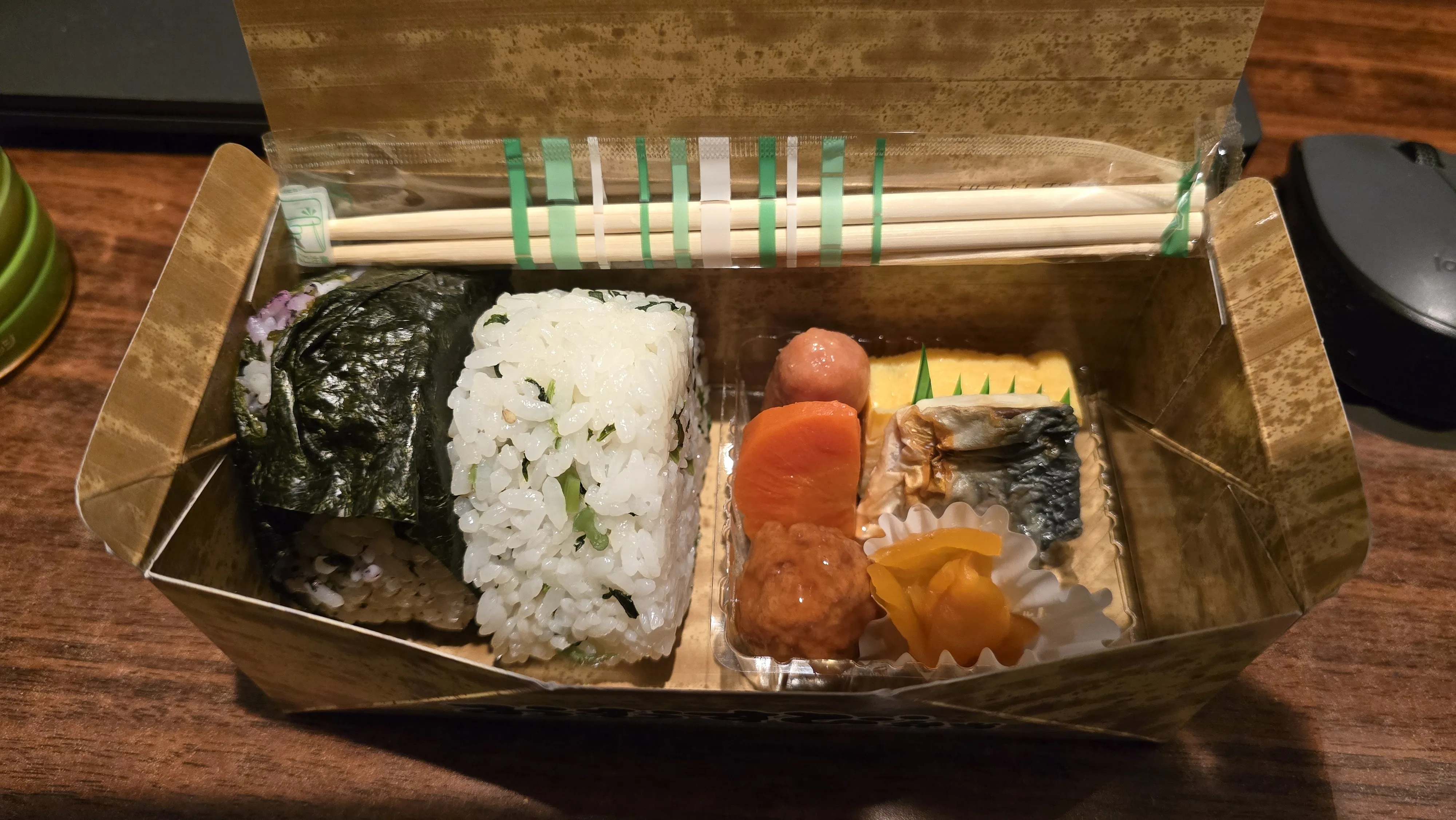
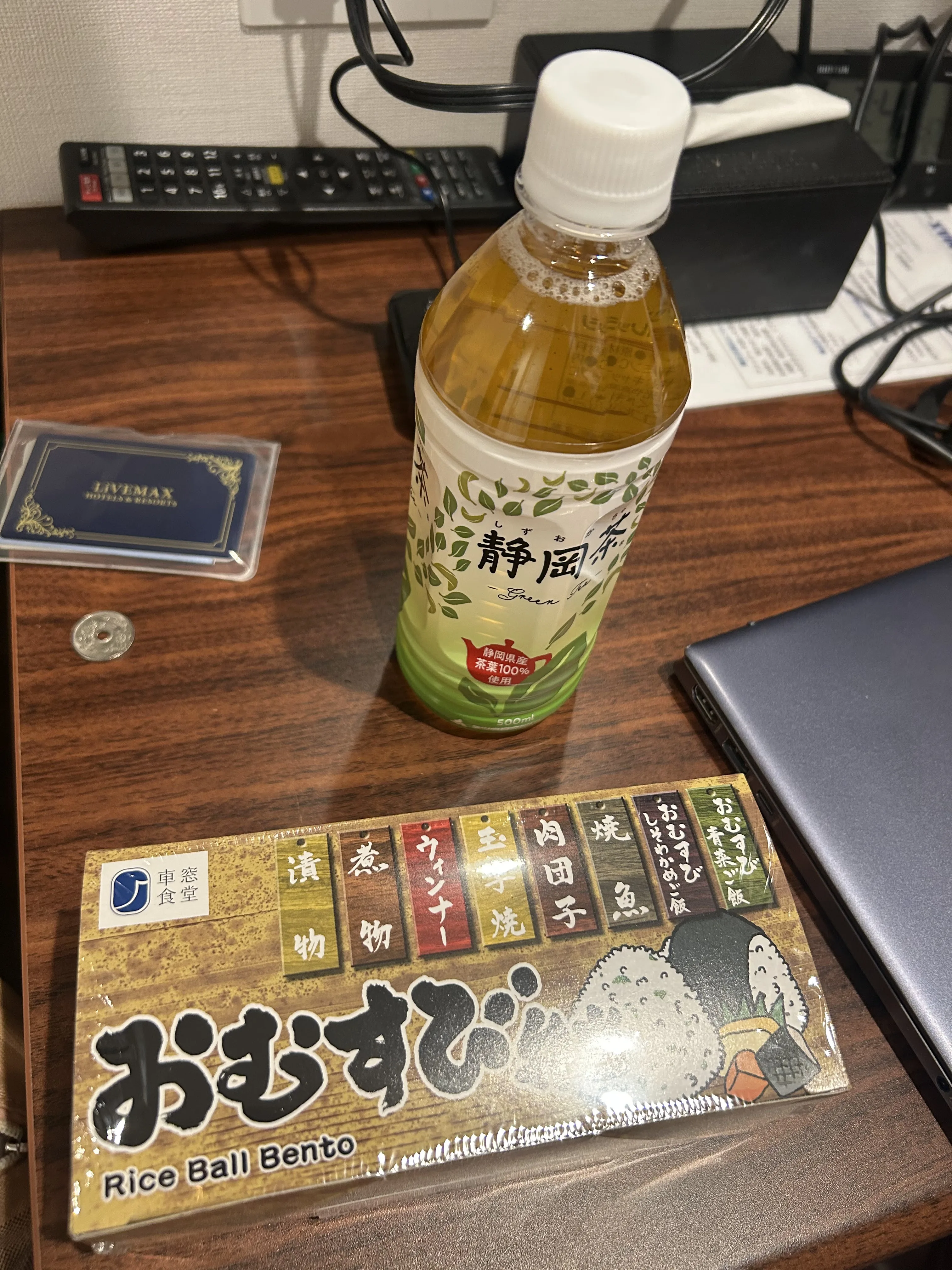
Breakfast comes as a boxed meal. Choosing the LiVEMAX Set Plan means a rice-ball bento and a 500 ml bottle of Shizuoka tea handed over between 6:00 and 10:00 on the morning after check-in. The bento holds green-vegetable and shiso-wakame rice balls, grilled fish, a meatball, tamagoyaki, a sausage, a simmered dish and pickles, with small seasonal changes possible. The plan is bookable online only, so choose the breakfast-included plan when booking — adding it on site is not guaranteed.
The other option is the Doutor tie-up breakfast plan: eat at the Doutor Coffee Shop in Kayabacho, about a six-minute walk, choosing from 4 sandwiches and 8 drinks, 7:00–11:00 on weekdays and from 8:00 on weekends and holidays. The hotel has no restaurant of its own, so breakfast is never eaten inside the hotel — accept that first. For a hot meal or a slow sit-down breakfast, the shops around Ningyocho suit better than a bento, so check opening times before heading out.
The bento is collected on the morning after check-in, not on the night of arrival, so anyone catching an early flight or train can pick it up and go without waiting around at the hotel. The 500 ml bottle of Shizuoka tea comes with it, a handy size to carry onto the train. The bento contents change a little with the seasons, so anyone with an allergy or an ingredient they cannot eat should ask when booking whether a swap is possible.
The bento I collect is two rice balls, a few small side dishes and a bottle of tea — a packed lunch to carry away, not a breakfast to sit down to. I do not treat it as a hotel breakfast; for something that feels like breakfast, the Doutor plan or a shop in Ningyocho suits better. Collect it at the front desk each morning and walk out with it — handy when a schedule is tight.
Facilities and services you will actually use
Free Wi-Fi in public areas, a lift, vending machines, a dryer and a coin laundry are all available, along with an accessible room and Chinese-language information, so a first visit to Nihonbashi is easy even without Japanese. The front desk runs 24 hours, so late arrivals are covered. Payment is flexible: Visa, Mastercard, JCB, American Express, Diners, Discover and UnionPay cards are accepted, as are iD, WAON, PayPay and other e-money.
A LUUP e-scooter and shared-bike port sits right at the hotel entrance, so short trips to Ningyocho or Kiyosumi-Shirakawa can be ridden rather than walked. Drivers should check the location and availability of a nearby coin car park first. Luggage storage is not on the facilities list, so ask at the front desk about leaving bags before check-in or after checkout.
Check-in starts at 15:00 and checkout is before 10:00. Late arrivals can use the self-check-in kiosk — read the screen instructions carefully on a first use, and ask the front desk if it stalls. Late checkout is possible if you ask and rooms are available; receipts for online card payments must be printed from the website, as the front desk does not issue them separately.
Pros and trade-offs of the stay
Bedding odour, stains and equipment condition are the checks I list before booking; on the other hand, the room layout and location suit a solo trip. On arrival I look at the pillows, sheets, bathroom and hairdryer first, and raise any problem with the front desk at once rather than waiting until the next day. Travellers who are sensitive to smells or cleanliness, or who want consistently attentive service, should compare other hotels before booking.
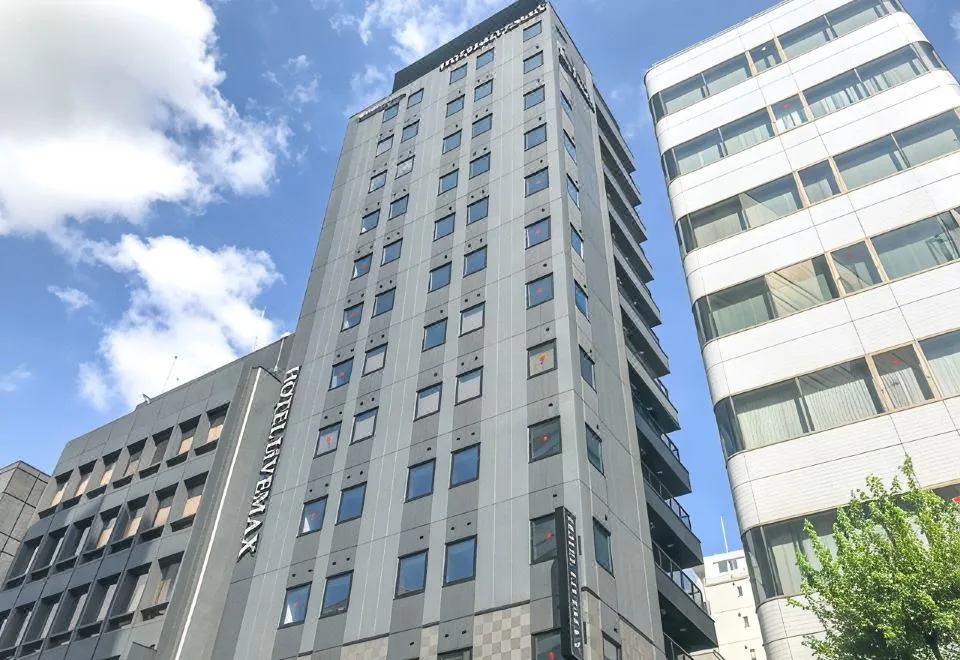
After check-in I look at the floor under the bed, the seams at the bedside and the shower curtain: dust, a musty smell and lingering smoke are the things I check for myself here, and a non-smoking room can still carry a smell of smoke. A street-facing room lets in traffic noise at night, and hallway sounds carry too, so light sleepers should pack earplugs. On the morning of check-out I latch the door before nine and sleep on.
Short and longer stays, nearby outings
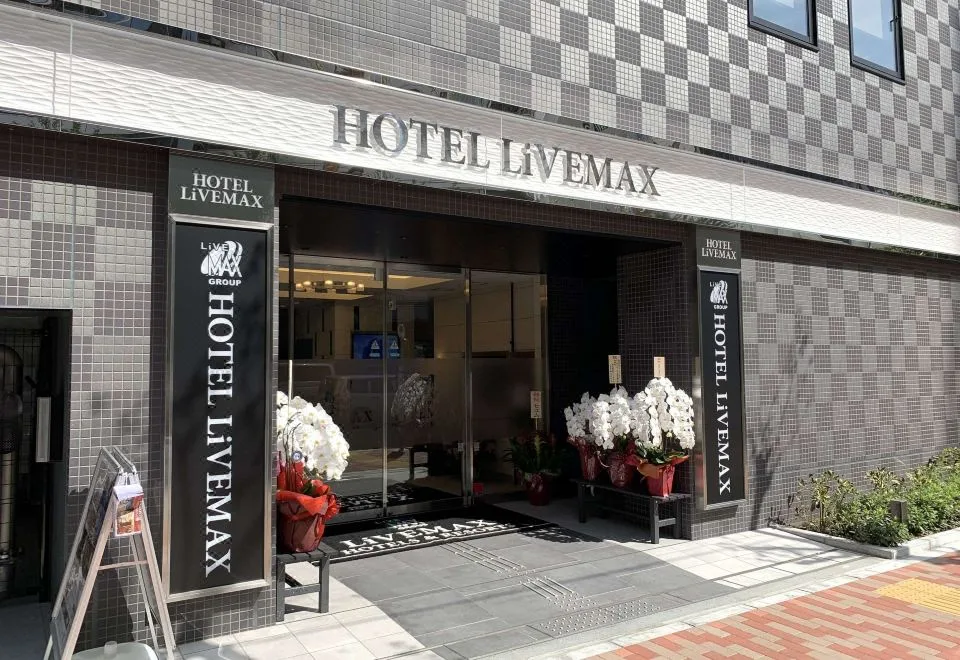
For a short stay, Nihonbashi, Koami Shrine and Ningyocho can be explored at a relaxed pace in one area. Housekeeping on longer stays works on request: hang the cleaning tag before 11:00 if you want the room cleaned, and towel and amenity top-ups are supplied on request too, while rubbish bags are collected daily — tie them up and leave them in the corridor before 11:00. Do not assume a full daily clean. If you plan to work or rest in the room for hours, the compact desk and luggage passages deserve extra attention.
The hotel sits in Koamicho, and Koami Shrine is a short walk away. Founded in 1466 and known for strong luck and protection from evil, it enshrines Fukurokuju, and its amulet office stays open until 17:00 — expect a long queue at New Year. Suitengu is nearby too, known for safe childbirth and fertility, open 8:00–18:00. Together with Channoki Shrine, Matsushima Shrine and the rest, they form the Nihonbashi Seven Lucky Gods walk, about two hours on foot, a loop that starts right at the hotel.
Amazake Yokocho runs about 400 metres from Ningyocho Station and is the best street in the area for a slow stroll. Ningyo-yaki from Itakuraya, a shop running for over a century, hojicha soft cream from Morinoen, and amazake and soy-milk doughnuts from Futaba are all made for eating while you walk. The street is named after Owariya, an amazake shop that stood at its southern end in the early Meiji era. Further on, the Hamacho Green Road follows the old Hamacho River, with hydrangeas, keyaki, cherry blossom and maple changing through the seasons, ending at Hamacho Park by the Sumida River — a good place to rest.
Pets are not allowed, and the official website’s March 2026 notice says so plainly: they were accepted before, but are now refused for hygiene and for other guests. Minors need a guardian consent form, and foreign guests leave a passport copy. Check-in runs until 3:00 the next morning, so a late-night arrival still finds someone on duty; note, though, that the official website lists the latest check-in as 29:00 (5:00), which differs from the 3:00 in the booking information — confirm with the hotel before arriving in the middle of the night.
A day out from the hotel plans itself: Koami Shrine and Suitengu in the morning, lunch along Amazake Yokocho, an afternoon walk to Nihonbashi Mitsukoshi and COREDO Muromachi, and dinner back in Ningyocho. The Asakusa line from Ningyocho runs direct to Asakusa and Oshiage, and the Hibiya line from Kayabacho or Ningyocho reaches Ginza without a transfer. A packed day is fine too — the hotel sits in Koamicho, so coming back midday to drop things off and rest before heading out again is easy.
Pros and cons at a glance
Pros
- Kayabacho Exit 4a is about four minutes on foot, with Ningyocho and Suitengumae within five to six minutes.
- Step-free lift routes are confirmed at all three stations, so large cases never need stairs.
- The breakfast bento is ready from 6:00, with green-vegetable and shiso-wakame rice balls plus grilled fish and tamagoyaki, and it travels well for an early start.
- Ninety-five rooms in total, 72 Singles and 23 Twins, all with Slumberland beds, so room choice stays simple.
- The front desk runs 24 hours with a self-check-in kiosk and free Wi-Fi, so late arrivals are covered.
Cons
- Bedding odour, stains and equipment condition vary, so check pillows, sheets and the bathroom on arrival.
- No extra beds or cribs in any room type, so parties of three or more and families with infants should ask about room types first.
- There is no restaurant in the hotel; breakfast is a bento or a Doutor visit, and a sit-down hot meal means going to a nearby shop.
- The hotel has no car park of its own, so drivers use a nearby coin car park.
- No pets are allowed, and minors need a guardian consent form.
Information last checked: 2026-11-23