
TOKYO / CHUO
Hotel GrandBach Tokyo Ginza
Hotel GrandBach Tokyo Ginza
A music-inspired stay in Higashi-ginza: compare room sizes and breakfast first
Compare the room categories first
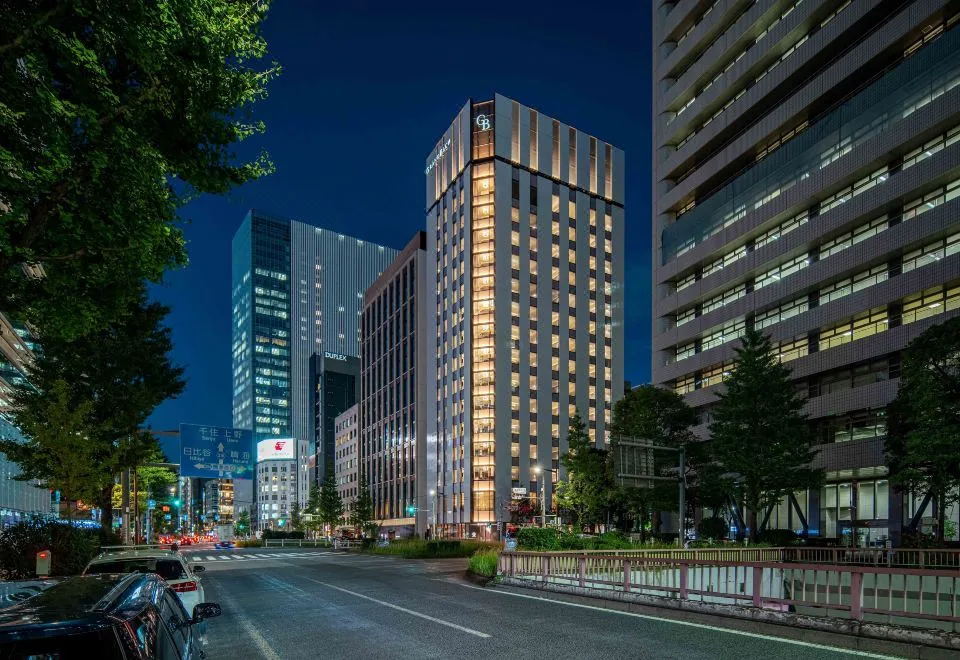
Would this hotel suit my trip?
I picked this hotel because I wanted to stay in Ginza and was willing to spend a little more for the lobby atmosphere and the quality of the rooms. Higashi-ginza Station opens right onto Ginza 5-chome, and I can drop shopping bags in my room within minutes — that matters to me. But be clear about one thing first: if a large breakfast buffet or a full gym is what you want, compare carefully before booking.
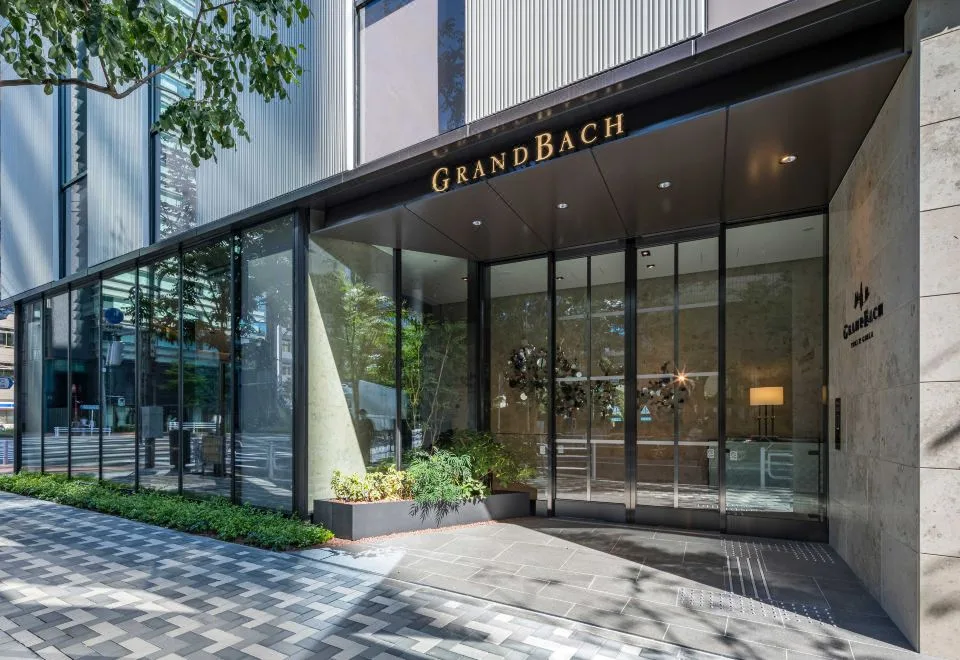
Opened in November 2021, the hotel has 144 rooms over 15 floors, built around the music of J.S. Bach and wellness cuisine, with a registered dietitian as wellness food concierge on site. Floors 14 and 15 are executive floors with a welcome service and lounge free flow. The hotel entrance faces Miyuki-dori, and the restaurant on the first floor and the bar and lounge on the second mean food and drinks are available without leaving the building.
The advantages—and the trade-offs
Why it is worth considering: a convenient Higashi-ginza location, rooms and service that hold up well, and a music-themed public space that makes coming back to the hotel feel special.
Think before booking: the breakfast selection is not large, and how quiet a room feels varies; lounge access and room-cleaning terms are separate things to check.
The lounge free flow ends at 23:00, with last orders at 22:30, so a late return needs planning; if you want lounge privileges, check that your room type includes them when booking. The executive-floor welcome service and lounge free flow are benefits of those floors, so check that your rate includes them.
Location and transport: an easy walk is different from pulling a suitcase
The hotel lists Higashi-ginza Station as about a one-minute walk and Ginza Station as about four minutes. On foot with nothing to carry, take Exit 4 at Higashi-ginza — it brings you out in Ginza 5-chome about a minute from the hotel entrance. With a rolling suitcase, skip Exit 4: it is stairs only. Use the elevator at Exit 3 or Exit A1 instead — Exit 3 connects directly to Kabuki-za Theatre, and Exit A1 is on the GINZA SIX side — then walk a few more minutes at street level; allow time for the walk from the platform to the exit too.
Elevator inspections usually run between 9:00 and 17:00, clear of the morning and evening rush; the hotel access page carries same-day notices: Check the route.
Both Haneda and Narita airports have direct trains to Higashi-ginza Station on the Asakusa Line, so there is no change of trains with a suitcase; the return trip works the same way, with the station a minute from the hotel entrance. From Ginza Station, use Exit A3 for the four-minute walk back, which is an easy route after shopping on Ginza-dori.
On the Toei Asakusa side, an elevator connects the street level with the A1 and A2 ticket gates, in place since 2010; coming out of A1 puts you at the Ginza 5-chome crossing, an easy walk toward GINZA SIX. Higashi-ginza Station also has escalators, from the central ticket gate to Exit 3 and from the platform to the central gate, so a suitcase does not have to rely on the elevator alone.
| Item | Hotel information |
|---|---|
| Address | 5 Chome-13-12 Ginza, Chuo City, Tokyo 104-0061, Japan |
| Japanese name | ホテルグランバッハ東京銀座 |
| Check-in / check-out | From 15:00 / before 11:00 |
Open the map to plan your route
Choosing a room: consider sleeping arrangements, living space and bathroom layout
Compare where everyone will sleep, how you prefer to bathe and where the luggage will go. The room descriptions and equipment can help you interpret this table. Booking sites may use slightly different translated names, so check the English room category before paying.
| Room type / layout | Size and facilities | Who it suits |
|---|---|---|
| Double A | 23.3 m² | Two people sharing one bed, prioritizing a practical layout |
| Double B | 23–28 m²; includes a bathtub | Anyone who wants to soak in their own room |
| Twin | 27–30 m²; separated bathroom areas | Two guests needing separate beds and more space to move around |
For double, twin and rooms for more people, I decide first whether separate beds are necessary, then check the space at the foot of the beds and beside the window. Two large suitcases open up comfortably in a twin of 27㎡ or more; three people with three suitcases depends on the bed count and floor space of the room itself, so never assume every room works the same way.
For a longer stay, usable window seating and suitcase circulation matter more day to day than the name of a lounge benefit. With three adults, note this: no room type offers extra beds or cribs, so the bed count is whatever the room itself has. Children of all ages are welcome, but a child without an extra bed can still be charged, so settle the headcount before booking.
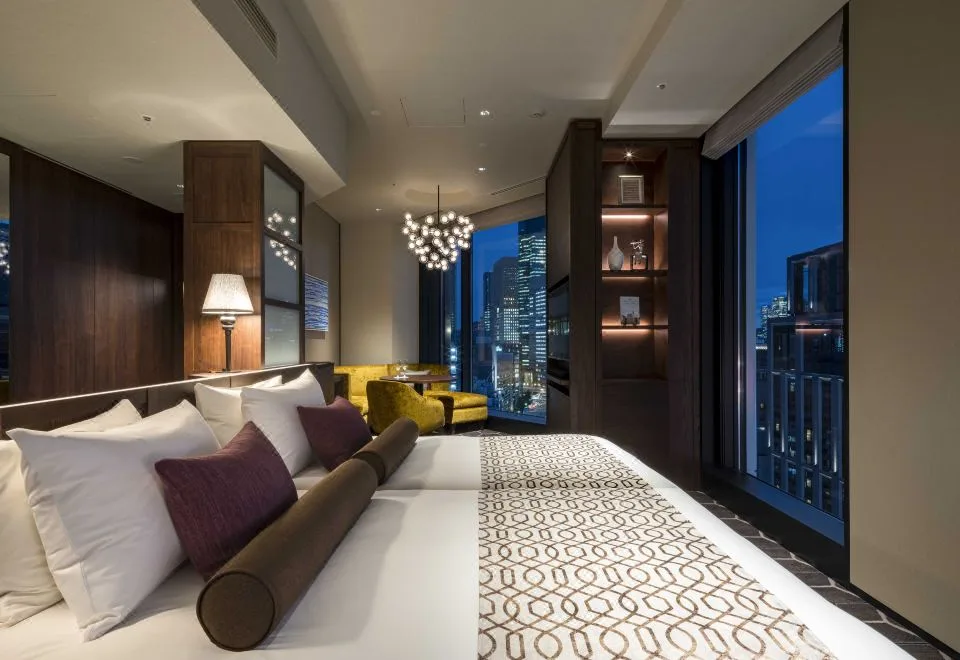
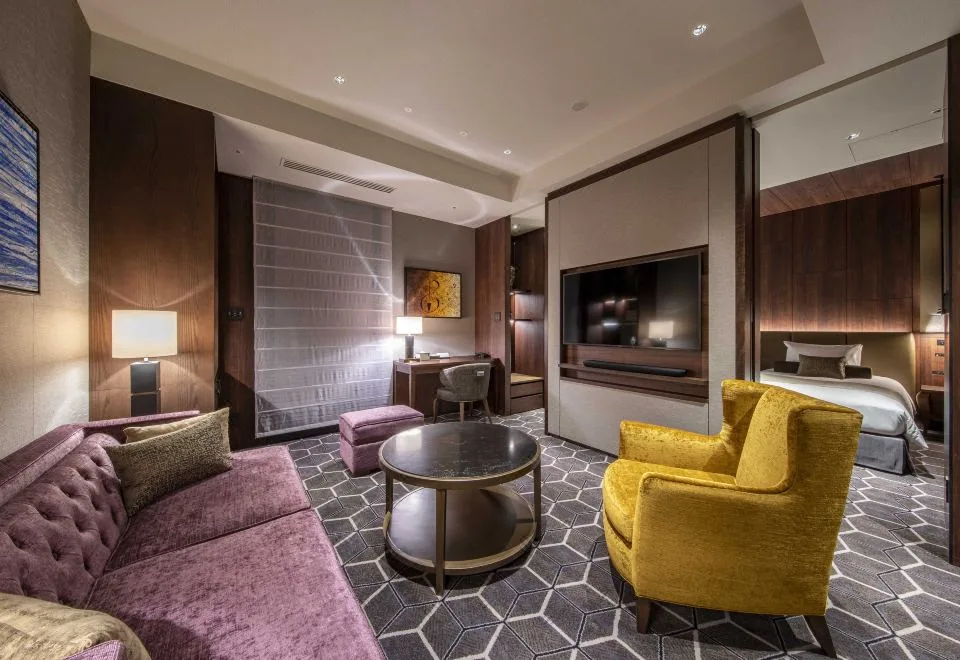
If you want the music theme at full strength, look at the Bach Corner Twin: a 43㎡ corner room with windows on three sides, views over Ginza and Shiodome, a Yamaha soundbar, Serta beds, a Chromecast TV and a coffee machine. Booking that room also opens the bar limited-menu free flow in the evening. Floors 14 and 15 are executive floors with a welcome service, lounge free flow and better amenities — worth it if the budget allows.
Every room has a separate bath, toilet and washbasin, with a large bathtub, a rain shower and bath salts, so a soak before bed is part of the stay. Barrier-free rooms are available — ask when booking. Rooms run from a 23㎡ double to an 83㎡ suite: Double A at 23.3㎡ is the basic two-person room, Double B adds a bathtub, and the 27–30㎡ Twin is the one to pick when two people want separate beds and more room to move.
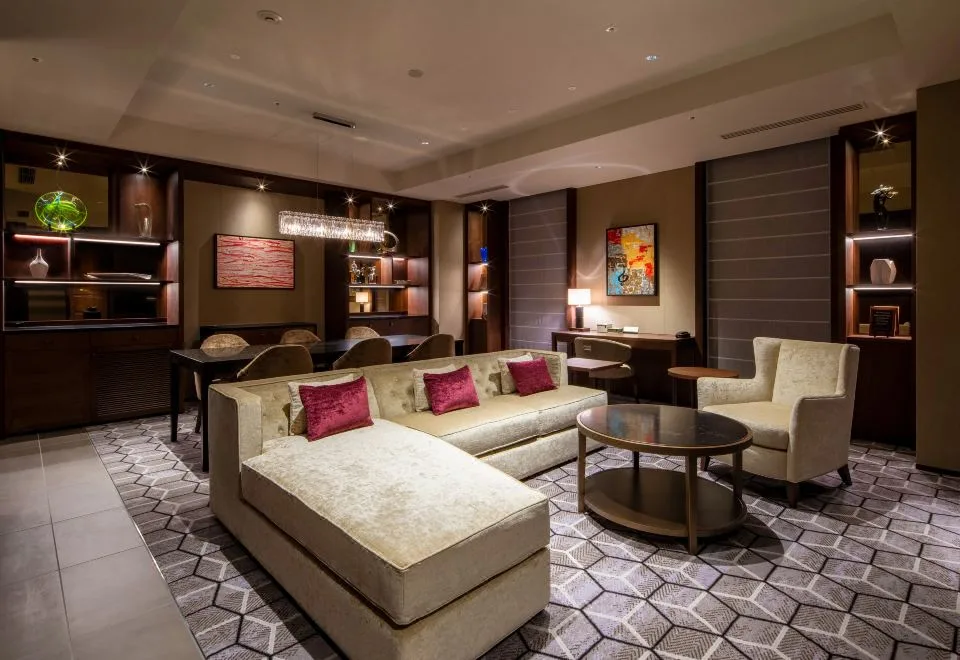
Executive-floor rooms come with upgraded amenities too: organic-certified bath products and a partly charged minibar, so relaxing starts the moment you are back in the room; the wood-toned rooms with warm lighting feel calm. Suites run up to 83㎡, so families or anyone wanting more space can look at a suite directly.
Guest room photographs: how the room works with everyday belongings
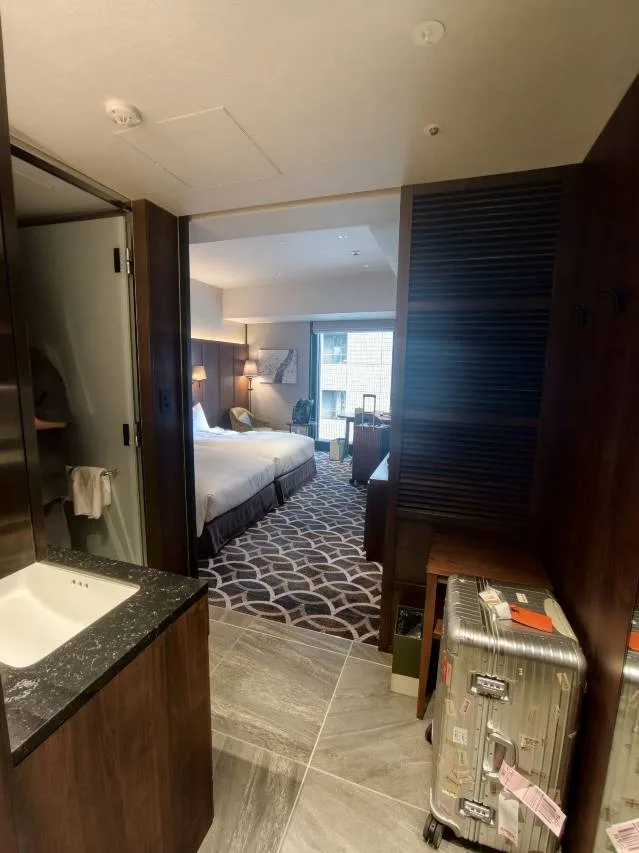
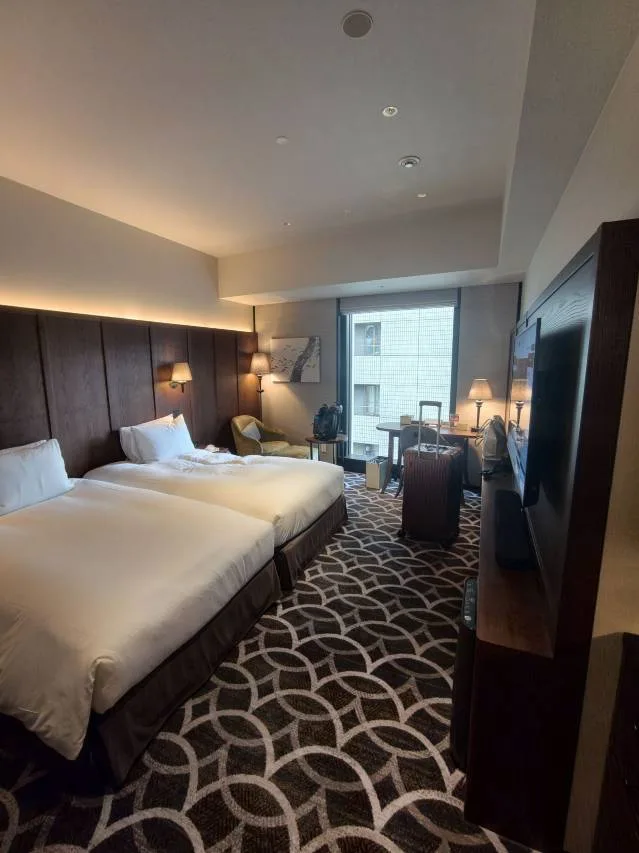
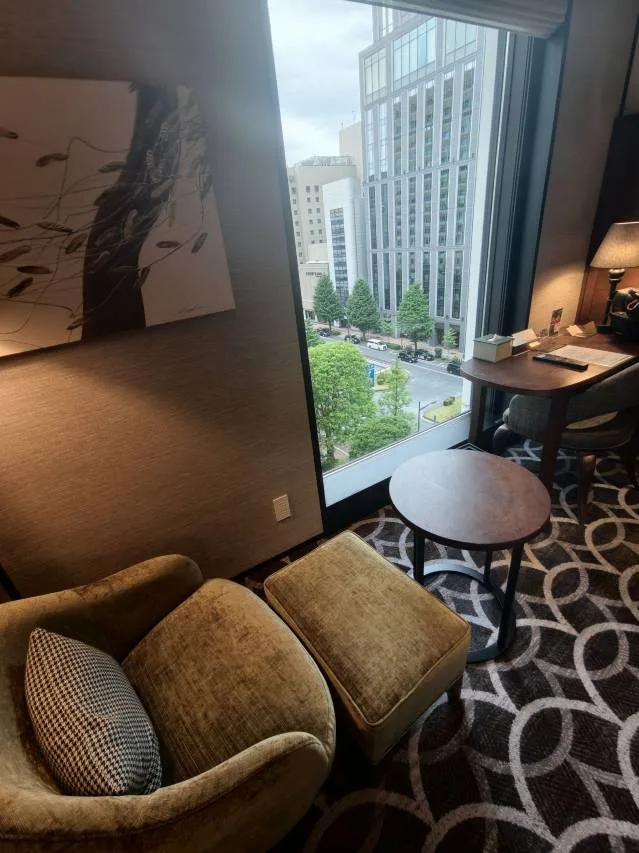
The room photographs show me how the room works once everyday things are in it: how much clearance the bed leaves, whether the desk holds what I need, and whether the bathroom circulation is smooth. The photos may show different categories, so judge your booking against the exact room layout you have selected.
In the washbasin-and-bed photo I check whether the morning routine — washing up, changing — gets stuck anywhere; in the window-seat photo I picture sitting there in the evening, looking over Ginza and unwinding; and the coffee-and-tea photo reminds me the room has a coffee machine, so I can have a first cup before heading downstairs.
Facilities and services: prioritize what you will really use
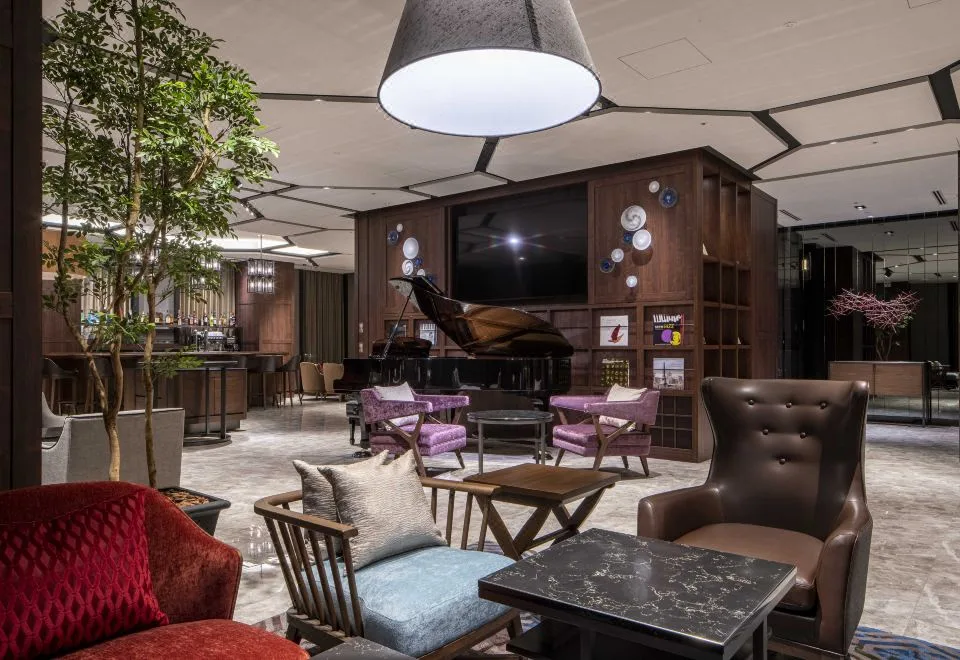
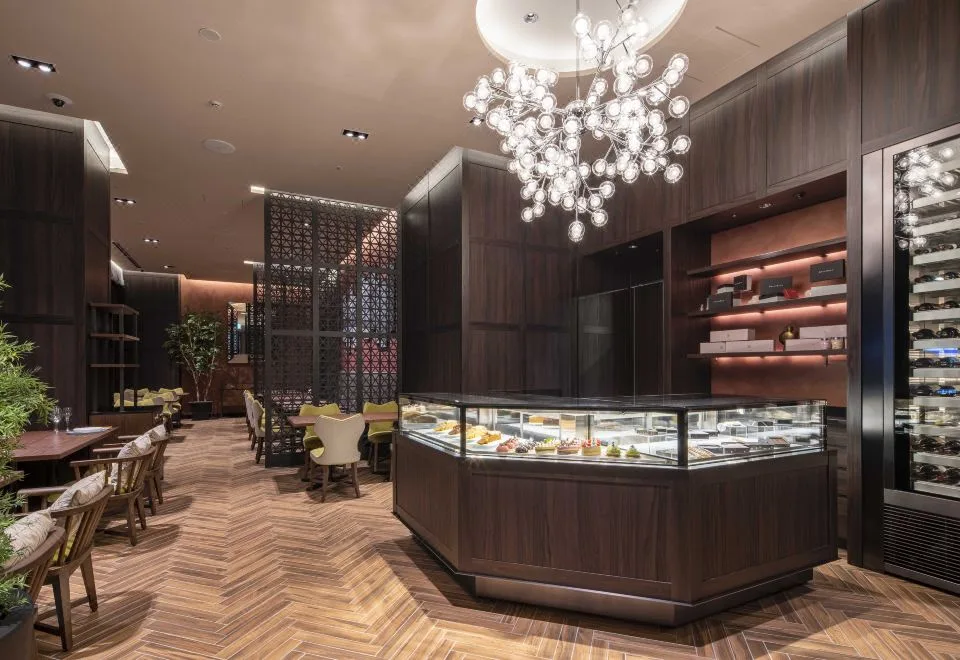
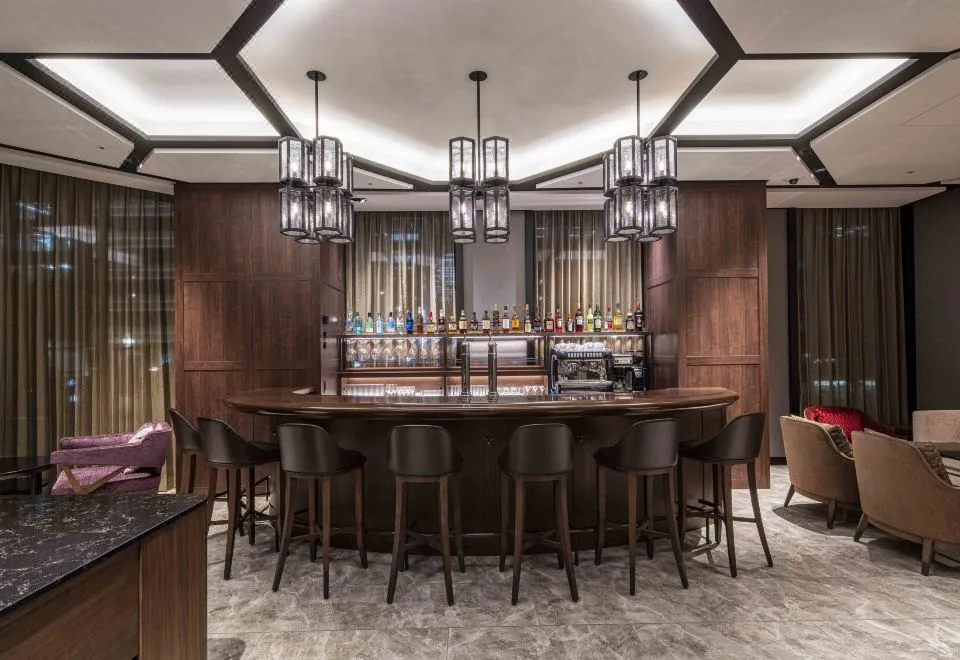
The lobby seating, bar and music-inspired atmosphere stand out in the photographs. In the evening I head first to the library bar on the second floor — piano music and evening snacks are the signature here — but check the programme for the day and your booking benefits before making evening plans around them.
The library bar Magdalena works as a café lounge from 15:00 to 19:00, with a cake of the day, coffee, tea, beer and cocktails, then turns into a bar from 19:00 to 23:00 with five Bach cocktails and bar food. I like having both in one place: coffee in the afternoon, a drink at night.
The restaurant Waldhaus on the first floor serves French cuisine, its menu supervised by a registered dietitian and led by a chef trained in French technique, for staying guests only. The practical extras: a 24-hour front desk, free luggage storage, currency exchange, translation help, laundry and ironing, parking, a gift shop; the front desk speaks Chinese, English and Japanese, so asking for directions or a restaurant is easy.
The second floor also holds the boardroom Wald Tür with an open kitchen, available 8:00–22:00 for family gatherings or small meetings; floors 14 and 15 are executive floors, and there are non-smoking floors too — ask about floor arrangements when booking.
The public areas are well thought out: fresh-air ventilation and humidifiers throughout, elevators that do not keep you waiting, step-free access and barrier-free rooms, non-smoking public spaces with a separate smoking area, so travelling with older family members or children is easy to manage.
Is breakfast worth adding?
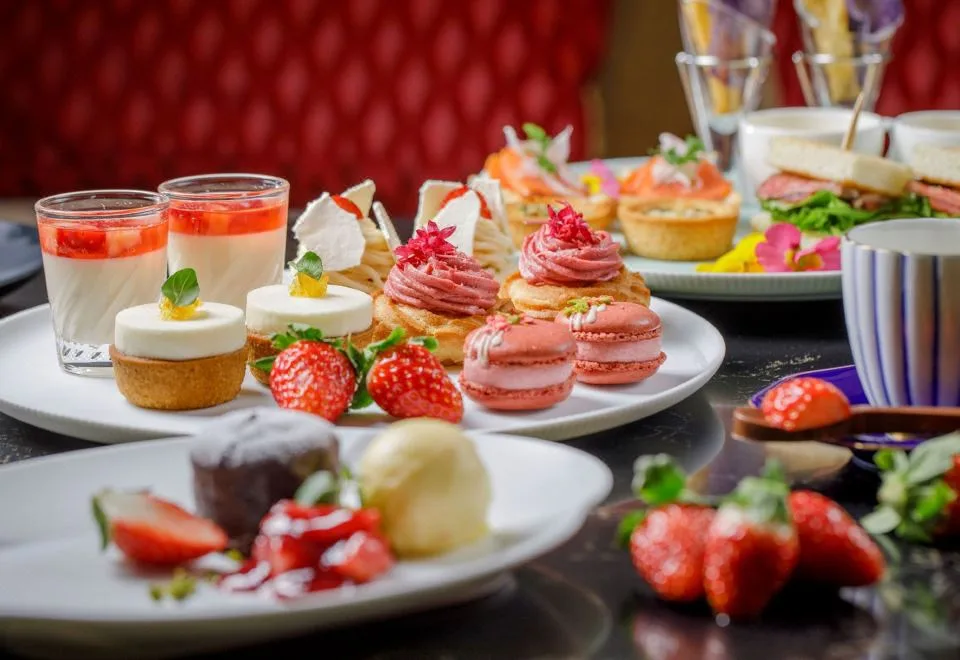
Breakfast is a buffet from 7:00 to 10:00, Western, American and European dishes, at ¥5,082 per person — the same price for adults and for children aged 17 and under. The plating is careful and the atmosphere is calm; sitting down and eating slowly is a pleasure. But the selection is not large, so if you want plenty of hot dishes, keep the option to eat out — the Tsukiji Outer Market is 330 metres away, and walking over in the morning is a good alternative.
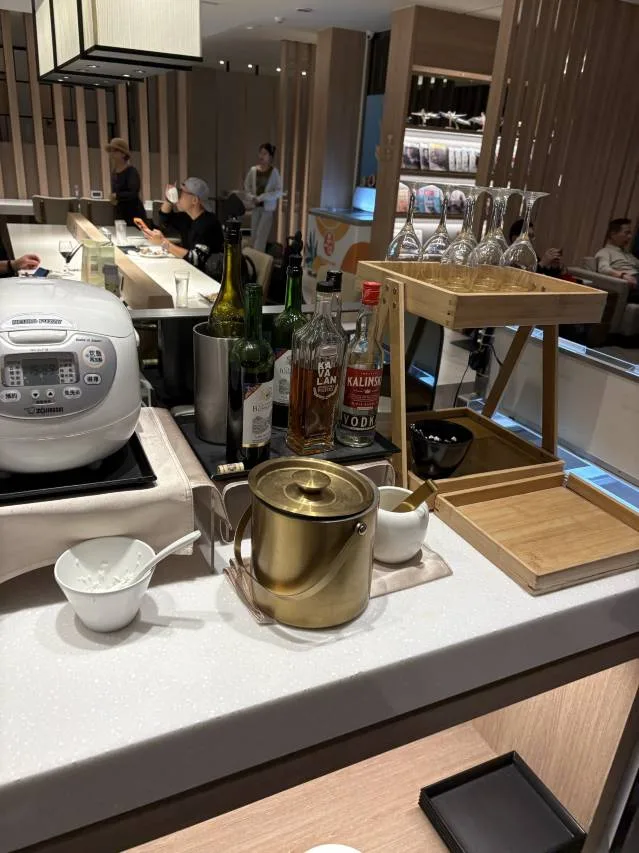
The two dining photographs below are what I use to picture the dishes and the dining room; the actual menu and service are whatever the day brings.
Leave before 7:00 and there is no breakfast, so plan early departures around that. Work out the headcount and the number of mornings before choosing a breakfast-inclusive plan — then the value is clear. The same restaurant serves lunch 11:30–15:00, afternoon tea 15:00–17:30 and dinner 18:00–22:00, so French cuisine is available without leaving the hotel; the afternoon tea seasonal sweets and soufflé with homemade fruit sauce are worth saving time for.
The American breakfast is a set menu of about 500 kcal, supervised by a registered dietitian — a good fit if you want something light; lunch is a seasonal casual set, and the afternoon tea sweets change with the seasons too. Dinner follows a prefix style of starter plus main, with local and sustainable ingredients.

Nearby sightseeing: leave time to wander
Kabuki-za Theatre, Ginza department stores and GINZA SIX all sit within easy reach before or after your hotel time: Kabuki-za is about five minutes on foot, GINZA SIX and Mitsukoshi about five minutes, the Tsukiji Outer Market 330 metres, Ginza-itchome Station 680 metres. Being able to leave shopping bags in your room and head out again for dinner is one of the practical benefits of staying in Ginza.
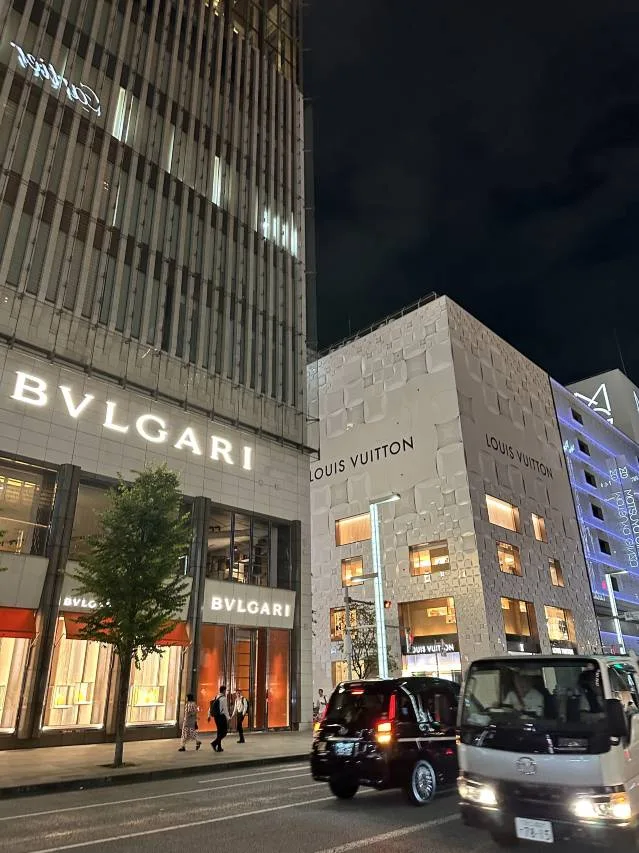
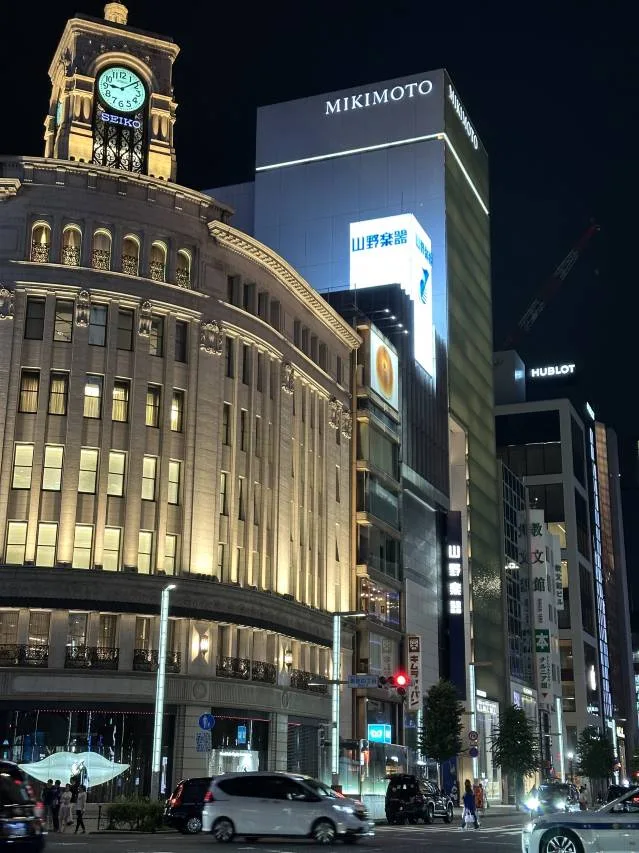
I split the walking into manageable stretches, heading back to the room to rest when I am tired and going out again — Ginza is best enjoyed slowly, in pieces.
Ginza-dori and Namiki-dori are both within walking distance, so switching from department stores to a quieter street is easy; Kabuki-za is close by, and the walk back to the hotel after an evening show needs no train.
Nihonbashi is about 1.4 km and JR Hamamatsucho Station about 1.9 km, an easy walk or a short ride; the Tsukiji Outer Market is 330 metres, so a morning walk there for breakfast and back to the room works well. Ginza-itchome Station is 680 metres, so the Yurakucho Line is an option for the return trip too.
Short stays, longer stays and my final pick
For one or two nights, the Higashi-ginza transport links and easy Ginza shopping are especially useful. For a longer stay, I check the bed type, the space near the window and my need for quiet before paying extra for lounge privileges or deciding on breakfast.
If a music-inspired hotel in Higashi-ginza is one of my priorities, it goes on my shortlist. Before confirming, I check the guest count, exact room category, breakfast inclusion and arrival time so the hotel works with the itinerary.
Check-in runs 15:00 to 23:30 and check-out is before 11:00, with the front desk staffed around the clock, so a late arrival is no problem. Luggage storage is free, so an early arrival or a late departure still leaves the day open for Ginza — leave the bags at the desk and keep walking. For an early flight, book a wake-up call at the front desk in advance.
Pros and cons at a glance
Pros
- Exit 4 at Higashi-ginza Station is about a one-minute walk, and Ginza Station A3 exit about four minutes — shopping bags are back in the room within minutes.
- All 144 rooms have a separate bath and toilet, with a large bathtub, a rain shower and bath salts; the 43㎡ Bach Corner Twin has windows on three sides, a Yamaha soundbar and Serta beds.
- Executive floors 14 and 15 come with a welcome service and lounge free flow from 19:00 to 23:00.
- The library bar Magdalena is a café lounge by day and a bar by night, with five Bach cocktails and a cake of the day.
- Restaurant Waldhaus serves French cuisine supervised by a registered dietitian, with breakfast, lunch, afternoon tea and dinner.
Cons
- Breakfast is a buffet at ¥5,082 per person, and the selection is smaller than a large buffet; leave before 7:00 and there is no breakfast.
- How quiet a room feels varies — think about noise before choosing a street-facing room.
- No room type offers extra beds or cribs, so three adults must check the bed count of the room itself; a child without an extra bed can still be charged.
- There is no gym or large public bath on site; plan a workout or a soak elsewhere.
Information last checked: 2026-11-22