
TOKYO / CHUO
Ginza International Hotel
Ginza International Hotel
Ginza International Hotel suits guests who want access to trains at Shimbashi and shopping along Ginza 8-chome. Dinner, groceries and dropping bags off are all convenient. I would compare renovated categories and how much street noise I could tolerate before booking.
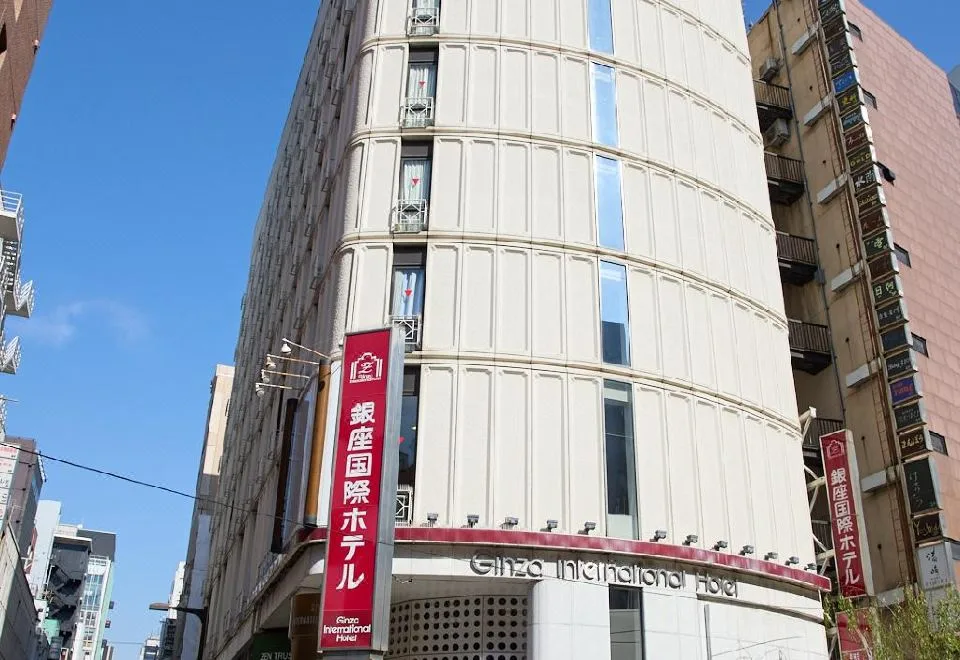
Why stay and what to accept
Reasons to consider
- Shimbashi and Ginza both work for transport, restaurants and shopping.
- There are renovated categories to compare across single, double and twin rooms.
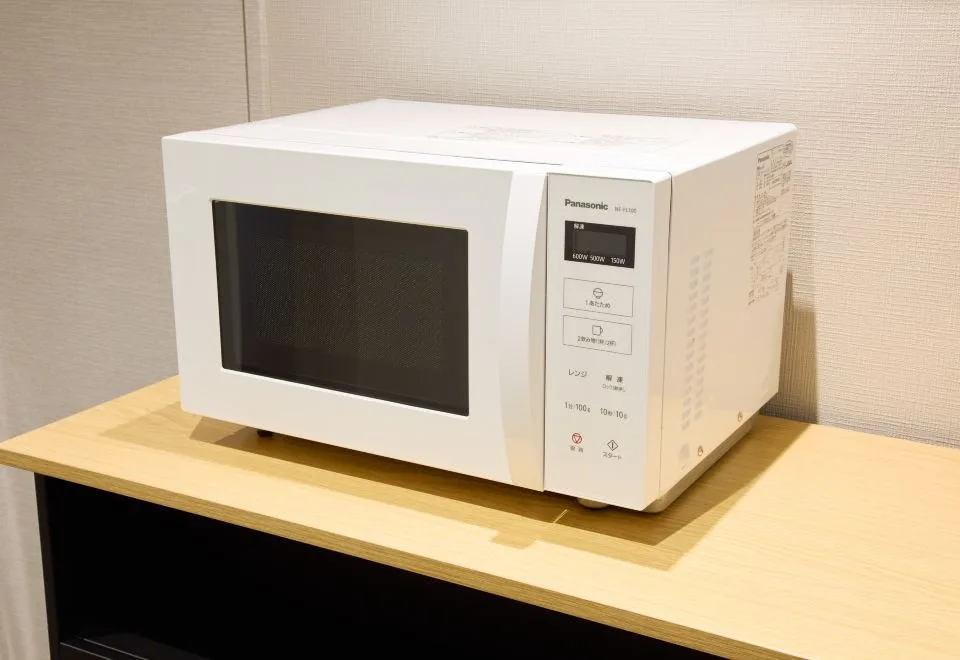
- Shared microwaves and laundry equipment are practical for longer stays.
Trade-offs
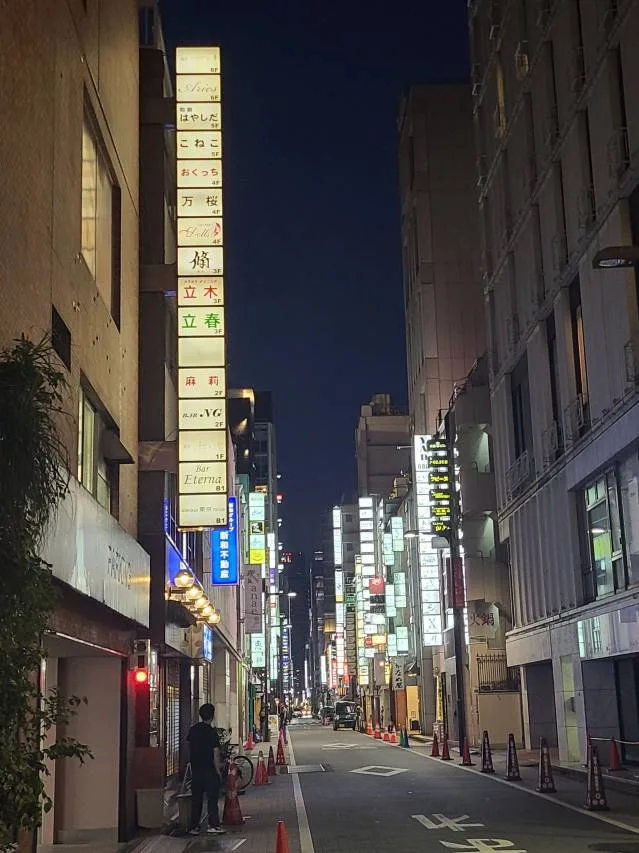
- Ginza streets can be lively at night, so light sleepers should consider noise and room position.
- Some bathrooms have a step at the entrance; guests with knee or mobility issues should ask.
- A wider bed does not necessarily mean more room to move around.
Room types and luggage space
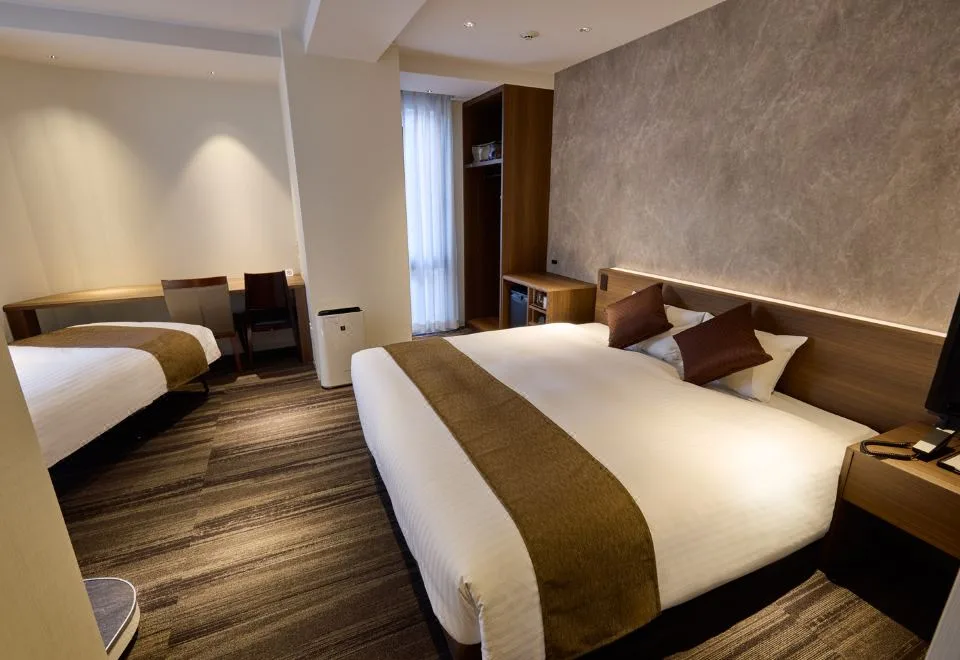
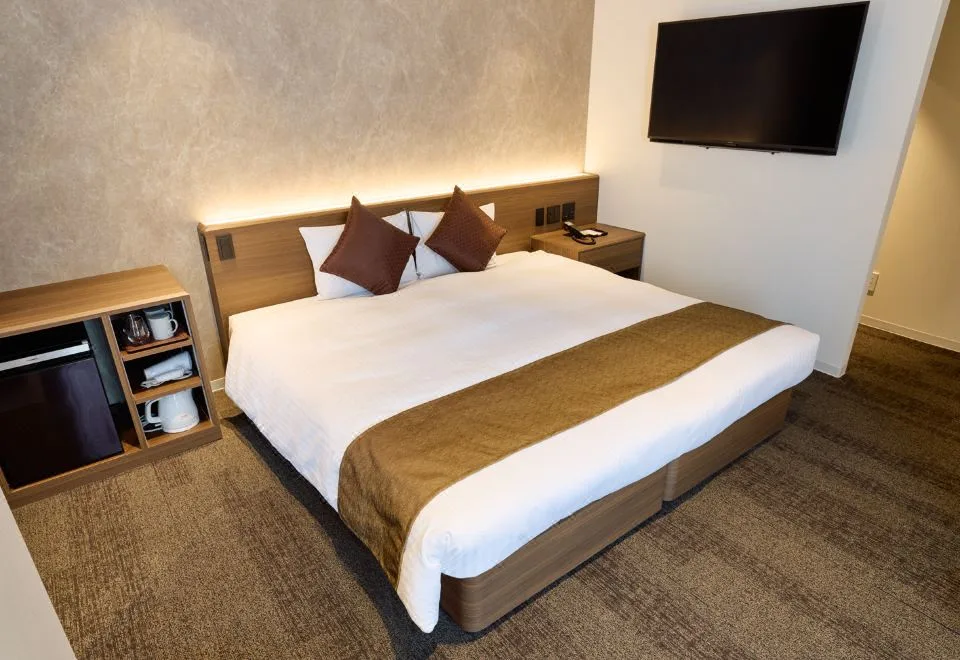
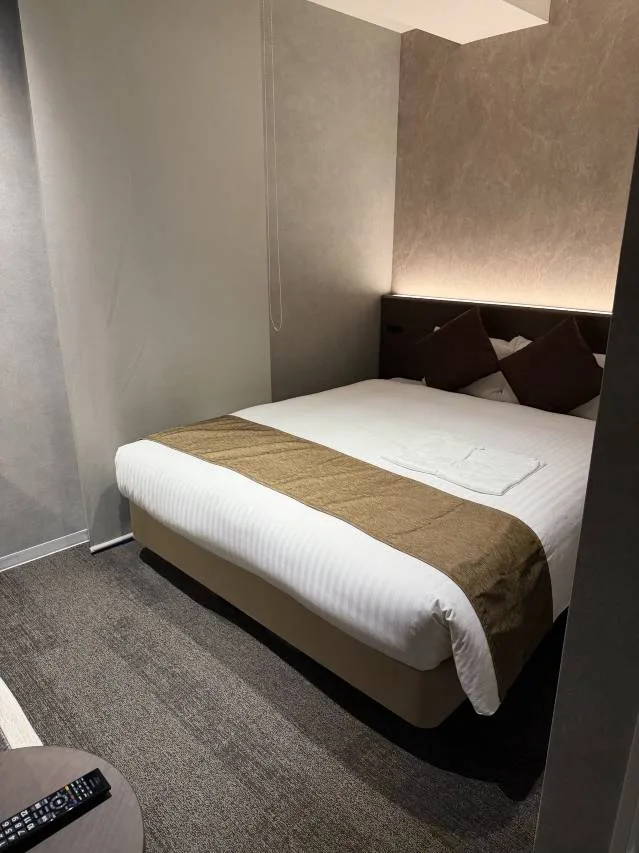
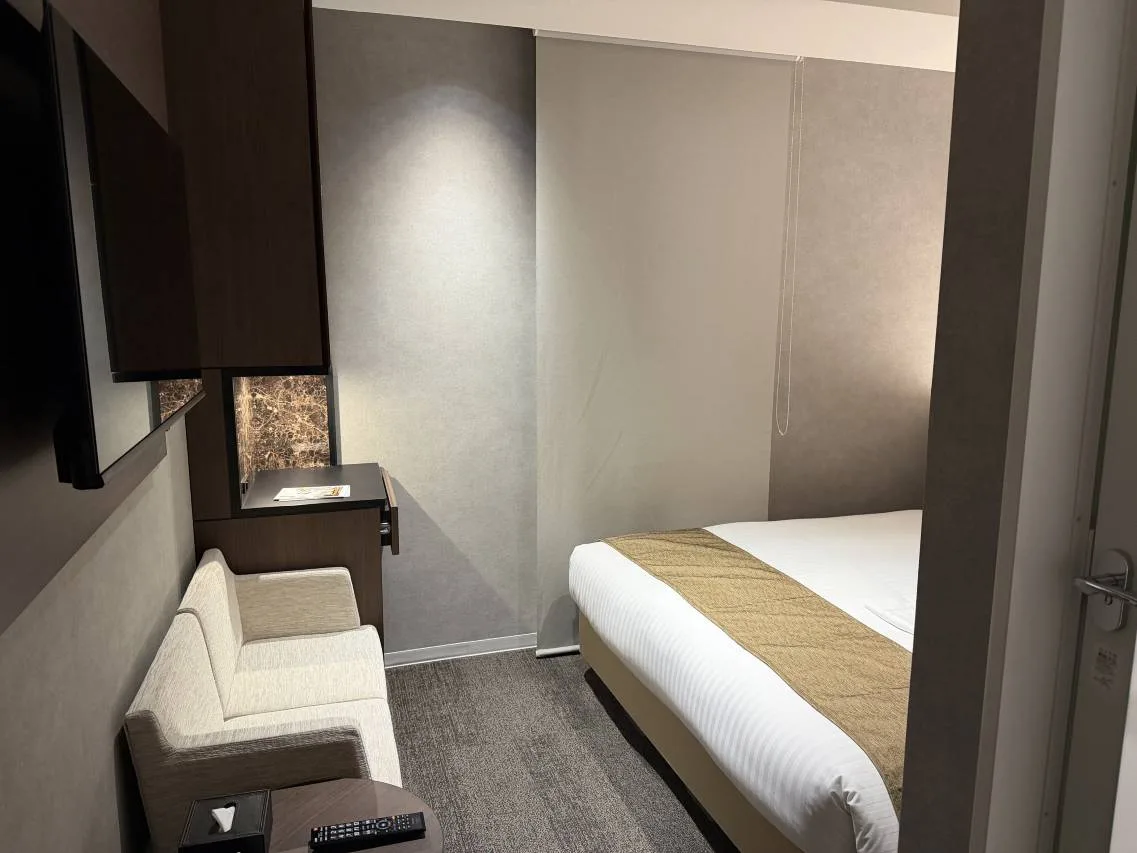
The official Small Single is 13.6 m² with a 103 cm bed, while the regular Single is 14.3 m² with a 120 cm bed. The Standard Double is 14.3 m² with a 160 cm bed and is marked as renovated in 2026. For two people who want a wider bed, that is appealing, but two large suitcases still squeeze the room.
For separate beds or more floor space, compare Twins and upper categories. Renovation alone does not expand the room area.
The hotel has 95 rooms, renovated in 2026, with free Wi-Fi, air conditioning, a refrigerator and an LCD TV in each room. Bathrooms combine a shower and tub, and the toilet has a bidet function. Travelling solo, compare bed widths first: the 103 cm Small Single fits one person, while the 120 cm regular Single gives you more room to turn over; for two people, look at the Twin, with two single beds to sleep apart and space to store luggage on each side.
Upper categories include the Deluxe Double and the Deluxe Triple. The Deluxe Double has one large bed for two people who want more width, and the Triple adds an extra bed so a family of three does not need two rooms. When choosing, weigh bed count, bed width and luggage together: a wider bed leaves less floor space for open suitcases, so the two have to be balanced.
Choose renovated and older room types separately: rooms marked as renovated in 2026 have updated fittings and decor, so look for the renovation mark when booking instead of assuming the whole hotel is renovated from the room name alone. Two people who want a wider bed can settle both renovation and bed width at once with the Standard Double; a solo traveller on a budget will find a renovated Single enough. When booking, state the number of beds clearly; for two guests, do not book for one person only, or you may find at check-in that there is not enough bed to sleep on.
Bathrooms and everyday amenities
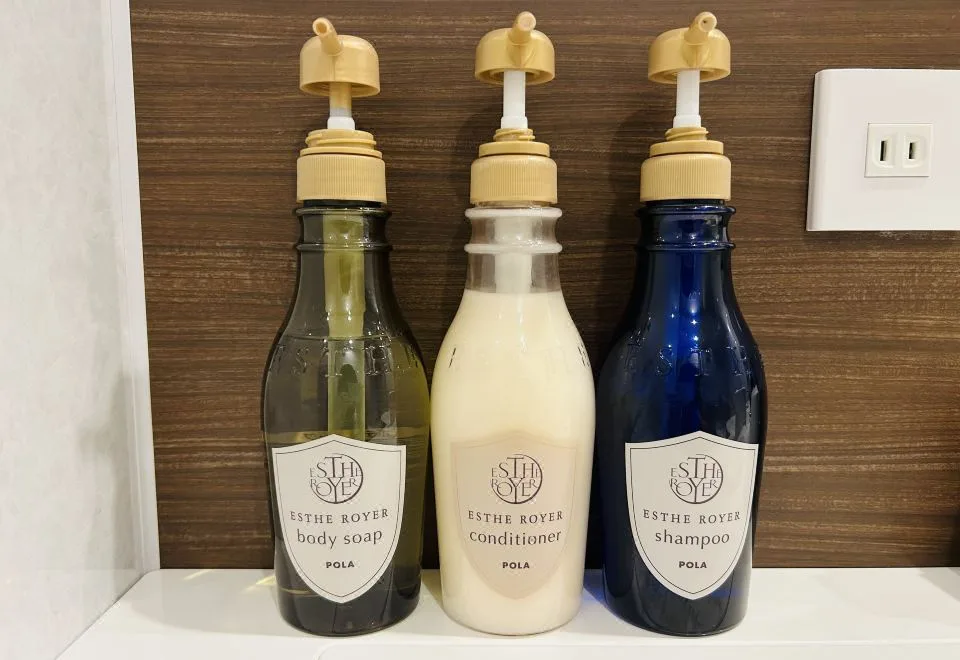
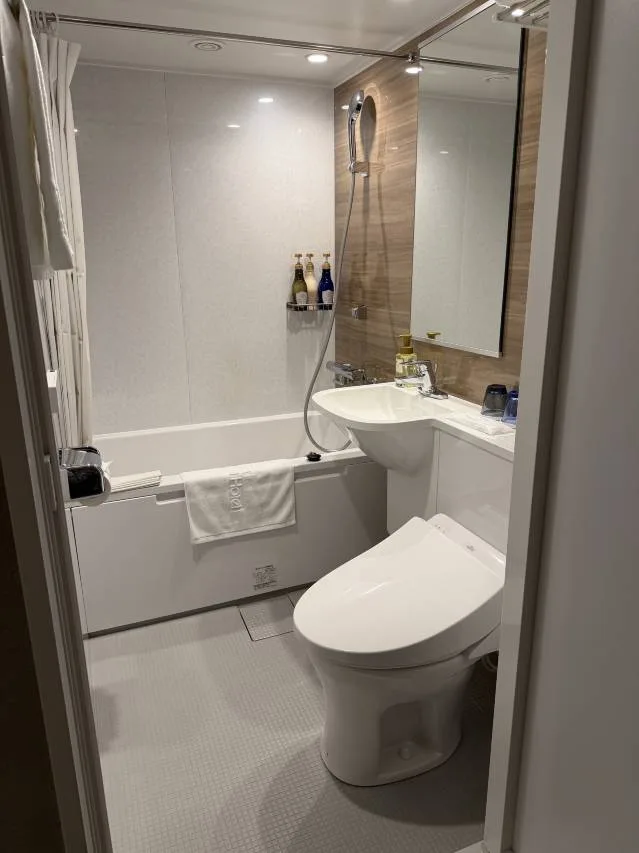
The bathroom is a combined unit with a shower and tub. The shower runs strong, hot water comes quickly, and you do not have to wait around after a winter wash. The toilet has a bidet function, and the vanity has a round mirror and hanging space. A hair dryer and slippers are in the room, so you can get ready in the morning without hunting for things.
Some room types have a step at the bathroom entrance. If your knees are stiff or you are wheeling a large case into the bathroom, ask about the step height and door width for your room type before booking, and check the route inside the room before unpacking.
Breakfast that fits your morning
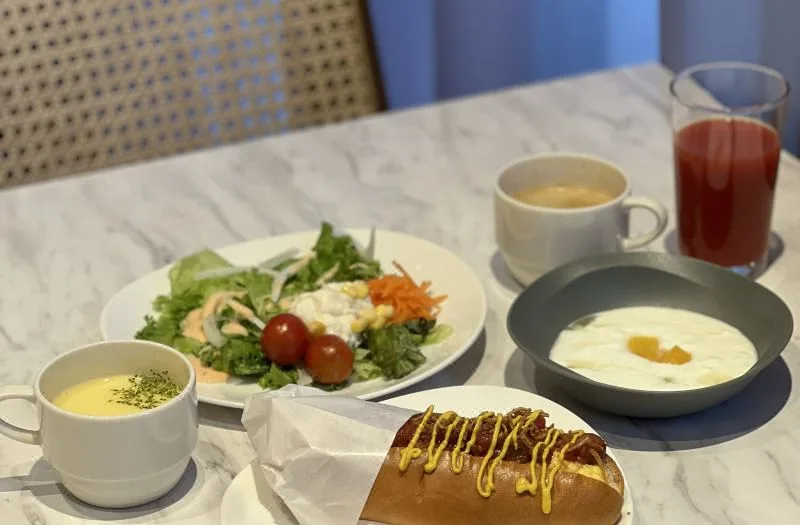
The hotel restaurant, ZEN, serves a Western buffet breakfast daily from 7:00 to 10:00, for staying guests only. Adults and children aged 17 and under pay JPY 1,100 per person, paid on site if you add it. Check first whether your rate includes breakfast: if it does, just go downstairs and eat; if not, decide whether to add it.
The buffet line is straightforward: pick up hot dishes and staples first, then sit down and eat at your own pace, and you can still finish before 10:00 if you are catching a train. For a relaxed morning, come down early, as seats are emptiest just after the 7:00 opening. Coming down after 9:30 leaves only half an hour before service ends, so watch the time.
Skipping the hotel breakfast is fine too: there is a FamilyMart right beside the hotel, and Ginza and Shimbashi have plenty of cafes. My approach is to eat in the hotel on the first morning to learn the route and the seating, then try a cafe outside on the second day, and decide the rest of the trip after trying both.
The restaurant serves staying guests only, so you are not competing with outside diners for seats. If you come down after 9:00, take the hot dishes first and drink your coffee slowly afterwards, and you will have enough time. After breakfast, go straight back to your room for your luggage, and you will be ready for checkout without another trip to the lobby.
Location and luggage access
JR Shimbashi Station is about 160 metres away, a three-minute walk, and Ginza Station is about eight minutes on foot. Choose your exit by the line you are using, and with large luggage do not simply take the nearest stairs. Reception is on the third floor, so take the elevator up. If you are leaving early, sort out luggage storage or a taxi the night before.
With large luggage, a wheelchair or a stroller, use the Ginza Exit from the JR North Gate: JR East runs its barrier-free route through the South and North Gates, with elevators from the platforms to the gate level, and from the Ginza Exit it is about a three-minute walk along Ginza 8-chome to the hotel. On the Ginza Line, the closest exit, Exit 3, is stairs only; for a step-free route, use the ground-level elevator across the crossing from the Ginza Exit, ride down to the basement concourse, then take the platform elevator to your platform.
From Haneda Airport, JR and the monorail take about 30 minutes to Shimbashi; from Tokyo Station, JR takes about 10 minutes. With luggage, coming straight to Shimbashi saves a transfer compared with going around to Ginza Station first.
Address: 8-7-13 Ginza, Chuo City, Tokyo 104-0061, Japan.
Shimbashi Station serves the JR Yamanote, Keihin-Tohoku, Tokaido and Yokosuka lines, plus the Ginza Line, the Asakusa Line and the Yurikamome, so Shibuya, Asakusa, Ueno and Odaiba are all easy to reach without detours. Take the Ginza Line for Shibuya and Asakusa, and the Yurikamome for Odaiba, each a direct ride with no transfer.
Neighborhood food and shopping
I walk slowly from Ginza 8-chome toward the main shopping avenue, drop back to the room with my bags, and look for dinner in Shimbashi in the evening. Convenience stores are all around for water, breakfast supplies and daily top-ups. This is a lively night district, so convenience and street sound come together, and if you sleep early and lightly, factor that into your room choice.
For a half-day plan, Hibiya Park is about 630 metres away, the Ginza Art Aquarium Museum about 770 metres, Tsukiji Outer Market about 1 kilometre and the Imperial Palace about 1.5 kilometres, all walkable. Put Tsukiji in the morning and Ginza in the afternoon, then come back to Shimbashi for dinner, and get through the day without riding trains all the time.
Kabuki-za Theatre is about 800 metres away and the Shimbashi Enbujo Theatre about a 15-minute walk, so after an evening performance you can walk back without rushing for the last train. Ginza Six is about 400 metres away, an easy stop for shopping on the way back to the room.
You do not have to walk far for shopping supplies: Don Quijote and Matsumoto Kiyoshi are both within walking distance, and Mitsukoshi is nearby too, so drugstore goods, daily supplies and souvenirs can all be bought in one trip. Stock up on the way back in the evening, and you will not need a special trip out in the morning.
For a morning walk, Hibiya Park, with lawns and a pond, is right for a half-hour walk; you can walk around the Imperial Palace outer edge and come back to the hotel without rushing the day. If you get tired, come back to the room to rest and head out again for dinner in the evening.
Facilities and services
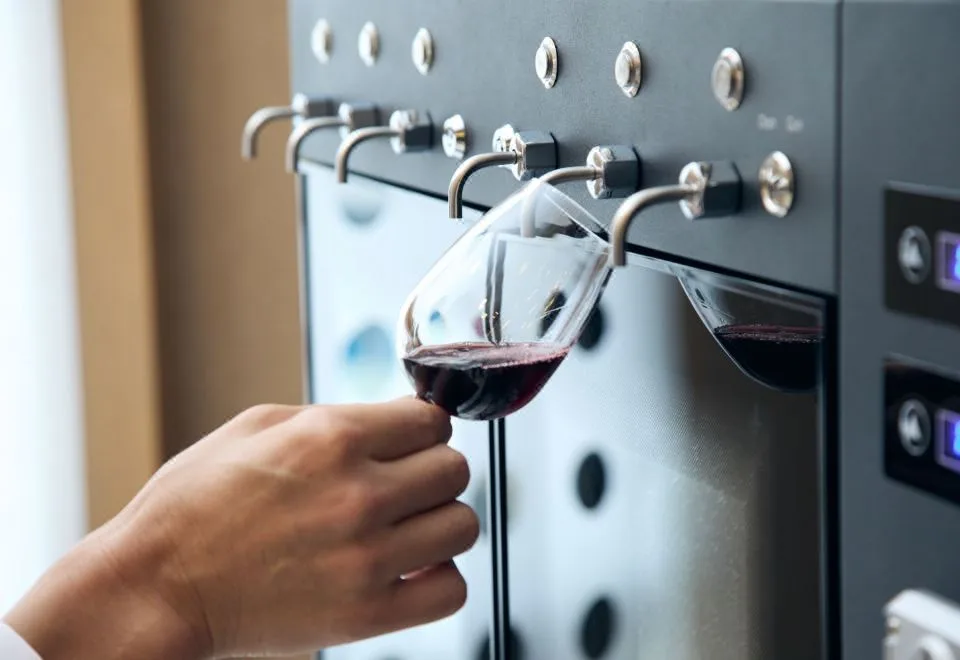
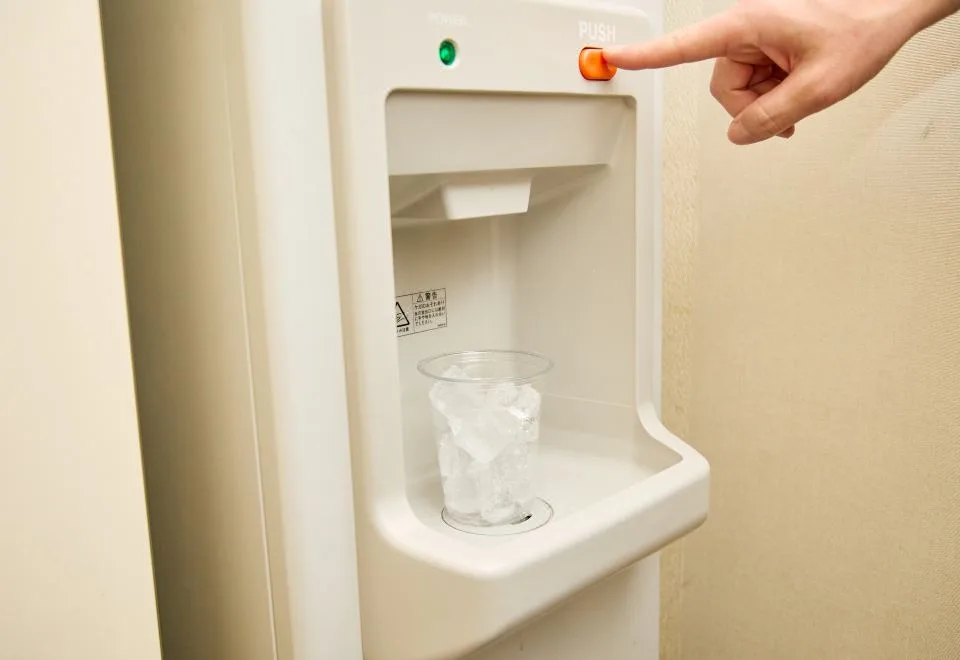
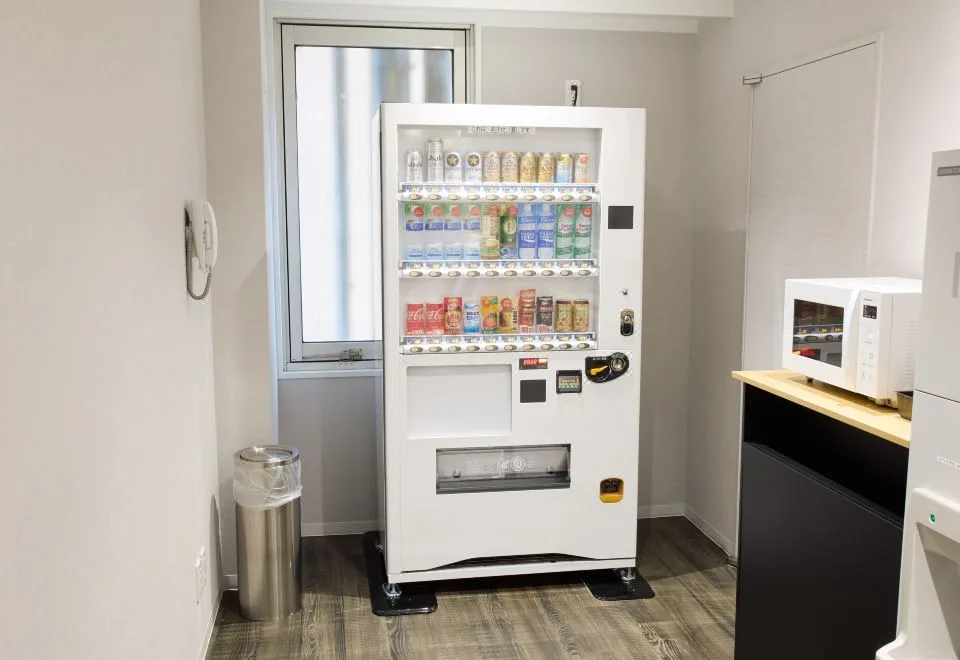
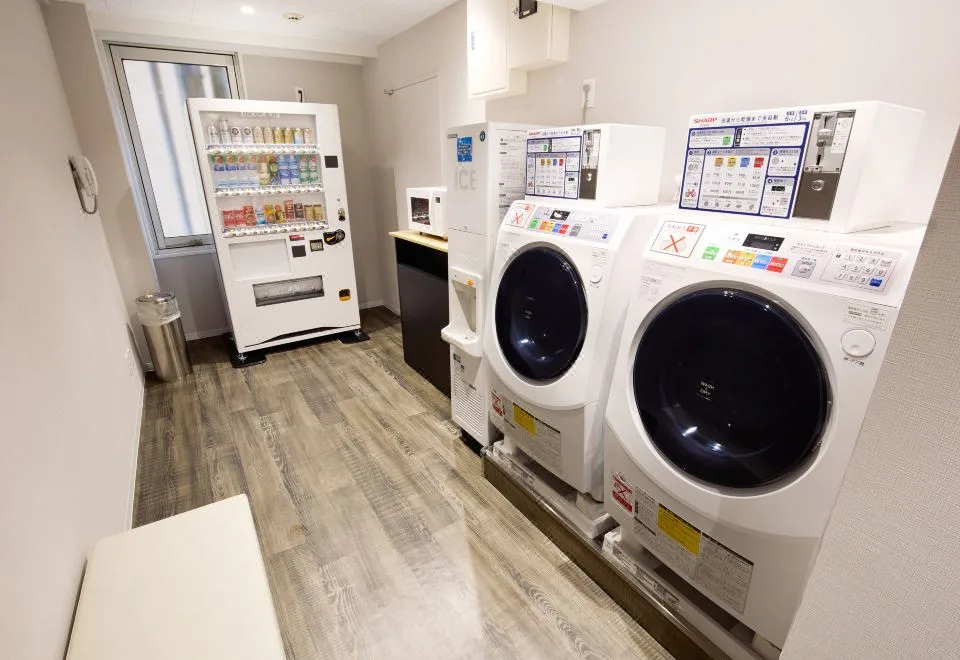
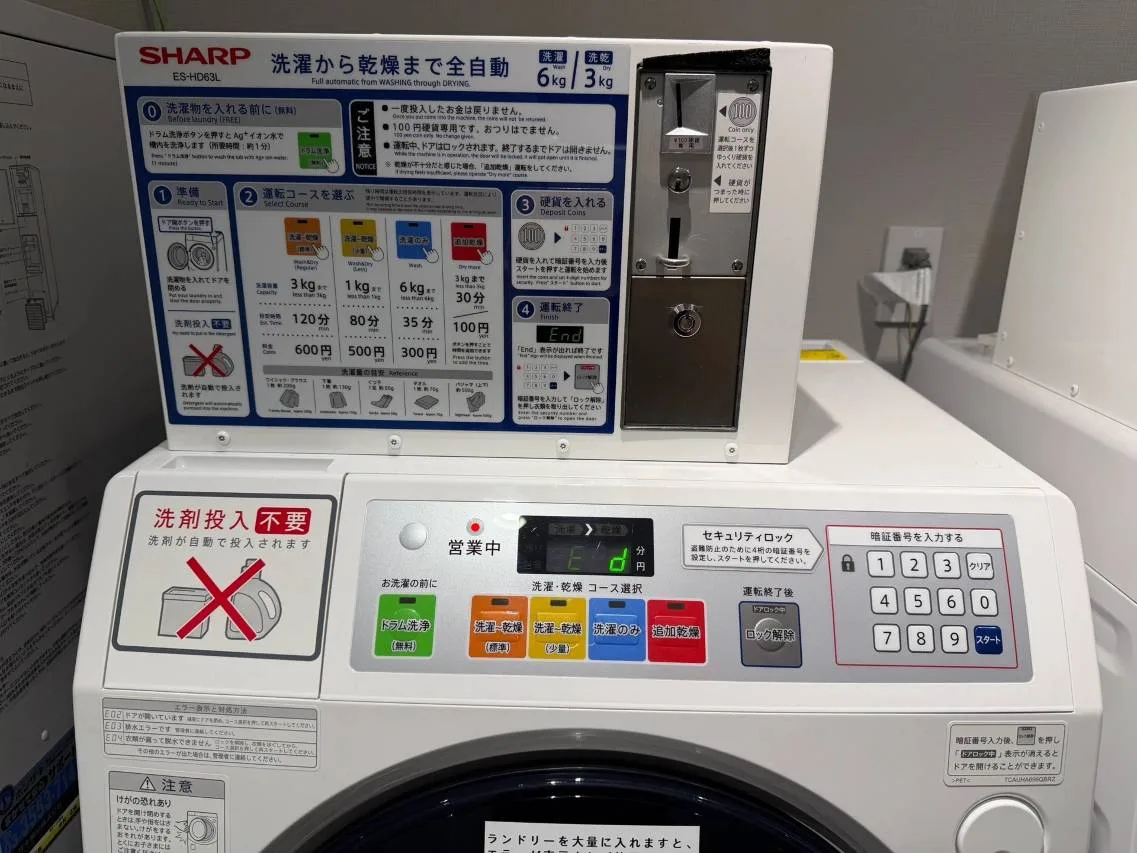
The shared microwave, water dispenser and laundry equipment make longer stays easier to manage. The microwave and ice maker are on the fourth floor, so ask where the laundry area and water station are when you arrive, and do not leave heating and laundry to the last night. If you need a step-free route, ask about the actual bathroom step in your room rather than assuming a building elevator covers the whole room.
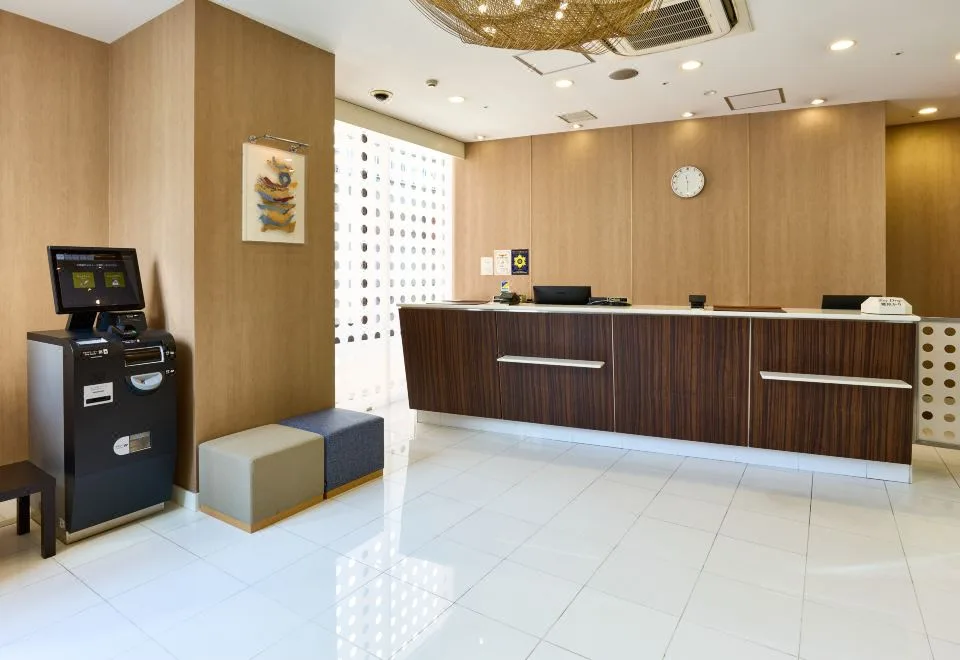
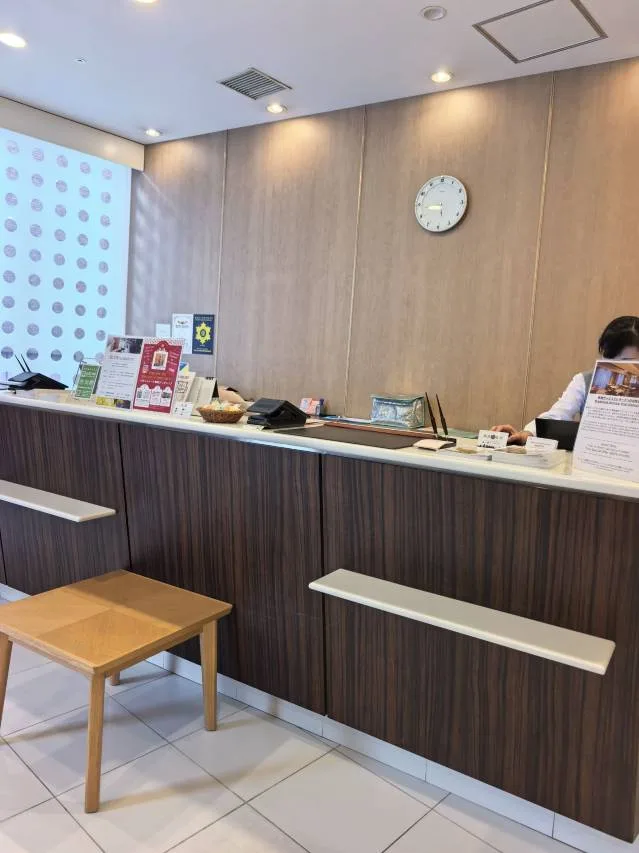
The front desk is staffed 24 hours, luggage storage is free, and the taxi service can call a car to the door. Public-area Wi-Fi is free, the building has an elevator, and there are non-smoking floors and a smoking area. Laundry and dry cleaning cost extra, as do fax and photocopying. The hotel takes no deposit, pets are not allowed, and check-in requires guests to be at least 18.
If you are driving, note that the hotel lists a car park, so ask the front desk about spaces and charges when you arrive instead of looking for somewhere to park after you get there. The front desk also has a safe and translation tools, so ask for help if language is a problem, and smokers should use the smoking area in the building rather than smoking in the room.
One or two nights versus several
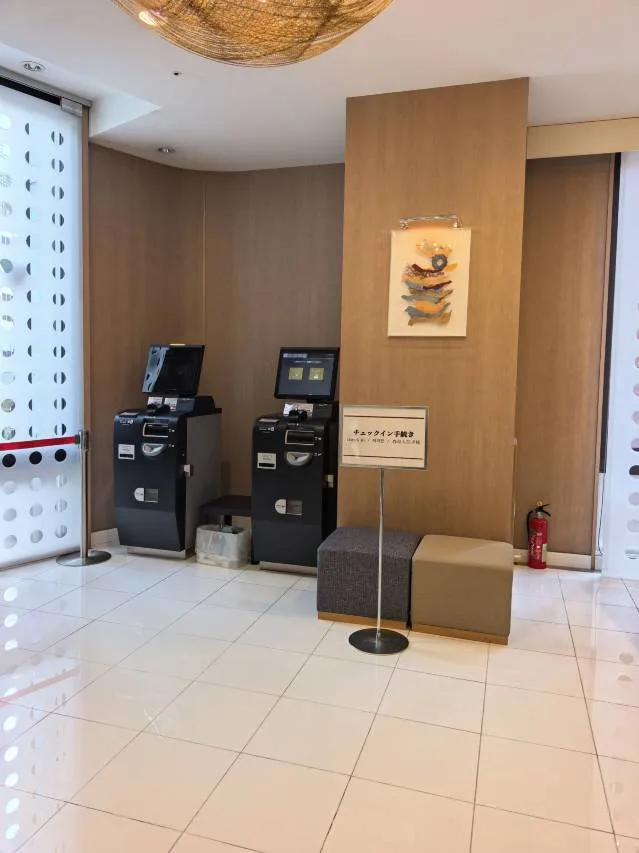
For a short visit, Shimbashi transport is a strong point. Over multiple nights, choose a room position that allows good sleep. Two guests organizing shopping daily should compare twins or larger rooms. The hotel lists normal check-in from 1 p.m. and checkout by 11 a.m.; early access still depends on the day’s arrangements.
Check-in is earlier than at most hotels, which suits anyone arriving in Tokyo around midday, as you can drop your bags and head to Ginza in the afternoon. On a longer stay, build laundry and the microwave into your routine: deal with dirty clothes each evening instead of carrying them in your case. Guests aged 15 to 17 cannot stay unaccompanied, and no room type takes an extra bed or a crib, so count beds before booking for a family.
Arriving in Tokyo late at night is no problem either, with staff on duty between the 1 p.m. check-in and the 11 a.m. checkout. If you are leaving early, store your luggage and book your taxi the night before, and in the morning you can pick up your bags downstairs and head straight out.
Before booking: renovation and noise
What I value, cleanliness, location and service, is solid here, and at the same time you should accept nighttime street sound, bathroom steps and a sense of age in some of the fittings. Look at renovated room types separately: do not assume every old issue is still there, and do not assume renovation has solved the noise completely. Light sleepers can ask for a quiet room before booking and listen to the surroundings after arrival.
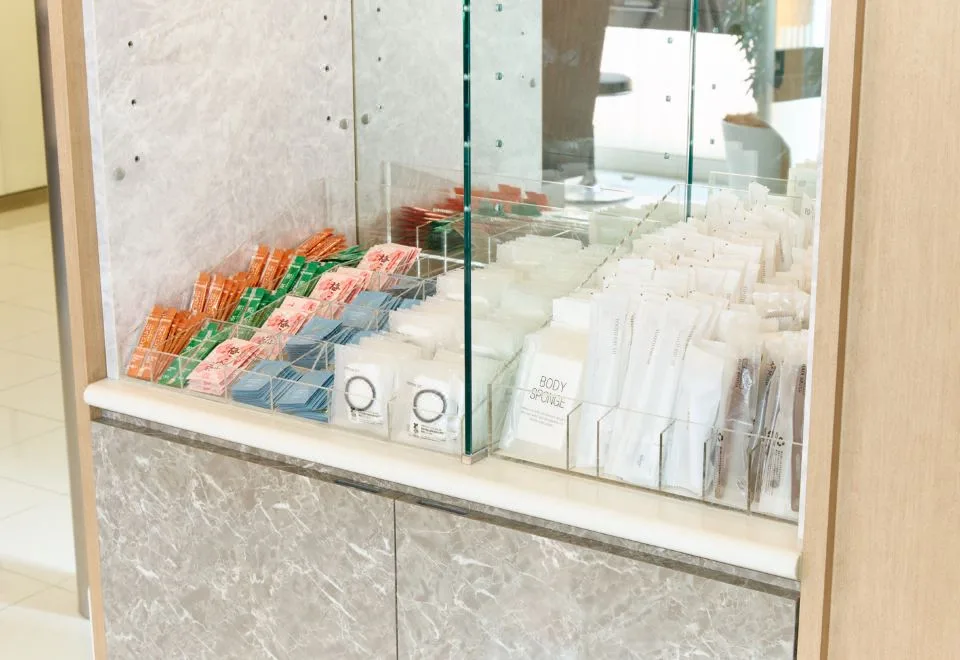
Rooms are cleaned daily, towels and amenities are topped up, and the third-floor lobby has a self-service corner with coffee, tea bags and toothbrushes, so if something is missing, just go downstairs and pick it up. Some room types have no wardrobe, so if you are staying longer, think ahead about where your coats and jackets will go.
After the 2026 renovation, the rooms and fittings in renovated categories feel much newer, and the dated feel of the old rooms is far less visible there. When choosing, look for room types marked as renovated in 2026, as the Standard Double in particular combines renovation with a wider bed in one choice.
My final choice
I would consider it for trips using Shimbashi trains and Ginza shopping. Solo guests should compare bed widths and renovation status; couples should assess suitcase space. For mobility issues or light sleep, get clear answers about bathroom steps and the room’s location first.
If your trip centres on Ginza and Shimbashi and you would rather spend your budget on shopping and food than on the room, this hotel belongs on your list. On the other hand, if you go to bed early every night, are sensitive to sound, or need one room for a family of three, ask about a quiet room and the Triple first before deciding.
Pros and cons at a glance
Pros
- About a three-minute walk from the JR Shimbashi Station Ginza Exit and two minutes from Ginza Line Exit 3, so both Shimbashi and Ginza are easy to reach.
- Renovated in 2026: Small Single 13.6 m2 with a 103 cm bed, regular Single 14.3 m2 with a 120 cm bed, and Standard Double 14.3 m2 with a 160 cm bed, with bed widths stated clearly.
- Restaurant ZEN serves a Western buffet breakfast from 7:00 to 10:00 for JPY 1,100 per person, adults and children aged 17 and under, for staying guests only.
- The front desk is staffed 24 hours, luggage storage is free, public-area Wi-Fi is free, and the building has an elevator.
- Shared microwave, water dispenser and laundry equipment are available, and the third-floor lobby has a self-service corner with coffee, tea bags and toothbrushes.
Cons
- Ginza streets can be noisy at night, so light sleepers should ask for a quiet room first.
- Some room types have a step at the bathroom entrance, so ask about the step height and door width if your knees are stiff.
- No room type takes an extra bed or a crib, so parties of three or more should count beds first.
- Guests aged 15 to 17 cannot stay unaccompanied; pets are not allowed, and check-in requires guests to be at least 18.
- Standard rooms are only 13.6 to 14.3 m2, so two large suitcases open at once will squeeze the floor.
Information checked: November 22, 2026.