
TOKYO / CHUO
Ginza Creston
Ginza Creston
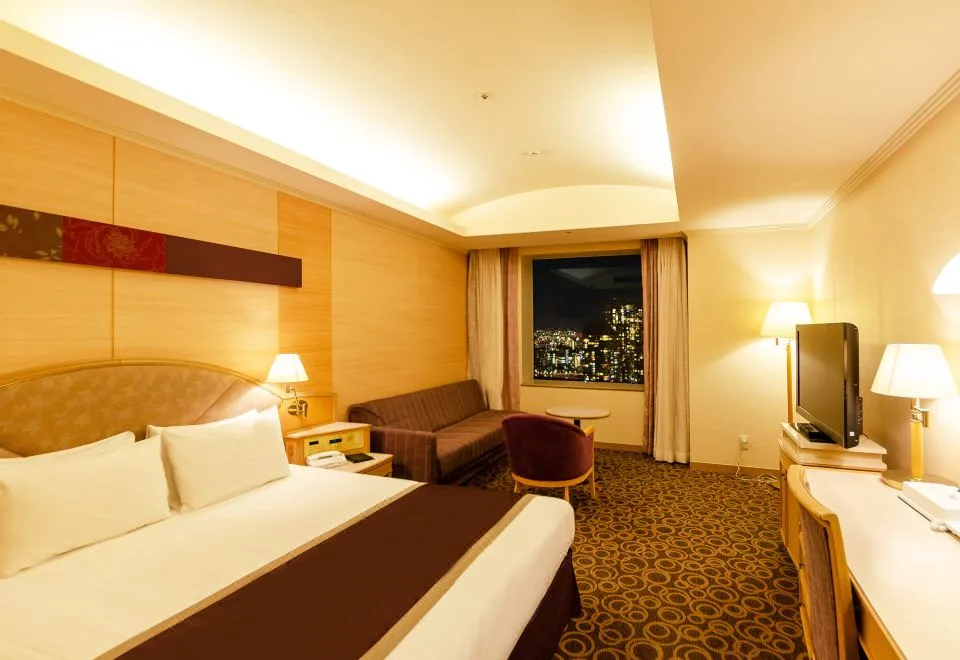
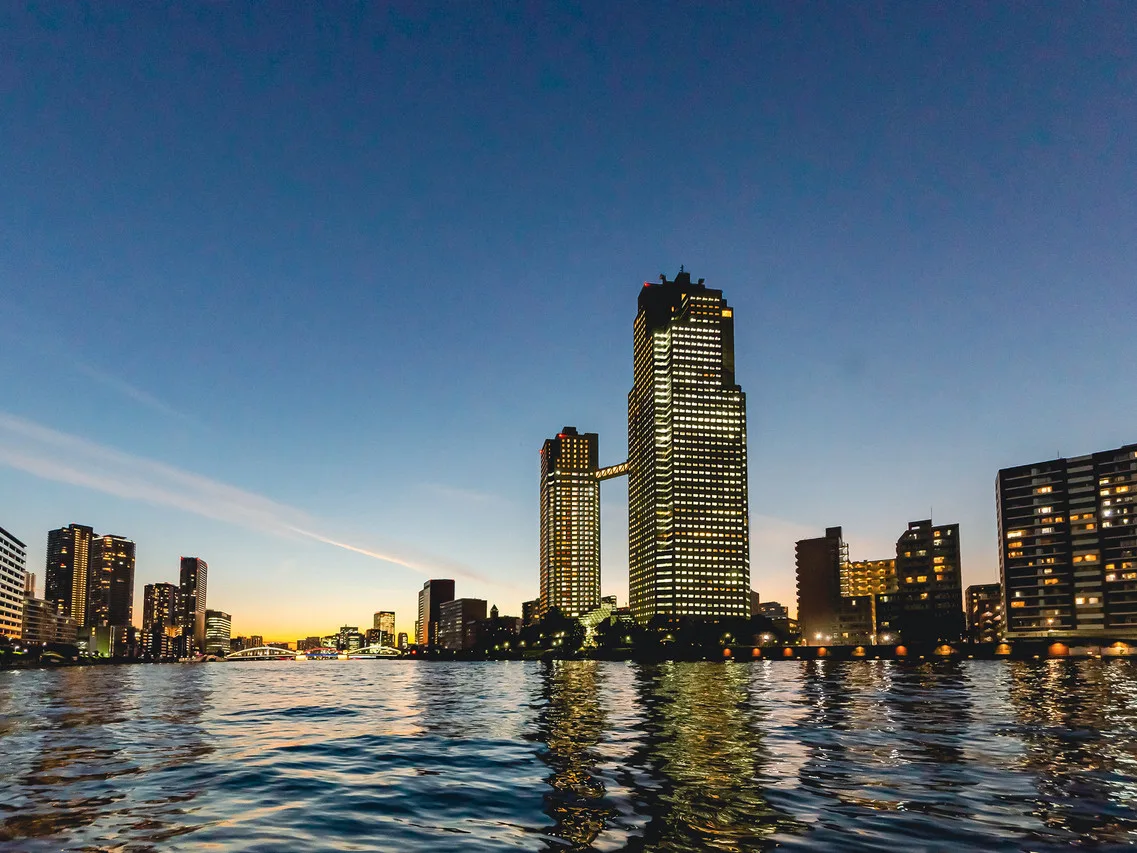
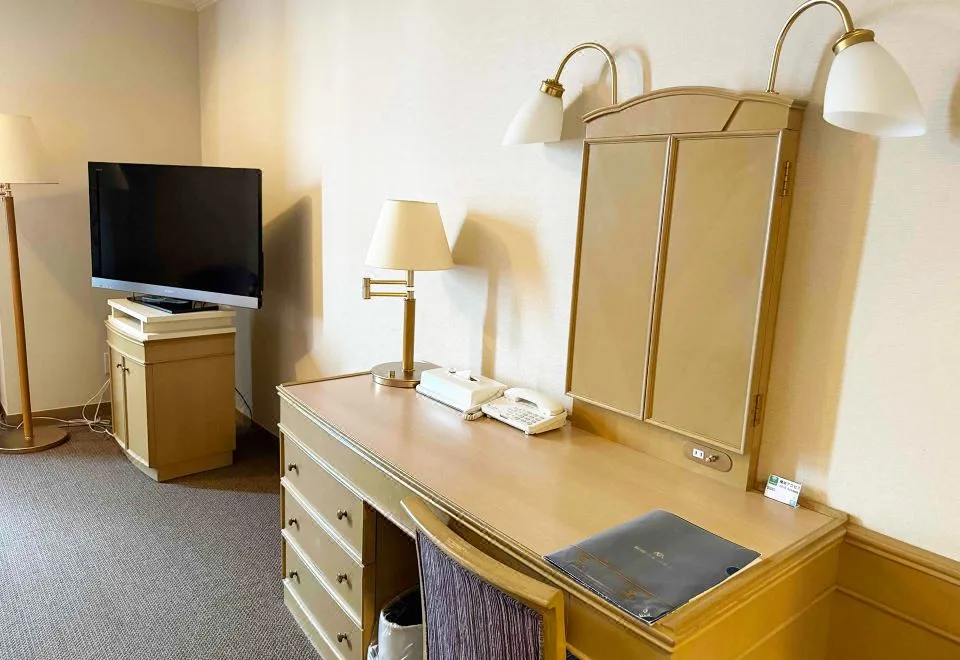
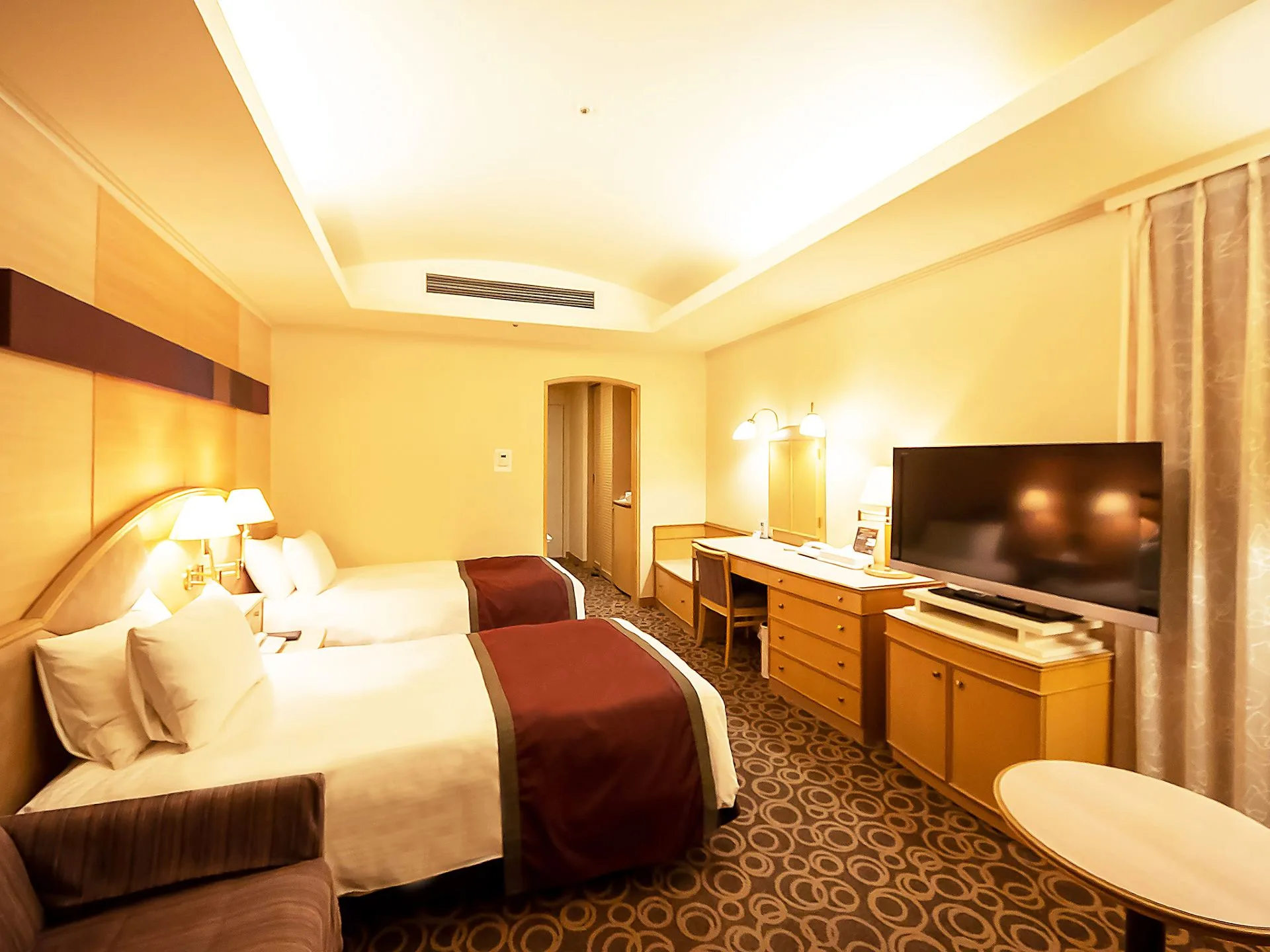
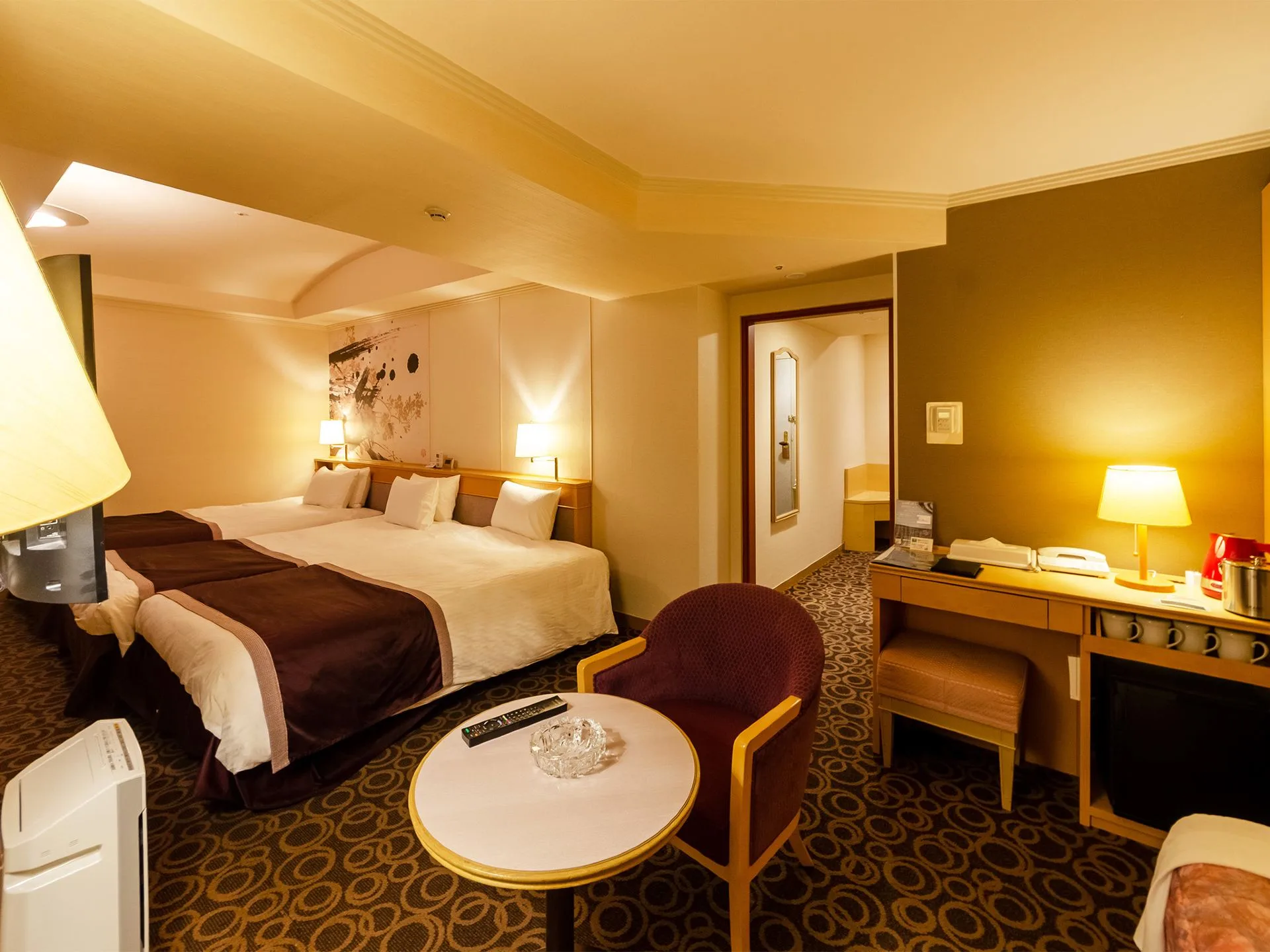
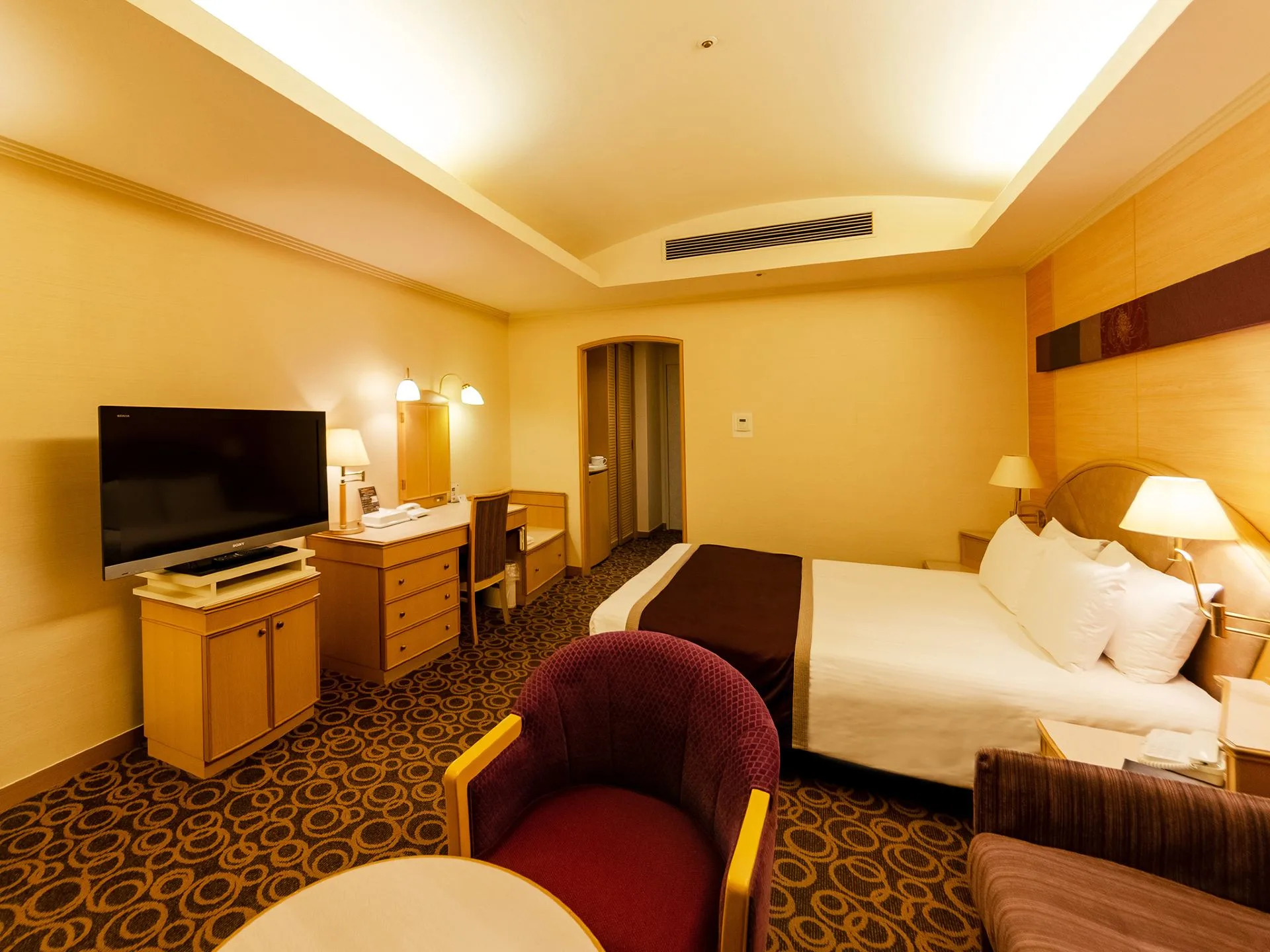
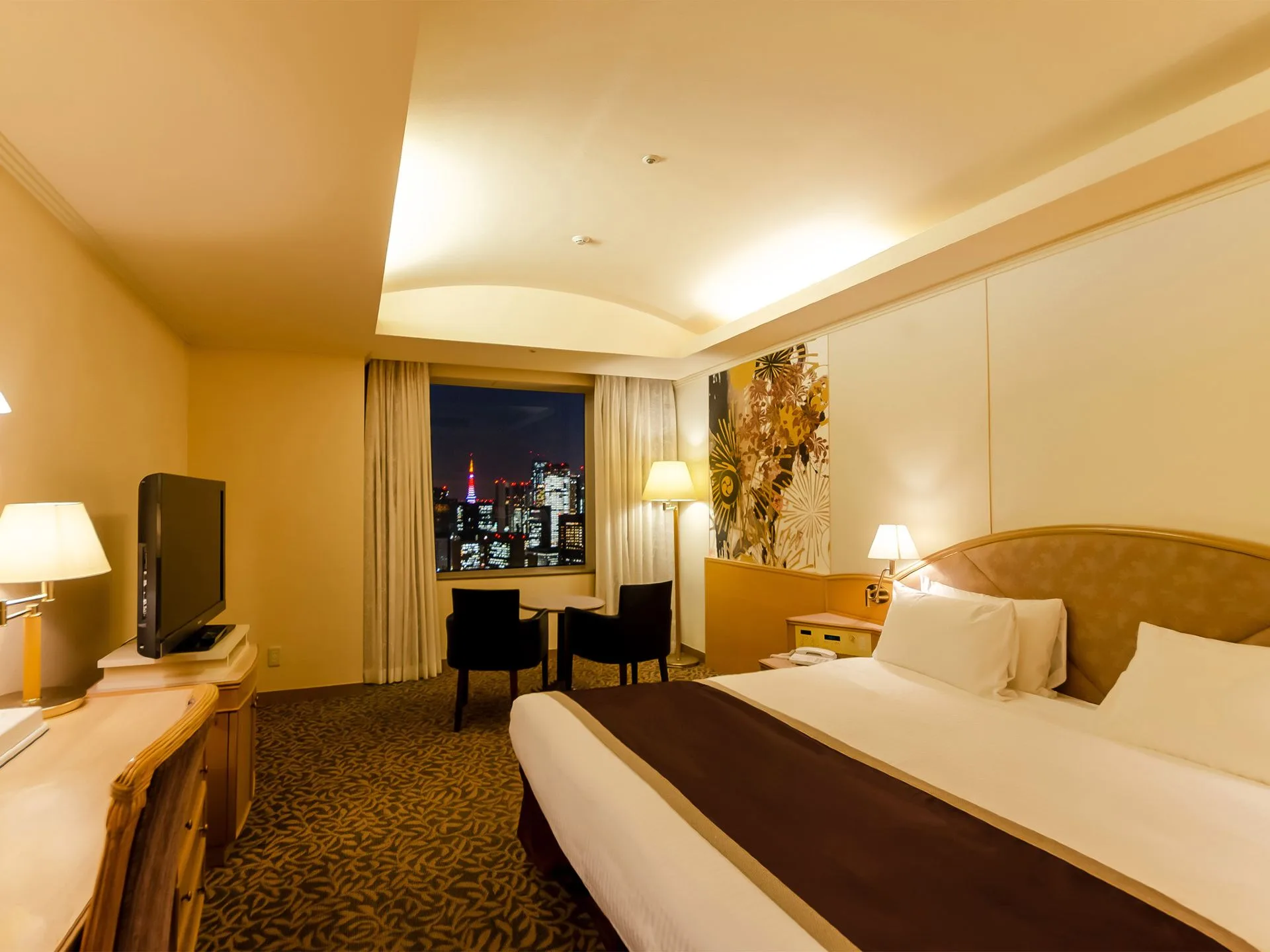
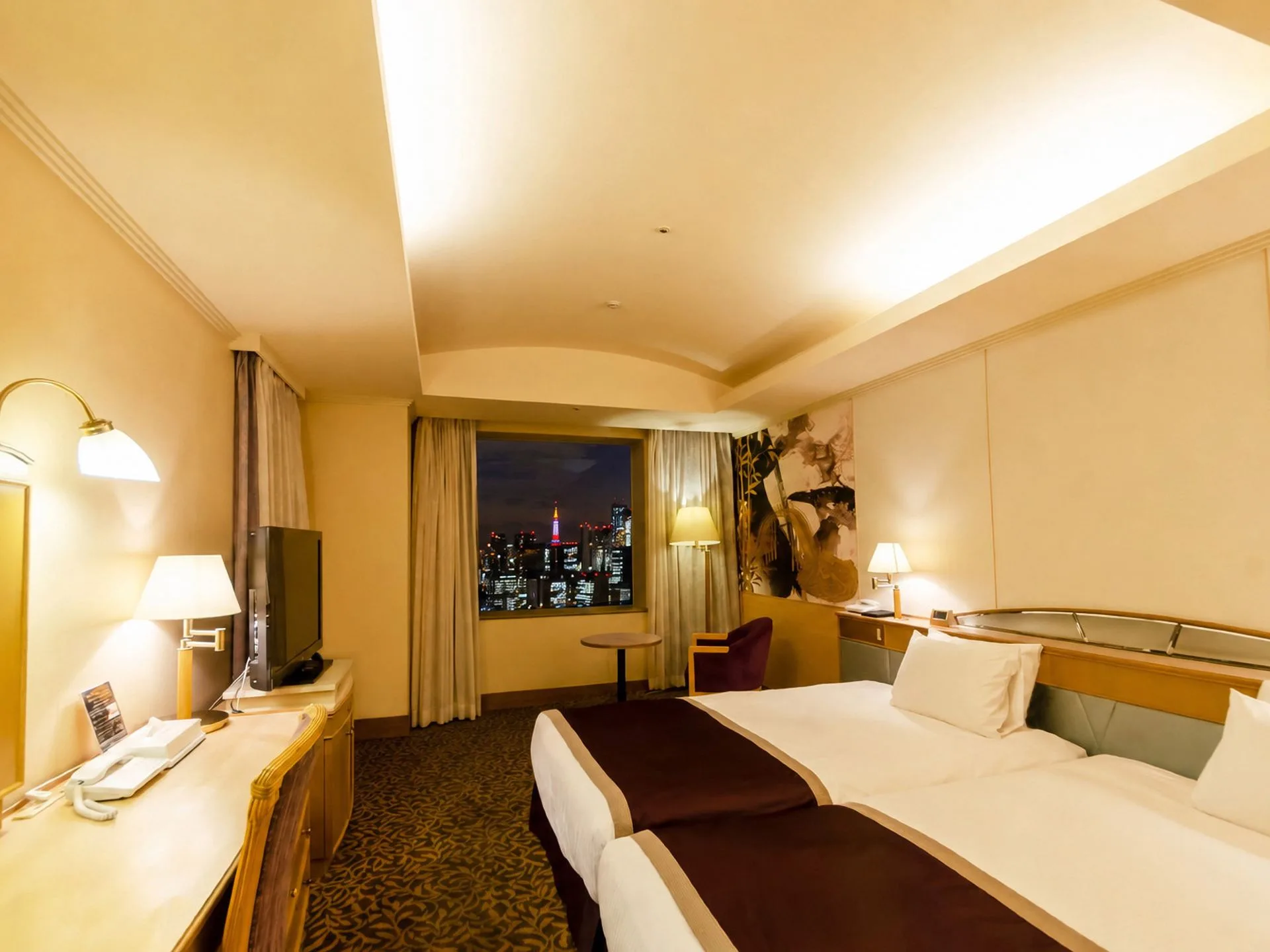
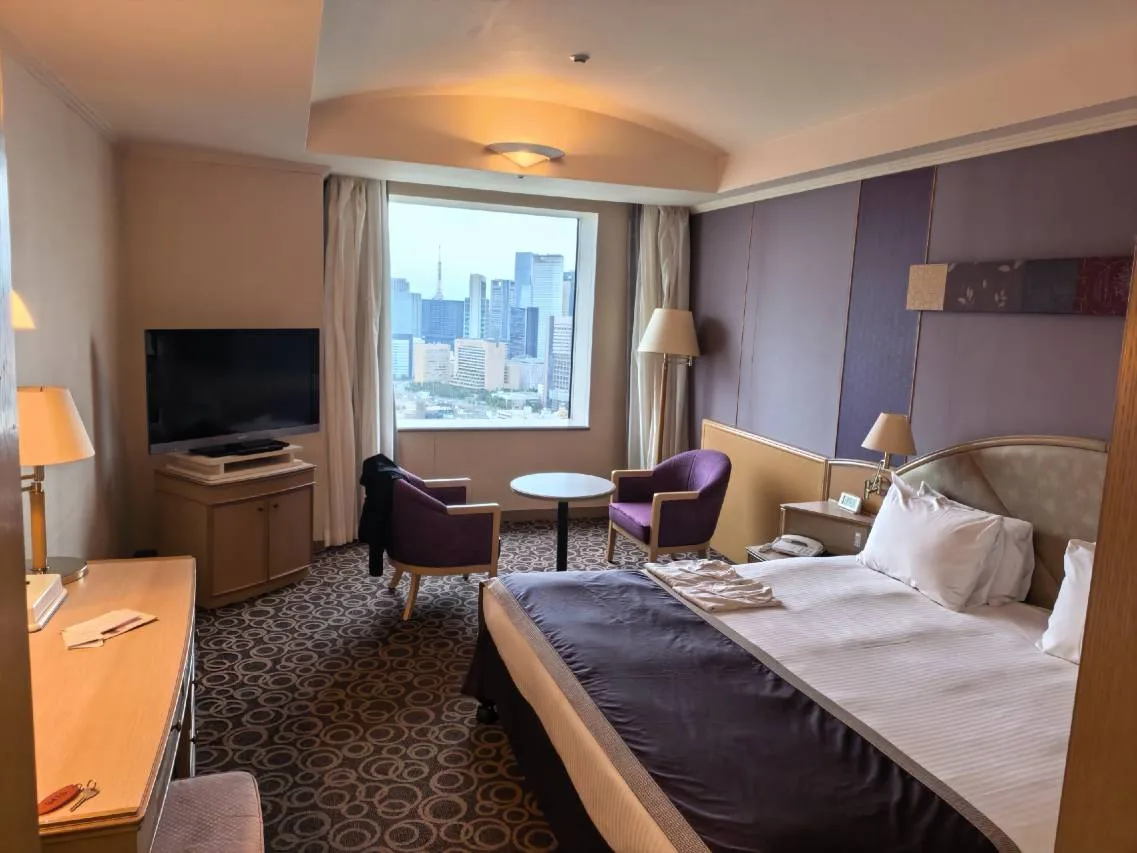
For a Tokyo trip spent walking slowly around Tsukiji and the waterfront, Ginza Creston is worth comparing: after coming back, there is a chance to sit and watch the view. The window seat, dresser and space around the bed in the photos make it more than a place to sleep.
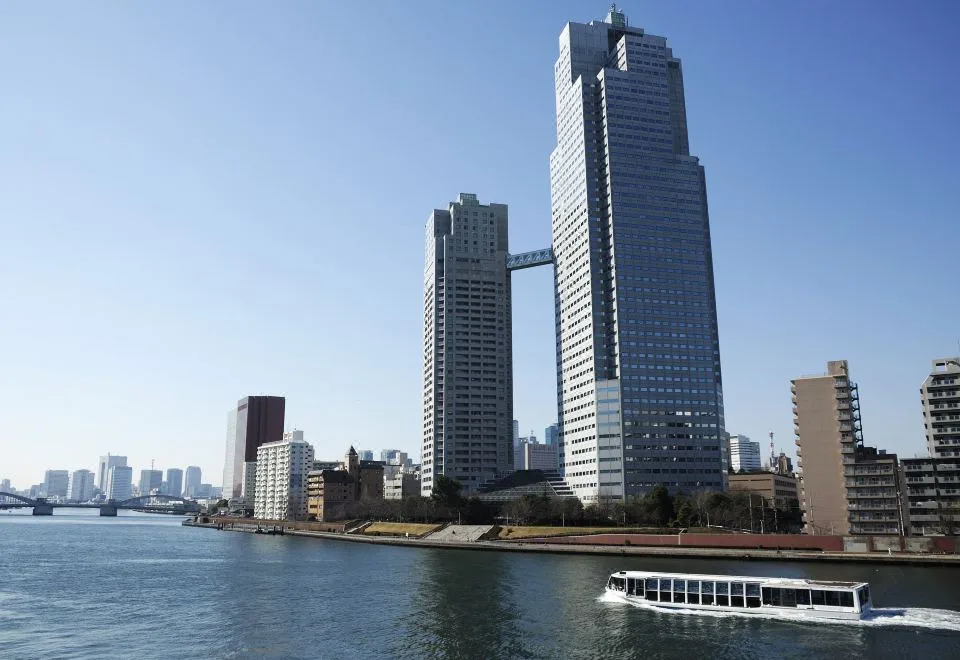
The hotel occupies St. Luke’s Garden in Akashicho, not the busy Ginza shopping area just outside a station. The choice is a longer walk in exchange for high-rise views and bigger rooms, with rather traditional furnishings. That extra walk matters if you need trains several times every day.
How I would decide
- Space for two: Compare the 27 m² Moderate Double and 29 m² Moderate Twin, not just their category names.
- Tokyo Tower view: Check the facing direction of Superior and other rooms; a high floor does not guarantee a tower view.
- Without carrying bags up stairs: Use the ground-level elevator at Tsukiji exit 3b, not the hotel’s suggested exits 3 and 4.
- Laundry over several nights: According to the hotel’s FAQ, there are no coin washers; use paid laundry or find a laundromat outside.
Access: Tsukiji is a walk away, and elevator exits differ
Address: 8 Akashicho, Chuo City, Tokyo (St. Luke’s Garden). Official access information gives about seven minutes from Tsukiji exits 3/4 or eight from Shintomicho exits 4/6. With bags, traffic signals and elevator detours, allow extra time.
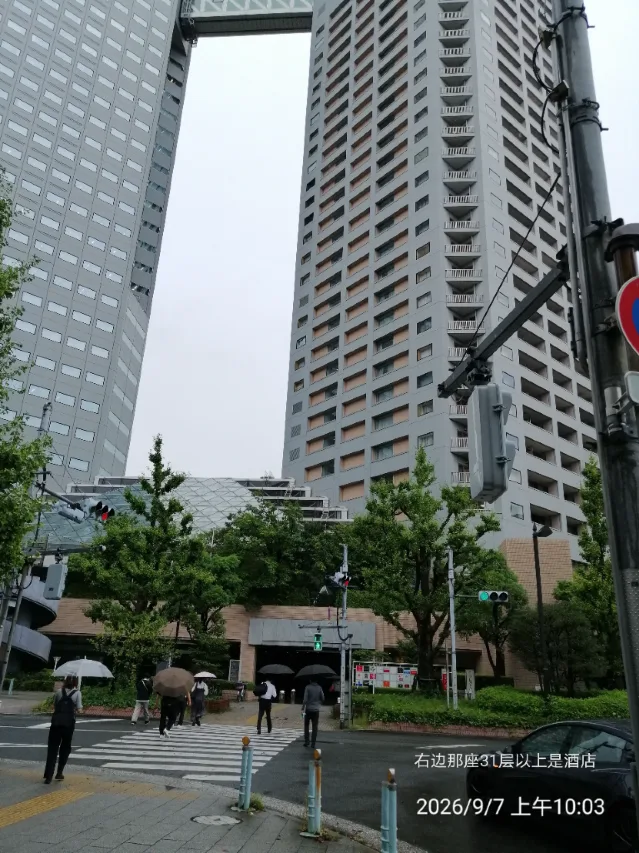
With large luggage, a wheelchair or a stroller, use Tsukiji Station exit 3b: Tokyo Metro’s official exit guide and barrier-free page both list a ground-level elevator at exit 3b, and St. Luke’s Garden is listed right by that exit — walk into the garden and the hotel is inside it. Exits 1 and 2 also have ground-level elevators, but they are on the Tsukiji Honganji side, farther from the hotel. The hotel’s suggested exits 3 and 4 are ordinary exits with no elevator, so do not use them with bags.
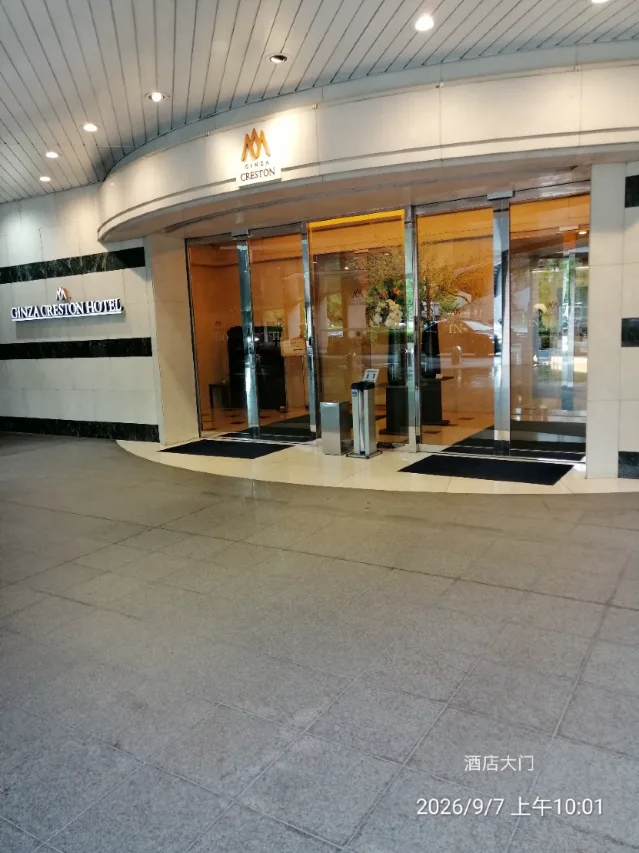
Save the Japanese name Ginza Creston (銀座クレストン) and an entrance photograph before arriving. St. Luke’s Garden has several tall buildings, and finding the correct entrance with luggage can save effort.
I treat this as a base between Tsukiji and Ginza: Tsukiji Outer Market is about a 730-metre walk, Ginza about 1.0 km, Kabukiza about 1.4 km and Nihonbashi about 1.7 km. I go to the outer market in the morning, drop things back at the room at midday, then walk to Ginza in the afternoon — no trains needed for that loop. Tsukiji Station is about 610 metres from the hotel, roughly a nine-minute walk along flat city streets, so pulling luggage is not hard work.
Rooms: compare the size, bed width and window direction separately
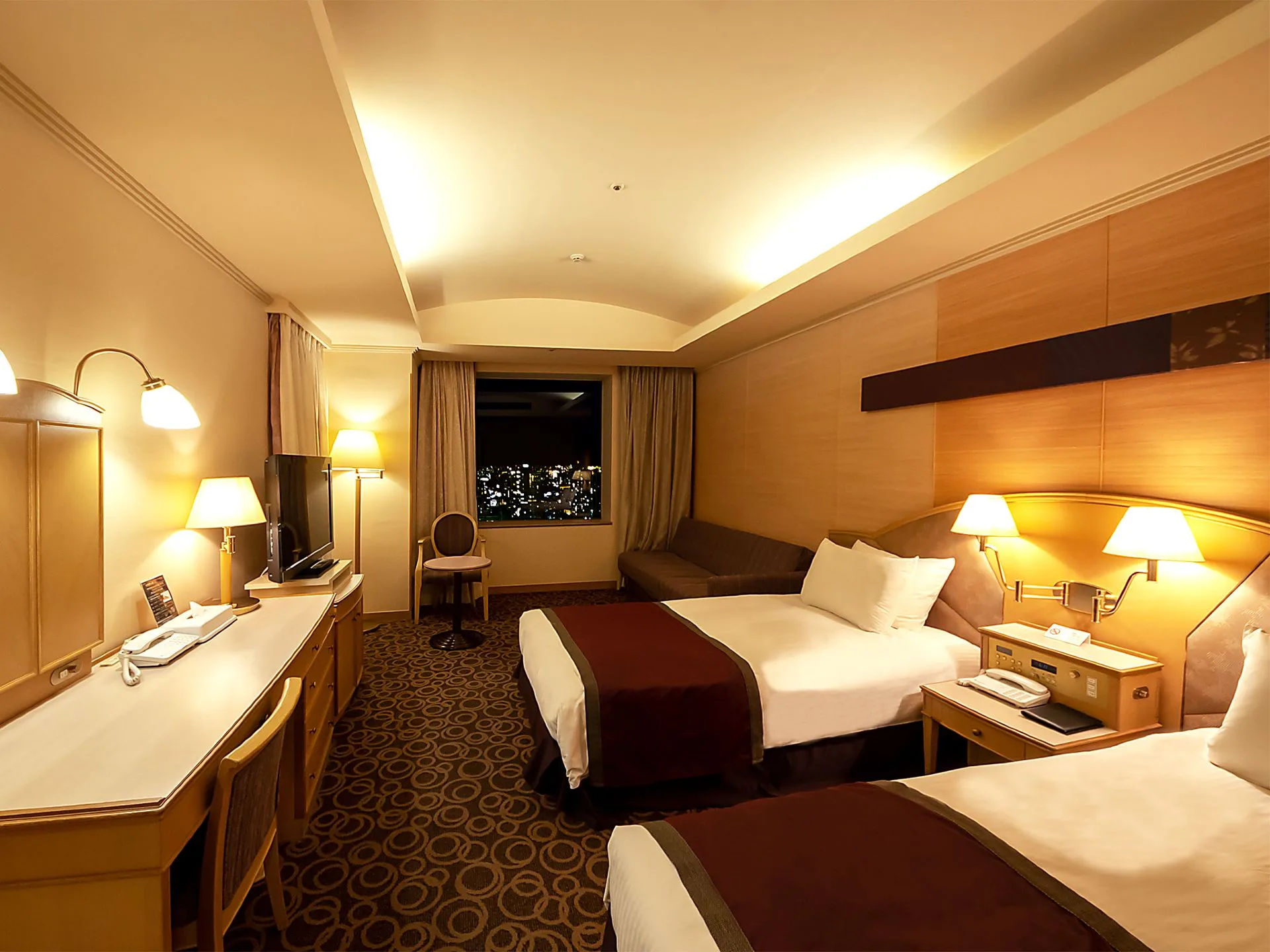
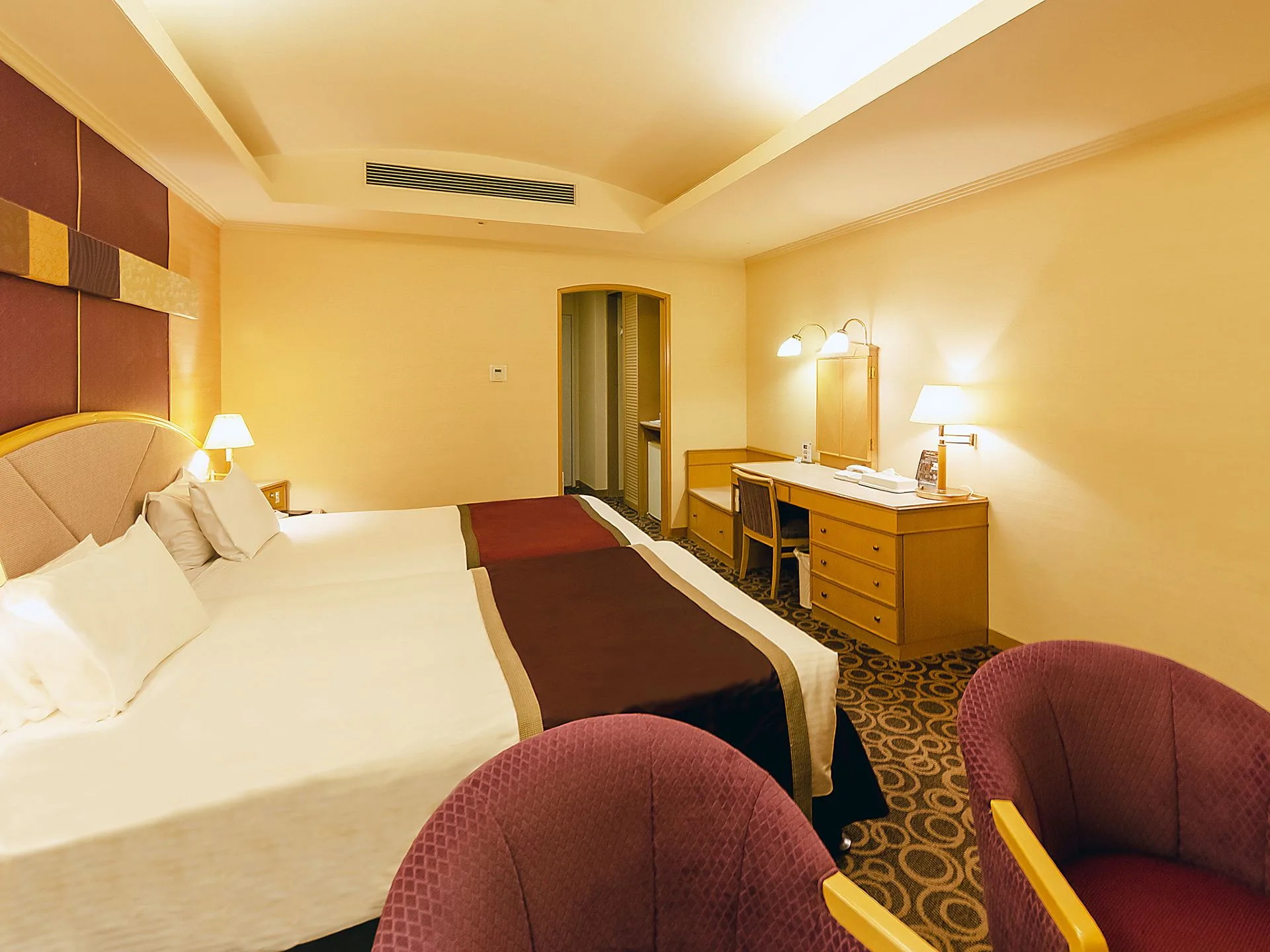
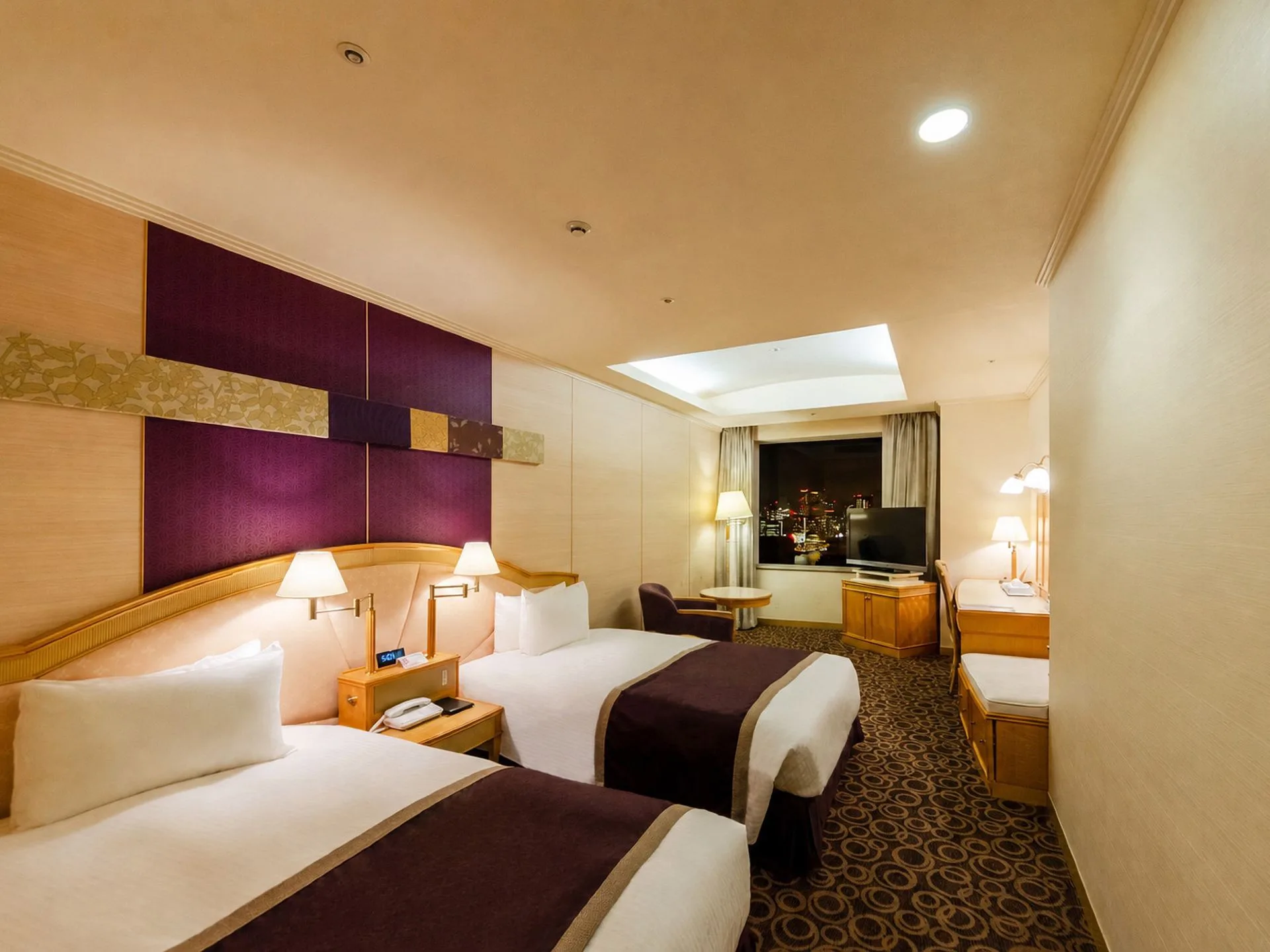
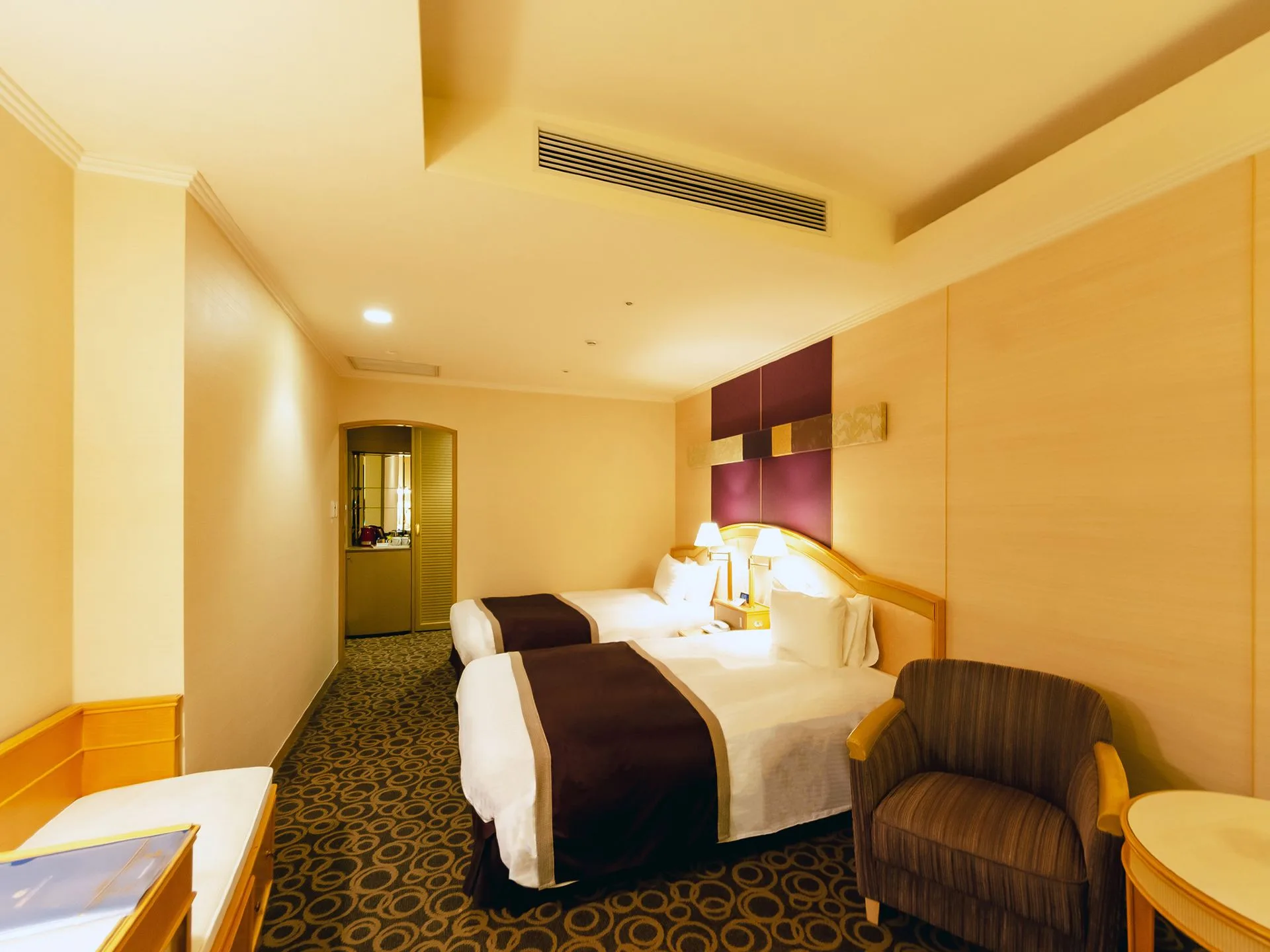
I would start with floor area and bed type before paying for scenery. The official Single is 23 m²; the Moderate Double is 27 m² with a 160 cm bed, while the Moderate Twin is 29 m² with two 120 cm beds. Compare the English or Japanese category and size, since booking platforms translate names differently.
Use this table alongside the photos. Passage by the bed, dressing table and window seats make a difference during the stay. No room type allows an extra bed or a cot, so confirm your party size before booking.
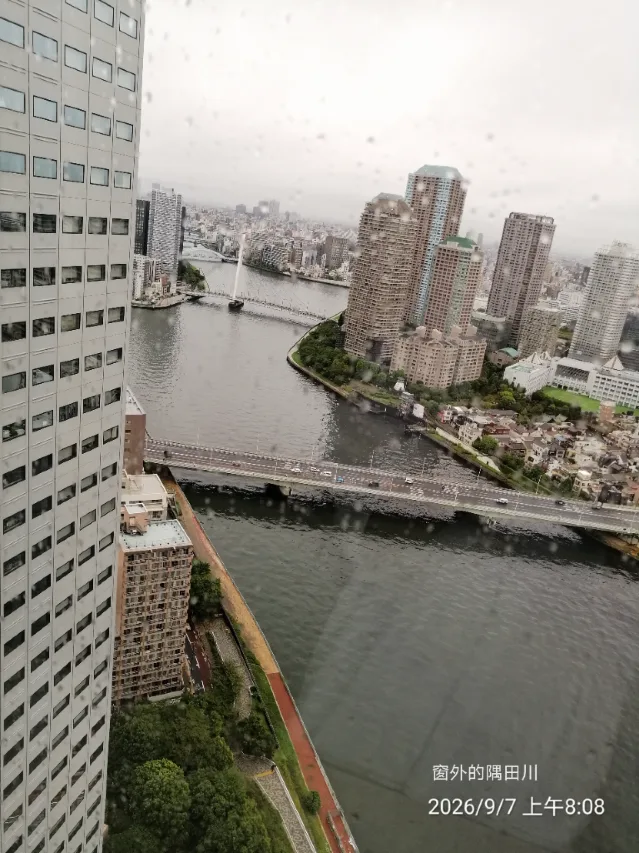
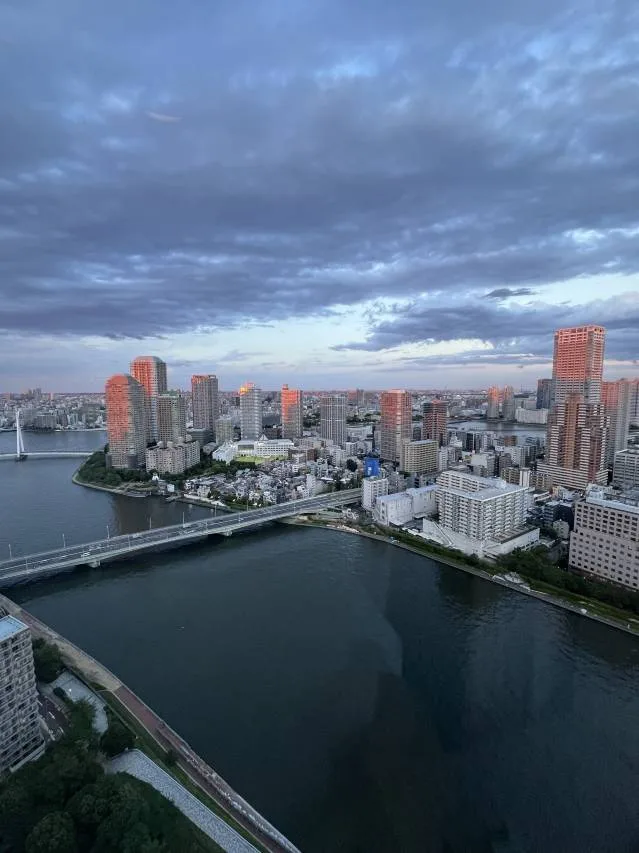
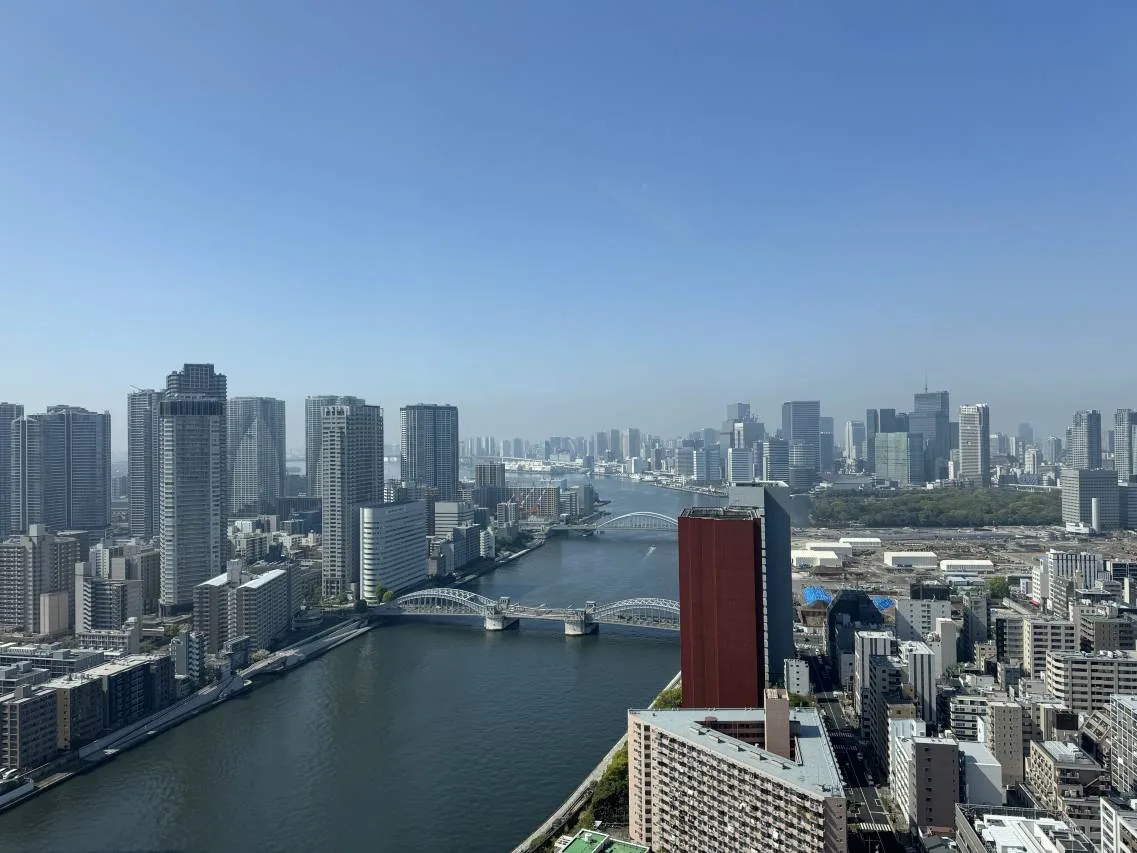
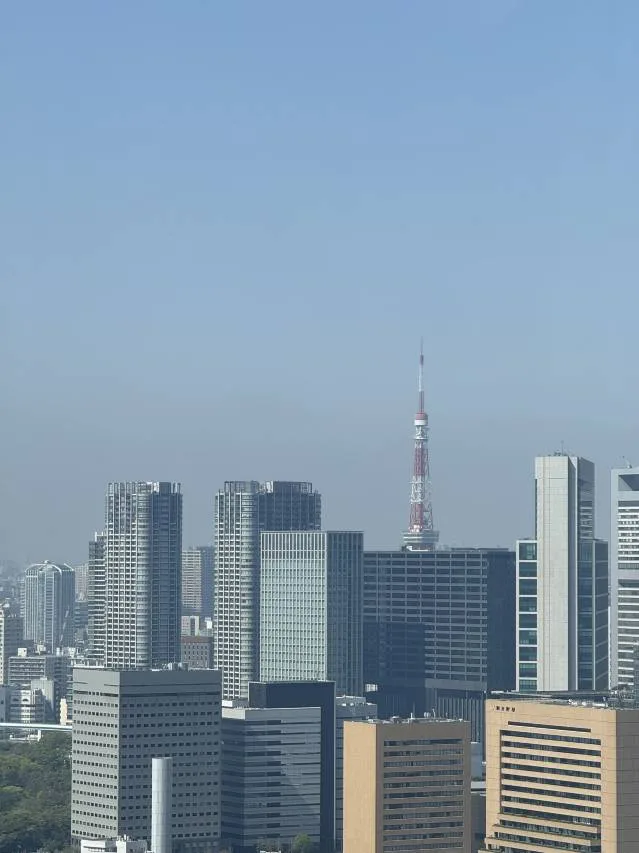
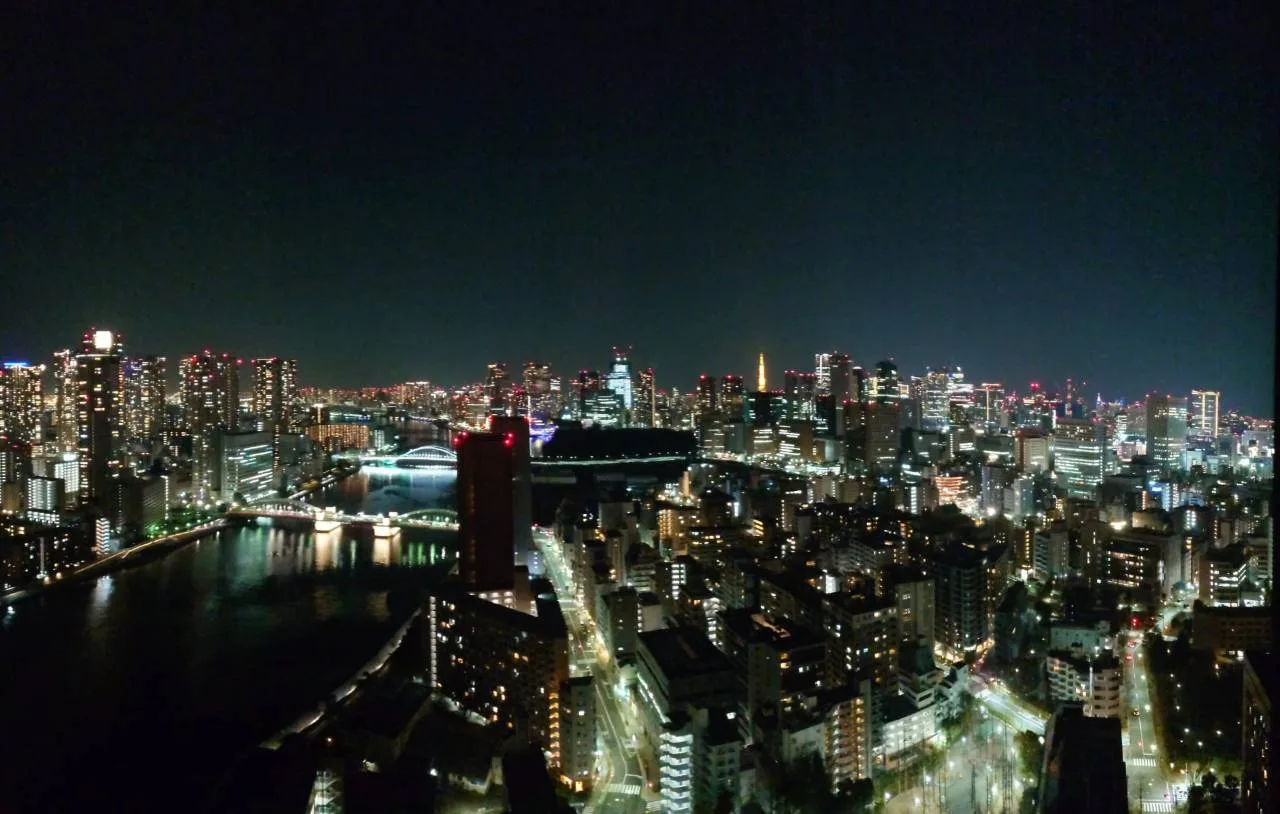
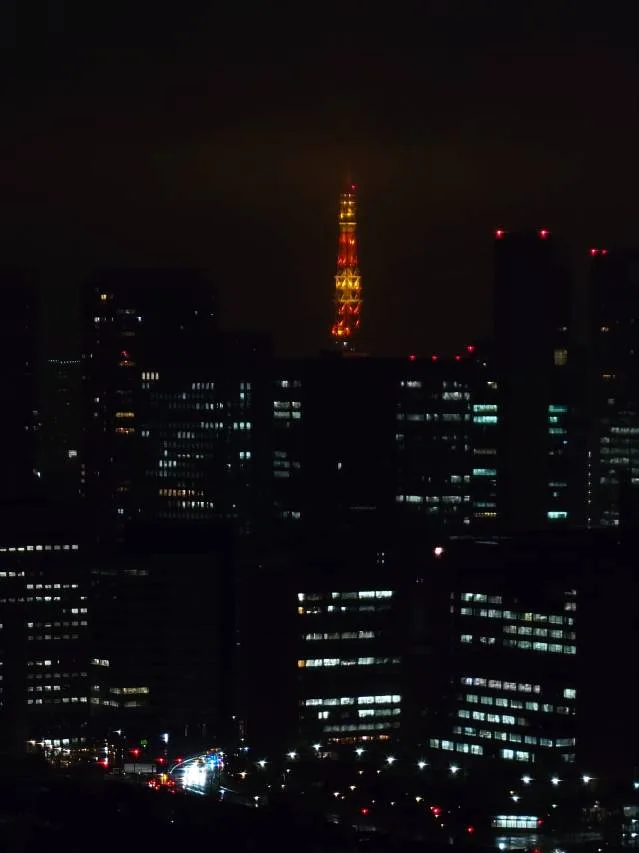
Views are another choice. The official FAQ places rooms on floors 33 and above. Standard/Moderate rooms generally look toward the Sumida River; Superior rooms face Tokyo Bay and Tokyo Tower. For a specific landmark, book a confirmed view direction instead of merely asking for a high floor.
| Official room type | Area / bed width | What I would consider |
|---|---|---|
| Single | 23 m² / 150 cm | For a solo guest wanting some floor space. |
| Moderate Double | 27 m² / 160 cm | Two people sharing one wide bed. |
| Moderate Twin | 29 m² / two 120 cm beds | Separate beds; compare desk and passage space. |
| Deluxe Twin | 40 m² / 120 cm beds | A larger sitting area; verify permitted occupancy. |
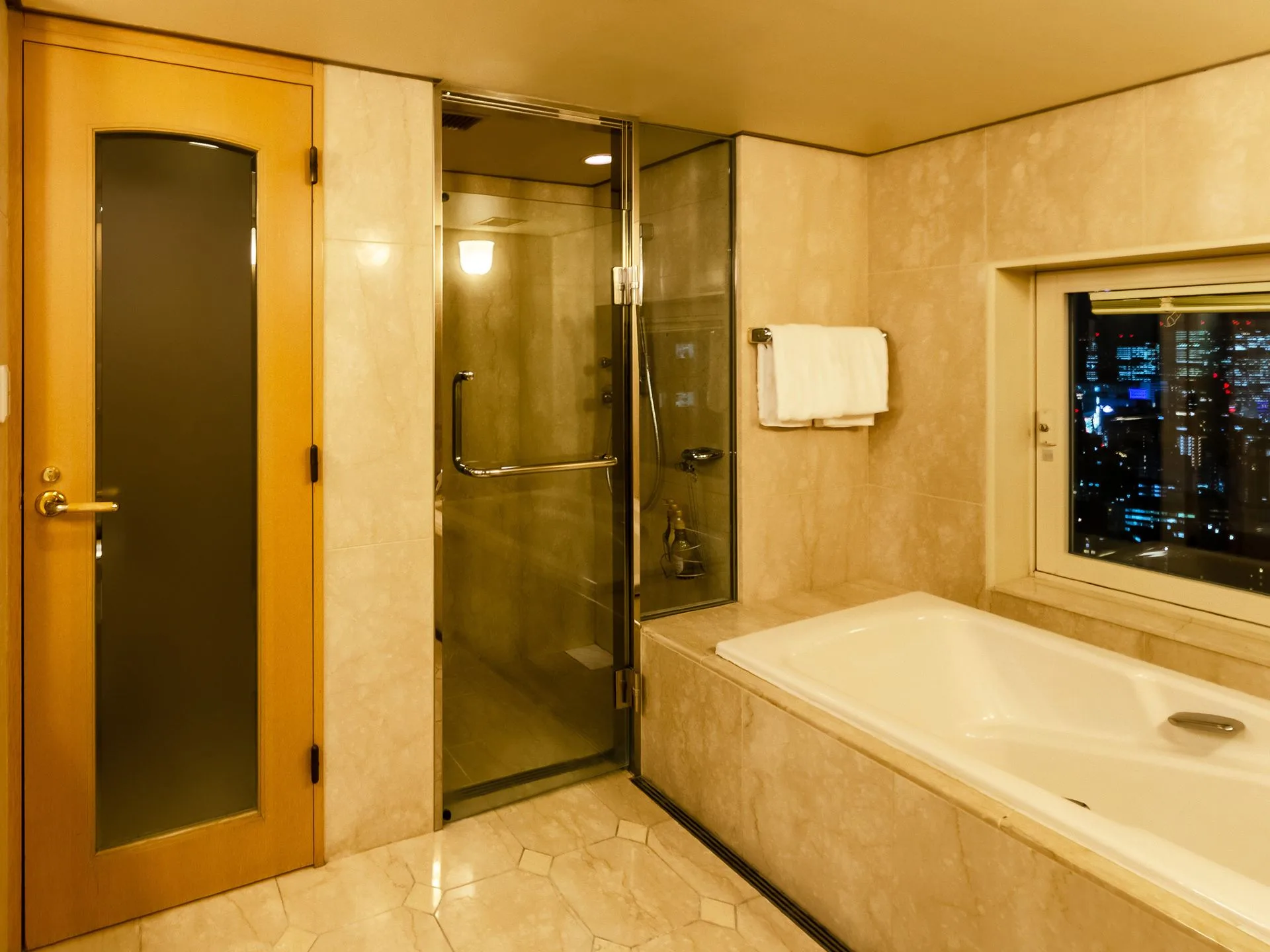
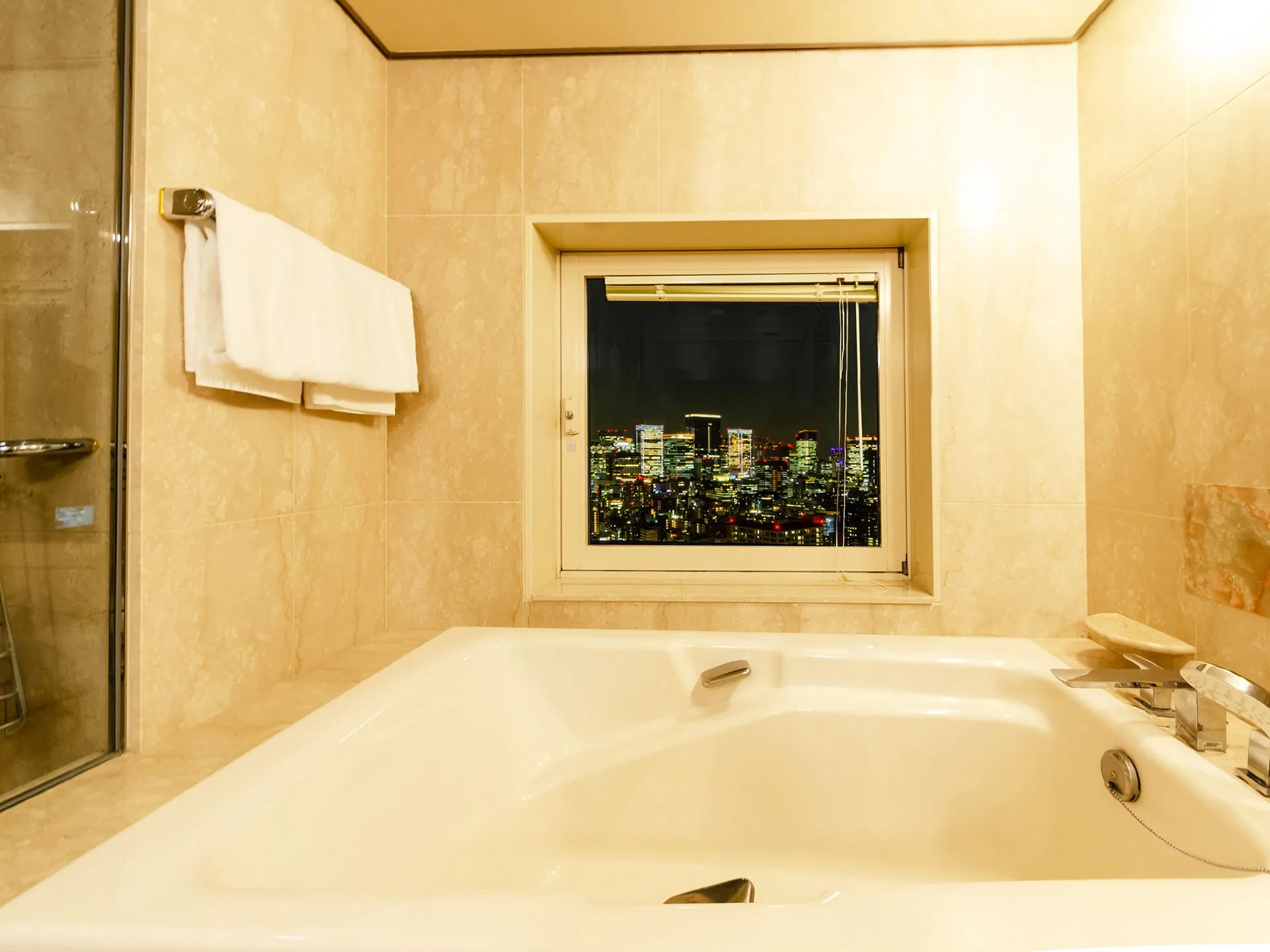
| Executive Twin | 47 m² / 120 cm beds | More room plus a window-side bathtub. |
Check-in runs 15:00 to 24:00, check-out is by 12:00, and the front desk is staffed around the clock. I plan flights around those two times: if I arrive before 15:00, I leave bags at the first-floor desk; on departure day I check out by noon, leave the bags again, and have lunch in Tsukiji.
Bathrooms: standard combined bathrooms versus Executive rooms
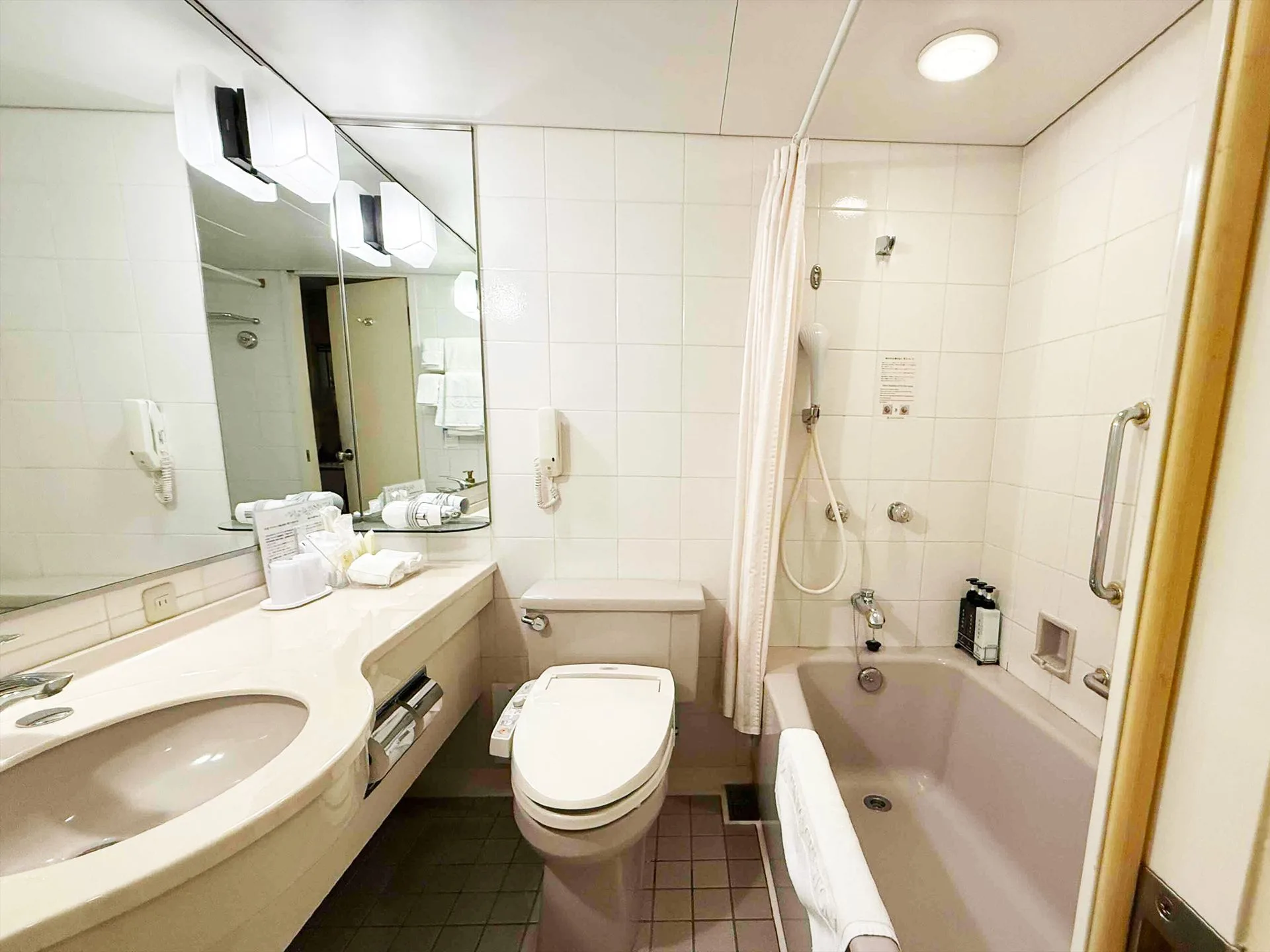
Photos of typical categories show the bathtub, shower curtain, sink and toilet together. Executive Twin rooms instead have a separate shower area and window-side tub. Do not expect the Executive bathroom in a lower-category booking.
For elderly travelers or strollers, the bathroom entrance matters. The hotel FAQ notes a step at the bathroom in standard rooms, except Corner Twin. If a wheelchair or getting into a bath is an issue, ask about the exact room’s accessibility rather than relying on photos.
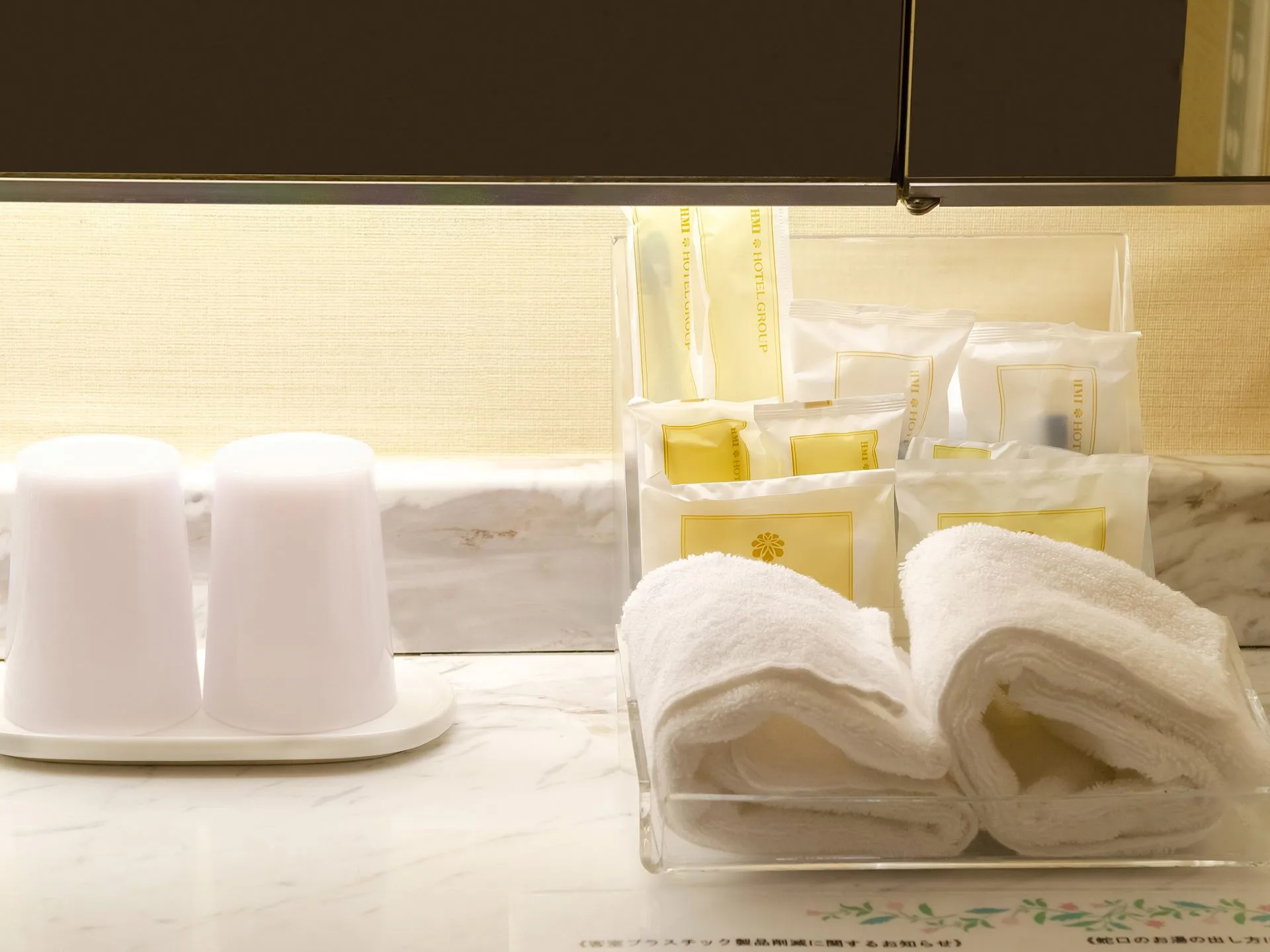
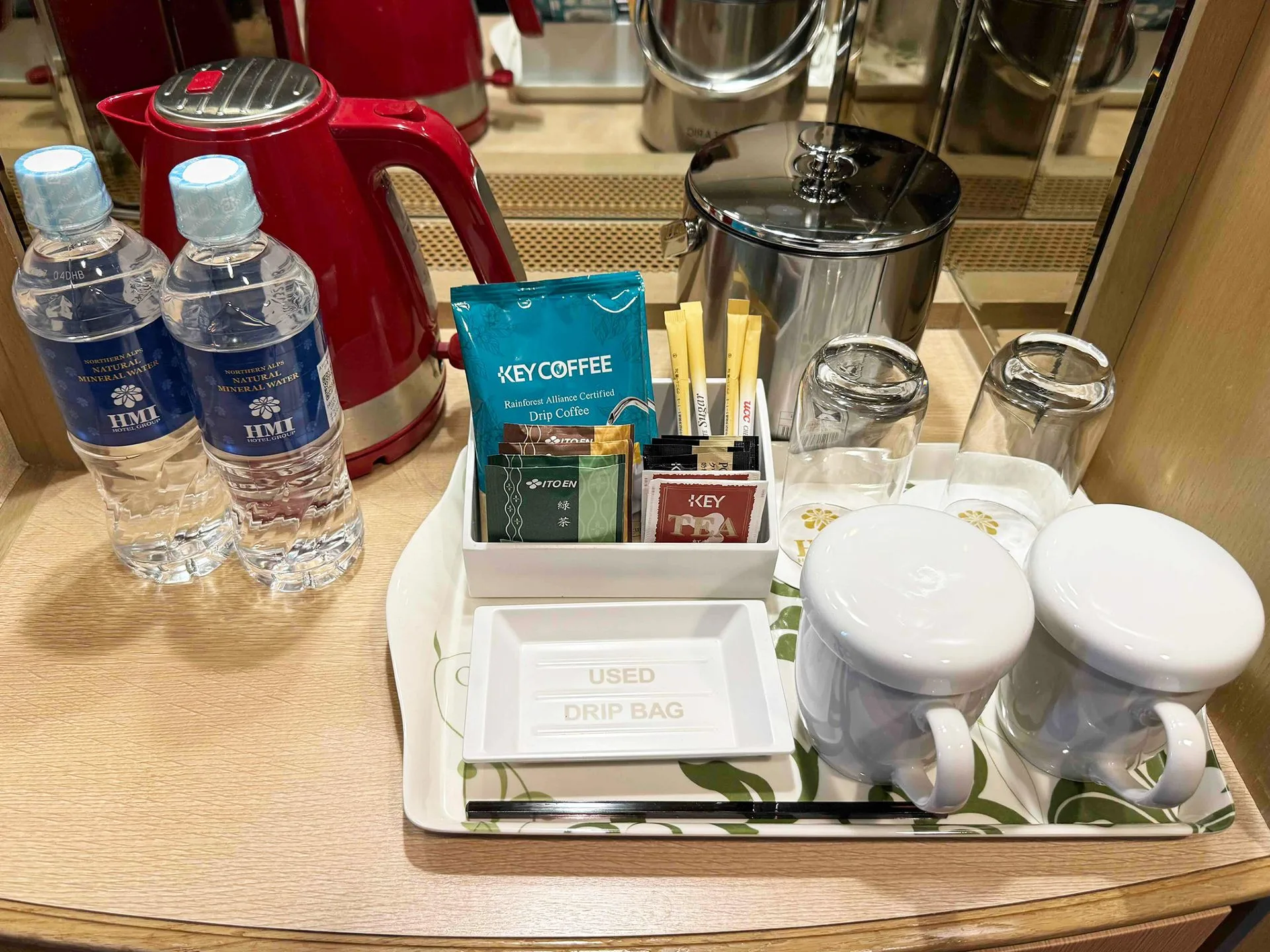
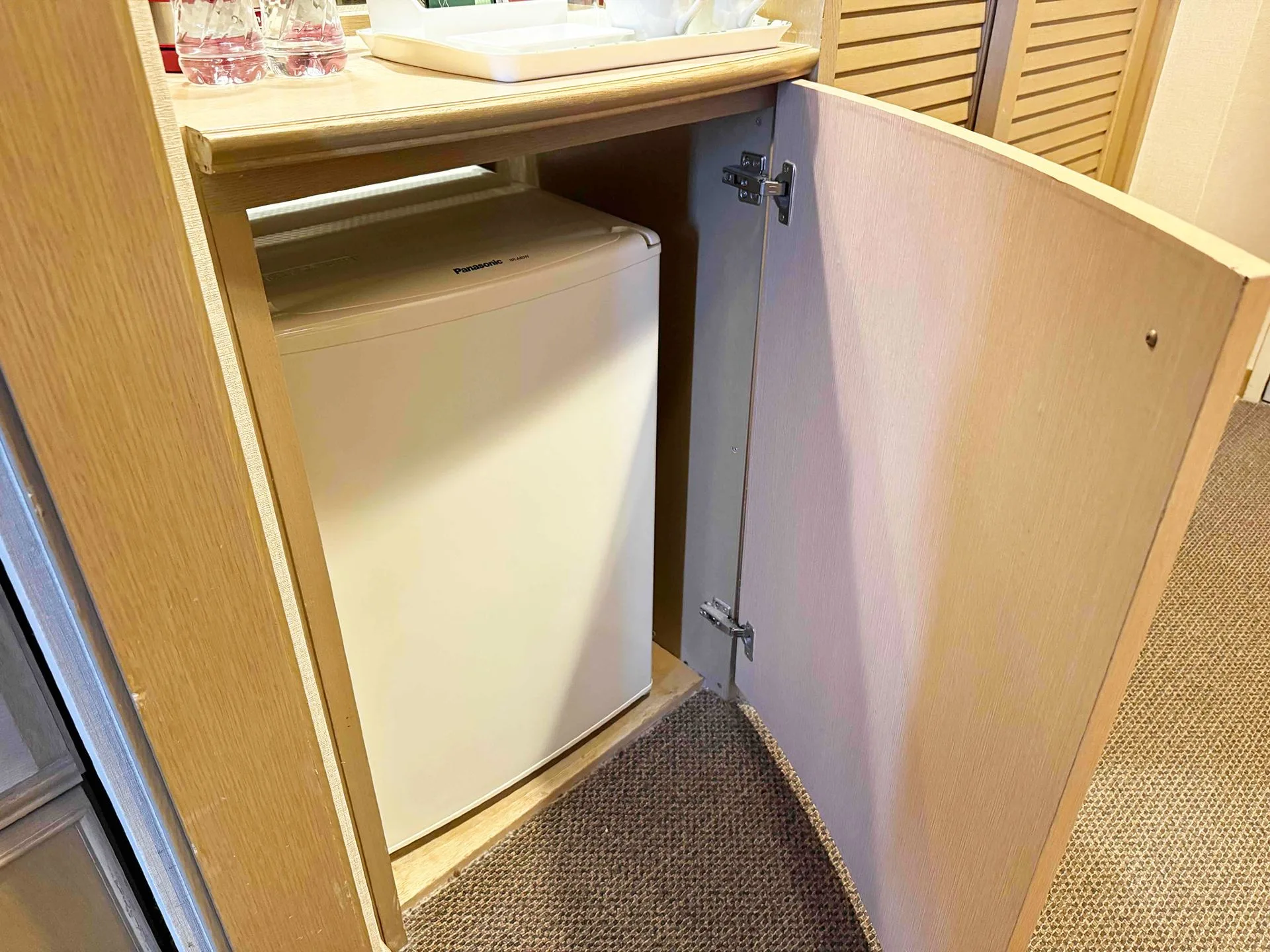
The photos show toothbrush sets, cups and towels in the bathroom, and bottled water, tea cups, a kettle and coffee on the room table, plus a small fridge in the cabinet. I check those little things on the first evening and ask the desk for anything missing, rather than finding out the next morning.
Room photos: beds, windows and real room furnishings
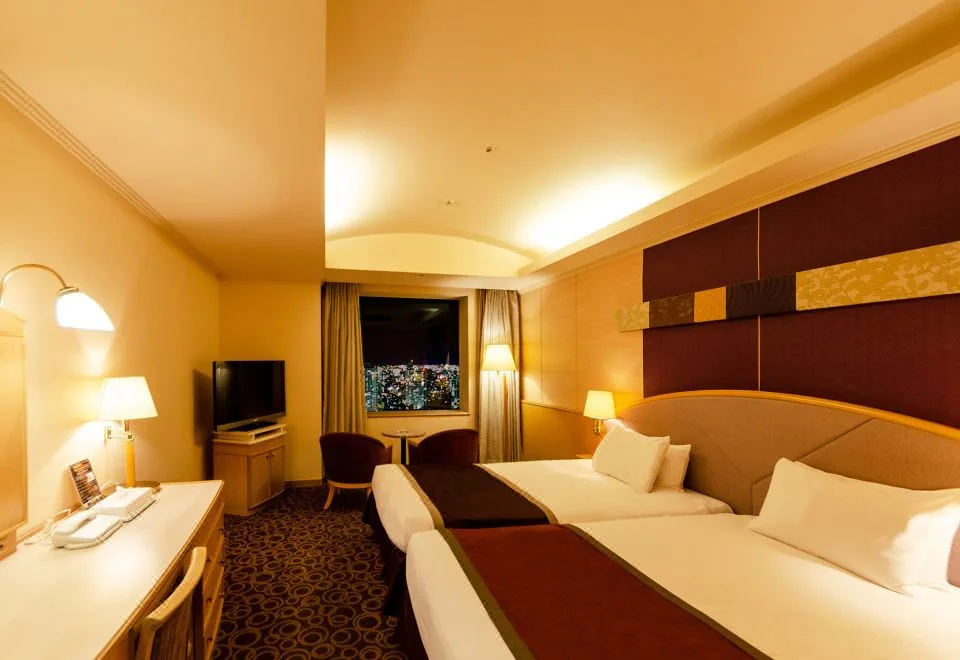
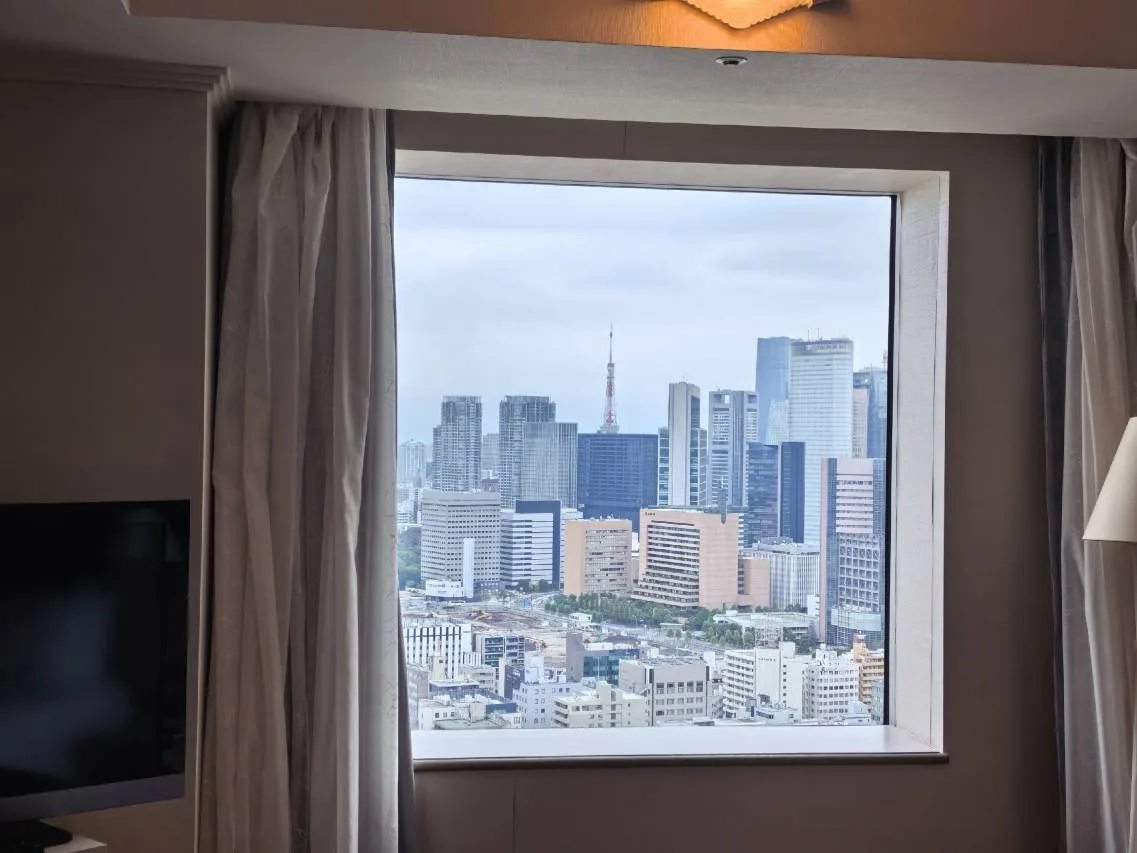
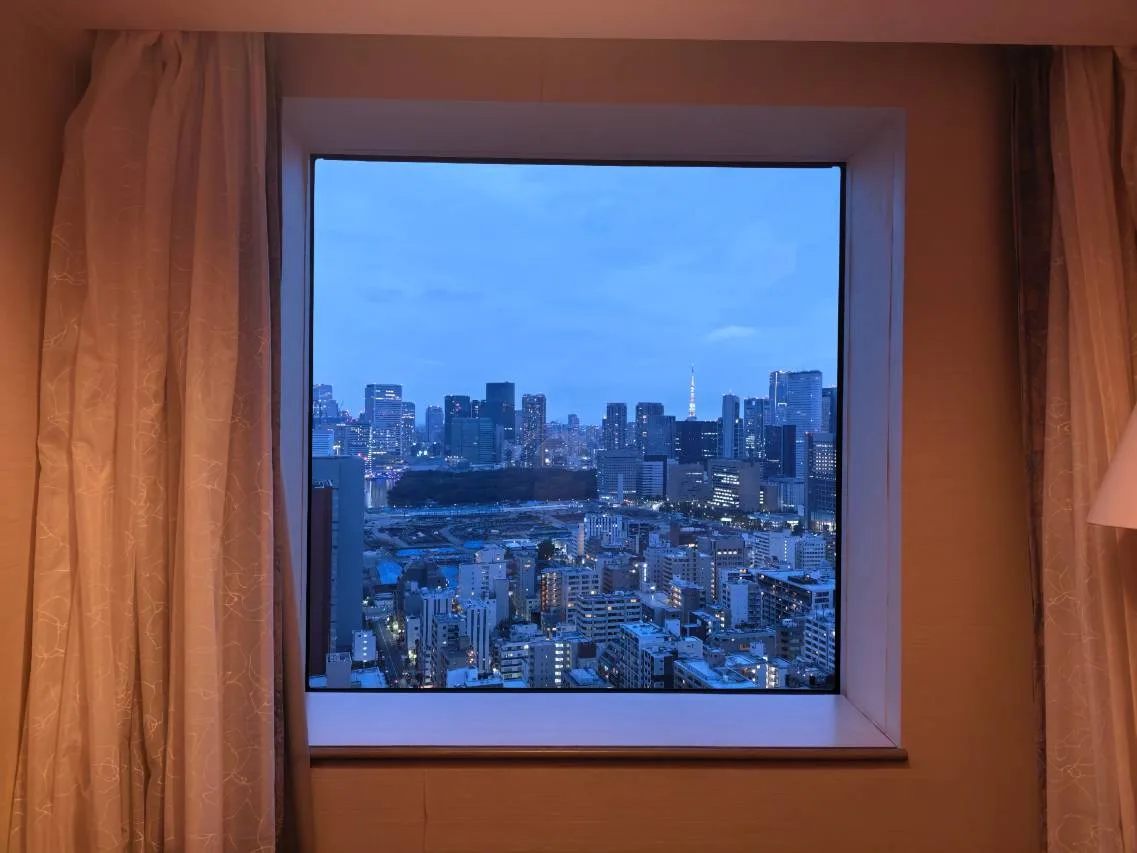
These room photos of a Superior Double help you judge the distance around the bed, window frames and daytime or evening views. Also check whether timber cabinets, carpet and classic décor suit your taste.
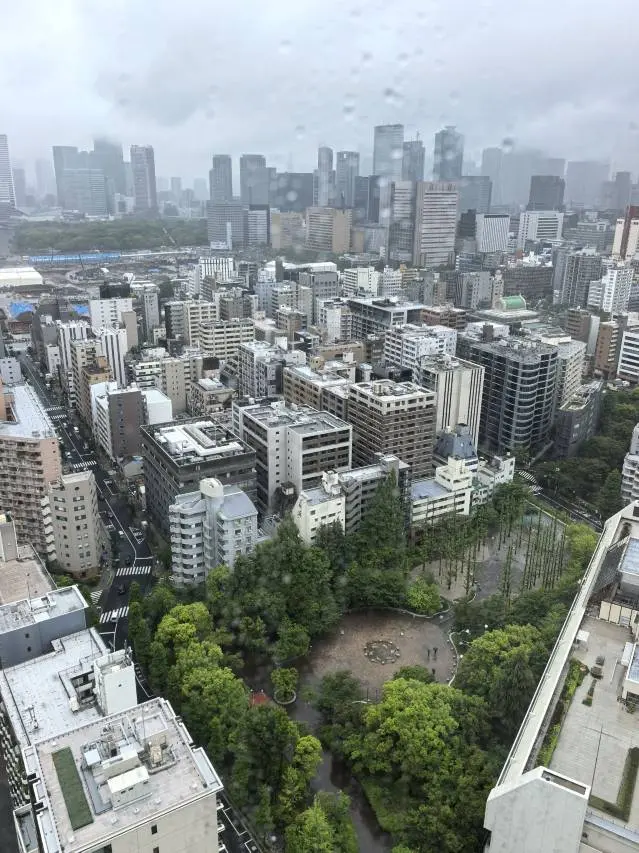
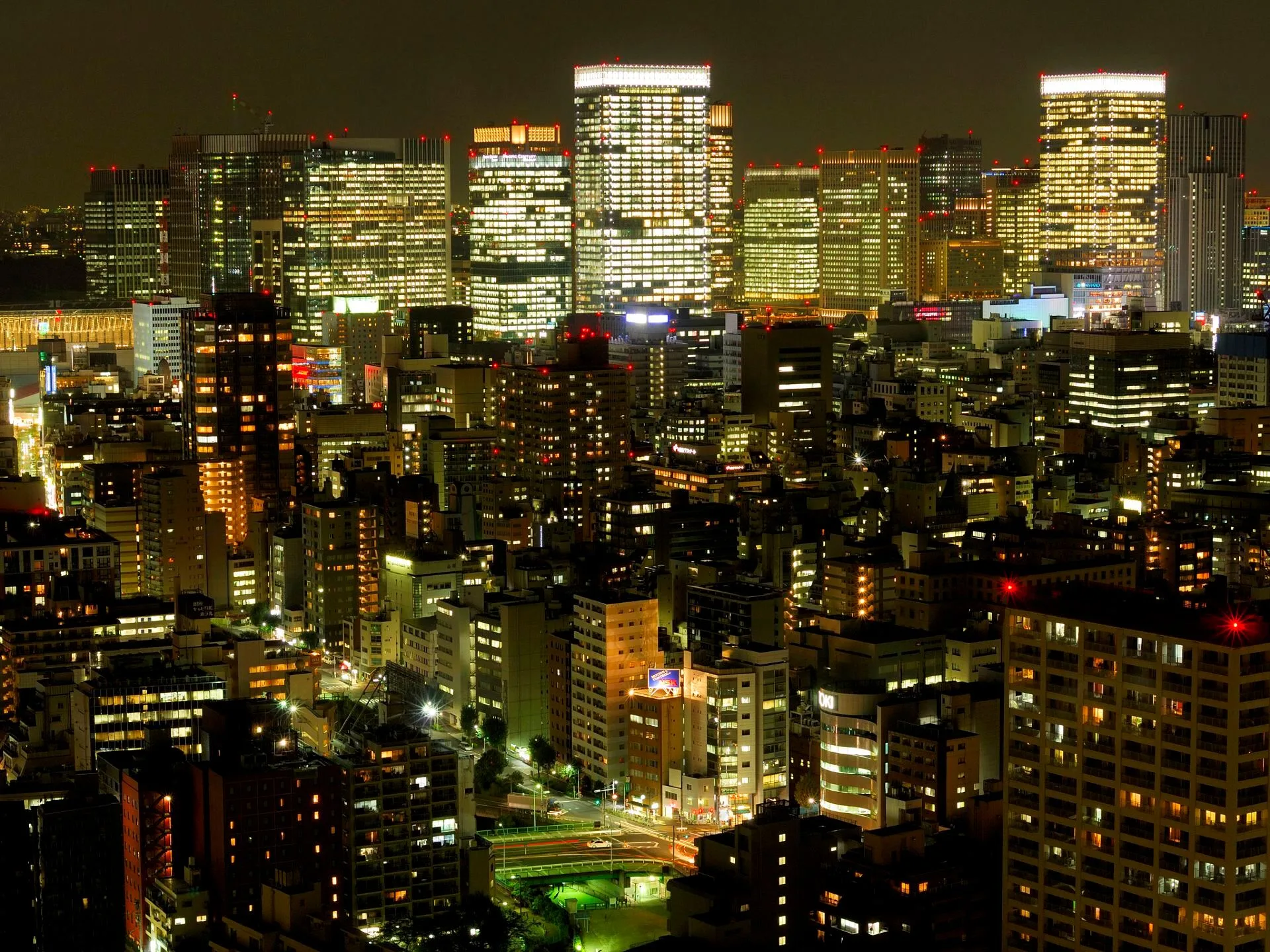
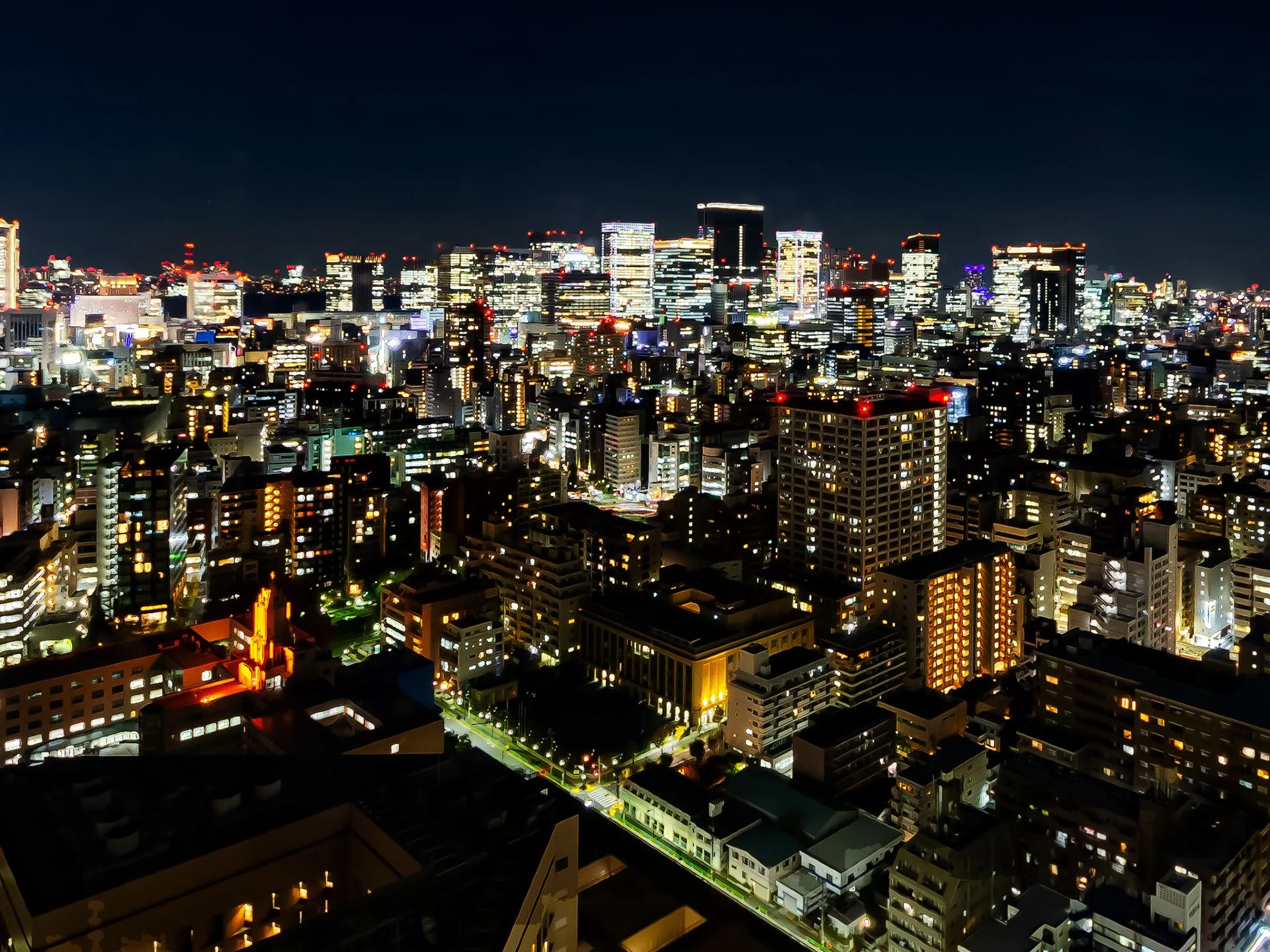
The Superior Double photos show the same room in daylight and at dusk: the city and distant Tokyo Tower by day, a different colour in the evening. I look at the two together before paying for the view — a single night photo on its own is easy to overrate. In the daylight and dusk photos of the same room, the window frame sits in exactly the same place — comparing the two shows the view really is what you see from the room.
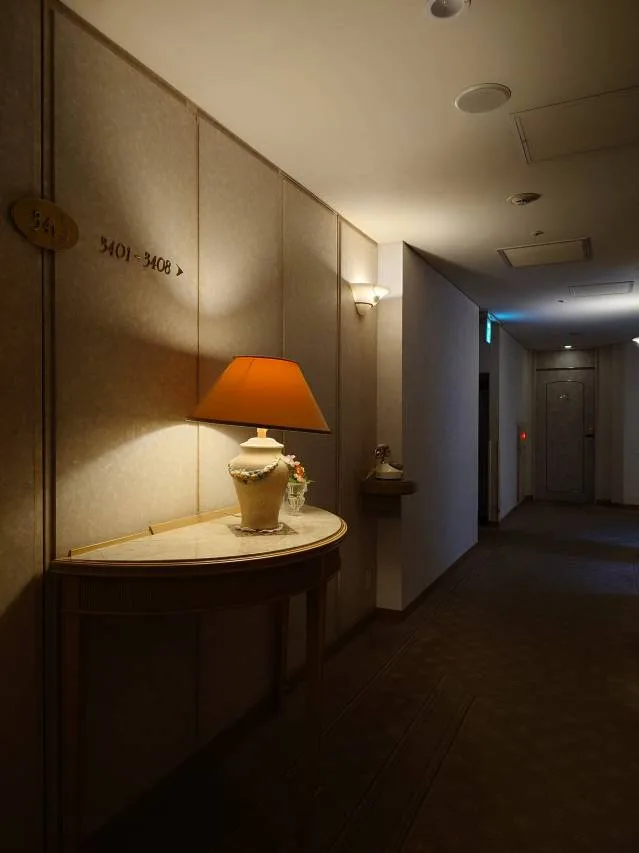
It feels like a traditional hotel. That can be relaxing for some, but if you prefer bright minimalist interiors, look carefully at several room photos before choosing it for the view.
Breakfast: Japanese or Western set, depending on your plans
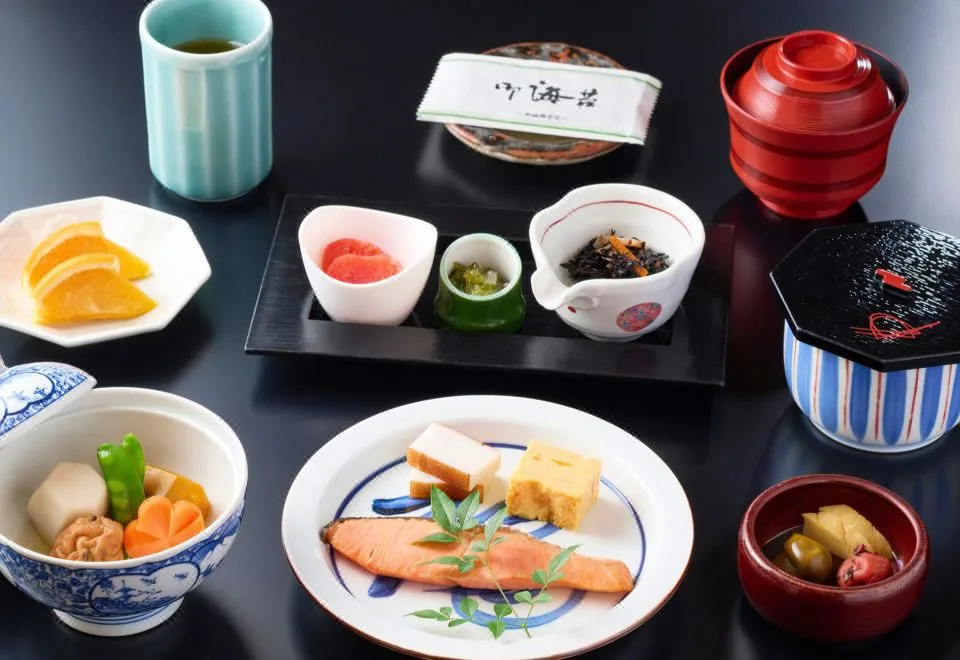
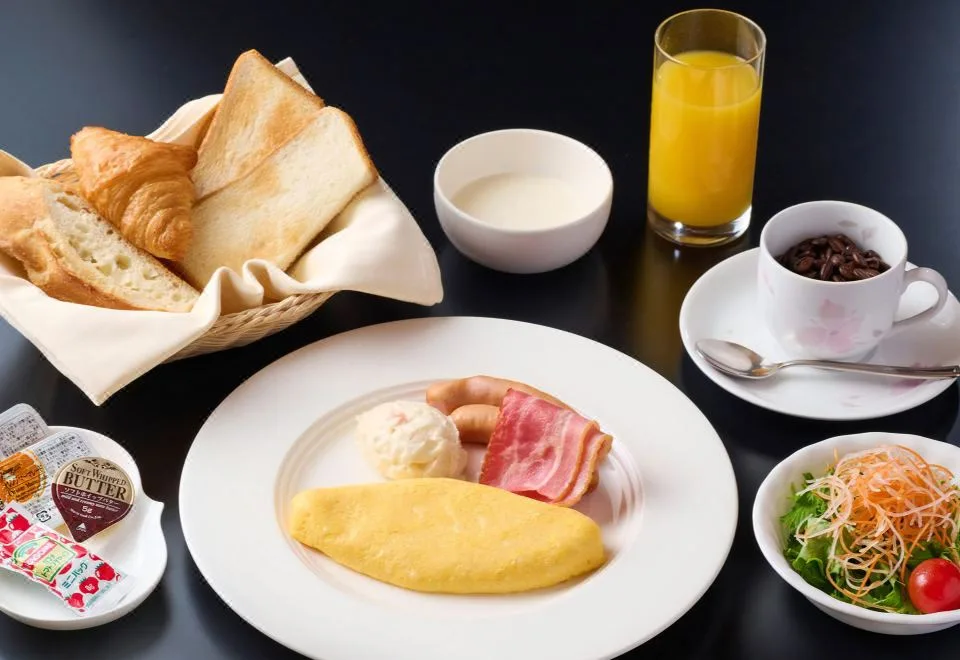
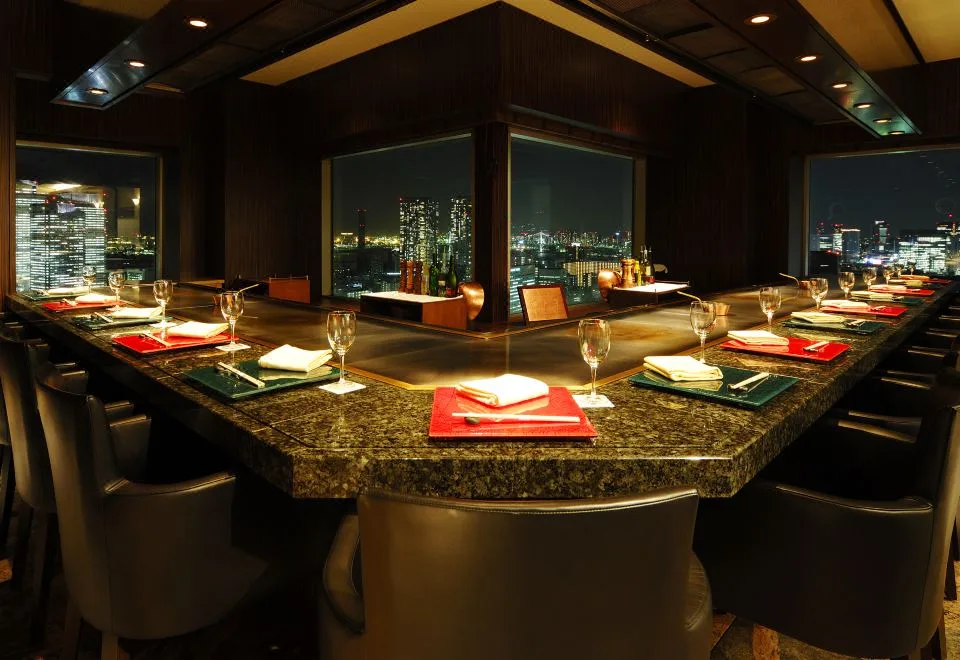
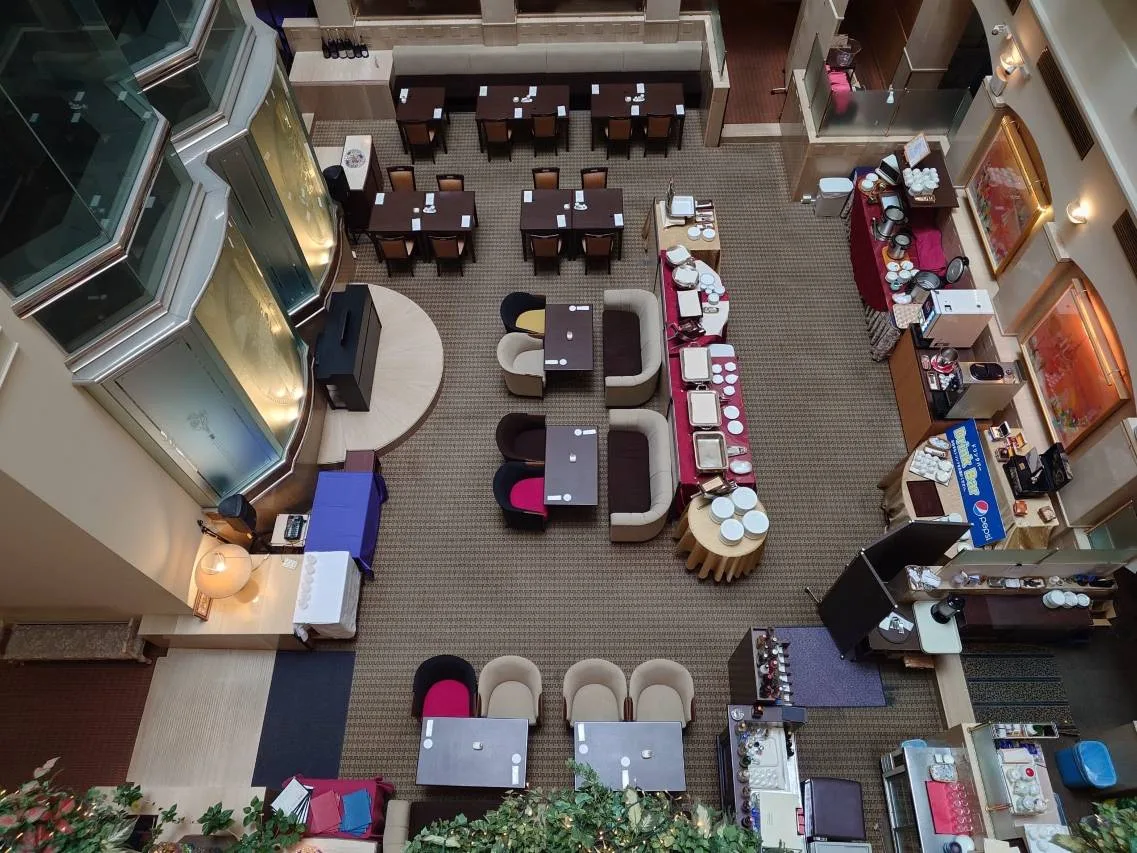
The official restaurant page lists Japanese and Western breakfast sets from 7:00 to 10:00, last order 9:30. The photos show Japanese fish, rolled omelet and small dishes, or Western eggs, bread and salad. Pictures of the dining room are not photos of buffet food.
Breakfast prices are worth working out first: ¥2,800 per adult, ¥2,800 for children aged 6 to 17, and ¥1,300 for children aged 5 and under. Two people eating in the hotel for two mornings is four adult sets; on a morning when I plan to eat in Tsukiji, a room-only rate makes more sense.
If I planned an early Tsukiji breakfast, a room-only rate is worth considering. For a slow morning in the hotel, the set meal is appealing. Divide any breakfast-package price difference by the number of diners and mornings to judge value.
Choose the Japanese set if you like fish and small bowls, or the Western set for eggs, bread and coffee. This is best for a relaxed sit-down breakfast, not for you if you expect a large buffet.
Shared areas and multi-night services: consider laundry and downtime
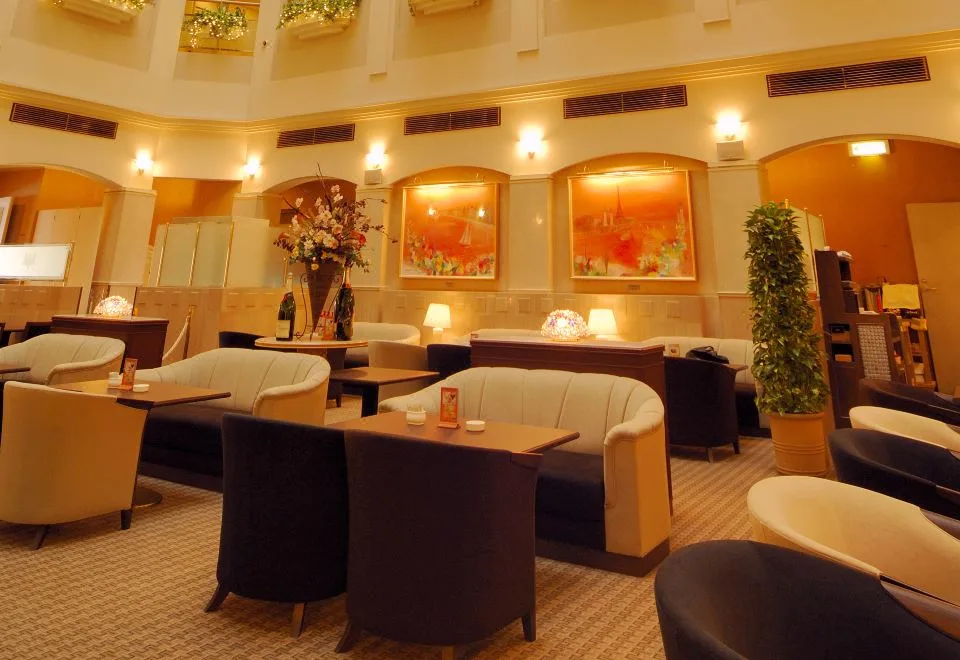
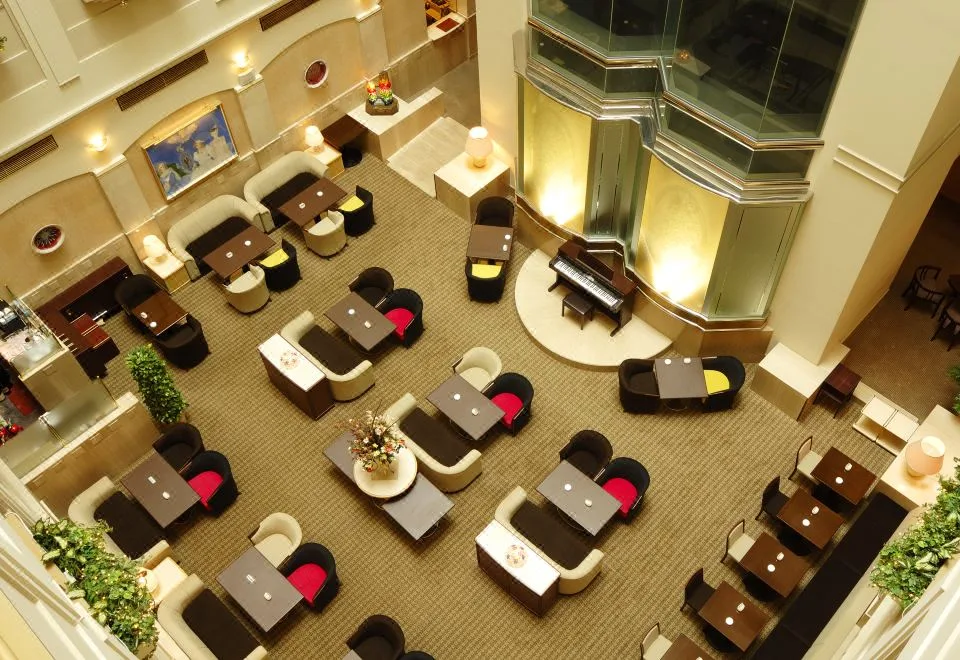
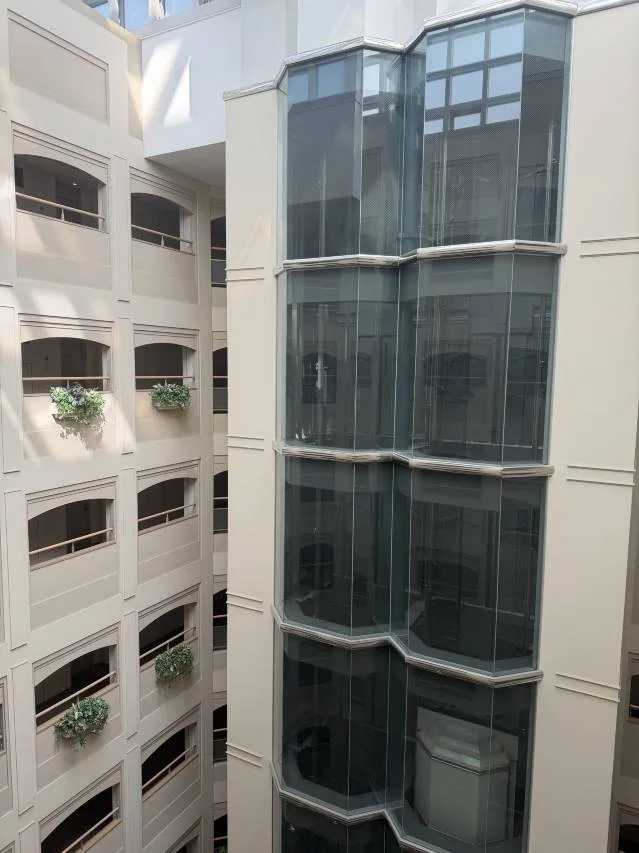
The atrium, sofas and restaurant all carry the classic style. Making tea and sitting by the window can be more enjoyable than getting back at midnight every day.
A few more things I note before booking: the car park is inside the hotel at ¥3,500 a day and cannot be reserved, so drivers take their chances; there is a bar and a massage room, and the restaurant serves guests only; public Wi-Fi is free, and the desk can arrange a wake-up call. The bar and massage room are both on site, so an evening in is easy without going out. None of that decides the stay, but it matters on a multi-night trip.
For longer stays, paid laundry is available, but self-service coin machines are not. Ask about turnaround time or find an off-site laundromat. The first-floor front desk can help with luggage storage inquiries.
With small children, note first: no room type allows an extra bed or a cot; children of all ages are welcome, but a child without an extra bed may still cost extra. Give the hotel the number and ages of the children when booking so you get an exact price before packing.
Walk around Tsukiji and the waterfront, and reserve time for scenery
The FAQ gives Tsukiji Outer Market as about ten minutes on foot. Plan Tsukiji Market (Chinese guide) with breakfast, then use Ginza walks (Chinese guide) for shopping. These are nearby attractions rather than hotel amenities.
Ginza-itchome Station is also about 1.4 km on foot if you want the Yurakucho Line. My plan is to use Tsukiji Station as the base and walk to Ginza, Kabukiza and Nihonbashi, only going underground for longer trips to Tokyo Station or Shinjuku — fewer changes that way.
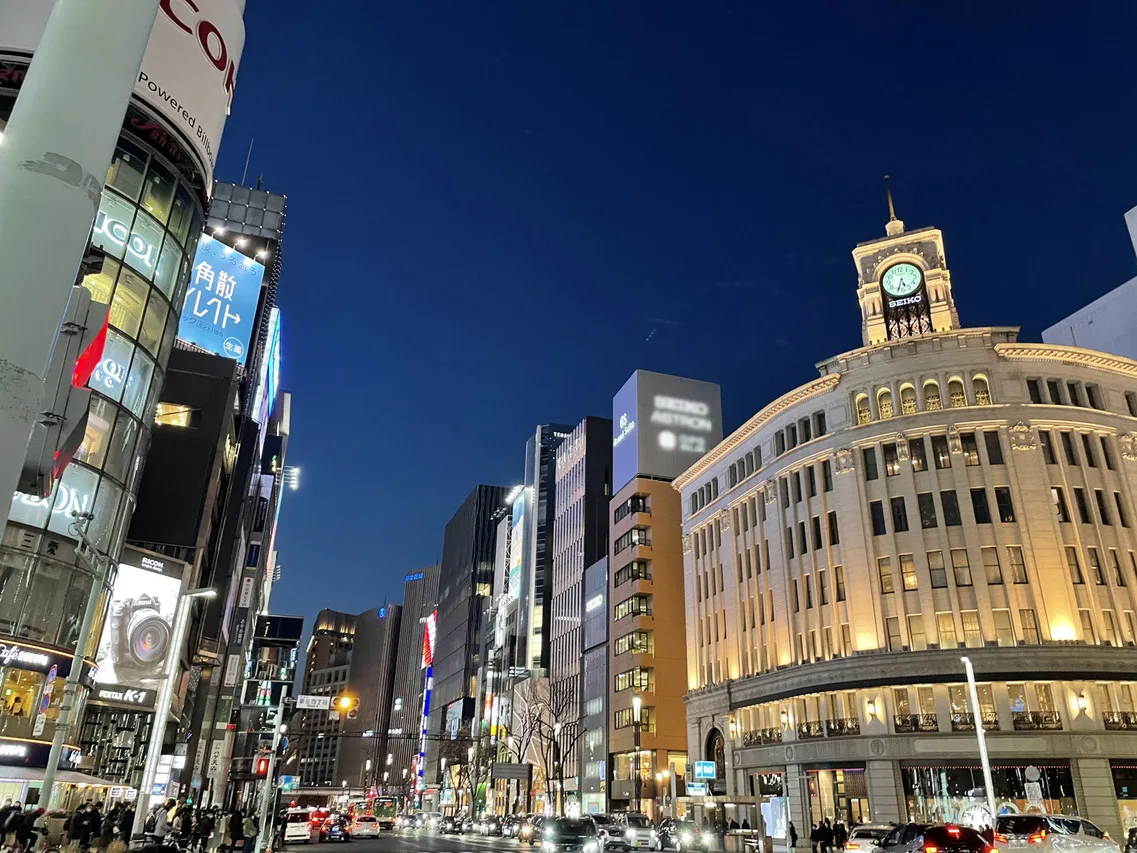
Views in the photos differ in cloud, sun, dusk and night lighting. Do not pay to upgrade just for scenery if you return late each evening. If I intended to relax in the room, weigh direction, layout and price. A Tokyo Tower photo is no guarantee of the same view everywhere.
One night for views; longer stays call for laundry planning
Generous room sizes and upper-floor views are the draw. The older interior is part of the trade-off. Choose it for a trip with time to sit near the window.
If sensitive to smells, choose a non-smoking category. Cigarette odor, dampness or ventilation can vary by room. Check promptly on arrival and contact the desk if necessary. For video meetings, confirm the Wi-Fi is suitable.
A beautiful nighttime photograph alone would not persuade me to book several nights. Consider the station walk, traditional furniture and laundry arrangements before weighing a possible view upgrade.
For a one- or two-night scenic stay with tolerance for a station walk and classic design, shortlist it. Multi-night travelers should check laundry, non-smoking rooms and internet. If modern décor, immediate station access or daily self-service laundry is essential, compare alternatives first.
Pros and cons at a glance
Pros
- The 27 m² Moderate Double and 29 m² Moderate Twin give two people more room to move than a typical city hotel.
- Rooms sit on floors 33 and above, and Superior rooms face Tokyo Bay and Tokyo Tower.
- Breakfast is a Japanese or Western set served 7:00 to 10:00, for a slow sit-down morning.
- Tsukiji Outer Market is about a 730-metre walk and Ginza about 1.0 km, so a morning market visit and an afternoon in Ginza both work.
- Check-in runs 15:00 to 24:00, check-out is by 12:00, and the front desk is staffed around the clock, which makes flight times easy to plan.
Cons
- Tsukiji Station is a seven- to nine-minute walk, so count that walk if you take trains several times a day; the elevator exit is 3b.
- The decor is old-style, and the timber cabinets and carpet will not suit everyone.
- There is no coin laundry on site, so multi-night stays need paid laundry or a laundromat outside.
- No room type allows an extra bed or a cot, so travelling with small children needs the party size planned first.
Information checked: November 21, 2026.