
TOKYO / CHUO
Dormy Inn Premium Ginza Natural Hot Spring
Dormy Inn Premium Ginza Natural Hot Spring
Soak after Ginza shopping: compare breakfast and compact room types
First compare room types
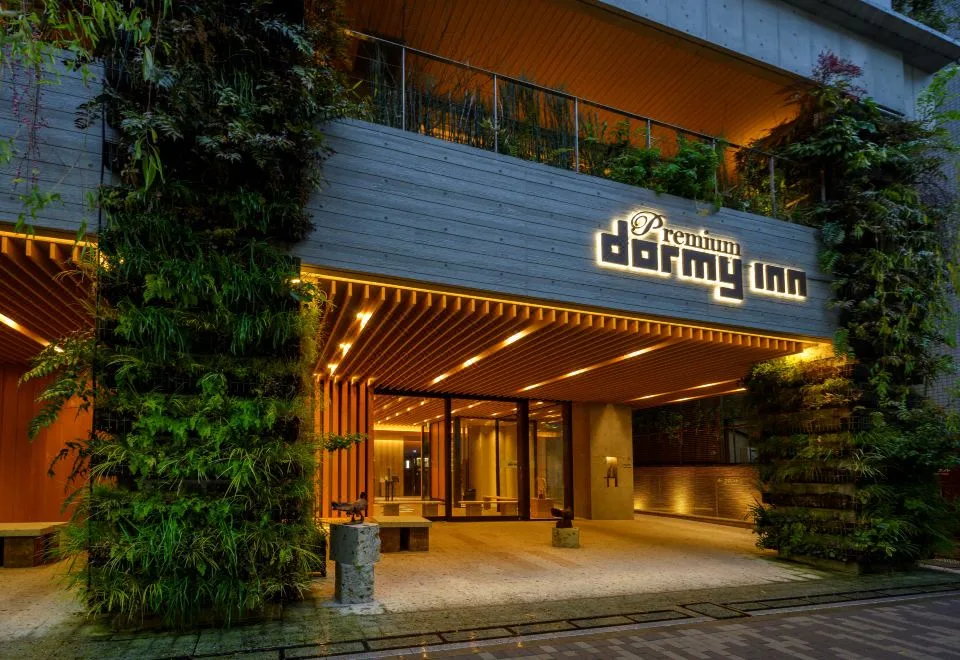
Would this suit my trip?
If I want to shop in Ginza by day and enjoy a hot spring bath at night, Dormy Inn Premium Ginza is appealing. It puts a city hotel and a public bath under one roof, so there is somewhere to unwind when I get back in the evening. Before choosing it, I accept that some rooms are compact and the bath may be busy at peak times.
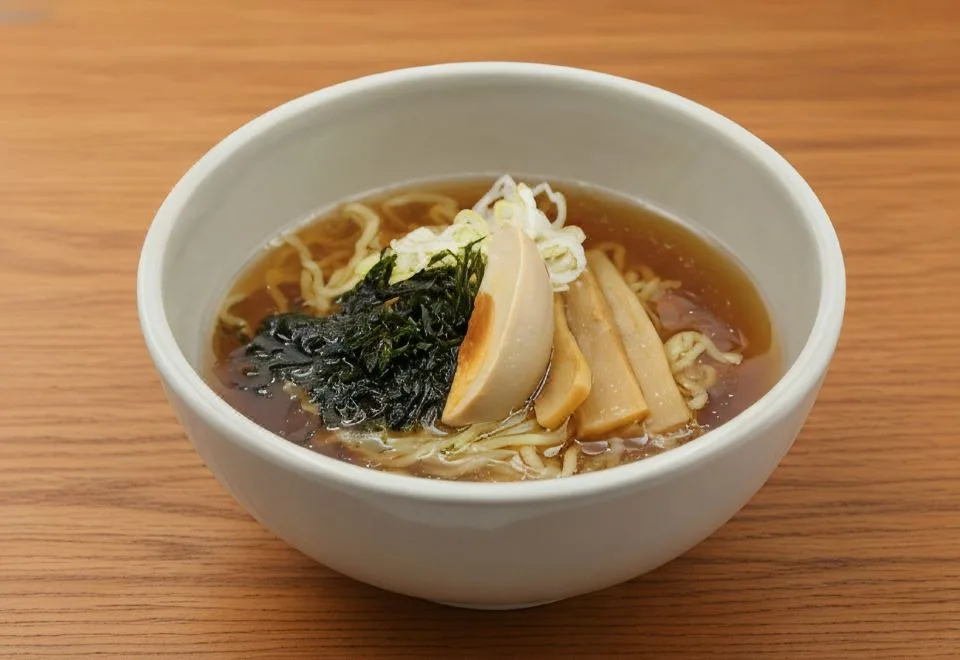
Here is how I plan a day: browse the streets around Ginza 6-chome in the daytime, drop my shopping back at the hotel in the early evening, take a bath, then finish with a bowl of night soba. The next morning I eat a Japanese buffet breakfast at Hatago, then head to Tsukiji. The bath belongs in the plan, not as an afterthought before bed — that is what makes this hotel worth choosing.
If you are like me and would rather have a smaller room than give up an evening soak, this hotel suits you. If you travel with two large suitcases, want to spread out in the room, or leave early every morning, work out the room type and breakfast choice first.
The hotel opened in February 2023 with a dark-spring bath, and the building still feels new. Choosing it means choosing a Ginza base with a hot spring, not a large room.
My conclusion is simple: if the bath is part of the trip, this hotel is worth it; if it is only a place to sleep, the room size will feel like poor value.
Good points and considerations
Why consider it: The natural hot spring public bath is the signature feature. Ginza shopping and Tsukiji dining are walkable, and the Japanese buffet breakfast at Hatago is worth a slow morning.
Think before booking: Rooms and beds are on the small side, and the bathing area is compact too. Drying laundry takes time, and arriving early may mean waiting for check-in.
Pets are not allowed, and there is no age limit for the person checking in.
The trade-off here is simple: do you want a Ginza location plus a hot spring, or a larger room? Wanting both in this part of Ginza costs a lot more.
Location: normal walking versus suitcase access
The official route is about four minutes from Higashi-ginza Exit 4. Ginza Station is about eight minutes away and JR Shimbashi about eleven, so both Ginza and Shimbashi are easy to reach on foot.
With suitcases, I take the elevator route: on the Hibiya Line, go through the Central Gate toward the Exit 3 elevator for a step-free route to the street; on the Asakusa Line, use the street elevator at Exit A1 from the Miharabashi Gate. Higashi-ginza Station has two elevators, two escalators and an accessible toilet. From the street, walk toward Ginza 6-chome — the hotel is at 6-16-8 Ginza.
Check-in runs from 15:00 to 24:00 and check-out is before 11:00, with staff at the front desk around the clock. If I arrive too early to check in, I leave my bags at the desk free of charge and head out to Ginza first.
Arriving by taxi, show the driver the address 6-16-8 Ginza — it gets you there faster than the hotel name alone.
| Item | Stay details |
|---|---|
| Address | 6-16-8 Ginza, Chuo City, Tokyo 104-0061, Japan |
| Japanese hotel name | 天然温泉 七宝の湯 ドーミーインPREMIUM銀座 |
| Check-in / Check-out | From 3 p.m. / by 11 a.m. |
Bed widths matter: the Double has a single 140 cm bed, snug for two; the Twin has two 90 cm beds, one each; the Japanese Superior has two 110 cm beds in 25.7 to 27.3 m2, with a hinoki bathtub and a terrace — the pick for slow time inside the room.
Travelling with children takes a quick check first: children of all ages are welcome, but cribs and extra beds depend on the room type, and an extra charge may apply even without an extra bed. Add the children when booking so the price is exact.
Rooms: compare beds, bathrooms and living space
Check everyone’s sleeping place, bath needs and bags first. The official room information helps with the choices below. Booking sites may use different translated room names, so confirm the exact English/Japanese category.
| Room type / arrangement | Area and equipment | How I would choose |
|---|---|---|
| Double | 15.7–18.9 m²; one 140 cm bed | For one or two on a short visit who accept a compact room |
| Twin | 19.3 m²; two 90 cm beds | For two travelers wanting separate beds |
| Japanese-style Superior (two beds) | 25.7–27.3 m²; two 110 cm beds, cypress tub and terrace | For travelers spending more time relaxing in the room |
Regular bedded rooms and Japanese-style rooms have different routines. For easy seating beside a bed, start with standard types. Families wanting a Japanese-style experience should check bedding arrangements and permitted occupancy.
Photos show beds taking up a significant part of some rooms. Two guests with large cases should compare walkways rather than equate a high floor or Japanese-style name with more space.
Double rooms range from 15.7 to 18.9 m2, so the same room type can differ by about 3 m2 — worth asking whether a larger one is available when booking.
Japanese-style rooms work differently from bedded rooms: bedding is laid out at night and put away in the morning, so the room doubles as living space during the day — with children along, that extra space matters.
When booking, ask three things first: how wide the bed is, how many square metres the room is, and how an extra bed is charged. With the numbers clear, there will be no surprise on arrival.
Room photos: how the room looks in everyday use
The photos show beds, desk and bathroom passages with daily belongings in place. The photos may come from several categories, so compare with the exact type booked.
When I look at the photos, I check three things: how much floor the bed takes, how wide the walkway stays once a suitcase is open, and which way the shower door opens. Once those are clear, the room will not feel smaller than expected on arrival.
The photo of the bed by the window deserves a second look: the distance from bed to window and the desk position are both visible. If you like sitting in the room and watching the street, compare the layout with the room type you booked.
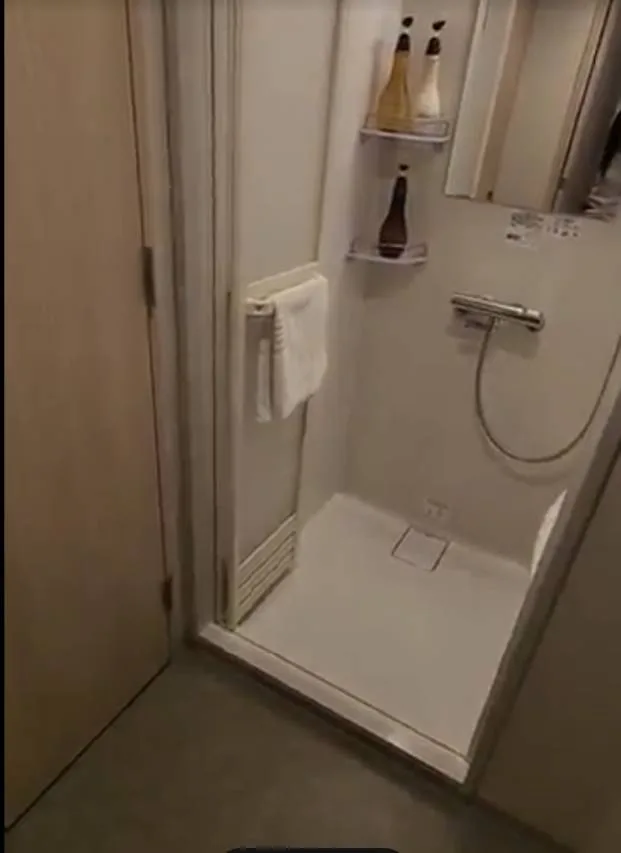
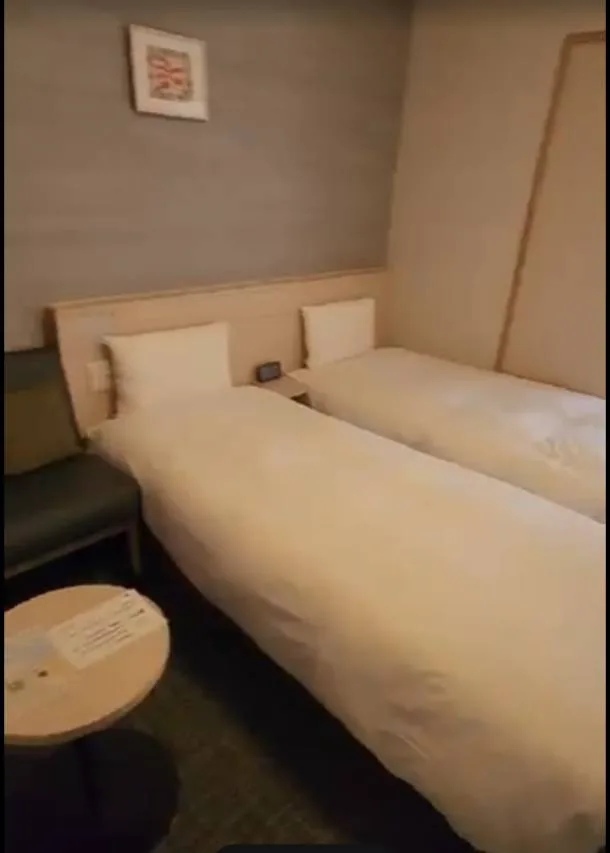
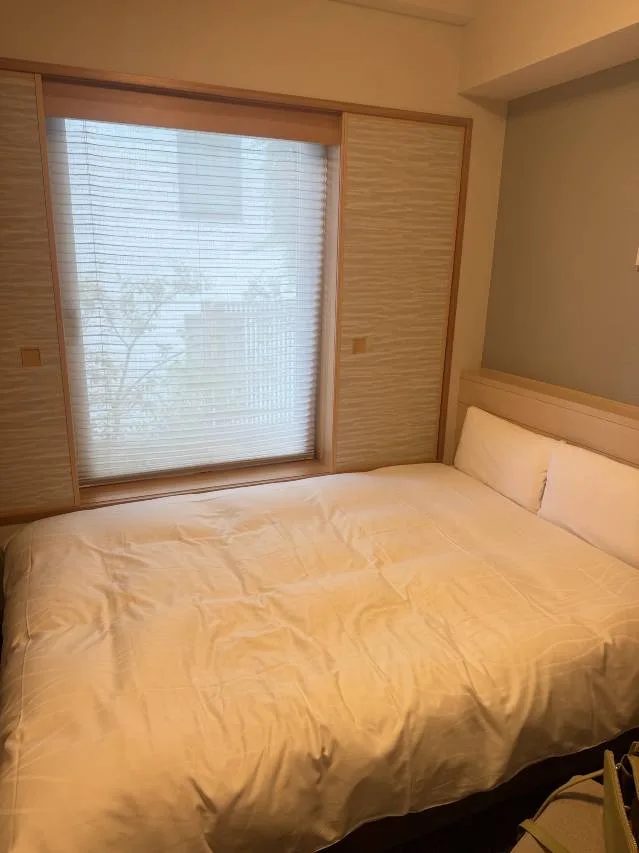
Before booking, put the room table and the photos side by side: check how many square metres your room type is, then look at how much floor the bed takes in the photos. If the two line up, there will be no surprise on arrival.
Facilities: make time for bathing
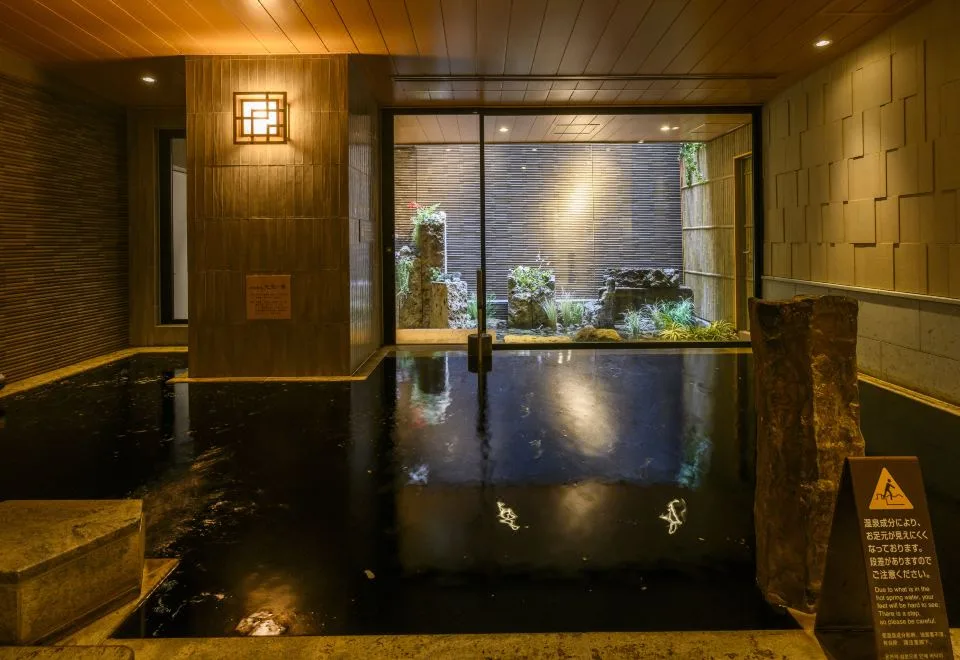
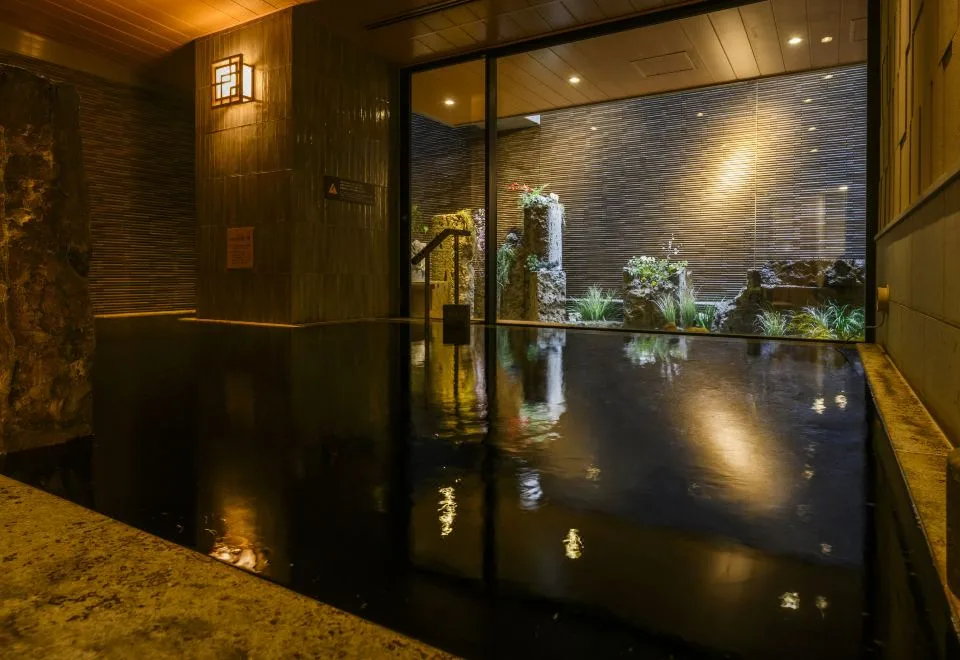
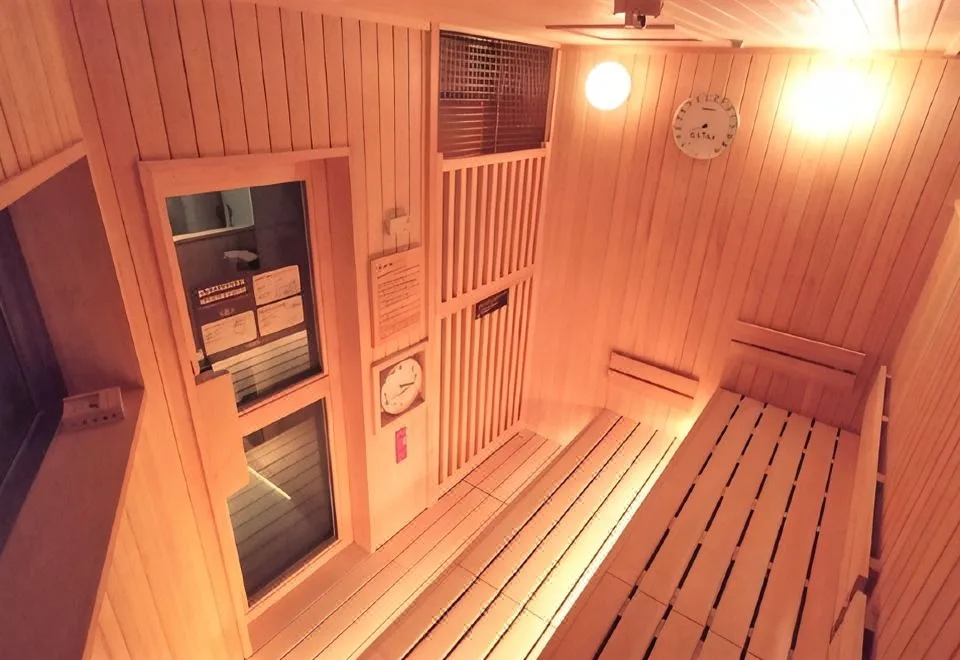
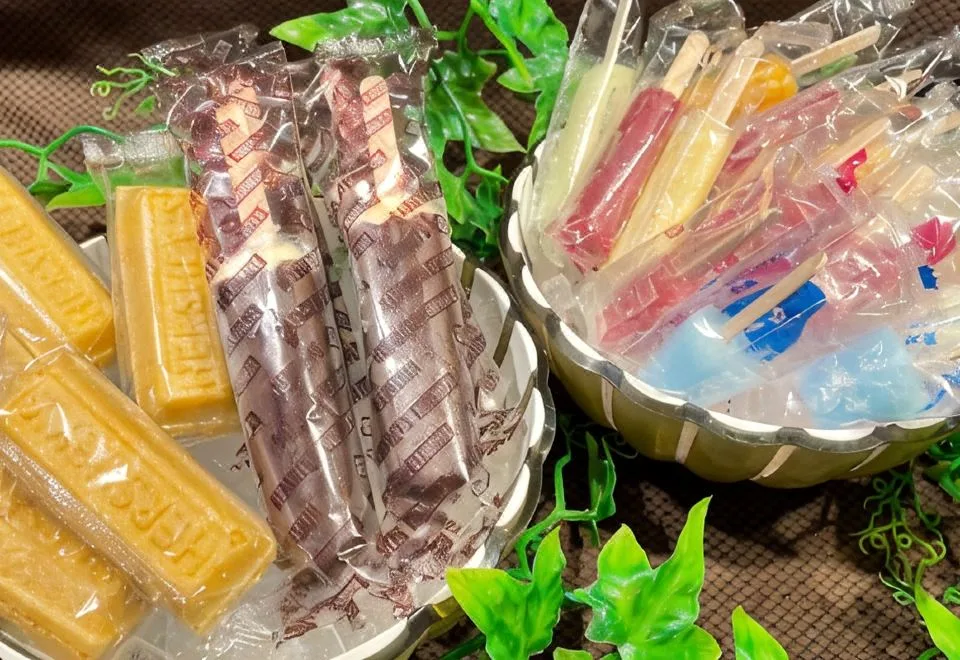
The public natural hot spring, sauna and space to relax after bathing are reasons to leave time in your schedule. Night soba and ice treats round off the evening, but check the day’s notice for hours and offerings rather than assuming they are always available.
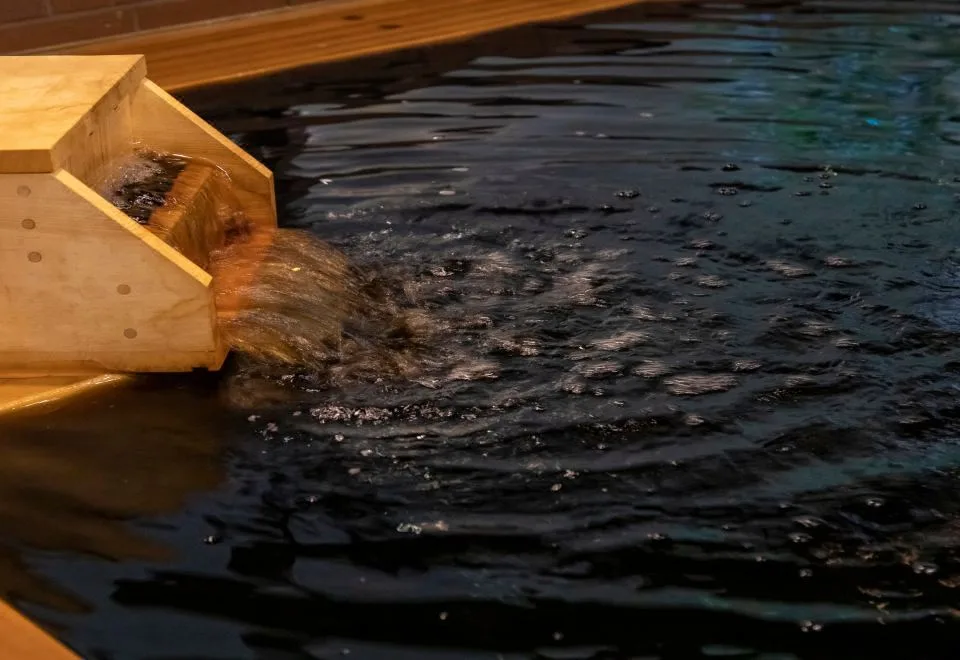
The bath is called Shippo-no-Yu, inside the hotel, free all year, with separate baths for men and women. I make the bath my first stop after getting back in the evening: soak, sit in the rest area for a while, then go for a late-night snack once I feel warm again.
The building also has a laundry room, vending machines and an elevator, free Wi-Fi in public areas, wake-up calls and a car-hailing service, and the front desk speaks English and Japanese. For small children, the hotel provides child-sized yukata and toothbrushes.
Drivers should book parking ahead: the in-house car park costs JPY 3,000 a day, spaces are few, and advance booking is required — turning up without one is likely to mean no space.
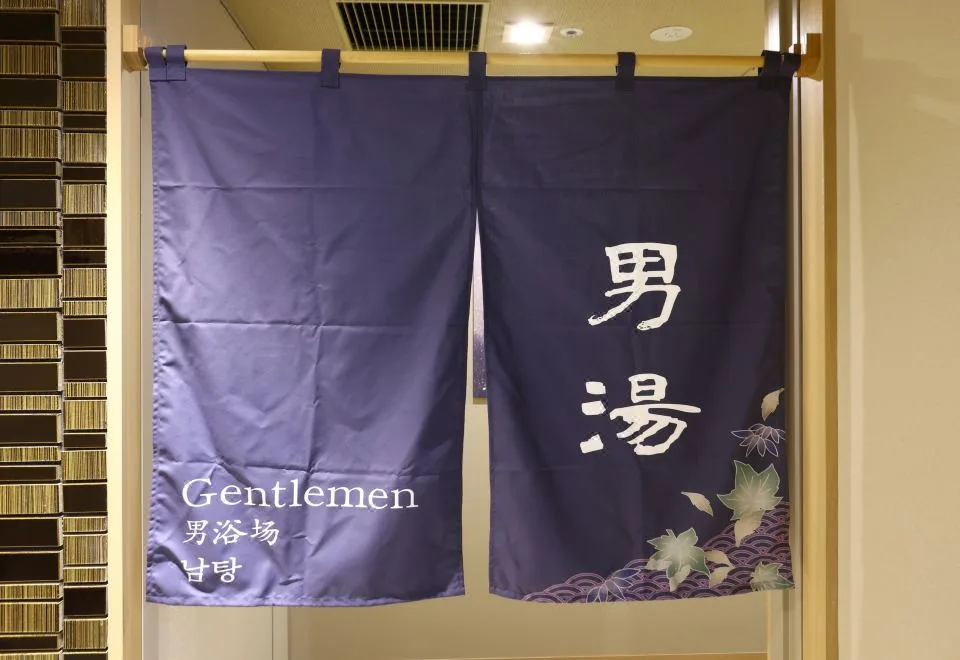
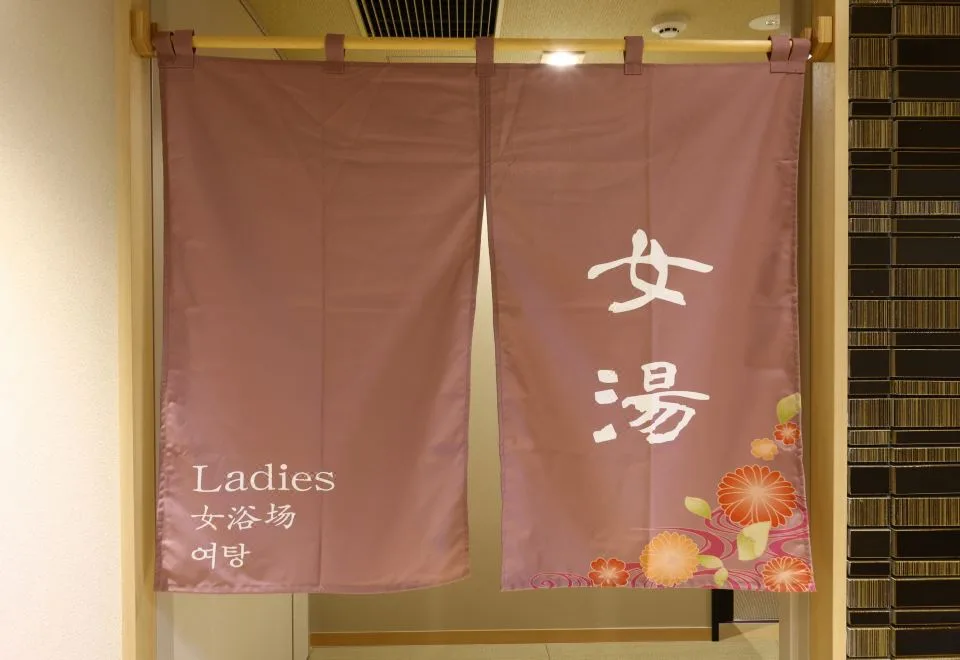
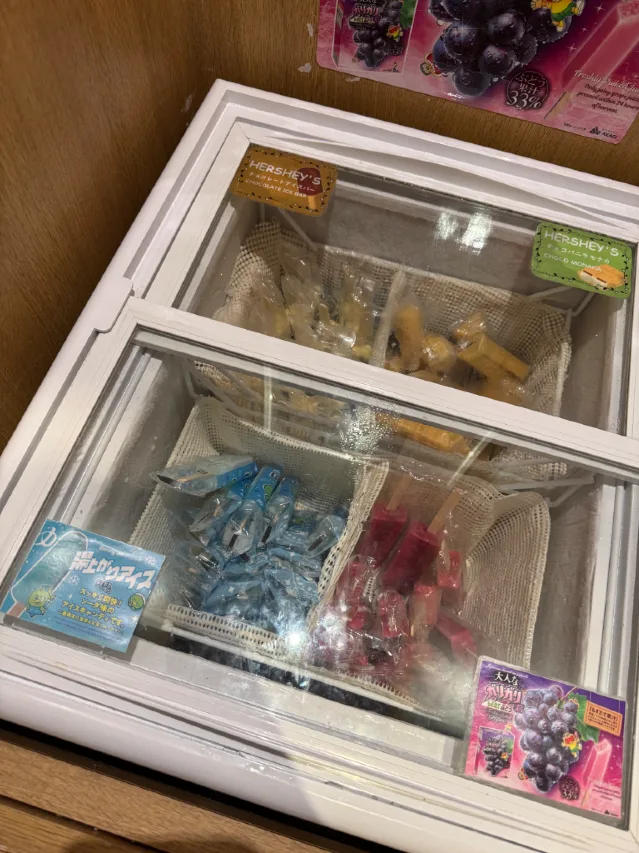
A few small things are worth knowing in advance: the front desk has a safe, and fax and photocopying are available through the desk. Public areas are non-smoking, with a separate smoking area. Best never needed — but good to know where they are.
Breakfast: plan your morning
Japanese breakfast is easy to enjoy here, and its variety is why I keep a morning free for it. If you leave early every morning or want only bread and coffee, compare a room-only rate. If you prefer a leisurely meal before shopping, breakfast-inclusive fits better.
Breakfast is a buffet at the Hatago restaurant, Japanese-style, for staying guests only, with terrace seats. Adults pay JPY 3,000 each, ages 13 to 17 the same, ages 3 to 12 pay JPY 1,500, and children aged 2 and under eat free. If your rate has no breakfast and you change your mind, you can pay on site — ask the front desk first.
Dining photos show examples of food and the restaurant, but the actual menu and service depend on the day of stay.
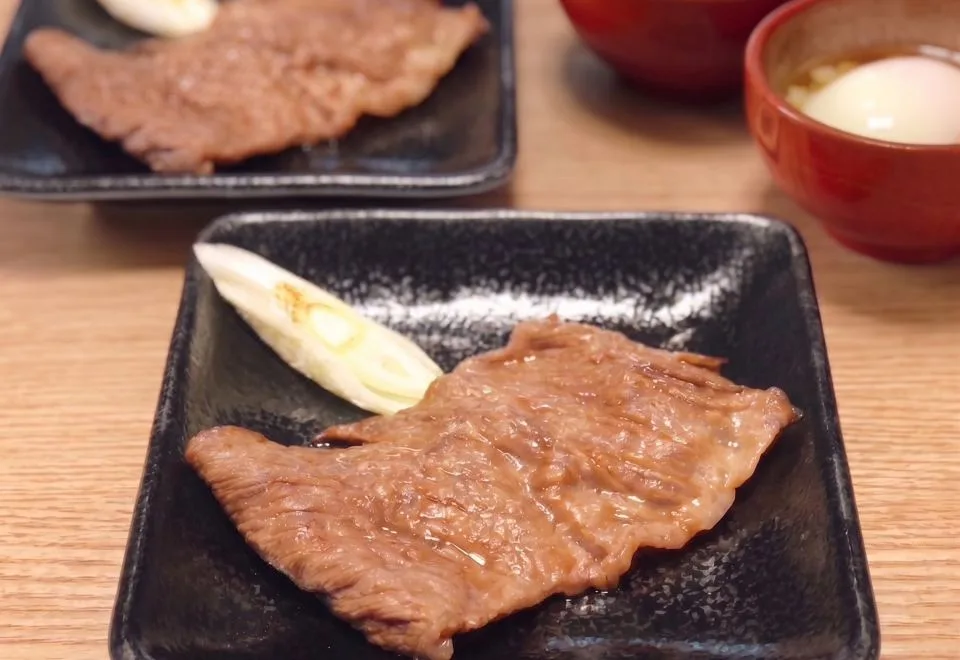
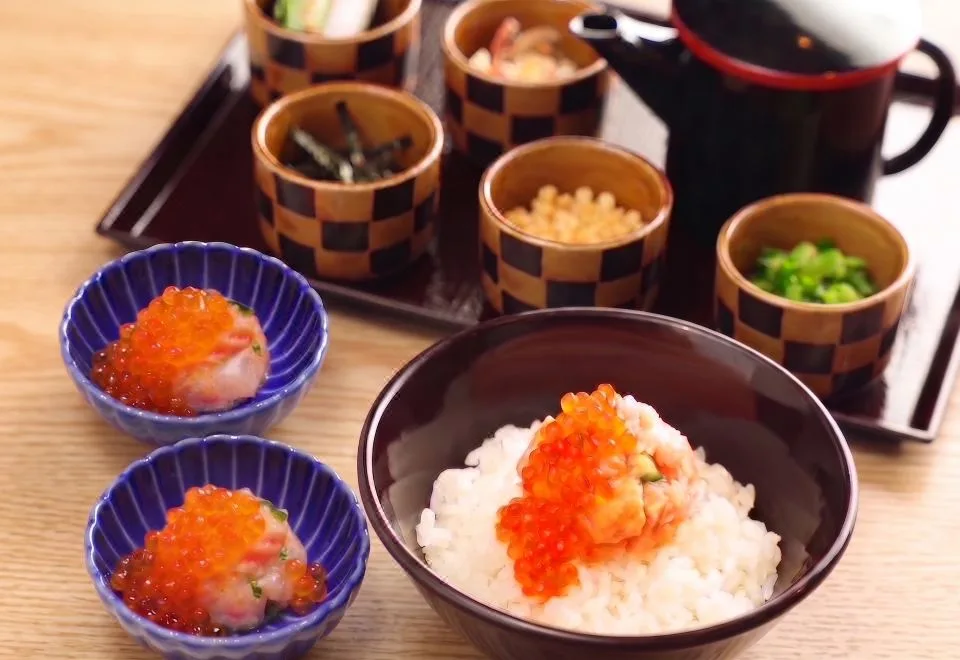
At a buffet I walk the whole line before picking up a plate: Japanese dishes lead, so I see what the day offers before deciding what to save room for. After eating, Tsukiji or Ginza is a straight walk from the hotel, and the timing works out well.
Explore Ginza and Tsukiji nearby
Ginza department stores, Kabukiza and Tsukiji can each fill a separate half-day. Don’t cram them all into one morning: leave one evening to return early and enjoy the bath, which is why I would book Dormy Inn here.
The distances first: GINZA SIX is about 340 metres away, Tsukiji Outer Market about 420 metres, and the Ginza Art Aquarium about 480 metres. All of them are walkable, with no train change needed.
Further out works too: Tokyo International Forum is about 1.2 km, Nihonbashi about 1.6 km, the Imperial Palace about 1.8 km, JR Hamamatsucho Station about 1.8 km, and Tokyo Tower about 2.7 km. I keep the far places for the daytime and the near ones for the gap before heading back to the hotel in the evening.
For a half-day outing, see Tsukiji Outer Market guide (Chinese).
Kabukiza is right by Exit 3, a few minutes’ walk back to the hotel after a performance, so an evening at the theatre fits the plan well.
Hamarikyu Gardens is about 690 metres away, a daimyo garden from the Edo period, and a walk around it makes a good morning stroll.
One night, multiple nights and verdict
One night is enough to enjoy a bath as a short break; longer stays allow a soak after each day’s walking. For lots of laundry, don’t leave all your drying to the last evening on shared machines. Allow time for a second drying cycle or waiting.
A late flight is no problem — someone is at the desk through the night. After check-out, I go out first and pick up my bags in the evening, so the check-out time does not cut the day in half. Cash works in the hotel; knowing these small things before booking keeps the stay smooth.
If soaking after Ginza shopping is my priority, I would shortlist this hotel. Before booking, verify party size, exact room, breakfast and arrival time so the accommodation fits the itinerary.
For a stay of several nights, I spread the laundry across the middle evenings instead of leaving it all for the last night. Breakfast can be enjoyed slowly every day, with no need to make up for it all on the first morning.
On a longer stay, the bath becomes a daily routine: back after a day of walking for a soak, a bowl of hot soba in the evening, breakfast the next morning before heading out — much easier over several days than changing hotels.
Pros and cons at a glance
Pros
- Shippo-no-Yu natural hot spring public bath, free all year, with separate baths for men and women and a sauna.
- About a four-minute walk from Higashi-ginza Exit 4, with GINZA SIX about 340 metres away and Tsukiji Outer Market about 420 metres away.
- Hatago Japanese buffet breakfast: JPY 3,000 per adult, JPY 1,500 for ages 3 to 12, free for children aged 2 and under.
- Front desk staffed around the clock, free luggage storage, free public-area Wi-Fi, and English and Japanese spoken at the desk.
- Japanese Superior rooms are 25.7 to 27.3 m2 with two 110 cm beds, a hinoki bathtub and a terrace.
Cons
- The Double has a single 140 cm bed, snug for two, and standard rooms are 15.7 to 18.9 m2, so two large suitcases opened at once crowd the floor.
- The bathing area is compact, and the bath may be busy at peak times.
- In-house parking costs JPY 3,000 a day, spaces are few, and advance booking is required.
- Pets are not allowed; cribs and extra beds depend on the room type, and an extra charge may apply even without an extra bed.
Information checked: November 22, 2026.