
TOKYO / CHUO
DDD Hotel
DDD Hotel
Minimal design and a lovely café, but consider luggage space
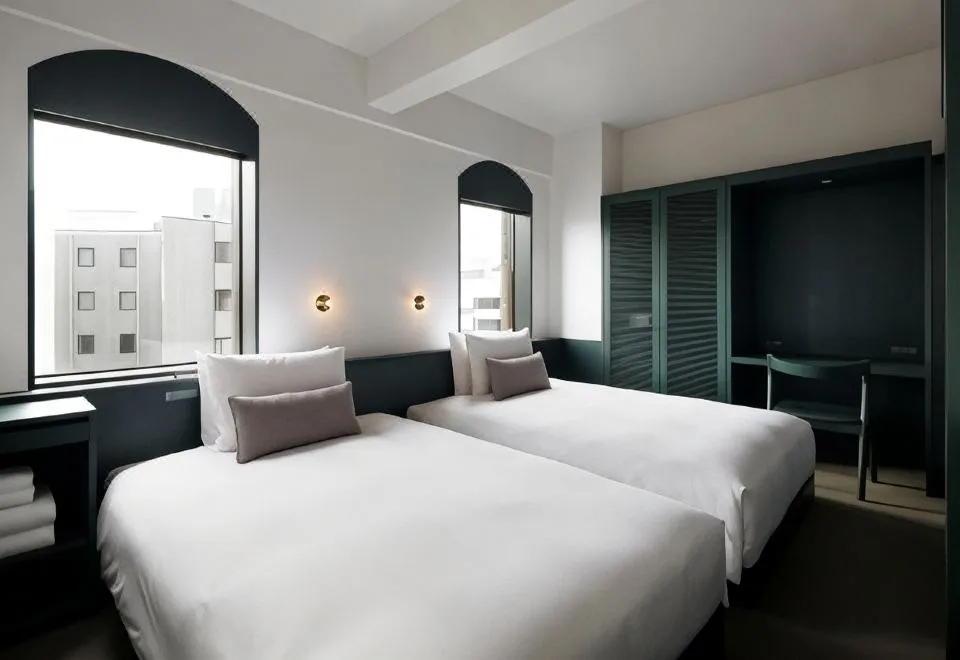
DDD Hotel suits travellers who want design, fragrance and coffee as part of their trip. Deep-green and white rooms and a café with large windows create a distinctive atmosphere, while the Bakurocho area offers useful train links. But minimalism includes compromises on space: a light-packing solo guest and a couple with large suitcases may have very different experiences.
Is this hotel right for your trip?
Reasons to choose it
- Distinctive minimal design and café space
- Multiple transport options around Bakurocho
- Easy to plan a light-packing solo trip
Trade-offs to consider
- Basic rooms and suitcase space are tight
- Some bathrooms have a step at the entrance
- Watch for street-facing room noise
The hotel was fully rebuilt in 2019 from a business hotel that had run for 40 years. Its 122 rooms sit on floors three to ten, in deep green with arched windows, and even the towels get attention — French Descamps towels and Francebed mattresses, so the first look inside a room tells you this is not an ordinary business hotel. The bones are still a business hotel, so rooms are compact, but the location and the design make up for it.
Before booking, check three things: choose the room by the number of people — the 14 m² Minimal Double suits one light packer only; no room takes an extra bed or a crib, so count every person when children travel, and the guest checking in must be at least 18; breakfast costs 2,400 yen per person, so work out the total of a breakfast-included plan before you decide.
I will also say plainly who it does not suit: if you work in your room all day and your cases never close, a basic room will frustrate you — look straight at the 24 m² Superior Twin or the 40 m² Suite. If you only want the cheapest place to sleep, you may not use the design at all.
All 122 rooms are on floors three to ten, with the front counter and café on the second floor. Rooms sit above street level, but the lower floors facing the street are noisier, so if noise bothers you, ask for a higher floor when you book.
Location and access: exits, lifts and luggage
Walking from the usual exits
Official directions list Bakurocho Station Exit 6-C4, JR Asakusabashi East Exit or Toei Exit A2. The Asakusabashi exits are roughly a five-minute walk, and Higashi-nihombashi Exit B4 around seven. For Akihabara outings, JR Akihabara Showa-dori Exit is about an eleven-minute walk and can be an option when travelling light.
Luggage and lift routes
With luggage, know this first: JR Bakurocho has a lift inside the station (platform to ticket gates), but no lift to the street. With heavy cases, walk the underground passage to Toei Asakusa Line Higashi-Nihonbashi and take the street lift at exit B1; Toei Asakusabashi also has lifts to the street. An ordinary exit means carrying your cases up the stairs, so do not skip the detour when your bags are big.
| Hotel name | DDD Hotel |
| Address | DDD Hotel, 2-2-1 Nihonbashi Bakurocho, Chuo-ku, Tokyo 103-0002, Japan |
| Check-in and check-out | Check-in 15:00–23:00; check-out by 11:00; reception listed as available 24 hours. |
| Transit reference | About 140 m from JR Bakurocho Station, roughly a three-minute walk. |
Getting here from the airports is simple: the Keisei Access Express from Narita reaches Higashi-Nihonbashi in about 60 minutes, and the Keikyu line from Haneda reaches Asakusabashi in about 35 minutes, both without a change, so you can ride straight to the hotel area.
The hotel is only 140 metres from the nearest station, about a three-minute walk, with JR and the Toei Asakusa line both in reach; Akihabara is an eleven-minute walk from the Showa-dori exit, a pleasant stroll when you travel light. Walking toward Nihonbashi is not far either, with plenty of shops and places to eat.
Toei Asakusabashi also has lifts to the street, so coming from exit A2 is just as smooth; for JR, the Asakusabashi east exit is about five minutes on foot and easy when your bags are light.
Before you leave the hotel, check which station you are heading for: JR Bakurocho, Toei Bakuroyokoyama and Toei Higashi-Nihonbashi share underground passages, the names look alike and the exits are completely different. A wrong exit adds several minutes, so match the station name before you set out for a train.
Choosing rooms: beds, bathrooms and luggage
| Room type | Size and bed arrangement | Best choice for |
|---|---|---|
| Minimal Double | 14 m² / one 140 cm bed / shower | For light-packing solo stays; no TV or work desk |
| Superior Twin | 24 m² / two 128 cm beds / shower | For two separate sleepers who need a desk |
| Standard Triple | 17 m² / single bed plus bunk bed / shower | For small families or three travelling together; no TV or work desk |
| Suite | 40 m² / two 130 cm beds | For a bathtub, rain shower and living space |
The Minimal Double can accommodate two on certain plans, but the hotel’s own description positions it mainly for solo use. For two people on a longer stay who want to sit and work in the room, compare the 24 m² Superior Twin. For a bathtub, look specifically at the Suite rather than assuming all rooms include one.
The gallery includes twin rooms and narrow single-bed layouts. Examine the bedside passages, desk and storage in basic categories. My own sense is that the rooms run small, and two cases are hard to open at the same time; some bathrooms also have a step at the entrance. If you have knee or mobility limitations, ask about the actual threshold and route for your chosen room. For two people staying several nights, I would prioritise the larger Twin instead of sacrificing floor space for a small price difference.
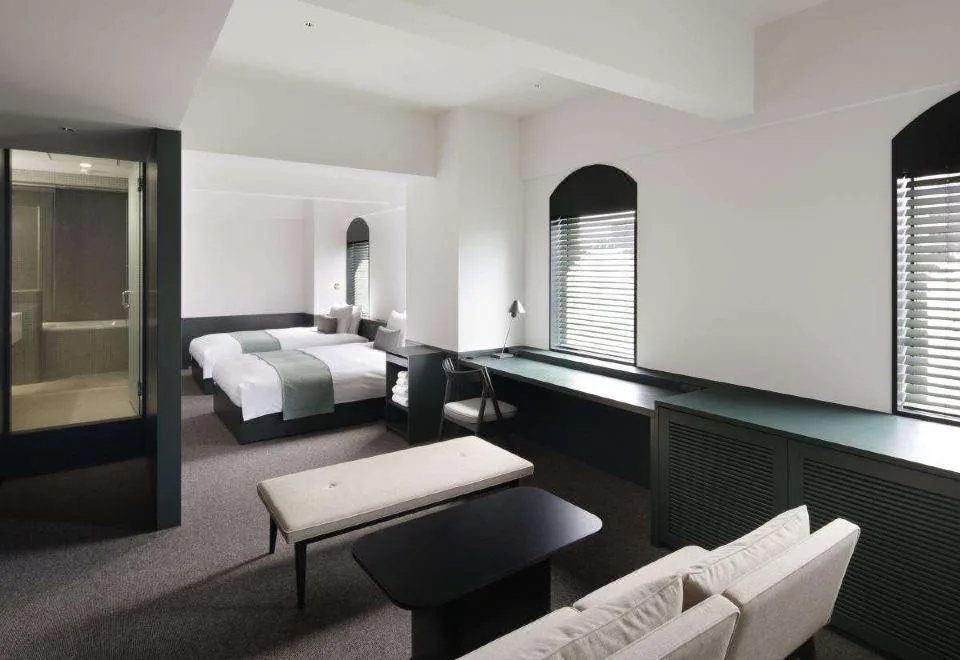
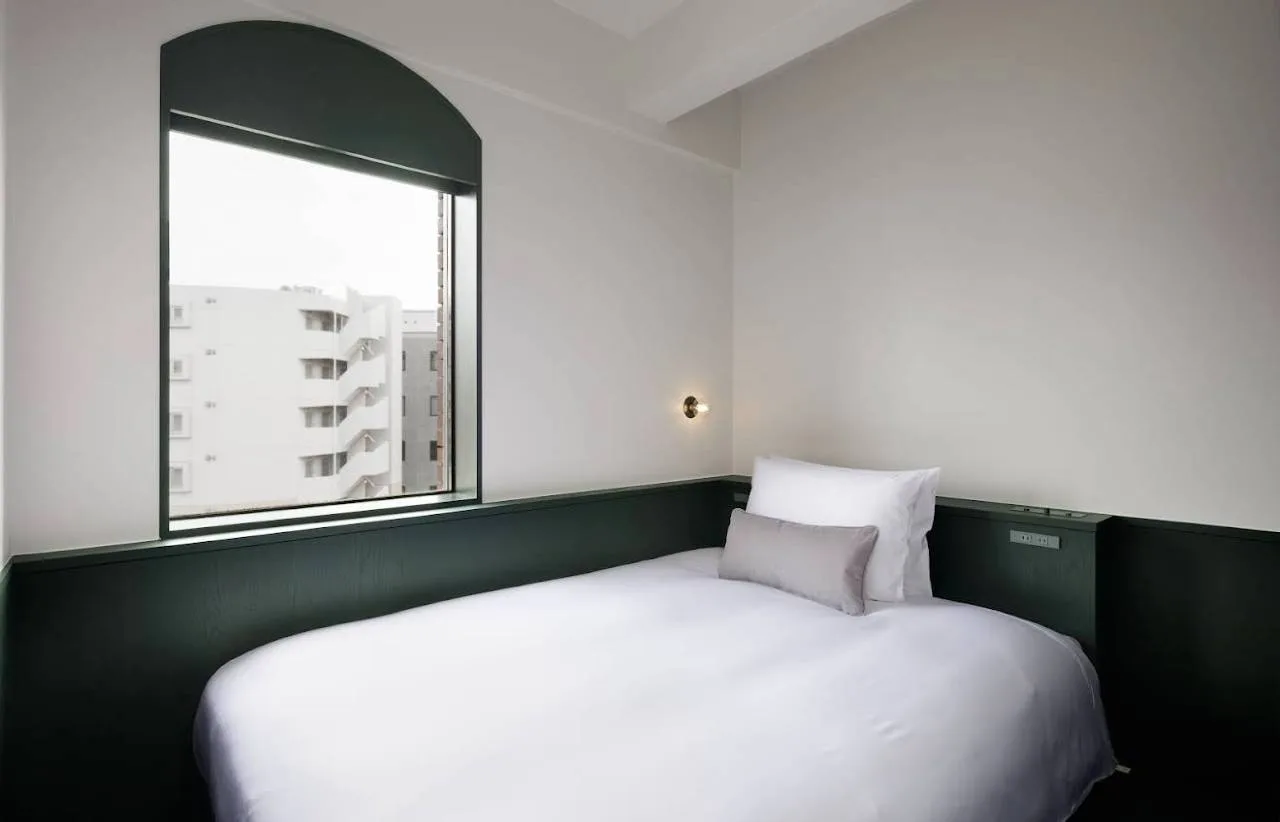
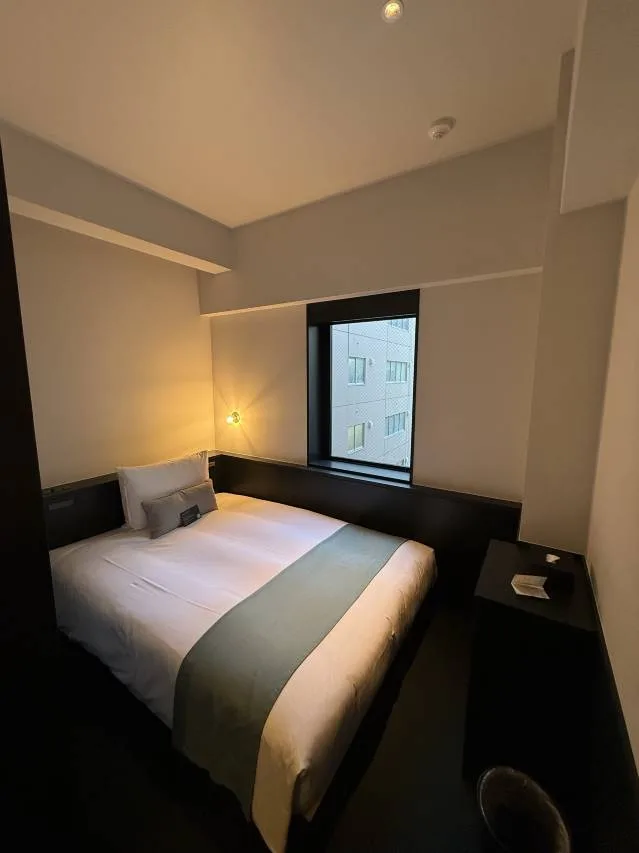
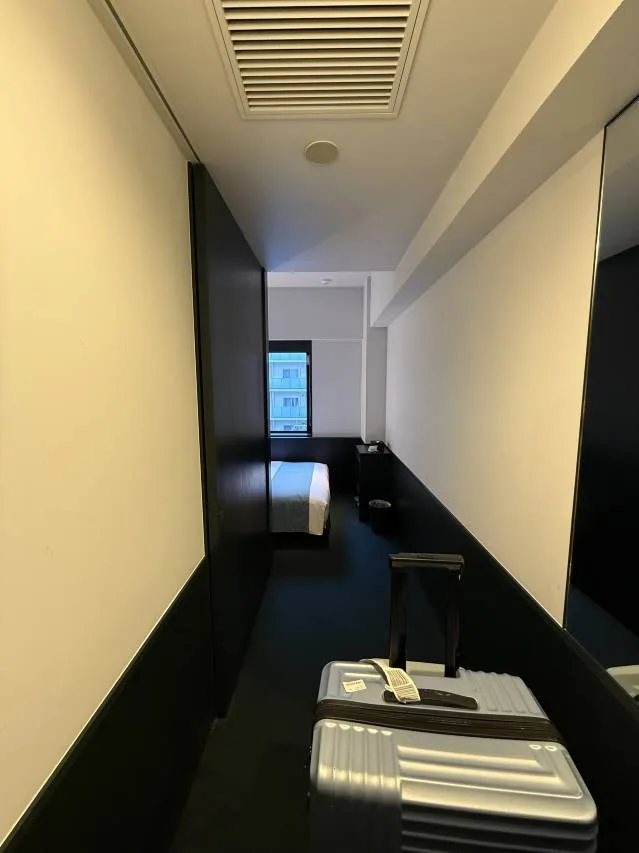
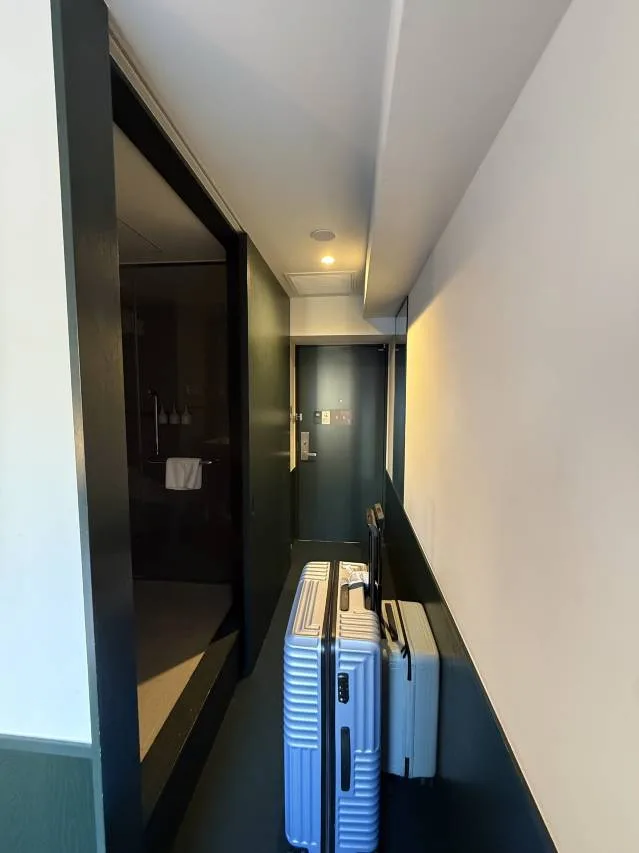
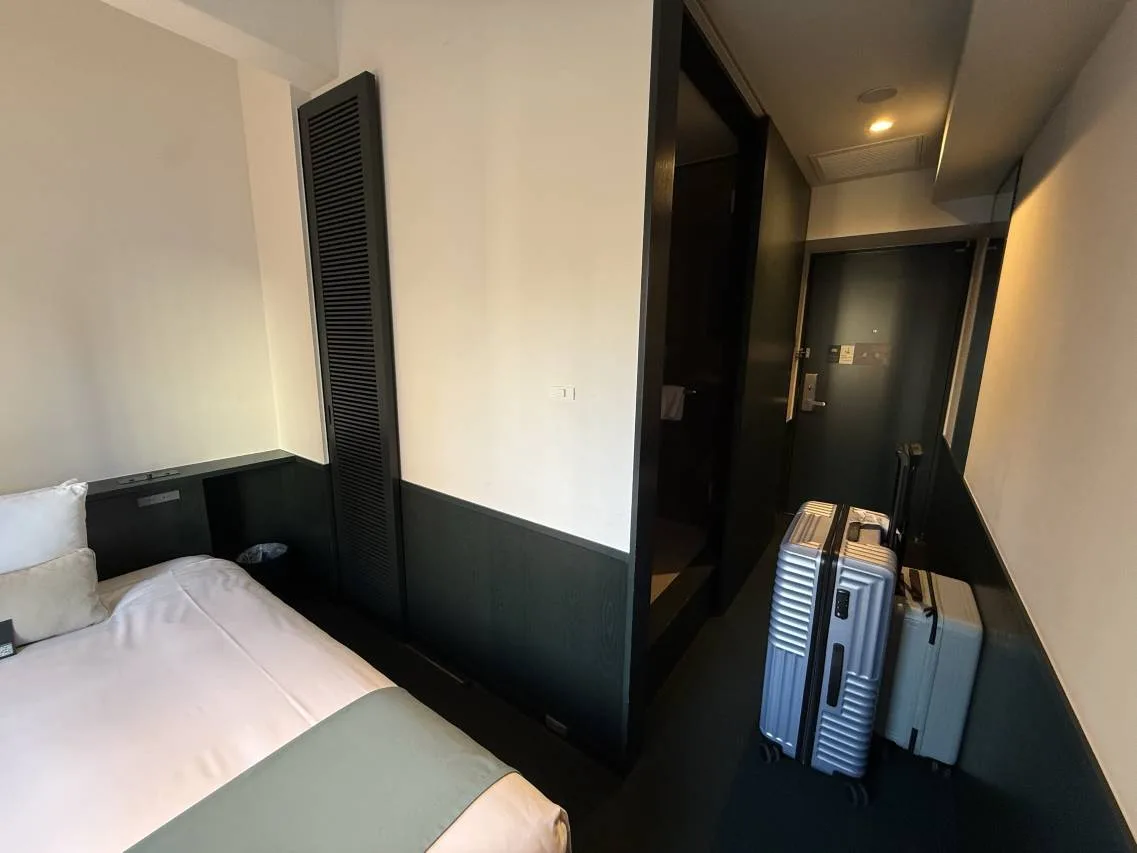
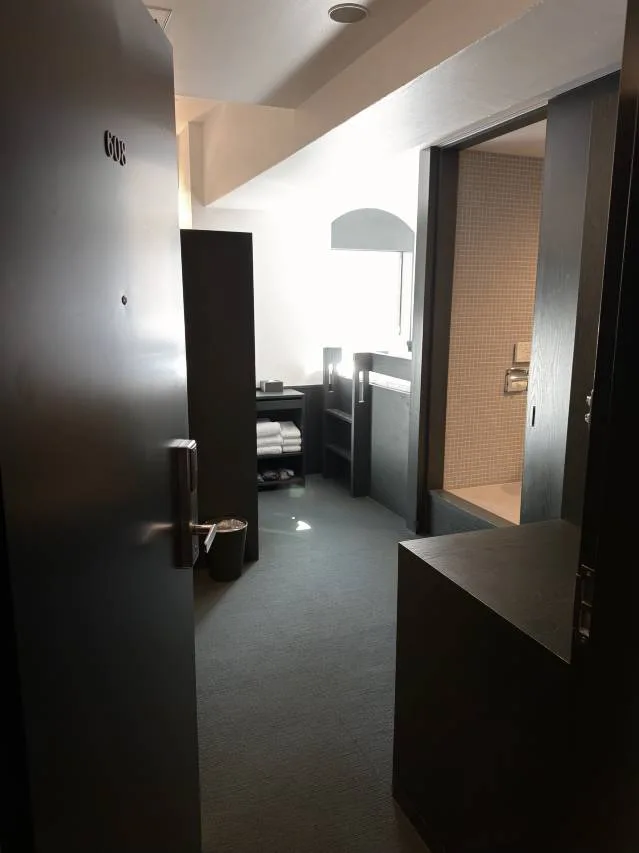
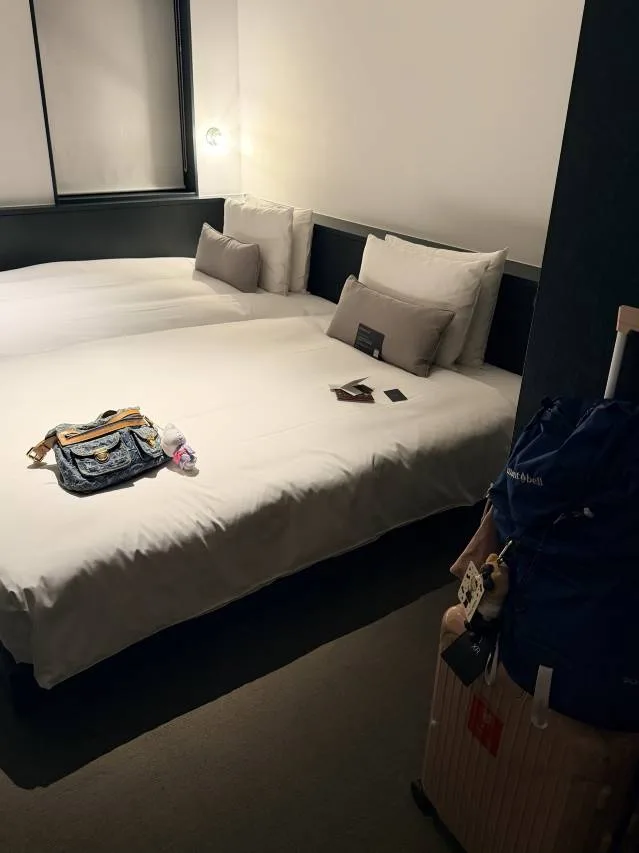
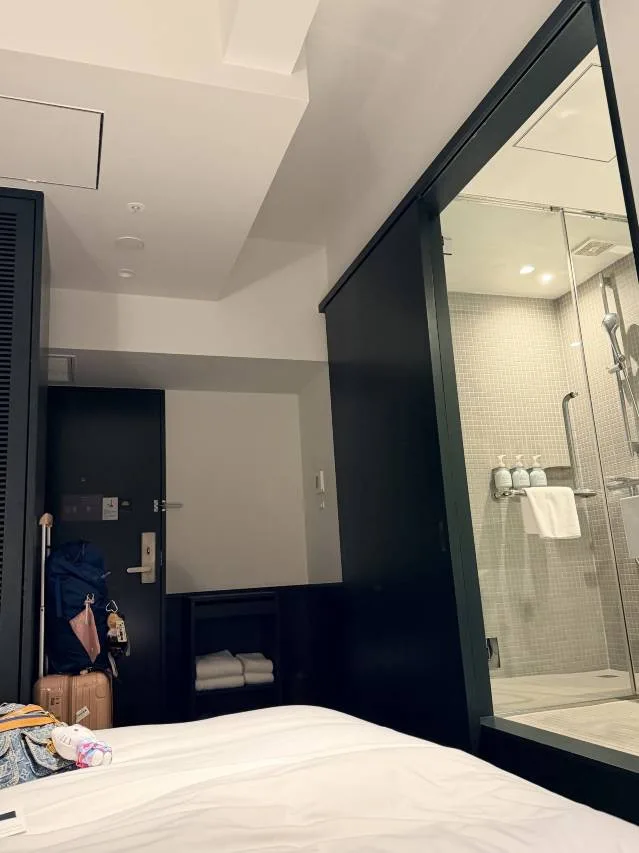
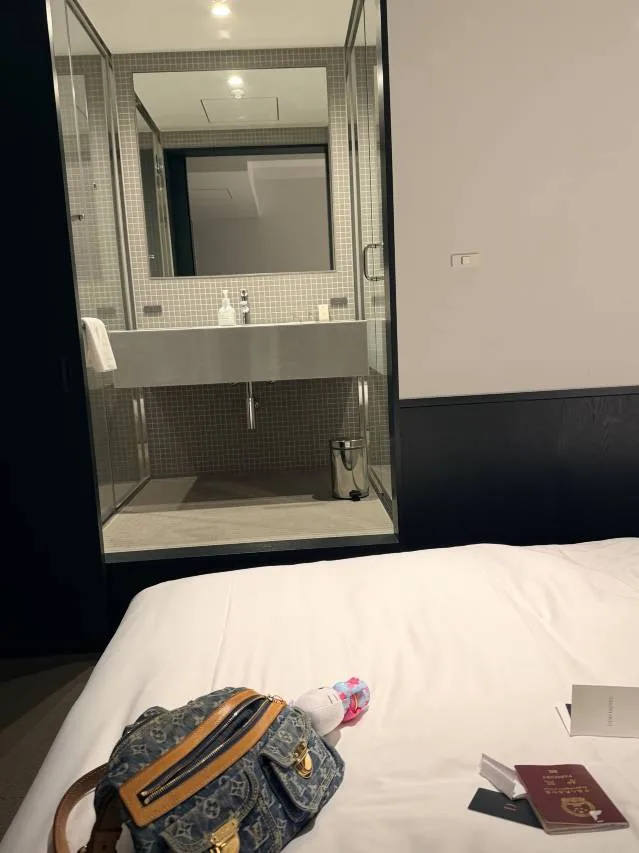
Beyond the three types in the table there is one more: the Standard Triple, 17 m², one single bed plus a bunk bed, for a small family or three travelling together. It also has no TV and no work desk, only a shower, so do not book it expecting a bathtub. The bunk bed is 103 cm wide, fine for an adult, and children on the upper bunk need care.
Ask about the bed rules first: no room takes an extra bed or a crib. Children of all ages can stay, but a child without an extra bed may still cost extra, so count every person when you book. The guest checking in must be at least 18, so confirm that before you reserve.
Except for the Suite, every room has only a shower, no bathtub; the toilet and shower are separate, except in the Minimal Double, where the toilet and washbasin are combined. The Minimal Double has no TV and no work desk — only the Superior Twin and the Suite have a desk. The hotel takes no deposit and does not allow pets.
There is no TV in the rooms, so bring your own tablet if you want to watch something; outlets are few, so ask where they are if you carry several devices. Luggage storage is up to you: the Minimal Double passage is narrow, and an open large case leaves almost no path, so two people should study the gallery photos of the layout before deciding.
A few details beyond the table: the Suite has a living space, good if you want to receive friends in your room; the Superior Twin beds are 128 cm each, so two people sleep separately without crowding; the Minimal Double bed is 140 cm, roomy for one and just enough for two. Measure your cases first, then match them against the bed width and the floor area.
Luggage storage is up to you: the wardrobe is small, so put the things you do not need back into your case after opening it, and the room will feel wider at once. Before you go out each day, leave only what you need for that day on the bed, and coming back at night will feel easier.
Breakfast: match your morning rhythm
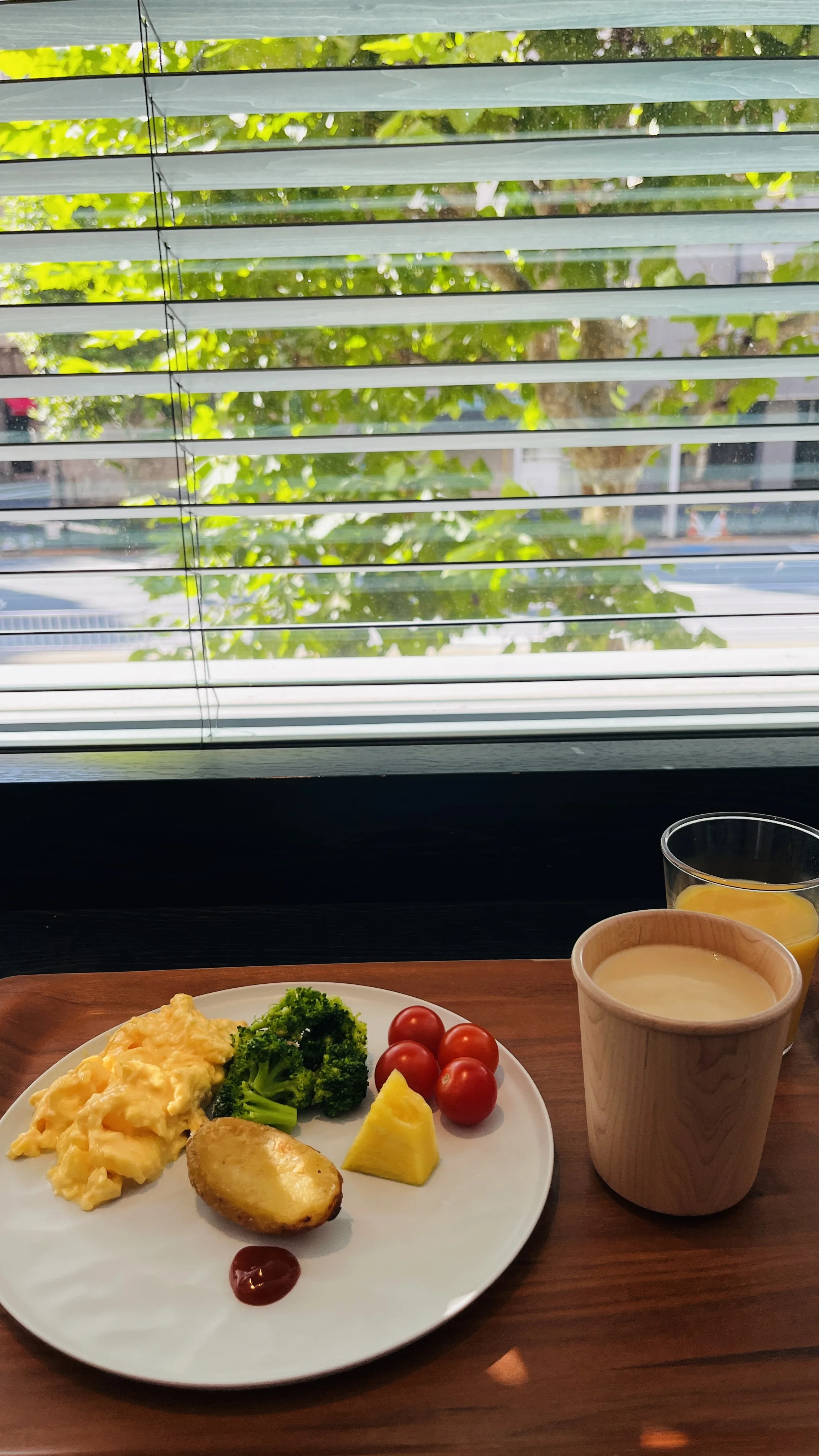
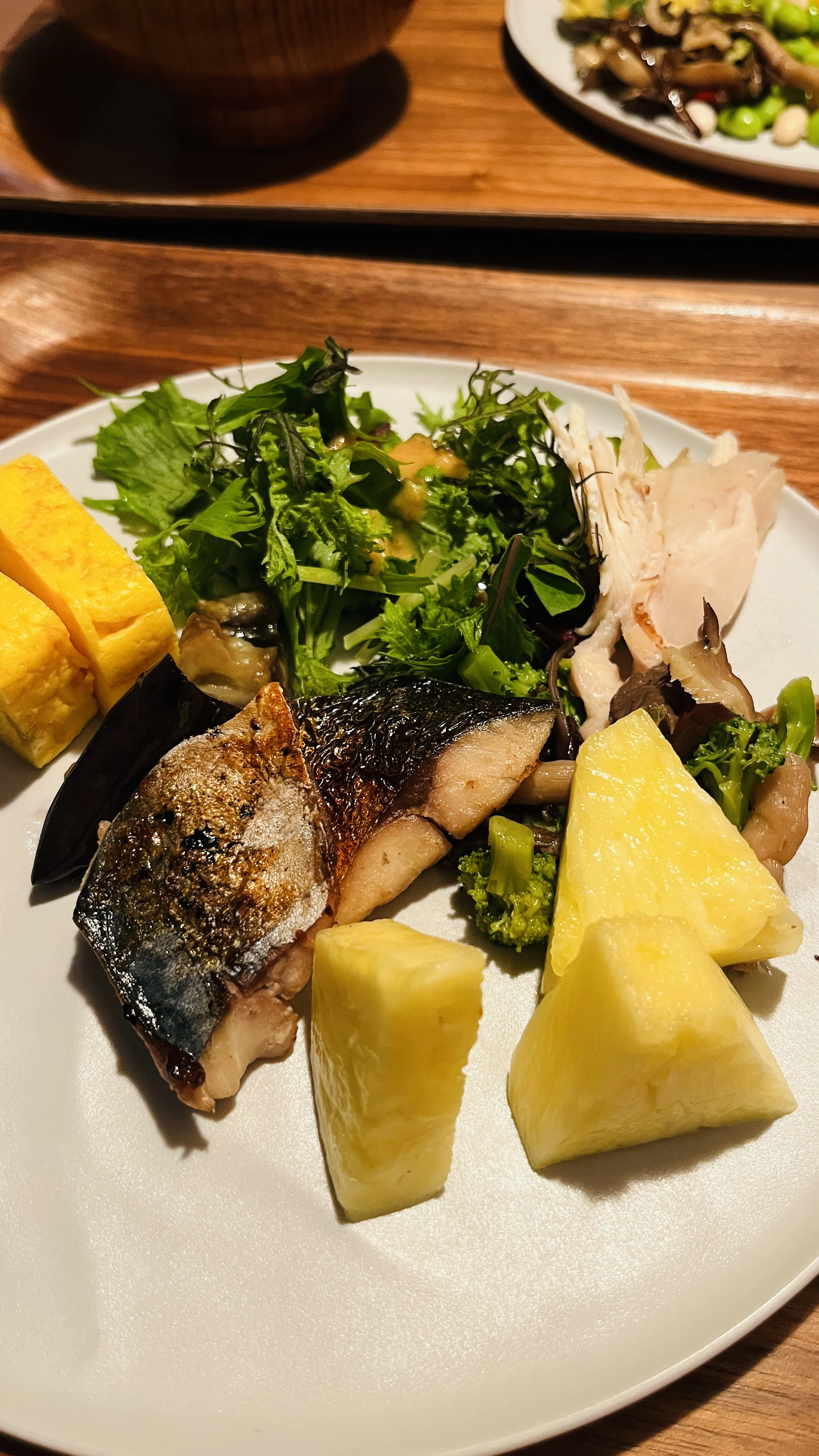
The hotel has a buffet breakfast and a café. It suits a morning spent eating slowly by the window, rather than travellers choosing mainly by the number of dishes. I like the breakfast and coffee, though others may find the food ordinary. If you leave very early, spending your breakfast budget at a nearby shop or convenience store is also reasonable.
Breakfast is a buffet from 7:00 to 10:00, 2,400 yen per person, the same price for adults and guests aged 17 and under. It includes farm-fresh salads, a range of breads and freshly brewed coffee, plus boiled eggs, ham, yogurt and granola; the second-floor café serves barista coffee, black tea and herbal tea from 10:00 to 18:00. The bread is baked fresh that day and the coffee is brewed fresh, and those two are the best part of breakfast.
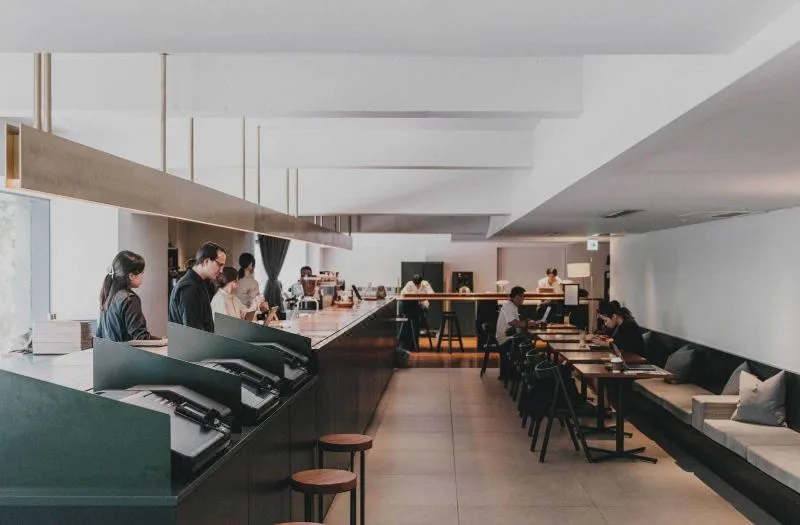
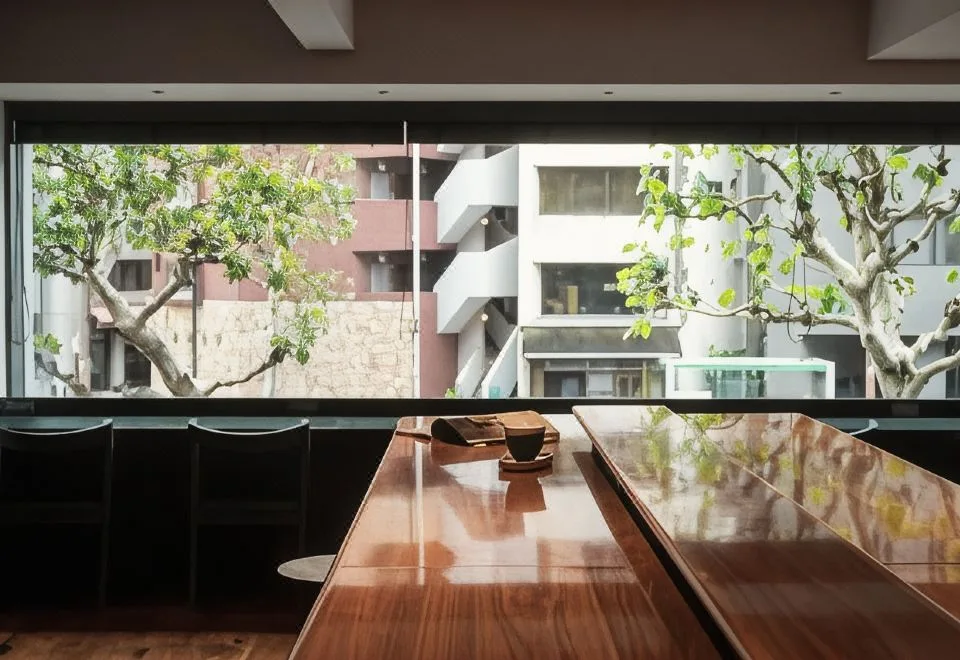
The second floor is a 24-hour public space with the café beside the front counter; if you want to plan your day or write something, sit up here instead of squeezing into a small room. Breakfast in the morning and coffee in the evening both happen at the same long window table, and the fragrance is part of what the hotel wants you to remember.
Breakfast starts at 7:00, so come early to avoid the crowd; if your day starts very early, spending the budget at a nearby breakfast place or convenience store is also reasonable. The café coffee is poured by hand at the counter, and that first cup is worth drinking slowly instead of rushing out.
How to take breakfast: go right at 7:00 when it opens, when it is quietest and the bread is freshest. At 2,400 yen per person, two people for three nights is 14,400 yen, so work that into the price before you choose a breakfast-included plan.
Pros and trade-offs during the stay
Noise is more noticeable in street-facing rooms, and room odours depend on orientation and condition. If sensitive to noise, ask for a room away from the main road and weigh daylight against quiet. Small rooms may also lack enough outlets and desk space for two people working at once; travellers with multiple devices should check in advance.
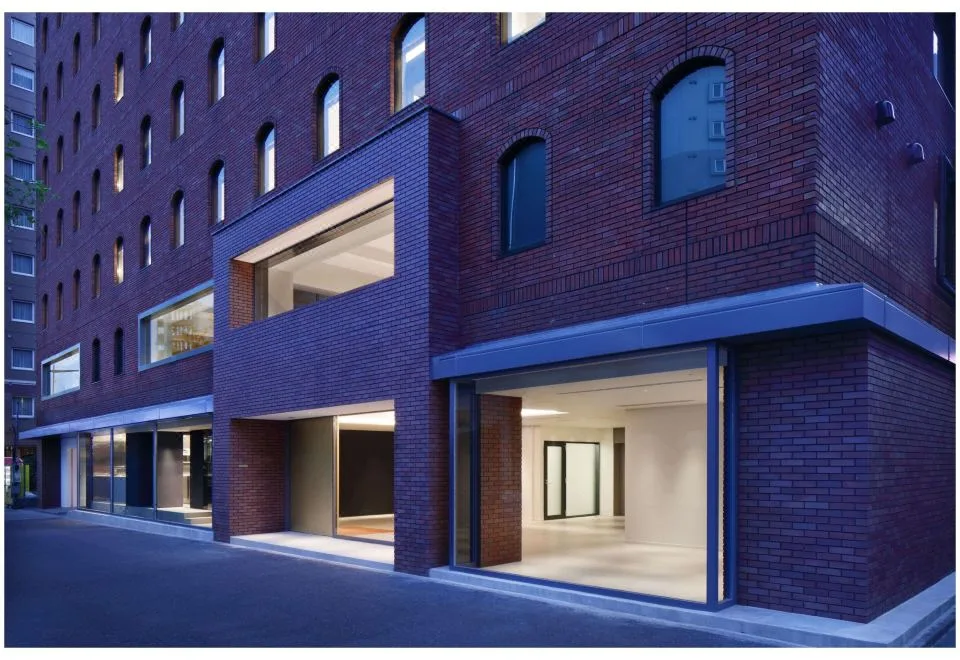
Bakurocho is a wholesale district — textiles, garments, dolls and shop fittings are all traded here; the streets belong to wholesalers by day and go quiet at night. The hotel front is reddish-brown tile with a brass-coloured door, easy to spot from the street corner. There is no big sign at the entrance, so first-time visitors should look for the brass door.
The deep green is not decoration alone: the whole building follows one idea in its colours, lighting and supplies. The washbasin, towels and mattress — the things you touch every day — are a step above the usual, and one night is enough to feel the difference.
Fragrance is another thing the hotel wants you to remember: the coffee from the second-floor café and the scent of the room supplies are part of the design. People who like it will find the atmosphere memorable; if you are sensitive to smells, know this before you book.
The long table in the second-floor café is the liveliest spot in the hotel: breakfast in the morning, trip planning in the afternoon, coffee in the evening, all at the same table. The public space is open 24 hours, so you can sit as long as you like.
Short stays, longer stays and nearby outings
For a short stay, spend your days in Akihabara or Asakusabashi and return for a coffee in the evening. On longer stays, ask the hotel first about laundry: whether there is equipment on-site and how to reach a nearby laundromat, and plan it into your days instead of assuming the hotel has it. With large suitcases or long hours in your room, judge whether upgrading actually gives you more usable floor space.
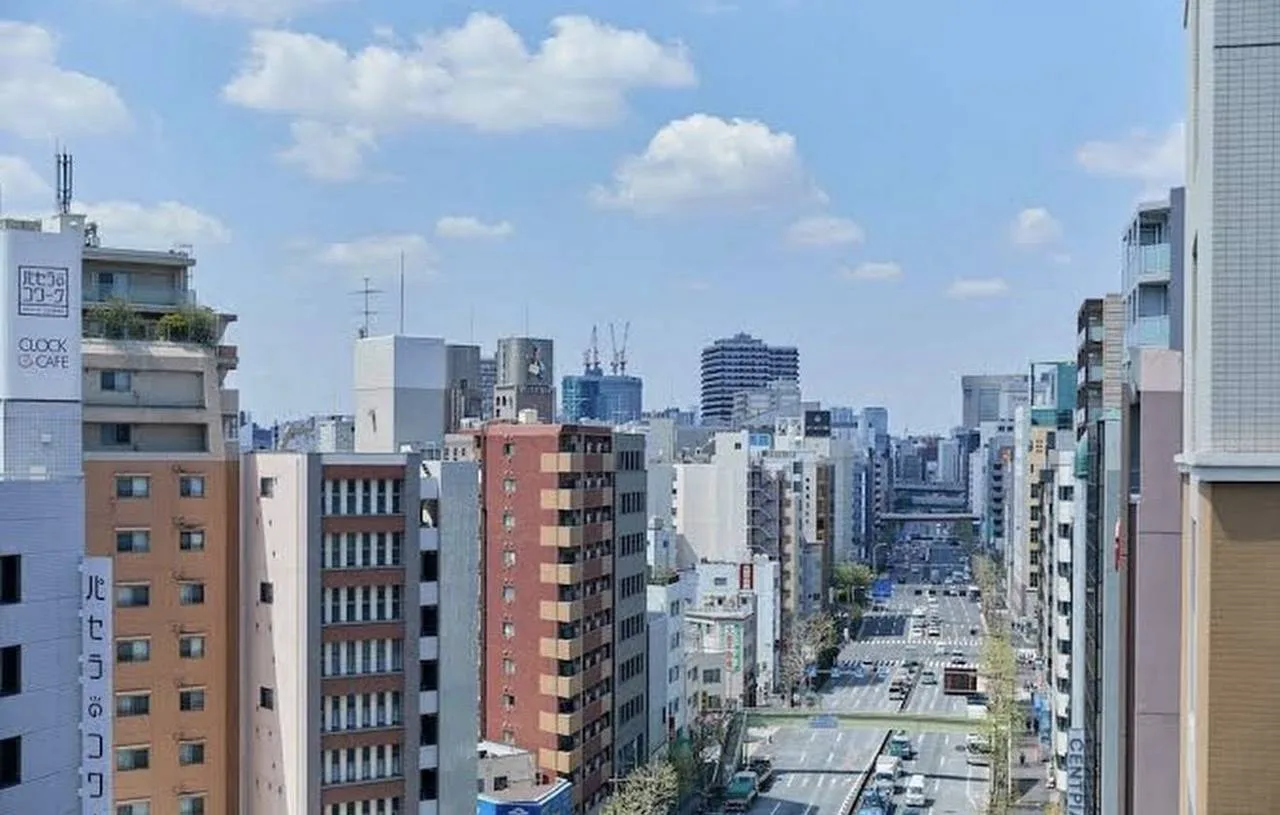
Akihabara is an eleven-minute walk from the Showa-dori exit, and Asakusa and Ueno are to the east, one or two stops by train or a walk away; toward Senso-ji you can take one stop on the Asakusa line or walk straight there through the old streets. Coming back in the evening for a coffee on the second floor before bed is my favourite way to end the day.
The front desk runs 24 hours, so a late arrival is no worry; check-out is before 11:00, so leave time to pack in the morning. No deposit is taken, so check-out does not mean waiting for a refund, which suits anyone catching a train.
Supplies are easy: a convenience store is within five minutes of the station, so water and breakfast are a short walk away. If your days are packed, buy everything on the way back to the hotel and you will not need to go out again at night.
If you have questions, ask the hotel directly: phone +81-3-3668-0840, email info@dddhotel.jp. Ask about room types, lifts and bed rules before you book — asking first is the safest way.
Pros and cons at a glance
Pros
- Strong design: deep-green rooms, arched windows and a brass door, fully rebuilt in 2019 with one consistent style.
- Second-floor café and 24-hour public space — breakfast, evening coffee and trip planning all have a place to sit.
- Bakurocho station is 140 metres away, with JR and the Toei Asakusa line both in reach, and Akihabara an eleven-minute walk.
- Breakfast buffet from 7:00 to 10:00, with salads, breads and freshly brewed coffee, 2,400 yen per person.
- Front desk runs 24 hours, so late arrivals and early departures are no worry; no deposit is taken.
Cons
- Basic rooms run small: two large cases are hard to open at once in the 14 m² Minimal Double.
- No room takes an extra bed or a crib, so families must count people and costs first.
- Except for the Suite, rooms have only a shower, no bathtub; the Minimal Double has no TV and no work desk.
- JR Bakurocho has no lift to the street, so heavy luggage means a detour to Higashi-Nihonbashi exit B1.
- Street-facing rooms are noisier, and some bathroom entrances have a step.
Information checked: 23 November 2026.