
TOKYO / CHUO
Courtyard Tokyo Station
Courtyard Tokyo Station
Between Tokyo Station and Kyobashi: compare room styles and layouts, not just the brand.
If I were taking the Shinkansen, working near Kyobashi by day and heading toward Ginza at night, Courtyard Tokyo Station makes the shortlist for its transport access. I would not assume every room is spacious just because it carries the Courtyard name.
Shinkansen in and out the same day, a meeting in Kyobashi, a walk in Ginza — all of it fits in one day. That is why I put it on the list.
If most of the trip is in Shinjuku or Shibuya, count the daily return journeys as well; when the trip stays around Tokyo Station, Kyobashi, Ginza and Nihonbashi, staying here is the smoothest choice.
| First check | What to choose |
|---|---|
| Suitable trips | Short trips using Tokyo Station, business visits and stays between Kyobashi and Ginza. For days mostly in Shinjuku or Shibuya, count your daily train journeys. |
| Room comparison | Creators Queen: 19 or 20 m²; Editors Queen: 26 m²; Editors King: 23 or 24 m²; Editors Twin: 23 or 26 m². More than the decorative colors differ. |
| Trade-off | Transit and business facilities are the strengths, not huge resort-style rooms. |
Room choices / Stations / Breakfast / Length of stay / Considerations / Nearby walks / Facilities / Before check-in
Choose the room and make room for suitcases
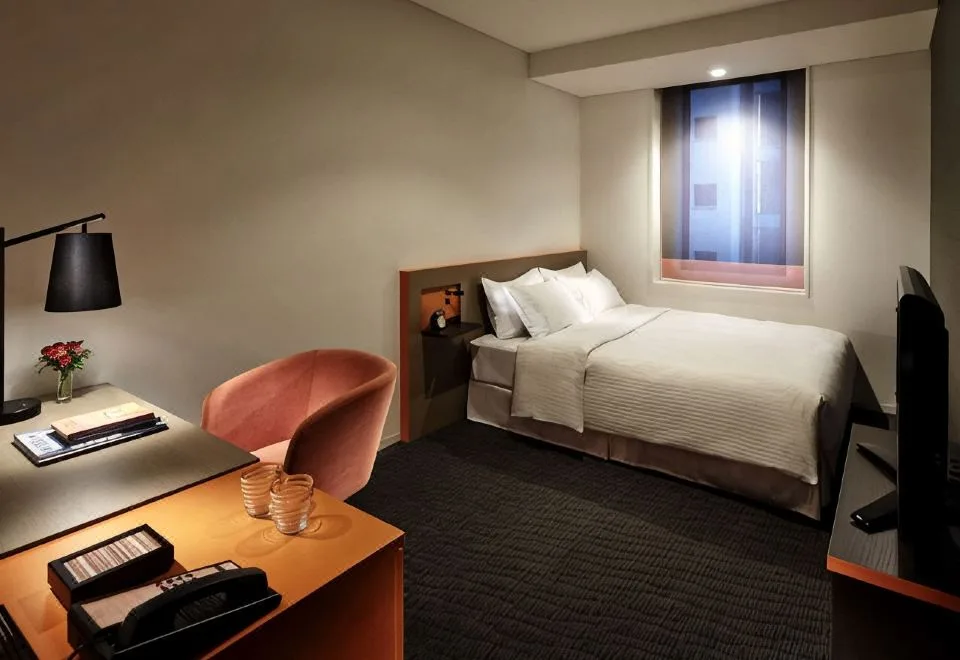
Creators Queen measures 19 or 20 m²; Editors Queen 26 m²; Editors King 23 or 24 m²; Editors Twin 23 or 26 m². The types differ in more than wall colors. Choose Twin for separate beds, or compare King for one larger bed. A Queen room is not necessarily smaller than a King. For work, compare desks and seating, not just beds.
The four room types span 19 to 26 m²: the largest is Editors Queen at 26 m², the smallest is Creators Queen at 19 or 20 m². Creators and Editors are two room series with different styles and colours, and different sizes too — choose by area and bed type, not by the series name.
Two people wanting separate beds, Twin is the direct answer; for one large bed, King is safer than Queen; one person on a short stay, Creators Queen at 19 or 20 m² is enough.
Before booking, ask for the room type, bed count and guest number, and take the exact booked name as final; Creators Queen comes in both 19 and 20 m², so the same room name does not always mean the same area — check the number on the booking page.
Editors Queen at 26 m² is the largest of the four room types, bigger than Editors King at 23 or 24 m² and Editors Twin at 23 or 26 m²; for the most space to move around, look at Editors Queen directly instead of guessing from the King name. Creators Queen is the smallest, at 19 or 20 m² — enough for one person on a short stay, but two people with plenty of luggage should count the space first.
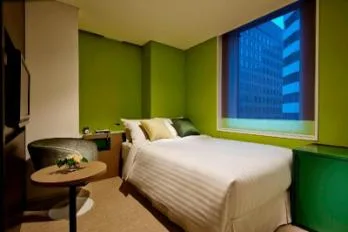
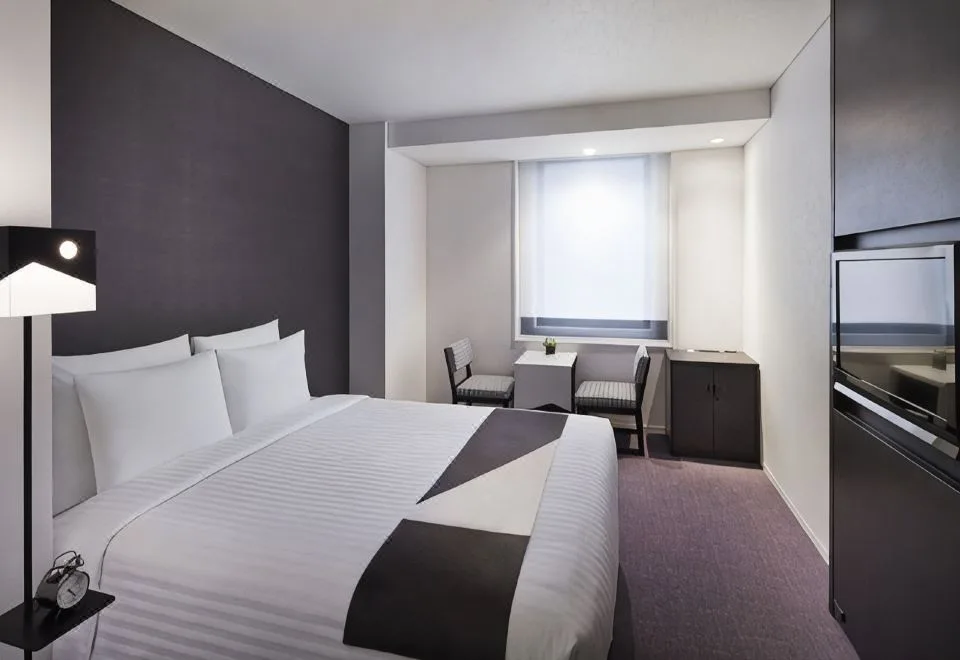
The desk and double bed appear in the room photos; before choosing, check whether the desk is big enough and how many seats there are — a room for working and a room for sleeping are chosen differently.
| Room type | Area or layout | Best use |
|---|---|---|
| Creators Queen | 19 or 20 m² | Practical for a short stay. |
| Editors Queen | 26 m² | More space to move around. |
| Editors King | 23 or 24 m² | For one larger bed. |
| Editors Twin | 23 or 26 m² | For friends wanting separate beds. |
Check the official room descriptions and confirm the exact room name, bed count and capacity before booking.
Arriving with luggage
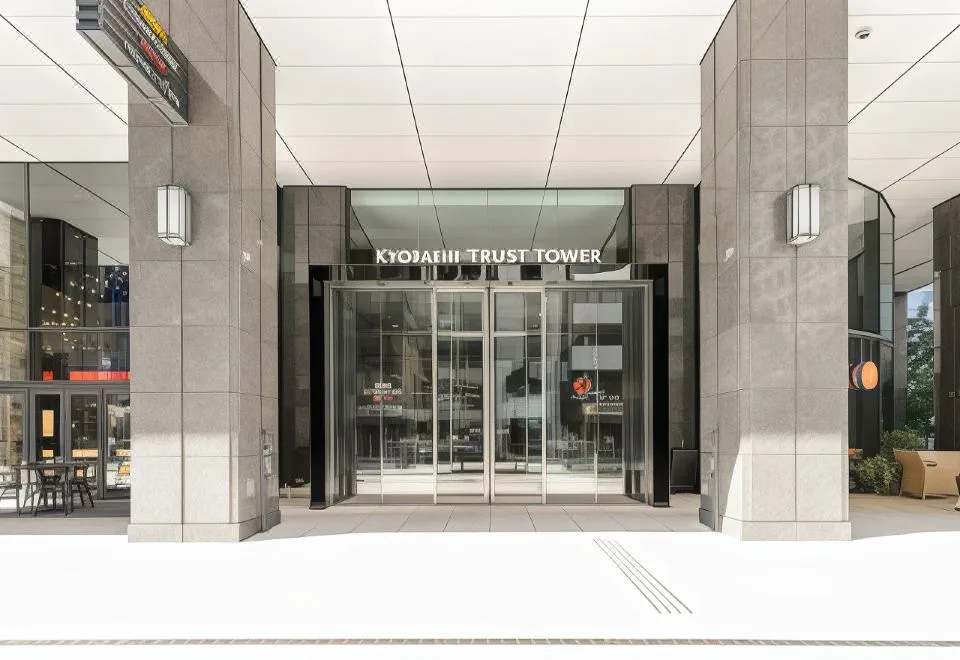
The hotel lists roughly four minutes on foot from Tokyo Station and one minute from Kyobashi Station. Those estimates do not begin at every train platform. Tokyo Station is vast; with luggage, identify its Yaesu side and allow time to reach street level. The hotel is in the Tokyo Station / Nihonbashi area.
Kyobashi is on the Tokyo Metro Ginza Line, one stop to Ginza in one direction and one stop to Nihonbashi in the other; staying here, Ginza and Nihonbashi are both one stop away.
Kyobashi Station is about 150 m away, a three-minute walk; Tokyo Station is about four minutes, Ginza-itchome Station 530 m and JR Yurakucho Station 780 m — three stations are all within walking range.
With luggage, take this route at Kyobashi Station: an elevator in the middle of the platform goes straight to the elevator-only ticket gate; past the gate, toward Ginza, the outside elevators serve only Exit 2 (Dai-ichi Life Mutual Building) and Exit 3. Leave by Exit 2 or 3 and walk to the hotel at street level, allowing extra time for the surface walk. Elevators can pause for inspection, so check Tokyo Metro’s elevator suspension notice on the day you travel.
| Stay information | Details |
|---|---|
| Address | 2-1-3 Kyobashi, Chuo City, Tokyo 104-0031, Japan. |
| Check-in / checkout | After 3 p.m. / before noon. |
| Ordinary walking reference | About 150 m or three minutes from Kyobashi subway station. |
See the official hotel access guide before booking.
The hotel’s address is 2 Chome-1-3, Chuo-ku, Tokyo 104-0031 — the booking page and the map both use this address.
Is breakfast worth paying extra for?
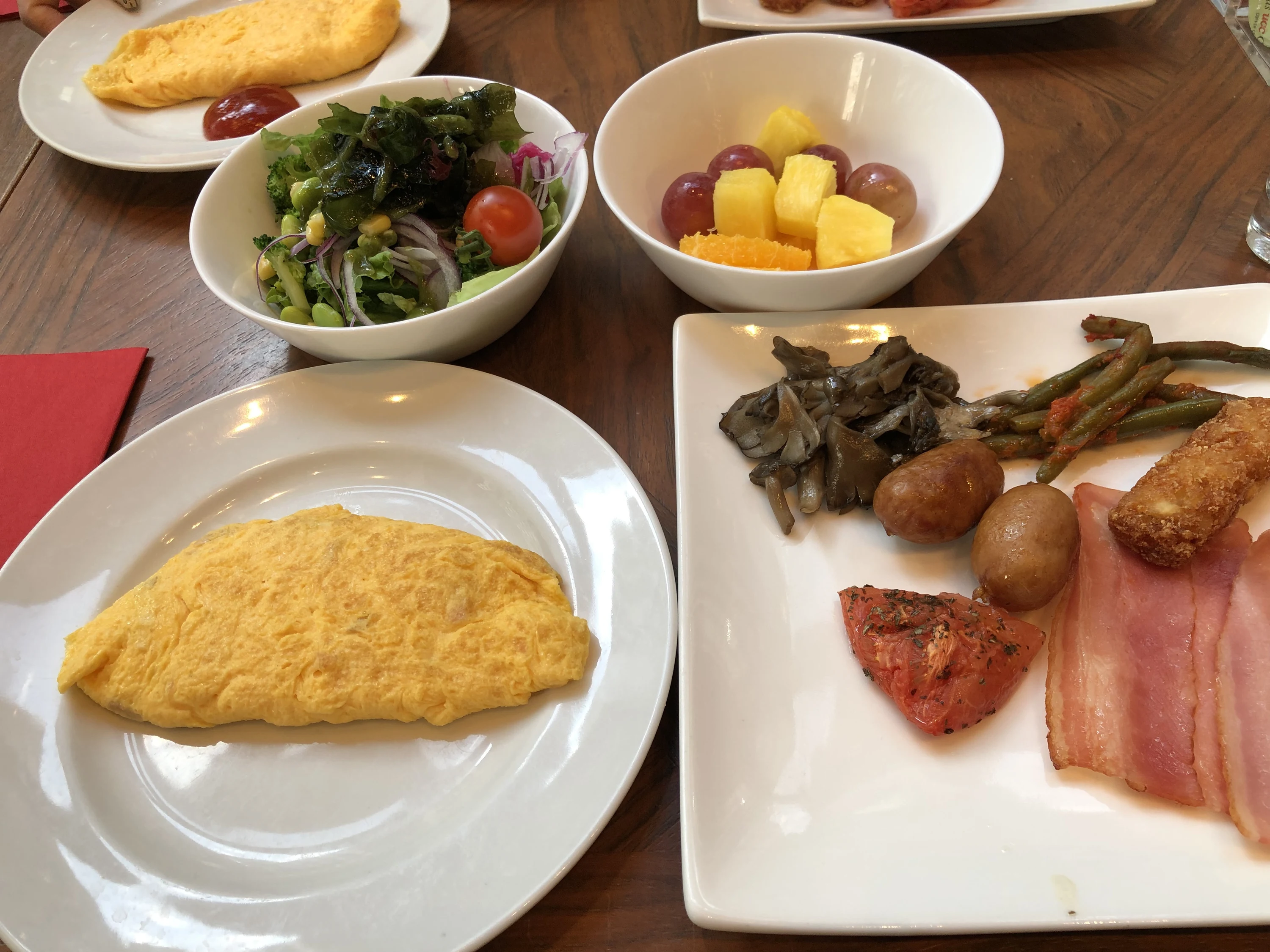
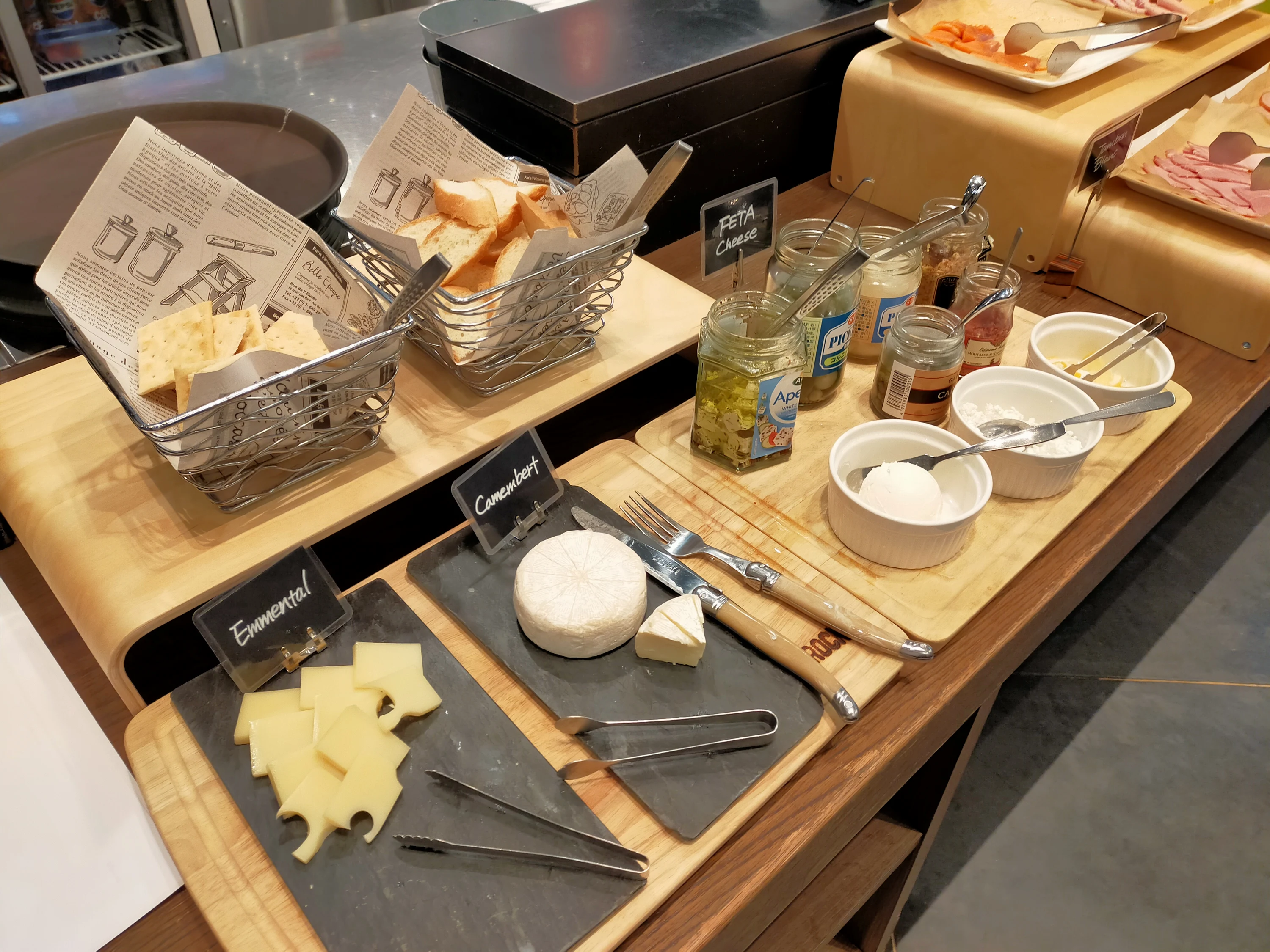
Breakfast is American-style; ask the hotel for the price of adding it, and pay on site. I treat breakfast as a bonus, not the reason to choose this hotel: the menu changes a little each day, so it never feels monotonous, but the whole thing runs practical, not lavish.
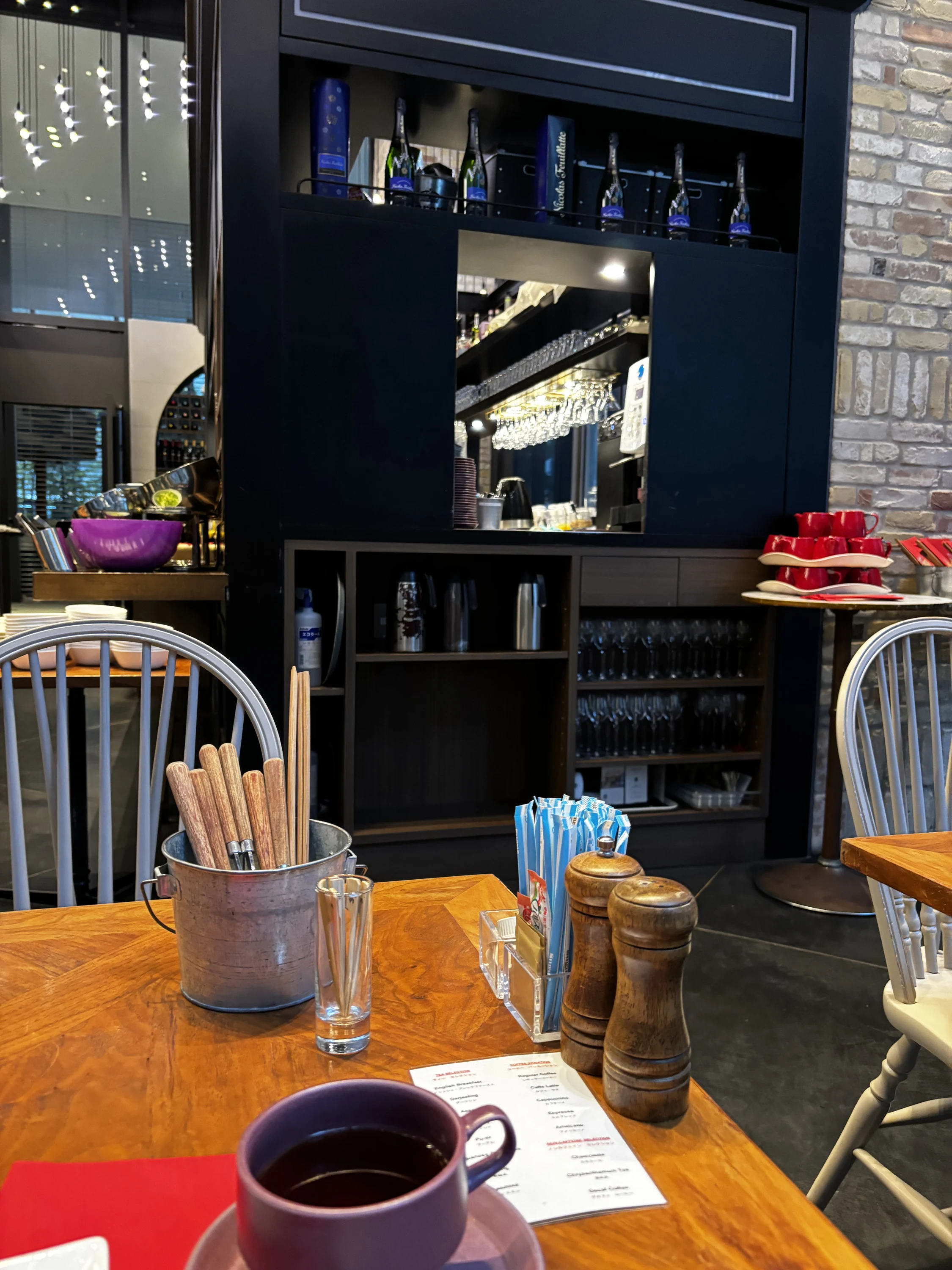
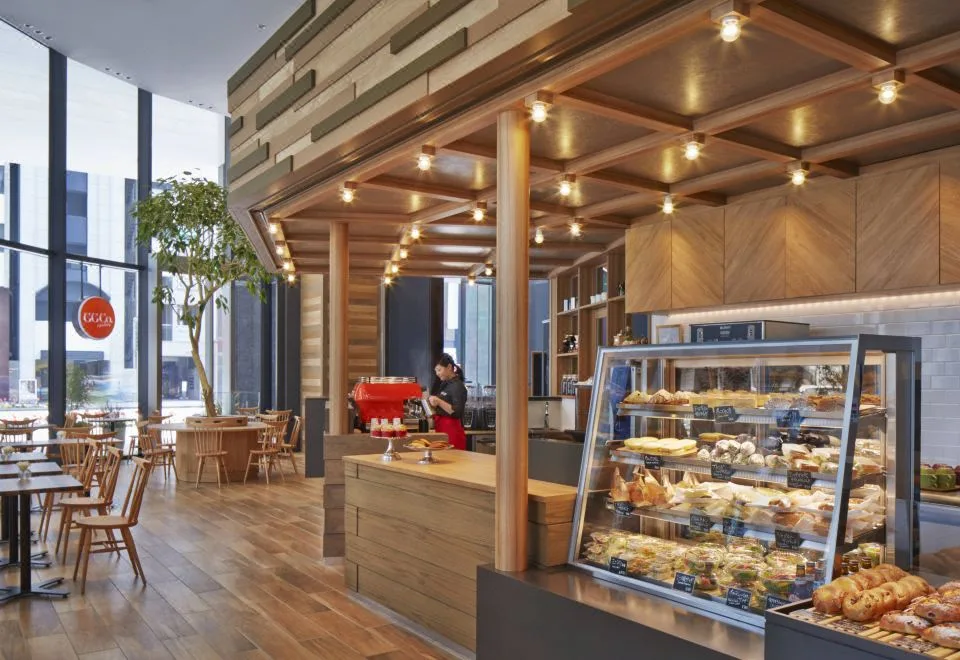
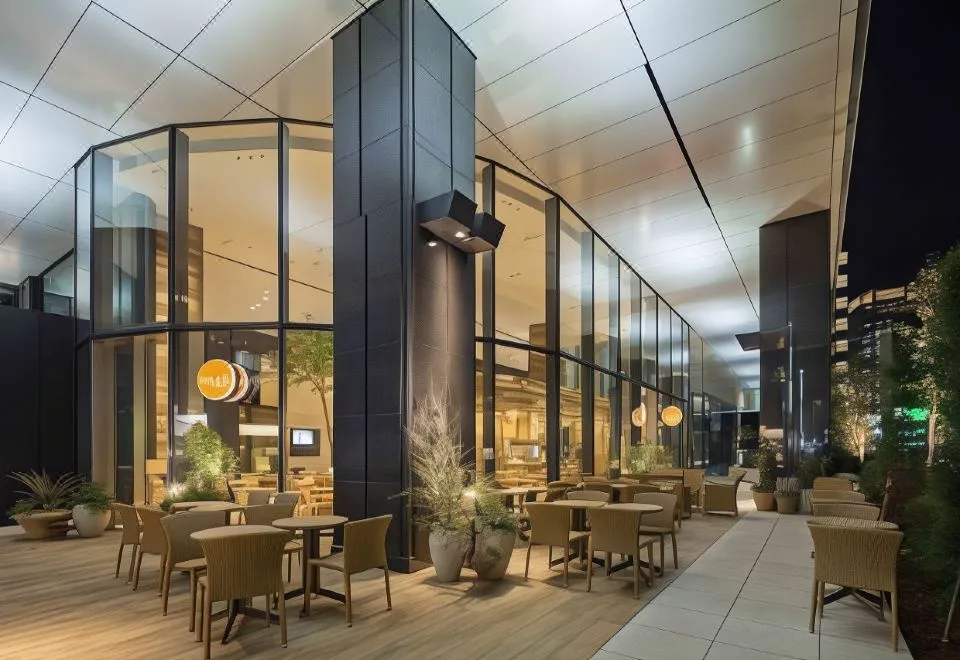
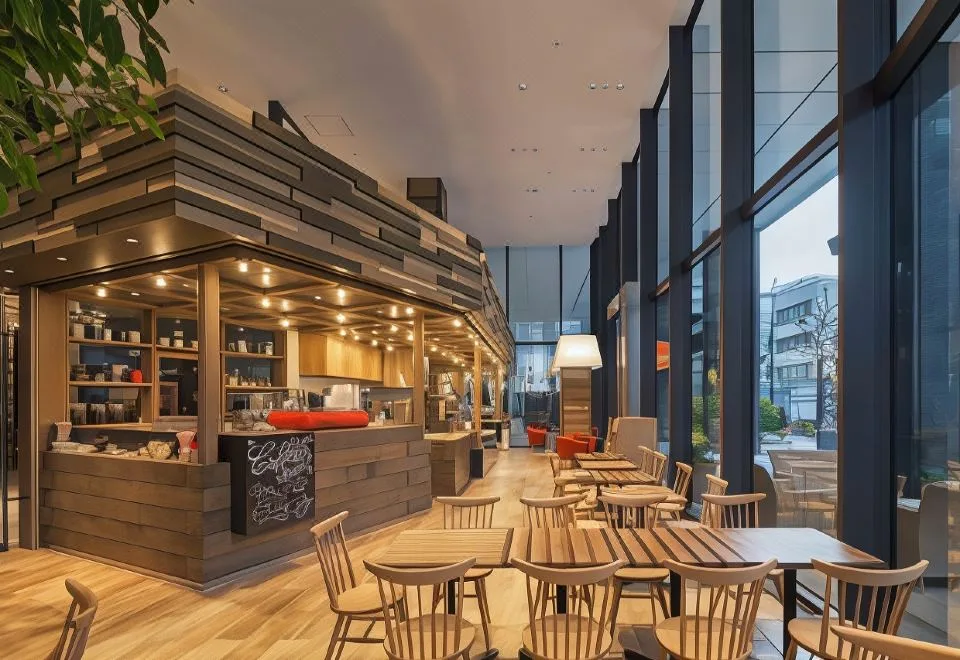
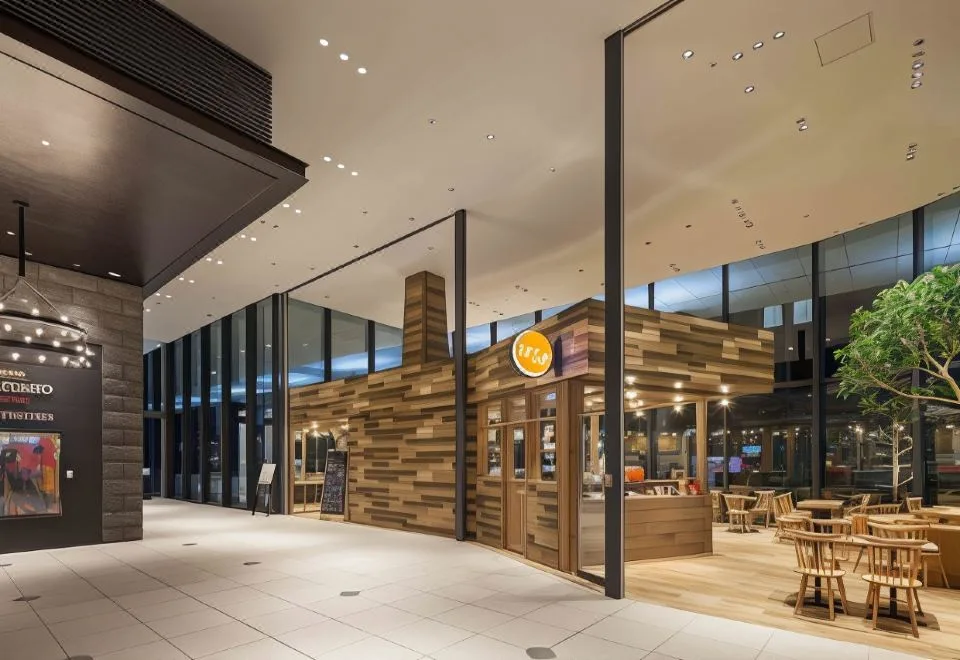
The café space is distinctive — the food display case, the nighttime dining seats and the outdoor café chairs in the photos are all part of the hotel’s dining area. Daytime ordering and the breakfast package are separate; do not read the café’s regular menu as the breakfast.
For an American breakfast, add it when the price difference is reasonable and you need a quick start; for a slow morning around Tokyo Station, the area has plenty of other choices, and room-only is more flexible.
For an extra breakfast, ask whether one can be added; the added-breakfast price is not always shown on the booking page.
Room service brings food to the room, so a morning spent in the room, or a slow breakfast in the room, is another option; the breakfast package, room service and daytime ordering are three different ways to eat — tell them apart before booking.
One night or a longer stay?
For one night, avoiding extra luggage transfers is valuable. For several nights, consider whether you use Tokyo Station and Kyobashi daily. If most activities are in western Tokyo, staying here might not reduce transport time.
Staying several nights, wash halfway instead of packing an extra set: a laundry room, dry cleaning (charged), laundry delivery and laundry service (charged) are all available, and the cleaned clothes come back without you hanging them up; the gym and bar are in the building too.
A short stay is about the rhythm of moving: arrive, drop the bags and head straight out — the luggage moves only once.
Check-in is after 3 p.m. and check-out before noon, and luggage can be stored at the front desk in between; check out in the morning, leave the bags, walk Ginza and Nihonbashi, and pick them up on the way back.
Compromises to accept before booking
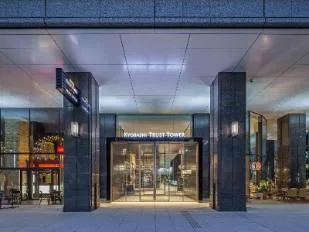
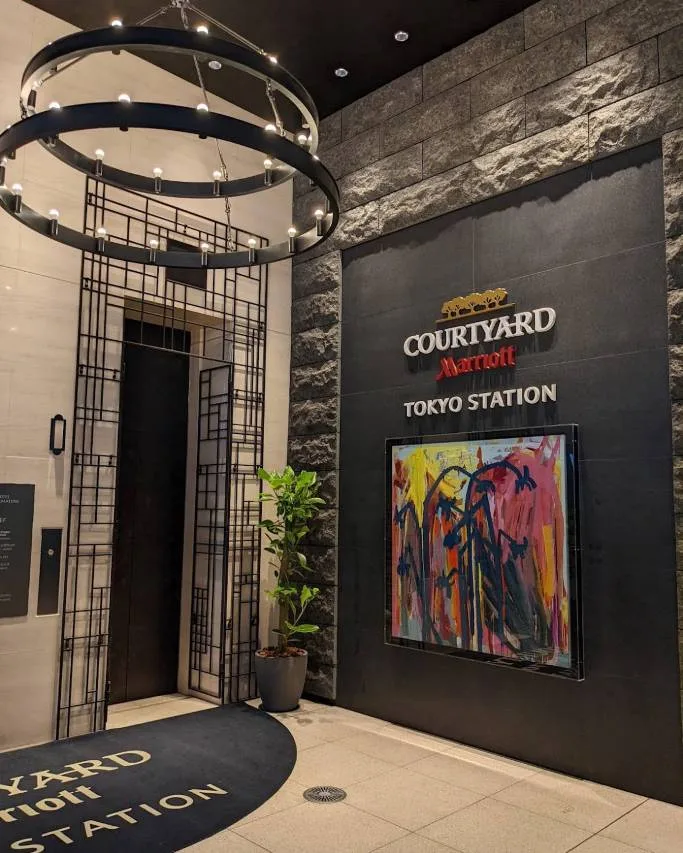
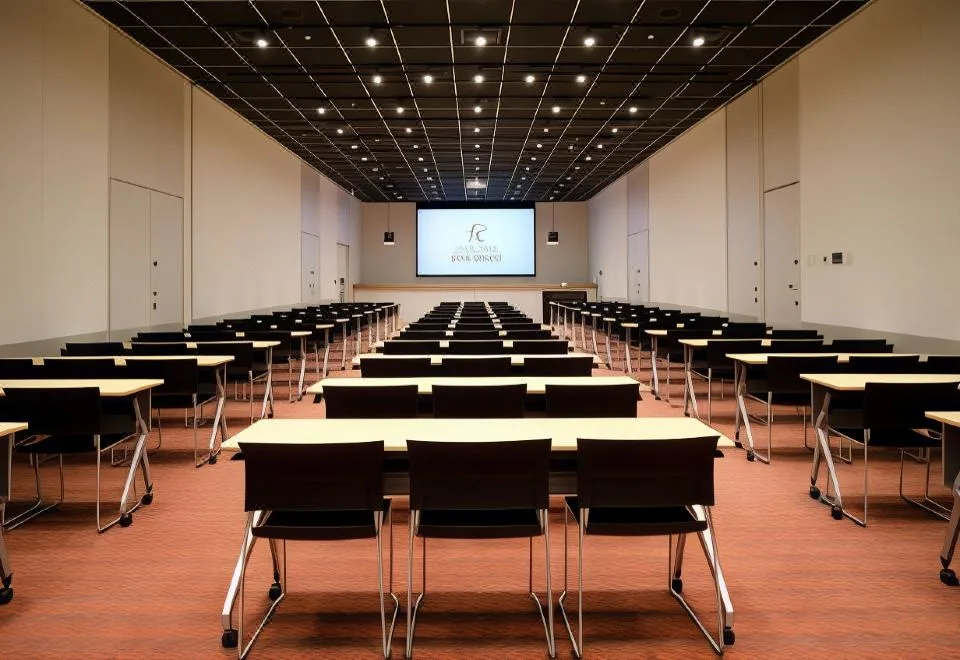
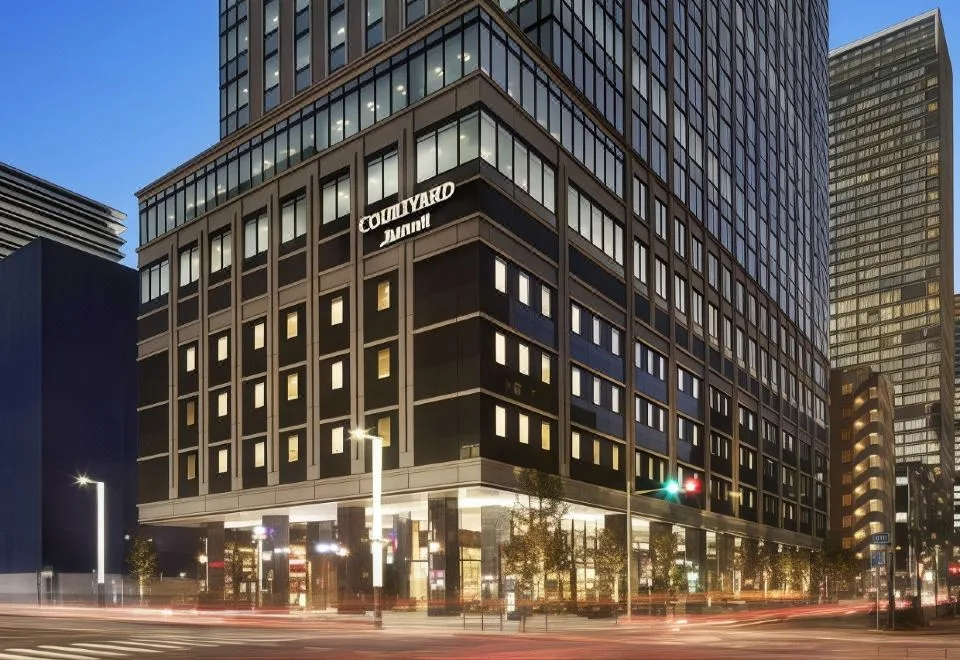
The appeal is transport and business facilities, not expansive resort accommodation. The hotel shares a building with offices, so look for the Courtyard signage and correct reception floor. Meeting-room photos are not a reason by themselves to pay extra for a leisure visit.
The rooms are not resort-sized, spanning 19 to 26 m²; two people with two large suitcases unpack in turns and keep the aisle clear — count the space for open suitcases when choosing a room.
Use the hotel to avoid doubling back
If staying near Nihonbashi, explore Ningyocho streets (Chinese guide) or Nihonbashi museums (Chinese guide) as part of the trip.
Nihonbashi is 240 m away, Ginza 220 m — the hotel sits between two landmarks, so an evening walk to Ginza or a morning walk to Nihonbashi needs no train. The Imperial Palace is 1.5 km, the Imperial Palace East Gardens 1.0 km, the Ginza Art Aquarium 1.0 km and Hibiya Park 1.3 km; with enough energy, all of them are walkable from the hotel.
Ginza-itchome Station is 530 m away, JR Yurakucho Station 780 m — both are within walking range. Ginza needs no train at all, and Yurakucho and Hibiya are reachable by station as well.
The Tokyo Light Festival is 530 m away and the SKY HOP Bus hop-on hop-off sightseeing bus stop is 860 m, so seasonal events and the sightseeing bus are nearby; staying a few nights in Nihonbashi, put the Ningyocho streets and the small Nihonbashi museums on the same day and the area around the hotel becomes the itinerary.
The Imperial Palace East Gardens is about 1,040 m away, the Ginza Art Aquarium about 1,070 m, Hibiya Park about 1,290 m and the Imperial Palace about 1,530 m; the Tokyo Light Festival’s 530 m is a straight-line distance, not a walking distance.
Facilities: gym, bars, laundry and business support
The gym, bar, lobby bar, room service and restaurant are all in the building: a meeting by day, a drink in the evening, a late-night snack — each has its place, without going outside. The bar and the lobby bar are two different spots, and the restaurant is a separate space — there is one restaurant in the building. Sit down for a drink at the bar or the lobby bar, eat a full meal at the restaurant, order room service when you do not want to go out; know which one you are heading to before ordering.
Driving in is simple: the public car park is inside the hotel and needs no advance booking. Luggage storage, currency exchange and a front-desk safe are all part of front-desk services; VIP check-in and express check-in and check-out shorten the queue when you are in a hurry.
The hotel shares a building with offices, so meetings need no separate venue: a meeting room (charged) and fax and photocopying services (charged) cover business needs. Public-area Wi-Fi is free; the front desk speaks Chinese, English and Japanese, so you can ask about rooms, transport and breakfast directly.
Step-free access and elevators are in place, smoking and non-smoking floors are separate, and the building has a garden and a shopping centre — staying a few nights, there is somewhere to walk without leaving.
Room service brings food to the room, so a late meeting or a night in is covered; for an evening sit-down and a drink in the building, there is no need to walk to Ginza for a seat.
The hotel lists 26 facilities in total. Of these, four are marked as charged — dry cleaning, laundry service, the meeting room, and fax and photocopying — and you pay for those only when you use them, while Wi-Fi is marked free. Car rental is also on the transport list; for a drive out of town or an airport transfer, ask the front desk how rental works.
The gym is in the building, usable before heading out in the morning or after coming back in the evening; no separate gym is needed, and a stay of several nights can keep a daily exercise routine going.
Before check-in: hours, age and children
Check-in is after 3 p.m., check-out before noon; the front desk runs 24 hours, all year, so a late arrival or a delayed Shinkansen still finds someone at the desk. Arriving outside check-in hours, contact the hotel first instead of turning up at the door.
Guests checking in must be at least 20 years old; pets are not allowed, so travel with a pet needs somewhere else to stay.
Children of all ages are welcome; a child without an extra bed may still incur an extra charge, so add the number of children when booking to get the exact amount. Extra-bed and crib policies vary by room type — check the room details before deciding.
The booking page defaults to two adults; when the actual party is different, write it in at booking time to get the exact amount.
Cash is accepted for payment at the hotel.
Once room type and travel style fit, compare total rates for identical dates, guests and cancellation rules. Compare the premium for breakfast separately from the upgrade to a bigger room.
Pros and cons at a glance
Pros
- About one minute on foot from Kyobashi Station and four from Tokyo Station, with Ginza 220 m away — Shinkansen travel, a Kyobashi workday and a Ginza walk fit in one day.
- Room areas run 19 to 26 m², with Editors Queen the largest at 26 m²; choose by area, not by name.
- A gym, bar, lobby bar, restaurant and room service are in the building, so the evening needs no trip outside.
- The public car park is inside the hotel and needs no booking; luggage storage, currency exchange and a front-desk safe are all front-desk services.
- A laundry room and laundry delivery are all available, so a longer stay packs lighter.
- The front desk runs 24 hours all year and speaks Chinese, English and Japanese, so even a late arrival finds someone at the desk.
Cons
- The rooms are not resort-sized; Creators Queen is the smallest at 19 or 20 m², so two people with two large suitcases unpack in turns.
- The hotel shares a building with offices, so look for the Courtyard signage and the correct reception floor on a first visit.
- Breakfast is American-style and the price of adding it must be asked at the hotel; breakfast alone is not a reason to choose this hotel.
- The meeting room and fax and photocopying services are charged, and a sightseeing stay has little use for these business facilities.
- A child without an extra bed may still incur an extra charge, so add children when booking; check-in requires guests to be at least 20, and pets are not allowed.
Information checked: November 22, 2026.