
TOKYO / CHUO
Courtyard Tokyo Ginza Hotel
Courtyard Tokyo Ginza Hotel
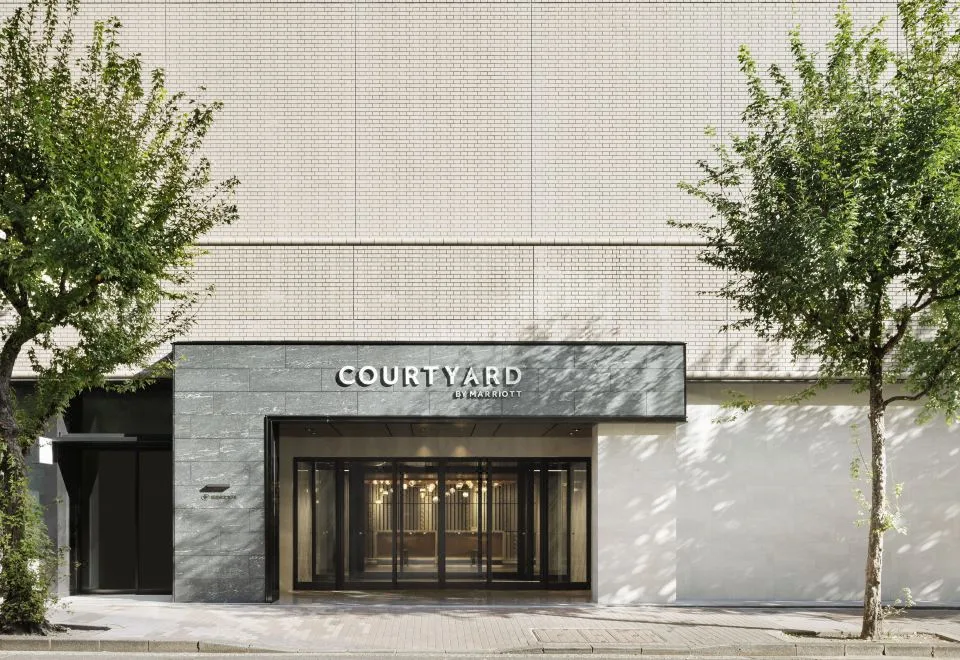
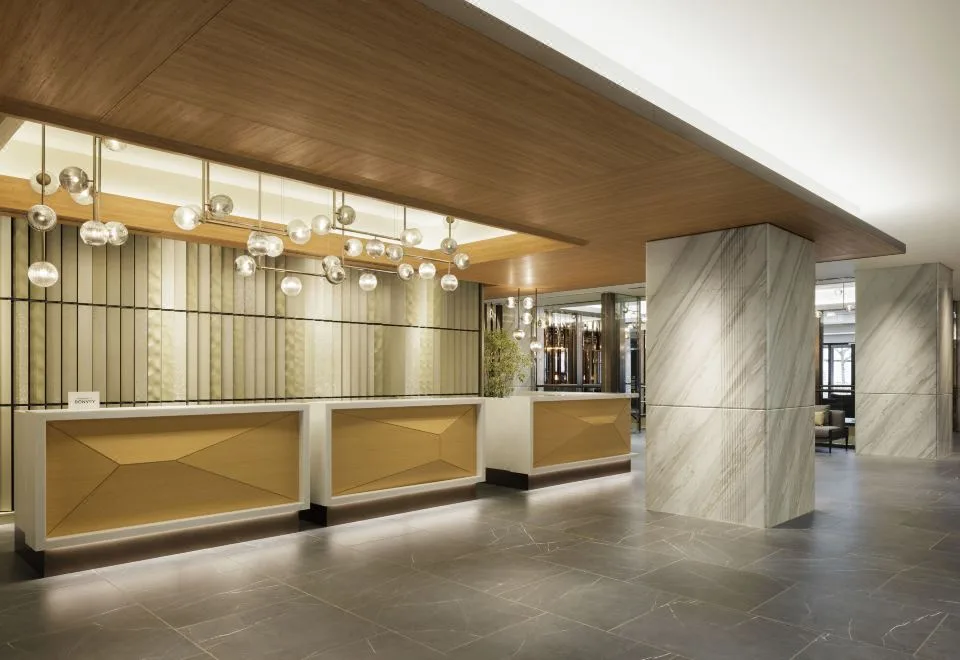
Courtyard Tokyo Ginza works well for people combining Ginza shopping, hotel dining and business travel. Near Higashi-ginza, it is easy to return with bags, rest, then head out again. I would choose it for location and service, but check the exact room and window view rather than assuming every room is spacious because it is an international brand.
Reasons to stay and trade-offs to consider
Reasons to choose it
- Ginza 6-chome is convenient for shopping, meals and returning to leave bags.
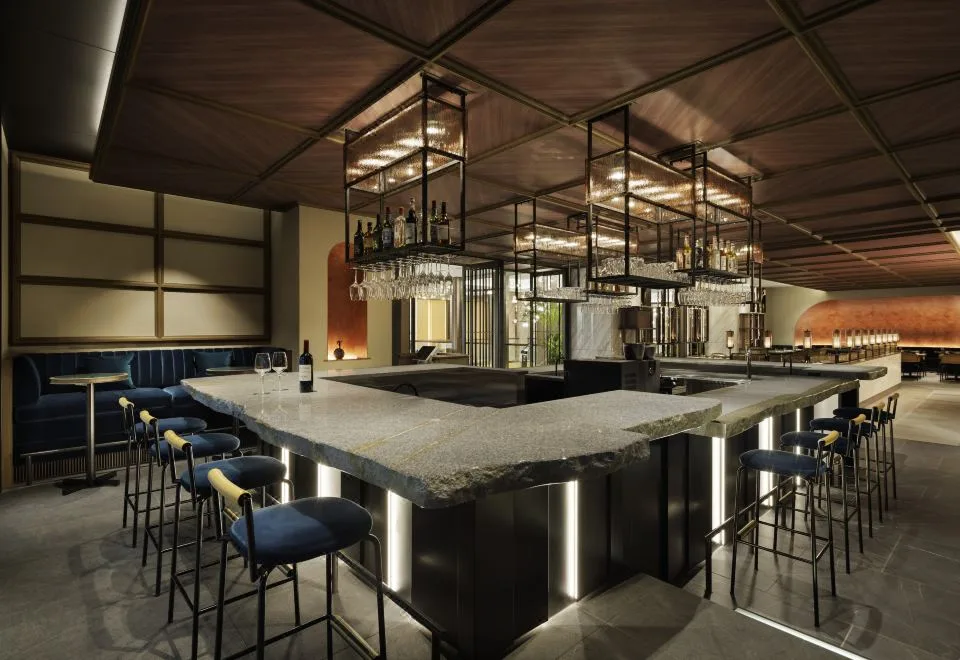
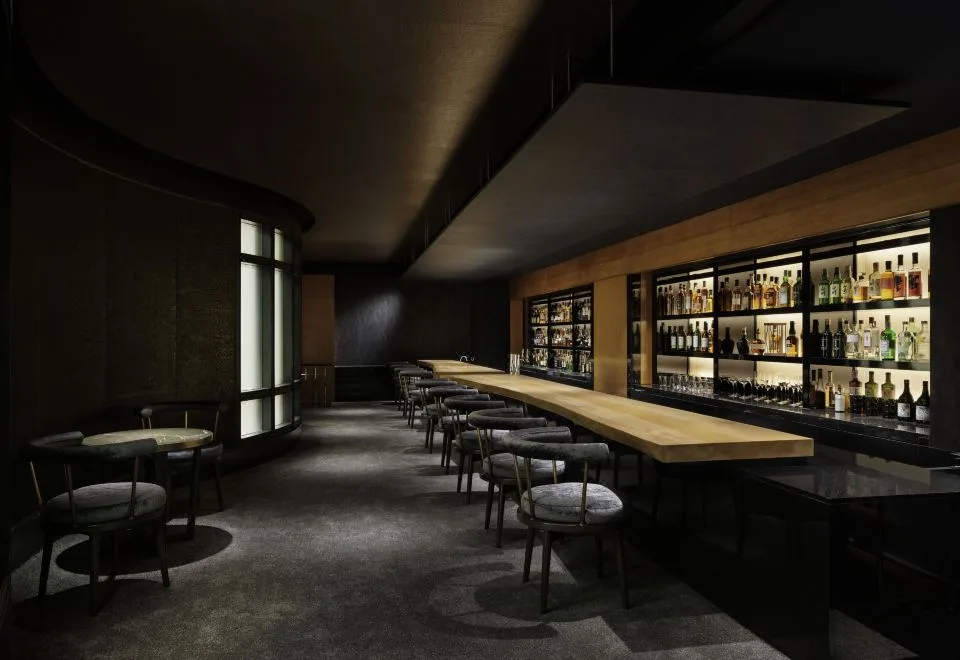
- On-site dining, lounges and fitness facilities are useful if you plan to use hotel amenities.
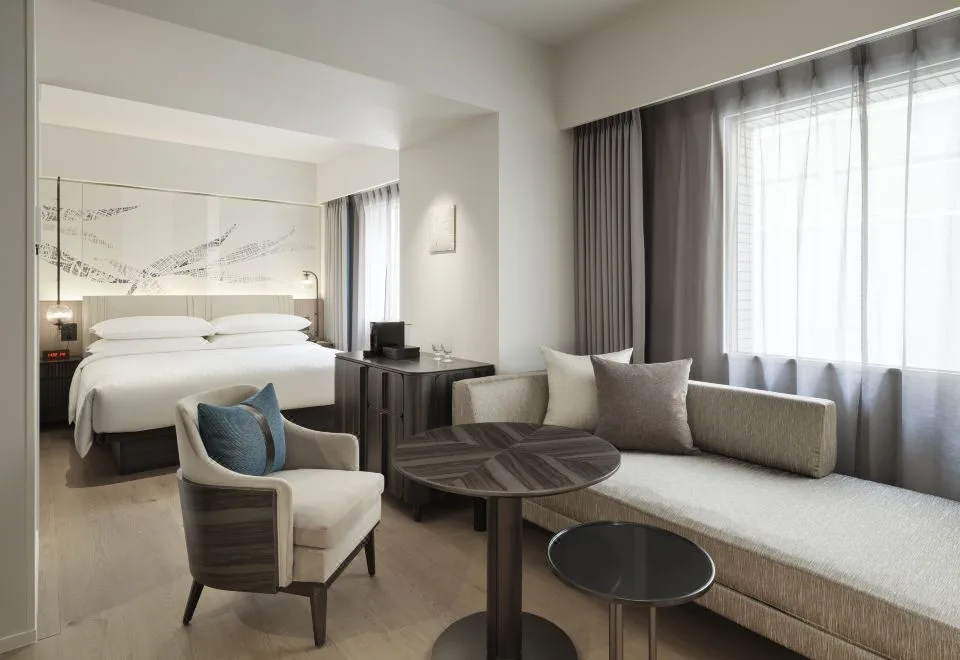
- Guest Rooms and Premium Studios offer different configurations; you need not squeeze every need into a basic room.
Trade-offs
- Some lower-floor rooms have obstructed windows; do not judge views from promotional photographs alone.
- Standard rooms may have tight bathrooms and floor space, particularly for two large suitcases.
- Breakfast, bottled water and perks vary by booking plan; do not assume past member benefits apply.
Rooms and luggage space: what to choose
The official room list covers standard Guest Rooms and Premium Studios, in King or Twin. For a short stay, compare bed counts first; if you plan to spend time in the room, open two large cases or need a chair you can actually work in, compare Studios first. Inside one hotel, larger rooms and standard rooms differ a lot on obstructed views, daylight and bathroom space, so ask with the exact room name before booking instead of judging by room category alone.
Travelling with children, settle the bed rules before you book: every room type can add a crib, free for under-1s, but no extra bed is available; children of all ages are welcome, though a fee may still apply without an extra bed, so put the child count in the booking and the price will be exact. My approach is to confirm crib availability before booking, so nobody is waiting at check-in.
Before booking I settle what matters to me: the view outside the window, room to turn in the bathroom, and space for two people to open their cases. When I book I ask three things directly: what is outside the window, whether the bathroom has room to turn, and whether two people can open their cases at the same time. A vague answer tells me to ask about another room instead of arriving and finding nowhere to open a case.
The difference between a Guest Room and a Premium Studio is more than floor area. The extra space in a Studio buys seating, desk space and room to open cases; if you work in the room during the day or two people need to unpack at the same time, the price difference is worth it. For one night with a single carry-on, a standard room is enough and there is no need to pay for space.
Check-in is from 15:00 and the front desk runs around the clock, so a late-night arrival still finds someone there. Bags that arrive early go into storage instead of following you around Ginza, and checkout is before 12:00, so a slow morning is possible. My approach is to put the arrival time in the booking note and collect the key straight away, skipping one queue.
King means one large bed and Twin means two single beds, so two guests should settle the sleeping arrangement first: a couple is fine in a King, while friends sharing a room sleep better in a Twin each. Do not book a vague double room — write King or Twin in the booking, since changing bed type on arrival depends on what is free that day.
Breakfast: plan around your mornings
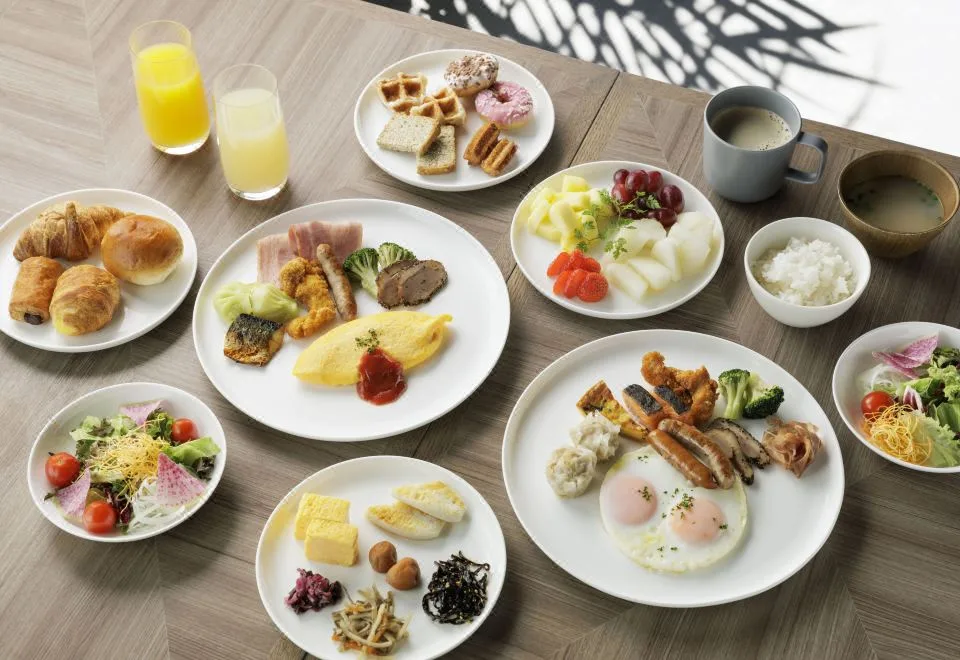
Breakfast in the hotel is a buffet with Western and Asian dishes, plus Japanese, Chinese and American choices, served from 6:30 to 10:30. I found plenty of hot dishes and bread, but if you expect the full spread of a large hotel, the range here may feel like it could go further. If you need to leave on time and want something hot first, compare the breakfast-included rate; if your mornings are free, eating out in Ginza is worth keeping as an option.
Put the breakfast price into the maths first: adults 5,060 yen, ages 13 to 17 also 5,060 yen, ages 6 to 12 are 2,530 yen, and under-5s are free. That is not cheap for Ginza, and for a family of three the difference between a breakfast-included rate and a room-only rate covers two decent breakfasts outside. My rule is to include breakfast on day one when I need an on-time start, then sleep in and eat out on later days.
My breakfast order never changes: hot dishes and miso soup first, then bread and fruit, then coffee to sit with. Seats are not plentiful and the room is busiest around 8:00, so I avoid that hour; arrive before 7:00 for a quiet table of your choice and the fullest buffet.
The 6:30 start is kind to early flights, but a 10:30 close does not mean a slow meal at 10:30 — the hot buffet thins out as the morning goes on. My approach is to eat one hour before leaving, then walk out straight after instead of leaving bags at the table.
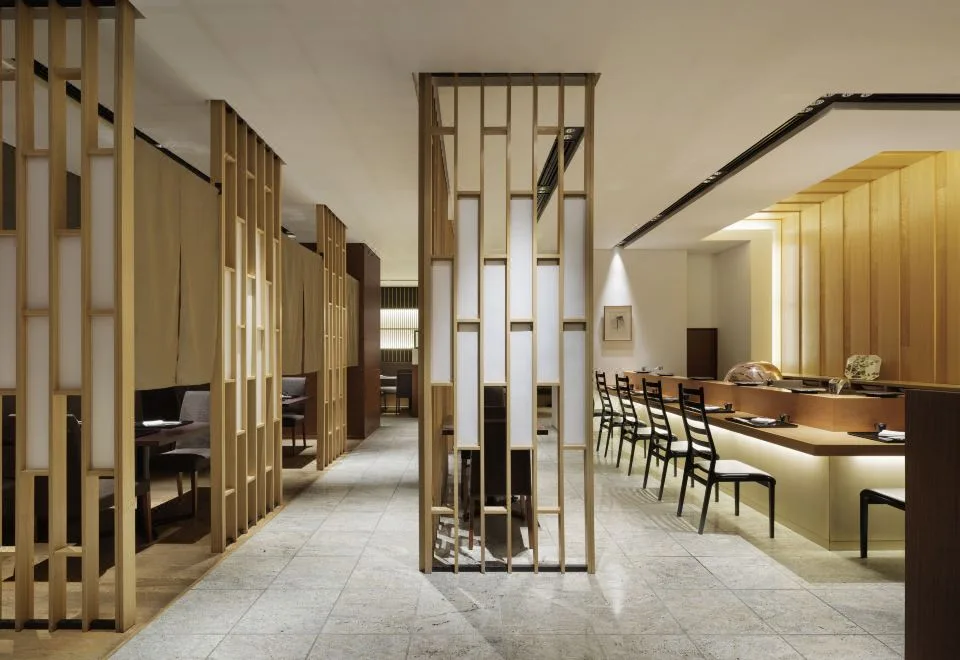
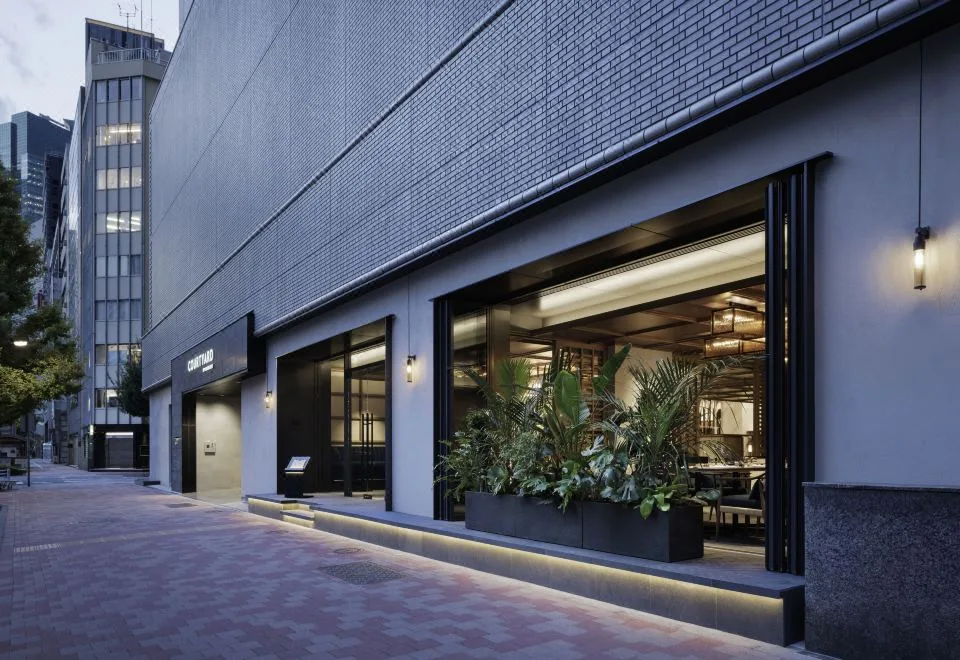
The restaurant inside the hotel serves Japanese cuisine, so it works for dinner as well as breakfast. My approach is to keep the first evening’s dinner in the hotel: after a day of walking, there is no restaurant to find, just dinner downstairs and sleep upstairs. Anyone chasing Ginza’s famous restaurants can keep the in-house restaurant as a fallback for rainy days or tired evenings.
Location, transport and luggage
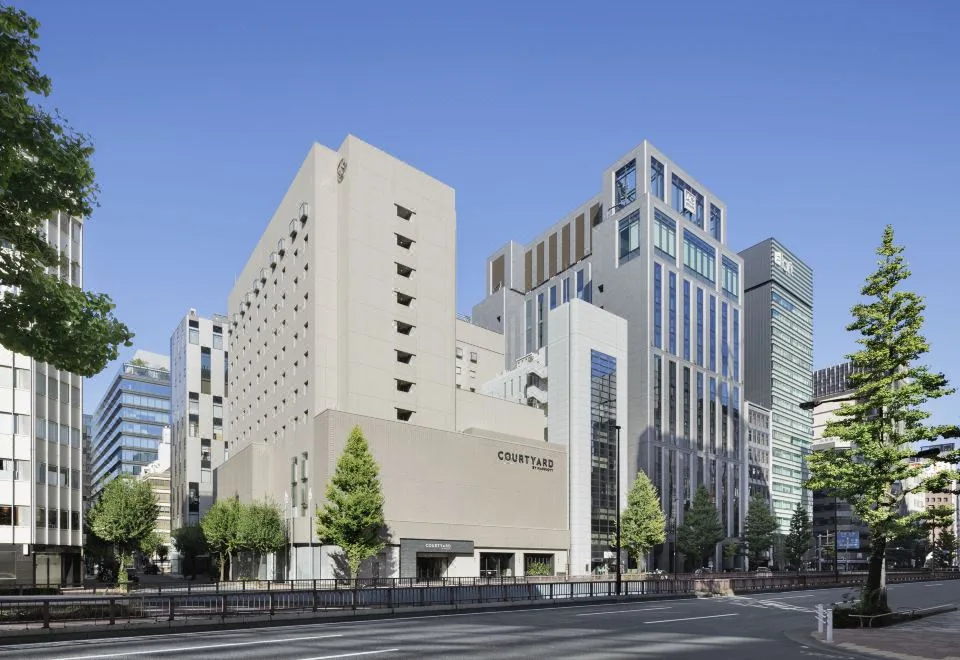
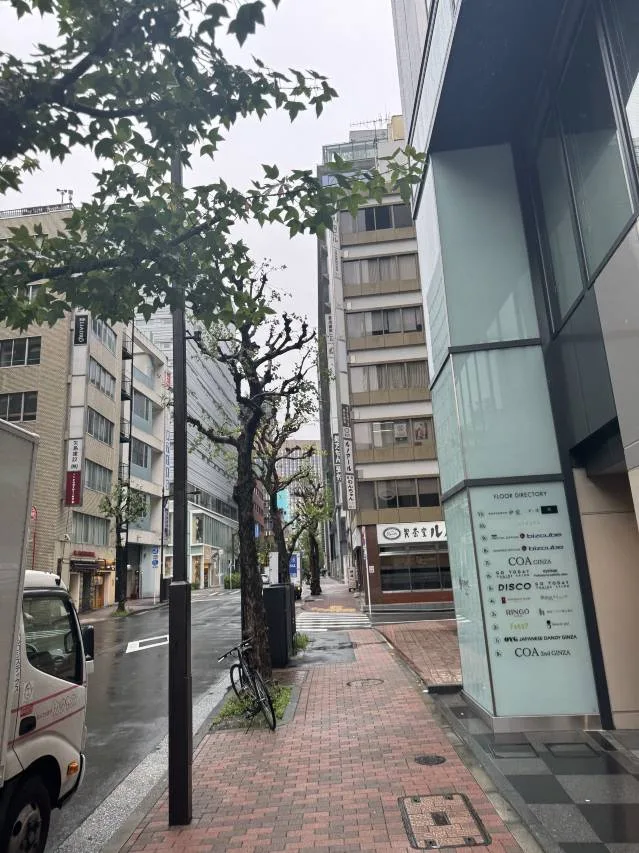
The listing puts Higashi-ginza at about 280 metres, a 4-minute walk. With cases, check the lift exit for your own line first, and allow time for crossings from the exit to the hotel. Airport buses need a check of current routes, stops and terminals; do not assume a bus to both airports leaves from the hotel entrance.
Higashi-ginza’s official guidance gives a lift route from the central gates to Exit 3, and from the Miharabashi-side gates to A1. With large cases, follow the signs from your own platform to these routes, then allow crossing time on the surface to the hotel.
Address:6-14-10 Ginza, Chuo-ku, Tokyo 104-0061, Japan
Exit A1 is the lift exit for this hotel: from the Asakusa Line’s Miharabashi-side gates, a street lift takes you straight to the surface, in place since 2010; from the Hibiya Line, take the lift route from the central gates to Exit 3. My way of doing it is A1 for the Asakusa Line and Exit 3 for the Hibiya Line; both exits reach the hotel in a few minutes on flat streets, with no stairs to carry cases up. Ginza-itchome is also within 790 metres, so the walk back after the Ginza Line side is just as easy.
Higashi-ginza serves the Hibiya and Asakusa lines, so Ueno, Asakusa and Shibuya all need few changes. My way of planning is to check which line the destination sits on: the Asakusa Line is handy for Asakusa and the Narita direction, the Hibiya Line for Ueno and Roppongi. Over three nights or more, alternating the two lines opens up trips beyond Ginza too.
Where to go and eat nearby
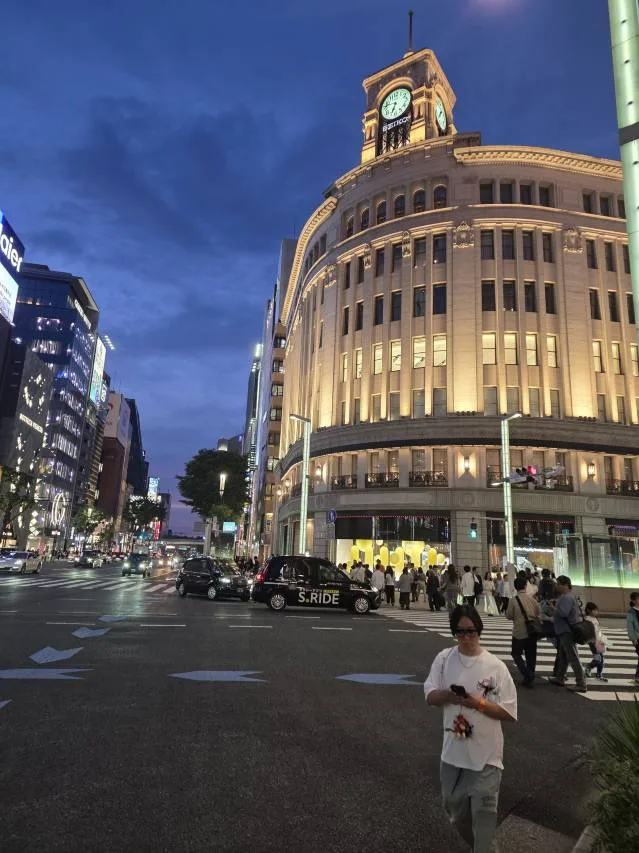
This location suits GINZA SIX, department stores and dinner in Higashi-ginza, and returning to the hotel to drop bags is easier than crossing districts. Tsukiji works as a separate walk. I use the hotel location for shopping and rest, and group farther areas into full days instead of going back and forth several times a day.
To shape the area into a half day, read the Ginza walking guide next.
Tsukiji Outer Market is 520 metres away; walk over in the morning, eat your way round and come back in time to pack before checkout. The Ginza Art Aquarium is closer still at 490 metres, a good rainy-day fallback. Nihonbashi is 1.7 kilometres away, so give it a whole afternoon instead of squeezing it into a shopping gap.
Useful amenities and services
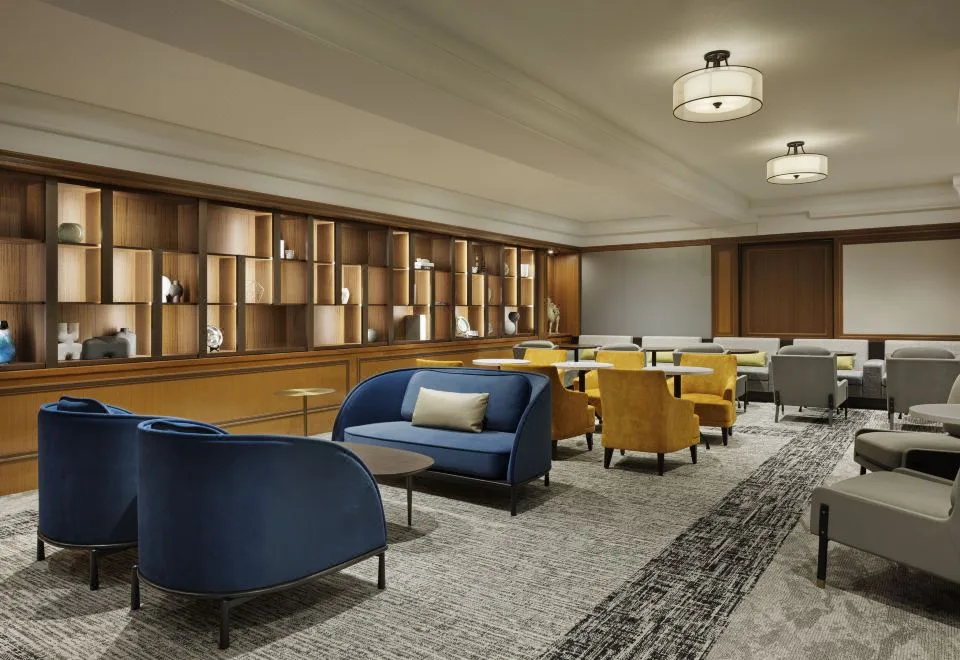
The restaurant, bar and gym inside the hotel matter for business stays or for evenings when you come back early. If you eat out every day and rarely exercise, these extras are no reason to pay more. Ask about drinking water, cleaning and member benefits once at check-in; it smooths a longer stay and stops you expecting another guest’s deal on your own booking.
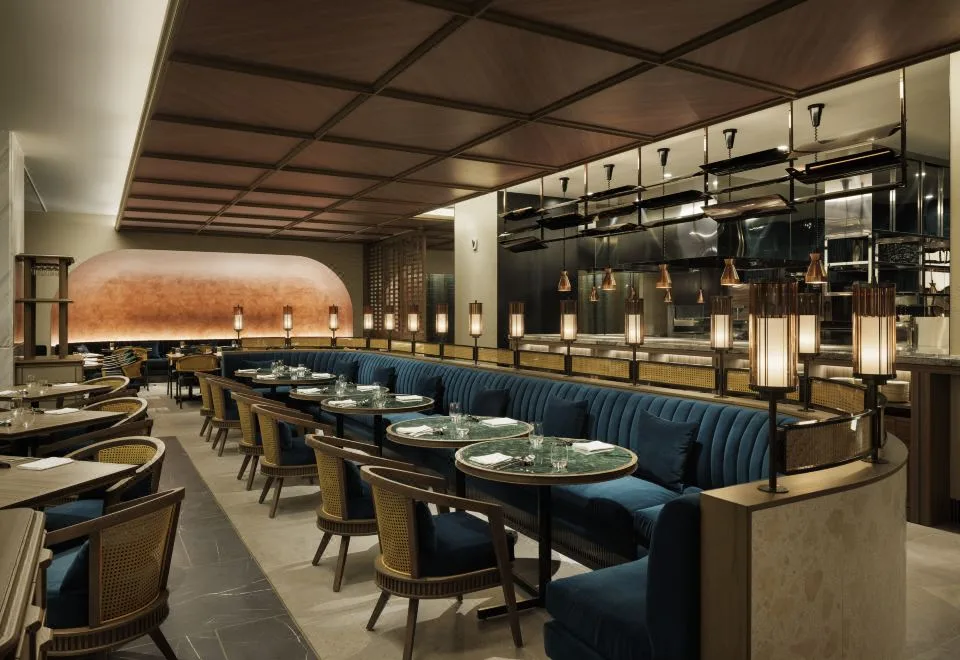
The facilities are more complete than I expected: gym, massage room, bar and a Japanese restaurant in the hotel, plus currency exchange, a business centre, a multipurpose hall and meeting rooms (meeting rooms are charged). Public Wi-Fi is free and there is a wake-up service. I spend the first evening sitting in the bar and learning where the gym is, so from day two I stop looking for directions.
The front desk is staffed 24 hours; check-in is from 15:00 and checkout is before 12:00, so after a red-eye you can leave your bags first. Luggage storage is a dedicated service and there is no need to drag cases into the restaurant. Two things to note: no pets are allowed, and the guest checking in must be at least 20 years old, so confirm before booking if you travel with minors.
Ask the front desk at check-in for the gym and massage room hours and whether booking is needed, instead of guessing. My approach is to ask on day one and put it in the plan: half an hour before heading out in the morning, or a session after coming back in the evening — both work better than deciding on the spot.
One or two nights versus a longer stay
For one night, location and bed cover most of what you need; for longer stays, daylight, desk space and the distance outside the window matter more. If you work in the room during the day, do not only ask for a high floor — ask whether the view is obstructed and whether there is a real seat. For two people unpacking at the same time, a larger room is usually worth comparing before a view upgrade.
For a longer stay, settle drinking water, cleaning times and the crib on arrival day, so you are not chasing the front desk every day. My rhythm is to learn the layout on day one, follow the plan from day two, and on checkout day leave the bags, check out before 12:00, shop in the afternoon and collect the bags on the way back — both the airport bus and the trains still connect.
Accommodation details worth checking
I like the service and the shopping location here, but the room is smaller than I expected, and the platform outside the window and the sense of privacy need thought beforehand. All of this depends on room type and floor, so it cannot be generalised to the whole hotel. On arrival, check the window view, the bathroom and the seating against what you booked before you fully unpack.
My arrival check has a fixed order: first whether the window is obstructed and the room dark enough with the curtains drawn, then whether the bathroom has room to turn and a shelf for toiletries, then whether there are enough chairs for two people. Any problem goes to the front desk at once — changing rooms or adding a crib is far easier before you have spent a night.
Before checkout I walk the room once more: the window side, the bathroom shelf, the bedside drawer for anything left behind, whether the crib is returned and whether the luggage tag is still there. Ten minutes of checking saves a trip back for forgotten things, and on airport-bus day time costs more than things.
My recommendation
If I want to stay in Ginza and will use the dining and lounge spaces, I shortlist Courtyard Tokyo Ginza. Split Guest Room from Studio, King from Twin, then ask about the window view; decide breakfast from your own rate and departure time.
Come for Ginza shopping and in-hotel dining and this hotel runs smoothly; come for a cheap breakfast or a large room and you need to price the 5,060-yen breakfast and the Studio upgrade first, then decide on breakfast and the upgrade. With those two sums clear, there is no gap between expectation and the stay.
Pros and cons at a glance
Pros
- Higashi-ginza is about a 4-minute walk (280 metres), so Ginza shopping and dinner are an easy return to the room.
- Exit A1 has a street lift, so arriving on the Asakusa Line with large cases means no stairs to carry them up.
- The breakfast buffet starts at 6:30, with Western, Japanese, Chinese and American dishes.
- The gym, massage room, bar and Japanese restaurant inside the hotel suit business stays and early evenings back at the hotel.
- The front desk runs 24 hours, check-in is from 15:00, checkout is before 12:00, and luggage storage is available.
Cons
- Breakfast is not cheap at 5,060 yen for adults, so price the breakfast-included difference first.
- Lower floors or some rooms may have an obstructed window view, and photos alone do not show it.
- Standard rooms are tight on bathroom and floor space, so two large cases need a check of the actual layout.
- Every room type can add a crib but no extra bed, so parties of three or more should ask about the room type first.
- No pets are allowed, and the guest checking in must be at least 20 years old.
Information last checked: 2026-11-23