
TOKYO / CHUO
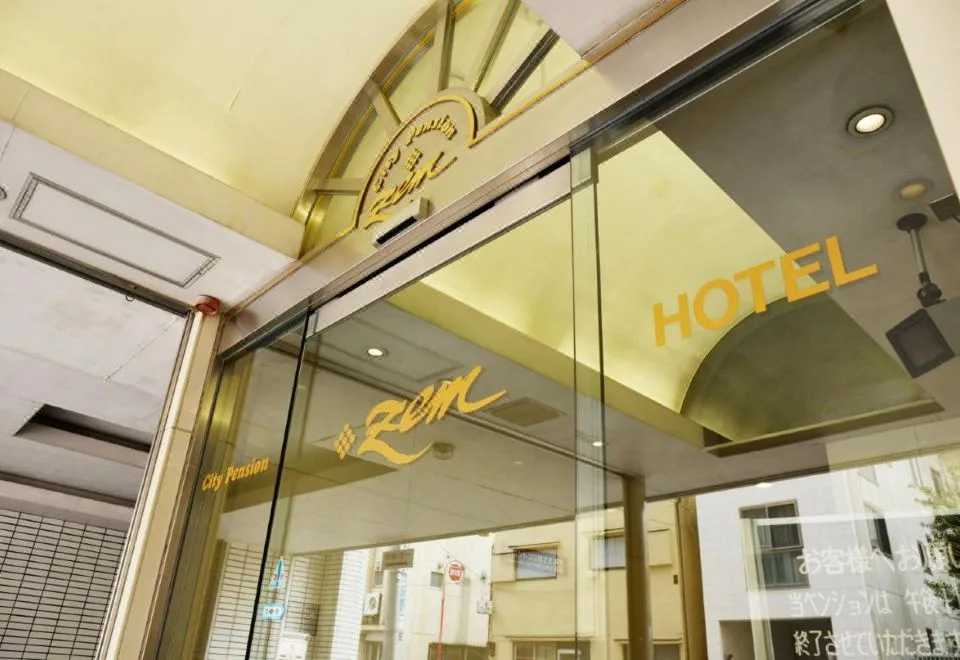
City Pension Zem
City Pension Zem
A small nine-room guesthouse near Suitengumae with family-sized space
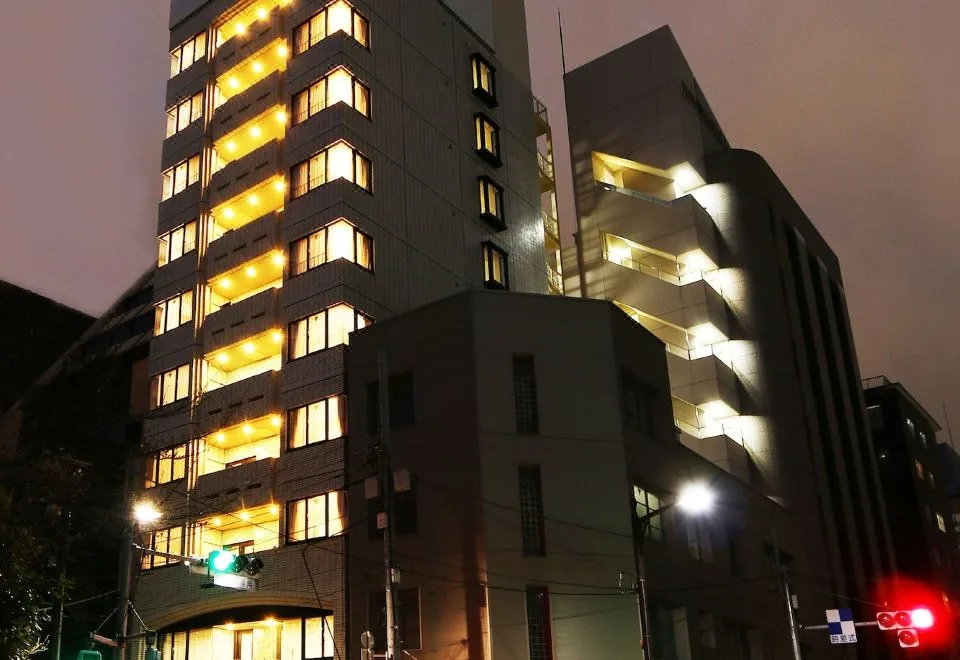
City Pension Zem is unlike a standard Tokyo business hotel. It is a family-owned guesthouse on its own land in its own building, and the owner lives on the premises. There are only nine rooms. It opened in 1983 with 27 rooms, and on October 1, 2025 it reopened as one room per floor: one 45 sqm Type A and eight 80 sqm Type B rooms, each with a kitchen and a washer-dryer, for up to seven guests. For a group wanting somewhere to sit together and unpack, I would look first at its large layouts instead of comparing only the price per solo guest.
| First considerations | How I would choose |
|---|---|
| Suitable travel | Family or friend groups, longer stays with a living-room feel, or trips based around Suitengumae and Ningyocho. Anyone expecting full 24-hour large-hotel services or booking the smallest single category should check service hours first. |
| Room comparison | Current Type A is 45 m² with two 140 cm beds and two sets of futons, for 2–6 people. Type B is 80 m² and can accommodate 2–7. |
| Main trade-off | In a small guesthouse, reception hours and late-night access matter more than a grand lobby. |
Rooms and luggage / Getting there / Breakfast / Facilities / Short or long stay / Before you book / Around the hotel
Room layouts and luggage space
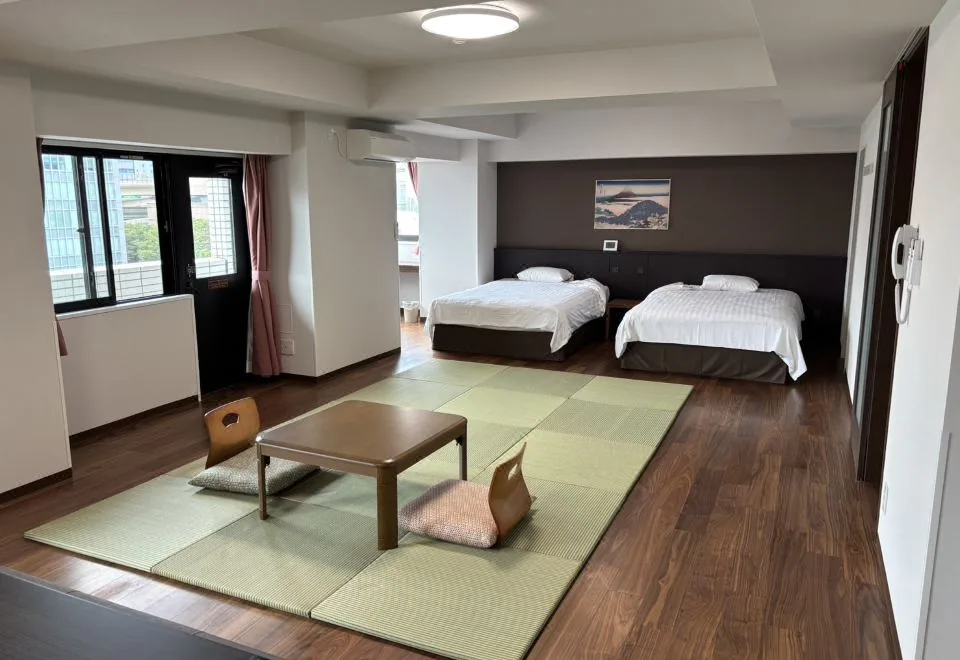
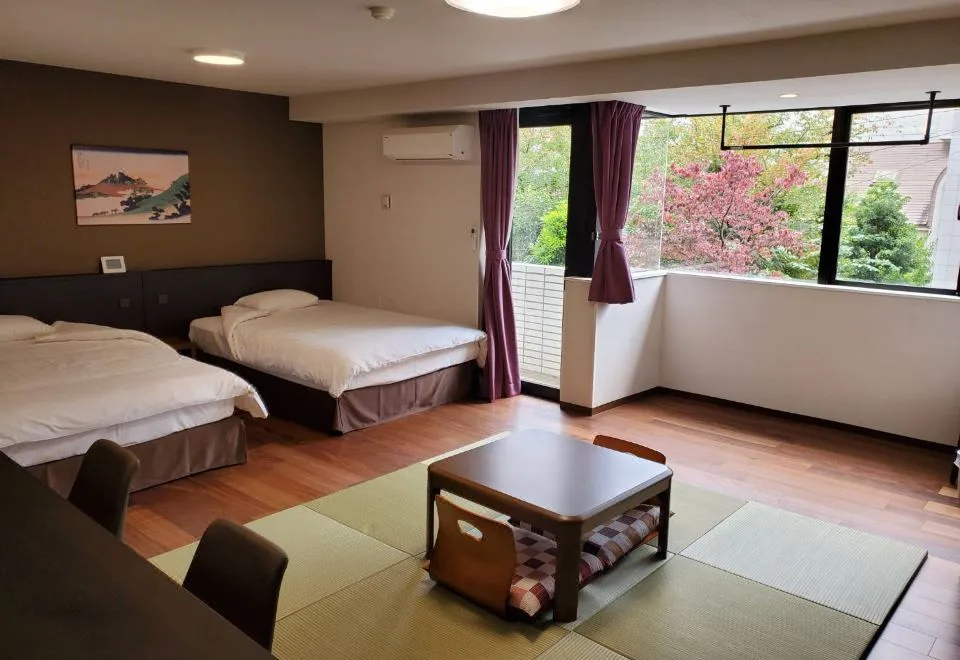
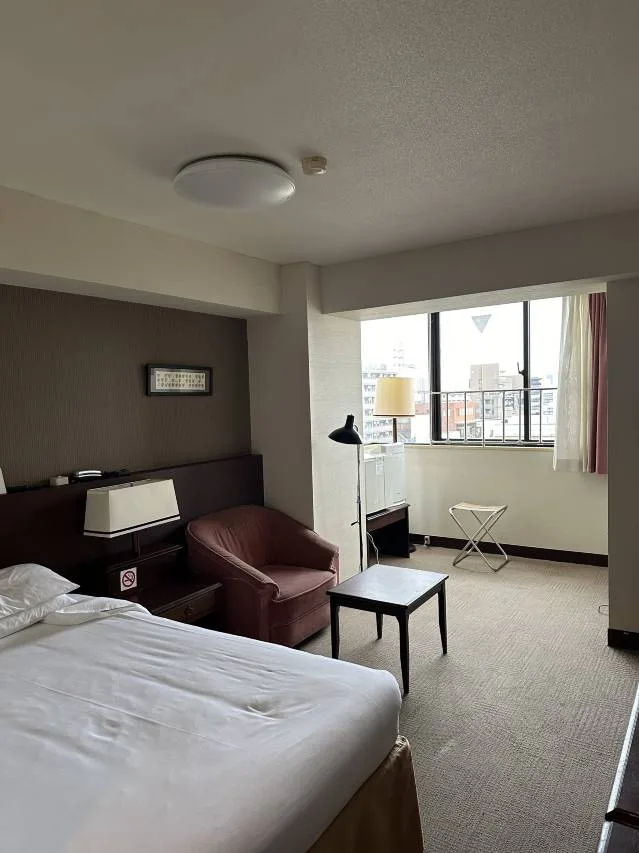
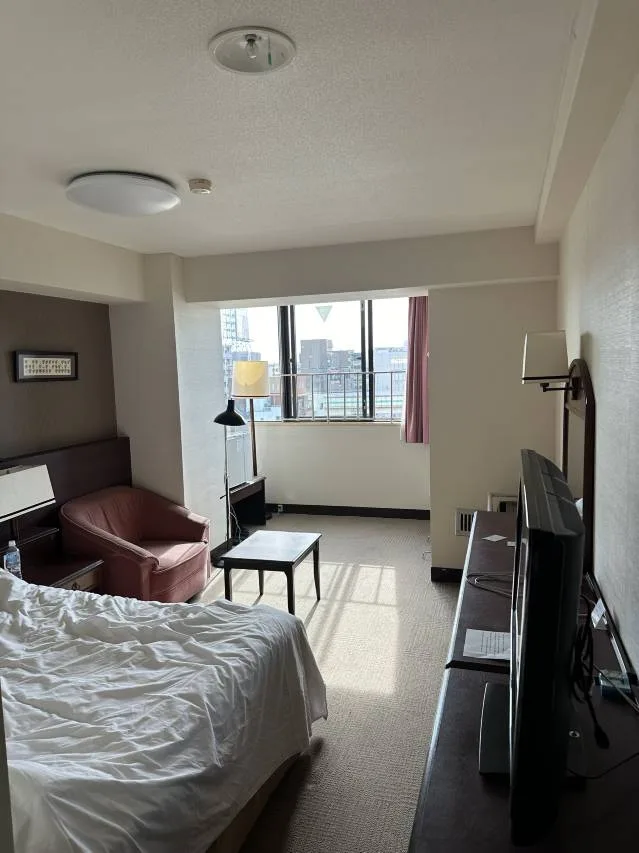
Official current Type A measures 45 sqm with two 140 cm beds and two futon sets for 2 to 6 people; Type B is 80 sqm with two 140 cm beds and three futon sets for 2 to 7 people. Each room takes up a whole floor, so once you step inside, the floor is yours. These differ from older images of small single rooms. Confirm the current category, actual guest capacity and bedding setup, especially who is comfortable with Japanese futons.
I would split it this way: for two to four people who want a table to eat at, the 45 sqm Type A is enough, with beds plus futons giving adults and children different ways to sleep. For five or more, or three generations travelling together, go straight to the 80 sqm Type B. The extra space is not decoration: it is room to open suitcases at the same time and still walk around. Futons go on the floor at night and are put away in the morning, so agree in advance who takes a bed and who takes a futon. Type A is the only room on the second floor; Type B has eight rooms from the third to the tenth floors, so ask about floors when you book if you want to stay higher up. The nine rooms are spread across floors two to ten, one per floor, so the corridors stay quiet at night.
| Room type | Area and bedding | Choice |
|---|---|---|
| Type A | 45 m² / two 140 cm beds + two futon sets | 2–6 guests; confirm shared beds |
| Type B | 80 m² / for 2–7 guests | For larger groups, confirm all sleeping arrangements |
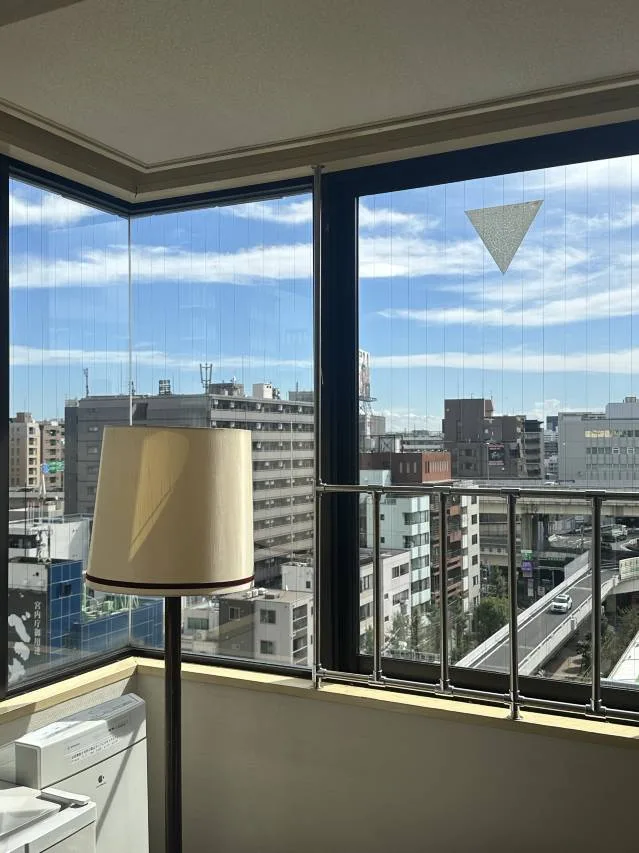
Rooms have a Japanese pocket-coil mattress, a 55-inch internet TV, a washlet toilet and an overhead shower. There is no bathtub here, so plan a bath elsewhere if that matters to you. Each room has a safe and its own air conditioning, with seating by the window; the tatami seating area is where everyone gathers to talk in the evening. The twin beds and low Japanese table in the photos show the rooms as they are: the beds are wide, and there is still space for two suitcases beside the table. The window seat looks onto the street by day, and in the evening it is where everyone shares snacks and plans the next day.
The three-person room feels wider than its long, narrow shape suggests: the tatami corner is a real place to lie down, and a family can eat together in the room without squeezing. The bathroom is small, but the shower room is spotless, and stepping out does not feel cramped. The room is big enough that children settle in and do not want to leave, so I keep this one in mind for anyone planning to spend real time inside.
Compare the latest room details on the official rooms page, and match them with your actual booked category and party size.
Arriving with bags
The hotel lists Suitengumae Exit 5 at about four minutes, Ningyocho Hibiya Line Exit A1 about eight, Asakusa Line Exit A3 about nine, and Toei Shinjuku Line Hamacho Exit A2 about eight; T-CAT is roughly three minutes on foot. Suitengumae is one stop from Otemachi on the Hanzomon Line, and Tokyo Station, Ginza and Akihabara are all direct with no change, so staying here puts you beside three subway lines at once.
For heavy luggage at Suitengumae, go from the Oshiage end of the platform by elevator to the City Air Terminal-side gate, then use the Exit 4 elevator. Exits 4 and 5 both have elevators; Exit 5 is the normal four-minute walk, so switch to Exit 4 with big bags. The street walk is a little longer, but you never carry a suitcase up stairs.
| Stay information | Details |
|---|---|
| Address | 2-16-9 Nihonbashi Kakigaracho, Chuo City, Tokyo 103-0014, Japan |
| Check-in / Check-out | 3–11 p.m. / 7–11 a.m. |
| Ordinary walk reference | About 330 m / five minutes from Suitengumae |
| Stay infoAirport bus | DetailsT-CAT about 3 minutes on foot; Haneda 25 minutes, Narita 55 minutes |
If you are catching a flight, count T-CAT in: the Tokyo City Air Terminal is only 200 metres away, about three minutes on foot, with limousine buses taking 25 minutes to Haneda and 55 minutes to Narita, and you can check luggage in at the terminal before boarding. Coming back works the same way: three minutes from the bus to the front door, even late at night, with no subway change. A taxi from Tokyo Station takes about ten minutes; tell the driver Shimbashi-dori, turn toward Hakozaki at the Suitengumae crossing, first signal left, and the hotel is just before the second signal on the left. Drivers can use the partner T-CAT car park at 2,500 yen for 24 hours with no re-entry; buy the parking ticket at the hotel front desk, or the rate does not apply. There are also a few coin car parks nearby, and the hotel sits beside the Hamacho exit of the Hakozaki interchange on the Shuto Expressway.
See the official access page; elevator operation on the day follows the in-station notices.
Breakfast arrangements
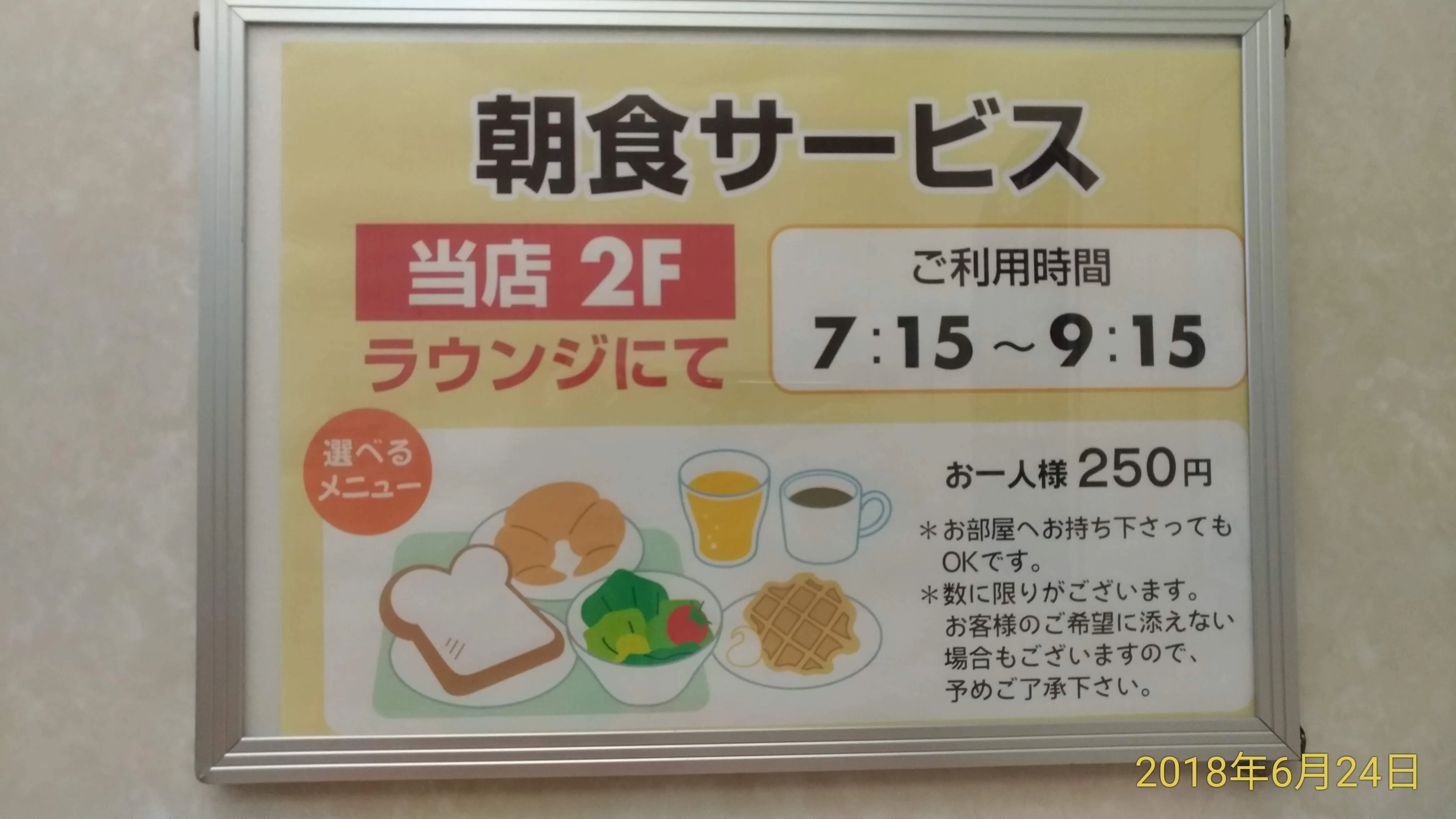
I plan breakfast in the room: each room has a kitchen and a dining table, and a 24-hour supermarket and convenience store sit within a two-minute walk. Buy bread, fruit and drinks the night before and eat slowly in the morning without rushing the whole group out together. Groups do not have to leave together early: everyone eats at their own pace and then gathers.
The kitchen is not decoration. It has an IH hob, an electric kettle, pots and a frying pan, knives and tableware, so supermarket ingredients become a simple hot breakfast, and children who want something warm do not need to go out. The room also comes with two litres of water and tea as a welcome drink. If you want something ready-made, Ningyocho has plenty of small shops, and the shopping streets start 170 metres from the hotel, so choose on the spot. The official site says bringing food into the room is allowed, and the 7-ELEVEN and Peacock within a two-minute walk are open 24 hours, so even a late arrival finds something to eat. The room has a fridge, so drinks and ingredients can wait until morning.
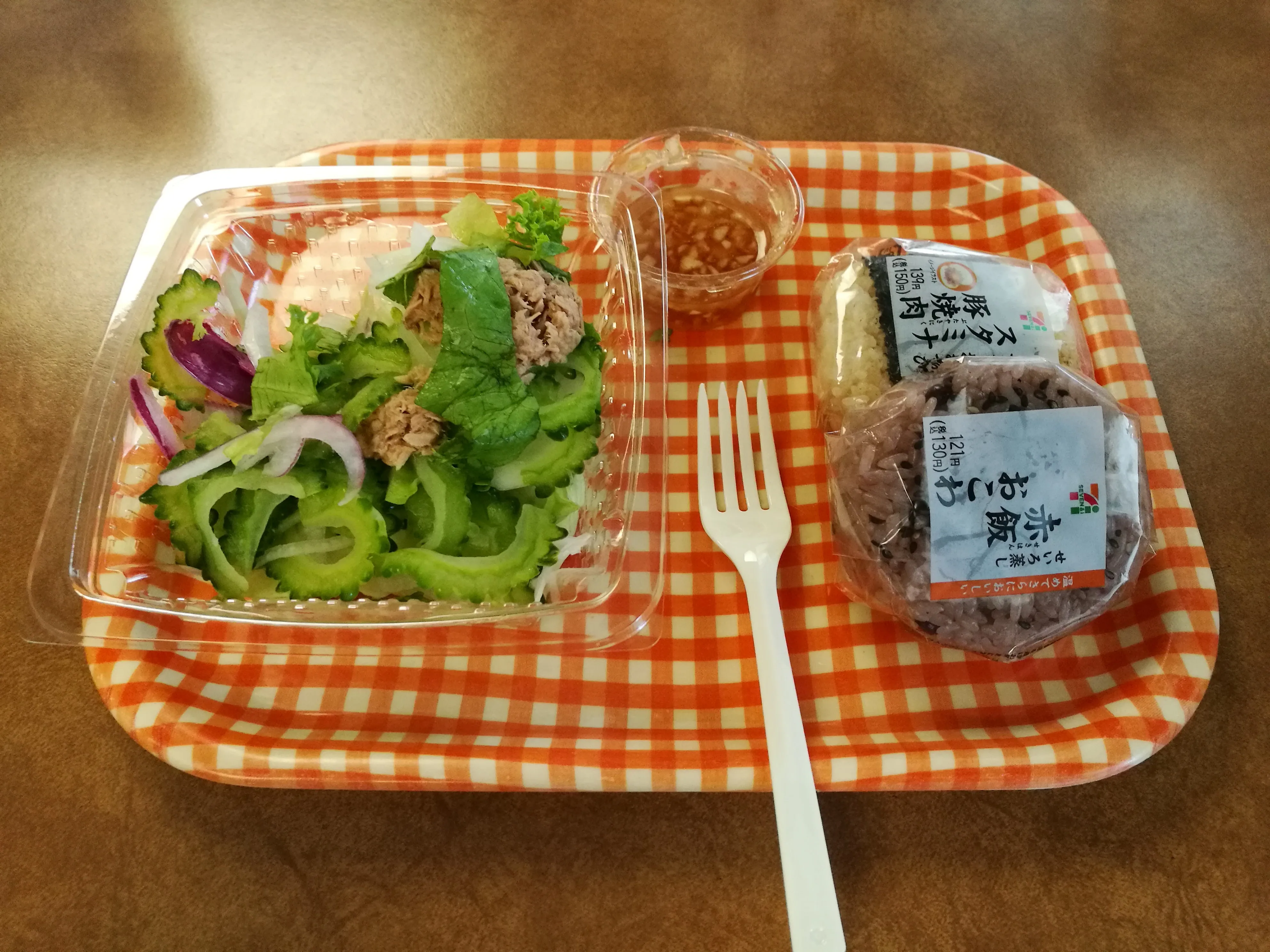
On a morning I do not want to cook, I pick up a salad box and two onigiri at 7-ELEVEN and eat them slowly in the room kitchen — salad and rice balls make a proper breakfast on their own. Mos Burger is nearby too, so a hot ready-made breakfast is a short walk away, with no need to wake the whole group and head out together.
For a stay of several days, the breakfast maths changes: eating out every morning adds up, so cooking in the room for two days and eating out for one keeps both the budget and your appetite in better shape. With a washer-dryer in the room, wash clothes in the morning and they are dry by the evening, so breakfast time is not spent on laundry.
Inside the building: kitchen, washer-dryer, and things you never have to borrow
Since the October 2025 renewal, the most valuable thing here is not a lobby. It is the kitchen and washer-dryer in every room. Detergent is already built into the machine, and the inner balcony has a drying stand and clips, so clothes washed in the room dry on the balcony. For a stay of three nights or more, you do not need a whole suitcase of clothes.
Room supplies take a different approach: humidifier, air purifier, fan, kotatsu, floor chairs with cushions, hair dryer, iron, cordless vacuum, luggage scale, chargers and adapters are already in the room, with no phone call needed. But toothbrushes, razors, cosmetics, hairbrushes and sleepwear are not provided; the official site says plainly to bring your own, so leave space for them in your bag, or a late-night run to the 24-hour convenience store is the only fix. A bathroom scale and a luggage scale are in the room too, so weigh bags before packing for the flight home.
The room holds more than I expected: the microwave heats convenience-store food, the large refrigerator fits several days of drinks and ingredients, the kitchen utensils cover real cooking, towels are plentiful, and a stationery set sits in the room. For a longer stay, nothing small sends you out shopping every day — the room works as a small home of its own.
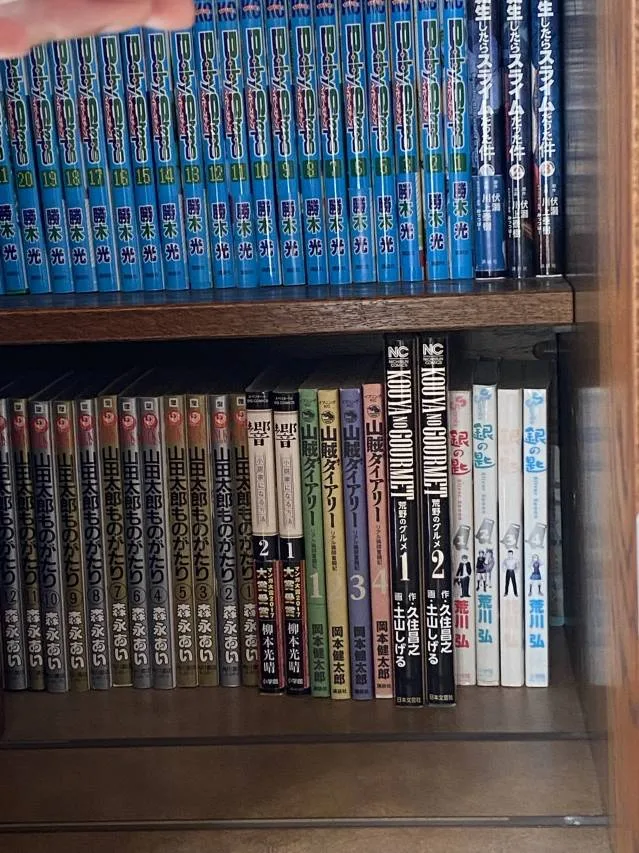
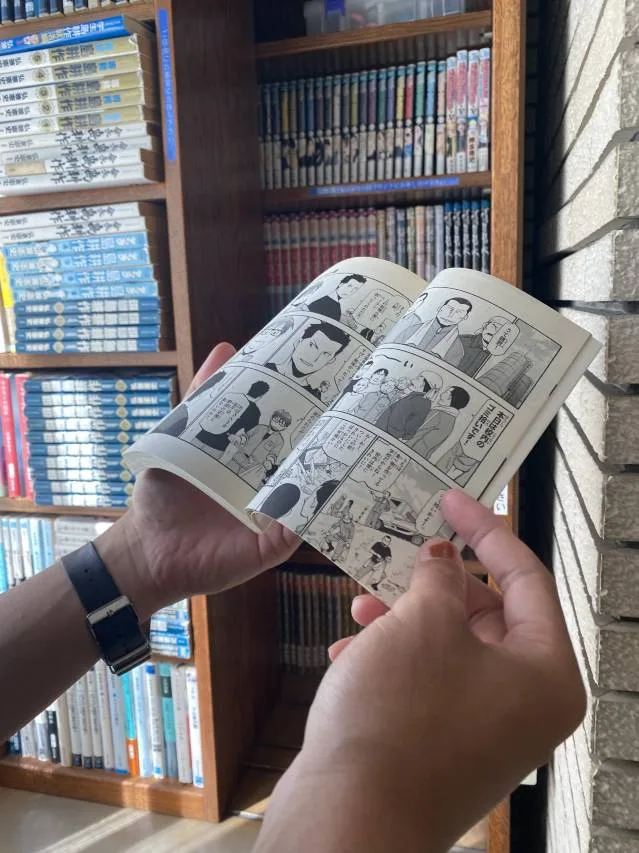
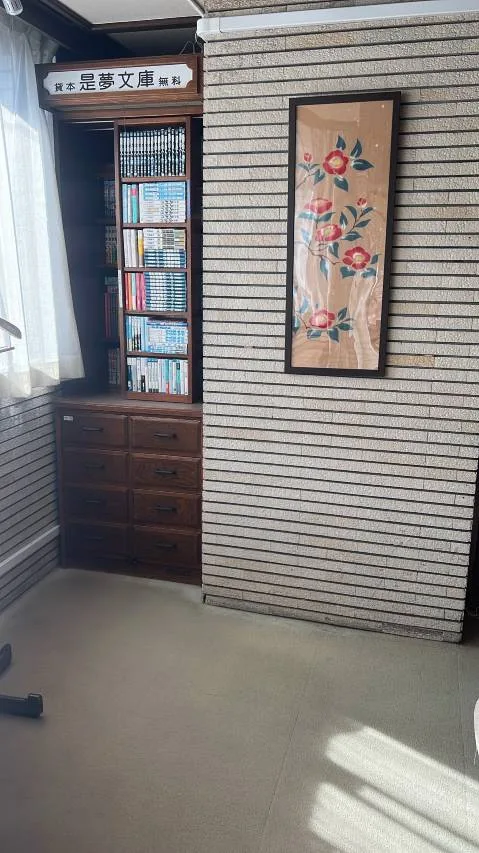
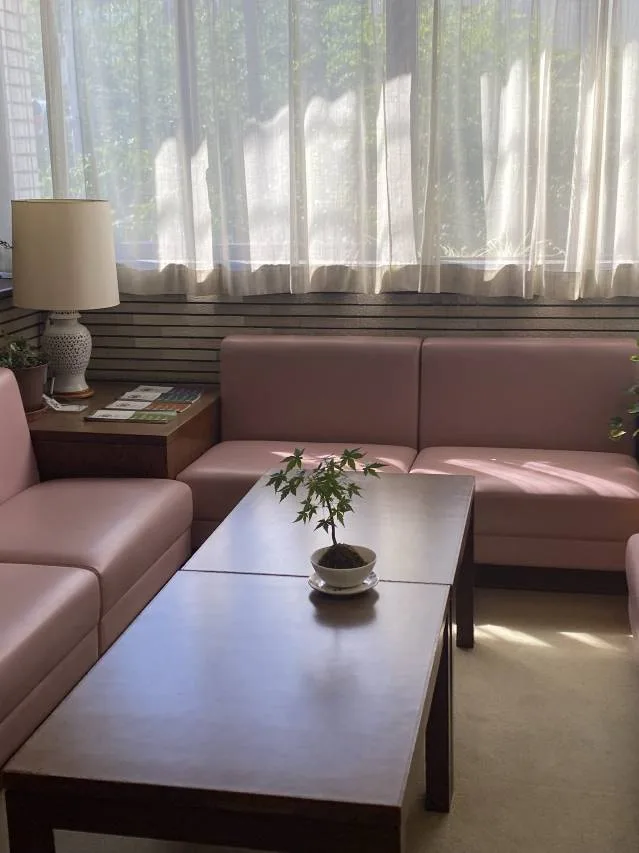
Shared space is small but complete: the building has an elevator, shared areas are non-smoking, and the whole property has been fully non-smoking for more than 15 years. Luggage can be stored. To send souvenirs home, the front desk handles Yamato parcel shipping, and online orders can be delivered to the hotel if you let them know first. The manga bookshelf in the photos sits in the shared space, somewhere to sit and read before bed.
One night versus longer stay
For one night, a group can compare the overall shared price, and with one room per floor each room takes a whole floor to itself. Over multiple nights, the in-room seating and kitchen matter more: no need to find another place to eat or talk every day. For three nights or more, the washer-dryer and kitchen are where the real savings are: fewer clothes to pack, and one dinner cooked in the room. Check-out is 11 a.m., so mornings are unhurried: finish breakfast, fold the laundry, and then go.
Plan each person’s luggage and bed use, rather than assuming that a large area means everyone sleeps in the same way. The 80 sqm Type B sleeps seven, but only two of them get beds; the other five sleep on futons, so agree on sleeping arrangements first. After check-out, luggage can stay at the hotel, so the last day still leaves half a day to wander Ningyocho before picking bags up on the way to the station.
Trade-offs before booking
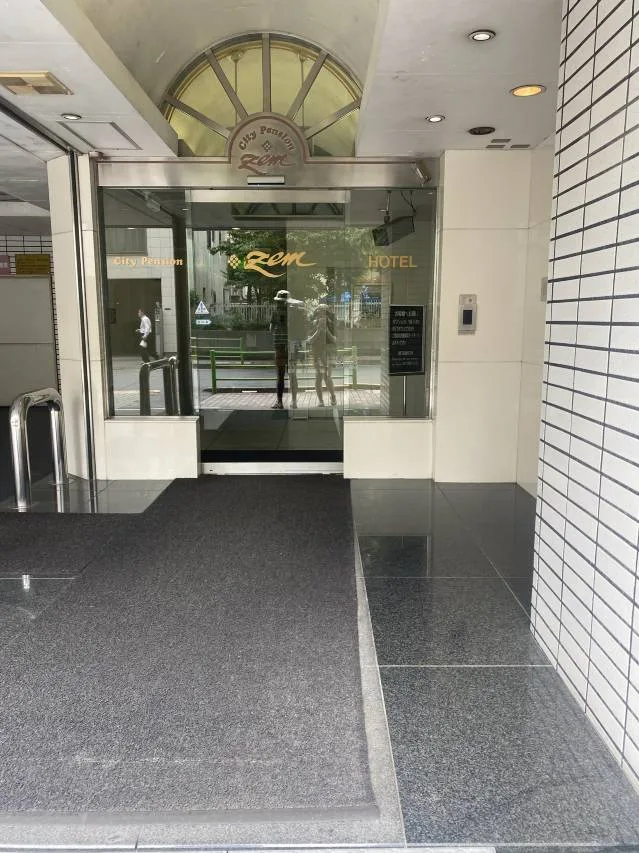
For a small property, reception hours and nighttime entry procedures matter more than luxury furnishings. Reception runs 7 a.m. to 11 p.m.; arrivals after 11 p.m. need prior contact, and from 7 a.m. the desk can handle procedures and luggage storage, but that does not mean the room is ready early: check-in is still from 3 p.m. Once you check in, the card key opens the automatic entrance door, and there is no curfew, so coming back late means no bell to ring.
Families should settle guest numbers first: ages seven and up count as adults, up to two children aged six and under can share a bed free of charge, and one baby bed is available by reservation for children under one. The guest who checks in must be at least 18, and pets are not allowed. Rooms have no bathtub, only an overhead shower, so know that if you like a soak. For longer stays, ask about the cleaning schedule at check-in before planning your days.
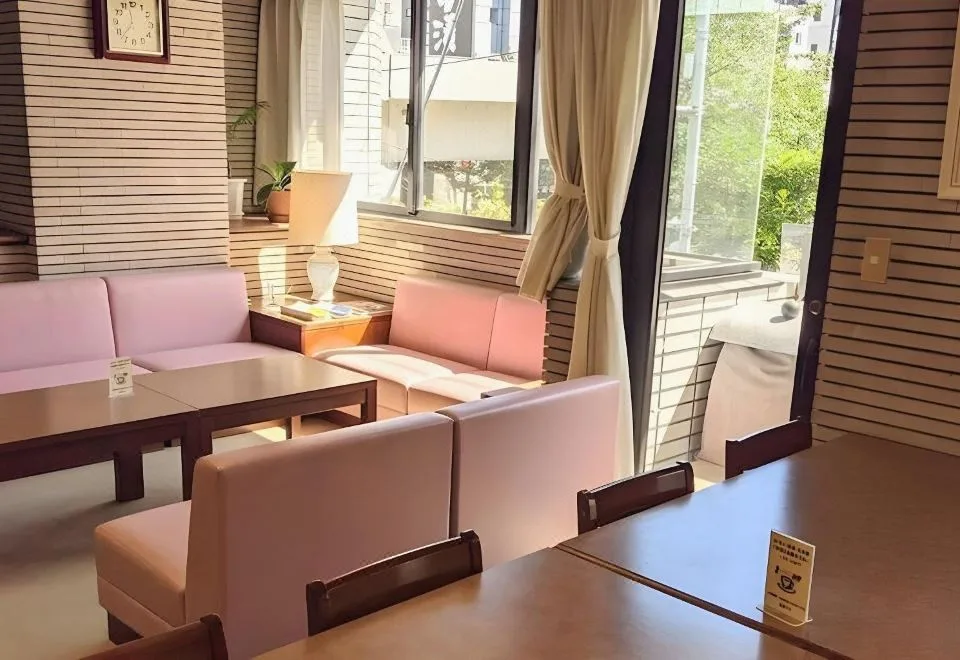
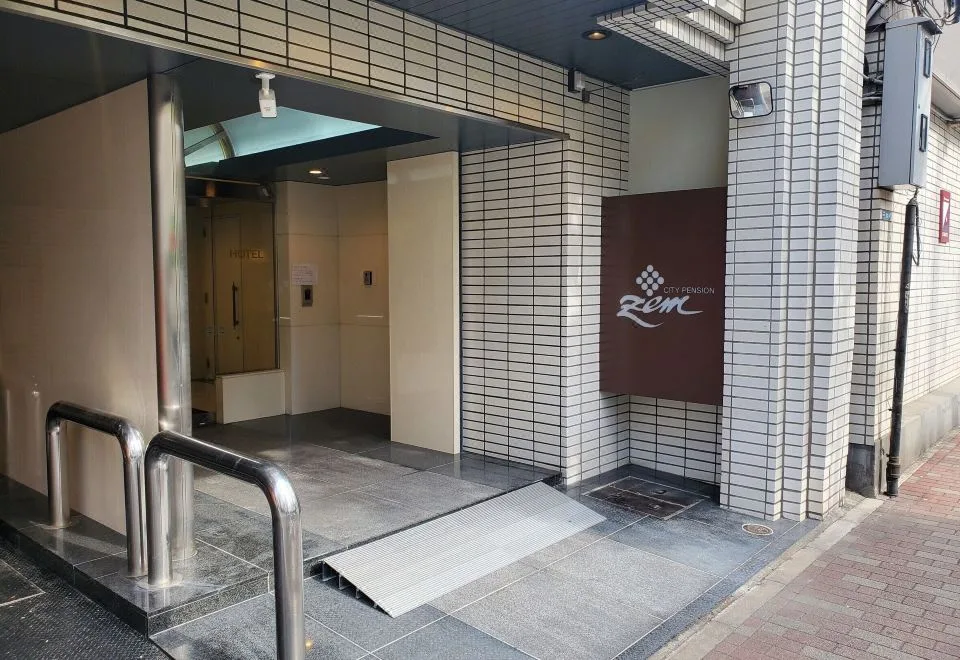
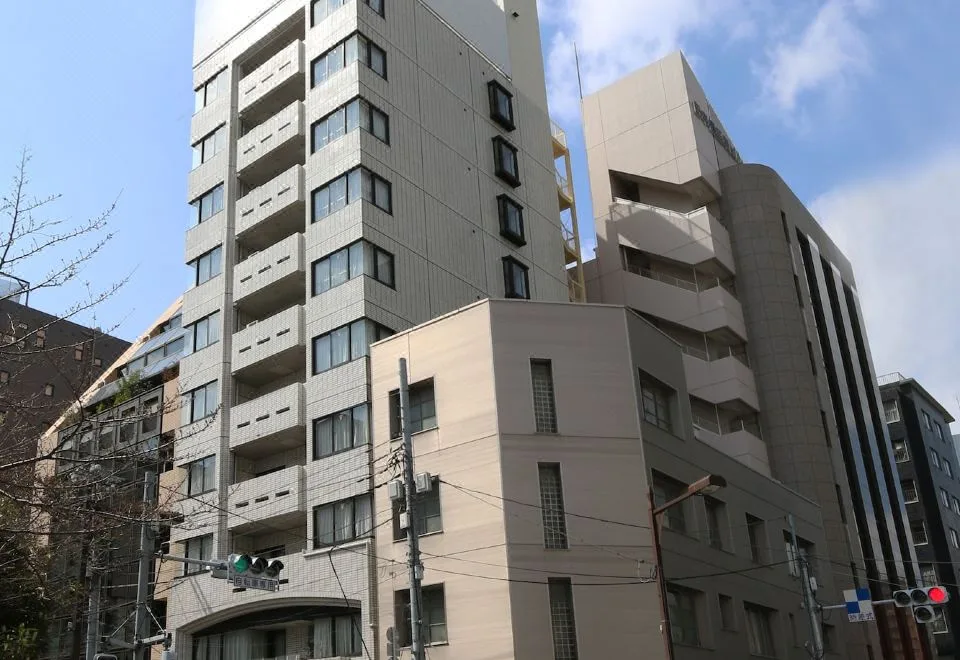
The room itself is clean and comfortable to live in, and it suits families and longer stays. One thing to know first: construction outside keeps its sound going until late at night, so shut the window before bed if noise bothers you, and ask about the work when you choose a room.
Explore around Nihonbashi
Staying in Nihonbashi for a few nights, pick one day to walk the Ningyocho streets or the small Nihonbashi museums and treat the area around the hotel as part of the trip. Suitengu Shrine is 240 metres away, so visit in the morning and come back for breakfast; Ningyocho is 170 metres, and its old shopping streets open by midday, so lunch is close.
Konami Shrine is 860 metres, Nihonbashi Bridge 990 metres, and Ginza about 900 metres, all walkable. For farther out, Hamacho Station is 620 metres and JR Bakurocho 1.3 km, with Asakusa and Akihabara a few stops away on the Hanzomon or Toei lines. Staying here means the daytime does not keep looping back to the hotel, and the evening walk home is direct.
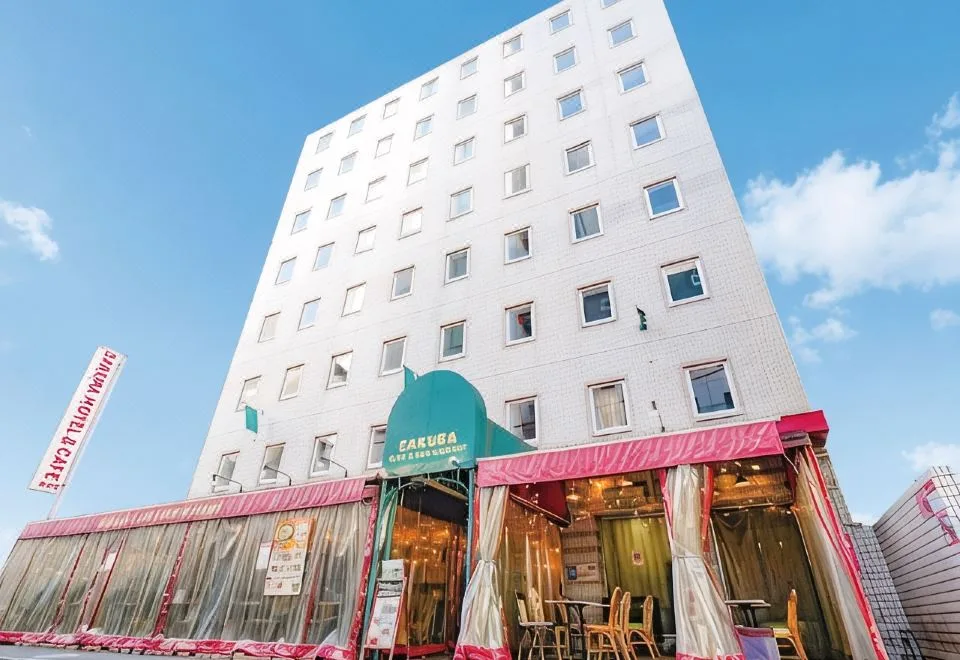
Compare total prices for identical dates, guests and cancellation terms. If breakfast or larger rooms cost extra, check whether your group will use them.
My take: for five or more people who want to stay together without splitting rooms, this nine-room guesthouse fits better than a chain business hotel. For a solo business trip where you only want a bed and a bathtub, look elsewhere. Families with children, older relatives, or friends sharing one large room will use the kitchen and washer-dryer every day.
Pros and cons
Pros
- Nine rooms, one per floor: 45 sqm Type A sleeps 2 to 6, 80 sqm Type B sleeps 2 to 7, so a group does not have to split rooms.
- Every room has a kitchen and a washer-dryer, with detergent included, so longer stays need far fewer clothes.
- Suitengumae Exit 5 is four minutes away and Exit 4 has an elevator; T-CAT is three minutes, with Haneda 25 minutes and Narita 55 minutes by bus.
- Reception runs 7 a.m. to 11 p.m., and the card key opens the door after check-in with no curfew.
- A 24-hour convenience store and supermarket sit within a two-minute walk, so breakfast can be cooked in the room.
- A family-run guesthouse since 1983, renewed in October 2025, with the owner living on site and fully non-smoking for more than 15 years.
Cons
- Rooms have no bathtub, only an overhead shower, so a soak needs a separate plan.
- Toothbrushes, razors, cosmetics, hairbrushes and sleepwear are not provided, so bring your own.
- Reception closes at 11 p.m., so arrivals after that need prior contact; 7 a.m. procedures and luggage storage do not mean early check-in.
- Type B sleeps seven but has only two beds, so the rest sleep on futons, and sleeping arrangements need agreeing first.
- Breakfast is up to you: cook in the room or walk to Ningyocho, with no hotel buffet to linger over.
Information last checked: 2026-11-22