
TOKYO / CHUO
Caption by Hyatt Kabutocho Tokyo
Caption By Hyatt Kabutocho Tokyo
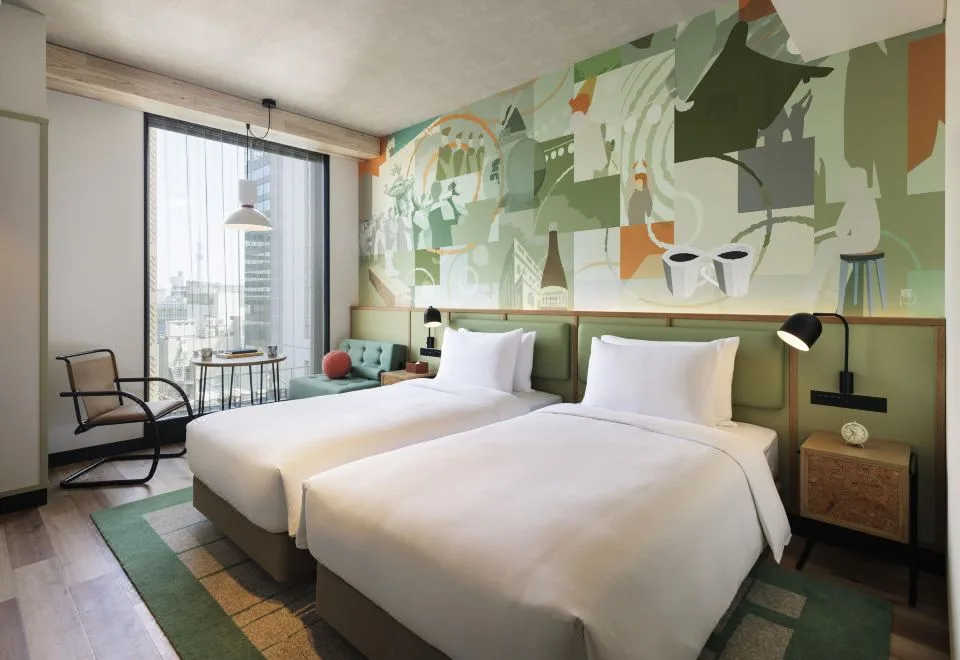
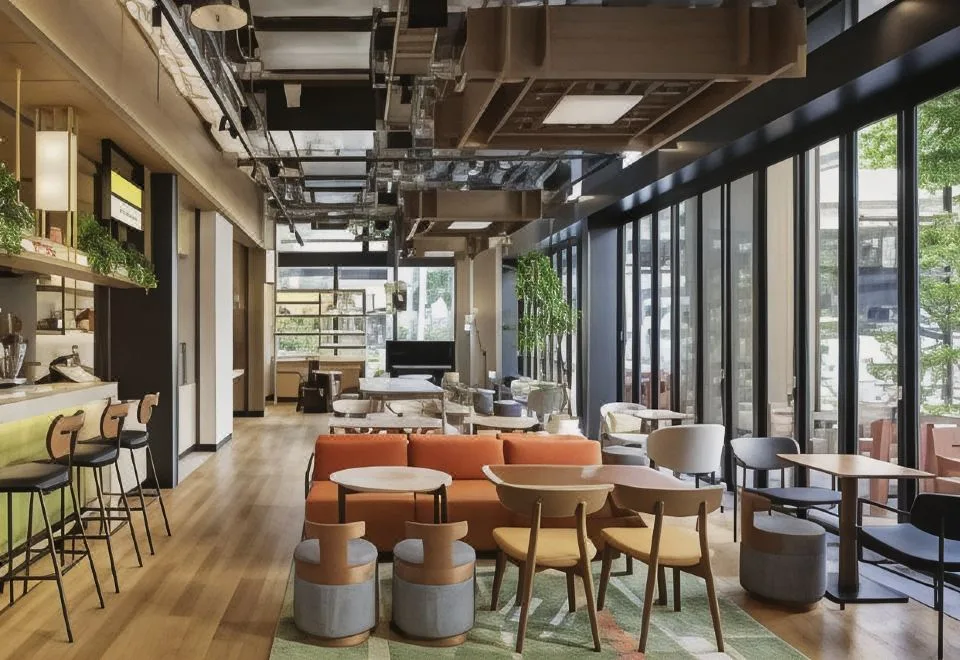
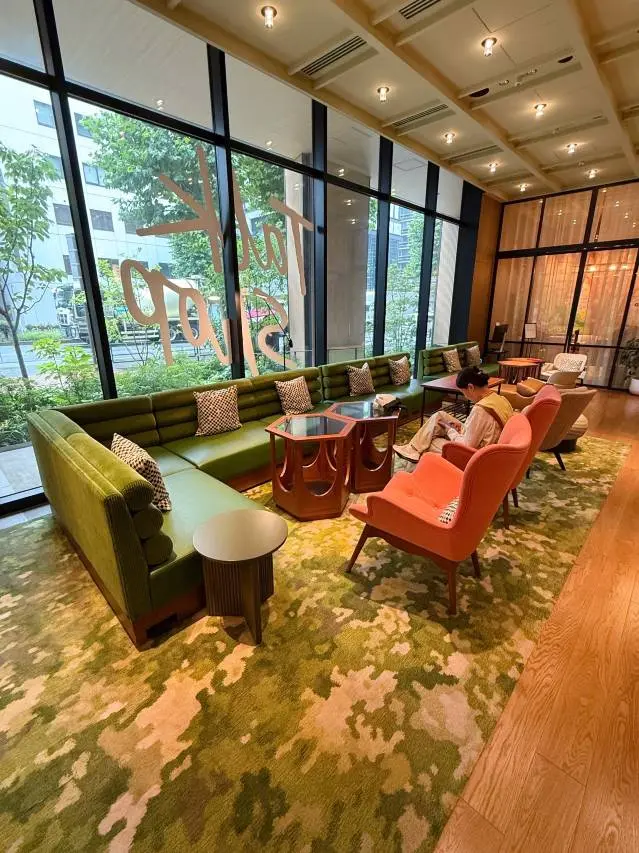
Caption by Hyatt Kabutocho Tokyo suits travellers who like design-led stays and spend their days walking the city and visiting coffee shops. Rooms feature striking murals, and the ground-floor public spaces have their own character; Kayabacho and Nihonbashi both work as transport starting points. Light sleepers should factor in road noise. Kayabacho Station is under 100 metres away, about a one-minute walk, so you can drop your bags and head straight out.
See first whether this hotel suits you
- Room order:First confirm how your group will split the beds, then compare the bathroom and luggage and activity space.
- Breakfast plan:Decide whether to include breakfast based on whether you need an early start; on longer stays you can also spend a few days trying cafes in the neighbourhood.
- Longer-stay reminder:Arrange laundry and cleaning in advance, and pack your luggage the night before your last night.
In short, this hotel suits people who like design-led stays, do not mind a lively neighbourhood, and plan around Nihonbashi and Ginza; light sleepers, anyone wanting a bath, or groups of three or more should weigh those points first.
Choose the beds first, then look at luggage and living space
Official Double rooms are 22 sqm and King rooms 25 sqm; for more activity space, look at 28 to 30 sqm Deluxe King rooms. For two friends sleeping in separate beds, a standard Twin is 28 sqm and a Deluxe Twin is 34 sqm; High Floor King and Twin rooms differ mainly in floor, with areas still 25 sqm and 28 sqm respectively.
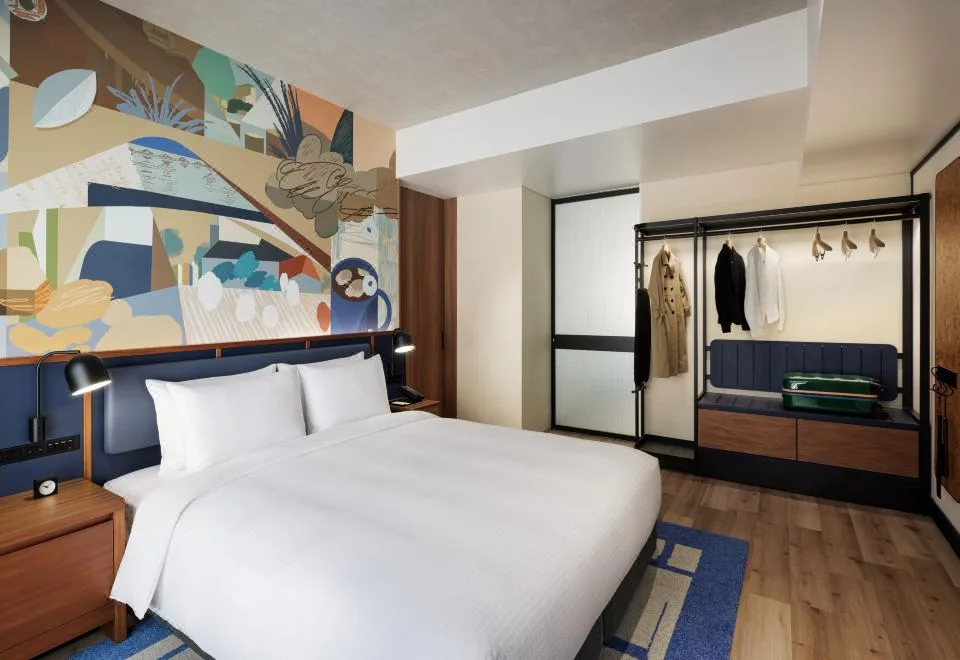
The 54 sqm King Suite has a separate living area and a sofa bed, suiting guests who want somewhere to sit after returning to the room; no rooms in the hotel have a bathtub, and extra beds cannot be added. If you want a bath, are travelling with three or more people, or need separate sleeping areas, check the corresponding room type directly rather than going by the word “suite” alone.
| Room type | Size and beds | How to choose |
|---|---|---|
| Double | 22㎡ | One Double bed |
| King/High Floor King | 25㎡ | High-floor version differs mainly in floor |
| Deluxe King | 28–30㎡ | For more activity space |
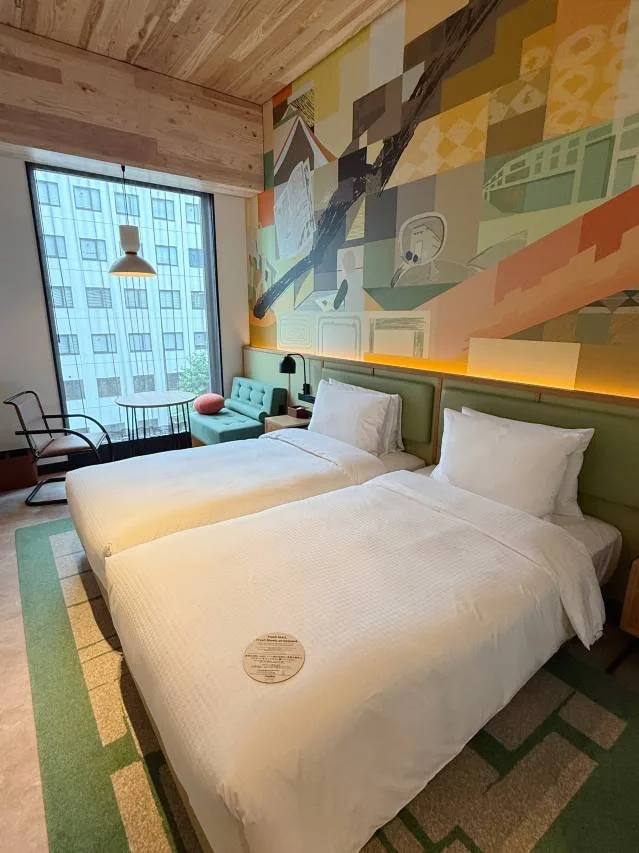
| Twin/High Floor Twin | 28㎡ | One bed each |
| Deluxe Twin | 34㎡ | Two beds and a larger activity area |
| King Suite | 54㎡ | Separate living area and sofa bed |
Check-in is from 3pm and check-out is by 11am, with the front desk staffed around the clock; I time my arrival for after check-in, and if I get in early I leave my bags with the hotel and head out for a walk. No room in the hotel takes an extra bed, and crib availability depends on the room type; children of all ages are welcome, but an extra charge may still apply without an extra bed, so add the children to the booking to get the exact price. The guest checking in must be at least 18, the hotel takes no deposit, pets are not allowed, and service animals need to be arranged in advance.
Travelling alone, the 22 sqm Double fits one suitcase comfortably; for two people in separate beds, I look straight at the 28 sqm Twin, where the cases open with room to walk past, and the 34 sqm Deluxe Twin if I want more space. High-floor King and Twin rooms differ only in floor, staying 25 sqm and 28 sqm, so choose a high floor for the view, while light sleepers should think about the floor and the road noise first. The 54 sqm King Suite has a separate living area and a sofa bed, good for sitting with a book or a chat after coming back to the room.
Before booking, I check three things: the room-type name and size are the ones I want, whether breakfast is included, and which station exit to use; with all three settled, nothing needs changing at the front desk on arrival. Room names look alike, and the high-floor versions differ only in floor, so read the name on the booking letter by letter.
If you want a bath, note the rooms are shower-only, so sort out an alternative before booking rather than after check-in.
The suite’s sofa bed works well for one more person napping or watching television in the evening; use the sofa area as a living space by day and open it up to sleep at night, and the 54 sqm is properly used — standard rooms do not offer that flexibility, so decide beforehand whether you need it.
First compare the Hotel official room-type and stay information, then confirm the room-type name and facilities on your booking.
Should you include breakfast? Choose by your morning pace
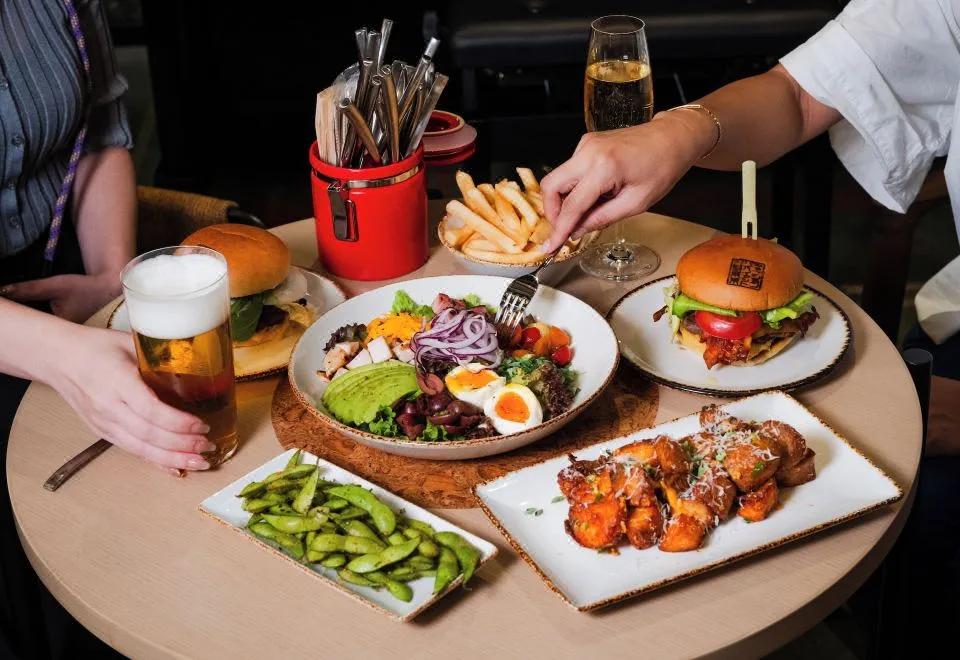
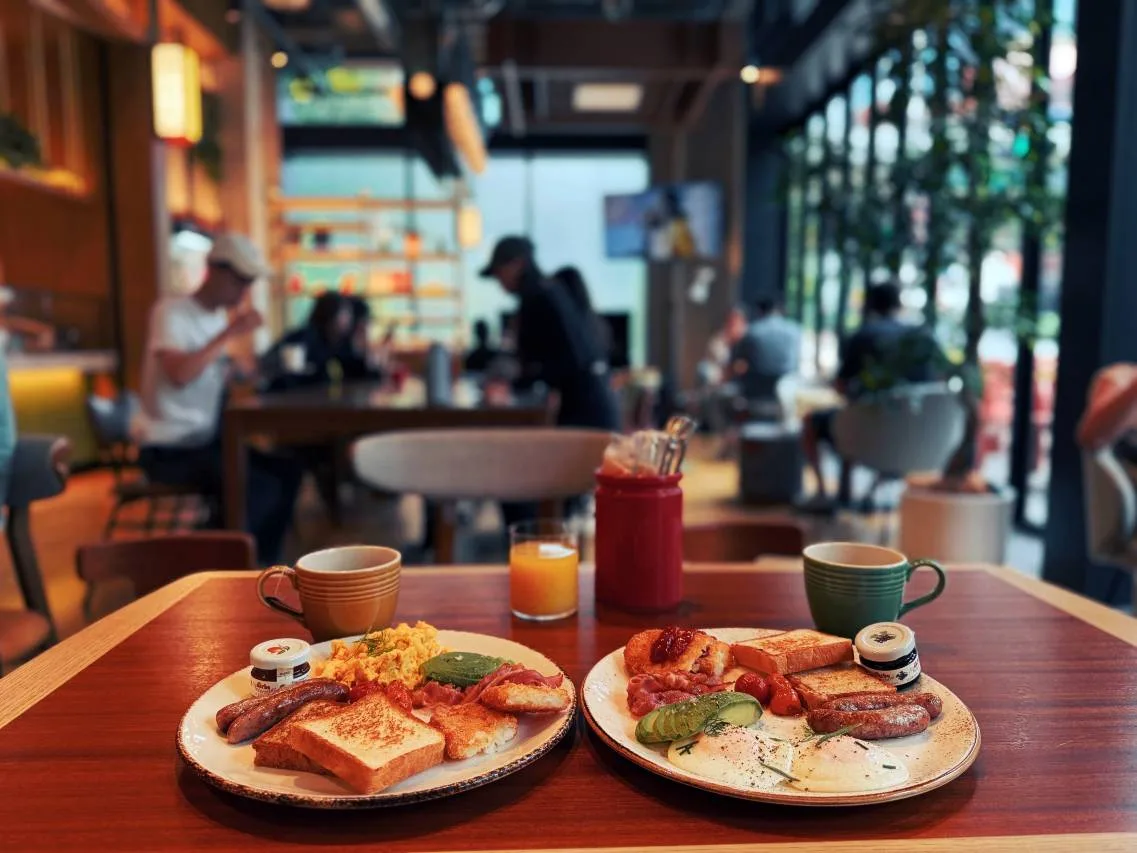
Breakfast is à la carte, served 7:00–10:00; I try both the Japanese and American dishes, and on a longer stay I alternate them so the options do not feel repetitive. Including breakfast is more carefree for a short stay; on longer stays you can leave a few mornings for nearby coffee shops. The burgers, fries and plated dishes in the photos are not all breakfast set items.
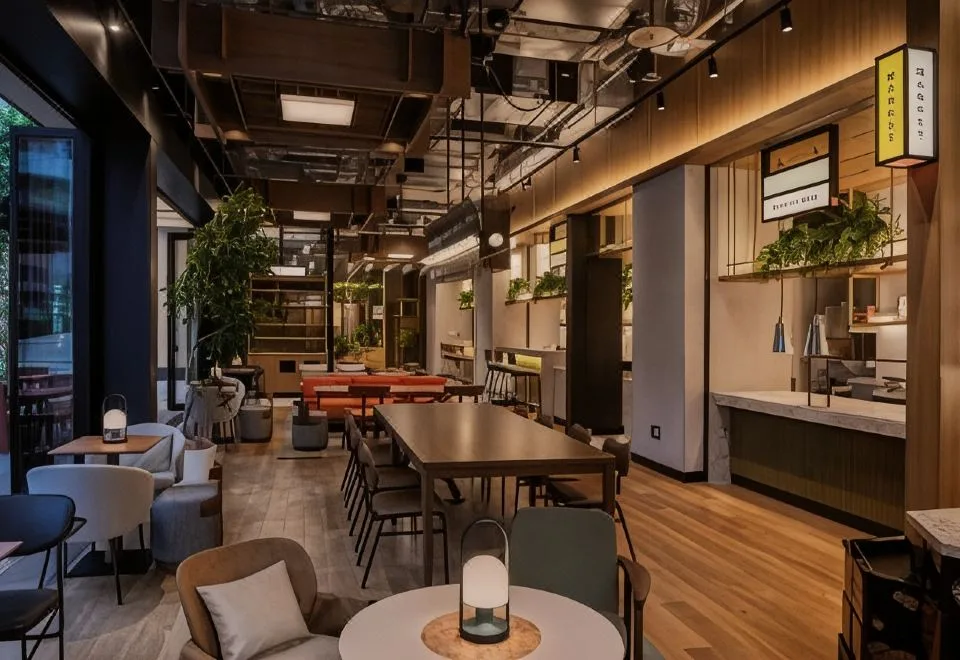
Talk Shop on the ground floor is an à la carte restaurant with international flavours, open for breakfast, brunch, lunch, dinner and cocktails; I eat breakfast here one morning and save another for a neighbourhood coffee shop, so I get both paces. Breakfast is priced by the dish, and if your rate does not include it you can add it on site and pay at the hotel, without locking in breakfast for the whole trip.
For a more relaxed morning, I come down after the 7:00 opening rush; while the food is being prepared I use the time to decide which street to walk first.
On a longer stay, I split breakfast up: à la carte at Talk Shop on the first morning, a Kabutocho coffee shop on the second, then back again for a change of pace on the third; there are plenty of coffee shops around Kabutocho, and the morning walk over works as a wake-up.
Talk Shop is not only for breakfast — lunch, dinner and cocktail hours run too; on an evening when I do not want to go far, dinner and a drink on the ground floor, then upstairs, keeps the day unhurried.
Children are covered too: the hotel has children’s meals and children’s toothbrushes, so the little ones get portions and flavours that suit them; adults order à la carte, children eat the children’s meal, and the same table works for everyone.
Transport, usual exits and how to walk with luggage
Address: 12-1 Nihonbashi Kabutocho, Chuo-ku, Tokyo 103-0026, Japan
Kayabacho and Nihonbashi can both serve as transport starting points; the hotel is at 12-1 Nihonbashi Kabutocho. With large luggage, a wheelchair or a stroller, take the Hibiya Line to Kayabacho and use exit 1a: Tokyo Metro’s official exit guide lists a street-level elevator at exit 1a, the elevator from Hibiya Line platform 1 East ticket gate goes straight to street level, and the Kayabacho 2-chome gate on platform 1 also has an elevator to exit 1a. Once you are out of exit 1a, the hotel is right by the station, about a one-minute walk; Kayabacho Station is under 100 metres from the hotel. Without heavy luggage the nearest exit works too, but match the gate to your platform direction first instead of just taking the nearest stairs.
The return trip uses the same exit 1a elevator down to the platform, with no need to look for another exit. The area is easy on foot too: Nihonbashi is 140 metres away, Marunouchi 850 metres, Ginza 1.0 km and JR Shin-Nihonbashi Station 1.0 km; the Imperial Palace and Tokyo International Forum are each about 1.8 km, and Akihabara Electric Town about 2.5 km. I put Nihonbashi’s department stores and old streets and Kabutocho’s coffee shops on the same day, and save Ginza for the evening.
The old streets and department stores around Nihonbashi are good for a wander, and the walk from Marunouchi toward the Imperial Palace is an easy one; I keep the first day for Nihonbashi and Kabutocho and the second for Ginza and Marunouchi, without rushing either direction. The Imperial Palace and Tokyo International Forum are each about 1.8 km, an easy morning walk, and Akihabara Electric Town, about 2.5 km, is easier by train than on foot.
For seasonal events, the Tokyo light festival site is 350 metres away, an easy walk; a little further, Hamacho Station, about 1.4 km, adds the Toei Shinjuku Line as another transport option. Nihonbashi Station works as a backup starting point too, handy for heading toward Ginza.
The evening walk to Ginza works well too — after shopping, ride back to Kayabacho and walk one minute to the hotel; if you would rather not ride, the 1.0 km walk back from Ginza makes a good stroll.
Short stays and longer stays — what to watch for in each
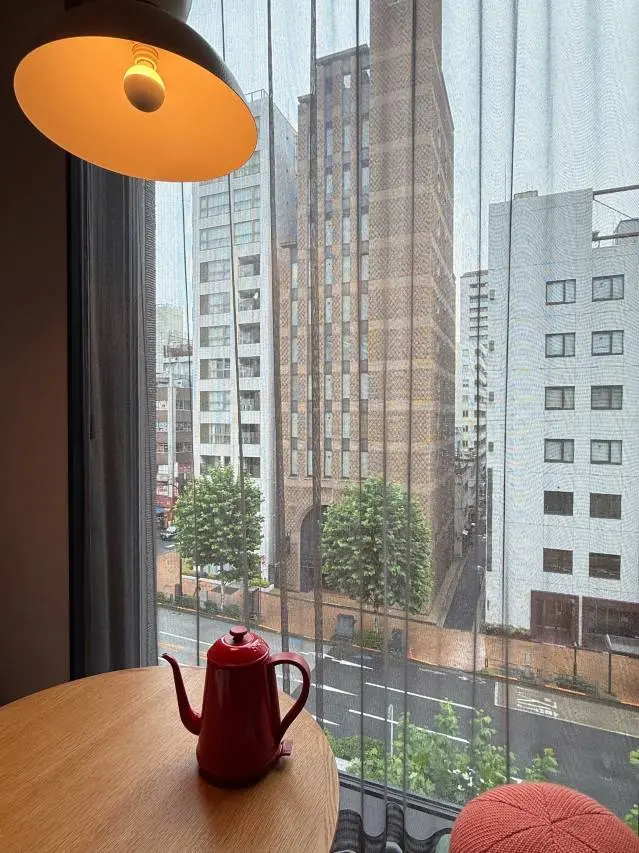
I like the fresh decor and the transport location, but if you are a light sleeper, factor in road, elevated-road and neighbouring-room noise. Rooms do not come with bottled water; there is a water purifier in the public area, so I fill up before heading back to the room instead of going out again when I am tired.
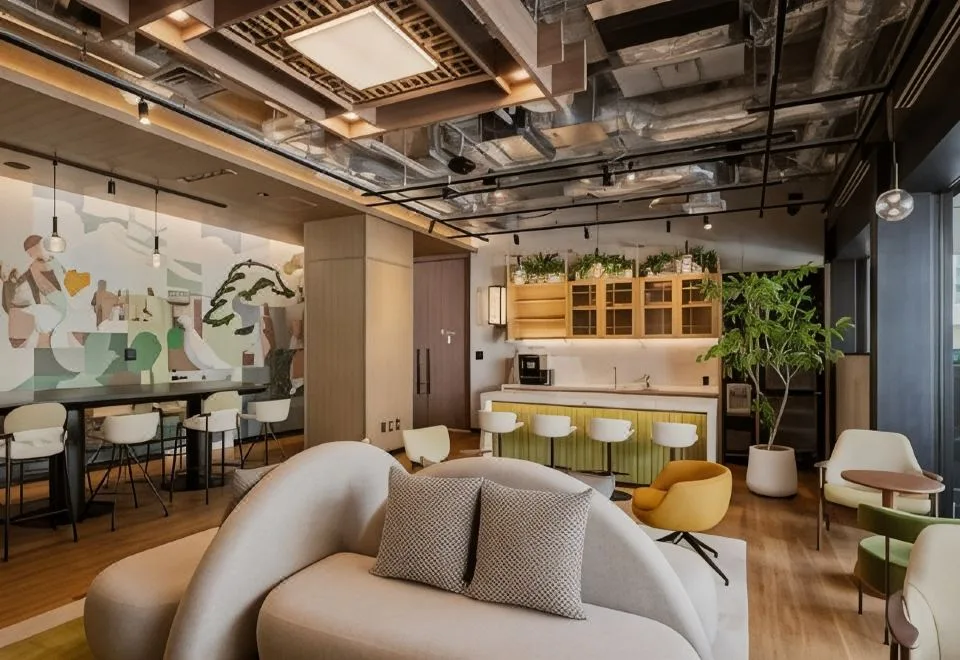
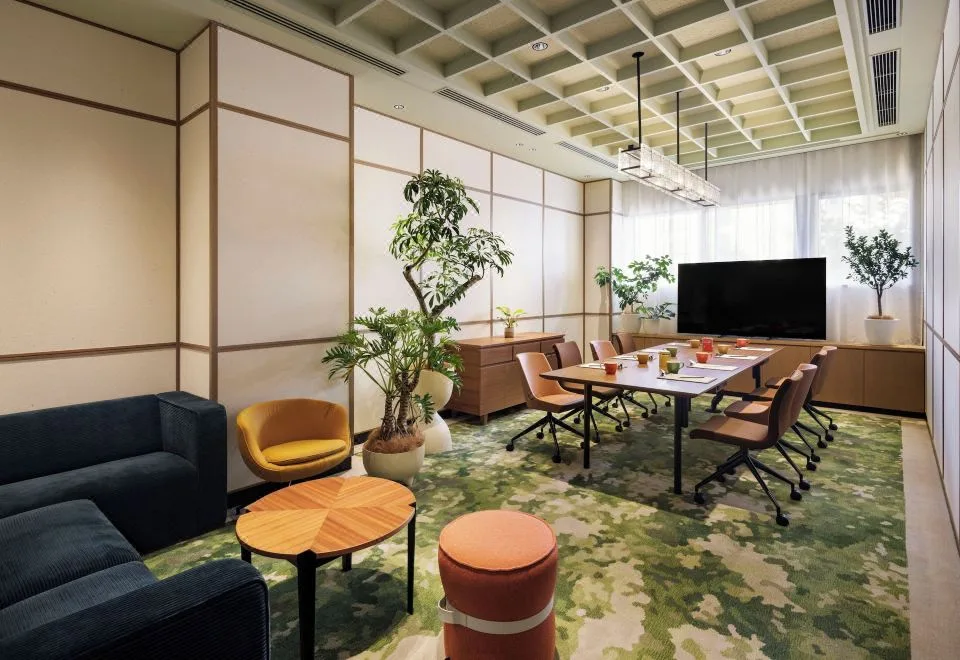
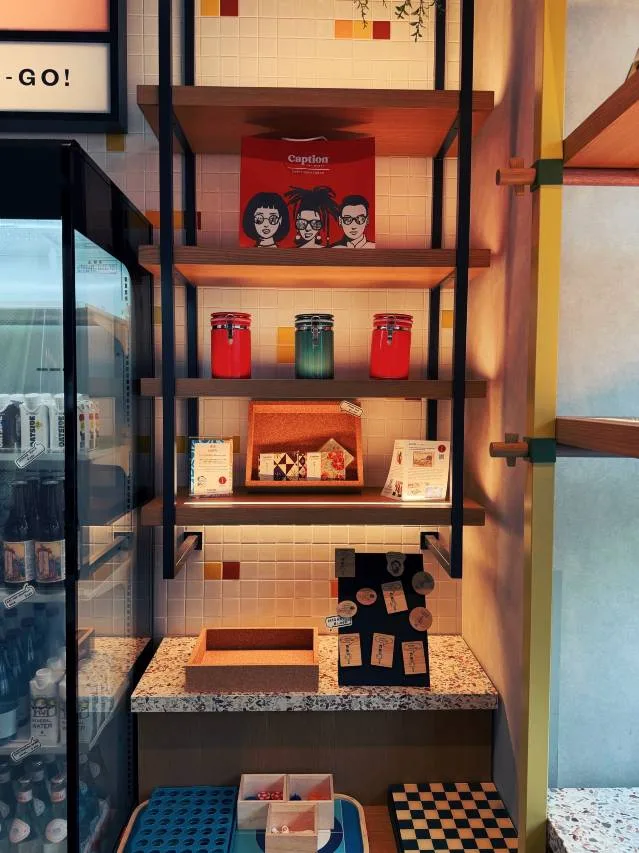
Beyond the ground floor, the hotel has a gym, a bar, a café, a co-working space and meeting rooms, plus luggage storage, currency exchange, express check-in and check-out and a safe at the front desk; a kiosk and a gift shop are inside too, so a short work session or meeting does not need a trip out. The front desk speaks Chinese, English and Japanese, so asking for directions or about a room type is easy.
For a longer stay, I sort out laundry first: the hotel has irons and steamers, and a laundry delivery service, so you do not need to pack for the whole trip. Public areas and floors are non-smoking; families can note the children’s meals, children’s toothbrushes and strollers on hand, and wheelchairs and accessible rooms are available on site.
The front desk is staffed around the clock, so a late arrival or early departure is covered; with express check-in and check-out plus luggage storage, I leave my bags at the hotel after check-out and walk Nihonbashi hands-free for a last loop before collecting them.
Safety facilities are thorough — a medical room, first-aid kit, fire alarms, extinguishers, security staff, safety alarms, smoke detectors and public-area CCTV; travelling alone or with children, coming back at night feels easy.
Drivers have a car park in the building — ask the front desk for the location and charges on arrival; public areas have Wi-Fi, and the fresh-air system and humidifiers in the public areas keep working or resting indoors comfortable.
I use the gym for a quick session before heading out in the morning, and the bar for a quiet drink after coming back in the evening — both without leaving the building.
See the bedside, bathroom and public spaces in photos
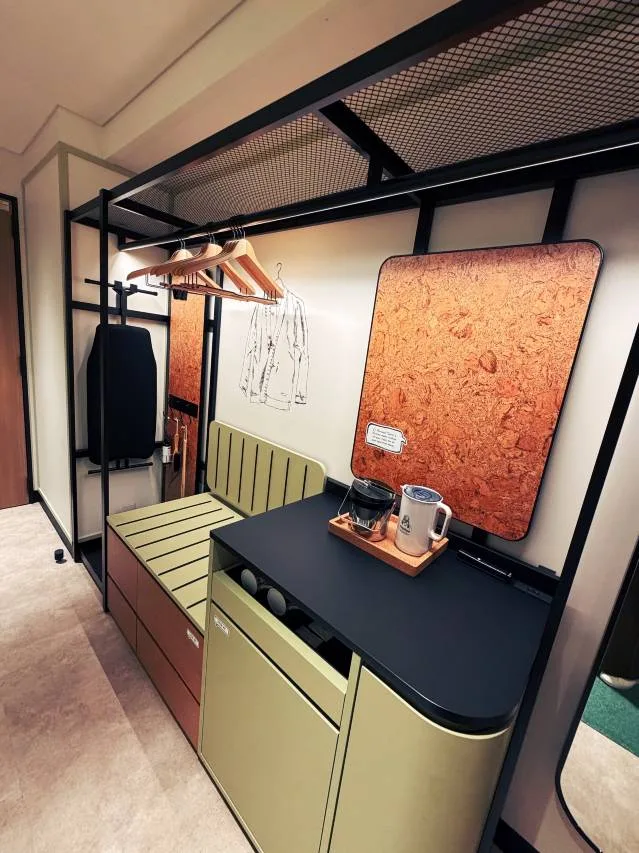
The photos below are grouped by use, so when choosing a room you can look at bedside passages, washbasins and luggage space; the photos show different rooms and shooting situations, and the actual layout depends on the room type you book.
The murals differ from room to room, so compare the twin room, the large-bed room and the sofa area in the photos first; when choosing, I check whether the bedside passage fits two cases passing each other, then the washbasin and television positions, so the layout does not surprise me after check-in.
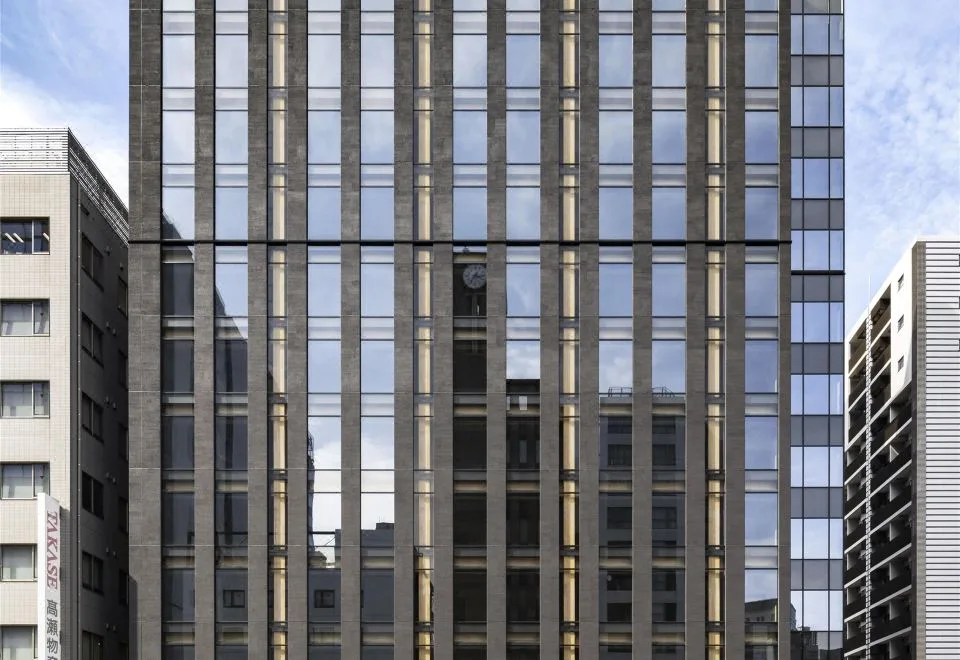
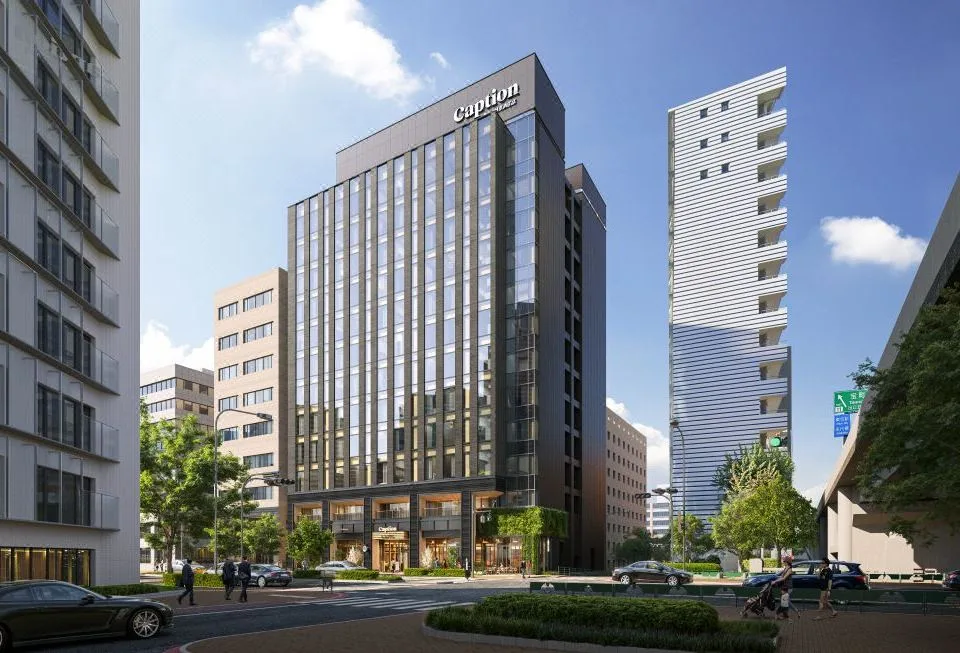
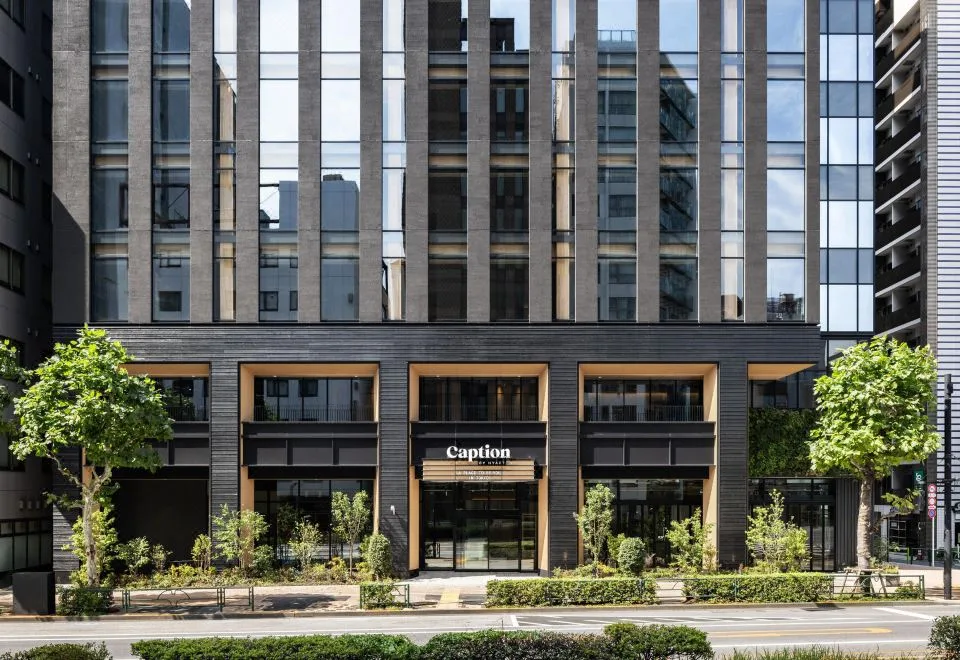
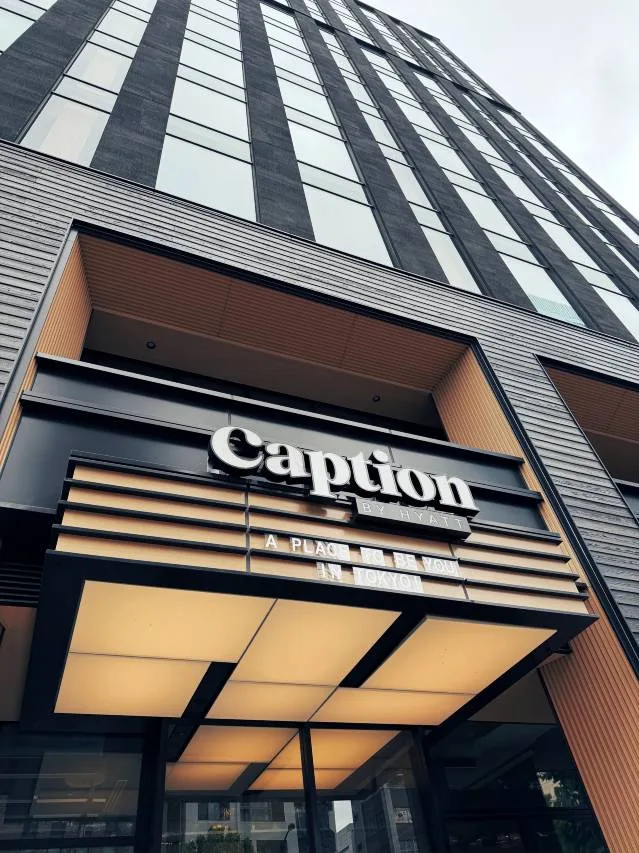
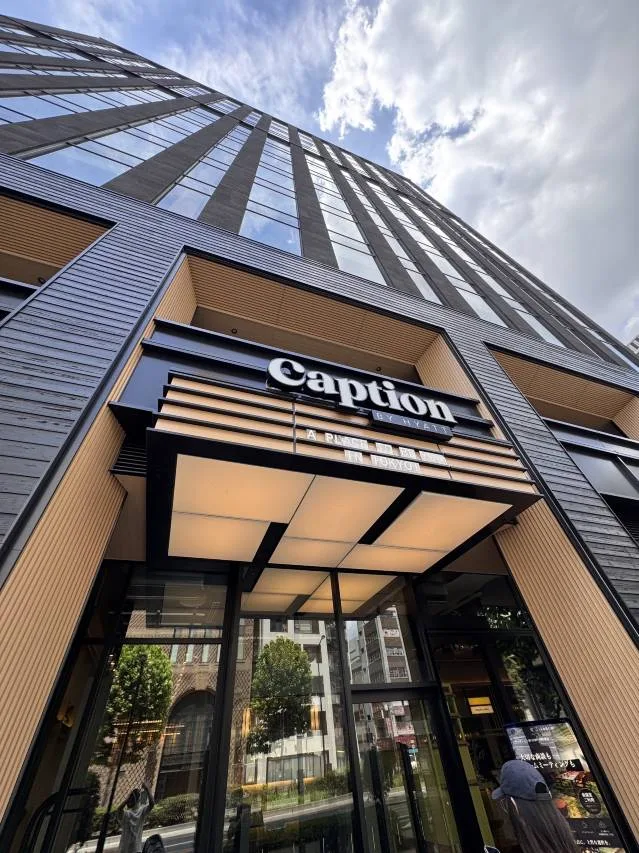
The exterior is a corner building, and the entrance sign is easy to spot; first-timers should look for the corner building first and then the entrance, rather than following only the navigation numbers and walking past it.
Room design and storage
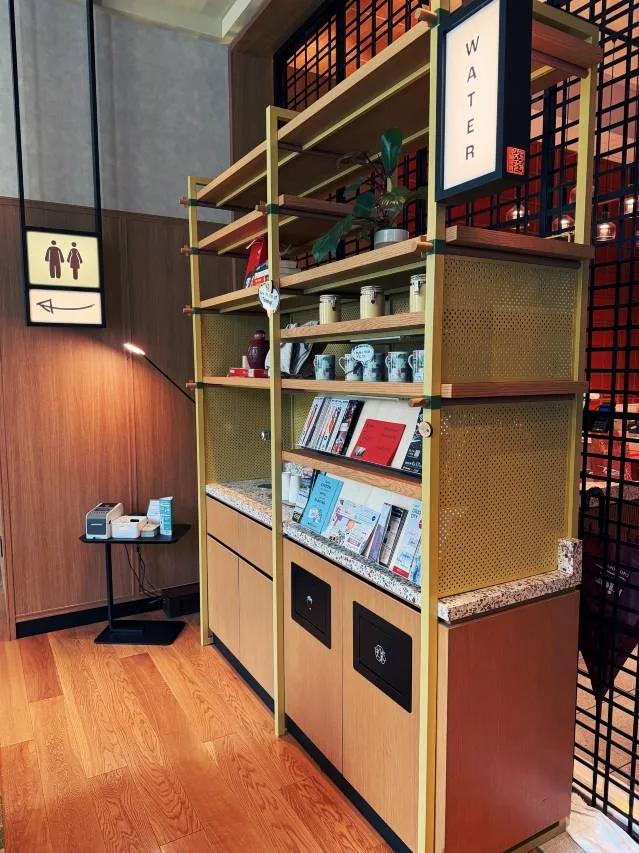
Dining and public spaces
Exterior and entrance
How to plan your itinerary so this stay is worth it
Putting Nihonbashi, Kabutocho and Ginza on the same day works well, and in the evening I sit on the ground floor for a while before going upstairs. With a lot of luggage, follow the exit 1a elevator route in the transport section instead of the nearest exit the navigation app shows.
For two days and one night, my plan is this: drop the bags at Kayabacho on day one, walk Nihonbashi and Kabutocho, and sit on the ground floor in the evening; on day two, sleep in, have breakfast, then walk Ginza and Marunouchi, and collect the bags on the way to the station in the afternoon. With three days or more, keep one day for the Imperial Palace and Tokyo International Forum, at a slower pace.
Pros and cons at a glance
Pros
- Kayabacho Station is about a one-minute walk, under 100 metres away, with Hibiya and Tozai line access.
- Nihonbashi is 140 metres away, Marunouchi 850 metres and Ginza 1.0 km, all walkable.
- Rooms start at 22 sqm, Twin rooms from 28 sqm, and the 54 sqm King Suite has a separate living area.
- Talk Shop serves à la carte breakfast 7:00–10:00, with Japanese and American dishes to choose from.
- Gym, bar, co-working space and a 24-hour front desk cover work, drinks and late arrivals.
- The front desk speaks Chinese, English and Japanese, so asking questions is easy.
Cons
- No room in the hotel has a bathtub, so plan a bath elsewhere if you want one.
- No room takes an extra bed, so three or more people, or separate sleeping areas, need a different room choice.
- Road, elevated-road and neighbouring-room noise is something light sleepers should factor in.
- Rooms do not come with bottled water; fill up at the public-area water purifier.
- Breakfast is à la carte, not a buffet, and the options can feel repetitive over several days.
Fact-check date: 22 November 2026.