
TOKYO / CHUO
BnA_WALL
Bna Wall
Choose a room like choosing an artwork to live in
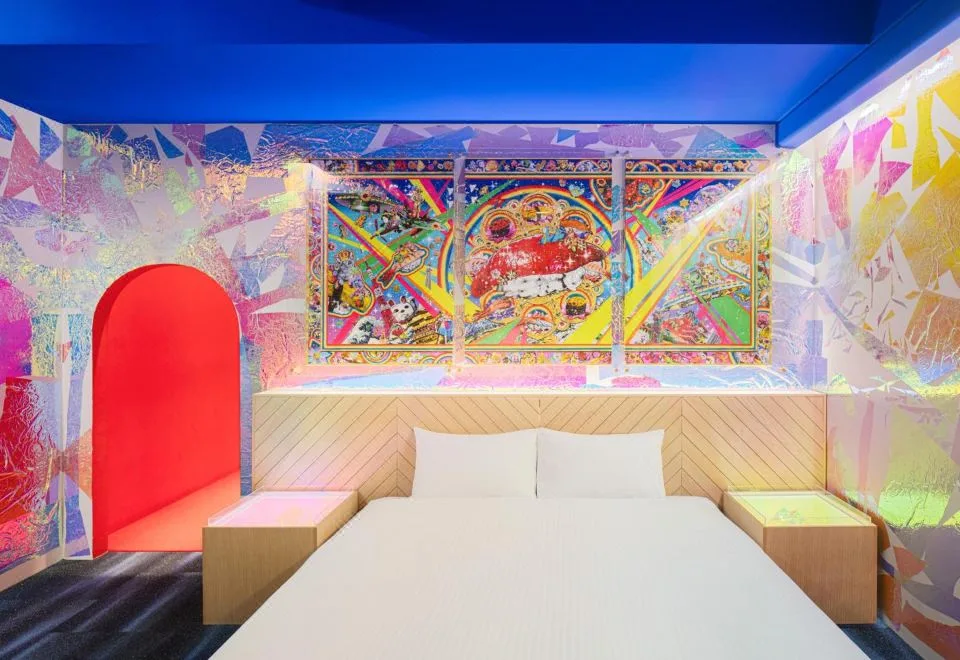
Choosing BnA_WALL feels like picking an artwork you want to live with for a few days. Colours, murals, furniture and atmosphere vary dramatically between rooms, making it a good fit for travellers who want the hotel itself to be a highlight. If quiet, neutral surroundings are your top priority for sleeping, look carefully at the design of the exact art room you book.
The hotel has only 26 rooms, and every one is an art room designed by a different artist. When I book, I choose the artwork first and the price second, because inside one hotel, the room you pick is the artwork you live in. Before I book, I ask myself one question: do I want a quiet, neutral room, or am I happy to let colour and form become part of the trip? I place this hotel in the middle of the trip: the first days for Asakusa and Ueno, then two days here for Nihombashi and Ginza, and onward after check-out. Two nights feel right, one for the artwork and one for walking, without rushing. When I book I rank the art rooms I like, first choice and second choice, and note them down. Asking by name makes the search easier, and I will not freeze up trying to remember which room I wanted.
Is this art hotel right for your trip?
Reasons to choose it
- Each room has a distinctive artwork and visual identity
- The hotel itself becomes an experience
- Combine the stay with art and neighbourhood walks around Nihombashi
Trade-offs to consider
- Choose the artwork or room category carefully
- Some artistic layouts have limited space
- Special furniture and lighting may affect daily comfort
My order for choosing a room goes like this: first the artwork, then the beds and bathroom, and only then the price. If the art room you love happens to be loud in colour, think about how much light and sound you can live with before bed. If bright light or noise bothers you, pick a visually calmer piece. One more thing to settle: how long will you stay in the room? If it is only for sleeping, a bold artwork is fine. If you plan an afternoon back in the room to rest and read, a visually quiet room lets you stay longer. I sort the artworks into two kinds: the ones I love at first sight, and the ones that grow on me. For one or two nights I pick the first kind; for a longer stay, the second.
Location and access: station exits, lifts and luggage
Walking from normal station exits
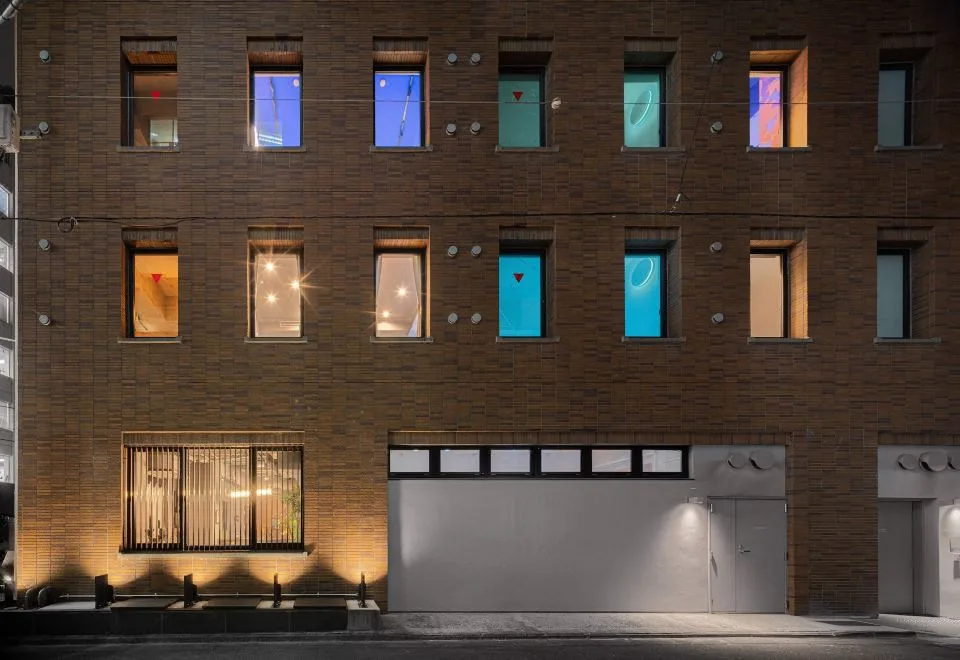
I use Kodemmacho Station as my arrival reference, then walk to 1-1 Nihonbashi Odenmacho, 260 metres in about four minutes. The Nihombashi streets suit a walking itinerary, but on the first day with suitcases, save the correct hotel address in your map rather than navigating only by photos of the art walls. The hotel sits on a street corner in Nihonbashi Odenmacho, a five storey brick building that is easy to spot.
Luggage and station lifts
With luggage, do not use the ordinary stair exits. The elevator entrance at Kodemmacho Station sits inside Jisshi Park, on the Akihabara side, with its own ticket gate, and the lift runs from street level straight to the platforms with no steps at all. From the exit, head toward Nihonbashi Odenmacho and the hotel sits on the street corner. I allow five extra minutes with a suitcase, and I take the longer walk to the lift rather than carry a bag up and down stairs.
View hotel access directions / Check station lift facilities
| Hotel name | BnA_WALL Tokyo |
| Address | 1-1 Nihonbashi Odenmacho, Chuo-ku, Tokyo 103-0011, Japan |
| Check-in and check-out | Check-in 15:00–24:00; check-out by 10:00; 24-hour reception. |
| Transit reference | Around 260 m from Kodemmacho subway station, a four-minute walk. |
Open map and plan your arrival
I have measured the distances around here. JR Shin-Nihombashi Station is 300 metres away, Nihonbashi Bridge 540 metres, Ginza 550 metres, about a twenty minute walk. Hamacho Station is 1.2 km, Akihabara Electric Town 1.5 km, Ueno 1.7 km, the Imperial Palace 2.1 km and Sensoji Temple 3.2 km. A morning around Nihombashi, an afternoon walk to Ginza and an evening back at the hotel all sit inside walking range. I walk the Ginza stretch slowly, past Nihonbashi Bridge and Mitsukoshimae, with department stores and old shops along the way, so twenty minutes never feels far.
I treat Kodemmacho as my main station. The Hibiya Line runs smoothly toward Ginza, Roppongi and Naka-Meguro, and one train also reaches Ueno and Kita-Senju. For JR, Shin-Nihombashi Station is nearby, and the Sobu Rapid Line runs toward Tokyo Station and Chiba. Bakurocho, Bakuroyama and Shin-Nihombashi stations are also within walking range, so when I need the Toei Shinjuku Line or JR I switch stations instead of relying on one stop. Coming back at night is easy too. Even after the last Hibiya Line train, Ginza is only 550 metres away, a short walk home.
Room choices: artwork, beds, bathroom and luggage
| Room type | Room area and bed setup | Best choice for |
|---|---|---|
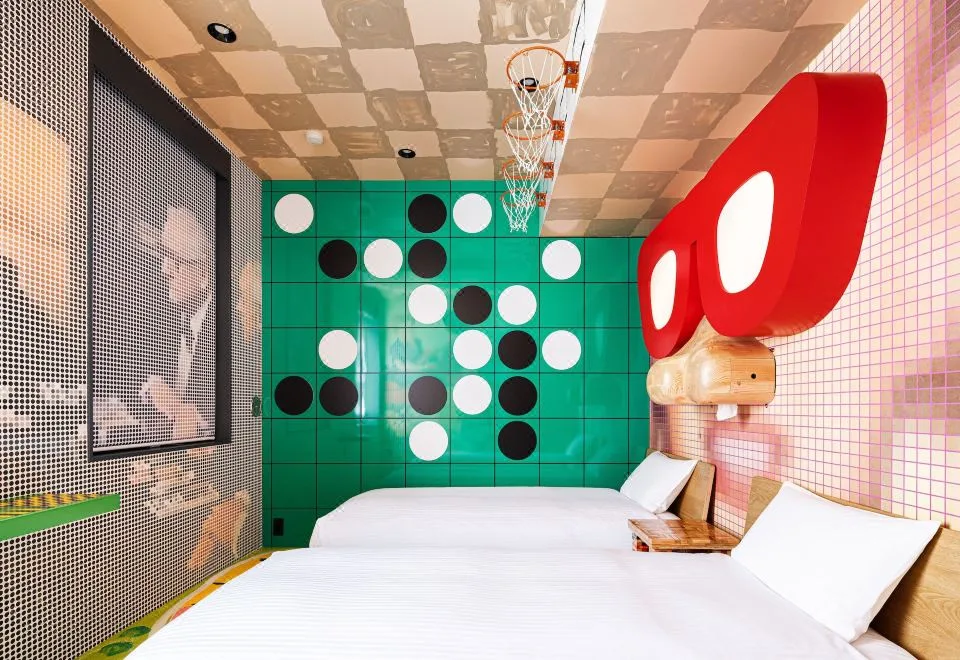
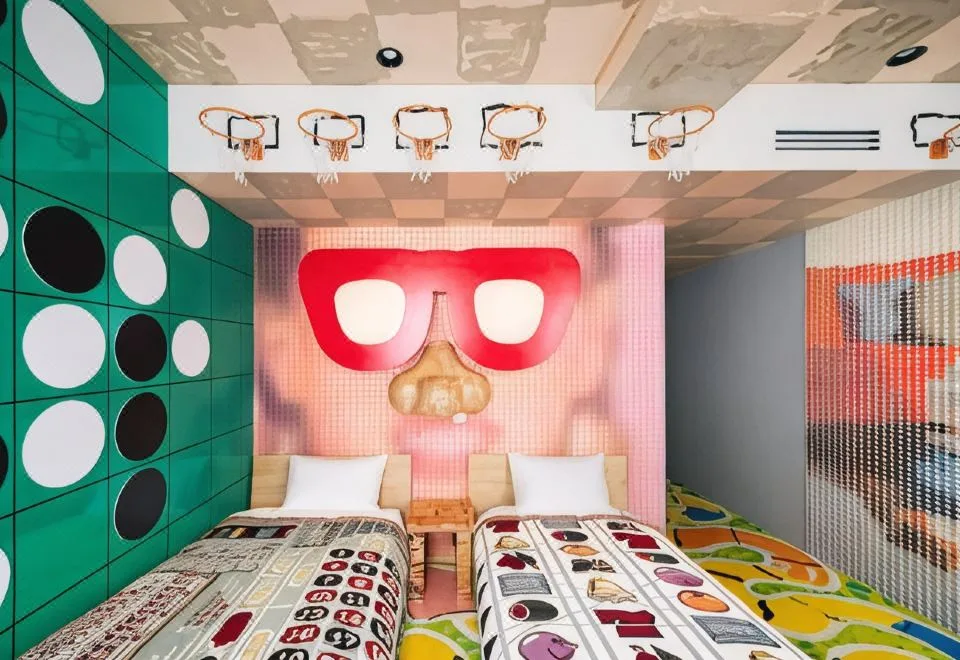
| HARDCORE GAME ROOM | 21 m²; two 110 × 196 cm beds; shower | Playful furniture designed by magma |
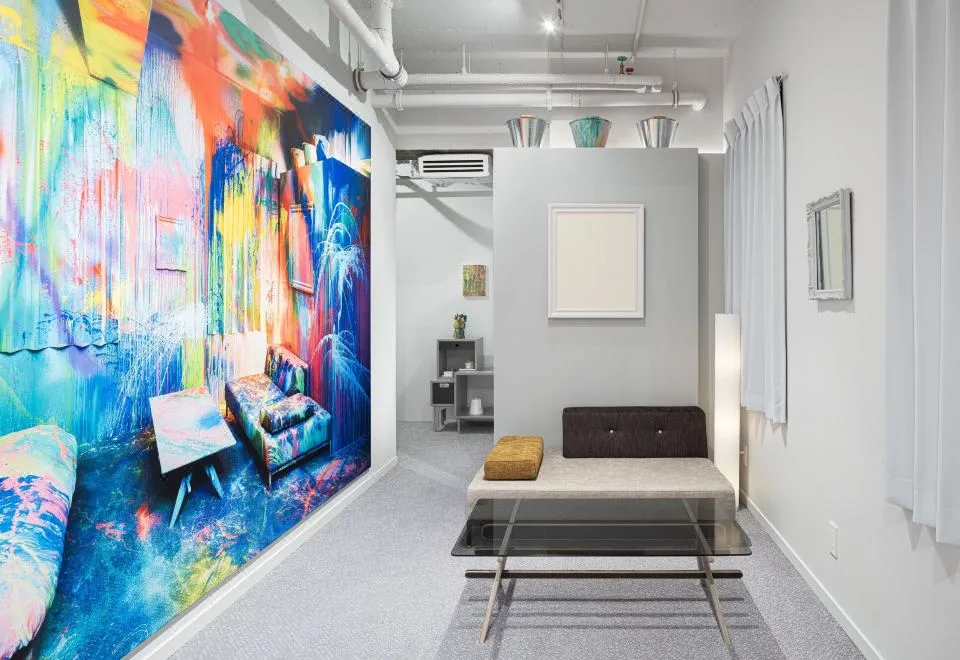
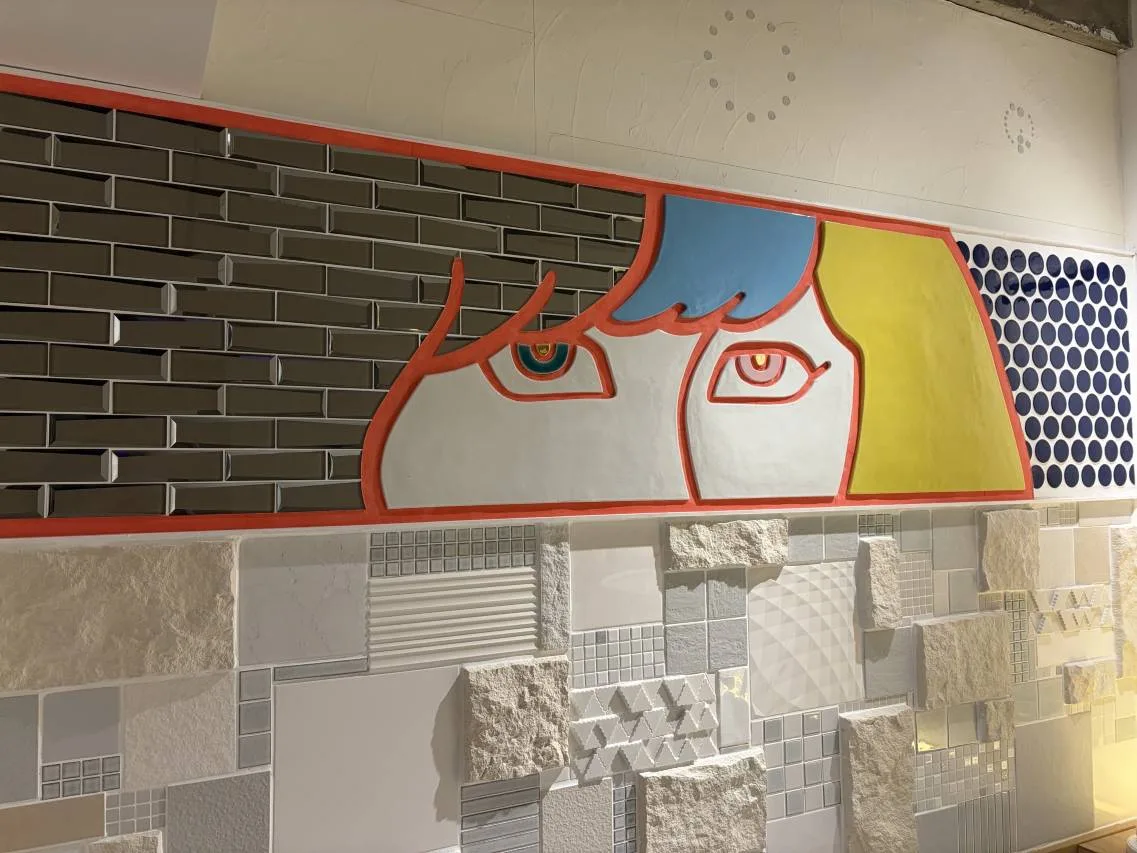
| PLAY WALL/ROOM | 21 m²; two 110 × 196 cm beds; shower | Murals and material collage by BIEN |
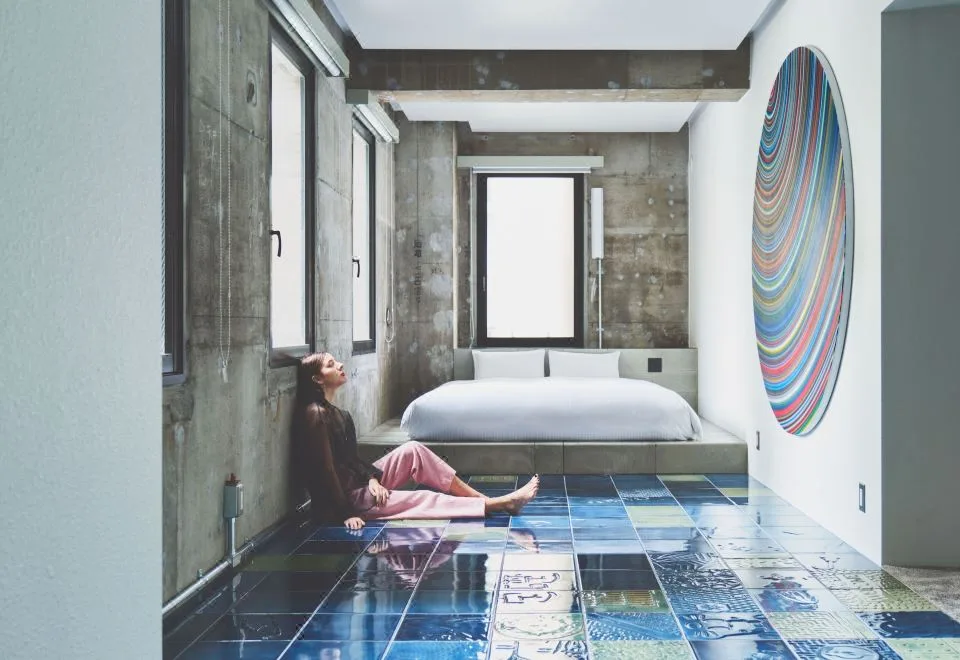
| Float | 29 m²; one bed; shower | Light and sound installation by YOSHIROTTEN |
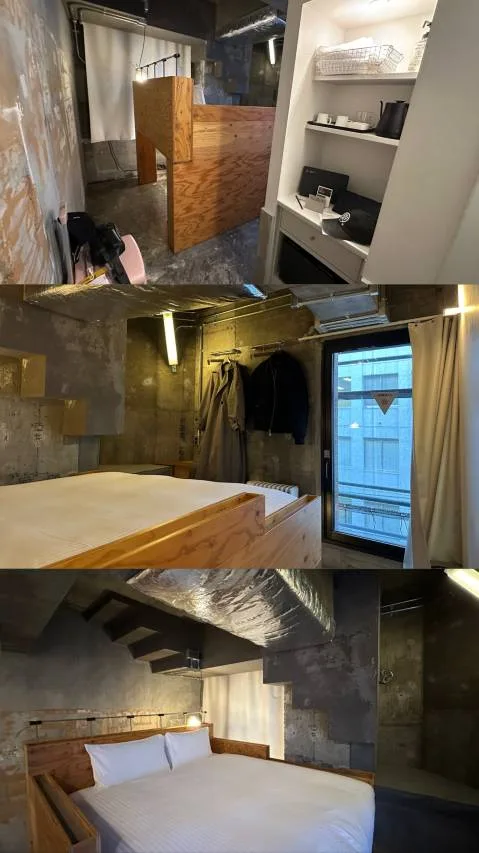
If you love the playful furniture in the photos, compare HARDCORE GAME ROOM first; if you prefer wall collages, look at PLAY WALL/ROOM. Both are 21 m² twin rooms with two 110 by 196 cm beds and a shower, but the artwork decides how the stay feels. The official site also notes that these art rooms are not recommended for very young children, so families should not book only because the colours look fun. Both rooms are 21 m² with the same beds and shower, so the artwork is the only real difference. When choosing, look at the artwork photos rather than the floor area.
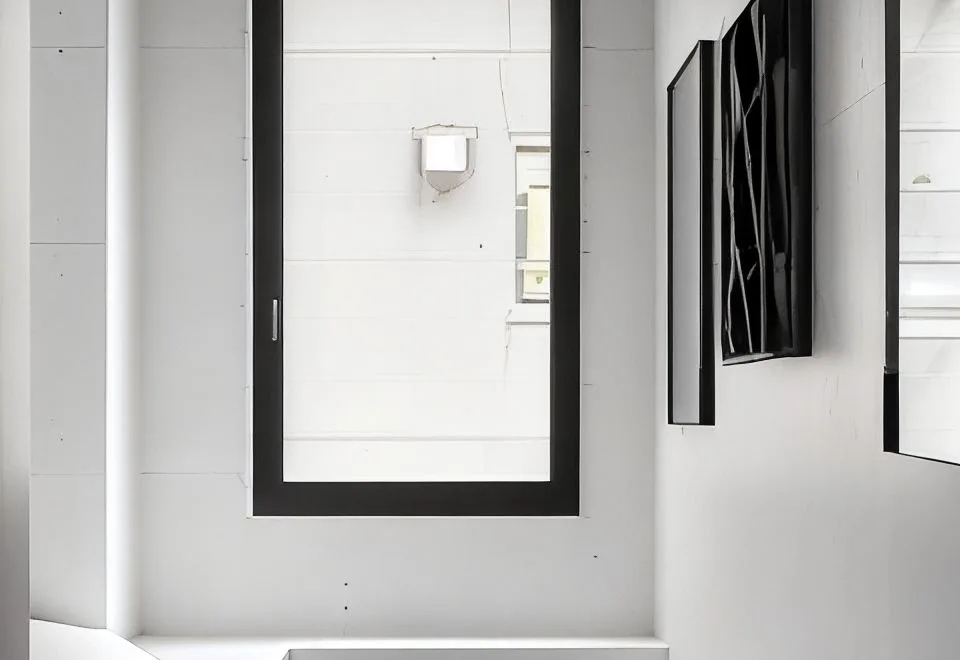
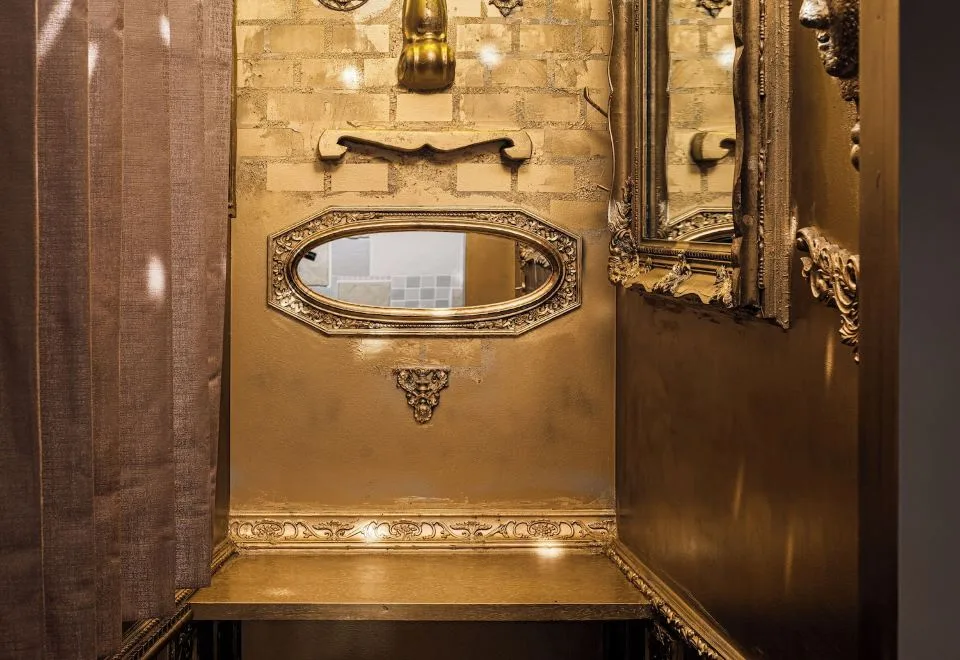
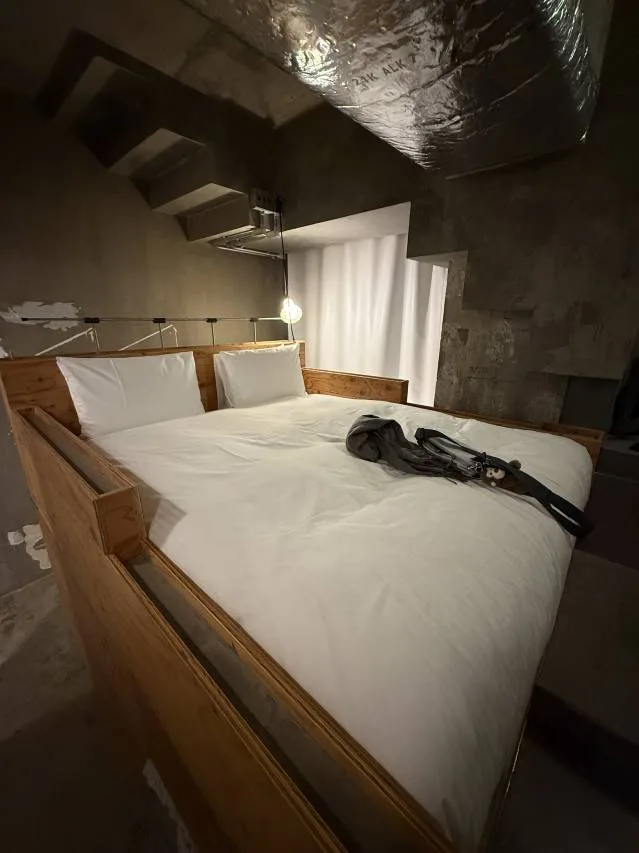
The gallery shows vivid geometric patterns, murals, minimalist rooms and unusual materials, and the rooms are not interchangeable. Record the exact artwork or room name when booking, then check beds, lighting, bathroom and luggage space. One favourite photo does not guarantee you will stay in that room. When I look at the photos I measure the passage beside the bed first: how much space is left once a suitcase is open, and whether two people can pass at once. Families with lots of luggage should ask first.
Each art room concept comes from a different artist. Beyond the game room by magma, the wall collage by BIEN and the light and sound room by YOSHIROTTEN, there is Framed Function by architect Daisuke Motogi, A Room with a Column by Haruna Kawai, NEWTOPIA_TOKYO by Ocho and Nigamushi Tsuyoshi, daytime’s daydream by EVERYDAY HOLIDAY SQUAD, SUSHI WARS by Mako Watanabe, The Room With A Pink Carpet by Colliu, The World After Five Minutes by Youta Matsuoka, HYO-BO by Yuji Kamiyama, DAM room by Mariko Mukumoto, An Urban Nest by Kanto Iwamura and Visible Ambiance by Konel. Part of the booking fee goes directly to the artist who created the room, so one night supports the creator. Among the 14 art room concepts there are game rooms, wall collages and light and sound rooms, as well as functional rooms by an architect, a column room and a pink carpet room, running from vivid to calm. Two rooms on the same floor can feel like different worlds, and two different art rooms on the same trip can feel completely different. I write down the art room names together with the room numbers. Some art rooms share a name across different floors, so the room number is what keeps them straight.
When I choose, I start from the feeling I want. For playfulness I pick the game room or the sushi wars room; for calm I look at the column room or the pink carpet room. Float is a 29 m² room with one bed, best for one person, so two people should pick a twin. There is no public bath or gym in the building, and bathing happens in the in-room shower, so anyone who loves a soak should know that in advance. No public bath means anyone who likes an evening soak needs another plan. For one or two nights it hardly matters, but over several nights you may miss a bathtub.
A solo traveller can use the second bed as a luggage table, so an open suitcase never blocks the passage. Rooms are non-smoking, with a smoking area elsewhere in the building. The hotel has public Wi-Fi, luggage storage, concierge service, a lift and accessible rooms, so tell the hotel at booking time if you need one. The two twin beds stand apart, so getting up at night does not disturb the other side. The lift reaches every floor, so no one carries a suitcase up the stairs.
Compare official art-room types
Breakfast: follow your own morning rhythm
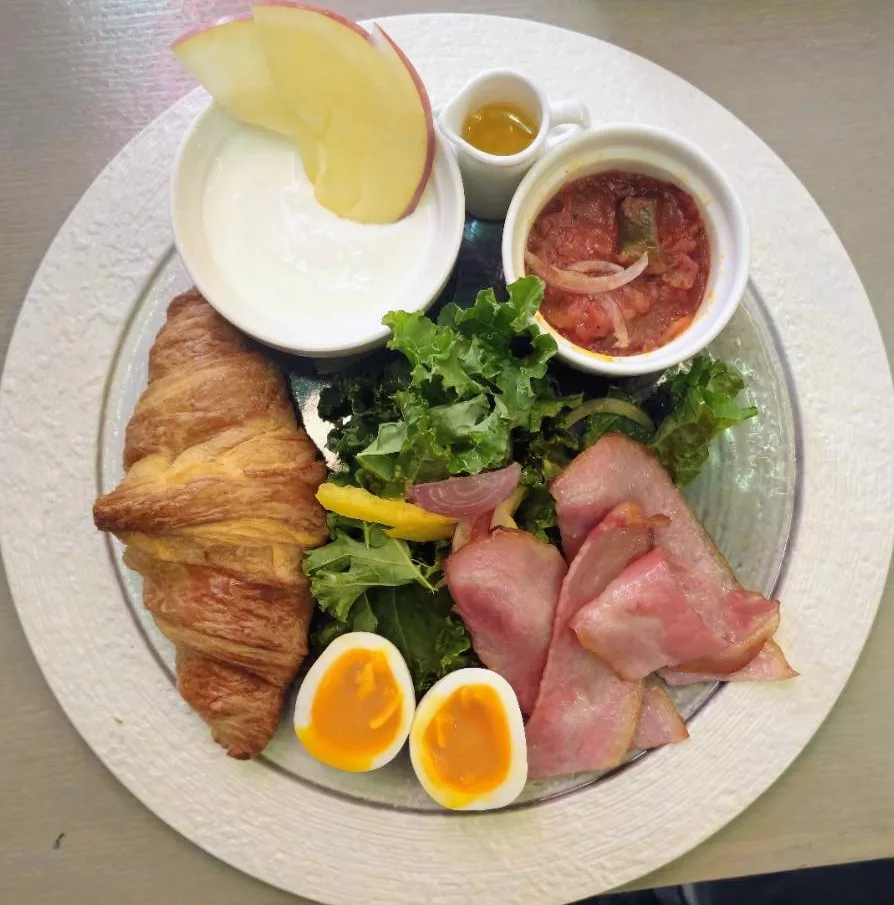
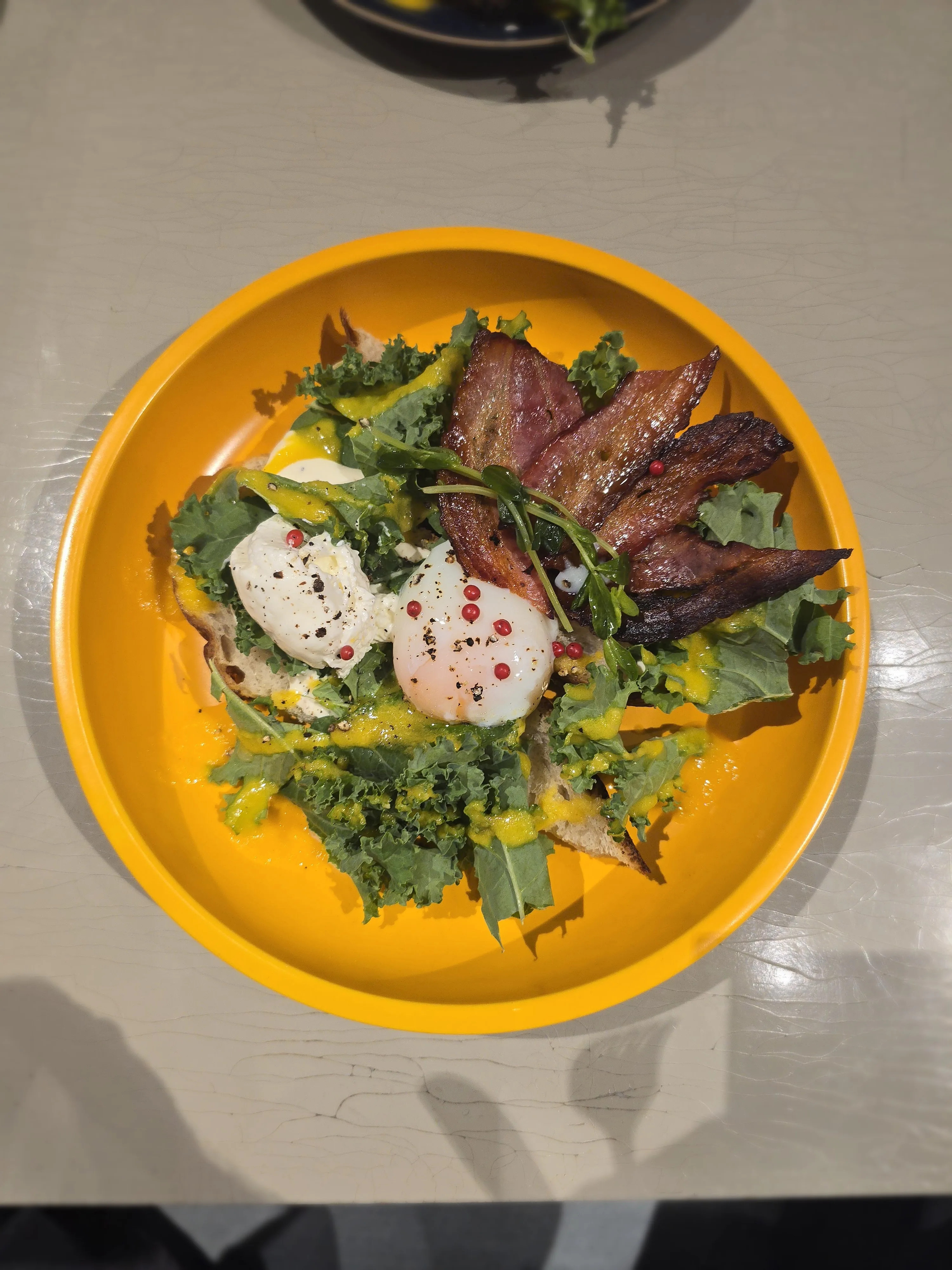
Breakfast is served a la carte, Monday to Sunday from 07:00 to 11:00, priced by the dish you order and paid on site. It suits anyone who likes ordering one dish and taking time over it. If you want to explore Nihombashi or Kodemmacho in the morning, leave breakfast for the walk instead, and let the art of the hotel and the streets each have their own time.
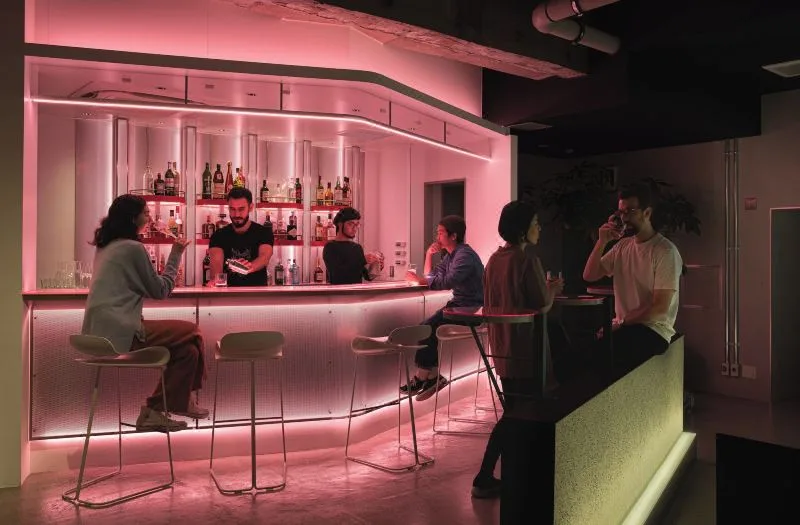
My approach is simple. For a slow morning I order one dish in the hotel and take my time; for an early market morning I head out hungry, since coffee shops and bakeries fill the Nihombashi streets, and I can drop bags at the hotel before heading out again. There is no fixed set price, so the bill depends on what you order. Sleep in too late and breakfast means finding food outside. The bar counter catches good morning light, and eating slowly by the window feels more like a holiday than rushing out. Order one dish you like with a coffee, and the morning needs no other plan.
Benefits and trade-offs of an art-room stay
Bright colours and unusual furniture are fun, but they can also change how comfortable and practical a room feels. If you need dim lighting, a full work desk or an accessible route, explain those needs to the hotel before booking. Beautiful art room photos are no substitute for usable floor space: check the bedside passage and the bathroom as well.
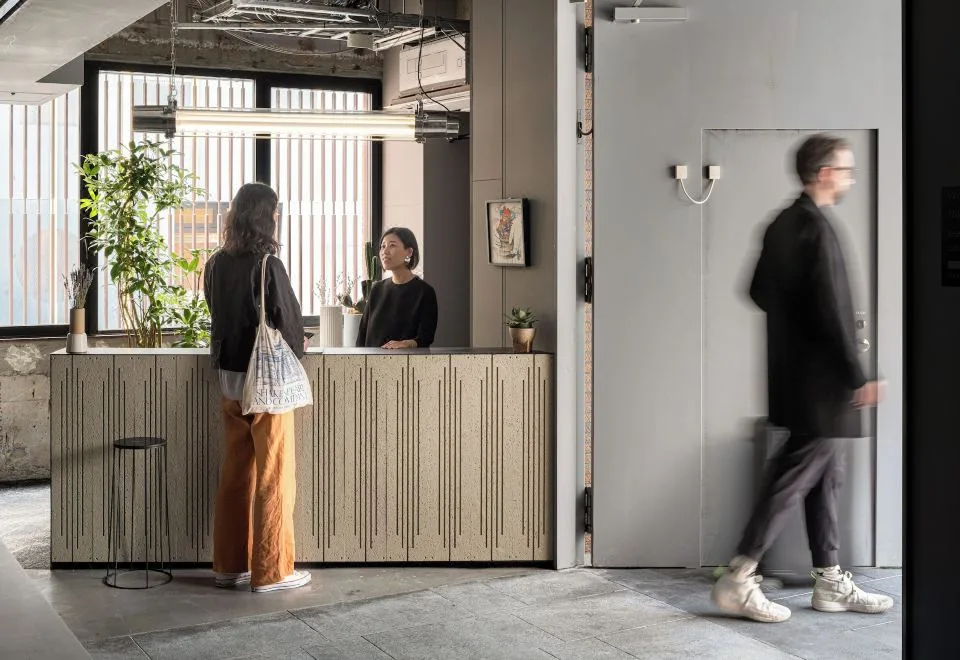
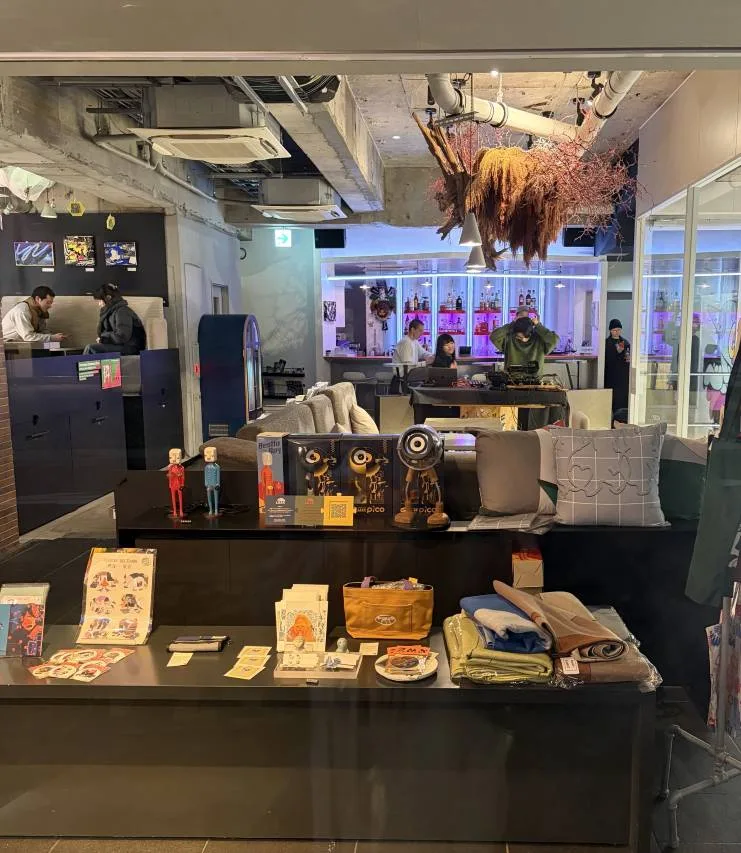
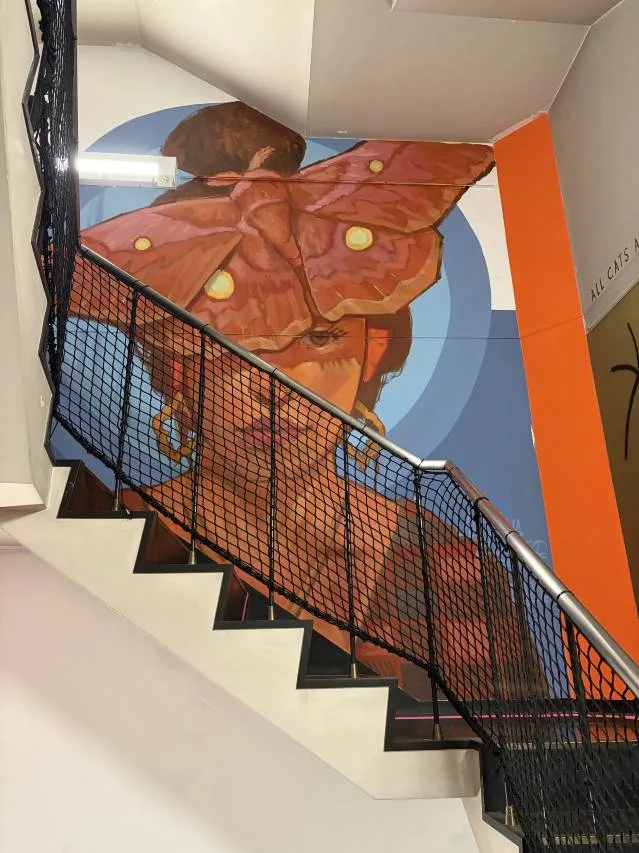
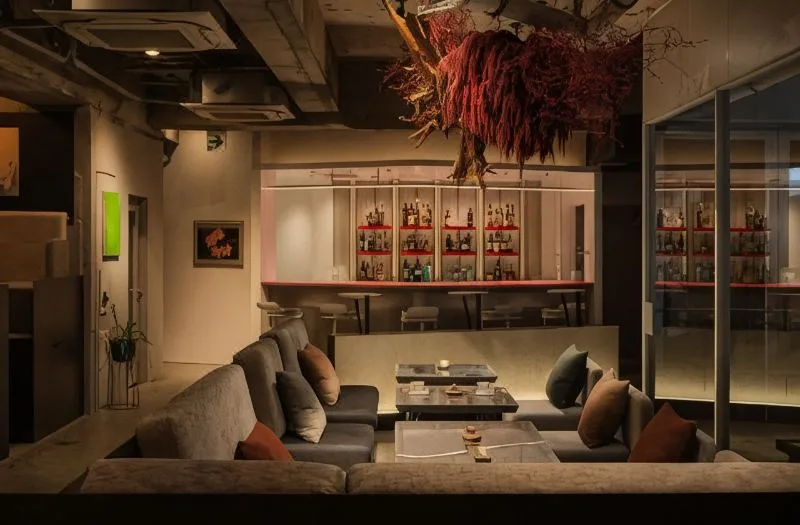
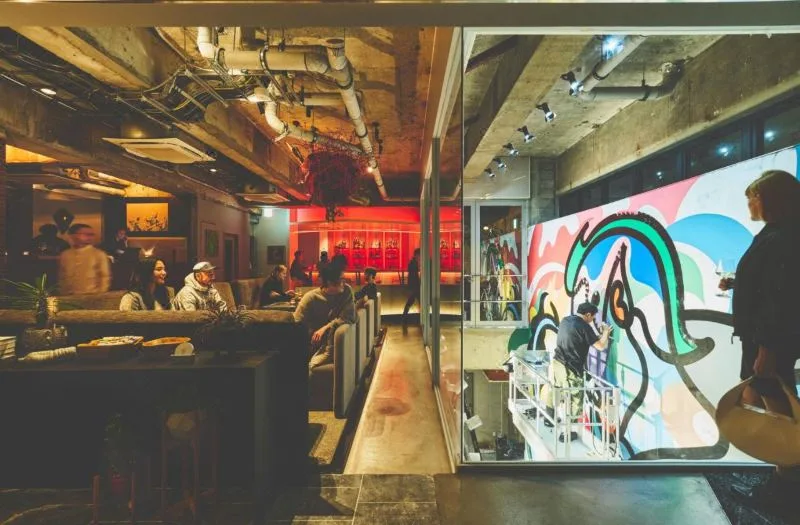
The bar and lounge on the ground floor are the liveliest part of the building, a coffee and rest space by day and a bar at night. Downstairs sits the Factory artist studio, where the five metre WALL mural is repainted by resident artists every few months, and walking past often means seeing a work in progress. Slow down when you pass the studio. The mural may be mid-change, so the same wall can look different on every visit. The bar is quiet by day, good for sitting with a book or sorting photos. At night more people arrive, and it turns into a place for conversation.
Every room is a work you can sleep inside. Staying here makes you more than a visitor to an exhibition: you help keep the work alive. For me that is the best reason to stay here. The room is not only a place to sleep; it is part of the trip itself.
Short stays, longer stays and nearby outings
One or two nights are ideal for treating the hotel as an art experience, with time for Nihombashi and Kodemmacho walks during the day. On longer stays, storage, work surfaces and whether you are comfortable with the same strong colours every day matter more. If you hope to switch between art rooms, ask whether that is possible rather than assuming it is a standard service.
Check in runs 15:00 to midnight and check out is by 10:00, with a front desk staffed around the clock. Children of all ages are welcome, but no room type offers extra beds, and crib rules vary by room type, so families should work out guest numbers and sleeping places first. Pets are not allowed, and the guest checking in must be at least 18 years old. After check-out I leave my bags in the hotel storage and walk around empty-handed, picking them up in the evening.
The official site keeps a neighbourhood guide called the Deep Cuts List, with bars, restaurants and shops the hotel itself picked. On an evening when I do not want to stay in the room, I follow that list for a walk. The Nihombashi streets are quieter at night than by day, which makes them good for strolling. Before I head out I read through the list. It beats wandering at random, and when I want a good place to eat or a souvenir to take home, following the list means missing less. I pick two or three places from the list first and save them on the map. In the evening I walk to those, and when I am tired I head back to the hotel.
Pros and cons at a glance
Pros
- All 26 rooms are art rooms by different artists, each with its own style, so the stay itself is the experience.
- Kodemmacho Station is about a four minute walk, and the elevator entrance inside Jisshi Park means luggage never needs stairs.
- Part of every booking fee goes directly to the artist who created the room, so one night supports the creator.
- Breakfast is served a la carte until 11:00, so a slow morning still leaves time to head out.
- The front desk runs 24 hours, and check in runs from 15:00 to midnight, so a late arrival is still welcomed.
Cons
- Rooms run small, so a family with lots of luggage should ask where bags go first.
- Strong colours and unusual furniture can disturb sleep, so light sleepers should pick a calmer art room.
- No room type offers extra beds, and crib rules vary by room type, so families must plan sleeping places in advance.
- There is no public bath or gym in the building, so bathing happens in the in-room shower.
- There is no parking on site, so drivers need to find a car park nearby.
Information last checked: 2026-11-23