
TOKYO / CHUO
APA Hotel Tsukiji Ekiminami
APA Hotel Tsukiji Ekiminami
A compact base for Tsukiji Market trips: the 10 m² and 18 m² rooms are very different.
APA Hotel Tsukiji Ekiminami suits those wanting to visit Tsukiji early and return to a comparatively quiet neighborhood at night. It is not a spacious hotel: standard rooms are only 10 m². The trade-off makes sense for a solo traveler who spends most of the day outside, but two people should choose beds carefully.
What you actually want is simple: walk to Tsukiji Outer Market a little after five in the morning, come back at noon to drop off what you bought, and stroll back through quiet streets at night. The hotel is only 400 metres from Tsukiji Station, and the Outer Market is just 310 metres away. I plan the trip as a map with the market at the centre, and the small room matters less once you see it that way.
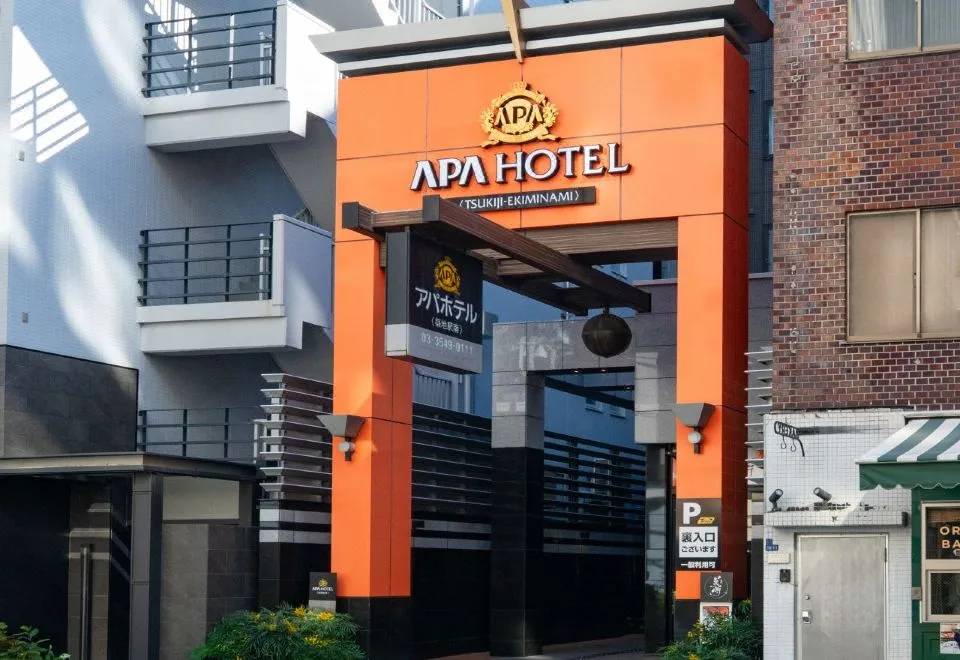
Choosing this hotel
| Item | Stay details |
|---|---|
| Location | 7-10-11 Tsukiji, Chuo City, Tokyo 104-0045, Japan. |
| Check-in / checkout | From 3 p.m. / before 10 a.m. |
| Rooms to compare | Single and small doubles have 10 m² and a 120 cm bed; regular doubles also have 10 m² but a 140 cm bed. |
| Suggested trip | One or two nights for Tsukiji and Ginza is straightforward; longer stays require a cleaning and luggage plan. |
Rooms and suitcase space
Singles and small doubles measure 10 m² with a 120 cm bed. The ordinary double is also 10 m², with a 140 cm bed. The Cozy Double adds a sofa but still has only 10 m². Only the deluxe twin increases floor area to 18 m², with two 120 cm beds.
Moving from a 120 cm to 140 cm bed improves sleeping width but leaves no extra floor area for luggage. With two large suitcases, or if you need to work in the room, first compare the 18 m² twin. The Cozy sofa does not guarantee enough space to unpack and still walk around.
When you choose a room, picture your luggage spread out first: a 10 m² room is nearly full once you open one 28-inch suitcase, and opening two large cases at once means standing one against the bed. The 18 m² deluxe twin has two 120 cm beds, so two people each get a bed and the bags still have a place to go. Staying three nights or more and shopping every day, I think the price difference is money well spent.
The Cozy Double adds a sofa, which is pleasant for watching television, but the floor is still 10 m², and a sofa does not create floor space for your cases. My own rule is direct: one person can take the 10 m² room, but two people who plan to shop at the market every day should look straight at the 18 m² room instead of squeezing into 10 m².
The television sits at the foot of the bed and the desk is small, so if you need to work during a longer stay, plan ahead: laptop on the desk, suitcase on the floor, and two people in the room at once means one works while the other rests in tight quarters. I do my work outside during the day and keep the room for sleeping and storing bags.
If the bed support does not suit you, do not force yourself through three nights: if the mattress feels too soft on the first night, ask at the desk whether another bedding option can be swapped in. The desk has a translation tool and English works there, so explaining that the bed feels too soft beats tossing and turning back in the room.
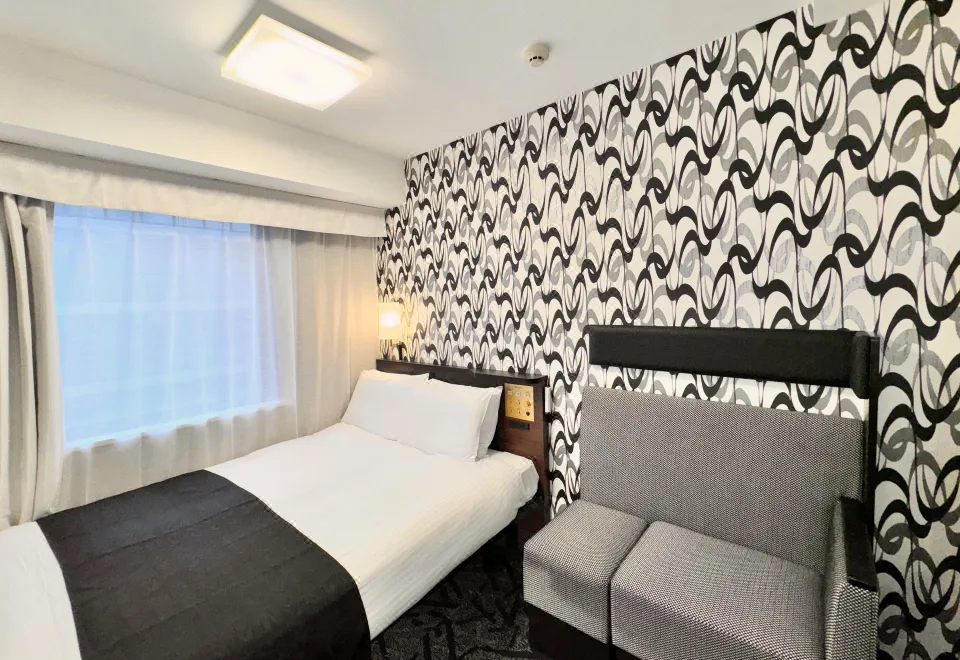
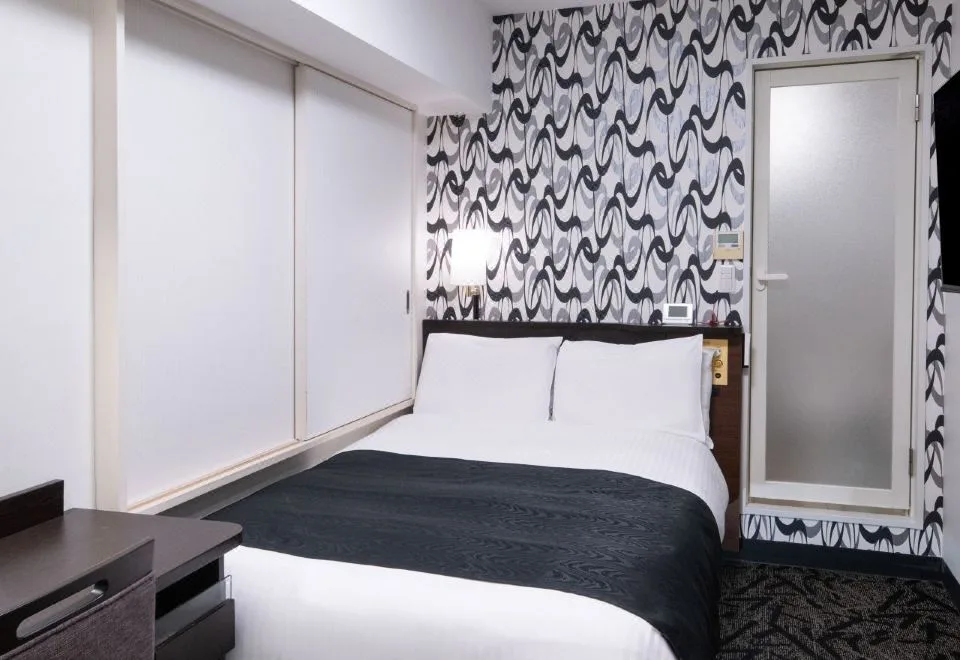
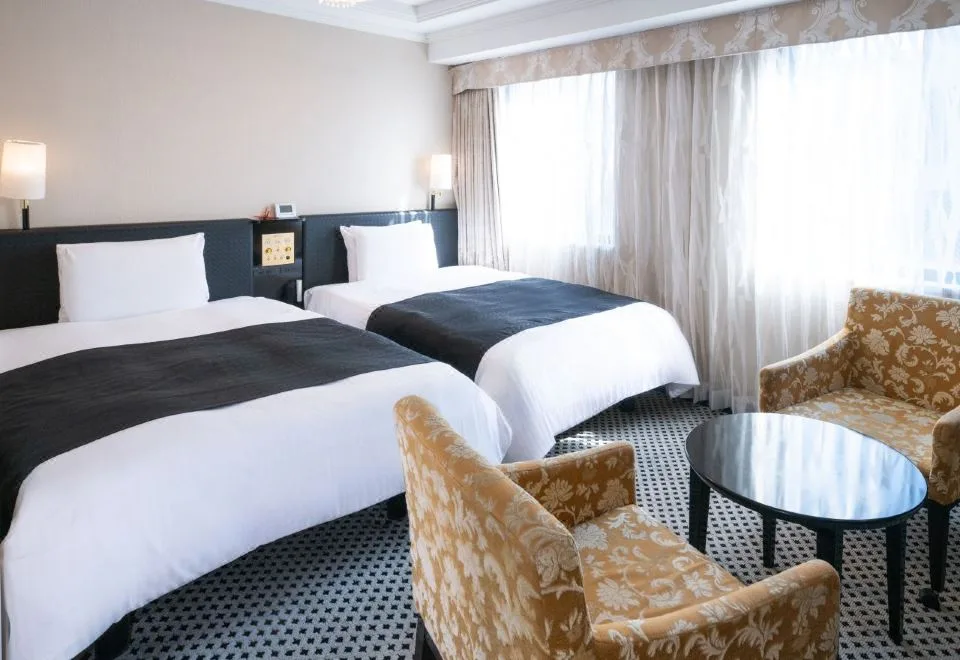
Room photographs
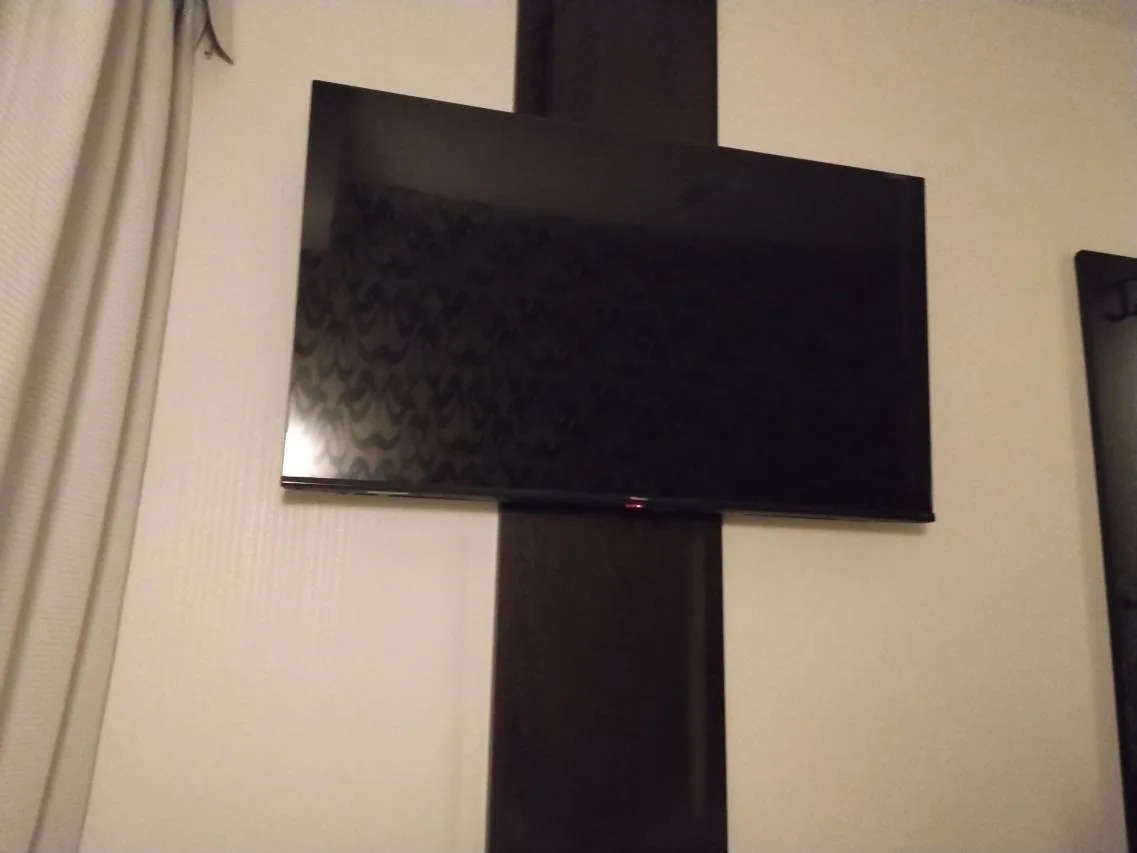
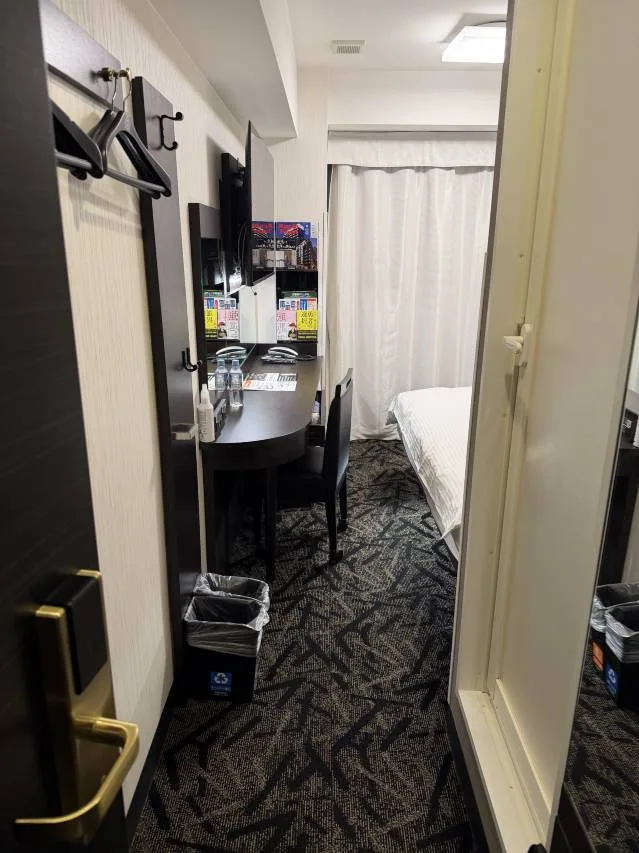
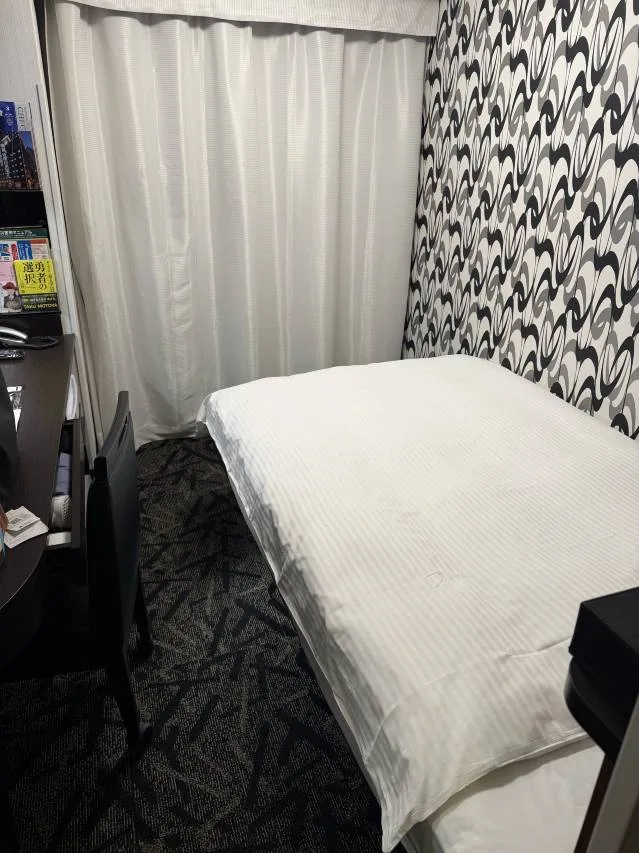
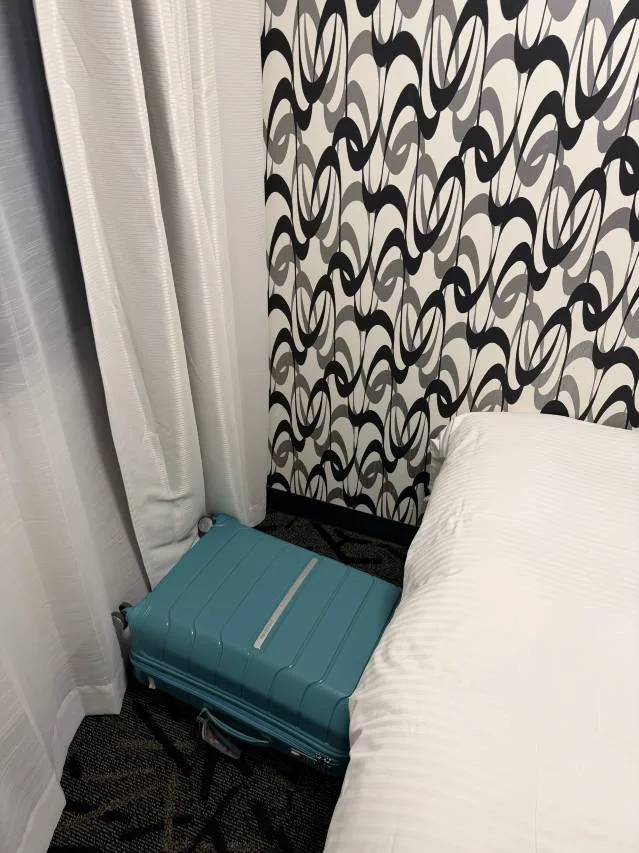
Compare the bed, desk and entrance positions, then imagine the suitcases you will bring. Furnishings and bed layout differ by category; check the exact room on your reservation.
When I look at these photographs, I check three things: how close the television at the foot of the bed sits, whether the hangers by the entrance hold two coats, and whether any space is left beside the desk for a suitcase. Look in the same order and the photograph of the suitcase placement gives you the answer: the case stands against the wall, not spread across the walkway.
I look twice at the entrance photograph: the hangers sit right by the door, so coats and umbrellas have a place to go the moment you step in, with no hunt for a closet. The television at the foot of the bed sits just right too — watchable lying down, no need to prop the pillows up, which makes switching off in the evening easy.
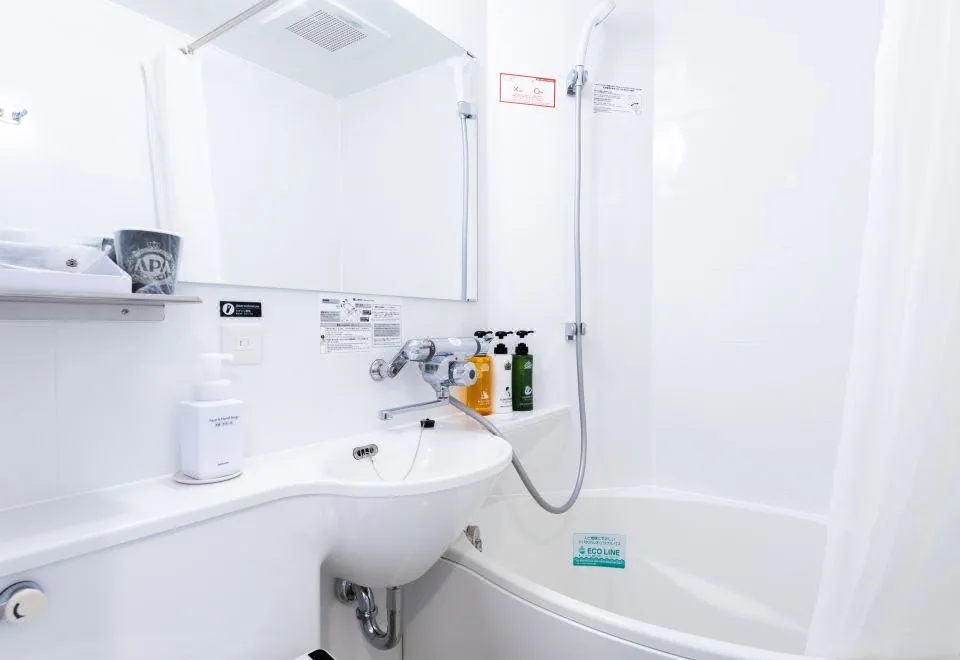
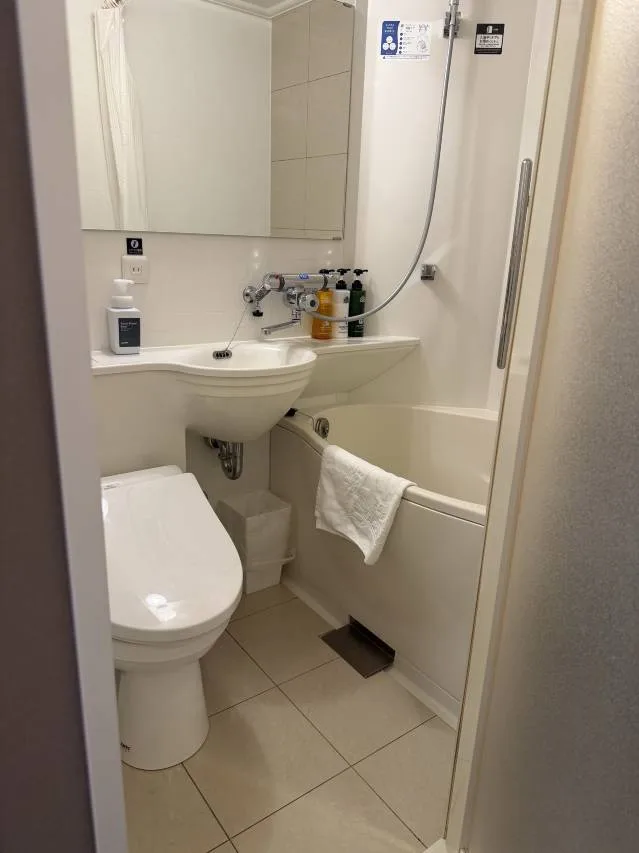
Bathroom layout
The position of the bath, shower and basin affects whether two people can get ready at once. Use the photographs to judge the fixtures and passages, then confirm the bathroom arrangement of the room you book.
The bathroom is a single unit with the tub, shower and basin in one space, so two people brushing teeth and washing faces at the same time will crowd each other. I stagger bathing and makeup: the first person showers and steps out, then the second goes in. A 10 m² room has no spare circulation to waste.
Breakfast: a Japanese set meal
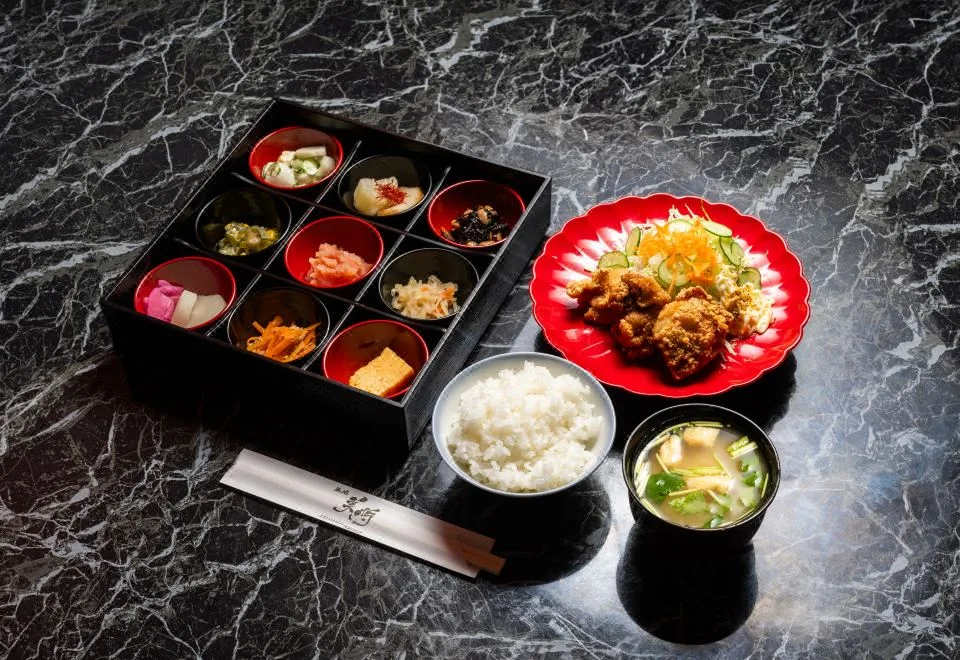
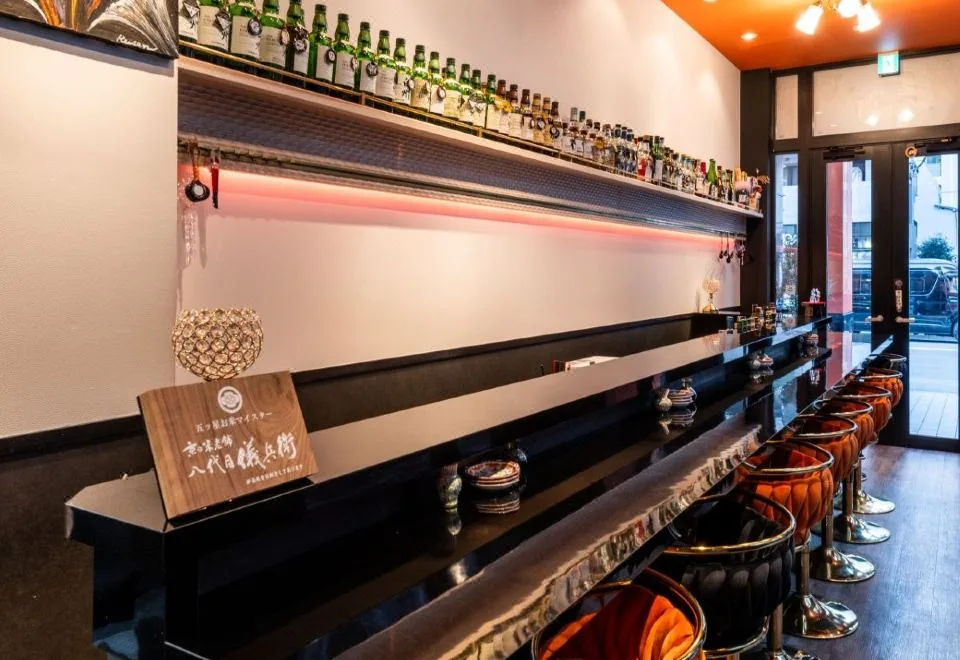
On the first floor, Tsukiji Bishō serves Japanese set meals with a choice of meat or fish, small dishes, rice and miso soup. The official schedule is 7:00–10:00, last order 9:30. Ask at reception in advance if you wish to take the meal back to the room; takeaway collection has separate arrangements.
For a full seated meal, the hotel set is easy. For an early food walk at Tsukiji Outer Market, a room-only rate may be more flexible. Try one of each over two mornings rather than feeling compelled to queue at the market every day.
Tsukiji Bishō on the first floor is more than a breakfast spot: it serves Japanese à la carte dishes in the evening too, families with children can sit comfortably, and the counter seats look onto the kitchen. When you choose a meat or fish main in the morning, ask yourself whether you plan a second round at the market: if you do, eat about seventy percent full at the set meal and save room for tamagoyaki and seafood bowls.
Breakfast runs 7:00–10:00 with last order at 9:30, so late risers need to watch the clock. Takeaway to your room needs a word with reception first, and pickup times are arranged separately — you cannot simply carry a tray upstairs. Families should know the hotel provides children’s slippers and toothbrushes, so mornings need no last-minute search.
Dinner can also be settled at Tsukiji Bishō: Japanese à la carte dishes, families with children welcome, and counter seats looking onto the kitchen. Over two nights, I keep one dinner here and spend the other at a Ginza restaurant I have wanted to try for a while — both rhythms in one stay.
Transport, luggage and map
The hotel is about five minutes on foot from Tsukiji Station Exit 1, around ten from Shintomicho exits 4/6 and twelve from Tsukijishijo Exit A1. With bags, check the station elevators: a longer walk above ground is often better than carrying cases up stairs.
From Tsukiji Station, elevators toward Exits 1/2 are available from the Tsukiji Honganji-side ticket gate, and one toward Exit 3b from the Irifunebashi side. Follow the signs for the platform on which you arrive; the surface walk may take longer than from the nearest stair exit.
With large luggage, here is how I walk it: at Tsukiji Station, find the elevator first — the Tsukiji Honganji-side ticket gate leads to the elevators for Exits 1 and 2, and the Irifunebashi-side gate leads to the elevator for Exit 3b. A few extra minutes above ground cost nothing; hauling a case up and down stairs costs real effort. Wheelchairs and strollers work the same way: take the elevator exit first, then walk the flat streets to the hotel.
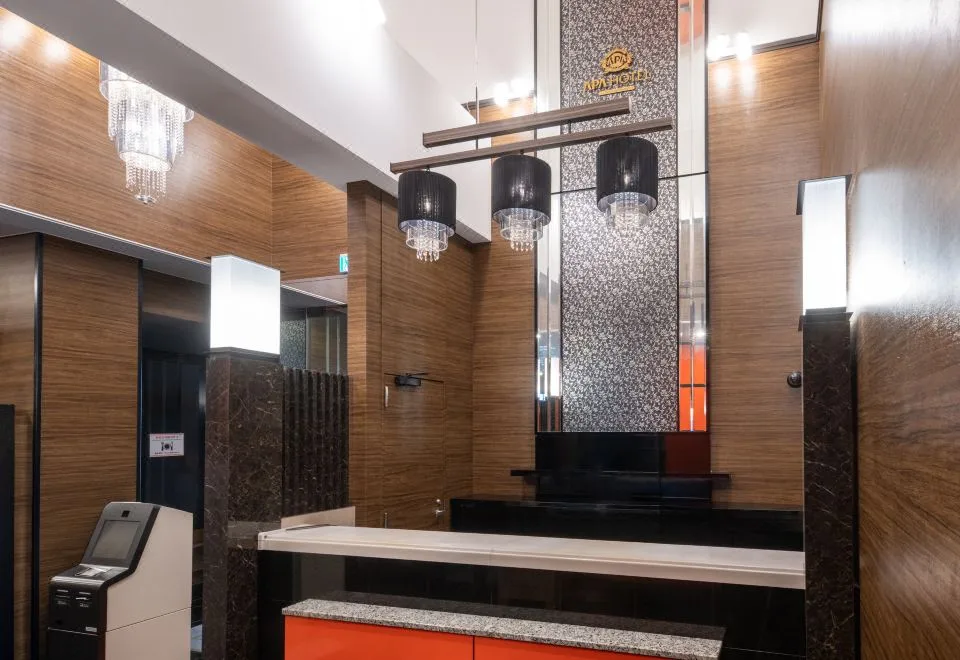
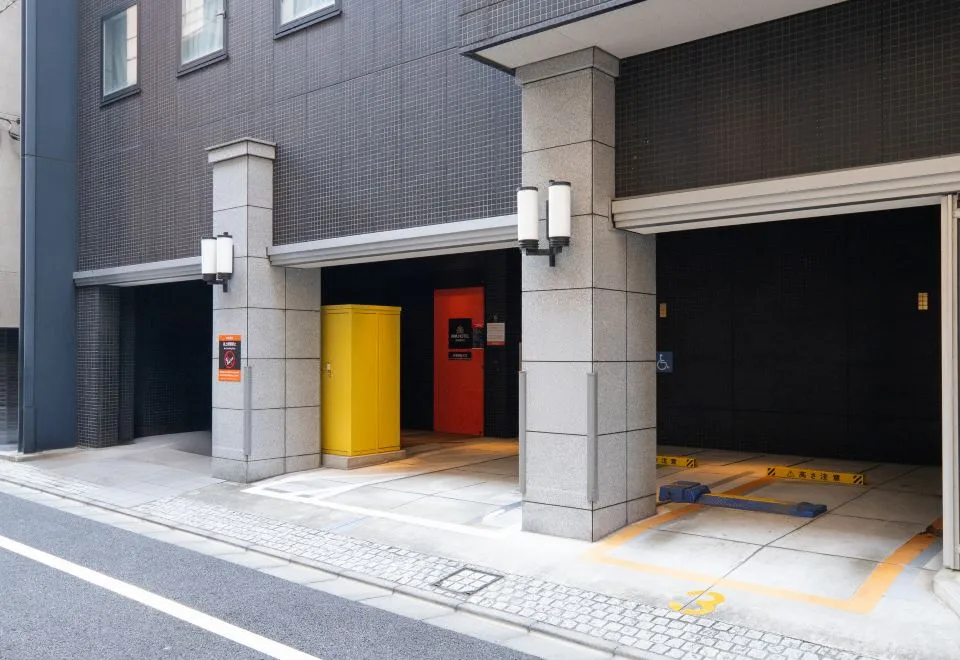
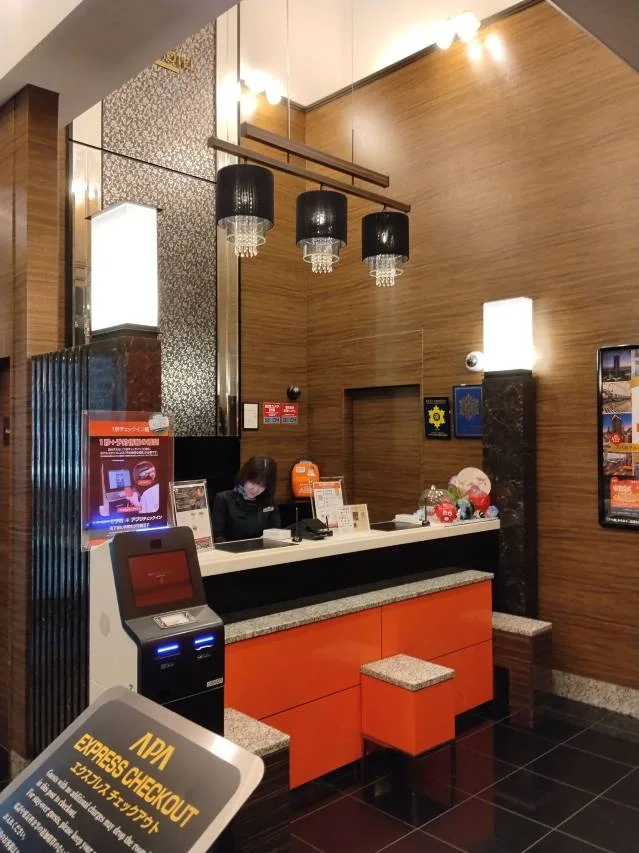
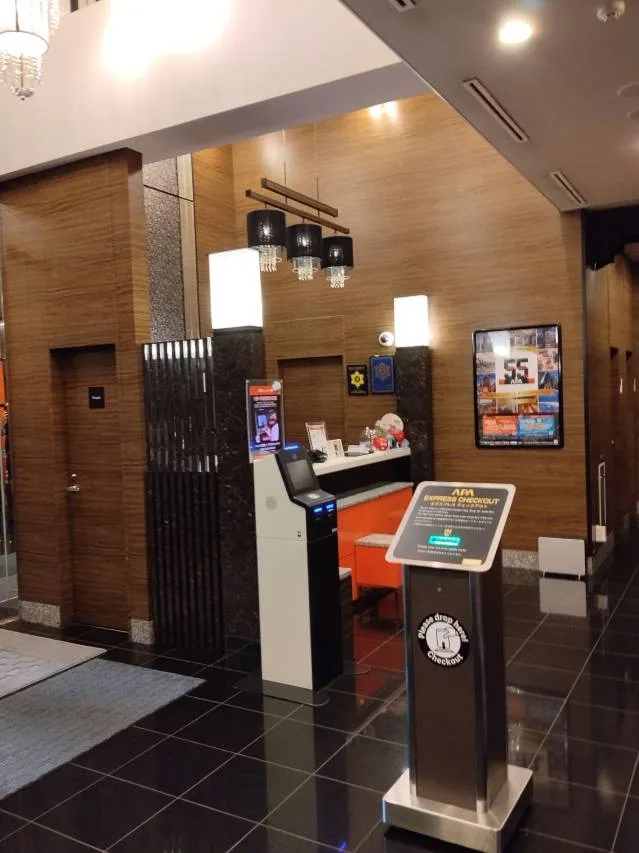
Drivers should know first: the hotel has two public car parks inside the building, spaces are few, and neither takes advance booking — one charges ¥3,300 per stay and the other ¥1,100 per hour. The front desk runs 24 hours, so a late-night arrival still finds someone there. Self check-in machines stand in the lobby, and luggage storage at the desk is free.
Shintomicho and Tsukijishijo stations work too: coming from Ginza, the Tsukijishijo side runs smoother; coming from Ueno or Hibiya, Tsukiji Station Exit 1 is the most direct. Check which station you are coming from before you pick an exit.
Address: 7-10-11 Tsukiji, Chuo City, Tokyo 104-0045, Japan. Open directions in Google Maps.
How to plan the neighborhood
Start with breakfast at Tsukiji, then spend the afternoon around Ginza or the riverside, allowing time to return and drop purchases at the hotel. For a different atmosphere, leave Tsukudajima and Tsukishima for another day rather than trying to fit everything into one morning.
Here are the distances as I line them up for you: Tsukiji Outer Market 310 metres, Tsukijigawa Park 270 metres, Ginza 750 metres, Kabukiza Theatre 970 metres, Ginza-itchome Station 1.2 km, and Nihonbashi and Tokyo International Forum 1.7 km each. Eat at the market in the morning, walk to Ginza at noon, drop purchases at the hotel in the afternoon, and catch a show at Kabukiza in the evening — a day paced like that spends your energy on the streets, not on rushing between them.
I keep Tsukudajima and Tsukishima for another day, eating monjayaki slowly down one street instead of crowding them into the same morning as Tsukiji. For a change of pace, Nihonbashi is 1.7 km away, and its old-town feel is nothing like Tsukiji.
Tsukijigawa Park is only 270 metres from the hotel, a good place to walk off a full meal, and the riverside path is quiet. With children along, the park lets them burn off energy before a nap back at the hotel, so the afternoon does not turn into a long complaint.
Short stays and longer stays
One or two nights combines well with the market and Ginza. Over several nights, factor in cleaning and luggage volume. Two people shopping daily may find upgrading to a twin more pleasant than squeezing bags into 10 m².
Check-in starts at 15:00 and check-out is by 10:00, with the front desk staffed around the clock, so even a red-eye arrival finds someone on duty. Children aged 0 to 5 stay free without an extra bed — write the headcount correctly when you book. Guests must be at least 18 to check in, and pets are not allowed; both rules are written in the policy, and discovering them at the desk would be a bad surprise.
For longer stays, the laundry room charges a fee, with a dryer and washing supplies on hand, plus a paid laundry service, so three nights or more need not end with dirty clothes carried home. Public areas have free Wi-Fi, and the building has an elevator, vending machines, step-free access and braille signs. The whole building is non-smoking, so smokers step outside.
Arriving early is no reason to rush: check-in starts at 15:00, so leave your bags at the desk for free, walk 310 metres to the Outer Market for lunch, and come back to check in during the afternoon. On the last day, check out by 10:00, leave the bags again, and collect them in the evening — a late flight costs you nothing.
Exterior and shared spaces
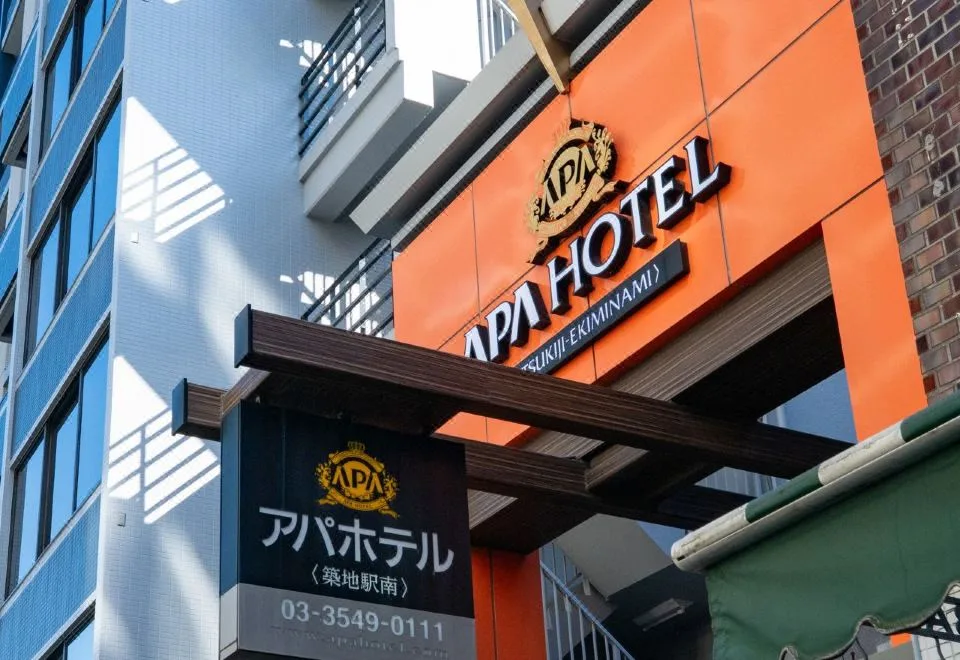
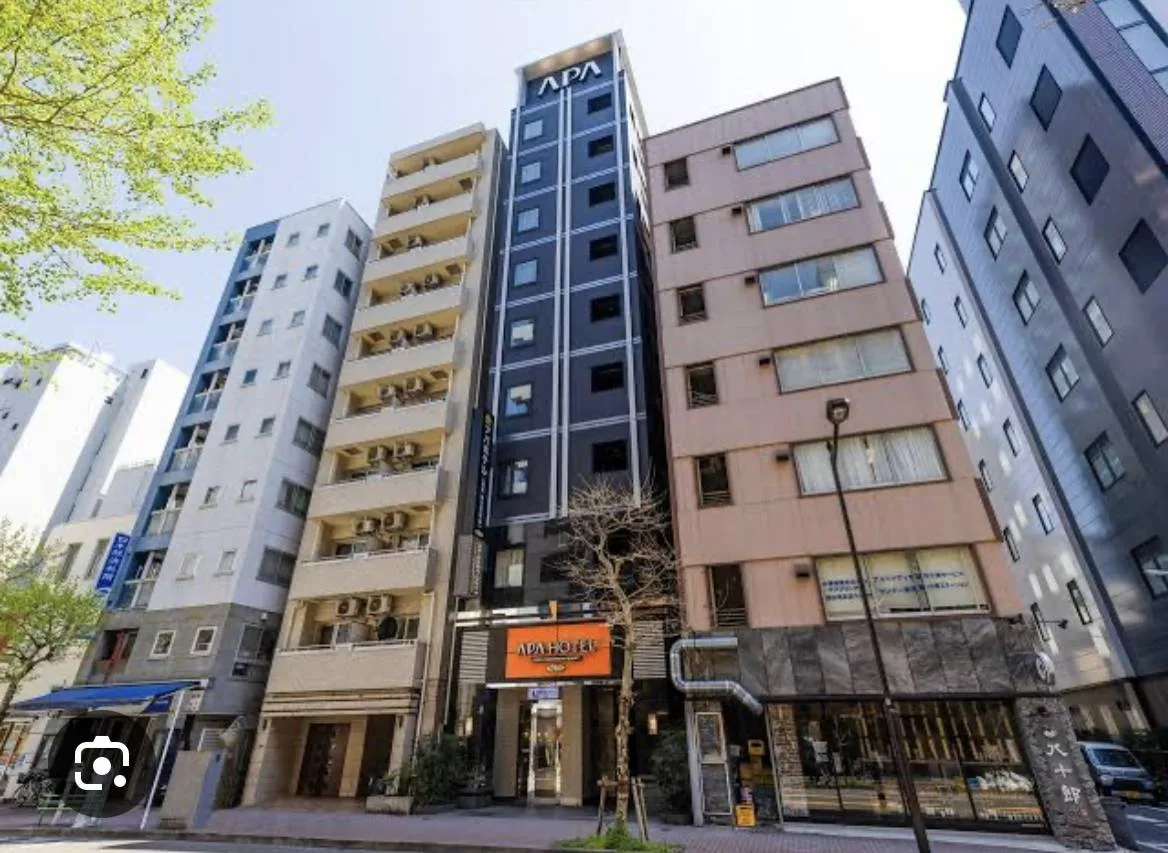
There is no large bathhouse or gym inside; the space went to rooms and the restaurant, and the trade-off is clear. What you will actually use is this: fast check-in and check-out, a safe at the front desk, free luggage storage, a wake-up call, currency exchange and a translation tool. English works at the desk, so language trouble stays small.
Reasons to choose and things to accept
Advantages
Tsukiji trips are easy to plan and nearby shops include supermarkets and convenience stores in a relatively quiet neighborhood. The Japanese breakfast set provides a dependable option for guests who prefer not to search for a café.
Consider before booking
Ten square metres is genuinely tight for two, and the mattress I slept on felt soft, with too little support for me. The walk from the subway still takes a few minutes — you do not step off the train and into the lobby. If bed support matters to you as it does to me, ask about the room and bedding before you book; the 18 m² twin sleeps better.
Ask me whether I will stay again and my answer depends on the plan: if I need Tsukiji early the next morning, yes — 310 metres at a little after five in the morning is exactly right. If my days are in Shinjuku and Shibuya, I choose a hotel closer to them instead of staying in Tsukiji for the price alone.
Pros and cons at a glance
Pros
- Tsukiji Outer Market is 310 metres away and Tsukiji Station 400 metres, so an early-morning market walk starts right outside.
- Tsukiji Bishō on the first floor serves a Japanese set breakfast, 7:00–10:00, with a meat or fish main to choose — a fixed option when you do not want to hunt for a restaurant.
- The 18 m² deluxe twin has two 120 cm beds, so two people staying several nights with daily shopping still have room for luggage.
- The front desk runs 24 hours with fast check-in and check-out and self check-in machines, so even a late-night arrival finds someone on duty.
- Free luggage storage, currency exchange and a translation tool, and English works at the front desk.
- Supermarkets and convenience stores nearby in a relatively quiet neighborhood, with Ginza 750 metres and Kabukiza Theatre 970 metres on foot.
Cons
- A standard room is only 10 m², so two people take turns unpacking and the walkway disappears once the bags come out.
- The mattress I slept on felt soft, with too little support — ask about the bedding first if that matters to you.
- It is still a walk from the subway, not step-off-the-train arrival; with large luggage, use the elevator exit first.
- No large bathhouse, pool or gym inside, and the laundry room and laundry service both charge a fee.
- Parking spaces are few and cannot be booked in advance, so drivers need a backup plan.
Information last checked: 2026-11-22