
JAPAN / TOKYO / CHUO
APA Hotel Nihombashi Bakuroyokoyama Ekimae
APA Hotel Nihombashi Bakuroyokoyama Ekimae
APA Hotel Nihombashi Bakuroyokoyama Ekimae is worth considering when train connections matter most. Bakuroyokoyama, Higashi-nihombashi and Bakurocho stations give you several ways to plan each day. Back at the hotel, expect the compact layout of a city business hotel. If two people are sharing, compare the beds and floor area rather than booking solely by the word “double.”
Is this hotel right for you?
- Choosing a room: Decide whether you want one bed or two, then check the bathroom layout and how much room remains for luggage.
- Breakfast: An included meal can simplify an early departure, but on a longer stay it is worth leaving a few mornings free for neighborhood food.
- Longer stays: Plan laundry and housekeeping ahead, and pack before the final morning.
Choose the beds first, then look at living and luggage space
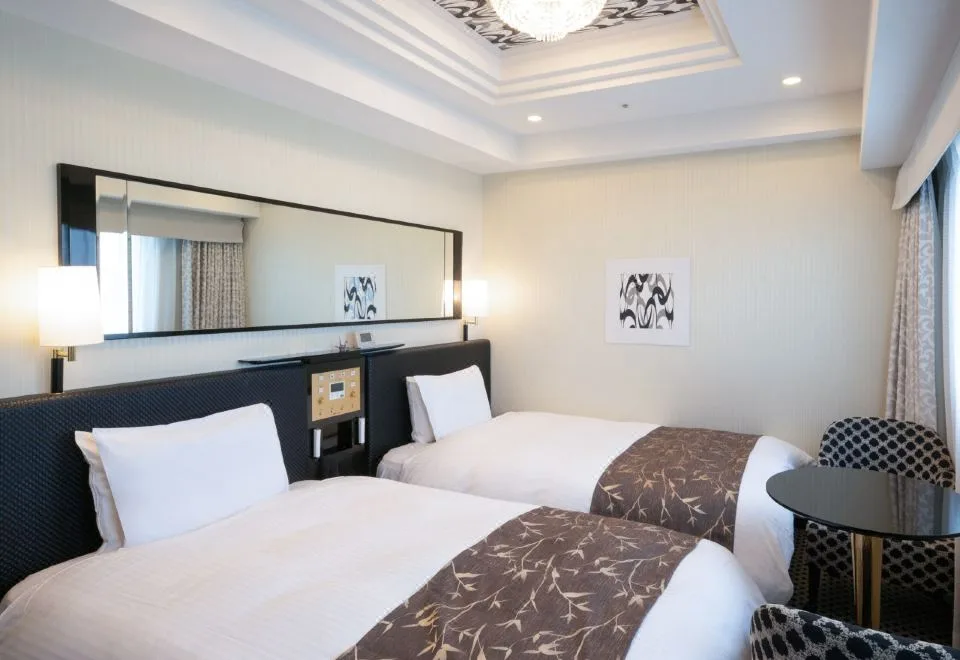
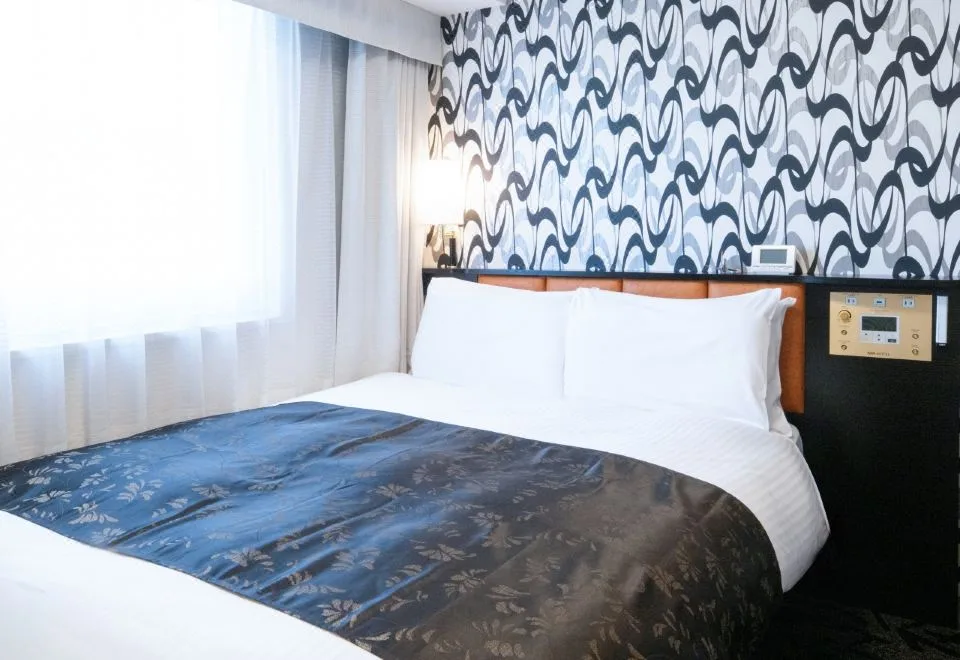
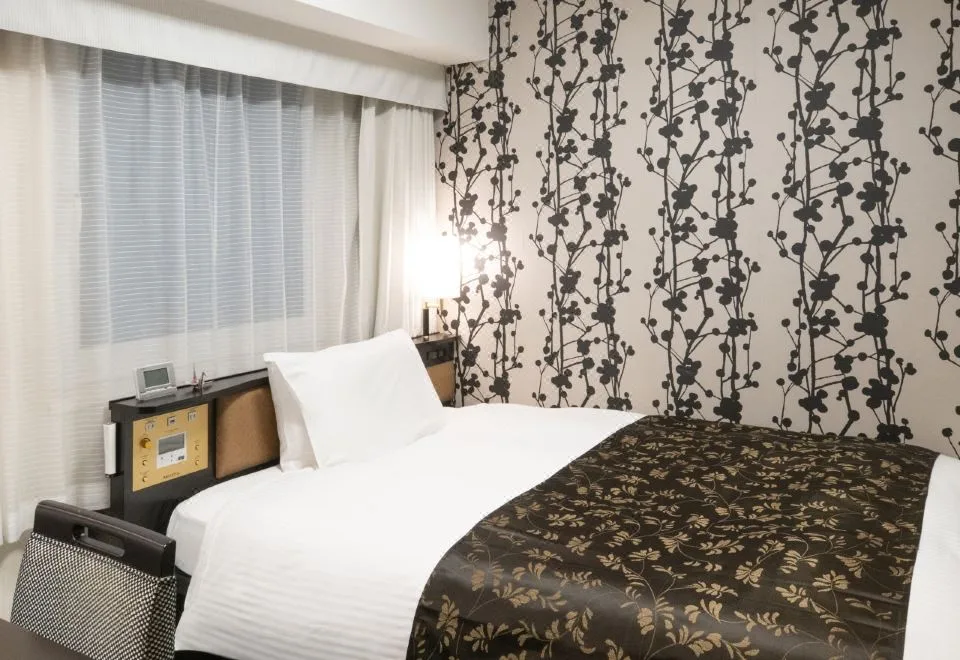
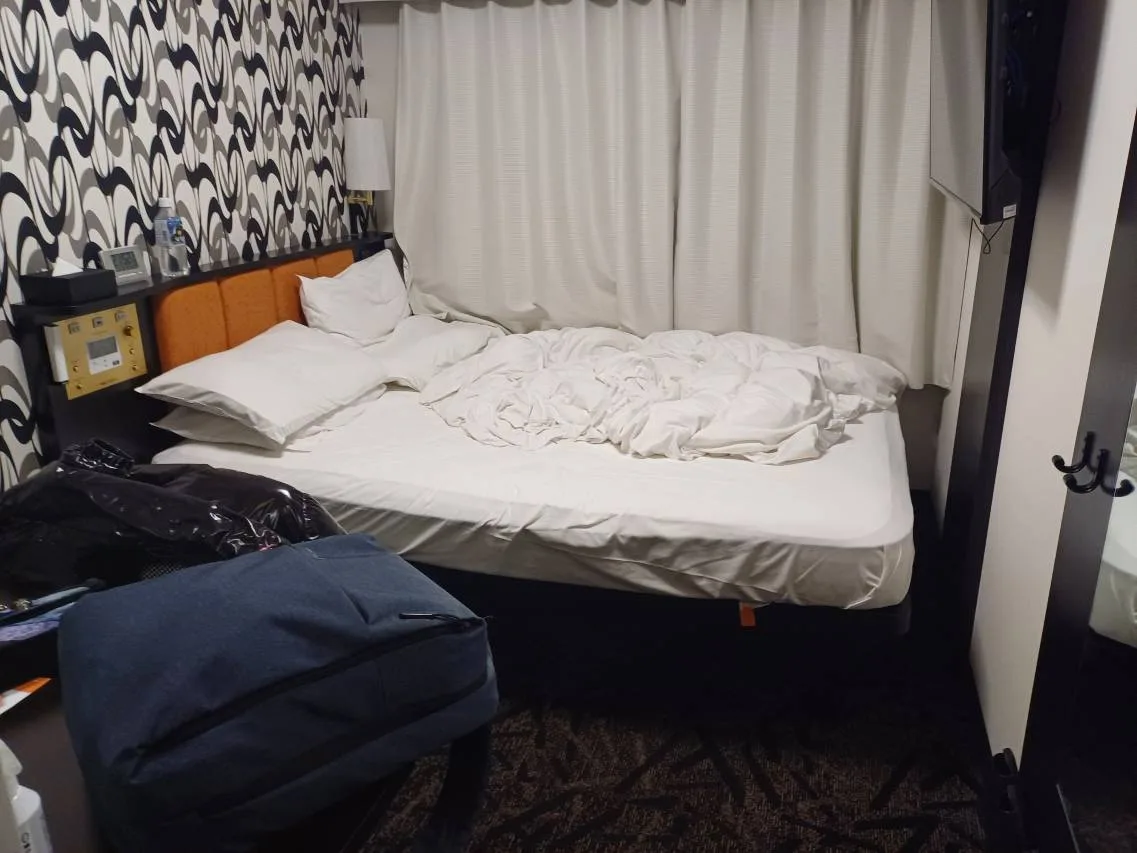
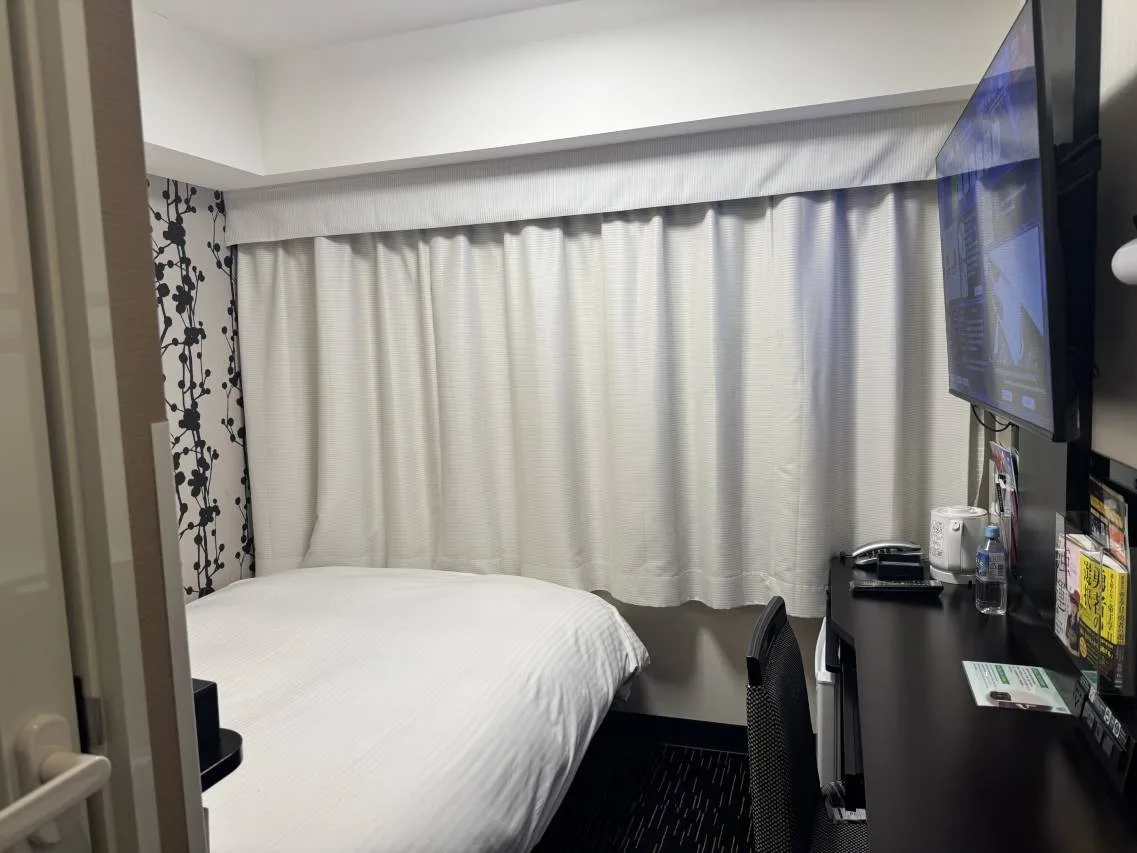
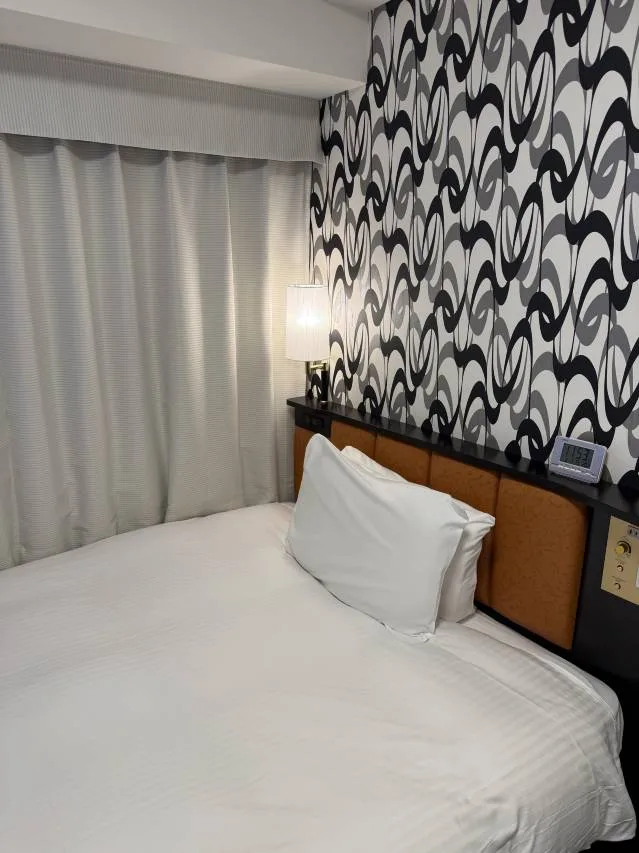
The standard room measures 11 m² and has a 140 cm bed. A 15 m² twin offers two 100 cm beds, while the 22 m² deluxe twin has two 120 cm beds. The 15 m² Hollywood Twin brings two beds together for a combined 200 cm width, useful if you prefer them side by side. A Cozy configuration adds a sofa for sitting, but the sofa should not be assumed to be a separate fixed bed.
When I choose a room here, I count people and luggage together. Travelling solo and mostly out during the day, the 11 m² standard room and its 140 cm bed are enough, and a suitcase fits beside the bed without too much squeezing. Two people who want separate beds should look at the 15 m² twin with two 100 cm beds, and for more space the 22 m² deluxe twin has two 120 cm beds with more passage beside them. The 15 m² Hollywood Twin joins two beds into a 200 cm width, which suits two people who like sleeping pushed together. The Cozy configuration adds a sofa to sit on, but the sofa is not a fixed bed — do not count it as a third sleeping place when you book. Travelling with children, know this first: no room type allows an extra bed or crib, and children aged 0 to 5 stay free when no extra bed is needed, so put the headcount in the booking and settle the bed question before you arrive.
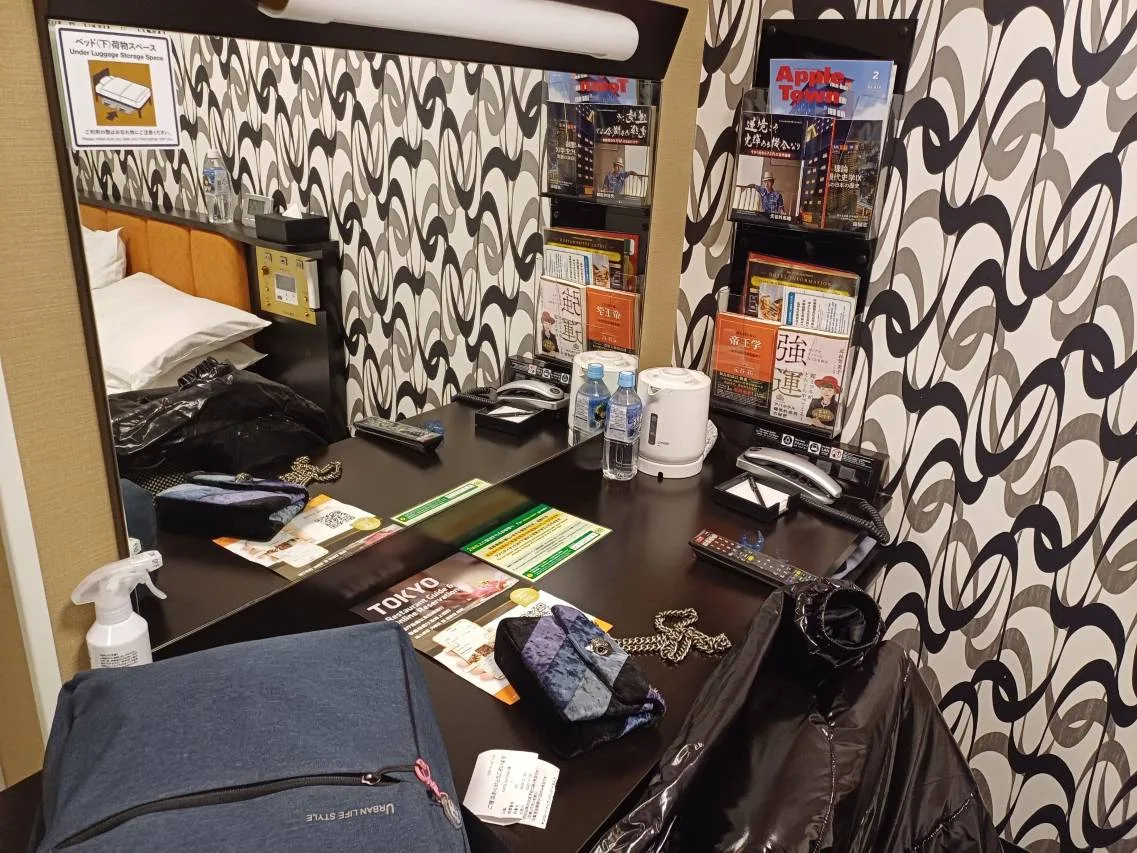
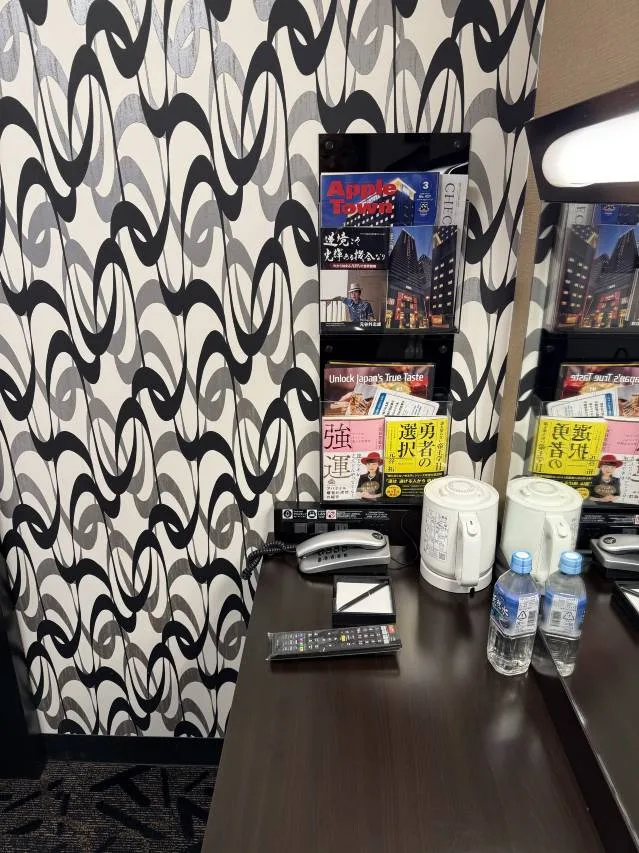
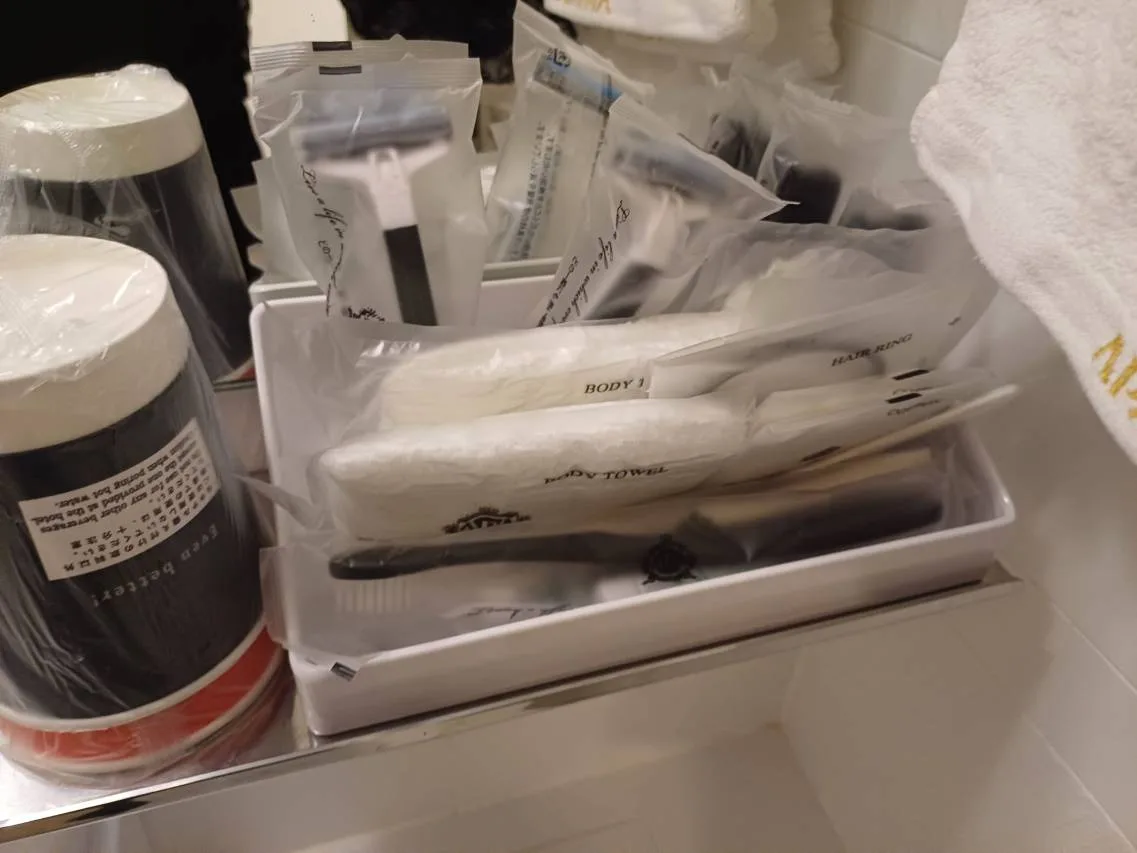
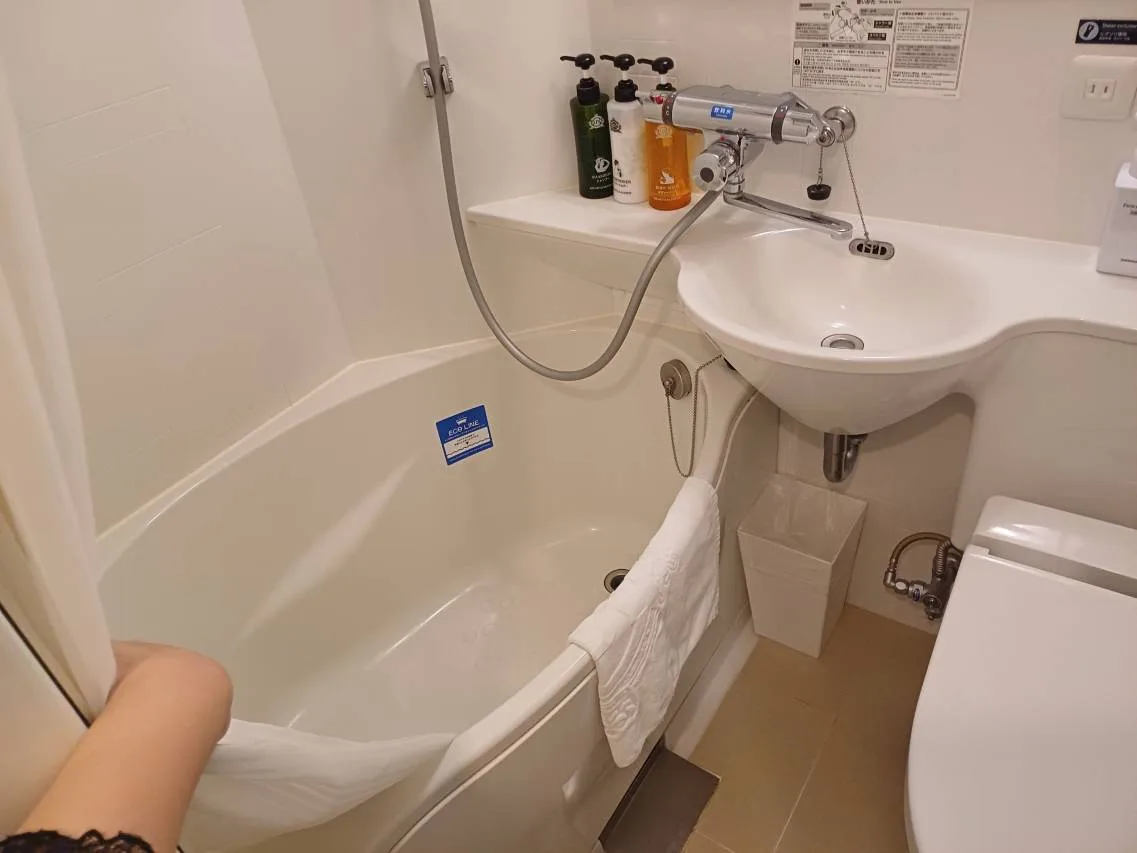
Small as the rooms are, the basics are all there: the desk, mirror and storage you see in the photos, so hang tomorrow’s clothes as soon as you return and an 11 m² room never gets chaotic. After a day of walking I take a bath before bed, which makes the next morning’s steps easier. The amenities beside the sink are the set in the photos — check them when you walk in, and ask the front desk if anything is missing.
A solo business trip and a two-person holiday need different rooms. Travelling alone and out all day, I take the 11 m² standard room: the suitcase stays beside the bed, and the room is just for washing and sleeping. Two people who want separate beds need the 15 m² twin or the 22 m² deluxe twin to spread out — after a day of shopping, one can lie on a bed while the other uses the desk, instead of sharing one chair. Two people who like sleeping pushed together can take the 15 m² Hollywood Twin, joined into 200 cm, which sleeps much like one large bed.
Compare the hotel’s official room descriptions with the exact room name and amenities on your booking.
Is hotel breakfast worthwhile? Choose according to your morning
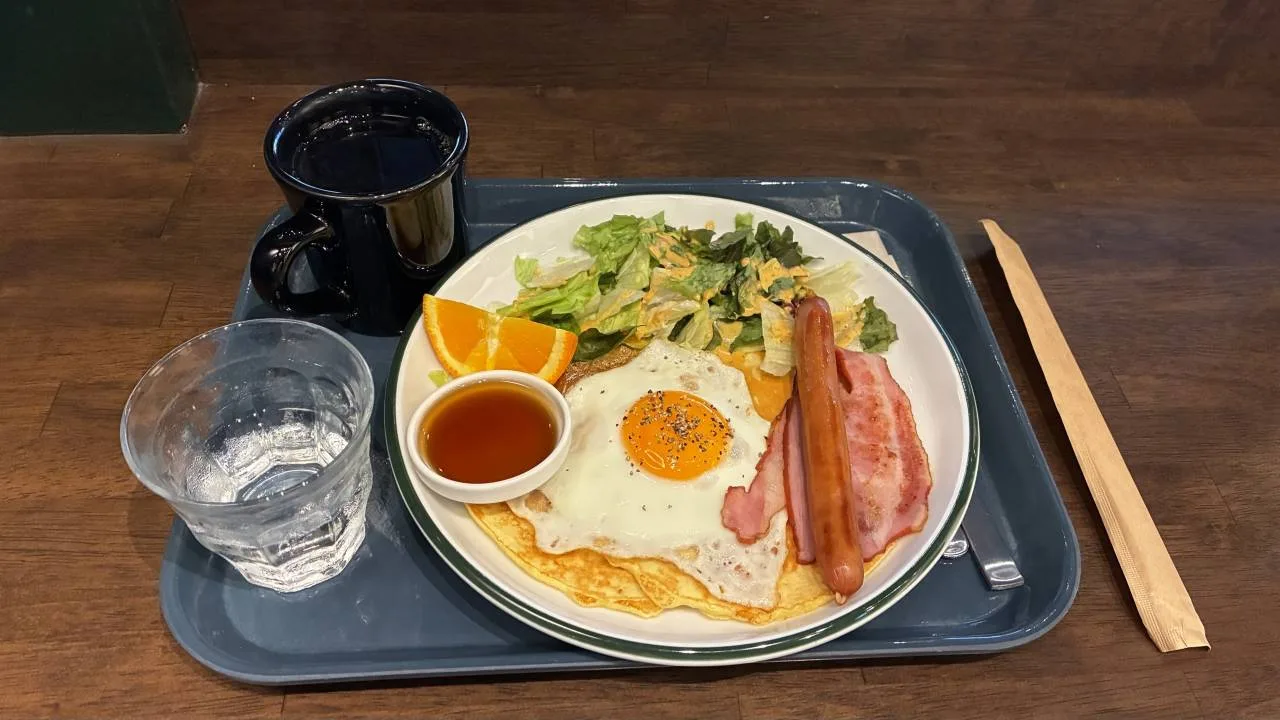
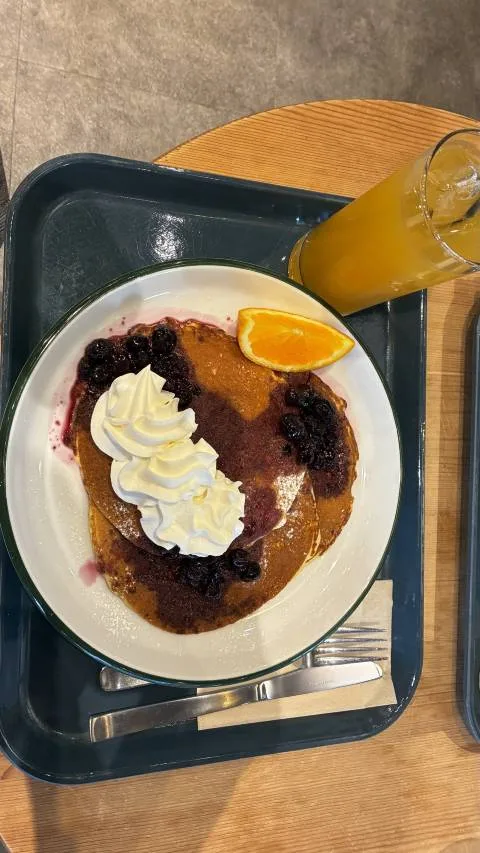
Breakfast is a plated meal provided by POKE BOWL CLUB TOKYO, not a buffet. Savory choices and pancakes are among the options. It suits travelers who want to sit down to one meal and head out. For multiple nights, consider eating outside on some mornings; the photographed plates do not promise an identical menu every day.
The dessert beside the plate is one combination among others — if you like something sweet, see what is on that day. On a longer stay I leave a morning or two for breakfast outside; there are plenty of coffee shops and bakeries around Nihonbashi, and a change of flavour beats eating the same plate every day. There is a restaurant in the building. Whether you want something savoury or pancakes, pick the one you feel like that day — with no buffet line to queue in.
Eating the same plate every morning gets dull after a few days, so I include breakfast for the first two days and eat outside after that — a change of flavour, then back to sleep.
Station exits and getting here with luggage
Address: 5-6 Nihonbashiyokoyamacho, Chuo City, Tokyo 103-0003, Japan.
Exit A1 is the usual walking route. The hotel describes a walk of roughly one minute from the A1 direction after passing through the underground connections between the three stations.
With large luggage, a wheelchair, or a stroller, I take the elevator inside Bakuroyokoyama Station: the Tokyo Metropolitan Government barrier-free survey (17 November 2025) confirms the station has elevators and a wheelchair-accessible restroom on the concourse level, and Toei confirms a step-free route at every station. Ride the elevator from the platform to the concourse, leave through the gates, and walk about one minute in the A1 direction to the hotel — easier than carrying luggage up stairs.
From the hotel, Bakuroyokoyama Station is under 100 metres away, about a 2-minute walk; Higashi-nihombashi is 210 metres and JR Bakurocho is 200 metres, so all three are walkable. Nihonbashi is about 1.2 km and Koami Shrine about 1.3 km — an easy stroll. Akihabara Electric Town is about 1.6 km and Ueno about 1.7 km, and I would walk both at a slow pace. Senso-ji Temple at about 2.4 km and Asakusa at about 2.3 km are driving distances, so I take the train; Odaiba at about 9.4 km is a half-day trip on its own. The advantage of staying here is that a Nihonbashi old-street day and the small shops of Higashi-nihombashi fit in one outing, and you can drop bags back at the room at midday and head out again for dinner without carrying shopping all day.
Three stations make it easy to split the day: walk to Akihabara Electric Town in the morning, stroll Nihonbashi in the afternoon, and find a small restaurant in Higashi-nihombashi for dinner. Ueno and Asakusa are a short ride away, and you can do both as day trips without moving luggage. On the day you change cities, JR Bakurocho is just 200 metres away — leave the big case at the front desk, eat breakfast, check out and walk straight to the station instead of packing inside an 11 m² room.
What matters for short stays and longer stays
I like how close the station is, how comfortable the large beds are, and having a bath — but the rooms are small. If you want to open two large suitcases in the room, compare a twin or a larger room first.
For a short stay I focus on luggage and checkout: opening two large suitcases at once in an 11 m² room is a squeeze, so on the day you move to another city, pack the night before instead of sorting everything at the 10 a.m. checkout. On a longer stay, remember the cleaning rule: hang the notice before 9 a.m. if you want cleaning, and every third night the hotel arranges a cleaning that includes changing the sheets. The front desk never closes and luggage storage is free, so a late return is no problem. There is no washing machine in the room; for a longer stay I use the laundry delivery service — hand the clothes over in the morning and clean ones are back by the evening.
Arriving in Tokyo late at night is no problem: the front desk is staffed 24 hours and luggage storage is free, so leave the big case there and unpack slowly. Checkout is by 10 a.m.; on the morning of an early train, leave the luggage at the desk, eat breakfast and go — no packing against the clock inside the room.
Look at the photos: beds, bathrooms and shared spaces
The photographs group different room angles by purpose. Check the space beside the bed, the sink and possible luggage positions. Rooms and situations vary across the photos, so compare the actual layout of your booked category.
The photos let me check three things before I book: whether the passage beside the bed fits a suitcase, whether the amenities beside the sink are complete, and whether the lobby and entrance flow well. In the twin-room photos the passage between the two beds is wider than in the standard room, so two people getting up at once do not bump into each other; the bathtub and sink photos let you check in advance whether the bathroom matches the layout you are used to.
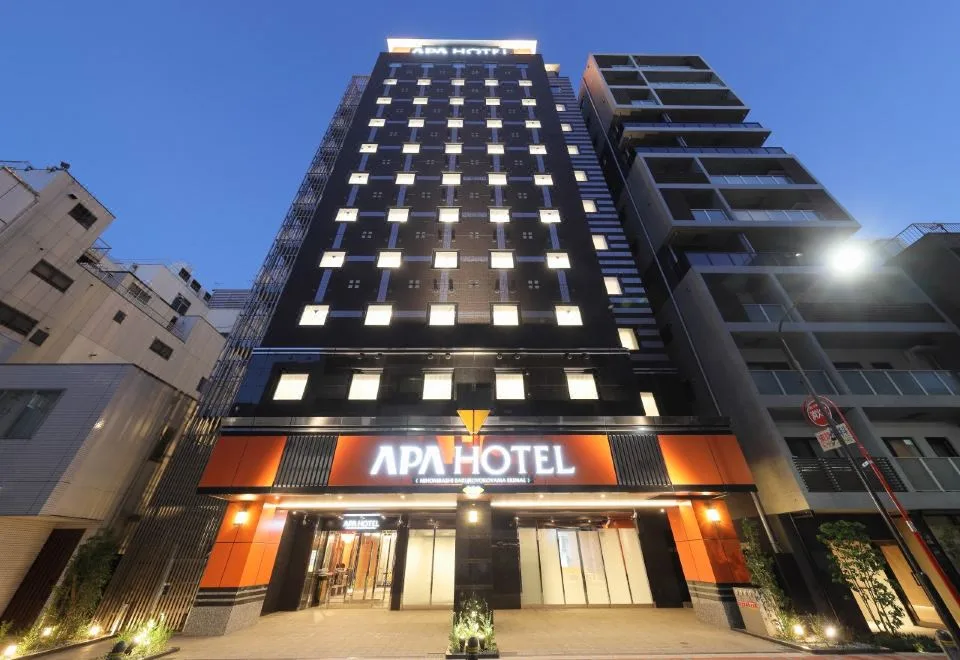
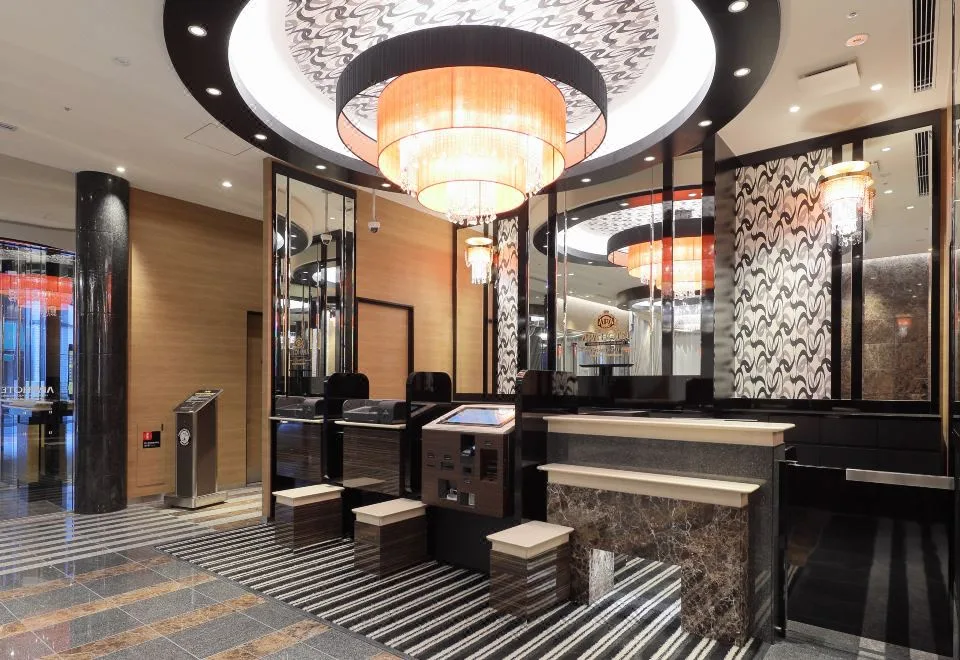
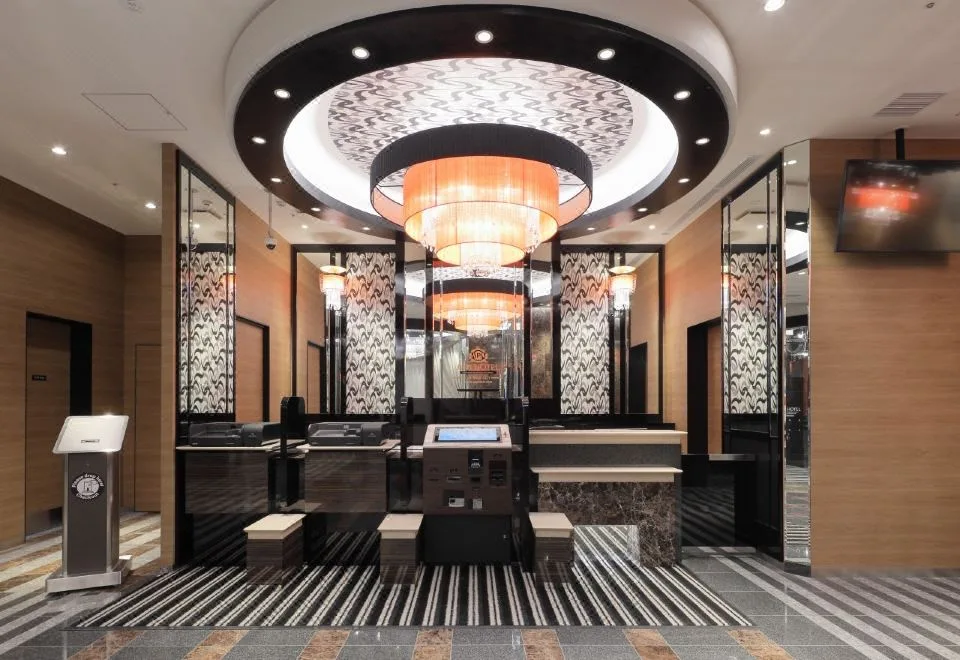
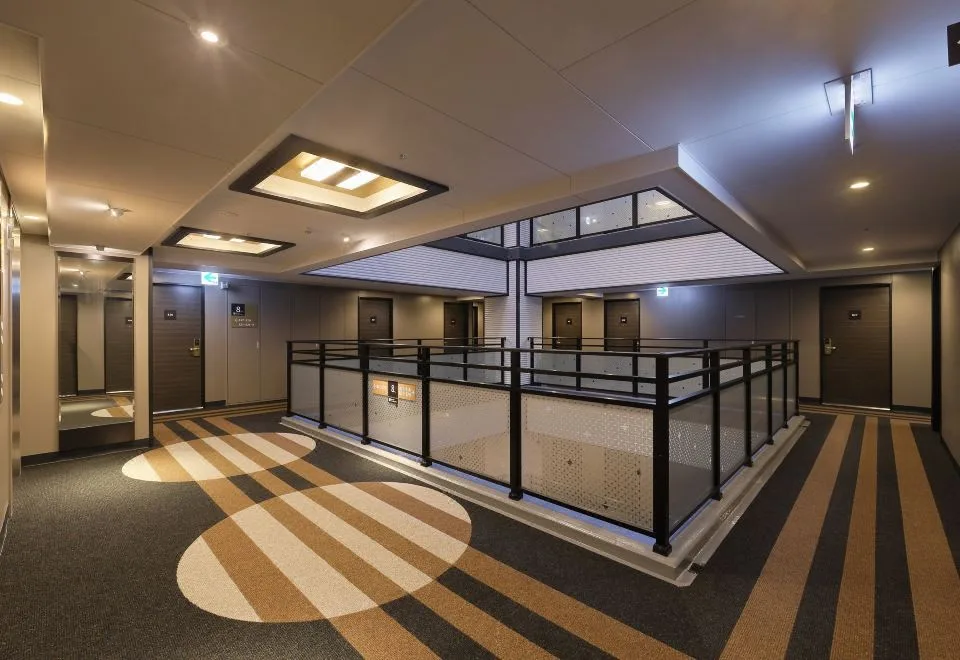
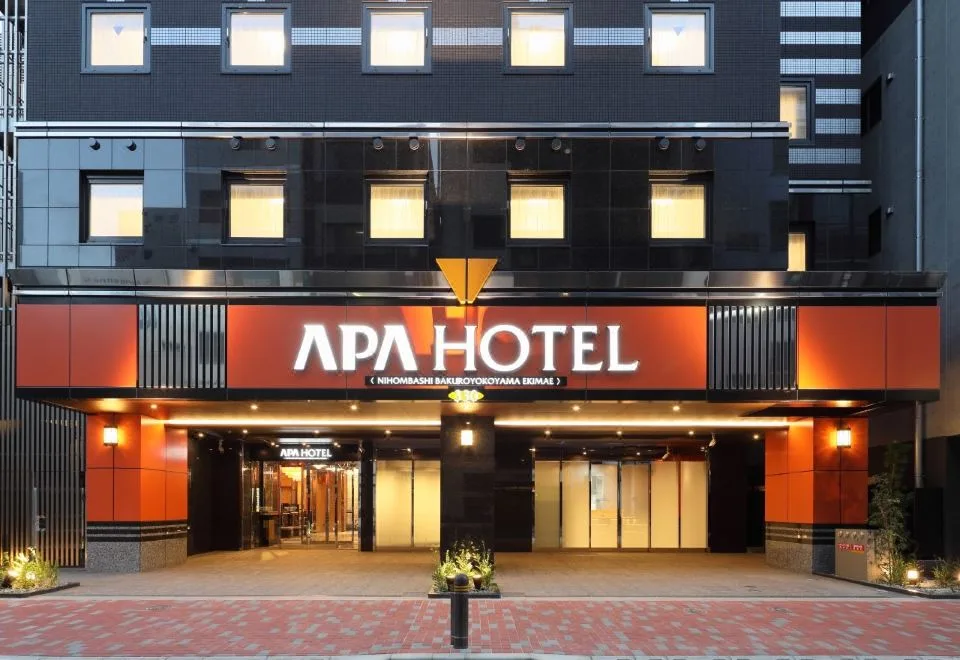
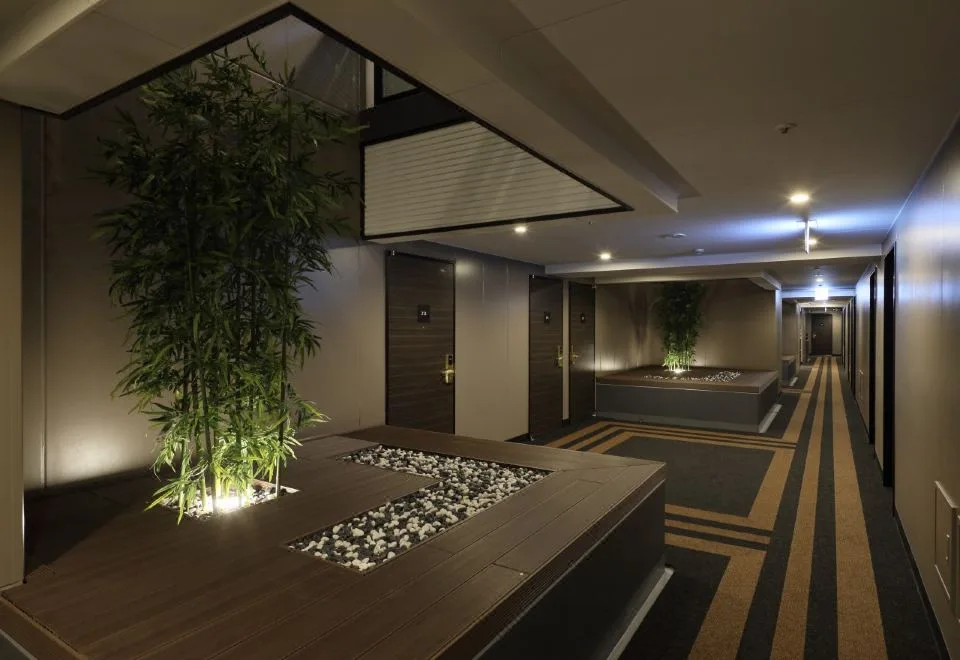
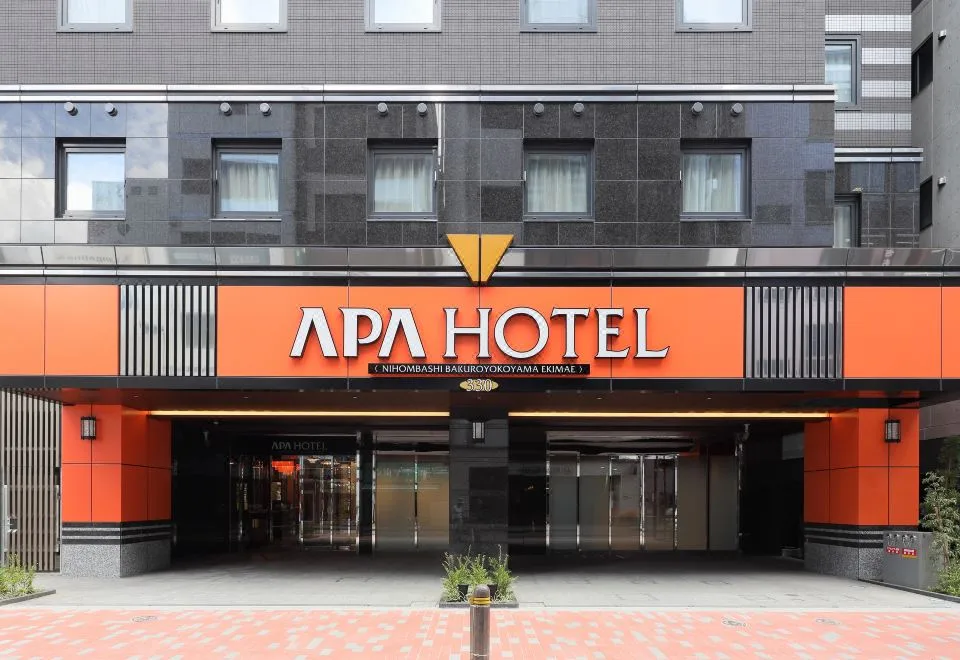
The lobby and entrance photos show the flow: the reception area sits just inside the entrance, and the front desk is staffed day and night, so someone is there to ask even on a late return. The lobby has seats to wait for a travel companion, and the guest-floor corridors run straight, so finding the room with a suitcase needs no detour. The entrance sign faces the street, so coming back at night you find the hotel by the sign.
Room categories and guest room photos
Bathroom and amenities
Food photos
Lobby and entrance
Policies and facilities to know before you check in
Check-in starts at 3 p.m. and checkout is by 10 a.m., with the front desk staffed around the clock. Guests must be at least 18 to check in. No deposit is required, and you can pay at the hotel in cash. Children of all ages are welcome, and children aged 0 to 5 stay free when no extra bed is needed — but no room type allows an extra bed or crib, so put the headcount in the booking. Pets are not allowed; service animals are allowed with advance application.
Here is how I would use the facilities: public Wi-Fi is free, there is an elevator and a drink vending machine, so a late-night drink needs no trip outside. The front desk has translation tools and accepts electronic documents for check-in, and fast check-in and checkout keep the queue short. Valuables go in the front-desk safe; fax and copy service is free, and the hotel can arrange courier service. A wheelchair is kept on site, there are accessible rooms and braille signs, and public areas and floors are non-smoking. Drivers get a private car park inside the hotel at JPY 3,000 a day, with few spaces and no advance booking — plan a backup before you drive; otherwise ask the hotel to call a taxi.
Travelling with children, settle the beds first — and know the hotel also keeps children’s amenities: yukata, slippers, toothbrushes and children’s books or videos, so ask the front desk when you book what will be ready. The building has a fresh-air system, public areas are non-smoking with separate non-smoking floors, so the room never smells of smoke at night. For safety there is a first-aid kit, fire alarms, extinguishers, smoke detectors and CCTV in public areas — things you never use, but parents notice.
Make the most of the location
With three stations nearby, this is a practical base for splitting up Tokyo sightseeing. Nihonbashi walks and small businesses in Higashi-nihombashi can fill half a day. If you are moving to another city, pack the night before instead of sorting purchases while checking out of an 11 m² room.
This is how I decide: first, which line will I ride most — if it is the Toei Shinjuku Line and I want three stations to choose from, this hotel fits. Then luggage and company: two people with a large case each should take a twin or the deluxe twin, a solo traveller on a short stay should take the 11 m² standard room. Finally, breakfast: include it if you like one set plate and out the door, or leave a few mornings for the cafes outside. Answer those three questions first, then compare the price — that way the room type will not surprise you.
On the other hand, this hotel does not suit everyone. If you carry a lot of luggage and want to open two large cases at once, the smallest room will not be enough — take a twin or the deluxe twin at least. If you want a buffet breakfast to browse slowly each morning, the plated breakfast here is the wrong fit, and if you stay several nights you should plan to eat outside for a few mornings. Travelling with children, settle the beds first: no room type can take an extra bed, children under 6 stay free without one, but where an older child sleeps and where the luggage goes are questions to ask before you book. Drivers should remember the car park has few spaces, cannot be booked in advance, and costs JPY 3,000 a day — arrive to find it full and you will be looking for somewhere else to park. Settle those points first, then decide.
Pros and cons at a glance
Pros
- Bakuroyokoyama Station is under 100 metres away, about a 2-minute walk; Higashi-nihombashi is 210 metres and JR Bakurocho is 200 metres, so all three are walkable.
- The standard room is 11 m² with a 140 cm bed; the 15 m² twin has two 100 cm beds and the 22 m² deluxe twin has two 120 cm beds, so two people sleeping separately do not have to share one bed.
- Breakfast is a plated meal from POKE BOWL CLUB TOKYO, with savoury choices or pancakes — eat one plate and head out.
- Check-in from 3 p.m., checkout by 10 a.m., front desk around the clock; luggage storage is free, and children aged 0 to 5 stay free when no extra bed is needed.
- Rooms have a bath, and the building has an elevator, free public Wi-Fi and a drink vending machine.
Cons
- The standard room is only 11 m² — two people with a large case each will struggle to open both at once.
- No room type allows an extra bed or crib, so travelling with children means putting the headcount in the booking first.
- Breakfast is a plated meal, not a buffet, and the menu is not identical every day — for a different breakfast each morning, eat out.
- The private car park costs JPY 3,000 a day, has few spaces and cannot be booked in advance, so drivers need a backup plan.
Information checked: November 21, 2026.