
TOKYO / CHUO
APA Hotel Hatchobori Ekimae
APA Hotel Hatchobori-Ekimae
APA Hotel Hatchobori Ekimae is practical when your Tokyo trip includes Tokyo Disney Resort or other destinations on the Keiyo Line. For guests out most of the day who need a clean, functional room at night, it is worth comparing. With two large suitcases, prioritize usable floor space over the nightly price.
Is this hotel right for you?
- Room choice: Decide who sleeps in which bed, then look at the bathroom and suitcase area.
- Breakfast: An included meal may save time, but check service hours before an early trip to the parks.
- Longer stays: Ask about laundry, cleaning and luggage arrangements, and pack the night before departure.
Standard, Cozy or deluxe twin?
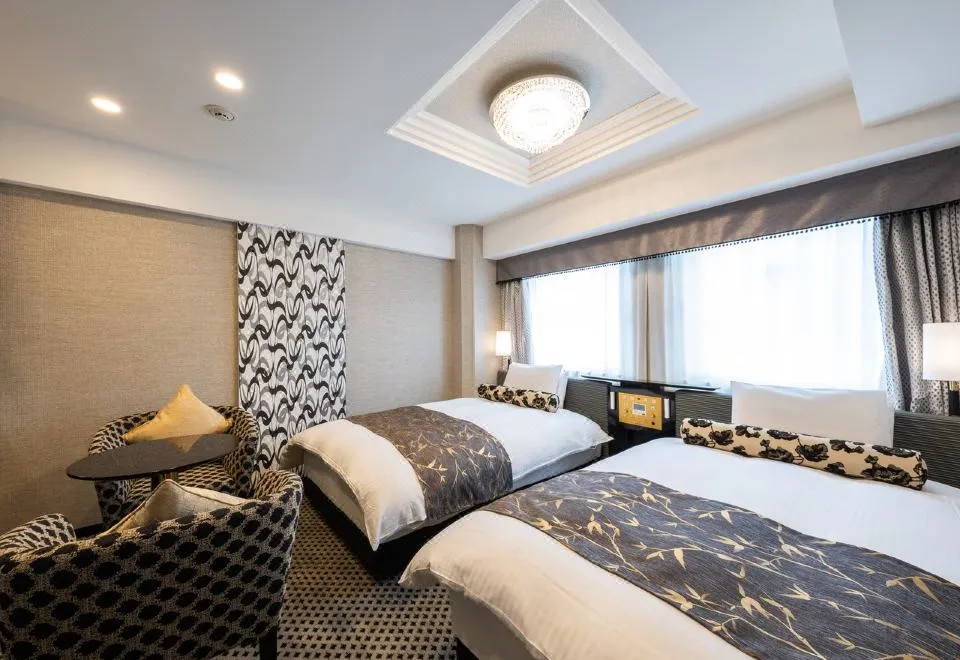
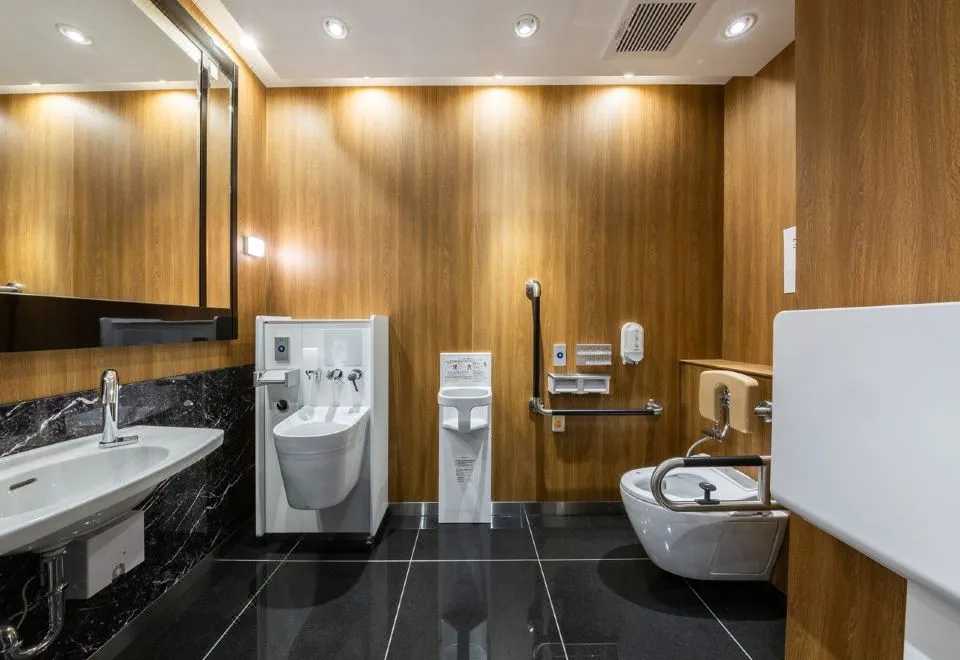
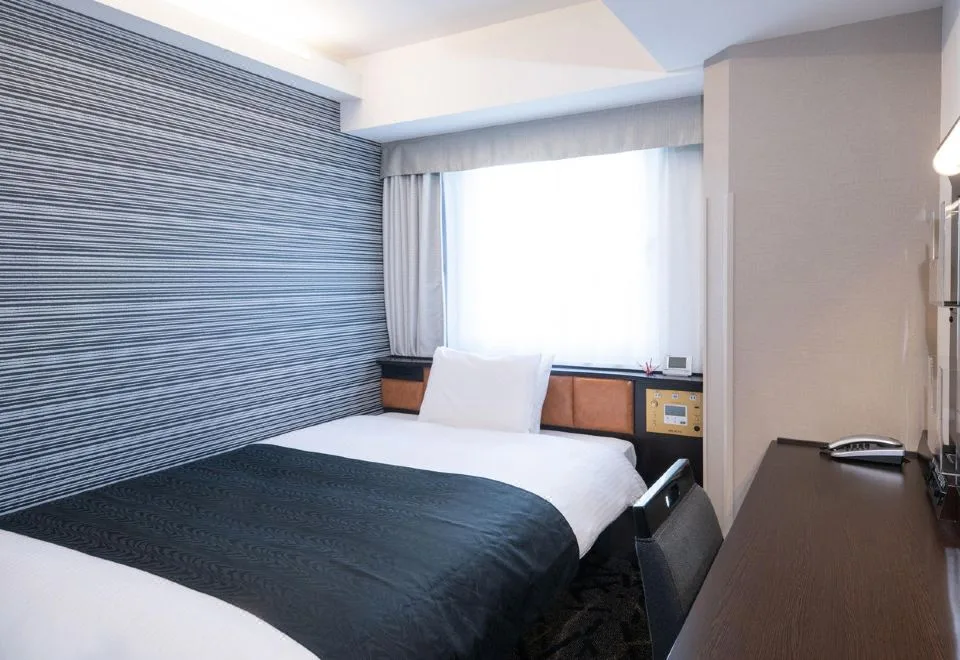
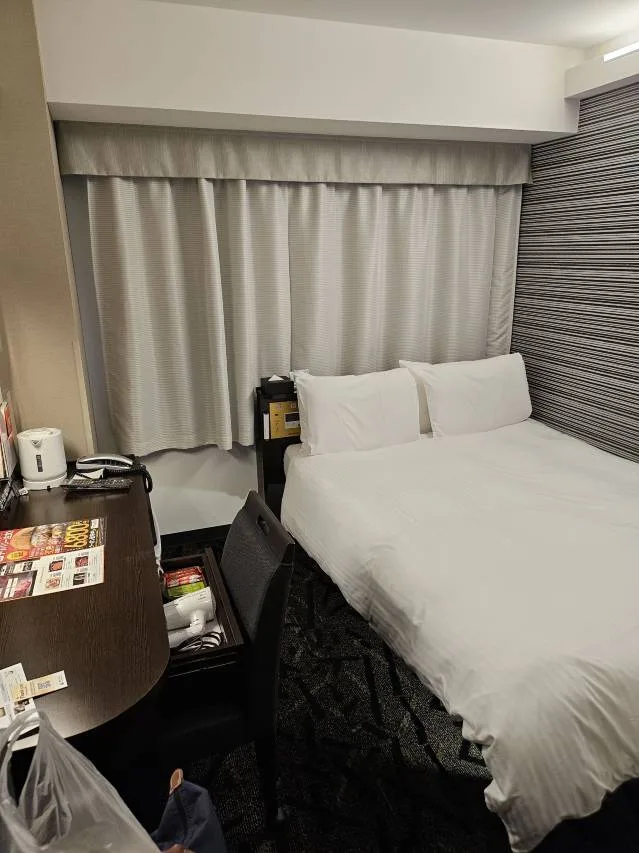
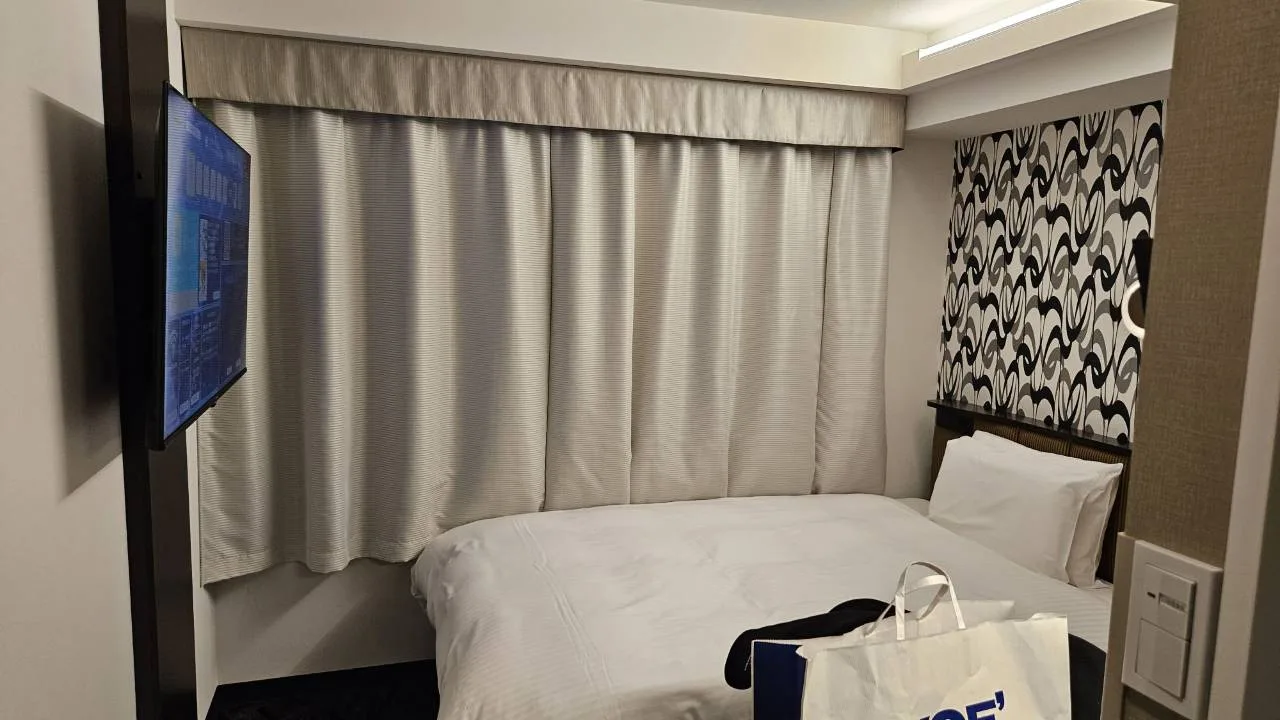
Standard rooms are 11 m² with a 140 cm bed for one or two guests. Two people with large cases will find the area beside the bed tight. A Cozy room is also 11 m² with the same 140 cm bed, adding a sofa for sitting but not extra luggage space. The 22 m² deluxe twin has two 120 cm beds and an accessible layout. It better suits those wanting separate beds and wider passages.
Compare the hotel’s official room details with the exact category and amenities on your reservation.
Match the room name on your booking page against the hotel’s official room information — especially since another APA with a similar name sits nearby, and booking the wrong branch wastes a trip. Check the room name, the bed type and the headcount before you pay.
The deluxe twin is an accessible room, the building has step-free routes, and a wheelchair is available on site — tell the front desk if you need one. No room type takes an extra bed, so two adults and a child cannot solve the bed question that way; children aged 0 to 5 stay free without an extra bed, so decide who sleeps with whom before you book. Guests must be at least 18 to check in; minors cannot check in alone.
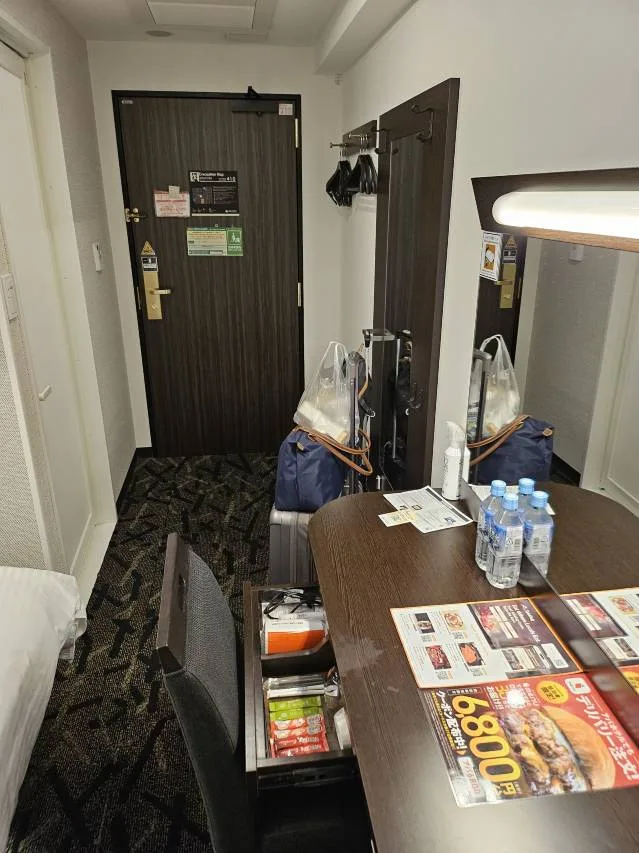
In an 11 m² room, two people with a large case each have to open them in turn — once a case is open flat, there is no walkway left. A Cozy room adds a sofa to sit on, but no extra luggage space; pick it for the seat, and pick the 22 m² deluxe twin for the space — two 120 cm beds, a wider passage, and room to stand a case against the wall.
Choose this way: one person, the standard room is enough — a 140 cm bed is generous for one. Two people, look at the luggage first; with big cases, go straight to the deluxe twin. With a child, remember an extra bed is not an option, so settle the headcount and the beds when you book. If you need an accessible room, the deluxe twin is the one, with step-free routes through the building.
Two 120 cm beds mean one each, so turning over at night does not wake the other person; if you want to share one bed, pick the 140 cm standard or Cozy room.
Room names on the booking page may read in English or Japanese — learn the three names, Standard, Cozy and deluxe twin, before you pay.
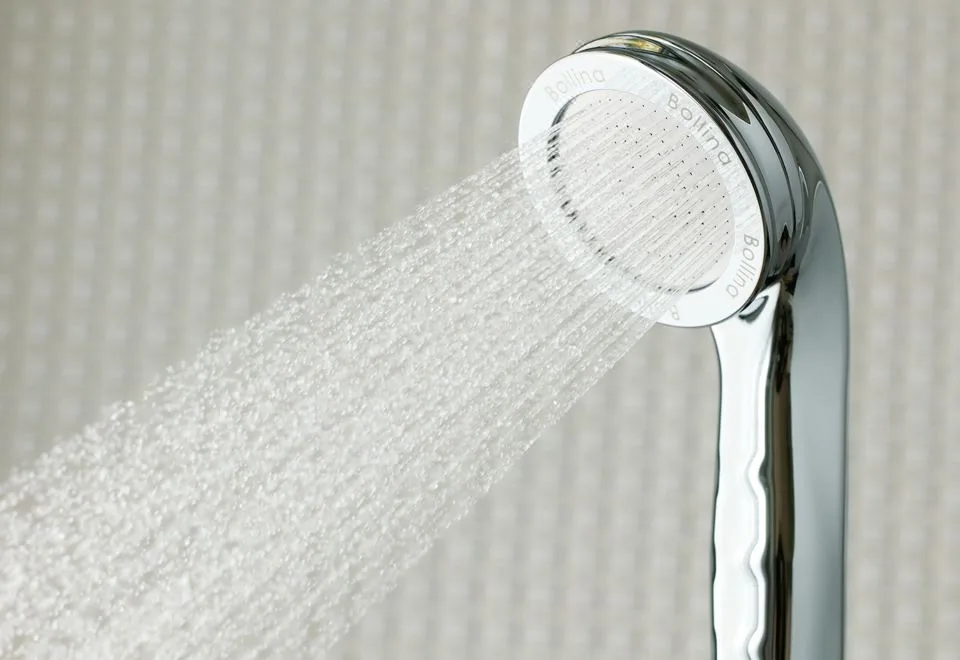
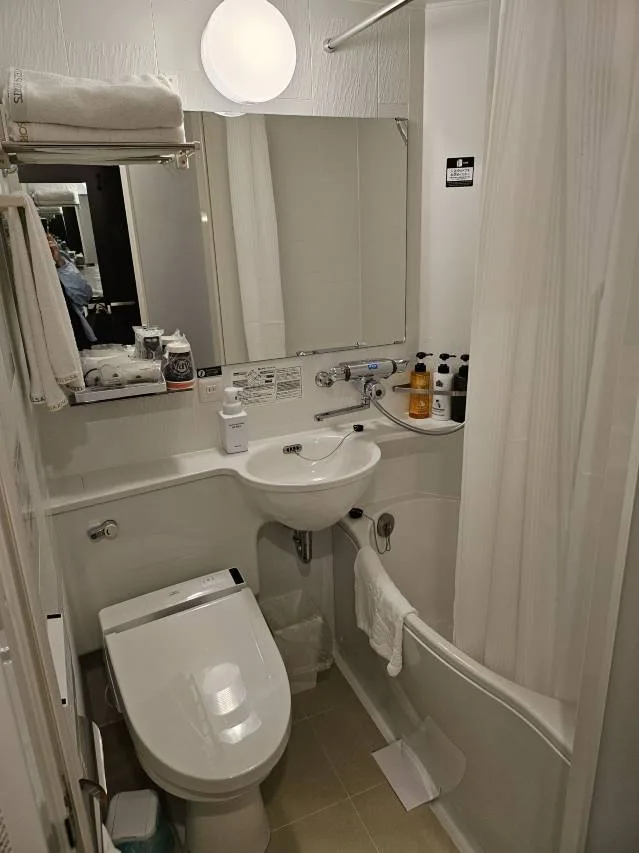
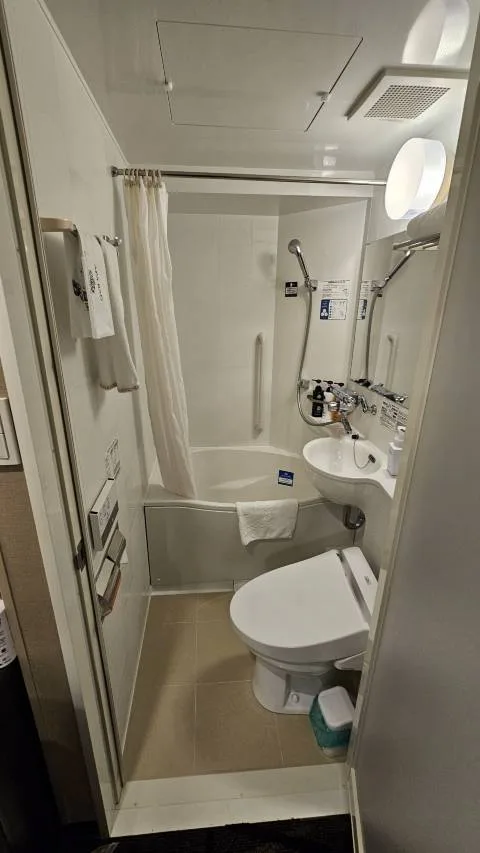
Look at the bathroom photos first — the shower head, bathtub and washbasin are all in the pictures, so decide before you book whether you want a bathtub.
Breakfast before sightseeing or an early Keiyo Line train
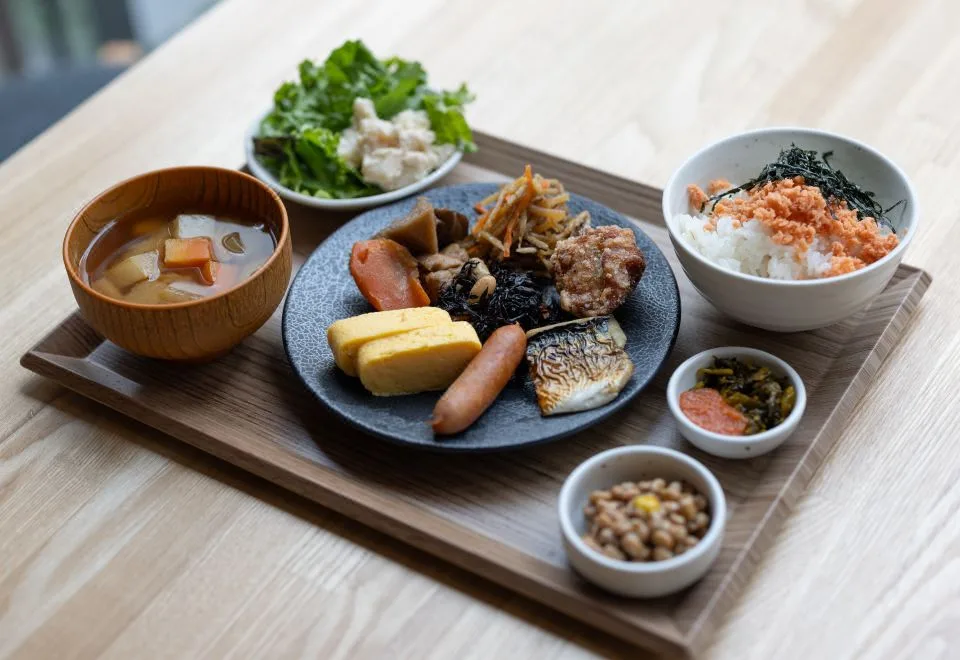
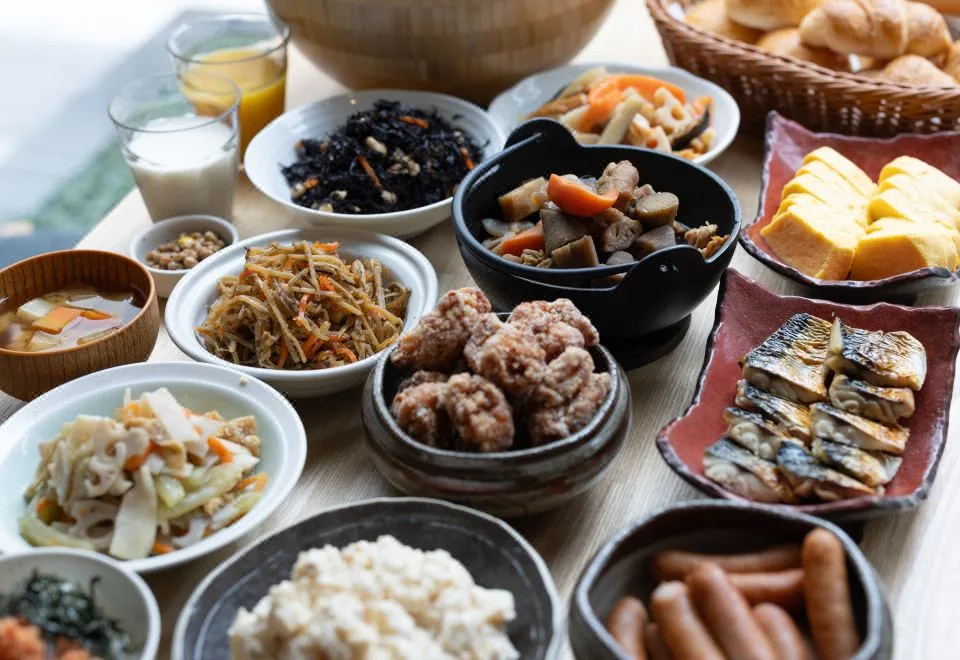
The source lists an Asian-style breakfast buffet; photos include rice, soup and several small dishes. If you want to avoid finding a breakfast shop, compare an included breakfast rate. For an especially early theme-park trip, confirm the serving start time. If too early, prepare something simple the previous night.
The restaurant serves staying guests only, every day 06:30–10:00, buffet style with Japanese dishes, JPY 1,500 per adult. The photos show rice, soup and several small dishes; if you want a full stomach before heading out, an included-breakfast rate beats hunting for a shop in the morning. For the first train to the parks, breakfast only starts at 06:30 — work out the timing before you decide on breakfast, and prepare something simple the night before if you will miss it.
Breakfast can also be added on site at JPY 1,500 per adult, paid at the hotel; whether to add it depends on how early you leave the next morning — breakfast starts at 06:30, so there is no point adding it on a day you leave before that.
The dining room is marked family-friendly, so breakfast with a child needs no separate plan; breakfast starts at 06:30, so eat together if the child is up, and let the child sleep in while you go first if not.
The restaurant serves breakfast only, 06:30–10:00 — lunch and dinner are not served here.
Hatchobori exits and luggage
Address: 2-26-3 Hatchobori, Chuo City, Tokyo 104-0032, Japan.
Hatchobori Exit A4 on the Hibiya Line is about one minute away, but A4 has no elevator; the JR Keiyo Line B2 exit takes about two to three minutes by the official guide’s different sections, and B2 has an elevator straight to the gates and platforms. Exit A4 closes after the last train, so use another exit if you arrive late at night. Navigate to 2-26-3 Hatchobori — another similarly named APA is nearby, so do not walk into the wrong one.
With large luggage, a wheelchair or a stroller, do not use A4: on the Hibiya Line, use the Sakuragawa Park-side ticket gate and take the elevator to Exit A2 or A3, then walk back toward the Hatchobori crossing to the hotel; on the JR Keiyo Line, use the B2 exit elevator. The elevator exit is not the nearest staircase exit, so allow extra time on luggage days.
The location works beyond the Keiyo Line: Nihonbashi is a 470-metre walk, Ginza 640 metres, Tsukiji Outer Market 1.4 km, Tokyo International Forum 1.5 km and the Imperial Palace 2.4 km. A Tsukiji morning fits easily — walk over for breakfast and come back to pack; Ginza-itchome Station is 1.2 km and JR Yurakucho Station 1.6 km, giving you another line to change to.
Getting to Disney needs no change: the Keiyo Line runs direct from Hatchobori to Maihama, so check the timetable before your morning departure; coming back through Tokyo Station, the Keiyo Line platforms sit far from the other platforms, so leave plenty of transfer time. Hatchobori is one stop from Tokyo Station, handy for the area around the station or a Shinkansen change.
Changing between the Hibiya and Keiyo lines at Hatchobori means leaving one gate and walking through the connecting passage — the two sides do not connect inside the gates, and the passage is stairs only. With large luggage, plan the change in advance instead of assuming you can walk straight through inside the station.
JR Hatchobori Station is under 100 metres from the hotel, about a two-minute walk.
Check platform-to-gate and gate-to-street routes separately if carrying a suitcase or stroller. Confirm the return elevator connects to your platform. The nearest exit may not be most convenient with bags.
Short and longer stays: don’t confuse nearby APA branches
The hotel warns that other APA hotels are close, particularly APA Hotel Kayabacho Hatchobori Ekimae. Match the map to 2-26-3 Hatchobori. For a short stay, the bed and bathroom are the priorities. Over several nights, ask about cleaning, laundry and rubbish collection.
Check-in is from 15:00, check-out by 10:00, and the front desk is staffed 24 hours, so a late-night arrival is no problem. Arrive early and leave your bags at the desk for free; the same works after check-out if you want to shop first. Ask the desk for a wake-up call if you need an early start; the desk has translation tools and can help in English. The desk offers quick check-in and check-out, so you do not wait long when you are in a hurry.
Staying several nights, the laundry room, dryer, iron and laundry supplies are all in the building, so you do not need to pack many changes of clothes; a laundry delivery service is also available — ask the desk if you need something cleaned in a hurry. Drivers should note the in-building car park costs JPY 3,500 a day and cannot be reserved in advance — first come, first served. Public areas are non-smoking and there are non-smoking floors; pets are not allowed, and service animals need advance approval. If you are short of yen, the front desk can change currency, so there is no need to hunt for an exchange counter.
Rooms have a humidifier, which helps sleep in the dry season, and the building has an elevator, so luggage never has to go up the stairs. Public areas have free Wi-Fi and a drinks vending machine; valuables can go in the front-desk safe, and fax and photocopying are charged — ask the desk first if you need to print something urgently. With a child along, the hotel has children’s slippers, toothbrushes and books or videos, so you can pack fewer of the little one’s supplies. The building has an access-control system, smoke detectors, fire extinguishers and a first-aid kit.
For a late-night or early-morning airport trip, ask the front desk to call a car instead of flagging one down yourself.
Back late from Disney after closing, you still walk into a staffed hotel — the desk runs 24 hours. Leave your bags at the desk in the morning and pick them up when you return at night.
Staying several nights, ask the desk first how cleaning and rubbish collection work, instead of letting rubbish pile up in the room.
Photos of rooms, bathroom and shared areas
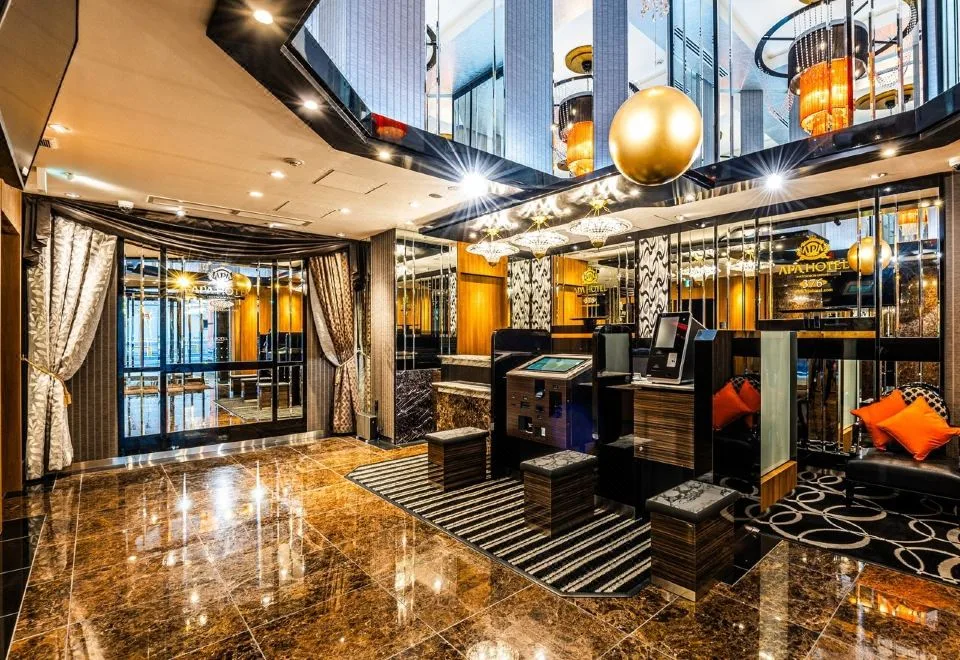
Check the images for walking space beside beds, bathroom layout and luggage storage. Different room types and guest images are shown; the booked category determines the actual arrangement.
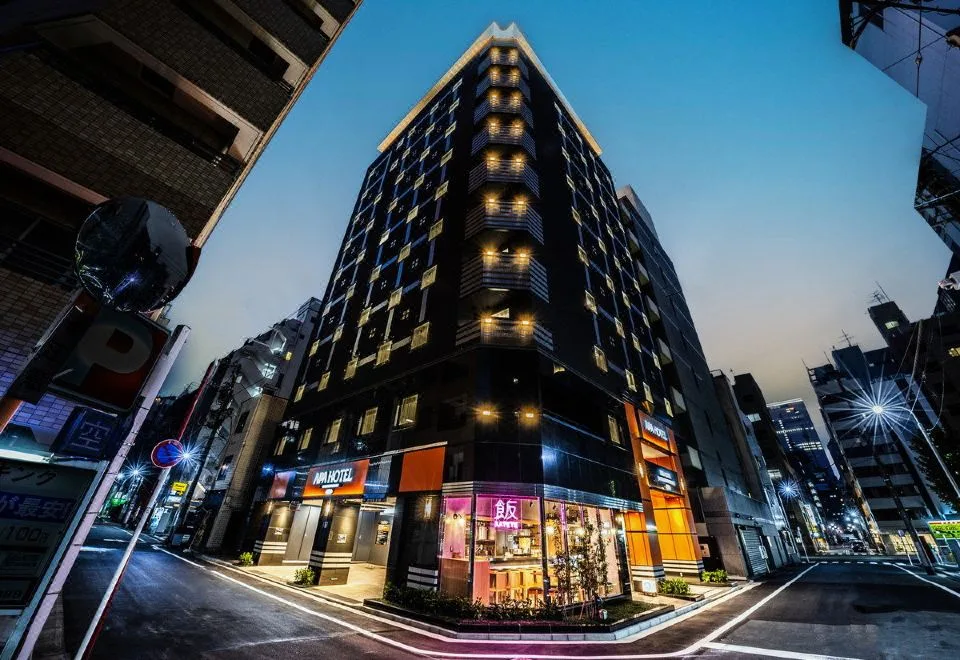
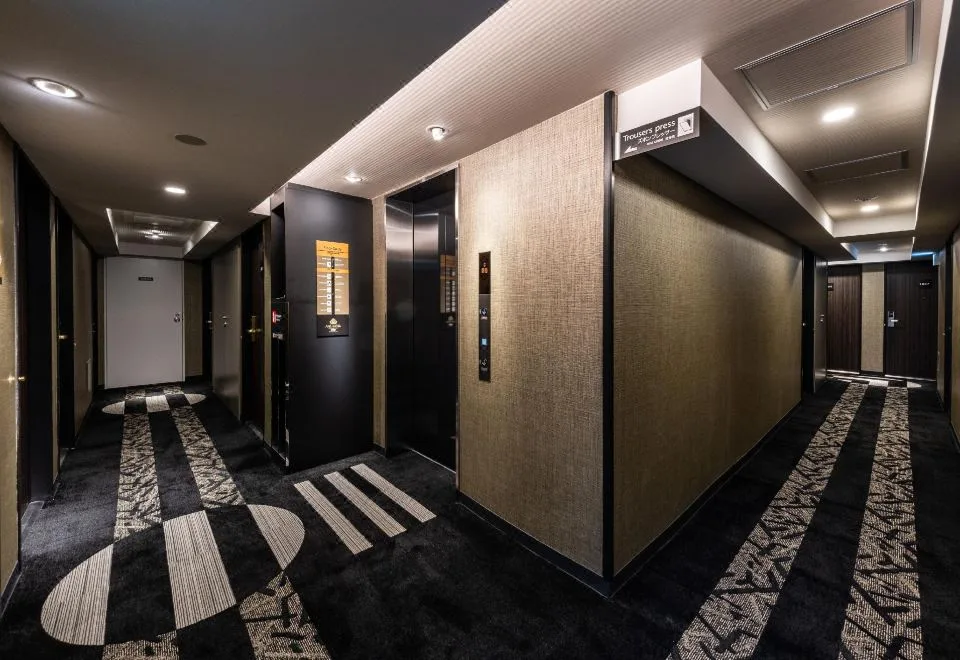
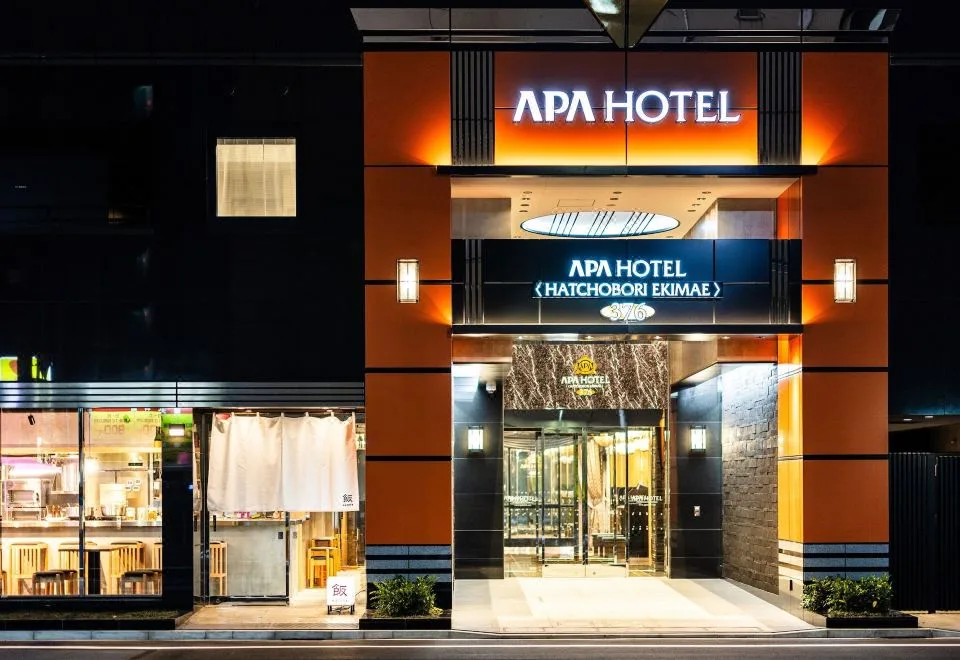
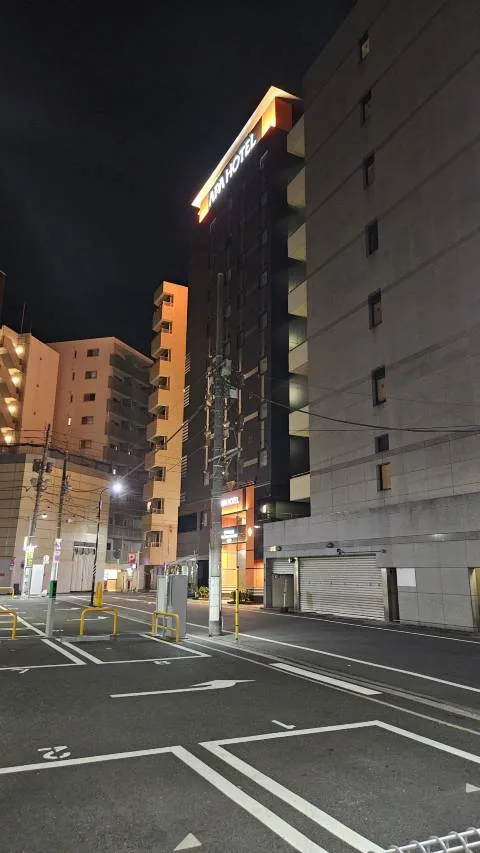
The photos fall into three groups: rooms and bathrooms, breakfast, and lobby and exterior. The room photos show twin rooms, a large-bed room and the accessible bathroom, with the space beside the bed and the washbasin visible; the breakfast photos show plates and small dishes; the lobby and exterior group has the reception area, the street-corner exterior and the entrance at night. Compare the photos against the room type you booked — different room types are set up differently. The night entrance and night street photos are worth a look first, so finding the hotel after dark is easier.
Rooms and bathrooms
Breakfast photos
Lobby and exterior
Using Hatchobori for sightseeing
Before traveling to Maihama on the Keiyo Line, check the train and walking route. Transfers between platforms at Tokyo Station can take longer than expected. On another day, enjoy Tsukiji and Ginza, then return to organize luggage.
Plan it this way: on arrival day, leave your bags at the desk and walk to Nihonbashi or Ginza for dinner; on Disney day, take the Keiyo Line direct to Maihama — breakfast starts at 06:30, so include it if you can make it, and buy something the night before if you cannot; another morning, walk to Tsukiji Outer Market, spend the afternoon in Ginza, and come back to pack in the evening. After a Disney day, keep the evening free — a shower and an early night, then Tsukiji the next day. Over several days, if you want a change of flavour, remember the restaurant only serves until 10:00, so lunch and dinner are out in the neighbourhood. If something is on at Tokyo International Forum, it is an easy detour, and the Imperial Palace day is quicker by train than on foot.
Before you book, check these: whether the headcount and the beds work — no room type takes an extra bed; whether to include breakfast — it starts at 06:30 and costs JPY 1,500 per adult; what time you arrive — check-in is from 15:00, so arrive early and leave your bags at the desk; driving in means JPY 3,500 a day for parking with no reservation; and with large luggage, use the A2 or A3 exit elevators, not A4.
On departure day, check out by 10:00, leave your bags at the desk, wander Ginza or Nihonbashi, then come back for them before heading to the airport or the station.
This hotel suits people who spend the day out and come back to sleep; if you want a big room and space to spread luggage out and sort it slowly, accept the 11 m² reality first, or pick the 22 m² deluxe twin outright.
Pros and cons at a glance
Pros
- Hibiya Line Hatchobori Exit A4 is about one minute away and the Keiyo Line B2 exit two to three minutes, with a direct train to Maihama.
- The 22 m² deluxe twin has two 120 cm beds and an accessible layout, with step-free routes and a wheelchair available on site.
- Breakfast is a Japanese-style buffet, served 06:30–10:00 at JPY 1,500 per adult.
- The front desk is staffed 24 hours and luggage storage is free, so early arrivals and late departures can leave bags at the desk.
- The building has a laundry room, dryer and iron, so a longer stay needs fewer changes of clothes.
Cons
- Standard and Cozy rooms are only 11 m² with a 140 cm bed, so two people with large cases have to open them in turn.
- No room type takes an extra bed, so two adults and a child cannot add a bed.
- Check-out is by 10:00 and check-in from 15:00, so early arrivals have to leave bags at the desk.
- The in-building car park costs JPY 3,500 a day and cannot be reserved in advance.
- Exit A4 has no elevator, so large luggage has to go through the A2 or A3 exit elevators.
Information last checked: 2026-11-22