
TOKYO / CHUO
Agora Tokyo Ginza
Agora Tokyo Ginza
Quiet design near Higashi-ginza: breakfast bento versus room space
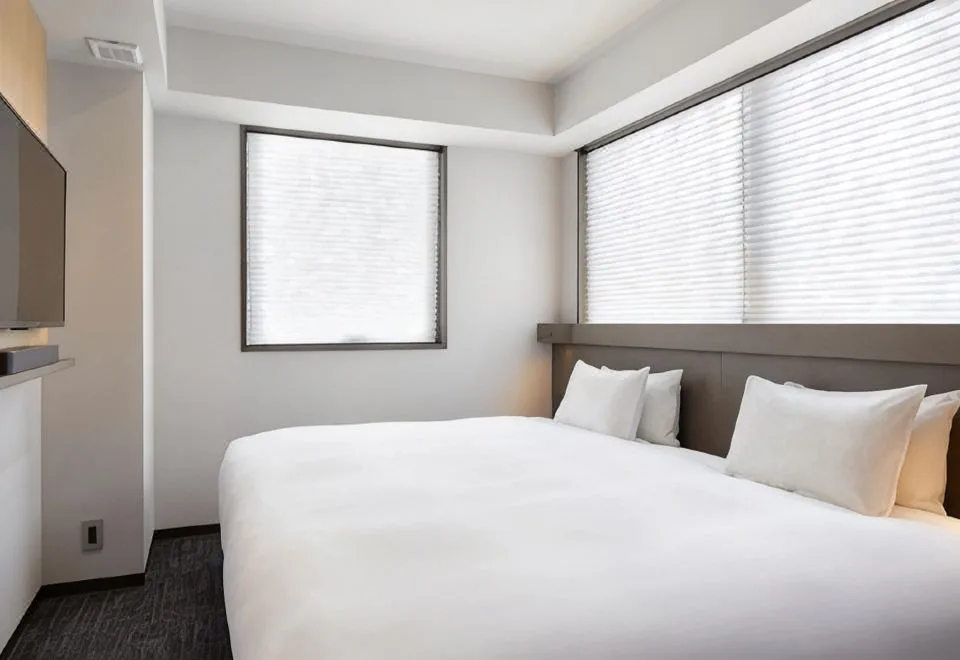
Agora Tokyo Ginza suits travellers who like warm wood, soft light and smaller design hotels while staying close to Higashi-ginza. Its communal areas are atmospheric, but the basic rooms are deliberately compact. That trade-off makes sense if most of your time is spent in Ginza and Tsukiji; if you plan to stay in the room for hours, compare layouts carefully.
Is this hotel right for your trip?
Agora Tokyo Ginza is a small design hotel I keep on my Higashi-ginza shortlist: warm wood in the shared areas, soft light, and a quiet feel from the moment I walk in. The basic rooms are deliberately compact, so two people with two suitcases need to count the floor space first; if you plan to spend hours in the room, look at a larger room type.
If most of your time is in Ginza and Tsukiji and the room is mainly for sleeping and showering, the trade-off is easy to accept: Higashi-ginza Station is a two-minute walk and Tsukiji Outer Market is within walking distance, so breakfast, a morning out and an evening back all flow well. A stroll through Ginza before bed, with shopfronts and lights still on, makes a good end to the day. Travelling with children, needing generous space, or working in the room for hours, I suggest a larger room directly instead of choosing from the pretty lobby photos.
Before choosing, check three things: how you will sleep, whether to include breakfast, and how housekeeping and towels work. When two people sleep separately, the difference in bed width matters more than the room name; accept the basic room’s limited floor space, and look upward in room type for a longer stay.
This is not a large hotel: there is no large bath, pool or gym, and the shared areas are the lobby, the first-floor Ichié Lounge and the bar. Anyone wanting a bath or a workout needs to plan elsewhere; anyone wanting quiet, a station nearby and a room mainly for sleeping will find the scale just right.
I place this hotel in a ‘the room is for sleeping’ trip: days in Ginza and Tsukiji, evenings back for a shower and sleep, out again the next morning. Anyone wanting the hotel itself to be the destination will find the shared areas too small and should look elsewhere. One night or three, the rhythm stays the same.
Access: station exits, lifts and luggage
Walking from usual exits
The normal approach is around two minutes from Higashi-ginza Exit 4 and six from Ginza Exit A5. The hotel’s instructions for Exit 4 involve climbing stairs, turning around and turning right at FamilyMart, then walking roughly 70 m. With suitcases, you can use the separate lift route instead.
Beyond Higashi-ginza, Ginza-itchome Exit 11 is about a nine-minute walk and Tsukijishijo Exit A3 about seven; JR Yurakucho and Shimbashi are both around twelve minutes. Arriving from the airport on a through Asakusa Line train, get off at Higashi-ginza directly with no transfer; the hotel is only 140 m from the station, so there is no further route to find.
Luggage and lift routes
The hotel’s own accessible directions use Higashi-ginza Exit 3 toward Kabukiza. From the gates, follow signs to Exit 3, take the lift to street level, cross at the Harumi-dori intersection and turn right toward FamilyMart; the hotel is on the right. This differs from Exit 4’s stairs, so allow time for the crossing and lift.
With large luggage, a wheelchair or a stroller, I only use Exit 3: the Hibiya Line step-free route runs through the central gates to the Exit 3 lift up to street level, and the Asakusa Line lifts are at Exits 3 and A1. Exit 4 has stairs, so do not haul suitcases that way; from the lift, cross the Harumi-dori crossing, turn right toward FamilyMart and the hotel is a short walk away — allow time for the crossing and the lift. The lift opens at street level, so suitcases roll without another flight of stairs.
View hotel access directions / Check station lift facilities
| Hotel name | Agora Tokyo Ginza |
| Address | 5-14-7 Ginza, Chuo-ku, Tokyo 104-0061, Japan |
| Check-in and check-out | Check-in after 15:00; check-out by 11:00; reception 24 hours daily. |
| Transit reference | Around 140 m from Higashi-ginza subway station, a two-minute walk. |
From Haneda Airport the Keikyu Airport Express reaches Higashi-ginza in about 40 minutes, and from Narita the Keisei Narita Sky Access Express through the Asakusa Line takes about 70 minutes; from Tokyo Station it is about 7 minutes. Arriving from the airport, there is no transfer to Higashi-ginza, and the hotel is two minutes from the station; allow the same two minutes plus lift time on the way back.
Higashi-ginza Station opens toward Kabukiza, so theatre, Tsukiji and Ginza are all in the same area with no need to keep changing trains. Staying here lets the itinerary stay loose — walk where you like, stop where you like.
Choosing rooms: beds, bathrooms and luggage
| Room type | Floor area and bedding | Best choice for |
|---|---|---|
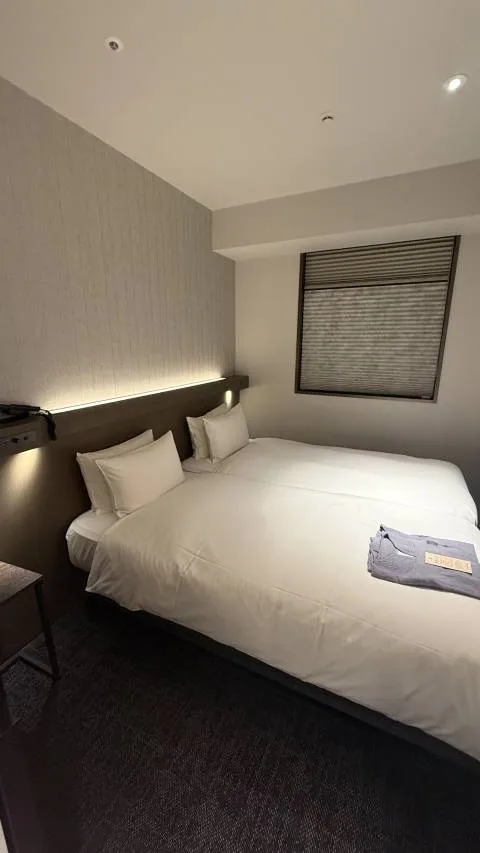
| Superior King/Twin | 15–16 m²; one 180 cm bed or two 90 cm beds | Basic rooms for travellers comfortable with limited space |
| Deluxe King/Twin | 18 m²; one 240 cm bed or two 120 cm beds | For more generous sleeping space |
| Executive Twin | 22 m²; two 90 cm beds | Wood flooring and more usable floor space |
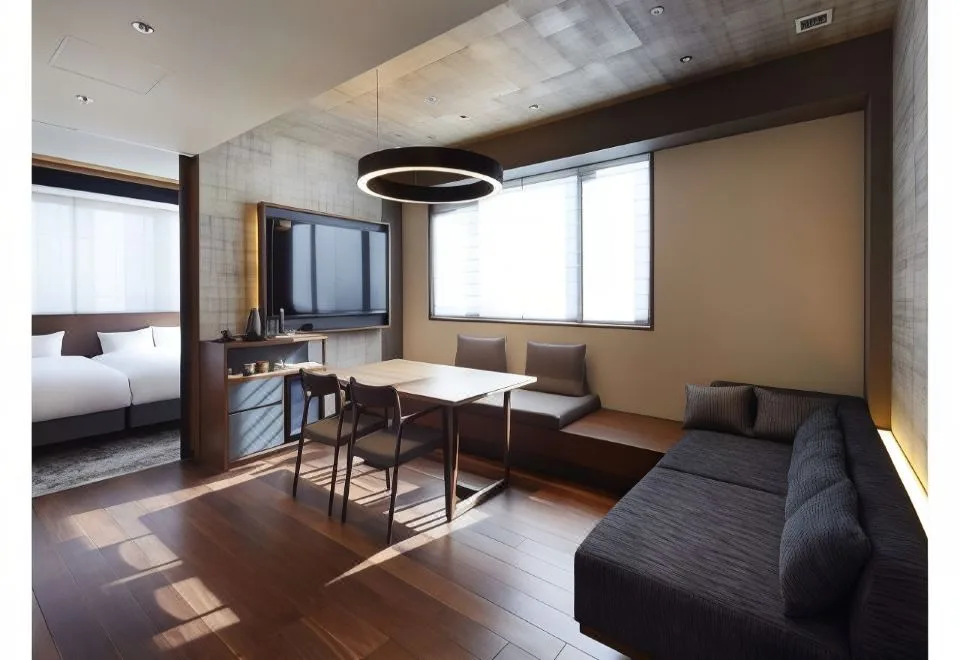
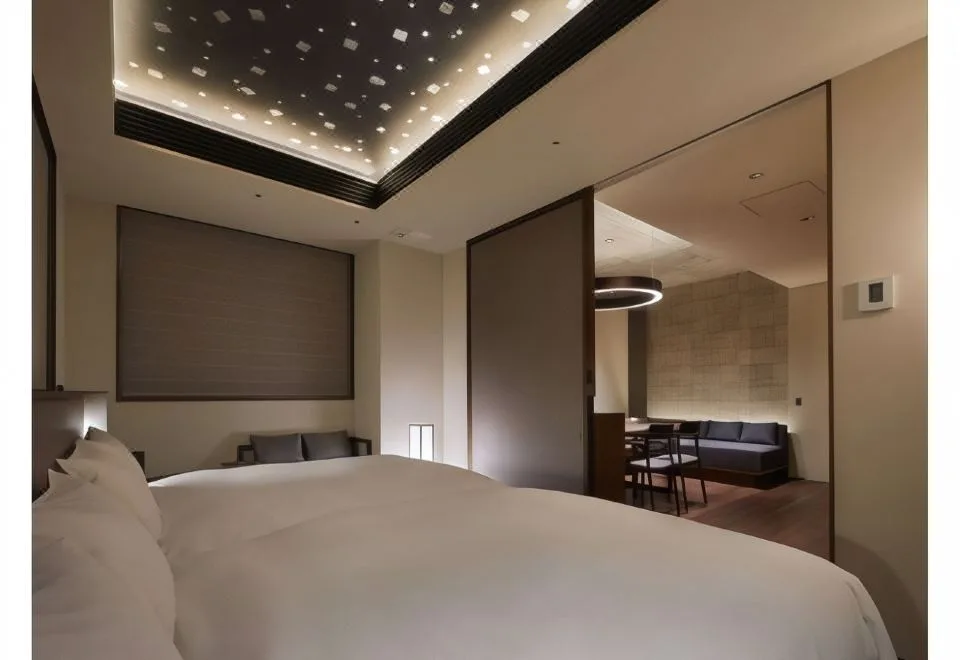
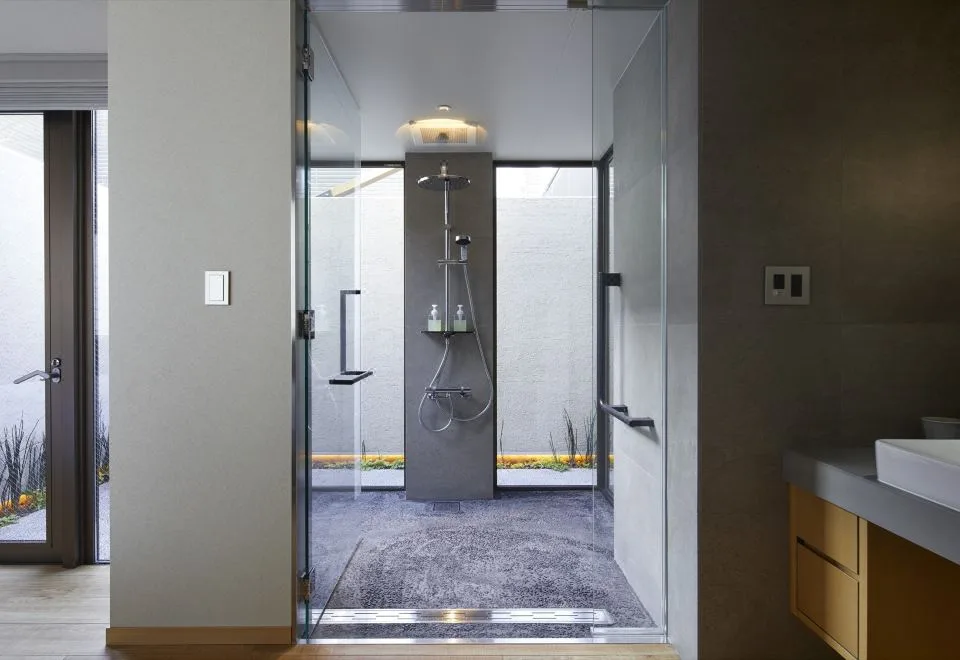
| Executive Suite | 49 m²; two 140 cm beds | Living room and ceramic bathtub |
Superior and Deluxe are not just different labels: they vary in area and bed width. For separate sleepers, 90 cm and 120 cm beds feel noticeably different. If taking a bath is essential, check the Executive Suite with a ceramic bathtub; do not assume a Suite photograph describes the basic rooms.
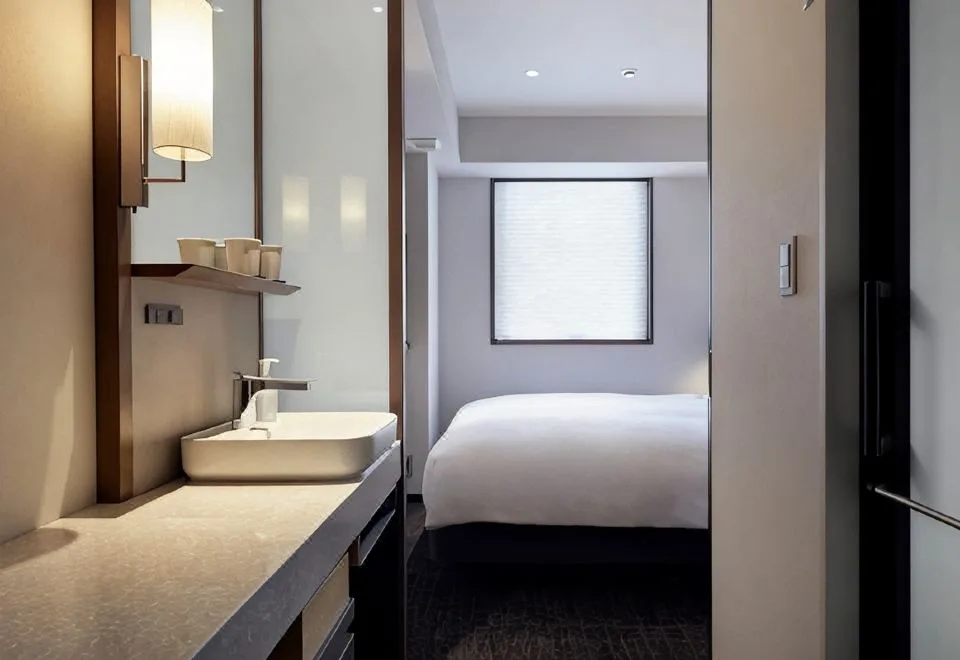
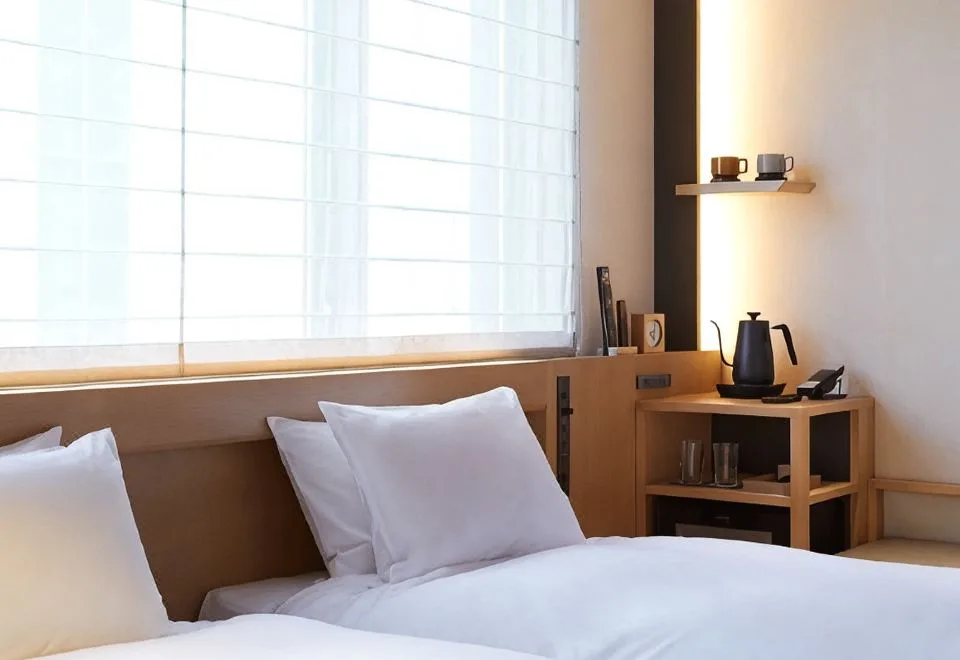
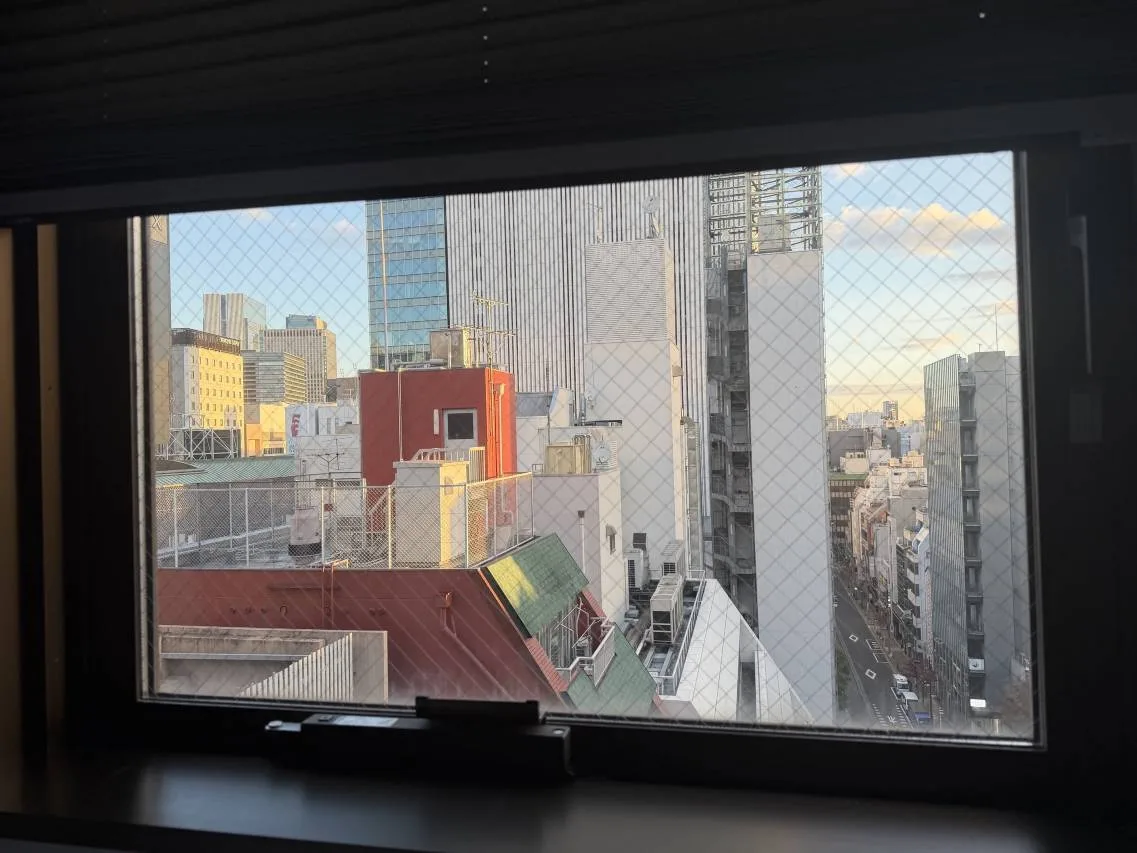
The gallery shows Double, Twin and sofa-seating layouts, and the photos show the narrow bedside passages in basic rooms. Larger lounge areas belong to specific categories and should not be expected everywhere. For two people with suitcases, check usable floor space first, then compare higher floors and daylight. If you work in your room, check the desk and chair too.
Executive Twin and Executive Suite rooms on the top floor come with a Dyson hair dryer and a drip coffee set, and Premier King rooms have the Dyson dryer too. Rooms already include a smart TV with Netflix and YouTube, a Bluetooth speaker, an electric kettle, a safe and a bidet toilet; nightwear, towels and toiletries are provided, and you can ask the front desk for a memory foam pillow, an air purifier, a humidifier, an iron or an extension cord. The smart TV sound comes through the Bluetooth speaker, so you can play your own music from your phone.
No room type allows an extra bed or a crib, so plan the sleeping arrangement first when travelling with children; children of all ages are welcome, and the guest checking in must be at least 18. No deposit is required and pets are not allowed; the front desk is staffed 24 hours, check-in is from 15:00 and check-out is by 11:00.
A solo traveller can take Superior King, two people sleeping separately can look at Deluxe Twin, and a 240 cm bed means Deluxe King; Executive Twin on the top floor has two 90 cm beds and feels roomier than a basic room. Choose by how the beds split first, then by area — the room name alone says little.
Toiletries are well stocked: toothbrush, razor, hairbrush, cotton pads, cotton swabs, wash towel, shampoo, conditioner, body wash, towels and nightwear are all provided, so there is no need to bring your own. A hair dryer is standard in every room, so drying your hair after a shower needs no waiting. Shampoo and body wash are in-room supplies, so there is no need to pack large bottles from home.
Breakfast: choose based on your mornings
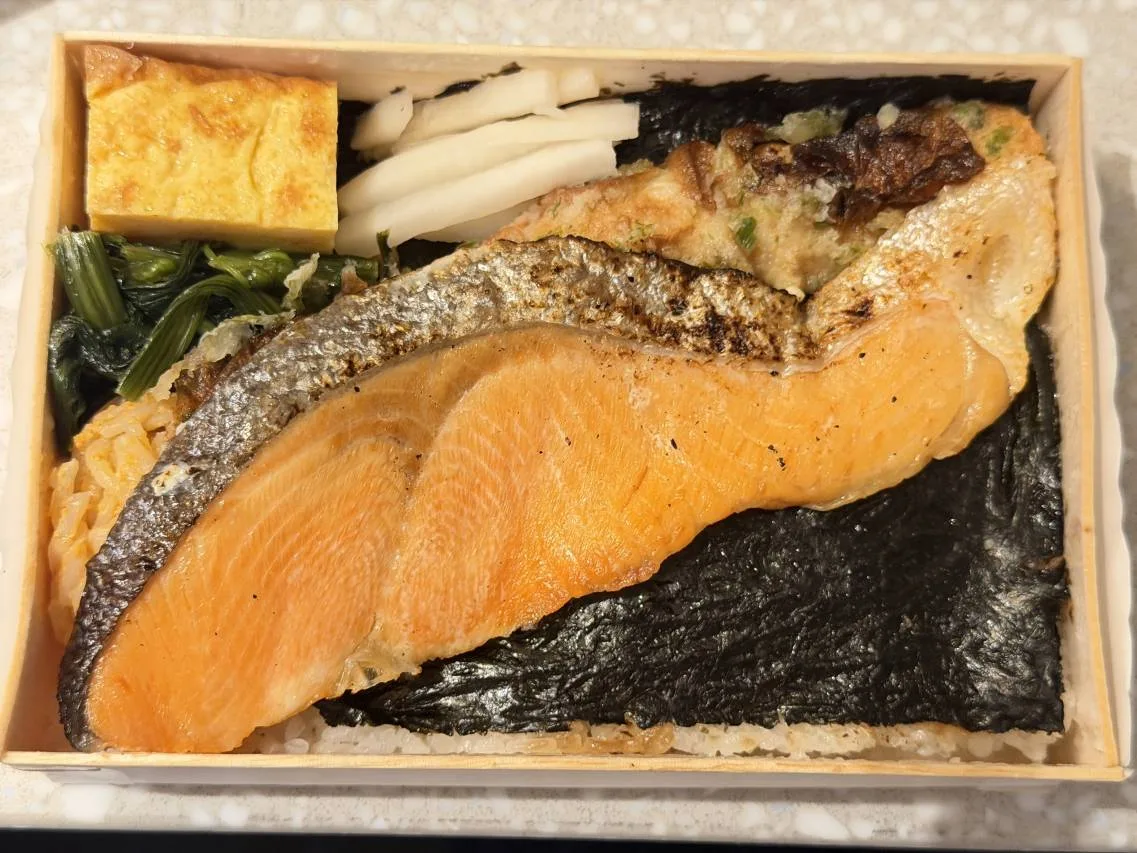
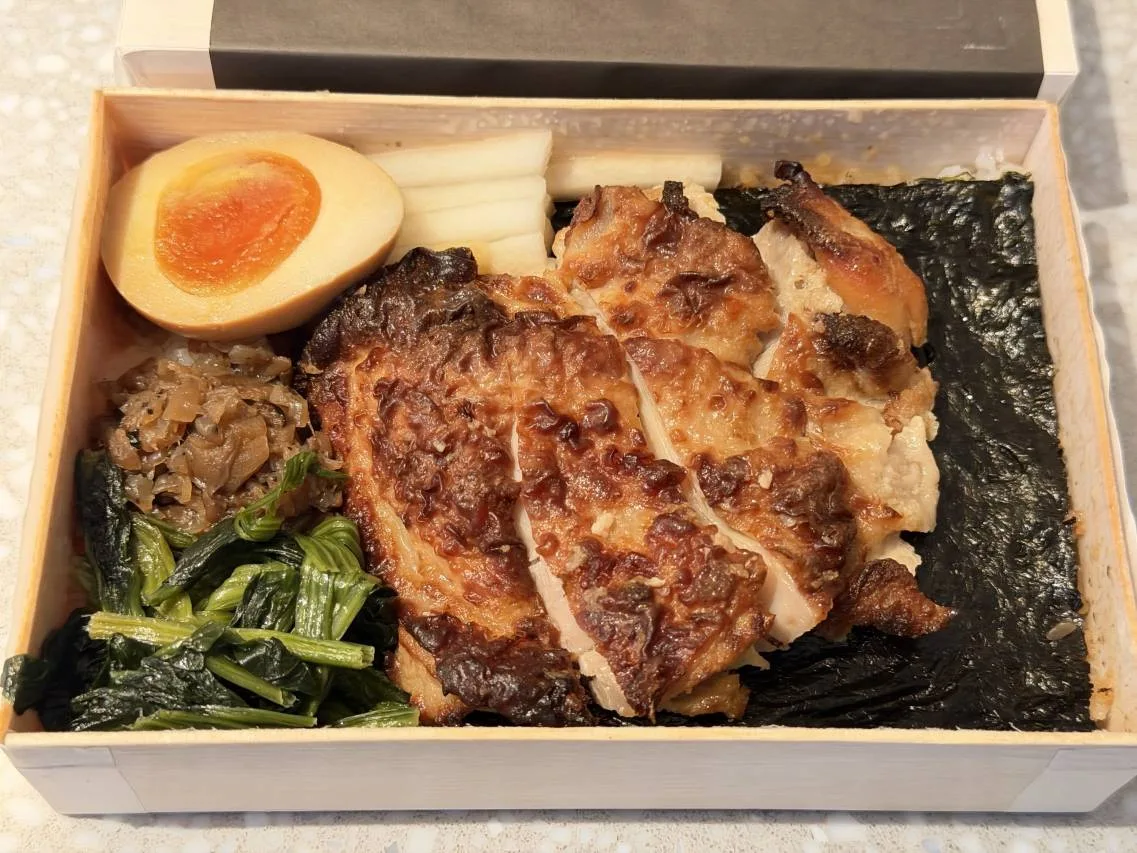
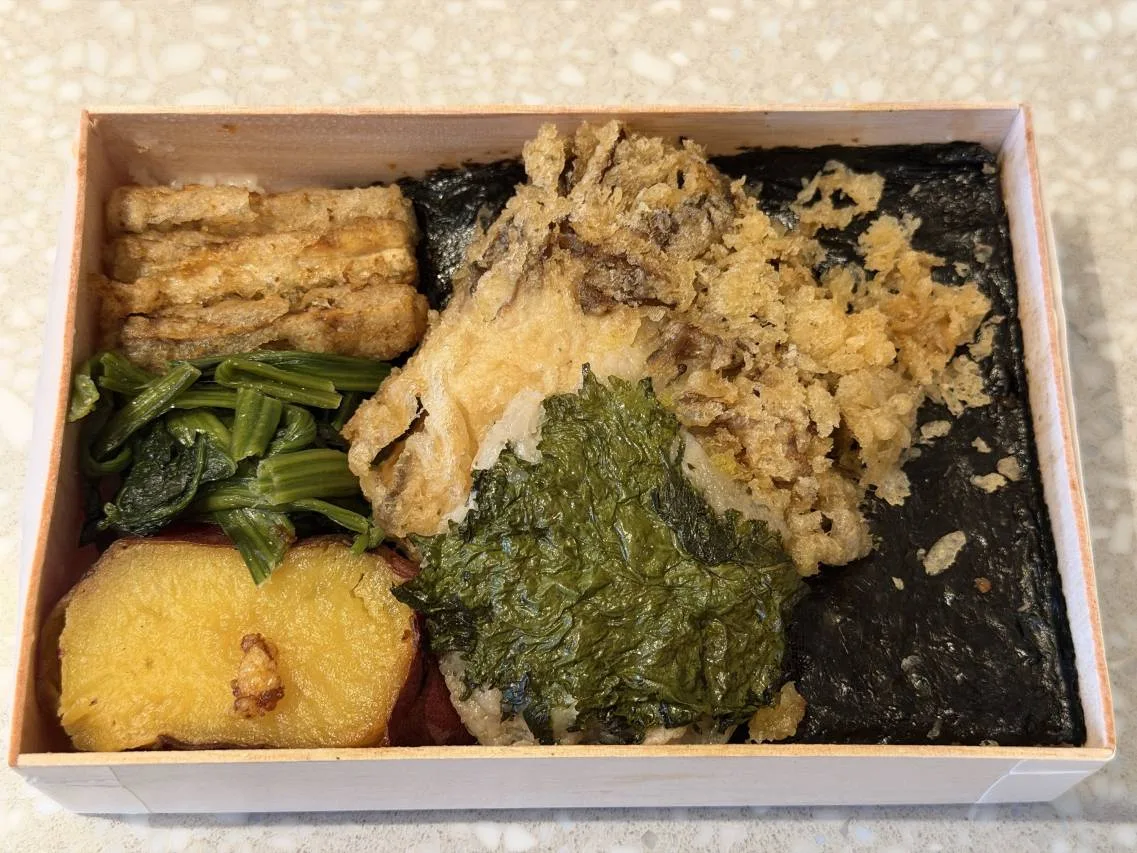
Breakfast is a Japanese nori bento. It suits anyone happy with one well-made box; if you want hot food made to order with many choices, it is not a large buffet substitute — book without breakfast and leave the morning to Tsukiji or a nearby restaurant.
The bento comes from Hakejoyu Noriben Yamanobori, a Tokyo nori bento specialist, made with first-harvest nori from the Ariake Sea. Three main dishes — Umi, Yama and Hatake — rotate daily and taste good even when cold. Breakfast runs 7:00–10:00 in the first-floor Ichié Lounge; adults and children aged 17 and under pay ¥1,477 each, and the vegetarian Hatake bento needs a reservation by 17:00 the day before, with limited availability. The three mains rotate daily, so an overnight stay of several days can catch different ones.
The bento is a set meal, not a buffet to help yourself from; if the format does not suit you, do not force it — Tsukiji Outer Market offers plenty in the morning, and you can top up there if one box is not enough.
On a tight schedule, decide in advance which mornings to eat in the hotel and which to eat out; Tsukiji Outer Market is nearby, so going there in the morning is another option.
Each bento has its own main dish: Umi is seafood, Yama is mountain food and Hatake is field flavour, with Hatake also the vegetarian choice. You cannot choose which one you get on the day; you eat whichever the rotation brings.
The shop name itself describes the method: ‘brush soy sauce’ — soy sauce brushed onto the nori — and that is the bento’s signature. The bento is even named after the nori: the seaweed is not a side note, it is the main act.
Exterior, shared spaces and facilities
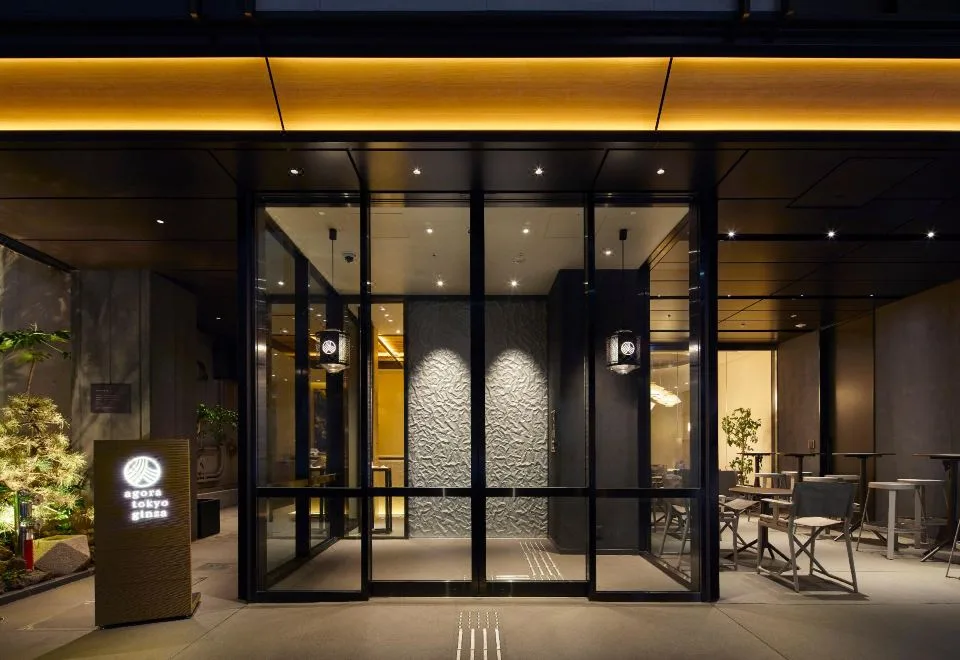
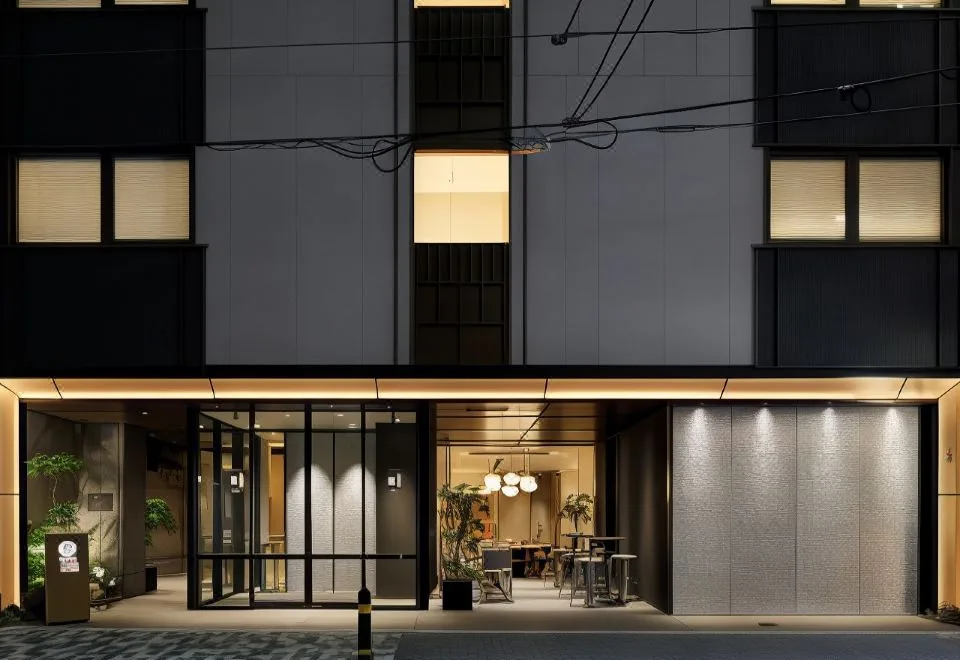
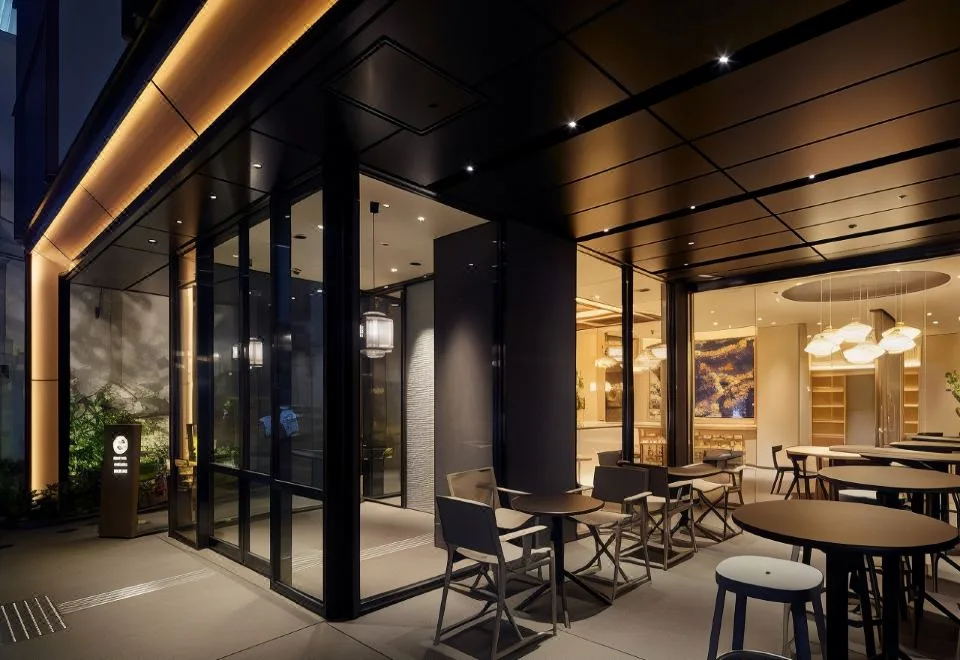
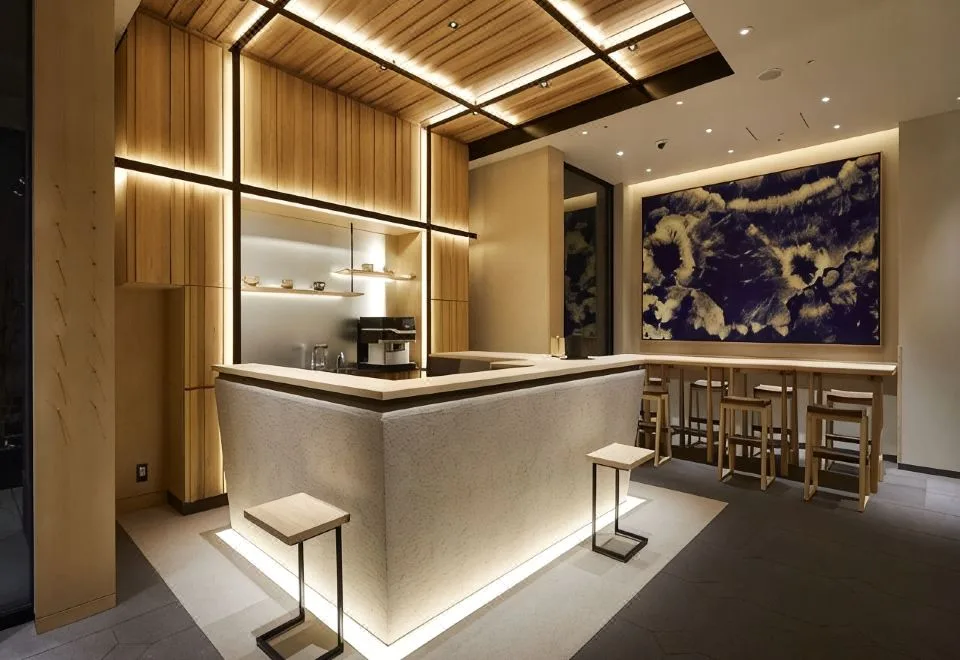
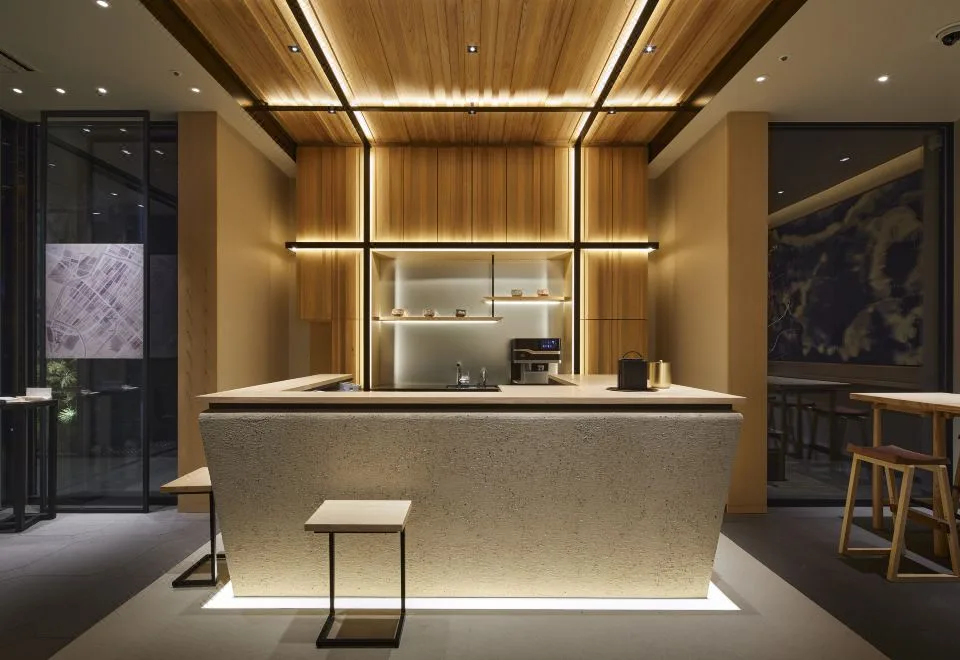
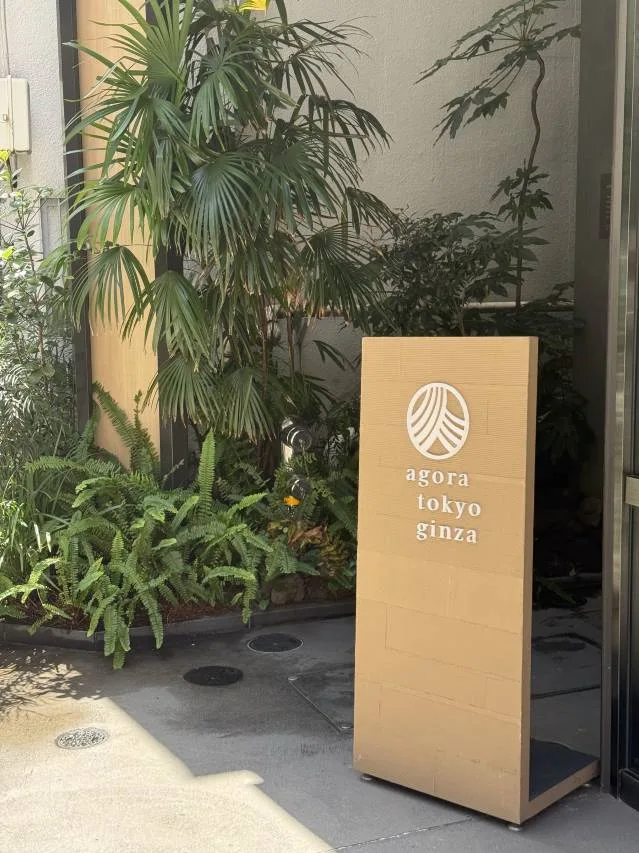
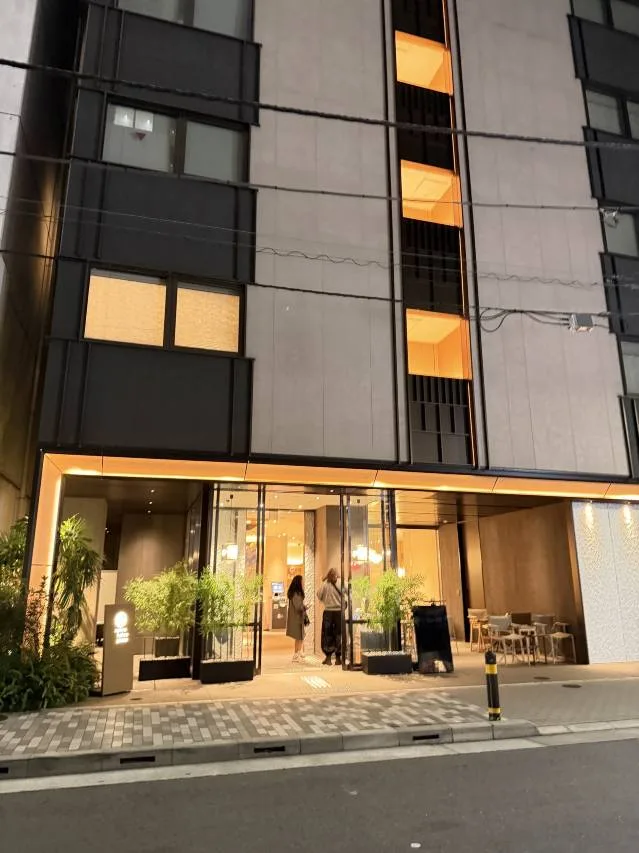
The lobby greets you with a wooden reception counter and shared seating, and at night the entrance lights and street facade feel quiet rather than bright like a large hotel. The shared areas include a bar, Wi-Fi is free, and sitting in the lobby with a drink while planning the next day works well. During the day the lobby is quiet with few people coming and going, calmer than the photos suggest.
Luggage storage is charged, parking is available, public areas are non-smoking with a separate smoking area; the front desk speaks Chinese, English and Japanese, so asking directions or about room types is easy. The lobby seating also works as a daytime meeting spot before heading out.
The first-floor Ichié Lounge is where breakfast is served and also a corner to sit with tea during the day; the hotel presents itself as a tea house, and the lobby’s wood and quiet are exactly that idea — anyone who likes that mood will feel at home.
The hotel’s concept is a modern tea house: the rooms are tea-house guest rooms prepared for you, and the service carries the spirit of tea-ceremony hospitality. The lobby’s wood and quiet are not decoration; they are the concept itself. Tea-ceremony hospitality means quiet and attentive, never intrusive.
Short stays, longer stays and neighbourhood walks
One or two nights are handy for exploring Ginza and Tsukiji together, then returning to rest. On longer stays, alternate the hotel’s bento with eating out and pick a room where you can organise suitcases comfortably. For families or travellers wanting lots of space, a larger room matters more than attractive photos of the lobby.
Everything nearby is on foot: Tsukiji Outer Market is 330 m away, the Ginza Art Aquarium 370 m, Ginza-itchome Station 700 m; Tokyo International Forum is 1.1 km and Nihonbashi 1.4 km, an easy walk or one subway stop. Mornings in Tsukiji, afternoons back in Ginza, evenings back in the room — that rhythm fits this hotel best. Walking back from Ginza at night, the street lights and shopfronts are lit and the route is easy to follow.
Kabukiza is about a two-minute walk and Shinbashi Enbujo the same, so an evening performance ends with a short walk back; Tsukiji Honganji is about seven minutes and Hibiya Park about twelve, both easy to add to an afternoon walk.
It works for business too: Wi-Fi is free and Higashi-ginza Station reaches everywhere easily. Meetings by day, back in the room at night, out again the next morning — the rhythm works as well as for sightseeing. Both the Hibiya and Asakusa lines stop at Higashi-ginza, so you can head in any direction.
Ginza’s main shopping street and department stores are all within walking distance, so a stroll is an outing in itself. Shopping needs no special slot in the schedule — step outside and the shops are there, and dropping bags back in the room before heading out again is easy.
Pros and cons at a glance
Pros
- Higashi-ginza Exit 4 is about a two-minute walk; the hotel is only 140 m from the station.
- Exit 3 has a lift straight to street level, so large luggage, wheelchairs and strollers avoid stairs.
- Wood-finished shared areas feel quiet and designed, and the evening return feels calm.
- Breakfast is a Yamanobori nori bento with Umi, Yama and Hatake mains rotating daily, served 7:00–10:00 on the first floor.
- Top-floor executive rooms have a Dyson hair dryer and drip coffee set, and rooms have a smart TV with Netflix and YouTube.
- The front desk is staffed 24 hours, check-in is from 15:00 and check-out is by 11:00, and shared-area Wi-Fi is free.
Cons
- Basic rooms are 15–16 m², so two people opening two suitcases will find the floor space tight.
- Breakfast is a bento set, not a buffet, and needs a reservation by 17:00 the day before.
- No room type allows an extra bed or a crib.
- Housekeeping frequency and towel replacement need confirming at check-in, and experiences differ.
- Exit 4 has stairs, so luggage must use the Exit 3 lift route, with extra time for the crossing and the lift.
- There is no large bath, pool or gym, so bathing or exercise needs a separate plan.
Information checked: 23 November 2026.