
TOKYO / CHIYODA
APA Hotel PRIDE Akasaka Kokkaigijidomae: Public Bath, Room Sizes and Metro Access
APA Hotel PRIDE Akasaka Kokkaigijidomae
If your Tokyo days are built around Akasaka, Kasumigaseki or Toranomon, and you like the idea of coming back each evening to soak in a public bath before bed, I would put APA Hotel PRIDE Akasaka Kokkaigijidomae on the shortlist. The Metro is right there, the bath is on the seventeenth floor, and breakfast is in-house — but do not let the PRIDE name fool you: standard singles and doubles are still just 11 m², so think about where the suitcases go before you book.
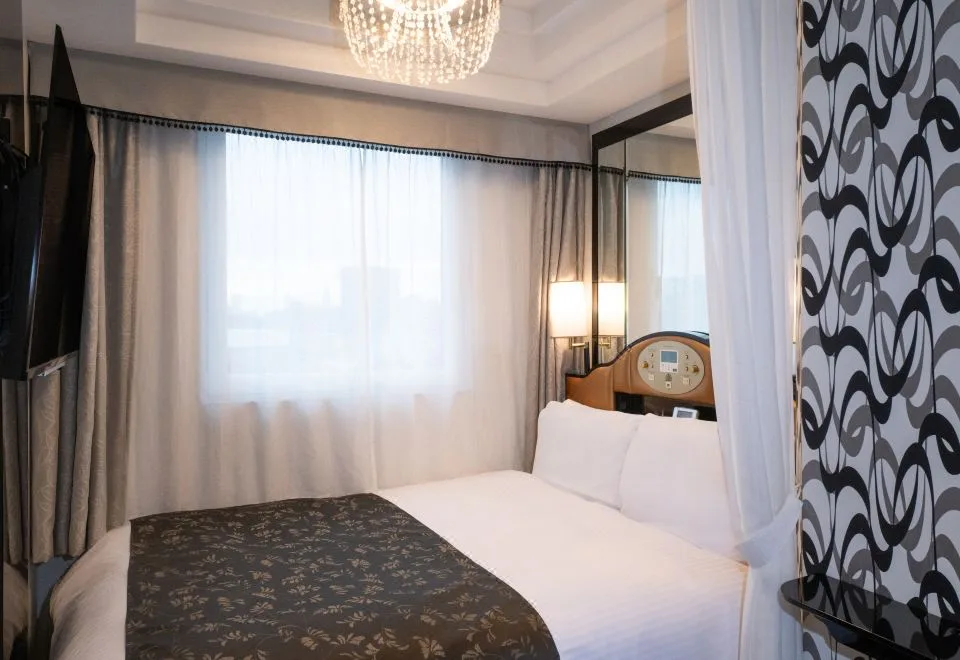
Clear advantages, but pay attention to floor area
- What I like: about a minute on foot from Exit 5 once you are above ground, free guest access to a public bath with an outdoor pool, and a Japanese-Western breakfast buffet for slow mornings in the hotel.
- What to think through first: the standard rooms are genuinely tight for two adults with suitcases; the one-minute figure starts at the exit, not at the platform; and the view depends on the room and which way it faces.
The address is 2-10-2 Nagatacho, Chiyoda-ku, with check-in at 15:00 and check-out at 10:00. The indoor bath uses artificial mineral water made with Komeiseki stones, so it is not a natural hot spring — worth knowing if soaking is the reason you are choosing this hotel. Source 1
The closest exit does not mean a one-minute journey from the train
The usual route is Exit 5 of Kokkai-gijidomae / Tameike-sanno Station, then about a minute to the right at street level. I would still separate “the exit is close” from “I will be in my room quickly”: from the Marunouchi Line you cross through the Chiyoda Line passages, and from the Ginza Line you may swing through the Namboku Line area, so leave extra time inside the station, especially for an early train.
Step-free route: use Exit 2. With heavy luggage, a wheelchair or a stroller, use Exit 2: take the lift from the platform to the ticket-gate level (B1), then the lift up to street level at Exit 2, on the road on the west side of the National Diet Building. From there it is about 5–8 minutes south along Sotobori-dori toward Tameike-sanno to Nagatacho 2-10-2. Exit 5 is still the fastest general route (about 1 minute, turn right at street level), but it has no lift to street level.
If your days are Akasaka and Kasumigaseki business, or Metro trips toward Ginza and Tokyo Station, this spot works well; if you would be on JR trains every day, I would also compare a hotel beside a JR station. Akasaka-mitsuke is about ten minutes on foot, but that is a separate route.
Nagatacho Station (Yurakucho and Hanzomon lines) is about an eight-minute walk, so three stations and six lines serve the hotel and getting around central Tokyo is easy. This is a government district, though, and it goes quiet at night — restaurants and convenience stores are not on every corner like in the sightseeing areas, so I would buy snacks and daily things before heading back.
Open the hotel location in Google Maps. Source 1
Room comparison: upgrading may mean more floor space, not just a higher floor
| Official room | Area and bed size | Best fit |
|---|---|---|
| Single / Double | 11 m²; one 142 cm bed | Easier for a solo traveler; compact for two adults traveling light. |
| High-floor view Single / Double | 11 m²; one 142 cm bed | Pays for a higher room/view, not more usable floor area. |
| Twin | 15 m²; two 113 cm beds | Separate beds for travelers comfortable with tight space. |
| Deluxe Double | 21 m²; one 162 cm bed | Two people staying longer who want extra room. |
| Deluxe Twin | 32 m²; two 122 cm beds | Useful when luggage or space in the room matters more. |
I would first settle the real question: separate beds, or more floor space? Then compare higher floors. A view category does not guarantee a specific landmark — if a Tokyo Tower view matters to you, ask which side and floor offers it before booking.
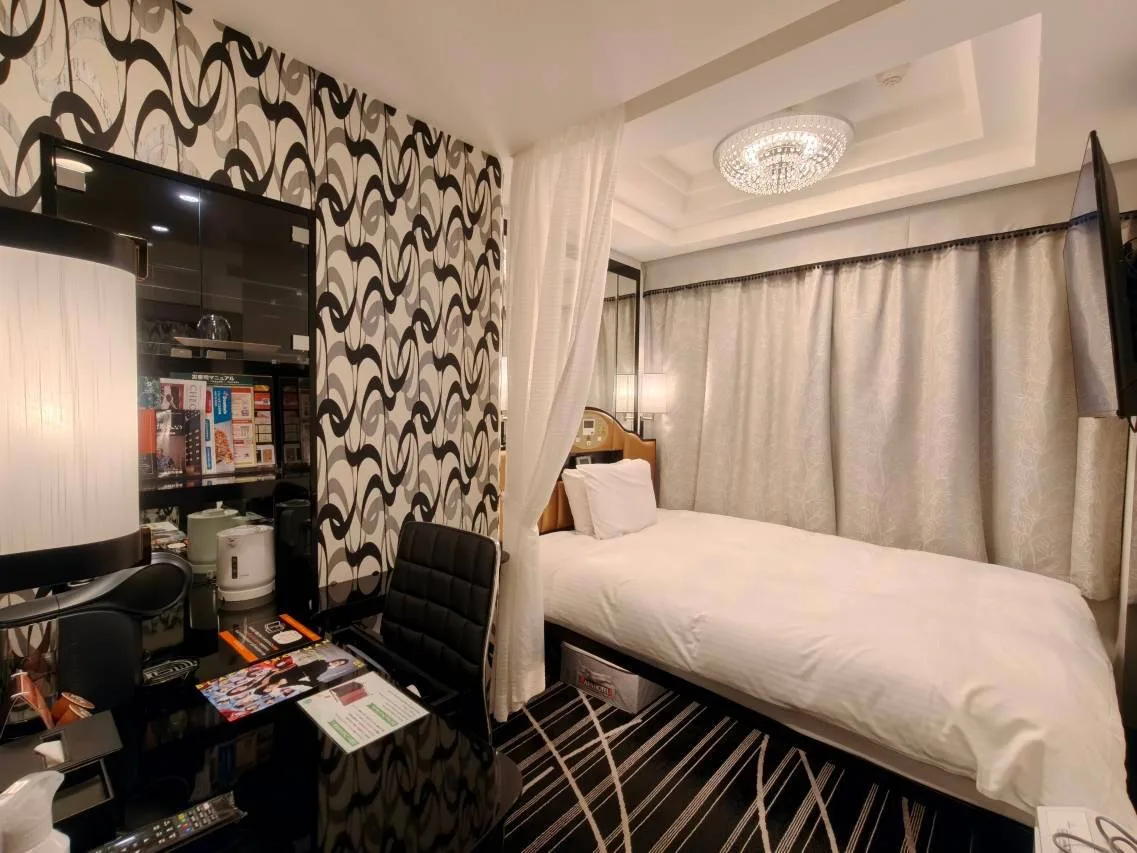
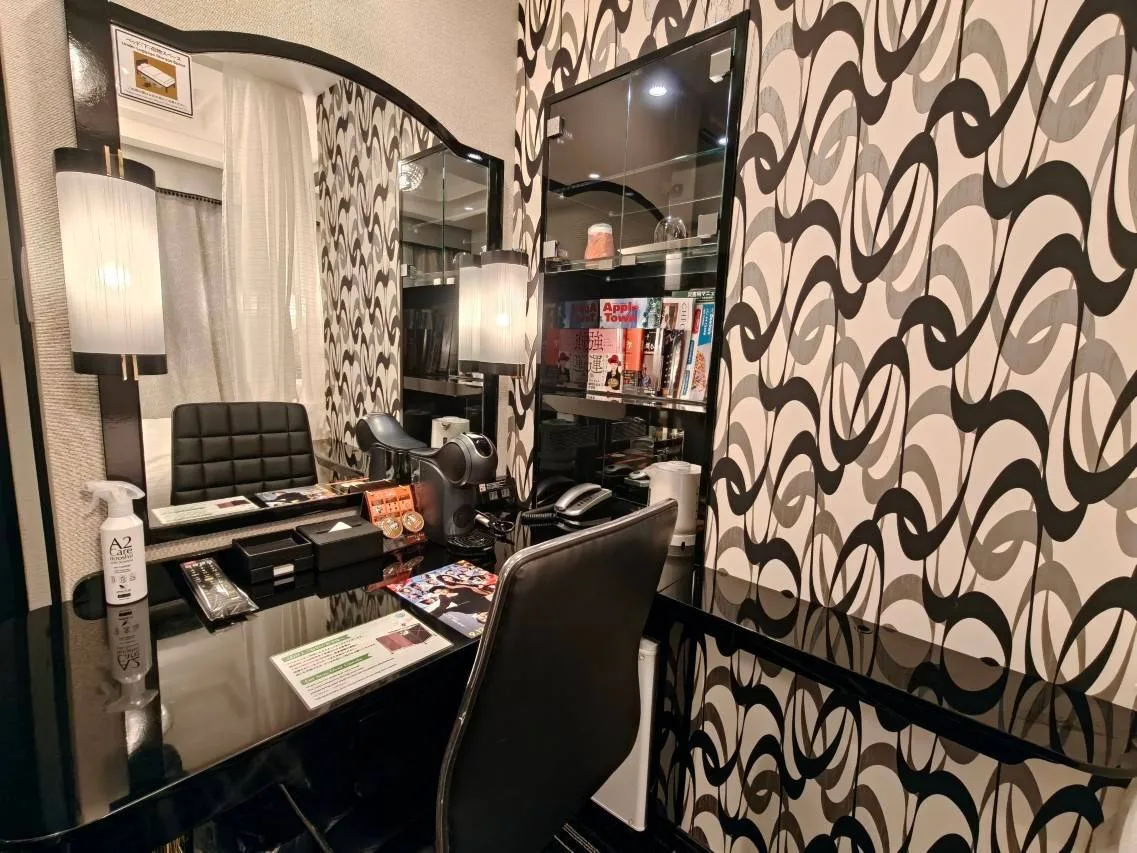
In one room the narrow desk and chair sit right beside the bed, with the screen and amenities crowded onto the same side — but that is one room, not every 11 m² layout. If two of you need to work or eat in the room, I would ask about seating and desk space too, not only bed width.
The small touches in the room work for me too: a welcome drink is already in the fridge when I arrive, every room has a free capsule coffee maker so I can have a cup before heading downstairs, and the separate samue loungewear is easier to move in than a yukata on the way to the 17th-floor bath. The bed has storage space underneath, so the suitcase goes under the bed and the 11 m² floor stays walkable. The TV mirrors my phone, which is handy for watching my own videos before sleep.There are two types of pillow to choose from, so a softer or firmer one can be swapped in.
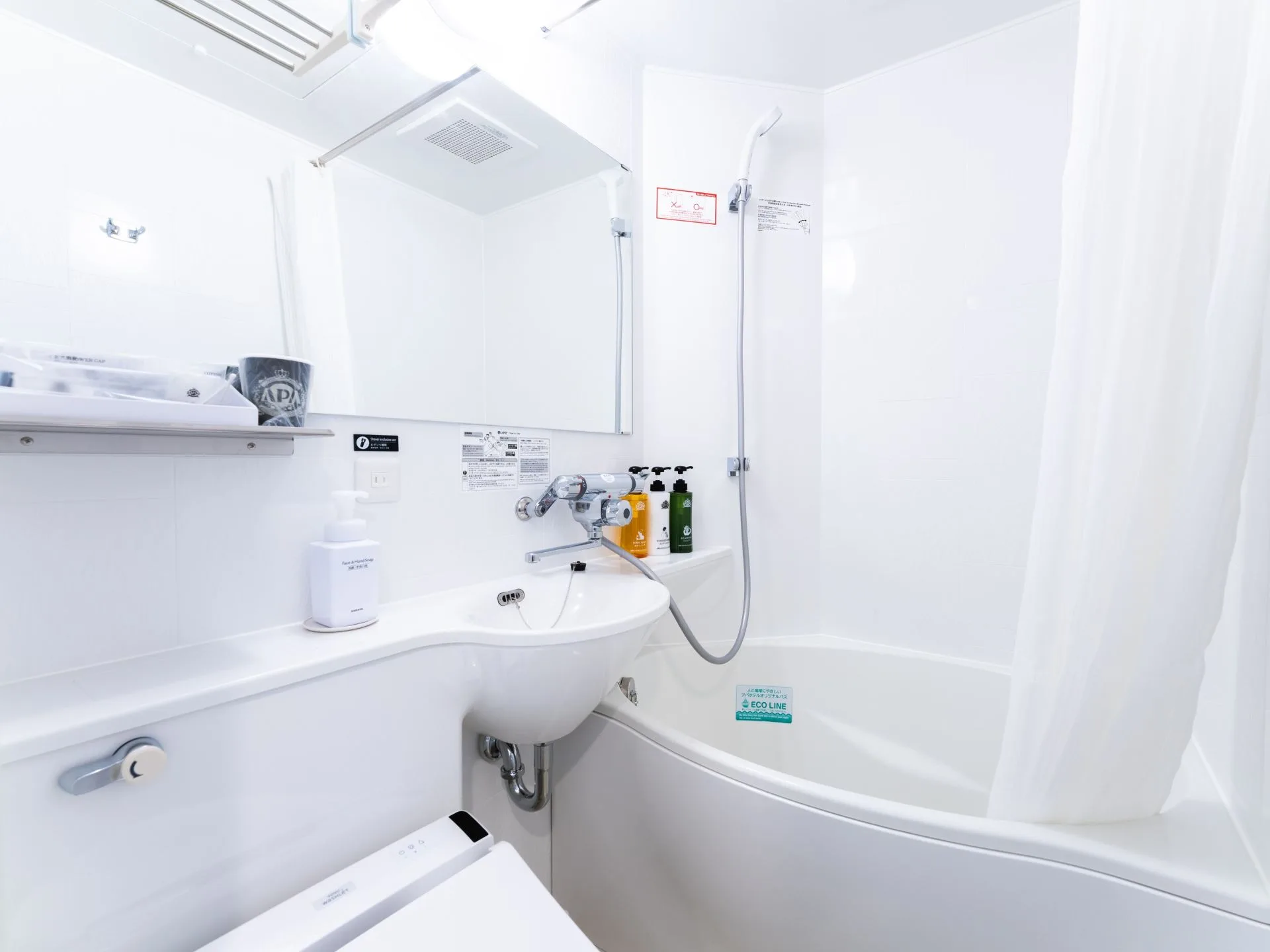
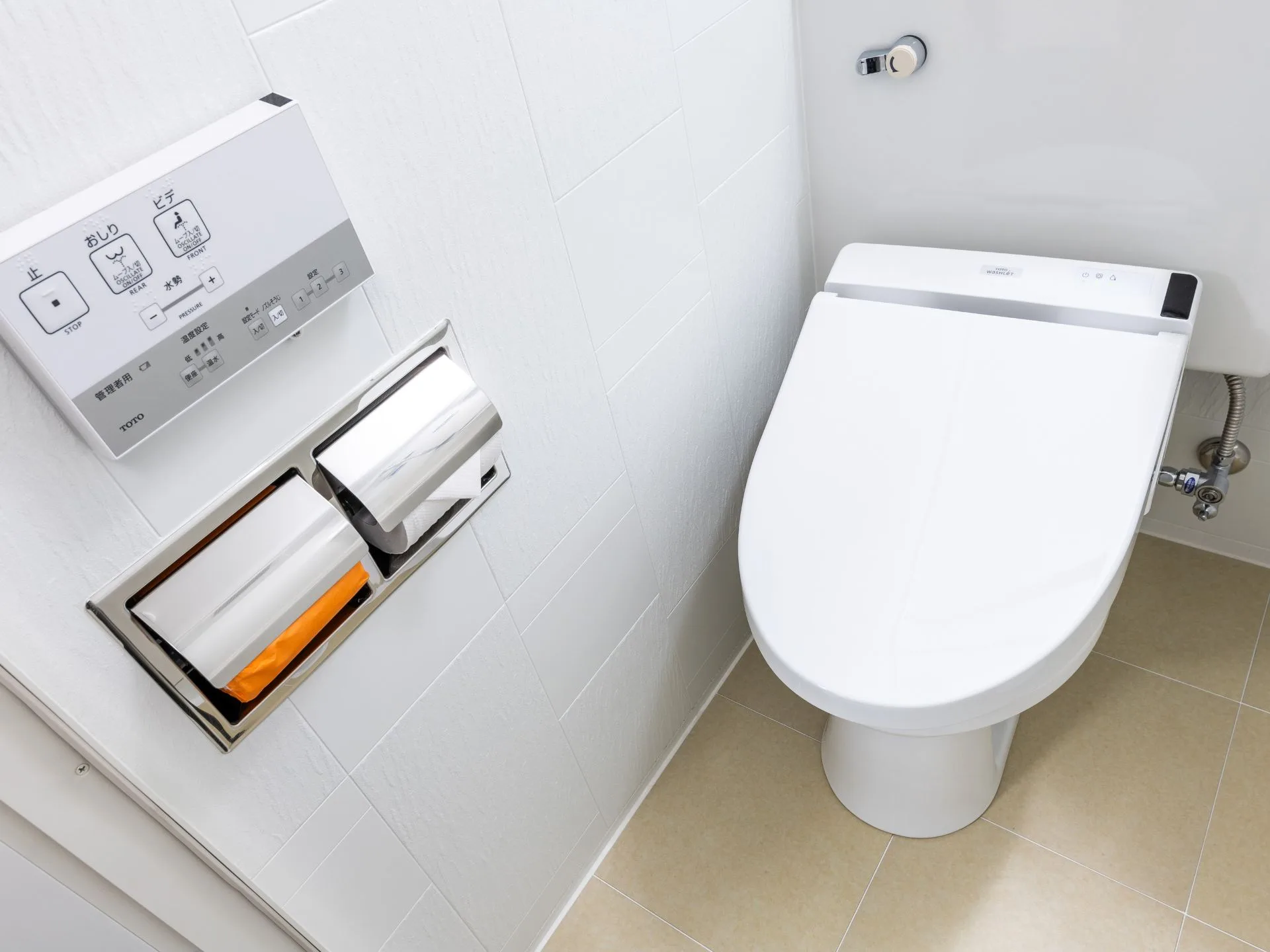
Room and bathroom photographs
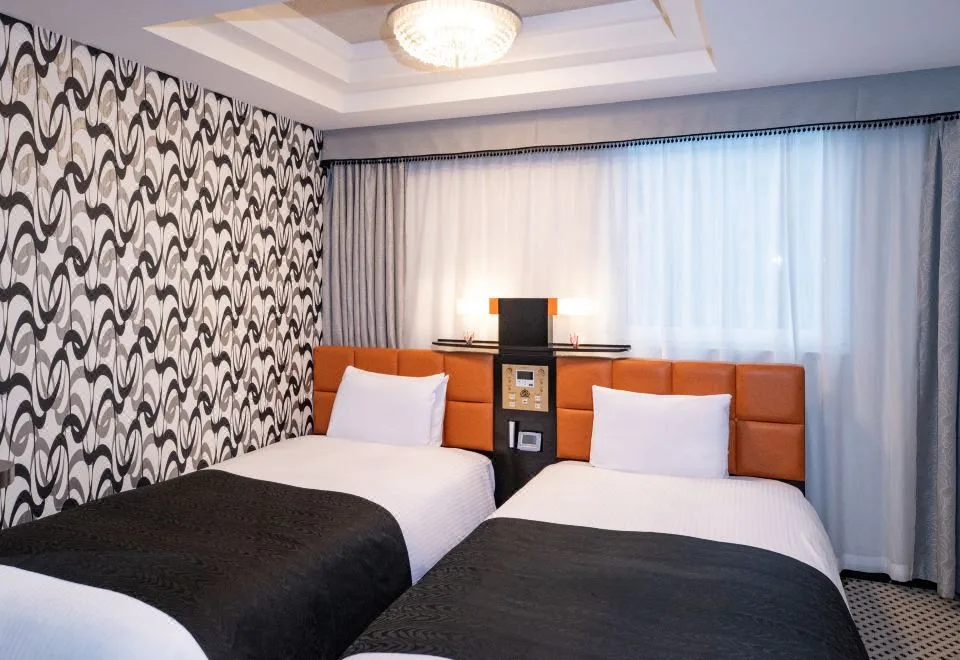
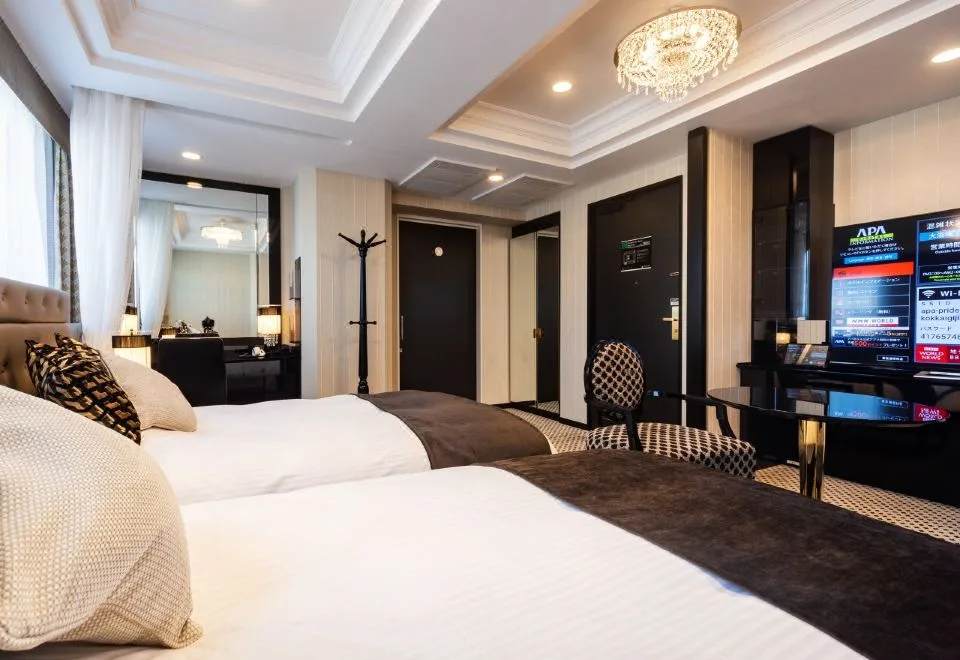
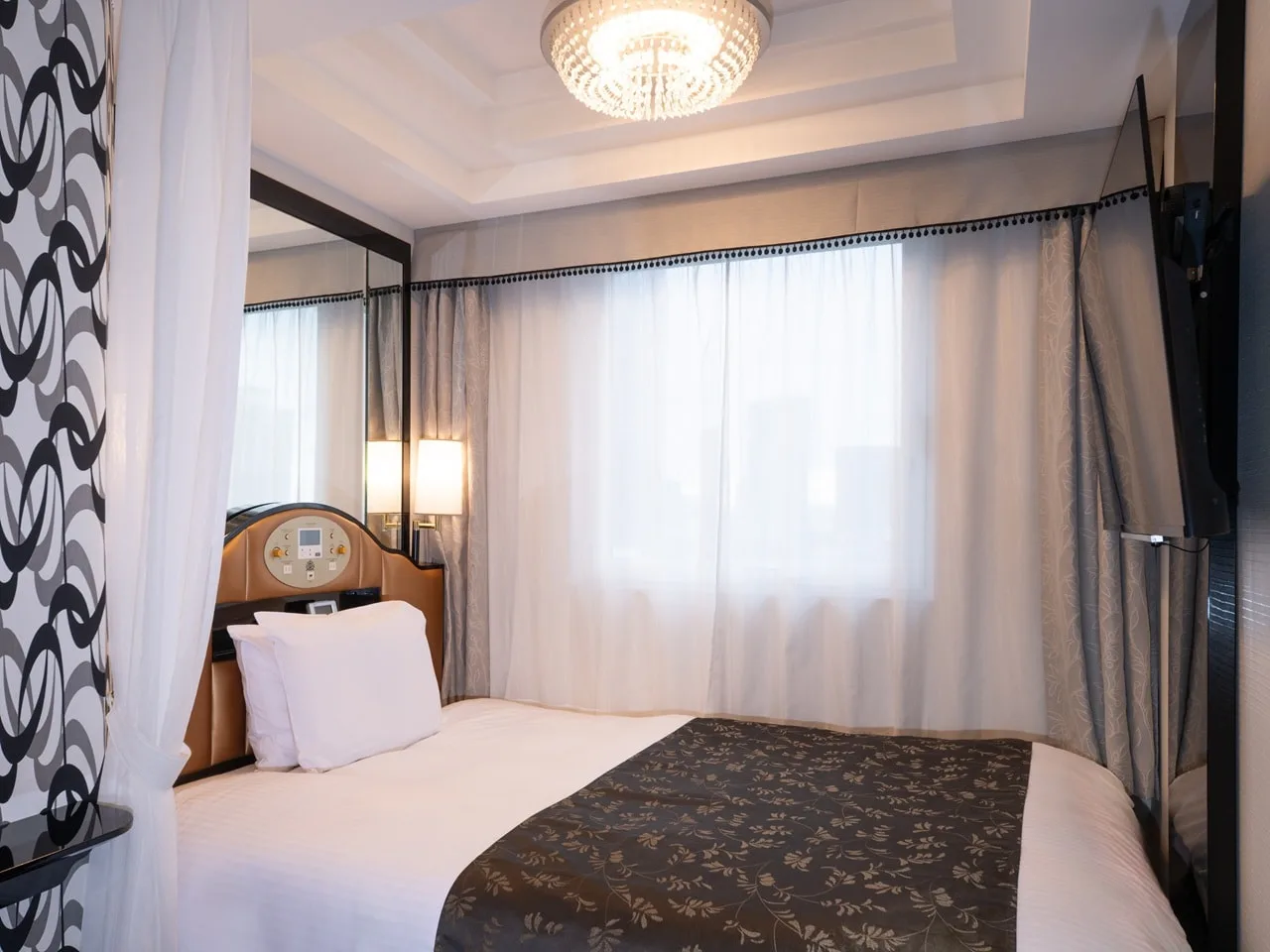
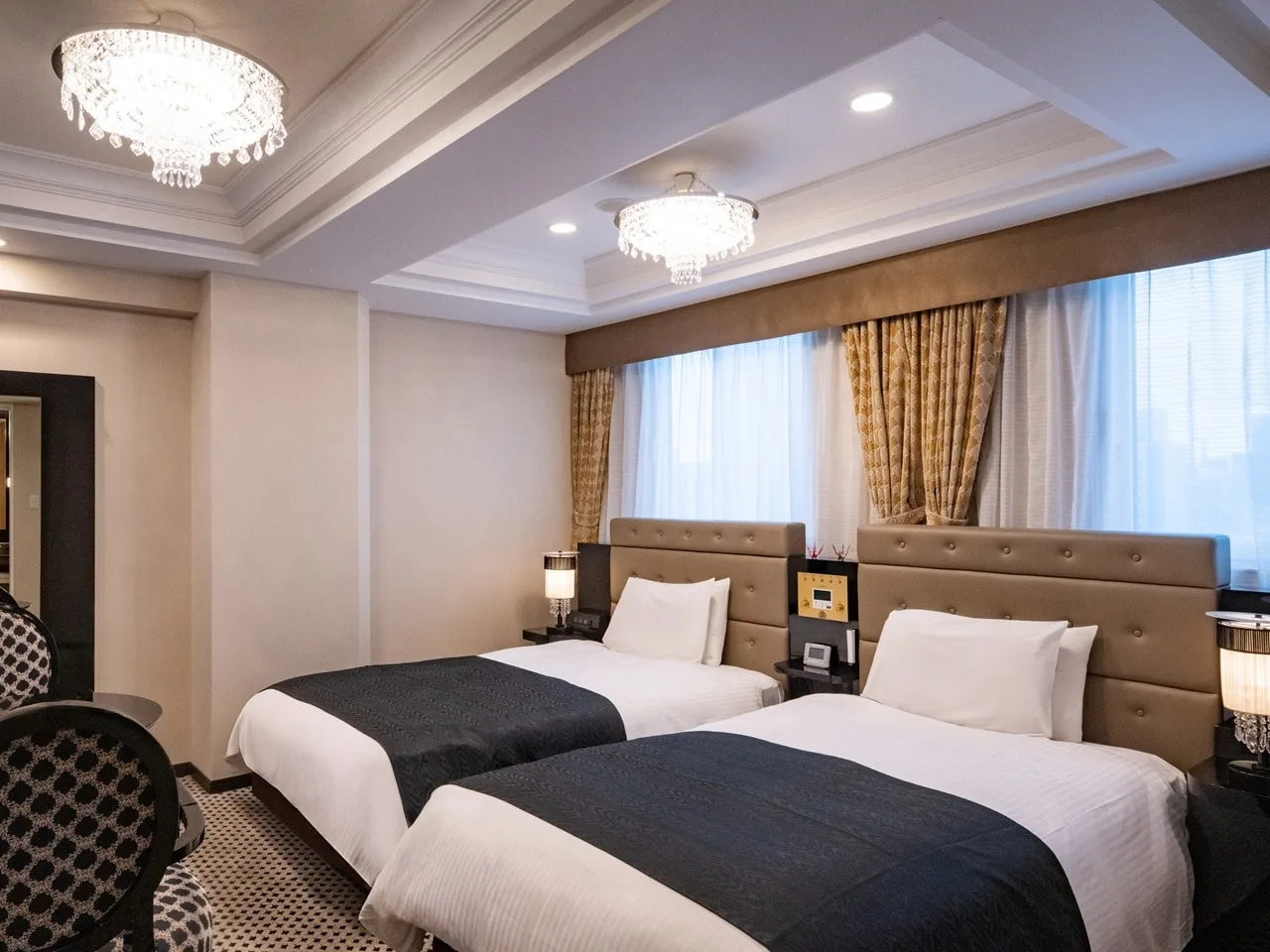
Room photographs
Should you add breakfast? Compare against your departure time
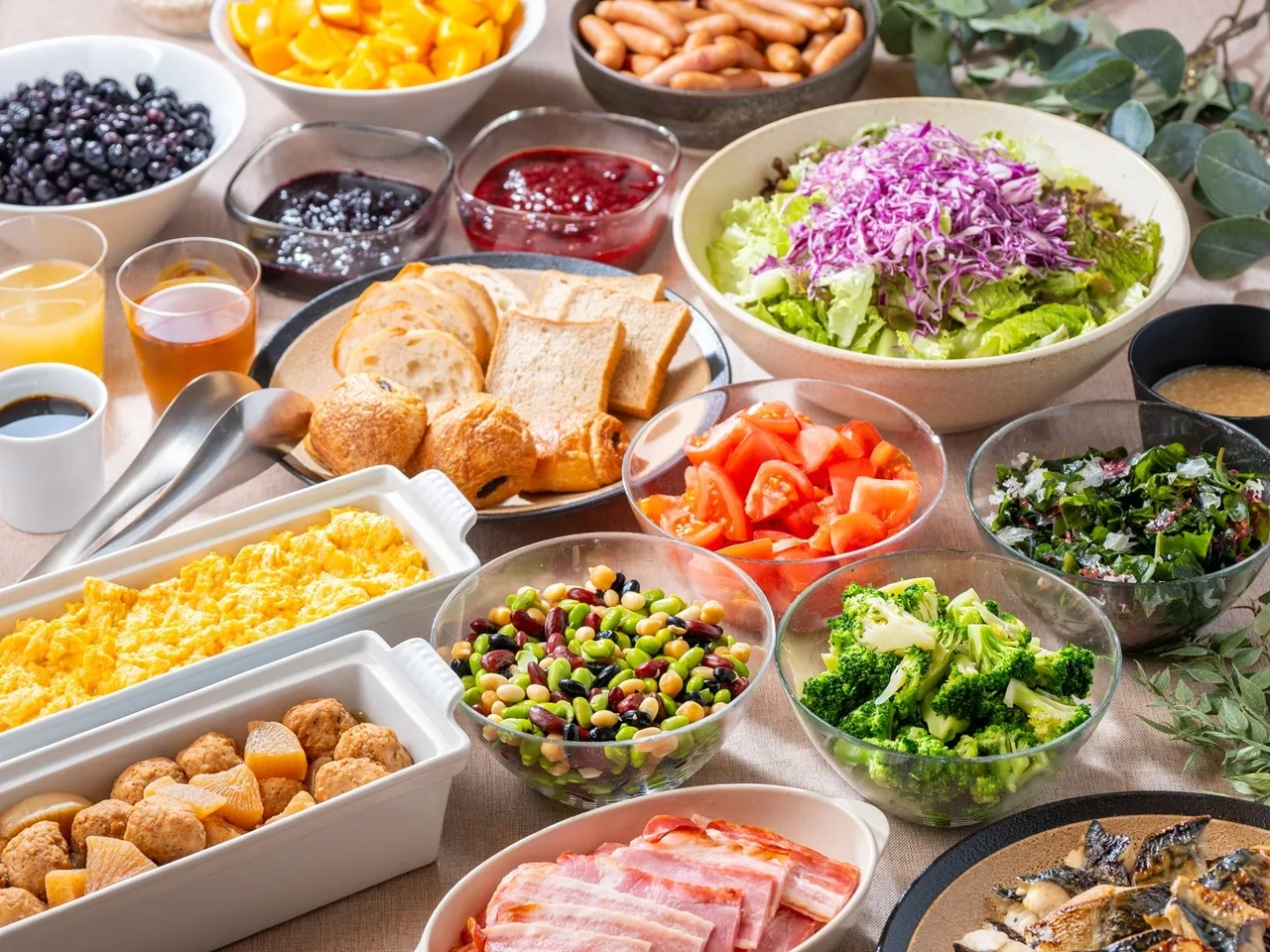
KIGI serves a Japanese-Western buffet of more than forty items, 07:00–09:30, at an adult reference price of JPY 2,300 bought ahead or JPY 2,500 on the day, tax included (checked November 18, 2026). Those are ordinary meal prices, not the breakfast difference on any particular room rate.
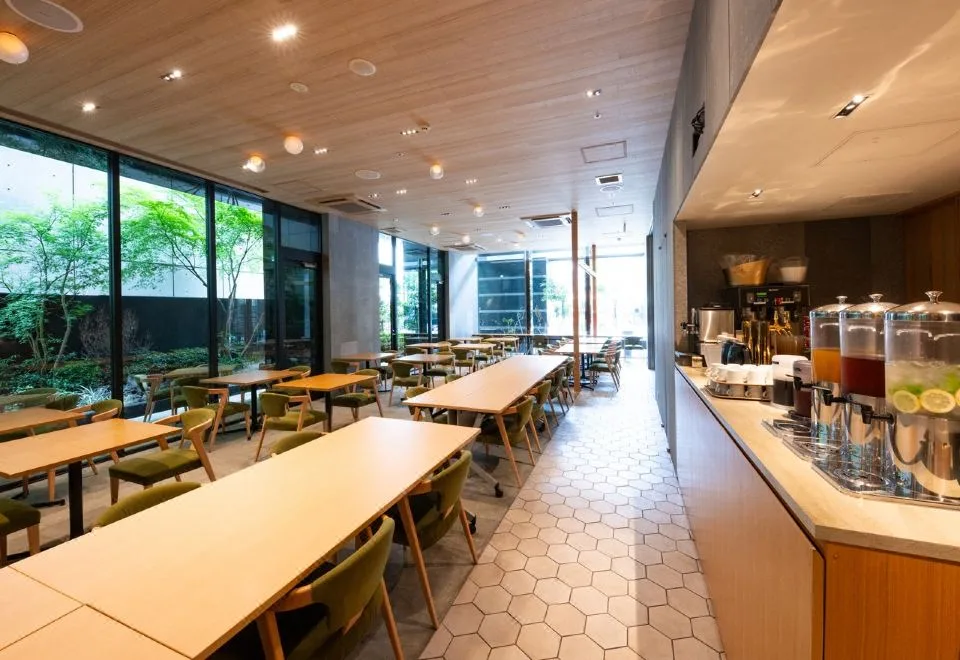
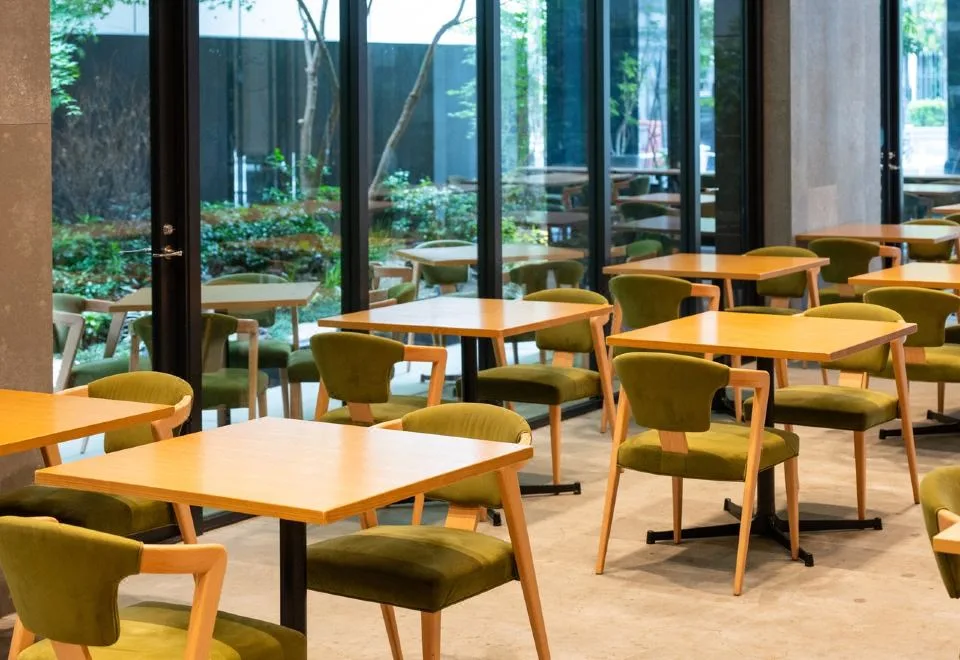
The dining room is bright and the buffet is wide-ranging, so if you like sitting down to a proper breakfast with nowhere to rush to, I would consider adding it. A departure before 07:00, or a usual breakfast of just coffee, changes the maths.
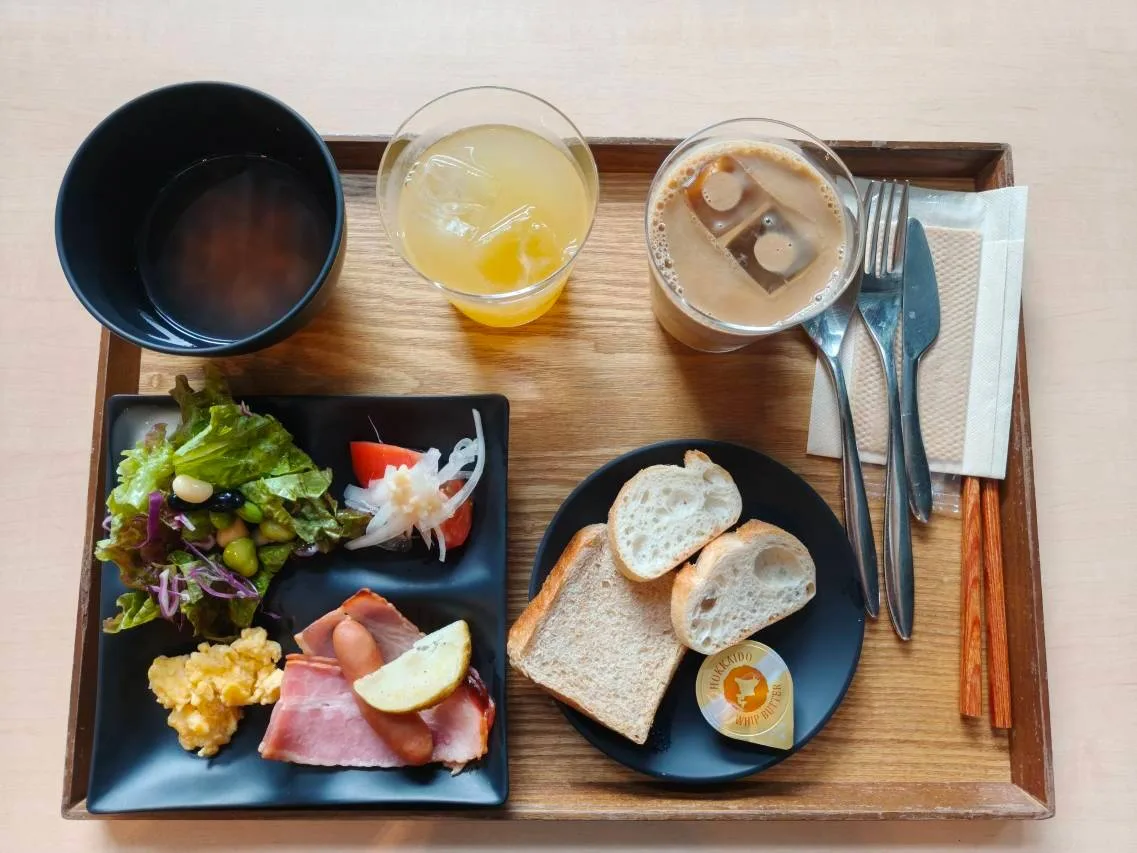
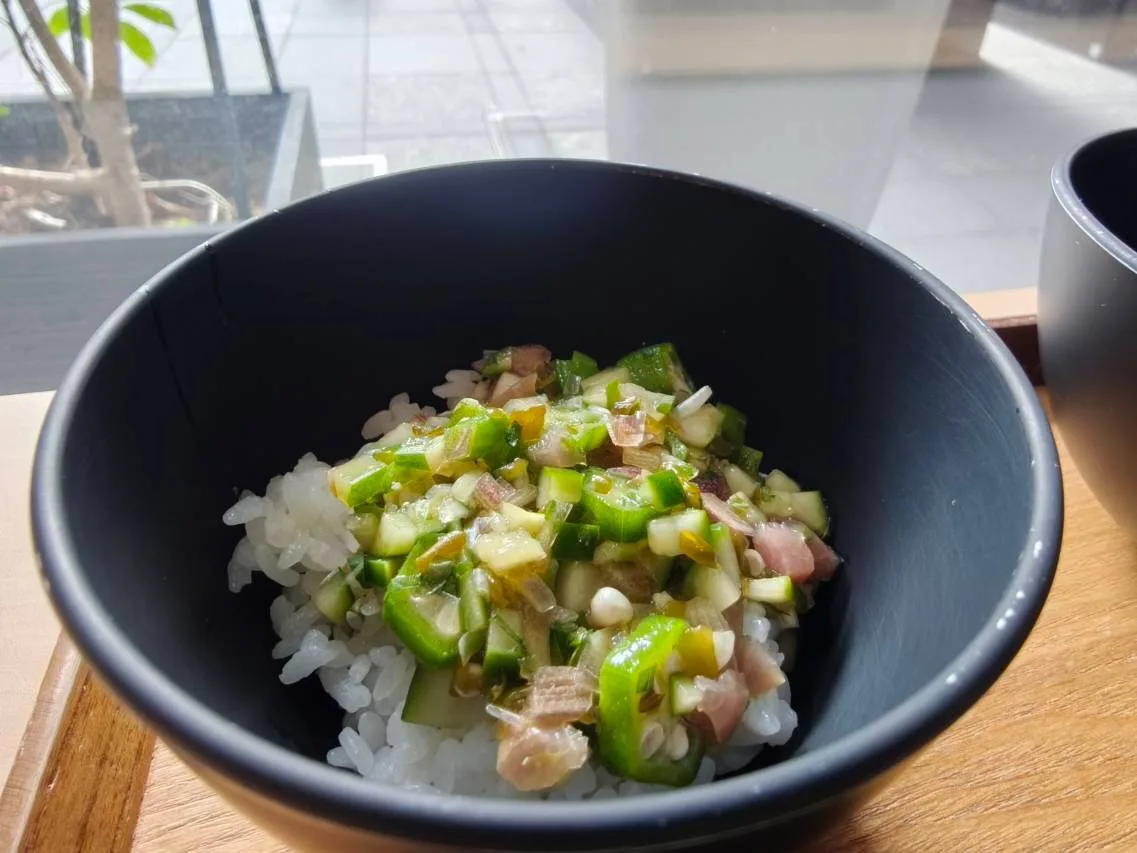
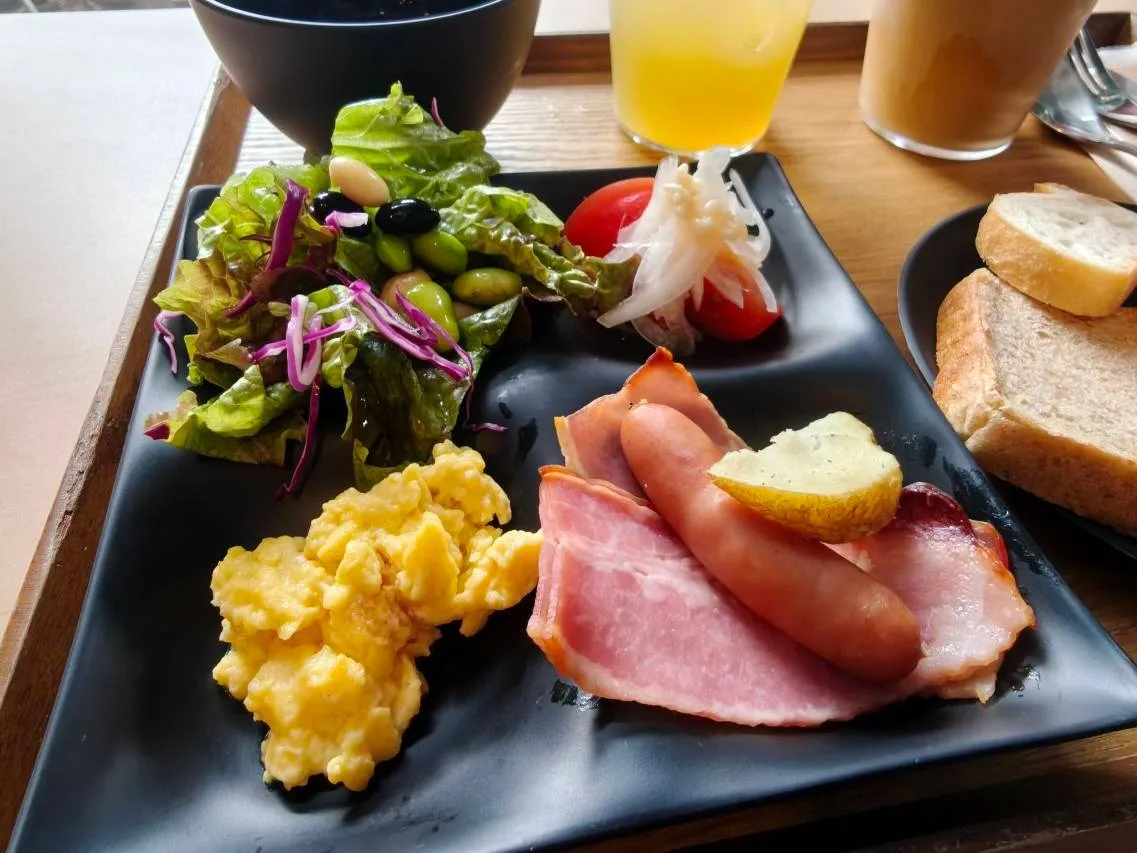
A divided plate with salad, eggs, meat and bread, plus a rice bowl, shows how the Japanese and Western sides combine — though the menu will not be identical every day. On a longer stay I would keep some mornings free for breakfast elsewhere.
Here is how I remember KIGI’s food: handmade Japanese side dishes, Western staples that stay enjoyable on a longer stay, fair-trade coffee and tea, and homemade furikake and jam worth trying. On a fine day I would take a terrace seat. Forty-plus items sounds like a lot, but the menu is not identical every day, so on a longer stay I would save the hotel breakfast for unhurried mornings.
Breakfast and restaurant photographs
Short trips, longer stays and the dates of negative reports
For a one- or two-night business trip, the Metro plus an evening soak is honestly plenty. For a longer stay, housekeeping works differently: a fuller cleaning, including linen, comes once per three nights, and on other days you need to hang the cleaning request card out before 09:00 — rooms do not get a full automatic clean every day.
The bath and the transport are the draw here. On equipment, summer 2025 brought a July complaint about air-vent cleaning and August faults with the air conditioning and shower, while a September 2026 report praised the cleanliness. If equipment condition matters to you, I would weigh both sides rather than take the latest praise as proof the earlier problems are fixed.
My short version: if your days run on the Metro and you want a bath waiting when you get back, this one fits. If two of you are staying several nights and want to spread out large suitcases, compare the 21 m² Deluxe Double or the 32 m² Deluxe Twin before booking an 11 m² standard room.
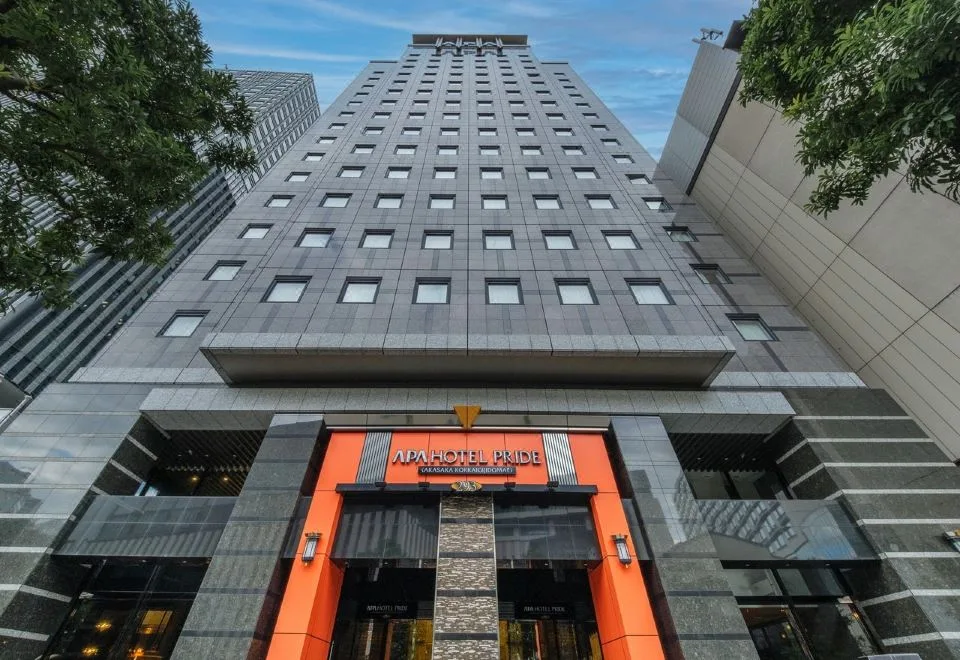
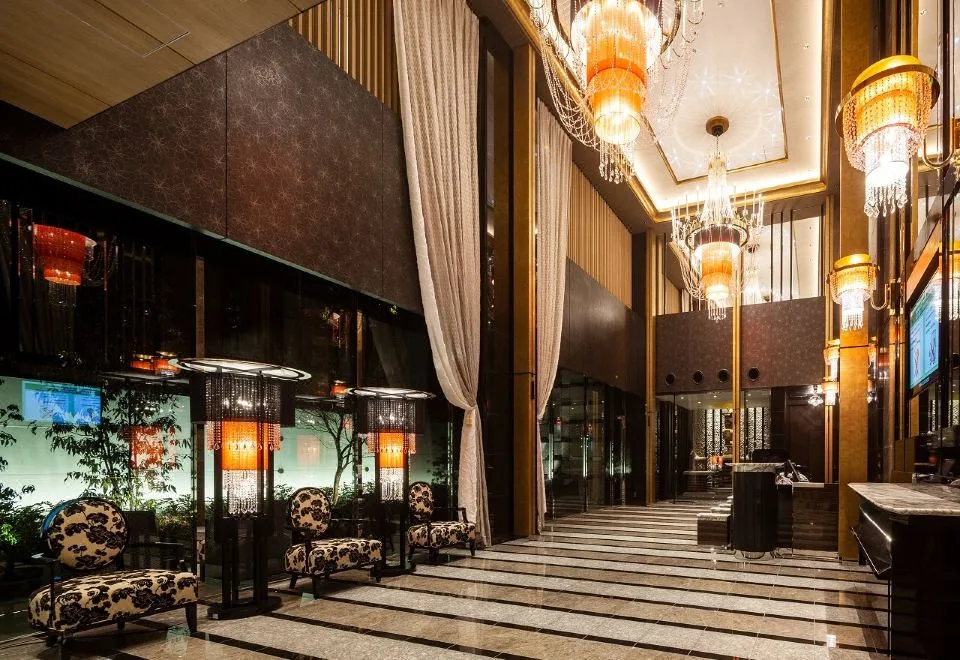
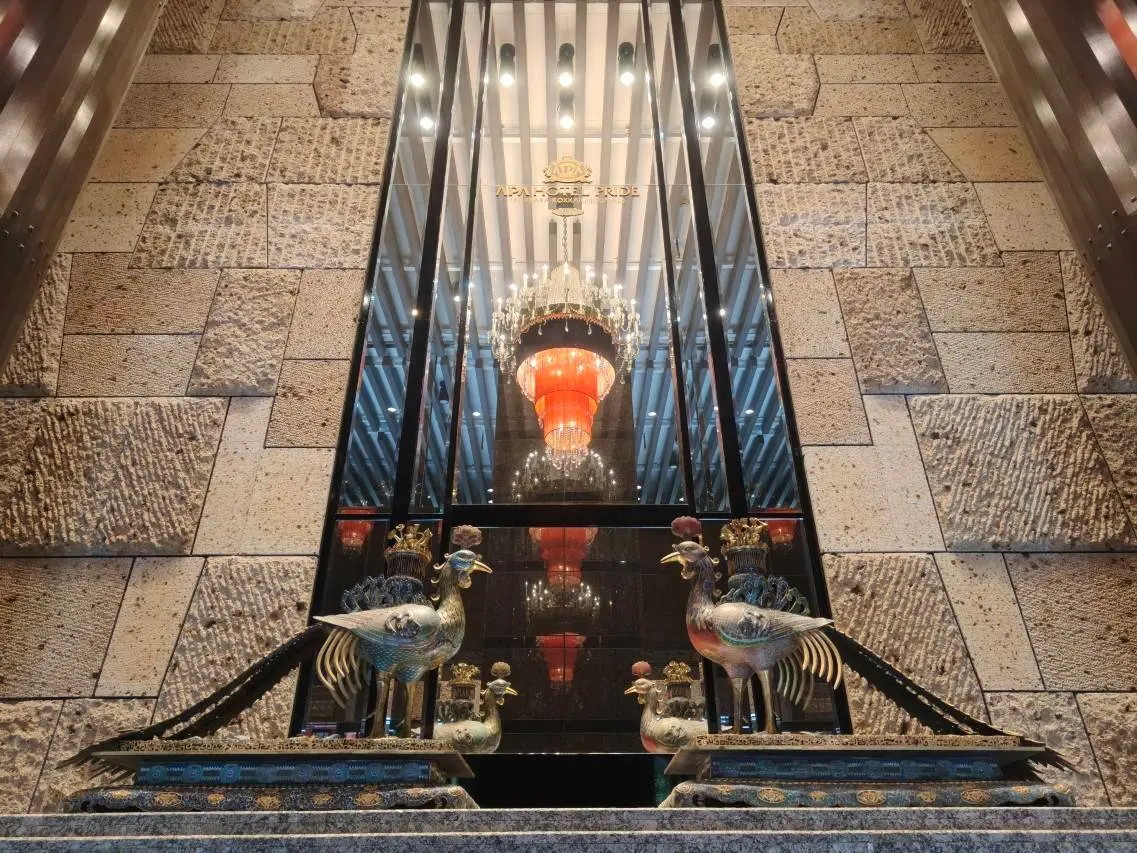
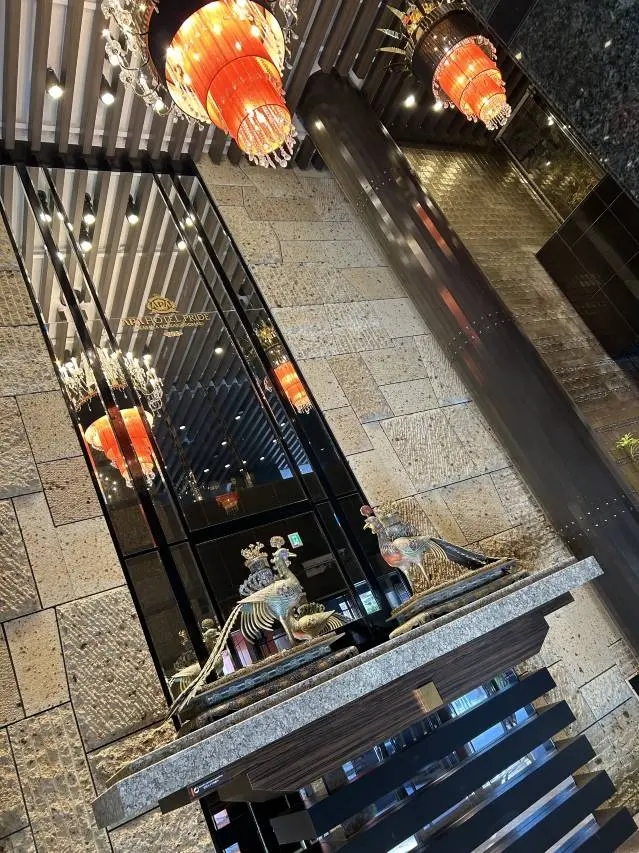
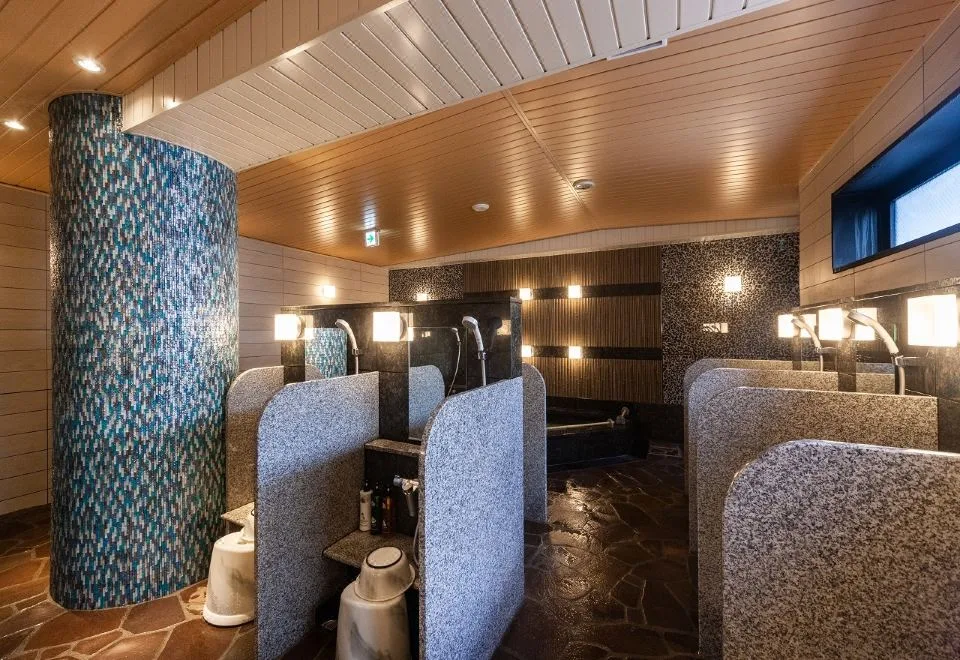
The public bath has divided washing stations and several showers — a practical amenity, quite different from the ornate lobby, and a good place to unwind after a day out, though how busy it feels depends on when you go.
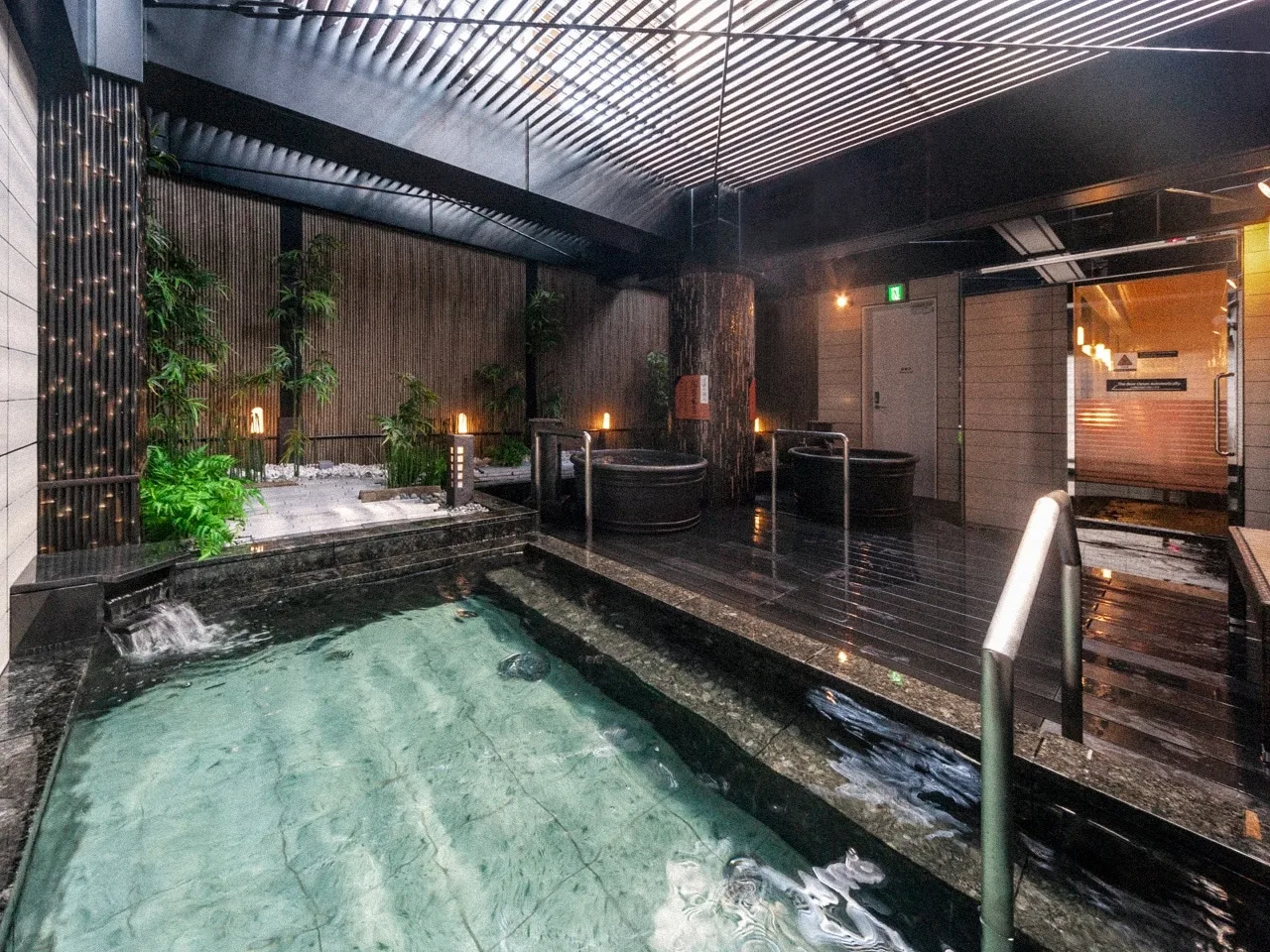
The 17th-floor bath is called Genyo no Yu, open 06:00–10:00 in the morning and 15:00–02:00 at night, free for guests. The indoor bath is a Komeiseki artificial spring, and the open-air area has pot baths just right for one person; there is also an observation terrace upstairs, lovely for cooling off after a soak. I would make the bath the first thing I do when I get back, a proper end to the day — though at busy times the washing area can mean waiting for a spot, so I would come back later instead.
Exterior, common areas and facilities
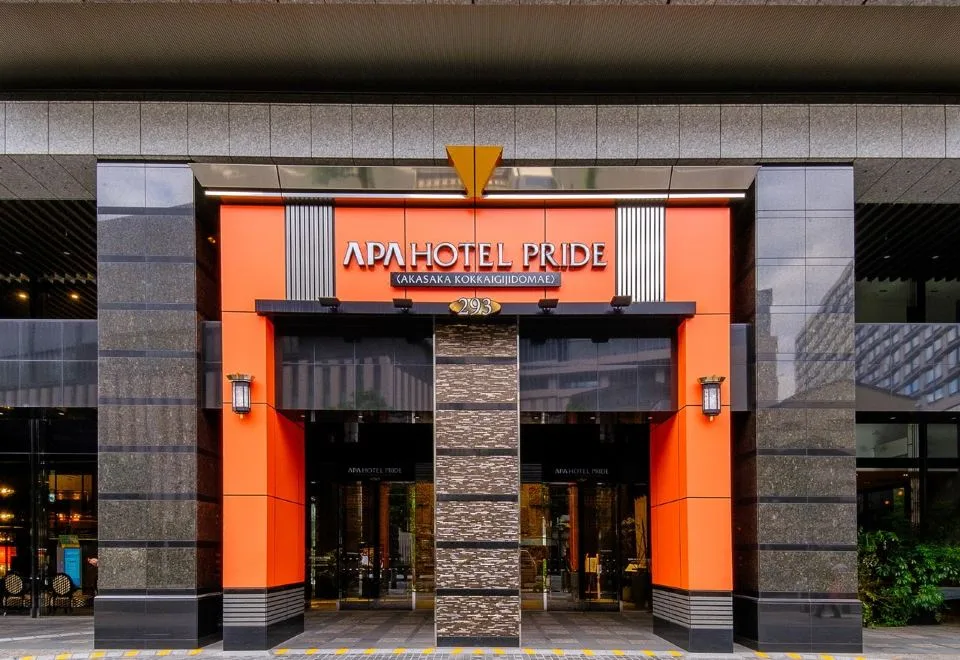
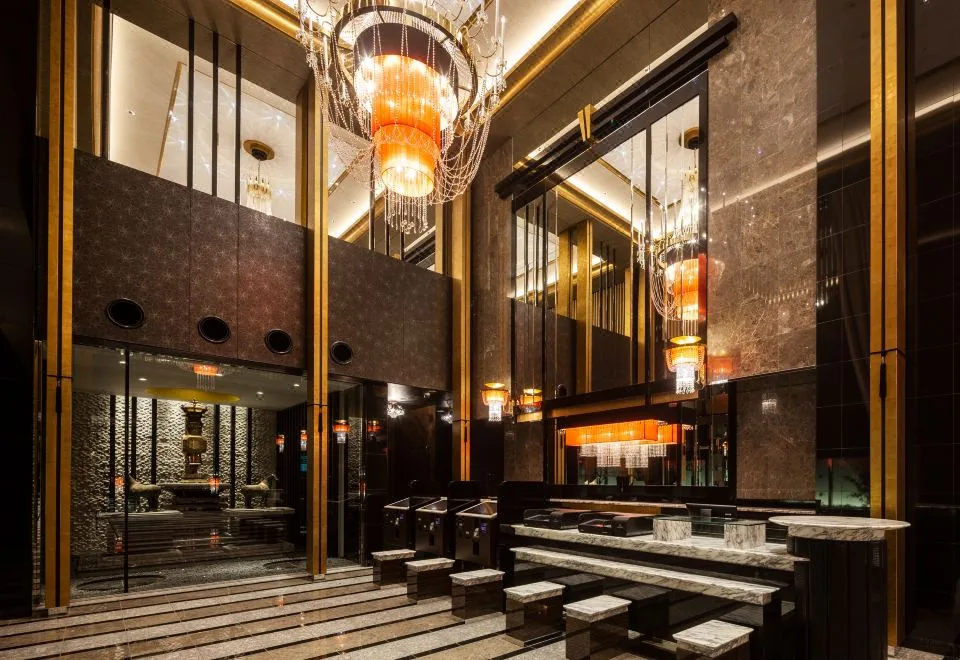
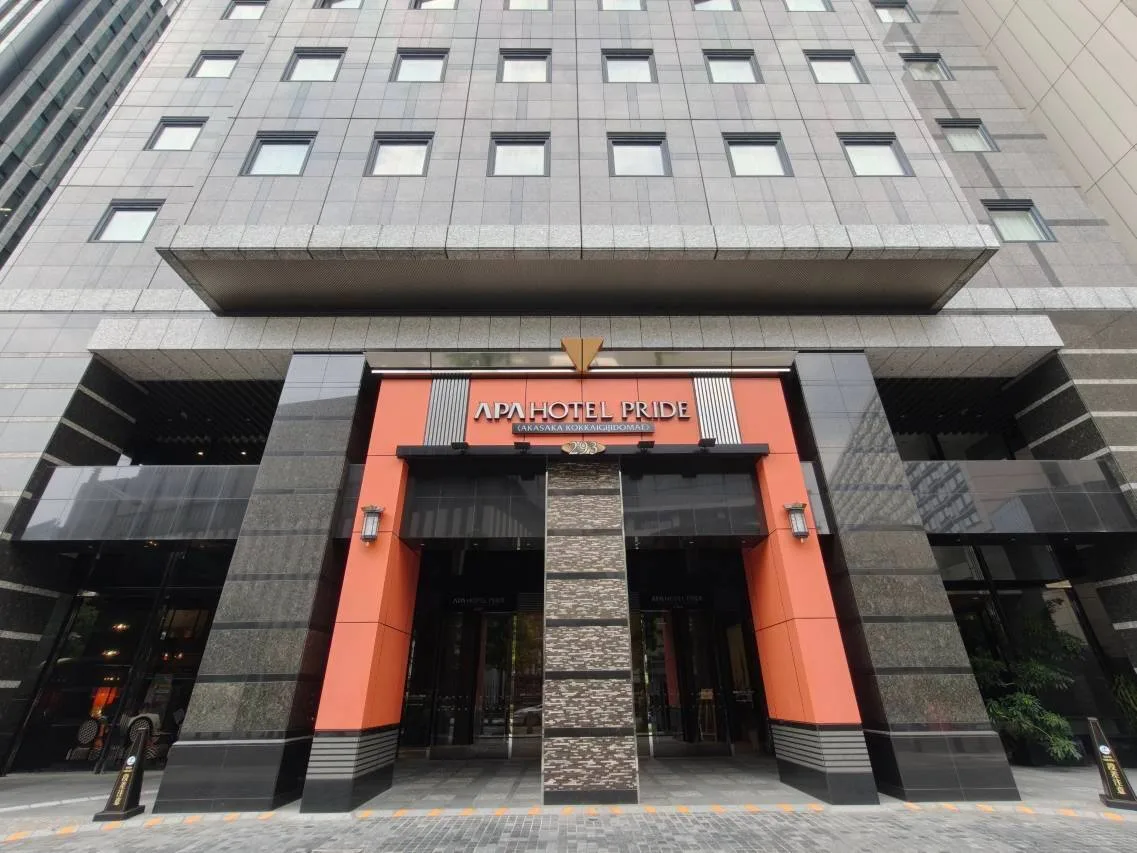
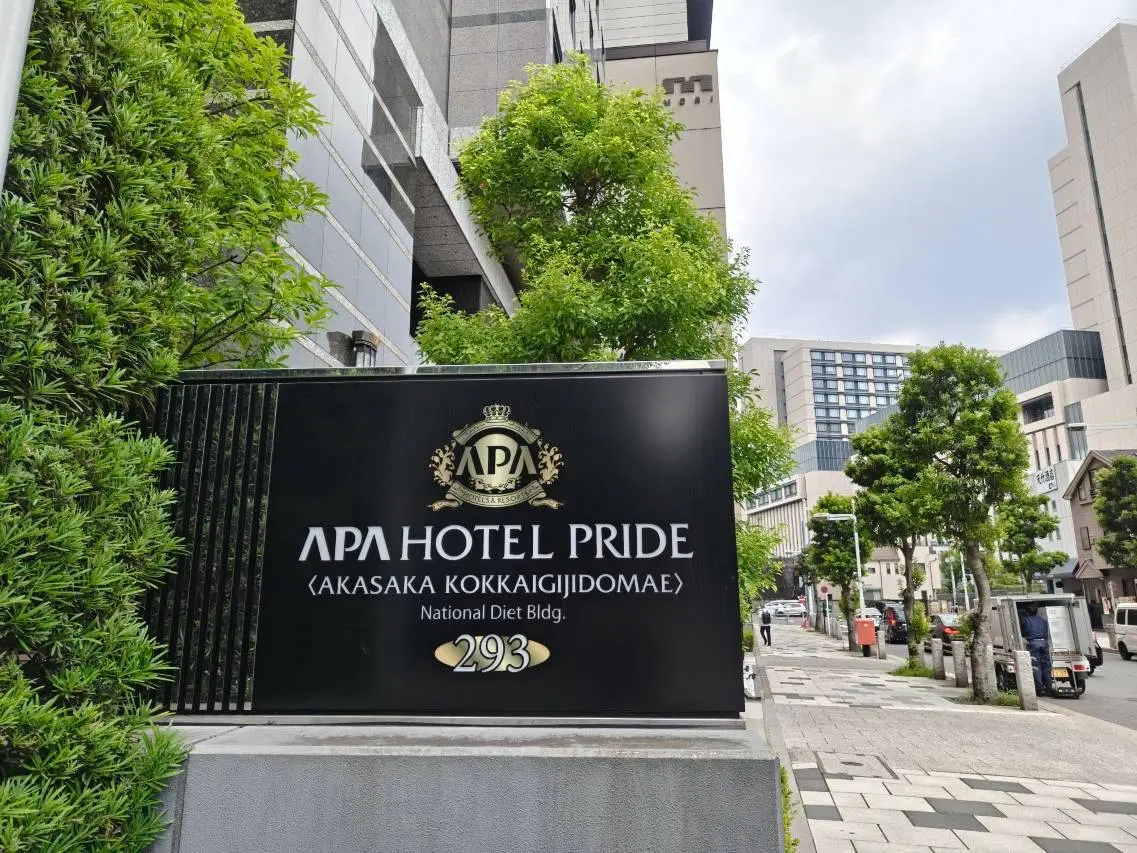
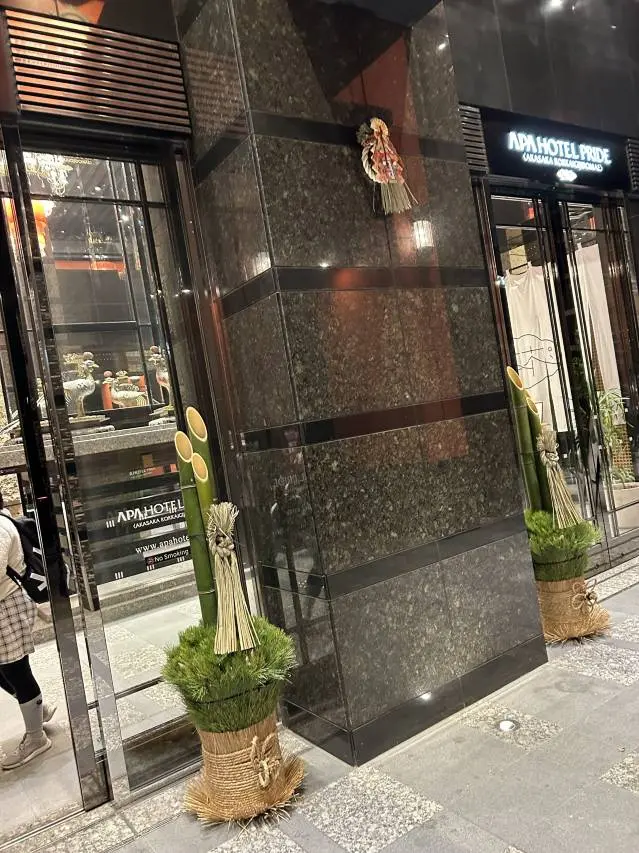
Exterior and lobby
On-site facilities
Drivers should know the hotel has a 44-space mechanical parking garage at JPY 3,000 a night including tax, first come first served, with no entry or exit between 23:00 and 07:00 and size limits, so larger cars should check the dimensions first.
For a longer stay, the shared facilities help too: coin laundry, a microwave, a water dispenser, an ice machine and drink vending machines are all in the common areas, so laundry can be done and worn again; check-in uses self-service machines, and with online payment there is a one-second check-in machine, so a late arrival does not mean queuing at the desk. The hotel has 500 rooms, all non-smoking, and the lifts have security control, which feels reassuring when coming back late at night.
Pros and cons at a glance
Pros
- About a minute on foot to the right from Exit 5 at street level; three stations and six lines, handy for Akasaka, Kasumigaseki, Toranomon and the Metro.
- The 17th-floor bath Genyo no Yu has an open-air pool and pot baths, open 06:00–10:00 and 15:00–02:00, free for guests.
- Breakfast at KIGI is a Japanese-Western buffet of more than forty items, with fair-trade coffee and tea and homemade side dishes, JPY 2,300 for adults bought ahead, tax included.
- With heavy luggage, a wheelchair or a stroller, the Exit 2 lift route works: lift from the platform to the ticket-gate level, then out to street level, with no stairs to carry bags up.
- Rooms have a free capsule coffee maker, a welcome drink and under-bed storage, and the TV mirrors a phone; the whole hotel is non-smoking.
Cons
- Standard single and double rooms are only 11 m², so two people with two large suitcases need a plan for where everything goes; the in-room bathroom is small too.
- On longer stays a full cleaning with fresh linen comes once every three nights; on other days you must hang the cleaning tag out before 09:00.
- Breakfast runs 07:00–09:30, so a departure before 07:00 misses it; JPY 2,300 bought ahead, JPY 2,500 on the day.
- The area is a quiet government district at night, and restaurants and convenience stores are not on every corner — buy snacks and daily things before heading back.
- Exit 5 has no lift straight to street level, so pushing large luggage means taking Exit 2 instead and walking about 5–8 minutes.
Information last checked: 2026-11-18