
TOKYO / CHUO
MONday Apart Nihonbashi Ningyocho
MONday Apart Nihonbashi Ningyocho
A family base around Suitengumae, where laundry and a dining table make longer stays easier
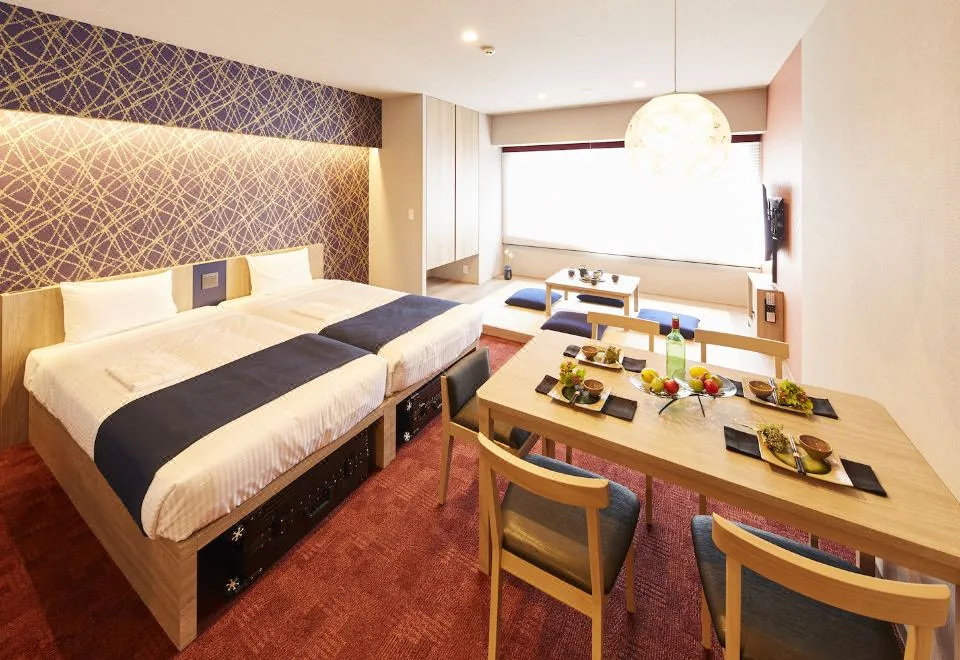
MONday Apart Nihonbashi Ningyocho suits travellers with children, larger groups, or anyone wanting to spend a few days living apartment-style in Tokyo. The building has only 26 rooms, and every room has a kitchen and a washer-dryer. The in-room dining table, kitchen and laundry facilities are the parts most worth looking at when choosing it. Suitengumae Exit 3 is about a 2-minute walk away, and Tokyo City Air Terminal is about 2 minutes away too, with direct airport buses to Haneda and Narita, so arriving or leaving with luggage is easy. If you want the whole family to stay together in one room instead of splitting up, and to be able to eat something simple when you get back each day, this kind of setup is very practical.
The official site lists 2026 traveller awards, check-in starts at 15:00, the front desk is staffed around the clock, and a self check-in machine is available. Members get 10% off and early check-in from 14:00, and weekly and monthly plans are offered for longer stays. When booking, note that the brand has similarly named properties around Nihonbashi, so confirm the address before you go, and do not walk into the wrong building.
The MONday Apart idea is an apartment hotel, and the official site puts it as living in Japan as if you lived there: the room has everything needed for daily life, so you can move in and start living at once without buying extras. The weekly and monthly plans are built for that kind of stay, with longer stays costing less, which suits anyone treating Tokyo as a second home and taking it slowly.
First, check whether it suits your trip
If you are travelling with children or three or four people together, and you want to cook something simple and do laundry back in the room each day, this place works better than a standard business hotel. Rooms start at 33.59 square metres, with a dining table, kitchen and washer-dryer inside, so a stay of several nights feels like living there.
If you only need a place to sleep, want breakfast downstairs in the morning, or are sensitive to carpet smells and bedding, this place may not suit you. Before booking, count the separate sleeping places, confirm the baby crib and extra bed arrangements, and check the bedding and bathroom on the day you arrive.
Reasons to choose it
- Good for families or groups sharing a room
- A kitchen, dining table and laundry facilities help longer stays
- Suitengumae and Ningyocho outings can be combined
Trade-offs to think through first
- Bunk beds and the actual number of guests need checking
- No breakfast provided
- Check smells and bedding on arrival
Location & transport: regular exits, elevators and luggage
How to use the regular exits
For a regular arrival, it is about a 2-minute walk from Suitengumae Exit 3 and about 7 minutes from Ningyocho A2; the official site also lists about a 2-minute walk from T-CAT, where airport buses take about 25 minutes to Haneda and about 55 minutes to Narita, which is handy if you are comparing airport transport. Kayabacho Exit A4 is about 8 minutes away, a useful option on the Tozai Line. Check the branch using 1-34-5 Nihombashikakigaracho, and do not confuse it with a similarly named MONday apartment.
Elevator routes with luggage
With suitcases, use the elevator at Suitengumae Exit 4 instead: the station has one elevator inside the gates and one outside, linking the City Air Terminal gates with street level at Exit 4. A wheelchair-accessible toilet and infant facilities are inside the gates. The 2 minutes quoted for the regular Exit 3 does not apply directly to the elevator route, so allow extra time, especially with children.
The elevator exits at Ningyocho Station are A6 and A3: A3 is the Tokyo Metro elevator and A6 is the Toei elevator, and both reach the gate level without steps. The Hibiya Line platforms are on the same level as the gates, with A3 serving the Naka-Meguro direction and A6 the Kita-Senju direction. To reach the Asakusa Line, take the elevator inside the gates down, and allow extra time for the transfer between the two lines with luggage.
Nearby walks and daily shopping
Step outside and you are in the Suitengu area: Suitengu Shrine is about a 1-minute walk from Suitengumae Exit 5, known for prayers for safe childbirth, rebuilt in 2016 with the whole precinct on base isolation, and especially busy on days of the dog. Koami Shrine is about 630 metres away, known for strong fortune and warding off misfortune, with a money-washing Benten in the grounds; the grounds are very small and queues form even on weekdays. Amazake Yokocho runs about 400 metres from the Meijiza theatre to Ningyocho Station, lined with long-established sweet shops, tofu makers and soba houses, with Tamahide, Shigemori Ningyoyaki and Yanagiya Taiyaki among the long-established shops.
Daily shopping for a stay of several nights is easy: a convenience store is within 5 minutes, and nearby supermarkets include My Basket, Peacock, Seijo Ishii, Maruetsu Petit and Hanamasa, with drugstores close by too, so buying groceries to cook back in the room does not need a special trip.
View the hotel access route / View the station elevator layout
| Hotel name | MONday Apart Nihonbashi Ningyocho/MONday Apart Nihonbashi Ningyocho |
| Address | 1-34-5, Nihombashikakigaracho, Chuo-ku, 103-0014 Tokyo, Japan |
| Check-in and check-out | 15:00–24:00; before 10:00; front desk: 24/7, open all year; self check-in kiosk; if you arrive outside the check-in hours, please contact the hotel in advance |
| Transport location | 170 metres from the metro station (Suitengumae, Tokyo), about a 3-minute walk |
How to choose a room type: beds, bathroom and luggage first
| Room type | Size & beds | How to choose |
|---|---|---|
| Superior Family | 33.59–34.87 sqm / up to 4 guests | Two 100 cm beds plus other bedding |
| Deluxe Japanese | 42.27 sqm / up to 5 guests | Two 100 cm beds and Japanese-style mattresses |
| Okoshiyasu Japan concept room | 33.59–34.87 sqm / up to 4 guests | Themed wallpaper and family bedding |
A family of four can start with Superior Family; if there are more of you and you want a Japanese-style mattress area, the 42.27 square metre Deluxe Japanese is more worth comparing. The upgrade in the concept room is its theme, not a larger area than a regular family room; each person’s actual sleeping place still needs to be confirmed with the booking. The official site also lists a Superior King with the same bed combination as the family room, so compare it as well.
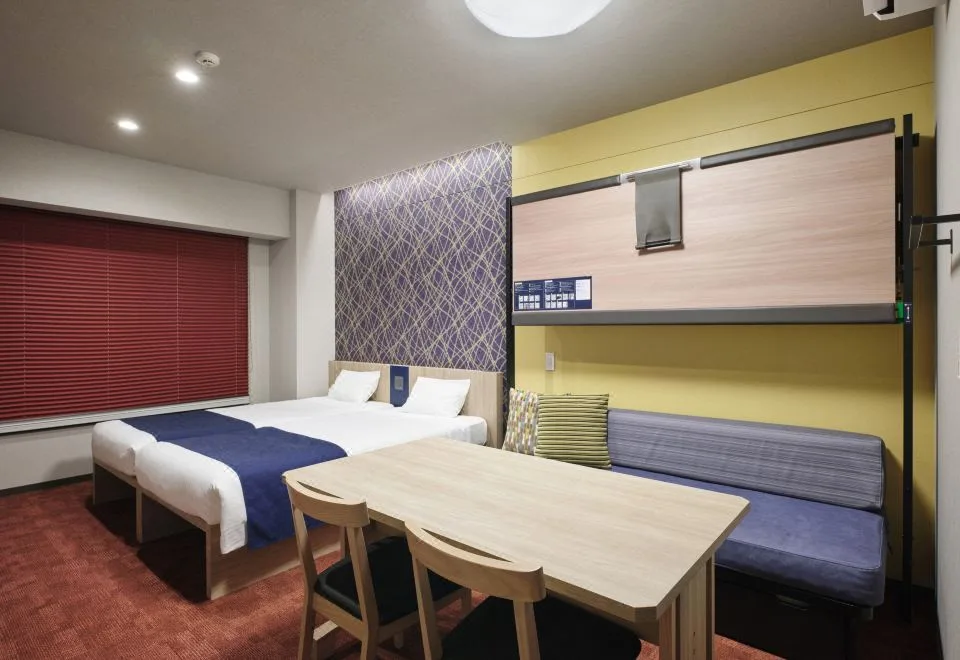
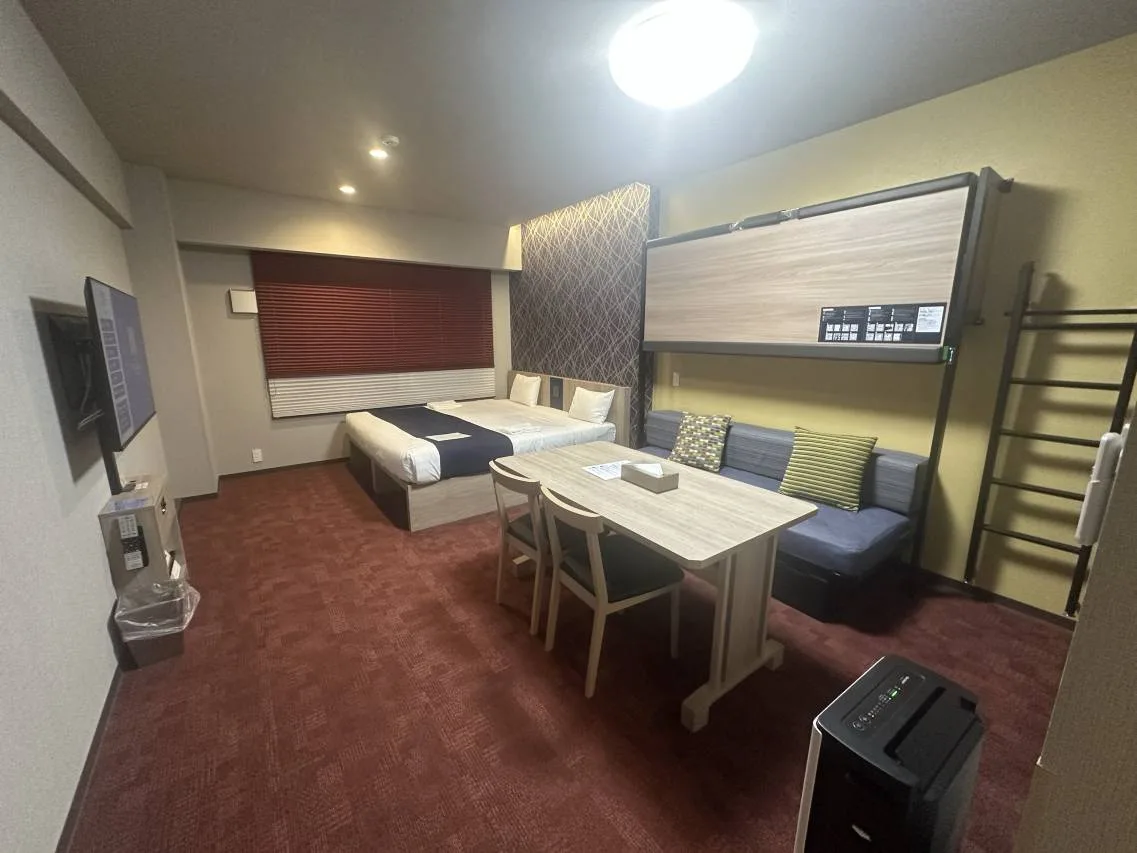
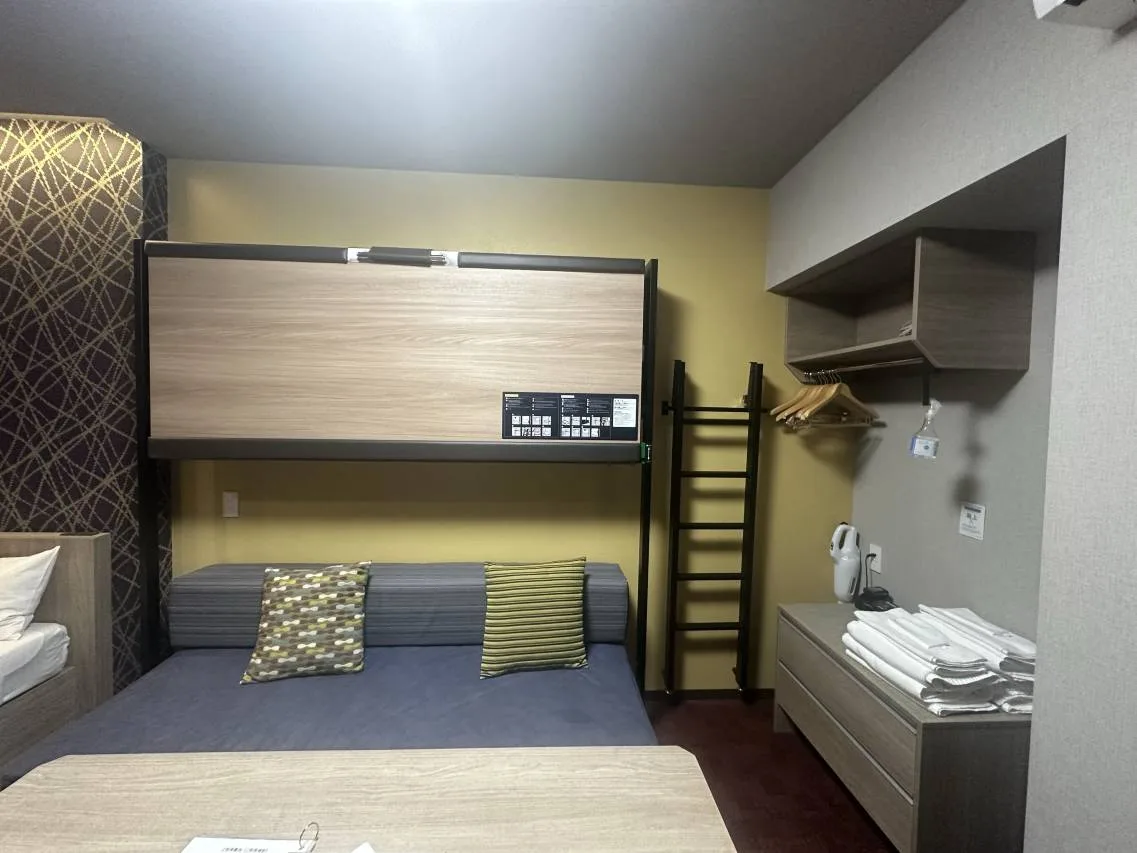
When choosing a room, count the separate sleeping places before anything else: two 100 cm beds are the base, plus a sofa bed of 85 by 195 cm and a bunk bed of 82 by 195 cm, and the Japanese room adds three futon sets of 85 by 195 cm. Bunk beds and futons need to be made up by guests themselves, so think about ages and habits before putting a child on the upper bunk. Not every bed can simply take extra guests; with young children, check the bed-sharing policy and upper-bunk limits.
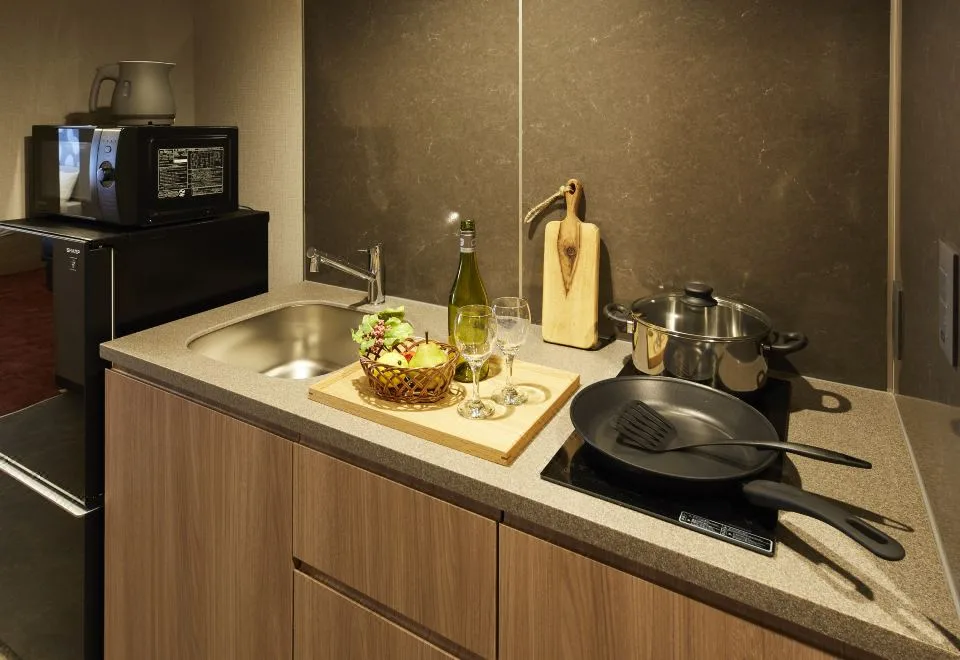
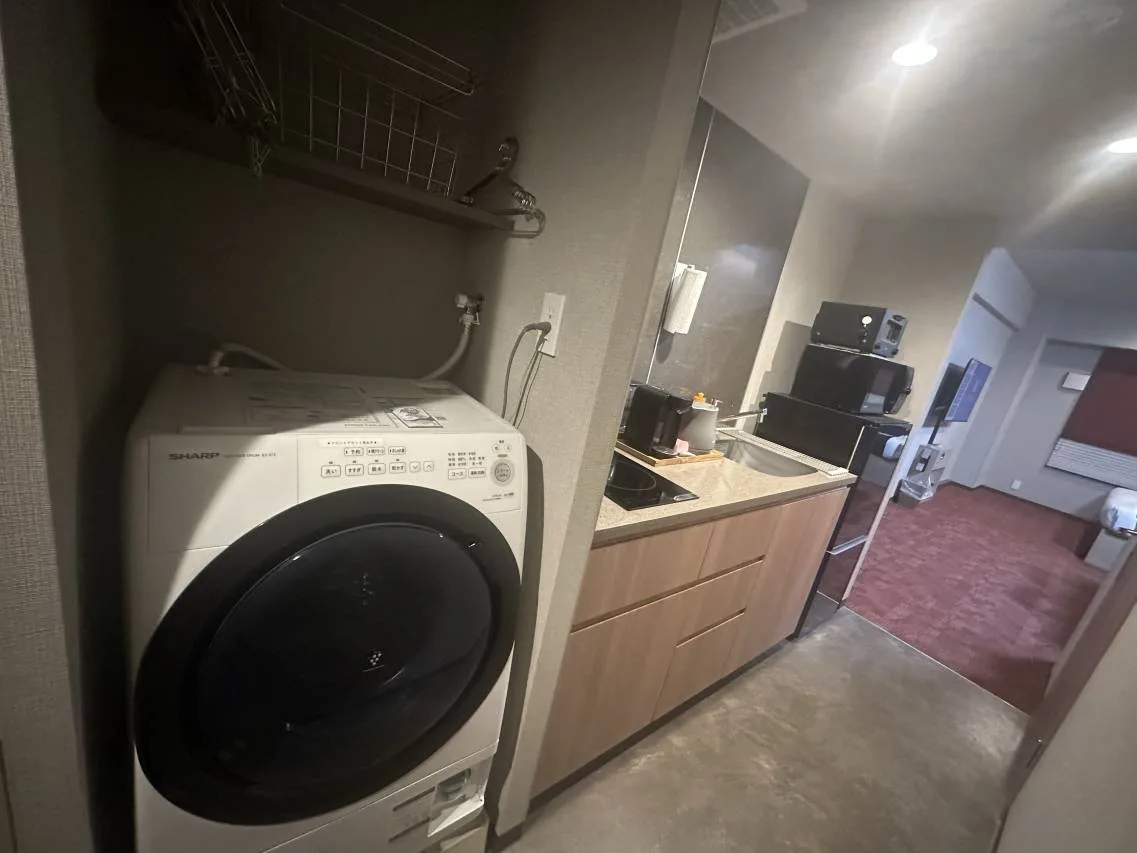
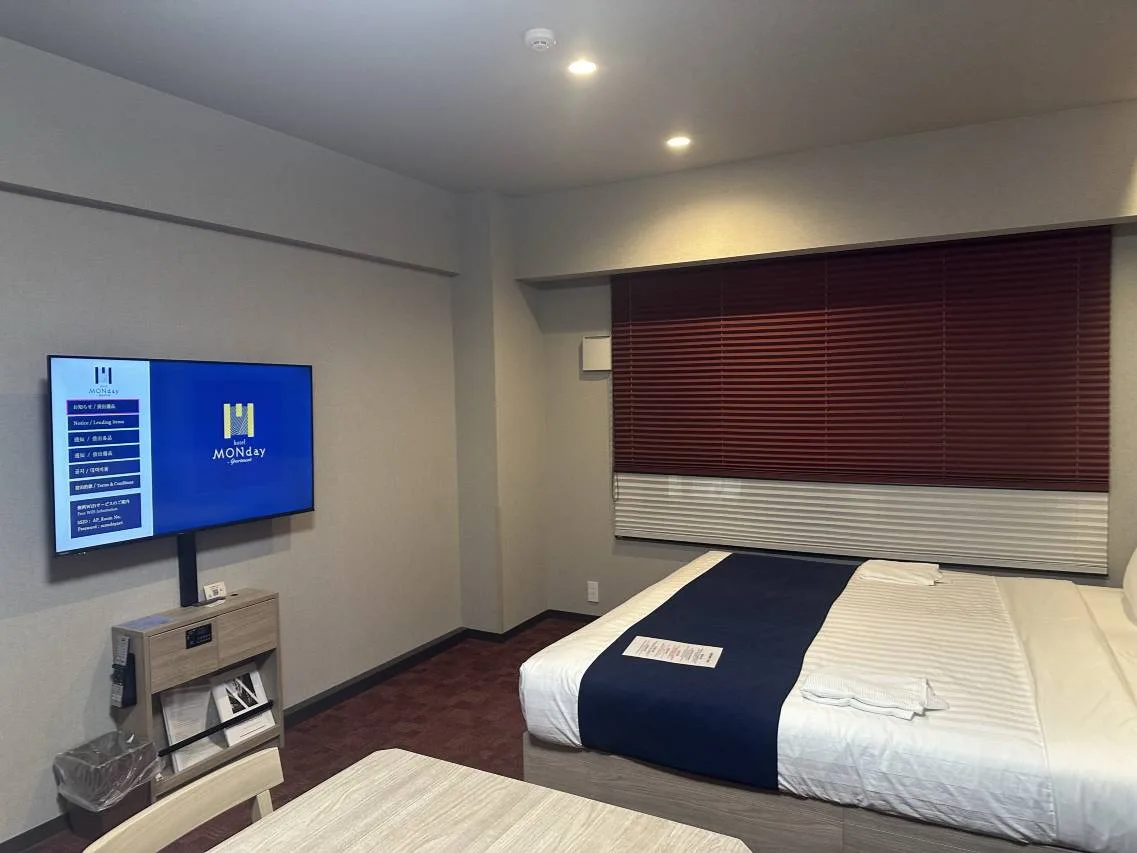
The in-room facilities are the point of this place: a washer-dryer, IH kitchen, rice cooker, microwave, toaster, large refrigerator, vacuum cleaner, air cleaner, television, safe, electric kettle and iron are all in the room, with cooking utensils and tableware included. The toaster is a Balmuda, and the television supports streaming, so the room works as a small place to live in.
Plenty can be borrowed for free: a straight or curly hair iron, ironing board, chargers and cables, conversion plug, weighing scale, extension cord, children tableware, HDMI cable, desk lamp, blanket and trouser press. Paid rentals are 500 yen each: a tabletop IH heater, a baby crib and futons, a hot plate, a Bluetooth speaker, a karaoke microphone, Jenga and a DVD player. Rentals need a copy of your ID and stocks are limited. On the baby crib, note this: the official site lists it for rent, while the booking page says none are provided, so confirm with the hotel before travelling with a baby.
Know the cleaning rhythm for longer stays: rooms are cleaned every three days, on the fourth day after check-in. An extra cleaning costs 5,000 yen and needs to be requested at the front desk by 10:00 the day before. When a child shares existing bedding, amenities, slippers, towels and in-room wear are not provided for the child, so factor that in when booking.
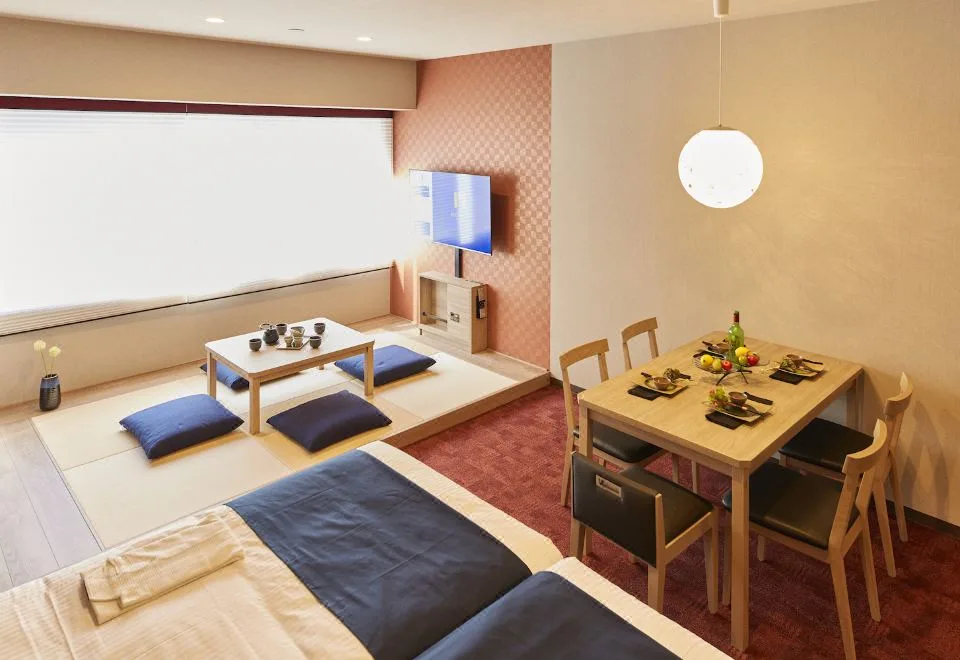
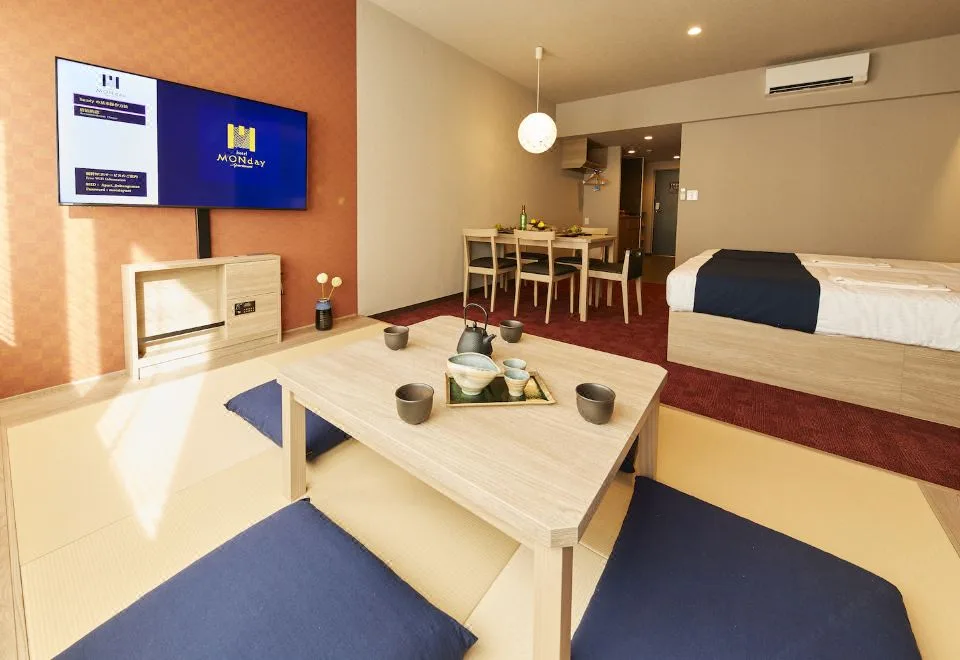
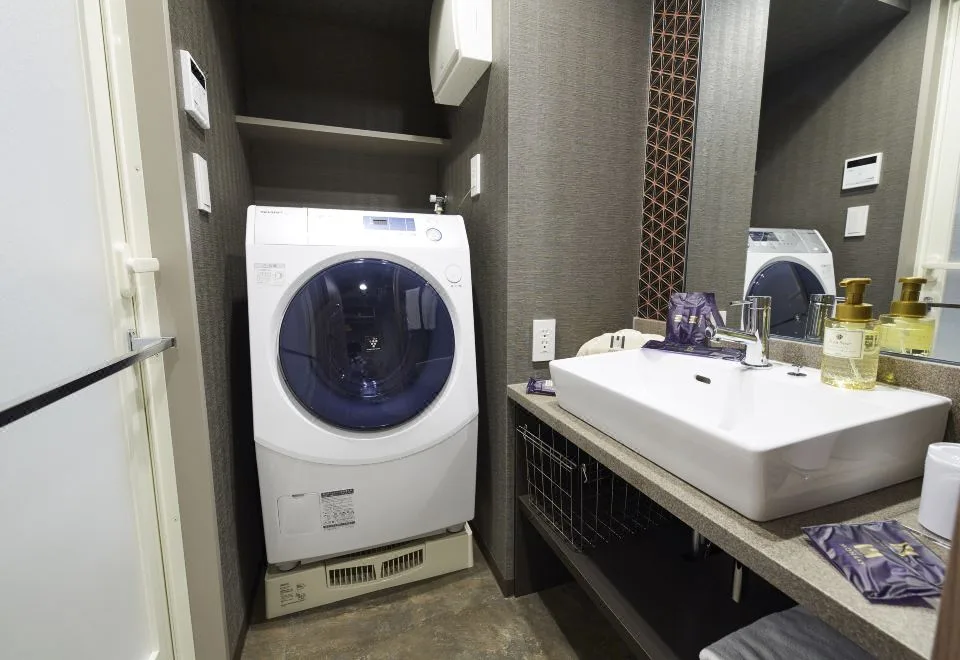
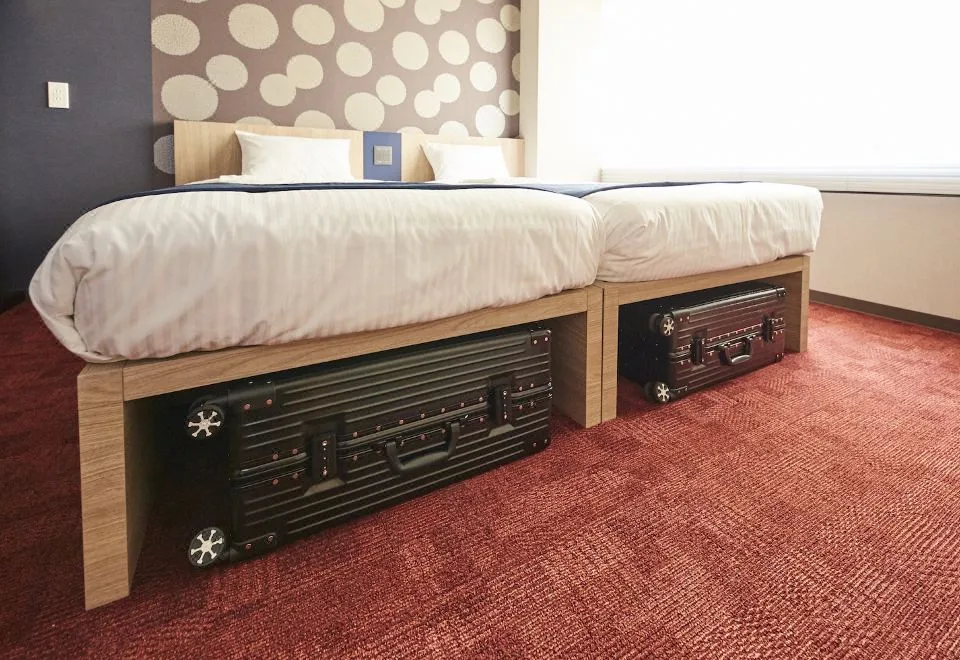
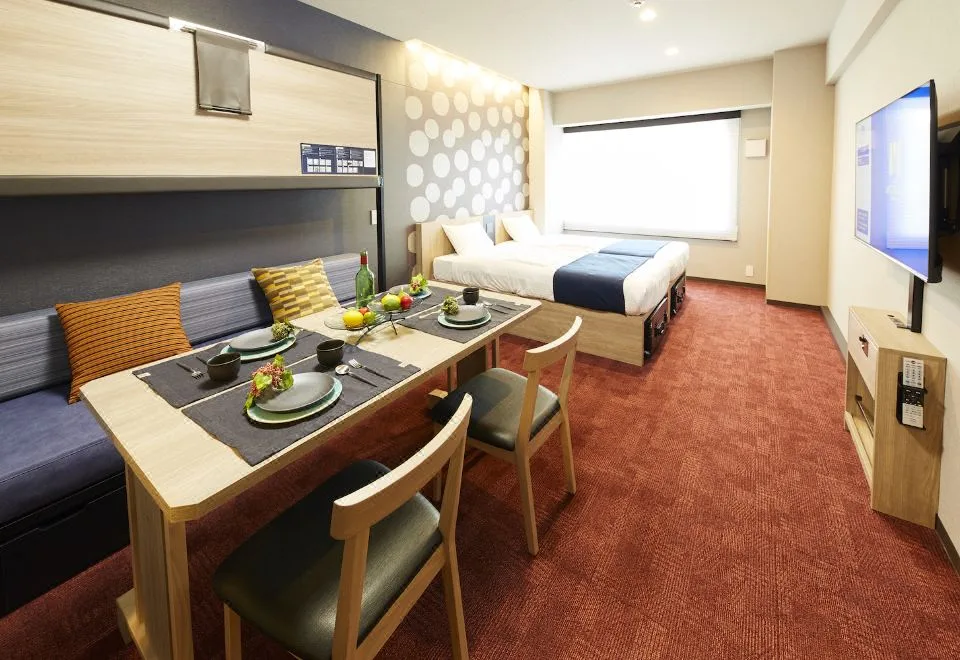
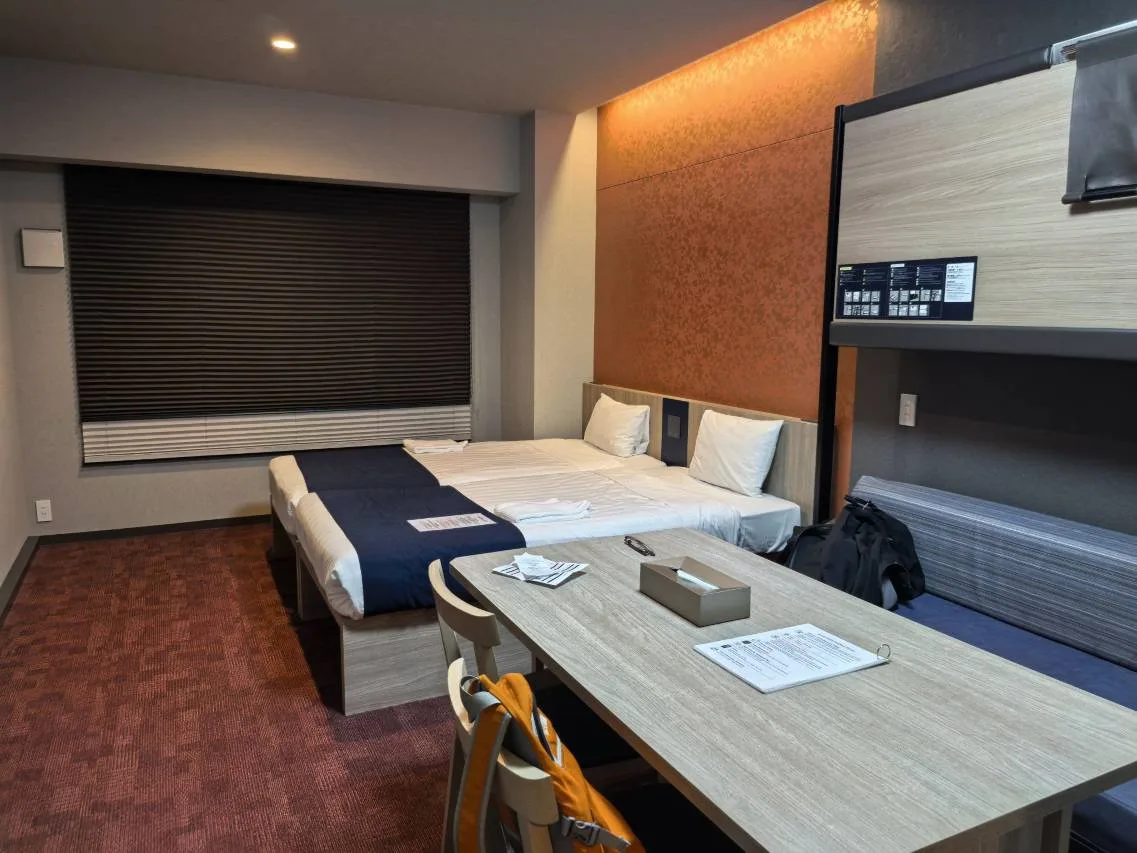
The gallery shows different layouts with twin beds, sofas and bunk beds, and the bed and dining-table layout is easy to match against the photos. The washing machine, wash area and kitchen placement are worth checking in the photos too, to see whether the layout feels handy. Carpet smell and bedding are what I check first after arriving: smell the carpet, feel the bedding, look at the bathroom, and ask the front desk for help at once if dampness or a smell is wrong, rather than discovering it at bedtime.
Compare the hotel’s official room layouts
Whether to choose breakfast: fit it to your morning rhythm
The stay does not include breakfast, and the hotel has no restaurant, so settle this when booking. There is no buffet to go down to in the morning, so plan the day around having no breakfast here.
My approach is to hand breakfast to the in-room kitchen: the IH hob, rice cooker, toaster and large refrigerator are all in the room, so buy bread, milk and fruit the evening before and heat something simple in the morning. Tableware is provided, washing up is your own, and finishing at a relaxed pace before taking the train is more comfortable than waking the children early every day to rush to a buffet.
Buying groceries does not need a special trip: a convenience store is within 5 minutes, and the supermarkets and drugstores nearby are all within walking distance. Do not buy more at once than the refrigerator can hold; for a stay of several nights, shop in two or three rounds, and combine a grocery run with a laundry round.
For eating out in the morning, most of the old shops around Ningyocho get busy at midday instead: Tamahide reopened in November 2025 after rebuilding, serving oyakodon at midday and chicken sukiyaki in the evening; Shigemori sells ningyoyaki across from Suitengu and closes early when sold out; Yanagiya bakes taiyaki one at a time. Treat breakfast as self-cooked or from a convenience store, and save the old shops for midday or the afternoon.
What is good about staying here, and what to accept
What I like most after moving in is the sense of space: the apartment layout starts at 33.59 square metres, with the dining table, sofa and beds clearly separated, so luggage can be spread out without blocking the way, and washed clothes can be dried in the room, so a stay of several nights does not get messier by the day. With the kitchen and laundry inside the room, it feels more like living somewhere than a standard hotel room.
What needs accepting is also concrete: carpet smell, dampness and bedding are the three things I check first after entering the room. Smell the carpet, feel the bedding, look at the bathroom and air conditioning, and ask the front desk for help at once if dampness or a smell is wrong. With children, or if you are sensitive to smells, do not skip this check, and do not leave it until bedtime.
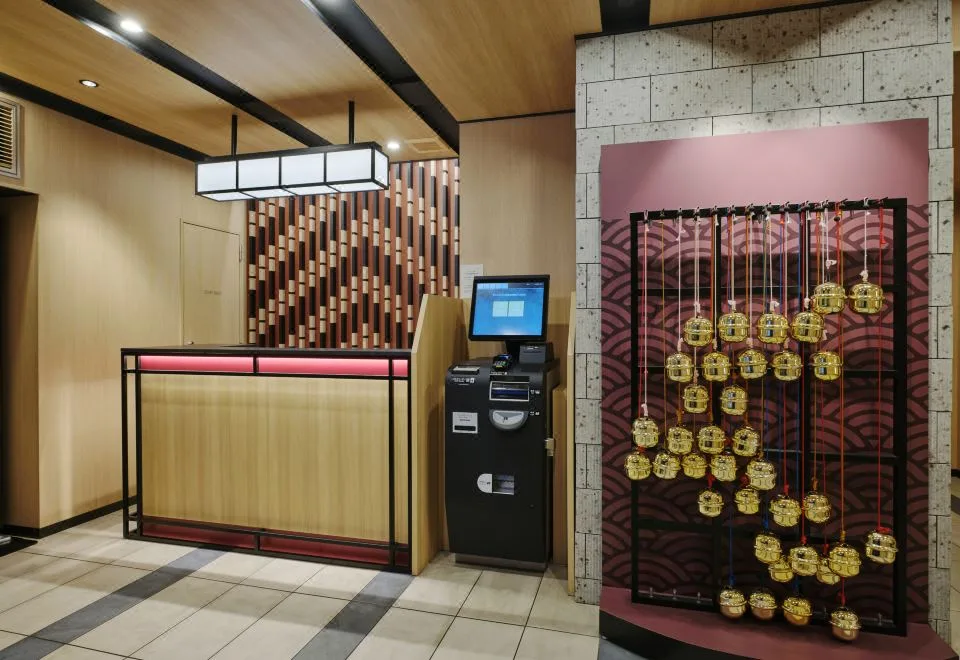
Check-in is simpler than expected: the front desk is staffed around the clock, and a self check-in machine with passport reading handles check-in and payment, so contact the hotel first if you arrive late. The front desk serves guests in Chinese, English and Japanese. Parking is limited, at 3,000 yen a day with a reservation needed; the building has an elevator and a vending machine, and all areas are non-smoking.
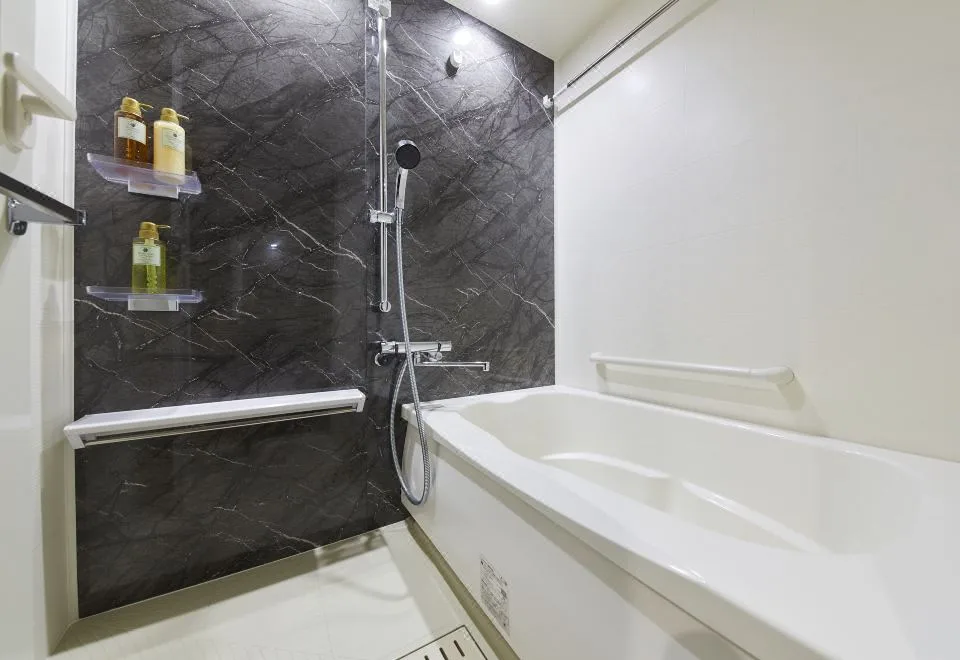
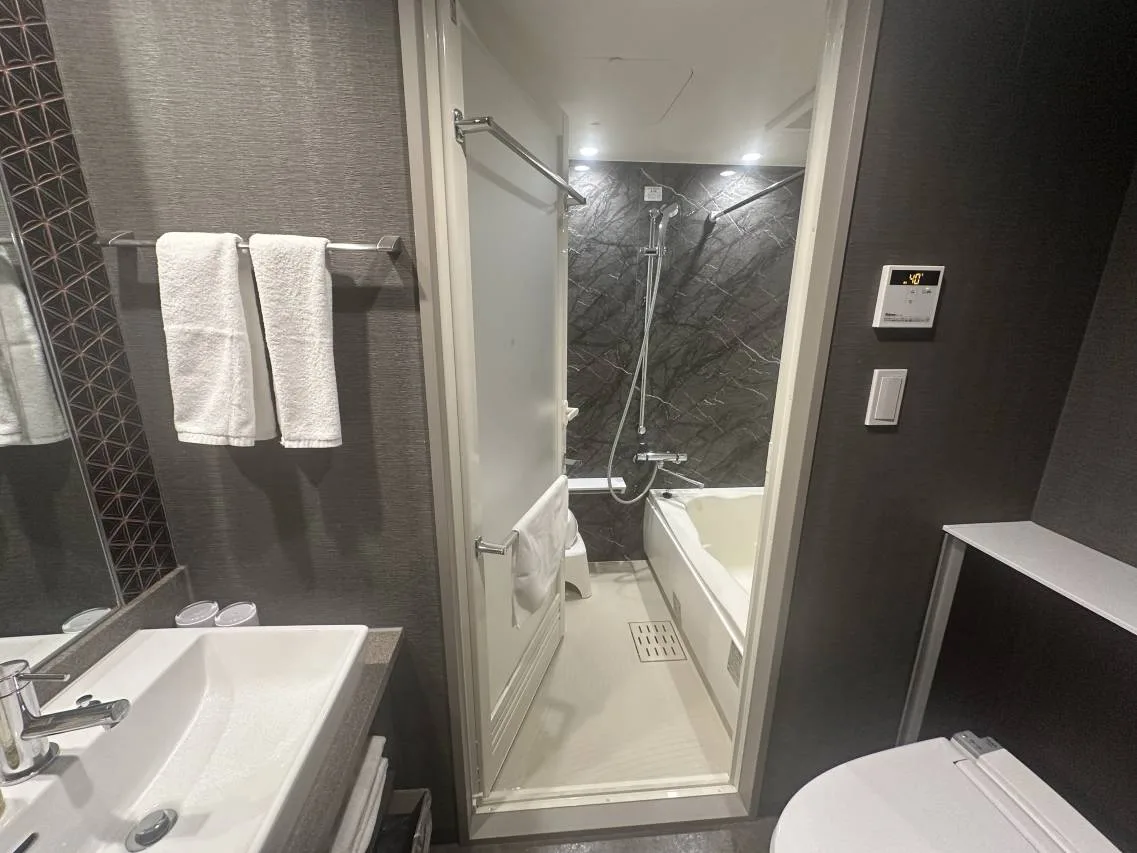
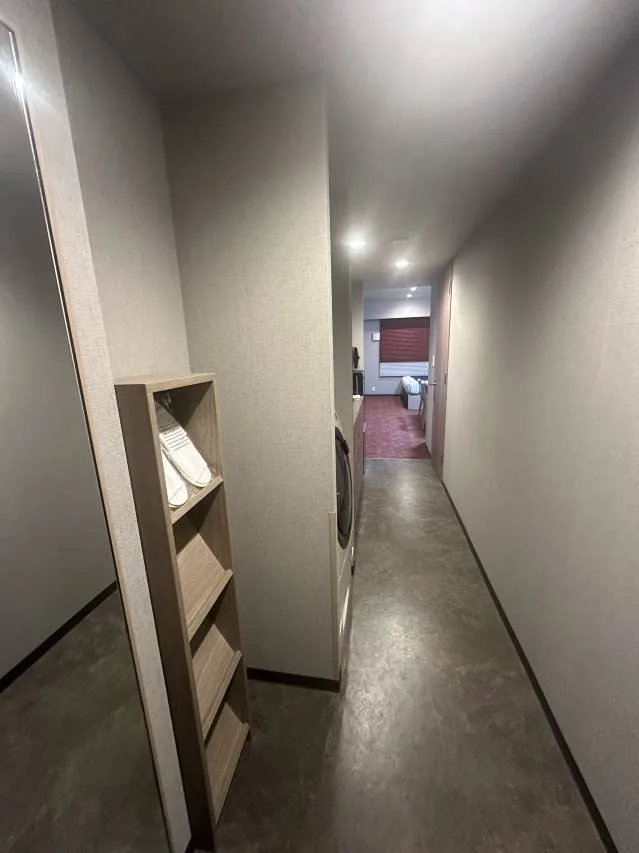
The bathroom setup deserves its own note: the bath is a separate room with a tub and a handheld shower, dark marble-pattern walls, grab bars and a towel rail. The wash area has a front-load washer-dryer, a large basin and a mirror, and the toilet sits beside the wash area, separate from the bath. A temperature panel stands by the bath door, with a small stool inside, so a soak before bed takes the edge off a long day of walking.
Short stays, longer stays and nearby outings
Short stays can also work for groups sharing a room, but staying several nights makes better use of the laundry and kitchen. A nearby day can run like this: Suitengu Shrine in the morning, along Amazake Yokocho to Ningyocho, oyakodon at Tamahide for lunch, Koami Shrine in the afternoon to wash money for good fortune, then a slow walk back to the hotel. Nihonbashi and Ginza are close too, with Ginza about 1.3 kilometres away and Marunouchi about 1.6 kilometres.
A longer stay can be paced like this: wash a full load on the second day and hang it to dry, restock groceries on the third day, and the fourth day is the cleaning day, when the room is serviced. Suitcases can stay open beside the dining table, and if amenities or towels run short, ask at the front desk rather than discovering it at night.
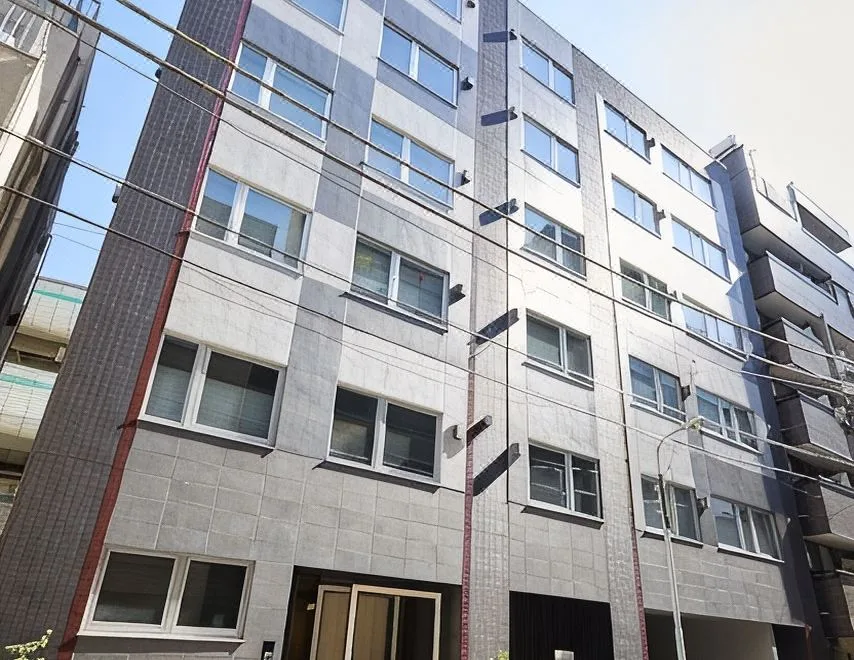
Check-out is before 10:00, an hour earlier than most hotels, so allow for it on the last day. One more reminder when booking: confirm the address, 1-34-5 Nihombashikakigaracho, since the brand has several similarly named properties nearby, and walking into the wrong building costs time.
Pros and cons at a glance
Pros
- About a 2-minute walk from Suitengumae Exit 3 and from T-CAT, with direct airport buses to Haneda and Narita.
- Only 26 rooms, each with a kitchen, washer-dryer and dining table, suited to families and longer stays.
- Rooms start at 33.59 square metres, and the 42.27 square metre Japanese room sleeps five, with bunk beds and futons for flexible sleeping.
- Front desk around the clock, self check-in machine, Chinese service, bookable parking, and an elevator at Suitengumae Exit 4.
- Suitengu Shrine, Koami Shrine and Amazake Yokocho are all within walking distance, with supermarkets and convenience stores within 5 minutes.
Cons
- No breakfast is served and there is no restaurant, so breakfast is self-cooked or bought outside.
- Check-out is before 10:00, earlier than most hotels; rooms are cleaned every three days, and an extra cleaning costs 5,000 yen.
- No extra beds in any room type, and the baby crib information differs between the official site and the booking page, so confirm with the hotel when travelling with a baby.
- Carpet smell, dampness and bedding need checking after arrival.
Information last checked: 2026-11-23