
TOKYO / CHUO
Ibis Styles Tokyo Ginza East
Ibis Styles Tokyo Ginza East
An open-air bath stay in the Shintomi neighbourhood — don’t judge the twin and tatami rooms by their names alone
Is this hotel right for my trip?
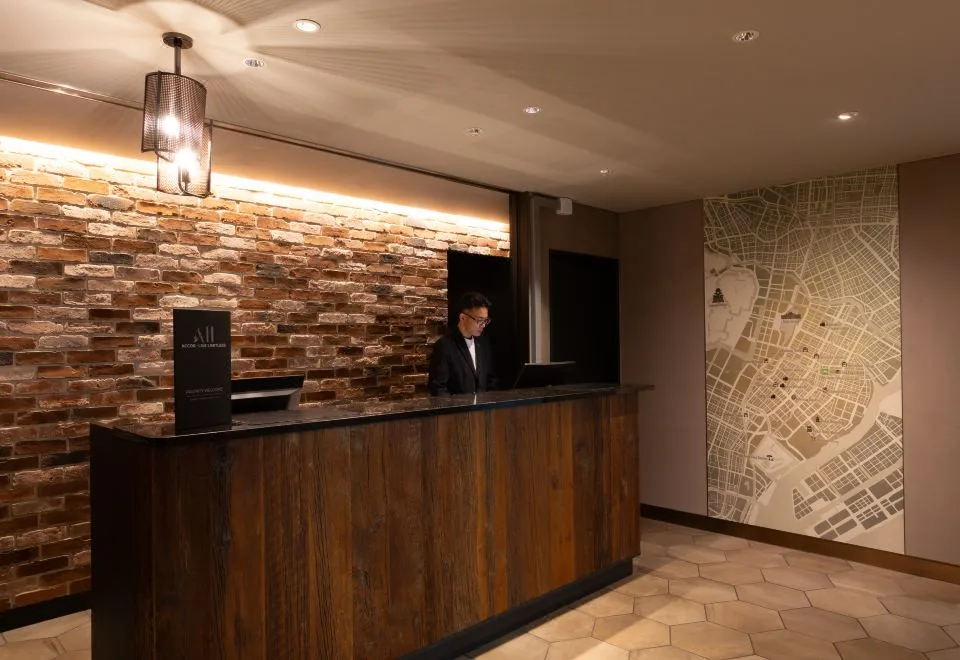
Ibis Styles Tokyo Ginza East suits travellers who want to stay just outside Ginza and soak in a bath at night. Its public spaces have a touch of Japanese style, and the twin and tatami rooms offer different experiences; if your priority is stepping out into Ginza department stores every day, factor the walking time in first.
I chose this hotel because I can soak in the evening and walk to Ginza and Tsukiji in the daytime. Of its 135 rooms, 94 have Ryukyu tatami flooring, and taking my shoes off at the door gives the stay a Japanese feel I enjoy. Before you book, weigh two things with me: Takaracho Station still needs a five-minute walk, and the baths close at midnight and do not open until 6:00 in the morning, so a late return means no soak that night.
After I arrive I check two things first: when the baths open and when breakfast starts, then I go to my room and put my luggage away. The room is compact, so I open the large suitcase first and take out what I need for the evening, and nothing needs digging out after a soak. If I am heading to the market early the next morning, I leave my jacket and wallet by the bed the night before and walk straight out. I keep the bath hours on my phone: 15:00 to midnight in the afternoon and 06:00 to 10:00 in the morning, and past those hours I wait until the next day.
First the advantages — and the trade-offs, thought through
Worth considering: I found the rooms clean, and the rooftop bath is the part of the evening I look forward to most. The Takaracho and Shintomi area connects to the Toei Asakusa Line, the Yurakucho Line and the Hibiya Line, so Ginza, Tsukiji and Nihonbashi need few transfers.
Before booking, think about:A tatami room is not necessarily larger, and luggage space varies; breakfast options and the walking distance to Ginza should also match your expectations.
Location and transport: walking light and hauling luggage are different questions
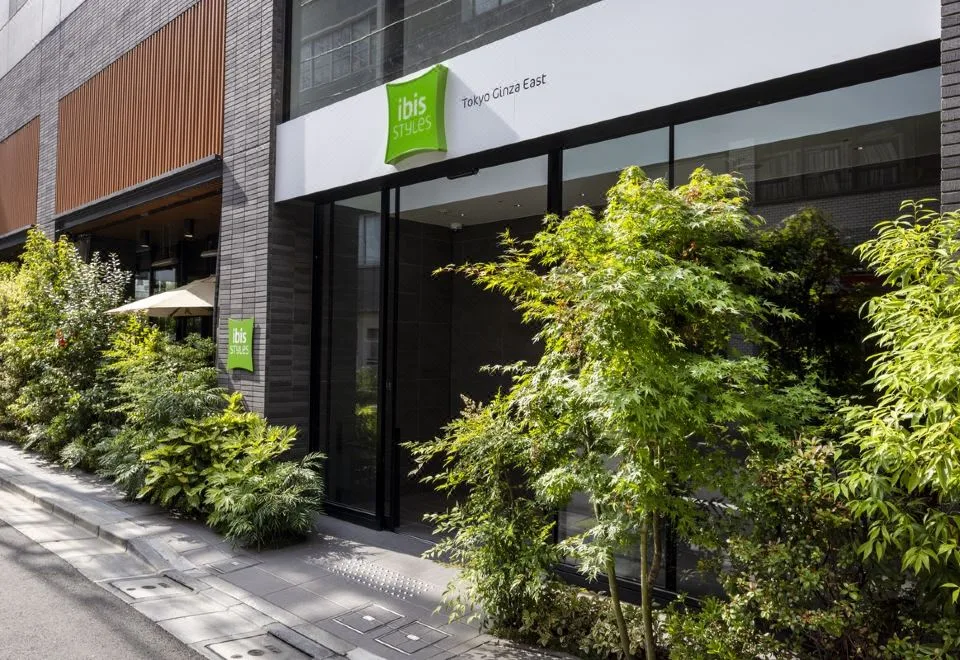
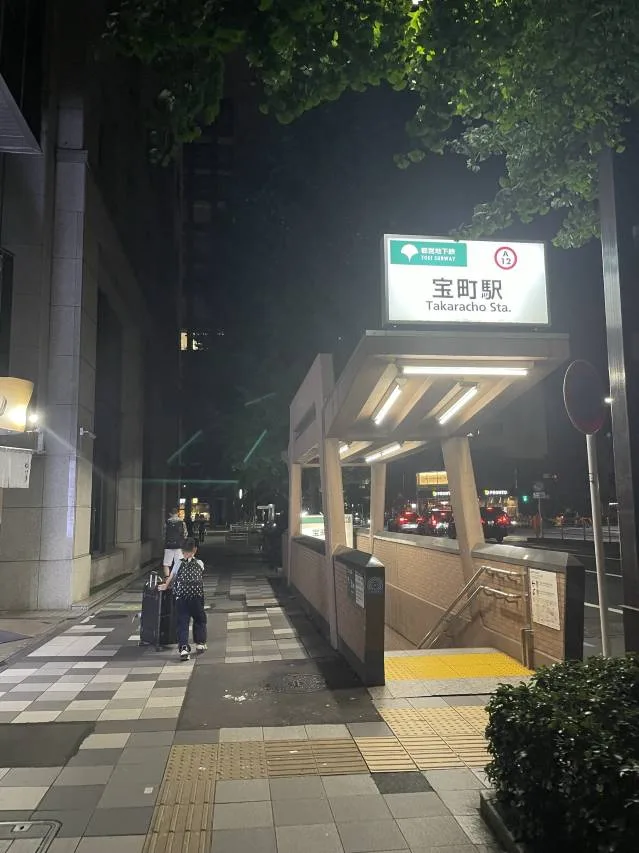
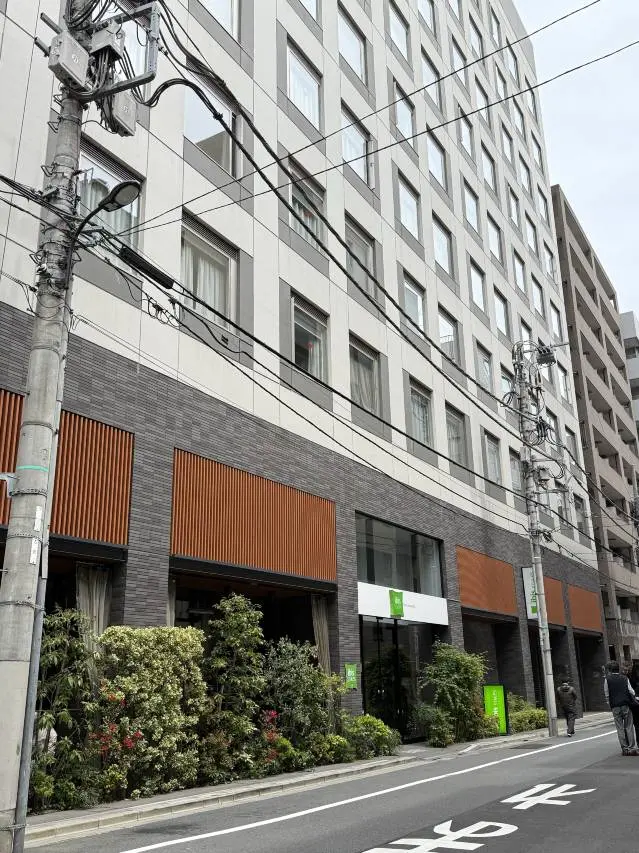
Start by planning around a station in the Takaracho or Shintomicho area, then walk to Shintomi 1-2-13 after exiting. If you walk from Tokyo Station, allow extra time when you have a lot of luggage, when it rains, or when you have just landed; following the step-free signs inside the station to find a lift saves more effort than chasing the shortest exit.
Check transport routes, and check the day’s lift and construction information before you set out.
At Shintomicho Station, you can reach street level from the Chuo City Office side gate via the lift-only exit, and the Exit 1 lift runs only until 11:00 at night, so with suitcases there is no need to force yourself up the nearer stair exit. After 11:00, check the day’s lift information before you leave the gates. Station barrier-free facilities
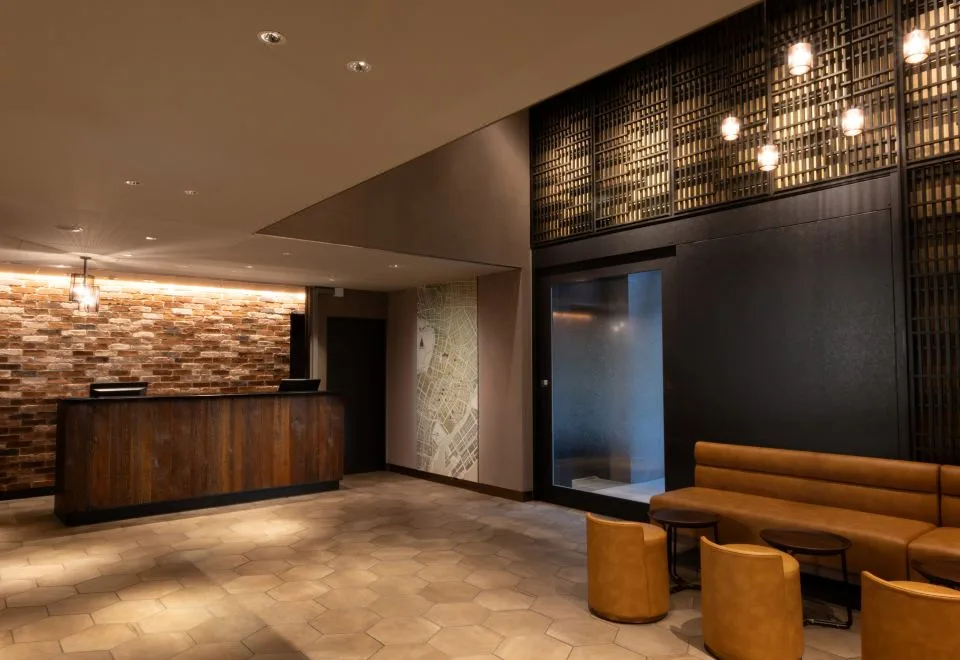
Takaracho Station is the closest to me: a five-minute walk, about 350 metres on the Toei Asakusa Line, then a flat walk to Shintomi 1-2-13. Check-in runs from 14:00 to midnight and the front desk stays open around the clock, so a late flight causes no rush. The baths close at midnight, though, so I plan my soak for the night I arrive rather than leaving it to chance.
Ginza-itchome Station is also in walking range, about 550 metres, and Nihonbashi is about 620 metres. Tokyo Station is walkable too, but with heavy luggage or in the rain I take the train straight to Takaracho or Shintomicho instead of forcing the walk.
| Item | Hotel information |
|---|---|
| Address | 1 Chome-2-13 Shintomi, Chuo-ku, 104-0041 Tokyo, Japan |
| Japanese name | イビススタイルズ Tokyo銀座East |
| Check-in / Check-out | 14:00–24:00 / Before 11:00 |
Open the map to plan your route
How to choose a room type: compare beds, living space and bathroom together
When choosing a room, first compare each person’s sleeping place, bathing style and luggage space.Room types and facilitiesUse it to cross-check the table below; platform room names in Chinese may differ, so also check the English names when booking.
The hotel has 135 rooms, and 94 of them have Ryukyu tatami flooring, so I take my shoes off at the door and get a Japanese-style feel. The smallest room, the Standard Double, measures only 15 square metres: fine for one person, tight for two people with two large suitcases. For more space I look at the 21-square-metre Deluxe Twin, with two 110 cm beds and a separate powder space.
| Room type / layout | Size and facilities | How to choose |
|---|---|---|
| Superior Queen | 18㎡; one 160cm bed | Two sharing one bed |
| Superior Twin | 18㎡; two 100cm beds | One bed each for two |
| Superior Twin+Sofa Bed | 18㎡; two 100cm beds + one 95cm sofa bed | Three people need to accept less daytime living space |
| Premier Twin | 21㎡; two 110cm beds | Wanting a bit more space and wider single beds |
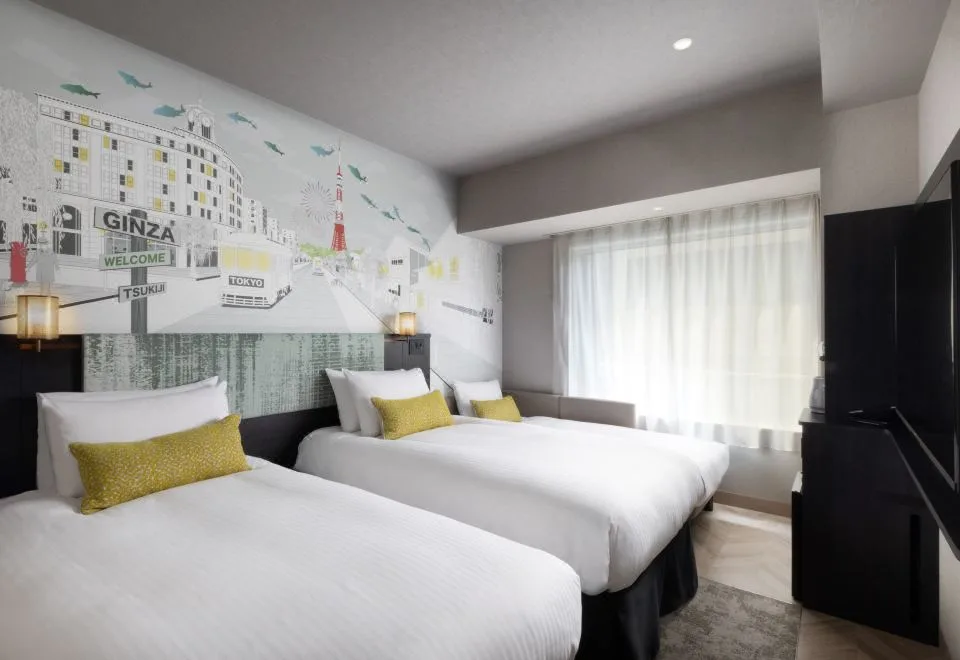
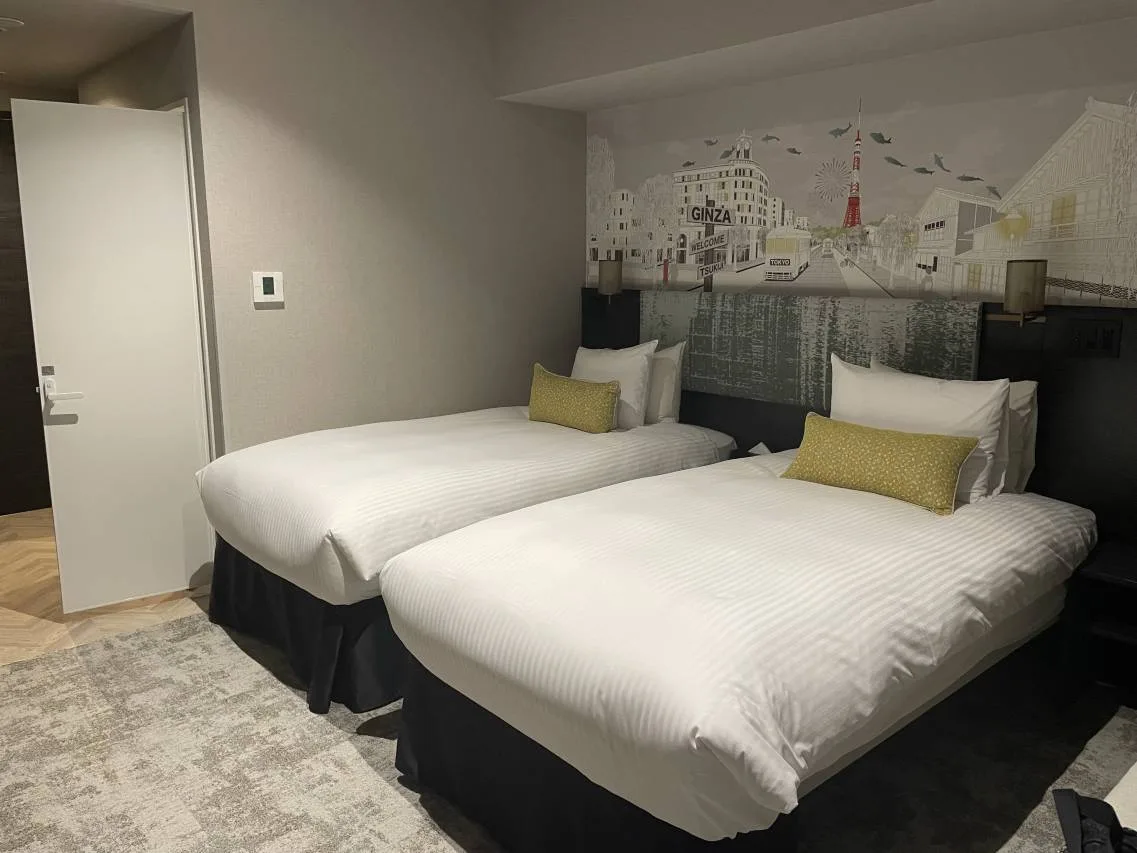
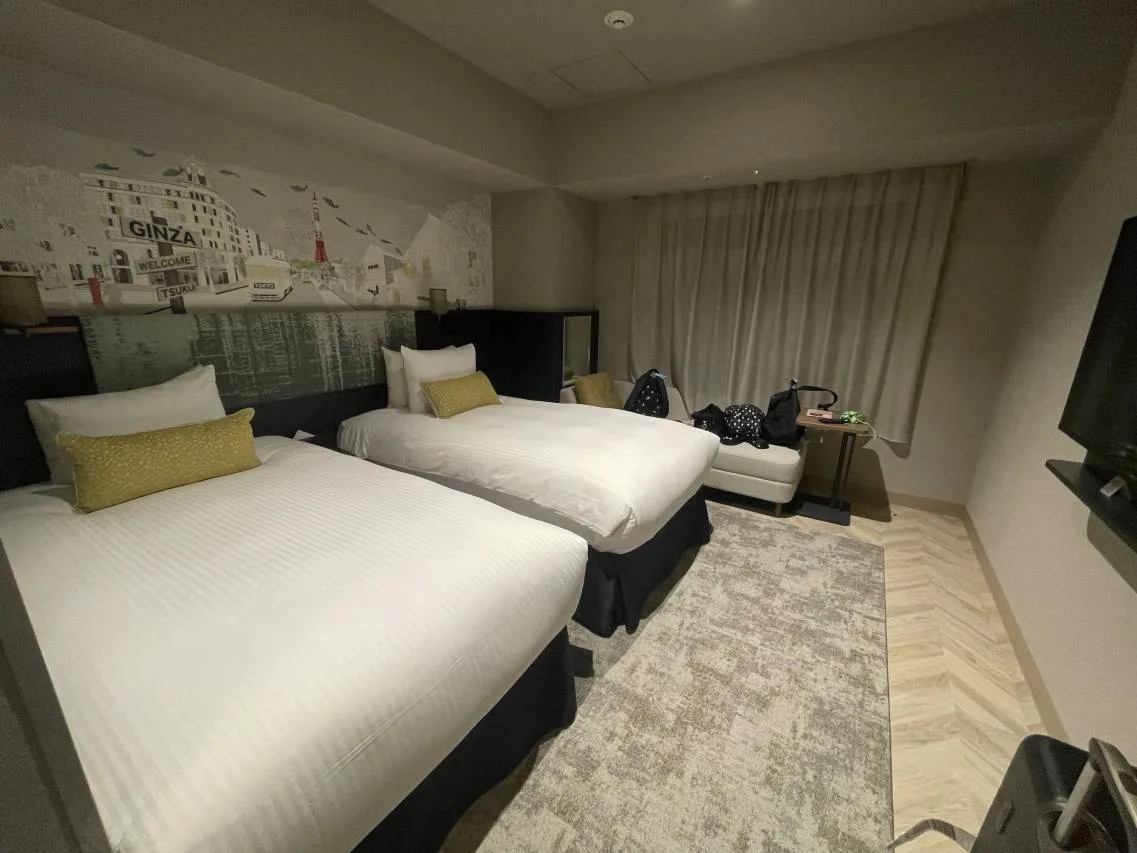
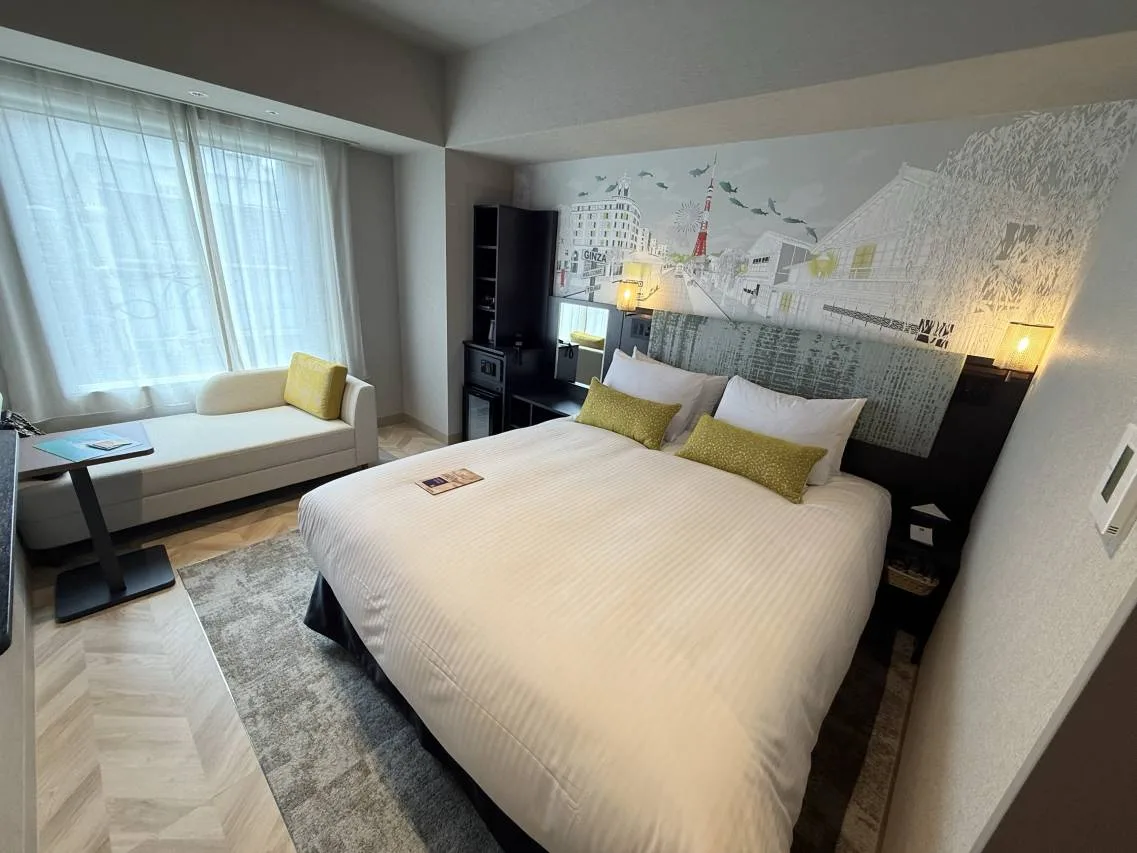
The photos show a Western-style twin layout, while a tatami room is a different way of staying: a Japanese element in the room name does not mean extra living space, and two large suitcases still depend on the actual layout.
The Universal Twin is another option: no steps, with a bathroom designed for barrier-free use, so I ask the front desk first when travelling with older family members or a wheelchair. Note that no room type offers extra beds or cribs, so plan sleeping places for small children in advance. Children without an extra bed may still incur a charge, so I write the number of guests clearly when booking.
I think of the tatami rooms this way: 94 rooms have Ryukyu tatami flooring, so I take my shoes off, sit on the tatami to eat or watch television, and the stay feels different from an ordinary business hotel. But a tatami room starts at the same 18 square metres as a Western-style room, so do not assume the Japanese element in the name means more space. If you carry a lot of luggage, check the room table first.
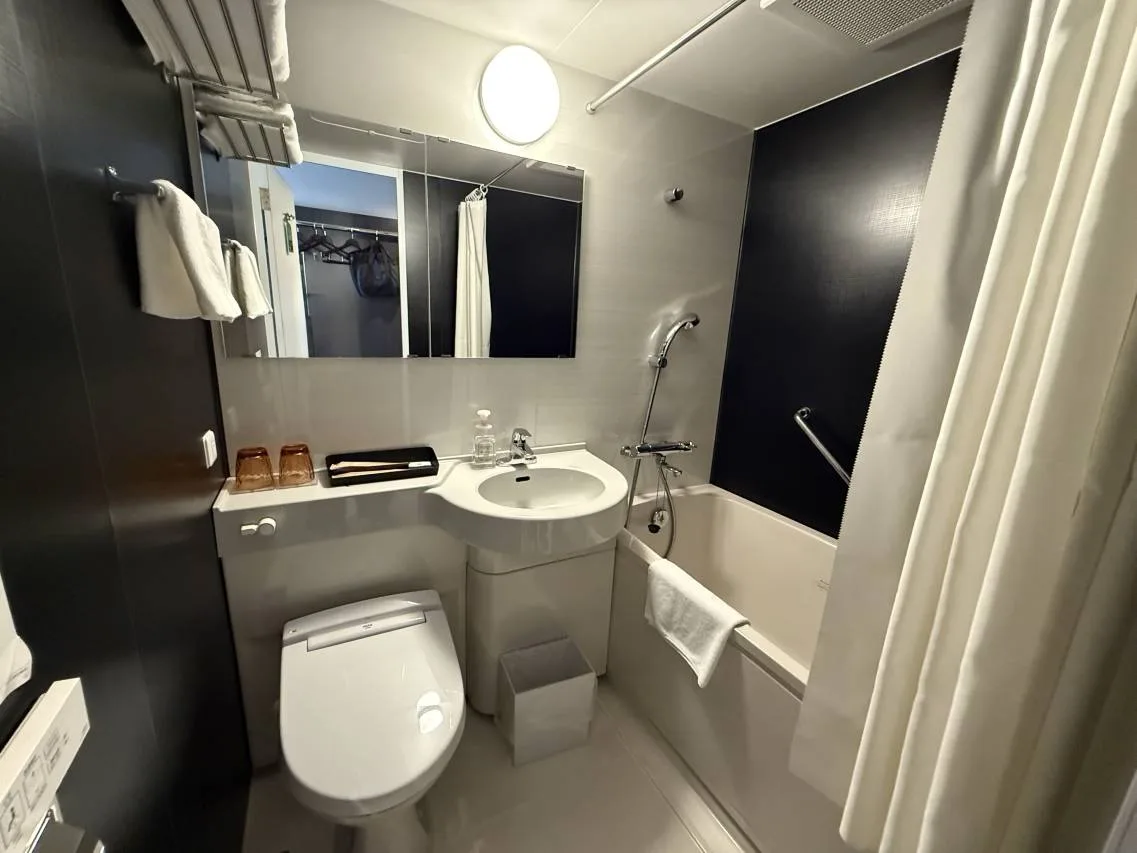
I also went through the in-room equipment: free Wi-Fi, a safe, an electric kettle, a mini-fridge, individual air conditioning, a bidet toilet and an air purifier are all included, along with a television, towels and nightwear. Most rooms have a combined bath-and-shower unit with a bathtub, so if soaking in your own room matters to you, confirm the room description when booking.
Two travelling companions who each want their own bed can start with a twin; if you are travelling with children, check the activity space left after the beds are made up, and do not judge from your impression of another branch last time.
Guest photos inside the rooms: what it looks like once everyday things are in
Guest photos can show what the room looks like in everyday use, especially around the bed, desk and bathroom route. The room type in a photo is not necessarily the same, so when choosing, still go by the layout you actually booked.
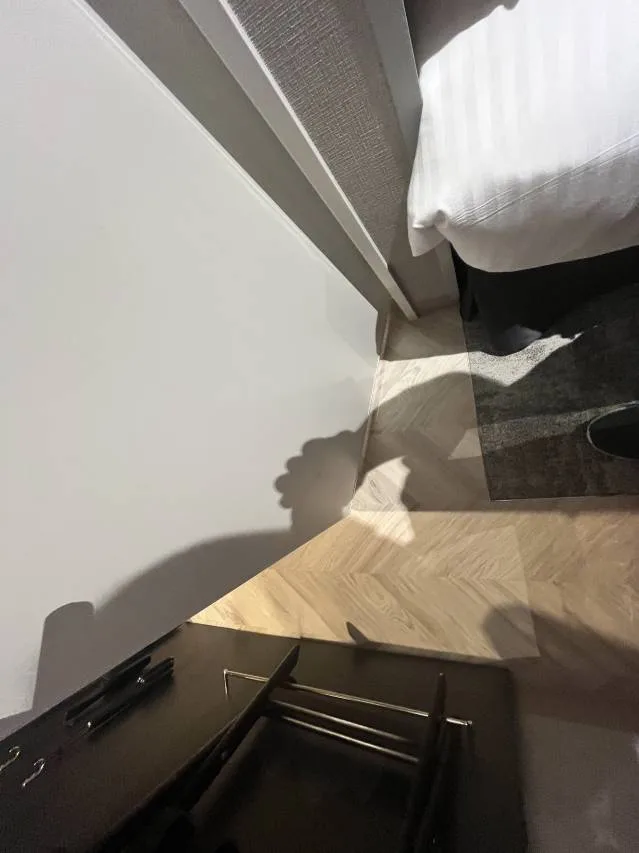
In the photos I look at three things: whether there is space beside the bed for a suitcase, whether the desk fits a laptop, and whether the bathroom has a bathtub or a shower. The twin-room photos show a walkway left at the foot of the bed, and the bathtub photo shows the wash area joined to the tub. Photos come from different room types, so I judge by the layout I actually booked.
The window-seat photo shows an extra place to sit beside the bed, good for looking out in the daytime and relaxing after I come back in the evening. The twin-room photos show a walkway left at the foot of the bed, so two large suitcases can sit open and I can still walk past, which is a detail I check when I choose a twin room.
Facilities and services: plan in the parts you will actually use
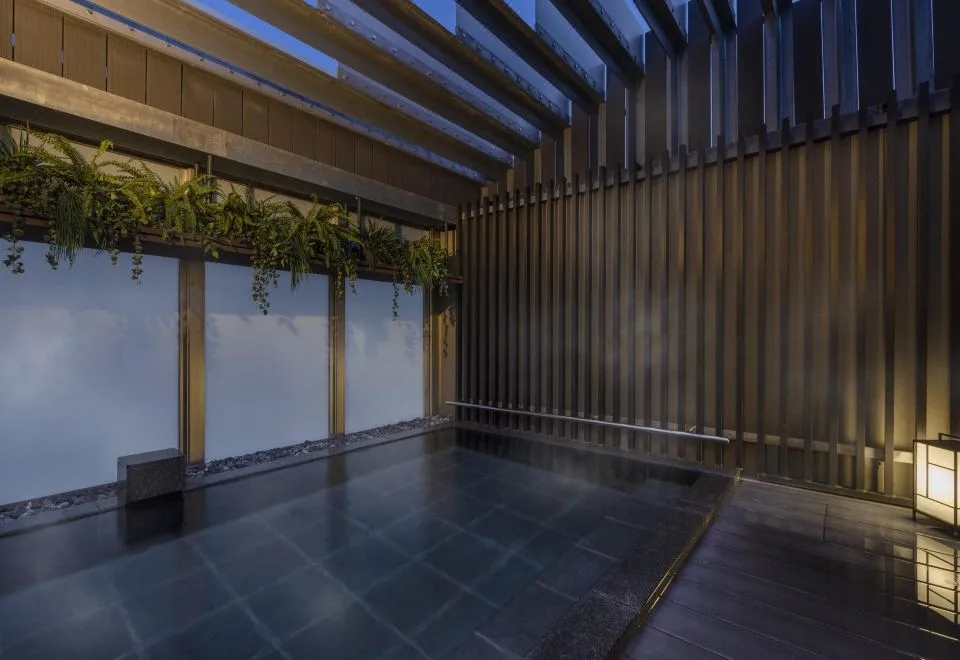
The rooftop baths are my main reason for choosing this hotel: indoor tubs plus an open-air bath, separate for men and women, open from 15:00 to midnight and from 06:00 to 10:00 in the morning, free for guests. The baths use heated water rather than a natural hot spring, and there is no sauna or private bath. Mini ice pops wait just outside the bathing area, and I eat one on the way back to my room.
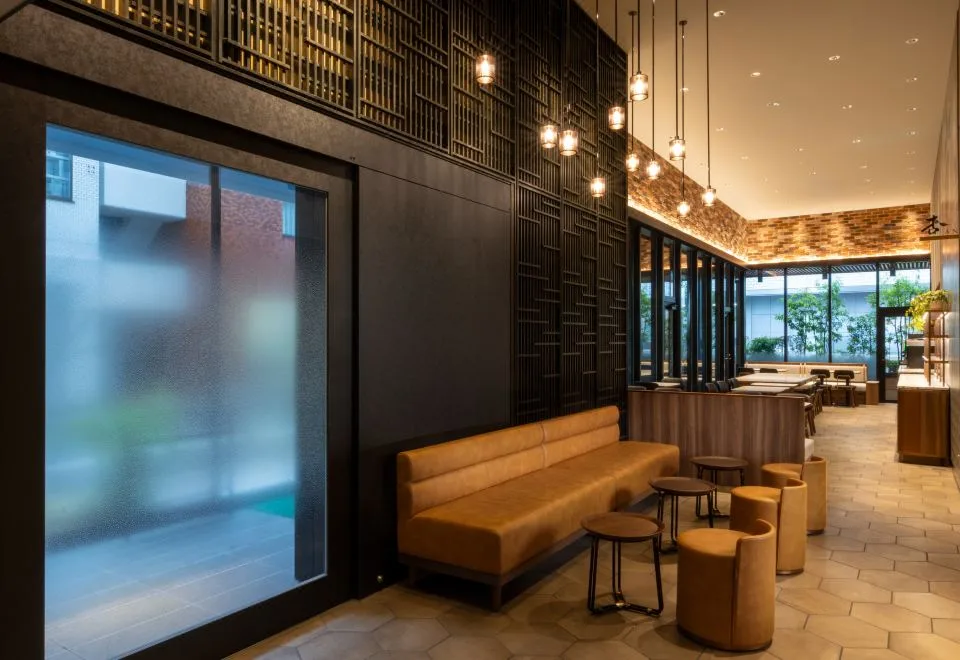
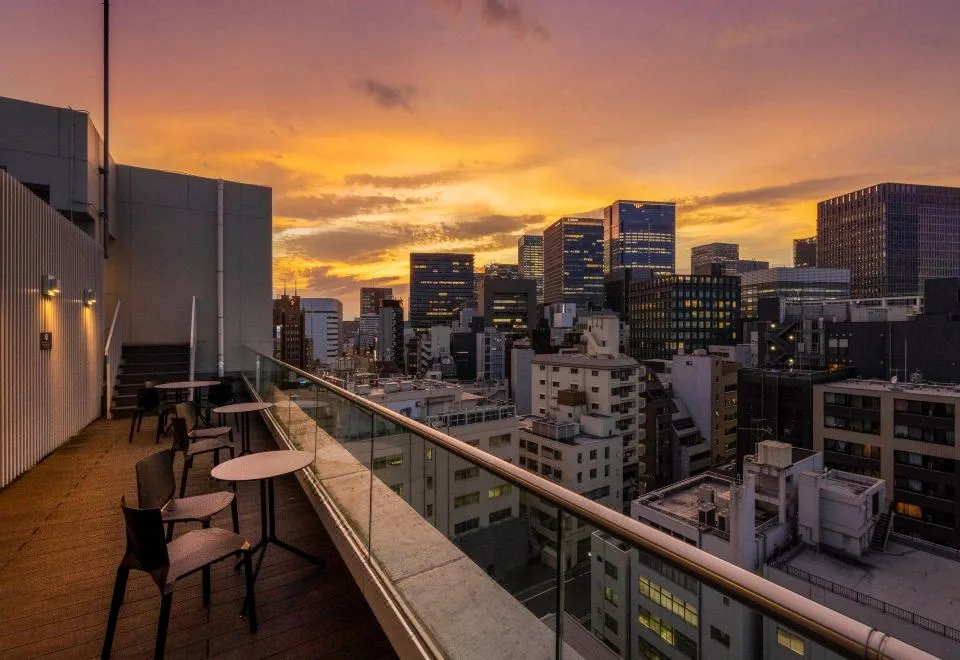
After a soak I sit on the rooftop sky terrace and look across Tokyo. On the first floor, the ALL Member Lounge is open from noon to 22:00 for guests, with coffee, tea and drinks, and I can sit there with a laptop for a while.
A laundry room with dryers sits in the building, which helps on a stay of several nights. Vending machines, luggage storage, currency exchange and a wake-up call are all available, and the front desk speaks Chinese, English and Japanese. The whole building is non-smoking, with barrier-free rooms and step-free access, and the lift reaches every floor.
I plan my evenings around the bath hours: the baths close at midnight and open at 06:00, so a return after midnight still gets me through the front desk but no soak that night. I soak on my first evening and again at 06:00 the next morning, and both fit before the 11:00 check-out.
Whether to add breakfast: it depends on how you want your mornings
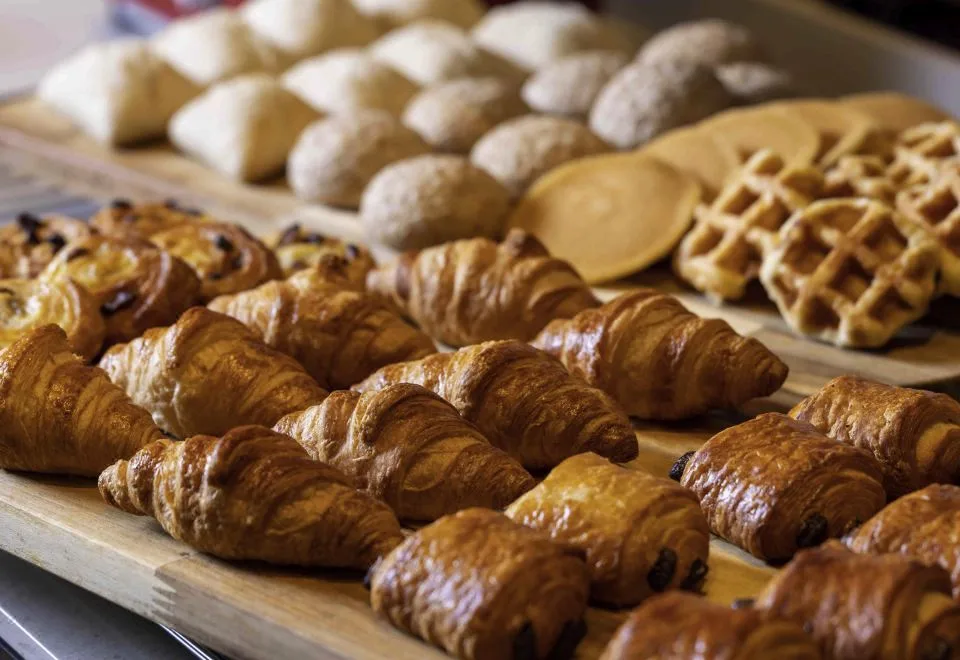
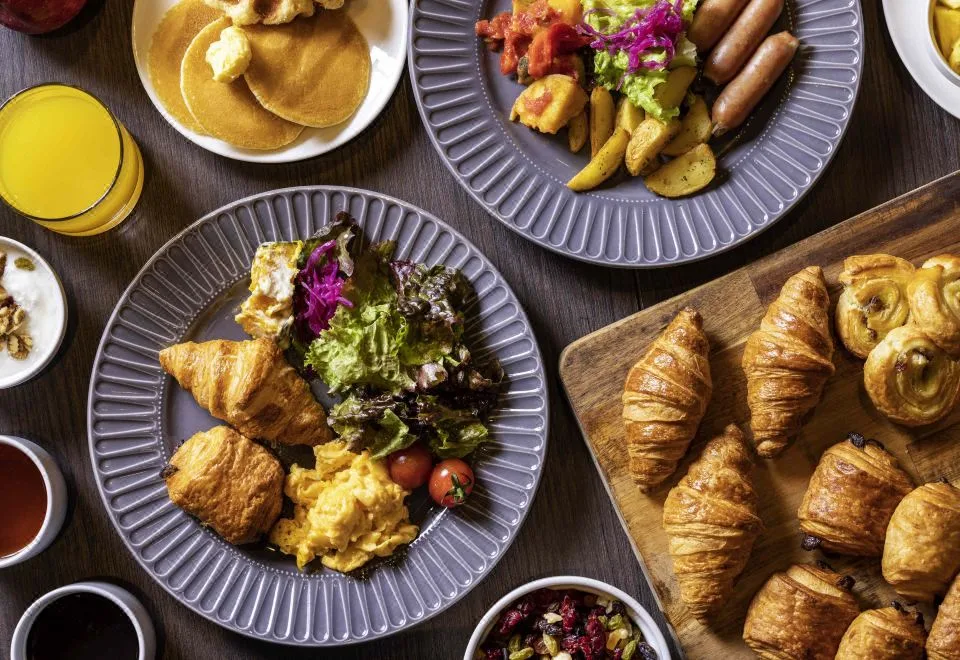
Breakfast is served at Anzu, the first-floor restaurant, as a buffet from 07:00 to 11:00 with last orders at 10:30. Adults pay ¥2,400 and children aged 11 and under eat free. The menu leans Western with some Japanese choices, and bread, salads, fruit and hot dishes are all on the table. I found the bread especially good; the choice is not huge, but it fills me up for the morning.
I decide by the day: on a market morning I skip breakfast and head straight to Tsukiji, while with children or older family members, or on a rainy day, I add breakfast, eat from 07:00 and leave after. If the room rate excludes breakfast, adding it at the hotel costs the same ¥2,400 for adults.
Watch the clock: last orders are at 10:30 and service ends at 11:00, so sleeping in means missing it. Children aged 11 and under eat free, while ages 12 to 17 pay the adult price, so I write the number of guests clearly when booking.
The two photos below show breakfast as it is served. The first is a close-up of the bread board, with croissants, waffles and rolls laid out on wood. The second looks down on a plated breakfast, with scrambled eggs, sausage, salad, pancakes and bread all on the table. Menus and service may change by the date of your stay.
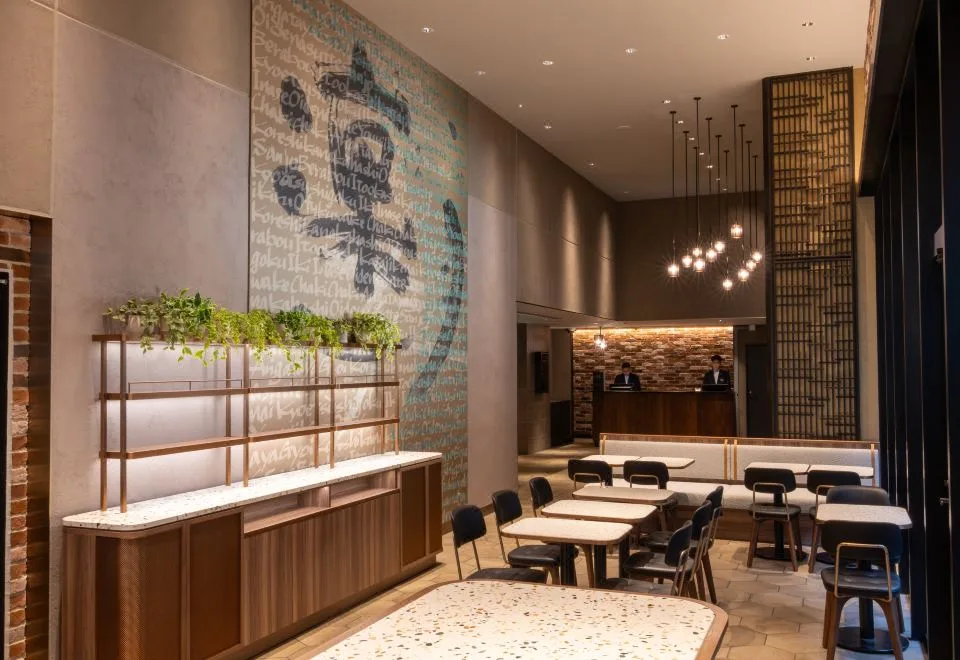
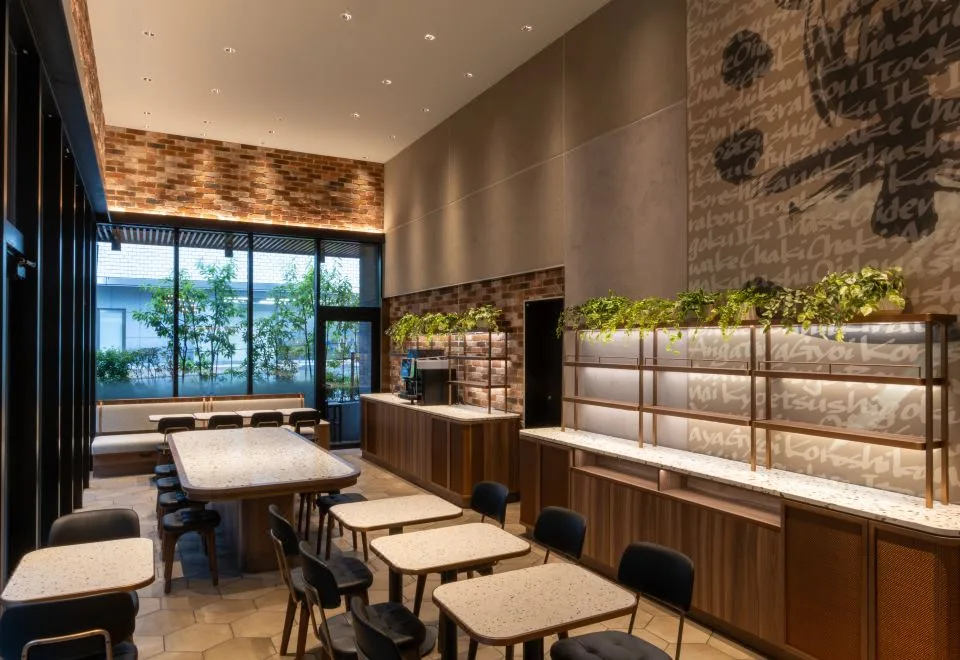
Anzu sits on the first floor with floor-to-ceiling windows and plenty of daylight, and the seating area has outdoor terrace seats as well. The restaurant doubles as a lounge during the day, and the guest-only ALL Member Lounge opens from noon to 22:00, so I can sit with a coffee and look at the map before heading out.
Nearby itineraries: leave some time for the neighbourhood
Plan Ginza shopping as one full half-day, and stroll along the streets on the way back — that takes less effort than going back and forth several times in a day. Tsukiji can take a separate morning; there is no need to cram everything in at once just because you stay in the same area.
By the numbers, Ginza is about 130 metres away, Nihonbashi about 620 metres, Tsukiji Outer Market about 890 metres, Tokyo International Forum about 1.0 km and JR Yurakucho Station about 1.0 km. A morning at the market, an afternoon walk to Ginza and an evening soak back at the hotel fit inside that radius.
To arrange the neighbourhood as a half day, start at Tsukiji Outer Market in the morning and walk to Ginza in the afternoon, strolling back along the streets. That takes less effort than going back and forth several times in a day.
Short stays, consecutive nights, and the final choice
One night suits soaking after a day of shopping, while consecutive nights let you arrange Ginza and other Tokyo areas separately. Accept the daily walk back to the Shintomi neighbourhood, and also look carefully at bed types and space for opening suitcases.
For consecutive nights, the laundry room and dryers help, check-out is before 11:00, and I leave my luggage at the front desk before heading out. No room type offers extra beds or cribs, so travelling with small children needs a sleeping plan worked out in advance, not on arrival.
For one night I plan it this way: Ginza shopping in the afternoon, a walk back to Shintomi in the evening, then a soak and an ice pop before bed. The next morning I go to Tsukiji Outer Market early, come back for my luggage and check out before 11:00, then spend the afternoon around Nihonbashi or Tokyo Station, with no doubling back.
If my priority on this trip is an open-air bath stay in the Shintomi neighbourhood, I would put this hotel on the shortlist. Before finally sending the booking, check the number of guests, the actual room type, breakfast and arrival time again, so the stay fits the itinerary.
Pros and cons at a glance
Pros
- Rooftop open-air and indoor baths, separate for men and women, open 15:00 to midnight and 06:00 to 10:00, free for guests.
- Takaracho Station is about 350 metres away, a five-minute walk, and Shintomicho Exit 1 has a lift until 11:00 at night, so luggage never needs the stairs.
- Of 135 rooms, 94 have Ryukyu tatami flooring, so the shoe-off Japanese feel comes with a choice of twin and tatami rooms.
- Anzu restaurant serves a breakfast buffet from 07:00 to 11:00, last orders at 10:30, at ¥2,400 for adults and free for children aged 11 and under.
- A 24-hour front desk takes check-ins from 14:00 until midnight, which keeps the schedule flexible.
- Ginza is about 130 metres away on foot and Tsukiji Outer Market about 890 metres, so shopping and the market both work on foot.
Cons
- Even the nearest station, Takaracho, needs a five-minute walk, so daily trips to Ginza add up.
- The open-air bath uses heated water, not a natural hot spring, and there is no sauna or private bath.
- No room type offers extra beds or cribs, so travelling with small children needs a sleeping plan.
- A tatami room is not necessarily larger, and two large suitcases in an 18-square-metre room still depend on the layout.
- Breakfast is served only at Anzu from 07:00, so an earlier start needs another plan.
Information last checked: 2026-11-23