
TOKYO / CHUO
Daiwa Roynet Hotel Tokyo Kyobashi Premier
Daiwa Roynet Hotel Tokyo Kyobashi Premier
Easy access to Kyobashi and Tokyo Station: choose beds and bathrooms together
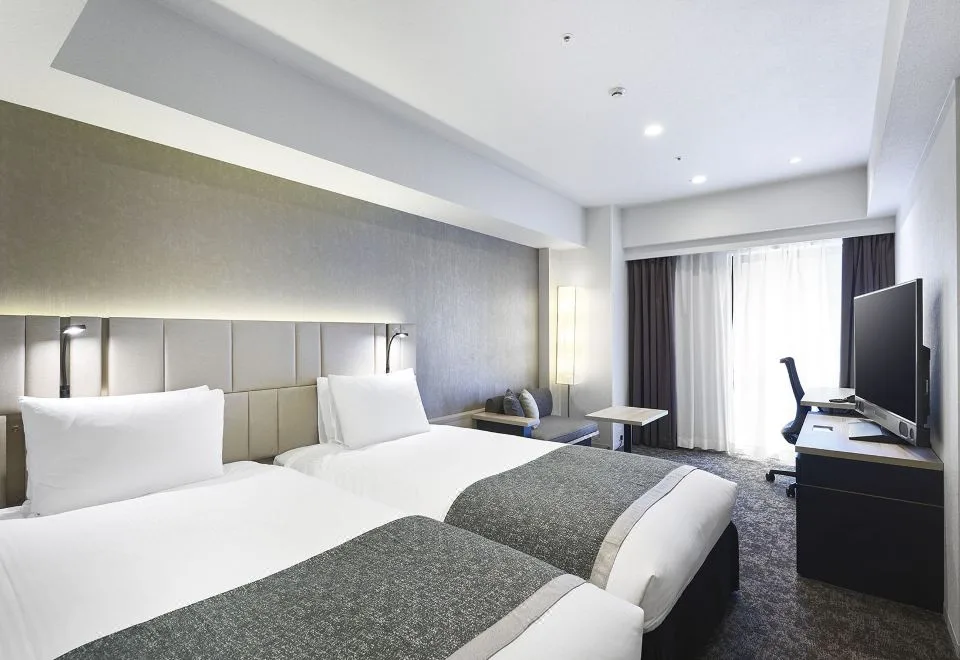
Daiwa Roynet Hotel Tokyo Kyobashi Premier suits travellers using the Shinkansen, shopping in Ginza and wanting practical, well-equipped rooms. Kyobashi offers a choice of stations and an easy place to return for rest. I would compare bathroom layout, beds and suitcase space together instead of choosing solely by distance to Tokyo Station.
Is this hotel right for you?
Reasons to choose it
- Kyobashi, Ginza and Tokyo Station are easy to connect
- Worth comparing the bathroom configuration
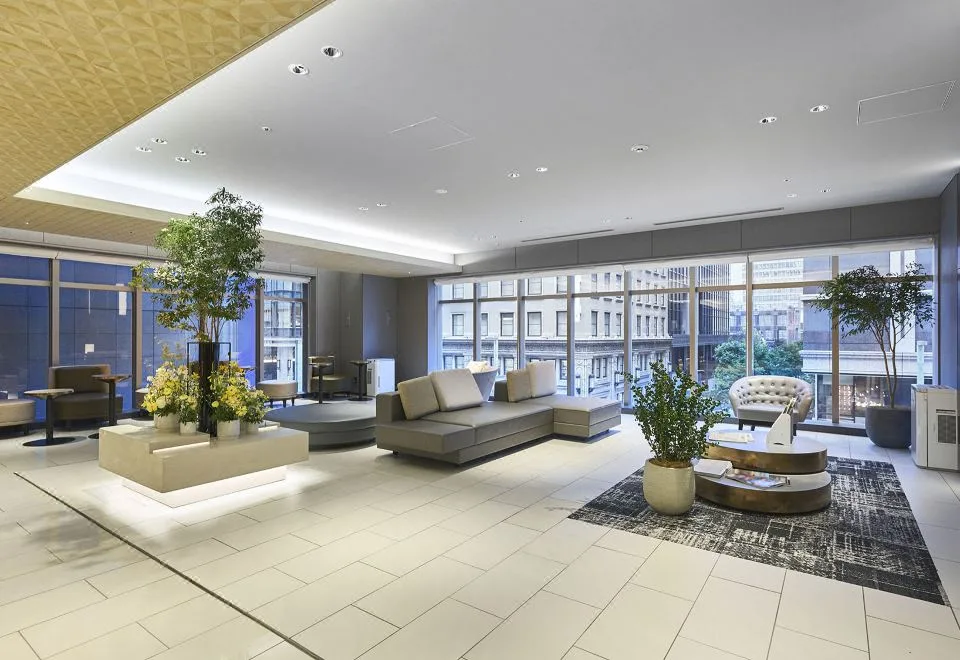
- Laundry and shared lounge facilities help longer stays
Trade-offs to consider
- Tokyo Station exits and internal walking still take time
- Breakfast is a guest-only set at the second-floor Komeda, 1,600 yen and limited in number — plan the timing first
- Check suitcase space before booking
My rule of thumb: if your days revolve around Kyobashi, Tokyo Station and Ginza, and you want rooms from 21 square metres with separate bathrooms, this one belongs on your shortlist; for an early Shinkansen morning, settle breakfast and the station route before you book.
There is no large public bath or hot spring in the hotel, so anyone wanting a big communal soak should look elsewhere; for a bath in the room, choose a room type with a bathtub, and the separate bathroom and toilet mean soaking and toilet use never queue.
Access: regular exits, lifts and luggage
Walking from standard exits
Use Kyobashi Station and Tokyo Station’s Yaesu side as arrival references. Kyobashi is close and suits Ginza line trips; for the Shinkansen, count the street walk plus the time to find the right gate and platform inside Tokyo Station, not just the walking minutes on the map. The official guidance is about a one-minute walk from Kyobashi Station exit 6, seven minutes from the JR Tokyo Station Yaesu South exit, four minutes from Toei Asakusa line Takaracho Station exit A5 and seven minutes from Nihonbashi Station exit B1.
Luggage and elevator route
At Kyobashi, the street-level lifts from the Ginza-side gates go toward Exit 2 at the Dai-ichi Life building and Exit 3; lifts from platforms also lead to dedicated gates. With luggage, follow the station’s accessible signs and then walk above ground to the hotel, rather than assuming the nearest stairs are step-free.
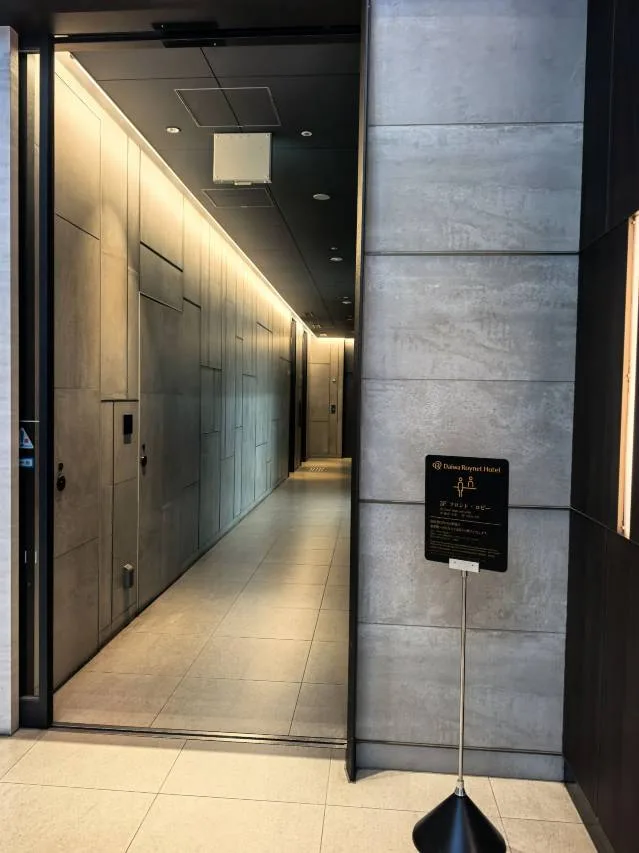
The closest exit is not always the step-free one. Exit 6 is nearest the hotel, but for a lift take exit 2 or 3 instead: ride the platform lift to the lift-only ticket gate, then the street-level lift outside the gate. An accessible toilet and baby facilities sit outside the gates on the Shibuya side of the concourse. Lifts can close for inspection, usually scheduled outside the morning and evening rush, between 09:00 and 17:00, so check the station notice before you set out.
From the airports, come to Tokyo Station first and walk from there. The limousine bus from Haneda takes about 40 minutes to Tokyo Station; from Narita, the Narita Express takes about 60 minutes and the limousine bus about 1 hour 20 minutes. For Tokyo Disney, the Keiyo line from JR Maihama Station reaches Tokyo Station in about 16 minutes, then walk from there; the return trip is the same line. The hotel has 200 rooms for up to 449 guests; the phone number is 81-3-5579-5850, check-in starts at 14:00, check-out is before 11:00, and the front desk is staffed around the clock.
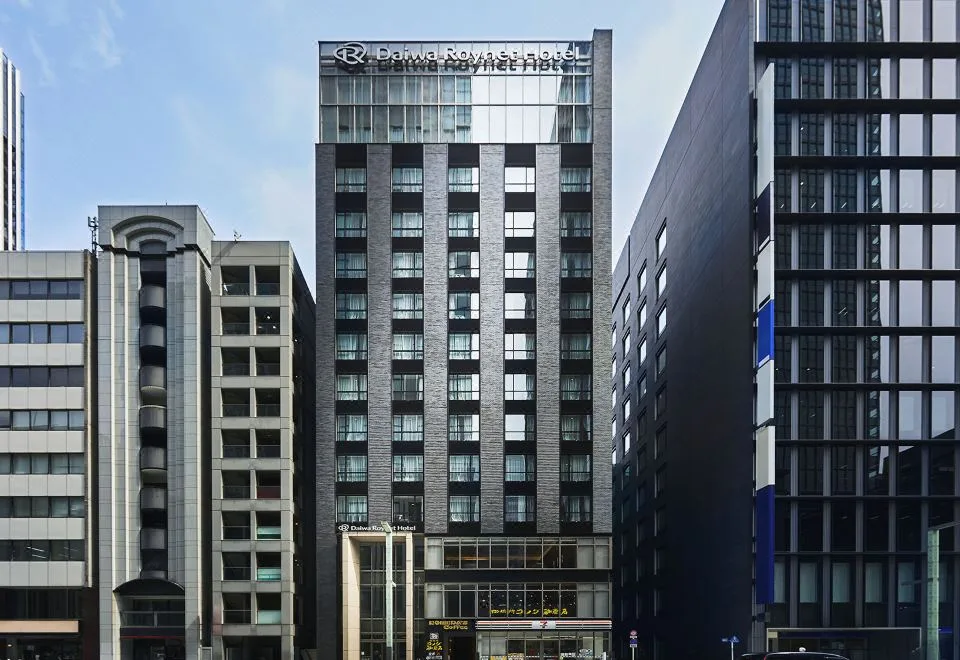
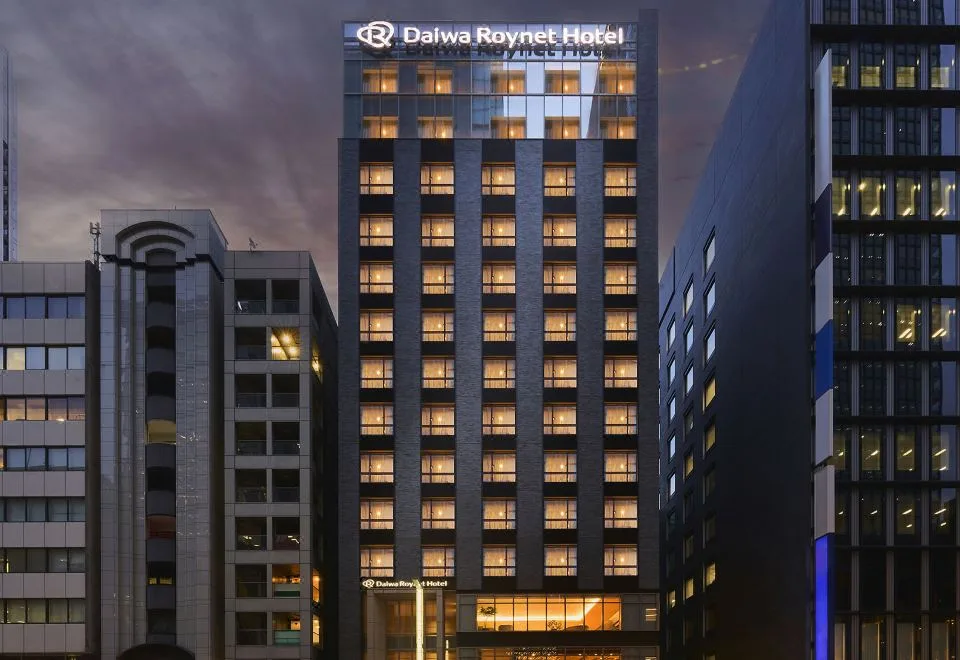
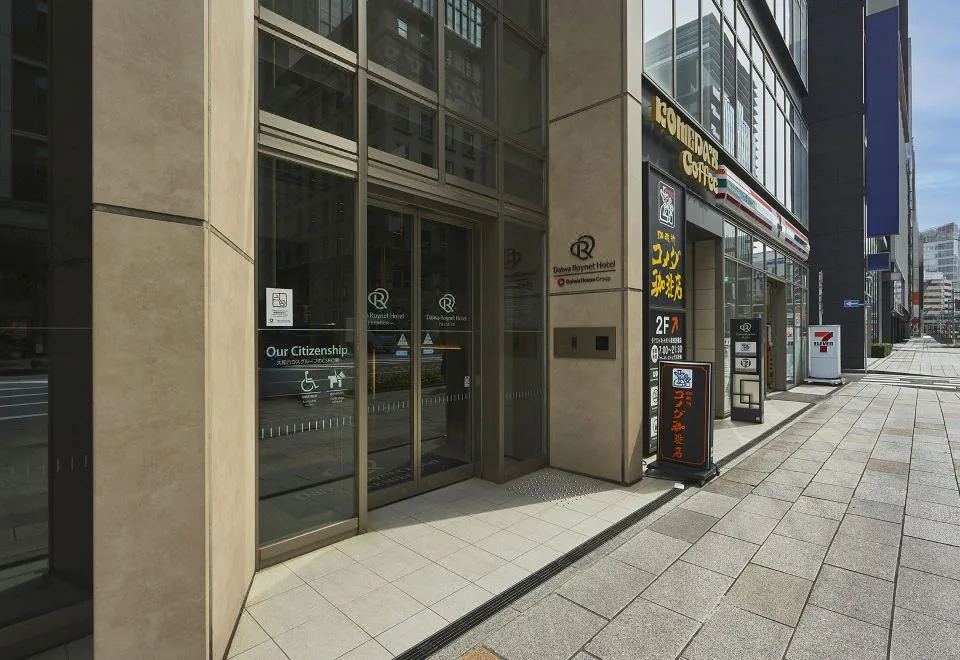
There are two Daiwa Roynet hotels around Kyobashi with very similar names, so check for PREMIER and the address 2-8-20 when booking and arriving, rather than trusting the brand name alone. The building itself helps: the car park and convenience store are on the first floor and Komeda is on the second, so the floor layout confirms you are in the right place.
For a Shinkansen departure from Tokyo, walk about seven minutes to the Yaesu South exit and enter the station; the Shinkansen gates are on the Yaesu side, and the walk from the gates to the platform still takes time, so travellers with heavy luggage should allow extra and not treat seven minutes as platform time. Check tickets and seats before leaving, then follow the platform signs inside the station, which is faster than asking for directions.
View hotel access directions / Check station lift facilities
| Hotel name | Daiwa Roynet Hotel Tokyo Kyobashi Premier |
| Address | 2-8-20 Kyobashi, Chuo-ku, Tokyo 104-0031, Japan |
| Check-in and check-out | Check-in 14:00–24:00; check-out by 11:00; reception available 24 hours. |
| Transit reference | About a one-minute walk from Tokyo Metro Ginza line Kyobashi Station exit 6; about seven minutes from the JR Tokyo Station Yaesu South exit. |
Choosing rooms: beds, bathrooms and luggage
| Room type | Room sizes and beds | Best choice for |
|---|---|---|
| Superior Double | 21 m² / one 154 × 203 cm bed | For one or two guests; no rollaway bed; at most one child sharing the bed |
| Standard Twin | 23 m² / two 110 × 195 cm beds | Separate beds; rollaway bed not available; up to two children sharing |
| Superior Twin | 27 m² / two 110 × 195 cm beds | For one to three guests; rollaway bed or baby cot available; up to two children sharing |
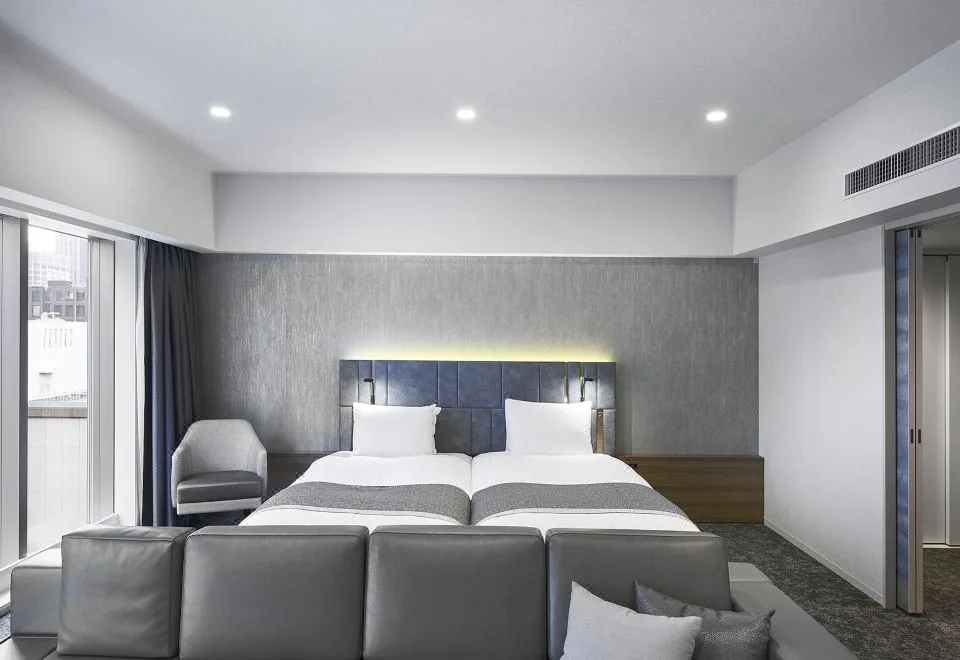
| Junior Suite | 52 m² / two 110 × 195 cm beds | For one to four guests; fully separate bathroom and toilet, two washbasins; rollaway bed or baby cot available |
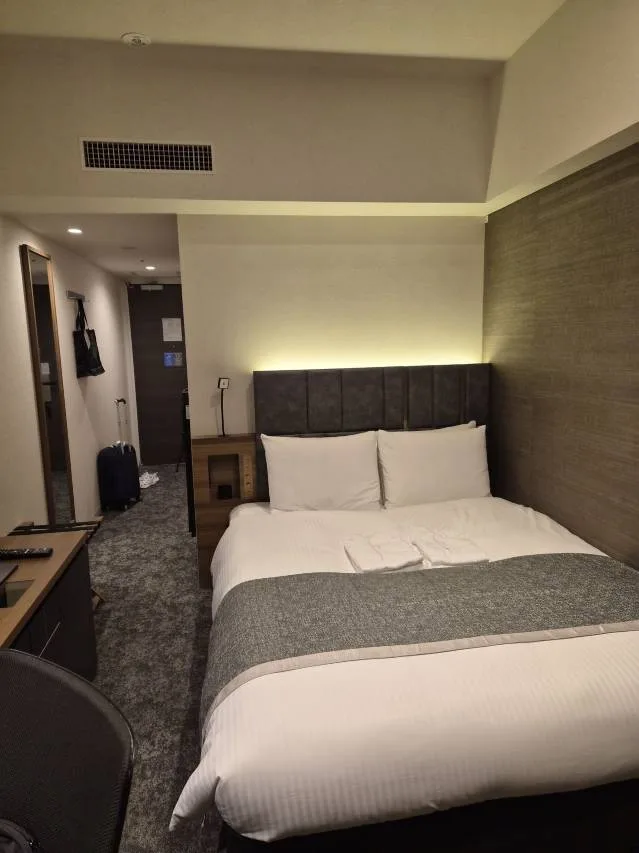
Rooms start at 21 square metres, and every room is 21 square metres or larger, with the bathroom and toilet separate. For two travellers with light luggage, I would compare the 23-square-metre Standard Twin first, with two 110 by 195 centimetre beds to sleep separately; families with children or anyone needing an extra bed should compare the 27-square-metre Superior Twin instead, because whether an extra bed fits is not only about how spacious the room looks.
The official site lists all four room types, so you can compare them directly. The Deluxe Double is 21 square metres with one 154 by 203 centimetre bed for one or two guests, no extra bed or baby bed, and one child sharing the bed at most; the Standard Twin is 23 square metres with two 110 by 195 centimetre beds for one or two guests, also no extra bed, with up to two children sharing; the Superior Twin is 27 square metres with two 110 by 195 centimetre beds for one to three guests, and takes an extra bed and a baby bed, with up to two children sharing; the Junior Suite is 52 square metres with two 110 by 195 centimetre beds for one to four guests, a fully separate bathroom and toilet plus two large washbasins, and takes an extra bed and a baby bed.
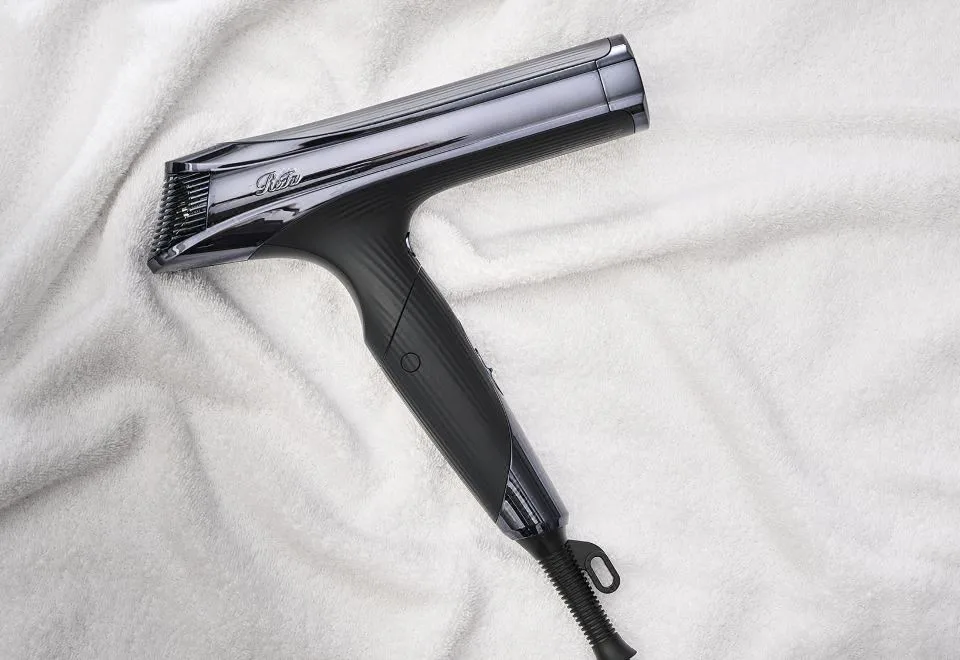
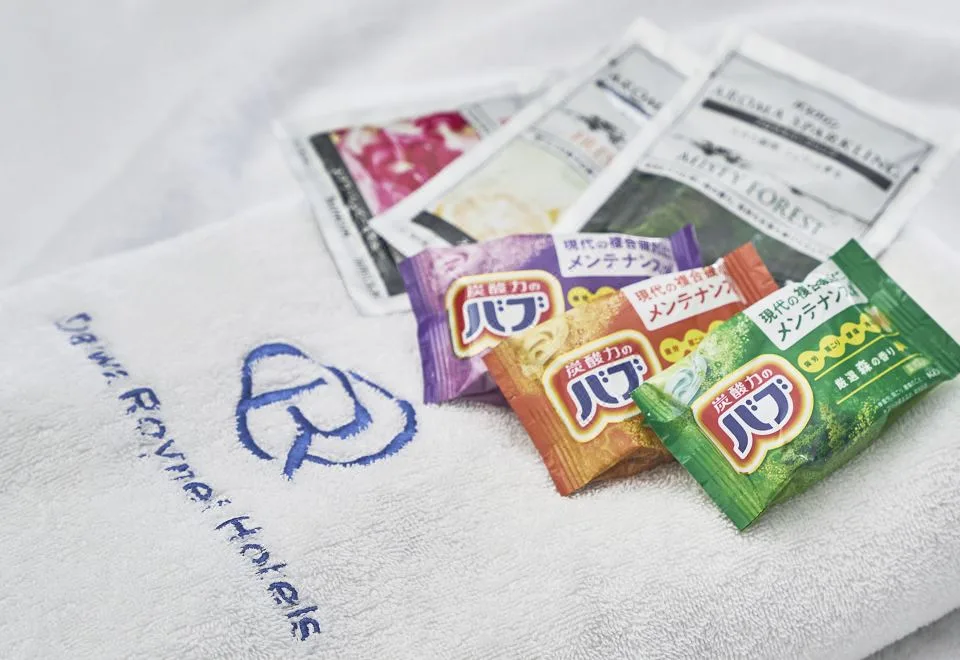
Rooms have free Wi-Fi and a safe, and the hairdryer and amenities are already in the room, so packing light still works. Two people with large cases should check the bedside passages before choosing a room, not just the floor area; for opening two large cases every day, 27 square metres or more feels much easier, and the suite’s two washbasins mean two people can get ready at once without queuing.
The official site lists the same in-room equipment and amenities for every room, with a hairdryer, a safe and free Wi-Fi as standard. Anyone who wants to wash up separately after a bath should check whether the bathroom, washbasin and toilet can be used at the same time; the suite’s two washbasins are made for exactly that kind of morning.
One person on business will find the 21-square-metre Deluxe Double enough, with a 154-centimetre bed that sleeps wide and room for the case; two travellers who want separate beds should take a Twin, and families should check whether the 27-square-metre Superior Twin takes an extra bed. Bigger is not always better, so decide who sleeps where, who washes when and where the cases go, then pick from the four room types.
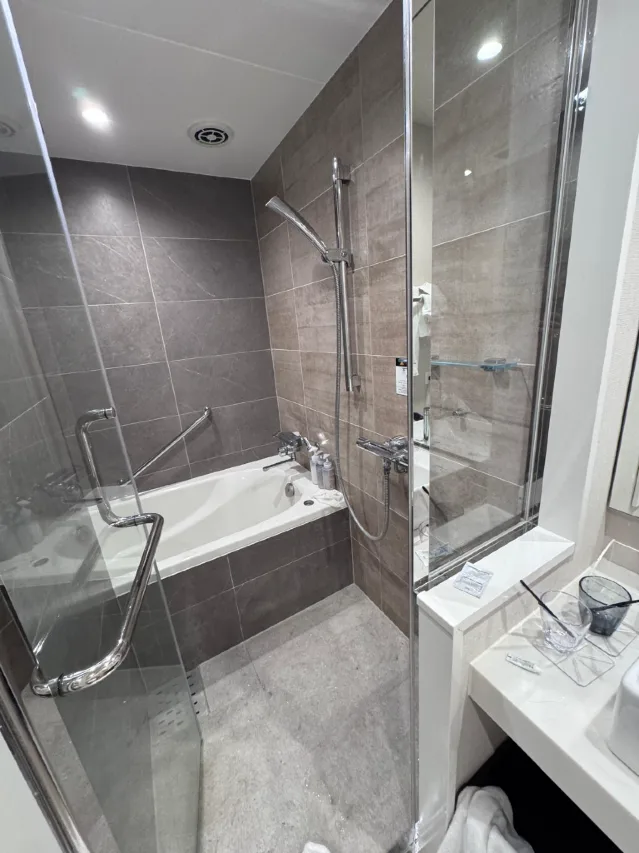
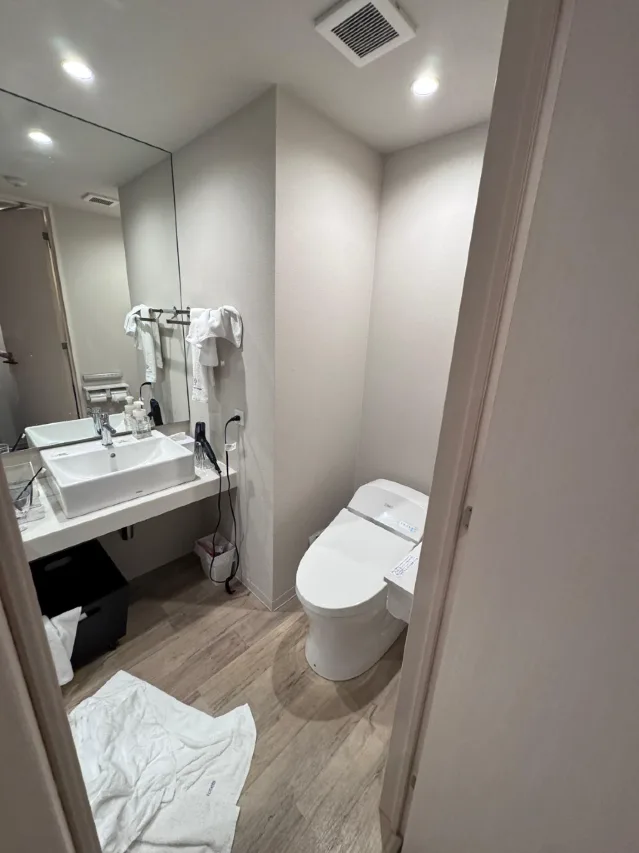
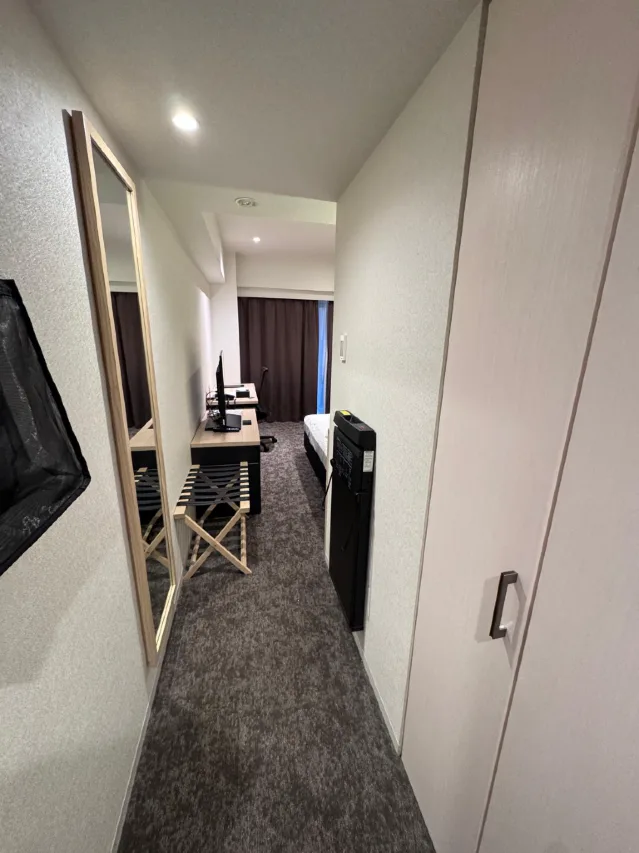
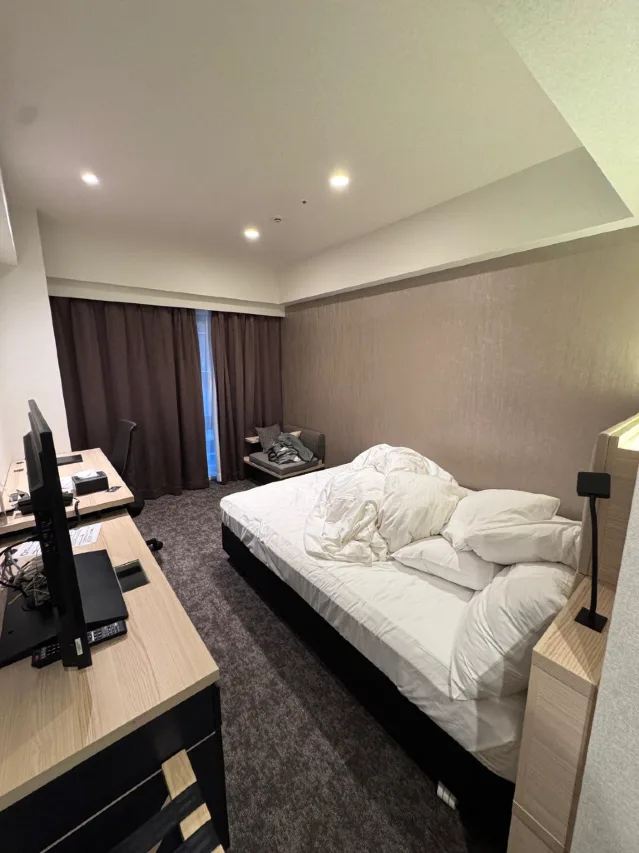
Photos show Double and Twin rooms plus actual views of tubs, showers and washbasins. All four room types separate the bathroom from the toilet, so bathing and toilet use do not compete for one room; the Junior Suite’s two washbasins are most useful when two people head out together in the morning. Twins suit travellers who sleep separately, a Double needs its bed width checked first, and for children or extra beds the actual occupancy rules matter more than how many people the photos seem to fit.
Breakfast: arrange your morning
Breakfast is served at Komeda on the second floor, a guest-only breakfast set from 07:00 to 11:00 for 1,600 yen, in limited numbers. Fresh-baked bread comes with salad and soup; choose a breakfast-included plan or buy a breakfast ticket at the front desk. Anyone who likes sitting down over coffee can keep one unhurried morning; for an early Shinkansen, prepare food the night before and the morning runs smoother.
The hotel has no restaurant of its own, so breakfast is the Komeda guest set on the second floor, not a buffet. The set centres on bread, salad and soup, with the exact dishes as served on the day; numbers are limited, so late risers may miss out — decide whether to add a breakfast plan before you book. For a wider choice, the 24-hour convenience store on the first floor sells water and food whether you arrive late at night or leave before dawn.
Other coffee shops nearby are also an option, a few minutes’ walk around Kyobashi and Nihonbashi, with more toward Ginza. My approach: stay on the second floor and eat slowly on the morning with time to spare, and buy what you need at the first-floor store the night before a train, so there is no extra detour before the gates.
The first-floor convenience store has an ATM, so late arrivals and early departures can still get cash, water and food. Anyone who does not want the set breakfast can buy bread and coffee at the store and eat in the room, entirely on their own schedule.
Pros and trade-offs
Near Tokyo Station does not mean close to every exit. At Kyobashi, choose the exit for your train line and elevator. Even with good room equipment, basic layouts can be tight if you want to leave two large cases open. Laundry and amenities are useful for longer stays, but confirm how they operate and what is offered on site.
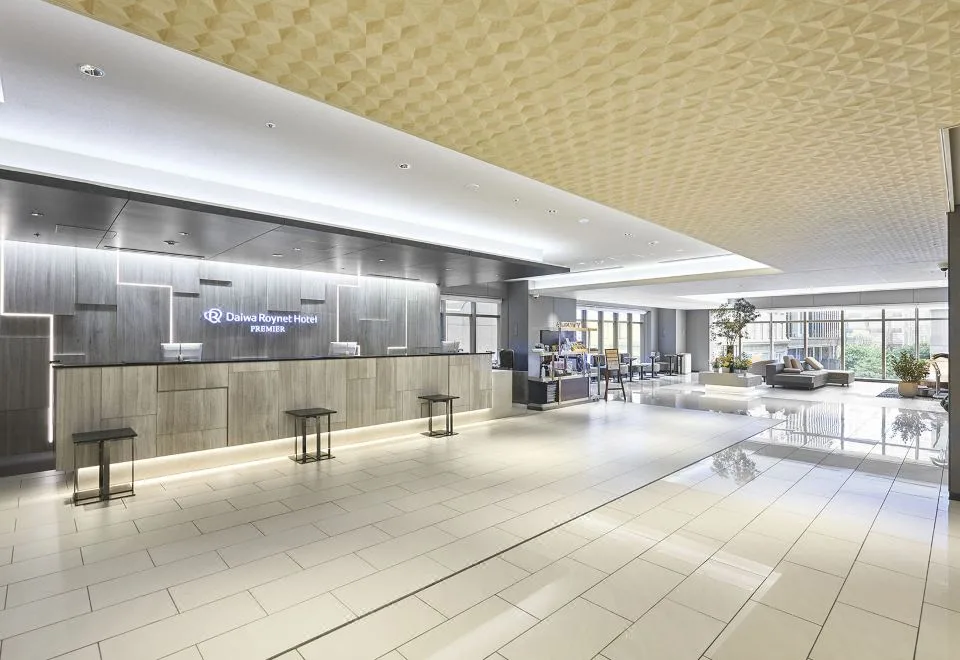
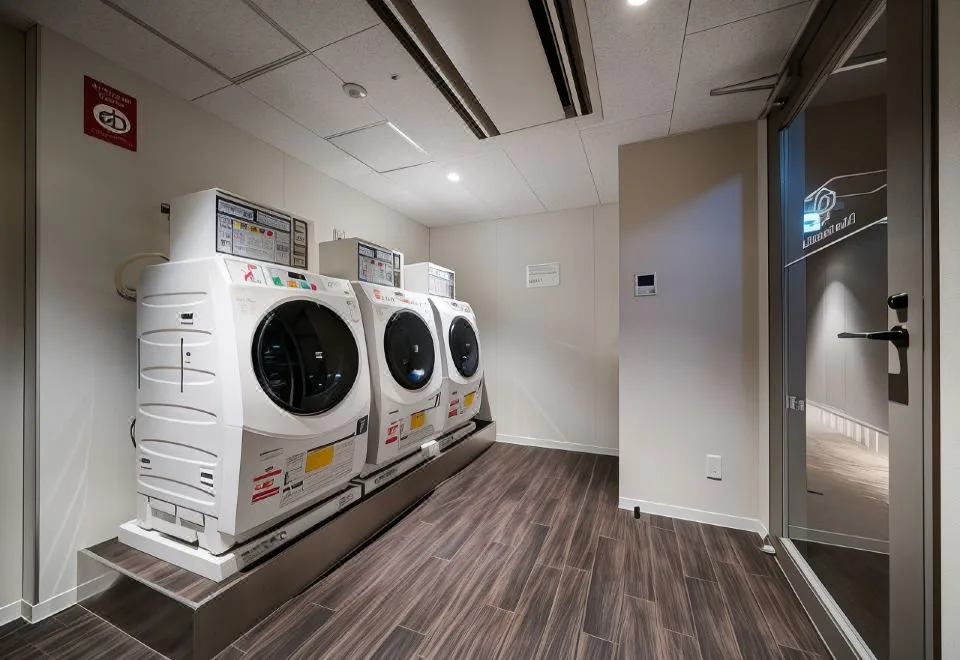
Facilities are practical rather than showy. The first-floor car park has 24 spaces, 2,800 yen including tax from 14:00 to 14:00 the next day, with no reservations; vehicles are limited to 2.0 metres high, 1.95 metres wide, 5.3 metres long and 2.6 tonnes, so measure the car first. The ninth floor has coin laundry, open 24 hours with three machines from 300 yen, taking 100-yen coins only; the fifth and twelfth floors have vending machines, ice machines and microwaves; the smoking area is on the third floor, open 24 hours; public areas are non-smoking, with separate non-smoking floors.
The front desk stores luggage for the same day only, and lends wheelchairs for use inside the hotel. The front door locks from midnight to 06:00, so take the room key when going out, and some lifts also need a key card. Free Wi-Fi covers the whole building, with currency exchange and a front-desk safe, plus paid copying, fax and domestic courier service; children’s slippers and toothbrushes are provided in-house, so families can pack a little lighter.
The floor layout is worth remembering: the car park and 24-hour convenience store are on the first floor, Komeda on the second, the smoking area on the third, vending machines, ice machines and microwaves on the fifth and twelfth floors, and coin laundry on the ninth, with rooms above. Late-night water or an early departure never needs leaving the building.
Short and longer stays, nearby trips
One or two nights are ideal around arrivals, departures, Ginza and Yaesu outings. For longer stays, Kyobashi is a convenient base without moving luggage each day. Before an early Shinkansen, tracing the actual walk from the hotel to the correct platform once can be more useful than the map’s straight-line distance.
Check-in starts at 14:00 and check-out is before 11:00, with the front desk staffed around the clock, so a late-night arrival is no problem. Guests must be at least 18 years old to check in; children of all ages are welcome, though an extra fee may apply even without an extra bed, and baby beds and extra beds vary by room type, so ask before booking; pets are not allowed. Payment takes VISA, JCB, AMEX, Diners, MasterCard, UC and UnionPay cards.
Several places sit within an easy walk. The Artizon Museum is nearby, about a three-minute walk; Tokyo International Forum is about 730 metres, Ginza-itchome Station about 450 metres and JR Yurakucho Station about 880 metres. Kyobashi is an office district, quieter at night than Ginza, which suits sleeping after a day of shopping; for farther trips, Nihonbashi Station connects to the Ginza, Tozai and Asakusa lines.
For several nights, the laundry and the convenience store grow more useful each day; drop dirty clothes in the ninth-floor machines before going out and collect them on return. Shopping bags from Ginza are no burden either, with Kyobashi Station exit 6 a minute from the front door, so nothing needs carrying far.
Pros and cons
Pros
- Kyobashi Station exit 6 is about a one-minute walk and the JR Tokyo Station Yaesu South exit about seven minutes, so the Ginza line and the Shinkansen both connect easily.
- Every room is 21 square metres or larger with the bathroom and toilet separate; the Junior Suite is 52 square metres with two washbasins, and the extra-bed rules are stated clearly.
- The second-floor Komeda serves a guest-only breakfast set, 07:00 to 11:00 for 1,600 yen, and the first-floor 24-hour convenience store covers supplies at any hour.
- The ninth-floor coin laundry runs 24 hours with three machines, and the fifth and twelfth floors have vending machines, ice machines and microwaves, so longer stays stay easy.
- The front desk is staffed around the clock with free luggage storage, and the in-house car park has 24 spaces at 2,800 yen a day with no reservation needed.
Cons
- Basic rooms start at 21 square metres, so two people with large cases should check the bedside passages first; the Deluxe Double and Standard Twin take no extra bed.
- Breakfast is not an in-house buffet but a limited guest set at the second-floor Komeda, and late risers may miss out.
- The nearest exit 6 has no lift, so heavy luggage must go through exit 2 or 3, taking the platform lift to the lift-only ticket gate first.
- Luggage storage is same-day only, and the front door locks from midnight to 06:00, so take the room key when going out.
- The car park limits vehicles to 2.0 metres high and 2.6 tonnes, so larger cars need measuring first, and the daily charge runs 14:00 to 14:00 the next day.
Information checked: 23 November 2026