
TOKYO / CHUO
MIMARU Tokyo Ginza East
MIMARU Tokyo Ginza East
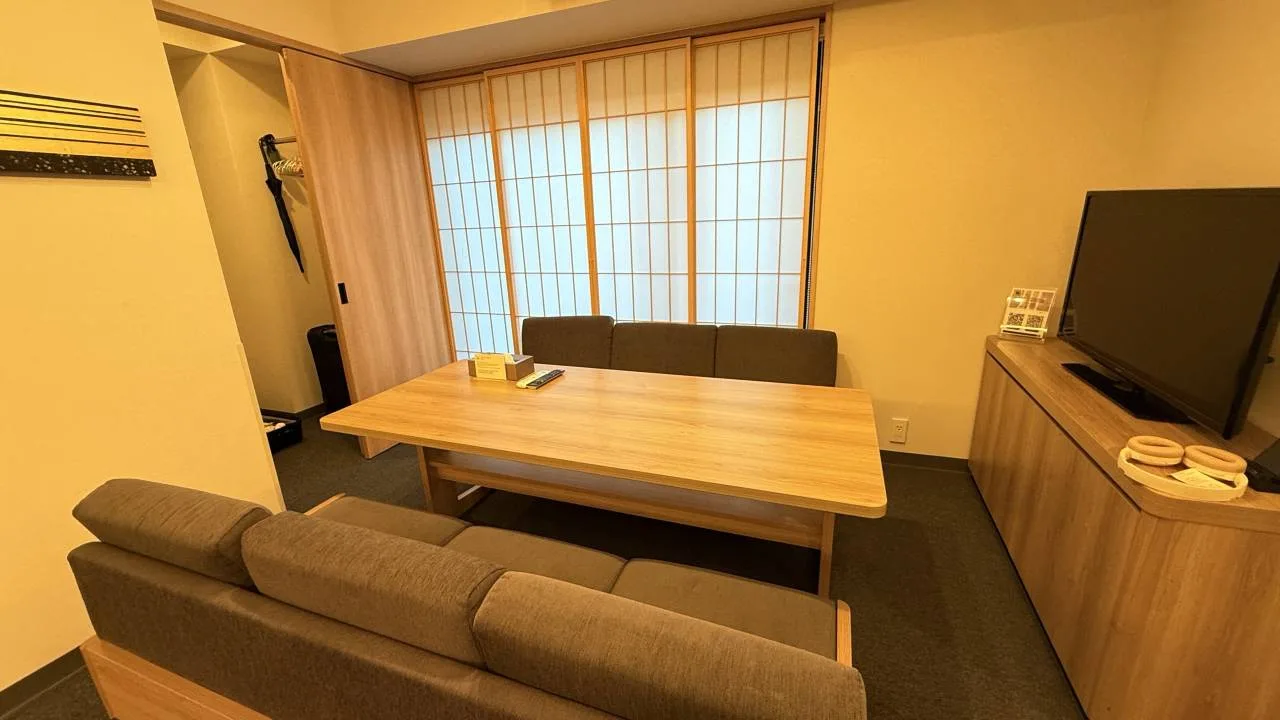
Stay together as a family with a dining table and kitchen
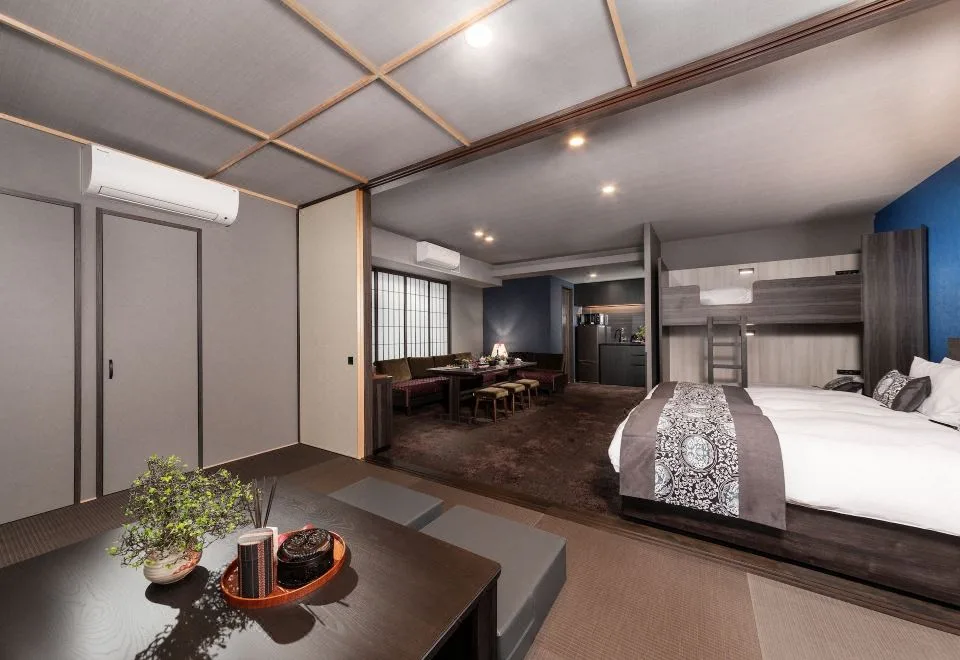
MIMARU Tokyo Ginza East is a good choice for families or groups of friends who want one apartment where they can eat, chat and spend time together after going out. Compared with a typical business hotel, the dining table, kitchen and group bedding are the real attractions. The Pokémon-themed apartment is eye-catching, but choosing a theme and getting more space are two separate decisions.
Is this hotel right for your trip?
Reasons to choose it
- Shared apartments, a dining table and kitchen make group stays feel homely
- Choose standard apartments or themed rooms according to your preferences
- Longer family stays without repeatedly switching hotels
Trade-offs to consider
- Confirm bunk-bed comfort and usage rules
- No hotel breakfast; arrange your own mornings
- Allow for children’s walking stamina when choosing a station
In short, this hotel suits families or friends who want to stay together and cook for themselves; the Pokémon Room is for children who love Pokémon, and the standard Family Apartment is for anyone who simply wants more space. It does not suit a one-night stay, travellers who want breakfast provided, or anyone who needs an in-house restaurant and parking — decide that before booking.
Location and access: exits, lifts and luggage
Walking from regular exits
The official hotel guide lists Shintomicho Station Exit 2 with a lift, about three minutes away, and Hatchobori Exit A3, around six minutes away. With children and large suitcases, I would consider Shintomicho first, then compare whether any extra train transfer is worth the shorter walk.
Choose between Shintomicho Exit 2 and Hatchobori Exit A3 by the line you ride: take the Yurakucho Line to Shintomicho, or the Hibiya or Keiyo Line to Hatchobori. Both exits have lifts, so no detour is needed for step-free access. From Tokyo Station, the Keiyo Line runs direct to Hatchobori without a change, which is easier with heavy luggage than changing trains to reach Shintomicho.
Luggage and elevator routes
Shintomicho’s station accessibility guide marks a lift-only route from the Chuo Ward Office-side gates to street level, and the hotel’s own access page names Exit 2 as the elevator exit. With large luggage or a stroller, take Exit 2 directly: ride the lift from the platform to the street, and the hotel is about a three-minute walk away, with no need to guess from on-site signs. At Hatchobori, use Exit A3, about six minutes away, which also has a step-free route. Allow time to reach the street and cross junctions rather than rushing to match the shortest time shown by a map.
The hotel is only 230 metres from Shintomicho Station, and the official site calls it a three-minute walk — the two agree. Walk toward Shintomi 1-chome through quiet residential streets, easy even with a stroller. Hatchobori takes a few minutes longer, but the JR Keiyo Line and the Hibiya Line both stop there, so the Keiyo Line runs direct from Tokyo Station without a change — compare the two routes before choosing a station.
Ginza-itchome Station is about 510 metres away, JR Yurakucho Station about 980 metres, and the Tokyo International Forum about 1.0 kilometre, all within a walk or one subway stop. Tsukiji Outer Market is about 820 metres, close enough for a morning walk to breakfast. The Art Aquarium Museum is about 930 metres away inside Ginza Mitsukoshi, but its Ginza run ends on 6 January 2027 before it moves to Shibuya, so see it before the closing date.
View hotel access directions / Check station lift facilities
| Hotel name | MIMARU Tokyo Ginza East |
| Address | 1-4-4 Shintomi, Chuo-ku, Tokyo 104-0041, Japan |
| Check-in and check-out | Check-in 15:00–22:00; check-out by 11:00. Reception is staffed daily from 07:00 to 22:00; arrival instructions are provided after booking. |
| Transit reference | Around 230 m from Shintomicho subway station, about a four-minute walk. |
Plan the grocery run before counting on the kitchen: a My Basket supermarket stands near Shintomicho Station at Irifune 3-chome, a few minutes on foot, with bread, fruit, eggs and milk, and convenience stores are nearby for late-night snacks. Buy the night before and cook breakfast in the room the next morning — that is the best use of this hotel.
Choosing a room: beds, bathrooms and luggage
| Room type | Floor area and bedding | Best choice for |
|---|---|---|
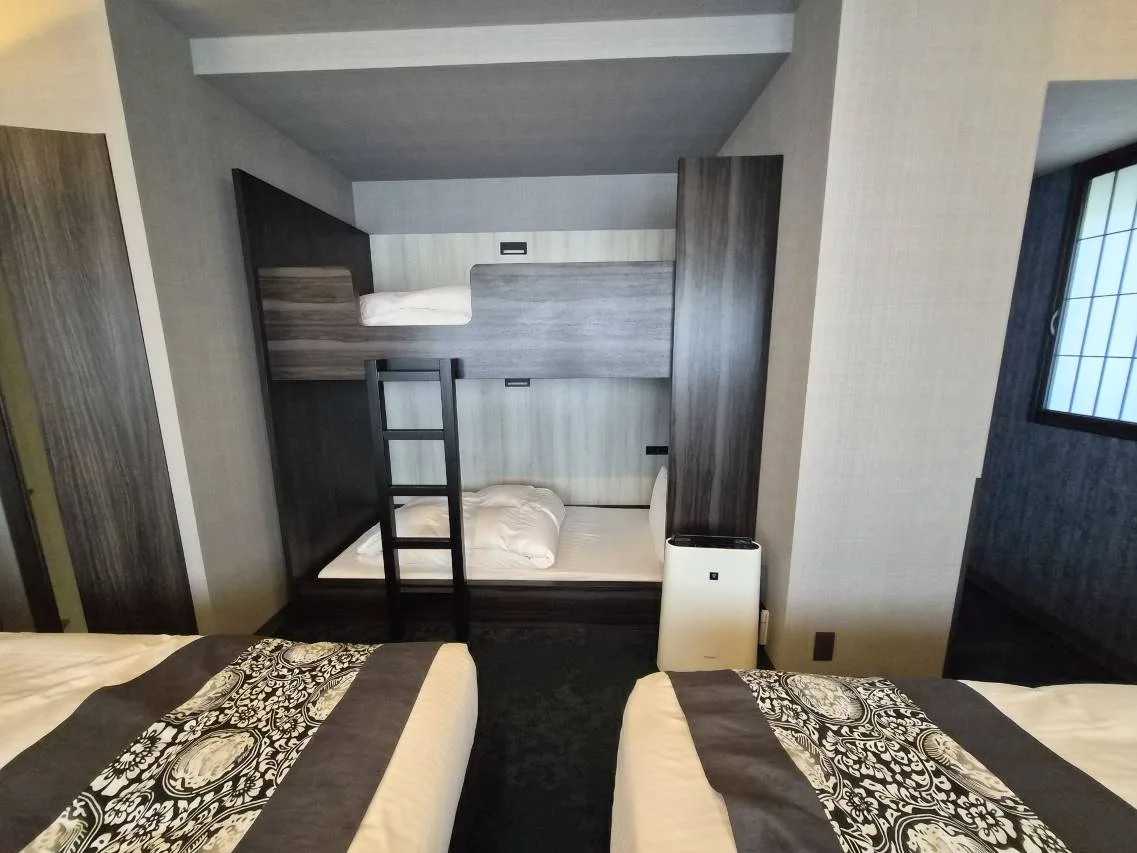
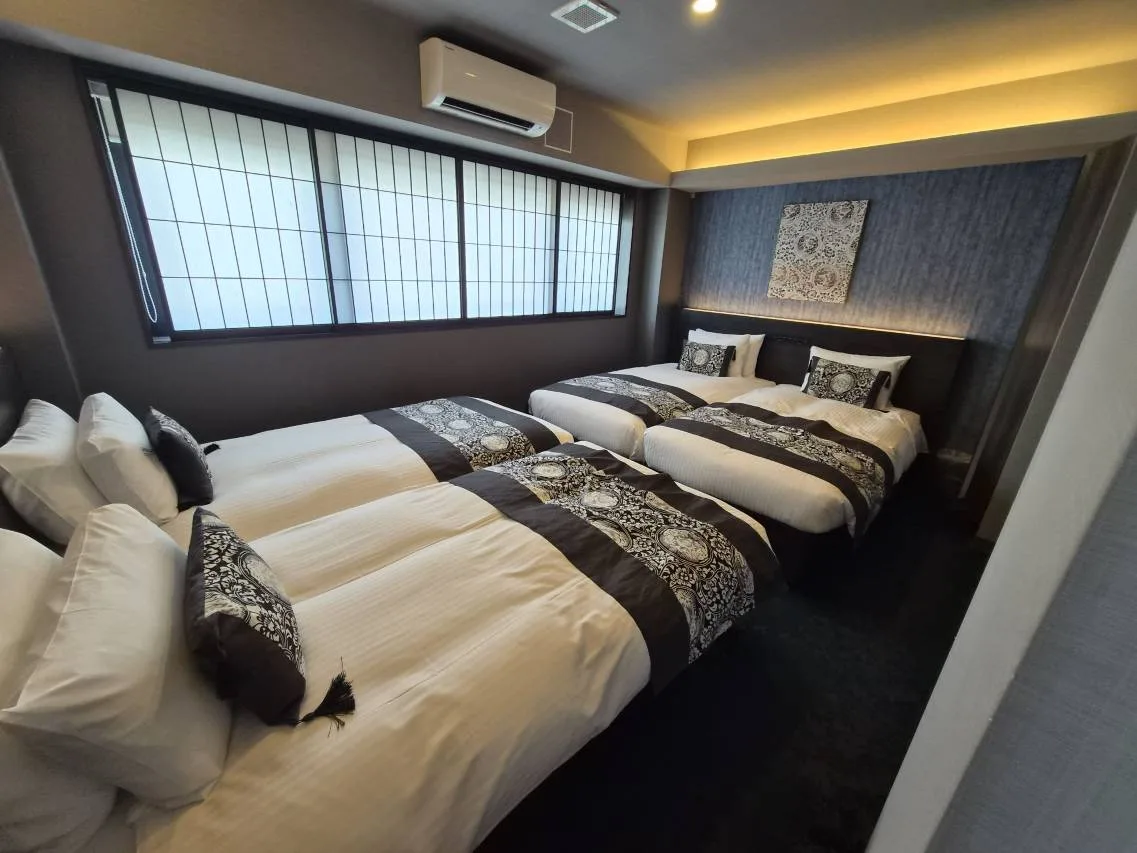
| Family Apartment | 39 m²; two single beds and one set of bunk beds | Four family members sharing the sleeping arrangements |
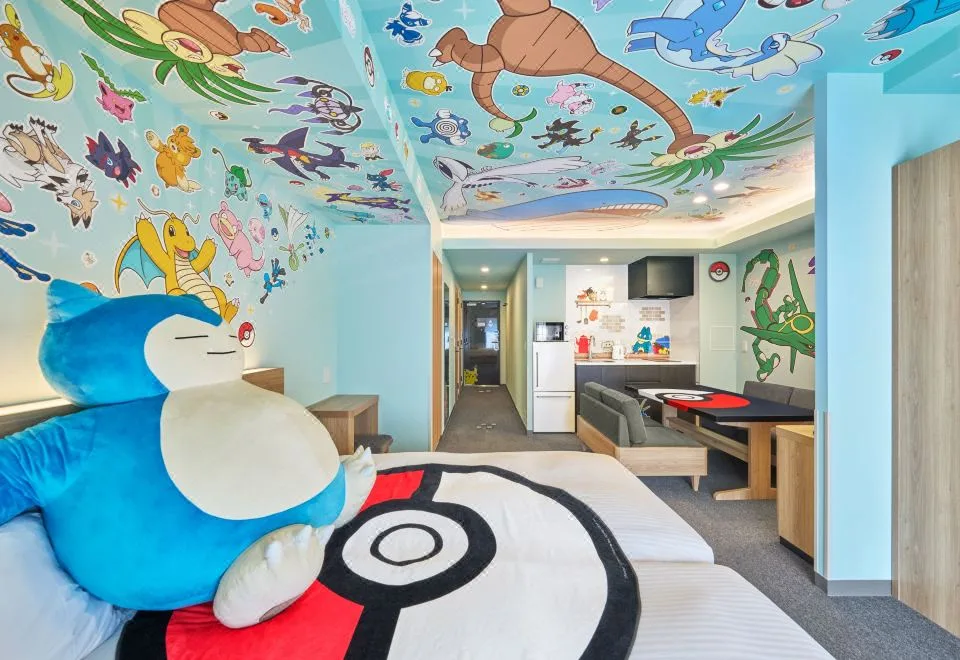
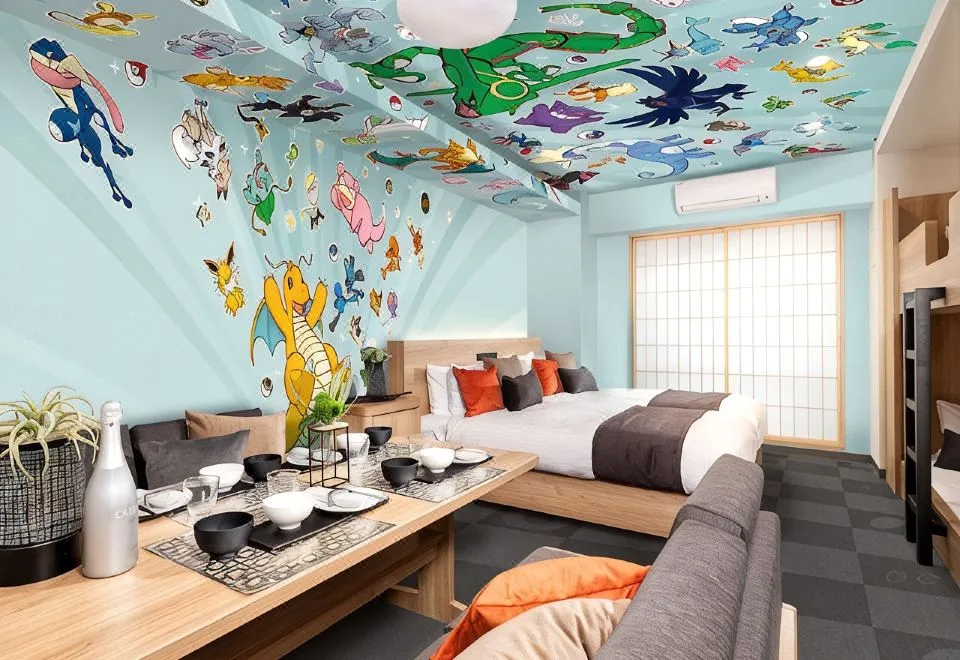
| Pokémon Room | 39 m²; two single beds and one set of bunk beds | For those who want Pokémon-themed decorations |
| Apartment (4 Single-Beds) | 42 m²; four single beds | Travellers who prefer not to use bunk beds |
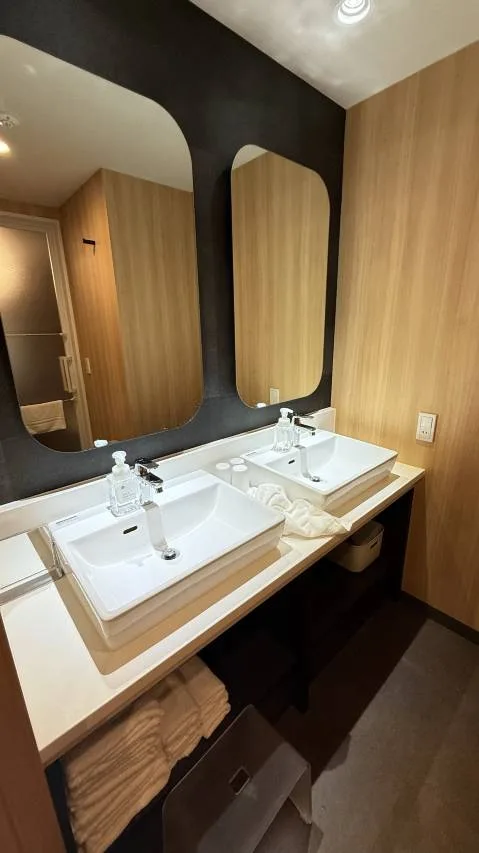
| Superior Family Apartment for 6 | 55 m²; four single beds and one set of bunk beds | Six guests, with two washbasins |
The major difference between the Pokémon Room and the regular 39 m² family apartment is the theme, not an automatic increase in size. If someone cannot comfortably climb into an upper bunk, I would compare the 42 m² apartment with four single beds. These listed categories do not have in-room washer-dryers; laundry uses the building’s coin-operated machines, even though the apartments have kitchens.
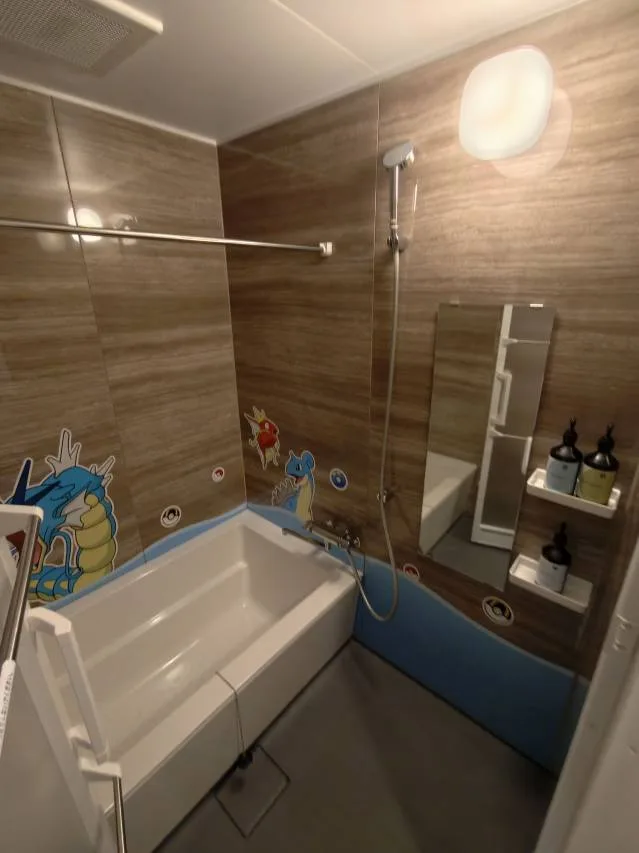
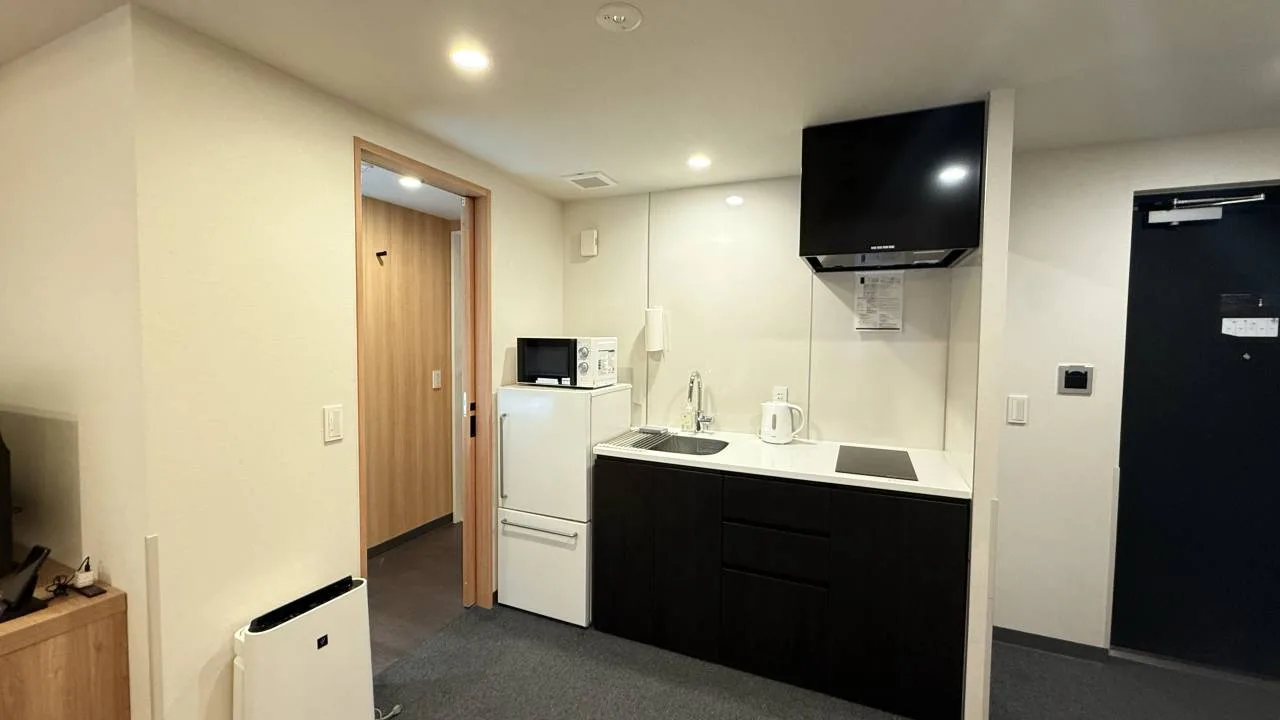
The kitchen is meant to be used: an IH stove, refrigerator, microwave, electric kettle, pots, a frying pan, a saucepan, tableware, knives, a cutting board, paper towels, coffee and tea are all provided, so a family staying several nights can cook simple meals. The washstand and bath are separate, with body soap, shampoo, conditioner, hand soap, large and small towels and a bath mat supplied. Bring your own toothbrush and slippers, or ask at the front desk if you forget them.
There is no washer-dryer in the room; laundry goes to the coin laundry in the building, so plan a wash in the evening and collect it before bed. Baby cribs and bed guards can be borrowed free of charge in limited numbers — contact the hotel in advance to confirm, as age limits apply. Children aged six and under are not counted in the guest number, so work out the headcount before booking. Luggage delivery can also be arranged at the front desk, at the latest one day before check-out.
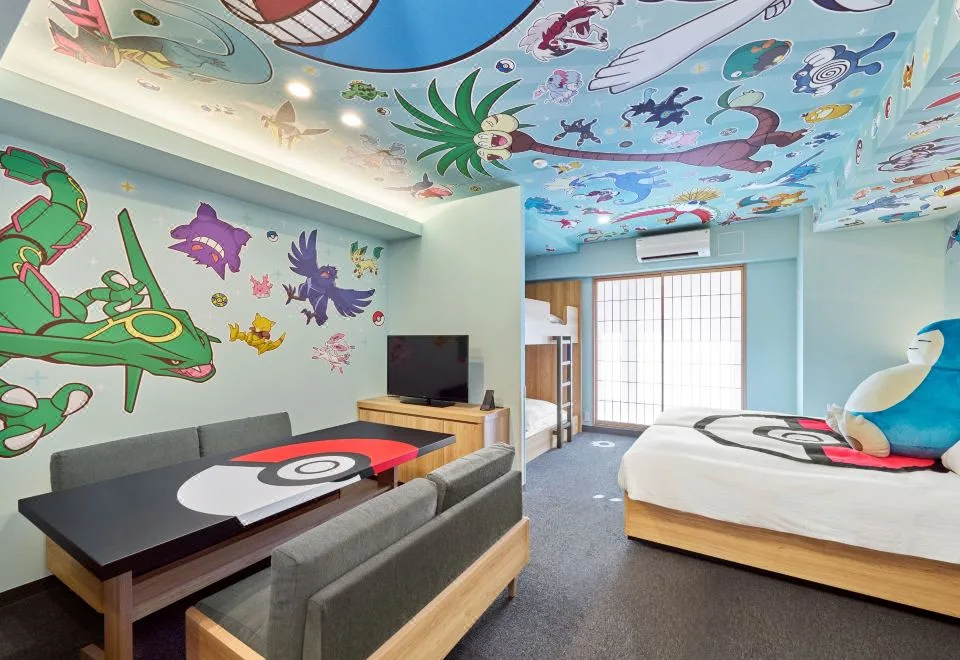
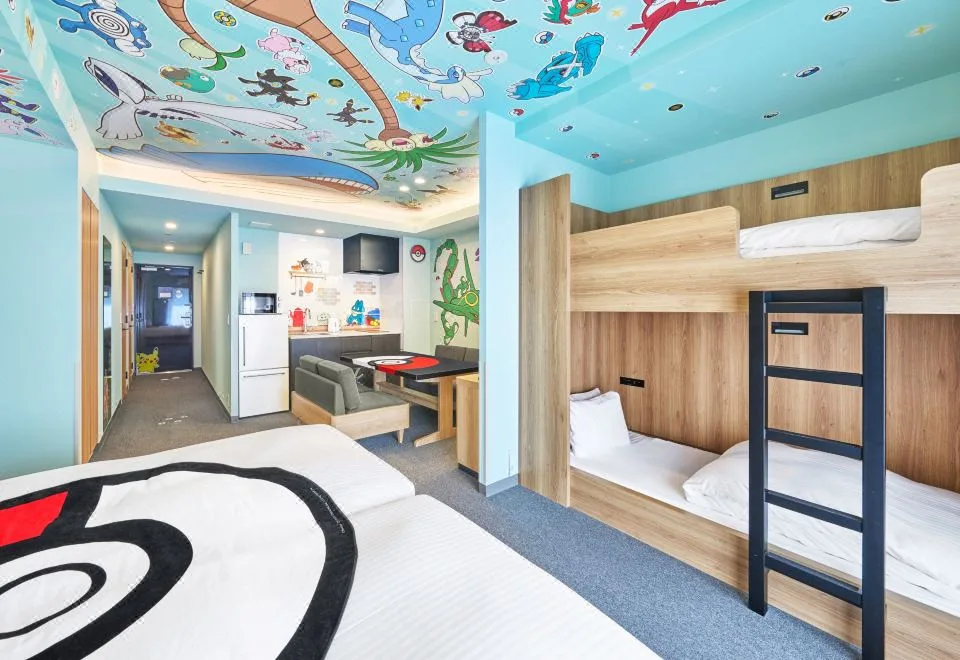
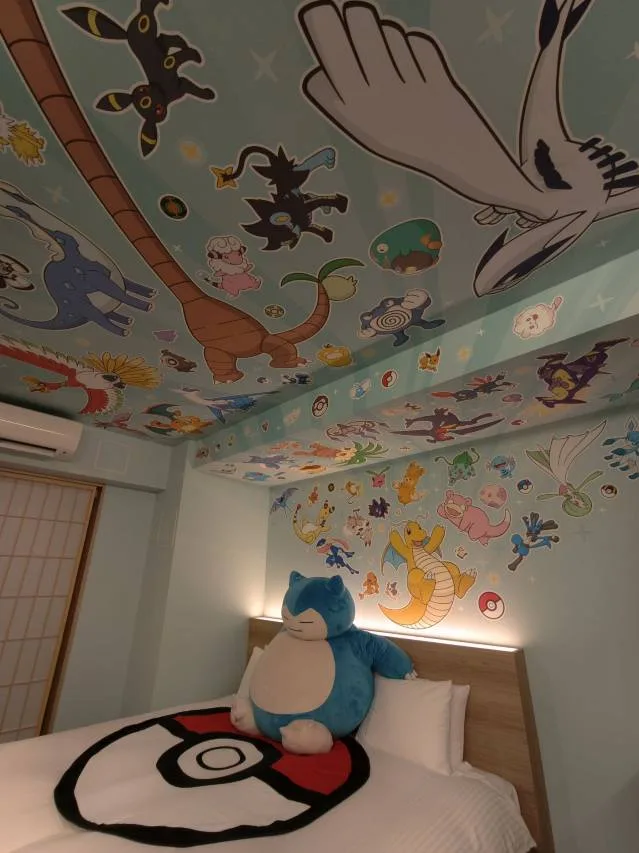
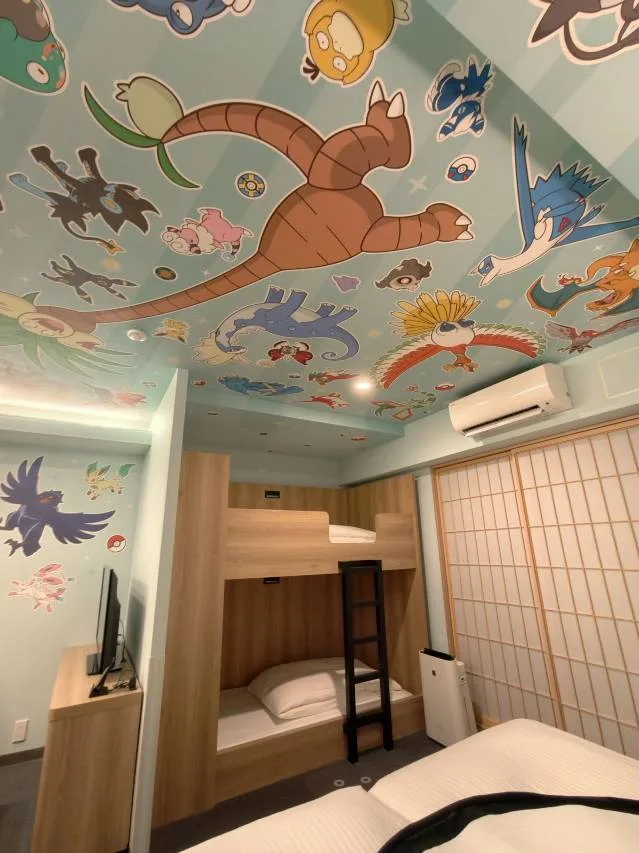
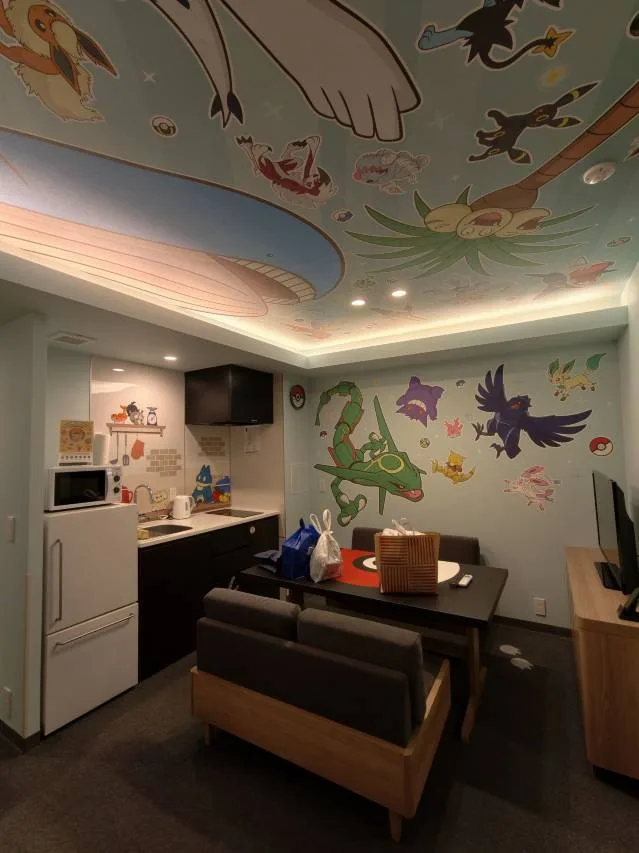
Gallery photos show standard apartments, bunk beds and the Pokémon Room, while guest photos show different layouts. Wall murals, oversized plush figures and themed accessories apply only to the relevant category, not regular rooms. Count the actual beds, check everyone’s comfort with bunks and allow room around the dining table for suitcases. With young children, confirm the rules for upper bunks. Staying together in one room is the part I enjoy most; the bunk mattresses run thin, so whoever takes the top bunk should know that in advance.
The official room list goes beyond the four types in the table: the Loft Bed Apartment has two single beds and two loft beds, the Premium Family Apartment is a collaboration with a Japanese artist, and the Premium Japanese Apartment has premium tatami mats, two single beds, a bunk bed and futon bedding. The Pokémon Room comes with original Pokémon gifts available only to staying guests — children who love Pokémon remember it for a long time.
The Pokémon Room hides its 100 Pokémon in the wall art, the beds and the plush toys — walk in and look for them with the children first. The room also has a dining table and kitchen, so it cooks just like a standard Family Apartment; it is not only for photographs. For a child who loves Pokémon, one night here lasts longer in memory than a day of shopping.
Compare the hotel’s official room layouts
Work out the beds first: single beds are about 100 centimetres wide, and the six-person room has two washbasins, so several people can wash up at once. Upper bunks have usage rules, so ask before choosing a room with young children rather than finding out at check-in that a child cannot sleep up top.
Shoes come off at the entrance, which is how a Japanese home feels; the Premium Japanese Apartment has tatami mats, so children can play on the floor without worrying about falling out of bed. Rooms are more than twice the size of a typical Japanese business hotel room, so a family of four can open suitcases and still walk around.
Breakfast: plan around your family’s mornings
The hotel does not serve breakfast, which can be convenient for families who want to set their own pace. Buy bread and fruit, or use the kitchen in the booked apartment for simple meals; verify which cookware and utensils are actually provided. You could also spend one morning eating in Tsukiji, rather than having to queue with children every single day.
Cooking breakfast runs smoothly: buy bread, fruit, eggs and milk the night before at the My Basket store near Shintomicho Station, then fry eggs and toast bread on the IH stove in the morning — coffee and tea are already in the room. With children there is no rush to find a restaurant; eat, then leave at your own pace.
For a change, walk about 820 metres to Tsukiji Outer Market in the morning for a sashimi bowl or tamagoyaki, then wander back. Cafes around Ginza-itchome offer another option for people who prefer eating out. Decide where breakfast comes from before leaving each morning rather than queuing with children to find a place.
Dinner can be cooked too: pick up ingredients while shopping in Ginza in the afternoon, cook a pot on the IH stove, and add side dishes from a convenience store, so children never queue for a restaurant. Wash the dishes and put them back when done, leaving the kitchen as clean as on arrival.
Advantages and trade-offs of the stay
The shared living area is a strength, but that does not mean every destination is a few steps away. With children or older relatives, include the actual station walk in your plans, and consider a taxi when useful. Drivers should ask about parking rather than assume the property has a private car park.
The rhythm of a stay here is to go out by day and live in the room by night: walk to Tsukiji or Ginza in the morning, rest in the room at midday, cook dinner in the kitchen in the evening, then run a load through the coin laundry. Over several nights the kitchen and laundry earn their keep; for a single night the kitchen barely gets used, so plan the itinerary with that in mind.
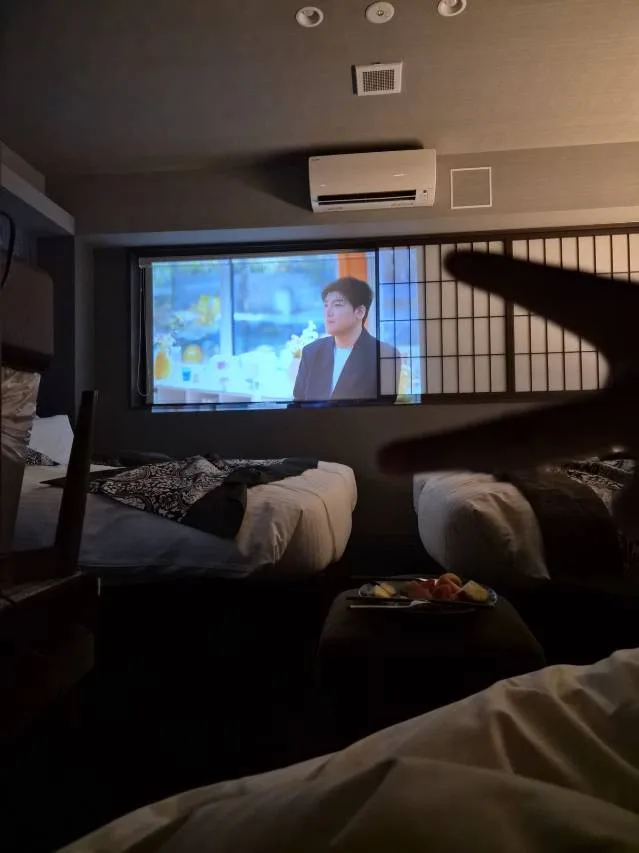
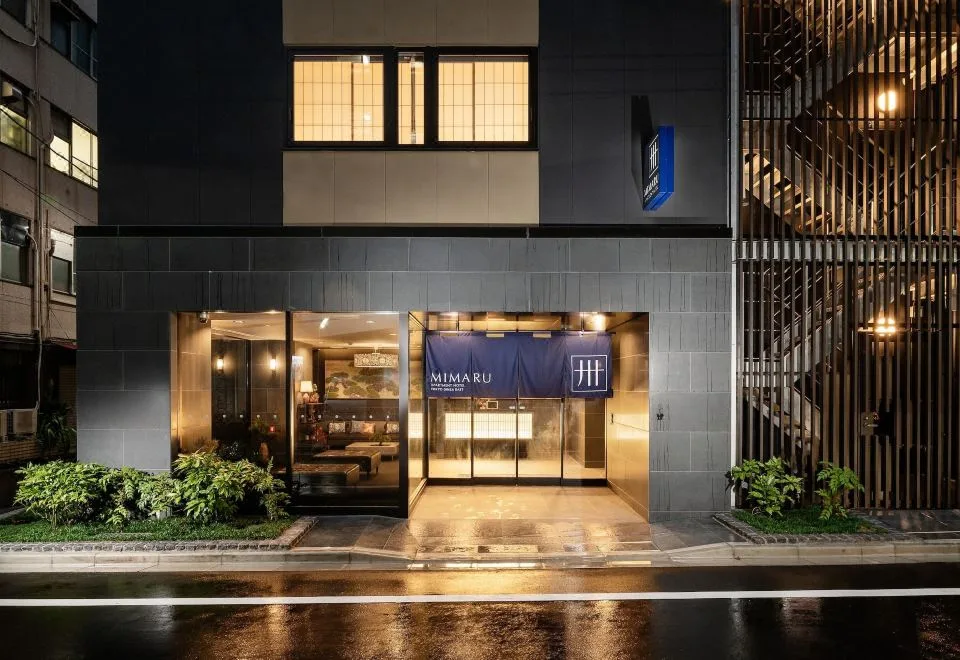
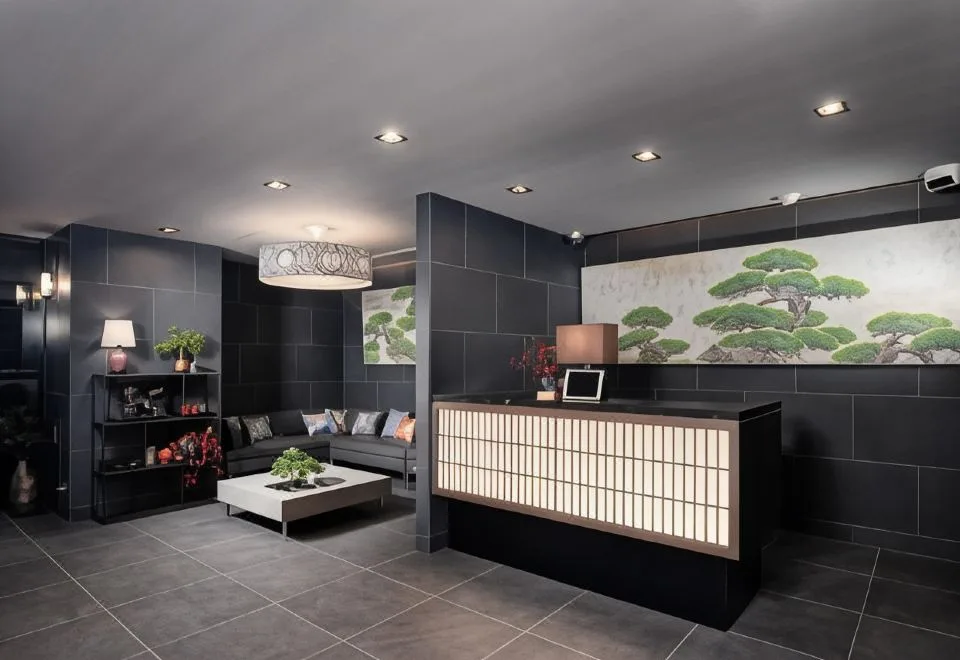
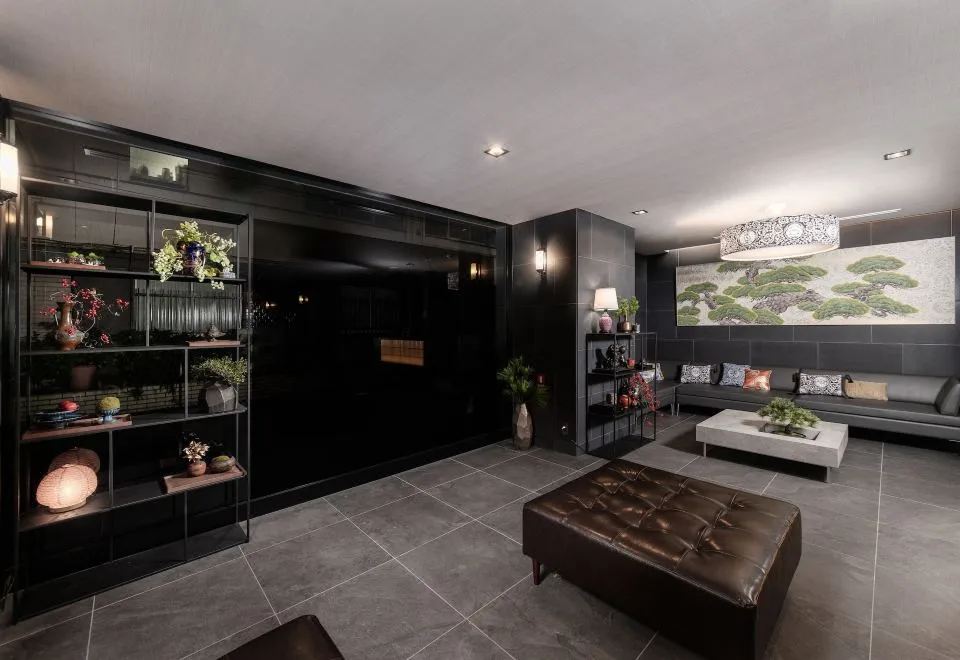
The gallery shows a projector lounge — a place to sit in the evening without staying in the room — and the lobby has lounge seating for waiting while the family gets ready in the morning. After a tiring day, come back, shower first and sleep; with the washstand separate from the bath, two people can use them at once without waiting.
Short and longer stays, nearby outings
One night may not be enough to make use of the kitchen and dining table; a few nights together lets the family enjoy having one shared base without splitting into separate rooms. Plan Ginza and Tsukiji for nearby outings, then visit other areas by train. Children can return to the apartment for a break midway through the day.
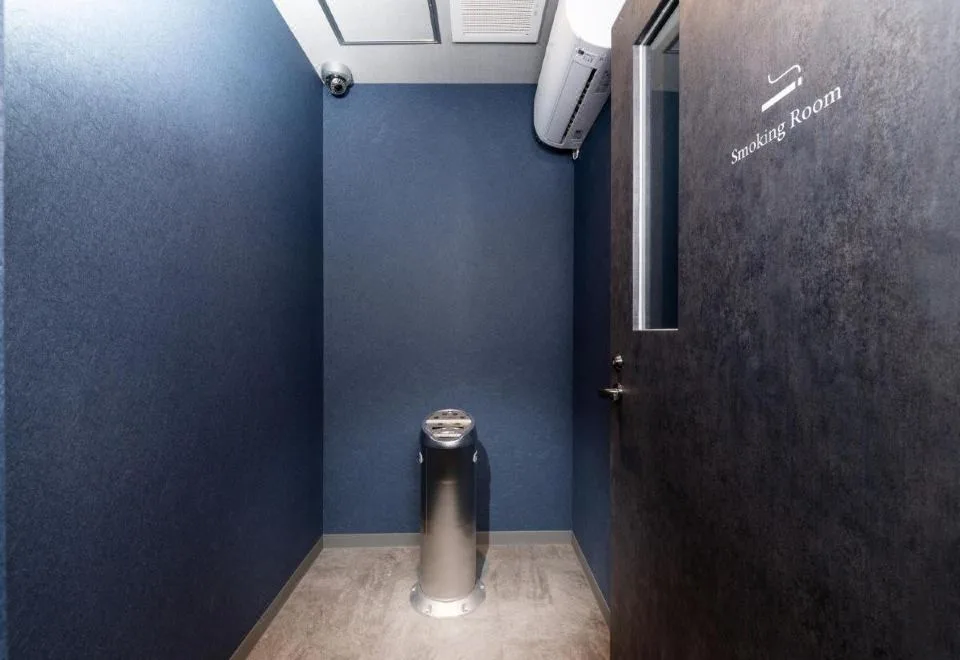
Check-in runs 15:00 to 22:00 and check-out is before 11:00, with the front desk staffed daily from 07:00 to 22:00. The hotel sends check-in information after booking, so follow that on arrival. The guest checking in must be at least 18; pets are not allowed, while service animals are. All floors are non-smoking, with a separate smoking area — confirm the floor arrangement before booking.
Luggage storage is a charged service, so early arrivals and late departures can leave bags at the front desk; the front desk can also help arrange a car. Haneda Airport is about 40 minutes by train or 30 minutes by taxi, and Narita Airport about one hour by train or one hour ten minutes by taxi — match flight times to the itinerary before booking.
Over several nights there is no need to pack every day; the room is large enough to leave suitcases open and still walk around. Ask the front desk about changing room types or extending a stay. On check-out day, leave before 11:00, store the bags, go shopping, and collect them last — the itinerary need not be cut short by check-out time.
Pros and cons
Pros
- Shintomicho Station Exit 2 is an elevator exit about three minutes on foot, so large luggage and strollers never meet a staircase; Hatchobori Exit A3 is about six minutes away with a step-free route too.
- Every room has a kitchen and dining table, with an IH stove, refrigerator, microwave and full cookware, so a family staying several nights can cook for itself.
- The Pokémon Room is decorated with 100 Pokémon and comes with original Pokémon gifts available only to staying guests — children remember it for a long time.
- Rooms from 39 to 55 square metres sleep four to six people in one room, and the six-person room has two washbasins, so mornings need no queue.
- Baby cribs and bed guards can be borrowed free of charge, children aged six and under are not counted in the guest number, and the building has a coin laundry, so long stays need fewer clothes.
Cons
- The hotel serves no breakfast, so every morning needs a plan — cook in the room or buy ingredients the night before.
- Bunk mattresses run thin, so whoever sleeps up top should know in advance; upper bunks have usage rules to confirm with young children.
- Baby cribs and bed guards are free to borrow but limited in number, so contact the hotel in advance; the extra-bed policy wording is easy to misread, so families with a baby should ask the front desk first.
- Drivers should not assume on-site parking is available — ask about parking arrangements before booking.
- There is no washer-dryer in the room; laundry goes to the coin laundry in the building, so plan a wash into the evening.
Information checked: 23 November 2026