
TOKYO / CHUO
Minn Nihonbashi
Minn Nihonbashi
An apartment stay in Nihonbashi: check shops, laundry and extra beds
Is this hotel right for my trip?
Minn Nihonbashi is a good fit if you want to buy groceries in a residential neighbourhood, do your laundry and stay at your own pace for several nights. The supermarket across the street and in-room kitchen are useful for families, but this is not a business hotel beside Nihombashi Station. Self-check-in and extra beds also require a little more preparation.
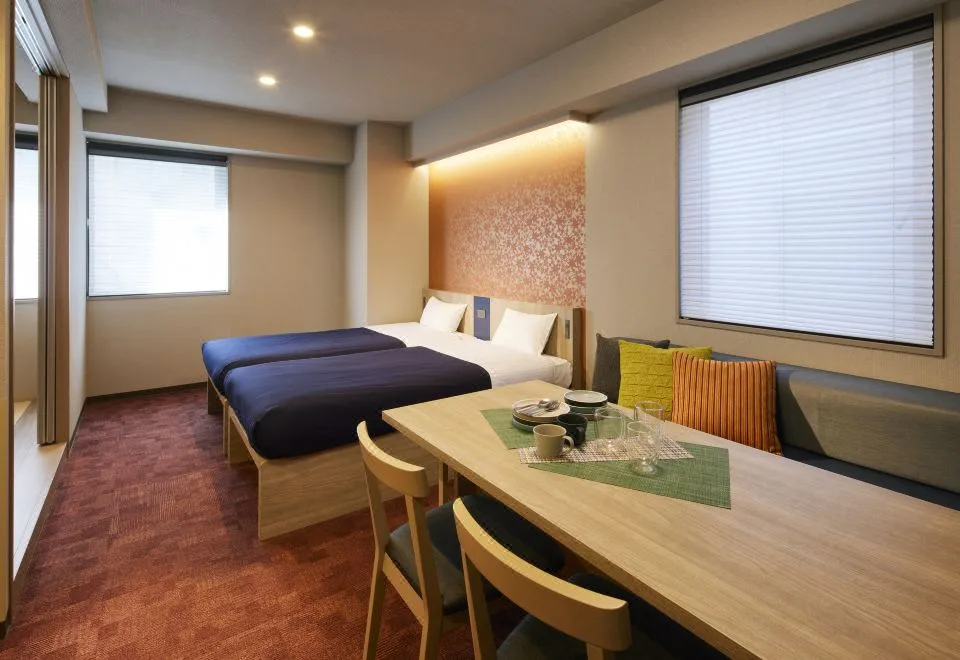
I chose this place because it lays out the stay in plain numbers: 34 to 44 square metres, four to six people at a time, with a washer-dryer, a kitchen and a dining table in the room — the table doing duty as desk and dinner table. I buy groceries in the evening and cook for myself instead of hunting for a restaurant every day — easier, and cheaper.
But go in with your eyes open: nobody checks you in, nobody brings breakfast, and nobody tidies the room daily — you do more yourself here than in an ordinary hotel. These are not a list of flaws — they are the terms to settle before you book. If they suit you, this is a very easy apartment to live in; if they do not, the first day will feel awkward.
Who is this for? I picture a family or a group of four to six friends: children on the bunk or the futons, adults in the single beds, dinner together at the dining table in the evening and everyone using the washbasin and bathroom in turn in the morning, nobody waiting on anyone. Two people will find the room too big and the beds too many, and the price may not work out; a solo business traveller who wants a front desk and breakfast will not find either here.
Advantages and trade-offs
Reasons to choose it
Worth considering: Kitchen, dining table and washer-dryer support family routines. Shopping is easy, and separated bathroom facilities reduce queues.
Trade-offs to consider
Let me say the awkward part first: I also misread how the sofa bed and bunk count as sleeping places at first. Six sleeping places to count one by one. Weaker water pressure, thin blackout, and a few minutes on foot to the stations are trade-offs I lay out below, so you can decide with them in view.
Access: walking light versus carrying luggage
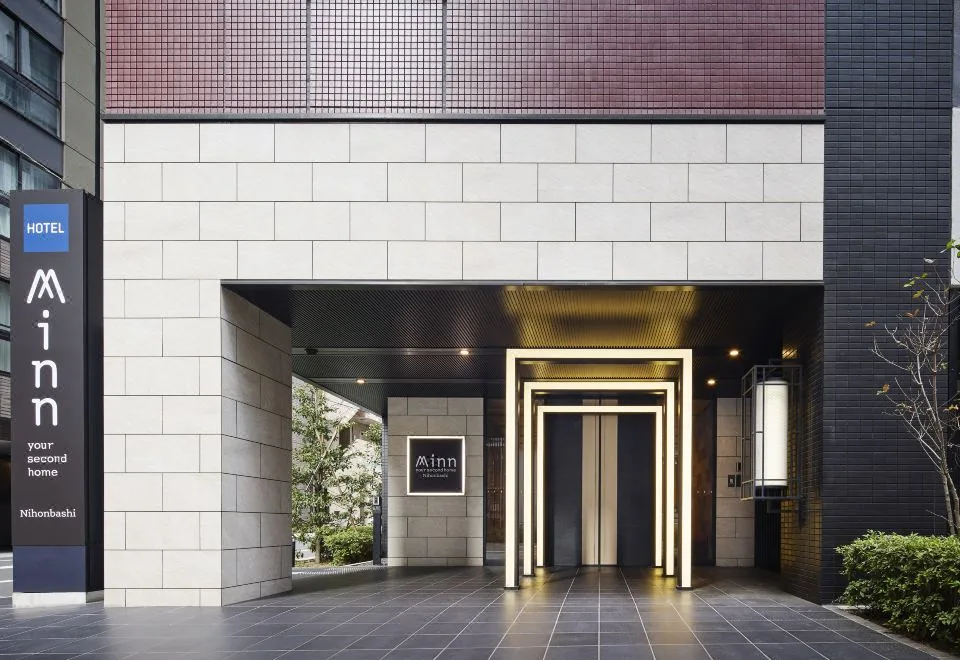
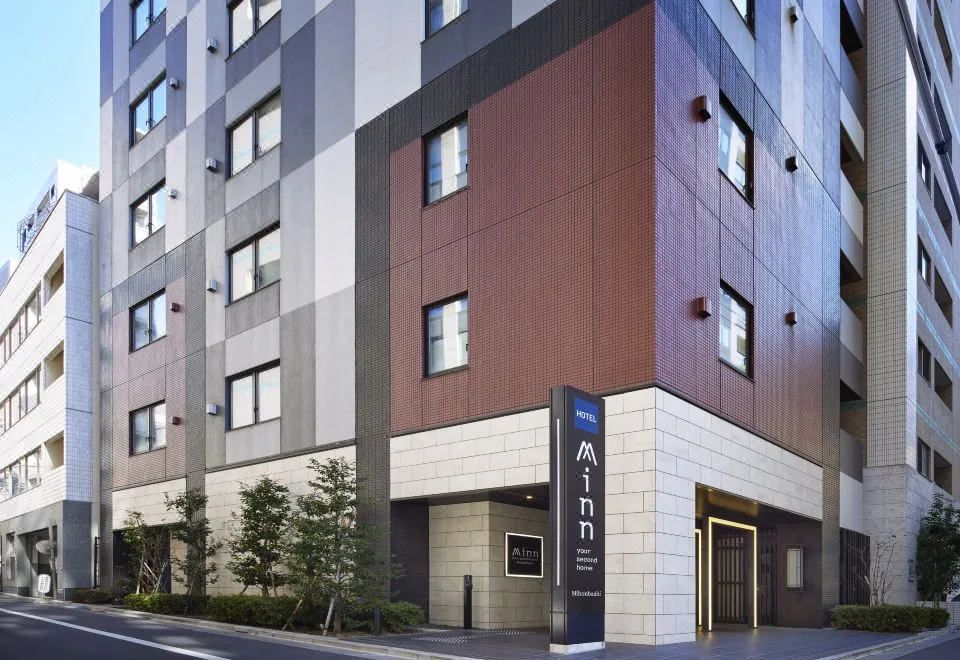
Official directions list around four minutes from Higashi-nihombashi Exit B2 or Bakuro-yokoyama Exit A3, and six minutes from Ningyocho Exit A4. These are ordinary walking estimates and fine empty-handed; with large suitcases, use the lift exits instead.
With luggage, this is how I go: at Higashi-nihombashi, take the street lift at Exit B1 — leave through the Nishi-magome-bound platform gates, follow the lift signs, and you come out with a Doutor on your right; Exit B2 is across the street. At Bakuro-yokoyama, take the lift at Exit A4, following the lift signs along the underground passage between the two stations. At Ningyocho, take the street lifts at Exit A3 or A6 from the Ningyocho Intersection-side gates. JR Bakurocho itself has no lift to the street, so I use the underground passage to the Toei lifts instead. Station accessibility facilities
I have worked out the airports too: from Haneda, the Keikyu Airport Line runs straight through to the Toei Asakusa Line to Higashi-nihombashi in about 33 minutes, plus a five-minute walk — about 38 minutes door to door. From Narita, the JR Narita Express or Sobu Line takes about 1 hour 5 minutes. From Tokyo Station it is about 9 minutes by JR Sobu Line Rapid, or 8 minutes by car over 2.2 km.
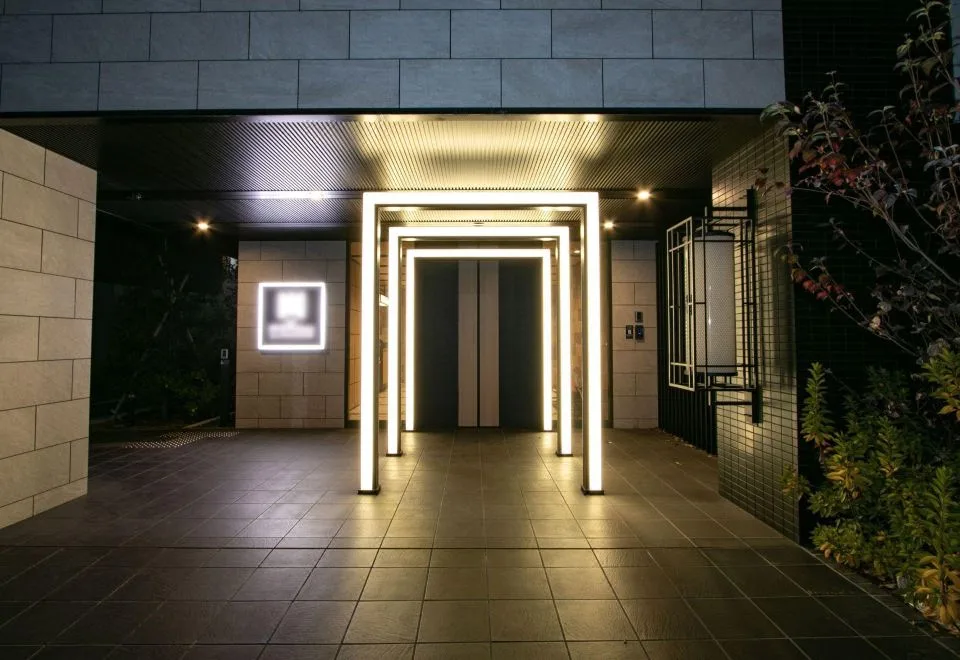
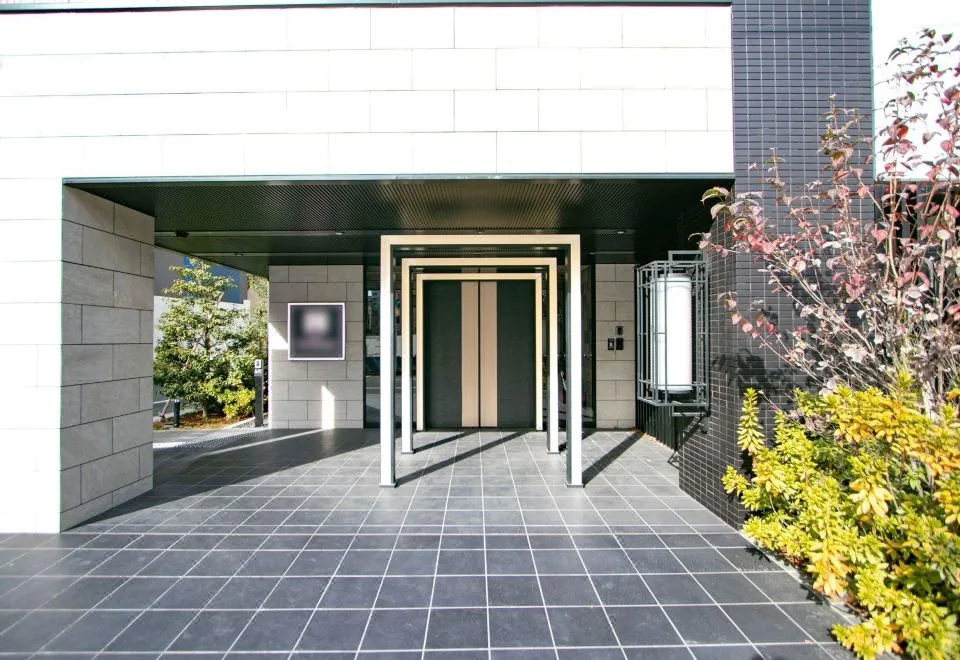
I have also memorised the walk from the station: this is a quiet residential neighbourhood, not crowded at night, with street lights and convenience stores along the way, so four to six minutes with a suitcase is not hard work. Walk it once in daylight to spot the supermarket across the street and the hotel entrance, and you will not need to look for the way back at night.
| Item | Hotel details |
|---|---|
| Address | 5-1 Nihonbashi Hisamatsucho, Chuo-ku, Tokyo 103-0005, Japan |
| Japanese name | Minn Nihonbashi |
| Check-in / check-out | Check-in from 15:00 / check-out by 10:00 |
| Nearest stations | Higashi-nihombashi Exit B2 about 4 min / Bakuro-yokoyama Exit A3 about 4 min / Ningyocho Exit A4 about 6 min |
| Airports | Haneda about 38 min / Narita about 1 hr 5 min |
Choosing a room: beds, living space and bathrooms
Count the sleeping places first, then look at the size. The official site lists only two room types, and I have put them in the table below — check the English room name against it when you book, since the platform’s Chinese room names may differ.
| Room / layout | Size and amenities | How to choose |
|---|---|---|
| Superior 6 Beds | 44 m², 6 guests: 2 single beds, 1 sofa bed, 3 futons | Six-person family or friends — count every sleeping place at once |
| Moderate 4 Beds | 34 m², 4 guests: 2 single beds, 1 sofa bed, 1 bunk bed | Small group of four — give the bunk to a child or a light packer |
Both room types carry the same equipment: induction hob, microwave, fridge with freezer, electric kettle, bathtub, separate washbasin, bidet toilet, air purifier, TV and free Wi-Fi. All rooms are non-smoking, and smoking in a room brings a 10,000 yen cleaning charge. There is no extra-bed or crib option in any room type; children aged six and older pay the adult rate, children five and under share an adult bed free or pay as an adult for a separate bed or futon; check-in requires guests to be at least 18, and minors need a guardian’s permission.
The kitchen and dining table are what make a longer stay work, but an unfolded sofa bed takes up daytime living space, and the futons need laying out by hand. I settle before departure who takes the single beds, who takes the sofa bed and who takes a futon or the bunk — easier than sorting it out after arrival — and I stow luggage under the beds or in a corner so the floor keeps a walkway.
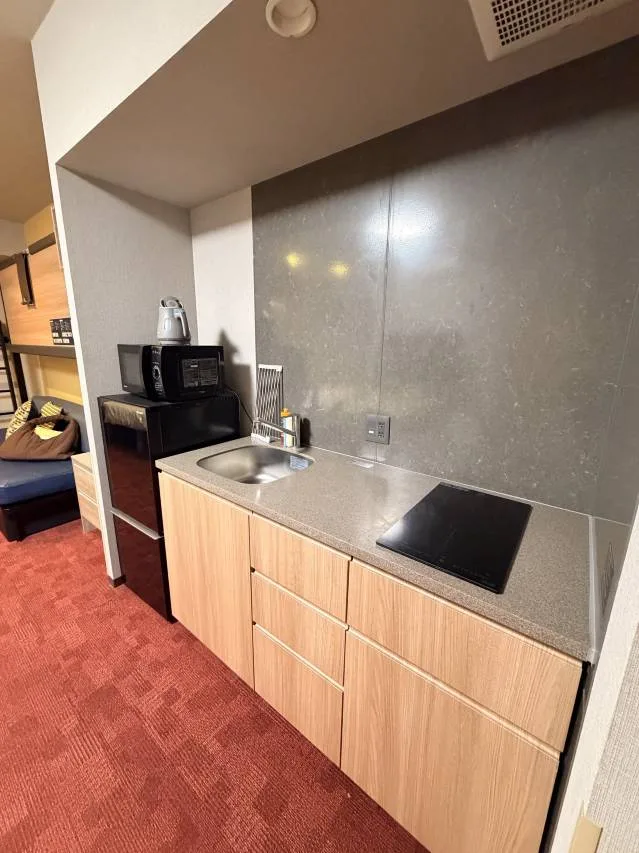
I have also worked out how far the kitchen goes: induction hob, microwave, electric kettle, fridge with freezer, knives and cutlery are all there, so a home-cooked meal from the supermarket is easy; I bring seasonings back from the supermarket myself, so I never find the cupboard empty. Wash the dishes and utensils yourself when you are done, and the washer-dryer is in the room, so several nights of laundry never has to leave the apartment.
This is how I use the room in the daytime: in the morning I fold the sofa bed away and stack the futons, and the dining table becomes my desk and my dinner table; in the evening I open the sofa bed out again and lay the futons, and the room turns back into a bedroom. Folding and laying out once a day is the fixed routine of an apartment-style stay, and once it becomes a habit it stops feeling like a chore.
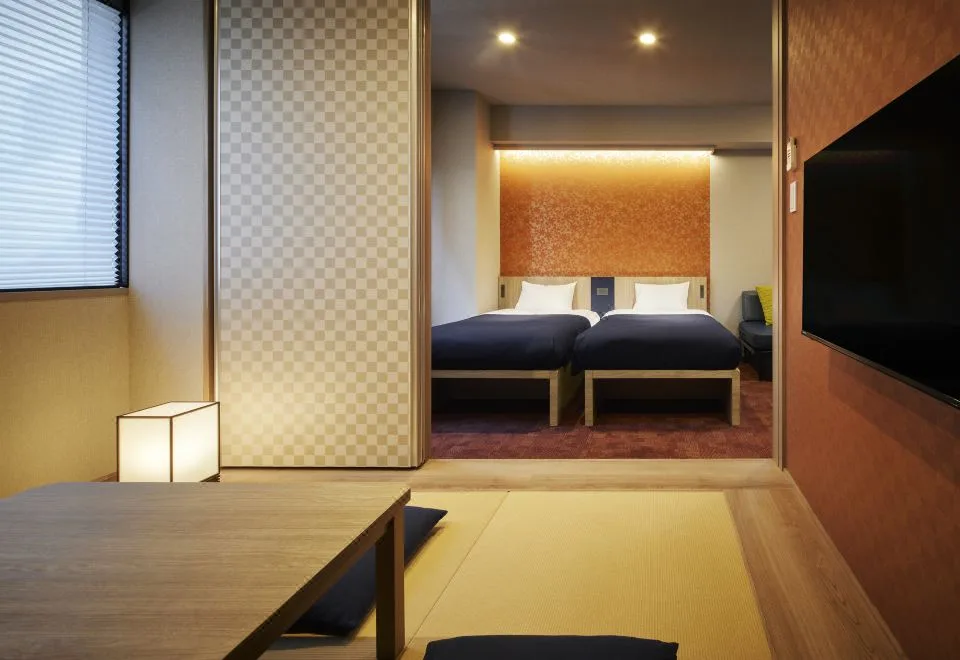
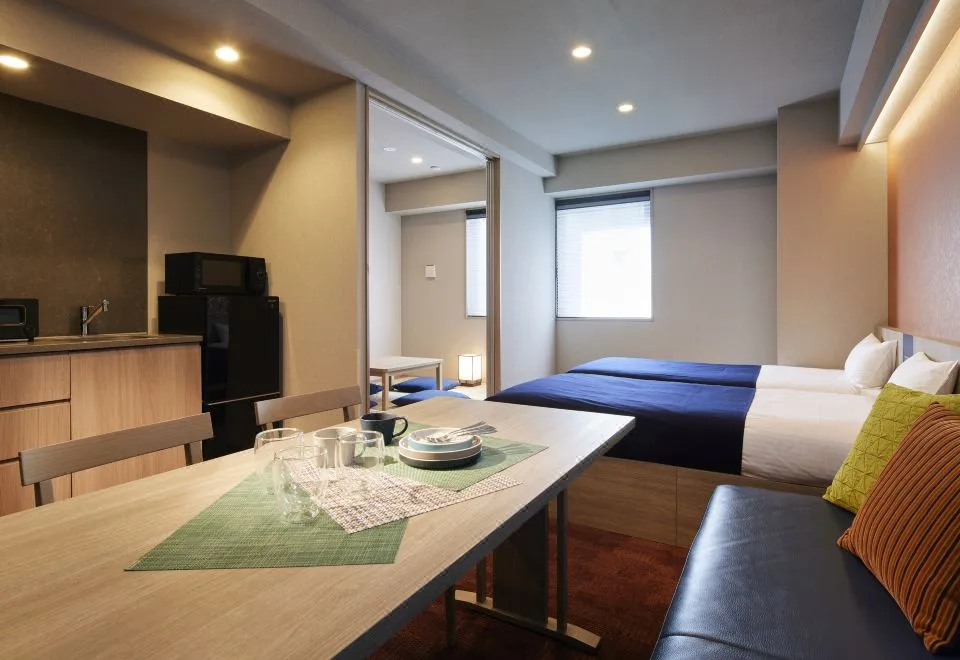
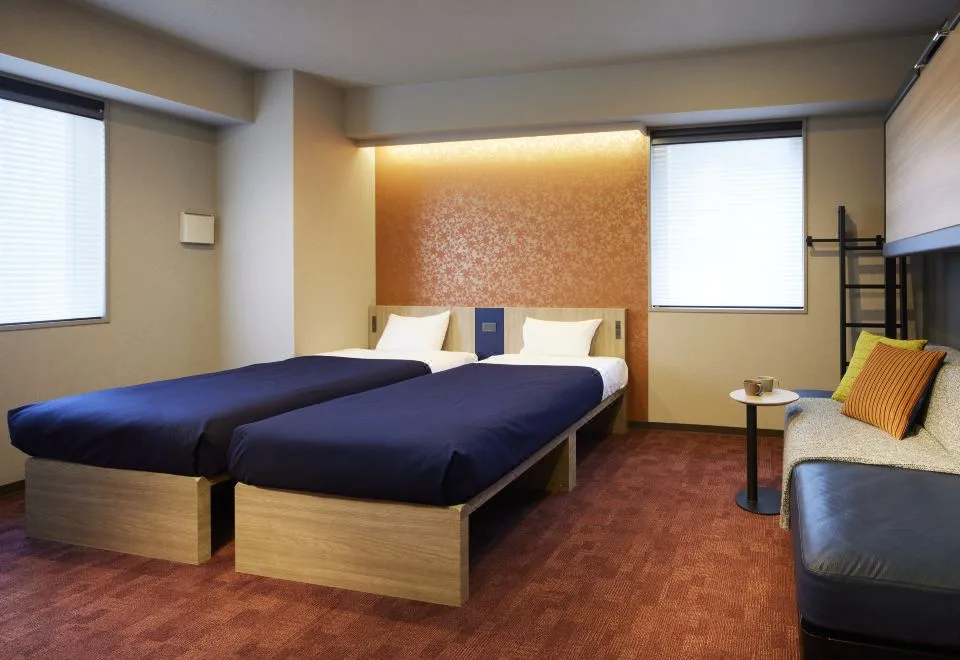
Guest room photos: how the space works in daily use
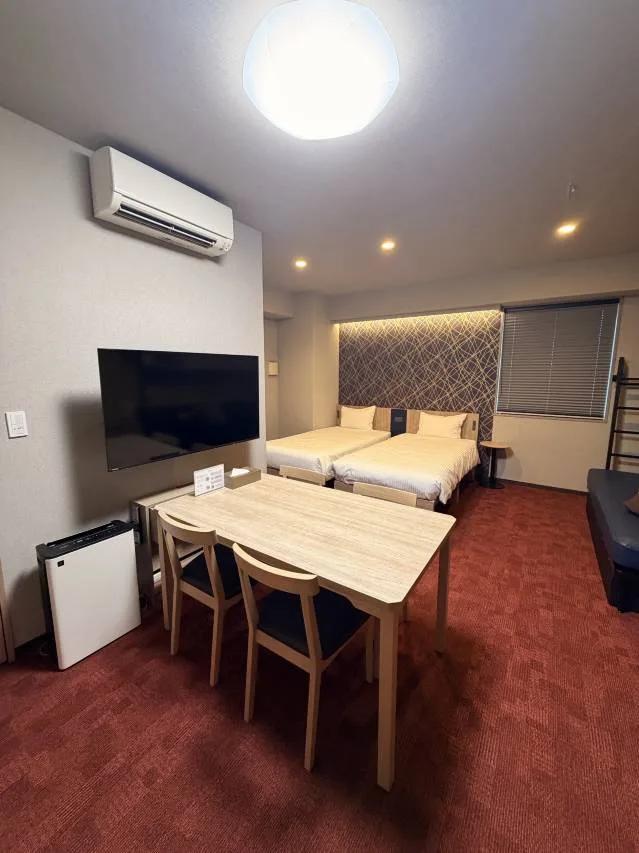
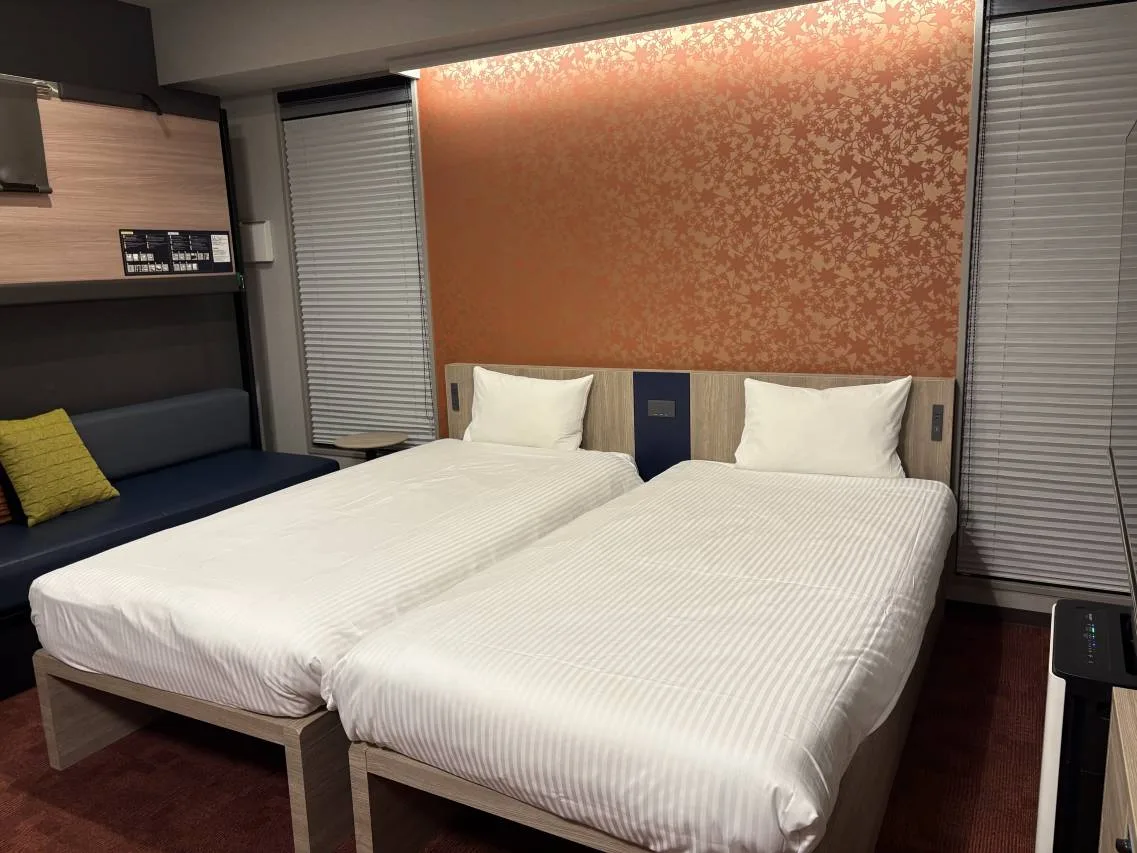
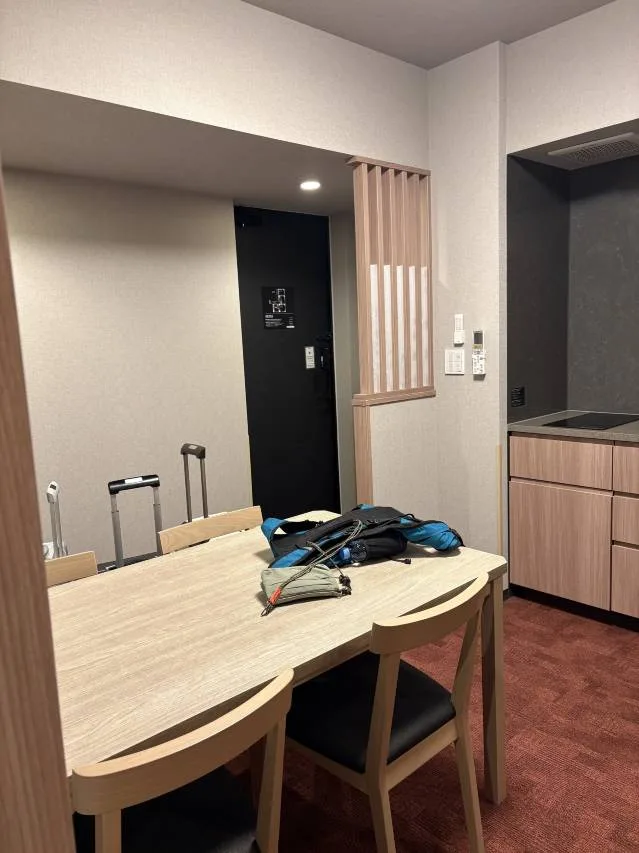
Guest photos show everyday use, especially the space around beds, desks and bathrooms. Photos may show different room types; judge your booking by its actual layout.
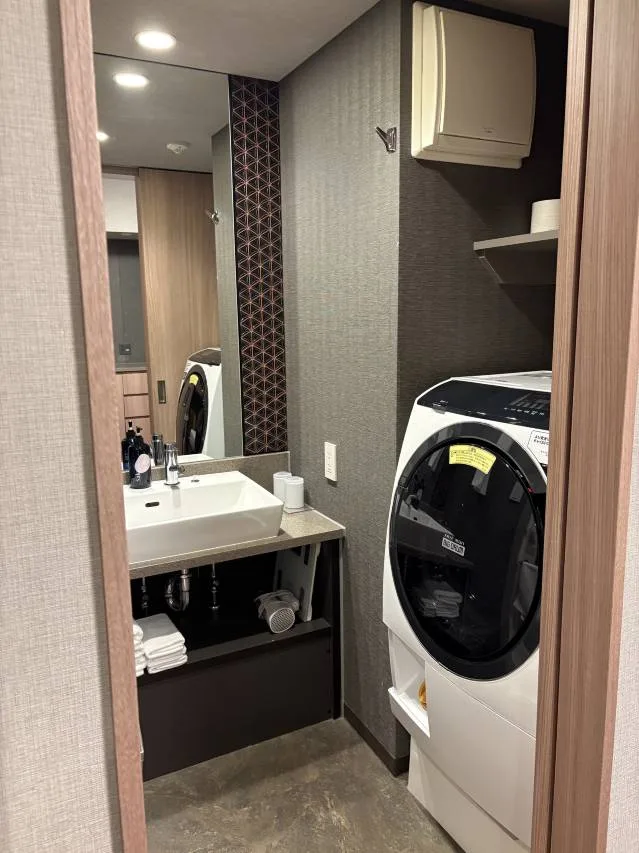
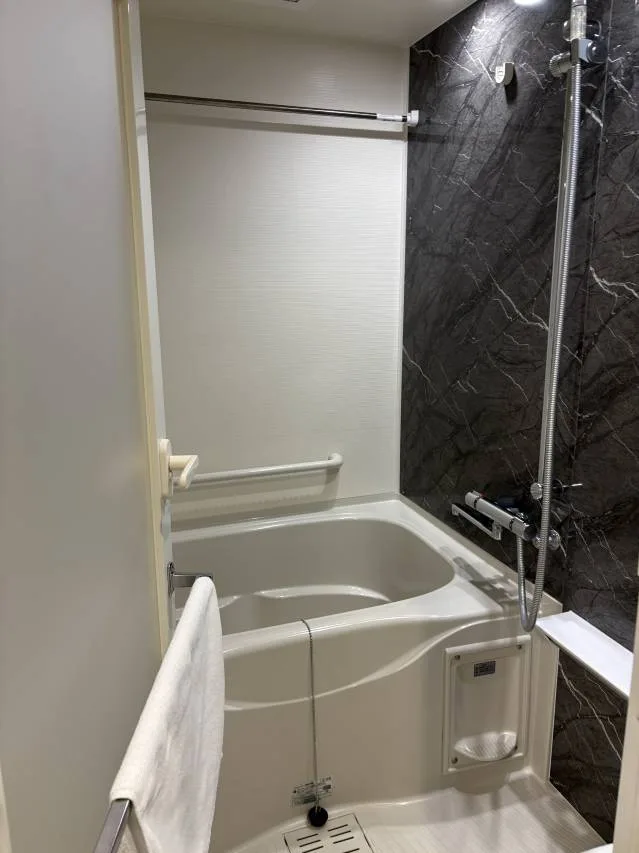
When I look at these photos, I watch the everyday flow: whether two suitcases can open beside the dining table, whether the kitchen counter fits a chopping board and the groceries from the supermarket, whether there is somewhere by the washer to hang a towel, and whether the bathtub and the separate washbasin sit apart. The room in a photo is not necessarily the one you book — I use the photos to picture my own things in the space, not to choose a room from the picture.
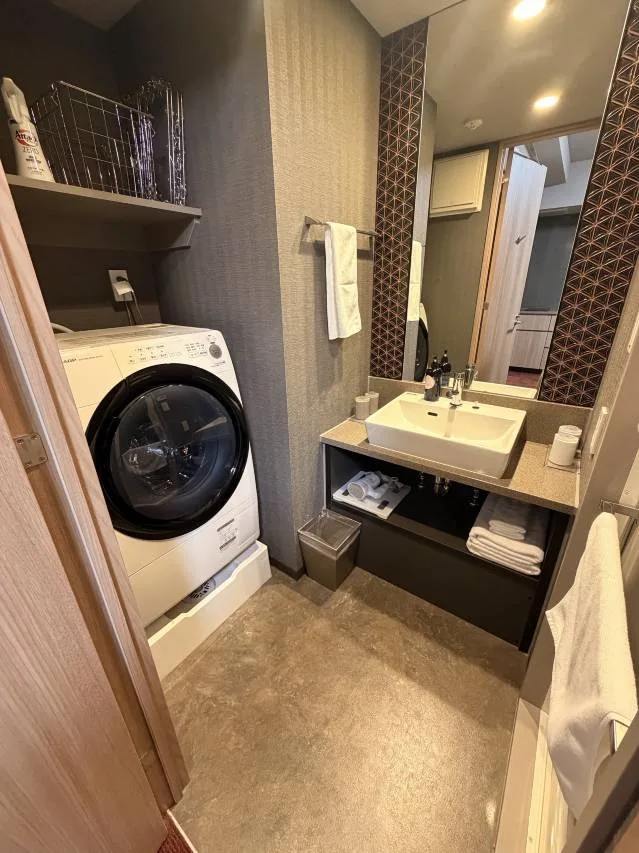
I look twice at the bathroom: the bathtub and the washbasin are separate, so one person can soak while another brushes their teeth, and nobody queues for a single sink. The bathtub in the photos looks deep enough — for a few nights in a row, there is room to soak and unwind.
I put laundry in the evening: the day’s clothes go into the washer-dryer, I start it before bed, and dry clothes are waiting when I wake up; towels go in the same load, so nothing waits until check-out. For a stay of several nights with a fresh change of clothes every day, this washer-dryer is the most useful thing in the room.
Amenities and services you will actually use
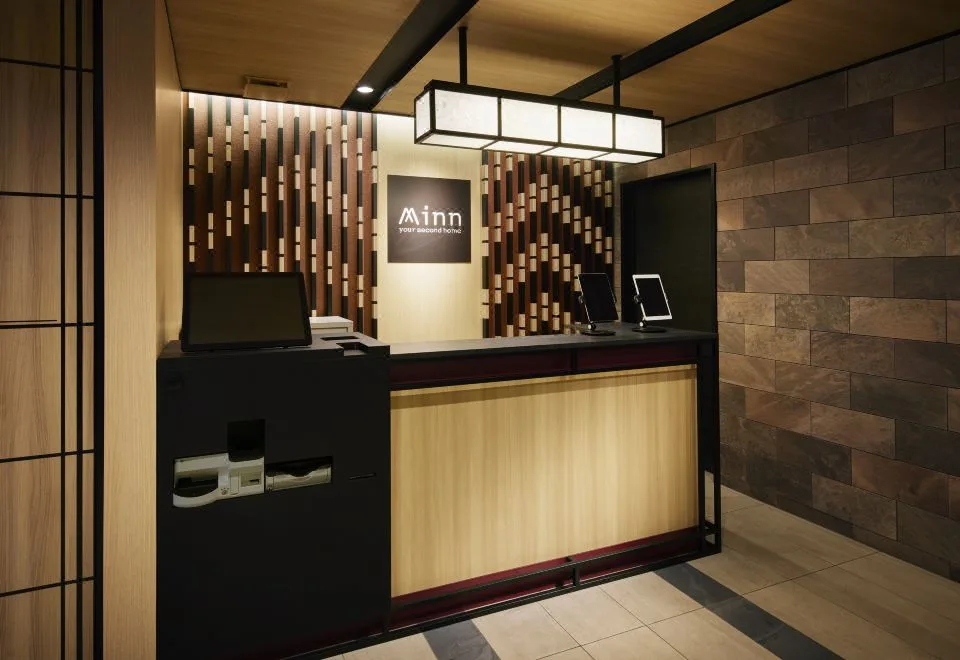
Self-check-in is a key feature, so read the instructions sent by the property in advance. Learn the washer, kitchen and rubbish-sorting rules too: doing this before arrival makes a multi-night stay much smoother.
The official guidance says no sleepwear and no toothbrushes — toothbrushes were stopped under the plastic-reduction policy, though bamboo toothbrushes are sold on site. Stays of seven nights or more get stay-over cleaning on the fourth day and every seven days after that; six nights or fewer get none, so I ask the property directly when I want towels or linen changed.
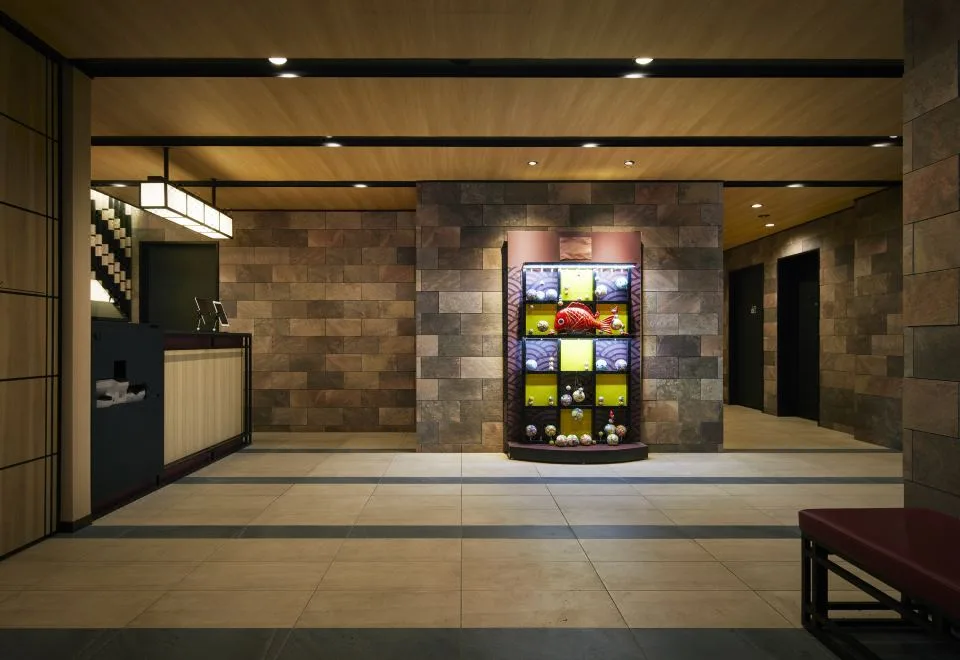
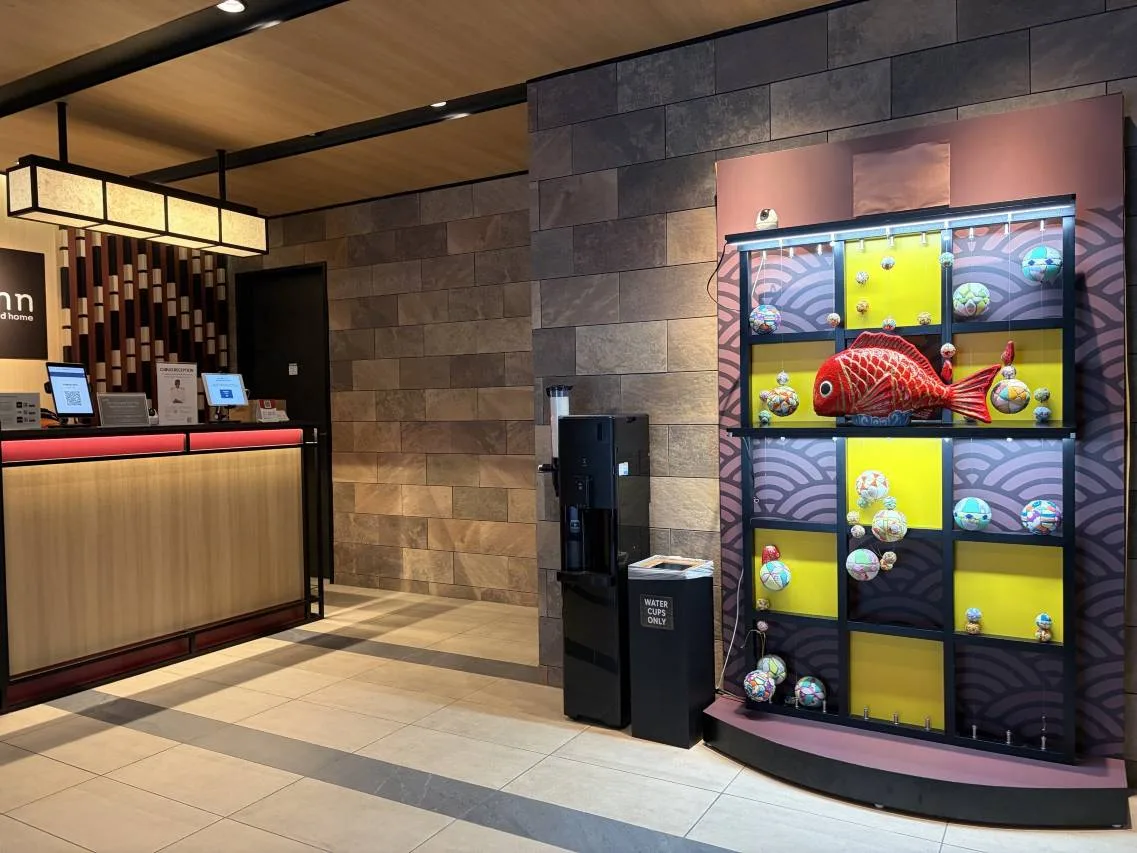
Here is the check-in flow as I would do it: register in advance on your phone before departure, then scan the QR code on the front-desk tablet with the same phone when you arrive; foreign guests need their passport ready. There is no front-desk queue, luggage goes in the self-service storage area, and entry is free 24 hours a day with no curfew.
The amenities list is short and honest: shampoo, conditioner, body soap, hand soap, bath and face towels, slippers and deodorant spray. There is no restaurant on site and no parking — drivers use a nearby coin-operated car park. Cancellation costs the full room charge from seven days before the stay, and a no-show costs the same; luggage cannot be sent to the property in advance.
To reach the property I call 050-3642-4951; the desk handles English and Japanese. Questions after booking, late check-out and towel changes all go through the inquiry form or the phone — there is no front desk to walk up to. The earlier I finish the mobile pre-registration, the smoother arrival day goes.
Should you add breakfast? Think about your morning
The property does not serve breakfast. A nearby supermarket and dining table provide a practical alternative: buy simple food the night before so the family does not all have to queue at a breakfast restaurant.
My breakfast routine is to buy the night before — bread, yoghurt, fruit and coffee — and eat at the room’s dining table in the morning, so the whole family does not have to queue outside together. There are breakfast places around Ningyocho and Higashi-nihombashi too, but staying here, the kitchen and the supermarket are where breakfast happens.
Nearby walks: make time for the neighbourhood
Plan around the everyday neighbourhoods of Higashi-nihombashi and Ningyocho rather than assuming the word Nihombashi puts you beside Nihombashi Station. An evening grocery shop followed by dinner at the apartment fits this property particularly well.
I keep one evening free to wander Ningyocho: Koami Shrine is about 820 metres away and Nihonbashi about 840, both an easy walk. Further afield, Akihabara Electric Town is about 1.8 km and Ueno about 1.9 km — one stop on the metro, or a walk that fits the same day.
The Nihonbashi district itself is worth walking: old bonito-flake shops, long-standing wagashi makers and department stores are all nearby, so I shop in the day and cook back in the room at night, without packing the schedule too tight. The walk from the hotel to Nihonbashi Bridge takes about ten minutes, and I keep one morning free to look slowly at the lion statues and the Edo-period distance marker by the bridge.
On a rainy day I head for the department stores: Mitsukoshi and Takashimaya in Nihonbashi are both within walking distance, so shopping, eating and getting out of the rain happen in one trip, and carrying purchases back to the room is not far. Sunny days are for walking and shrines, rainy days for department stores — splitting the trip that way is the easiest plan.
Short stays, longer stays and my recommendation
One night lets you enjoy the space, but three nights or more make better use of the kitchen and laundry. If you expect a staffed desk all night or daily housekeeping, make sure the serviced-apartment approach suits you.
Check-out at 10:00 is early for late risers, so I note the late check-out charges in advance: 2,000 yen for 30 minutes, 4,000 for an hour, up to 12:00 for 8,000 yen. Ask through the inquiry form after booking — the property may not be able to arrange it on the day.
If a multi-night apartment stay in Nihonbashi is your priority too, I would put this one on the shortlist — count the guests and the sleeping places first, check the size and equipment against the room table, and think through your arrival time and the check-in flow before you settle. The stay then follows your trip, not the other way round.
Pros and cons at a glance
Pros
- Both room types run 34–44 m² for four to six people, with a kitchen, dining table and washer-dryer in every room — no daily laundromat trips on a longer stay.
- The supermarket is right across the street, so I buy groceries and cook in the room; breakfast and late-night food need no trip out.
- Three stations sit within a four- to six-minute walk — Higashi-nihombashi B2, Bakuro-yokoyama A3 and Ningyocho A4 — and Haneda Airport is about 38 minutes away.
- Check-in on my phone, with free 24-hour entry — a late-night arrival never has to chase a front desk.
- Luggage goes in the self-service storage area, all rooms are non-smoking, and each room has a bathtub, a separate washbasin and a bidet toilet.
Cons
- No breakfast is served — breakfast means buying and cooking it yourself, or arranging something else.
- Stays of six nights or fewer get no full housekeeping; towel and linen changes need a direct request.
- No room type takes an extra bed or a crib, and children aged six and older pay the adult rate.
- Sofa-bed and bunk sleeping places are easy to miscount, futons need laying out by hand, and an unfolded sofa bed shrinks the living space.
- No restaurant and no parking — drivers use a nearby coin-operated car park — and check-out at 10:00 is early, with late check-out charged.
Information last checked: 2026-11-23