
Home / Japan / Tokyo / Chuo Ward hotels
TOKYO / CHUO
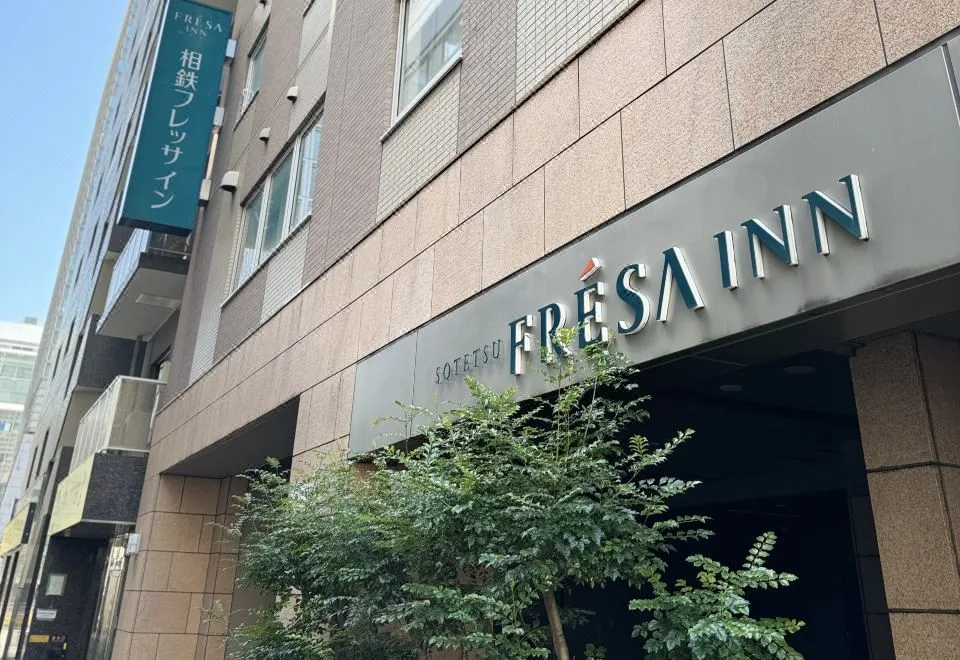
Sotetsu Fresa Inn Tokyo Kyobashi
Sotetsu Fresa Inn Tokyo-Kyobashi
The appeal of Sotetsu Fresa Inn Tokyo Kyobashi is how it ties together Kyobashi, Takaracho and the area around Tokyo Station: one minute on foot from Takaracho Station, two minutes from Exit 6 of Kyobashi Station, eight minutes from the Yaesu South Exit of Tokyo Station. For a one- or two-night stay before the Shinkansen, with time to explore Ginza, this location is worth comparing. With two large suitcases, however, being within walking distance of Tokyo Station does not mean walking the whole way is always sensible.
Rooms and luggage space: what to choose
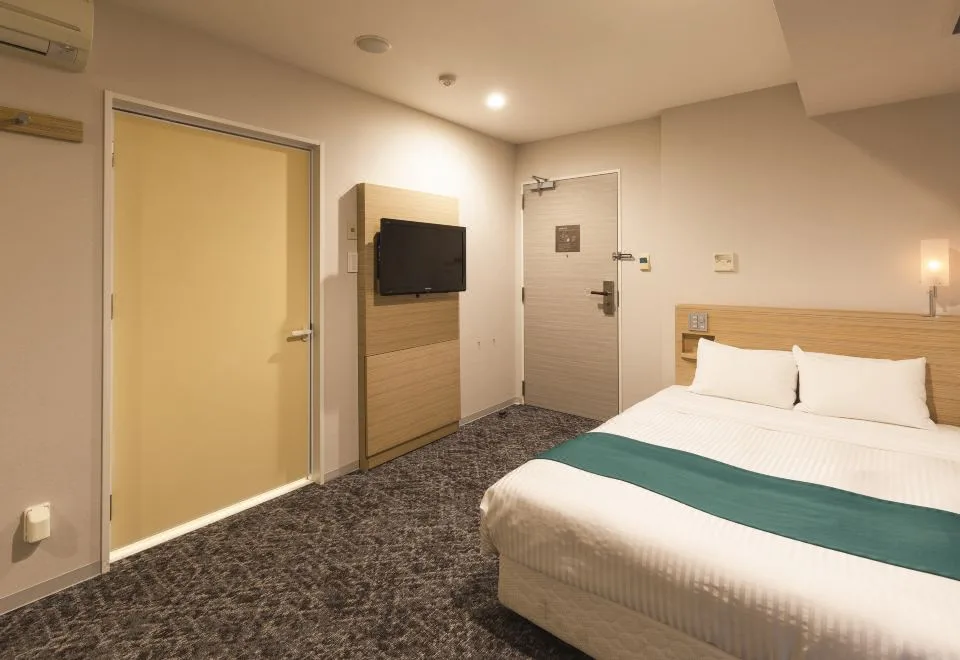
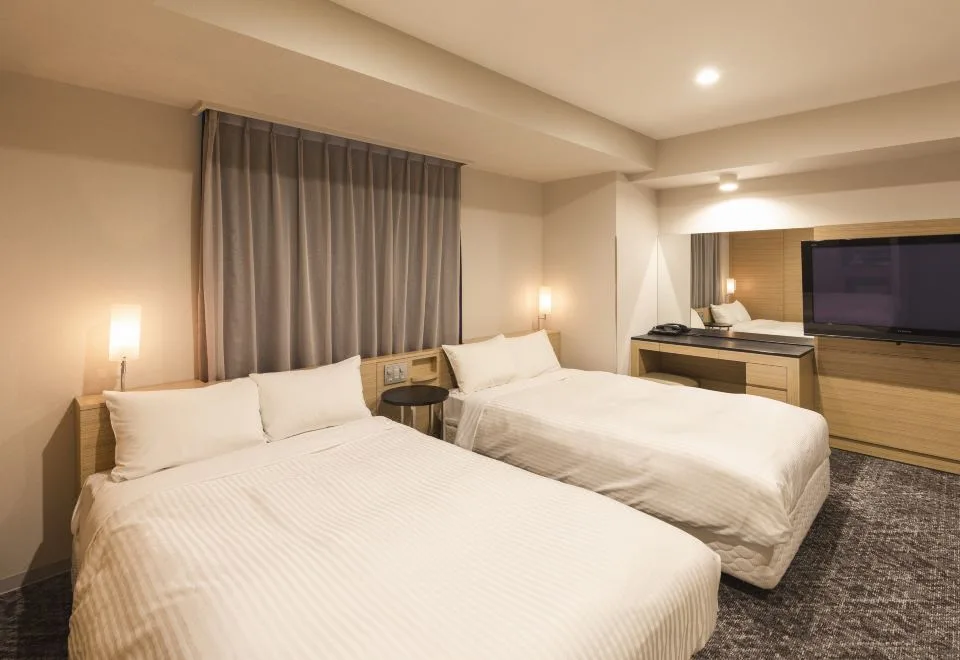
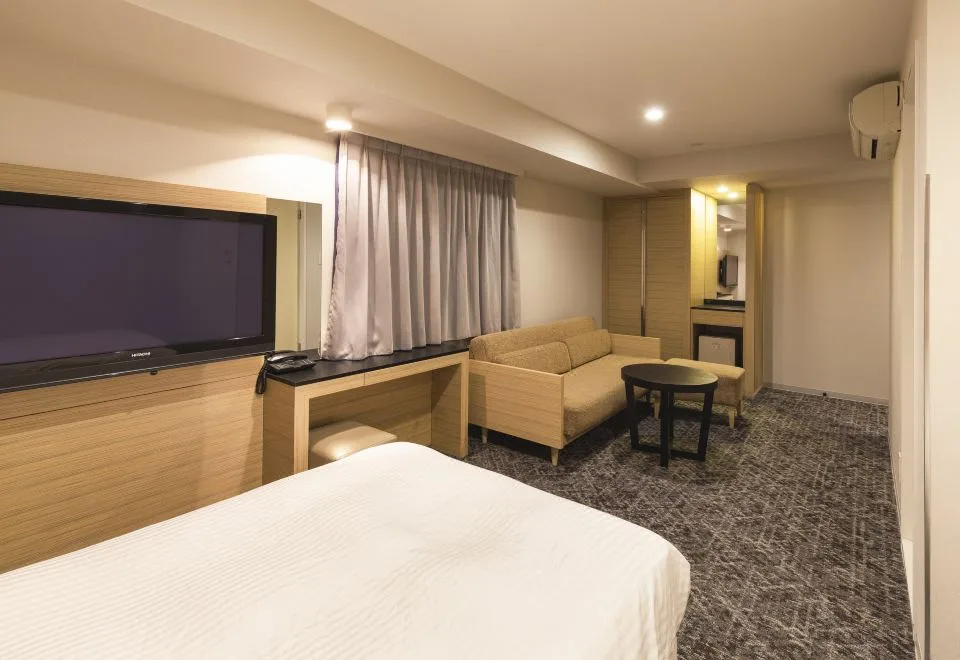
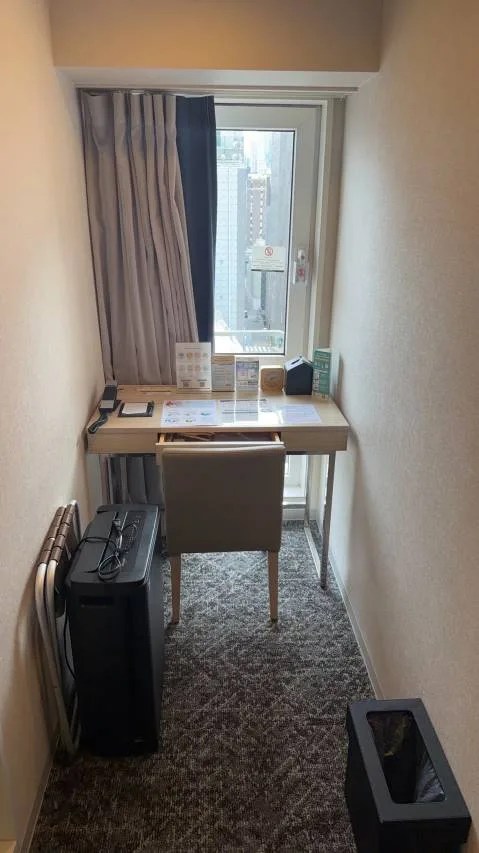
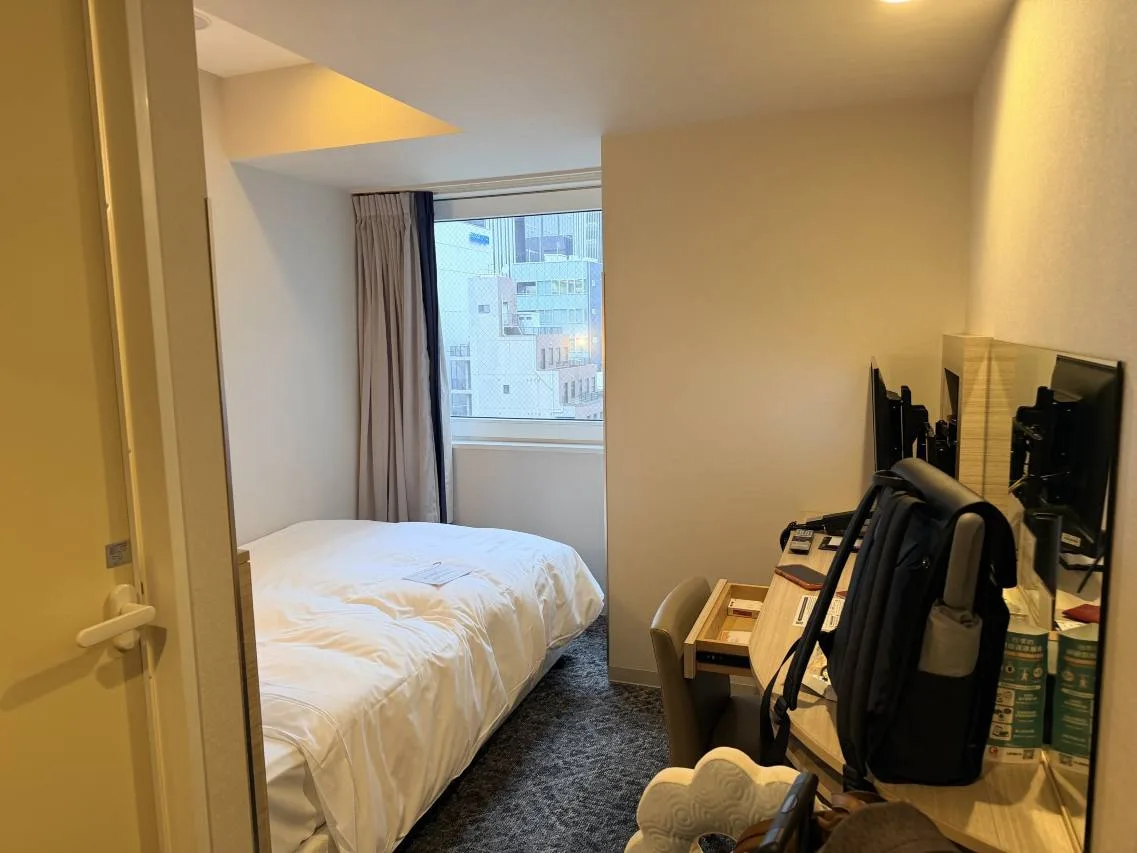
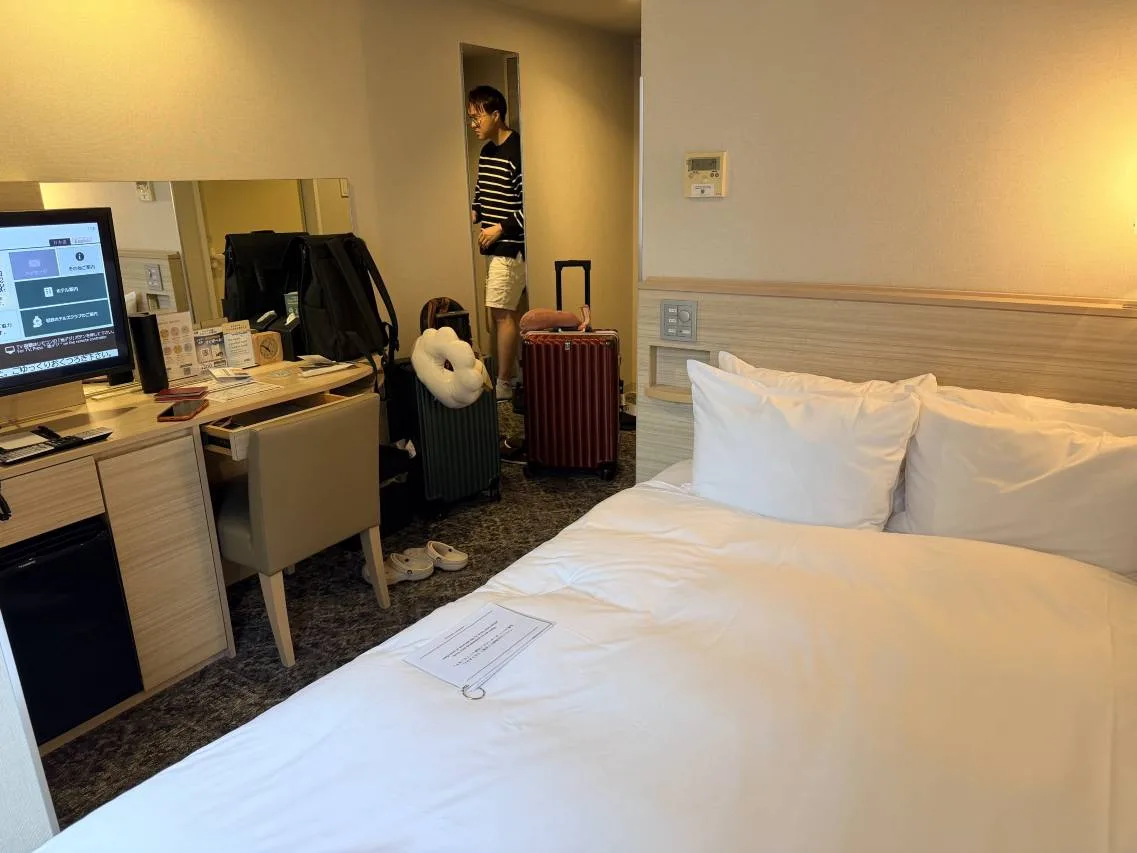
The key when choosing a room is whether your luggage fits as well as the people. Larger rooms are comfortable to sleep in, but in some rooms the bed is immediately beside the door and two suitcases are hard to open at once. For two people on a longer stay, Twin or larger rooms come first. For a solo short stay, check the bedside passage and desk.
The hotel has 160 rooms and opened in 2011. Twin rooms are 23 sqm with two 120 cm beds; Deluxe Twin rooms are 23.2 sqm; Double rooms are 13 sqm; Inner Court Double rooms are 13 sqm; Small Double rooms are 11 sqm; Economy Double rooms are 12 sqm with a shower booth and sleep three; Triple rooms are 28 sqm. Beds are Sealy, and rooms have a humidifying air purifier. Smoking and non-smoking rooms are both available, so choose when you book rather than asking to switch on arrival.
Connecting rooms are for adults travelling together: this hotel does not accept children, guests must be at least 18, and no extra beds or cribs are available. If your group wants separate rooms that connect, ask when booking how the rooms actually join and which room types can be connected, rather than finding out at check-in that the combination does not work.
Travelling solo for a short stay, a Single or Small Double does the job as long as the bedside passage and desk work. Two people with plenty of luggage should look straight at Twin rooms. Saving a little on the smallest room is not worth struggling with suitcases every day.
A 13 sqm Double cannot hold two large suitcases open at once. I open one first, take out what I need for the day, and stand the other against the wall. Clothes for the next day go on hangers, and the empty case tucks into the gap beside the bed. If you arrive early and the room is not ready, leave the luggage at reception and go out light, then sort things out when you return.
Before booking, I confirm four things at once: whether the bed is twin or double, smoking or non-smoking, whether breakfast is included, and whether check-in time fits the flight. All of these are visible on the booking page; do not wait until arrival to ask. The choices available on site are few, and the price difference can be higher than online.
Bathrooms and everyday essentials
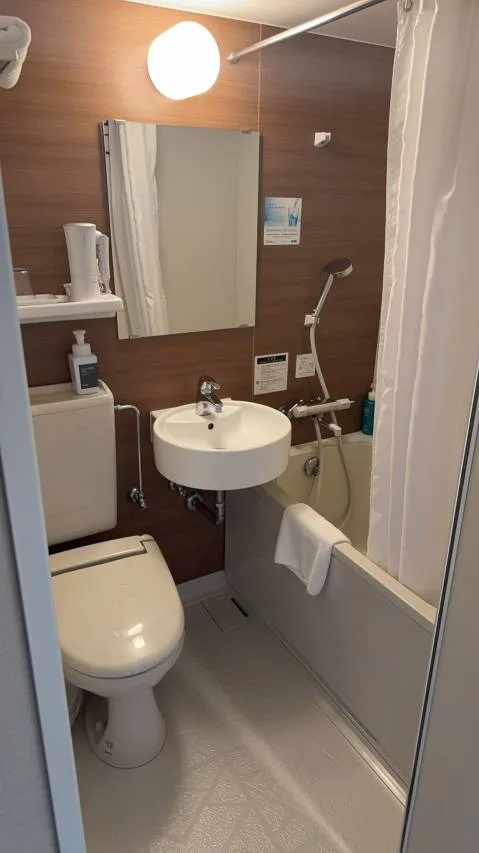
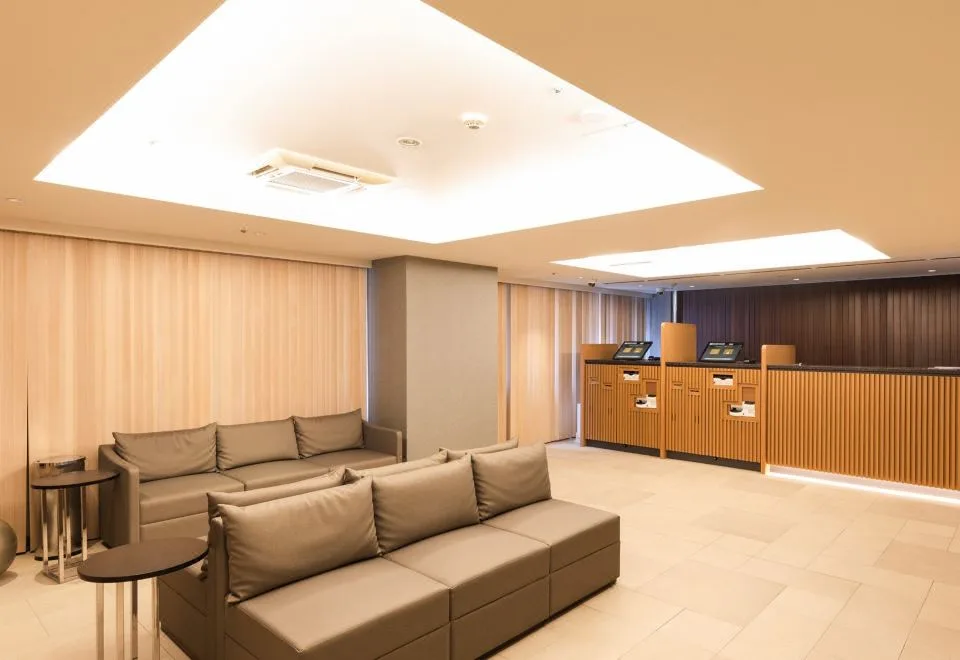
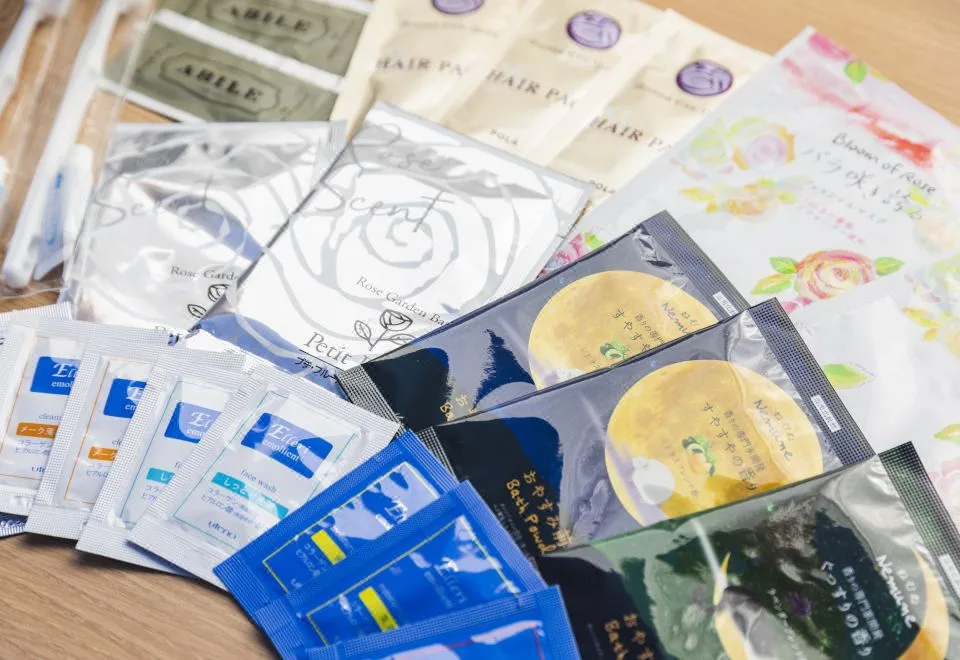
Bathrooms follow the standard unit-bath layout and are compact. Not all toiletries are kept in the room: the lobby has a self-service amenity station where you pick up skincare and everyday items, so look there first and ask reception if something is missing. Rooms also have a water purification system, so drinking water is available in the room.
Breakfast: plan around your mornings
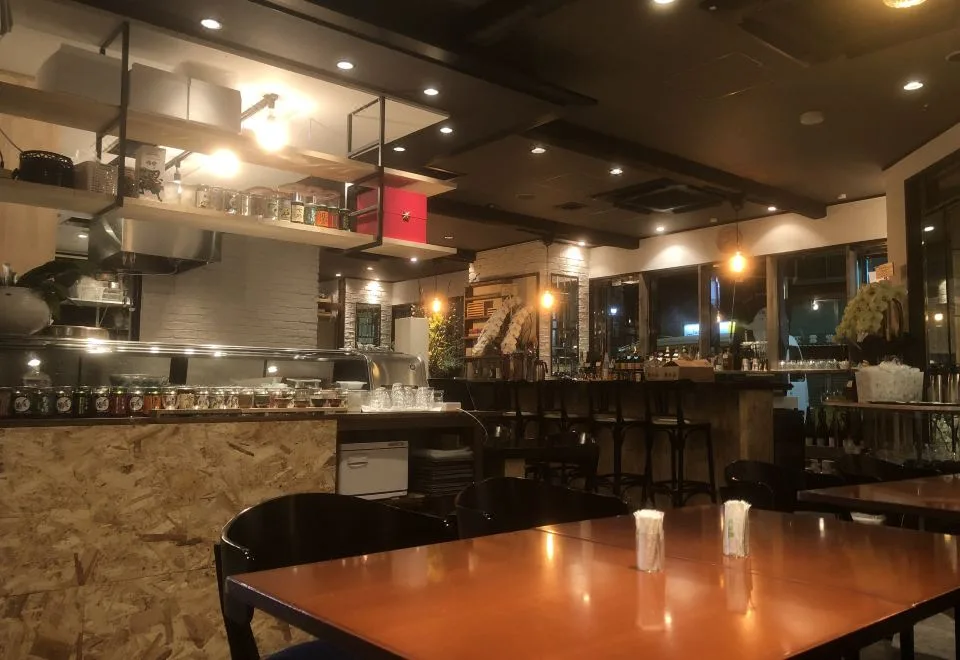
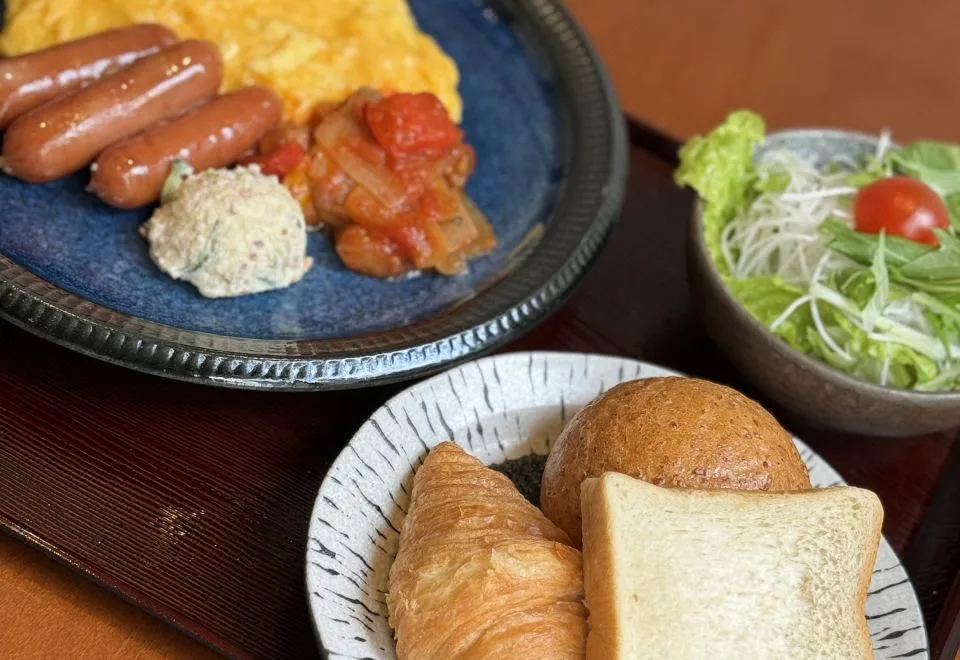
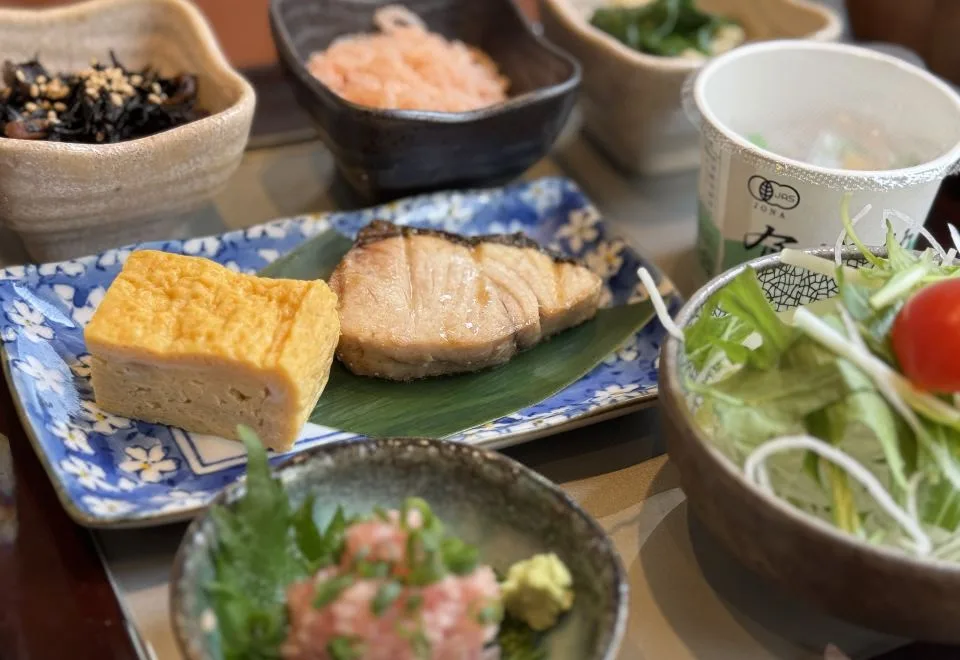
Breakfast is served at the first-floor Japanese restaurant, Tokyo-bashi, with four set meals to choose from: Japanese set meals and Western sets, with fish, eggs and soup so the morning takes care of itself. If you like a hot breakfast, compare the breakfast-inclusive price; for coffee and bread or an early Shinkansen, check whether serving hours fit.
The sets lean Japanese: white rice, miso soup, grilled fish, plus nigiri sushi and assorted tempura, with a Western set as the other choice. A set meal arrives served, which suits people who want to sit down and eat. If you want a large buffet with free choice, this is not the breakfast for you. The nigiri and tempura are the distinctive part of the morning here.
Breakfast runs 06:30–10:00 at ¥1,650 per adult. If your rate does not include breakfast, ask the hotel first whether breakfast can be added and pay on site. The official site posted a breakfast price-change notice on 16 November 2026, so check the current price again before you book.
Whether to include breakfast depends on the day. If you eat a proper breakfast and like to take your time, the inclusive rate is worth it: a set meal means no deciding where to eat in the morning. If you catch an early Shinkansen or only want coffee, do not pay extra for a breakfast you will miss. Compare the price difference between the two rates when booking; if the inclusive rate beats buying breakfast separately, take it.
Breakfast is served in the first-floor restaurant, so there is still time to sit down for a meal before an early Shinkansen; but the serving window ends in the morning, and sleeping in means missing it. To eat at ease, go down early. Decide which of the four set meals you want first, then order on arrival without hesitating at the counter.
Location, transport and luggage
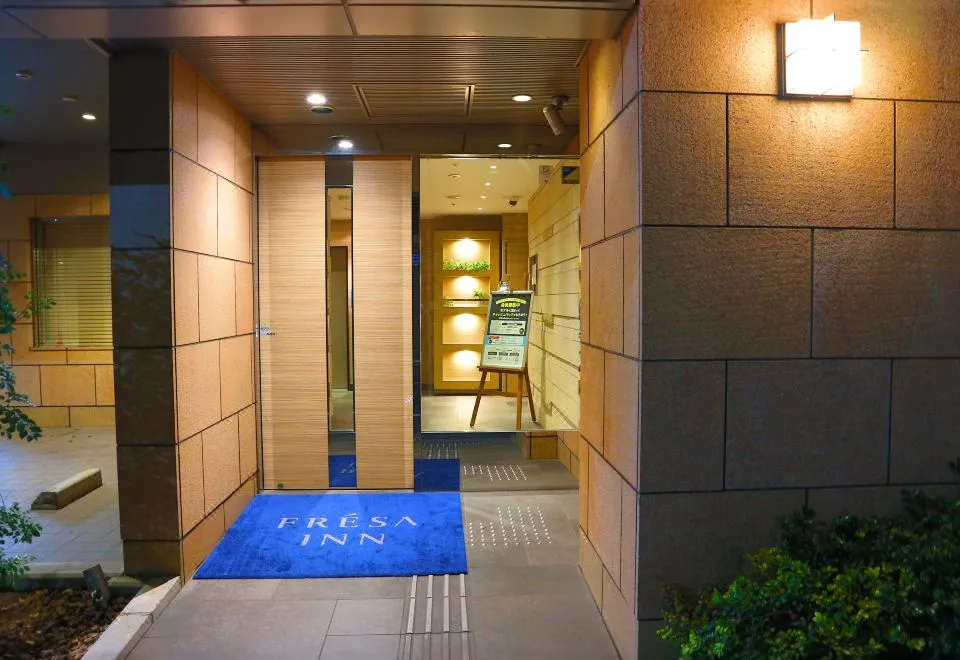
Takaracho Station is about 100 metres away, around two minutes on foot; Exit 6 of Kyobashi Station is about two minutes; the Yaesu South Exit of Tokyo Station is about eight minutes. You can walk to Tokyo Station, but the underground shopping street does not connect directly, so expect an outdoor stretch in the rain with luggage. On arrival, follow the signs showing that the lobby is upstairs.
Kyobashi Station has street elevators at exits 2, 3 and 8: from the Ginza-side gates, head for exit 2 (beside the Dai-ichi Life building) or exit 3, using the elevator in the middle of the platform to the elevator-only gate. Takaracho Station exits A5, A6 and A7 are about one minute away, the closest to the hotel; Hatchobori Station exit A3 is about eight minutes.
With large luggage, a wheelchair or a stroller, take the elevator route through Kyobashi Station exits 2 or 3 to reach the hotel on foot. In rain on the way to Tokyo Station, allow for the outdoor stretch, since the underground passages do not lead all the way to the door.
From Tokyo Station, leave by the Yaesu South Exit and walk straight towards Kyobashi, passing convenience stores and restaurants where you can pick up supplies on the way. Arriving late at night on unfamiliar streets, follow the map; eight minutes is not far. If you really do not want to walk, reception can call a car for you, and being dropped at the door is the easiest option.
In rain on the way to Tokyo Station, I use Kyobashi Station instead: the platform has an elevator, and the street elevators take you to ground level, with only a two-minute walk to the hotel. With plenty of luggage in the rain, do not force the outdoor stretch from Tokyo Station; Kyobashi is the easiest way in and out.
Address:2-11-1 Kyobashi, Chuo-ku, Tokyo 104-0031, Japan
Where to go and eat nearby
For a day of souvenir shopping at Tokyo Station, exhibitions in Kyobashi and shopping in Ginza, the location works well. I would stop for dinner or convenience-store supplies near the hotel rather than returning to Tokyo Station every evening. If most of your days are in Shinjuku and Shibuya, this location’s advantage matters less.
Within walking distance: the National Film Archive of Japan is about 140 metres away, the Artizon Museum about 290 metres, and the Meidi-Ya main store is right by the station. Nihombashi is about 370 metres, the Tokyo International Forum about 790 metres, the Imperial Palace about 1.7 km and the Tsukiji Outer Market about 1.3 km. Ginza is about a 10-minute walk and Tokyo Station about seven minutes.
For a half-day nearby, start at the Artizon Museum and walk along Chuo-dori towards Nihombashi. The Police Museum left its Kyobashi building in September 2025 and moved temporarily to Nishi-Gotanda, so do not follow the old address.
In the evening I stay nearby: Kyobashi and Ginza have plenty of restaurants, and walking back after dinner means no train to catch. To save money, a nearby convenience store covers a simple dinner. On the way back, pick up breakfast or snacks for the next day, so you can leave straight out in the morning without a detour.
Useful amenities and services
Self-service check-in and check-out plus the amenity station make short stays easier. For loan items or luggage storage, ask reception. When arriving for the first time, check the room key and facilities; if you need a kettle or other equipment, confirm then. I do not treat one missing item as a hotel-wide problem.
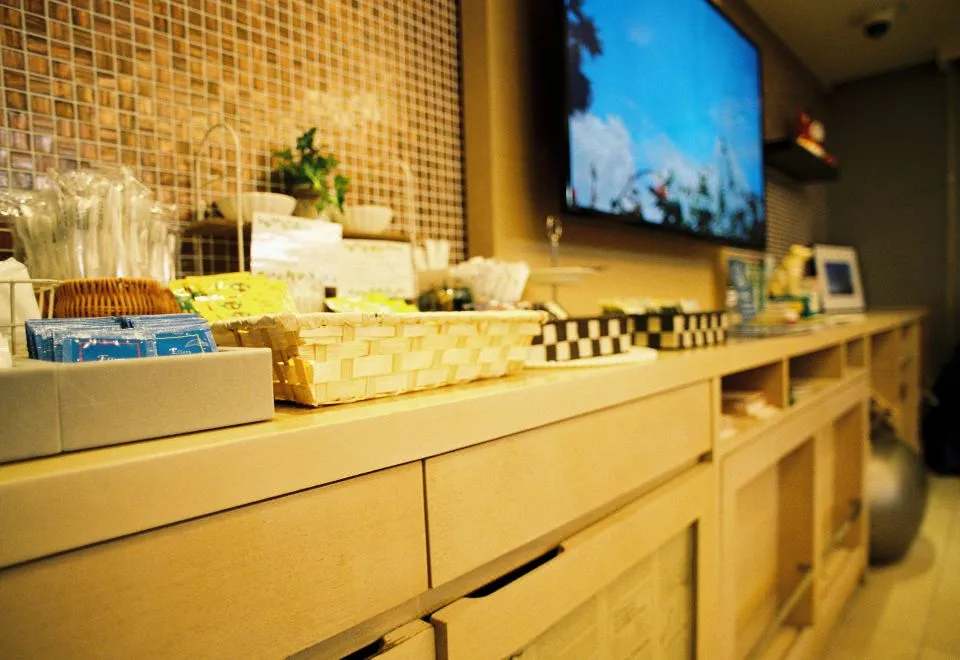
The lobby has self-service check-in and check-out terminals, an amenity station, vending machines, a coin laundromat and microwaves, with free Wi-Fi throughout. Reception is staffed 24 hours, and luggage storage and loan items are handled there. The lobby carries a welcome fragrance and background music, and check-in comes with a complimentary drink (a club member benefit for official website, app or phone bookings).
The hotel is cashless only: room charges are paid by credit card or QR code, and cash is not accepted. No deposit is required, and pets are not allowed.
For a stay of several nights, the coin laundromat takes care of laundry: wash in the evening, collect in the morning, and do not leave clean clothes sitting in the machine until noon. Leave luggage at reception if you arrive early or want to look around after check-out; walking light is far more comfortable than dragging a large case.
One or two nights versus a longer stay
For one or two nights with light luggage, access matters most. Over four nights, bedside space and air-conditioning noise become more significant. With large cases and frequent shopping, do not sacrifice daily convenience just to save a little on room category. In rain before a Shinkansen, a taxi or short train connection may be preferable to walking.
Check-in is from 15:00 and check-out is by 11:00; official-site members can check in from 14:00 and stay until 12:00, for up to 22 hours. If you arrive early and the room is not ready, reception will offer a bottle of water or a restaurant drink while you wait.
On a longer stay, top up towels and toiletries at the lobby amenity station or ask reception; there is no need to wait for the next day’s cleaning. Over four nights, I keep daily essentials on the desk and beside the bed and leave only spare clothes in the case. In a small room, keeping things put away is what makes the stay comfortable.
Accommodation details worth checking
Three things matter most to me here: the location, the amenities and the breakfast all suit me; but small rooms, cleaning and the age of the fittings are real trade-offs. If you are sensitive to musty smells or a light sleeper, weigh those points first.
On arrival, check the bathroom, bedding and air-conditioning before unpacking fully. Raise concerns early rather than on the last day. Air-conditioning noise and musty smells do not affect every room, but if they affect yours, do not put up with them.
On arrival I check two more things: whether hot water runs quickly and whether the free Wi-Fi connects. If the water is slow or the temperature unstable, tell reception straight away. If Wi-Fi does not connect, restart the phone first, then ask reception if it still fails. Sorting these out within ten minutes of arriving saves trouble later in the evening.
My recommendation
I would recommend it for short stays around Tokyo Station when you spend most of the day out. Two people staying longer should compare larger rooms, and breakfast depends on whether set meals suit your mornings. If smells and soundproofing are major concerns, compare other nearby hotels as well.
Before booking, ask three things: whether your room type can hold two open suitcases at once, whether breakfast is included, and which station exit to use. With plenty of luggage and a low tolerance for smells and noise, compare other hotels in the area as well before deciding.
This hotel does not suit families with children, or travellers who only pay cash. If you want a large buffet breakfast or a bigger room on the same budget, there are other choices around Kyobashi; compare prices first. But for a short stay with most of the day spent outside, the location and breakfast are more than enough.
Pros and cons at a glance
Pros
- One minute on foot from Takaracho Station, two minutes from Kyobashi Station exit 6, eight minutes from the Yaesu South Exit of Tokyo Station.
- Four breakfast set meals to choose from, mainly Japanese, ¥1,650 per adult, served 06:30–10:00.
- Twin rooms are 23 sqm with two 120 cm Sealy beds; connecting rooms let adults travelling together stay in joined rooms.
- A useful self-service amenity station in the lobby, 24-hour reception, and self-service check-in and check-out.
- A complimentary drink at check-in (club member benefit), plus a humidifying air purifier and water purification in the room.
Cons
- Basic rooms are only 11 sqm, so two large suitcases are hard to open at once.
- The Tokyo Station underground passages do not lead all the way to the door, leaving an outdoor stretch in the rain.
- No children accepted (18 and over only), and no extra beds or cribs.
- Cashless only; cash is not accepted.
- Some reports mention cleaning, musty smells and air-conditioning noise; consider these if sensitive.
Information checked: 23 November 2026