
TOKYO / CHUO
Hamacho Hotel Tokyo
HAMACHO HOTEL TOKYO
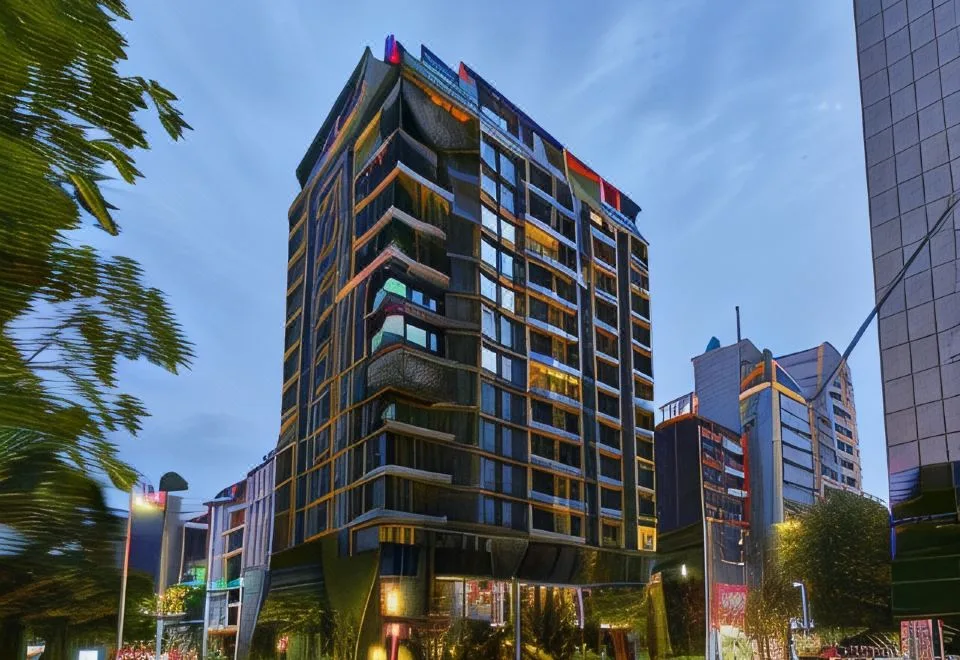
An unhurried stay in Hamacho among greenery and warm timber
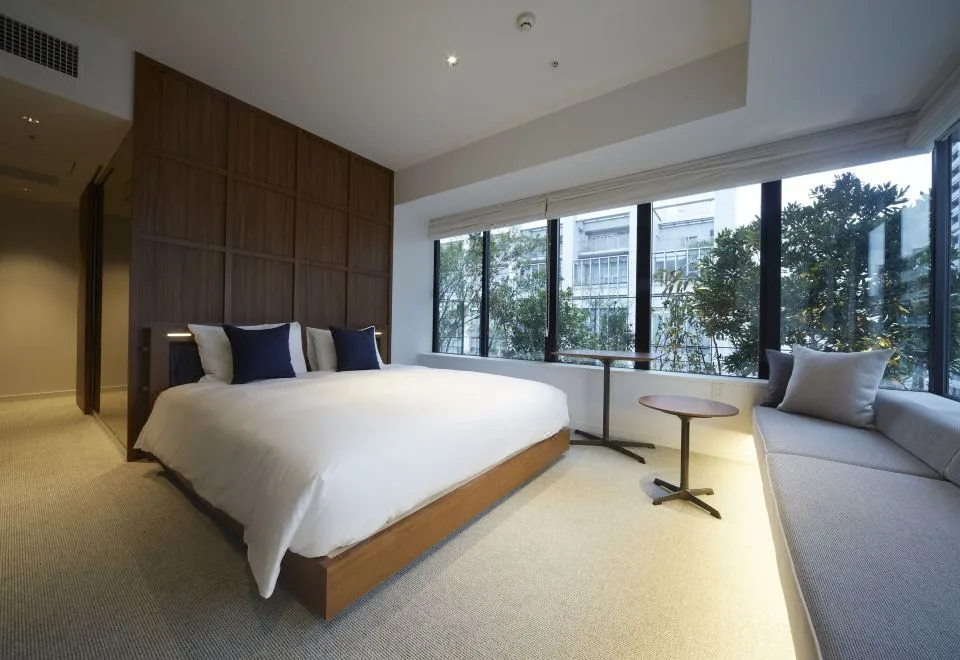
Hamacho Hotel Tokyo stands out for its neighbourhood feel and design. Greenery on the exterior, a timber-toned lobby and dining spaces suit travellers who enjoy strolling, cafés and small local shops. If you are happy to walk a little farther each day for a calmer environment, I would consider it. If you are constantly rushing to trains, factor in the walk to the station.
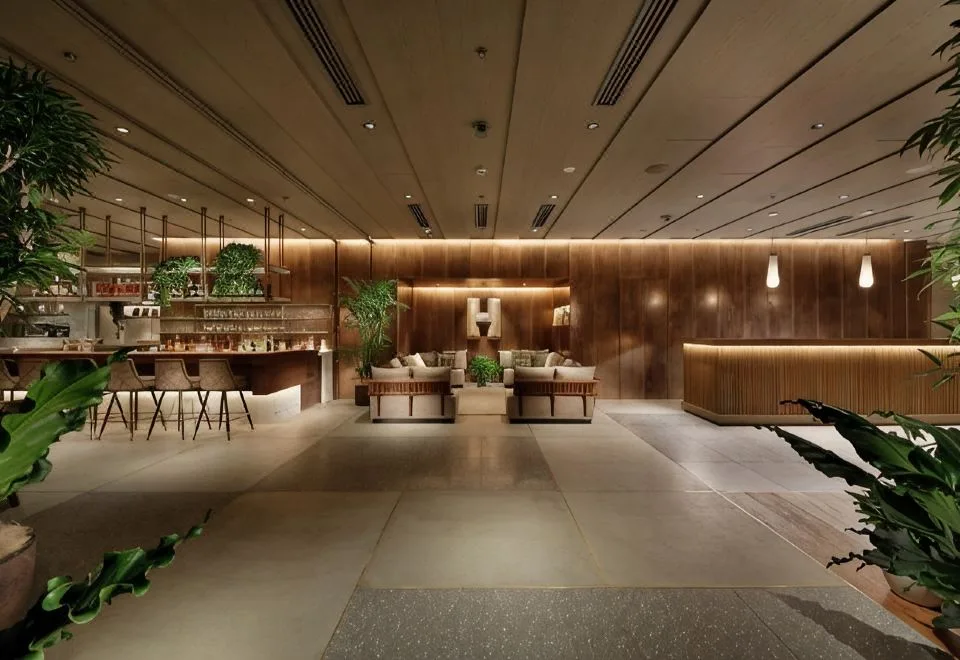
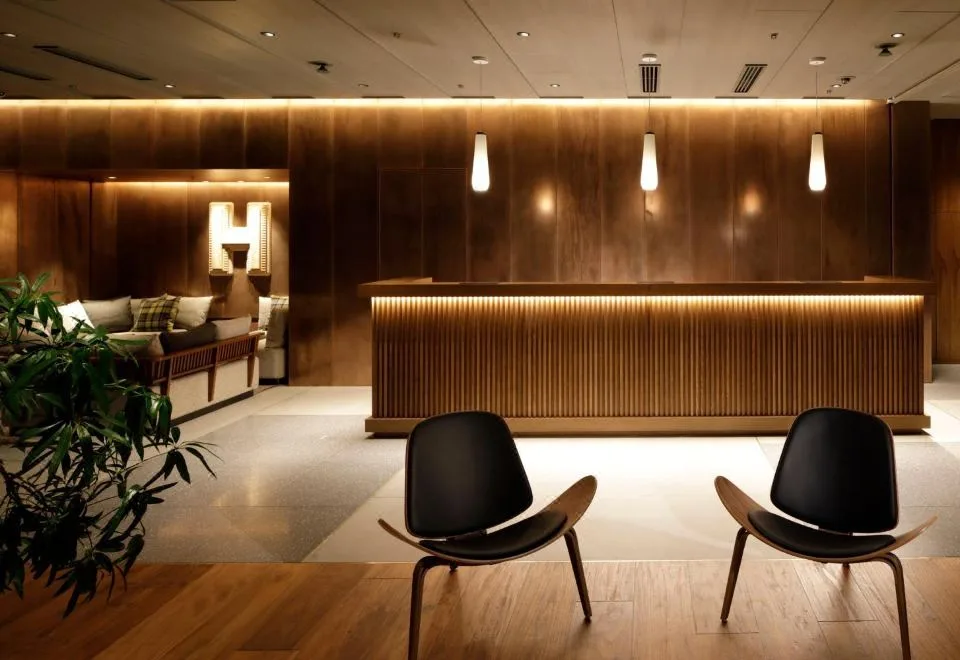
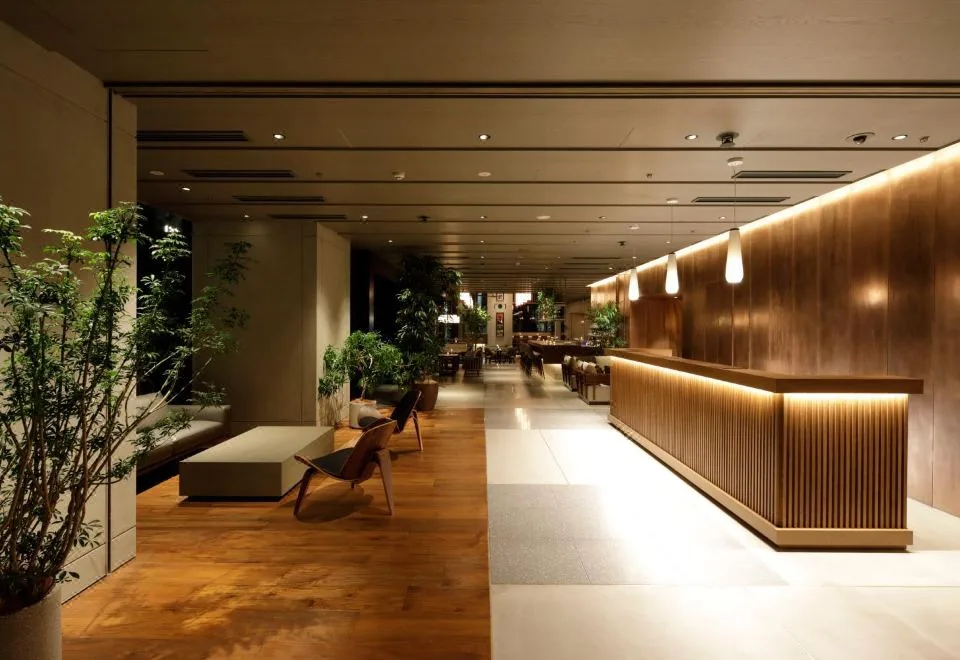
The ground floor brings the restaurant SESSiON, the Nel chocolate workshop and the lobby together, and the timber, plants and lighting make the whole floor feel like the neighbourhood living room. I eat breakfast here in the morning and pass through the lobby again at night, and I often end up staying on a sofa a little longer before going up. If you like the feeling of living on a street rather than just sleeping in a room, this atmosphere will suit you; if you only need a bed and leave early every day, you may not get much out of these shared spaces.
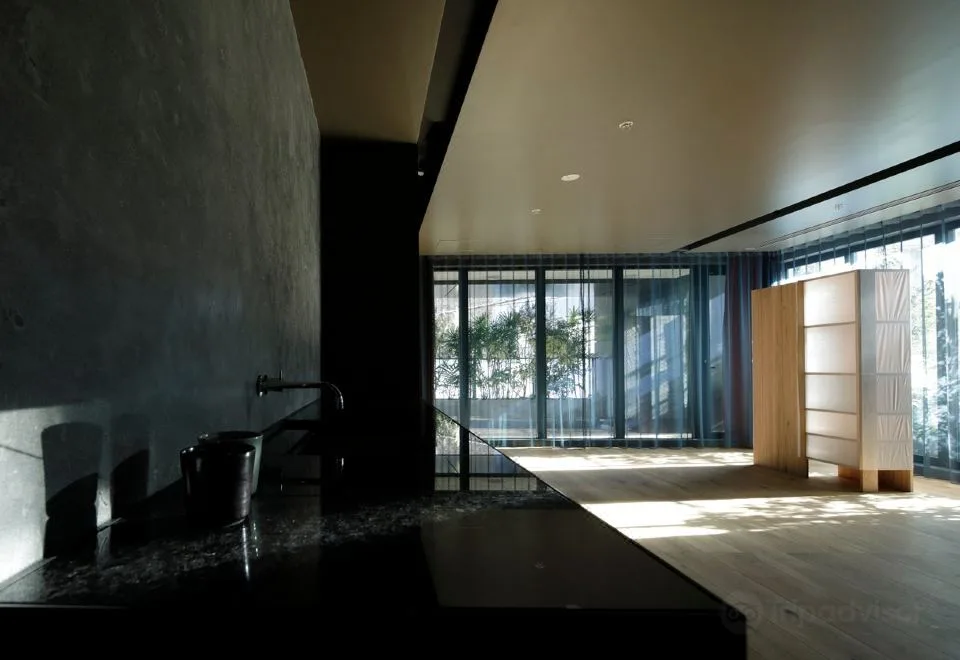
The design comes from UDS, which put Edo-period character and downtown shitamachi warmth into one building — the hotel calls it hospitality made in Hamacho, and my sense of it is this: the rooms are compact, but greenery is always close to the window, and the lobby and restaurant never feel as cold as a standard business hotel. If you like design with a lived-in feeling, this will suit you better than a chain business hotel.
Is this hotel right for your trip?
Reasons to choose it
- Distinctive greenery and timber-finished common areas
- Supermarkets, pharmacies and everyday shopping nearby
- Ideal for relaxed walks around Ningyocho and Hamacho
Trade-offs to consider
- Allow energy and time for walking to the station
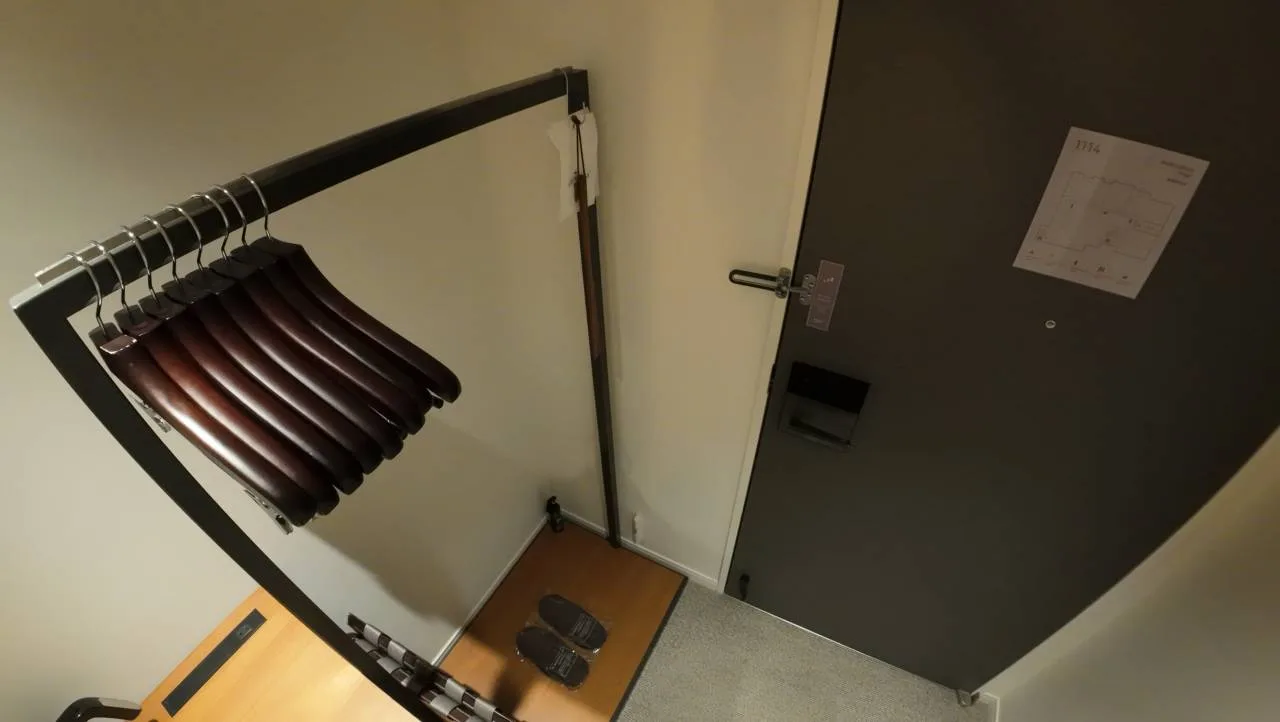
- Some rooms have tight luggage passages
- Breakfast can feel repetitive on consecutive mornings
My short version for you: if you like slow walks, design-led shared spaces and an itinerary centred on Ningyocho and Nihombashi, this hotel fits well. If you catch several trains a day, travel with heavy bags, or want a room larger than 20 m², think first about whether the extra walk each day is worth it. Children of all ages are welcome, though no room type takes a crib, and extra beds depend on the room type, so confirm the bedding before you book.
Location and access: exits, lifts and luggage
Walking from regular exits
The usual route is about eight minutes on foot from Hamacho Station Exit A2, 490 m away, or around six minutes from Suitengumae Exit 5. Ningyocho Station takes about nine to ten minutes, depending on your Hibiya or Asakusa Line exit. Choose a station based on the line you actually use and avoid unnecessary transfers to save a short street-level walk.
Luggage and lift routes
Suitengumae Exit 5 is a general walking reference. With heavy bags, use the outside-gate lift from the City Air Terminal-side gates to Exit 4 instead, then recalculate the street walk. Hamacho Station’s Exit A2 also has a lift to the street. You could also compare airport-bus arrivals at T-CAT and walk to the hotel, after checking current bus services and schedules.
Ningyocho is handy too: the Hibiya Line street lift is at Exit A3 and the Asakusa Line lift at Exit A6, so take those exits with heavy bags or a stroller. Suitengumae also connects underground to T-CAT, with Entrances 1a and 1b leading straight to the airport bus bays for Haneda and Narita; check the bus times before you leave, as they are not a shuttle that runs every few minutes.
The walk from the station is part of the appeal: quiet residential streets, supermarkets, pharmacies and everyday shops along the way, so you can pick up supplies without a detour. Suitengu Shrine is 430 m away and Nihombashi Bridge 1.2 km; the Sumida River is also within walking distance. I keep the arrival evening for the old streets of Ningyocho and leave the Nihombashi side for the next day, so neither feels rushed.
This is how I choose between the three stations: Hamacho Exit A2 for the Toei Shinjuku Line, Suitengumae for the Hanzomon Line, and Ningyocho for the Hibiya or Asakusa Line — take the station closest to your line rather than adding a transfer to save two minutes on foot. With luggage, take the Exit 4 lift at Suitengumae, Exit A2 at Hamacho, or Exit A3 or A6 at Ningyocho; all three stations have a lift route, so there is no need to carry cases up and down stairs.
For a stay of a few days, everyday shopping is close at hand: the walk to Hamacho station passes a convenience store and a supermarket, with a bank and a post office nearby, and the Sumida River is just beyond that side of the neighbourhood — a pleasant walk in the evening. I count this kind of lived-in neighbourhood feeling as a plus when I choose a hotel: out in the city by day, back in the Ningyocho area by evening, and the pace slows down on its own.
View hotel access directions / Check station lift facilities
| Hotel name | Hamacho Hotel Tokyo |
| Address | 3-20-2 Nihonbashi Hamacho, Chuo-ku, Tokyo 103-0007, Japan |
| Check-in and check-out | Check-in 15:00–24:00; check-out by 11:00; reception 24 hours daily. |
| Transit reference | About 490 m from Hamacho subway station, roughly an 8-minute walk. |
Choosing a room: beds, bathrooms and luggage
| Room type | Floor area and beds | Best choice for |
|---|---|---|
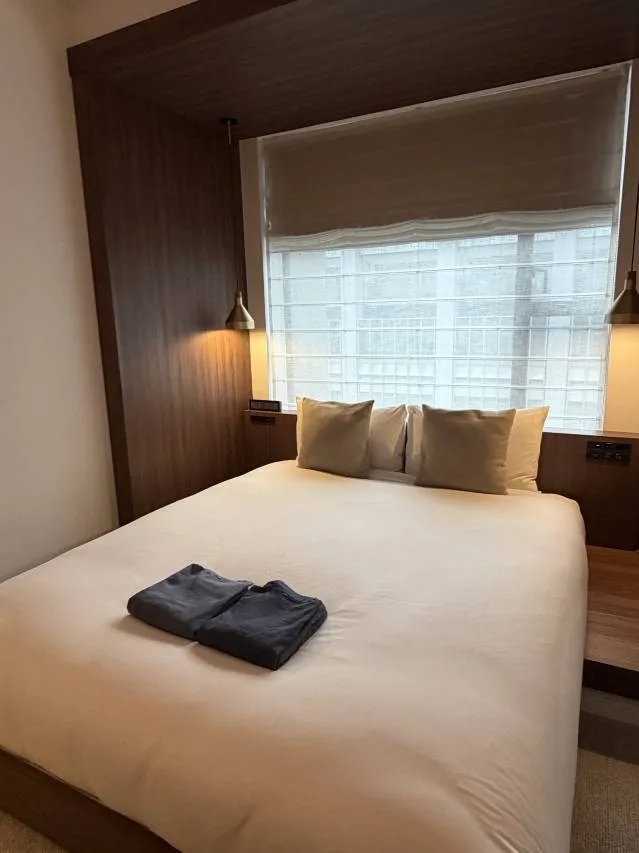
| Double | 15 m² / one 161 cm bed | A wider bed when mostly spending the day out |
| Twin | 15 m² / two 92 cm beds | Separate beds in a compact room |
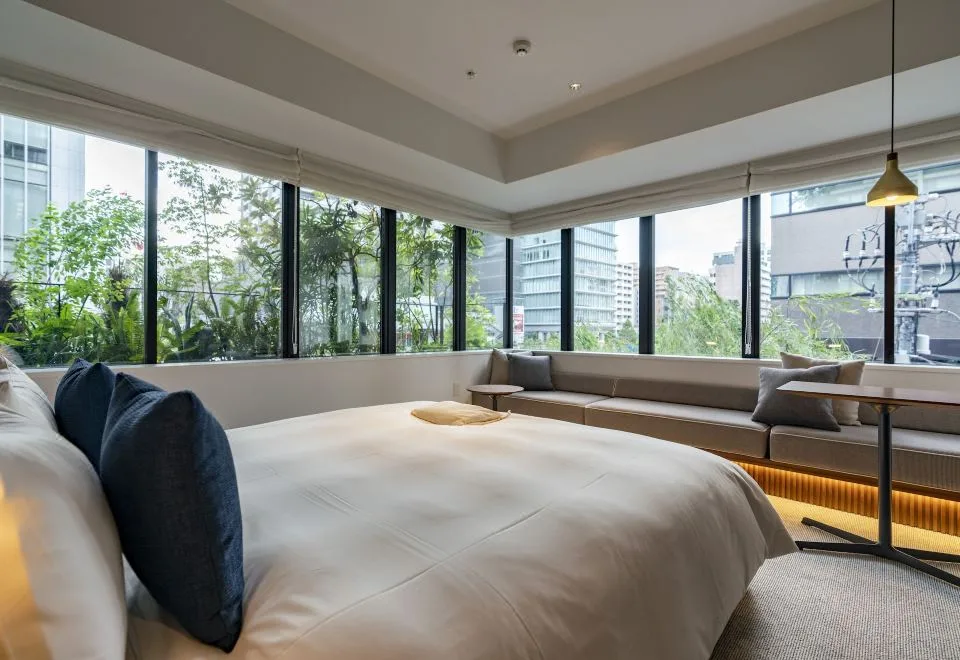
| Corner Double | 25 m² / one 182 cm bed | Two-sided natural light, a lounge chair and fuller bathroom facilities |
| Family | 27 m² / trundle-bed configuration | Three guests should verify the bedding arrangement |
The 15 m² Double and Twin differ in sleeping arrangements, not room size. For noticeably more space, compare the 25 m² Corner Double with windows on two sides, a lounge chair and separate washbasin. That is a more substantial upgrade than just choosing a different bed type.
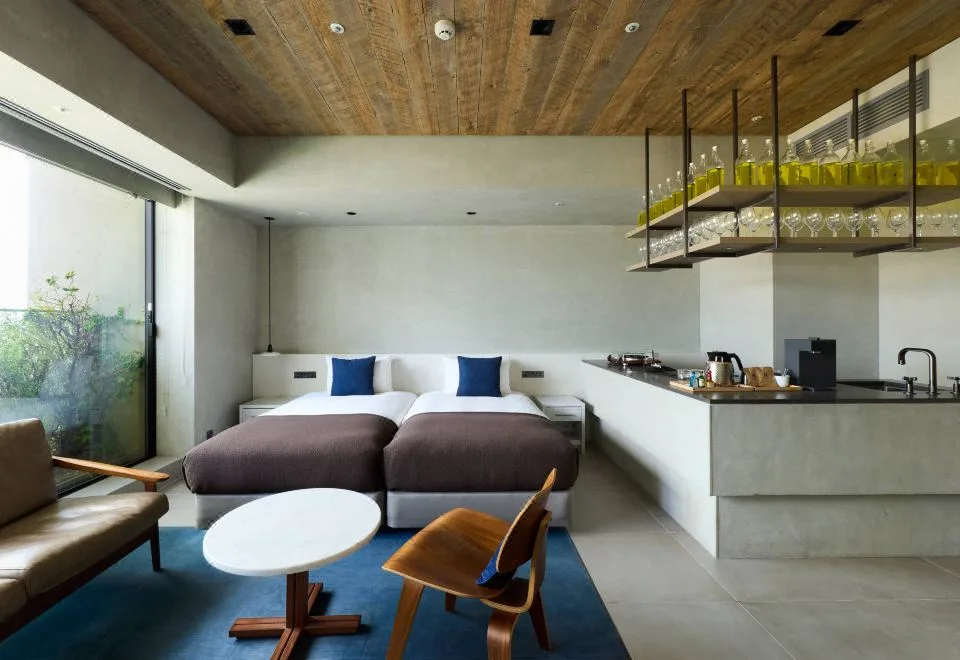
Photos show standard beds, bright corner rooms and layouts with more seating. Window placement and suitcase passages vary considerably. Before choosing, ask yourself whether you can open your luggage in the room, then decide whether extra windows or seating justify the price. I find the rooms clean and well equipped, which puts me at ease; but floor space in a corner room is limited, and I can only open one suitcase in the corner. Two people should not book on a wide-window photo alone.
For three people, start with the Family room: 27 m² with a trundle-bed setup, so three can sleep without squeezing together. Children of all ages are welcome, and the guest checking in must be at least 18; no room type takes a crib, and extra-bed rules vary by room type, so ask about the bedding arrangement when you book rather than finding out at the desk that a bed is short.
The rooms follow the same timber-and-greenery line as the lobby, and the big windows bring in plenty of light. The 15 m² Double and Twin feel fine to sleep in, but floor space is genuinely tight, so I leave the big bag at the front desk — luggage storage is free — and keep only the day’s things in the room, which keeps the walkway clear. The Corner Double adds windows, a lounge chair and a separate washbasin rather than extra beds, so whether the upgrade is worth it depends on how much time you spend in the room.
When you book, check three things first: whether the bed is wide enough, whether you need an extra bed, and whether children are coming. The Double is one 161 cm bed and the Twin is two 92 cm beds — the same 15 m², but a completely different way of sleeping. With children, the Family room’s trundle bed is the easiest option, though no room type takes a crib, so bring the stroller and baby supplies yourself. Extra-bed rules and charges vary by room type, so ask about all of it in one go when you book.
Breakfast: plan around your mornings
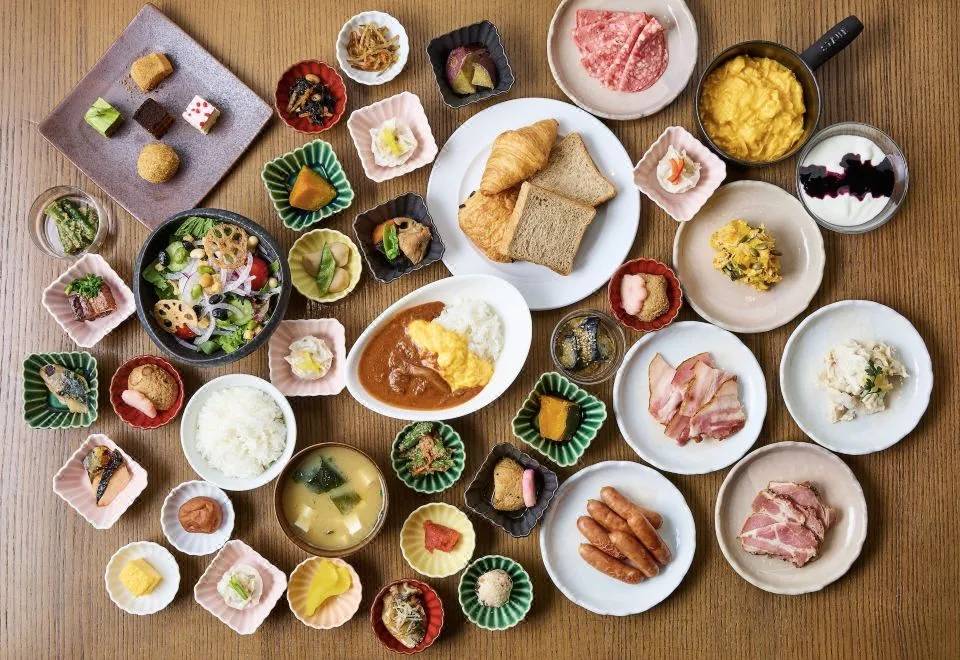
The buffet breakfast is convenient for travellers who want to eat before going out. The photo shows bread, scrambled eggs, curry rice, salad and small dishes laid out generously, and I find the range decent — though after several mornings in a row, the menu does feel repetitive. I would reserve breakfast for one or two leisurely mornings and visit Ningyocho or a supermarket on others.
Breakfast is a Japanese and Western buffet, served daily since 1 June 2025: weekdays 07:00–09:30, Saturdays and Sundays 08:00–09:30. Adults pay ¥2,980 per person and children aged 17 and under ¥1,490, settled at the front desk. Book it with the room if you want it; whether you can add it on the day depends on the hotel, so ask the desk rather than assuming a seat will be waiting.
Breakfast is served at SESSiON on the ground floor, and the same restaurant opens for lunch 11:30–13:30 and dinner 17:00–20:30, with à la carte and buffet dishes in an international style. The Nel chocolate workshop sits on the same floor, handy for a bar of chocolate to take on a walk. Meals other than breakfast are paid at the restaurant itself; only the breakfast charge can go through the front desk.
The photo shows what the buffet looks like: bread and croissants, scrambled eggs, curry rice, white rice and miso soup, salad, sausages and ham, plus small dishes and yoghurt, all laid out generously. I look at the bread and hot dishes first, then go back for salad and small dishes; if you like a Japanese and Western mix, there is plenty here to fill up on in one round, with no need to find another place to eat.
What guests like and the trade-offs
The main considerations are the walk to stations, luggage space and curtain blackout. I like the quiet residential area, though the walk is a little longer than I expected. Light sleepers can request a quiet room with good blackout, although allocation depends on the hotel.
The ground-floor shared spaces are my favourite part of the hotel: timber and plants fill the lobby, and the lounge, restaurant and chocolate shop run into one another like a neighbourhood living room. Public areas have free Wi-Fi, and the front desk offers free luggage storage, a car-hailing service, currency exchange and wake-up calls. There is no room service, and deliveries have to be collected in the lobby, so know that before you order in.
Check-in runs 15:00–24:00 and check-out is by 11:00, with the front desk staffed around the clock, so a late arrival is no problem. There is no large public bath, gym or pool on site, so plan a bath elsewhere if that matters to you, and pets are not allowed.
The Nel chocolate workshop on the same floor is worth a look on your way past: the shop has its own workshop, so the chocolate is made on site, and a bar makes an easy souvenir for a walk. The hotel also runs anniversary plans with a SESSiON cake and Nel chocolate. In the evening, the SESSiON bar is open too, so you can sit down for a drink without leaving the building to find somewhere.
Short stays, longer stays and neighbourhood outings
A short visit works well for exploring Ningyocho, Hamacho and Nihombashi as one district at a relaxed pace. A longer stay lets you use nearby supermarkets and the neighbourhood’s everyday rhythm. Ask how laundry works and its opening hours, then enjoy staying put rather than moving hotels with shopping bags each day.
My plan looks like this: on arrival, spend the evening on the old streets of Ningyocho and eat something you like before heading back; the next morning, have breakfast, walk toward Suitengu Shrine and continue to the Nihombashi side. For a longer stay, the 24-hour supermarket and convenience stores nearby make restocking easy, so there is no need to move hotels with shopping bags every day, and the Sumida River is close enough for a riverside walk when you want a change of direction.
In practical terms, check-in runs 15:00–24:00 and check-out is by 11:00, with staff at the front desk around the clock, so even a late flight in is nothing to rush about. Luggage storage is free; if you arrive early or want another walk after check-out, ask the desk whether you can leave your bags there for a while. The same building also has apartment-style stays, so a longer visit feels less like passing through — I treat this place as a base for a few days in Hamacho rather than a one-night stopover.
Pros and cons
Pros
- Distinctive greenery and timber-finished lobby, with a ground-floor restaurant and chocolate shop to sit in without going out.
- Three stations within reach: Hamacho Exit A2, the Suitengumae Exit 4 lift route, and Ningyocho Exits A3 and A6 lifts, so heavy bags have step-free options.
- Japanese and Western buffet breakfast with bread, scrambled eggs, curry rice, salad and small dishes, ¥2,980 per adult.
- 24-hour front desk and free luggage storage, with check-in 15:00–24:00.
- Quiet residential streets with supermarkets, pharmacies and everyday shops nearby, well suited to a slow multi-night stay.
Cons
- Even the nearest station, Hamacho, is about an 8-minute walk, so allow energy and time if you catch trains daily.
- 15 m² rooms are compact; two people take turns opening suitcases, and even a corner room fits only one open case.
- Breakfast feels repetitive after several mornings in a row.
- No large public bath, gym or pool.
- Pets are not allowed; no room type takes a crib, and extra beds depend on the room type.
Information checked: 23 November 2026.