
TOKYO / CHUO
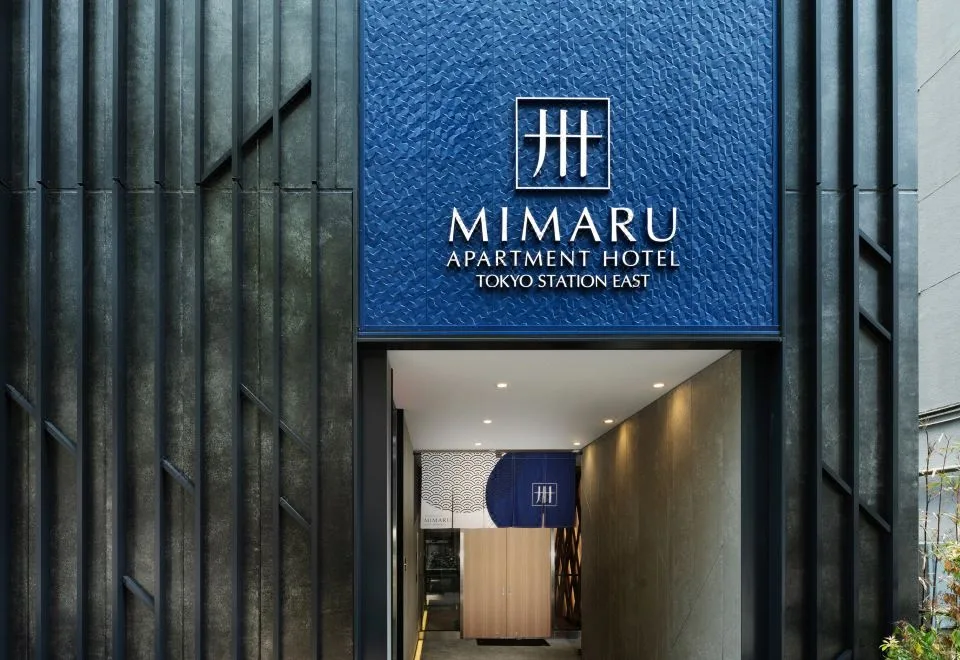
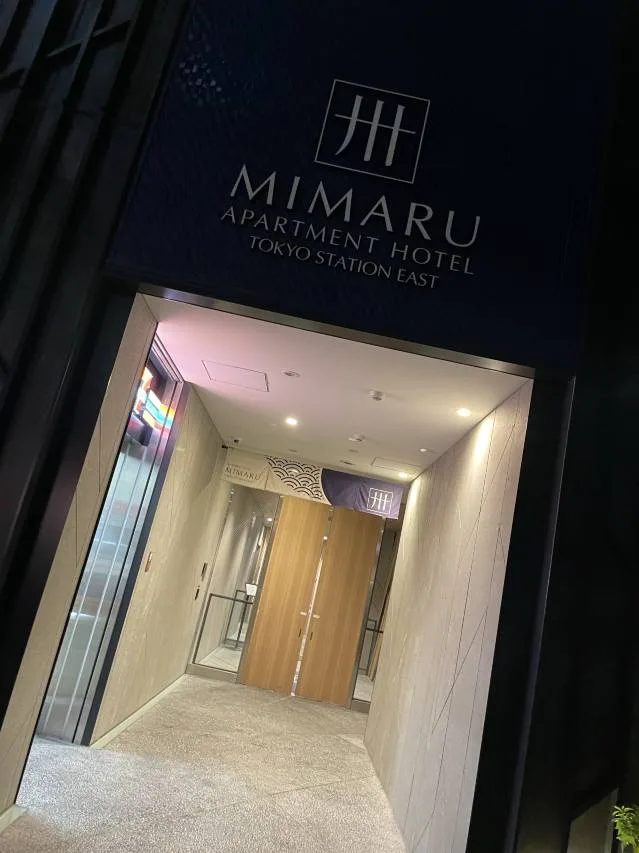
MIMARU Tokyo Station East
MIMARU Tokyo Station East
Hatchobori family apartments: compare beds, cleaning and Tokyo Station distance
Is this hotel right for my trip?
MIMARU Tokyo Station East suits families who want to stay in one apartment with a dining table and everyday facilities. Despite the Tokyo Station name, plan around Hatchobori and Kayabacho rather than assuming the station is just outside. First decide where everyone will sleep and how the bedding is provided before choosing it for a longer family stay.
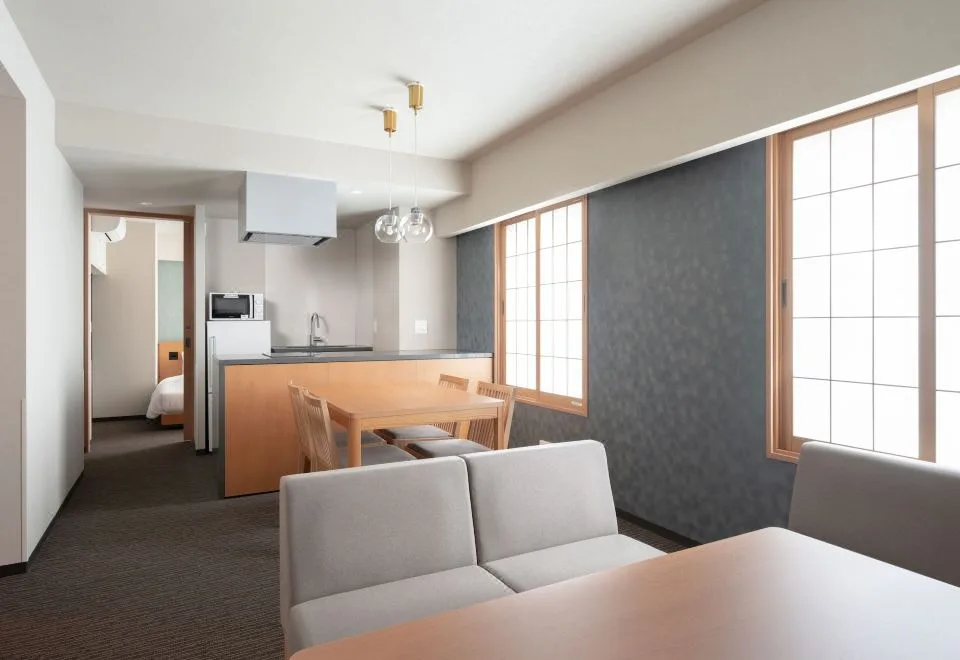
This apartment hotel opened in June 2022, and all 85 rooms start at 40 square metres, with 70% in two-bedroom layouts. The idea is simple: the whole family under one roof, with a kitchen and laundry in the room, so the trip runs on your family’s schedule. You are buying space and a working kitchen, not a grand lobby, and once you see it that way the trade-offs are easy to judge.
If you are only passing through Tokyo for one night with a single carry-on, any ordinary business hotel in the city will cost less. This hotel earns its price from the kitchen, the dining table and the laundry facilities, so it makes sense from about three nights onward. Travelling with children, with older relatives, or with four or more people in one apartment is when the extra space and equipment really start to matter.
Access: walking light versus carrying luggage
The hotel’s main access guide lists about two minutes from Tokyo Metro Hatchobori Station; opening information also lists roughly three minutes from Kayabacho and fourteen minutes from Tokyo Station. With family and large luggage, use Hatchobori or Kayabacho where practical. Do not mistake the name for a hotel directly next to Tokyo Station. Follow lift signs for the specific line you use.
View access directions; check the official hotel site for the latest information before departure.
With heavy luggage, choose the exit first. On the Hibiya Line the closest exit is A4, but A4 has no lift; on the JR Keiyo Line the closest exit is B4, also without a lift. With luggage, use the Sakuragawa Park-side gates on the Hibiya Line and take the street lift to exit A2 or A3, then walk; on the JR Keiyo Line use exit B2, which has a lift, about 5 minutes on foot. A few extra minutes to a lift exit beats carrying cases up the stairs. Station accessibility facilities
From Haneda Airport, allow about 40 minutes by train or about 30 minutes by limousine bus to the hotel, both then needing one taxi ride; from Narita Airport, allow about 1 hour 5 minutes by train or about 1 hour 15 minutes by limousine bus, again with a taxi at the end. Before catching a Shinkansen or a bus, factor in the walk to Tokyo Station.
On the JR Keiyo Line, Hatchobori is one stop from Tokyo Station, and the same line runs toward Maihama, so a day trip to Disney with children needs no transfer.
| Item | Hotel details |
|---|---|
| Address | 1-12-8 Hatchobori, Chuo-ku, Tokyo 104-0032, Japan |
| Japanese name | MIMARU Tokyo Station East |
| Check-in / check-out | Check-in 15:00–22:00 / check-out by 11:00 |
| Number of rooms | 85 rooms |
Choosing a room: beds, living space and bathrooms
Compare beds, bathroom use and luggage space for everyone travelling together.room types and facilitiescan help interpret the table below. Room names on the booking platform may differ, so confirm the English room type when booking.
| Room / layout | Size and amenities | My pick |
|---|---|---|
| One-Bedroom Family Apartment | 39–41 m²; two single beds plus bunk beds; no in-room washer-dryer. | A family of four comfortable using bunk beds. |
| Two-Bedroom Apartment | 41–46 m²; four single beds; no in-room washer-dryer. | Four people who prefer separate bedrooms. |
| Two-Bedroom Japanese Suite | 68 m²; four single beds, two toilets, a bathroom and separate shower; washer-dryer included. | Longer stays when reducing bathroom queues matters. |
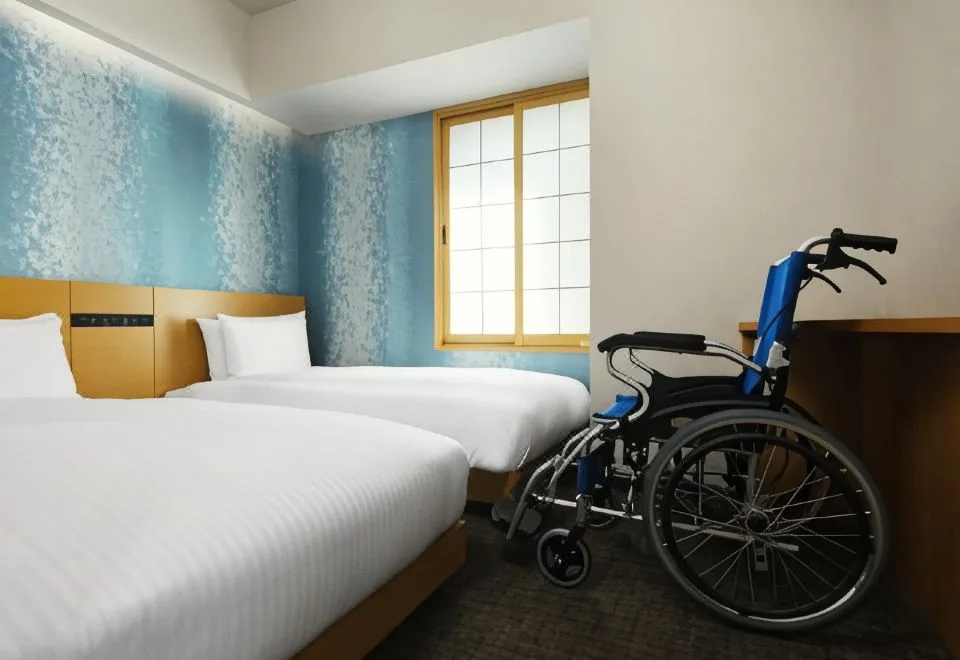
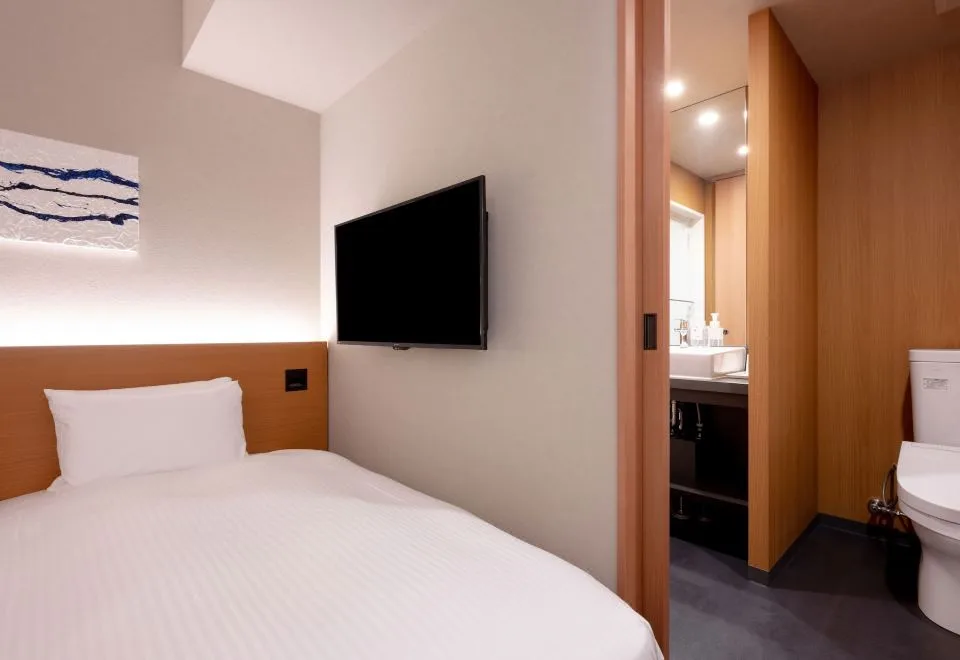
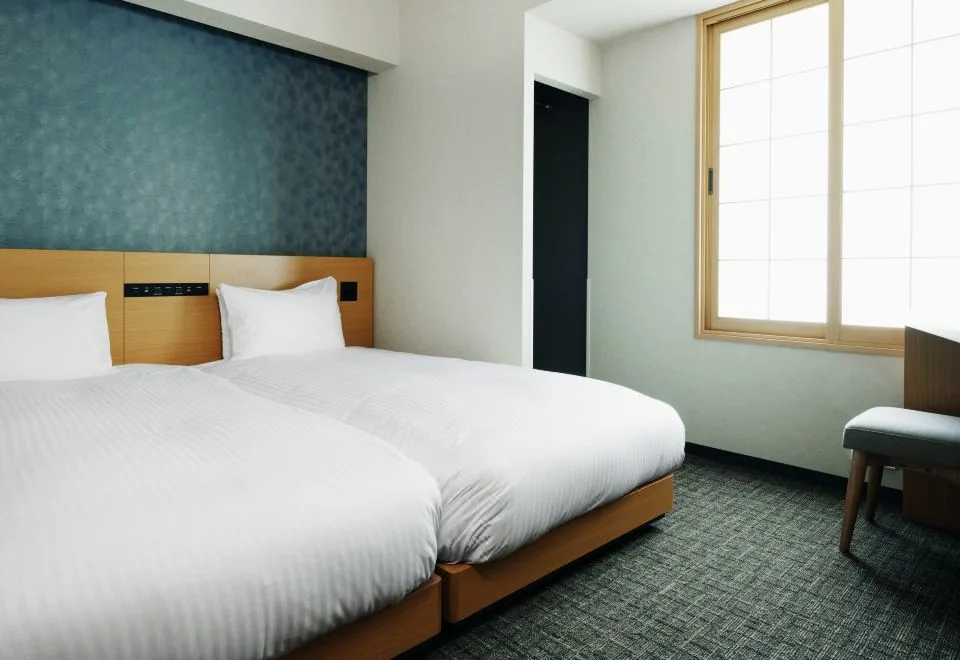
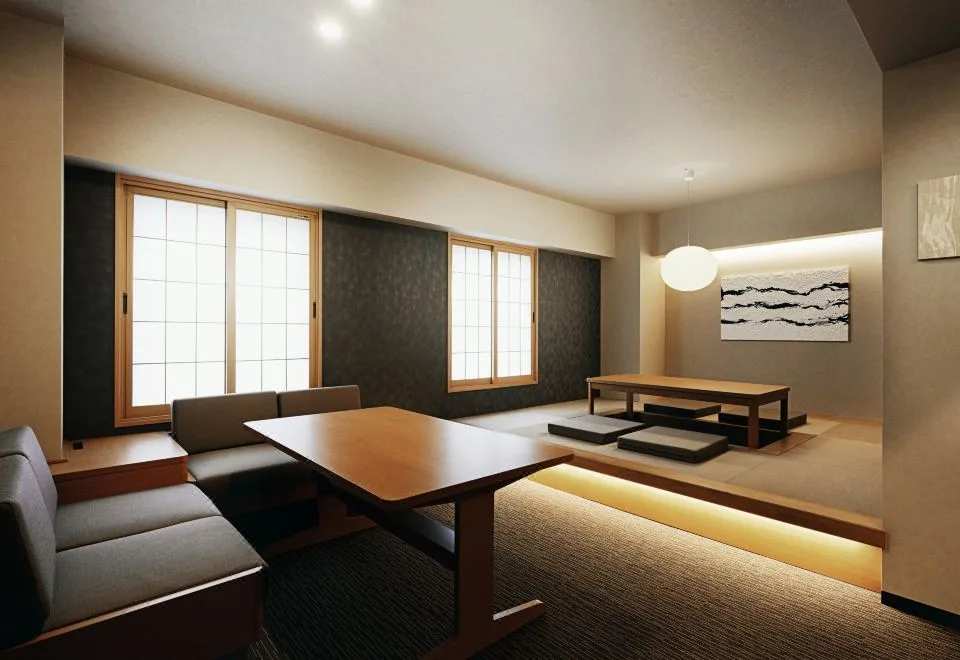
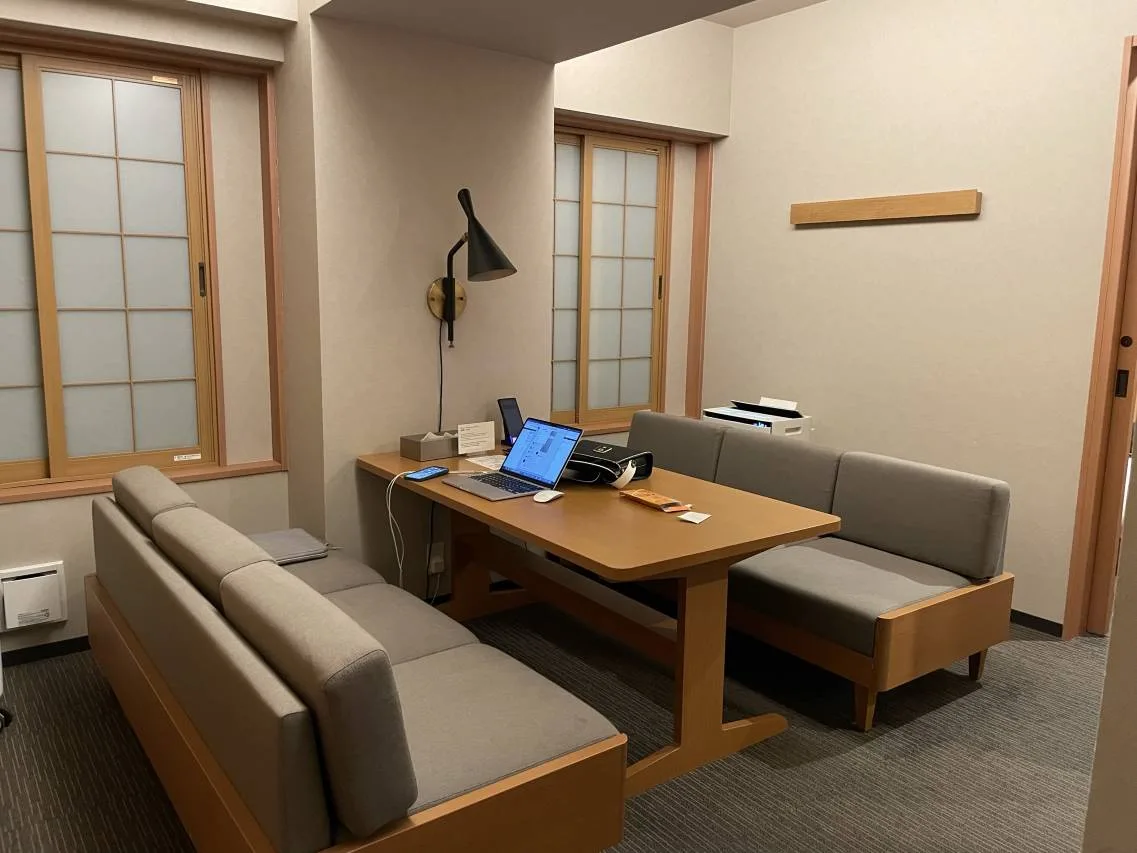
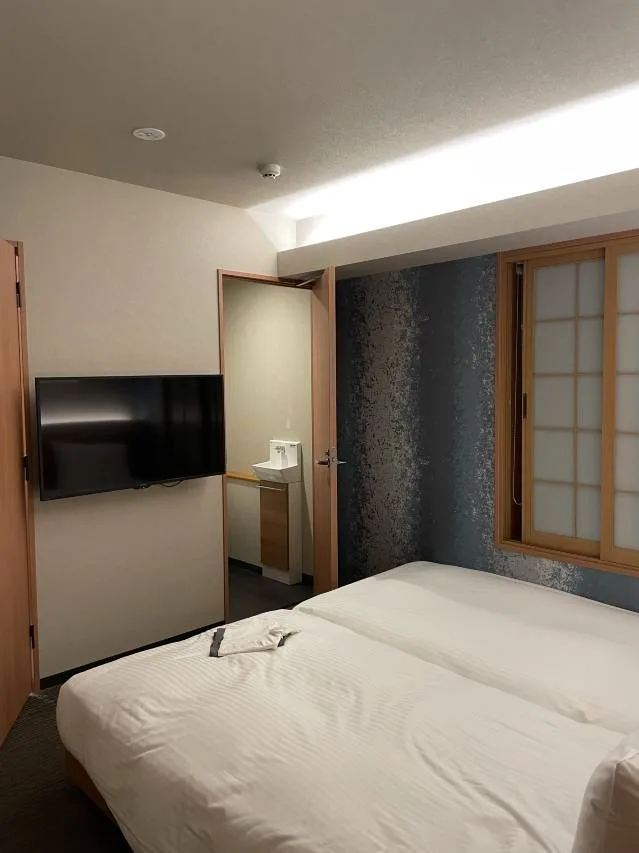
The gallery shows bedrooms, Japanese-style dining areas, sofas and separate living spaces. Sleeping arrangements vary considerably by apartment type. Before booking a room for several people, list everyone’s bed and confirm any extra sleeping surface and bedding.
Accessible features in the photos belong only to the room that was photographed; they do not apply to every room, so judge by the room type you actually book.
The opening information lists 13 room types, and in practice they fall into a few directions. Choose the Two-Bedroom Apartment if you want two separate bedrooms; with small children, look at the One-Bedroom Family Apartment, where the bunk beds beside the master bedroom are usually a hit with kids. For a longer stay where morning bathroom queues are a worry, go straight to the high-floor Two-Bedroom Japanese Suite: 68 square metres, two toilets, a separate bath and shower room, and an in-room washer-dryer. There is also a Premium Two-Bedroom Suite with a large powder room, a Two-Bedroom Suite whose master bedroom has its own shower, and a Two-Bedroom Family Suite with bunk beds. Eight people travelling together can book the Connecting Two-Bedroom Apartment, two rooms joined by a connecting door, so everyone sleeps separately and still gathers together.
The kitchen comes with every room, not as a paid extra: an IH stove, refrigerator, microwave, electric kettle, pots, a frying pan, a knife, a cutting board, plates and cutlery, dish detergent, a sponge, coffee and tea are all provided. The washstand is separate from the bath, so teeth-brushing never waits on bath time. Amenities include shampoo, conditioner, body soap, hand soap, bath towels, face towels, a bath mat and tissues. Bring your own toothbrush and slippers; the hotel asks this for environmental reasons, and the front desk can help if you forget.
Travelling with older relatives or family members with limited mobility, the official site lists a Two-Bedroom Accessible Apartment: two bedrooms with an accessible bathroom. Ask for the room type and the accessible route directly when booking. Room layouts cannot be chosen, so the layout you are assigned is the layout you get.
Talk through the bunk beds with the children first: the top bunk suits an older child, while a younger one sleeps more safely below. Count the bedding and towels when you arrive and tell the front desk at once if anything is missing; finding out late at night makes it harder to fix.
The higher-floor suite types have city views, and some rooms look out toward the Skytree. If a view matters, ask for a high floor when booking.
The high-floor Japanese suites have a tatami living area, and the master bedroom has its own shower and washstand, so two people can get ready at the same time in the morning. The open kitchen sits beside the dining table, so cooking still leaves you talking with the family.
Amenities and services you will actually use
Shared laundry and in-room living facilities are useful for families. Confirm bedding quantities, towels and emergency contact details when you arrive. Discovering missing items late at night makes problems harder to resolve.
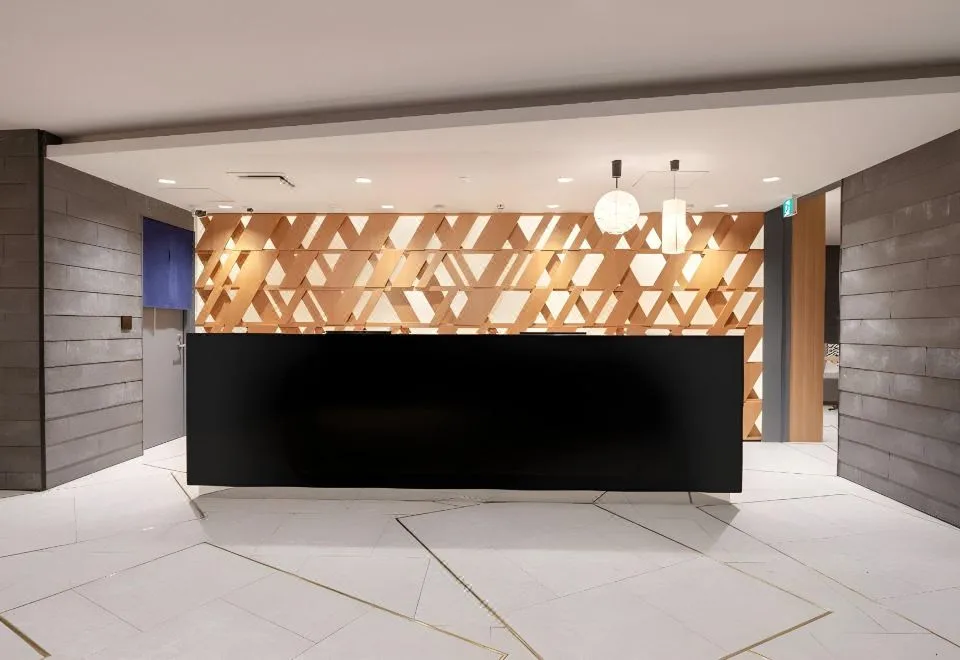
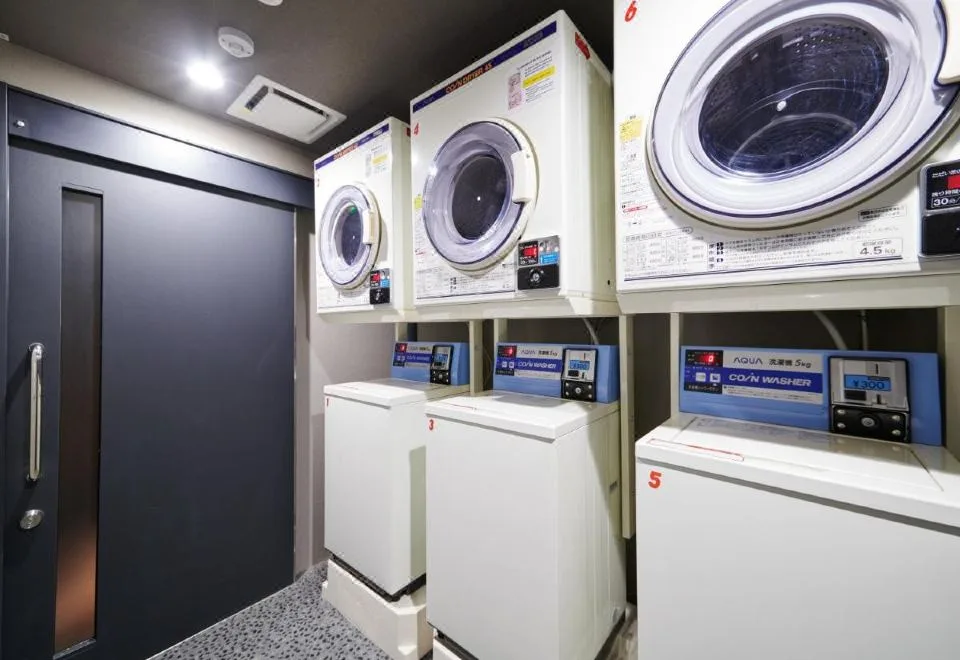
Luggage can be sent on from the front desk, by Japan Post, a third-party courier, or MIMARU’s own delivery service; the price depends on size and the number of pieces, so arrange it at check-in or at the latest the day before check-out. The front desk is open daily from 07:00 to 22:00, check-in is 15:00 to 22:00 and check-out is before 11:00, so contact the hotel in advance if you arrive after 22:00. Laundry goes to the coin laundry in the building, open 24 hours.
Public areas have free Wi-Fi, an elevator, a vending machine and a water purifier, and the front desk offers translation tools, so English and Japanese both work. Public areas are non-smoking, with a separate smoking area, and there are accessible passages and accessible rooms. The laundry room and laundry service are both charged, so ask how they are priced before a longer stay.
Forgetting something is no reason to rush out shopping: the front desk lends rice cookers, toasters, pajamas, blankets, irons, ironing boards, extension cords, adapter plugs, umbrellas, mobile phone charging cables, HDMI cables and luggage scales. Numbers are limited, so ask early.
Communicating in English is no problem: the front desk offers translation tools, the official site has an English version, and check-in and luggage delivery can both be handled in English.
Should you add breakfast? Think about your morning
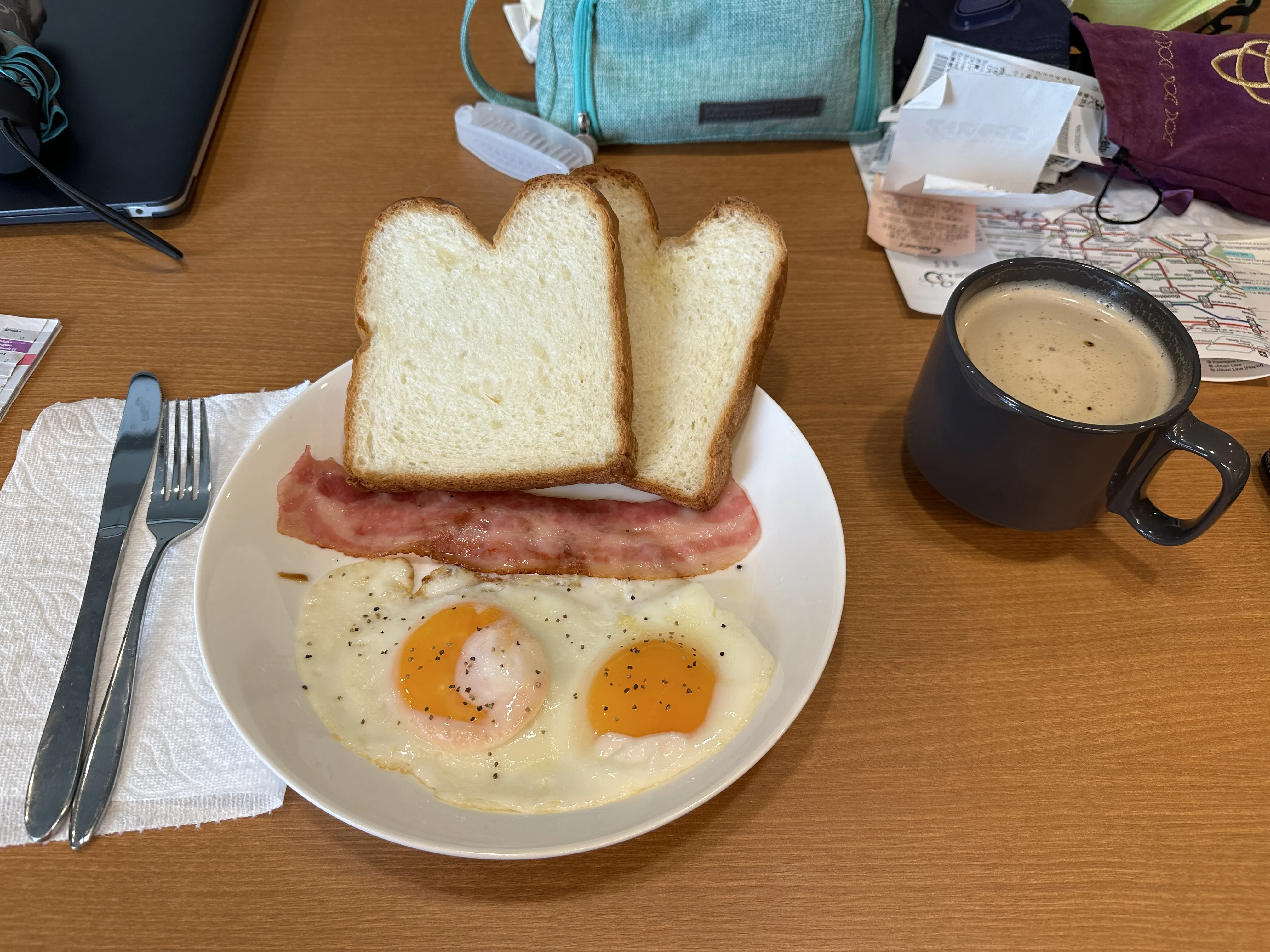
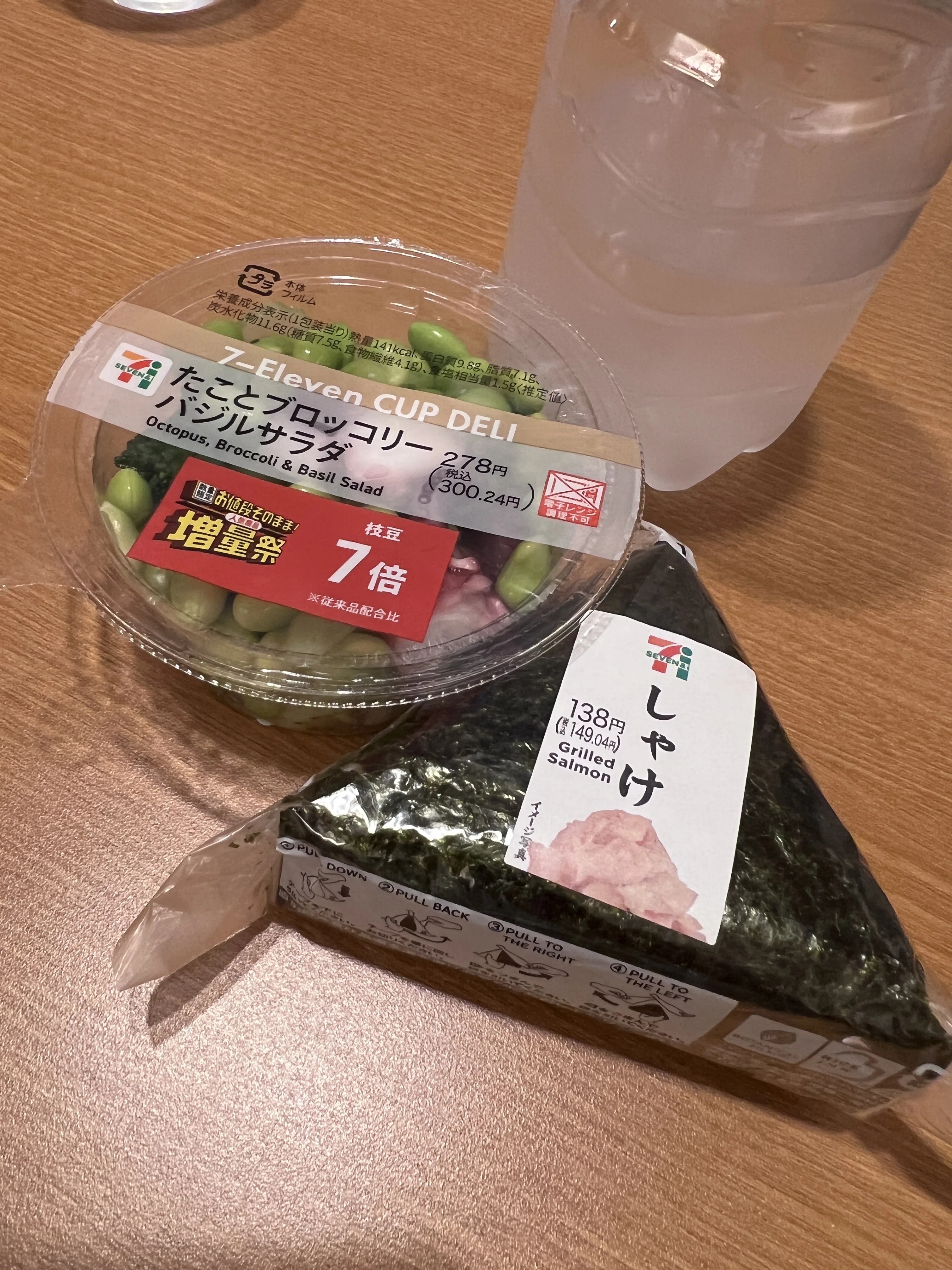
The hotel does not serve breakfast. Every room has a kitchen, so buy simple food the night before; on early days, convenience-store takeaway is also easy.
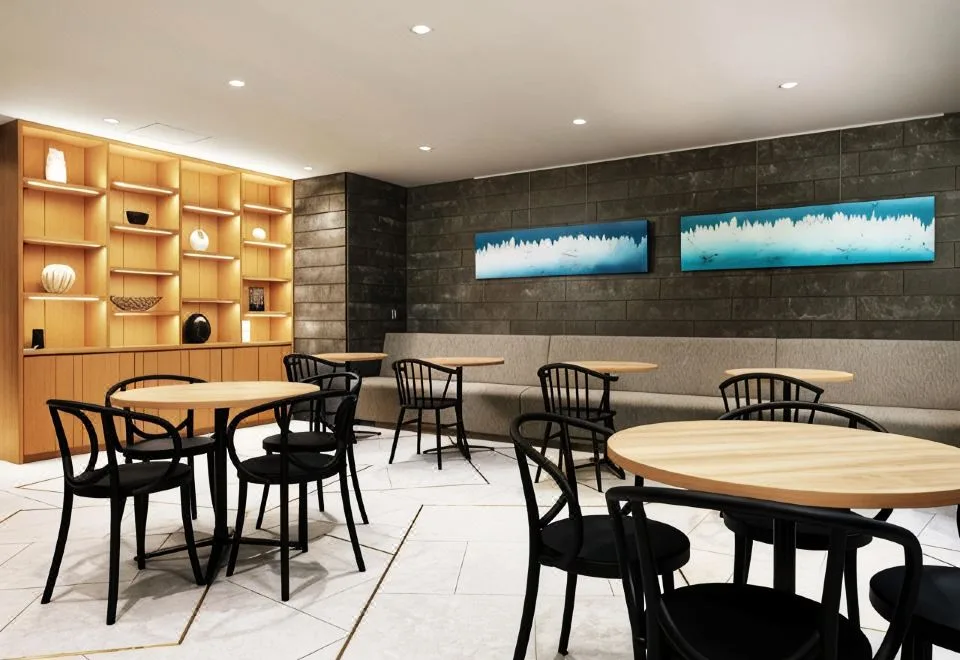
There is a convenience store on the first floor of the building, and the opening information also mentions an Italian family restaurant on the second floor. Buy bread, fruit and milk the night before and eat slowly at the dining table in your room; that beats rushing out to find a breakfast place. The kitchen handles simple heating, with the IH stove and microwave both there, so noodles or a fried egg are easy.
No breakfast service hands the morning back to you: sleep in if you want, and buy whatever you fancy the night before.
If you want something hot without cooking it yourself, the first-floor convenience store sells microwave meals and onigiri to heat back in the room.
Nearby walks: make time for the neighbourhood
If Ginza department stores are a daily destination, include the round-trip transport time in your itinerary.
Split the outing into manageable sections and take the Nihonbashi area slowly; the old streets and department stores along the way fit into a single afternoon.
Nihonbashi is 410 metres away, an easy walk, and the old streets around the bridge are worth an afternoon of their own. For department stores, head toward Nihonbashi and Tokyo Station; the streets in between are office blocks, busy by day and quiet at night.
The streets around Kayabacho Station are an office district, lively on weekday days and quiet at night. For shopping, head toward Nihonbashi, where the department stores and old shops are.
For an evening walk, Hatchobori is quiet after dark, with street lights along the main streets.
Short stays, longer stays and my recommendation
For a short stay, confirming beds and arrival arrangements avoids unnecessary trouble. For longer stays, understand this hotel’s cleaning rhythm in advance rather than assuming a standard hotel’s daily room cleaning.
Go in expecting a different cleaning rhythm: each day only the bath towels, face towels and bath mats are replaced and the room is vacuumed. A full cleaning starts from the third day of your stay and then runs every two days, covering the bathroom and all areas except the kitchen, with the beds made. The kitchen is not included. Extra cleaning costs more, so ask the front desk in advance. Towels and rubbish are dealt with daily and consumables are topped up, so a longer stay will not run out of supplies.
Children are welcome at any age; the official site defines a child as 6 and under. Baby cribs and bed guards can be borrowed free of charge, but numbers are limited, so contact the hotel before booking to confirm. The booking page says something different, that no room type allows extra beds or baby cribs, so ask the hotel directly about a crib before booking to be safe. You must be 18 or older to check in, and pets are not allowed, except for service animals.
Check-out is before 11:00, and luggage delivery must be arranged by the day before check-out at the latest. If you have an early flight, sort the delivery out the night before and leave in the morning with only a day bag. The front desk opens at 07:00, so you can hand your bags over before an early departure.
Staying more than a week, build the laundry and cleaning rhythm into the plan: the coin laundry runs 24 hours, full cleaning comes every two days, towels are changed daily, and the front desk tops up anything that runs short.
For a family apartment stay around Hatchobori, MIMARU Tokyo Station East goes on my shortlist. Before booking, confirm the number of guests, exact apartment category, bedding and arrival time.
Pros and cons summary
Pros
- About 2 minutes on foot from Hatchobori Station, about 3 minutes from Kayabacho and about 14 minutes from Tokyo Station, handy for transfers and shopping.
- All 85 rooms start at 40 square metres, 70% in two-bedroom layouts, so the whole family stays under one roof.
- Every room has a kitchen and a dining table, with an IH stove, refrigerator, microwave and tableware, so breakfast is yours to arrange.
- High-floor suites have an in-room washer-dryer, and the building has a 24-hour coin laundry, so longer stays never run out of clean clothes.
- Opened in June 2022, so the rooms and equipment are new; an accessible room can be booked on request.
Cons
- No breakfast is served, so buy your own or eat out in the morning.
- Full cleaning starts from the third day and then runs every two days, with the kitchen excluded; daily service only changes towels and vacuums.
- The nearest exits, A4 and B4, have no lift, so luggage means using the A2, A3 or B2 exits instead.
- The front desk is staffed only until 22:00, so a late arrival must be arranged in advance.
- Crib and extra-bed information conflicts: the booking page says no room type allows extra beds or baby cribs, while the official FAQ says a baby crib can be borrowed free of charge, so ask before booking.
Information checked: 23 November 2026