
Home / Japan / Tokyo / Chuo Ward hotels
TOKYO / CHUO
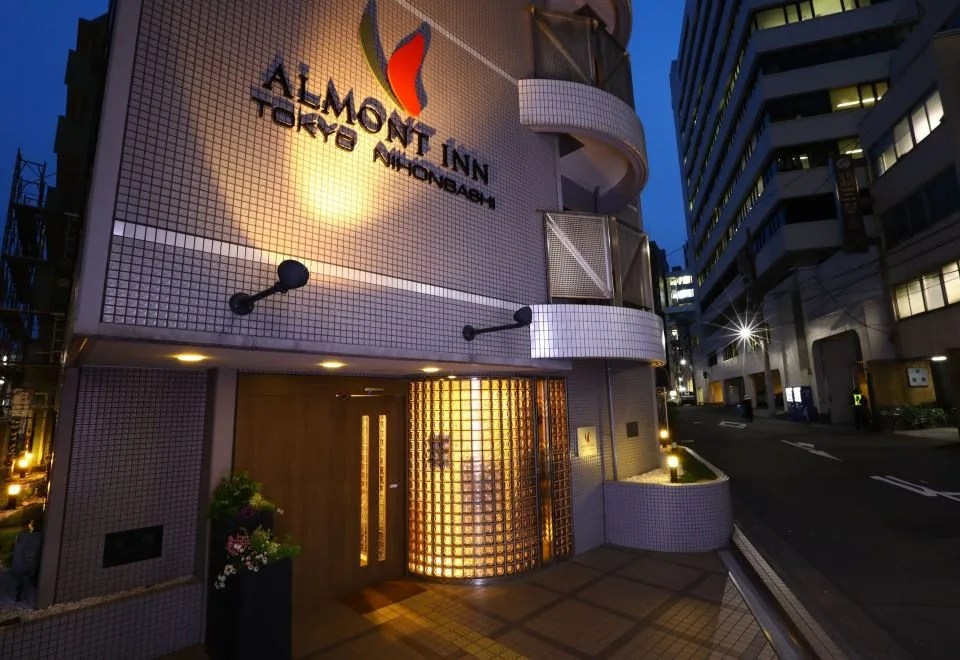
Almont Inn Tokyo Nihonbashi
Almont Inn Tokyo Nihonbashi
If my Tokyo trip were mostly about going out during the day and returning for a good night’s sleep, Almont Inn Tokyo Nihonbashi would make my solo-travel shortlist. Kayabacho and Suitengumae stations are within walking distance, and free bread, yogurt and drinks are available in the morning. Its appeal lies in taking care of simple things you use every day.
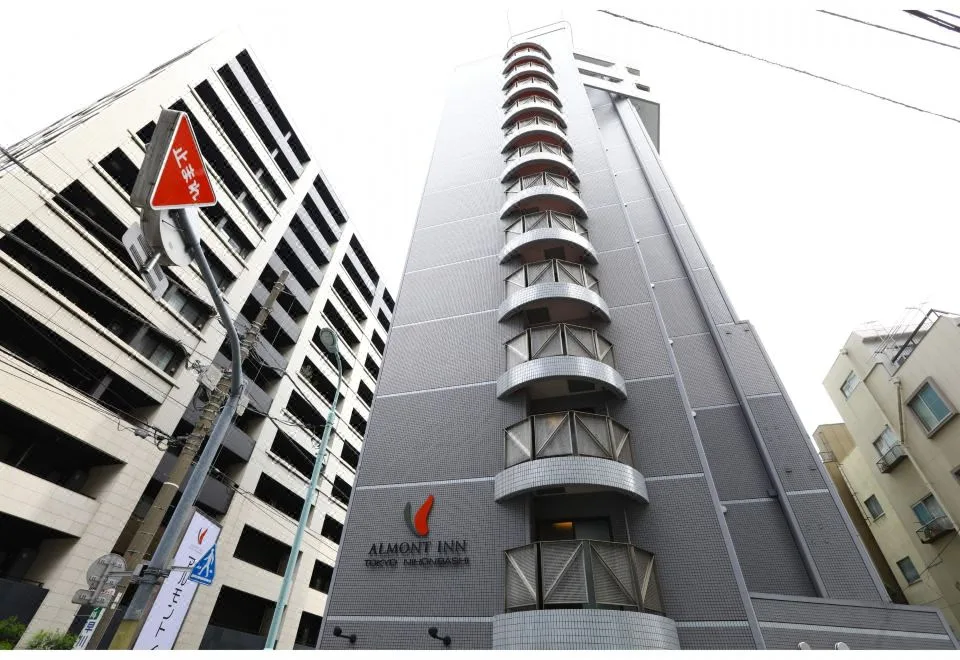
Reasons to stay and trade-offs to consider
Reasons to choose it
- Complimentary light breakfast is convenient if you do not want to head out hungry or find a café just for coffee.
- Kayabacho and Suitengumae stations offer route choices, and Nihonbashi and Ningyocho work well as a half-day walk.
- The welcome at reception is warm, and the neighbourhood is relatively quiet, making it a good place to rest.
Trade-offs
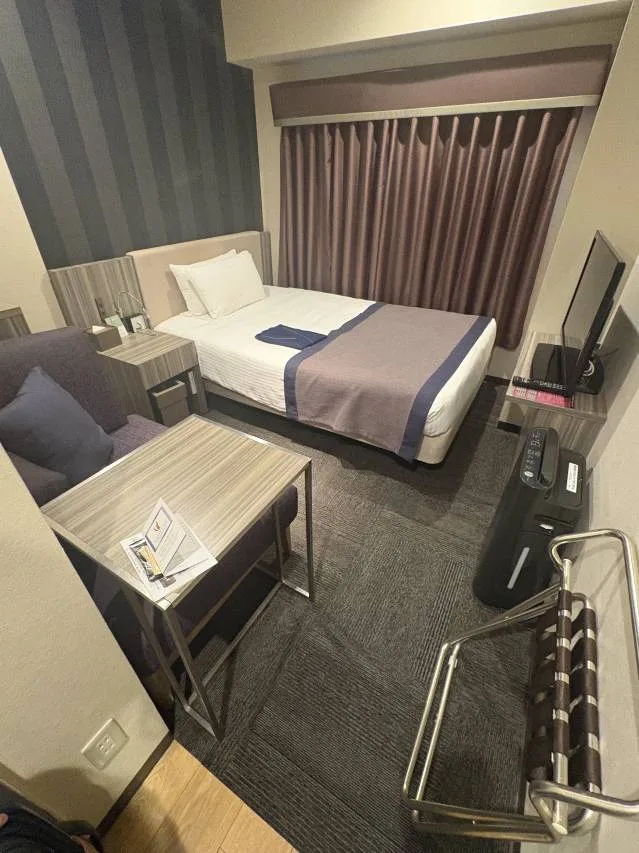
- An 11 m² room with a 120 cm bed is tight for two people and large open suitcases.
- Breakfast is light; if you want a full hot Japanese meal or a varied menu every day, eat out.
Rooms and luggage space: what to choose
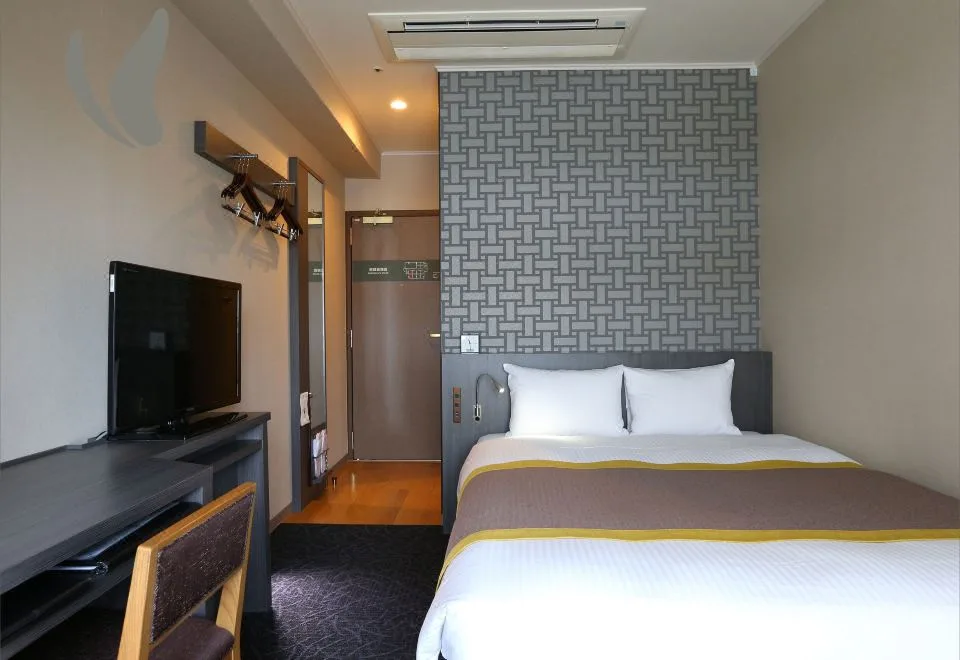
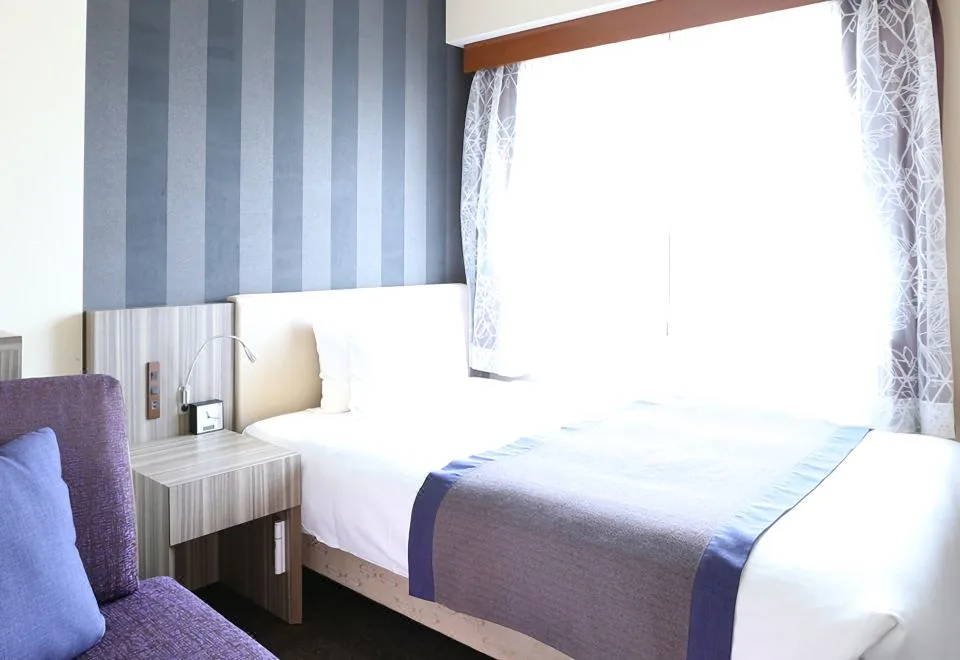
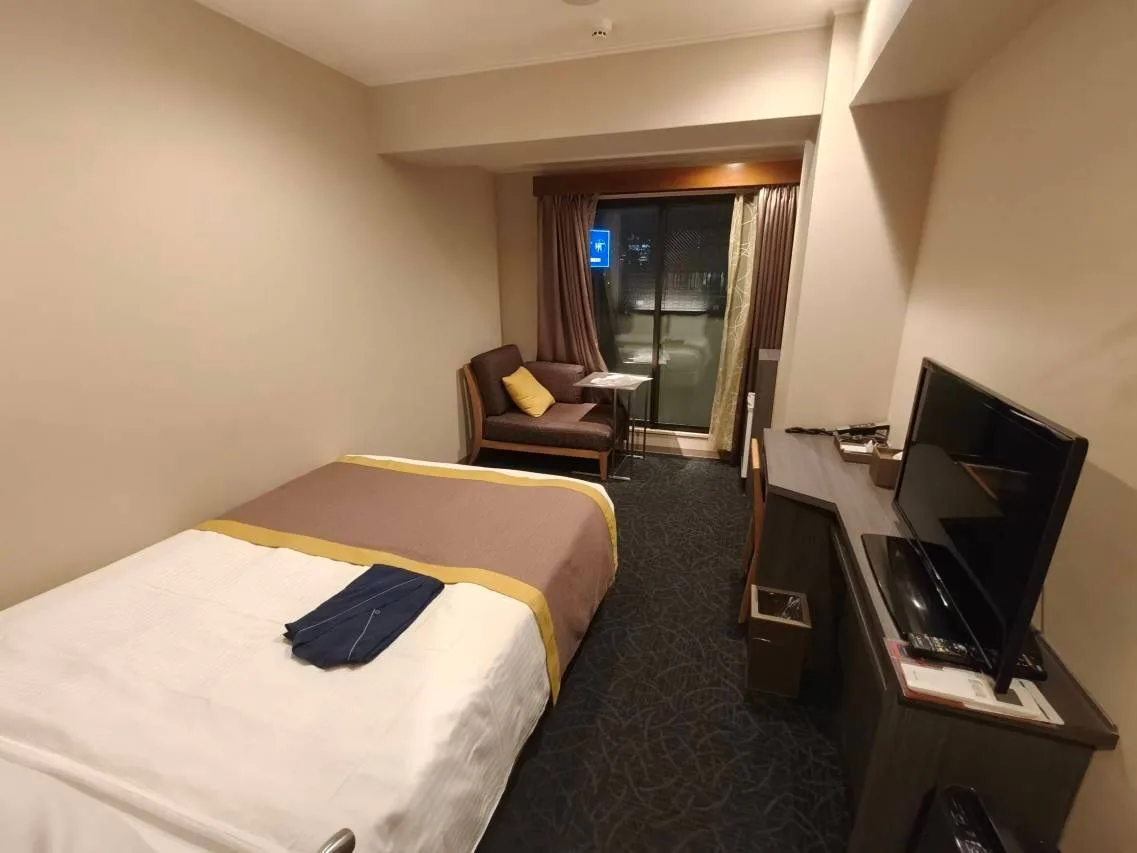
According to the hotel’s website, the 11 m² Single and Semi Double for two occupy the same-sized room and have a 120 cm-wide bed; the 14 m² Double has a 140 cm-wide bed. The smaller room suits one person; two travellers should compare at least the larger Double. Capacity for two does not make an 11 m² room spacious. With two hard-shell suitcases, unpack one at a time and stand it up again to leave a path by the bed.
Start with size and bed width across the three room types: the 11 m² Single for one guest, the 11 m² Semi Double with a 120 cm bed for two, and the 14 m² Double with a 140 cm bed for two. Every room has a Simmons mattress and an air purifier, and the whole hotel is non-smoking, so the sleeping setup is sorted before you think about luggage.
Children of all ages may stay, but no room type offers extra beds or cribs, and a child without an extra bed may still be charged; the guest checking in must be 18 or older. For two guests, do not stop at ‘sleeps two’ — check the guest limit and bed width first, then decide whether to step up to the 14 m² Double.
When booking, look at the room page for size and bed width, not just the room name: the Single and Semi Double are both 11 m², differing in bed width and guest capacity, while the Double is 14 m² with a 140 cm bed. The bedside passage in the photos is the real width, so heavy packers should plan where to open their cases first. Bed widths and sizes are all on the room page, so check them once before booking.
Bathrooms and everyday essentials
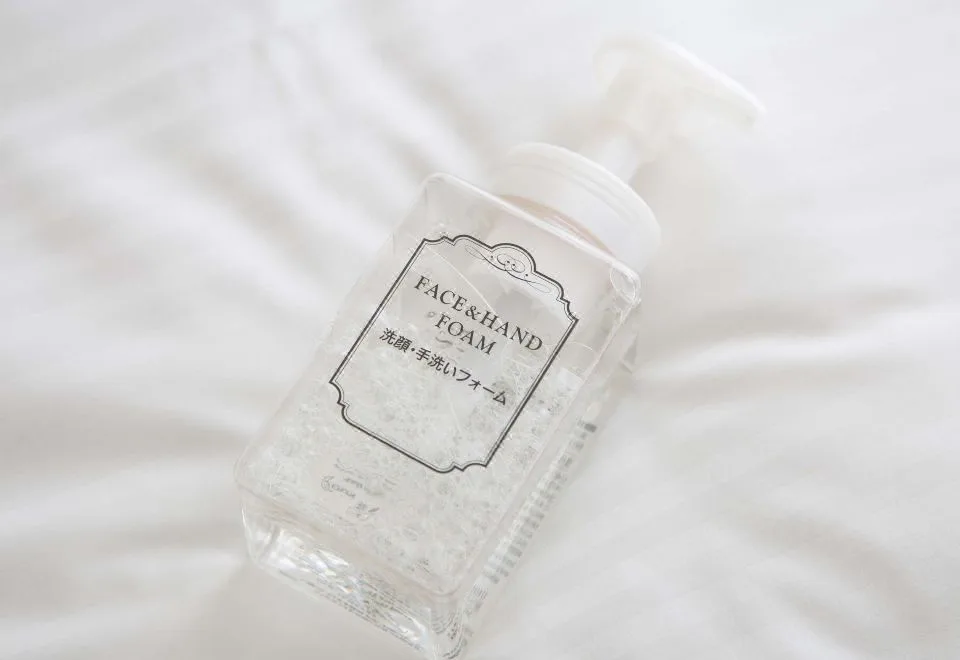
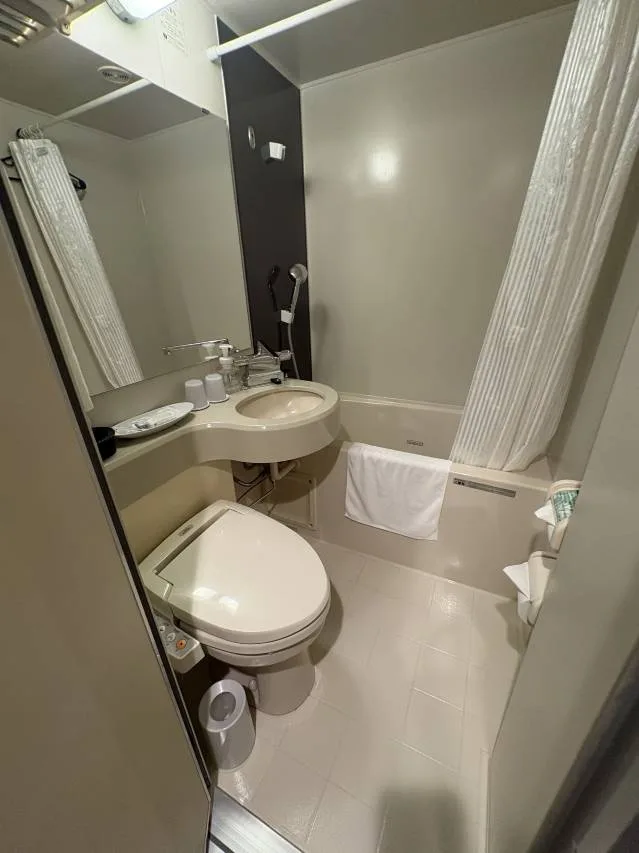
The bathroom is a combined unit with the washbasin, toilet and bathtub in one small room, and the photos show toiletries set out beside the basin. Space is tight, so washing, brushing teeth and getting ready all happen here, and two guests sharing a room should take turns.
After a shower, hang the towels up and put the toiletries back by the basin, or the next morning will feel even more crowded against the luggage. The room is small to begin with, and an untidy bathroom makes the morning rush worse.
Breakfast: plan around your mornings
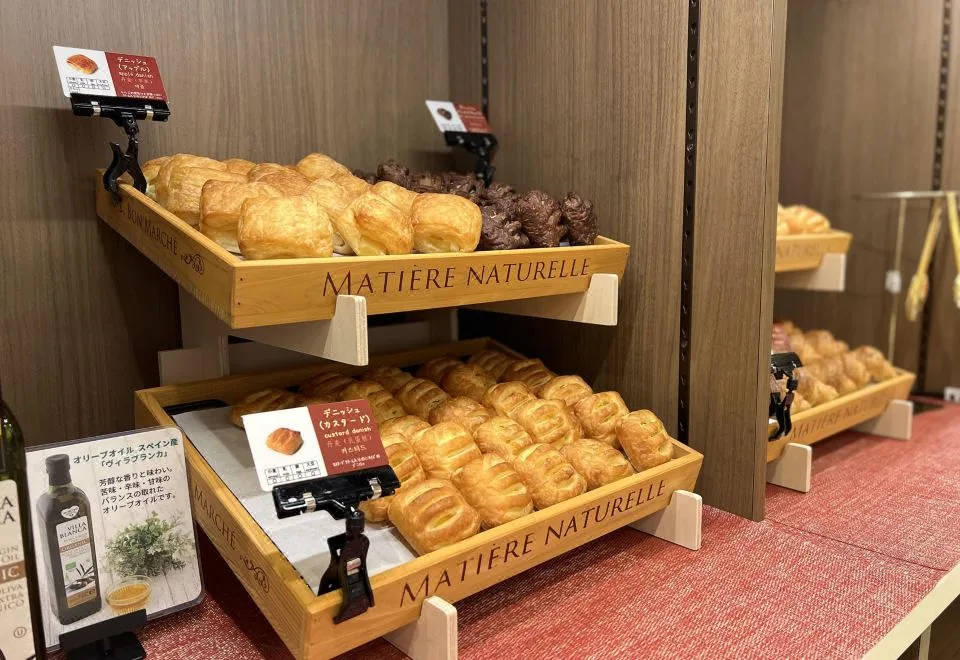
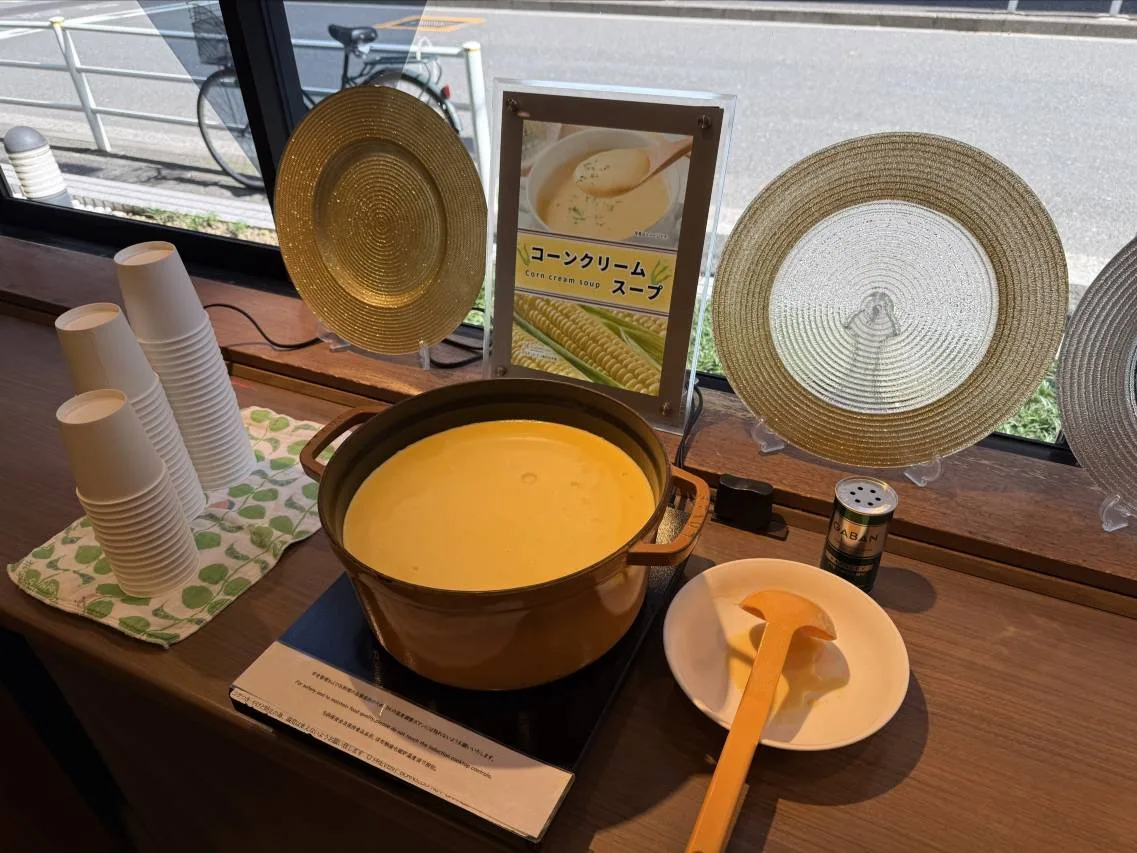
Think of this as a quick bite before heading out. The hotel confirms a complimentary light breakfast of bread, yogurt, corn soup and drinks. It is not a substantial meal you need to pay extra for. If I were exploring Nihonbashi that day, I would eat something light here and save a fuller meal for a neighbourhood café or restaurant. For a longer stay, alternate with breakfast outside instead of expecting a different hot-food spread every morning.
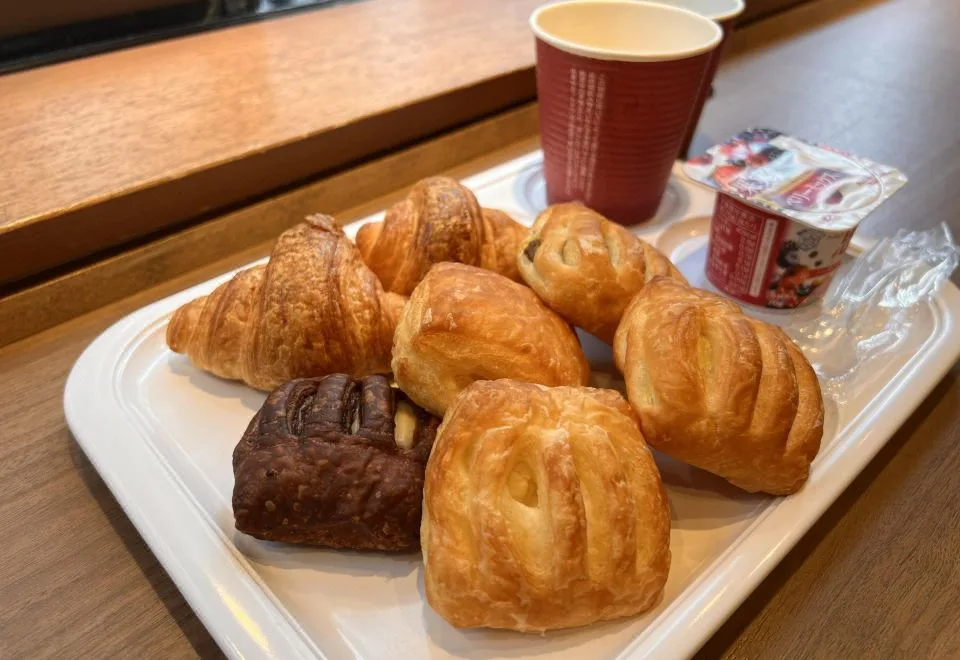
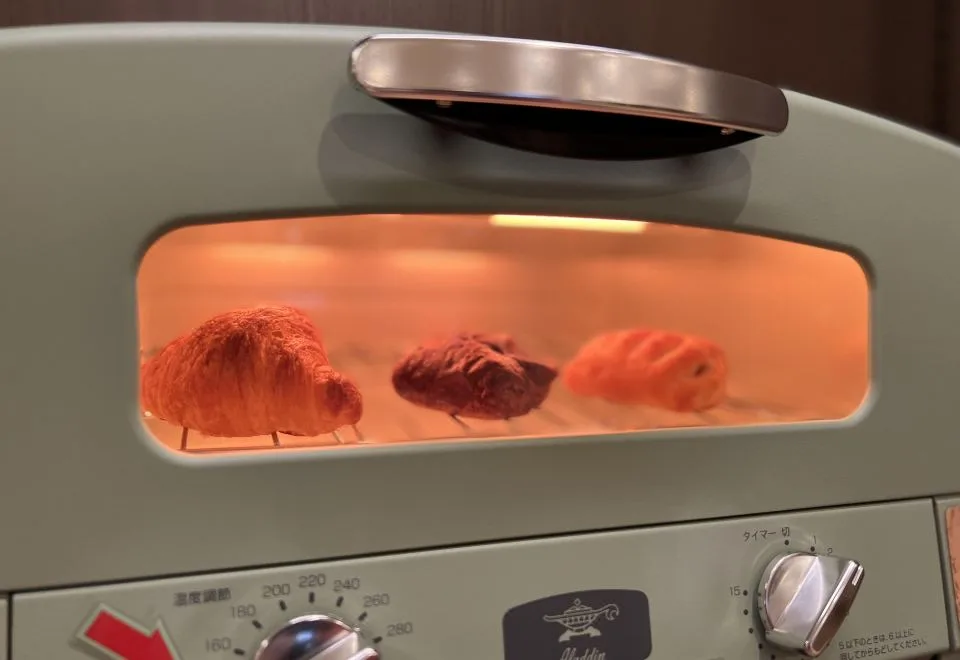
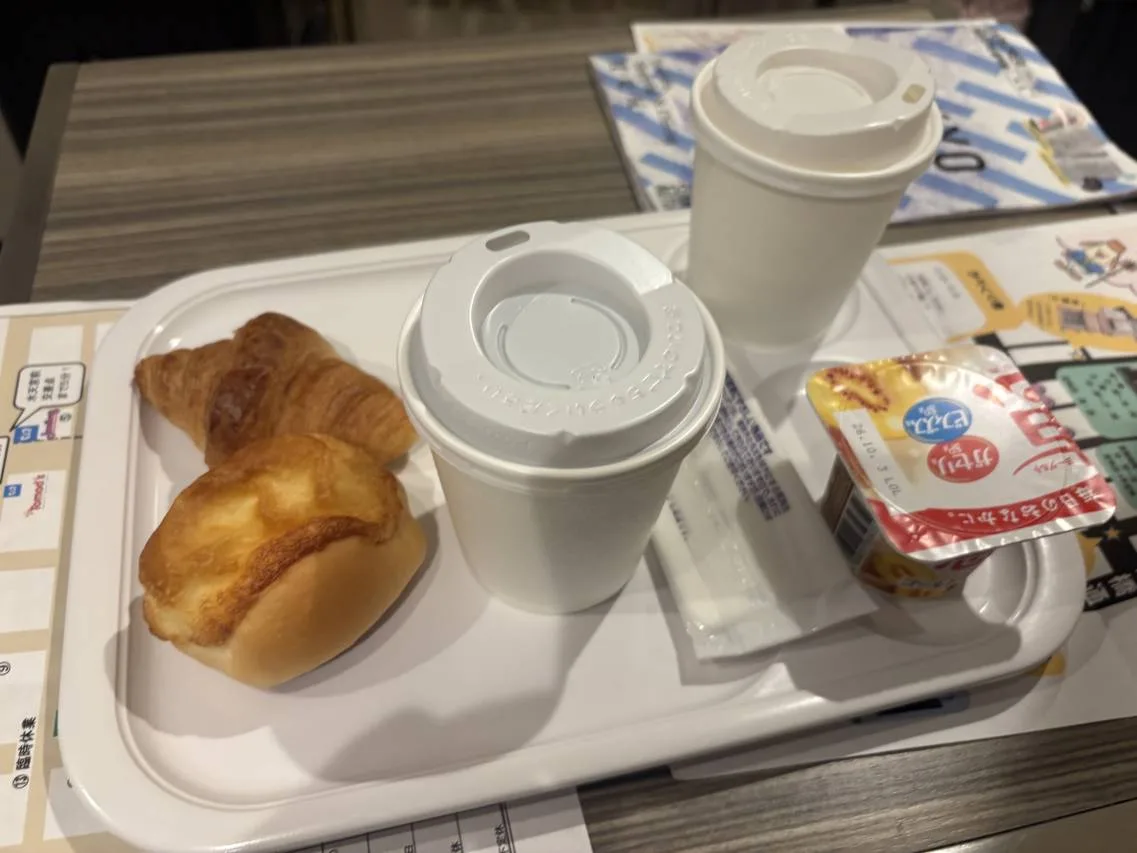
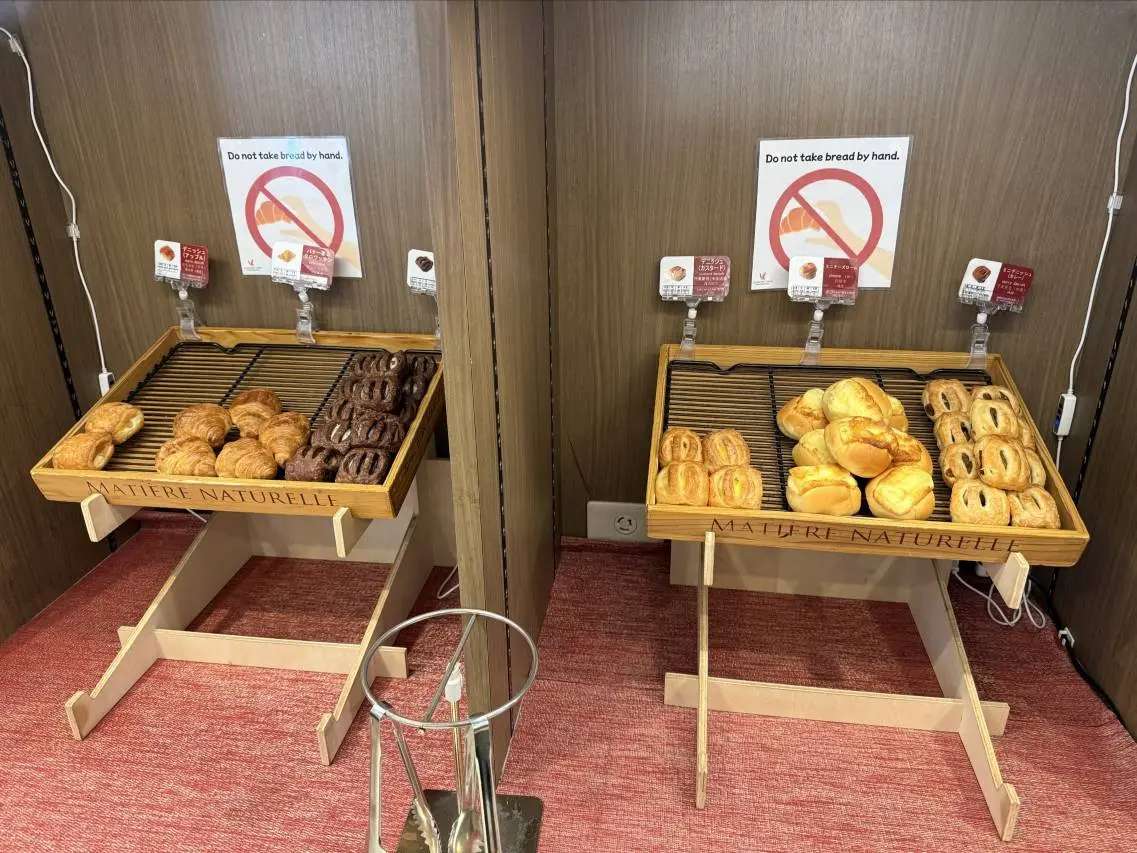
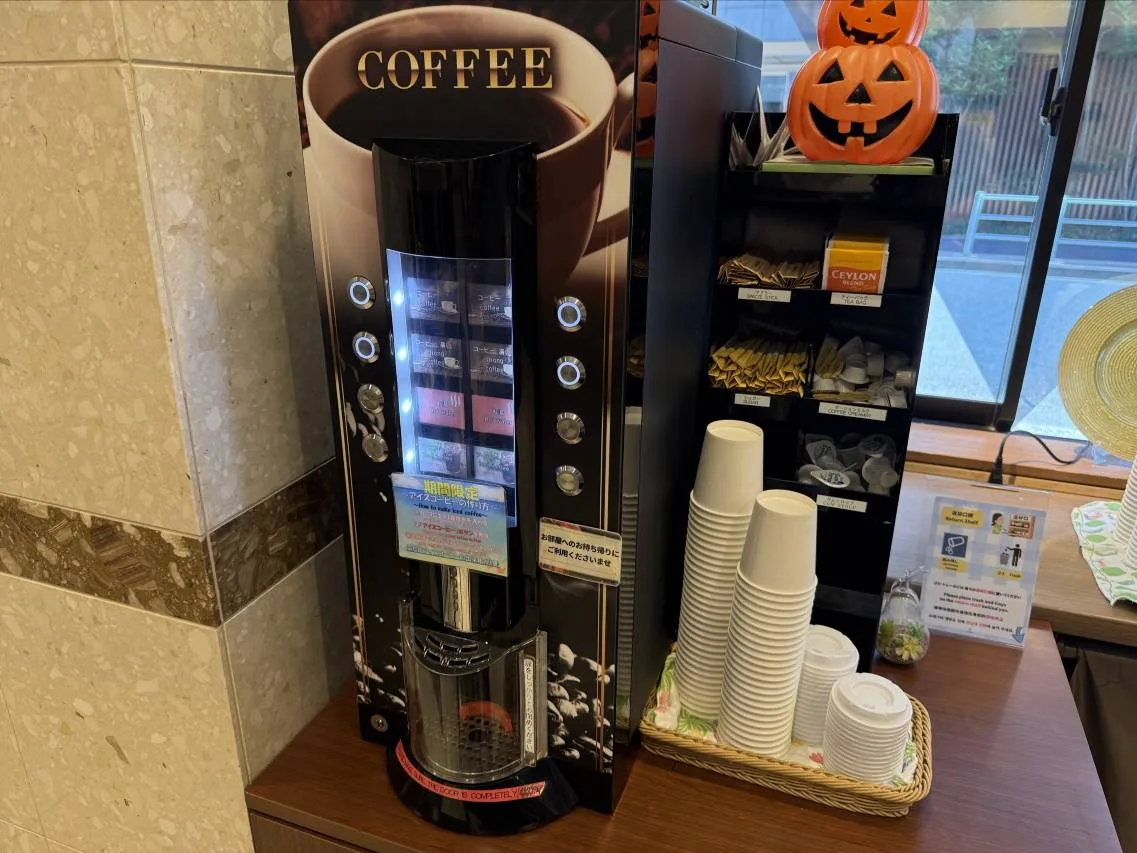
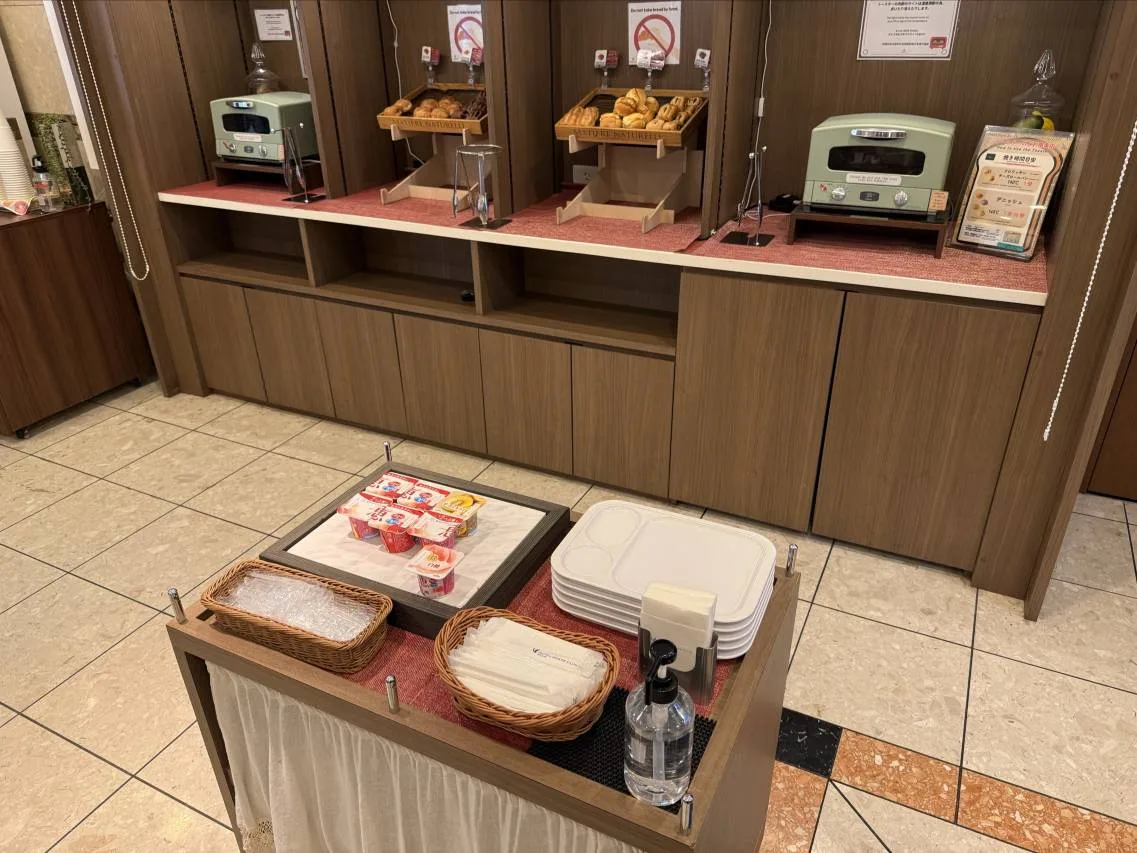
The complimentary light breakfast runs daily from 06:30 to 09:30 and is free for every guest, adults and guests aged 17 and under alike. It is bread from a self-service station, yogurt, corn soup, coffee and soft drinks, with a toaster for the bread and the coffee machine beside the drinks area.
The photos show breakfast as it actually is: a bread basket, bread in the toaster oven, hot soup with yogurt, and the coffee machine. Treat it as something to eat before heading out, and save a full meal for a Nihonbashi café or restaurant; over several nights, alternate with breakfast outside instead of expecting a new menu every morning.
Breakfast runs 06:30–09:30 with no reservation needed — just go to the serving area. Late risers should note that service ends at 09:30, and missing it means eating out; early risers can eat a little first, then take their time around Nihonbashi.
Location, transport and luggage
The official directions give about a five-minute walk from Kayabacho Exit 4a or Suitengumae Exit 6. These are ordinary walking routes. With heavy luggage there is no need to guess: Kayabacho Exit 4a itself has a lift to street level, and at Suitengumae take Exit 4 instead, where the street lift is. The hotel’s website estimates about ten minutes on foot from T-CAT; allow extra time in the rain or with two bags.
On the Hibiya Line at Kayabacho, the street-lift exits are 10, 1a and 4a, so the hotel’s official Exit 4a route and the lift route are the same exit; the Kayabacho 2-chome-side gates also lead to a lift at Exit 1a. At Suitengumae, use the City Air Terminal-side gates toward Exit 4, which differs from the official Exit 6 walking route; allow extra time from street level to the hotel.
With heavy luggage there is no need to guess the exit: Kayabacho Exit 4a itself has a lift to street level — the Hibiya Line street-lift exits are 10, 1a and 4a — so the hotel’s official route and the lift route are the same exit. At Suitengumae, switch to Exit 4, where the Hanzomon Line street lift is, not the official Exit 6 walking route, and allow extra time from street level to the hotel.
Tokyo Station is about a 25-minute walk from the hotel, and JR Shin-Nihonbashi station is 1.0 kilometre away; for flights, the airport limousine bus from Haneda or Narita stops at T-CAT, about a 10-minute walk away. In the rain or with two bags, allow extra time.
Kayabacho and Suitengumae are both within walking range, so either station reaches the hotel; the Hibiya Line runs toward Roppongi, Tsukiji and Ebisu, and the Hanzomon Line toward Shibuya and Omotesando, so check which direction you need before choosing a station.
Address:4-6 Nihonbashi Koami-cho, Chuo-ku, Tokyo 103-0016, Japan
Where to go and eat nearby
Koami Shrine, Nihonbashi and Ningyocho combine into one relaxed day, stopping for snacks before heading back. Convenience stores and places to eat are nearby for supplies. If your goal is to step straight into Ginza’s department-store district, this location is less direct and you will need to plan transport for shopping.
For a half-day nearby, the Nihonbashi museums and historic buildings make an easy walk.
Koami Shrine is 330 metres away and fits a quiet morning walk; Suitengu Shrine stands about 70 metres from the Suitengumae exits, and the old-shop lane of Amazake Yokocho is about 270 metres away. This is a neighbourhood for walking slowly, not for rushing between sights.
The Nihonbashi Mitsukoshi store, COREDO Muromachi and the Nihonbashi Bridge make one half day, and Ningyocho is also within walking range. Ginza is 1.3 kilometres away, the Imperial Palace 2.4 kilometres and Akihabara 2.8 kilometres, so plan transport for those instead of relying on walking alone.
Ningyocho is close by, and the Amazake Yokocho lane has old shops and snacks, good for a morning or evening walk; for souvenirs or a proper dinner, look in Ningyocho and Nihonbashi first instead of travelling far.
Useful amenities and services
Luggage storage and public Wi-Fi are available, and the breakfast area has a coffee machine for a morning cup. They are useful when arriving early or leaving late: store your bags, then explore. The appeal is a clean place to rest, a light breakfast and the Nihonbashi location rather than large leisure facilities.
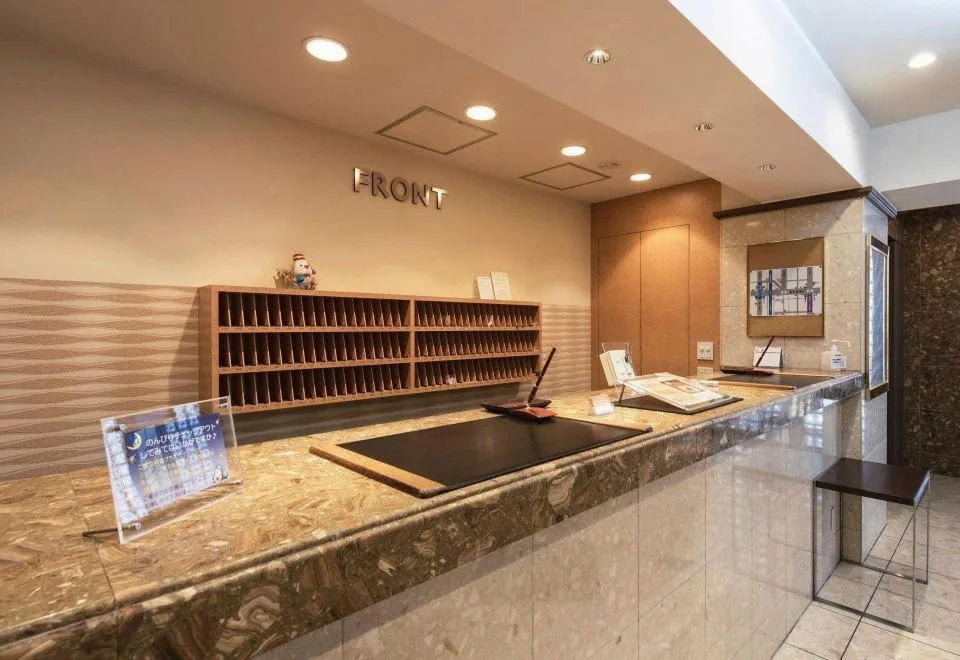
The front desk is staffed 24 hours but works in Japanese only; if you do not speak Japanese, save the address, check-in date and room type on your phone, or have a translation app ready, and show it at check-in. Free luggage storage, free Wi-Fi, an elevator, a vending machine and a water purifier are all in the building.
Laundry is a paid service with a dryer; an iron, fax and photocopying are also paid. The whole hotel is non-smoking, rooms and public areas alike. Halal food is found outside the hotel, and with no restaurant listed on the booking page, dinner is best found in the neighbourhood.
The breakfast area has a heating section, so put the bread in the toaster oven and warm the soup before eating — it tastes better warm than cold; serving and heating happen in the same area, so there is no carrying trays up and down.
One or two nights versus a longer stay
For one or two nights, the limits of 11 m² are most obvious when unpacking. Over four or five nights, clothes, shopping bags and daily access to luggage make the small space more noticeable. Upgrading to the 14 m² Double is worth it for storage as much as bed width. If laundry matters, the hotel offers a paid laundry service and a dryer; ask reception about current facilities and charges.
Check-in runs from 15:00 until 02:00 the next morning, and check-out is before 10:00, which is early, so late risers should plan the next morning first. Children of all ages may stay, pets are not allowed, and the guest checking in must be 18 or older, so a minor cannot check in alone.
The Hokke Club point card ends on November 30, 2026, under the operator’s notice dated December 1, 2025; the web membership service continues, but point earning and point use stop there. Existing members need not worry — booking is unaffected.
Arriving early is no problem: leave your luggage at the front desk first, then head out to Nihonbashi; on check-out day, leave by 10:00 and store your bags again until it is time to leave, so you can walk around hands-free instead of dragging cases.
Accommodation details worth checking
The main question is how much a small room will affect you. Staying alone, I find the room adequate; but an open suitcase leaves almost no walking space. Both can be true at once. A backpacker staying alone may be comfortable, while someone organising shopping every day should consider a larger room.
Language is another thing to sort out first: the front desk works in Japanese only, so I save the check-in details on my phone and show them at the desk, which gets the job done with few words. For directions or laundry questions, open the translation app before asking.
The booking page lists no restaurant or parking information for the hotel, so do not assume a restaurant downstairs or a car park on site; plan dinner and parking in the neighbourhood and leave room for them in the itinerary.
My recommendation
I would recommend it for light-packing solo travellers who like exploring Nihonbashi at an easy pace and appreciate a simple breakfast on-site. Two people should compare the 14 m² Double first. If spacious rooms and substantial brunches are the priority, consider putting the budget toward another hotel.
This hotel fits light-packing solo travellers who like exploring Nihonbashi at an easy pace and appreciate a simple breakfast on-site; two guests should look at the 14 m² Double first, and heavy packers even more so. If spacious rooms and substantial brunches are the priority, the budget is better spent on another hotel.
Before booking, check five things once more: the room guest limit and bed width, the light-breakfast format, check-out before 10:00, the Japanese-only front desk, and the lift exits — Kayabacho 4a or Suitengumae 4 — for heavy luggage. If all five are acceptable, book. Think through these five points before booking, so no small detail catches you out after check-in.
Pros and cons
Pros
- Complimentary light breakfast is convenient if you do not want to head out hungry or find a café just for coffee.
- Kayabacho and Suitengumae stations offer route choices, and Nihonbashi and Ningyocho work well as a half-day walk.
- The welcome at reception is warm, and the neighbourhood is relatively quiet, making it a good place to rest.
- A 24-hour front desk and free luggage storage make early arrivals and late departures easy.
- Simmons mattresses in every room and a fully non-smoking hotel keep the sleeping environment simple.
Cons
- An 11 m² room with a 120 cm bed is tight for two people and large open suitcases.
- Breakfast is light; if you want a full hot Japanese meal or a varied menu every day, eat out.
- No room type offers extra beds or cribs, so families with children must book within the guest limit.
- The front desk works in Japanese only, so bring a translation tool if you do not speak Japanese.
- Check-out is before 10:00, so late risers should plan the next morning first.
Information checked: 22 November 2026