
TOKYO / CHUO
CITAN Hostel
CITAN Hostel
Café, bar, dormitory and private rooms: check bathroom arrangements
CITAN Hostel suits travellers who want their accommodation to be part of meeting people along the way. There is coffee downstairs, a basement bar with food and music events, and dormitories and private rooms upstairs. If you enjoy that lively mix, it is likely to be more memorable than a conventional business hotel.
| At a glance | How I’d choose |
|---|---|
| At a glanceBest for | How I’d chooseGreat for solo travellers, friends and anyone who likes cafés and meeting people in shared spaces. If you require complete quiet, a private bathroom or traditional hotel service, check the accommodation setup carefully. |
| At a glanceCheck before choosing a bed | How I’d chooseThe official room selection includes mixed dormitories, female dormitories and private rooms with Twin, Queen or King bed configurations. |
| At a glanceMain trade-off | How I’d chooseThe official description lists a basement DJ lounge, which is appealing for music and socialising. Light sleepers should ask about room floors and event schedules before booking. |
Choosing a bed with enough luggage space
The hostel offers mixed and women-only dorms, as well as private rooms with Twin, Queen or King beds.
| Room type | Space or setup | Best choice for |
|---|---|---|
| Room typeMixed / women-only dormitory | Space or setupDormitory bed | Best choice forComfortable with roommates and shared bathrooms |
| Room typeTwin / Queen / King private room | Space or setupPrivate sleeping space | Best choice forCheck bathroom facilities in the room details |
For details, see theroom descriptions; check the exact bed arrangement and permitted occupancy in your booking.
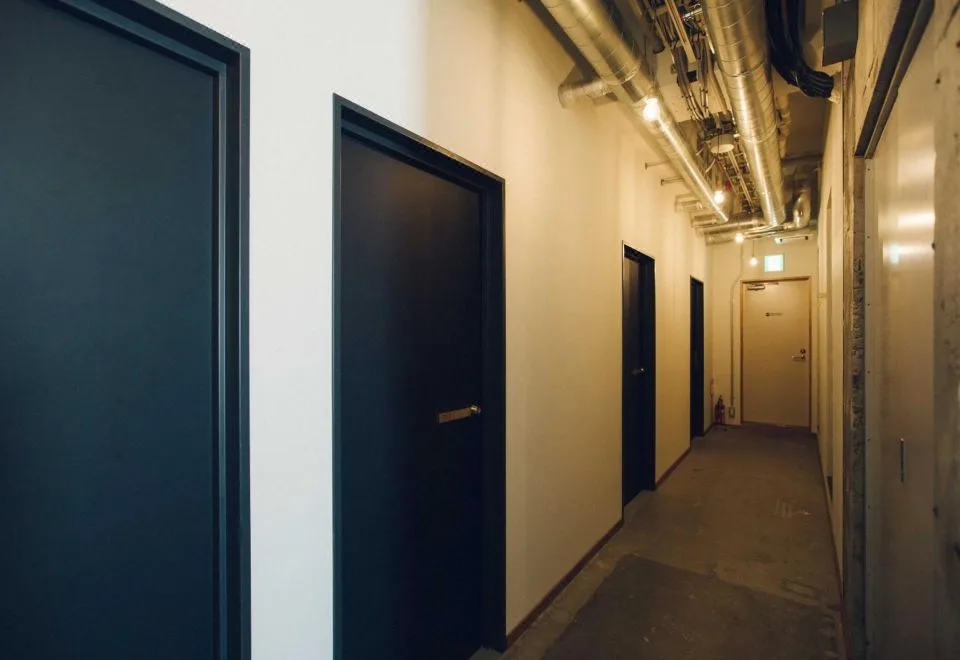
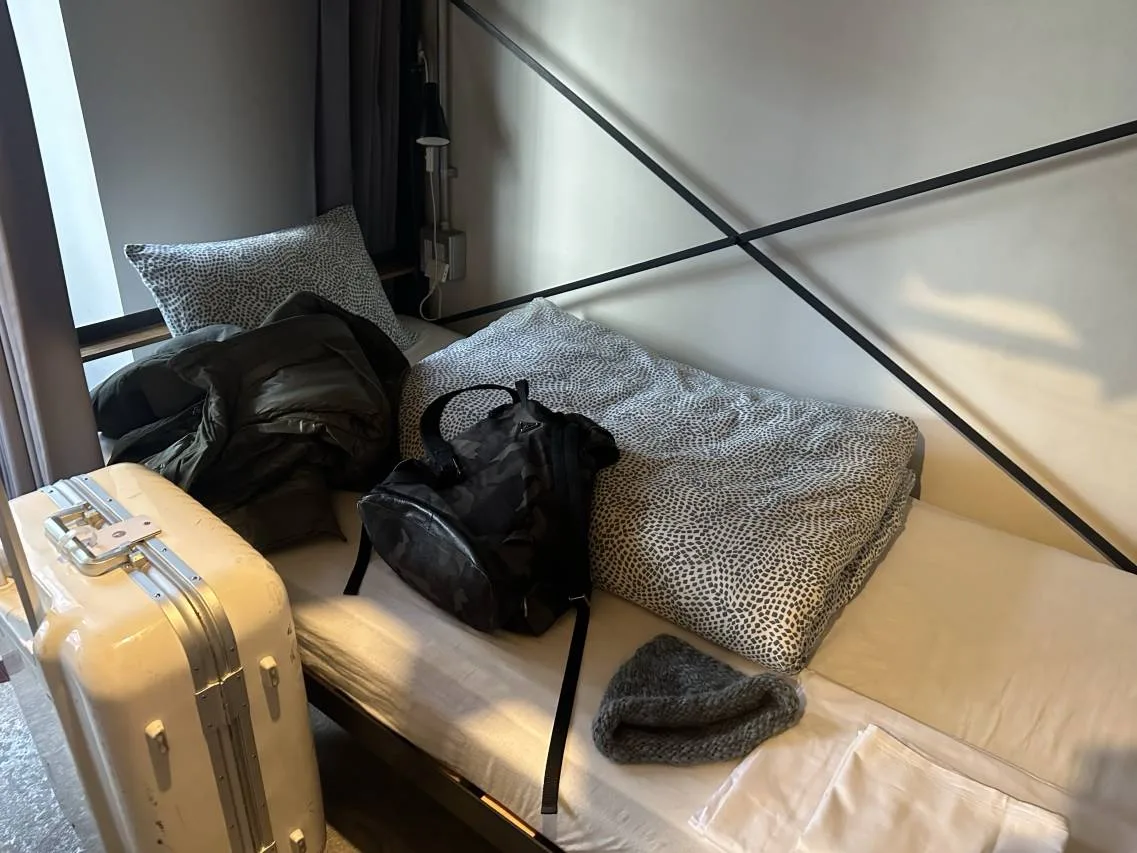
Dorms come in four- and eight-person rooms, with sturdy iron-frame bunks. Each bed has a privacy curtain, a reading light, several power outlets and a small locker, and slippers and free Wi-Fi come as standard. Women-only dorms have the same setup. The point to settle first: bathrooms and showers are shared on every floor, and private rooms have no private bathroom either.
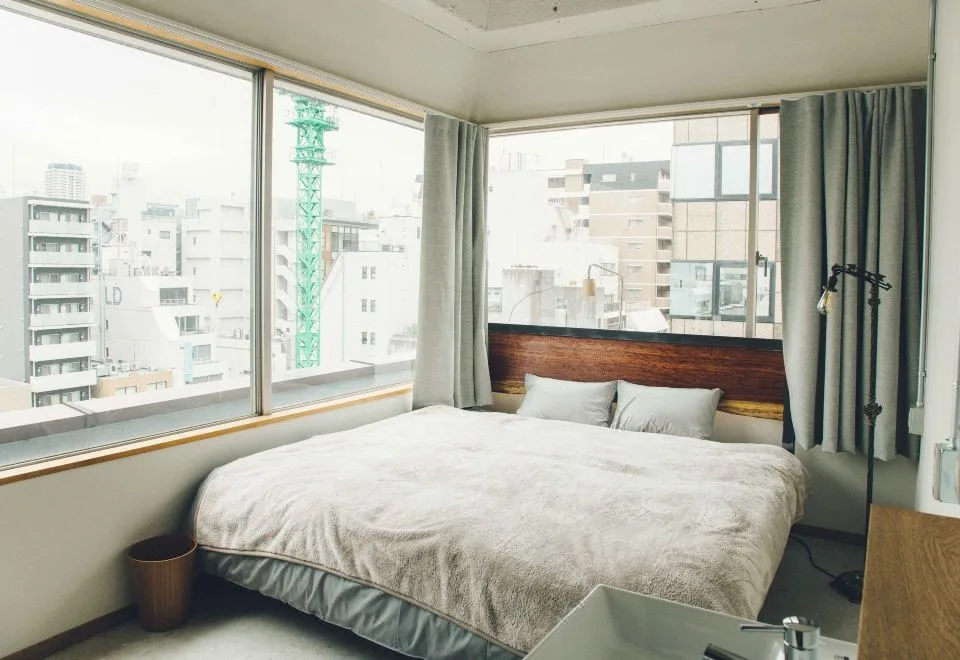
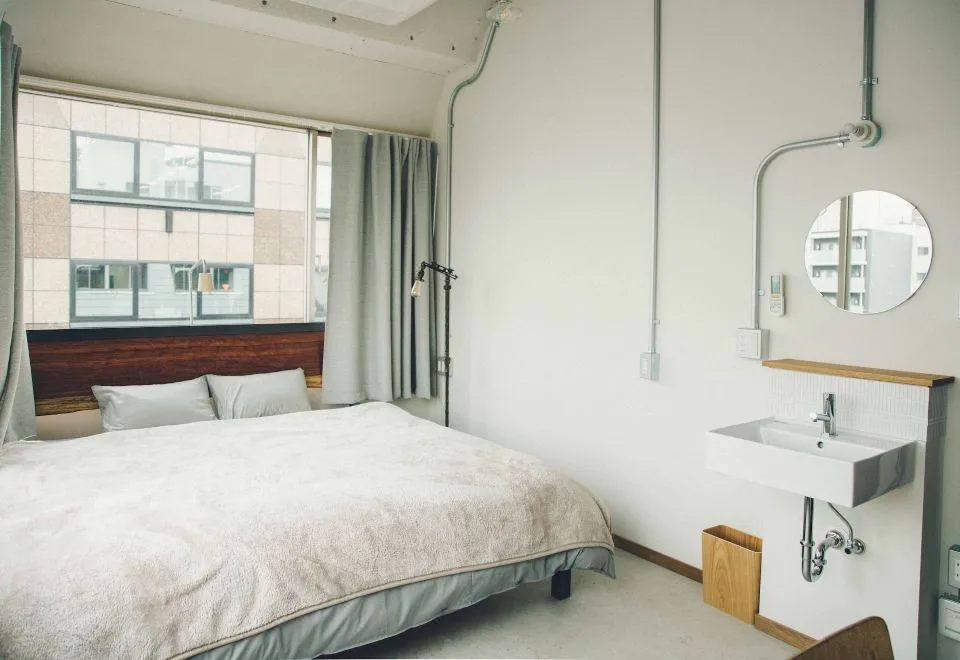
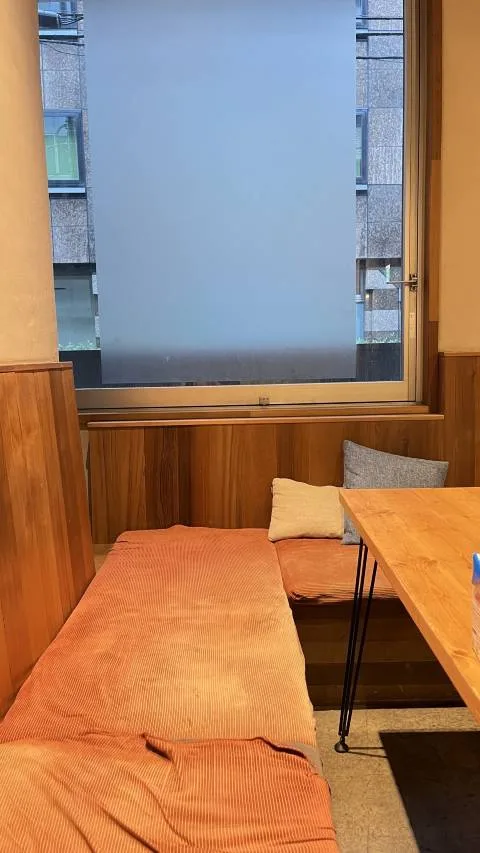
Private rooms come in four types. The Twin sleeps two on bunk beds, with a small desk, a washbasin and mirror, and toothbrush, towel and hair dryer provided. The Single has a loft bed and a dedicated workspace desk, made for one person staying several nights who still needs to work in the evening. Queen beds are 160×200 cm, with Standard and Large differing in room and desk size; King beds come in 180×200 and 194×200 cm, with the largest windows on each floor, a sofa and a full-length mirror.
My order for choosing a room is bathroom first, bed second. Take a dorm if shared bathrooms are fine and budget matters; take a private room if sleep matters more, but do not treat it as a hotel suite — the bathroom is shared on your floor, and only the washbasin sits inside the room. With a top bunk, think first about whether you can climb up comfortably, and leave large cases at reception; the small locker by the bed is for valuables and small items.
Room size varies by floor and room type, and the same room type can feel different depending on window and desk placement. King rooms have the largest windows on each floor, with the best light, plus a sofa and a full-length mirror; the Single tucks its workspace desk under the loft bed, compact enough for one person over several nights. When booking, go by the room name, bed count and permitted occupancy actually confirmed, not by bed size alone, and check the bathroom setup at the same time. The TV carries NHK and CNN, so an evening in the room needs no extra device for the news.
Getting here with luggage
The nearest station is Bakuro-yokoyama on the Toei Shinjuku Line, about 160 metres from the hostel, a three-minute walk. With large luggage, a wheelchair or a stroller, use Exit A4, where a lift runs to street level. Higashi-nihombashi on the Toei Asakusa Line has street lifts at Exits A4 and B1, about 290 metres away; JR Bakurocho has lifts inside the station, about 230 metres away.
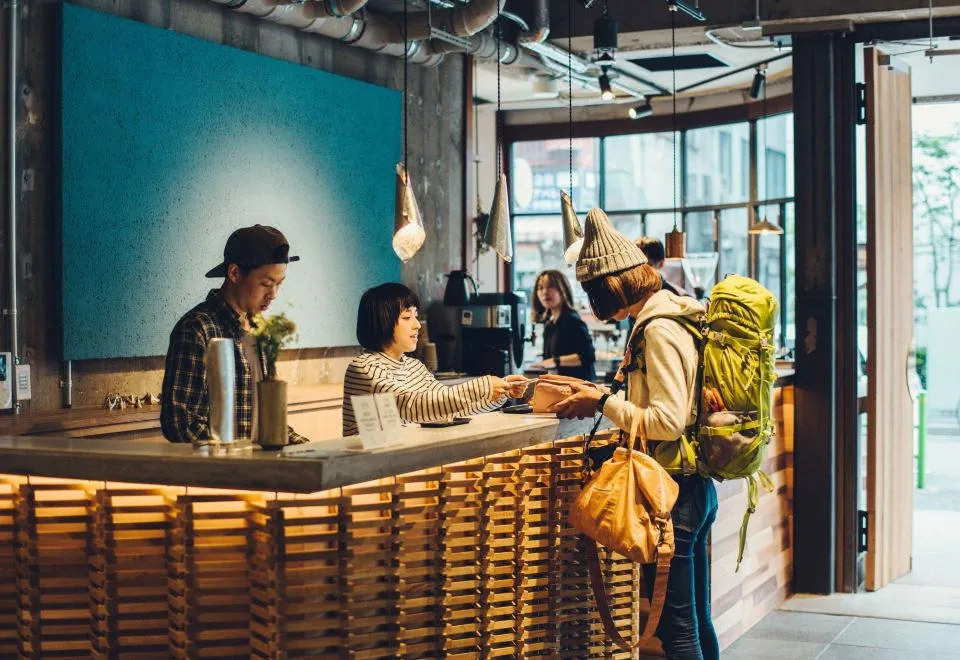
Check-in runs 16:00–23:00, with no check-ins after 23:00, so work out your arrival time before booking a late flight or train. Check-out is by 11:00, reception is staffed 08:00–23:00, and luggage storage is free before check-in and after check-out.
| Hotel details | Details |
|---|---|
| Hotel detailsAddress | Details15-2 Odenmacho, Chuo-ku, Tokyo 103-0011, Japan |
| Hotel detailsCheck-in / check-out | DetailsCheck-in 16:00–23:00 / Check-out by 11:00 |
| Hotel detailsTypical walking time | DetailsAbout 160 m / 3 minutes on foot from Bakuro-yokoyama subway station |
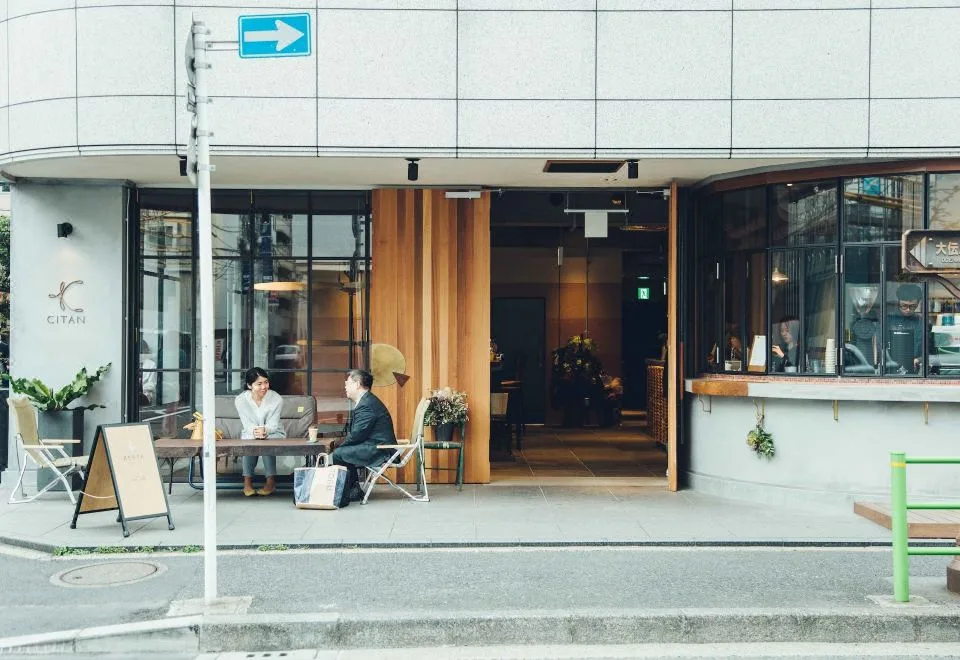
Bakuro-yokoyama has three lifts inside the station and an accessible toilet on basement level 1. From the gates, walk toward Odenmacho for about three minutes; the hostel stands on a street corner, easy to spot on a first visit. The streets around the station are the Yokoyamacho and Bakurocho wholesale blocks, busy with shops in the daytime.
Should you add breakfast? Start with your departure time
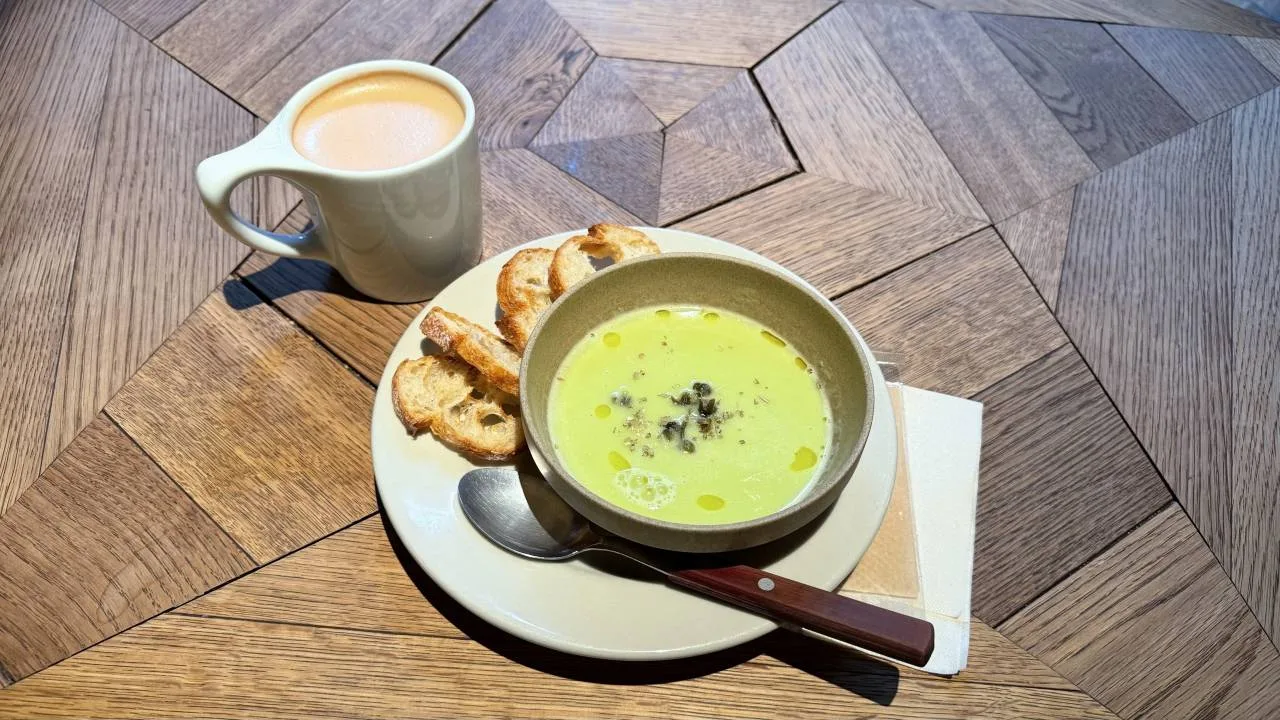
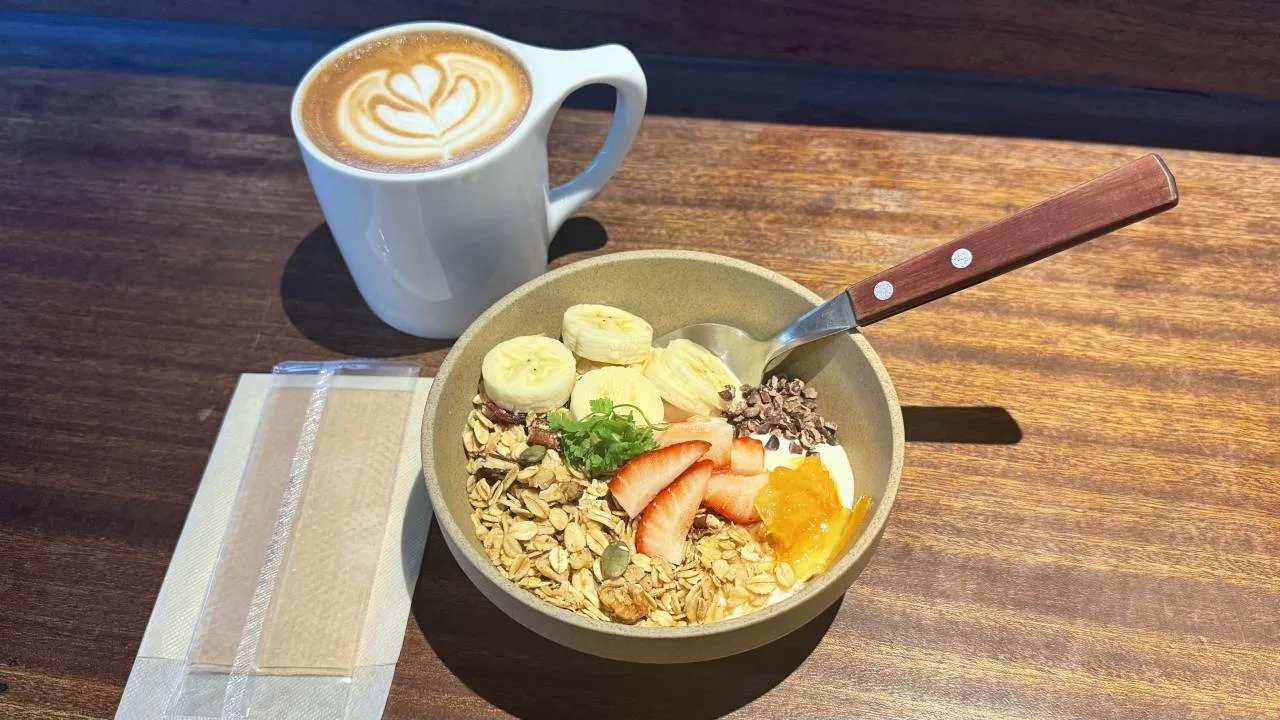
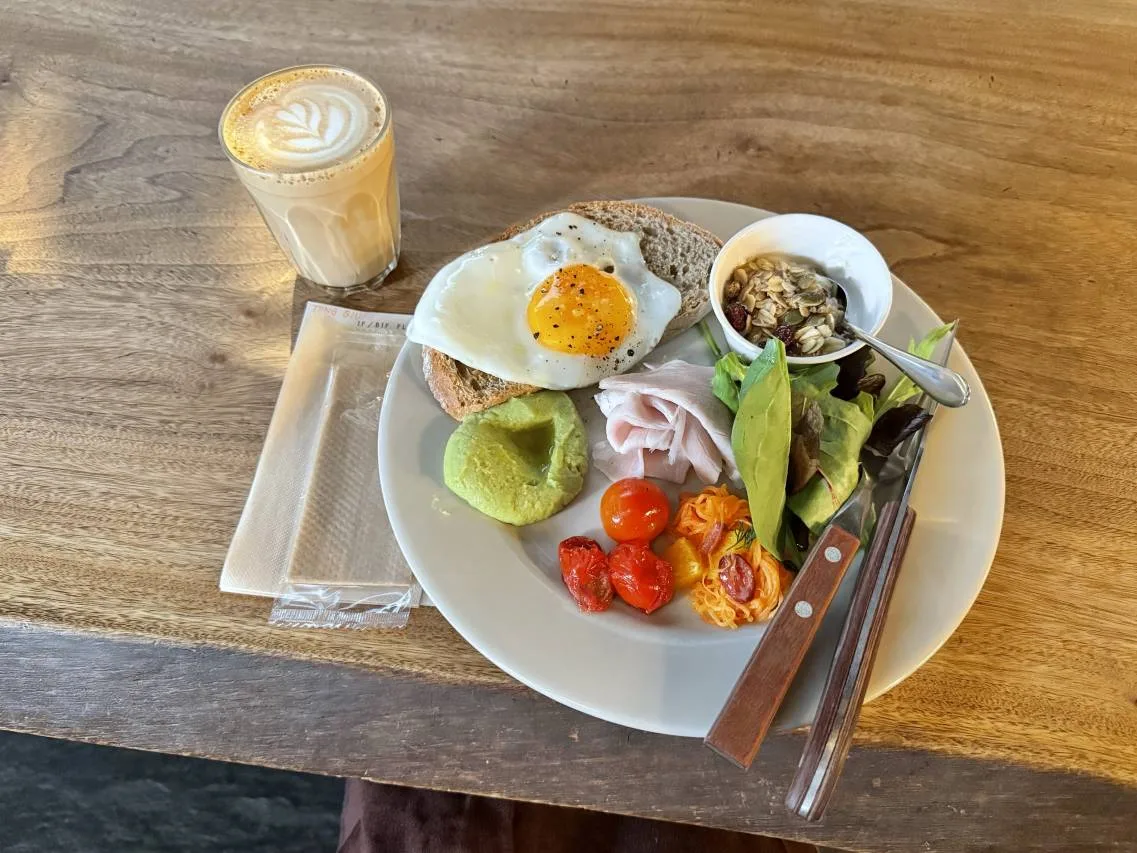
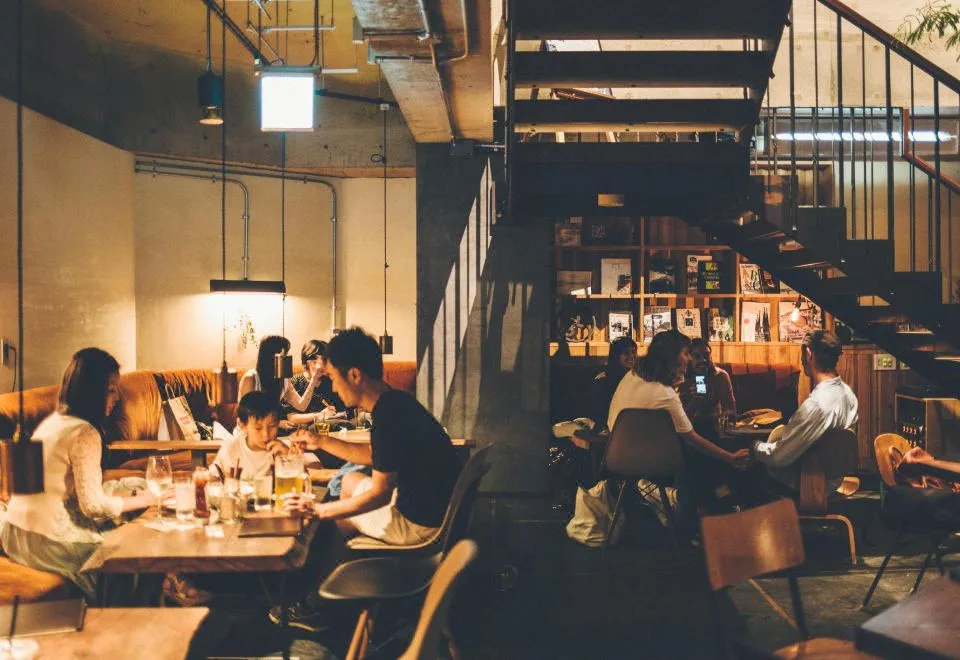
The café and food scene are central to CITAN’s appeal; the photo gallery shows soup, bread, plated dishes and coffee.
Breakfast is served American style; ask the hostel directly for the price and pay on site, and check separately whether it is included in your rate. BERTH COFFEE on the ground floor opens at 8:00 and closes at 18:00, with irregular holidays. The menu lists espresso, americano, Gibraltar, cafe latte, cafe mocha, the coffee of the day and drip coffee, with beans roasted in-house and guest baristas joining for special blends.
The plated dishes, soup, bread, coffee and fruit bowl in the photos show what breakfast looks like here. For a full morning, order a plate and eat slowly; for an early train, take a coffee to go. Check the serving hours and the day’s menu separately instead of assuming from the photos that food is available at any hour.
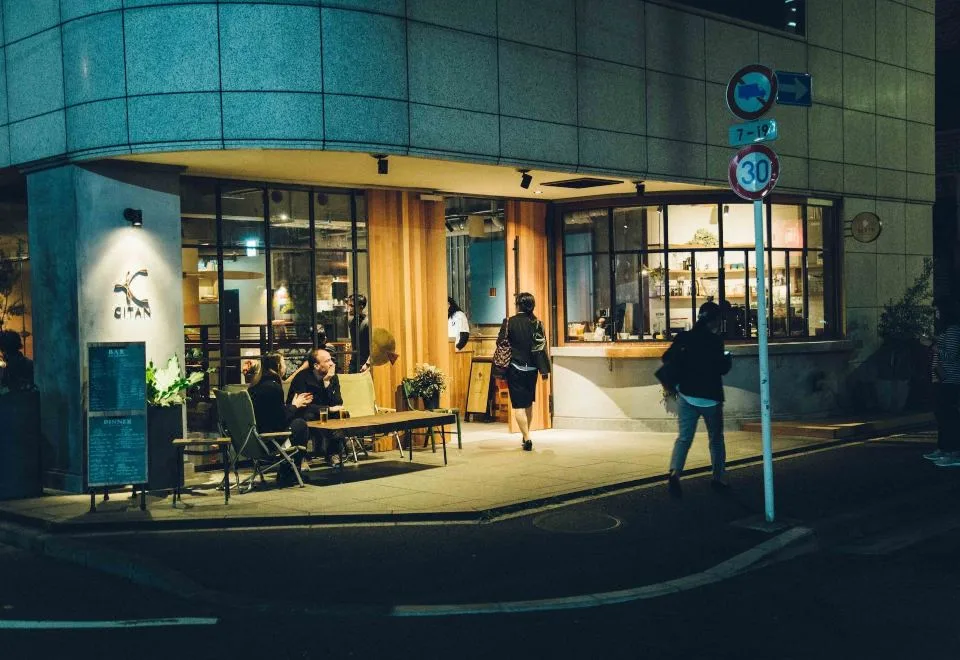
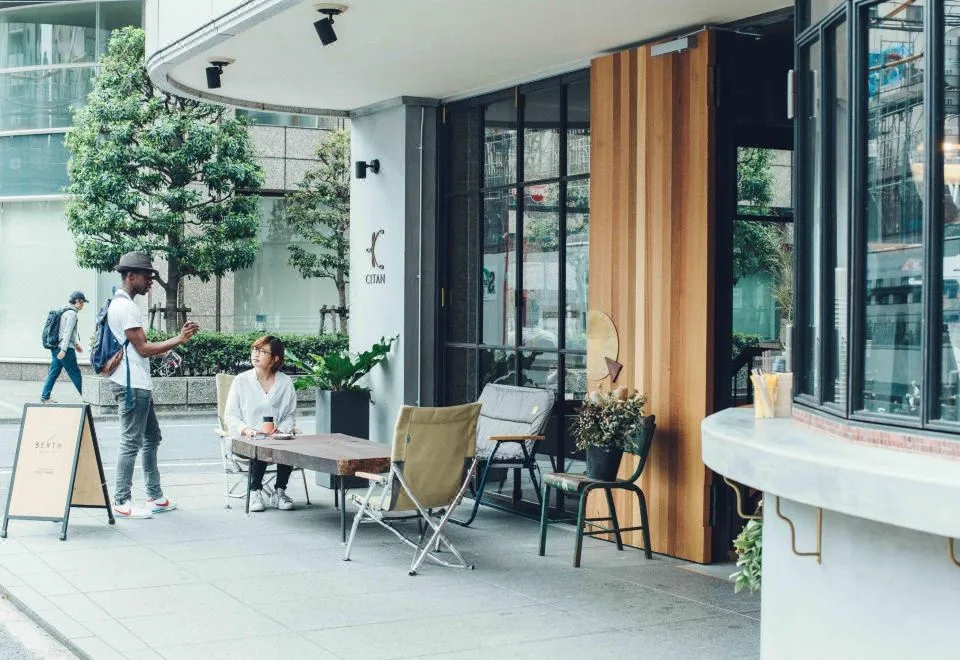
The coffee counter sits at the hostel entrance and serves neighbours as well as guests, not just people staying upstairs. Coffee lovers can treat it as the start of each day: come down for a cup in the morning, then head out; in the evening the basement bar takes over, so the whole day’s rhythm fits inside one building. The name BERTH comes from the English word for an anchorage.
For a relaxed morning, come down early, since the coffee counter opens at 8:00 and a slow cup before heading out fits the pace here. On a day with an early departure, take a coffee to go and save the time for the trip.

One night or a longer stay?
A one- or two-night stay lets you experience the café and bar atmosphere. If you like planning your day in shared spaces, a longer stay can have its own rhythm. Solo travellers hoping to meet people may prefer a dorm; for social days and quiet nights, compare private rooms instead.
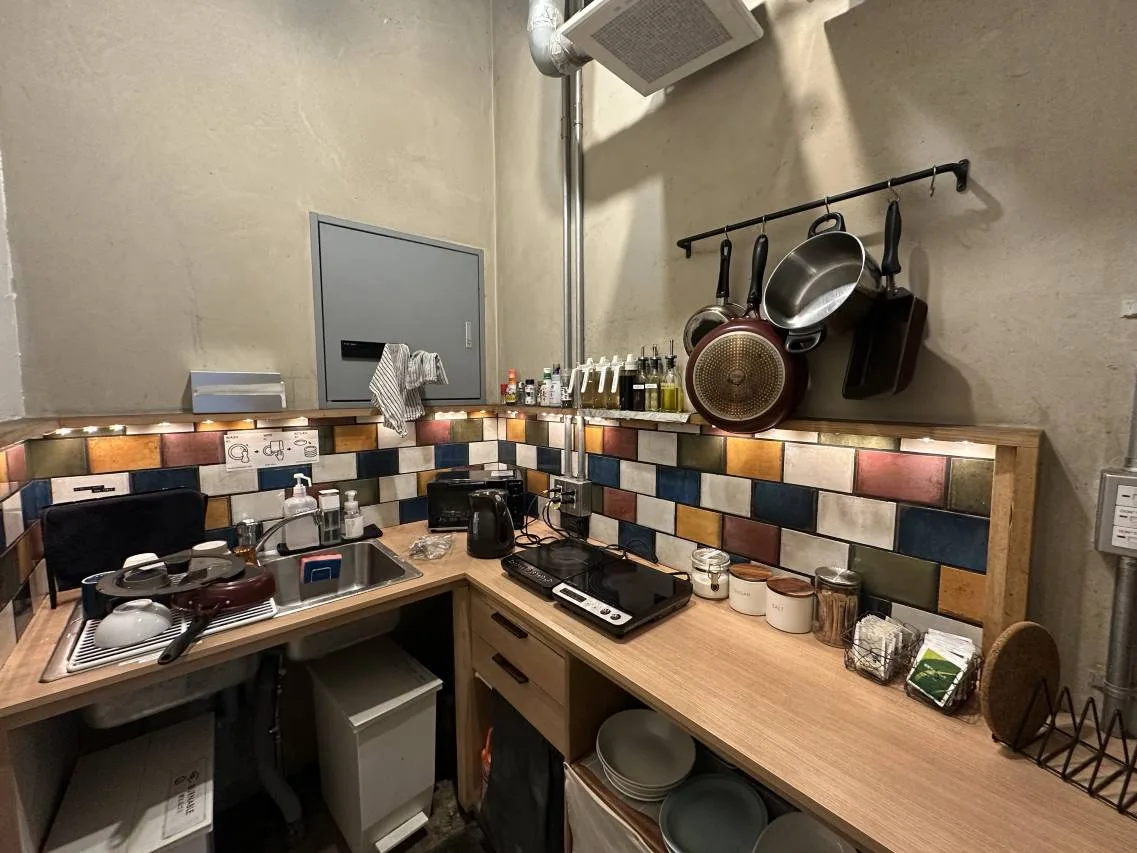
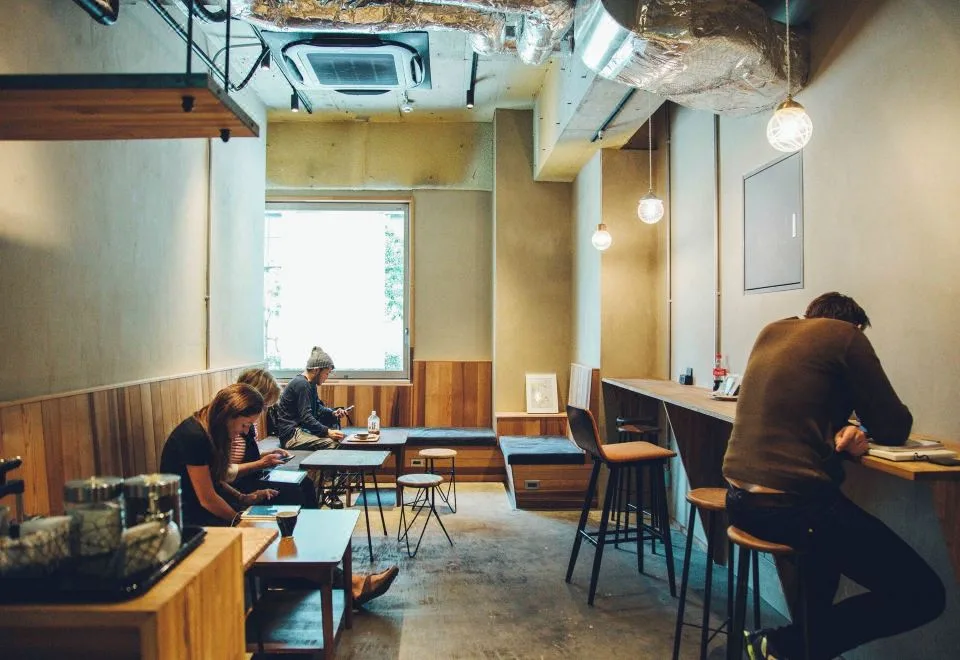
The shared kitchen and common spaces stay open 24 hours, with utensils and seasonings provided, and laptops available to borrow from reception. It is easy to plan the day there or eat something bought nearby. Self-service laundry sits outside the common space: 300 yen per wash, 100 yen per 30 minutes in the dryer, so a longer stay needs fewer clothes packed.
Luggage storage is free before check-in and after check-out; only storage on days outside your stay costs 500 yen per night. There is no curfew, and the back door opens with a security code for late returns. Quiet hours run 23:00–08:00, inside and outside the building, so late returns should stay quiet.
Free loans cover a long list: toothbrush, towel, humidifier, hair iron, detergent, iron, earplugs, luggage scale and USB adapters, all from reception. Paid extras include pajamas at 500 yen, a skincare package at 600 yen and bicycle rental from 500 yen per hour; a 2,000 yen deposit is payable at check-in. Toiletries come from Matsuyama LEAF & BOTANICS, also sold at reception.
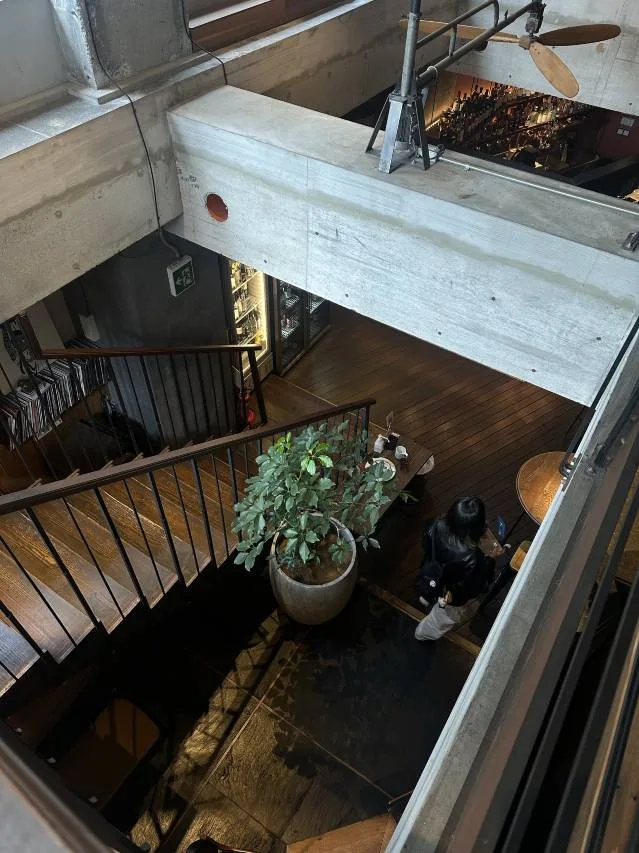
The name CITAN comes from the Japanese word for a starting point, and Nihonbashi is where the five highways of the Edo era began — the hostel stands beside that starting point. The building has seven floors and 130 beds: the coffee counter on the ground floor, the bar and dining in the basement, and guest rooms on floors two to seven. Staying here feels like living in a small village stacked vertically: sleep upstairs, drink coffee downstairs, and come down again at night for music, all inside one building.
Other facilities include a car-hailing service, a smoking area, a safe box and a vending machine, plus translation tools; reception works in English and Japanese, and the building has a lift. Humidifiers in the rooms are free to borrow. Wi-Fi is free throughout the hotel, with no setup needed in the room.
Trade-offs to accept before booking
Follow the shared kitchen’s cleaning rules, and remember that lively common areas do not mean conversations should disturb sleeping roommates.
The bar in the basement opens Sunday to Thursday 18:00–23:30 and Friday to Saturday until midnight, with food served until 22:00. Weekends bring DJ nights and a monthly live event. Music and socialising fans will count that as a plus, and light sleepers should ask about room floors and event dates before booking — the bar welcomes neighbours as well as guests, so the buzz is part of daily life here.
Read the policies first: children aged 7 and over are welcome, with extra fees possible, but no room type takes an extra bed or a crib; check-in requires guests to be at least 18; pets are not allowed. The check-in cutoff is harder than at most hotels: a late arrival means no room at all.
The biggest trade-off is still the bathroom: showers and toilets are shared on every floor, open 24 hours, and no private room comes with its own bathroom. The upside is a washbasin and mirror inside the room and Matsuyama LEAF & BOTANICS toiletries, which are decent quality; but anyone used to stepping straight from bed into their own bathroom will walk out of the room every morning, so think it through before booking.
The basement bar is about more than drinks: the craft beer list includes the house’s own Beer Vista Brewery pours, alongside natural wines, sours made with Japanese fruit juice, highballs, Japanese whisky, cocktails and a seasonal sake list. Food comes as plates to share — fish and chips, stewed beef cheek, spaghetti napolitan — or house-made jerky with a drink. Beyond the weekend DJ nights and the monthly live event, an ordinary weekday evening works just as well for dinner and a drink downstairs, with no need to wait for the weekend.
Plan nearby outings with less backtracking
During a stay in Nihombashi, spend a day exploring Ningyocho or small museums in Nihombashi and make the neighbourhood part of your itinerary.
From the hostel, Nihonbashi is about 1.0 km, Akihabara about 1.5 km, Ueno about 1.6 km, Asakusa about 2.6 km and the Imperial Palace about 3.9 km, all within a half-day walk or a short train ride.
Odenmacho and Yokoyamacho form a wholesale district, with shops everywhere in the daytime and places to eat close by; back at the hostel in the evening, the basement bar and the ground-floor coffee counter sit downstairs, so there is no need to ride anywhere to find a place to sit. For Asakusa, take the Asakusa Line from Higashi-nihombashi; for Ueno and Akihabara, the JR Sobu Line from Bakurocho runs smoothly.
Over several nights, split the days in stages: walk toward Nihonbashi in the morning, rest in the room in the afternoon, and sit in the downstairs bar in the evening. Akihabara and Ueno are both within 2 km, so a change of scene needs no packing; Asakusa is 2.6 km away, reached directly on the Asakusa Line, an easy morning out and an afternoon back.
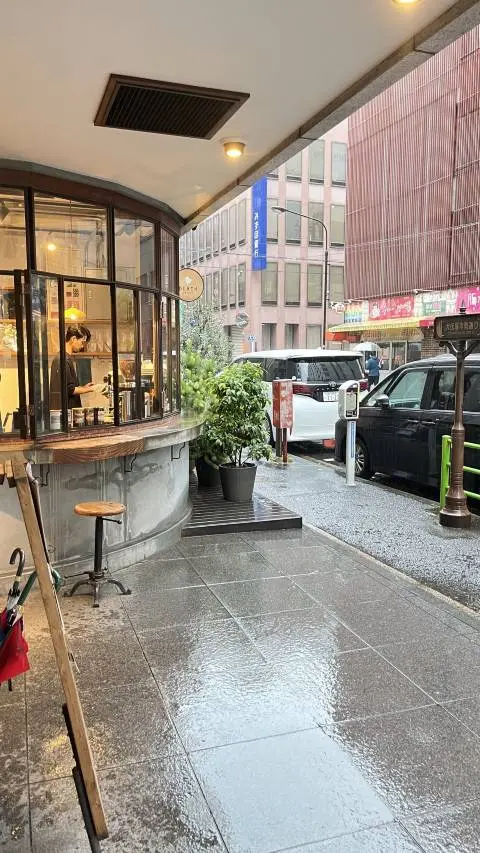
If you like the mix of coffee, bar and dorm life in one building, and can accept shared bathrooms, a 23:00 check-in cutoff and quiet hours after 23:00, this is one of the most memorable places to stay around Nihonbashi. If a private bathroom, complete quiet and traditional hotel service matter more, look elsewhere instead of forcing it.
One last check before booking: settle three things first — whether you can live with shared bathrooms, whether you can reach the desk by 23:00, and whether you can sleep through a night with music below. Those three answers tell you straight away whether this hostel is the right booking.
Pros and cons at a glance
Pros
- Exit A4 at Bakuro-yokoyama has a lift to street level, about 160 metres and three minutes from the hostel.
- BERTH COFFEE opens 8:00–18:00 with beans roasted in-house; the basement bar runs DJ nights and live events on weekends.
- Six room types: four- and eight-person dorms, women-only dorms, Twin, Single, Queen and King.
- Shared kitchen and common spaces open 24 hours; laundry 300 yen, dryer 100 yen per 30 minutes.
- Free luggage storage before check-in and after check-out, plus free loans of toothbrush, towel, humidifier and more.
- Queen beds 160×200 cm, King beds 180×200 and 194×200 cm, with large windows, a sofa and a full-length mirror.
Cons
- Private rooms have no private bathroom; showers and toilets are shared on every floor.
- Check-in 16:00–23:00, with no check-ins after 23:00 — a late arrival means no room.
- Weekend music events in the basement bar; light sleepers should ask about floor and event dates.
- No extra beds or cribs in any room type; children aged 7 and over may cost extra.
- A 2,000 yen deposit is payable at check-in; pajamas, skincare package and bicycle rental cost extra.
Information checked: 22 November 2026.