
TOKYO / CHUO
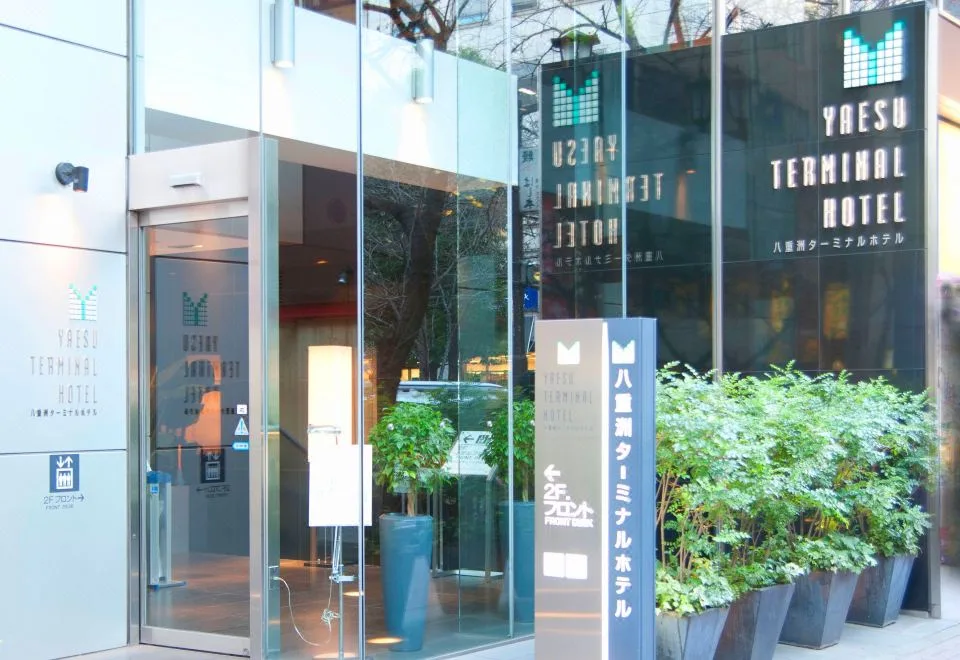
Yaesu Terminal Hotel
Yaesu Terminal Hotel
A short stay near Tokyo Station Yaesu North: small rooms and basic facilities
The main reason to choose Yaesu Terminal Hotel is location. If you need a night before or after travel through Tokyo Station, walking to the hotel is practical. If the room itself is meant to be a highlight of the journey, adjust expectations before booking.
All 117 rooms measure 10 to 17 m², so this is a location-first choice: if you arrive by Shinkansen or the Narita Express, spending your first or last night here pays off — you can walk back to your room straight off the train with no more transfers.
| First considerations | My choice |
|---|---|
| Suitable trip | Solo short stays around Shinkansen transfers and Tokyo Station business. For two people staying longer, lots of luggage or spacious bathrooms, compare bigger categories and other hotels first. |
| Room choice | Single A measures 10 m² with a 97 cm bed, Single B 11 m² with a 122 cm bed, and Double 13 m² with a 134 cm bed. |
| Main compromise | Besides small rooms, cleanliness and odors are individual problems to watch for. |
Rooms / Transport / Breakfast / Long Stays / Facilities / Trade-offs
Choose room sizes that fit your luggage
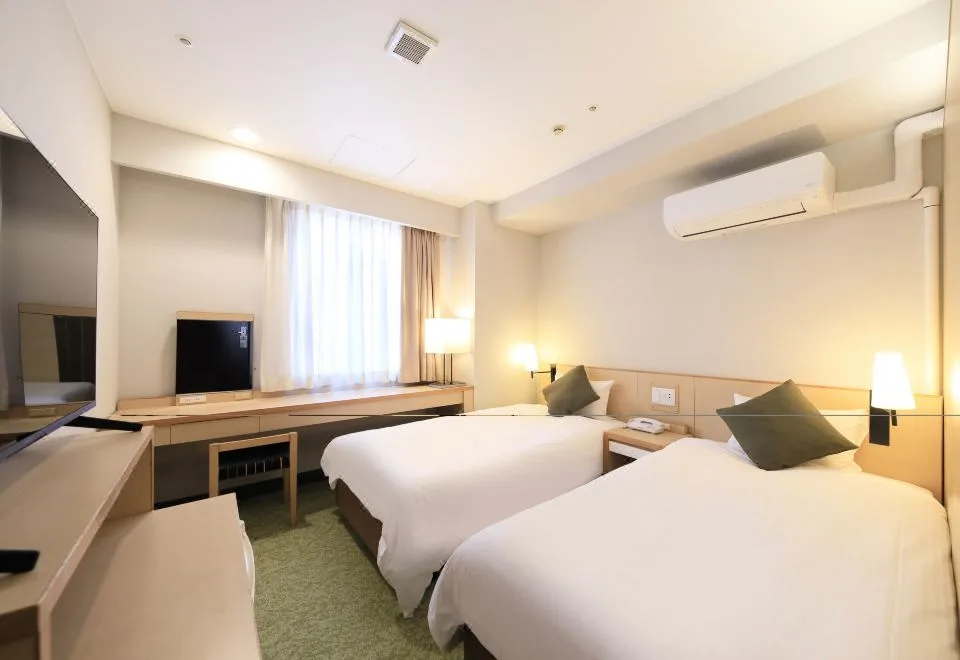
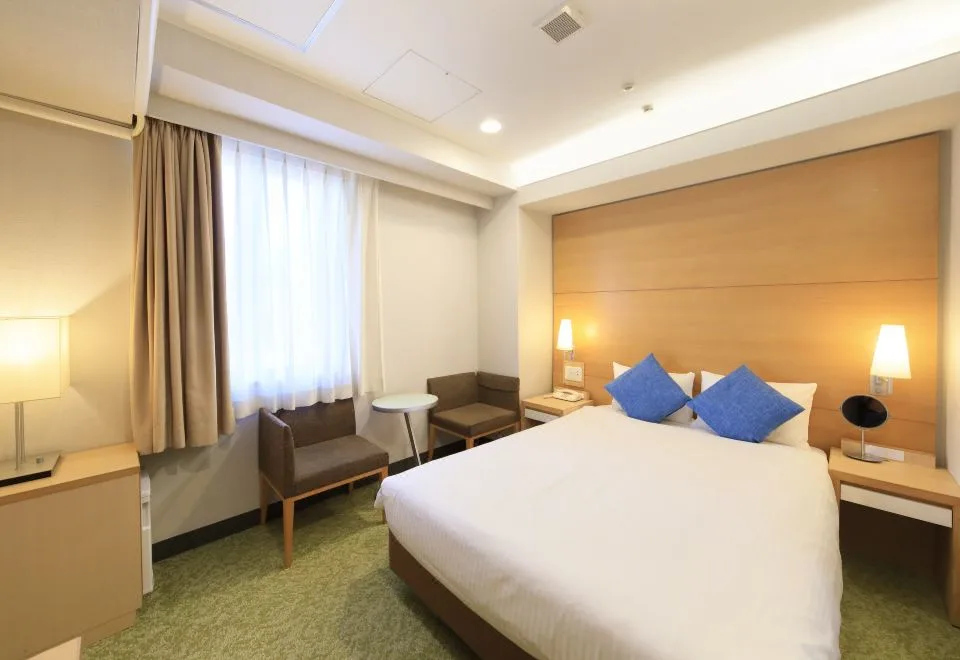
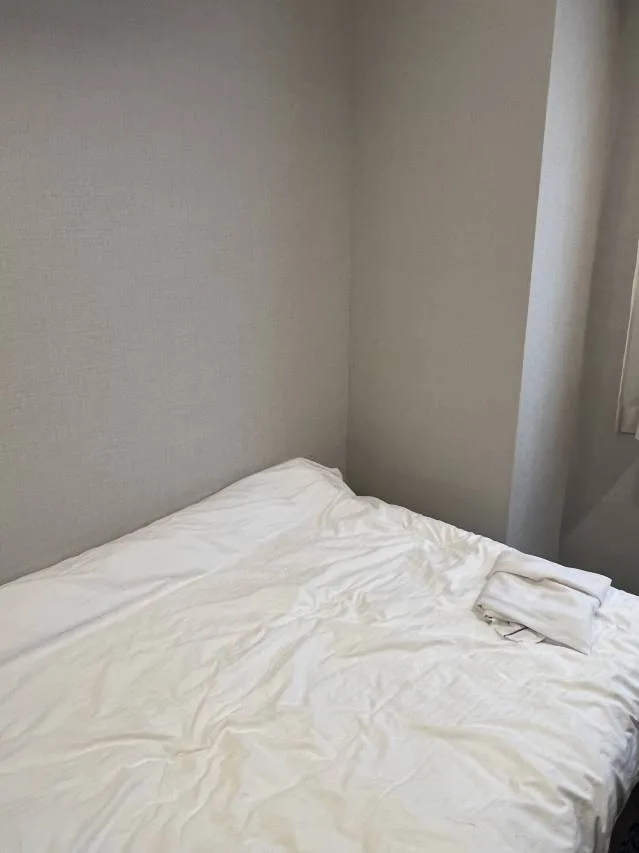
Single A is 10 m² with a 97 cm bed, Single B 11 m² with a 122 cm bed, and Double 13 m² with a 134 cm bed. Twins A, B and C measure 13, 15 and 17 m² respectively, with two 97 cm beds. For two guests with luggage, compare the 15 and 17 m² rooms. A 13 m² Twin suits lighter one-night stays.
| Room type | Area or bed configuration | How to choose |
|---|---|---|
| Single A / B | 10 m² / 97 cm bed; 11 m² / 122 cm bed | For solo guests, choose by bed width |
| Double | 13 m² / 134 cm bed | Check whether two can share the bed comfortably |
| Twin A / B / C | 13 / 15 / 17 m²; two 97 cm beds | More luggage calls for a larger twin |
Check the hotel’s official room descriptions and your exact bed count and party size.
Bed length is 195 cm in every category, so height is not the issue — width is. Sleeping alone with a lot of luggage, Single B is the better pick: the extra width sleeps much more comfortably, and the room still fits a large suitcase. Two people sharing one bed should first check whether they can split 134 cm comfortably before choosing the Double.
Twin C takes a sofa bed for a third guest, the only room in the hotel that sleeps three; no other room type takes an extra bed or a crib. Children of all ages are welcome, but a child without an extra bed can still be charged — enter the number of children when you book so the price comes out right.
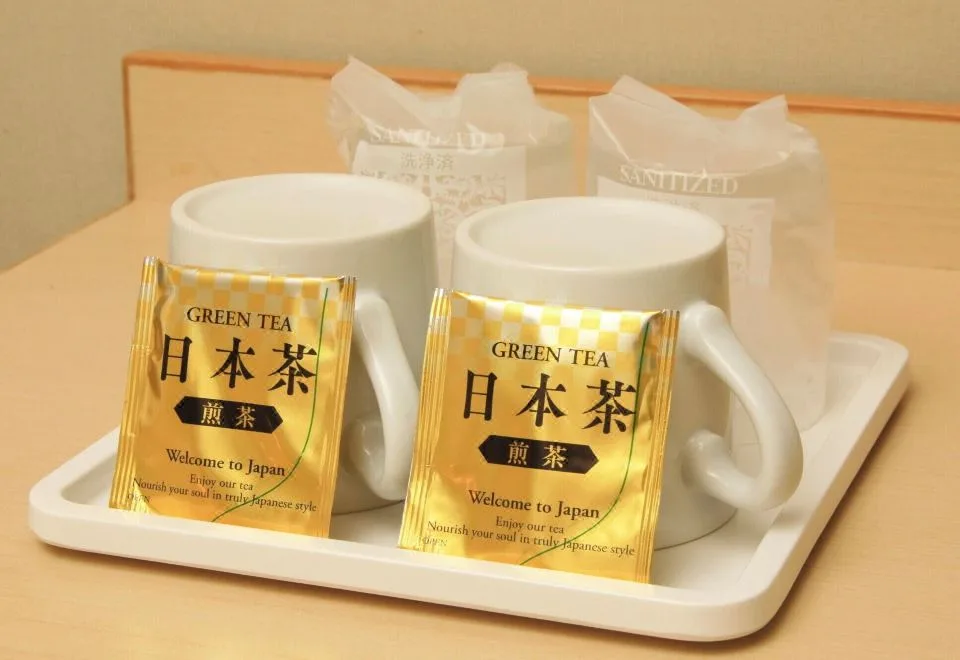
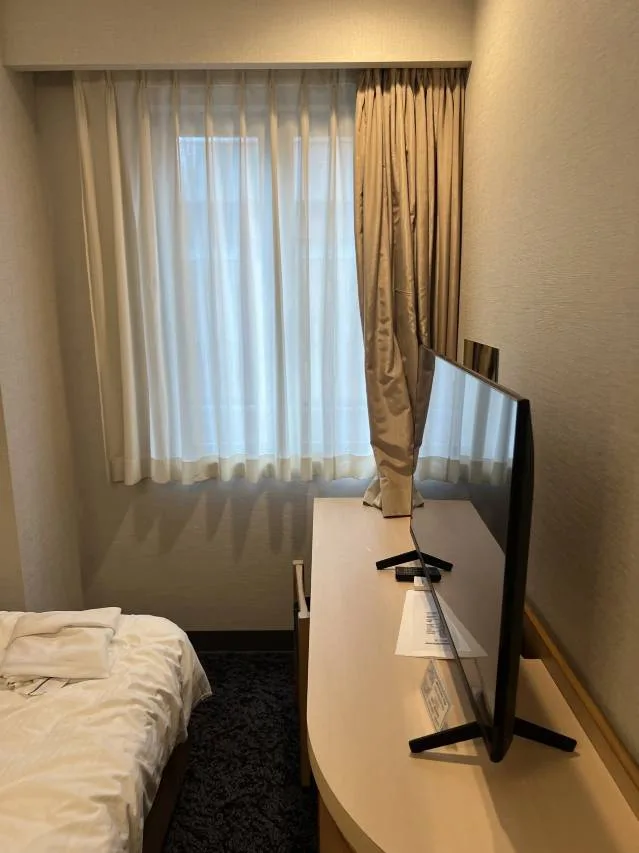
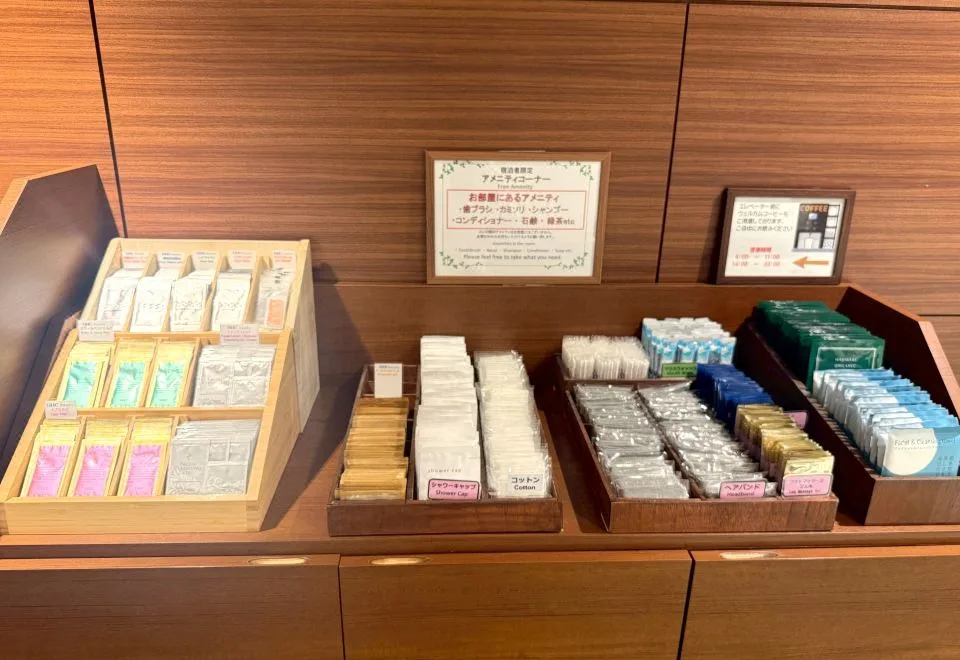
The in-room setup is practical: a 20-inch LCD TV, pay-per-view, phone and alarm, air conditioning, hair dryer, refrigerator, electric kettle and tea set, a bath unit with a bidet toilet, towels, gown, slippers, soap, shampoo and conditioner, toothbrush and razor are all in place when you arrive. The amenity station sits by the front desk, split for men and women and free to take from — if you run out of a toothbrush or a razor, walk down and pick one up instead of waiting for housekeeping; the kettle and tea set are ready whenever you want tea or instant coffee in the room. The bathroom is a single unit bath, small enough that two people using it at once will crowd each other — stagger your use. Pay-per-view needs a separate card — the instructions are in the room, so buy one only if you want to watch a film.
Getting here with luggage
The easiest arrival is from Tokyo Station: leave by the Yaesu North Exit, which is at street level, so there are no more stairs to climb. With large luggage, a wheelchair or a stroller, take the elevator from the platform to the first-floor concourse — the North Passage elevators link every platform with the first floor — and the Yaesu North Exit opens straight onto the street. Cross the road, turn left past Daikokuya and walk straight on; the hotel is on your left, its sign easy to spot, about three minutes on foot. Nihonbashi Station is also close, around 220 m, about three minutes.
| Stay information | Details |
|---|---|
| Address | 1-5-14 Yaesu, Chuo City, Tokyo 103-0028, Japan |
| Check-in / Check-out | From 2 p.m. / before 11 a.m. |
| Ordinary walking reference | Around 220 m or three minutes from Nihonbashi subway station |
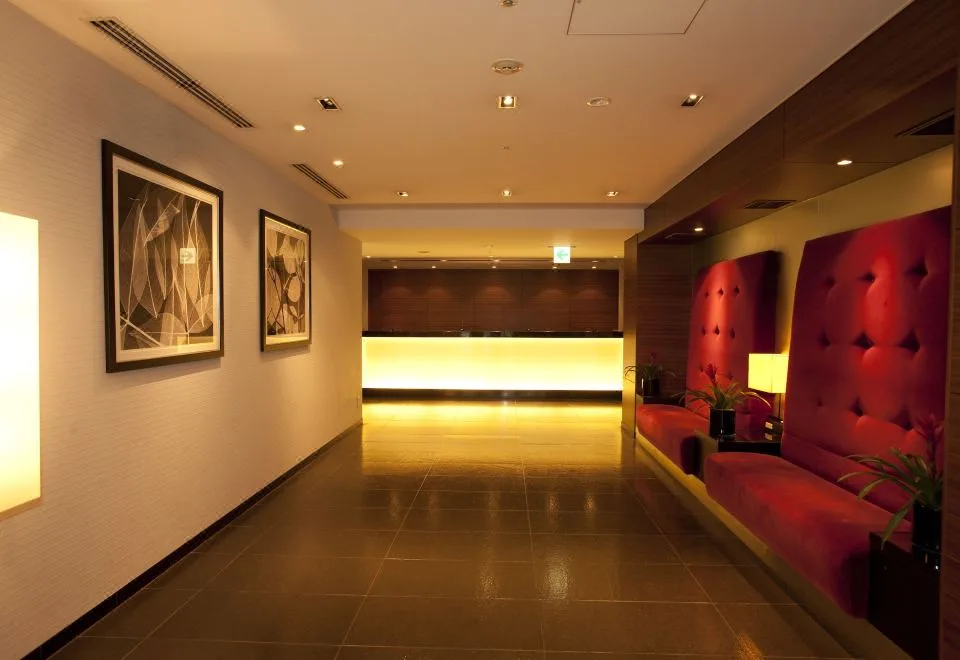
Consult the hotel’s access information: out of the Yaesu North Exit, across the road, left past Daikokuya and straight on — the hotel is on the left. Arriving at Tokyo Station for the first time, follow the Yaesu signs inside the station and do not drift toward Marunouchi.
The subway works too: Nihonbashi Station serves the Ginza and Toei Asakusa lines, and the Toei station has elevators with a step-free route already in place, so large luggage can come this way. From the airports it is simple as well: the limousine bus from Haneda takes about 35 minutes to Tokyo Station, and the Narita Express takes 58 minutes — then a short walk to the hotel.
For the airports, three routes are worth comparing. Haneda by limousine bus takes about 35 minutes direct — check that day’s timetable — or take the monorail 19 minutes to Hamamatsucho, change to the Keihin-Tohoku line for 6 minutes to Tokyo Station, then walk 3 minutes to the hotel. From Narita, the Narita Express takes 58 minutes to Tokyo Station plus the 3-minute walk, and the limousine bus takes about 70 minutes. With heavy luggage and a tight flight time, a direct bus or the Narita Express beats a transfer — check fares and times before you leave. Late at night or early in the morning, limousine buses run less often, so check the last departure first and fall back to the train or a taxi if you miss it. Changing to the Shinkansen, the north transfer gate has its own elevator, so you never carry luggage up or down stairs between platforms. Toei Nihonbashi Station has 3 elevators and 8 escalators, an easy route with large luggage.
Breakfast: compare the departure time
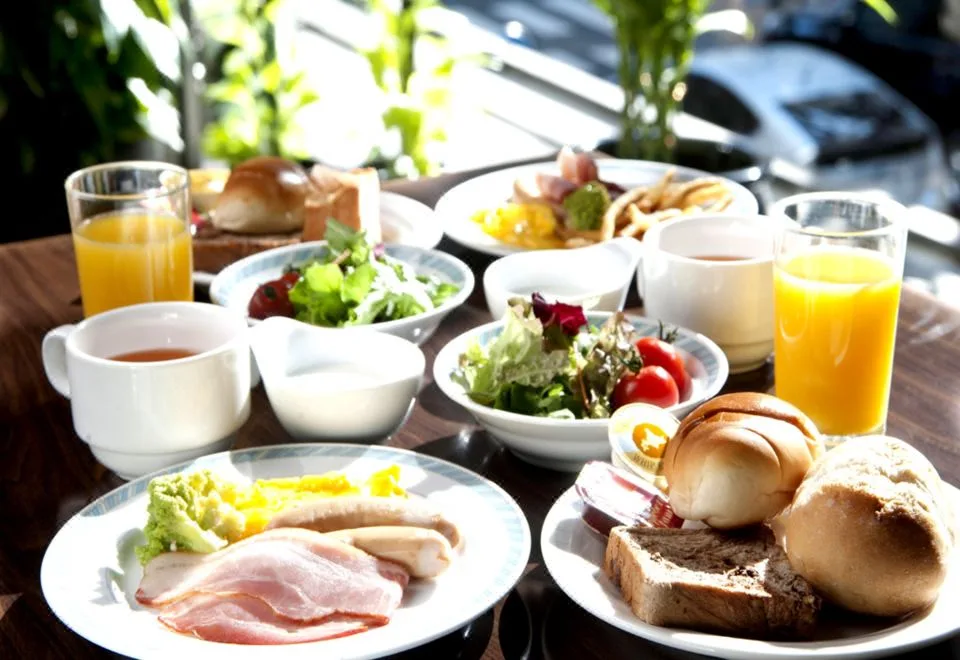
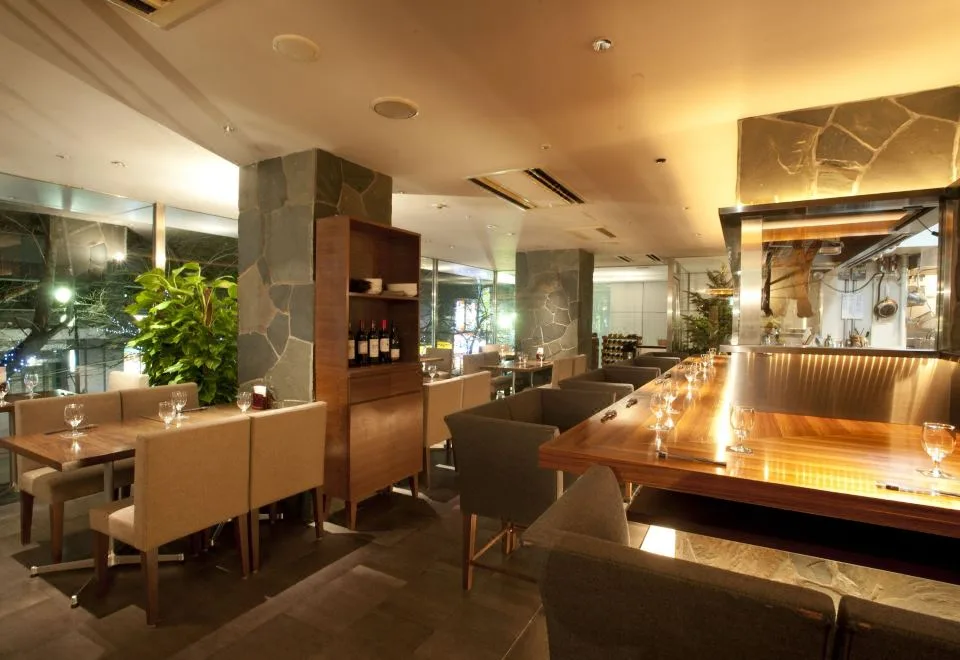
Breakfast is a Western buffet, served 7:00–9:00 a.m., and the restaurant has meal and dining-room photos to look at first. For an early train the next morning, check the last admission time before adding breakfast; if the train leaves before breakfast begins, skip the included rate. Tokyo Station has many eating options, so a one-night stay can remain flexible.
Breakfast is served at the hotel restaurant, Cache Cache, as a mostly Western self-serve spread; buy the ticket at the front desk before going in. Adults pay ¥1,800, children aged 7 to 17 also pay ¥1,800, and children 6 and under eat free — with children along, work that price into the total before you settle the bill. The restaurant also serves non-guests.
Lunch and dinner run on weekdays only: lunch 11:30 a.m.–2:30 p.m., dinner 5:00–11:00 p.m., and on Saturdays and Sundays the restaurant opens for breakfast only, 7:00–9:00 a.m. Arriving Friday and staying the weekend, do not count on the hotel restaurant for Saturday dinner — eat along Yaesu-dori instead; to eat dinner in the hotel, put it on a weekday evening.
Cache Cache also serves lunch and dinner to non-guests, so you can eat here without staying, and the restaurant has a large private room — ask how to book it if a family or company group wants to eat together. Dinner runs on weekdays only, so put a dinner in the hotel on a weekday evening and head out to Yaesu-dori at the weekend. The restaurant is inside the hotel, so after breakfast you go straight back to your room to pack instead of hunting for food outside.
One night versus several
For a single night, proximity to the station is the main value. Over several nights, ask whether you use Tokyo Station every day. If trains are needed only on the first or final day, consider this hotel for that night and another neighborhood for the rest.
For a one-night stay, luggage storage is the most useful service: check-in is from 2 p.m. and check-out is before 11 a.m., so leave your bags at the front desk in between and walk around Tokyo Station, then pick them up in the evening and go straight to the train. The front desk is staffed around the clock, so a late arrival or an early departure is no problem.
An early Shinkansen needs care: breakfast starts at 7:00 a.m., so a train before that means no hotel breakfast — buy bread or rice balls at Tokyo Station the evening before. Check-out is 11:00 a.m., generous enough to finish breakfast, pack and leave without rushing, and after check-out the front desk will still hold your luggage until you come back for it in the evening.
Facilities that make a longer stay easier
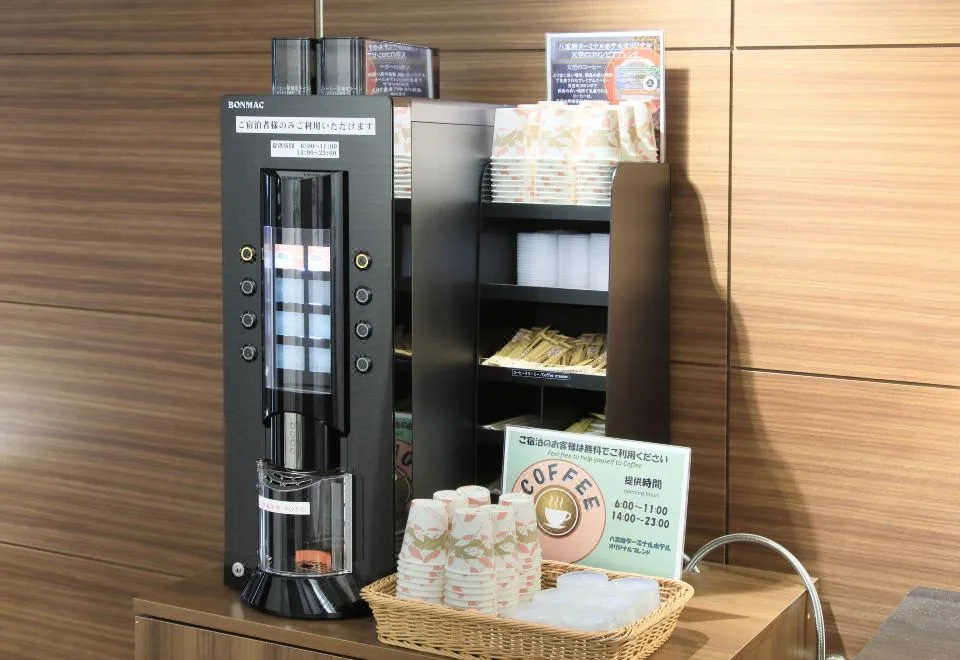
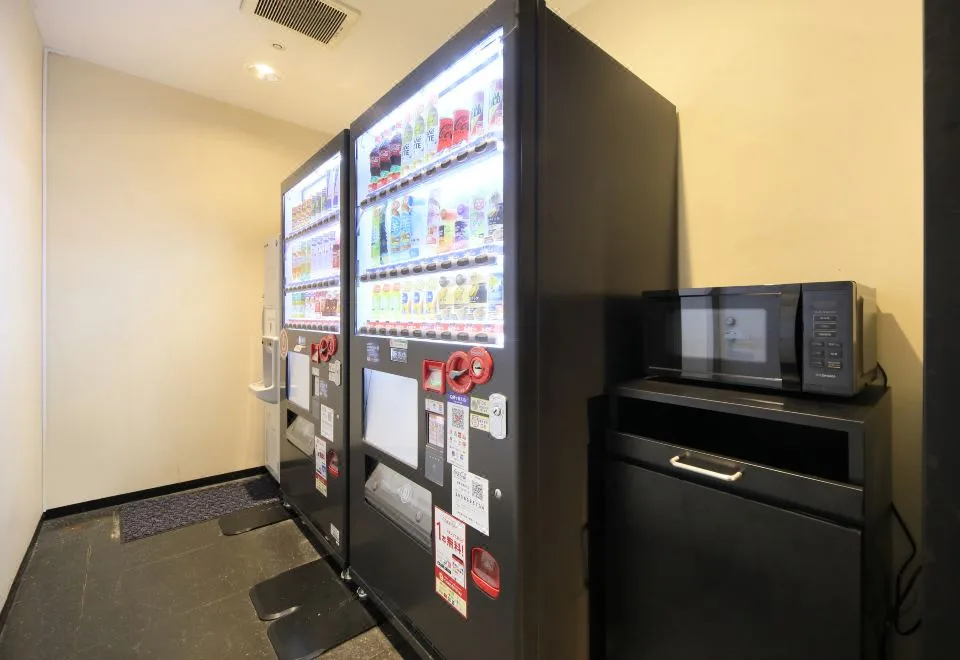
The building has an elevator, and public areas have free Wi-Fi. Rooms come with a refrigerator, an electric kettle, a tea set, a bidet toilet and a gown, and the self-service amenity corner by the front desk covers anything missing, with items for men and women. A drinks vending machine and a shared coffee machine are also in the building, so a hot drink at night or a coffee before heading out needs no trip outside.
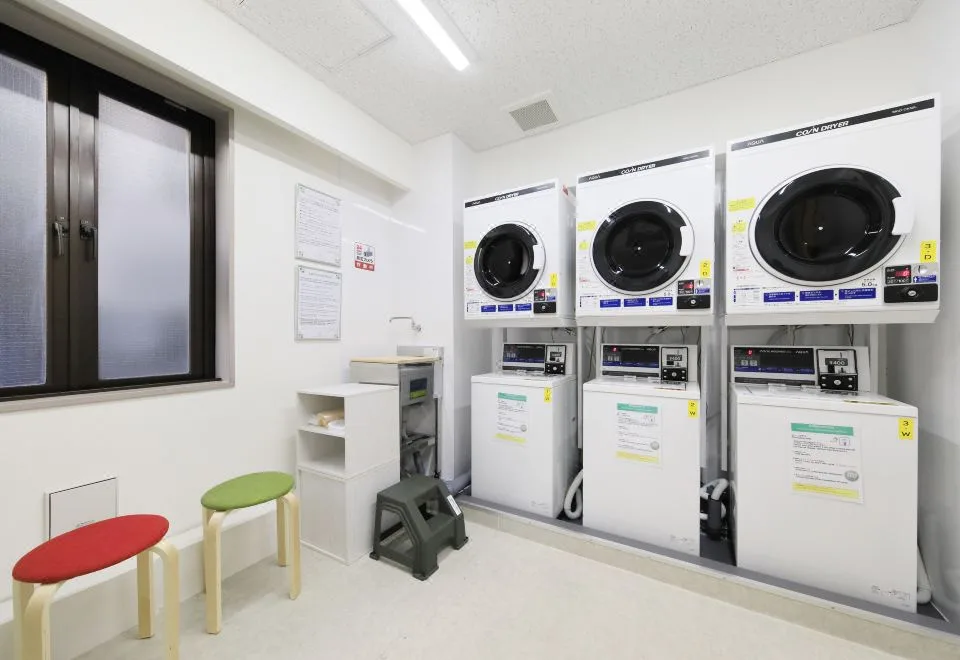
Over several nights, laundry is covered: coin laundry for washing yourself, plus a paid laundry service and laundry delivery if you would rather send it out. A massage service and a courier service are in the building too, so sore legs after a long day or sending bags home early needs no extra trip. Fax and photocopying cost extra — ask the front desk first if you need them for business. A wheelchair is kept on site, public areas are non-smoking with a separate smoking area, and a non-smoking floor can be requested when you book.
In the morning, the Nihon Keizai Shimbun newspaper is free at the front desk, and you can ask the desk for a wake-up call if you need an early start, or arrange housekeeping to your schedule. Small services, and you may not need them on a one-night stay — but over several busy days, sorting the wake-up call and cleaning in advance keeps the mornings from turning chaotic.
Trade-offs before booking
Besides small rooms, cleanliness and odors are the first things I watch for here: individual rooms have had this kind of problem. If you are sensitive to smells, ask for a suitable room when you book, choose a cancellable rate and keep room-change flexibility; do not give up your sleep and bathroom needs merely because the station is close.
Pets are not allowed, service animals included, so anyone travelling with a pet needs another hotel; the guest who checks in must be at least 18 years old. The front desk works in Japanese only, so bring your room type, guest count and requests written down — it makes check-in much smoother. Cancellation follows the official schedule: 80% on the check-in day, 20% the day before and two days before, 100% for a no-show, so read which kind of rate you are booking.
Plan neighborhood routes without backtracking
When you fit the stay into your plans, look at the Ginza walk and Tsukiji Outer Market guides and put one leg in the same direction, saving one trip back.
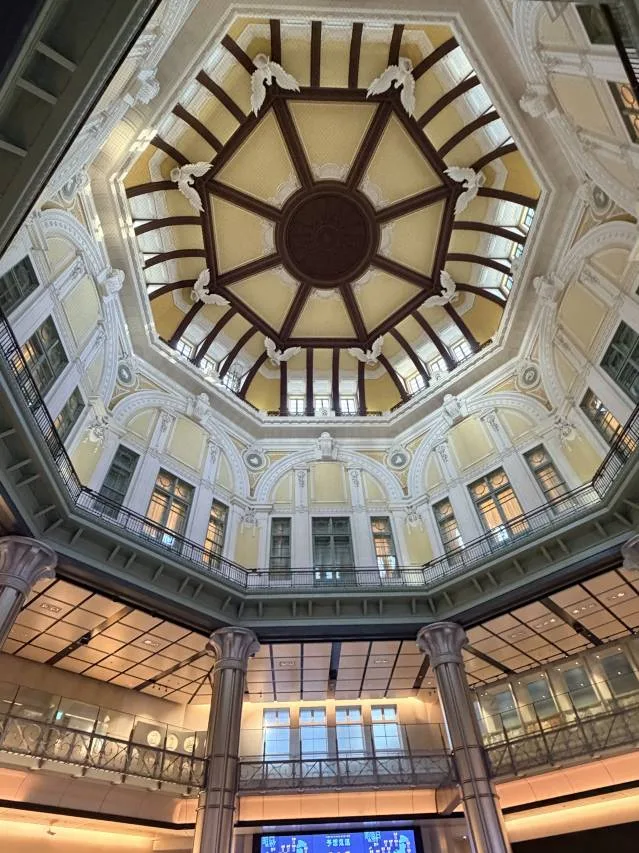
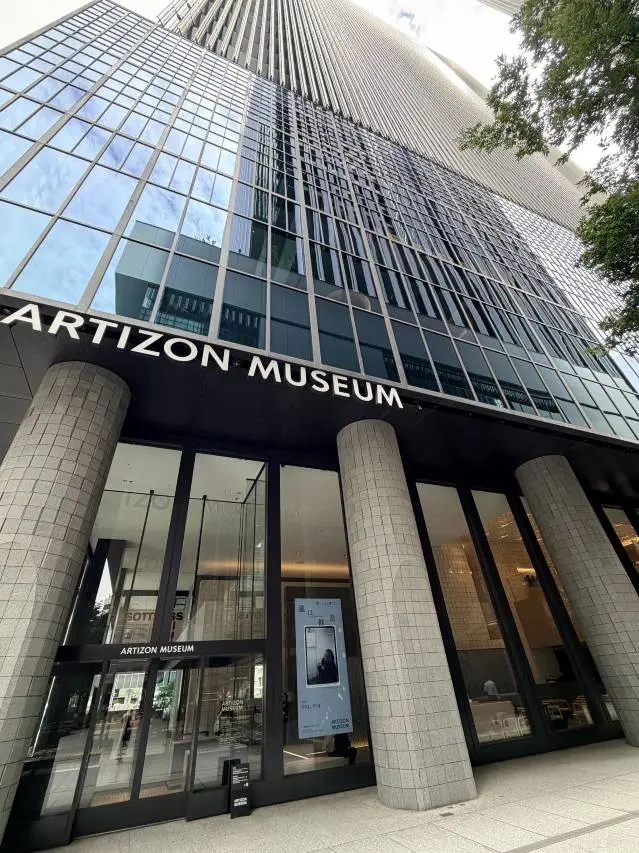
Nihonbashi Bridge is under 100 m away, a good place to start a walk around Tokyo Station: Ginza is about 690 m, the Tokyo International Forum about 980 m, and the Imperial Palace about 1.3 km. Shin-Nihonbashi Station is about 950 m and Ginza-itchome Station about 960 m, so there is a station in whichever direction you head. In winter, the Tokyo Light Festival site is about 280 m away.
If the room and trip fit, compare total prices for identical dates, guest count and cancellation terms. Consider breakfast charges and upgrades separately.
This hotel suits anyone using Tokyo Station as a daily base: out in the morning, back to sleep at night, where the convenience of the location matters more than time spent in the room. If most of the trip will be spent inside the room, compare a larger room type first before deciding.
Pros and cons at a glance
Pros
- About three minutes on foot from Tokyo Station Yaesu North Exit and around 220 m from Nihonbashi Station, handy for Shinkansen transfers and airport trips.
- Front desk staffed around the clock with luggage storage, so a late arrival or an early departure is no problem.
- Breakfast is a Western buffet at ¥1,800 for adults, free for children 6 and under, with tickets bought at the front desk.
- Twin C takes a sofa bed for a third guest, the only room in the hotel that sleeps three.
- Coin laundry, a paid laundry service and laundry delivery cover longer stays, with free Wi-Fi, a self-service amenity corner, a drinks vending machine and a shared coffee machine.
Cons
- Rooms are only 10 to 17 m², and a Double bed is 134 cm wide, so two people and large luggage need space planned first.
- Apart from Twin C, no room type takes an extra bed or a crib.
- Cleanliness and odors have been a problem in individual rooms, so anyone sensitive to smells should watch for it.
- The restaurant serves lunch and dinner on weekdays only, breakfast only on Saturdays and Sundays; the front desk works in Japanese only.
Information last checked: 2026-11-22