
TOKYO / CHUO
MIMARU Tokyo Hatchobori
MIMARU Tokyo Hatchobori
38 m² family apartments to 76 m² connecting rooms: family stays in Hatchobori
MIMARU Tokyo Hatchobori suits families who want one apartment with dining table, kitchen and individual sleeping places. The Hibiya and JR Keiyo lines let you plan Ginza and Maihama on separate days. A longer stay makes better use of its family-friendly daily facilities.
If this is your first trip to Tokyo with children, this hotel settles the stay first: rooms big enough, a kitchen you can use, and a station close by, leaving the rest of the time for the trip itself.
How to choose this hotel
| Item | Stay details |
|---|---|
| Location | 3-8-8 Nihombashi Kayabacho, Chuo City, Tokyo 103-0025, Japan |
| Check-in / Check-out | 3:00–10:00 p.m. / 7:00–11:00 a.m. |
| Room choice | A 38 m² family apartment has two single beds and one bunk bed for four sleeping places, with loft-bed layouts also offered. |
| Stay planning | A family staying three nights or more, doing laundry and preparing simple meals, gets the most from these facilities. |
Rooms and luggage space
The 38 m² Family Apartment has two singles and a bunk for four. Loft-bed layouts also exist. A six-person family can compare the 58 m² room with four singles and a bunk, or the 54 m² Japanese-style apartment with beds and futons. A group needing more space can check the 76 m² connecting-room option.
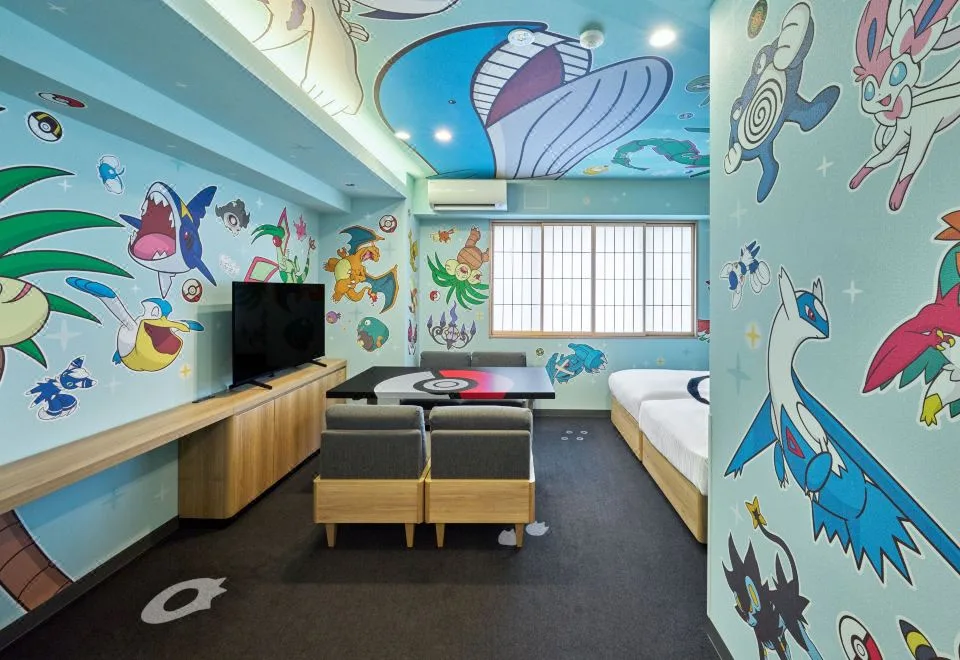
Themed rooms may delight children who like Pokémon, but decoration does not add floor space. For bunks or loft beds, consider a child’s age, nighttime trips to the bathroom and how air conditioning feels higher up. If someone overheats easily, don’t automatically assign the top bunk.
Book with children by listing everyone first: children of all ages are welcome, but a child may still cost extra even without an extra bed, and crib and extra-bed rules vary by room type, so read the room details and ask before you book; the person checking in must be at least 18, so settle that before you reserve.
For six or more, ask first how the 76 m² connecting rooms open up and how the beds split: two rooms joined together let children sleep on one side and adults on the other, so nobody wakes anyone else getting up at night; list the full party first so the room match is right.
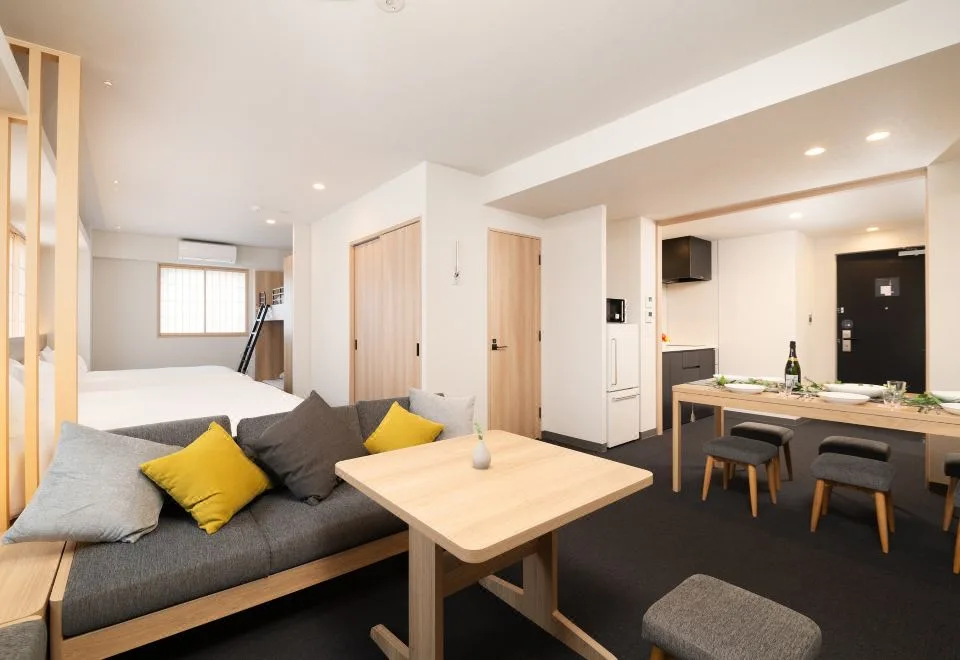
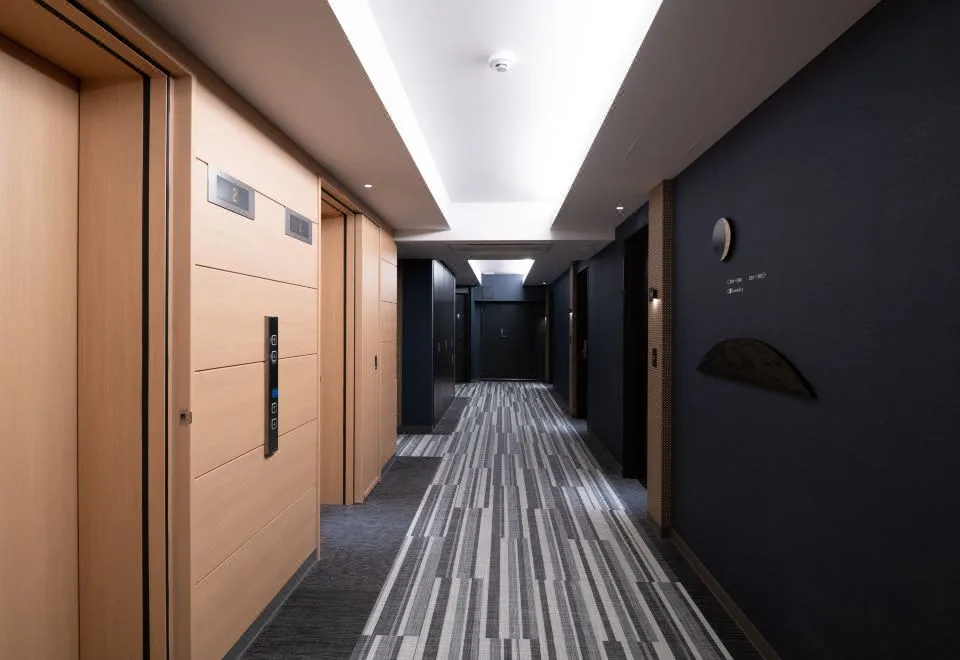
Use the five room photos to check the distance between the dining table and the sofa, the themed room living area, the corridor width, how large the themed room bed feels, and where the sofa sits against the bedding: the furniture layout in the photos is what you will find on arrival, so compare it with how many suitcases you bring and decide where they will open. Check whether the table and sofa seat the whole family at once, whether the corridor is wide enough to wheel a case through, and whether the themed bed feels big enough for two.
The sofa-and-bedding photo shows the switch between daytime and night: how the sofa area and the sleeping area divide up, and whether there is enough room to sleep at night and sit during the day — decide from the photo first.
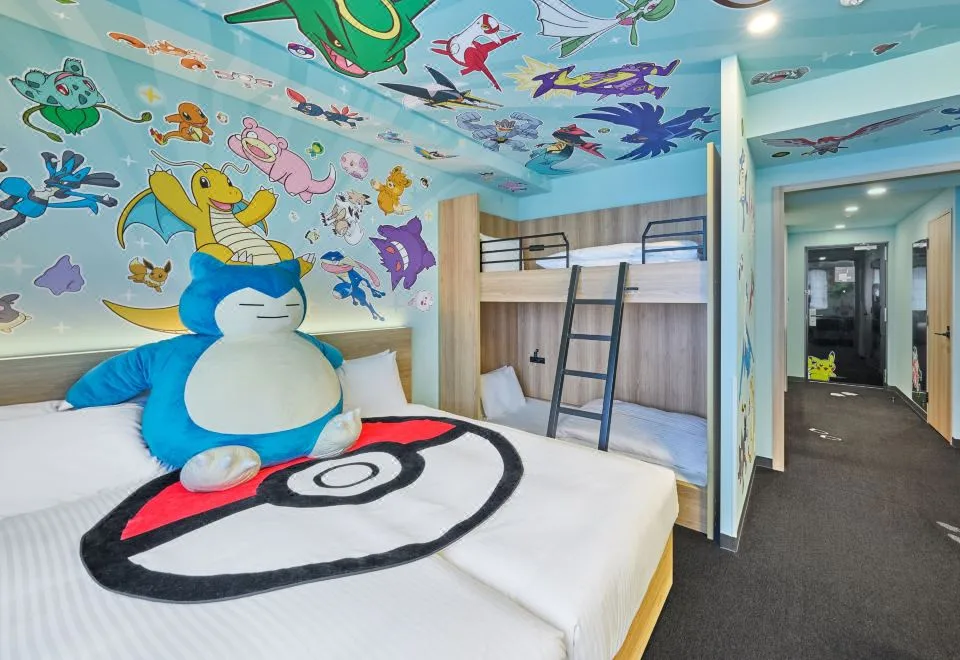
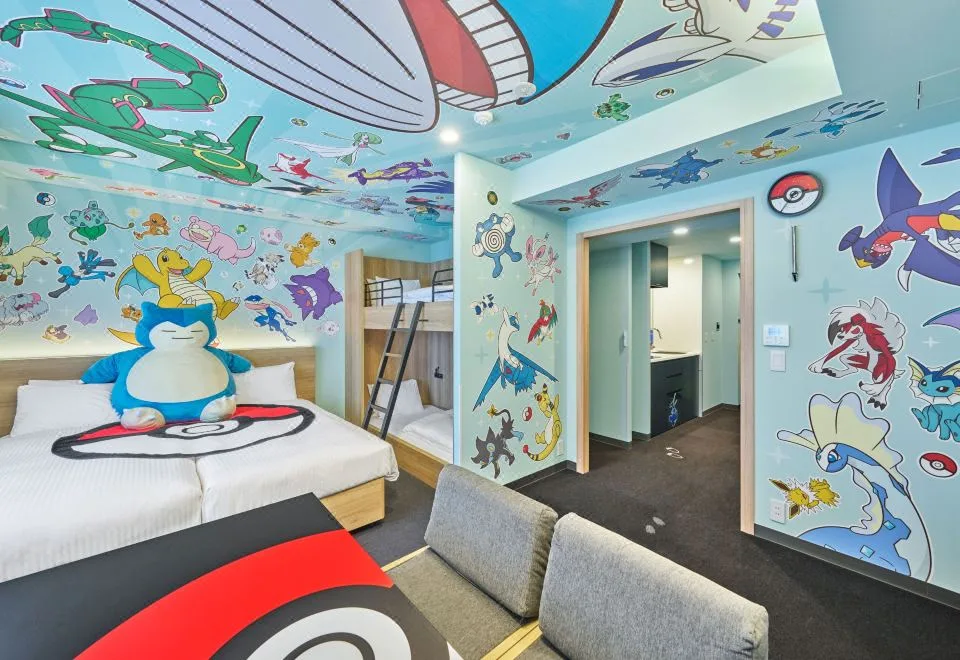
Room photos
Look at the bed, table, entry and suitcase passages, but check the configuration of your actual booked category; furniture and sleeping arrangements differ by room type.
Start with the entry photo and check how much walkway is left once the suitcases are down: whether two large cases block the door and whether cases need to go against the wall — the photo shows it more directly than words, so measure your own cases first and compare.
The kitchen photo shows the counter, stove and storage: if you plan to cook breakfast, check whether the counter holds your ingredients and where the pots are kept; the dining-table photo shows whether the whole family can sit down together, so count the chairs first.
Check whether the desk and chairs work for two people at once: a child doing homework and an adult spreading out the day plan need enough chairs and desktop space, so look at the photos first and avoid finding on arrival that one table has to be shared in turns. An adult sorting photos or checking the next day plan in the evening needs a table too.
The entry photo also shows where shoes and suitcases go: whether to leave shoes at the door and whether cases stay in the entry or go into the room — plan the flow first so arrival is not a squeeze at the door.
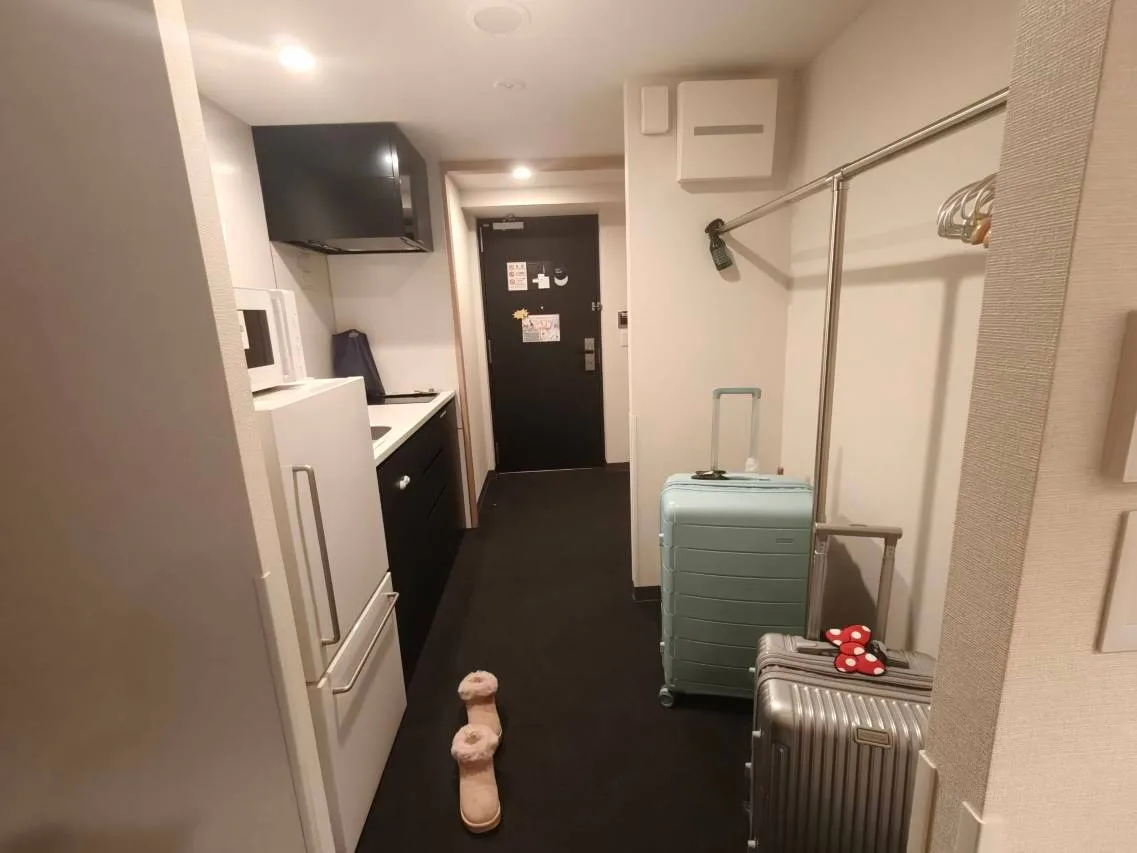
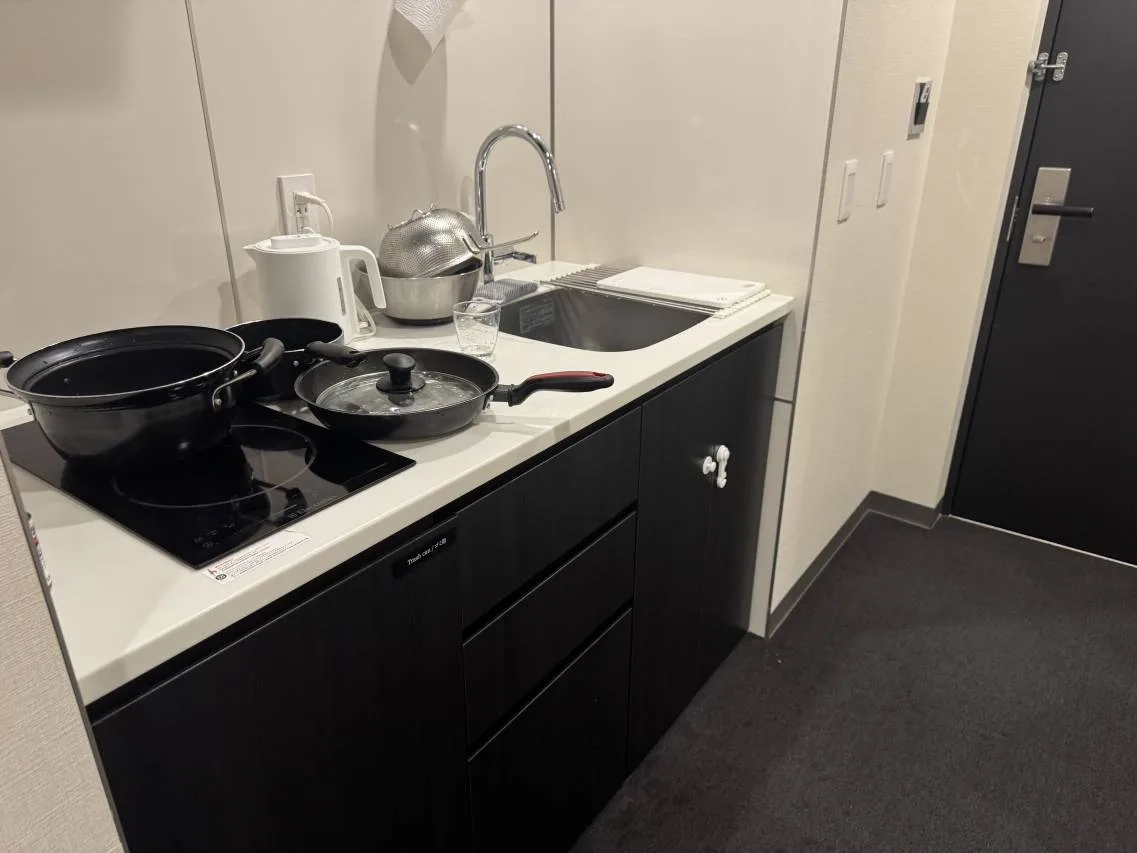
Breakfast arrangements
No breakfast is provided by the hotel. The room’s kitchen and table allow family members to eat at their own pace. Buy bread, fruit and simple groceries the evening before; eating first and getting ready in turns is often easier than hurrying everyone downstairs.
Cookware and dishes support simple meals, but don’t assume seasonings, washing-up supplies or special children’s utensils are included. Eating out is another option. An apartment hotel should provide flexibility, not extra chores.
Buy bread, fruit and milk at a nearby convenience store the evening before: with a kitchen and dining table in the room, there is no rush to get out in the morning, children can sleep in, and eating first and getting ready in turns is easier than hurrying everyone downstairs together.
If you want a morning completely off cooking, eating out is another plan: Ginza and Tsukiji are both nearby, and there are places to eat around Nihombashi too — walk over, eat, and stroll back without packing the schedule too tight.
With no fixed breakfast hours, you choose when to eat: an early start needs no wait for a restaurant to open — eat what you bought the night before right in the room, then head out, with the timing set by your own plan.
Ask at booking whether the tableware covers the whole family at once: pots and dishes handle simple cooking, but check how many sets of bowls and cups there are and whether extras are needed, so four people are not left waiting turns for one pot in the morning. Four people eating at once need enough bowls and cups, or breakfast happens in two rounds.
Think ahead about clearing up after breakfast: the room kitchen handles simple cooking, but ask at check-in whether used pots and dishes need washing yourself and whether cleaning covers the kitchen, so check-out is not a last-minute scramble.
When you buy groceries the night before, bring a small pack of salt and dish soap along: a little of your own means the morning cooking never stalls.
Getting here, luggage and map
The official guide lists Hatchobori Hibiya Line Exit A5 at roughly two minutes and JR Keiyo Line Exit B1 at around four minutes. The lines use different station entrances, so for Maihama follow JR signs. With luggage or a stroller, use the A2 or A3 elevator exit and walk on the surface to 3-8-8 Nihombashi Kayabacho.
With large luggage, a wheelchair or a stroller on the Hibiya Line, do not use Exit A5: A5 is the closest at about two minutes, but the elevator sits on the A2 and A3 side — outside the gates it connects Exits A2 and A3 with the Tsukiji-side ticket gates, and the stairs from the platform to those gates have a wheelchair stair lift; after leaving the station, walk on the surface back to 3-8-8 Nihombashi Kayabacho. On the JR Keiyo Line, use the elevator at Exit B2. Without heavy luggage, A5 is the fastest way in.
JR Hatchobori Station is 180 m from the hotel, about a three-minute walk: coming on the Keiyo Line takes a little longer than the Hibiya Line, but there are elevators and escalators between the platform and the gates, and Exit B2 has an elevator too; for Maihama follow the JR signs, not the Hibiya Line ones.
With suitcases on the Hibiya Line, use the Sakuragawa Park-side ticket gates: those gates sit close to the A2 and A3 elevators, so follow the Sakuragawa Park signs up from the platform and head for the elevator instead of following the crowd toward A5.
Address: 3-8-8 Nihombashi Kayabacho, Chuo City, Tokyo 103-0025, Japan. Google Maps directions
Planning nearby
Reserve a whole day for Maihama, and combine Ginza with Tsukiji on a different day rather than repeatedly changing trains. Tokyo Station is a connection point, but with children and suitcases there is no need to walk everywhere; save energy for the attractions.
Nihombashi is 500 m away, Ginza 790 m, the Tokyo International Forum 1.5 km, the Tsukiji Outer Market 1.5 km and the Imperial Palace 2.5 km: walk to Ginza for shopping, to Nihombashi for old Tokyo, keep Tsukiji for the morning and give the palace half a day — all within walking distance or one stop away.
Hamacho Station is 1.7 km away and JR Shin-Nihombashi 1.6 km, so there are other stations nearby, but with luggage Hatchobori stays the main choice: the walk is long, so drop the bags at the hotel first and head out light.
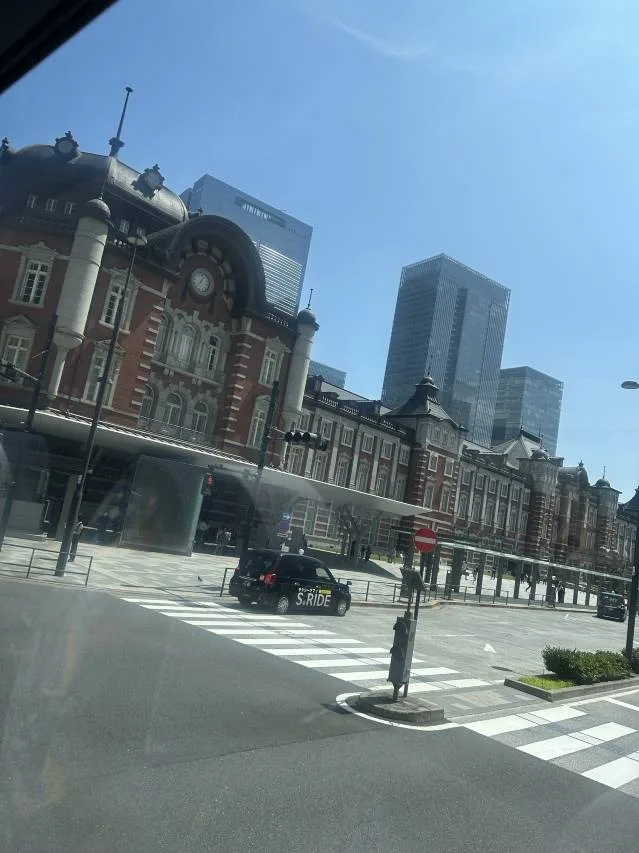
Look at the Tokyo Station street photo first for the sidewalks and crossings around the station: whether getting there with children and suitcases means crossing a wide road and whether the path is easy to push a case along — decide from the photo whether to walk the whole way. Check how long the crossings take and whether pushing a stroller across is easy.
Short and longer stays
A family staying three nights or longer and preparing food or using the laundry gets the most benefit. Ask at check-in what daily cleaning and towel service covers and what needs a request.
Check-in runs 3:00–10:00 p.m., check-out 7:00–11:00 a.m., and reception is staffed 7:00 a.m.–10:00 p.m.: check-in ends at 10:00 p.m., so plan late flights or trains carefully, and the earliest 7:00 a.m. check-out works for an early start without waiting.
No deposit is required, and pets are not accepted, though service animals are allowed with advance request: luggage storage costs ¥500 per piece, so count it in your budget if you leave bags after check-out; reception offers translation tools in English and Japanese, so ask there directly if anything is unclear.
Build laundry into the evenings on a longer stay: put the clothes in after dinner, before the children sleep, and collect them in the morning — several nights then need no suitcase full of spare clothes. Collect them in the morning and wear them straight out, leaving suitcase space for souvenirs.
Exterior and shared areas
The shared facilities cover the basics: free public Wi-Fi, an elevator, vending machines, a water purifier and a fresh-air system, with public areas non-smoking, a separate smoking area and non-smoking floors; together with the in-room kitchen, they make several nights feel like living there rather than passing through. Vending machines are in the shared areas too, so a drink at night needs no trip outside.
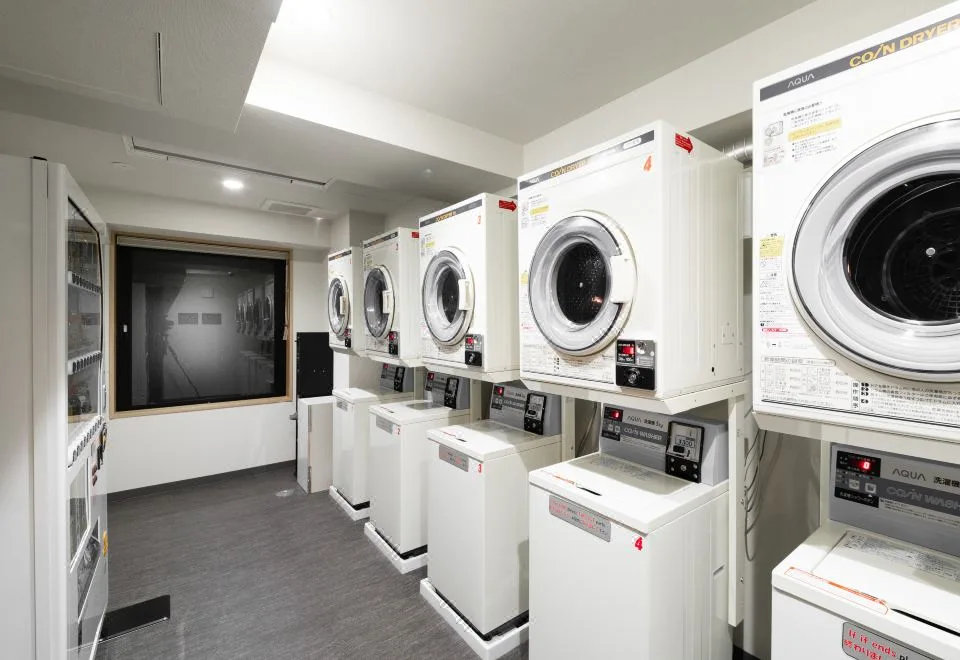
Laundry is in a shared area and the laundry service is charged: for a family staying three nights or more and changing clothes daily, the laundry room is what makes a long stay work, so find out where it is and how it runs when you arrive; currency exchange is also at reception, so change small bills before heading out.
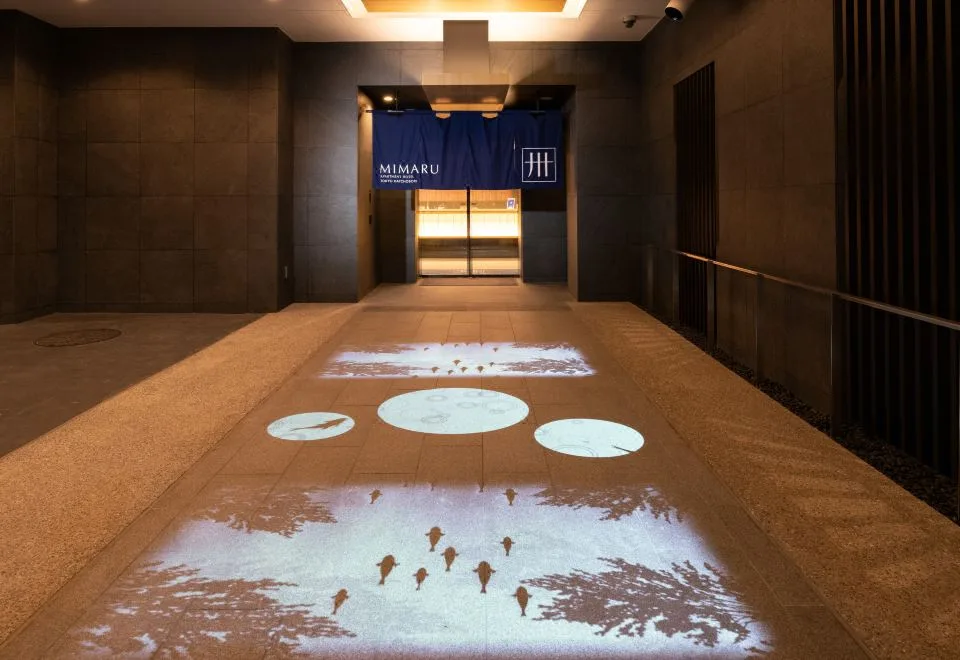
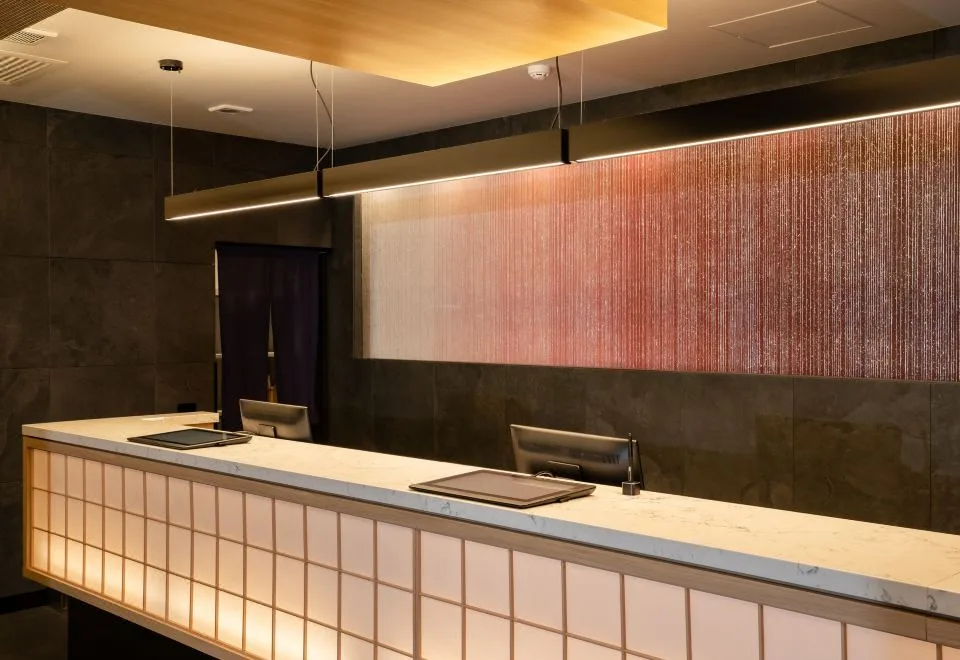
Look through the reception and corridor photos first: the reception photo shows where check-in happens and how the flow works, the projection corridor photo shows what coming back at night feels like, and the laundry photo shows where the washers and dryers sit — no need to search again on arrival. The laundry photo shows how many washers there are and whether a wait is likely.
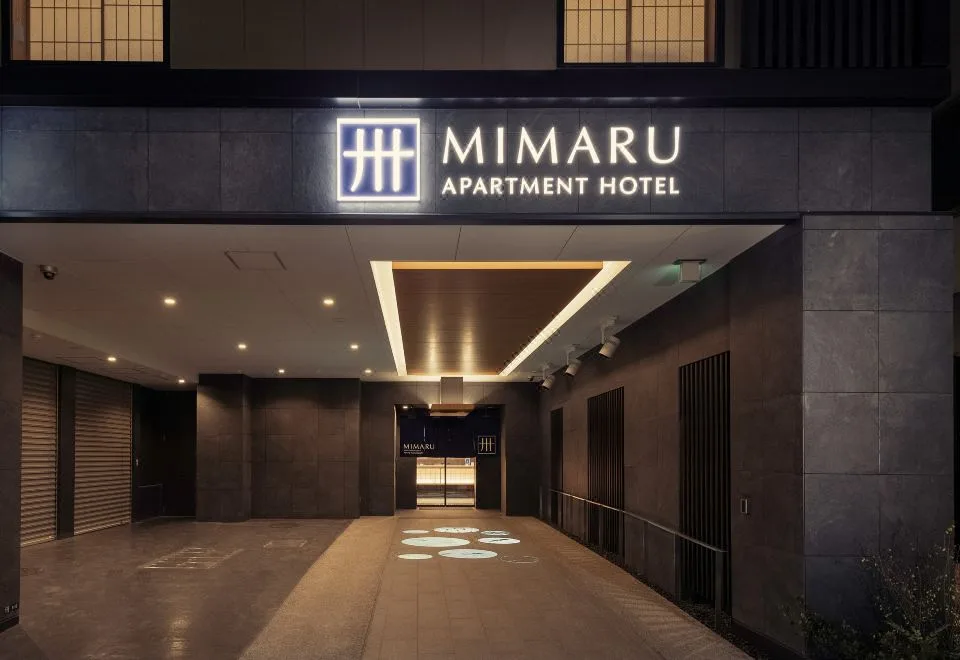
Look at the hotel entrance photo first for the flow at the door: whether suitcases roll in smoothly, whether there is room to set bags down for a moment and let the children in first, so arrival is not a scramble at the entrance.
Pros and cons at a glance
Pros
- Family apartments from 38 m² with a dining table and kitchen, so family routines stay easy.
- Clear sleeping plans: four in 38 m², six in 58 m², and a 76 m² connecting option for larger groups.
- About two minutes from Hatchobori Station Exit A5 on the Hibiya Line, with the JR Keiyo Line also close.
- Reception runs 7:00 a.m.–10:00 p.m. in English and Japanese.
- Shared laundry and free public Wi-Fi make longer stays easier.
- Nihombashi is 500 m away and Ginza 790 m, so shopping and eating out are close.
Cons
- No breakfast is served; cook in the room kitchen or eat out in the morning.
- Check-in ends at 10:00 p.m., so plan late arrivals carefully.
- Bunks and loft beds depend on a child’s age and how warm the upper level feels; don’t assign the top bunk by default.
- Luggage storage costs ¥500 per piece, so count it in your budget if you leave bags after check-out.
- Cleaning and towel replacement feel different to different stays; ask at check-in what daily servicing covers.
Information checked: November 22, 2026.