
TOKYO / CHUO
Hotel Ginza Daiei
Hotel Ginza Daiei
Before staying in a Ginza side street, compare the main building, annex and small rooms.
Hotel Ginza Daiei is convenient for dinners and shopping around Ginza. Before choosing it, I would compare its main building, annex and actual room type. The price is worth considering, but a Ginza address alone does not guarantee spacious rooms or a particular level of service.
| First check | My direction |
|---|---|
| Suitable trip | Solo or short stays spent mostly outside, with a simple place to rest and a willingness to check the exact room. For fresh interiors, a spacious bathroom and predictable service, other hotels come first on my list. |
| Room selection | Official sizes start at 10 m² for Standard Single, 13 m² Standard Double, 15 m² Standard Twin, 22 m² Design Twin, and 13 m² Annex Twin. |
| Main compromise | Cleanliness and upkeep vary widely, including serious hygiene complaints. |
Choose the room that fits your luggage
Official room sizes begin at 10 m² for the Standard Single, 13 m² Standard Double, 15 m² Standard Twin, 22 m² Design Twin, and 13 m² Annex Twin. These differences affect where two people can open luggage. Do not filter only for ‘Twin’: annex and design twins offer very different floor areas, and smoking policy should also be confirmed.
| Room type | Space or layout | My direction |
|---|---|---|
| Standard Single | From 10 m² | Basic solo accommodation. |
| Standard Double | From 13 m² | Two sharing one bed. |
| Standard Twin | From 15 m² | Two sleeping separately. |
| Design Twin | 22 m² | For additional floor area. |
| Annex Twin | From 13 m² | Confirm building and reception route first. |
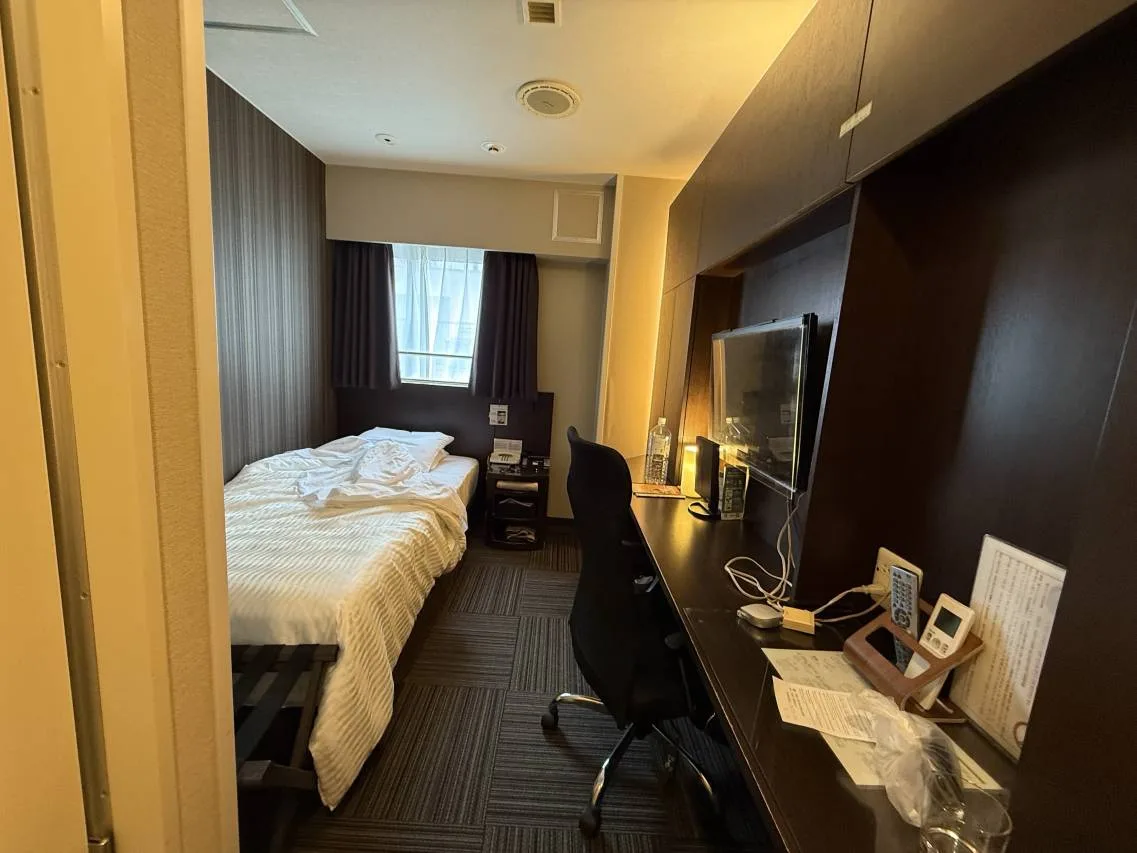
The 10 m² Standard Single suits me travelling alone: one 28-inch case opens flat and I can still walk past it, but a second case blocks the path. The 13 m² Standard Double puts two people in one bed, so cases open one at a time — one person packs away first, then the other opens theirs. The 15 m² Standard Twin gives each person their own bedside space, so luggage splits to both sides. The 22 m² Design Twin adds 7 m², enough for two large cases plus a shopping bag, and I can move around at night without turning sideways. The Annex Twin is also from 13 m² with separate beds, but its space is close to the Standard Double, so I check which reception to use and how to enter the building before choosing it.
The Design Twin at 22 m² and the Annex Twin from 13 m² differ by 9 m², and that gap buys moving space: with two large cases, 9 m² is the difference between opening both at once and taking turns. If your budget allows and you want to sort luggage slowly in the room, the Design Twin fits better. If you only need a place to sleep and head out in the morning, the Annex Twin is enough, as long as you accept the tighter space.
Smoking conditions need a separate check: the room table does not say whether each room is non-smoking, so I match the room name, bed count and allowed occupancy on the booking page before paying. Rooms with similar names in the main building and the annex may not be the same space, so bed count alone is not the filter to use.
If you travel with two large cases, count the cases before choosing the room: one person with two 28-inch cases cannot open both in a 10 m² single, while a 15 m² twin takes them. Two people with one large case each are safest in the 22 m² Design Twin, and the Annex Twin from 13 m² feels tight. Set the luggage count first, then pick the room — reversing the order is how you choose wrong.
See the official room list and check exact room name, beds and allowed occupancy on your booking.
Arriving with luggage
The hotel gives different Higashi-ginza Asakusa Line exits depending on direction: from Shimbashi, Exit A8 is about three minutes; from Nihonbashi, Exit A7 about two minutes. From the Hibiya Line’s Higashi-ginza Exit 3, about five minutes; from Ginza A13, seven. These are ordinary routes, not step-free guarantees for suitcases.
For elevators, Tokyo Metro shows a route from Higashi-ginza central ticket gate to Exit 3 and another via the Miharabashi-side gate toward A1. Hibiya and Asakusa Line platforms have different routes, so follow the signs for your actual line before navigating on the surface toward Ginza 3-chome.
| Stay information | Details |
|---|---|
| Address | 3-12-2 Ginza, Chuo City, Tokyo 104-0061, Japan. |
| Check-in / Checkout | 3 p.m.–midnight / before 11 a.m. |
| Walking reference | About 140 m or two minutes from Higashi-ginza Station. |
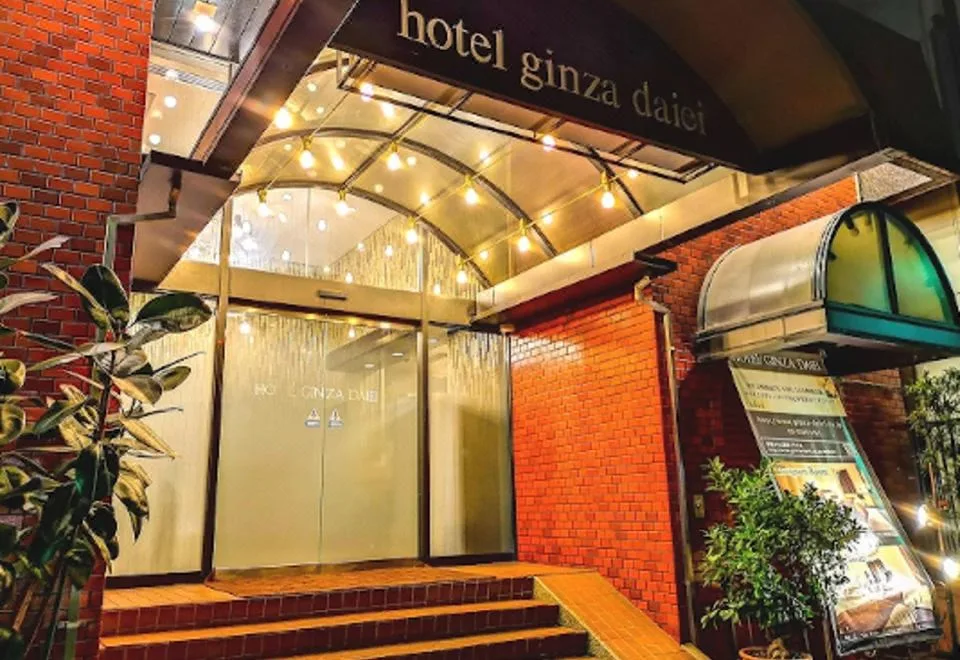
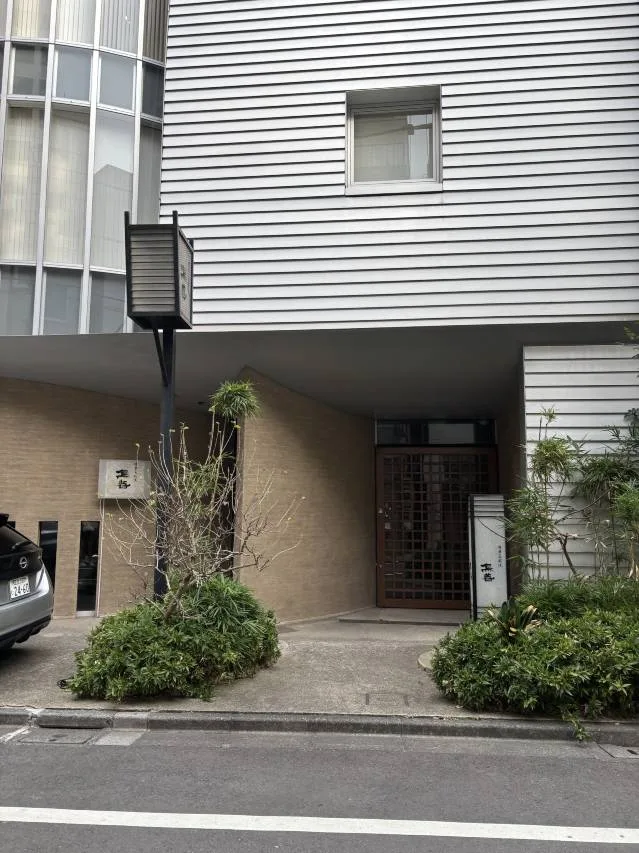
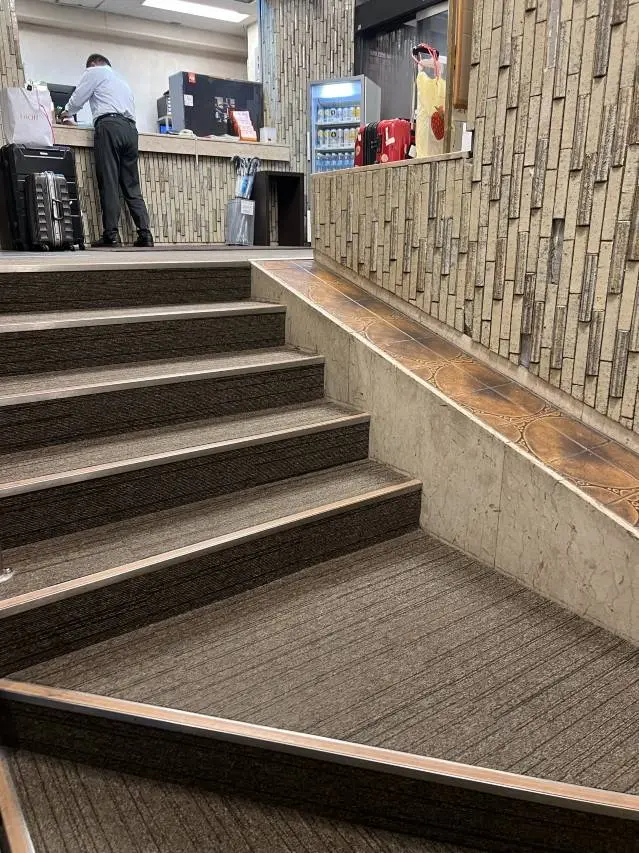
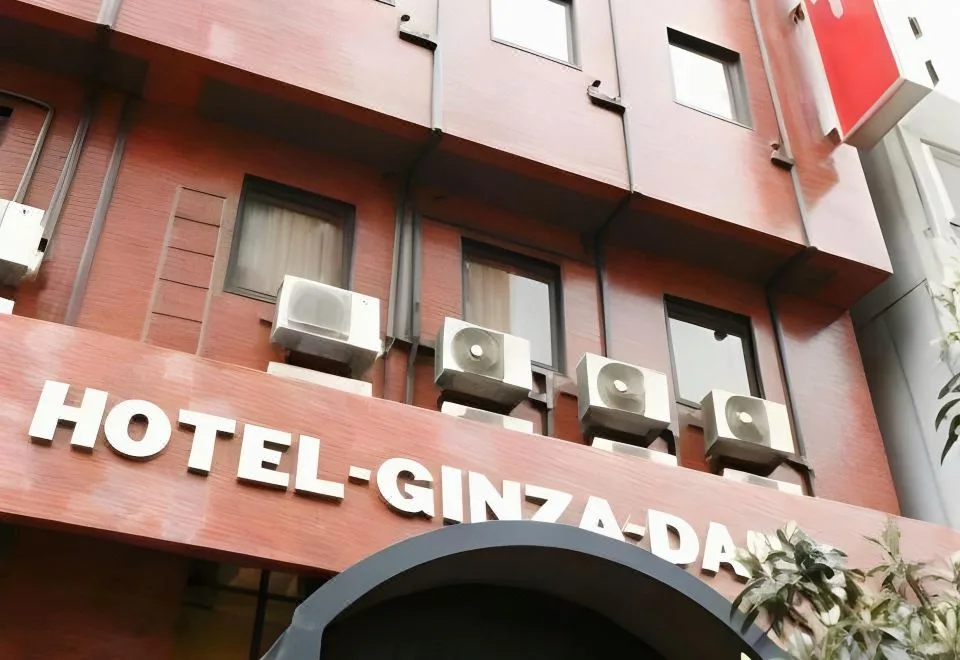
With a large case, I take the elevator route, not the nearest Exit A7. The Hibiya and Asakusa Line platforms have different layouts, so I follow the elevator signs for the line I rode to the ticket-gate level: the central gate leads to Exit 3, and the Miharabashi-side gate leads toward A1. From street level I walk toward Ginza 3-chome; the hotel is at Ginza 3-12-2. The entrance photo shows steps, and although the building has an elevator inside, those steps at the door still mean carrying the case up yourself, so heavy luggage deserves a warning.
Ginza-itchome Station is also 350 metres away, served by the Ginza, Marunouchi and Hibiya Lines, so switching lines on the way back is easy. Tsukiji Outer Market is 560 metres, the Ginza Art Aquarium Museum 440 metres, Tokyo International Forum 870 metres and Nihonbashi 1.1 km — all of them fit in one day on foot. The Imperial Palace at 1.7 km and Tokyo Tower at 3.3 km are not walks; leave those to the subway or a taxi. Hamamatsucho Station on JR is 2.5 km away; riders on the Yamanote or Keihin-Tohoku Line can ride to Tokyo Station and change to the subway, which beats walking the whole way.
When Higashi-ginza is crowded, Ginza Station Exit A13, about seven minutes on foot, works as a backup: a few extra minutes for a less crowded exit, and the case feels lighter. In a hurry, the Asakusa Line from Nihonbashi takes Exit A7 in about two minutes and from Shimbashi Exit A8 in about three, while the Hibiya Line from Higashi-ginza Exit 3 takes about five. Remember those three routes and you will not need to unfold a map on the spot.
Should breakfast be included?
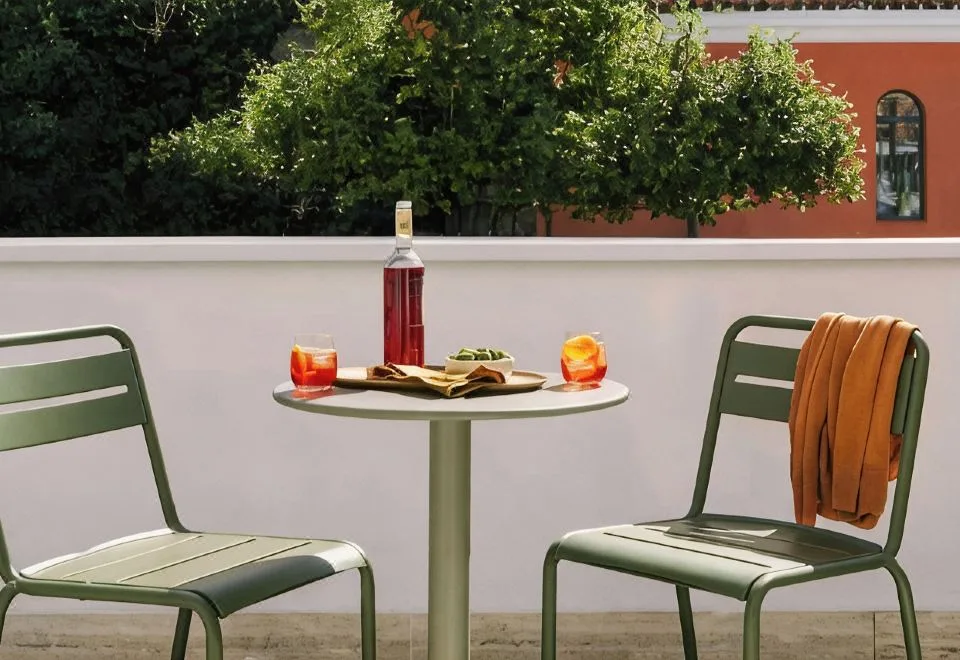
I compare this hotel without relying on included breakfast, leaving the budget for cafés or morning meals on Ginza’s streets. Photos of seating and a terrace do not prove breakfast is served. Unless a rate clearly describes what breakfast includes, I do not pay extra for a vague meal option.
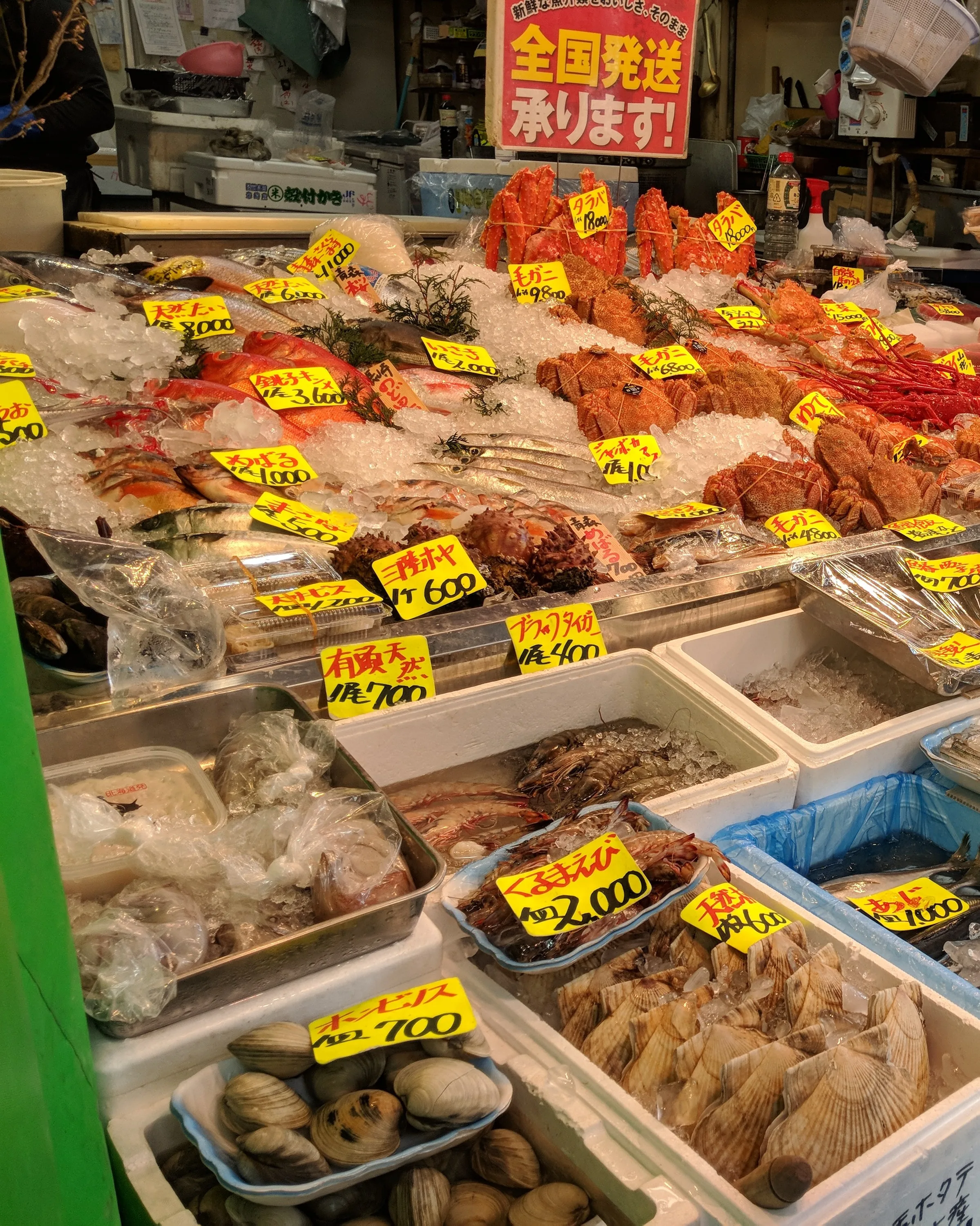
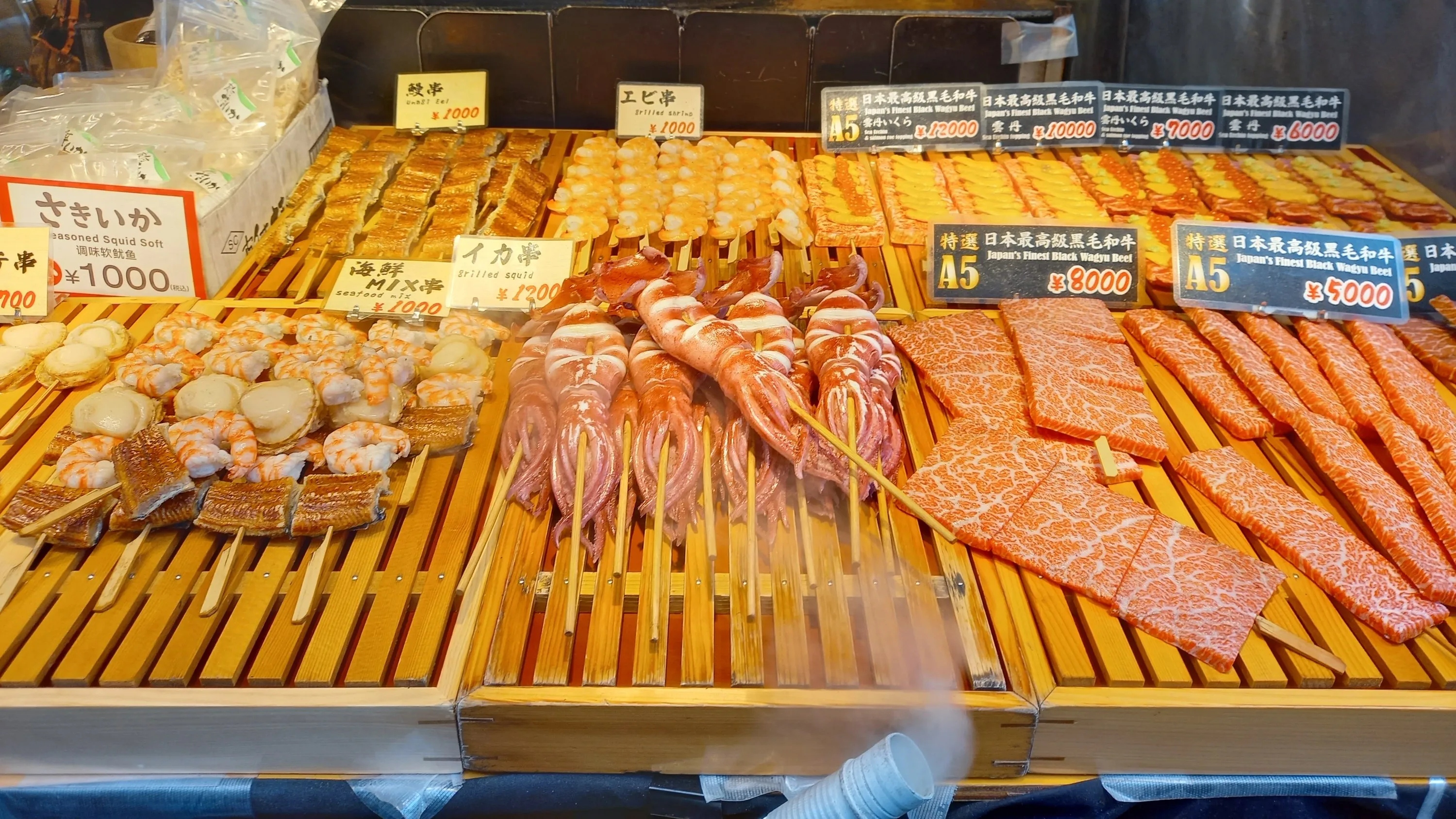
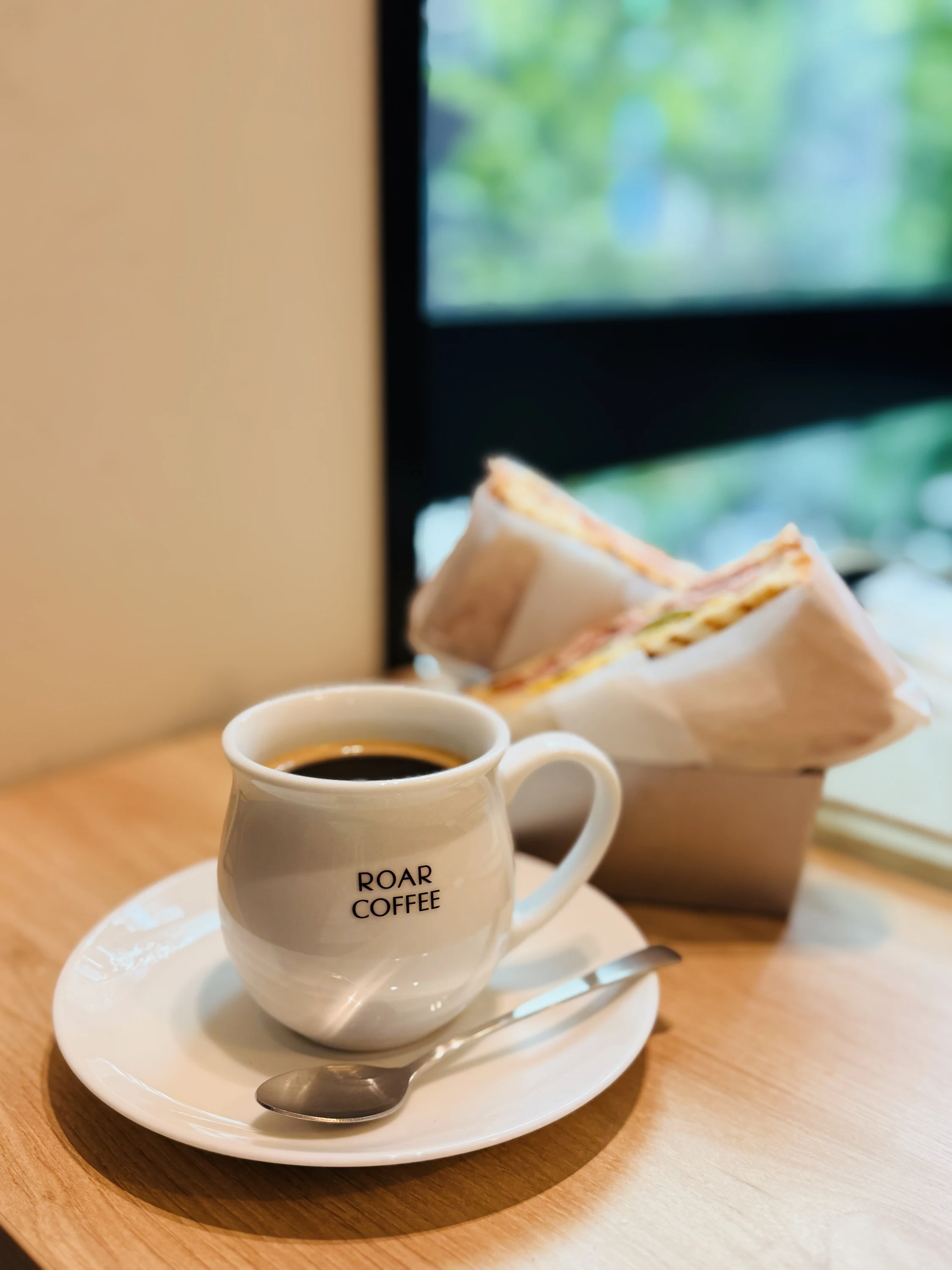
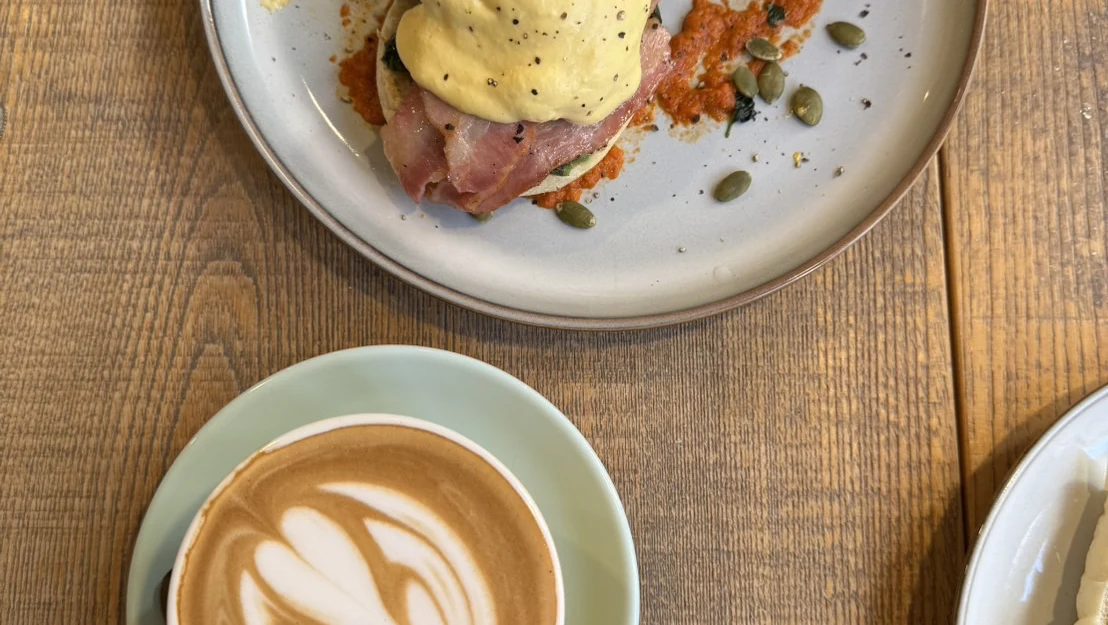
The facilities list shows the in-house restaurant as just the word “restaurant”, with no hours, menu or prices, so I do not pay extra for a restaurant that is not described. For a hot morning meal, Tsukiji Outer Market is 560 metres away, and walking there beats gambling on the hotel. Ginza streets have plenty of cafés too, so keeping the budget for the street buys more choice than the hotel does.
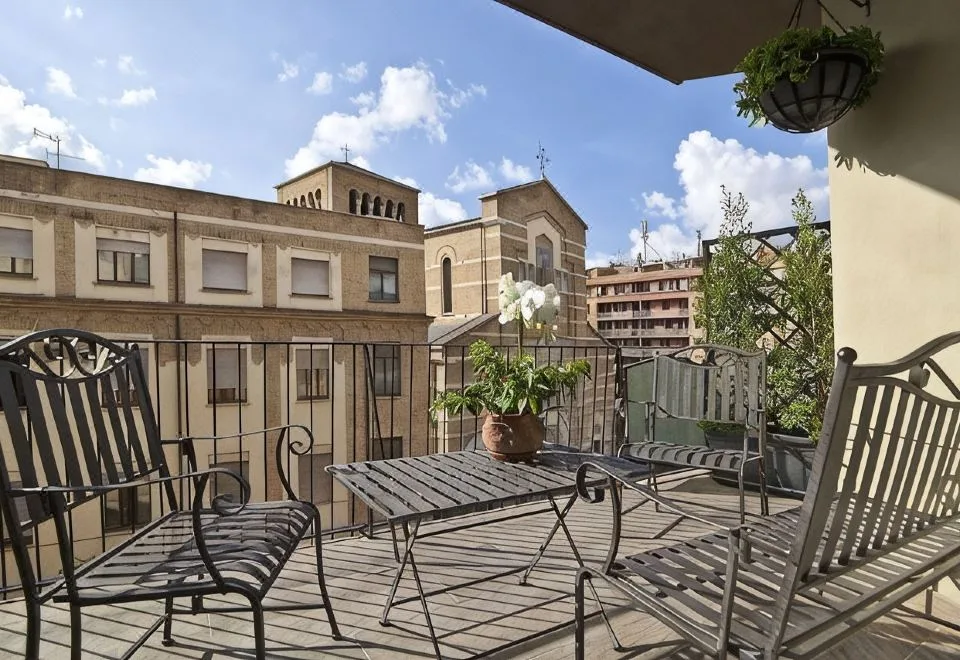
The terrace chairs work as an evening breather: come back after a day of shopping, sit for a while, then head out for dinner. Treat them as a resting corner, not a breakfast room — the photos show no food and no tableware, so they prove nothing about breakfast being served.
I keep the breakfast budget this way: the room-only rate plus the price of a street breakfast, added together, then compared with a breakfast-included rate. If the included option costs only a little more and spells out what is served, it is worth considering; if it spells out nothing, the extra money is better spent on the street.
Short stay or several nights?
For a short visit, walking to food in Ginza is convenient. For longer stays, pay more attention to daylight, windows and cleaning because those conditions matter every day. The annex reception route needs a separate check: staying in the annex means walking to the main building for the front desk. With mobility needs or many bags, confirm that arrangement ahead.
Front-desk hours and check-in hours are different, so match them first: check-in runs 15:00 to midnight, while the front desk is staffed 08:00 to 22:00. Anyone arriving after 22:00 should ask in advance how to enter the building instead of finding no one at the desk. Checkout is before 11:00, so if you want a late morning, plan the day forward.
Facilities are few, but the ones a longer stay needs are there: an elevator, vending machines and laundry service, so washing clothes over several days does not mean finding a laundromat outside. The smoking area is in the public area, so smokers do not need to step out to the street.
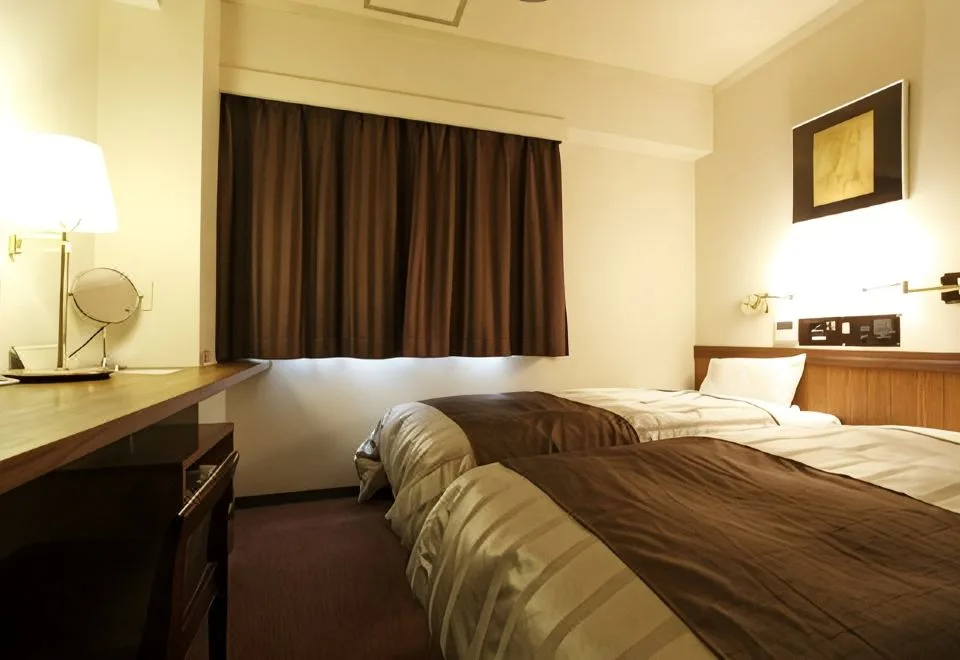
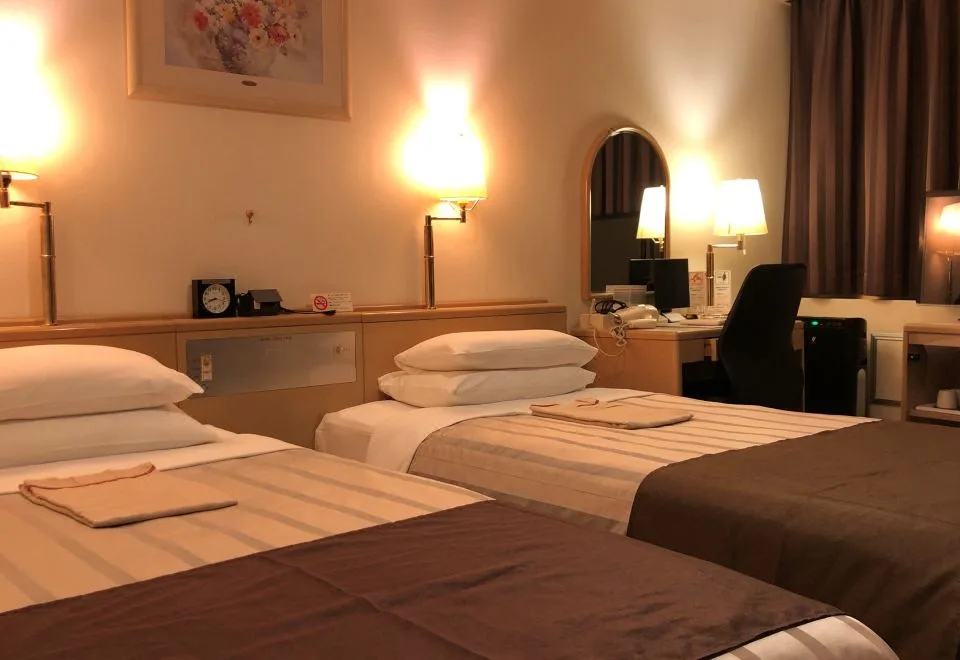
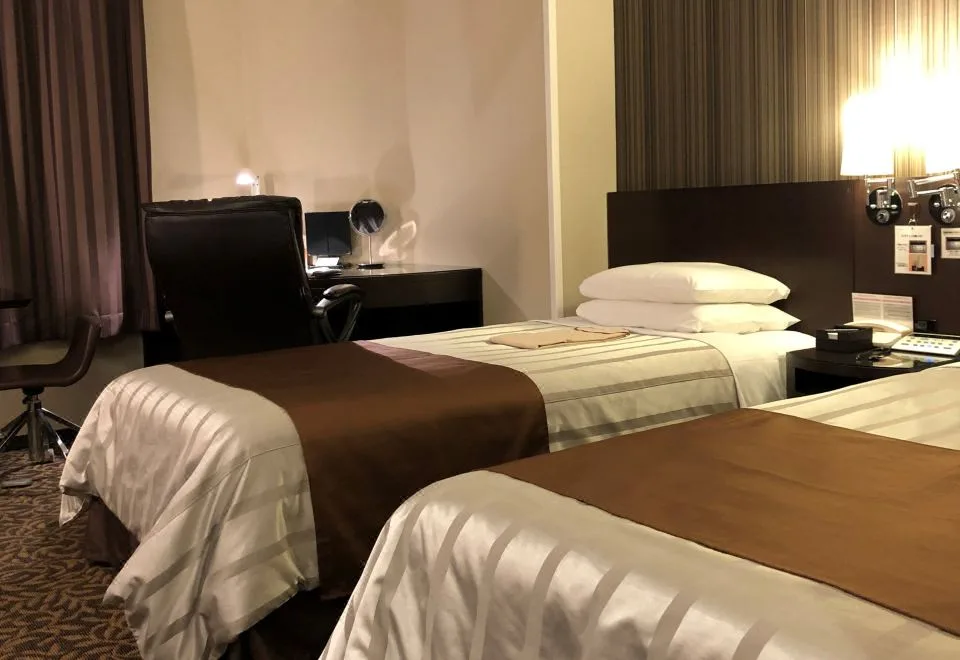
A longer stay means paying attention to daylight and windows: the room photos show the size and position of the windows, and a dim room feels stuffy after a few days if you spend daytime hours inside. Cleaning matters every day too, so I check the room on the first day and raise any problem at the desk right away instead of waiting until day two.
Rules to settle before booking
Children of all ages are welcome here, so families do not face an age limit. A child without an extra bed may still cost extra, so enter the number of children when booking to get an accurate price. For a crib or an extra bed, contact the hotel first — do not arrive and find out it cannot be added. Read the cancellation terms on the booking page too: check the free-cancellation deadline for a cancellable rate and what it costs after that date, before you pay.
Pets are not allowed, so anyone travelling with an animal needs another hotel. Parking is charged, so drivers should ask about space and charges in advance; parking is hard to find in this part of Ginza. Smoke detectors and fire extinguishers are listed as safety equipment. Before booking, run through four items — children, extra beds, pets and parking — and confirm all of them first.
Compromises before booking
Cleanliness and upkeep vary widely here, including serious hygiene complaints. Before booking, I ask the property directly what it has done about reported problems in the specific building, and I favor a cancellable rate. A single room’s condition does not represent the whole hotel, but I do not ignore the gap either.
I put cleanliness first on my pre-booking checklist: a wide gap means rooms in the same hotel can differ a lot, so I ask before I stay. Before booking, I ask the hotel directly how the building and floor I am booked into have been handled lately, and whether the cleaning routine has changed. If I get no answer, I pick a cancellable rate, inspect the room on arrival, and only then decide whether to stay.
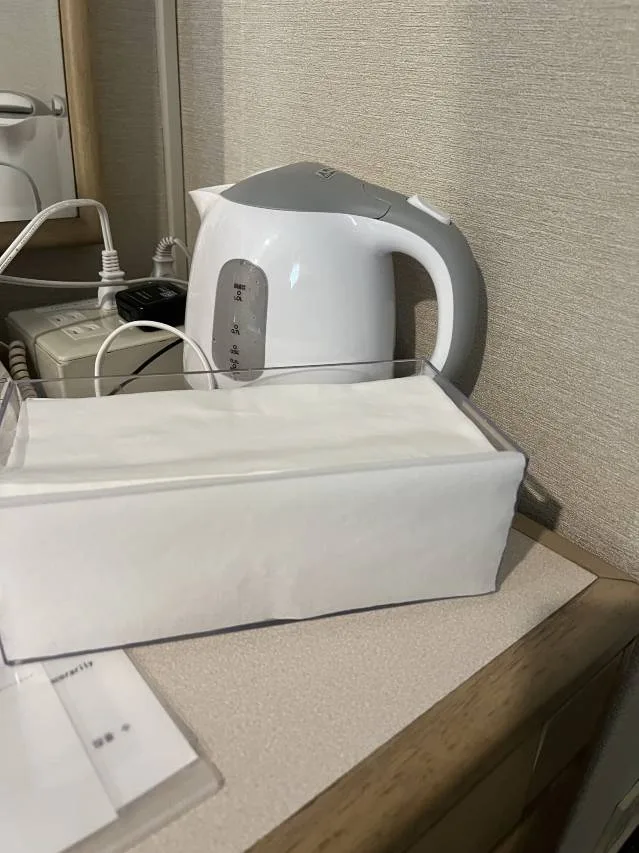
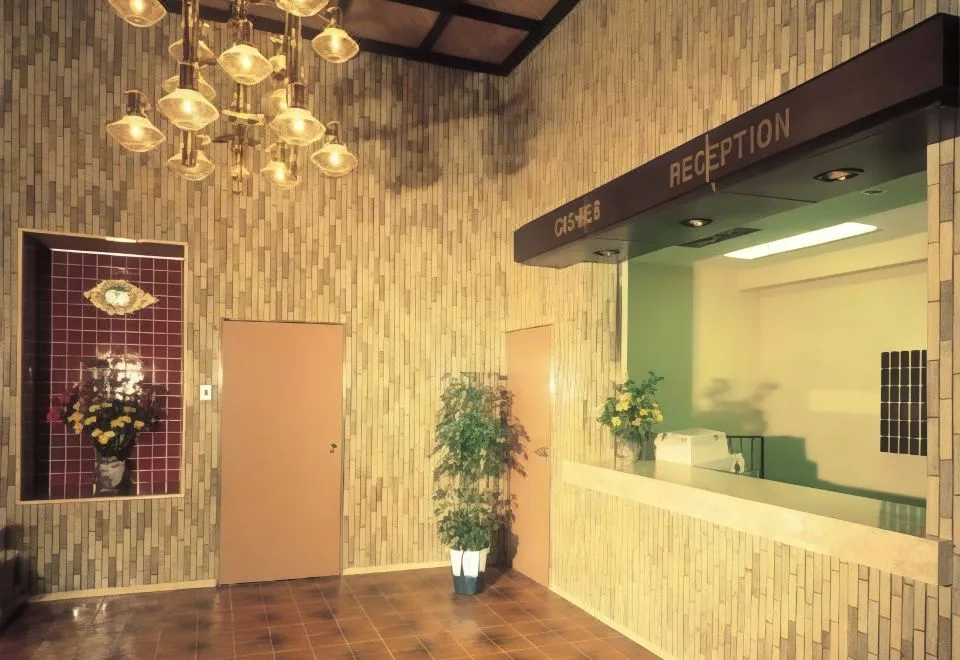
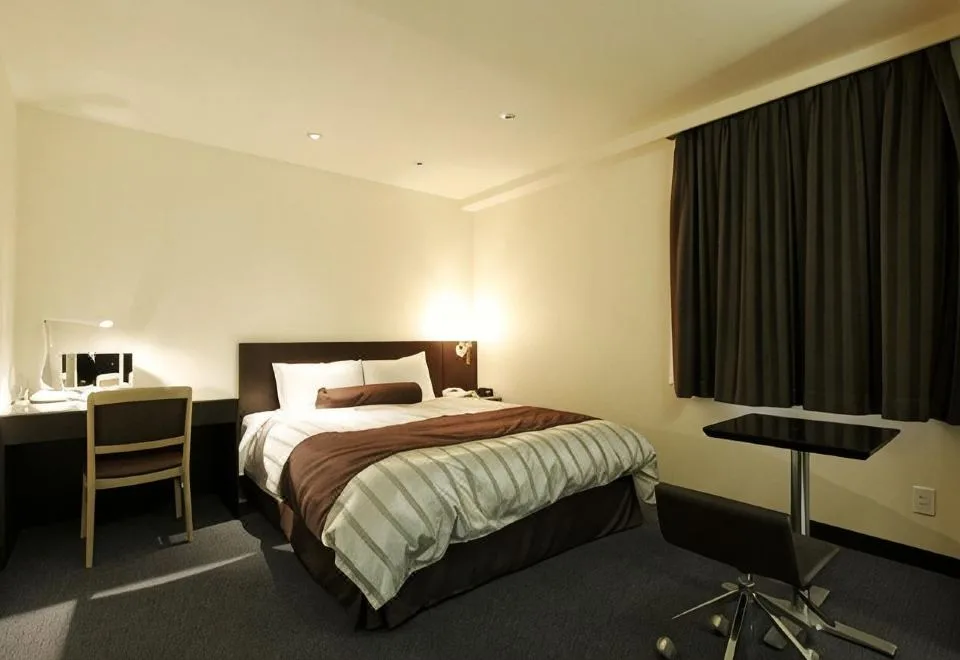
Room condition matters too: the photos show the fittings and the kettle and hanging space, and those small details decide whether a one-night stay feels smooth. If you care about those details, look through every room photo before booking instead of judging by the exterior shot alone.
Keep local activities in one direction
For a day based here, see Ginza walks (Chinese guide) and Tsukiji Outer Market (Chinese guide), then combine nearby stops rather than repeatedly crossing the city.
Tsukiji Outer Market is 560 metres away: eat your way around it in the morning, then walk back to Ginza for shopping, all in one direction with no backtracking. The Ginza Art Aquarium Museum is 440 metres and Tokyo International Forum 870 metres, so both fit the same day. Nihonbashi at 1.1 km works for anyone who wants a longer walk, with the subway back when tired.
Evenings are easiest back in Ginza: the hotel sits in a Ginza side street, so dinner ends with a short walk home and no rush for the last train. Mornings toward Tsukiji and evenings back in Ginza keep backtracking to a minimum, and luggage can be dropped back at the room in between.
If room type and stay style fit, compare full rates for the same dates, guests and cancellation conditions. Compare breakfast and an upgrade to a larger room separately.
Pros and cons at a glance
Pros
- Higashi-ginza Exit A7 is about two minutes, A8 about three, Hibiya Line Exit 3 about five, and Ginza-itchome Station is 350 metres away.
- Standard Single from 10 m², Standard Double from 13 m², Standard Twin from 15 m² and Design Twin at 22 m², so room sizes compare directly.
- Check-in runs 15:00 to midnight and checkout is before 11:00, so late evening arrivals still get in.
- An elevator, vending machines and laundry service inside make longer stays easier.
- Tsukiji Outer Market is 560 metres and the Ginza Art Aquarium Museum 440 metres, so mornings need no backtracking.
- Children of all ages are welcome.
Cons
- The 10 m² single and 13 m² double are small, and two large cases are hard to open at once.
- Cleanliness and upkeep vary widely, including serious hygiene complaints to ask about first.
- Staying in the annex means walking to the main building for the front desk, so anyone with mobility needs or heavy luggage should confirm the route.
- The in-house restaurant is listed only as “restaurant”, with no hours, menu or prices, so breakfast should not be assumed.
- The front desk closes at 22:00, so arrivals after that need to ask how to enter; pets are not allowed.
Information checked: November 22, 2026.