
TOKYO / CHUO
APA Hotel Ningyocho Eki Higashi
APA Hotel Ningyocho Eki Higashi
APA Hotel Ningyocho Eki Higashi is for travelers who spend most of the day sightseeing and want a dependable business-hotel room at night. On the east side of Ningyocho, it works for walks around the old streets and Nihonbashi, with subway connections elsewhere. I would compare the number of beds first, then the passage for luggage.
Is this hotel suitable?
- Room choice: Decide whether to share a bed or sleep separately, then check the bathroom and suitcase space.
- Breakfast: It is served at a nearby partner café rather than in the hotel itself; confirm its hours on your day.
- Longer stays: Plan laundry and housekeeping and pack bags before your last morning.
Check-in, check-out and the front desk
Check-in is from 15:00 and check-out is by 10:00, with the front desk staffed around the clock. Bags arriving early can be left at the desk free of charge, and you can also leave luggage after check-out, go out for the day, and collect it in the evening. Ask the desk for a wake-up call on the morning of an early train and agree the time the night before.
The front desk can also look after valuables in its safe, and if you do not speak Japanese you can use the desk’s translation tools. No deposit is required at check-in. Express check-in and check-out are clearly set out, so anyone in a hurry does not have to linger at the desk.
If you need a fax or photocopy, the front desk can help for a fee. Safety facilities are fully listed: a first-aid kit, fire alarms, extinguishers, smoke detectors, and CCTV in public areas. The elevator serves every floor; rooms other than the ground-floor ones are reached by elevator.
Payment is settled at the hotel, and cash is accepted — confirm your payment method when booking. No deposit is required at check-in, and there is no deposit to settle at check-out either, so the process stays simple.
Children, extra beds and pets
Travelling with children means counting beds first: no room type allows an extra bed, and there are no cribs. Children aged five and under can stay free without an extra bed, but the beds are only the one or two in the room you booked, so a party of three or more should plan how to share them in advance; the deluxe twin’s two beds are the safer choice.
The person checking in must be at least 18 years old. Pets are not allowed in the hotel, while service animals are welcome with prior application — tell the hotel when booking. Children’s slippers and children’s toothbrushes are provided in the hotel, so families do not need to bring their own.
Driving, facilities and shared spaces
Drivers should note the parking: there are two private car parks in the hotel, one charging JPY 3,000 per stay and the other JPY 700 per hour, with few spaces and no advance booking. It is first come, first served, so late arrivals may find no space; plan a backup car park nearby before driving in.
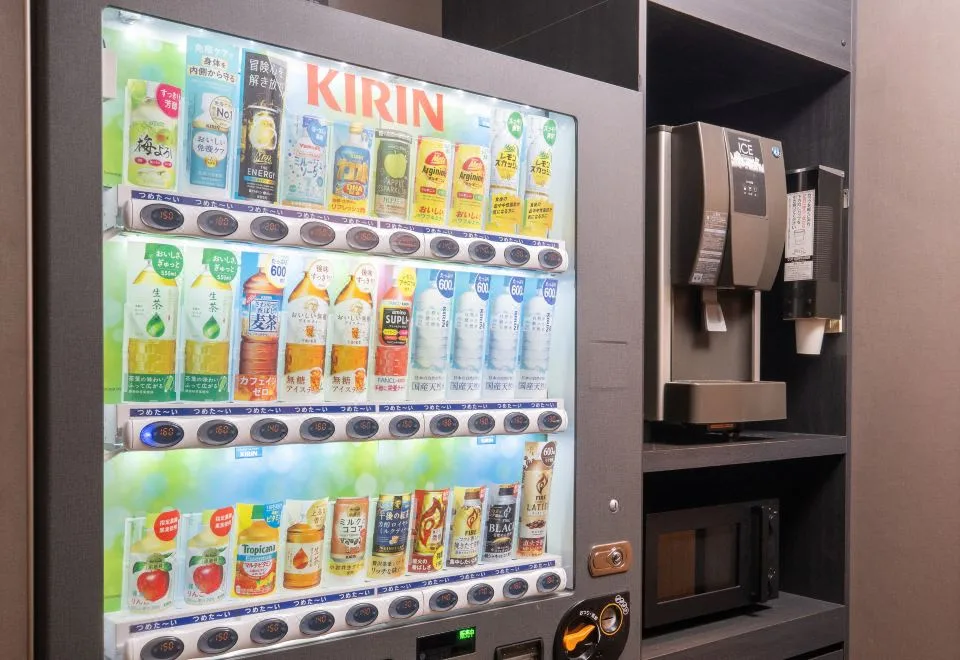
Public areas have free Wi-Fi, guest floors have a drinks vending machine, and rooms have a humidifier and a fresh-air system. The whole building is a non-smoking floor, and the lobby and corridors are non-smoking too. Laundry delivery can be arranged through the front desk, so a multi-night stay does not mean hunting for a laundromat. A wheelchair is kept on site and there are accessible rooms; mention it when booking if you need one.
Getting around the neighborhood
The hotel is about 220 metres from Ningyocho Station, roughly a four-minute walk; Hamacho Station is about 400 metres, Nihonbashi about 730 metres, and JR Bakurocho Station about 670 metres. Akihabara Electric Town is about 1.9 km away — one stop by train is easier than walking.
Konotoku Shrine is about 560 metres away, an easy walk; farther out, Ueno is about 2.2 km and Asakusa Temple about 3.3 km, both easier by train than on foot. Staying in Ningyocho means nowhere is very far: walk to the near places and take one stop by train for the farther ones.
The Ningyocho area suits an unhurried half day: Amazake Yokocho is nearby, so browse the old street’s shops at a slow pace, drop purchases back at the room, and head out again. Spend another day by train toward Nihonbashi or Tokyo Station, grouping the farther places together so luggage is packed once.
Select beds before judging the room’s floor area
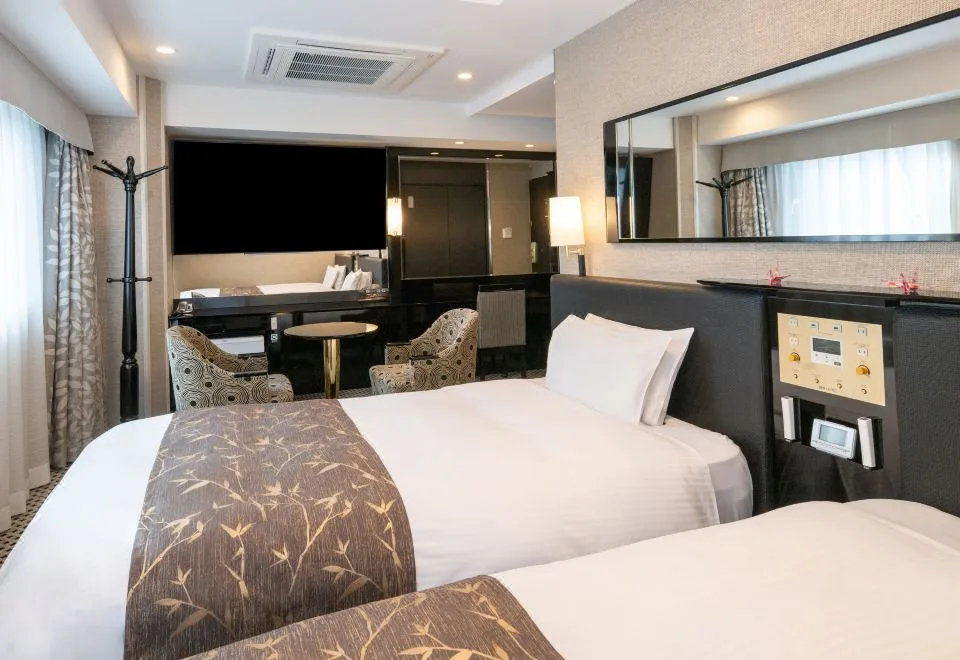
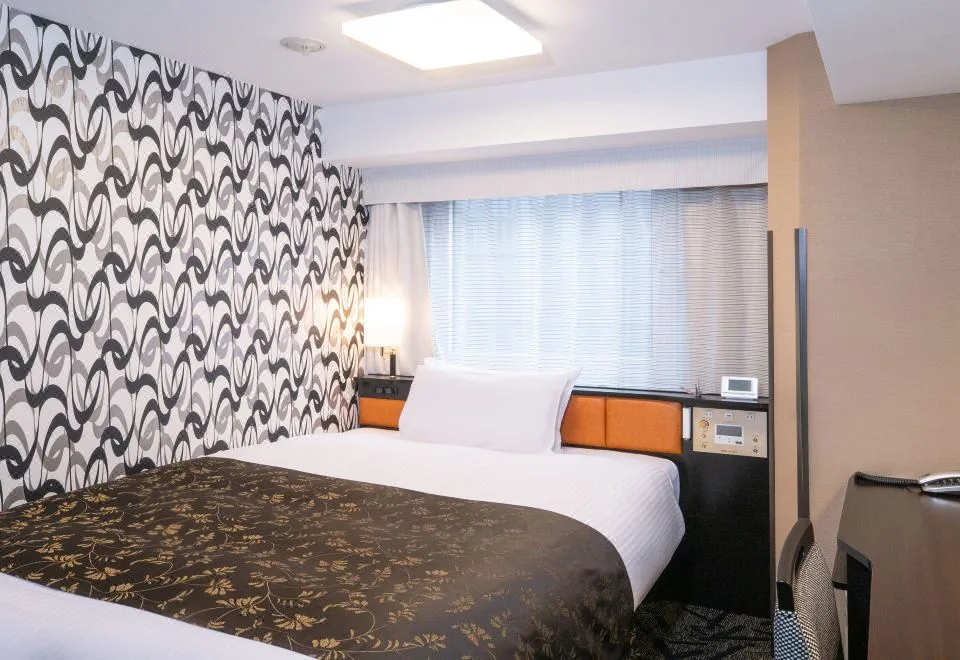
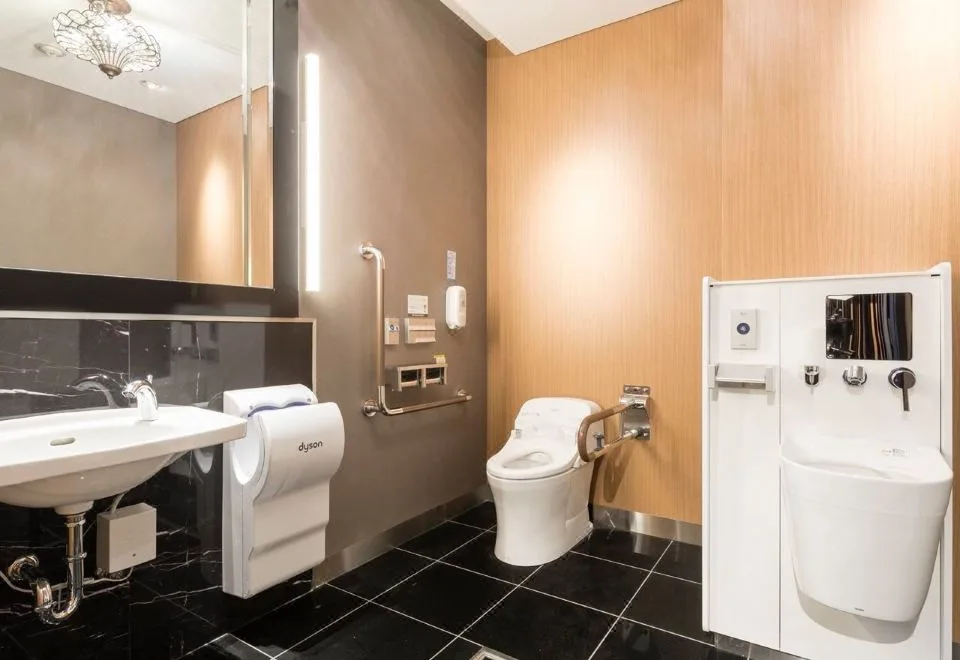
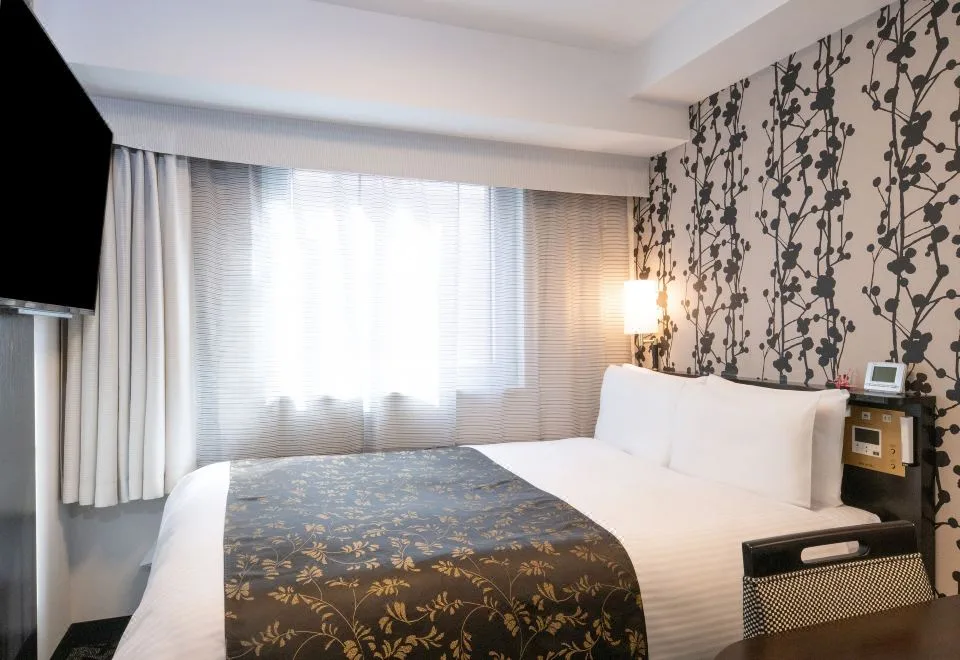
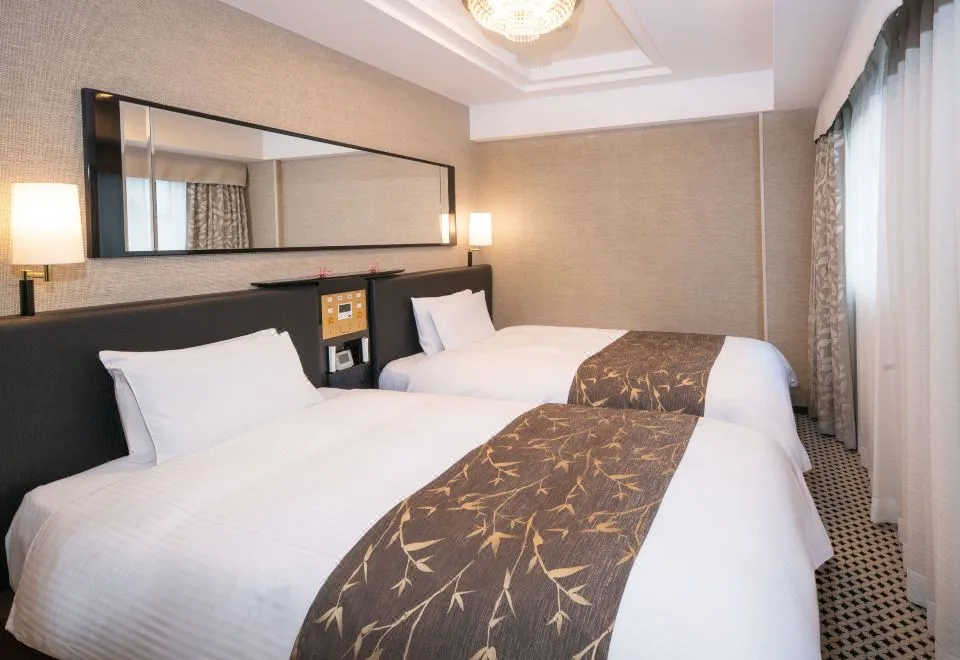
Standard rooms are 11.5 m² with one 142 cm bed, whether booked for one or two people. The 23 m² deluxe twin has two 122 cm beds and more space for opening luggage. A few rooms on the ground floor have higher ceilings but windows that cannot open. If avoiding elevators matters, ask which categories apply. A photo of an accessible bathroom does not mean every room has that layout.
Compare the hotel’s official room information with your exact reservation category and facilities.
When booking, confirm the room name and the number of beds: a standard room has a single bed, so two people sharing should first check whether they are happy with one 142 cm bed. If you want a bed each, take the deluxe twin, with two separate 122 cm beds, so turning over at night will not disturb each other. Ground-floor rooms have higher ceilings but windows that cannot open; if you like fresh air, avoid the ground floor, while anyone who would rather skip the elevator can ask about those rooms.
The passage beside the bed is the first thing to check when choosing a room: in a standard room, the gap between the bed and the wall fits one suitcase comfortably, and two means taking turns to open them. In the deluxe twin there is space between the two beds and at the foot of the beds, so an open suitcase does not block the way to the bathroom. Compare the bedside, sink and luggage positions in the photos first, and you will know where your own case goes before you book.
Breakfast means walking to a partner café
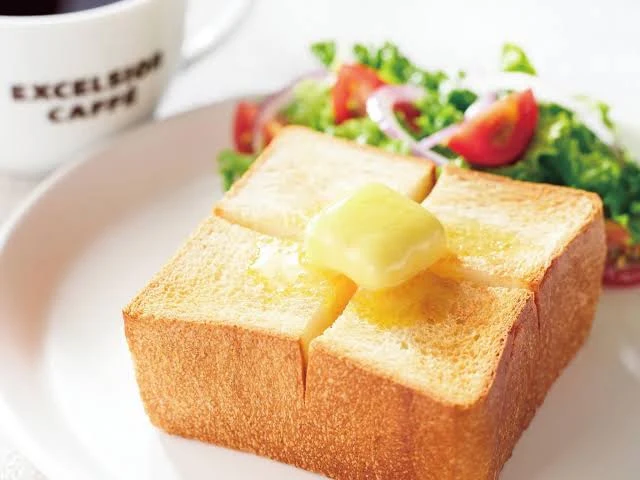
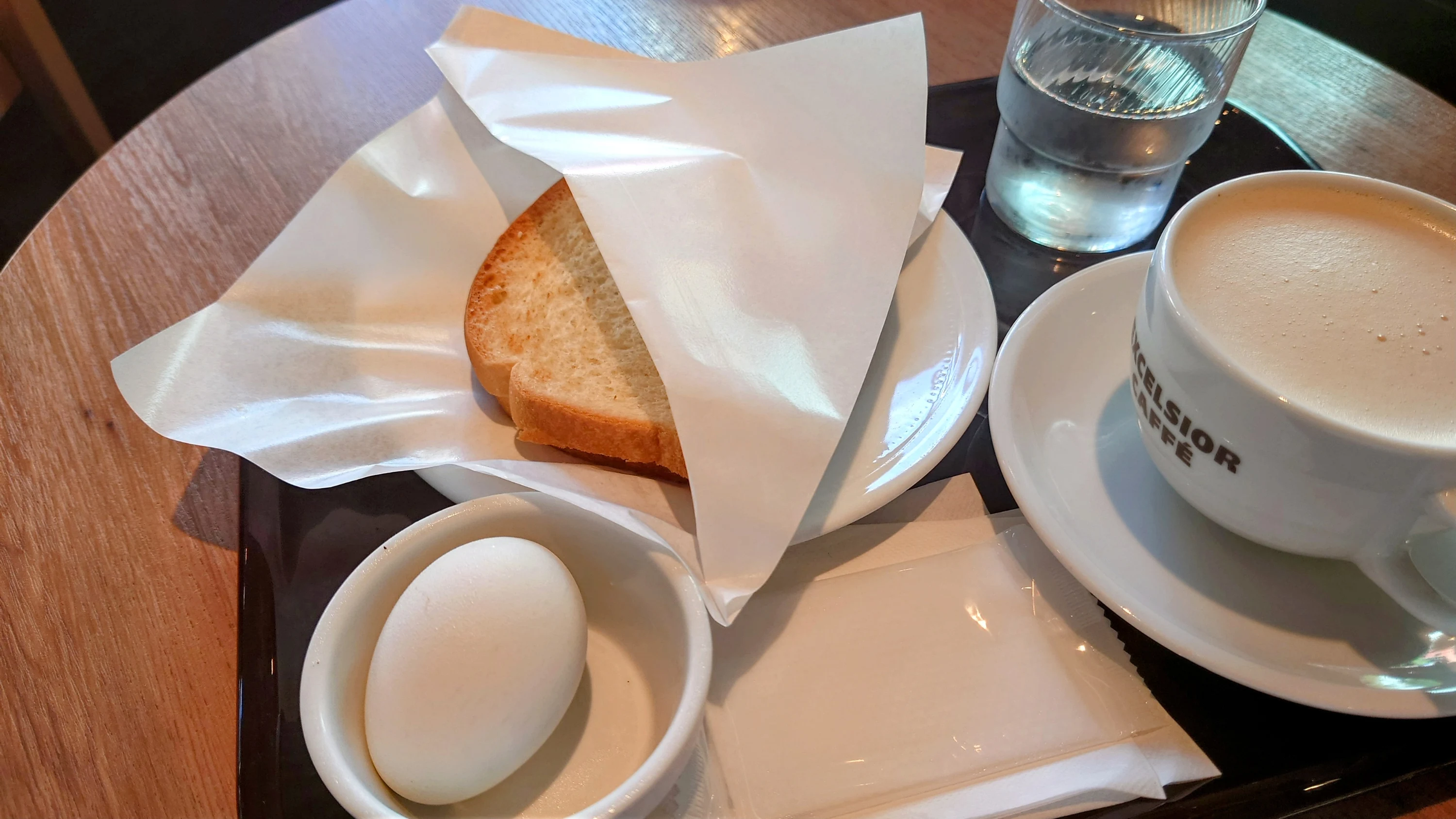
There is no breakfast restaurant within the hotel; breakfast is at a nearby partner café. The official scheme includes morning sets and drinks. Start times differ on weekdays and weekends, so verify whether you can eat before an early train. Allow for the short outdoor walk, especially with children or in bad weather.
Breakfast hours are specific: a Western set, from 06:45 on weekdays and 07:30 on weekends, until 11:00. Adults and children aged 17 and under both pay JPY 900 per person. If you want a relaxed breakfast, head out early; if you have an early train, work out the walk back from the café to the station first and do not eat down to the last minute.
Ask when booking whether breakfast can be added. Find out in advance whether you can add it on the day and how to pay, rather than asking on the morning itself. The same goes for families: children’s breakfast costs the same as an adult’s, so build it into the budget and you will not need an extra trip in the morning.
Breakfast is a choice of morning sets and drinks, not a large buffet; if you want a fuller meal, look at the sets on offer that day and pick the one you like. If a Western breakfast is not your taste, the old street nearby has other options, and over several nights you can rotate.


Station exits and how to bring luggage
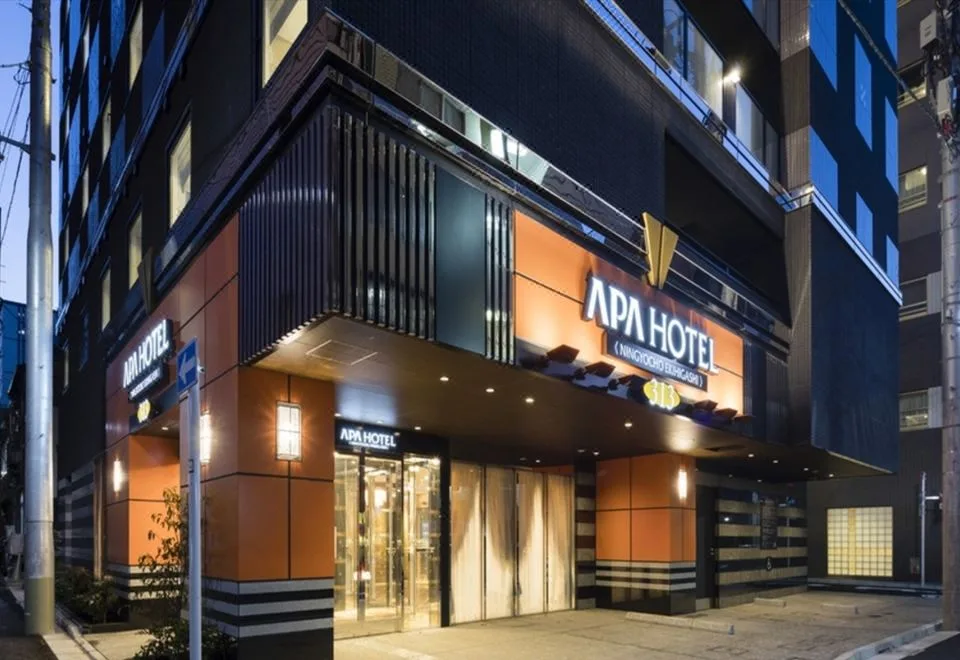
Address: 2-11 Nihonbashi Tomizawacho, Chuo City, Tokyo 103-0006, Japan.
With large luggage, a wheelchair, or a stroller, do not use Exit A4: it has an up escalator only, no elevator. Use the Ningyocho-crossroads-side ticket gate instead and take the elevator to Exit A3 or A6; Tokyo Metro’s official barrier-free page lists elevators at both exits. A3 is on the east side of the crossing, and A6 is an elevator-only exit in a side street on the west side. Once above ground, walk toward the hotel at 2-11 Nihonbashi Tomizawacho; the whole walk from the station takes about four minutes.
Arriving on the Asakusa Line, use A6 as well: there is an elevator from the Asakusa Line platform to the ticket-gate level, and the Tokyo Metropolitan Bureau of Transportation’s barrier-free list confirms a step-free route at this station. After the gate, head for the Edobashi/Ningyocho-crossroads west-side gate area and take the A6 elevator to street level. The same applies on the way back: check before travelling that the elevator serves the platform you need, rather than finding out at the gate that you have to detour.
Without heavy luggage, Exit A4 is the fastest way in; the hotel’s official access information gives about a three-minute walk. Think of the platform-to-gate and gate-to-street legs separately: the nearest exit is not always the easiest with luggage, and walking two extra minutes for a fully step-free route is a trade I would happily make.
Short stays versus multi-night stays
For a short visit, focus on the nearby station and beds. With multiple nights, check cleaning, laundry and room climate controls. Guest photos show beds, bathrooms and amenities but exact conditions vary. Contact the hotel for specific accessibility requirements; general photos are not sufficient.
For several nights, sort out cleaning and laundry early: ask the front desk to arrange laundry delivery and check how often the room is cleaned. Try the air conditioning on the first night, so you are not fumbling for the remote in the dark if you feel cold or hot. For a short stay, focus on the bed and the station; with little luggage, packing before the 10:00 check-out is quick.
With little luggage, a short stay packs up quickly before the 10:00 check-out; for a longer stay, settle into a daily cleaning rhythm — leave the room to housekeeping when you head out in the morning and come back to a clean room in the evening. Send laundry out for delivery service instead of letting dirty clothes pile up in the suitcase until you get home.
Photos of guest rooms and common areas
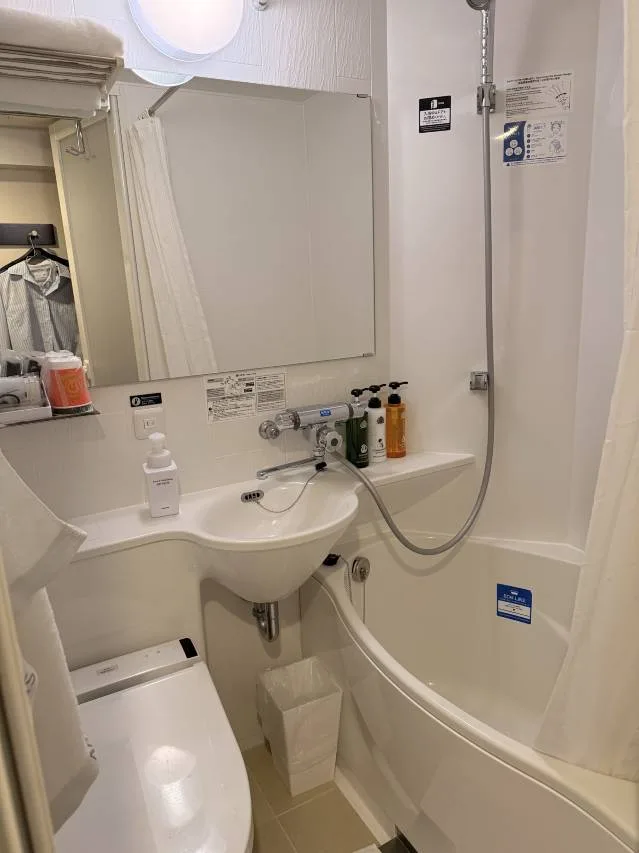
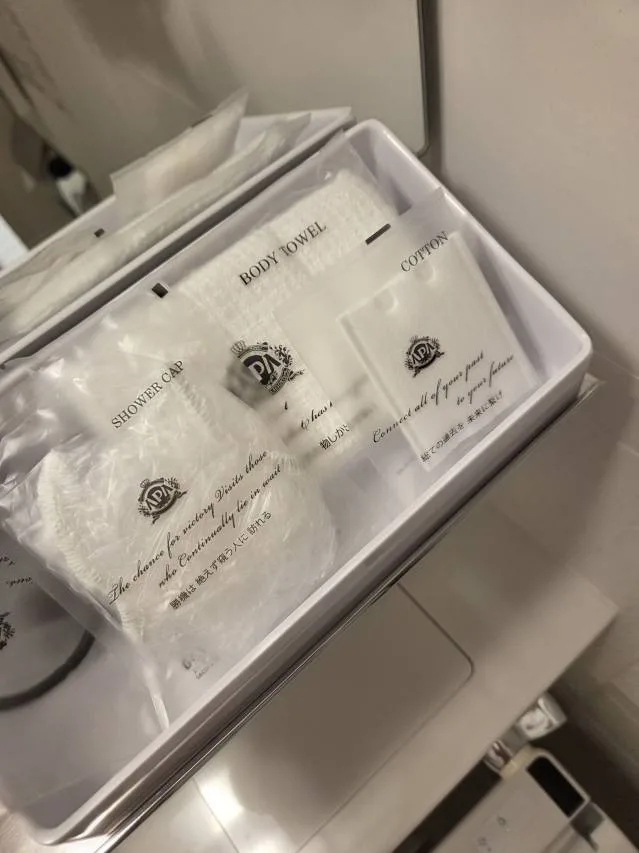
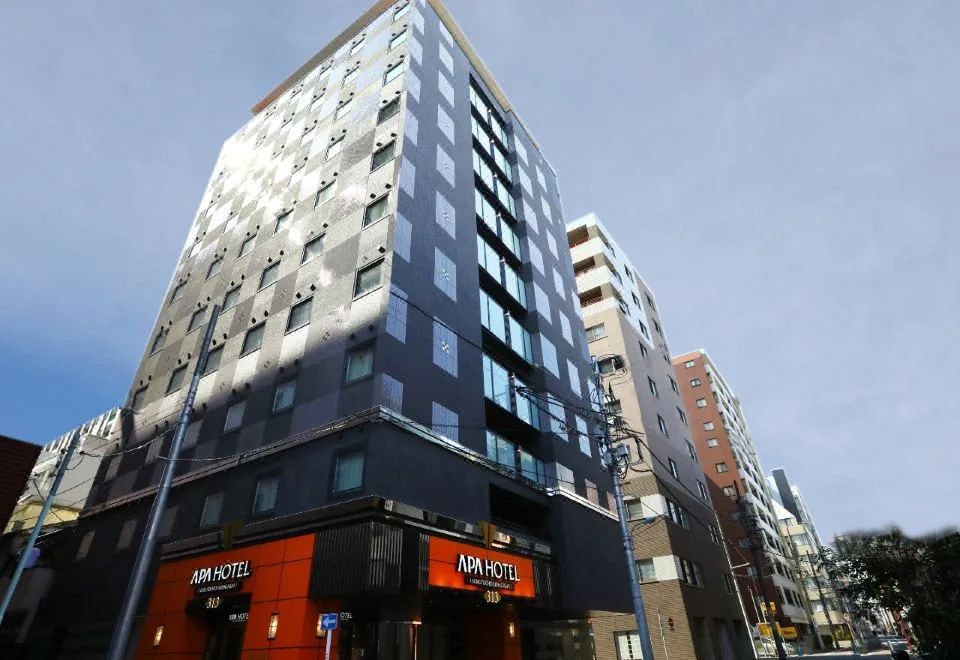
Use the pictures to judge passages, sinks and luggage positions, but the exact layout depends on the booked room type.
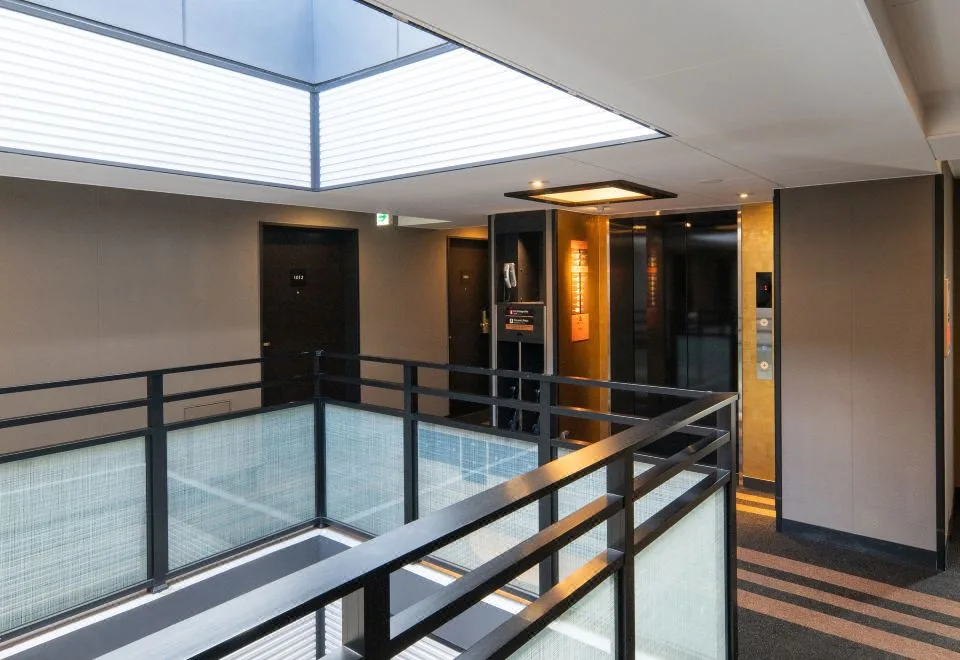
When looking at the photos, match them to the room name first: the standard room and the deluxe twin differ a lot in bed count and floor area, so do not carry the twin’s sense of space into the standard room. The same goes for bathrooms: a photo of an accessible bathroom is not the standard layout of every room, so confirm the bathroom type of the room you booked.
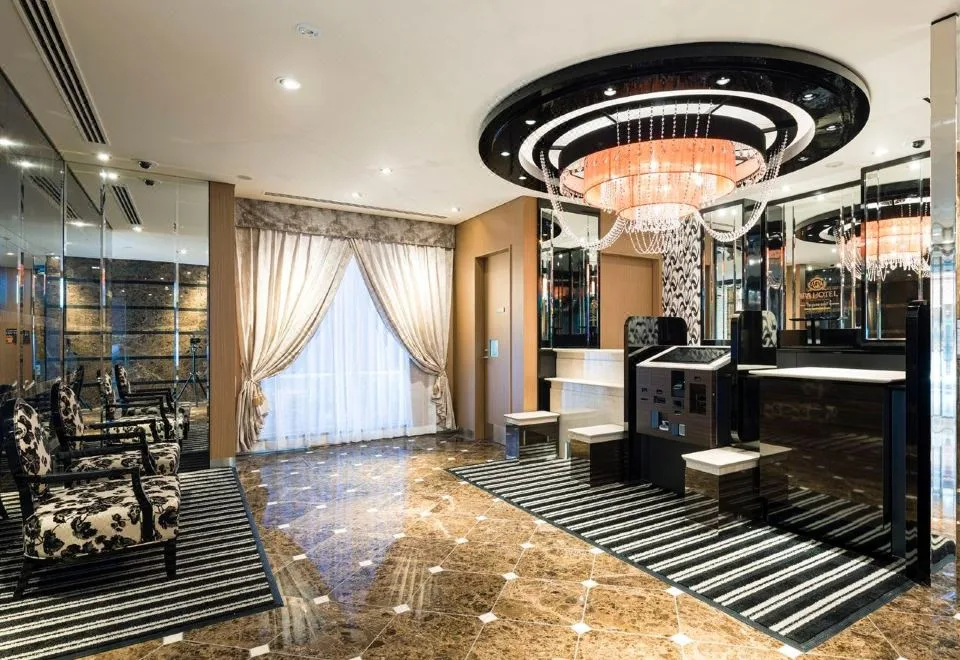
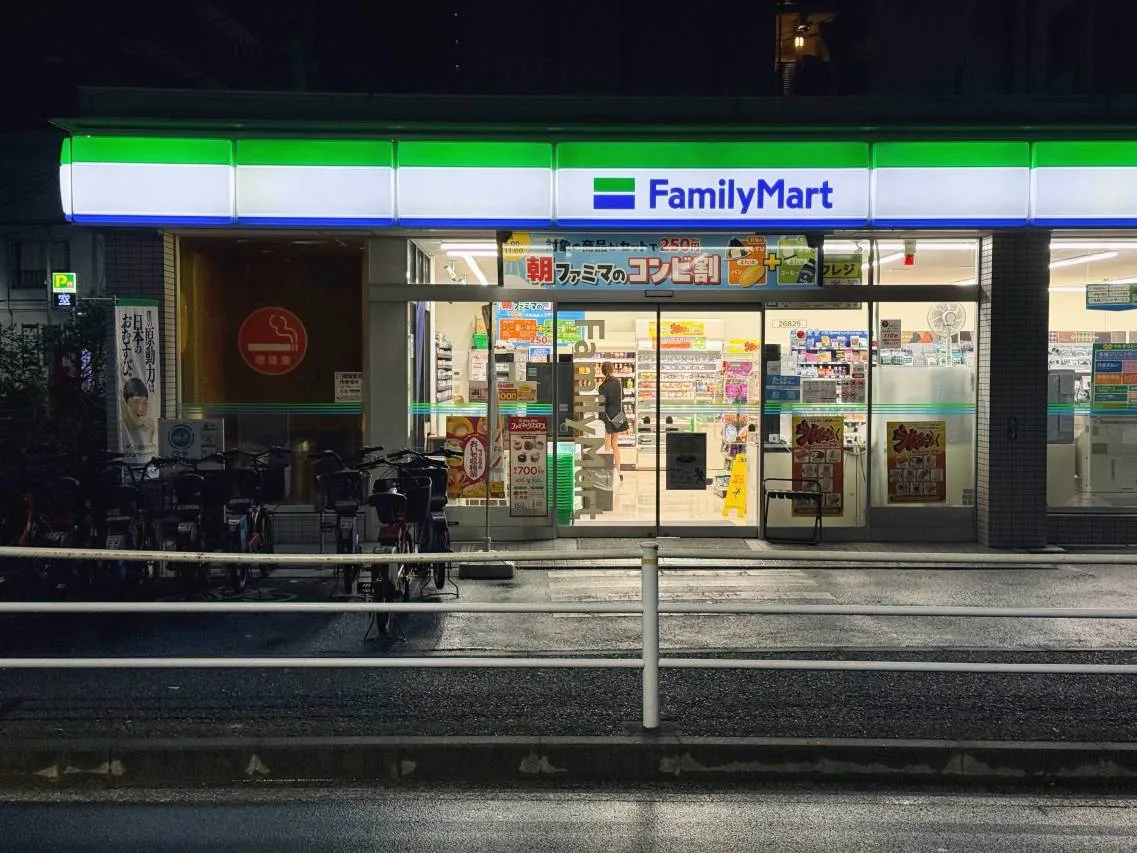
Glance at the photos of the lobby reception and the shared space on the guest floor first, so you know where to go when you walk in. The drinks vending machine is in the shared space on the floor, so a late-night drink does not mean going outside. A convenience store is nearby, so missing toiletries are only a few steps away.
Rooms and bathrooms
Shared facilities and building exterior
Neighborhood amenities
How I would spend a stay here
Leave a day to explore Ningyocho at a relaxed pace, and use another day for major sights by train. Before an early checkout, pack shopping bags into suitcases the night before rather than sorting everything in the corridor or lobby.
On an early check-out day, the room must be empty by 10:00, so pack shopping bags into suitcases the night before. If you want breakfast, go to the partner café early — on weekdays it opens at 06:45 — and you will reach the station right after eating.
Pros and cons at a glance
Pros
- About a four-minute walk (220 metres) from Ningyocho Station; about three minutes from Exit A4.
- Standard rooms are 11.5 m² with one 142 cm bed; the deluxe twin is 23 m² with two 122 cm beds — bed counts and widths are stated plainly.
- The front desk is staffed around the clock, luggage storage is free, and no deposit is required.
- Breakfast is a Western set, served from 06:45 on weekdays and 07:30 on weekends, at JPY 900 per person.
- The whole building is a non-smoking floor, the lobby and corridors are non-smoking, and a wheelchair and accessible rooms are available on site.
- Children aged five and under stay free without an extra bed, and children’s slippers and toothbrushes are provided.
Cons
- Standard rooms are only 11.5 m², so two people sharing take turns opening suitcases and using the desk.
- There is no breakfast restaurant in the hotel; breakfast means walking to a nearby partner café, with extra walking in rain or with children.
- No room type allows an extra bed and there are no cribs, so parties of three or more must count beds first.
- Parking spaces are few, charged, and cannot be booked in advance — first come, first served.
- Exit A4 has no elevator; large luggage, wheelchairs and strollers must use the A3 or A6 elevator exits.
Information checked: November 22, 2026.