
TOKYO / CHUO
RHUMB LINE Tokyo
RHUMB LINE Tokyo
RHUMB LINE Tokyo combines a Yaesu-side location beside Tokyo Station with apartment amenities. For families connecting to the Shinkansen with large suitcases, while wanting laundry and simple cooking facilities, this is the kind of accommodation I would compare.
Is it right for your trip?
- Bed choice: Decide who shares each bed, then compare bathrooms and the space for suitcases.
- Breakfast: Arrange simple food in the apartment or eat near Yaesu and Nihonbashi rather than assuming a hotel restaurant.
- Longer stays: Check laundry, cleaning and towel replacement, and pack before the last night.
Start with the beds, then compare the living space
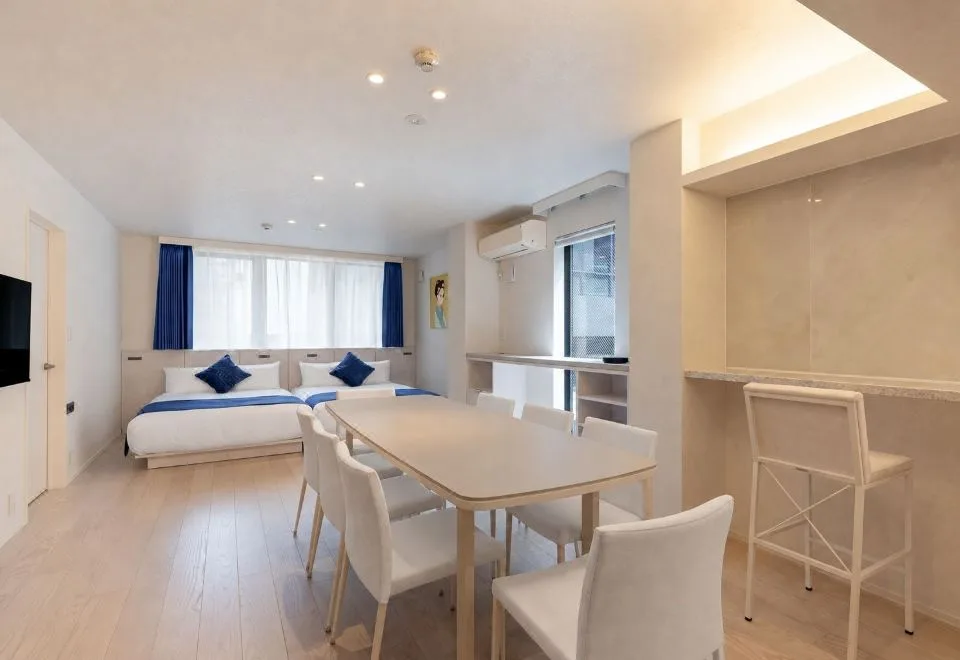
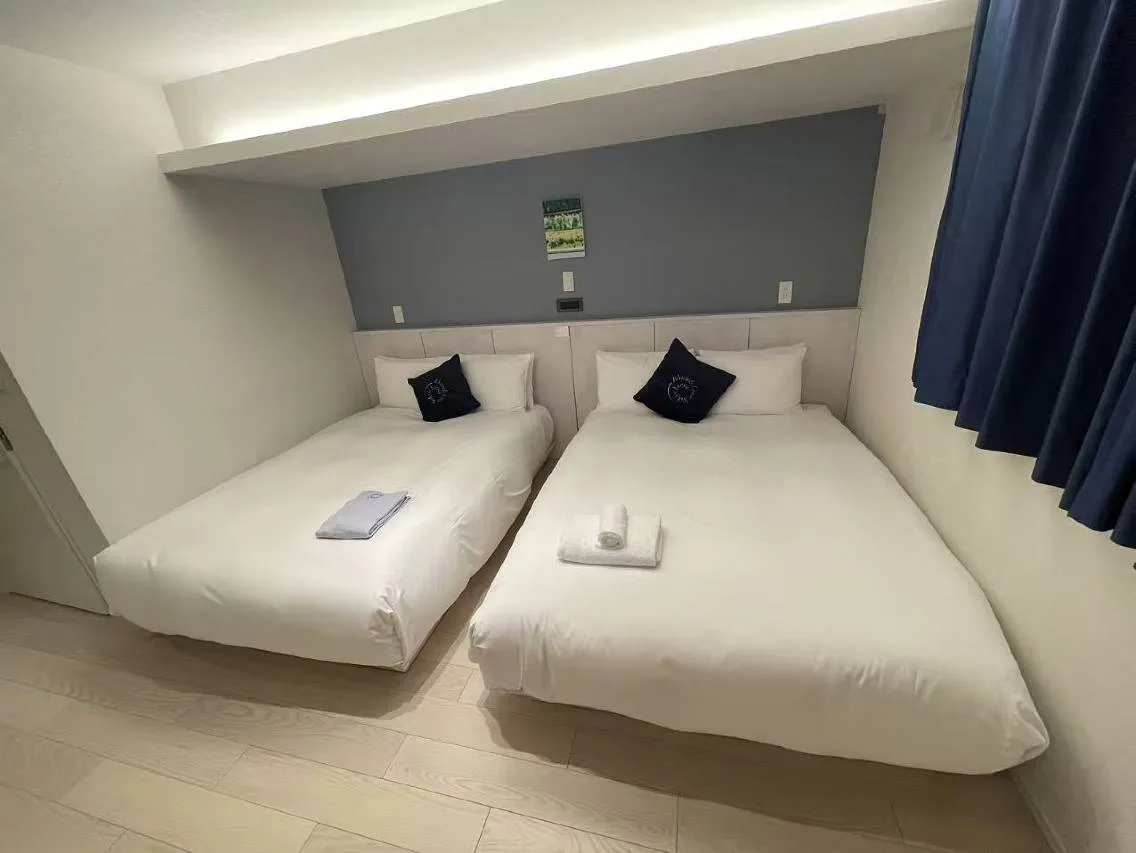
For two to four people, the roughly 33 m² Deluxe Studio has two double beds and a shower separated from the toilet. If you need a bathtub and more space, compare the 64 m² Corner Junior Suite with two queen beds for up to four guests. The 58 m² Grand Family Suite sleeps up to eight, with four double beds, so families should agree on how the beds are shared.
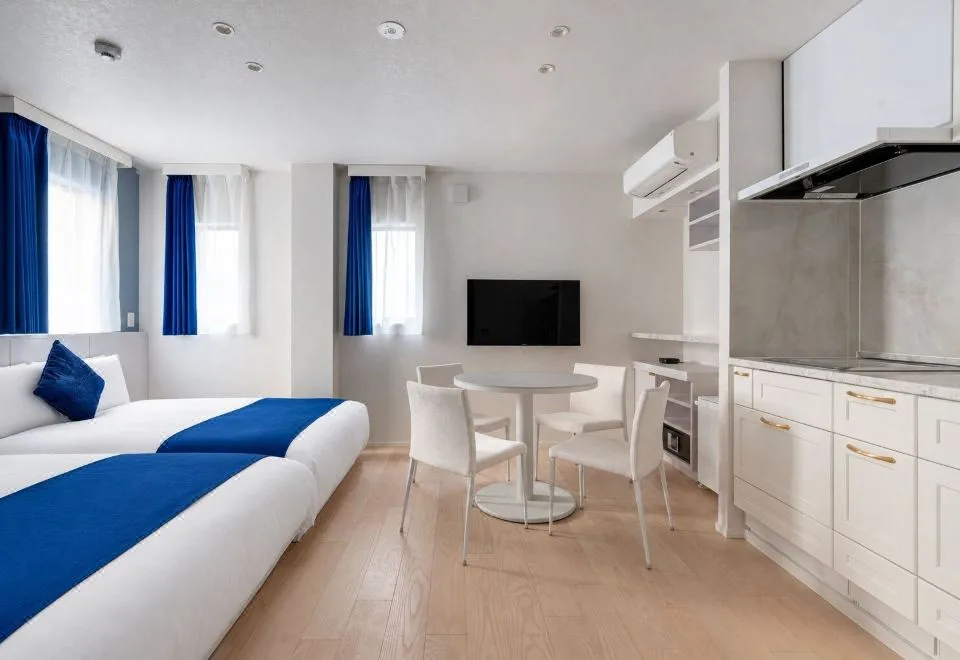
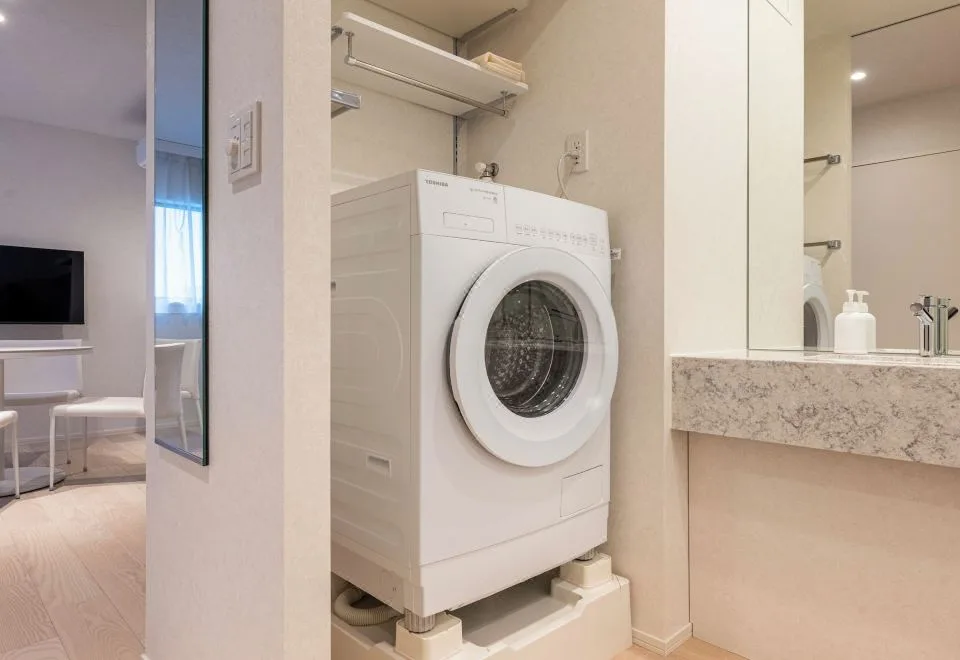
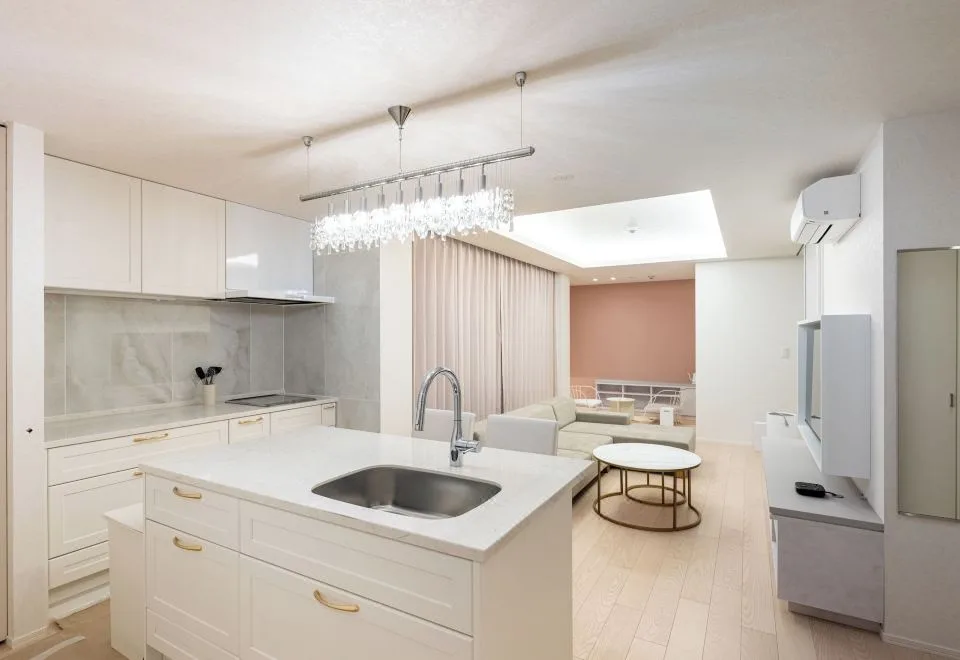
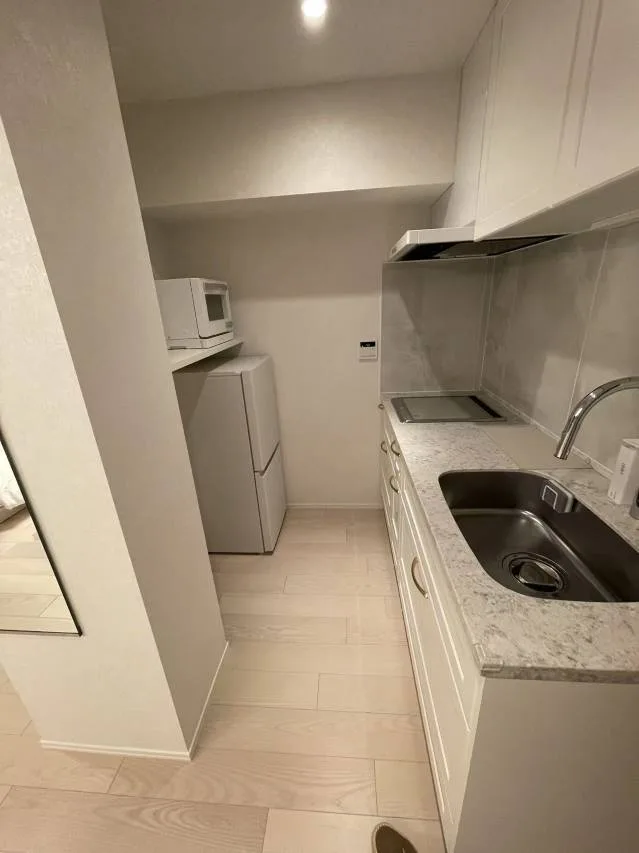
An induction kitchen, fridge, microwave and washer-dryer make longer stays easier. Count sleeping spaces before booking, and check whether the room has a bathtub or shower only. Capacity for eight does not mean eight separate beds.
Count the beds before you book an eight-person stay: the Grand Family Suite has four double beds, so eight people means two to a bed, not eight single beds. No room type takes an extra bed or a crib, so plan sleeping arrangements for small children first. The guest who checks in must be at least 18, children of all ages are welcome, but a child sharing a bed without an extra bed can still cost extra — add children to the booking so the price is exact.
The induction kitchen, fridge, microwave and washer-dryer in every room are what make this place worth staying in for several nights. The official site confirms a drum washer-dryer in each room, so on a three- or four-night stay you never need a coin laundry: run a load at night and wear it again in the morning. The kitchen comes with cooking utensils, so you can buy groceries in Yaesu and cook a simple meal instead of paying for another dinner out or hunting for a restaurant with children in tow.
The official site also lists a Superior Room of about 30 m². Judge a room by its bed count and whether the bathroom has a bathtub or a shower, not by floor area alone. The Deluxe Studio separates the shower from the toilet, while only the Corner Junior Suite has a bathtub — if you want a soak, book that one directly instead of finding out at check-in that you only have a shower.
Ask about the room type before you book: the same four-person room sleeps differently with two double beds than with two queen beds, and if you travel with older relatives, a bathtub matters more than a few extra square metres. Check the room name and amenities on the booking against the official room page before you pay — discovering the wrong bed count at the door is the hardest problem to fix.
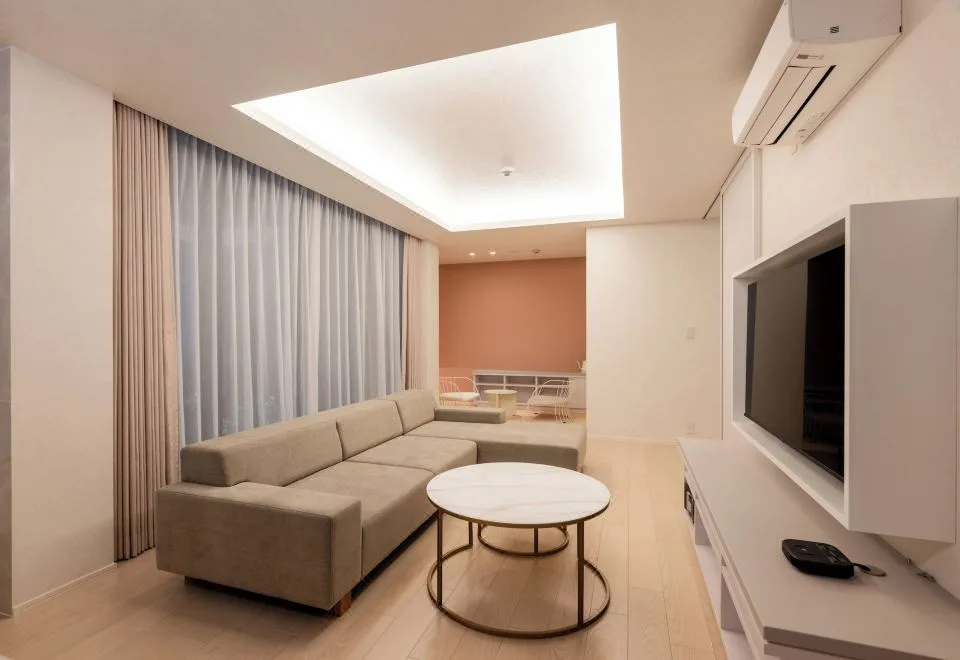
The 33 m² Deluxe Studio fits two people well, with two double beds plus a sofa and dining table, so you can eat and plan the day in the room; with four people, agree on the beds first, because open suitcases narrow the walkway — decide where the bags go. The 64 m² Corner Junior Suite adds a living area, so parents can sit in the lounge after the children sleep instead of going to bed in the dark.
Check the hotel’s official room information against the precise category and amenities in your booking.
Breakfast in the apartment or around Yaesu
This apartment-style property does not provide meals. Use the induction kitchen for simple food or head to the Yaesu or Nihonbashi area for breakfast. Before an early train, prepare something the night before. The second-floor Tea Bar is a lounge amenity, not a breakfast restaurant.
This property serves no meals, and the official site says so directly: every room has an induction kitchen, fridge, microwave and cooking utensils, so you cook for yourself or eat out. My approach is to buy bread, fruit and milk in Yaesu the night before and eat slowly in the room the next morning, so on a Shinkansen day there is no queue for a table; for a hot breakfast, walk to the Nihonbashi area, where plenty of places open early.
TEA BAR 36 on the second floor is a Japanese tea bar where a tea master pours 36 kinds of Japanese tea, with four to six ukiyo-e prints usually hanging behind the counter — non-guests can walk in too. It works well as an evening place to sit down, but do not treat it as a breakfast restaurant: it serves no breakfast, so breakfast still comes from your kitchen or the streets nearby. The official site also mentions the Baccarat crystal chandelier in the entrance hall and the hotel signature fragrance — worth noticing as you come in.
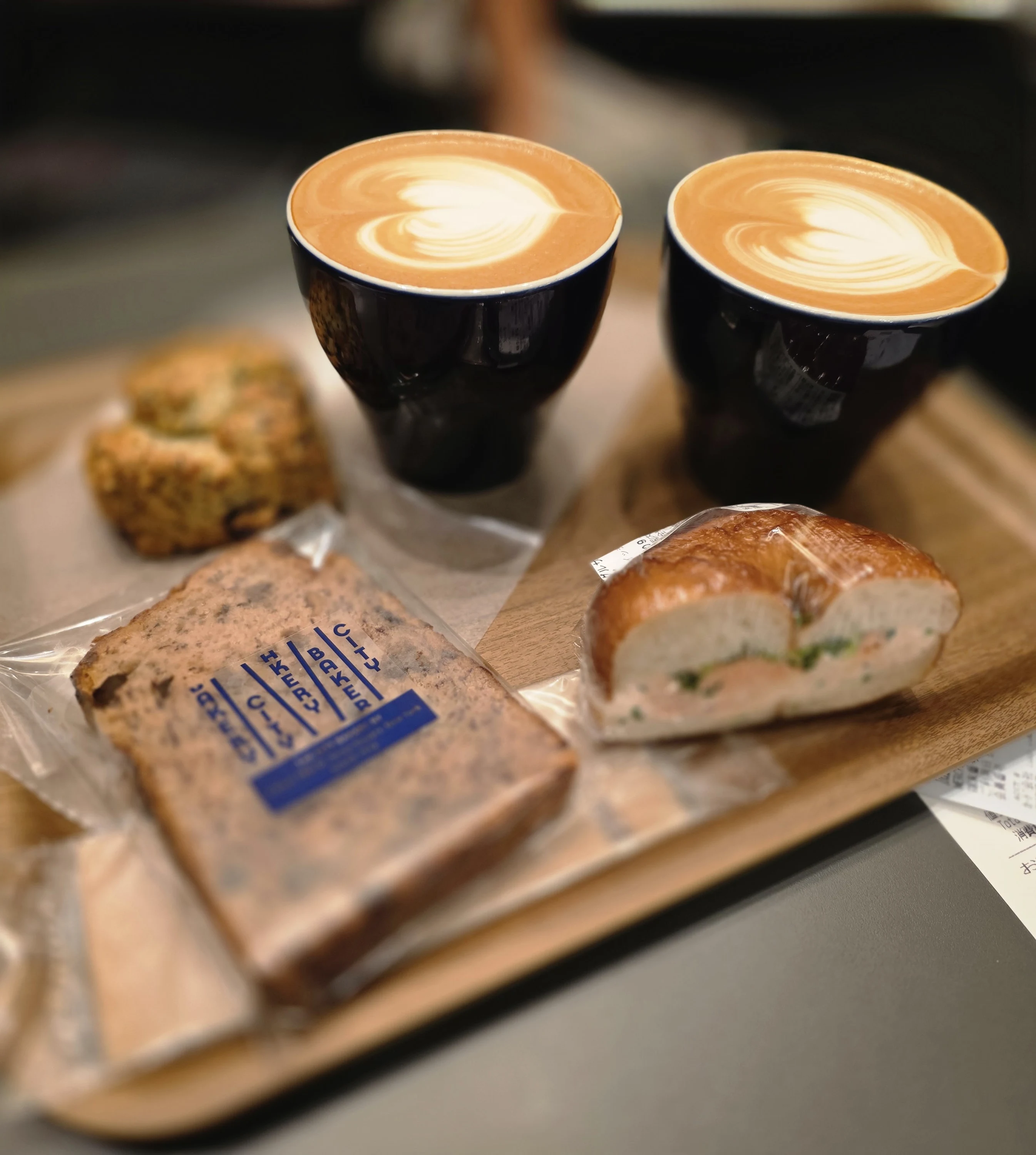
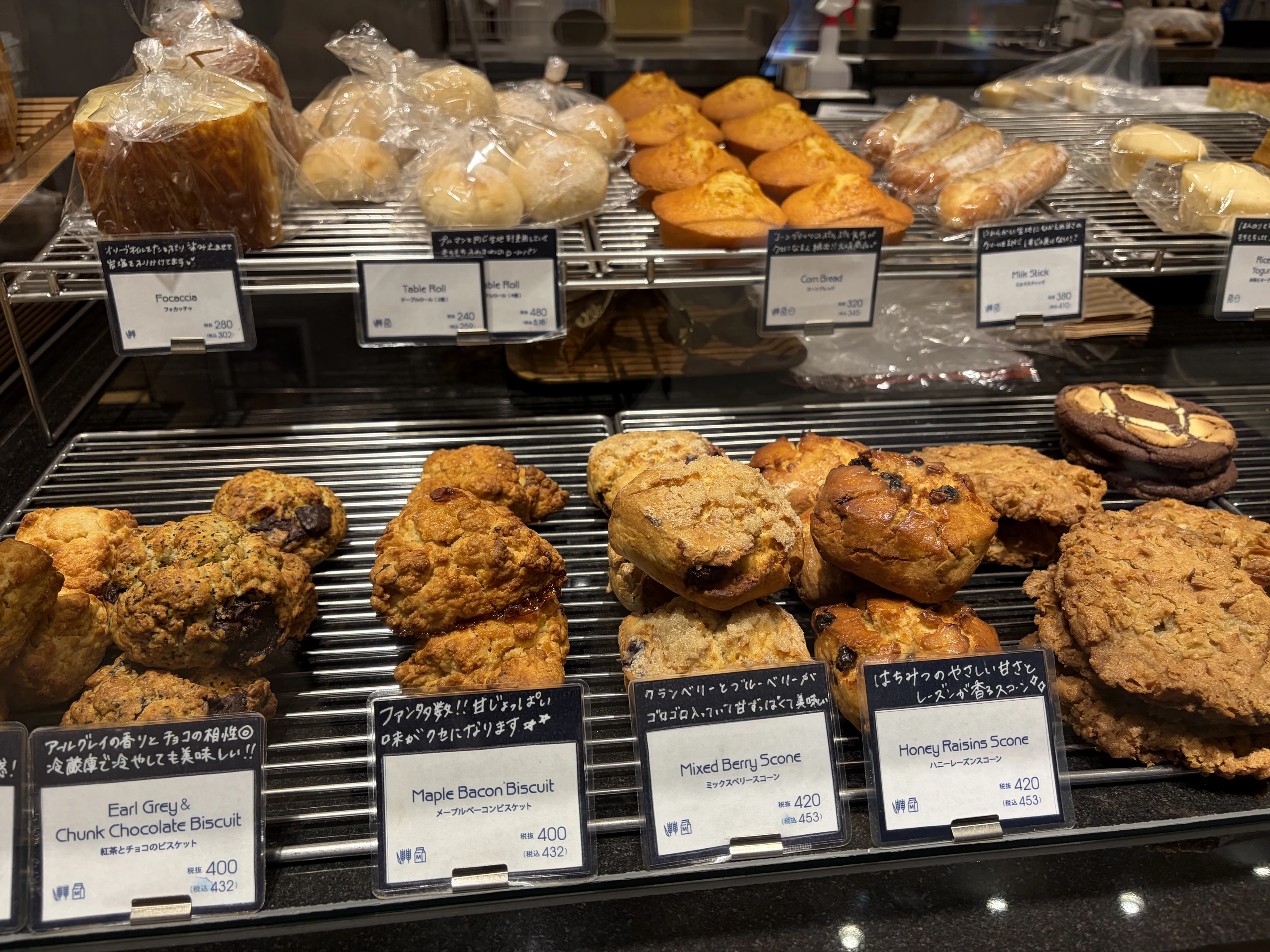
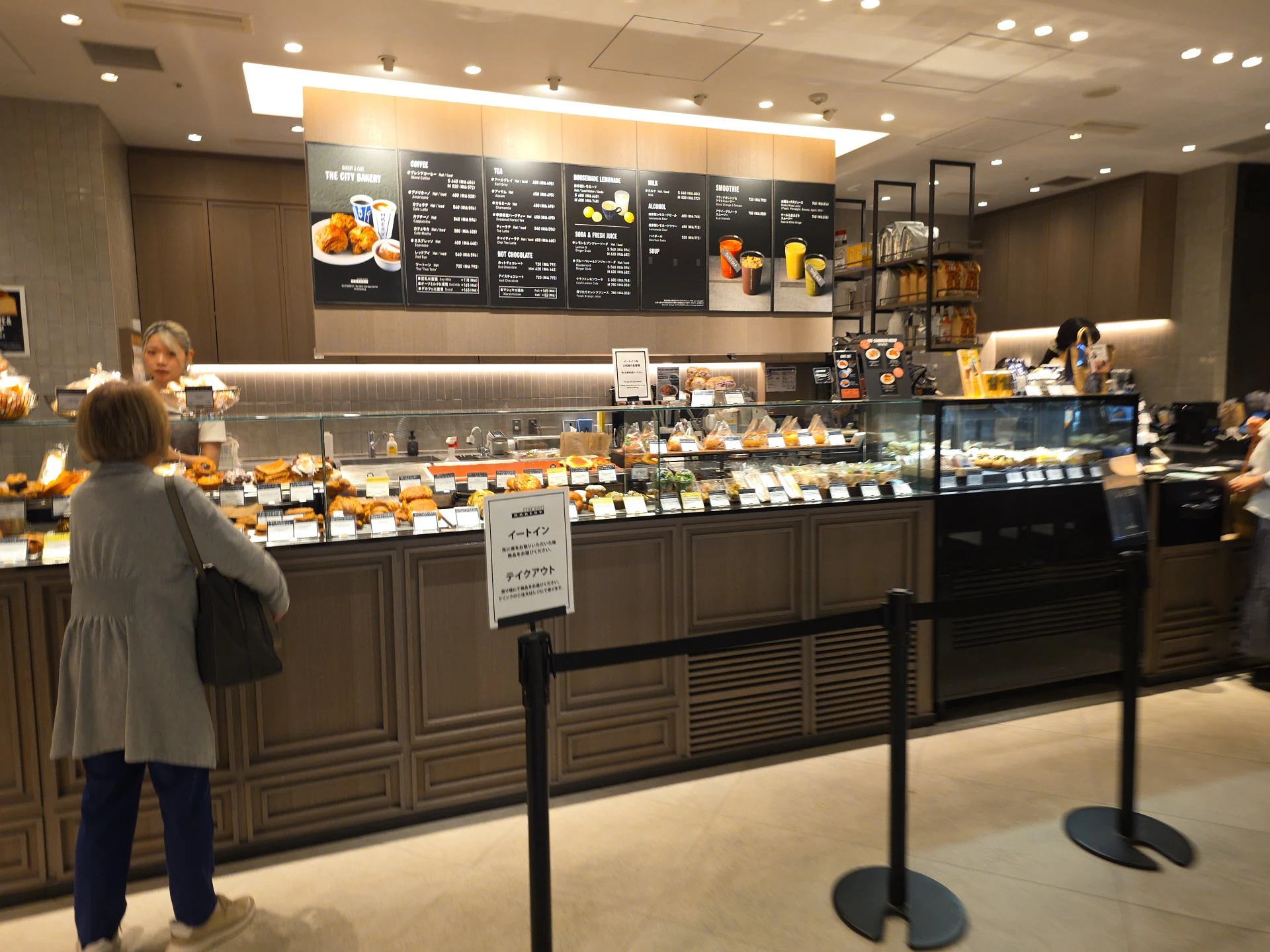
Plenty of places around Yaesu and Nihonbashi open in the morning, from bakeries to rice balls to set meals, so take a walk on your first evening and pick tomorrow breakfast spot. On a train day, skip the search: prepare something simple the night before, eat it in the room, and walk straight to the station — that keeps the timing in your hands.
The kitchen is small, but it handles noodles, fried eggs and hot milk, and the cooking utensils and tableware are already there, so you bring no pots of your own. With two or more travelling together, one person cooks while the other clears up, and breakfast is done in twenty minutes — faster than queueing for a table outside.
Getting here from Tokyo Station
Address: 1-8-3 Yaesu, Chuo City, Tokyo 103-0028, Japan.
With large suitcases, use the Yaesu North Exit: it sits at street level, so you step out onto the road and walk north for about a minute to the hotel door, with no underground passage. The official directions agree — leave by the Yaesu Central Exit, cross Sotobori-dori, also about a minute. Nihonbashi Station is about five minutes away, handy if you ride the Ginza or Tozai line.
With large luggage, a wheelchair or a stroller, take the north-side elevators between platform and exit: JR East runs three 24-person elevators between the Central and North passages, connecting the basement level, the first-floor concourse and every platform, and there is a 15-person elevator in front of the Shinkansen North Transfer Gate. Your route is elevator from the platform to the first-floor concourse, then out the Yaesu North Exit — no stairs anywhere. Come back the same way, then take the elevator down to your platform.
Everything nearby is walkable: Nihonbashi is about 300 metres, Ginza about 700 metres, Tokyo International Forum about 830 metres, the Imperial Palace about 1.2 kilometres, Yurakucho Station about 1 kilometre, and Ginza-itchome Station about 800 metres. Drop your bags on arrival day and stroll to Nihonbashi, then take the Shinkansen onward the next day without backtracking.
Tokyo Station is a transfer hub where the Shinkansen, JR lines and subway meet, so basing yourself here means no extra move with luggage before your next city. Arrive and leave the same way — Yaesu North Exit in and out, north-side elevator between platform and concourse — and once you know the exit, there is no wandering inside the station.
If you do not want to walk far at night, the Yaesu underground shopping streets and the Nihonbashi area have restaurants and convenience stores, so a late snack and tomorrow breakfast are a short walk away, with no train ride. That is the advantage of staying beside the station: buy tomorrow needs on the way back, and the next morning starts without another trip out.
For short stays and multi-night visits
What I value here is the station-side location, the in-room laundry and the space for families, and I will tell you the drawback plainly too: the whole building has one elevator, so waits grow at busy times. If your departure day runs on a fixed train, go downstairs early and do not budget the elevator wait too tightly.
Check-in runs 16:00 to 23:00, check-out 08:00 to 11:00, and the front desk is staffed around the clock, so a late arrival still finds someone there — if you arrive after 23:00, contact the desk first. The desk speaks Chinese, English and Japanese, public areas have Wi-Fi and are non-smoking, and there is a bar on the second floor. For a longer stay, ask first about cleaning, towels and rubbish collection; with the washer in your room, you set your own laundry rhythm.
On a three- or four-night stay, plan laundry and cooking early: wash a little each day instead of leaving it all for the last night, and use the kitchen utensils for a simple breakfast or late snack in the room — it costs less than eating out every meal. The fridge keeps drinks and fruit cold for the next morning.
You can check out from 08:00 in the morning, so an early Shinkansen day does not have to wait until 11:00; pack the night before, finish the laundry, and walk downstairs to leave in the morning with no wasted time. On a longer stay, ask about cleaning days when you arrive and keep one day free to sort things out in the room — the days after feel lighter.
Photos of sleeping, bathing and living spaces
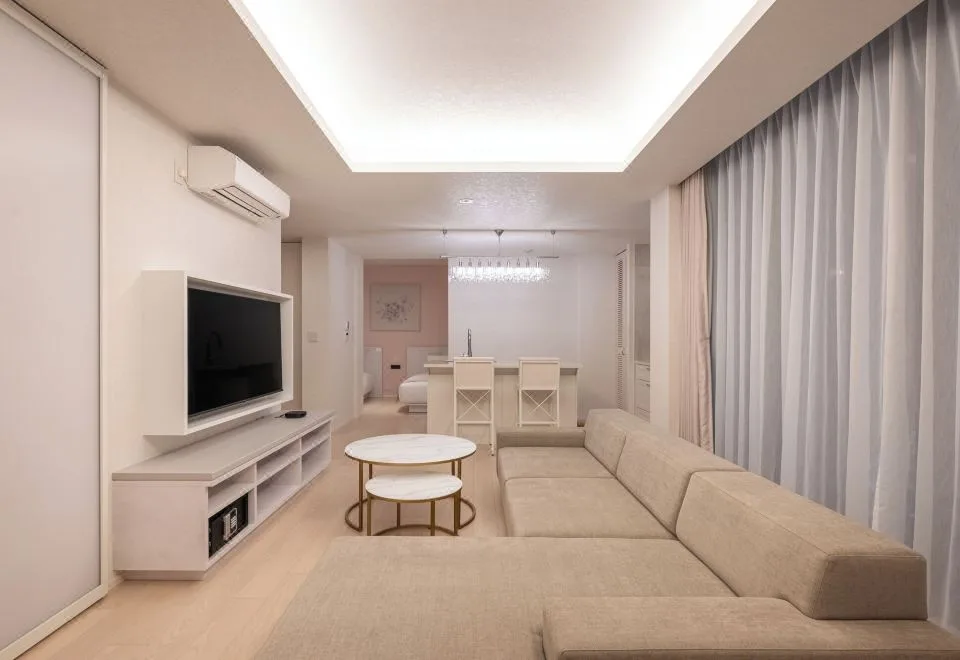
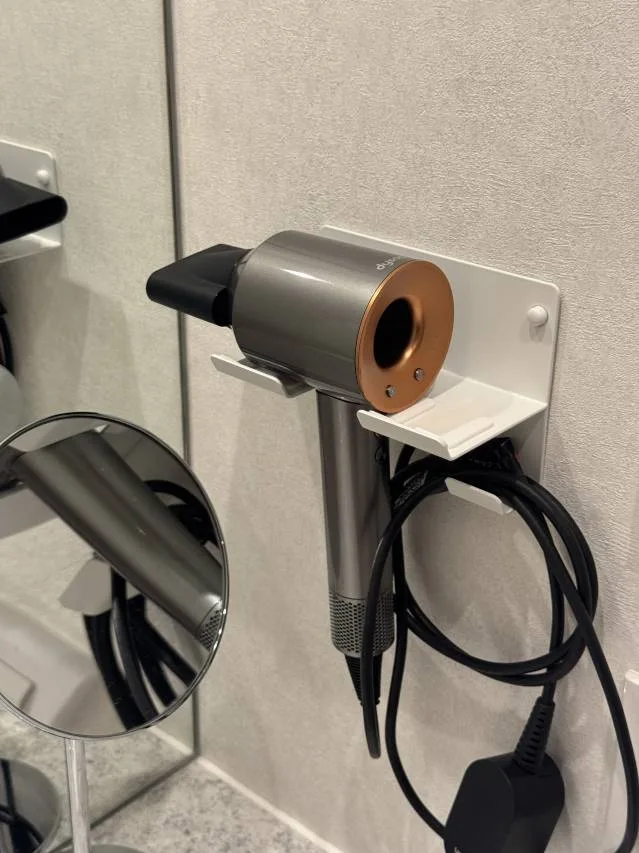
Compare the passage beside the bed, bathroom sink and space for luggage in the photos. Different room types and shooting angles appear, so check your reserved layout.
When you choose a room from the photos, look first at the passage beside the bed and the space for luggage: in a room with two double beds side by side, the walkway left beside the bed decides whether two suitcases can open at once. The photos show different rooms and angles, so judge by the room type you book and check the bed count and amenities on the official room page before you decide on one photo alone.
Beds and daily living
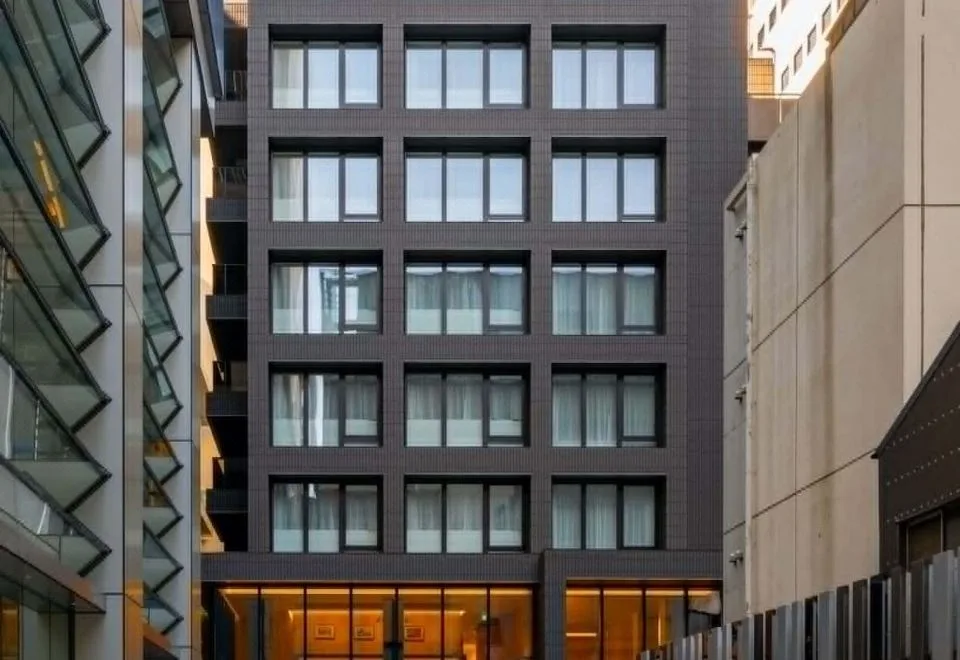
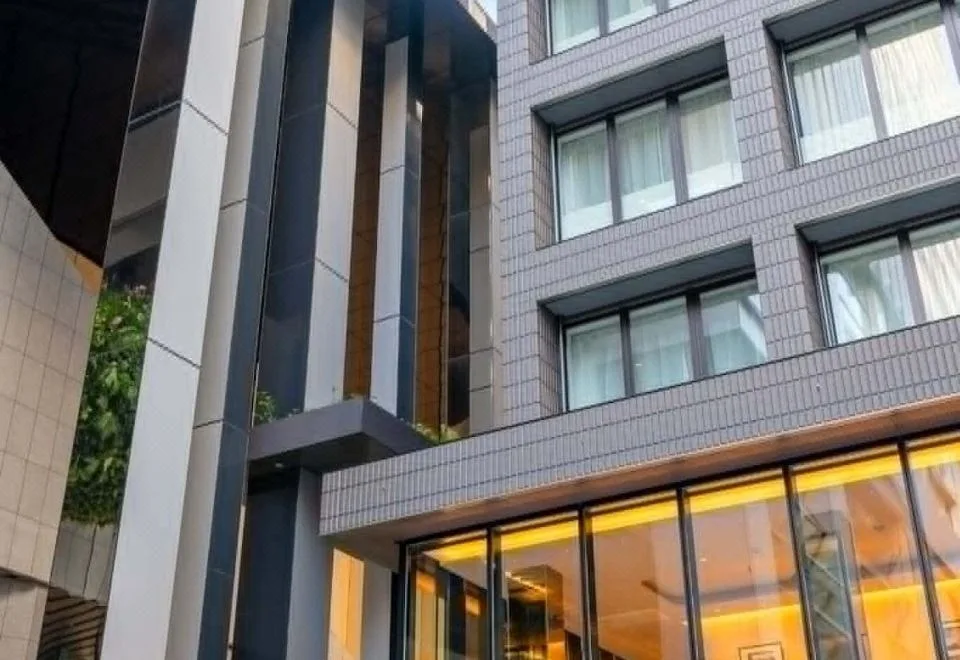
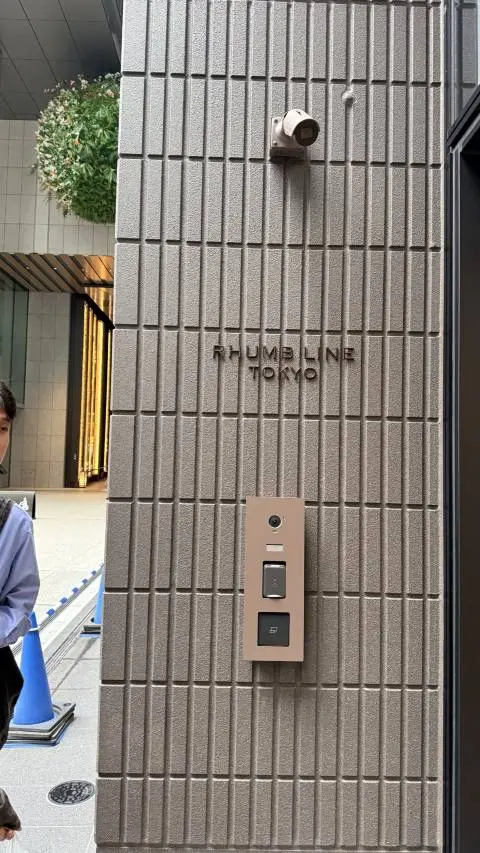
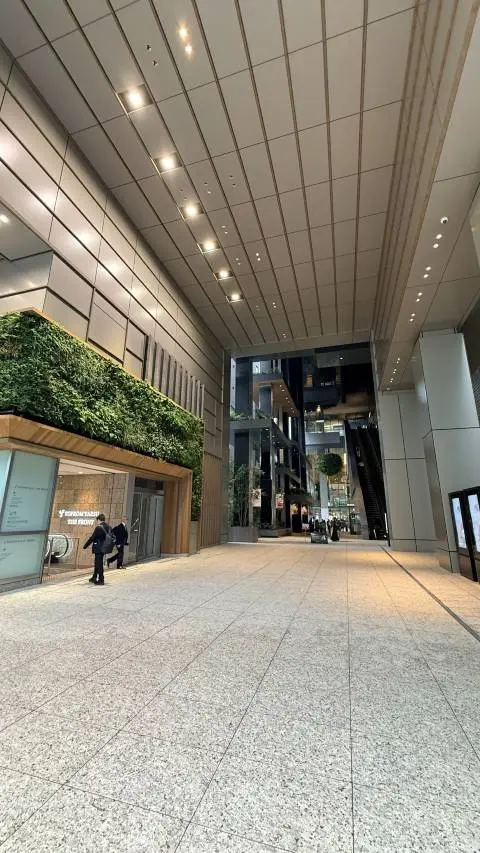
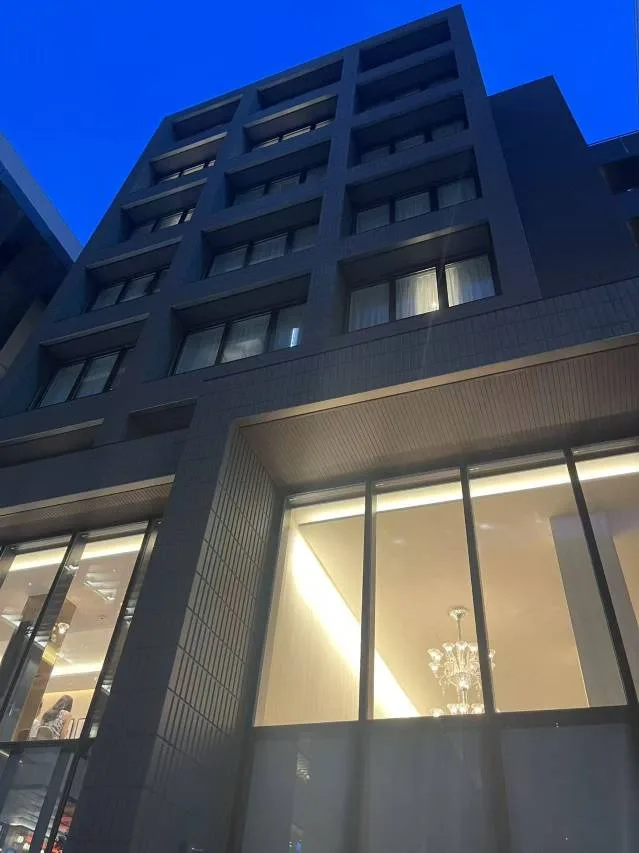
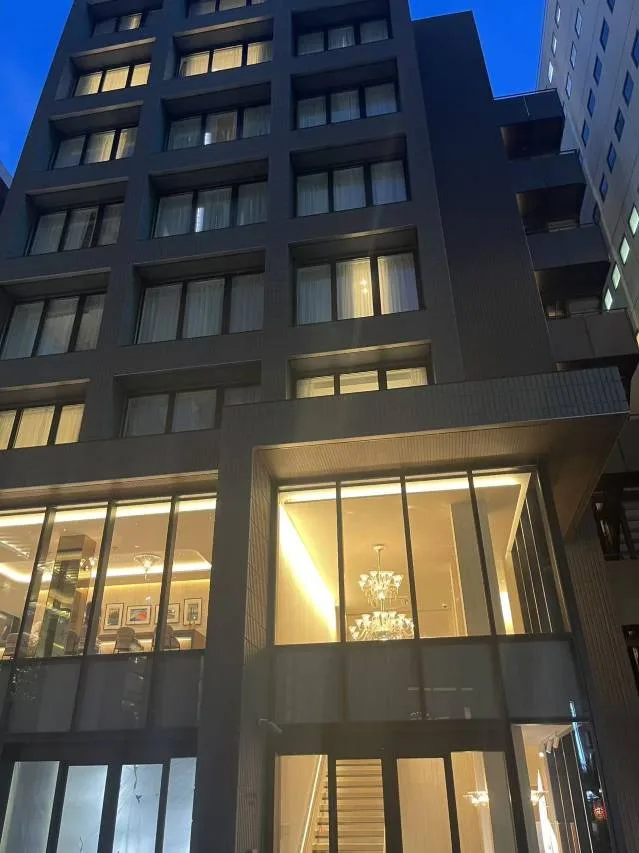
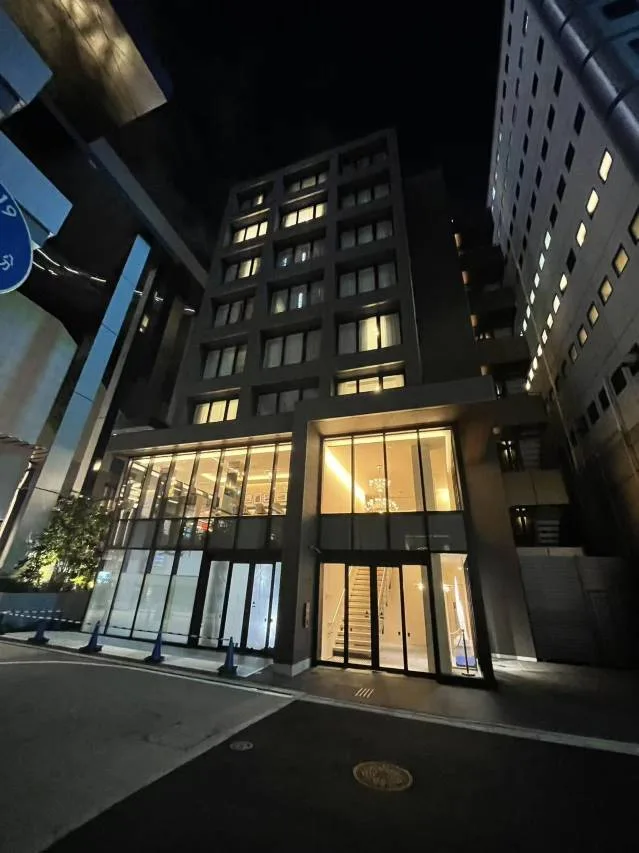
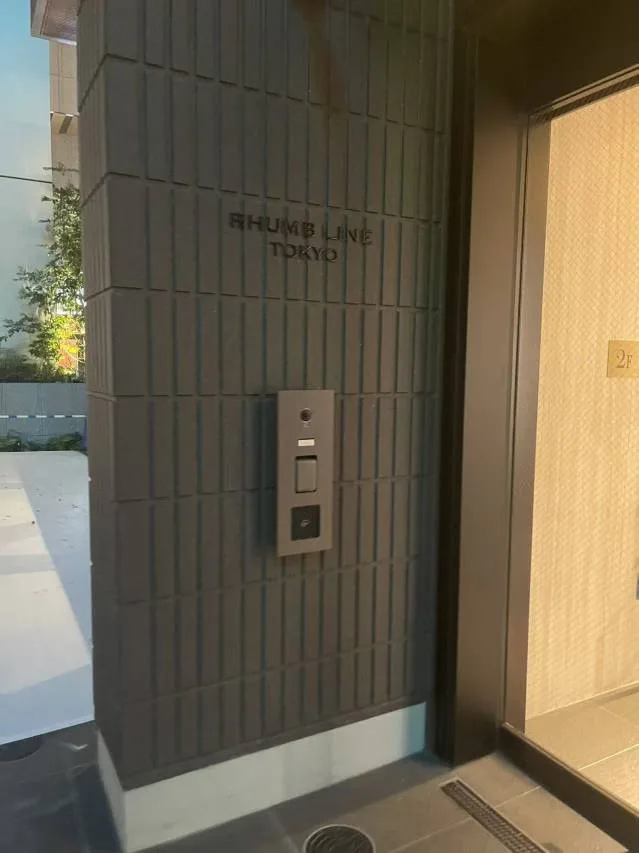
Entrance and building
Using this base for your trip
This suits travel between cities using Tokyo Station. On arrival, keep transfers light, leave luggage at the accommodation when permitted and explore Yaesu and Nihonbashi nearby, then start sightseeing the following day with a lighter bag.
Here is how I plan it: keep arrival day free of transfers, drop your bags and walk Yaesu and Nihonbashi, then start the next day light. Pick the Corner Junior Suite for a bathtub, the Grand Family Suite for eight people with beds assigned in advance, and the Deluxe Studio for two on a short stay; check-out is 11:00 in the morning, so plan departure day around that.
If you travel alone on business and only need a bed and a fast check-in, this apartment-style space may be more than you need — the price covers the kitchen, the washer and the living area, so you pay for living like at home for a few days, not just for one night of sleep. For families, large luggage and a Shinkansen connection at Tokyo Station, that trade-off is good value.
Before you book, check four things once: headcount, bed count, bathtub, and check-in time, so nothing needs sorting out at the door; the strengths here are focused and the drawbacks are clear, and if they fit your trip, this is a smooth stop.
Pros and cons at a glance
Pros
- About a minute on foot from Tokyo Station Yaesu North Exit, about 230 metres from JR Tokyo Station, with easy Shinkansen connections.
- Every room has an induction kitchen, fridge, microwave and drum washer-dryer, so a longer stay never needs a coin laundry.
- Three room types are clearly separated: the 33 m² Deluxe Studio, the 64 m² Corner Junior Suite and the 58 m² Grand Family Suite, sleeping up to eight.
- TEA BAR 36 on the second floor pours 36 kinds of Japanese tea beneath ukiyo-e prints, a good place to sit in the evening.
- The front desk is staffed around the clock and speaks Chinese, English and Japanese.
- Nihonbashi is about 300 metres away and Ginza about 700 metres, so arrival day already works on foot.
Cons
- The whole building has only one elevator, so waits grow at busy times.
- No room type takes an extra bed or a crib, and the eight-person suite is four double beds shared two to a bed.
- No meals are served, so breakfast means cooking in the room or eating out.
- Check-in ends at 23:00 and check-out is by 11:00, so arrival and departure times need planning.
- Only the Corner Junior Suite has a bathtub; the Deluxe Studio separates the shower from the toilet.
Information checked: November 22, 2026.