
TOKYO / CHUO
Minn Nihonbashi Suitengumae
Minn Nihonbashi Suitengumae
Minn Nihonbashi Suitengumae suits families or friends wanting the comforts of a small Tokyo apartment. A kitchen, dining table and washing machine make breakfast and late snacks easier without going out each time. Over several nights, these amenities can matter more than decoration, particularly when packing light.
Is it a good fit?
- Choosing beds: Allocate standard beds, bunks and sofa sleeping spaces before comparing the bathroom and luggage space.
- Breakfast: Make something simple in the apartment or eat in the neighborhood without following a hotel dining timetable.
- For longer stays: Check cleaning and laundry instructions and organize luggage before the last morning.
Choose beds before looking at total floor area
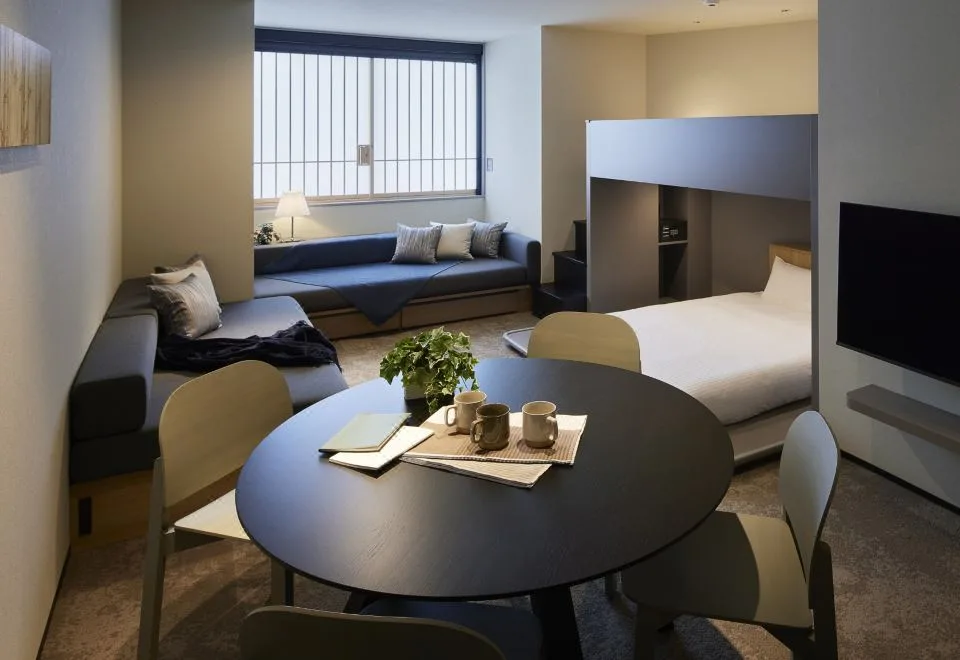
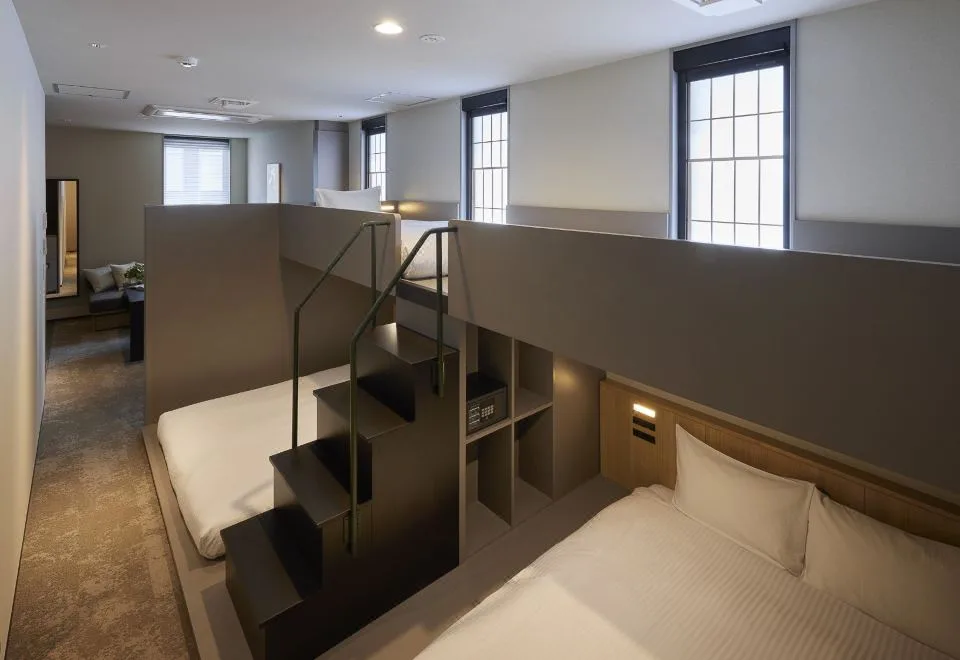
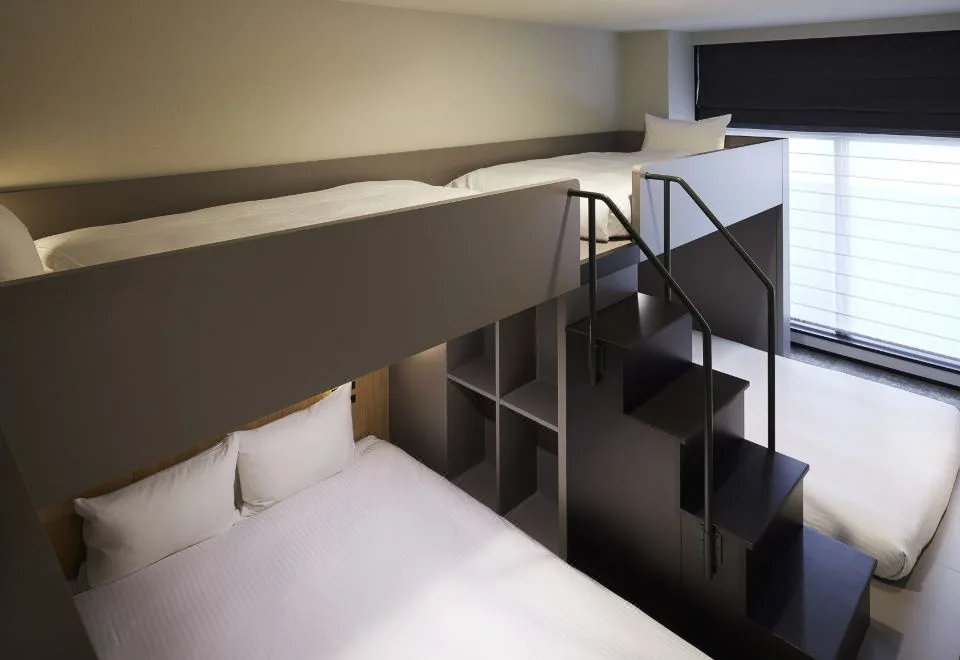
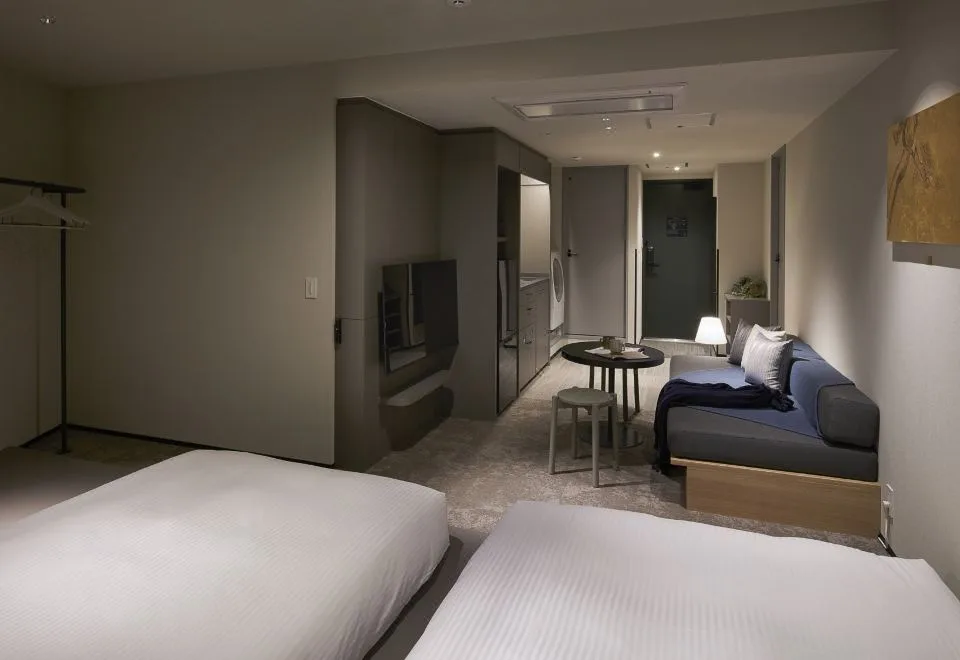
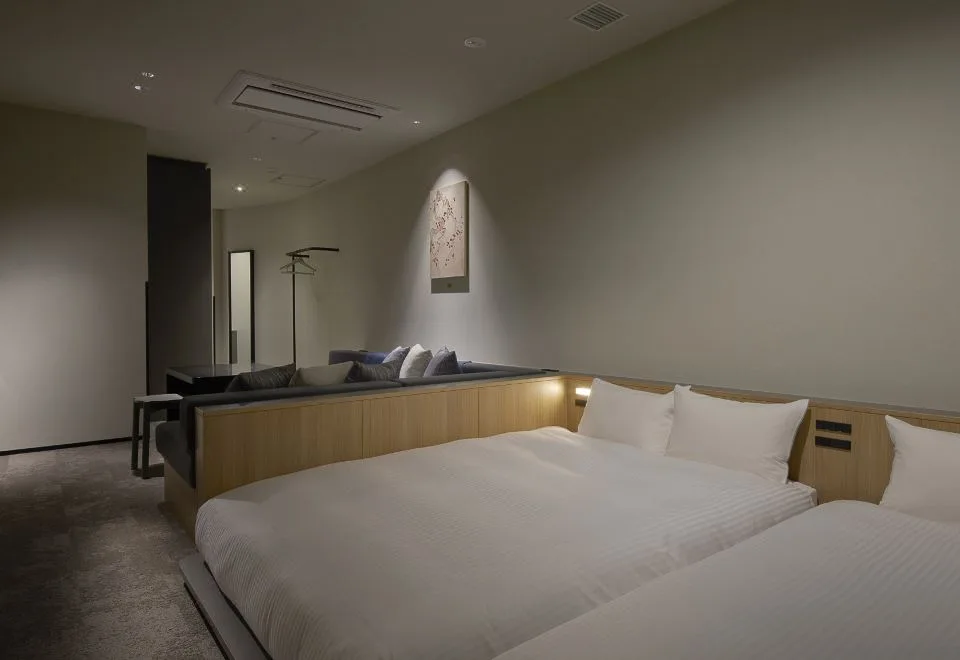
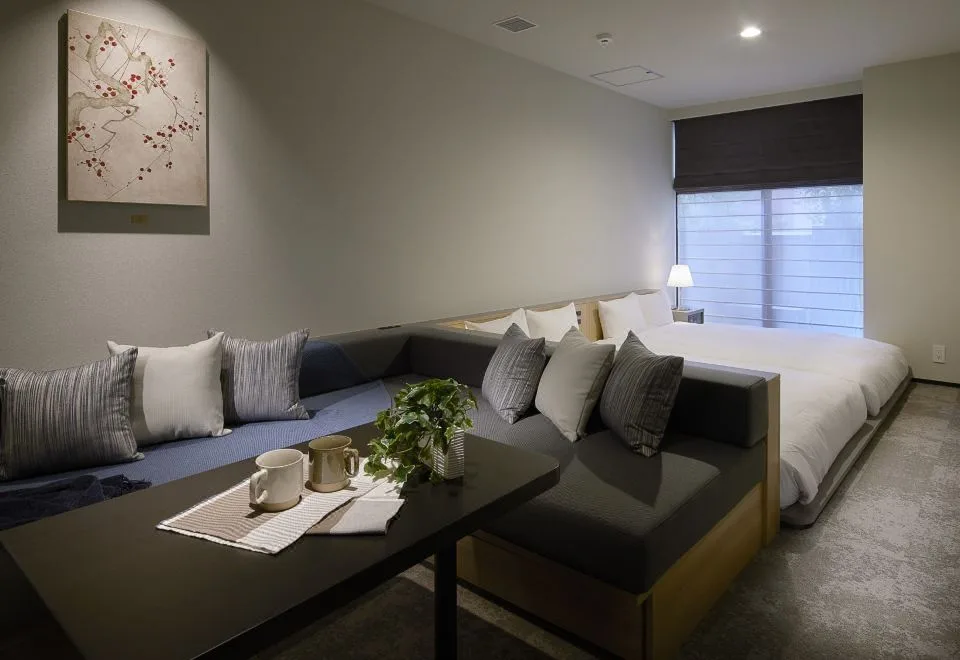
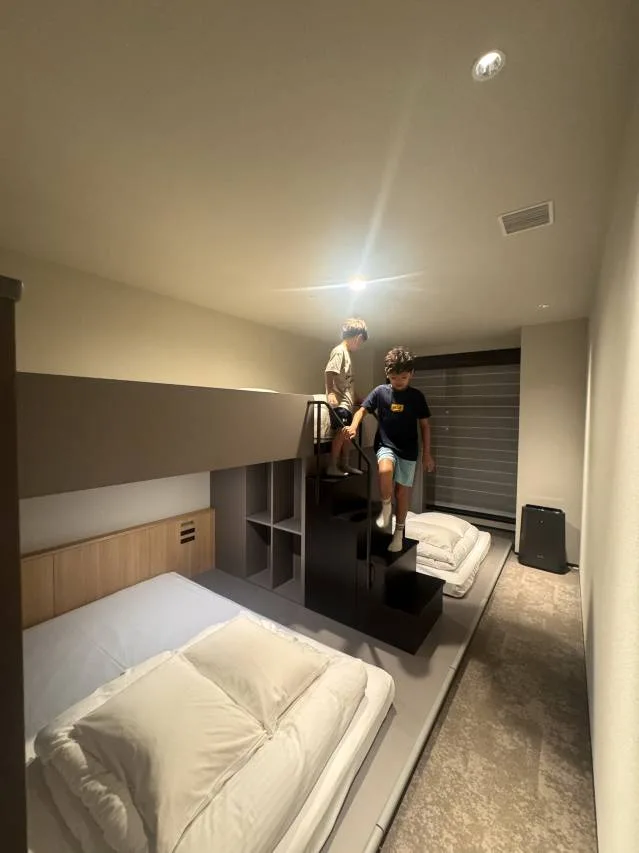
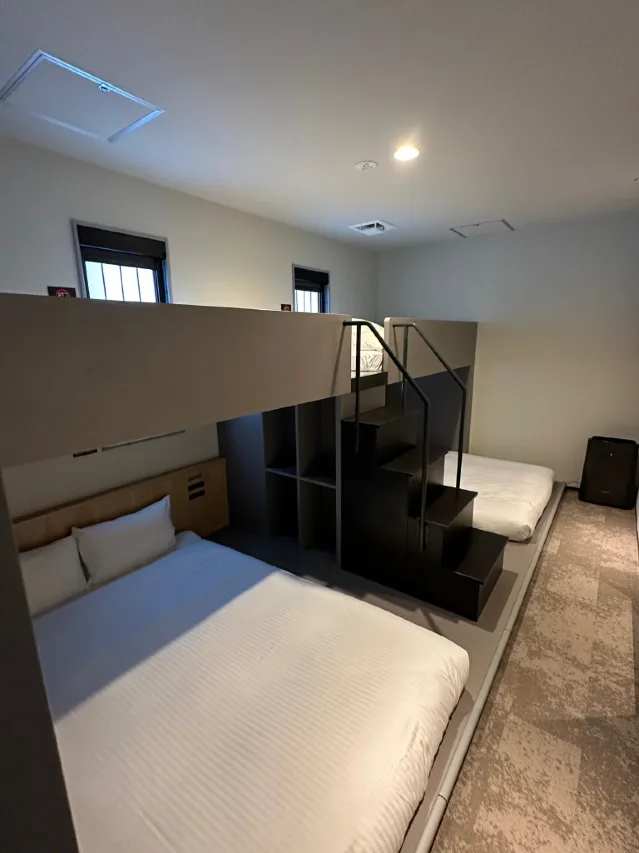
The brand’s official room list gives approximately 36–47 m², accommodating from one to eight people, with double, single and sofa-bed arrangements. The gallery also shows bunk beds. For a family or group, allocate sleeping spaces first, then compare the dining table and sofa area. Do not book solely by maximum occupancy.
Bunks preserve some floor area, but anyone who cannot climb a ladder comfortably should get a standard bed or a lower bunk first, with the upper bunk left for someone who climbs easily. The kitchen and the in-room washer are my main reasons for picking this place: over a few nights you do not need to pack many clothes, because you can run a load in the evening and have clean clothes the next day. If several large cases have to open at once, ask first how much walkway the room type you booked really has, instead of applying a 47 m² photo to a smaller room.
Eight people travelling together should draw up the bed plan first: who takes the double bed, who takes the single, who takes the sofa and who takes the bunks. Get all eight places settled before you book. Rooms run about 36 to 47 m², and once the beds are right, the dining table and sofa area work too; booking on the maximum headcount alone can leave someone without a bed on arrival.
Opened in July 2025, the building is a converted office block run as apartment-style rooms, mostly 25 m² and up with a kitchen. The name Minn plays on minna, everyone, plus inn — a place for a group to stay together: family, friends, a few women travelling together, living like a small apartment, each with a bed, and an evening meal around the dining table.
Check-in is self-service: register on your phone in advance, then use the self check-in kiosk at the hotel, and the room door is keyless, so there is no physical card to look after. A cloud reception watches over the building around the clock and you can reach it if something goes wrong — but fill in your check-in details first, or you will be stuck at the door.
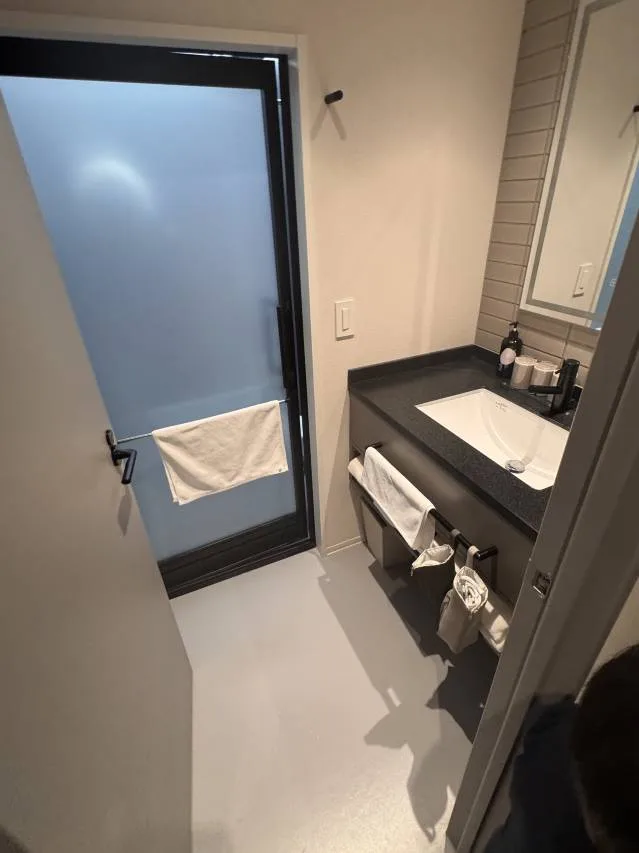
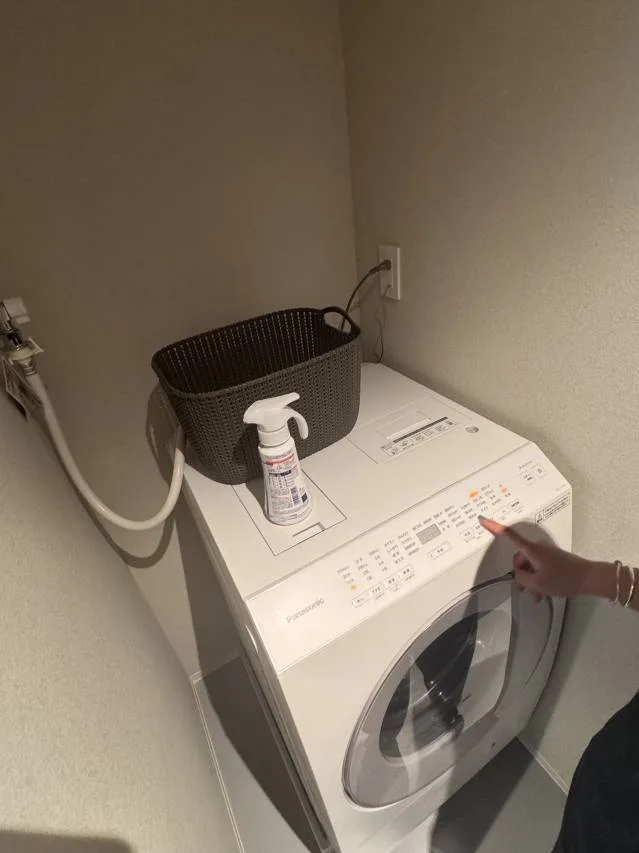
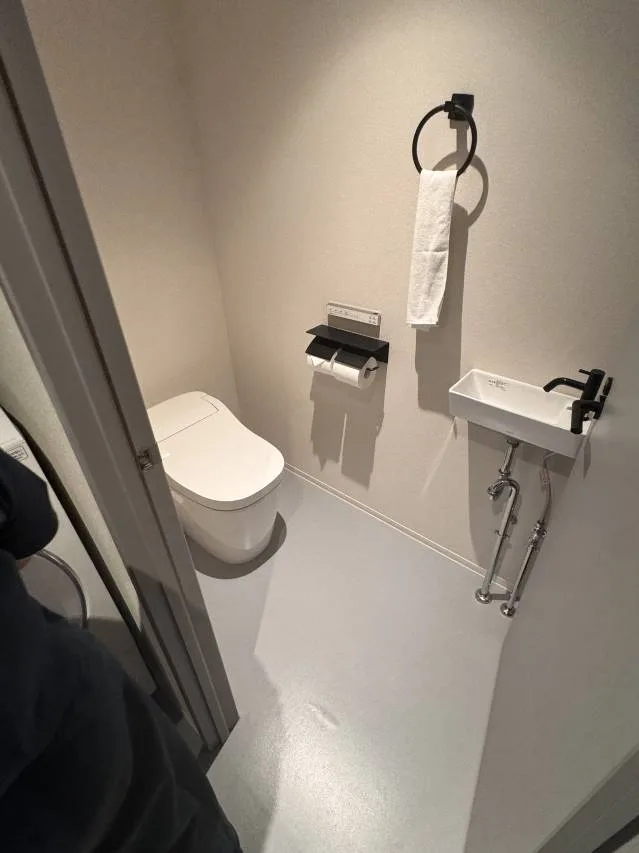
Compare rooms this way: beds first, then whether the toilet is separate, then the luggage area. The photos show a separate toilet, a washbasin with a mirror and an in-room washing machine — check them against what you need before you book. If you want a bathtub, confirm the room type you picked actually has one instead of assuming every room does.
Ask about the sofa bed first: who sleeps on it once it is opened, how comfortable it is, and whether kitchen or doorway noise will wake that person at night. Two people do well with a double bed plus a sofa; for four or more, bunks plus a double bed work better, with the beds split up so nobody waits for the toilet in the morning.
Compare the official property room descriptions against the exact room and equipment on your reservation.
No hotel breakfast, but you have a kitchen
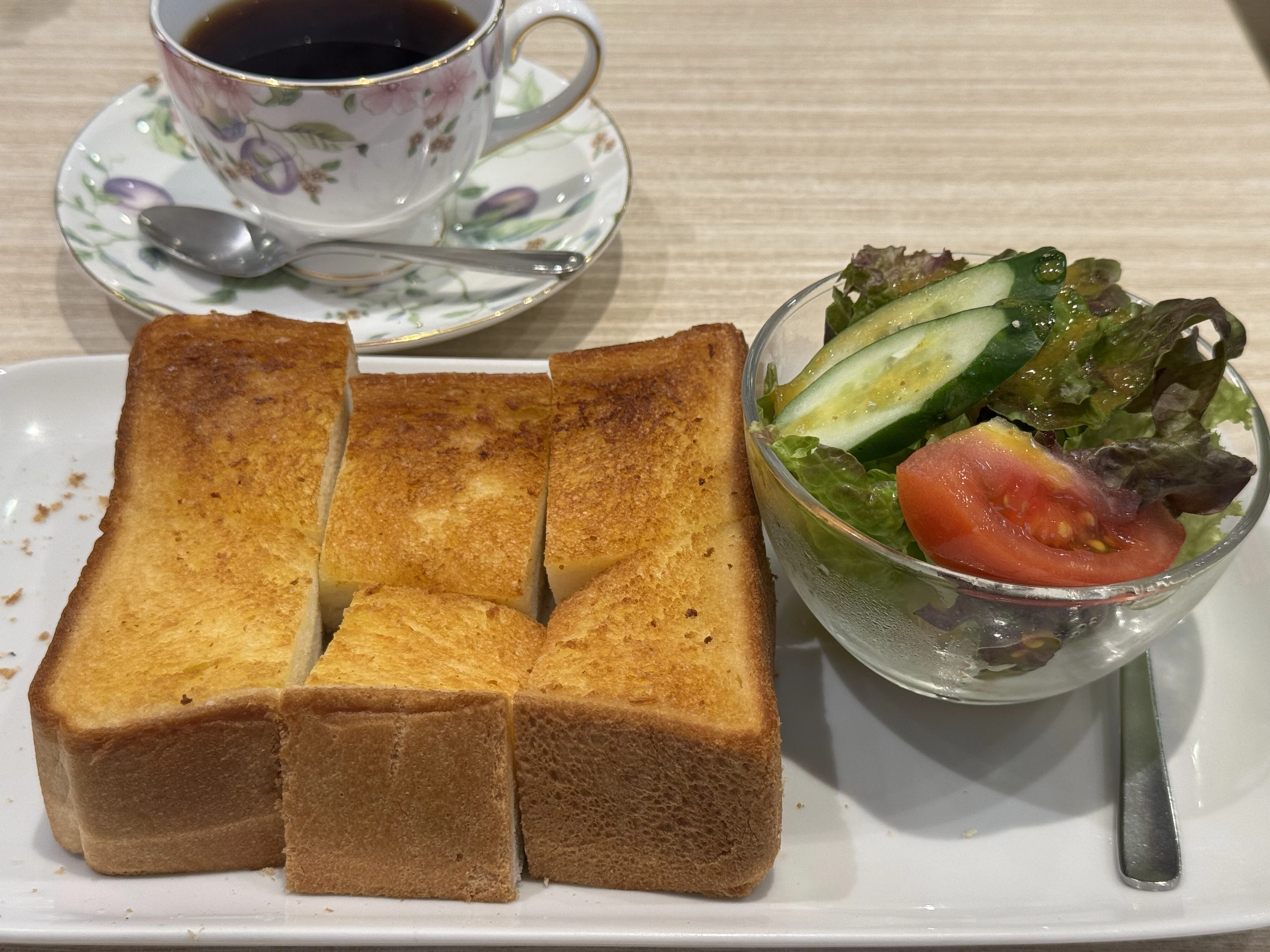
The property does not provide breakfast, so plan for that from the start: for slow mornings, buy simple food the previous day and prepare it in your kitchen. If you want to cook, confirm the utensils and the rules first. With no hotel breakfast, the morning is yours — sleep in if you want, with no breakfast seating to rush down for.
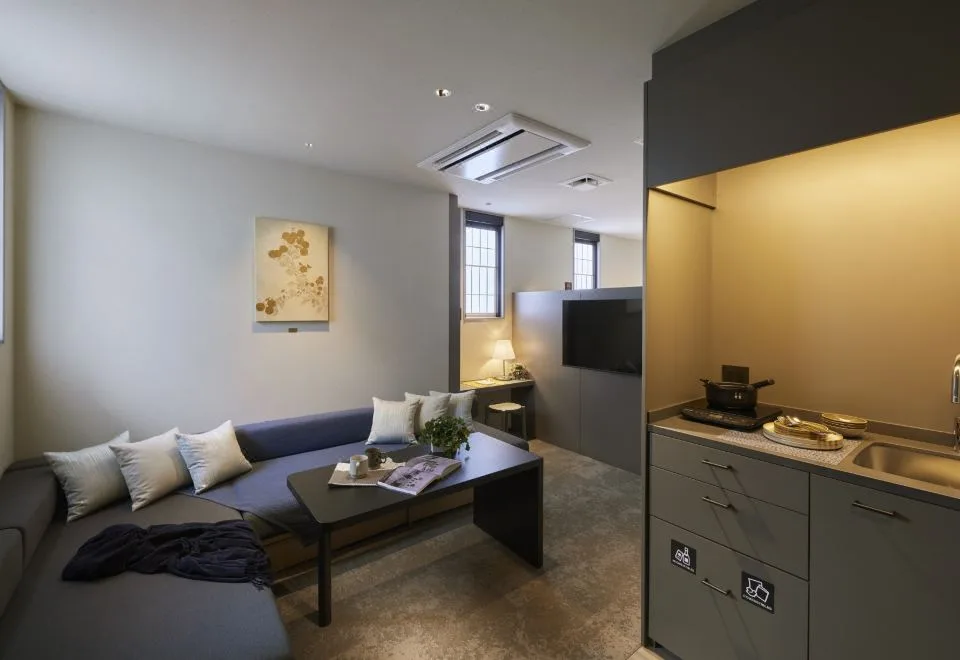
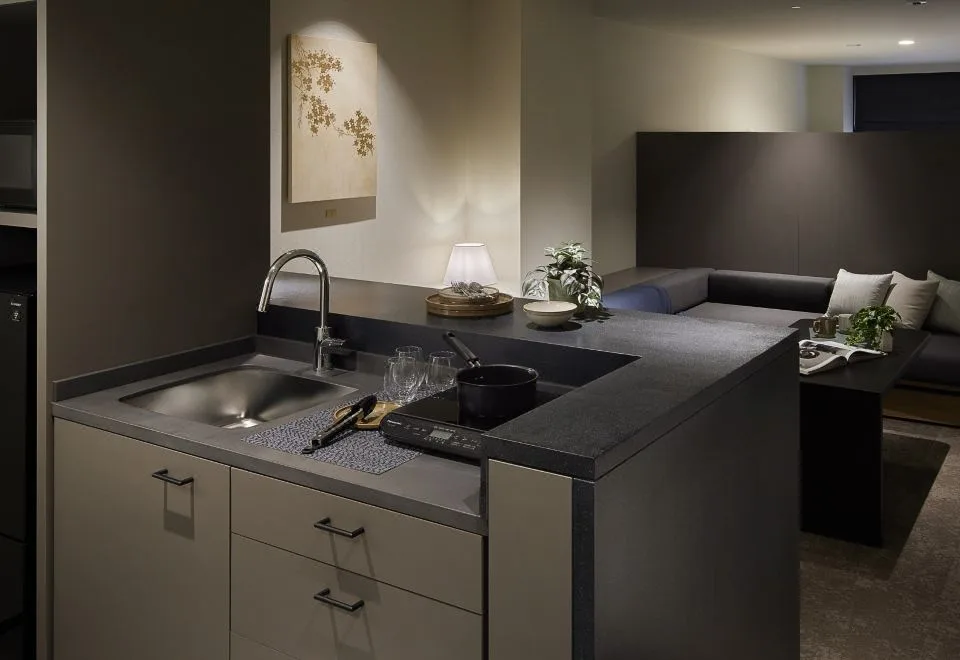
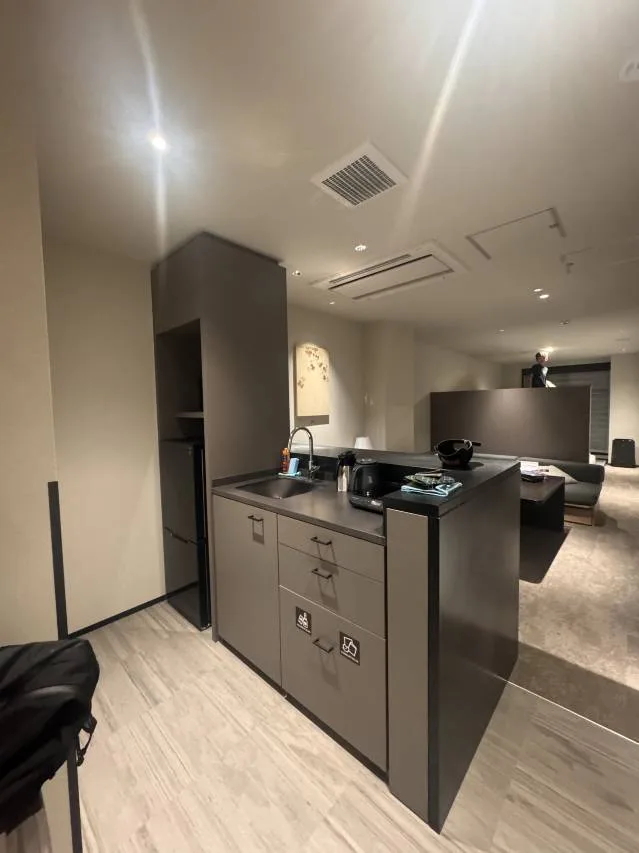
The kitchen is the key to breakfast here: the in-room sink, hob and tableware are all in the photos, so buy bread, fruit and milk the night before and eat at the dining table in the morning. If you want to cook, check first whether the utensils are complete and whether cooking is allowed; if the kit is thin, buy food that needs no cooking — bread, fruit and yoghurt still make a full breakfast.
Over several nights, vary breakfast: eat bread and fruit in the room one day, head out early the next, and the trip never has to revolve around breakfast. If you need to catch an early train, buy breakfast the night before and keep it in the room, so you can eat as soon as you wake up; if you want to sleep in, breakfast in the room waits for you, with no serving hours to beat.
Do not pick a breakfast-included rate: this hotel serves no breakfast, so if a breakfast-included option appears, check what it actually covers before you pay, and do not pay extra for a breakfast that does not exist.
Getting here from Suitengumae
Address: 44-6 Nihonbashihakozakicho, Chuo City, Tokyo 103-0015, Japan.
Suitengumae Station is 290 metres from the hotel, about a 4-minute walk. With large luggage, a wheelchair or a stroller, use the Exit 4 elevator: from the Hanzomon Line platform, follow the signs to the City Air Terminal-side ticket gate, leave the gate and walk straight ahead to Exit 4, where the elevator runs all the way to street level. From street level, walk to 44-6 Hakozakicho. Tokyo Metro’s own barrier-free service also confirms an elevator between the street and the platforms at Suitengumae.
Tokyo City Air Terminal (T-CAT) is close by, with airport buses to Narita and Haneda picking up and dropping off there. Check the day’s timetable and baggage rules before you go, and allow time to check in; on the way back, walk straight from the bus to the hotel without going back into the station. For the return subway trip, use the same elevator route: take the Exit 4 elevator down to the gates, then to the Hanzomon Line platform, and do not head for an exit without an elevator.
Plenty is walkable from here: Hamacho Station is 900 metres, Nihonbashi 1.2 km, Ginza also 1.2 km, Marunouchi 1.9 km and JR Bakurocho Station 1.6 km. Kogane Shrine is about 1 km away, and the old Nihonbashi streets are a walk from the hotel with no train needed.
For the return subway trip, use the same elevator route: walk back to Suitengumae Station, take the Exit 4 elevator down to the gates, then to the Hanzomon Line platform. Do not head for an exit without an elevator — carrying a case up and down stairs is the hardest part of the trip, so fix the location of Exit 4 before you leave.
Check separately the journey from platform to ticket gate and from gate to street. Your return elevator should lead to the correct platform. The shortest exit may be awkward with suitcases.
Short versus multi-night stays
The washing machine, the in-room laundry and the simple cooking setup are what matter most to me here: over a few nights you pack lighter, run a load in the evening, and wake up to clean clothes. On arrival I check the room first for damp smells, sheet cleanliness, dust and ventilation, and contact the desk right away if something is off instead of leaving it until night. Read the notices on self check-in, towels and rubbish collection first; a multi-night stay does not mean a full clean every day.
Check-in runs 15:00 to 24:00, check-out by 10:00. You cannot enter the room before 15:00, so early arrivals should leave bags at the desk for free; the same works after check-out if you want to shop first. The hotel sends check-in information after booking — register in advance and the self check-in kiosk is quick on arrival.
Know the rules before you arrive: guests must be 18 or older to check in, and minors cannot check in alone. Children of all ages are welcome, but a child without an extra bed may still cost extra, so put the children’s headcount on the booking for an accurate price. No room type takes an extra bed or a crib, so settle the headcount and the beds when you book.
A deposit of JPY 250 is charged on arrival. Pets and service animals are not allowed — confirm before you book. The desk offers concierge service and quick check-in and check-out, luggage can be left there, and the desk works in English and Japanese.
The building’s facilities are few but they cover a longer stay: free Wi-Fi in public areas, a free laundry room with a dryer and laundry supplies, plus a washer in the room; an elevator, so luggage never has to go up the stairs; and a drinks vending machine. Public areas and floors are fully non-smoking, and fire alarms, extinguishers, safety alarms, smoke detectors and public-area cameras are all in place.
Photos: beds, kitchen and bathroom
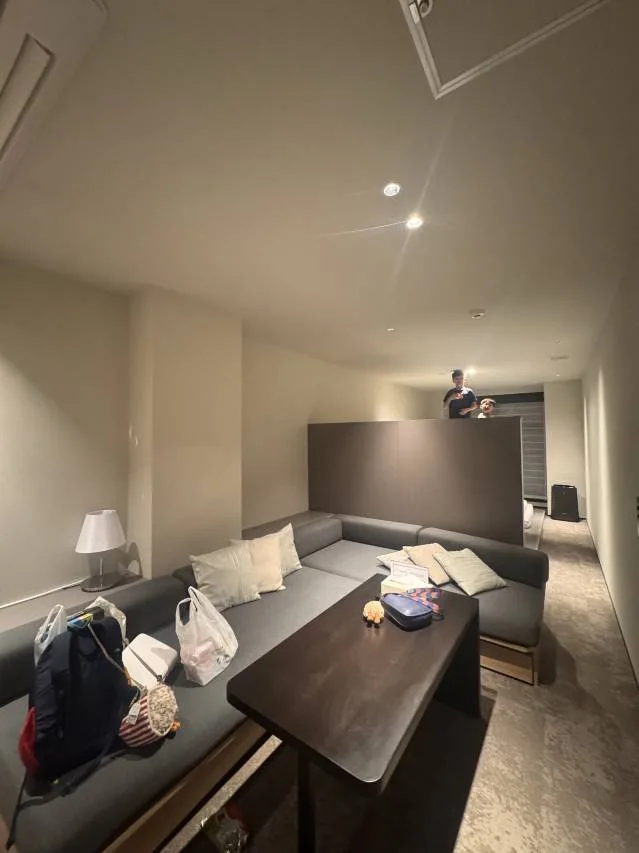
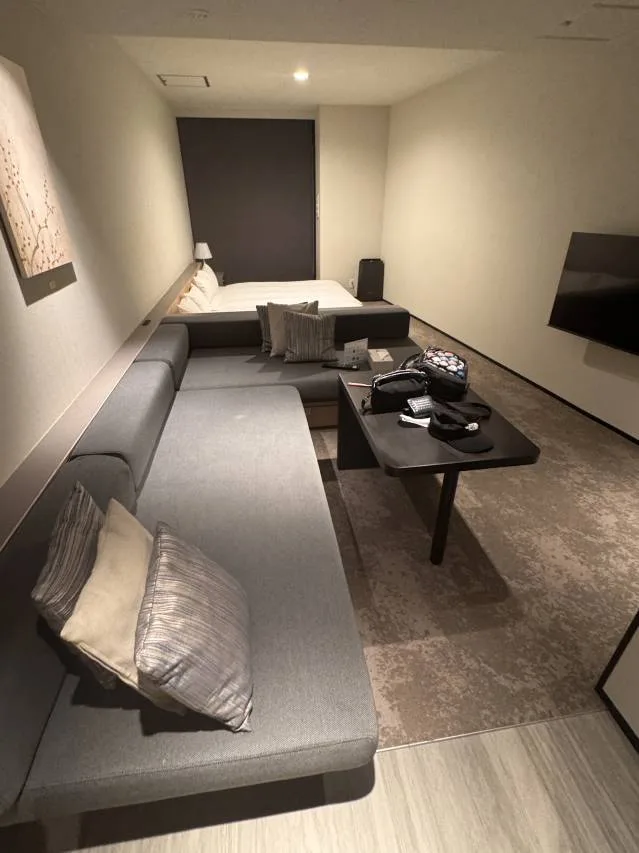
Look at floor area beside beds, basins and places to put luggage. Photos may show several layouts or guest stays, so compare them with your exact apartment type.
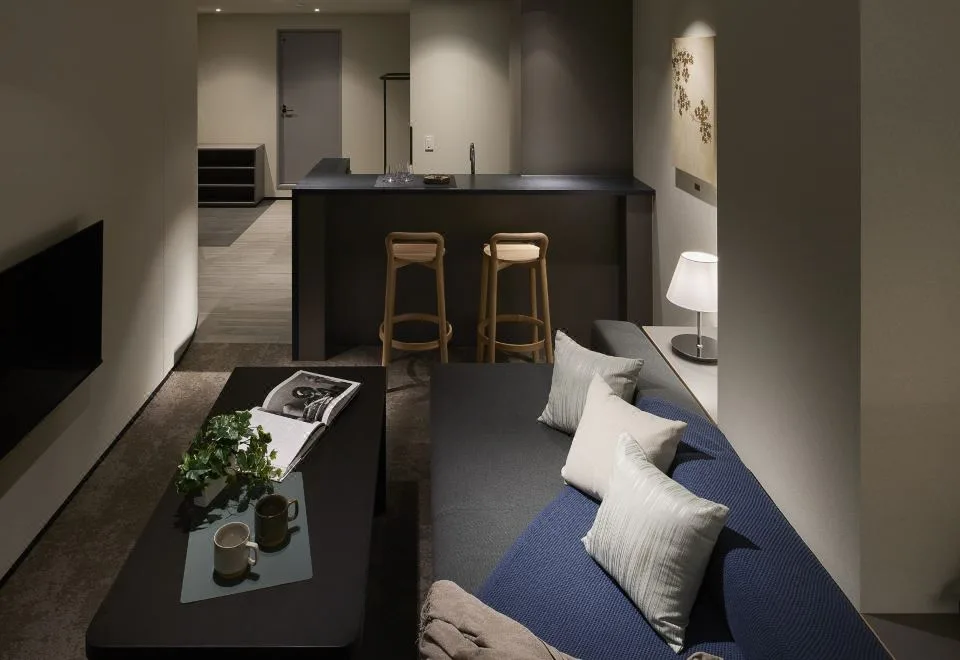
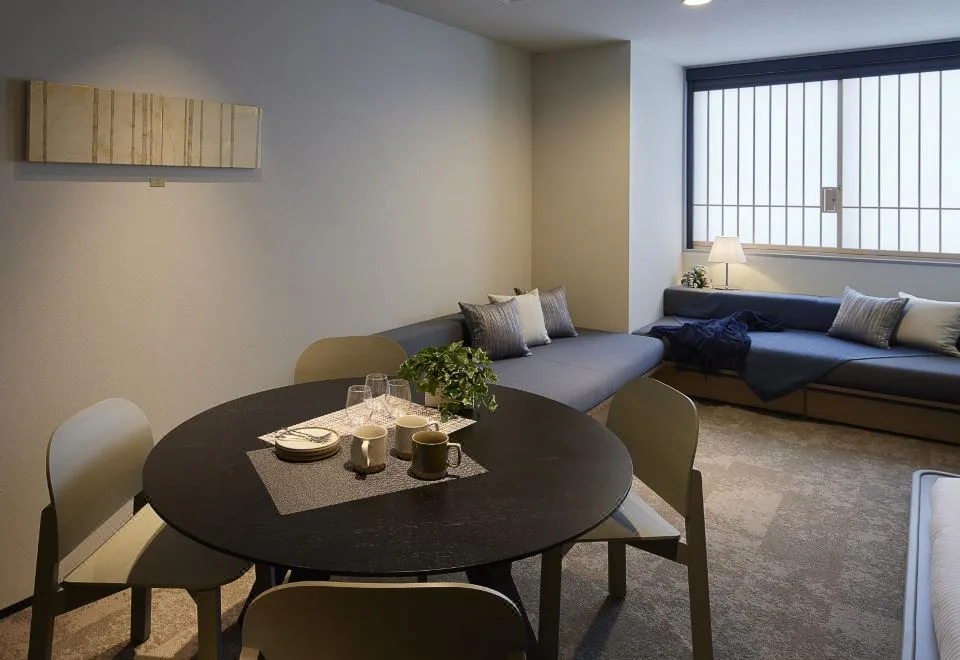
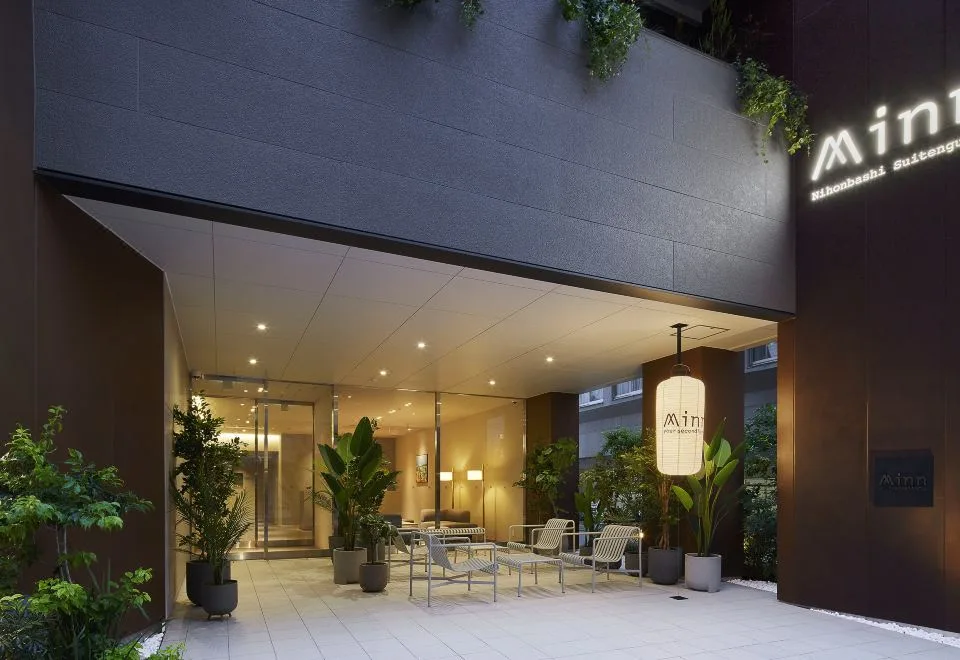
Read the photos in three groups: beds and living space, kitchen, laundry and bathroom, and the entrance. The first group has sofas, bunks, twin beds and dining tables, with the space beside the bed visible; the second has the in-room sink, washbasin and mirror, in-room washing machine and separate toilet; the third is the hotel entrance, useful for finding your way back at night. The photos come from different rooms and stays, so the layout of your booked room type is what counts.
Sleeping and living areas
Kitchen, washer and bathroom
Entrance
How to arrange the neighborhood
Leave a relaxed day for Suitengumae, Nihonbashi and the Sumida riverside. T-CAT works as an airport option, but check the actual schedule and baggage rules first; do not trade one fewer change of trains for the walk from the station to the hotel — 290 metres takes four minutes, even pulling a case.
Plan it this way: on arrival day, leave your bags and walk to Nihonbashi or Ningyocho for dinner; the next morning, eat breakfast in the room, walk slowly to Kogane Shrine, then wander the old Nihonbashi streets; on the third day, take the Hanzomon Line to Omotesando or Shibuya and run the washing machine in the evening. Over several days, Ginza is a 1.2 km walk when you want a change of dinner, and the walk back is not far either.
Before you book, check these: whether the headcount and the beds work — no room type takes an extra bed; whether you will cook your own breakfast, because the hotel serves none; what time you arrive — check-in is from 15:00, so early arrivals leave bags at the desk; the JPY 250 deposit; and with large luggage, the Exit 4 elevator, not an exit without one.
This place suits a group that wants to live like a small apartment: kitchen, dining table and washing machine all in the room, getting easier the longer you stay. Travelling alone and looking for a small room, these rooms will feel too big; and if you want full hotel service with someone tidying the room every day, this is self-service, so the tidying is yours.
Pros and cons at a glance
Pros
- Suitengumae Station is about a 4-minute, 290-metre walk, and Exit 4 has an elevator, so a case rolls the whole way.
- Rooms run about 36 to 47 m² for one to eight people, with a kitchen, dining table and in-room washing machine inside.
- Bunks, double, single and sofa beds in many combinations, so a group can stay together without splitting across rooms.
- Check-in 15:00 to 24:00 with a self check-in kiosk and keyless doors, and luggage storage is free.
- A free laundry room, dryer and laundry supplies are in the building, with free Wi-Fi in public areas.
Cons
- The hotel serves no breakfast, so breakfast means cooking in the room or eating out.
- No room type takes an extra bed or a crib, so the headcount and the beds have to be settled when you book.
- Check-out is by 10:00 and check-in from 15:00, so early arrivals leave bags at the desk; a JPY 250 deposit is charged.
- If you are sensitive to smells and ventilation, check the room on arrival and contact the desk right away if something is off.
Information last checked: 2026-11-22