
TOKYO / CHUO
Hyatt Centric Ginza Tokyo
Hyatt Centric Ginza Tokyo
Rooms from 35 m² in central Ginza: shopping and relaxation in the same neighborhood.
Hyatt Centric Ginza Tokyo suits travelers who want to stay in the center of Ginza without being confined to the bed when they return. Even standard rooms start at 35 m², with vivid colors, a working desk and a sitting corner. Two people staying several nights have more room to follow their own routines.
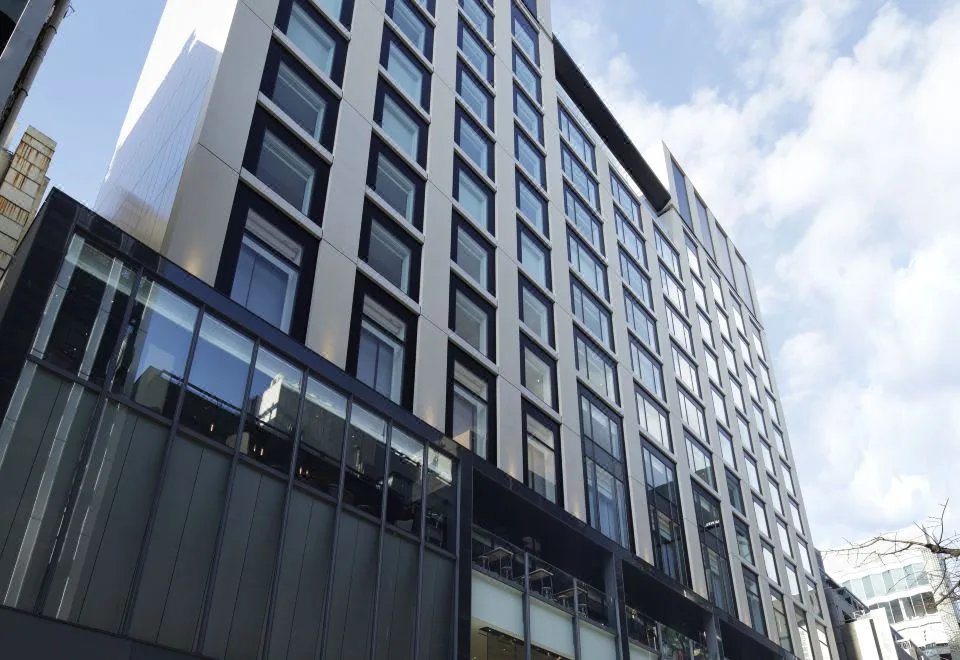
Choosing this hotel
| Item | Stay details |
|---|---|
| Location | 6-6-7 Ginza, Chuo City, Tokyo 104-0061, Japan. |
| Check-in / checkout | 3 p.m.–midnight / before noon. |
| Start with the rooms | Standard kings and twins are both 35 m², so basic usable space does not require booking a suite. |
| Stay planning | The Ginza location works even for a short visit; three or four nights make desk, suitcase and lounge space more valuable. |
Rooms and suitcase space
Both standard king and twin rooms measure 35 m², so a suite is not necessary just for room to move. Deluxe king and twin rooms increase to 47 m², providing more flexibility for window-side seating and work. The 77 m² suite is for guests who genuinely need a separate living area, gathering space or long indoor stays.
For most two-person trips, comparing 35 m² with 47 m² is sufficient. The bathroom feels more substantial, but I still think about where clean clothes go — tub size alone is not everything.
Check-in runs 3:00 p.m. to midnight and checkout is before noon, with the front desk staffed around the clock; guests must be at least 18 to check in. Children of all ages are welcome, and a crib is free for children aged 3 and under — every room category can take one. An extra bed costs extra and is paid at the hotel, and a child sharing without an extra bed can still incur a charge, so I ask about headcount, ages and extra beds before choosing a room.
When I compare rooms I think about two suitcases opened at once, a desk two people can take turns using, and somewhere to put clean clothes — a 35 m² standard room handles those better than most Ginza business rooms, while a 47 m² deluxe adds window-side room to rest and work. If you plan to work from the room every day, that extra space matters more than it seems on day one.
Payment at the hotel takes cash or card. Express check-in and checkout and a VIP check-in service are available, which helps when you are short on time. There is also a robot service in the hotel — small things like these add up over several nights.
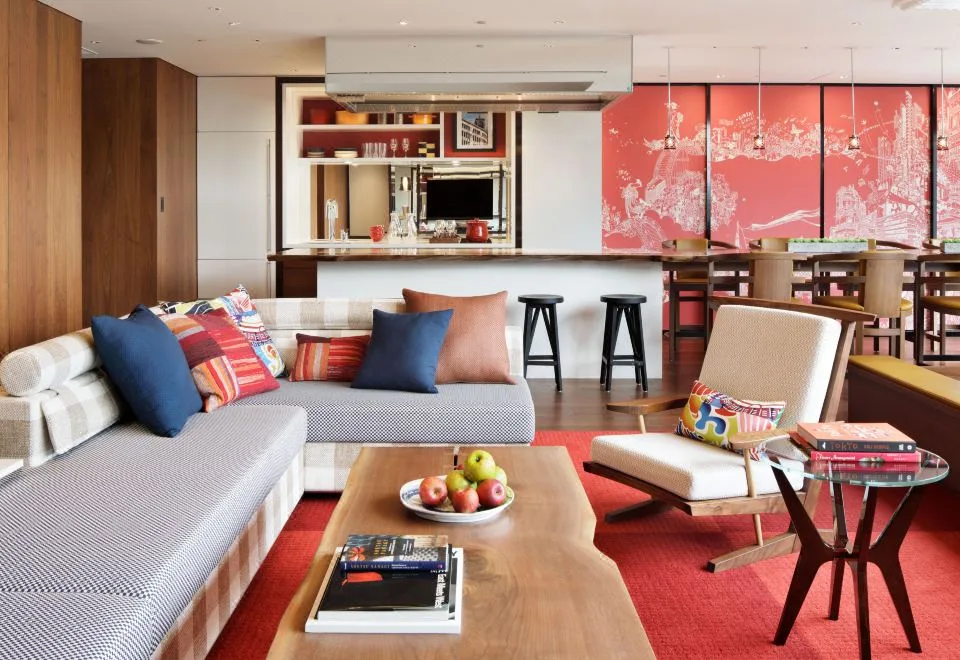
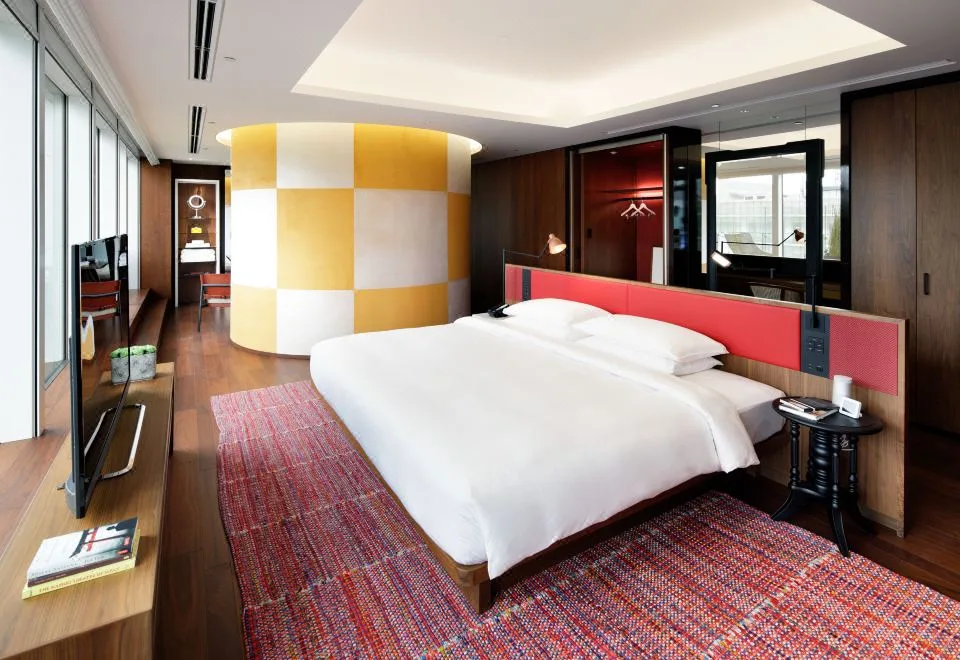
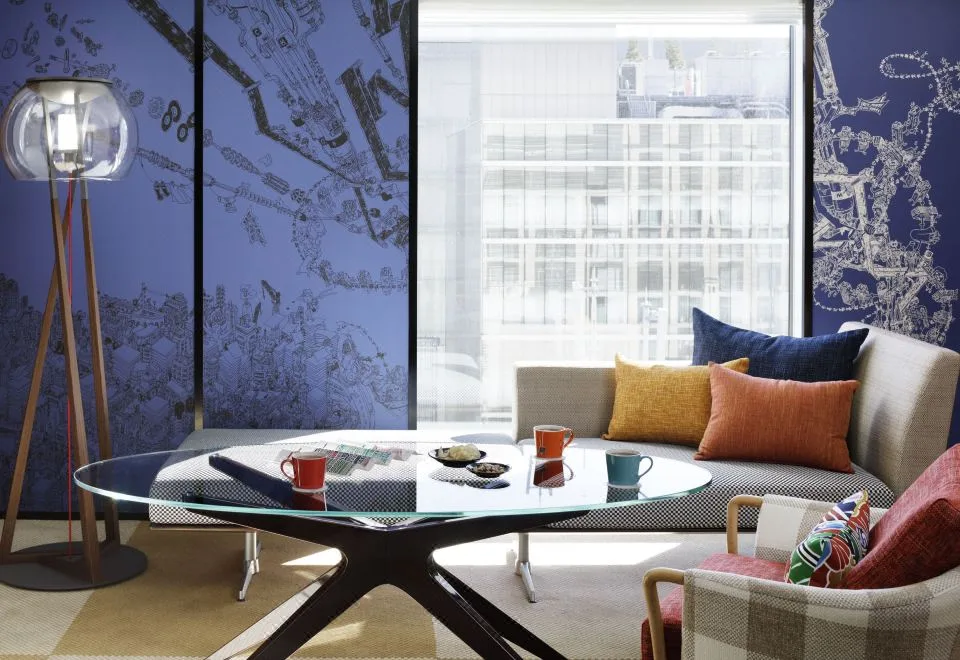
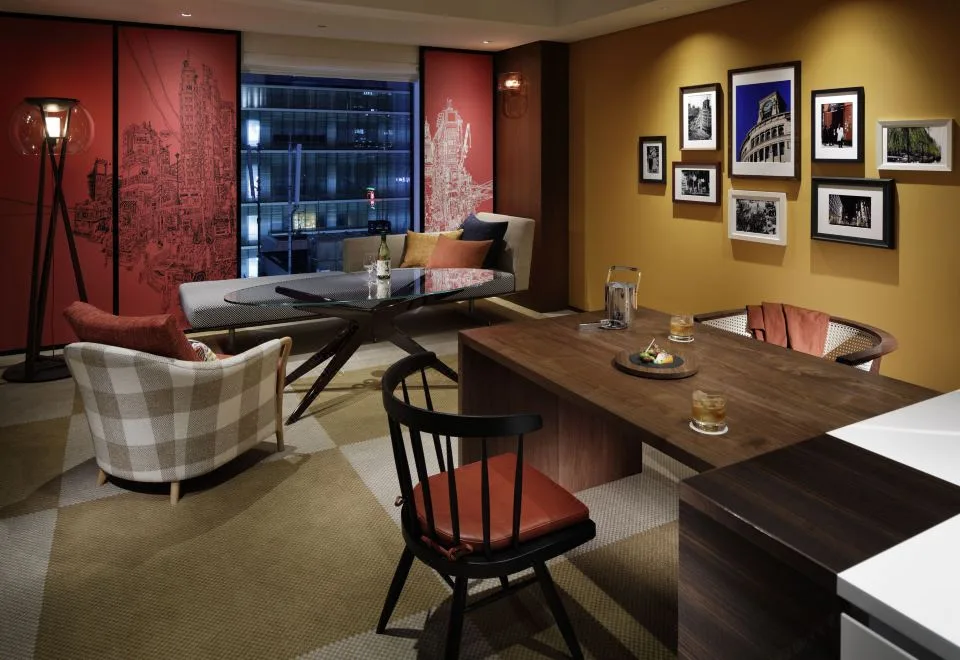
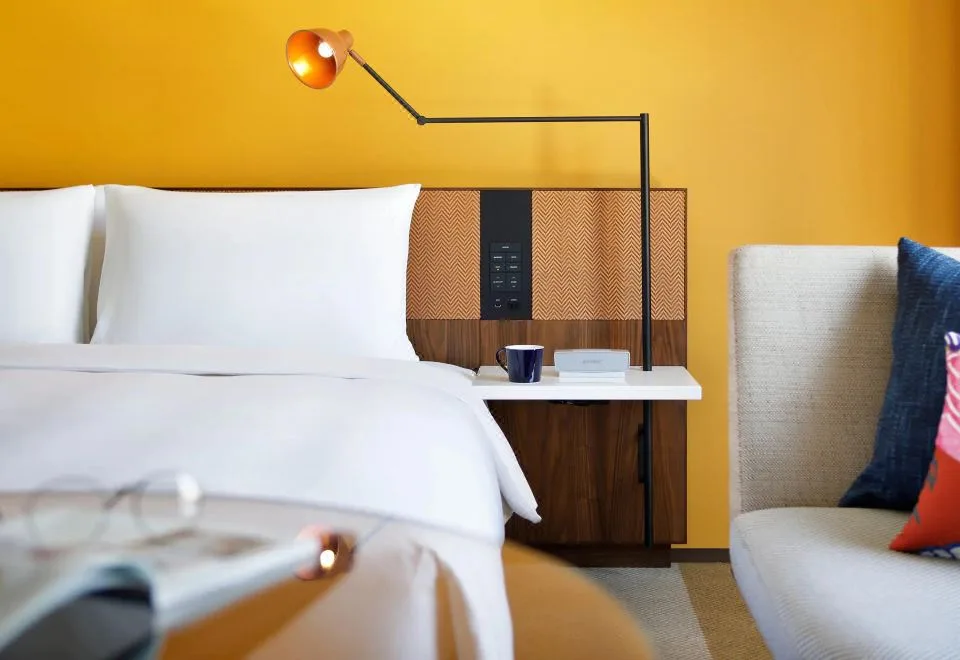
Room photographs
Check the bed, desk and entrance positions and imagine your luggage in that space. Furnishings and bed arrangements differ by room, so use your booked category for the final layout.
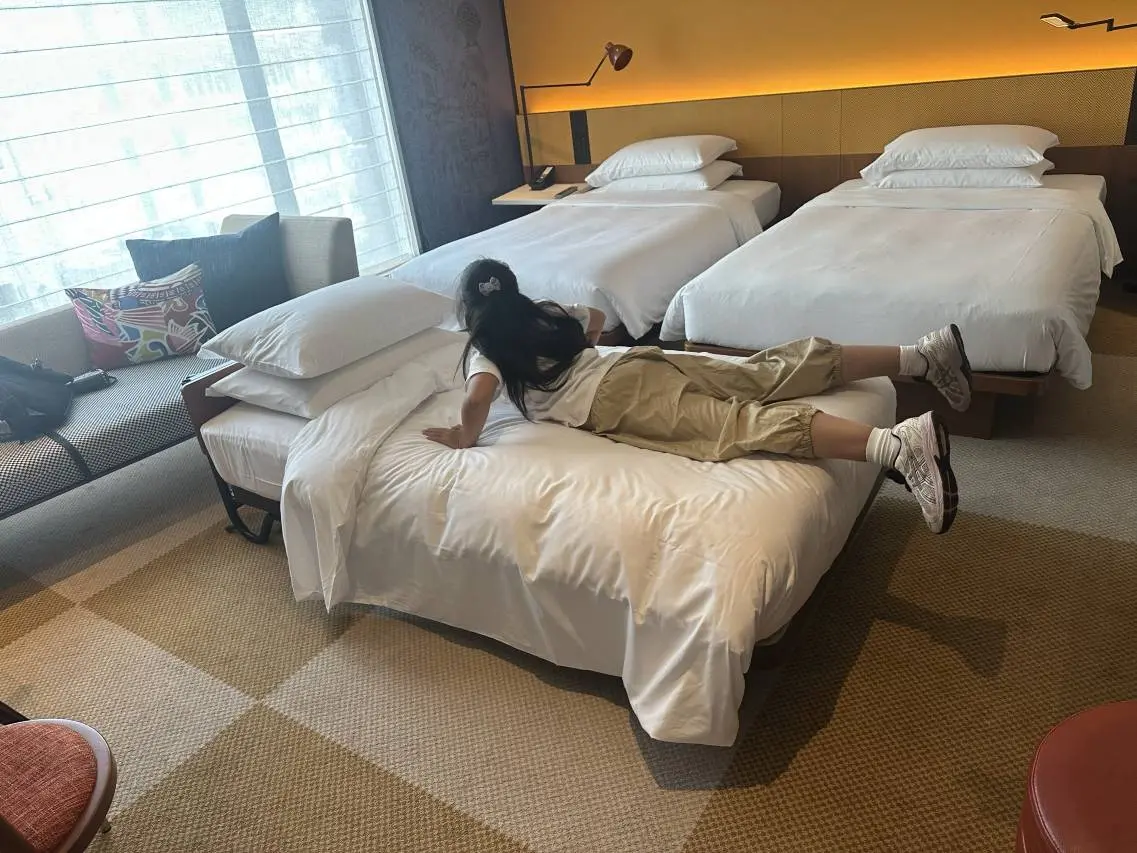
Bathroom facilities
The positions of the bathtub, shower and washbasin influence how comfortably two people can get ready together. The photographs help with layout, but confirm the bathing setup of your reserved room.
When two people get ready at the same time in the morning, where the washbasin and shower sit matters. I look at the layout in the photographs first, then decide whether the bathroom is worth choosing a bigger room for.
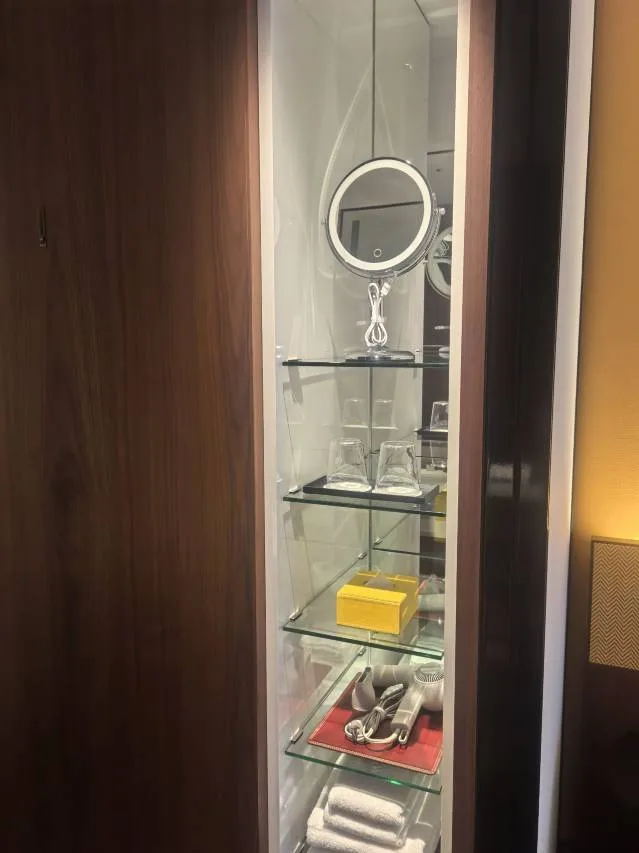
Breakfast at NAMIKI667
NAMIKI667 serves breakfast; the official schedule is 7:00–11:00. It suits a slow morning or an early meal before the department stores open. If you depart very early each day, consider booking without breakfast and spending the difference on a larger room or a neighborhood café.
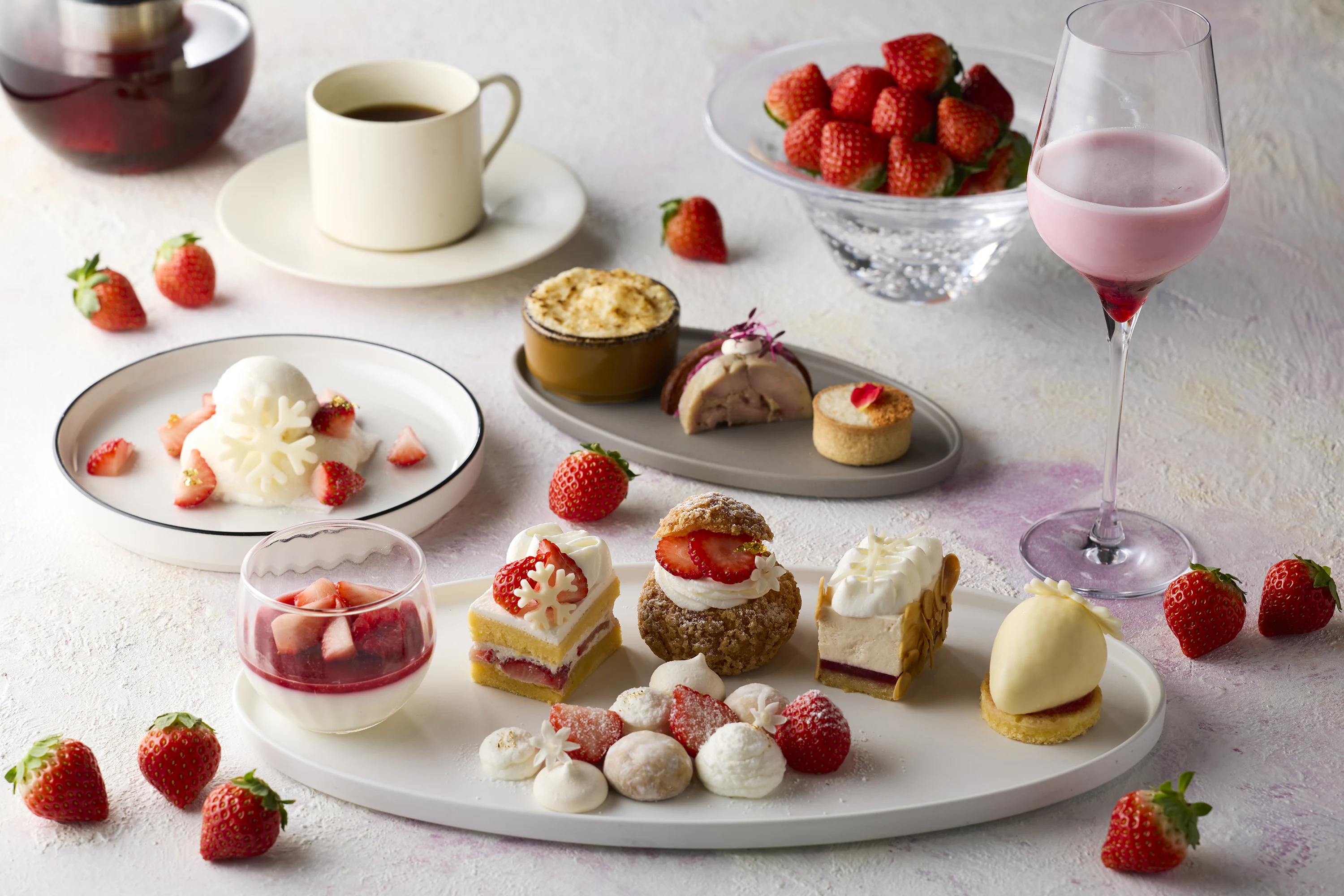
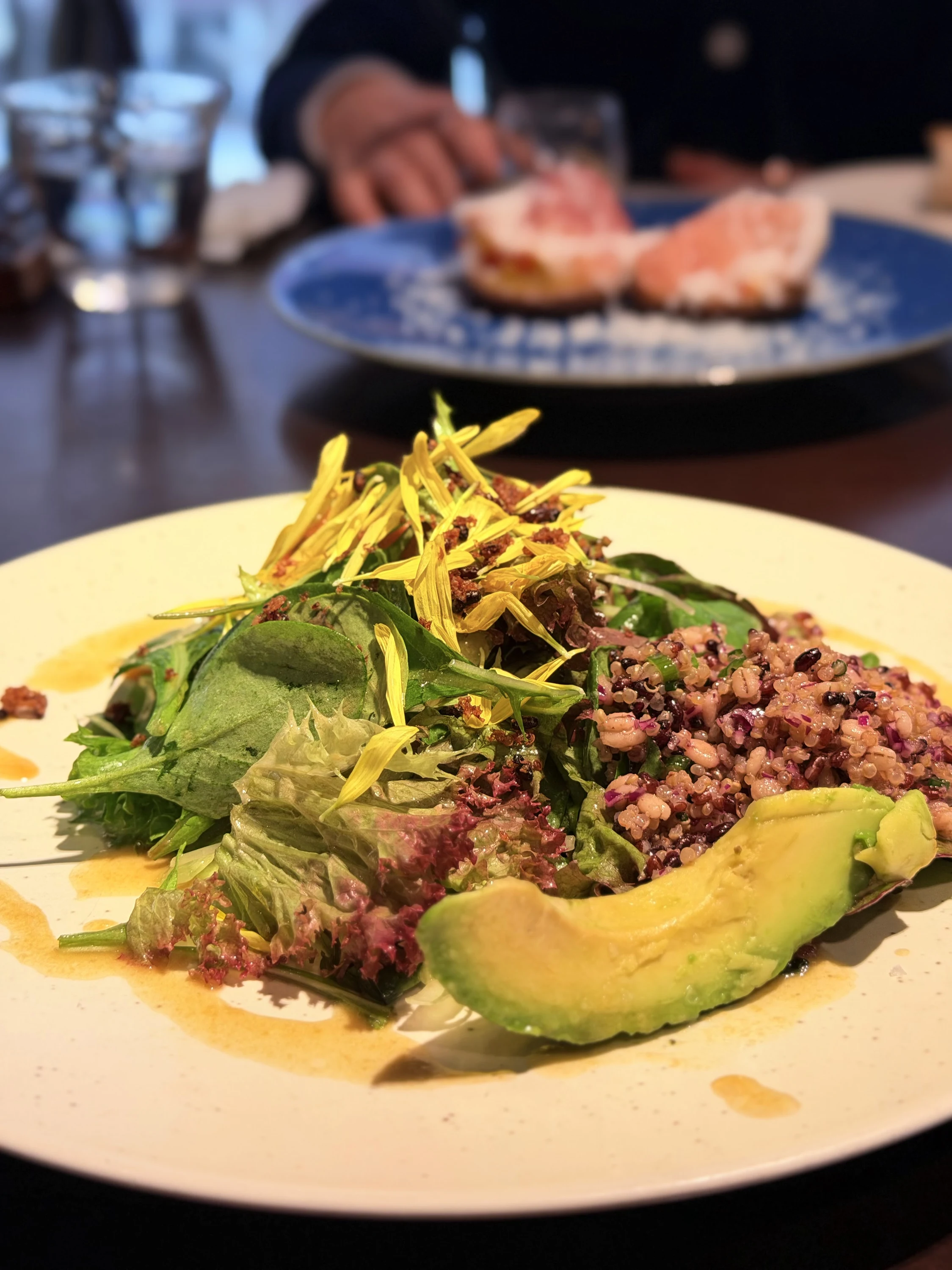
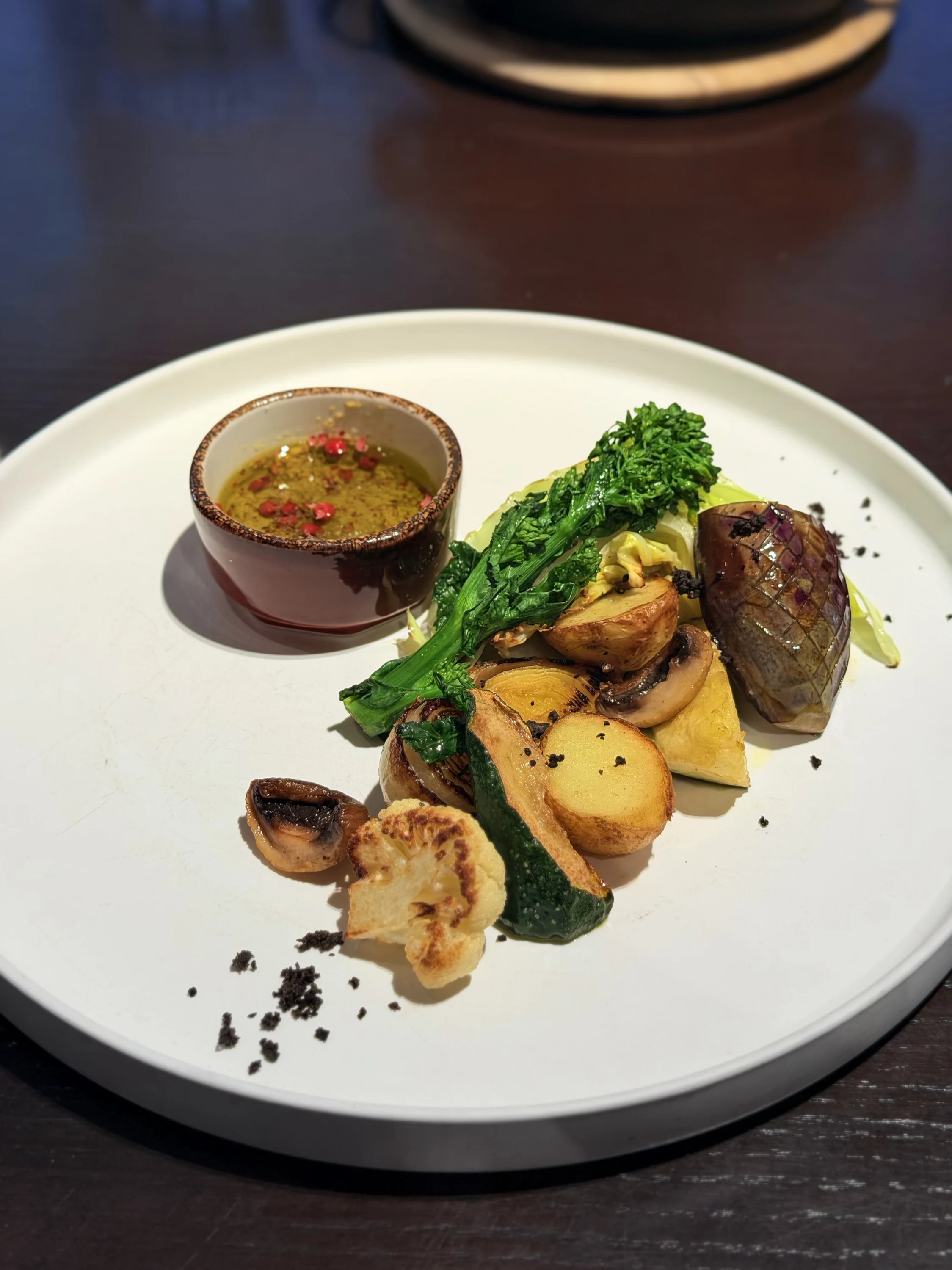
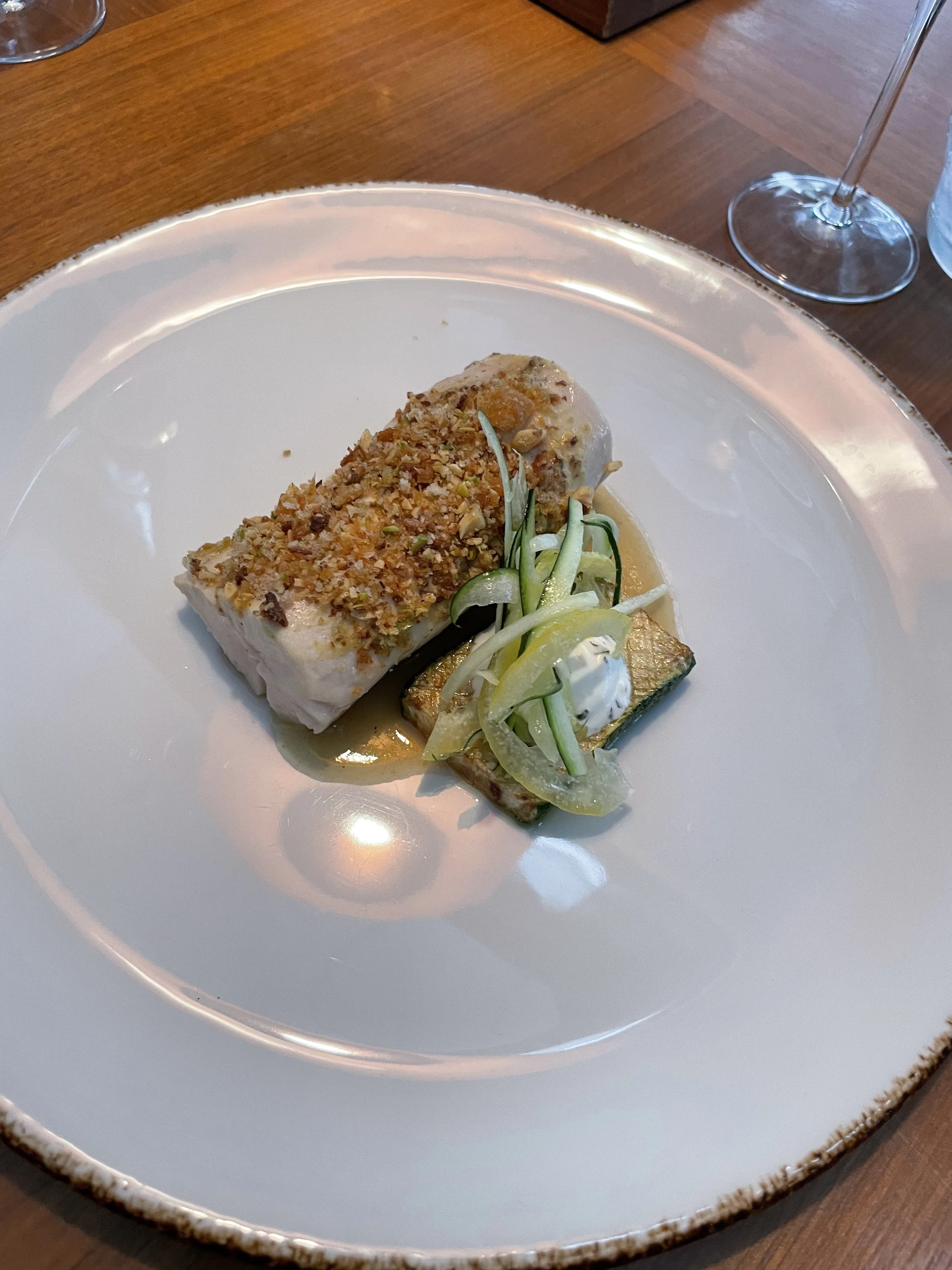
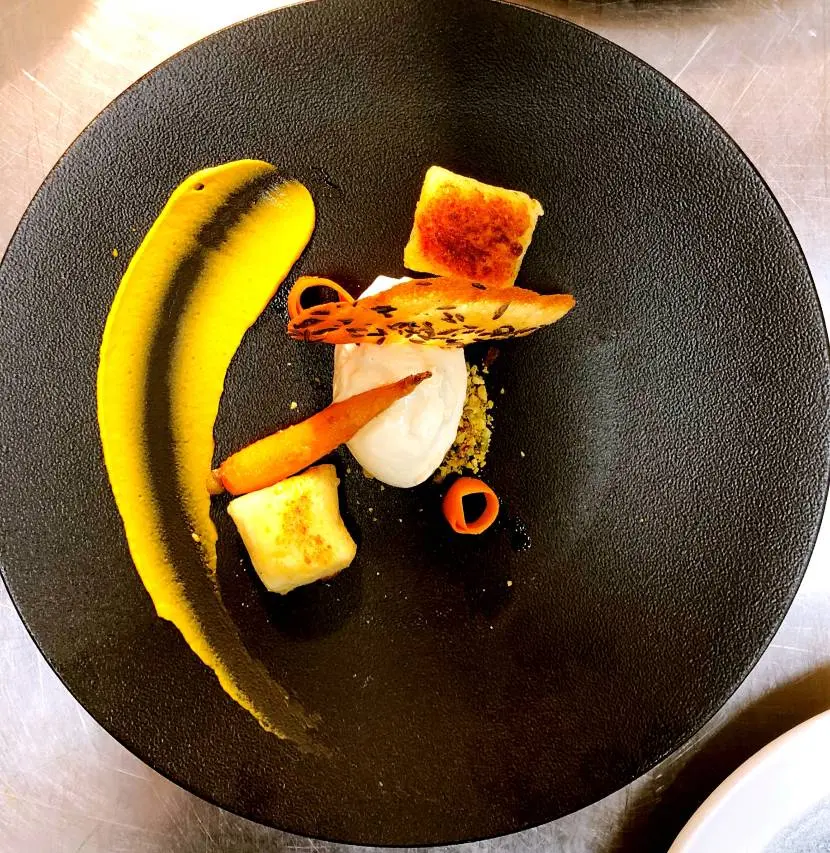
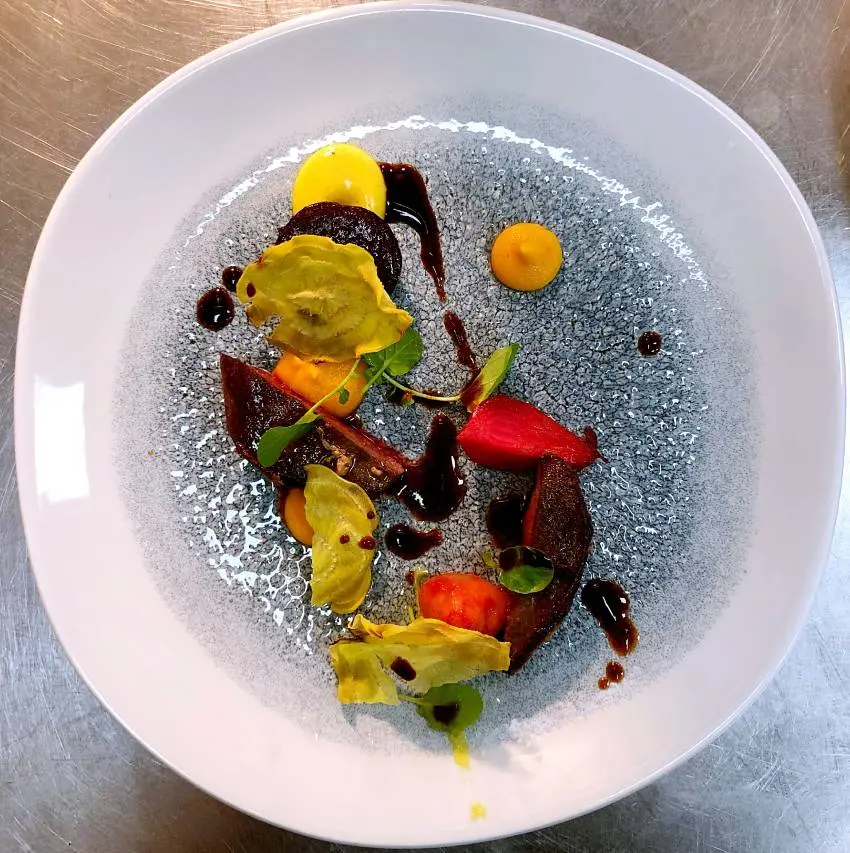
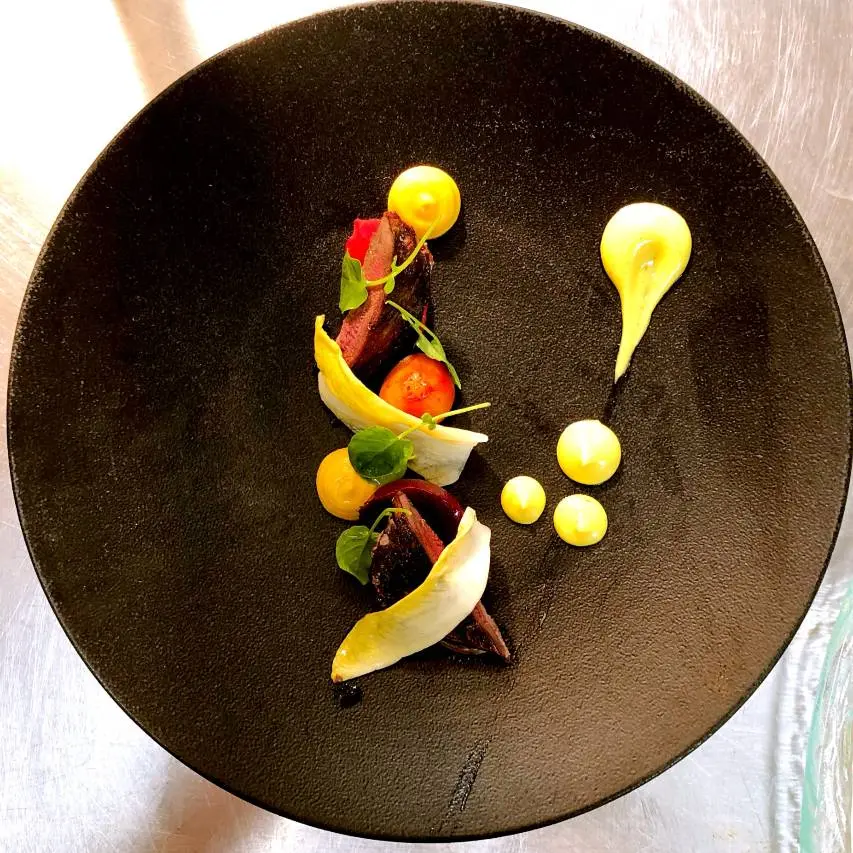
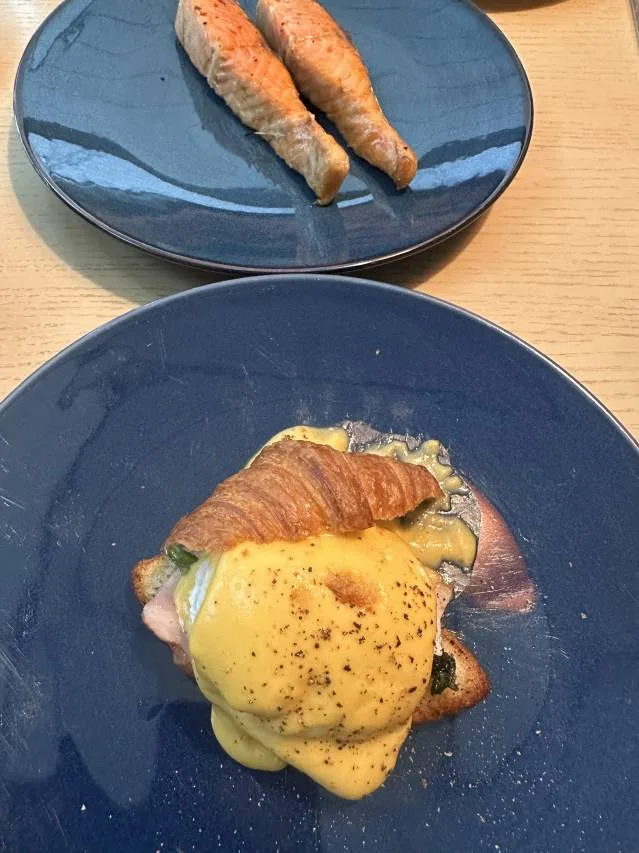
The plated dishes in the photographs look careful, but not every dish is a breakfast item. Check the actual breakfast selection and serving format when you stay, rather than booking breakfast for the whole trip because of one photograph.
Breakfast at NAMIKI667 is a Western buffet, served 7:00–11:00. Adults pay ¥8,855, children aged 6–12 pay ¥3,795, children aged 13–17 pay ¥6,600, and children aged 5 and under eat free. The restaurant itself runs 7:00–22:00 for lunch, afternoon tea and dinner, with à la carte and buffet options, and tables can be reserved. If you want dinner or a drink in the hotel before turning in, I check the day’s menu and seating before heading out.
If you like slow mornings, keep one morning in the hotel — breakfast runs until 11:00. If you leave early every day, a room-only rate makes more sense, and a Ginza café covers breakfast just as well, leaving the savings for a bigger room.
NAMIKI667 feels family-friendly, modern and romantic. Eating breakfast with children is easier here, with room to settle in and a calm serving flow. If you want to add breakfast later, ask the hotel first — you can pay for it on site.
Dining and common spaces
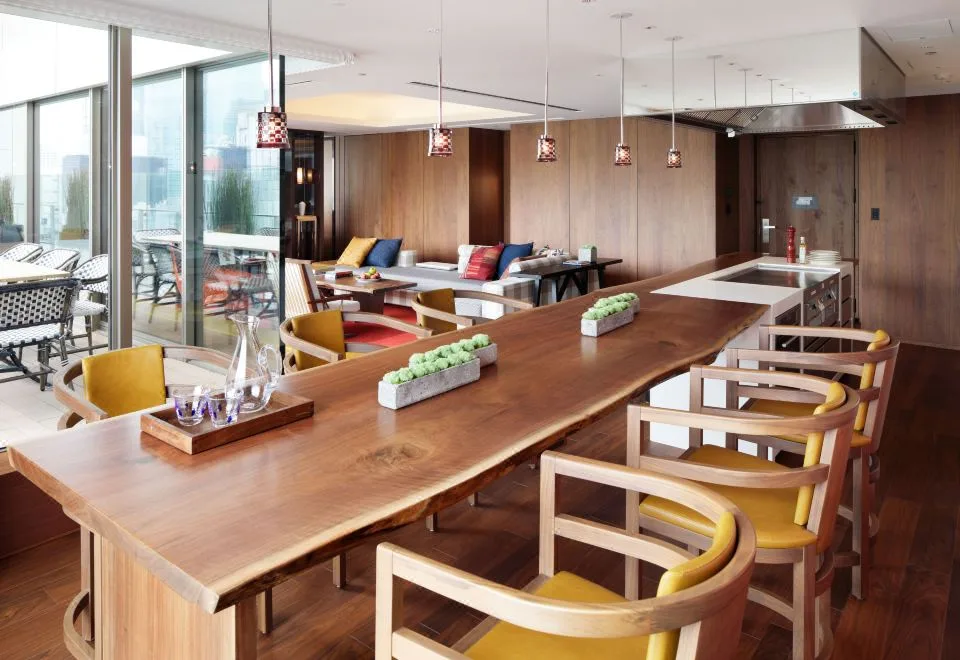
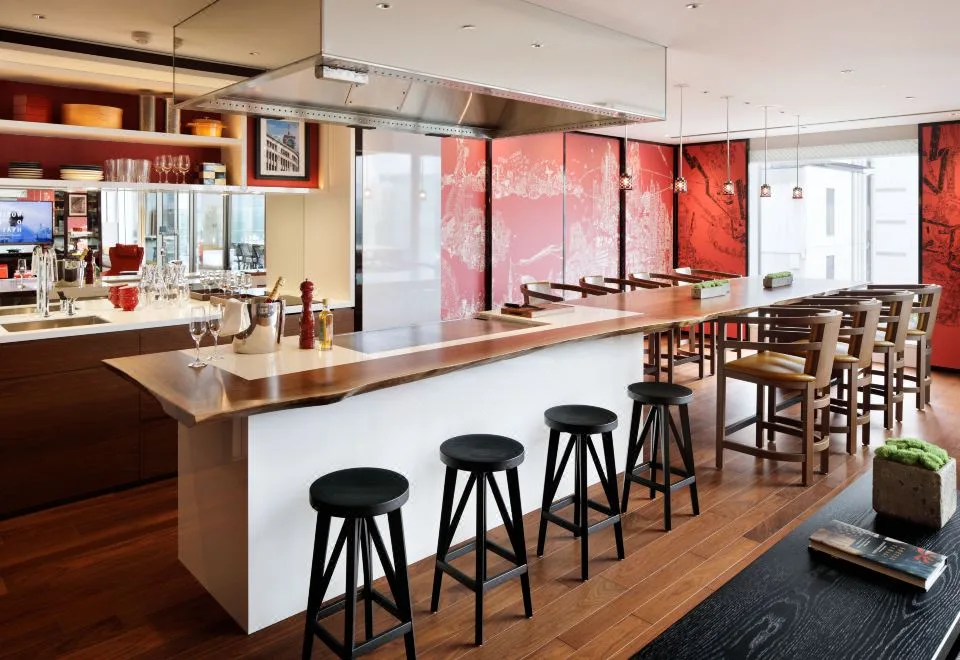
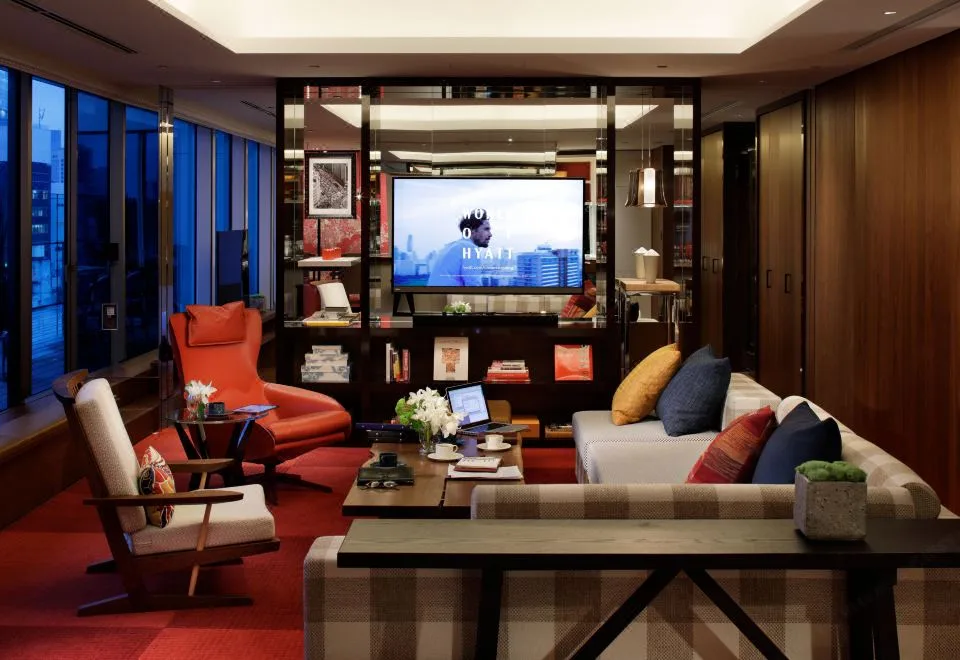
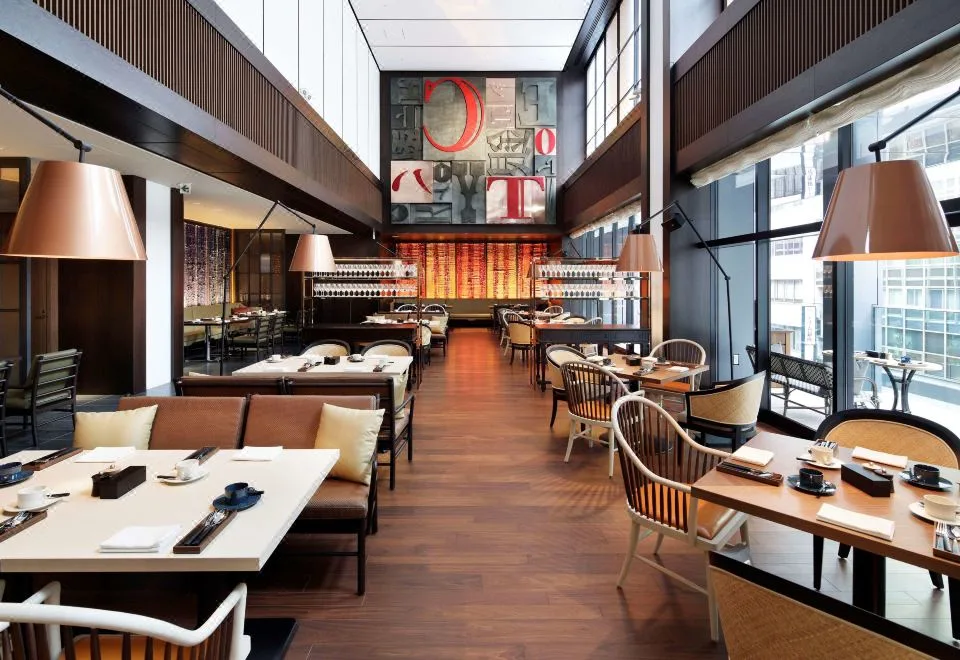
The restaurant and public areas have a distinct atmosphere worth seeing in the photos. Displayed dishes are examples, not a guarantee of the breakfast menu. If you want a particular dish, check the restaurant’s current offerings.
Beyond NAMIKI667 the hotel has a bar and a café, and restaurant tables can be reserved. The long communal table and bar seats are part of the shared spaces, handy for sitting down after an evening out before heading to your room. If a particular dish catches your eye, check what the restaurant is serving that day before deciding.
If you do not feel like going out for dinner, room service brings food to your room. The indoor dining table and desk both work for eating in, and two people sharing dishes still have room.
Stations, luggage and map
The address is 6-6-7 Ginza. Ginza Station is only 240 metres away, about a 4-minute walk, and Ginza-itchome Station is 620 metres — Ginza Station works well as a daily starting point. For the airport, decide between rail and bus first, then plan the last stretch with luggage; crossings and crowds in Ginza take time.
With large luggage, a wheelchair or a stroller, I take the elevator route at Higashi-ginza Station on the Hibiya Line: the central ticket gate leads to the elevator at Exit 3, and the Miharabashi-side gate leads to the elevator at Exit A1, so the whole way from platform to street needs no stairs. Those routes differ from the shortest walking exits. On the Toei Asakusa Line, check the platform-to-gate connection separately before choosing the street route.
For Haneda, you can change trains via JR Hamamatsucho; for Narita, rail or bus both work from Ginza Station, which gives you more options.
Address: 6-6-7 Ginza, Chuo City, Tokyo 104-0061, Japan. Open the location on Google Maps.
Staying in central Ginza
Combine department-store shopping, coffee and dinner in an afternoon without hurrying to the subway. For a day nearby, return to the room for a midday break and go out again; that makes better use of the larger space than walking non-stop.
The Ginza Art Aquarium is 500 metres away, Hibiya Park 640 metres, the Tsukiji Outer Market 830 metres, the Imperial Palace and Nihonbashi about 1.3 km each, the Imperial Palace East Gardens 880 metres, and Tokyo Tower 3.2 km. I put a Tsukiji breakfast, Ginza shopping and a park walk on the same day, with a midday break back in the room instead of walking from morning to night.
Further out, Shiba Park is 1.6 km and JR Hamamatsucho Station 1.9 km. For Haneda or Narita, starting from Ginza Station gives you more options; plan the last stretch with luggage before you set out.
My plan for one day: breakfast at the Tsukiji Outer Market in the morning, shopping back in Ginza at midday, a walk in Hibiya Park in the afternoon, then a rest in the hotel before dinner out. Leave half a day for the Imperial Palace and Nihonbashi if you want the historic streets, and keep Tokyo Tower for a separate afternoon.
The Ginza Art Aquarium is nearby, worth a stop if you like its goldfish art. When you tire of walking, come back to the room for a break before dinner out in Ginza.
Short stays and longer stays
Even a short stay benefits from the location. Over three or four nights, room to work, unpack and relax becomes more valuable.
A fixed deposit of ¥20,000 is collected at check-in, by cash or card, and returned to the original payment method on checkout day, so I set that money aside in the budget first. Over three or four nights the desk, luggage and resting space matter more and more. If you leave Tokyo for a night and come back, luggage storage is free, but storage across non-consecutive reservations needs to be confirmed with the hotel first — I never assume it is guaranteed.
Over several nights, the hotel’s laundry and pressing services come in handy for sorting out clothes, at an extra charge. A wake-up service and room service are both in the hotel, handy for an early flight or a night you would rather eat in.
Exterior and shared spaces
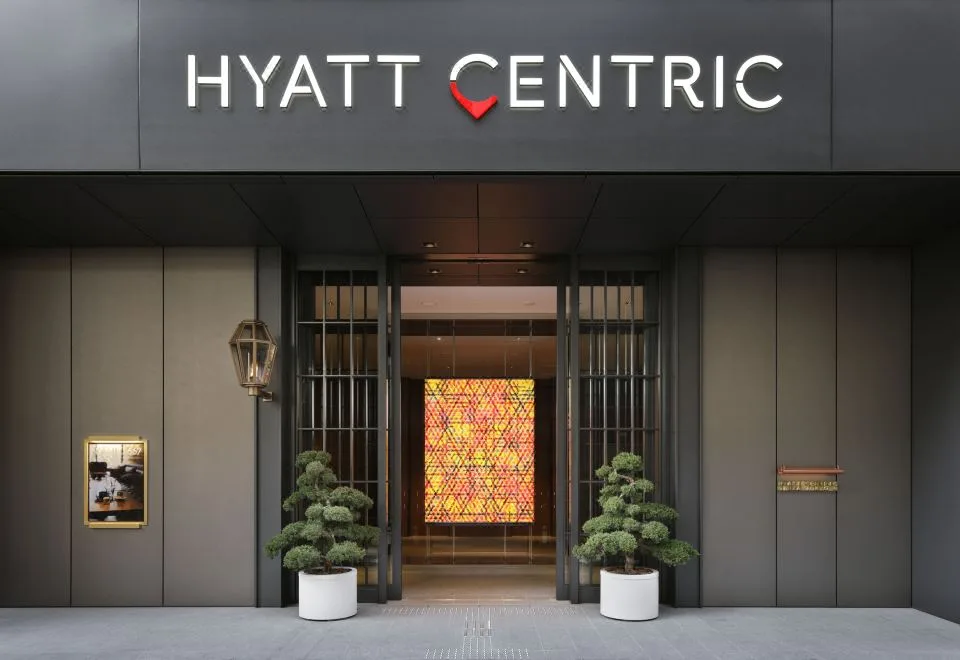
The hotel has a gym, a library, a bar, a café and meeting rooms. Wi-Fi in public areas is free, luggage storage is free, and bicycle rental is free too. There is a concierge, dedicated porters, a wake-up service and room service, plus a safe for valuables. Dry cleaning and laundry delivery cost extra, and pressing is available — useful when you are staying several nights and want to sort out clothes.
Drivers should know the hotel has its own private car park at ¥2,800 per day, and spaces cannot be reserved in advance. Staff can arrange a car, and currency exchange is available in the hotel. There are elevators, non-smoking floors and non-smoking public areas, plus a smoking area. I count the parking fee and the deposit in the stay budget so the bill holds no surprise.
The meeting rooms are a paid facility, so ask the hotel first if you need one for work or an event. There are elevators in the hotel, so large luggage goes up and down without carrying it yourself. If you arrive early and want to drop your bags before heading out, the front desk can help arrange it.
Why choose it and what to accept
Advantages
Rooms from 35 m² are a real draw for two people staying several nights, with shopping and dining close by. What I value here is staff help, cleanliness and usable space in the room — all three hold up well — and the hotel suits anyone who counts comfort as part of the travel budget.
Before you book
I count nearby construction noise as a trade-off: how quiet it is depends on which way the room faces. If you are sensitive to sound, ask about current works and room location before booking; a higher floor does not necessarily escape construction noise.
If you ask me whether it is worth it, here is my answer: if you want central Ginza, a room big enough to live in, and a slow breakfast, this hotel fits. If you are sensitive to sound or your budget is tight, ask about room location and the deposit first. With lots of luggage, take the Higashi-ginza elevator route and the morning departure stays unhurried. If this is your first stay in Ginza, the hotel works well as a base — shop by day, rest in the room at night, and keep the schedule loose.
Pros and cons at a glance
Pros
- Rooms from 35 m² suit two people staying several nights, with shopping and dining close by.
- Ginza Station is about a 4-minute walk, and Higashi-ginza Exits 3 and A1 both have elevators, so large luggage never needs stairs.
- Breakfast is a Western buffet, 7:00–11:00, ¥8,855 for adults and free for children aged 5 and under.
- Public Wi-Fi and bicycle rental are free, and the hotel has a gym and a library.
- Check-in runs 3:00 p.m. to midnight with staff around the clock, and checkout is before noon.
- A private car park, car service and currency exchange are all in the hotel.
Cons
- Nearby construction noise varies with room orientation; ask about current works and room location first if you are sensitive to sound.
- A fixed ¥20,000 deposit is collected at check-in and returned to the original payment method only on checkout day.
- The private car park costs ¥2,800 per day and cannot be reserved in advance.
- Pets are not allowed; a crib is free for children aged 3 and under, but extra beds cost extra and are paid at the hotel.
Information last checked: 2026-11-22