
TOKYO / CHUO
APA Hotel Kayabacho Hatchobori Ekimae
APA Hotel Kayabacho Hatchobori Ekimae
APA Hotel Kayabacho Hatchobori Ekimae suits journeys using the Hibiya, Tozai or Keiyo lines. It is easily confused with the nearby APA Hotel Hatchobori Ekimae, so save the full name and address before comparing rooms instead of looking for an orange sign only after leaving the station.Opened in 2023, the building has 176 rooms, check-in from 15:00, check-out by 10:00, and a front desk staffed around the clock.
Does this hotel work for you?
- Room choice: Decide where each person sleeps, then examine the bathroom and luggage space.
- Breakfast: Buy food the night before or eat at a shop nearby, so an early train never waits on a shop opening.
- Longer stays: Ask about laundry, towel and cleaning arrangements, and pack before departure.
Compare bed widths and under-bed storage
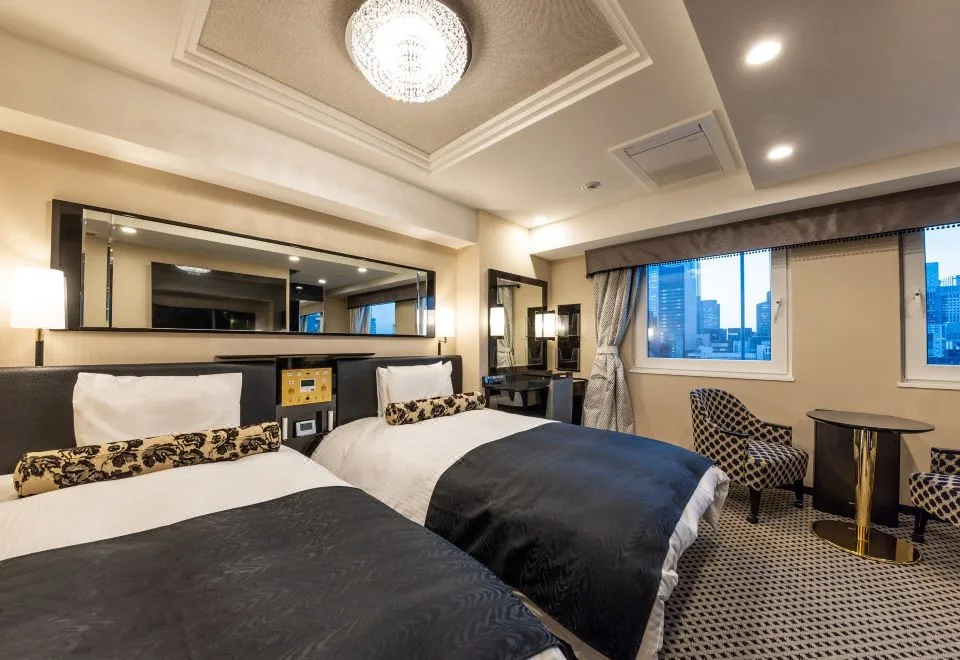
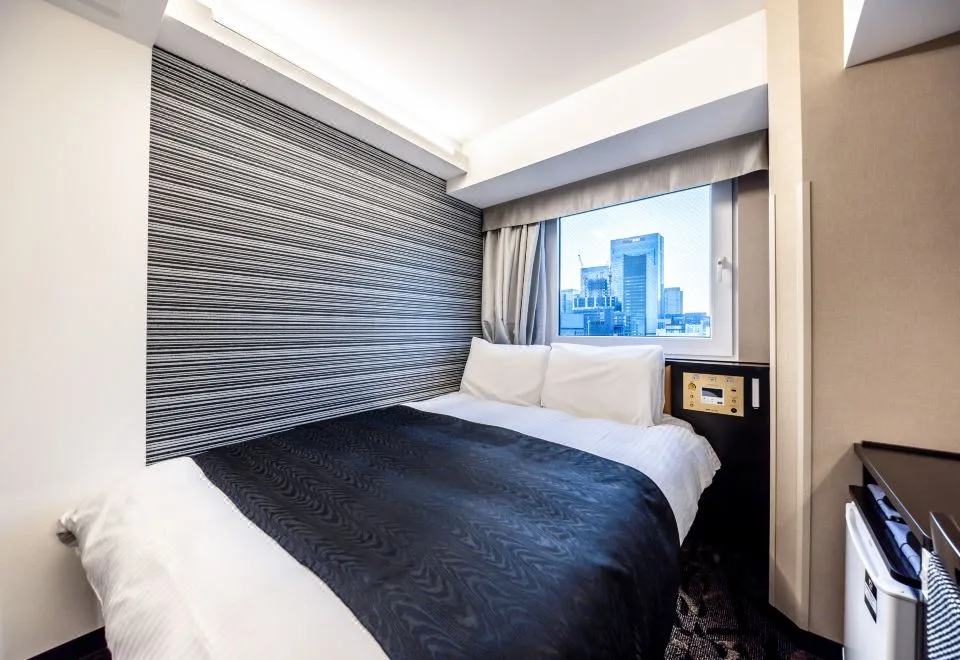
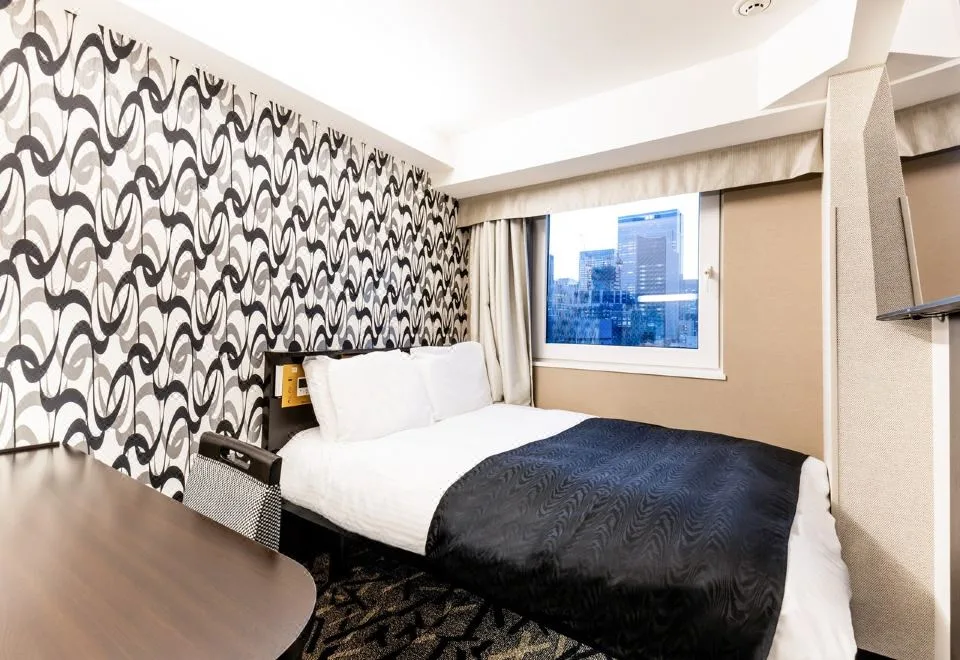
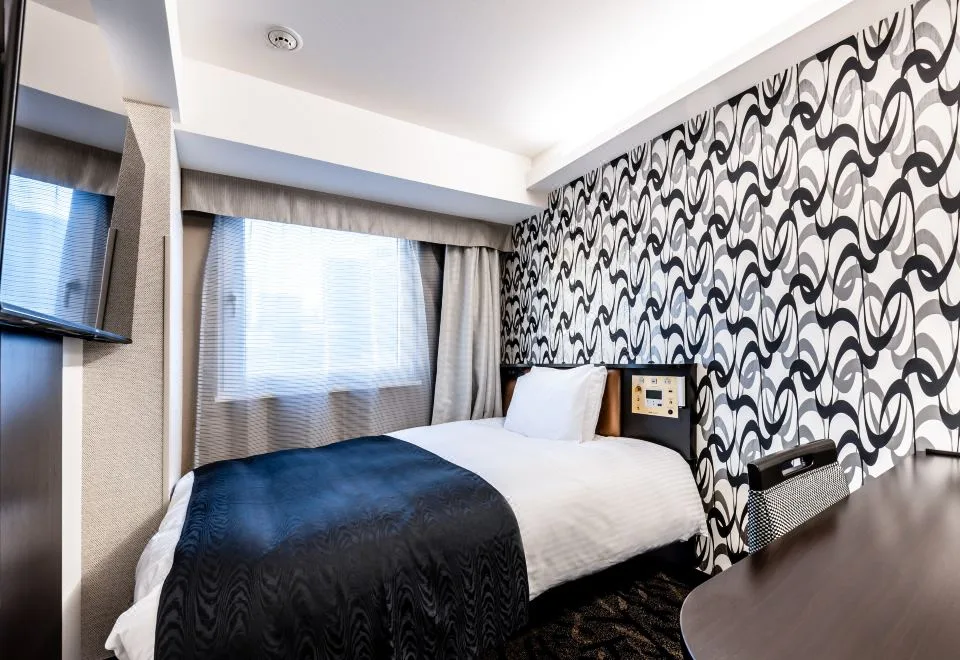
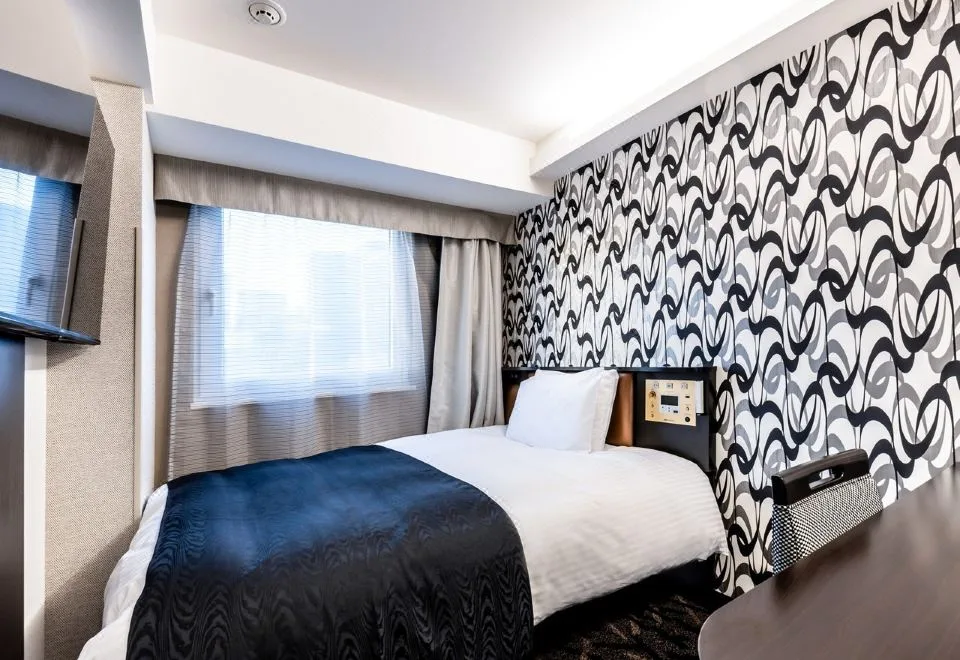
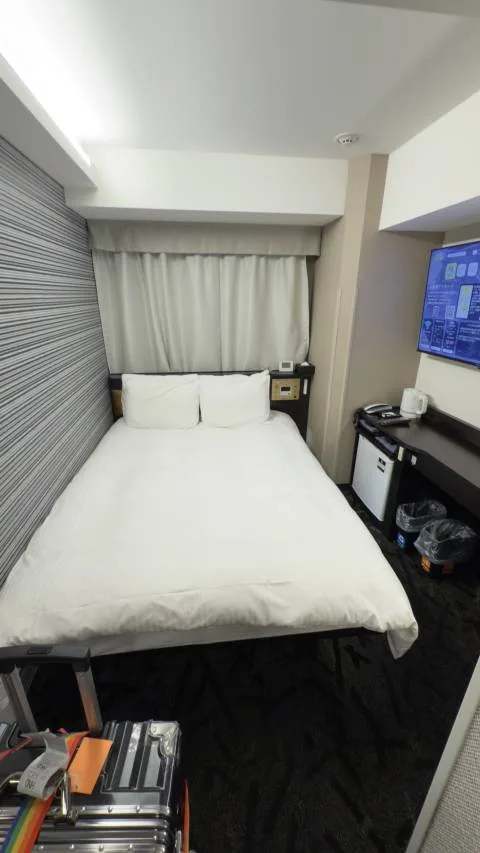
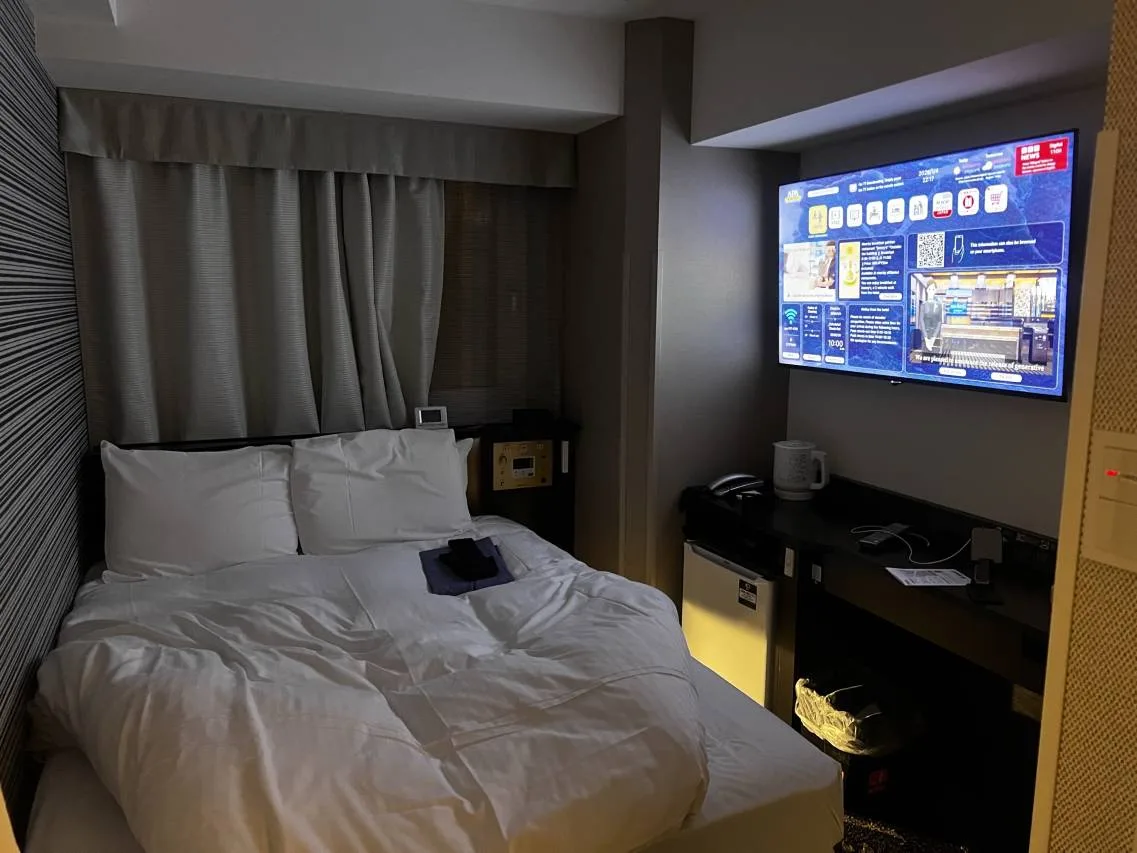
Standard rooms are 11 m² with a 140 cm bed, for either solo or double use, and have storage under the bed. The 23 m² deluxe twin has two 120 cm beds and an accessible design. With two large suitcases, check their height before assuming they fit under the bed. If you need a clear walkway or do not want to unpack one case at a time, start by comparing the deluxe twin.
Check the hotel’s official room information against the category and amenities shown on your reservation.
Two people sharing an 11 m² room should agree on the unpacking order first: one person opens the big case by the bed while the other waits, taking turns with the walkway so nobody gets stuck. Measure the case height against the under-bed storage first — a flatter case slides underneath, a thicker one stands against the wall, and either way keep a path clear to the bathroom.
The 23 m² deluxe twin is built step-free, with two 120 cm beds set apart, so a wheelchair or large suitcases roll in without moving furniture first. Each person gets a bed, nobody wakes the other getting up at night, and with the cases lined against the wall the middle of the room still leaves a walkway — the room is not large, but the route works when it is planned ahead.
Amenities are hung outside the room door every day, towels are changed daily, and the room is cleaned every three days. Adapters, an iron and two kinds of pillow are already in the room, so a work trip needs no extra kit; toiletries are topped up daily, so get everything ready at the washbasin before heading out and come back to a shower and sleep.
The small room is the trade-off here, not a surprise: one person in 11 m² has room for a case and a desk, while two people accept taking turns to open cases. If the days are full and mostly spent outside, the room is simply where you come back to sleep; if you plan to spend a whole day inside, look at the 23 m² deluxe twin first.
Rooms on the higher floors look out over the city, so look out of the window before sleeping. One stretch of corridor connects to the outside, and lower floors can catch a little noise — if noise bothers you, ask for a higher floor when you book, and the room is quiet once the door is closed.
There are enough sockets in the room to charge a phone, a laptop and a camera at once without queuing, with sockets on both sides of the bed, so charge the phone before sleeping and pick it up in the morning. Adapters are already in the room, so a charger brought from Taiwan needs no extra converter — plug it in and it works.
The room has a humidifier and a fresh-air system, so winter heating does not leave the air too dry, and the vending machines inside the building mean a midnight drink needs no trip outside. Switch the humidifier on before sleeping and the throat will not be dry in the morning.
Breakfast happens out on the street
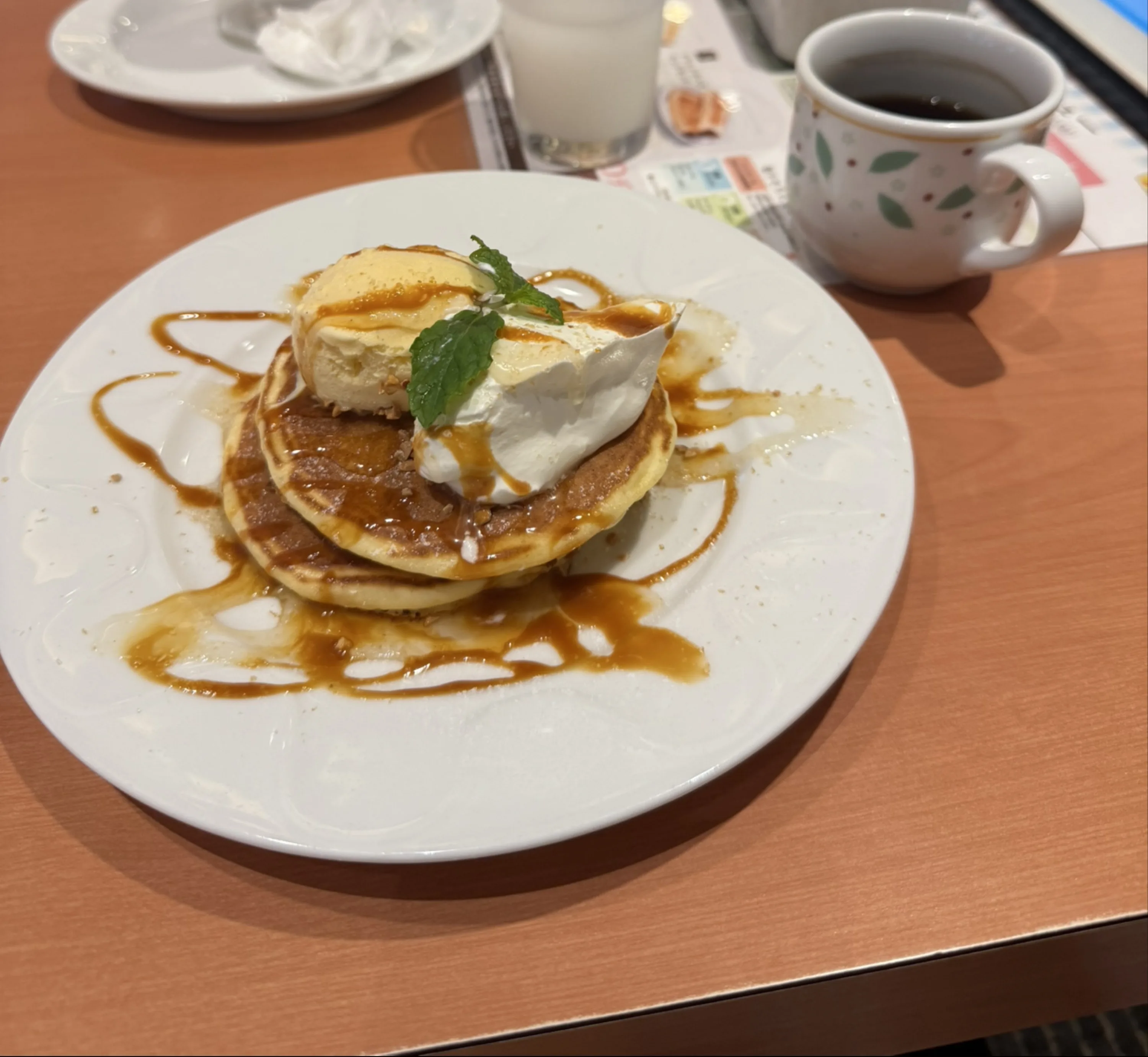
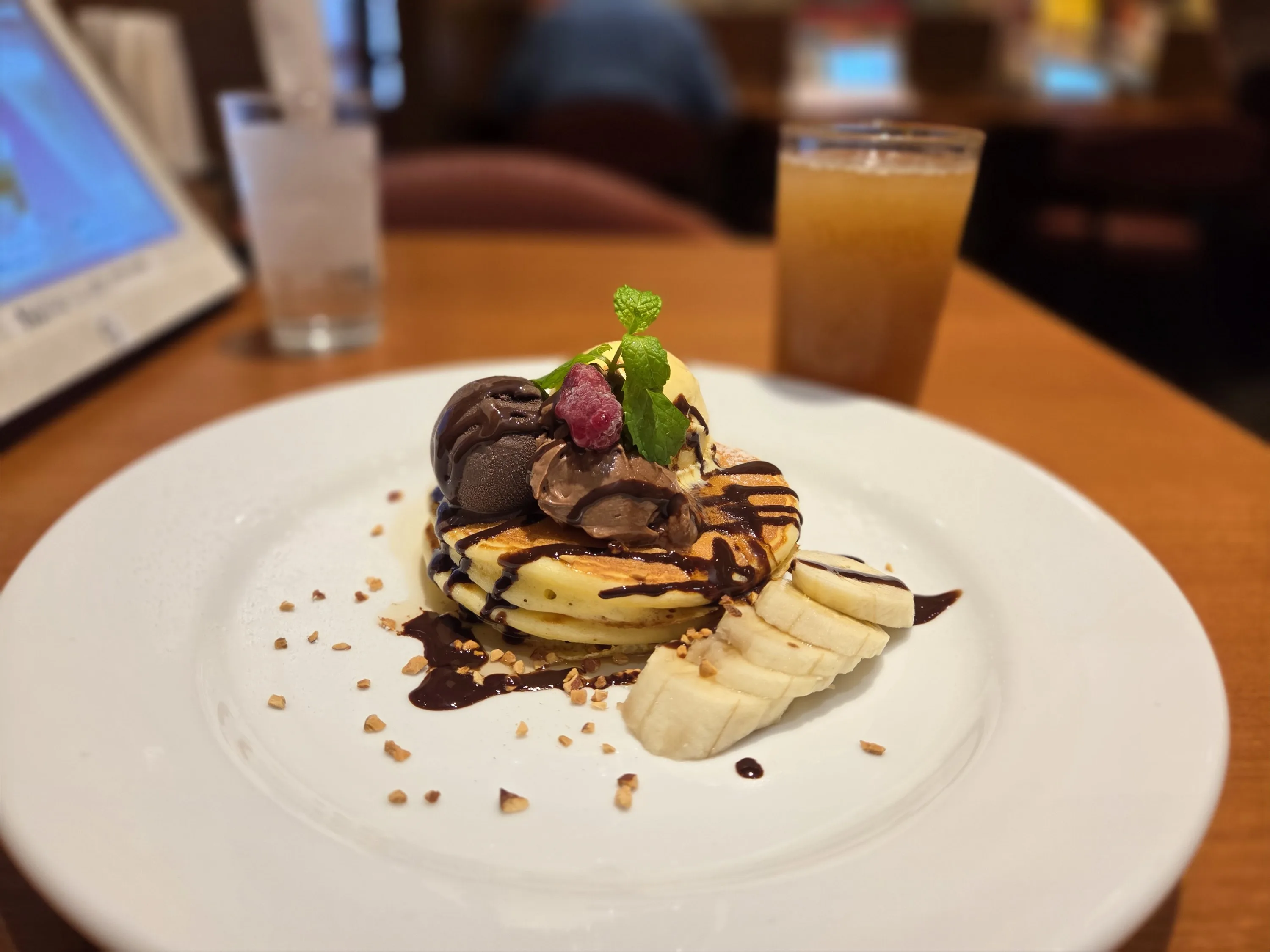
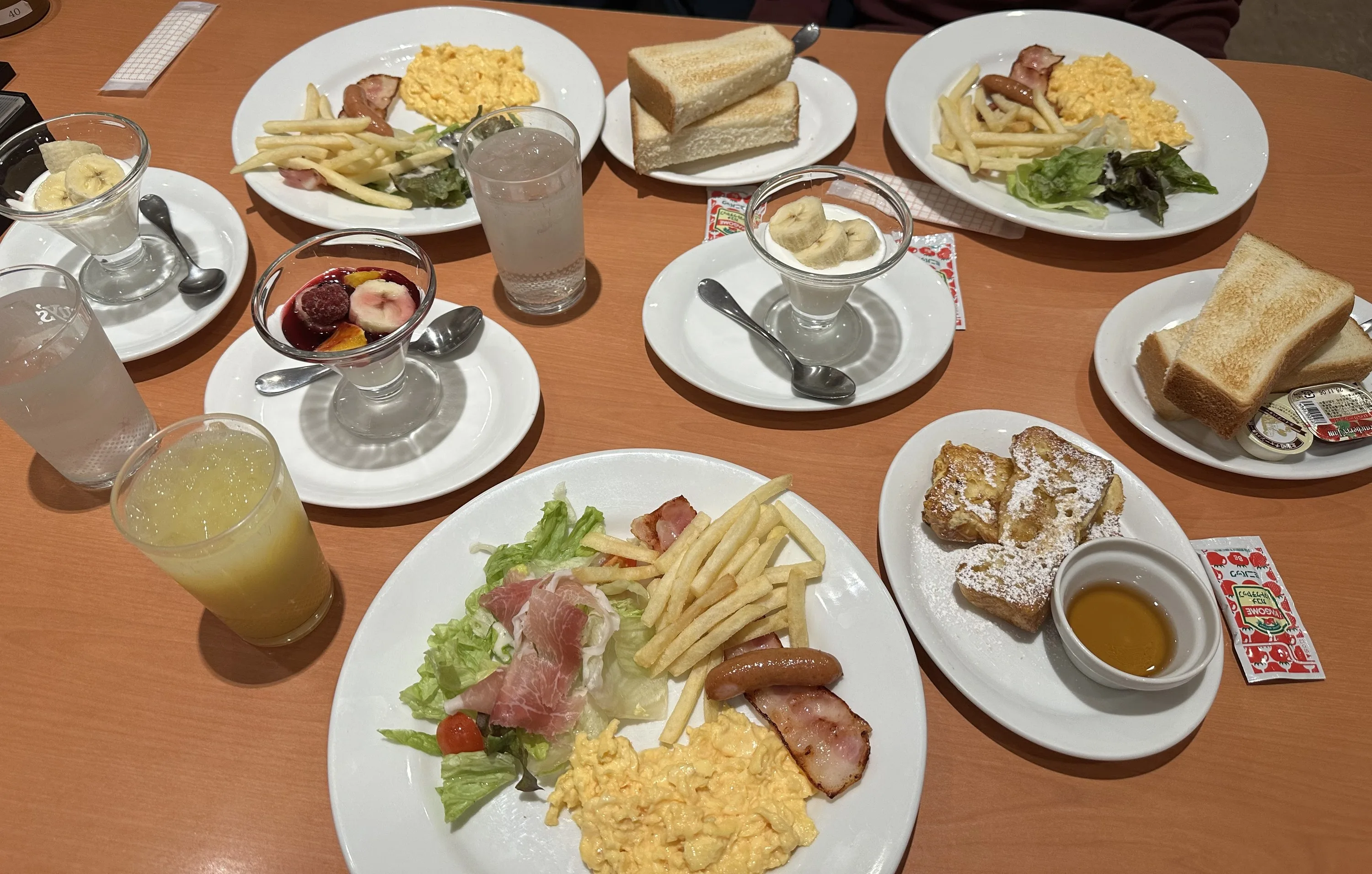
There is no breakfast served in the building, so I plan breakfast on the street: buy bread, rice balls and drinks at 7-Eleven or FamilyMart the night before and eat in the room before heading out, or sit down at the nearby Denny’s for a simple set meal and walk straight to the station afterwards.
On an early-train day there is no waiting for a shop to open — last night’s shopping is breakfast. On a slow day, walk out and see what is open before deciding. Breakfast only has to fill you up and get you out the door; it does not matter whether it happens inside the building or on the street.
Breakfast at Denny’s is simple but filling: order a set with coffee, sit down and eat slowly, then walk to the station. For a Japanese-style breakfast, walk toward Tsukiji, where stalls are already open at six or seven in the morning and sushi and tamagoyaki both work as breakfast.
Station exits and luggage routes
Address: 3-8-5 Nihonbashi Kayabacho, Chuo City, Tokyo 103-0025, Japan.
On the Hibiya Line to Hatchobori, Exit A4 is the fastest on light luggage: you come out at street level and can recognise the hotel without a detour. A4 has no lift, so with large luggage, a wheelchair or a stroller, do not use A4 — take the lifts at Exit A2 or A3 instead.
With large luggage, use the Sakuragawa Park-side ticket gate, where a lift outside the gates runs straight to street level at Exits A2 and A3; between the platform and the Tsukiji-side gate there is a stair lift, and from street level walk back toward the hotel, which sits between Kayabacho and Hatchobori stations. On the JR Keiyo Line to Hatchobori, Exit B2 has a lift, and the platforms have lifts and escalators up to the gates.
Come back the same way: enter through the lift at Exit A2 or A3, pass the Tsukiji-side gate and ride down to the platform; for JR, come back through the lift at Exit B2. The nearest stair exit is not always the easiest with bags, so decide which exit to use before you reach the station and follow it when you get there.
Kayabacho Station is 170 metres from the hotel, about a three-minute walk, with the Hibiya and Tozai lines; Nihonbashi is 410 metres away and Ginza 810 metres, both walkable. Tokyo Station is about a 15-minute walk, or one stop on the Keiyo Line if you would rather not walk; for Tokyo Disney Resort, take the Keiyo Line to Maihama and leave enough time to reach the JR platforms in the morning.
Hatchobori Station serves the Hibiya and Keiyo lines, Kayabacho serves the Hibiya and Tozai lines, and together the two stations give three subway lines plus one JR line. Ginza is one stop on the Hibiya Line, Tokyo Station is one stop on the Keiyo Line, and Maihama for Disney is on the Keiyo Line — check the platform direction before boarding, since the wrong direction costs an extra stop.
Short stays and longer stays
Several transit choices make short visits convenient, while in-room facilities focus on a simple overnight stay. For multiple nights, ask how rubbish, towels and room cleaning work. If you need to work during the day, consider whether the desk and suitcase passage interfere with each other.
For a longer stay, sort laundry first: the building has a paid laundry room, a dryer, laundry supplies and a delivery laundry service. Staying three or four nights, wash one load a day and dry clothes are ready the next morning, with no need to pack a whole week of changes; amenities are hung outside the door daily, towels are changed daily, and the room is cleaned every three days, so put valuables away on cleaning day.
Check-in is from 15:00 in the afternoon and check-out is by 10:00 in the morning, and someone is at the front desk at all hours, so even a midnight arrival is met. Luggage storage is free, so leave bags after check-out and shop hands-free; but if you check out and check back in the next day, the hotel cannot store your cases that day — space is limited — so send the bags to a station locker first.
Travelling with children, remember two rules: children of all ages are welcome, and children aged 0 to 5 stay free without an extra bed; extra beds and cribs depend on the room type, so enter the full party size when you book. The guest checking in must be at least 18, pets are not allowed, and service animals are welcome.
If you work in the room during the day, keep the desk and the luggage route apart: the desk sits by the window and the cases go against the wall, so neither blocks the other. At night, line the cases against the wall and keep one path beside the bed clear, so nobody trips over a case on the way to the bathroom.
For a late-night snack, the streets have convenience stores and restaurants, and the vending machines inside the building mean a midnight drink needs no trip outside.
There is parking in the building — ask the front desk about the spaces and charges if you arrive by car. Rooms are non-smoking, so smokers need to step outside, and the laundry room, dryer and laundry supplies are all inside, so nobody on a longer stay needs to hunt for a launderette.
Photos of rooms and shared areas
Use the photos to judge passage beside the bed, bathroom sink and suitcase storage. Different room types and situations may be shown; the final layout depends on the category you reserve.
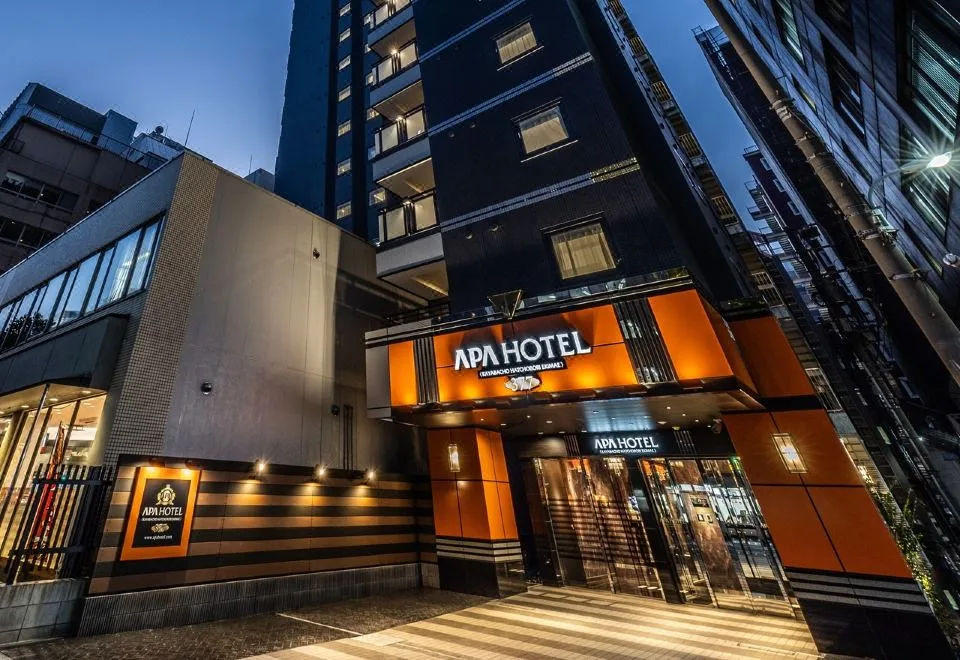
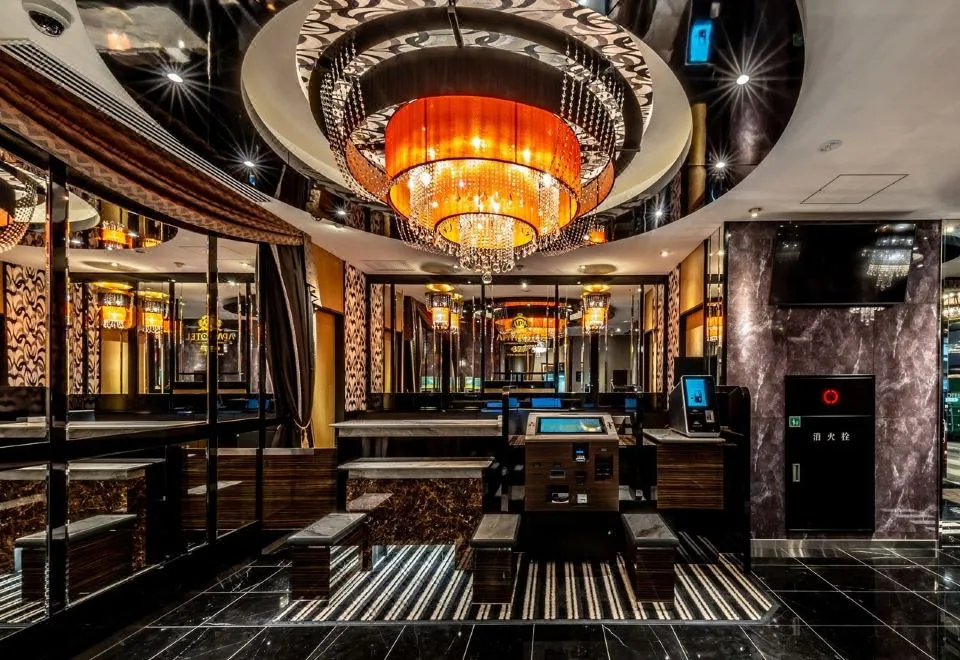
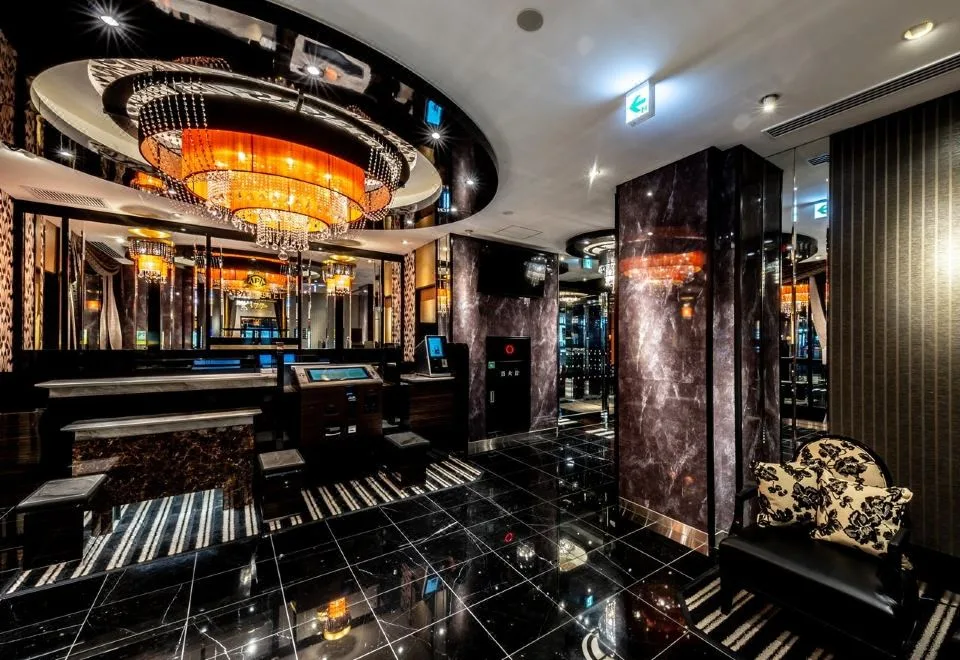
Look at the photos for three things: whether a suitcase fits beside the bed, whether two people can use the washbasin at once, and whether the lobby has somewhere to sit while bags are sorted. The night exterior shot shows the front of the building, so learn the lit entrance before coming back late; the reception area and seats are where check-in, waiting and bag-sorting happen, and the route in the photos is the route you will walk when you arrive.
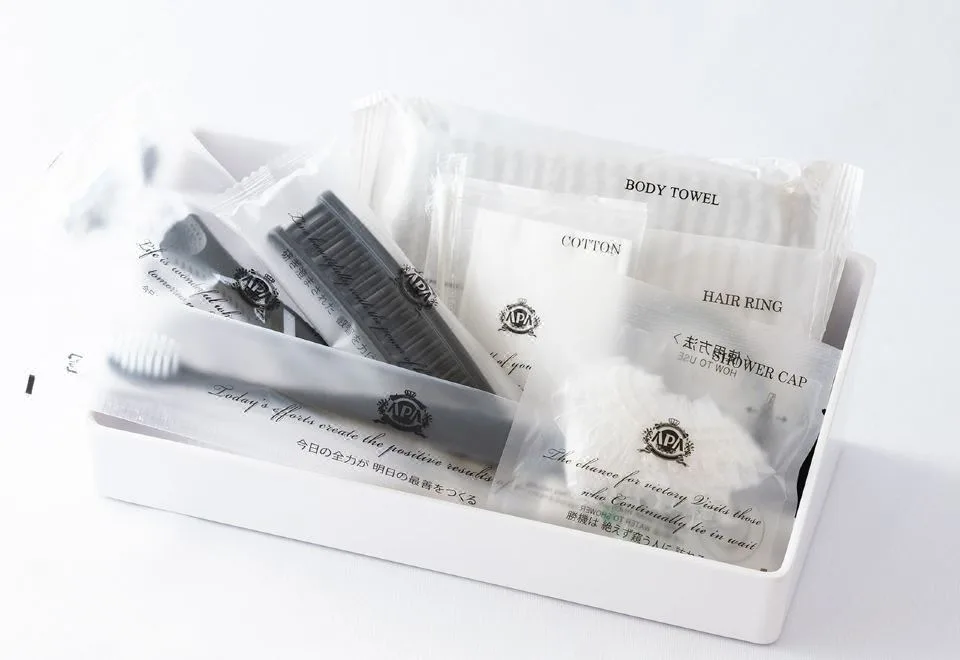
The amenities shot shows the washbasin and bathroom supplies: toiletries are topped up daily and towels are changed daily, so get ready at the washbasin before heading out. The bed and window shots show a standard room as it really is, and the passage beside the bed is exactly as wide as the photo shows — whether a case opens there is something you can judge from the photo.
The lobby seating shot shows where to wait: early arrivals sit down while the group gathers, check-in happens at the counter, and bags wait to one side. Come back at night, set the bags beside the seats, sit down for a breath, and then head upstairs slowly.
Room types and room photos
Amenities
Exterior and lobby
Check-in, children and hotel facilities
Check-in starts at 15:00 and check-out is by 10:00, with the front desk staffed 24 hours; luggage storage is free, public Wi-Fi is free, and currency exchange and wake-up calls are available. The building has a lift, a fresh-air system, a humidifier and vending machines, public areas are entirely non-smoking, and there are non-smoking floors.
For families there are children’s bathrobes, slippers and toys, so you do not have to pack a bag of extras. For work, the front desk handles courier service, fax and photocopying — fax and photocopying are charged — and keeps a safe; the front desk serves guests in English, so ask there directly when you need help.
How I would plan my route
Kayabacho connects well with a Nihonbashi outing, while Hatchobori gives access to the Keiyo Line. For Tokyo Disney Resort, allow enough time to walk to the JR platforms. On the way back at night, choose the exit that best suits that day’s route.
Plan the days like this: arrive at Kayabacho, drop the bags and walk to Nihonbashi in the evening; start day two early with breakfast in Tsukiji, rest in the room at midday and take the Keiyo Line toward Tokyo Station in the evening; keep half of day three in the room to pack, leave the bags with the front desk after check-out, and shop in Ginza hands-free until the evening, then come back to collect them.
This hotel suits days that are full and mostly spent outside: three subway lines plus the Keiyo Line mean no detours on the way out, and the rooms are small but complete, just right for coming back to shower and sleep. If you plan to spend whole days in the room, or two people both need to open large cases, look at the 23 m² deluxe twin first — the 11 m² standard room will feel tight.
At night, learn the lit front of the building from the night exterior photo, so the entrance is easy to find on the way back; the lobby seats are a place to sit and sort bags before checking in, instead of opening cases in the doorway.
At night, hang coats up as soon as you come in, so they are ready to wear in the morning; line the cases against the wall, and on check-out morning there is nothing to dig for — pick them up and walk out.
Travelling with older parents, check the route from the bedroom to the bathroom first — the 23-square-metre twin has its two beds set apart, so a wheelchair rolls in without moving furniture. Travelling with children, remember the children’s policy: ages 0 to 5 stay free without an extra bed, so enter the full party size when you book.
Pros and cons
Pros
- Kayabacho Station is 170 metres away, about a three-minute walk, with the Hibiya, Tozai and Keiyo lines.
- Opened in 2023, with 176 rooms, the rooms are new and clean, and amenities and towels are changed daily.
- The 11 m² standard room has under-bed storage, and the 23 m² deluxe twin is step-free with two 120 cm beds.
- Luggage storage is free, public Wi-Fi is free, and the front desk is staffed around the clock.
- Nihonbashi is 410 metres away and Ginza 810 metres, both walkable; Tokyo Station is about a 15-minute walk.
Cons
- The standard room is only 11 m², so two people take turns opening cases, and a large case may not fit under the bed.
- Exit A4 at Hatchobori has no lift, so large luggage means switching to the lifts at Exit A2 or A3 and a longer walk.
- No breakfast is served in the building, so breakfast means eating out or buying food the night before.
- After checking out and checking back in the next day, the hotel cannot store luggage that day; one stretch of corridor connects to the outside, so lower floors can catch a little noise.
Information checked: November 22, 2026.