
TOKYO / CHUO
Fufu Tokyo Ginza
Fufu Tokyo Ginza
Fufu Tokyo Ginza is for travelers who want the hotel itself to be part of the experience. After shopping in Ginza, return for a soak in your private hot-spring bath and some unhurried time in the suite. Check-in is from 15:00 and checkout by 11:00, with the front desk staffed around the clock. I would put it on the shortlist for anniversaries, slower trips for two and anyone who wants a peaceful retreat right in central Tokyo.
Is Fufu Tokyo Ginza right for you?
- Choose a suite: Start by deciding whether you want one bed or separate beds, then compare the bathroom and living space.
- Breakfast: The Japanese set meal rewards a leisurely morning; check serving times if you are leaving very early.
- For longer stays: Plan room-service and housekeeping details around time spent relaxing in the suite.
Choose the bed arrangement and layout before the suite name
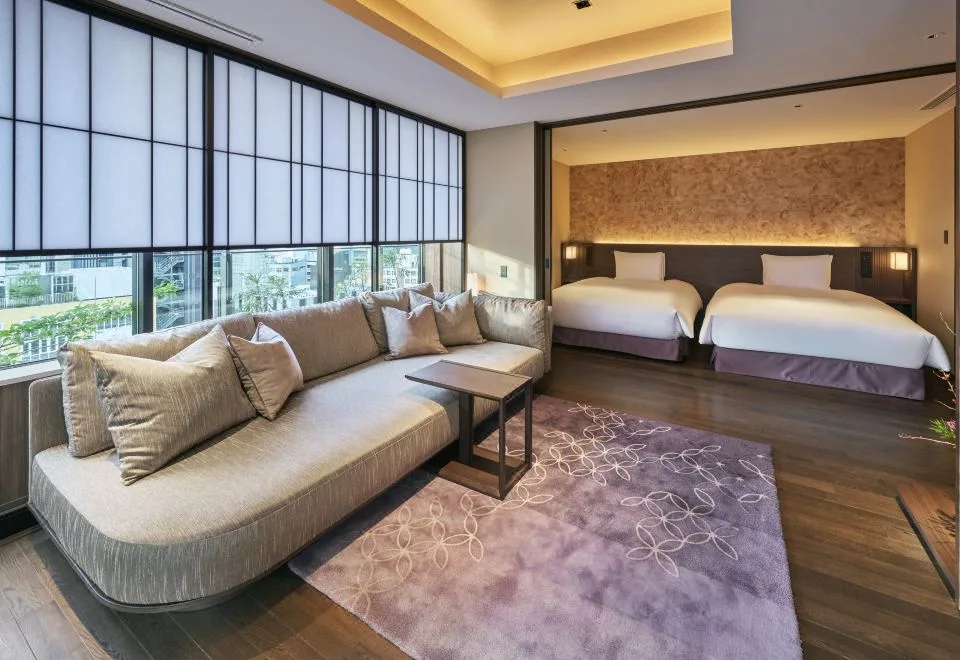
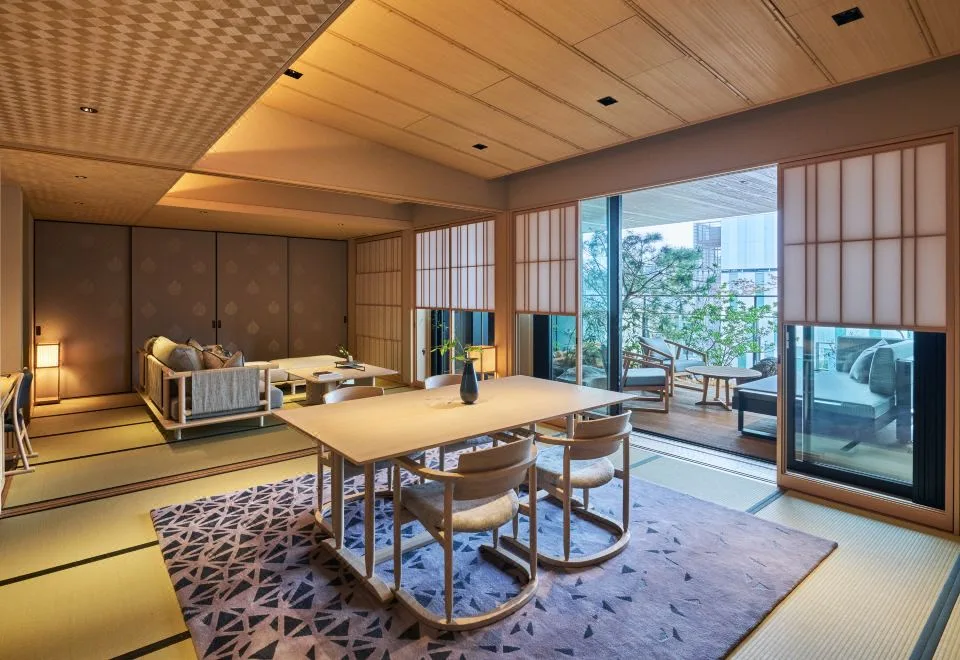
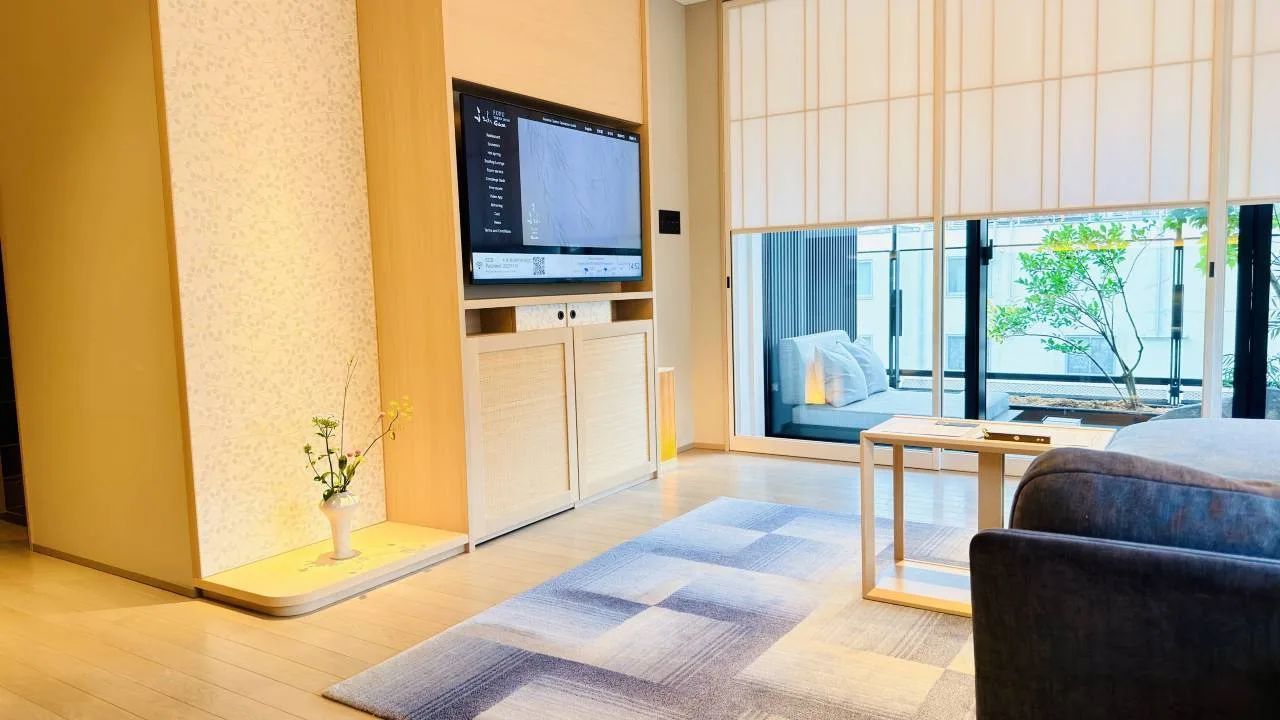
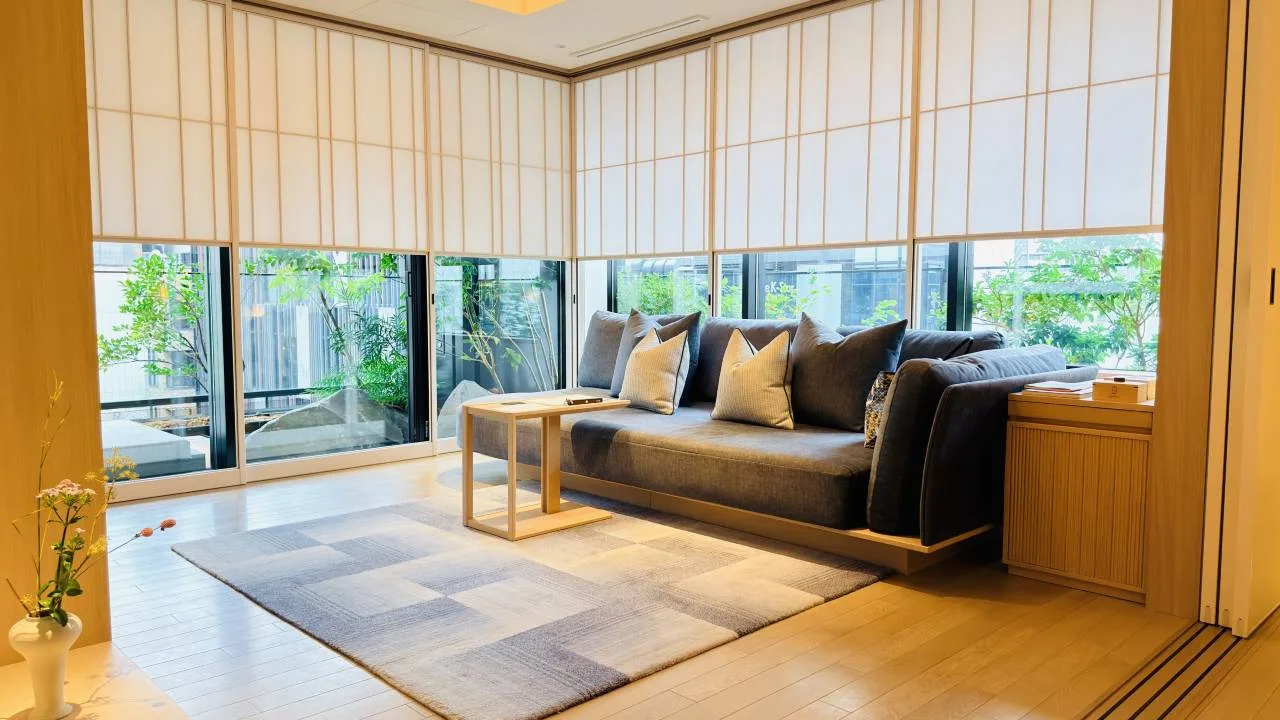
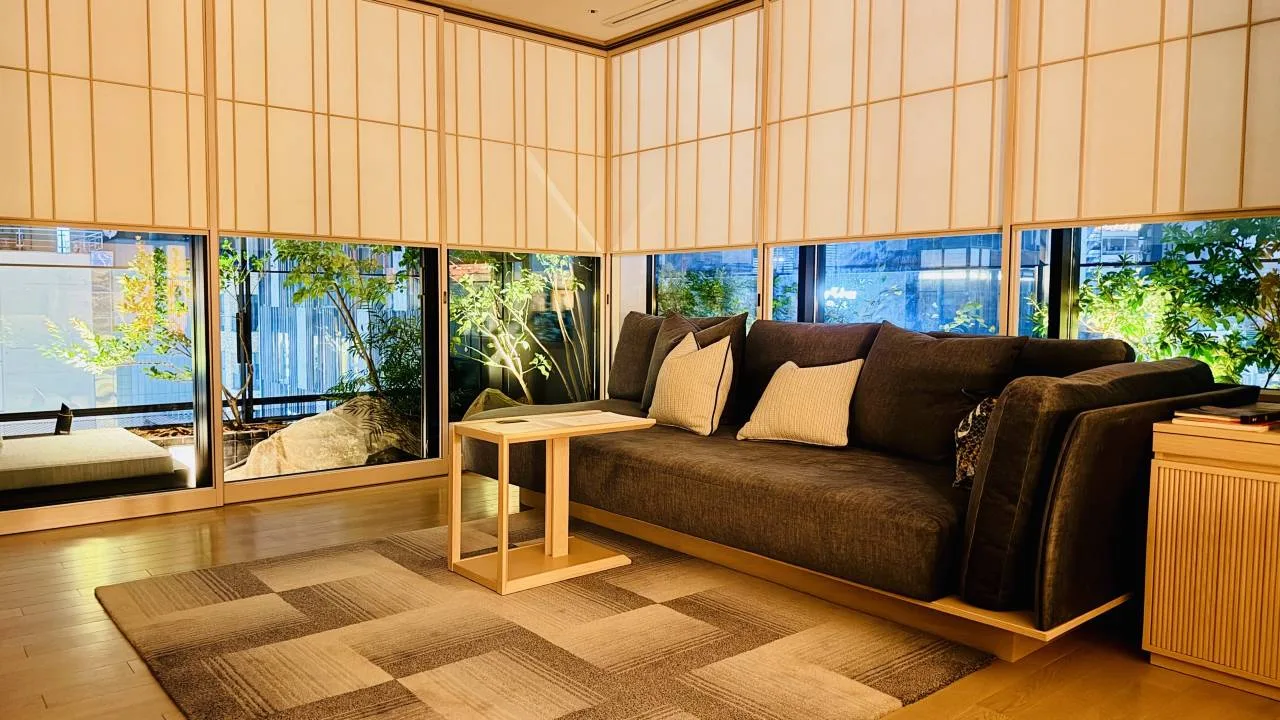
The Stylish Suite is about 55 m² with one 180 cm bed in an open-plan layout. The Comfort Suite measures roughly 64–65 m² and has two 140 cm beds. For more separation between bedroom and sitting room, look at the approximately 71 m² Precious Corner Suite. Executive versions also differ by floor and in-room dining arrangements, so compare the exact category instead of relying on translated suite names.
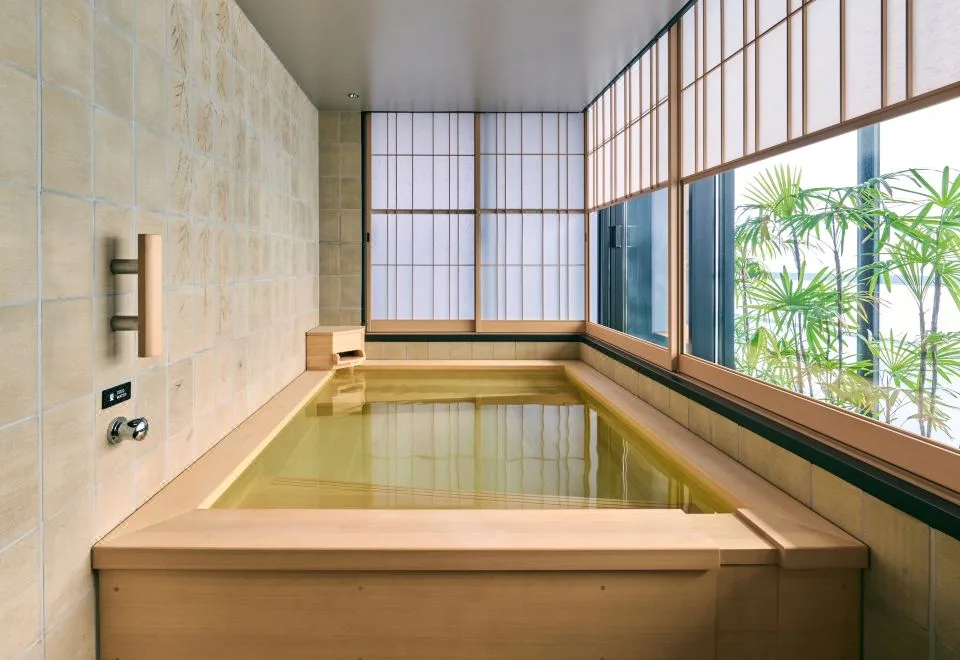
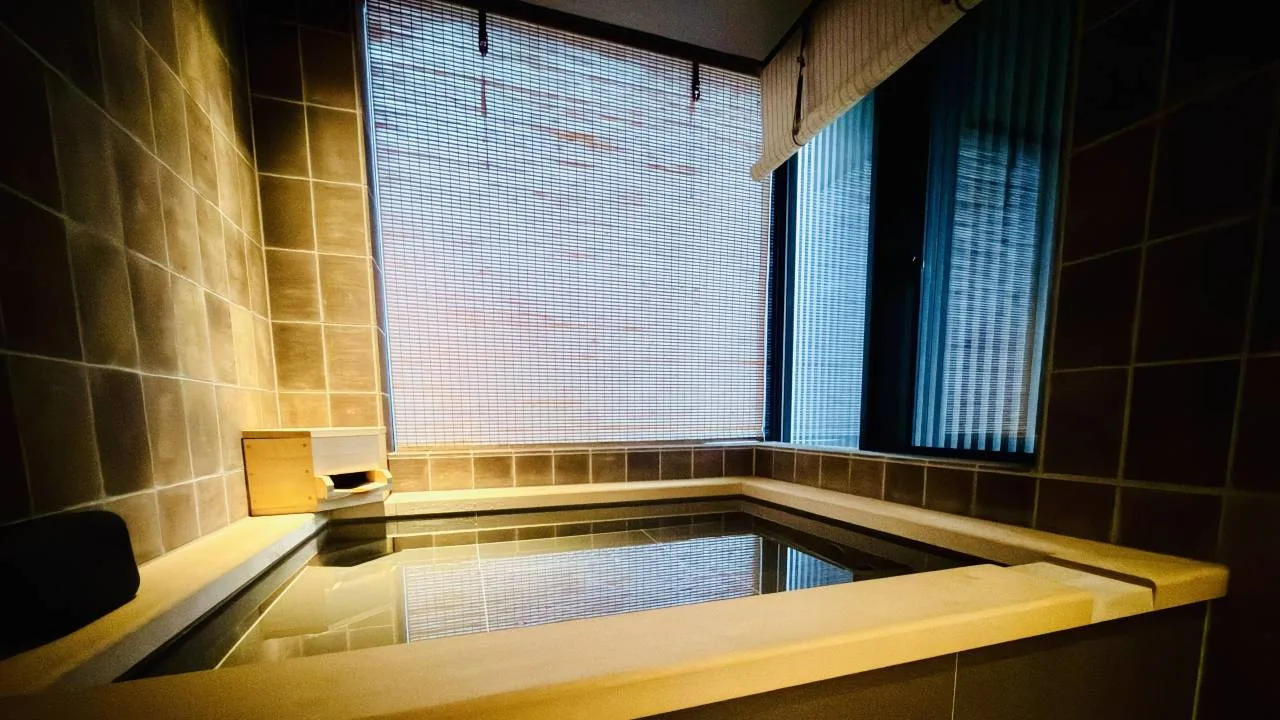
Every room has natural hot-spring water brought in from Atami, so you can soak in your own bath — that is the first thing I look at here. A soak after a day in Ginza, before heading out again, suits my pace better than queuing for a shared bath. The Stylish Suite is an open-plan room with one 180 cm bed; the Comfort Suite has two 140 cm beds for two people who prefer separate beds; the Precious Corner Suite, about 71 m², separates the bedroom from the sitting area and feels more comfortable if you plan to spend long stretches in the room. Decide how the beds are divided first, then look at where the bath sits and how luggage moves through the room — not just the floor area.
No room type allows an extra bed or a crib, so for three guests ask first where the third person sleeps and how the blackout works — do not assume an extra bed solves it. Children of all ages are welcome, and the guest checking in must be at least 18. Check-in is from 15:00, checkout by 11:00, the front desk runs 24 hours, and luggage can be stored before check-in or after checkout.
One more detail to check when booking: the Executive versions differ by floor and by in-room dining, which changes how breakfast works and what you see from the window, so go through the package terms one by one instead of judging by the room name. Two people traveling together can take the Comfort Suite for separate beds or the Precious Corner Suite for a separate bedroom and living room; the longer you spend in the room during the day, the more the separated layout is worth.
Compare the hotel’s official room information against your booked suite and amenities.
Executive versions differ by floor as well as by in-room dining arrangements, so compare the package name, the floor and the dining arrangement together before booking — the translated suite name alone is easy to misread. When I book a room like this I confirm the exact English room name on the reservation first, then check it against the hotel’s own room page.
The three suites differ in more than floor area. The Stylish Suite is open-plan, with the bed and sitting area in one space — most comfortable for one person or a couple sharing a bed. The Comfort Suite has two separate beds, so friends traveling together or people on different schedules can each sleep undisturbed. The Precious Corner Suite separates the bedroom from the sitting area, so one person can read in the living room while the other naps. Choose by how your party sleeps and how different your schedules are, then look at the floor area — that order gives a better answer than comparing numbers alone.
Japanese breakfast: ideal for a slower start
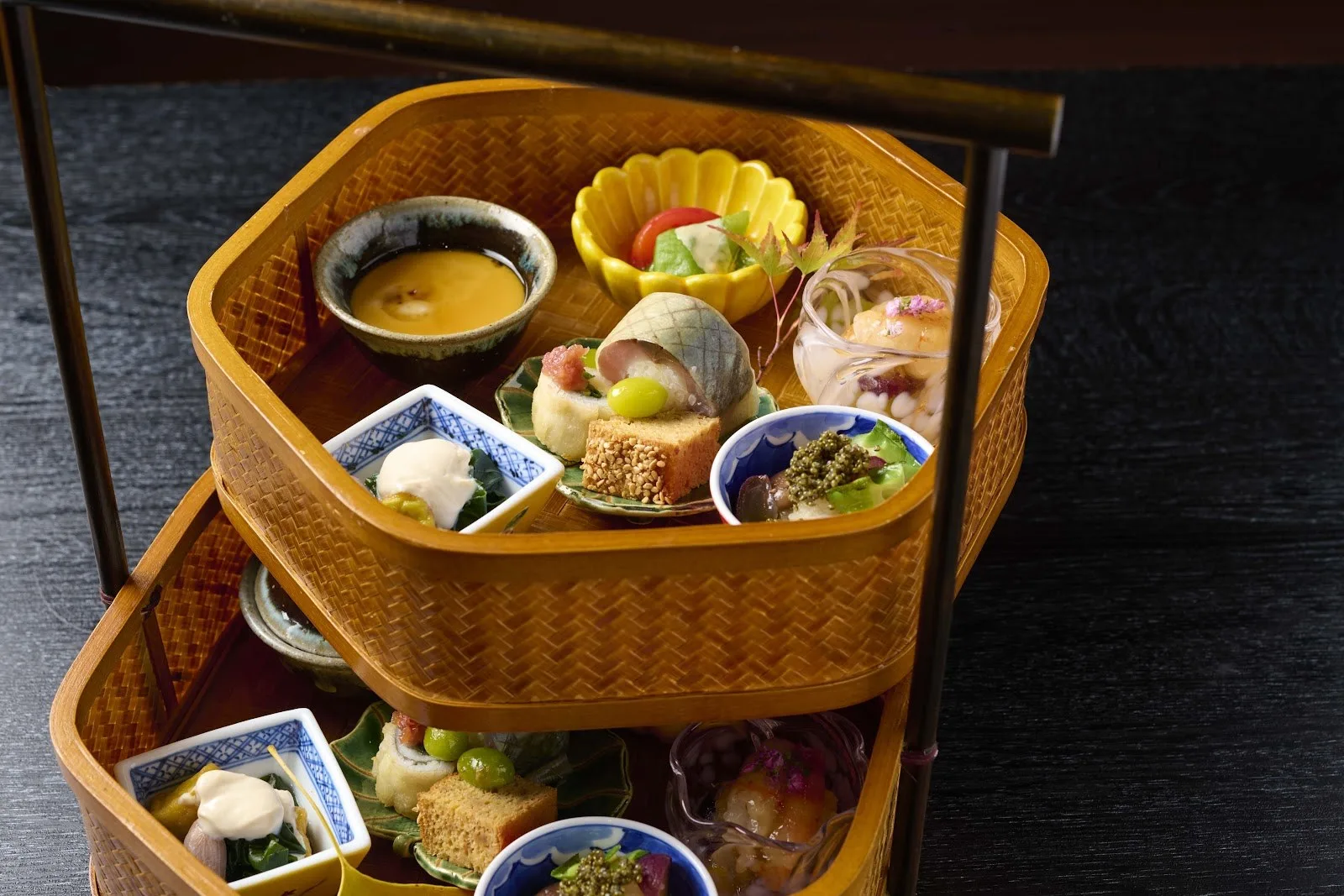
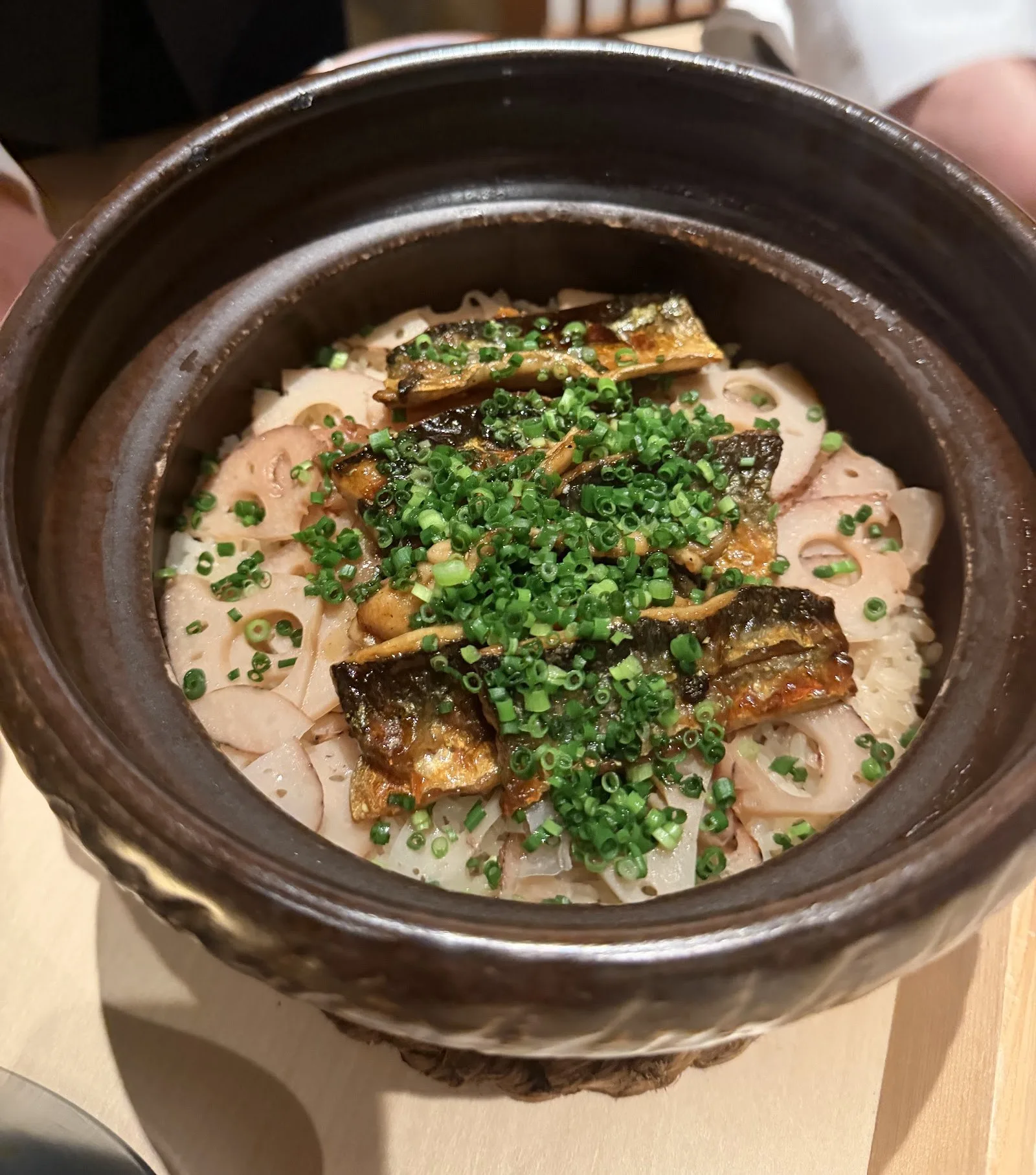
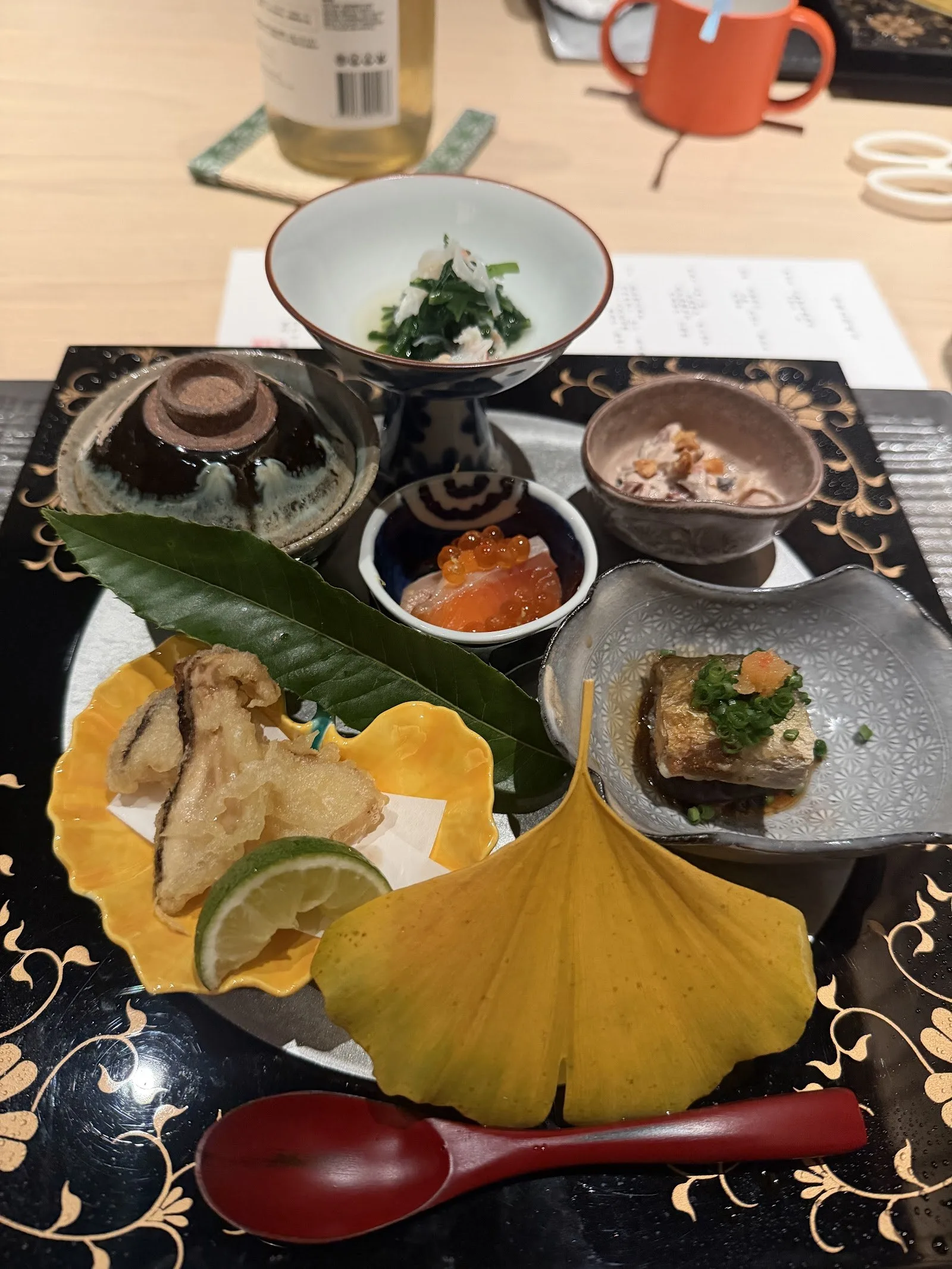
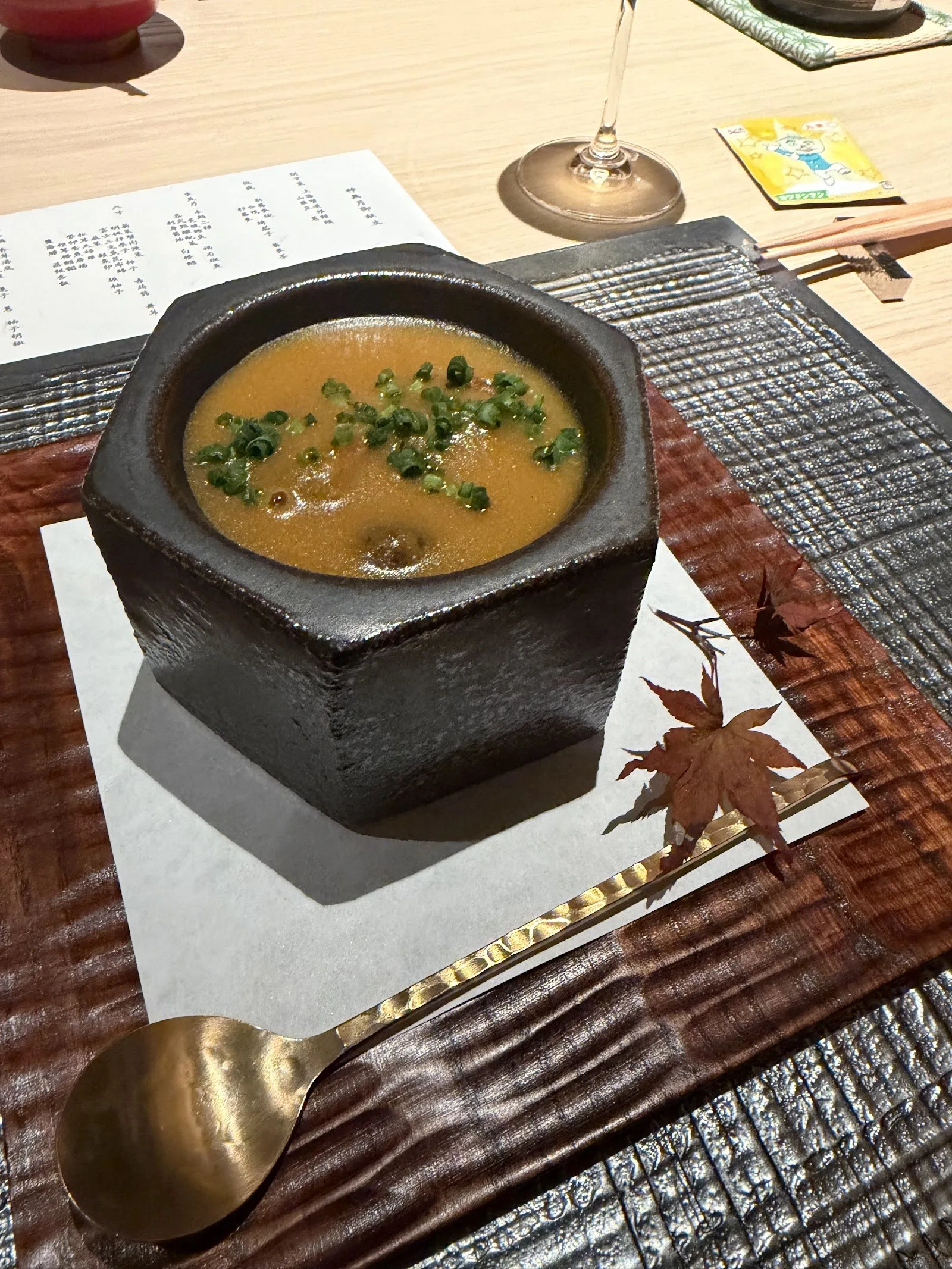
Breakfast is served as a Japanese set meal. It suits guests who want to enjoy the morning at the hotel before heading into Ginza. Executive-room plans may offer a choice between in-room dining and the restaurant, subject to the package booked. With a dawn departure, confirm serving hours first rather than assuming your included breakfast will fit.
Breakfast is served from 07:45 to 09:45 as a Japanese set meal: ¥5,500 per adult, ¥2,200 for children aged 11 and under, and ¥5,500 for ages 12–17. Extra breakfasts need to be confirmed with the hotel in advance and are paid for at the hotel. Leaving at dawn, ask first whether the serving hours fit instead of assuming an included breakfast will work.
The hotel restaurant is Ginza Gayu, a traditional Japanese restaurant open only to staying guests, serving both breakfast and dinner. Dinner on the first evening belongs here: come back from Ginza, eat a Japanese dinner in the hotel, then soak in your room bath without hunting for a restaurant. Executive-room plans may offer a choice between in-room dining and the restaurant, subject to the package booked.
Whether to include breakfast depends on how your mornings run. For a slow morning that starts with a long sleep-in and an unhurried meal, including it is the best value. A dawn train or flight makes a set meal starting at 07:45 a poor fit — skip it and eat on the street instead. On a longer stay, leave a day or two to try breakfast elsewhere in Ginza instead of eating the same set every morning. Extra breakfasts need to be confirmed with the hotel in advance and paid for at the hotel.
Reaching the hotel with luggage
Address: 1-7-10 Ginza, Chuo City, Tokyo 104-0061, Japan.
The nearest station is Ginza-itchome on the Yurakucho Line, about 100 metres and a two-minute walk from the hotel. For large luggage, a wheelchair or a stroller, use Exit 6: since 29 August 2025 it connects to the new Hulic Ginza Building, which has an 11-person elevator to street level, so the whole route from platform to street is by elevator with no stairs to carry bags up. From street level, walk east along Ginza-dori for about two minutes to the hotel entrance at Ginza 1-7-10.
Use the same route back: return to Exit 6 and take the elevator down to the platform for your direction. For JR lines, Yurakucho Station is about 420 metres away, roughly five minutes on foot. Nihonbashi is about 800 metres, the Tokyo International Forum about 440 metres, the Art Aquarium Museum about 530 metres, the Tsukiji Outer Market about 1.0 km, the Imperial Palace about 1.4 km and Hibiya Park about 920 metres — all within walking range.
Use this hotel as a Ginza base and keep the itinerary loose. Walk to the Tsukiji Outer Market in the morning and come back to rest, stroll along Ginza-dori in the afternoon, and soak in your room bath in the evening; Nihonbashi and the Tokyo International Forum are both within walking distance the next day. The Imperial Palace and Hibiya Park are also walkable — treat them as an afternoon walk rather than a separate trip by train.
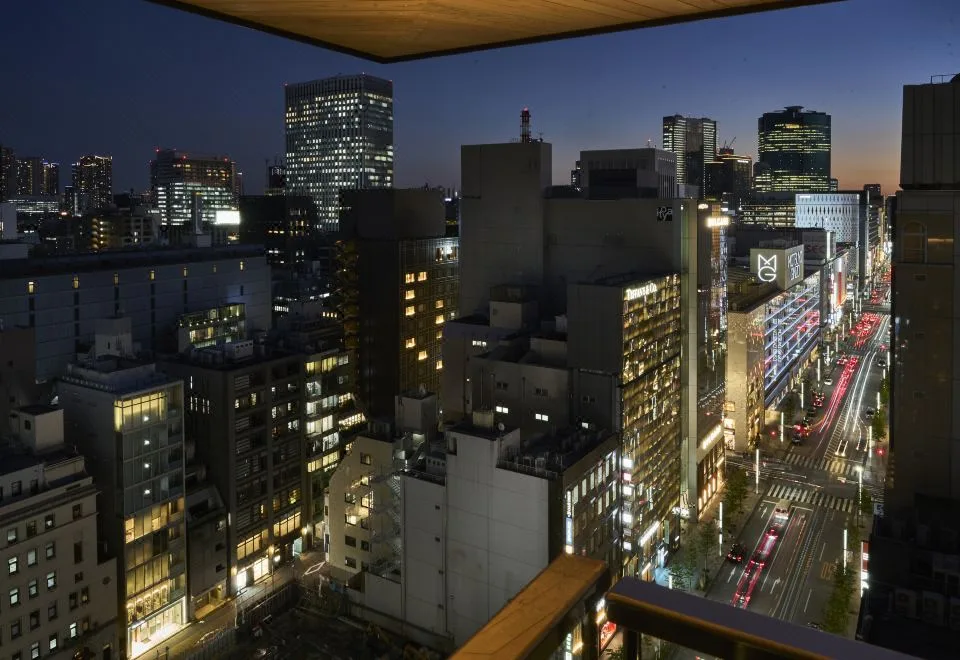
Learn the way back to the hotel on the first night too: Ginza-dori stays brightly lit after dark, so walking back along the main street to 1-7-10 is easy, and a taxi driver will know the address at once. Before heading out in the morning, split up your room key, phone and the day’s cash, leave the luggage in the room, and walk light — it beats carrying bags through the shops.
What changes on a short stay or a longer stay
Every guest room has natural hot-spring water brought in from Atami, and the private bath, the generous space and the service are the three things I weigh most here. The thick duvet, how quickly the air conditioning cools the room, and the different blackout around a third guest’s sleeping area are the three things I ask about before booking: if you run hot at night, ask how the cooling works; for three guests, ask where the third person sleeps and how the blackout works before choosing a room, instead of assuming the extra sleeping spot is as comfortable as the main bedroom.
The hotel has a concierge, a front-desk safe, luggage storage, public Wi-Fi, elevators, and irons and steamers; fax and copying cost extra. There is a car park and a smoking area, public areas are non-smoking, and children’s meals are available. The front desk works in English and Japanese, no deposit is required, and you pay at the hotel in cash. Pets are not allowed, while service animals are welcome with prior application.
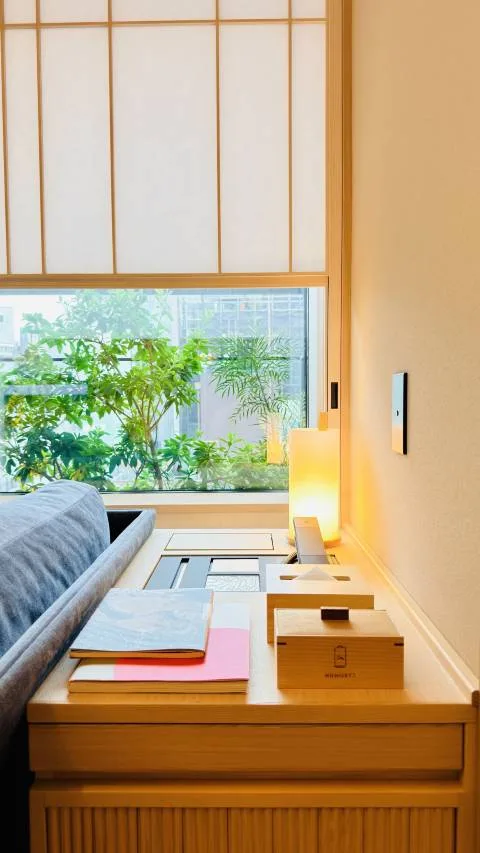
On a longer stay, the suite’s sitting area earns its keep. Come back from shopping, put the bags down, sit with a glass of water, then head out again in the afternoon; in the evening, soak in the bath and lay out tomorrow’s clothes before bed so the next day never feels rushed. Checkout is by 11:00, and luggage can be stored after checkout, so you can keep walking around Ginza until the evening and collect your bags on the way back.
Photographs of suites, baths and shared spaces
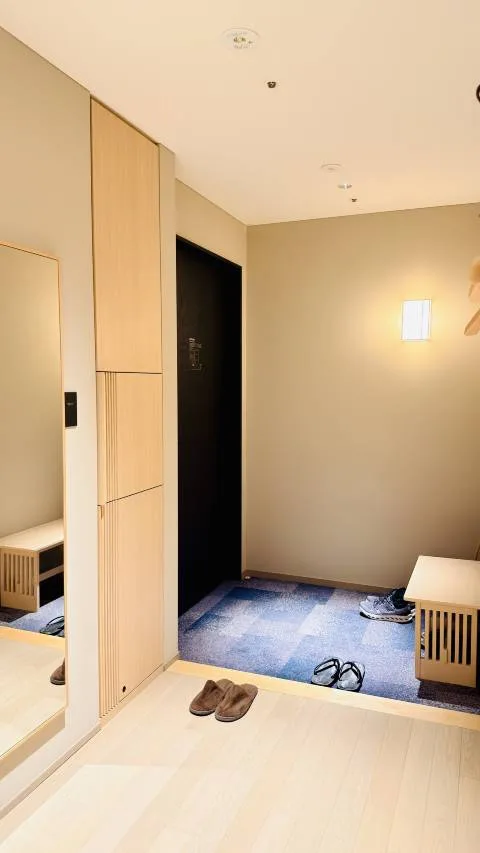
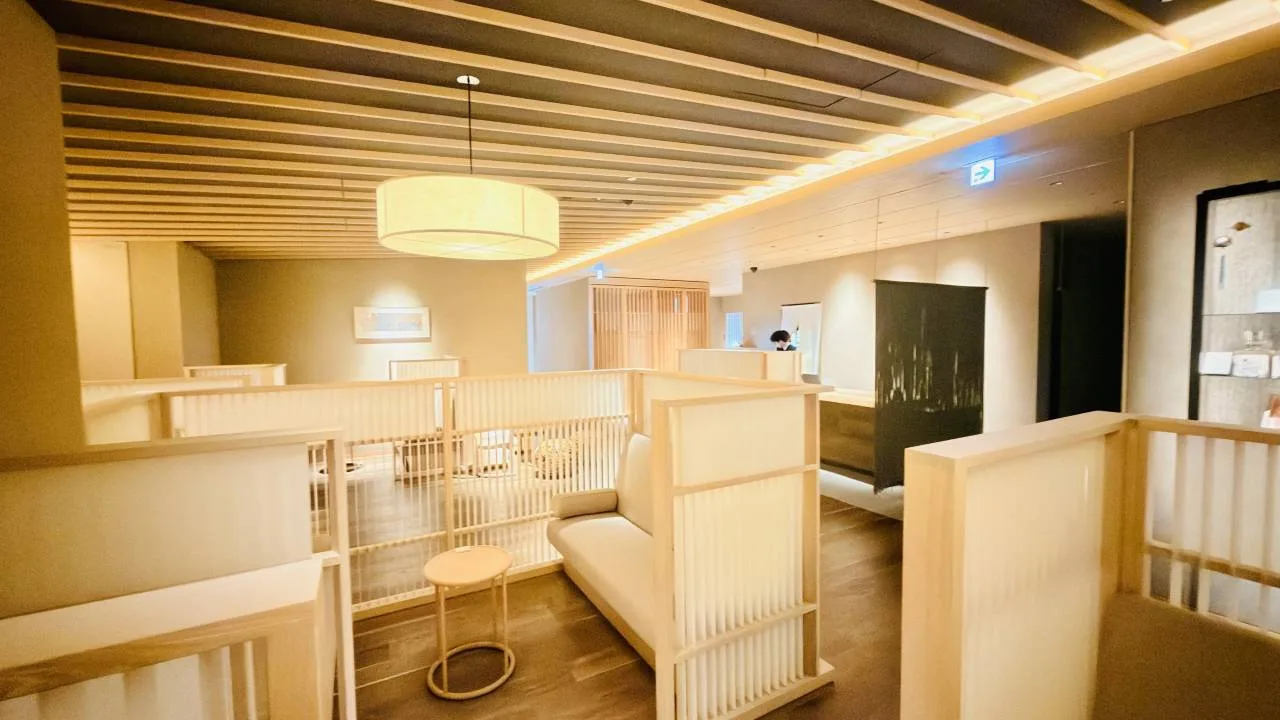
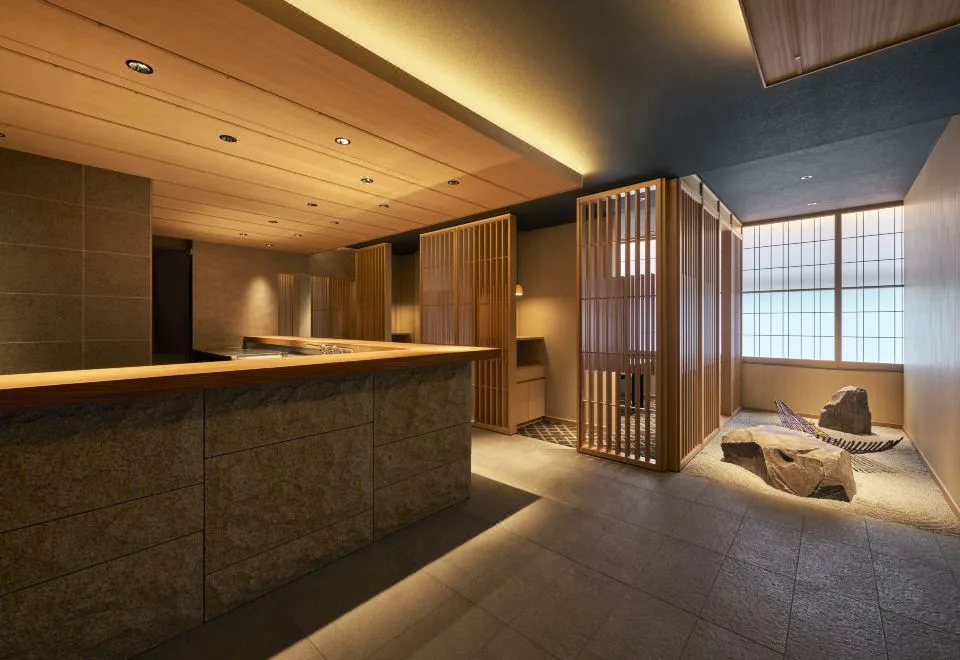
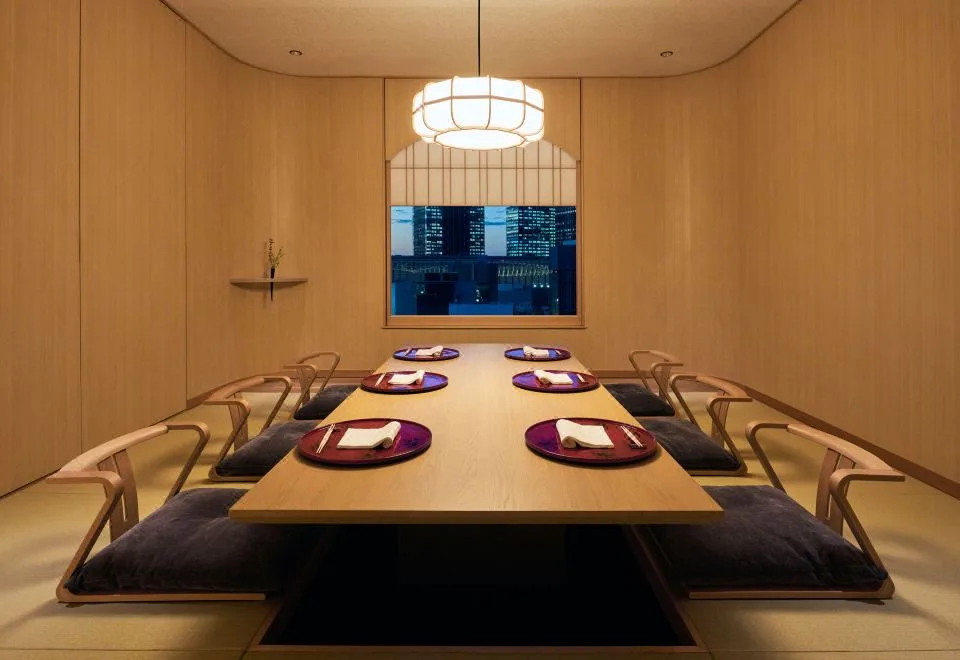
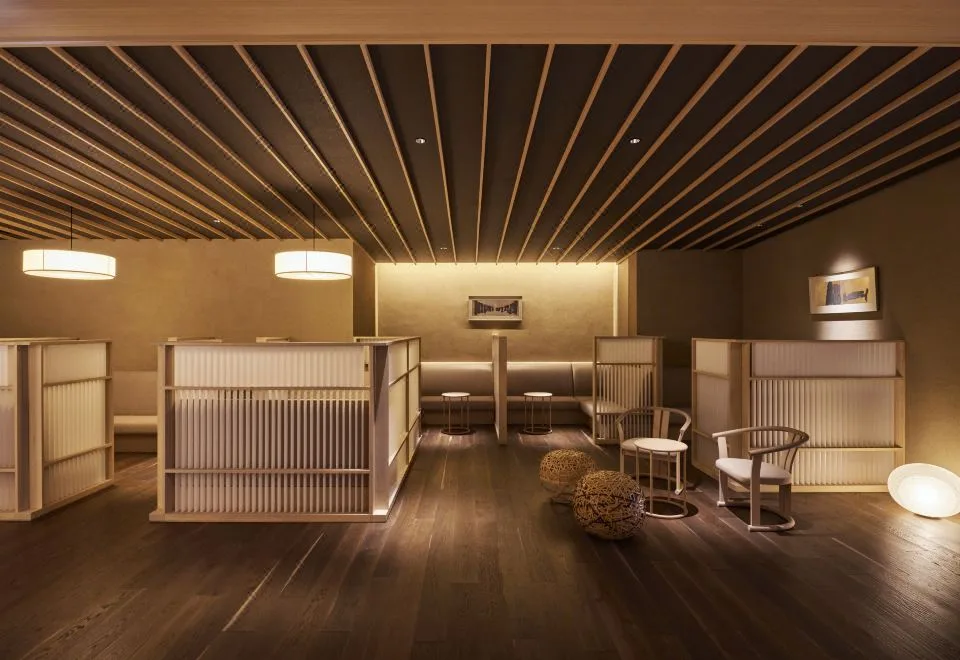
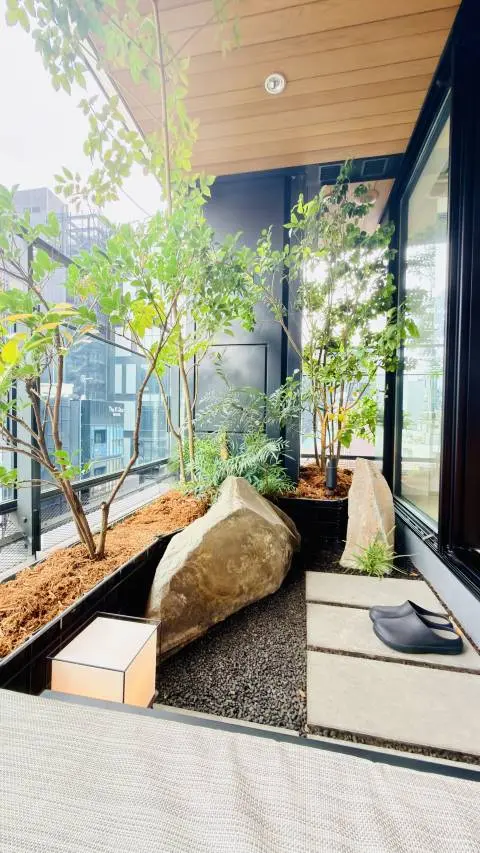
The images show different rooms and shooting conditions, grouped for easier comparison. Look at the circulation space, washbasin and luggage area. Compare the actual layout with your booked category.
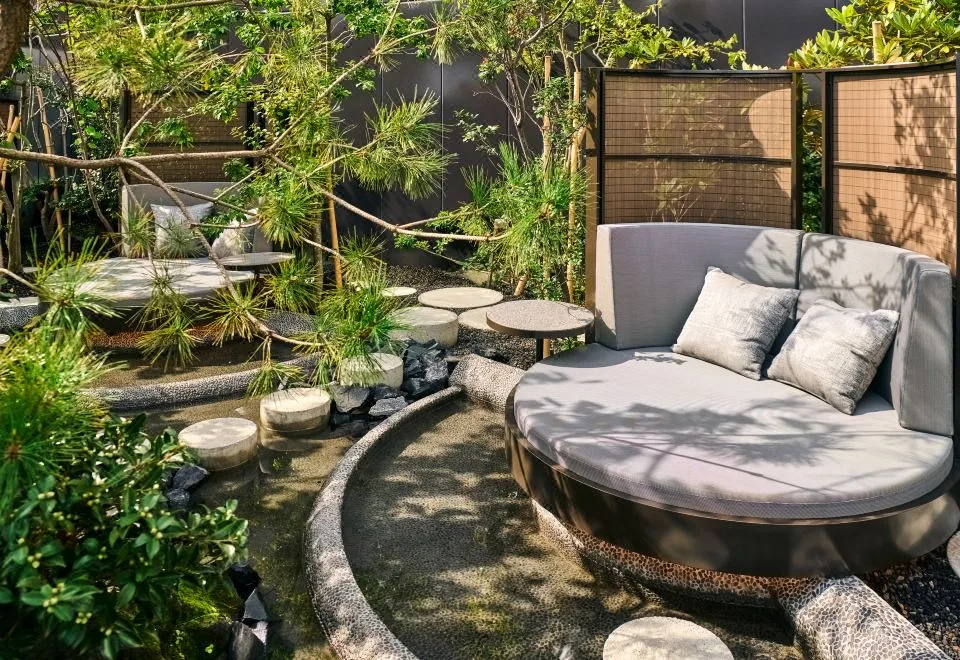
When I look at the photos, I check three things first: where the bath sits relative to the window and what you see while soaking; whether the washbasin counter has room for toiletries; and whether the sofa and dining table seat two people at once. The garden and shared-space photos show how many seats there are and how the light falls — enough to judge whether you will find a place to sit in the hotel during the day.
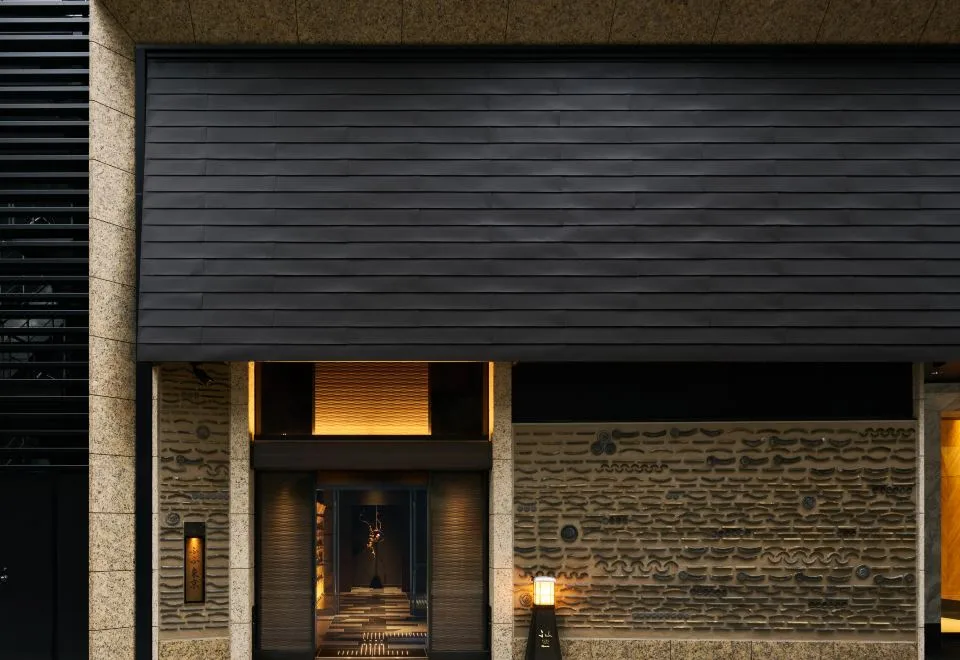
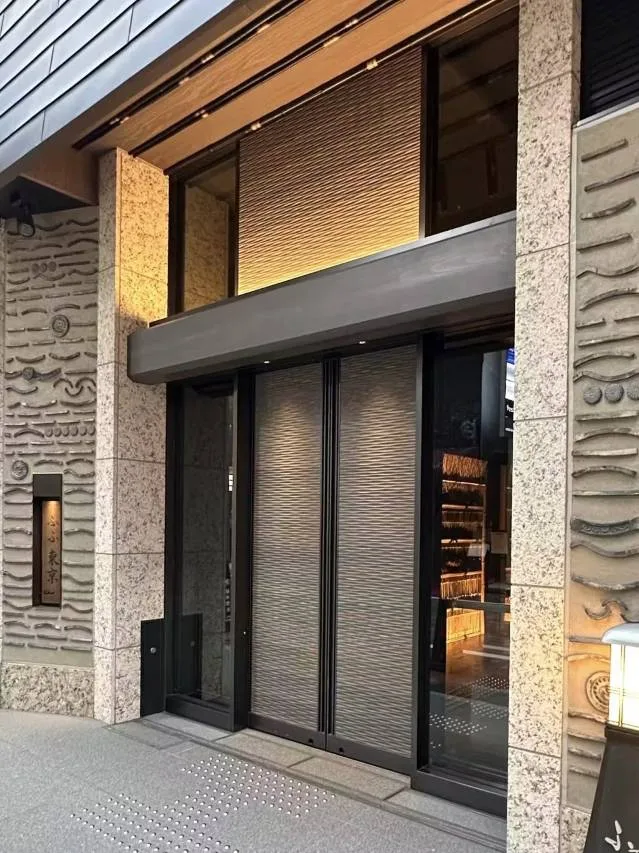
The garden photos deserve a second look: seats set beside greenery give you a quiet corner to sit with a book or wait while your companion gets ready, and the reception and lobby photos show the flow — where bags go when you walk in and which way the front desk is, so the first glance inside already makes sense. The exterior and evening-view photos are for recognising the street and the entrance at night: coming back by taxi or meeting someone, knowing what the entrance looks like keeps you from walking past it. The private Japanese dining room photo shows the setting — booth-style seating that suits two people wanting a quiet meal; breakfast and dinner are both served in the same restaurant, so find it on the first day and the next morning you will not take a wrong turn.
Suites and sitting areas
Private baths and bathrooms
Garden and shared spaces
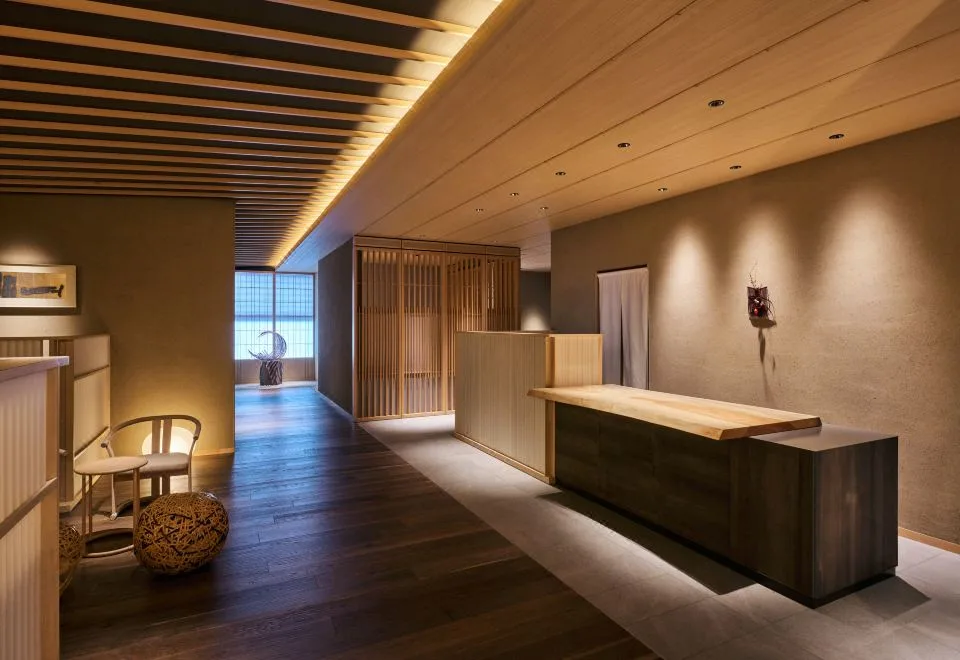
Exterior and evening views
How I would plan a stay here
Set aside an evening for dinner in Ginza and a long soak in your room; breakfast at the hotel the following morning works better than rushing between attractions. With several nights, bring shopping back to the suite and leave an afternoon break so the living area becomes part of your trip.
It does not suit everyone: no room type allows an extra bed or a crib, so families with a baby or anyone needing a third bed should settle the sleeping arrangement first; breakfast is a Japanese set meal, not a buffet, so buffet lovers will be disappointed; and there is no large communal bath, pool or gym — plan a separate visit if you want a big bath. Accept those three points and the private bath and suite space are genuinely worth it.
One last calculation: breakfast is ¥5,500 per adult, so two people for two days comes to ¥22,000 — decide whether to include it only after putting that figure into the budget. The private in-room bath, the suite space and the two-minute walk from Ginza-itchome are what justify the price; the missing pieces — no extra bed, no crib, no buffet breakfast and no large communal bath — are trade-offs to accept before booking.
Pros and cons
Pros
- Ginza-itchome Station is about a two-minute walk (100 metres), and Exit 6 has a street-level elevator, so the whole trip to and from the platform is by elevator.
- Every room has natural hot-spring water brought in from Atami, so you can soak in a private bath in your own room.
- Suites run 55–71 m²: the Stylish Suite has a 180 cm bed and the Comfort Suite has two 140 cm beds, with generous sitting space.
- Japanese set breakfast is served 07:45–09:45, and the hotel restaurant Ginza Gayu serves breakfast and dinner for staying guests only.
- The front desk runs 24 hours and stores luggage; no deposit is required and you pay at the hotel in cash.
Cons
- No room type allows an extra bed or a crib, so for three guests ask first where the third person sleeps and how the blackout works.
- Breakfast is a Japanese set meal, not a buffet, at ¥5,500 per adult; an early-morning departure may miss the 07:45 start.
- The duvet runs thick and the air-conditioning cooling is a matter of personal feel, so ask first if you run hot at night.
- There is no large communal bath, pool or gym in the hotel, so plan a separate visit if you want a big bath.
Information checked: November 21, 2026.