
TOKYO / CHUO
Comfort Hotel Tokyo Higashi Nihombashi
Comfort Hotel Tokyo Higashi Nihombashi
If I were using the JR Sobu Rapid Line to reach Tokyo Station regularly and wanted breakfast before heading out, Comfort Hotel Tokyo Higashi Nihombashi is worth comparing. The appeal is specific: JR Bakurocho Exit 4 is right beside the building, and guests get complimentary breakfast plus access to the Library Cafe. The compromises are the compact 13.5 m² Economy Double and the fact that the nearest exit is not the same as the step-free elevator route with large luggage.
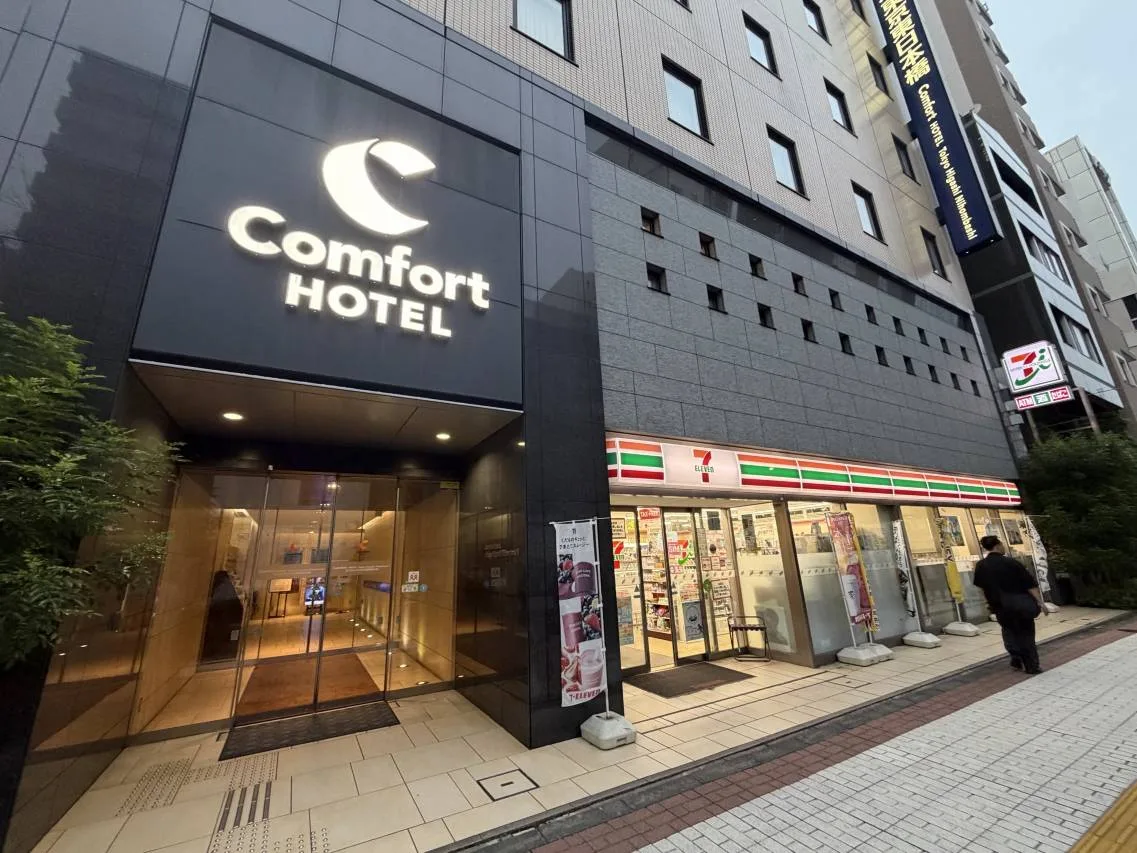
Three reasons to consider it, with room size as the trade-off
- For Tokyo Station connections: The hotel’s guide places JR Bakurocho’s East Exit 4 right at the building, effectively a zero-minute walk outside. Platform corridors and stairs still take time.
- For breakfast and a daytime workspace: The complimentary morning buffet is followed by a Library Cafe with books, drinks and tables.
- For separate beds: The 17 m² Economy Twin has two 123 cm beds, a meaningful difference from the 13.5 m² Economy Double’s single 140 cm bed.
For two people in an Economy Double, the first question is where both suitcases will go. The location and free breakfast help, but the layout is compact. If bedding cleanliness or daily laundry matters, inspect the room and ask which washers work when you check in.
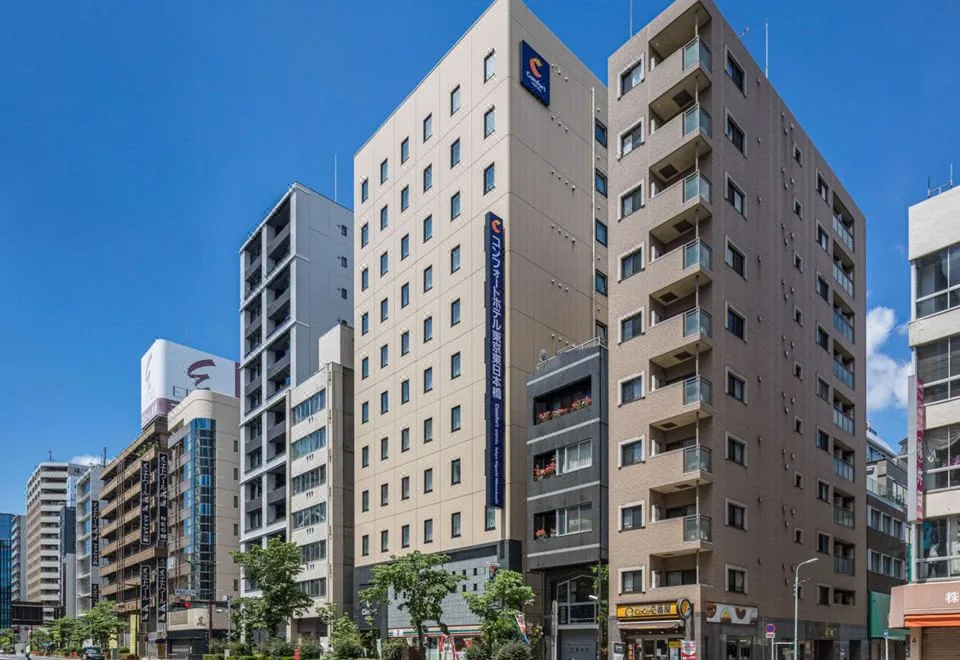
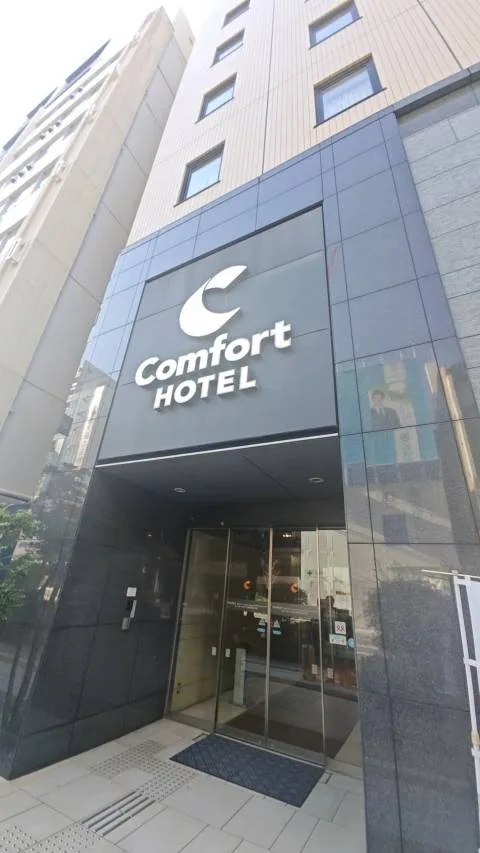
Save the complete name, Comfort Hotel Tokyo Higashi Nihombashi, and the address 1-10-11 Nihonbashibakurocho. Do not mistake it for the nearby Comfort Hotel ERA Tokyo Higashi Kanda.
Bakurocho Exit 4 is close, but use a different route for elevators
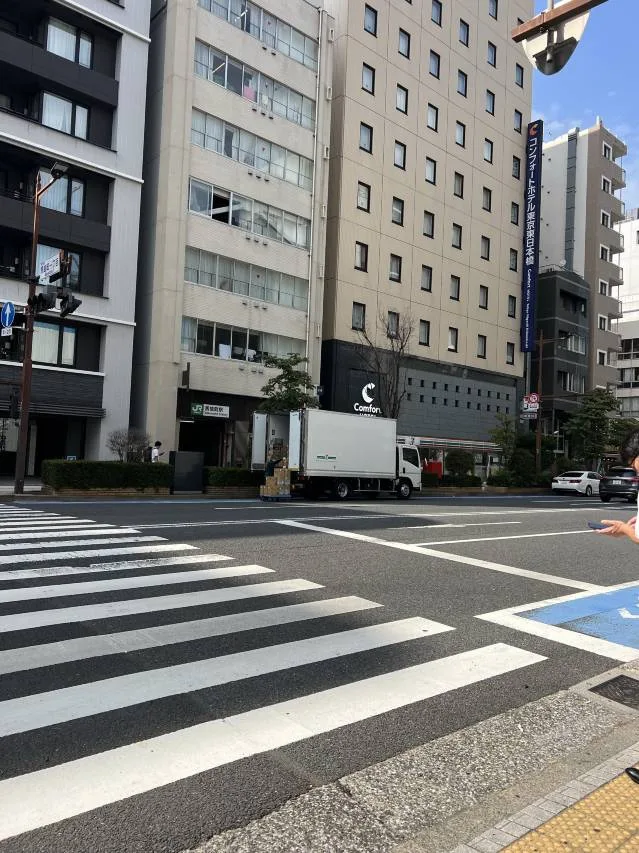
Turn right after the JR Bakurocho East ticket gate for Exit 4, next to the hotel. The JR Sobu Rapid Line reaches Tokyo Station in roughly four minutes on the train. Allow extra time for walking inside stations and waiting, especially when changing to the Shinkansen.
With a large suitcase or stroller, do not follow the shortest exit. JR Bakurocho has elevators inside the station, but there is no step-free route from the ticket gates to street level, so Exit 4 means stairs. With large luggage, a wheelchair, or a stroller, I use Toei Asakusa Line Higashi-nihombashi Station instead: from Platform 2 toward Oshiage, take the connecting passage toward Bakurocho-yokoyama and ride the ground-level elevator at Exit A4; from Platform 1 toward Nishi-magome, use the ground-level elevator in front of Exit B1. The Tokyo Metropolitan Bureau of Transportation confirms one ground elevator and one barrier-free route at Higashi-nihombashi. From street level it is about a 310-metre walk to the hotel — easier than carrying luggage up the stairs at JR Bakurocho.
This is a base for trips organized around JR and the Toei Subway. The convenience store downstairs and nearby restaurants make evenings easy. For a slower Nihonbashi day, see our Kodenmacho walk (Chinese) or Nihonbashi museum walk (Chinese). Ginza shopping is a separate journey even though both areas are in Chuo.
From here, Nihonbashi Bridge, Akihabara Electric Town, Ueno and the Edo-Tokyo Museum are all within walking range: Nihonbashi about 1.4 km, Akihabara Electric Town about 1.5 km, Ueno about 1.6 km and the Edo-Tokyo Museum about 1.4 km. Senso-ji Temple is about 2.3 km, Asakusa about 2.2 km and the Imperial Palace about 3.2 km — driving distances, so the train beats walking. Staying here means the walk back from a slow Nihonbashi day needs no transfer: you come back to Bakurocho and you are home.
13.5 m² with one bed or 17 m² with twins?
The hotel’s official room guide clearly lists dimensions and bed widths. For two guests, choose between a shared bed and twins first, then think about suitcases. A tidy bed photo does not guarantee that two large cases can be opened at once.
| Official room type | Floor area and beds | How I would choose |
|---|---|---|
| Standard Single | 13 m²; one 123 cm bed | A solo base for exploring; check desk and storage space. |
| Economy Double | 13.5 m²; one 140 cm bed | For two people sharing a bed with light luggage. |
| Standard Double | 15 m²; one 140 cm bed | A little more floor area, but the same bed width. |
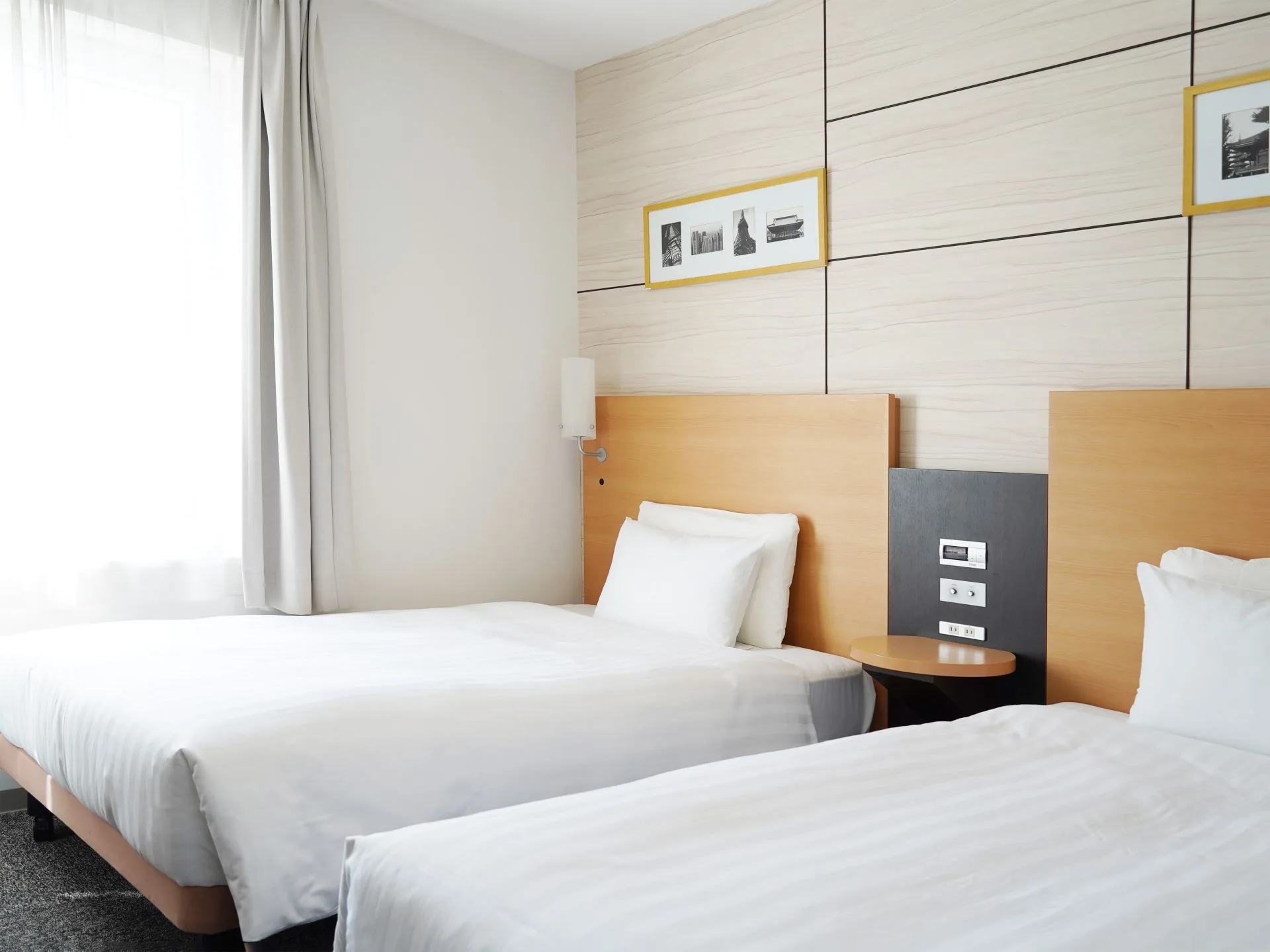
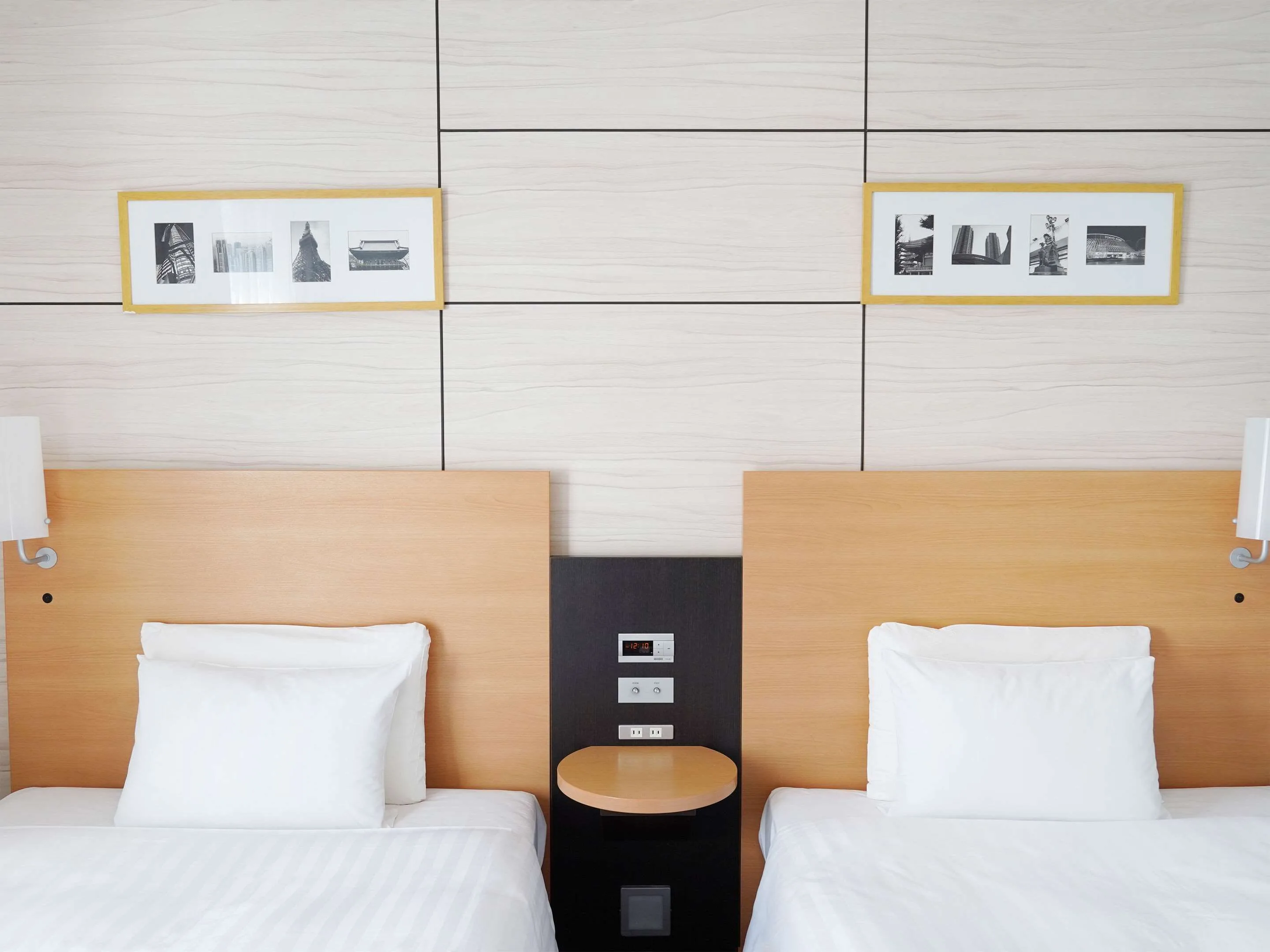
| Economy Twin | 17 m²; two 123 cm beds | For separate beds or more room to move around. |
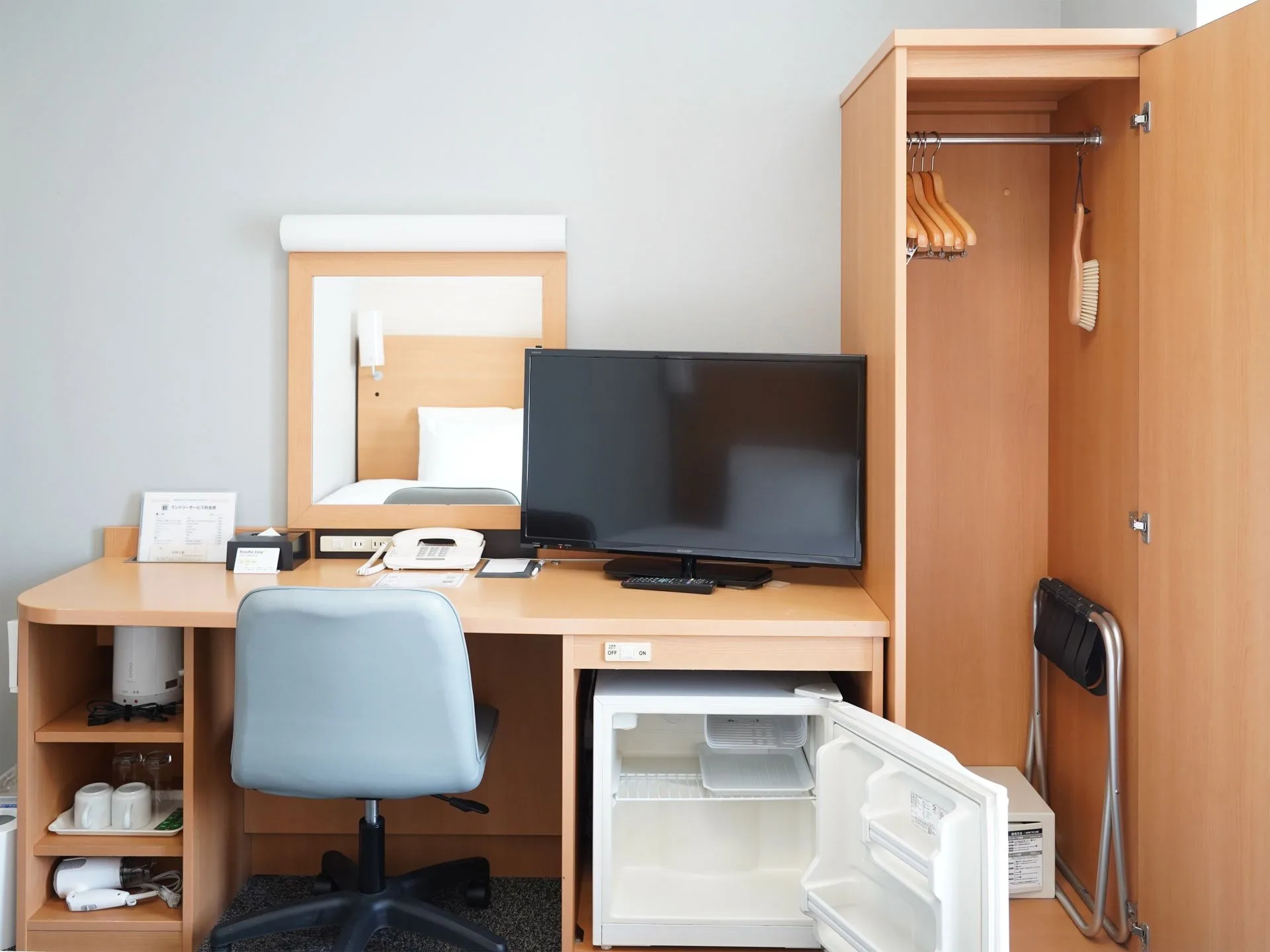
The Economy Double has one 140 cm bed; the Economy Twin has two 123 cm beds. Two friends who want to sleep separately should start with the twin. Look at the desk, hanging space and the passages beside the beds to imagine where luggage will fit.
When I choose a room, I count people and luggage together. Travelling solo and mostly out, the 13 m² single has enough desk and storage. Two people sharing a bed with light luggage can compare the 13.5 m² Economy Double; if you want separate beds or more room to move, the 17 m² Economy Twin is the widest choice here. The 15 m² Standard Double adds 1.5 m² over the Economy Double with the same 140 cm bed width — the extra space is passage and desk, not a bigger bed. Travelling with children, know this first: no room type allows an extra bed or crib, and children sharing a bed may still cost extra, so add the children to the booking and compare the total price before you decide.
Single room: desk and entrance layout
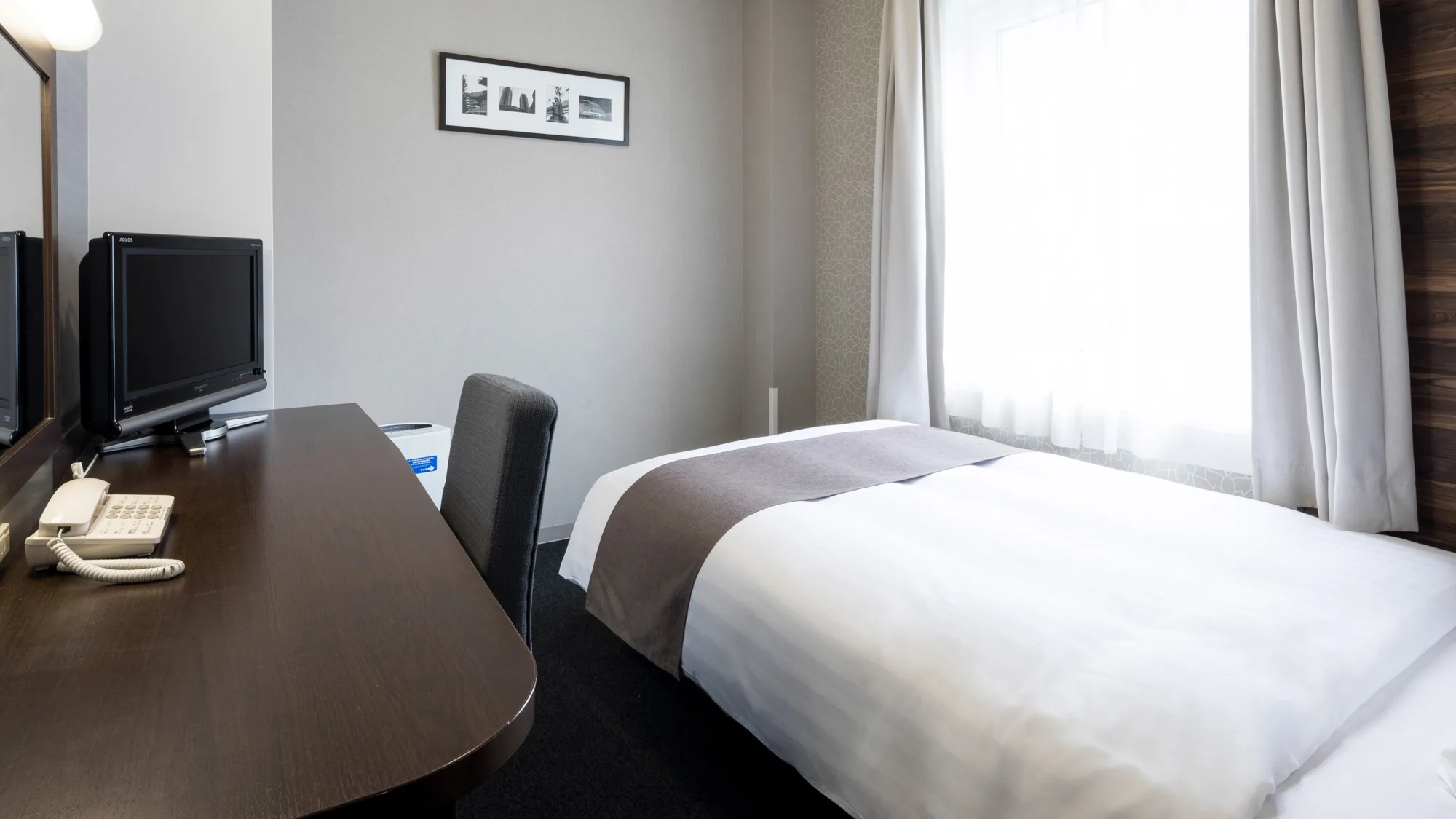
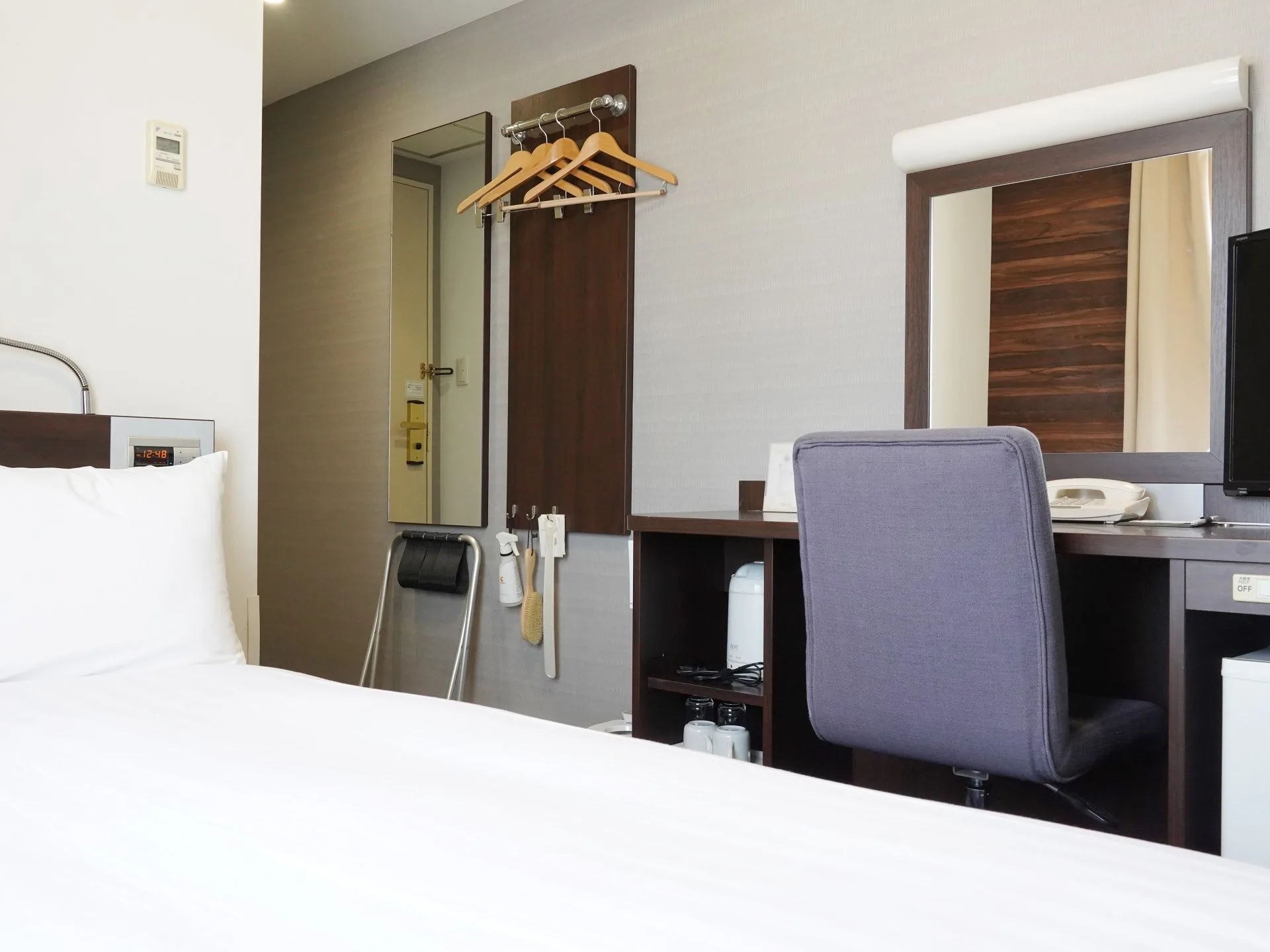
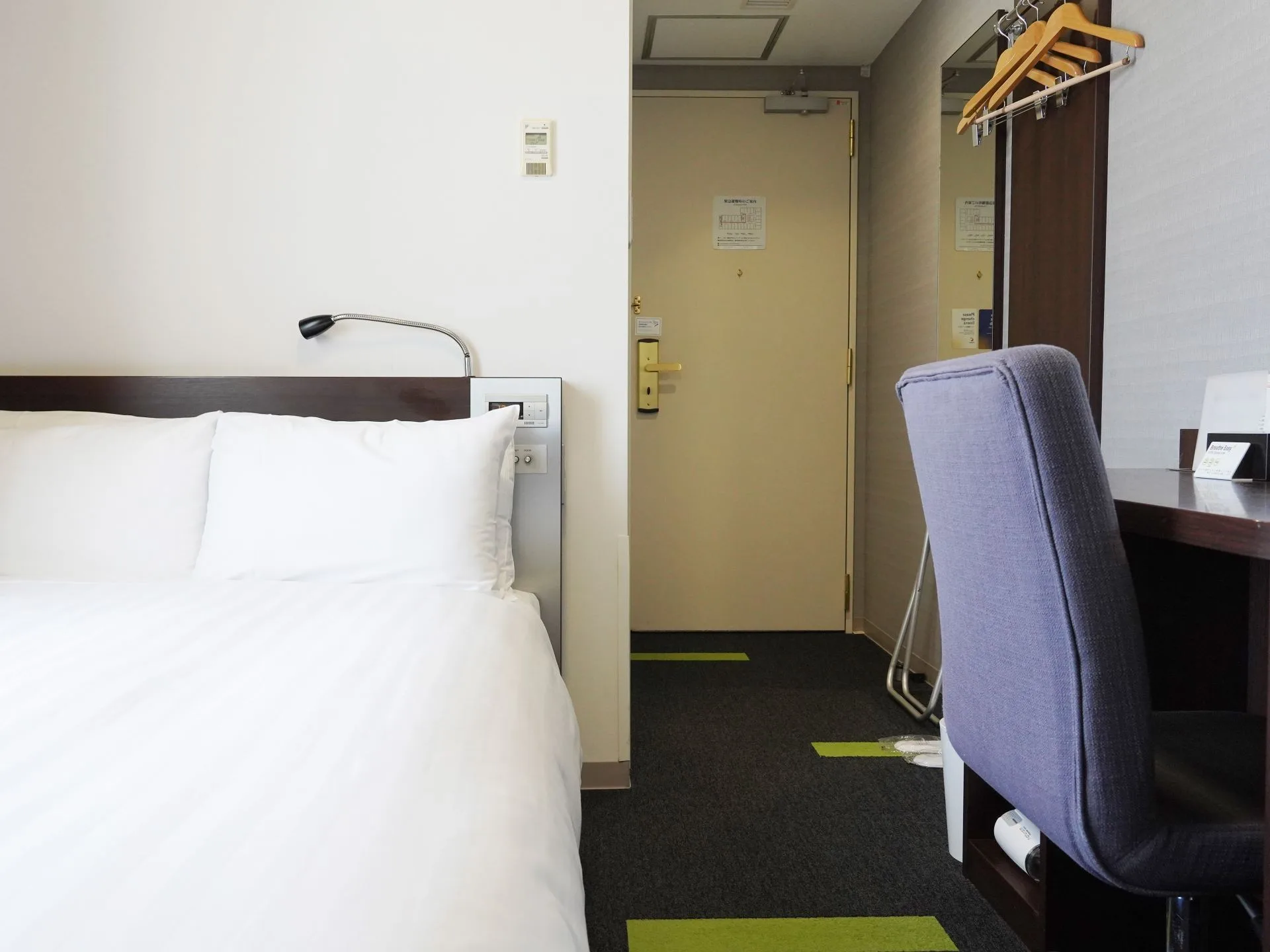
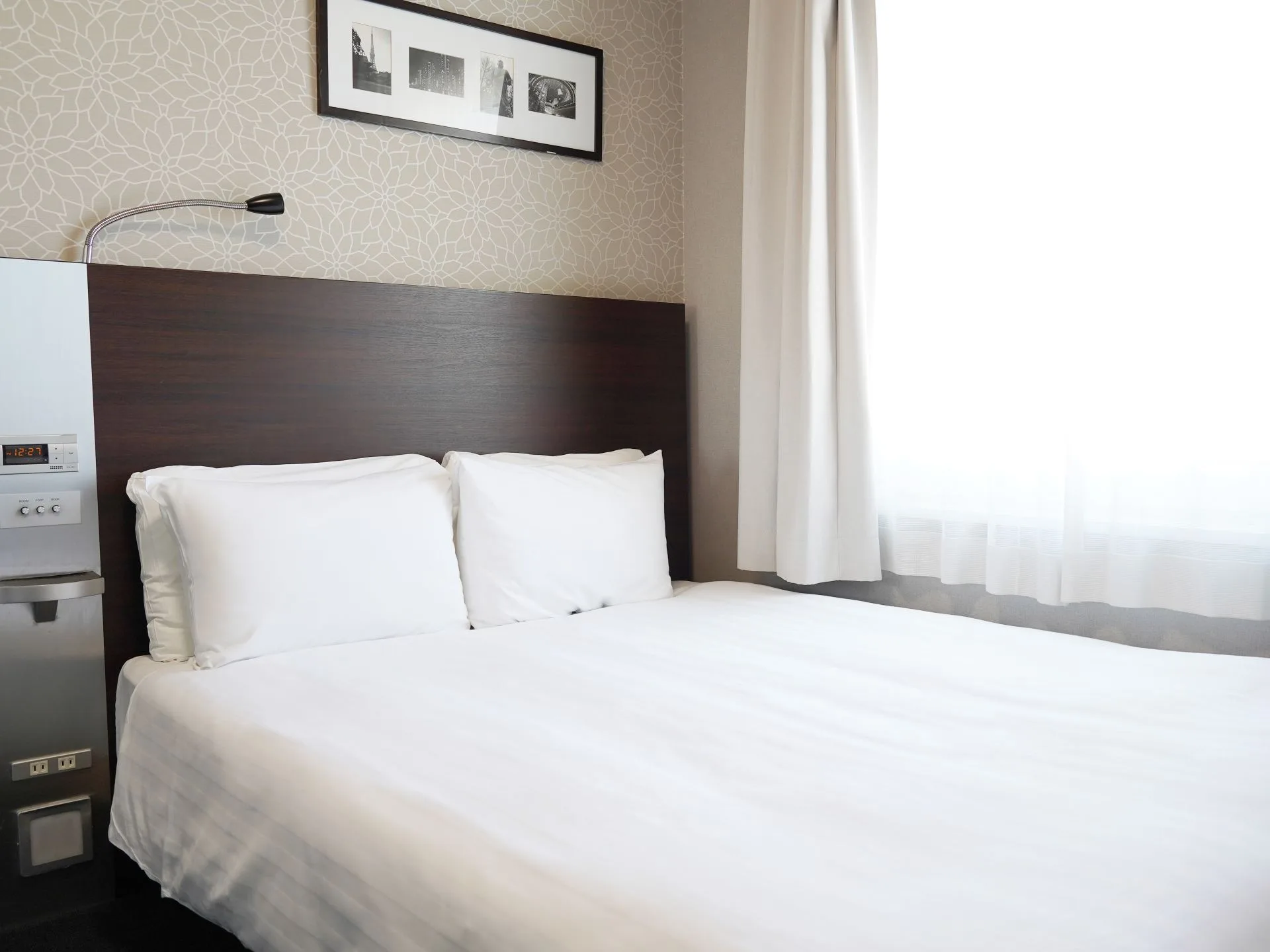
Economy Double: bed, desk and walking space
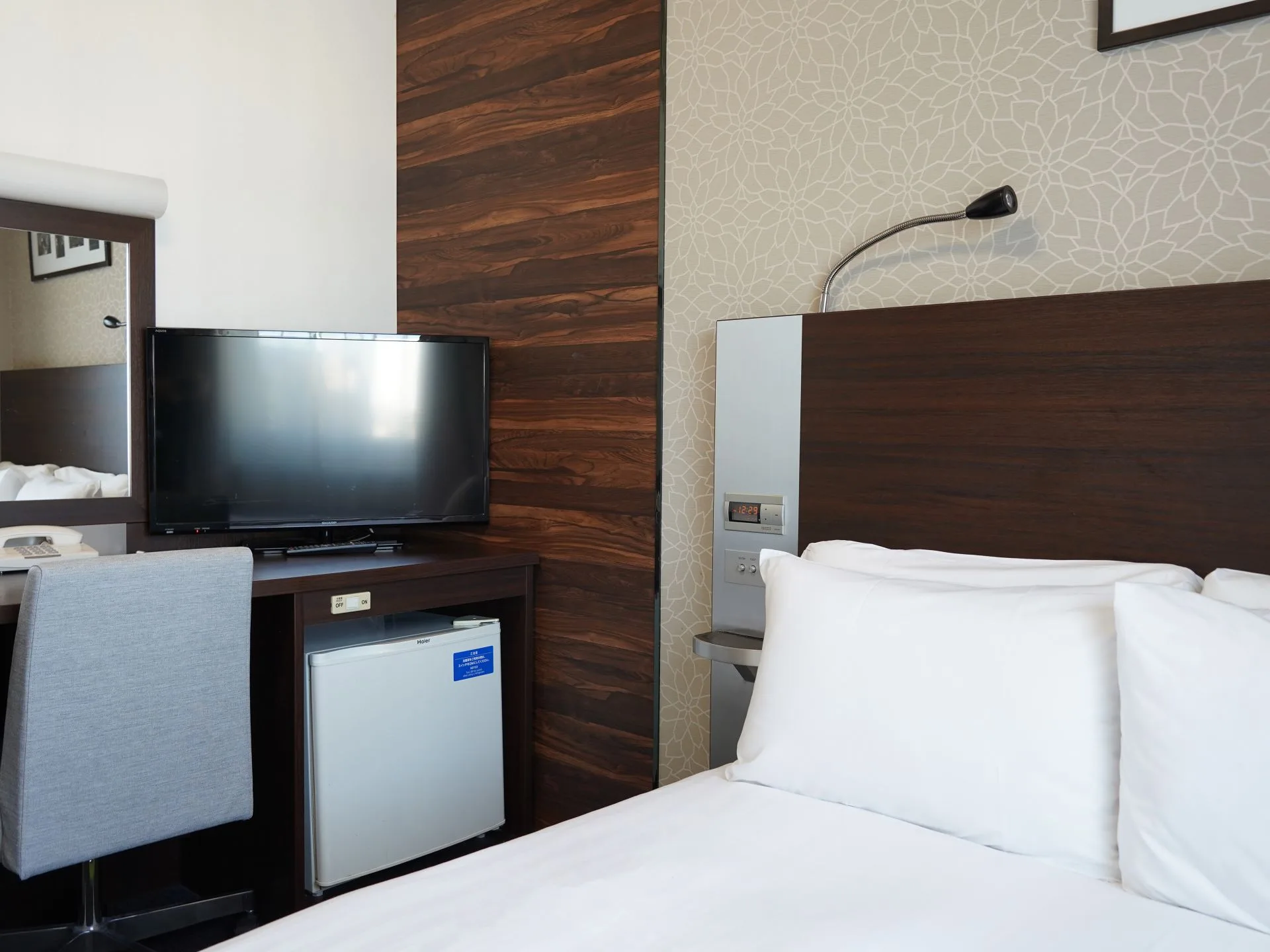
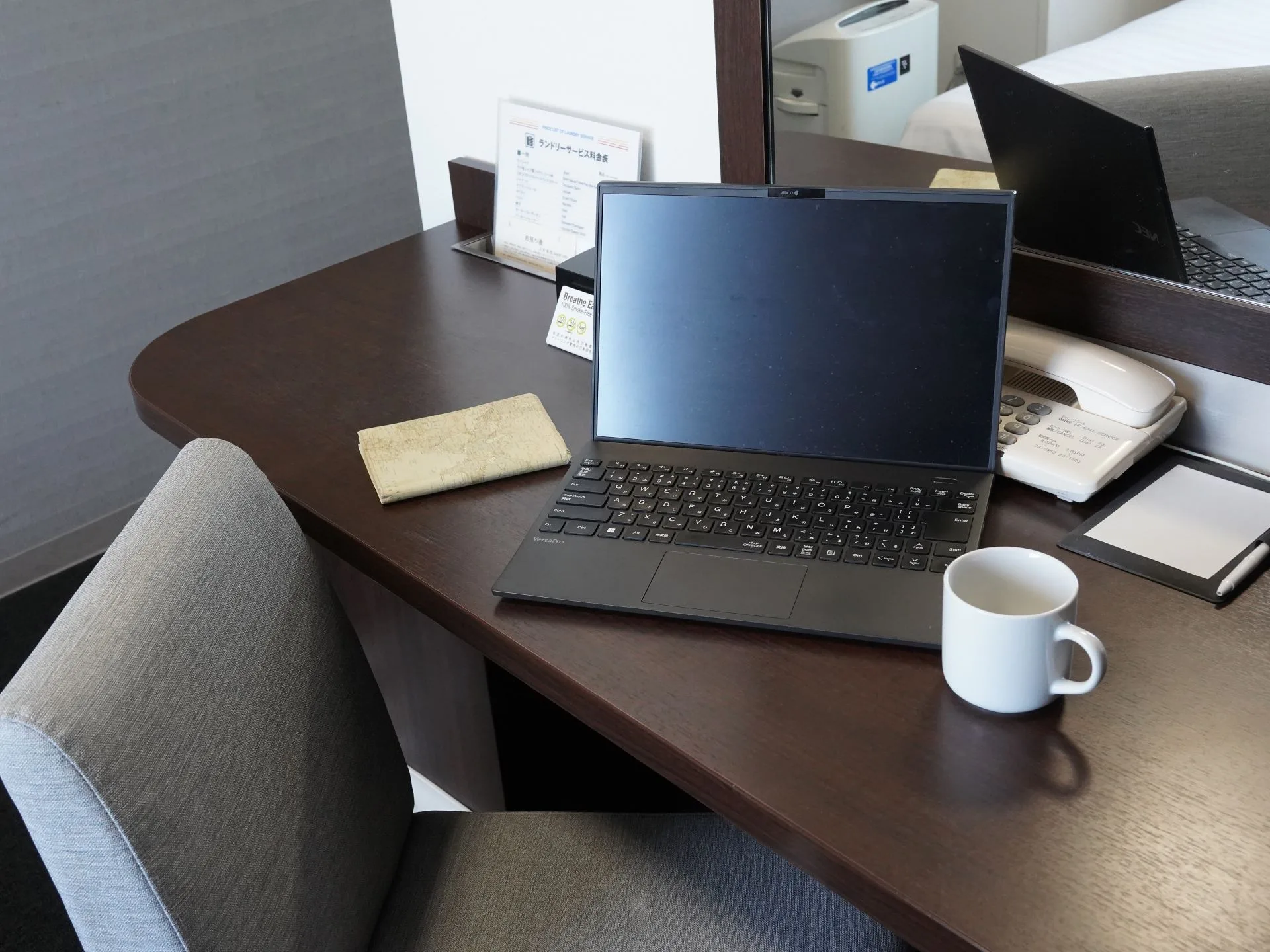
Standard Double: same bed width, more space
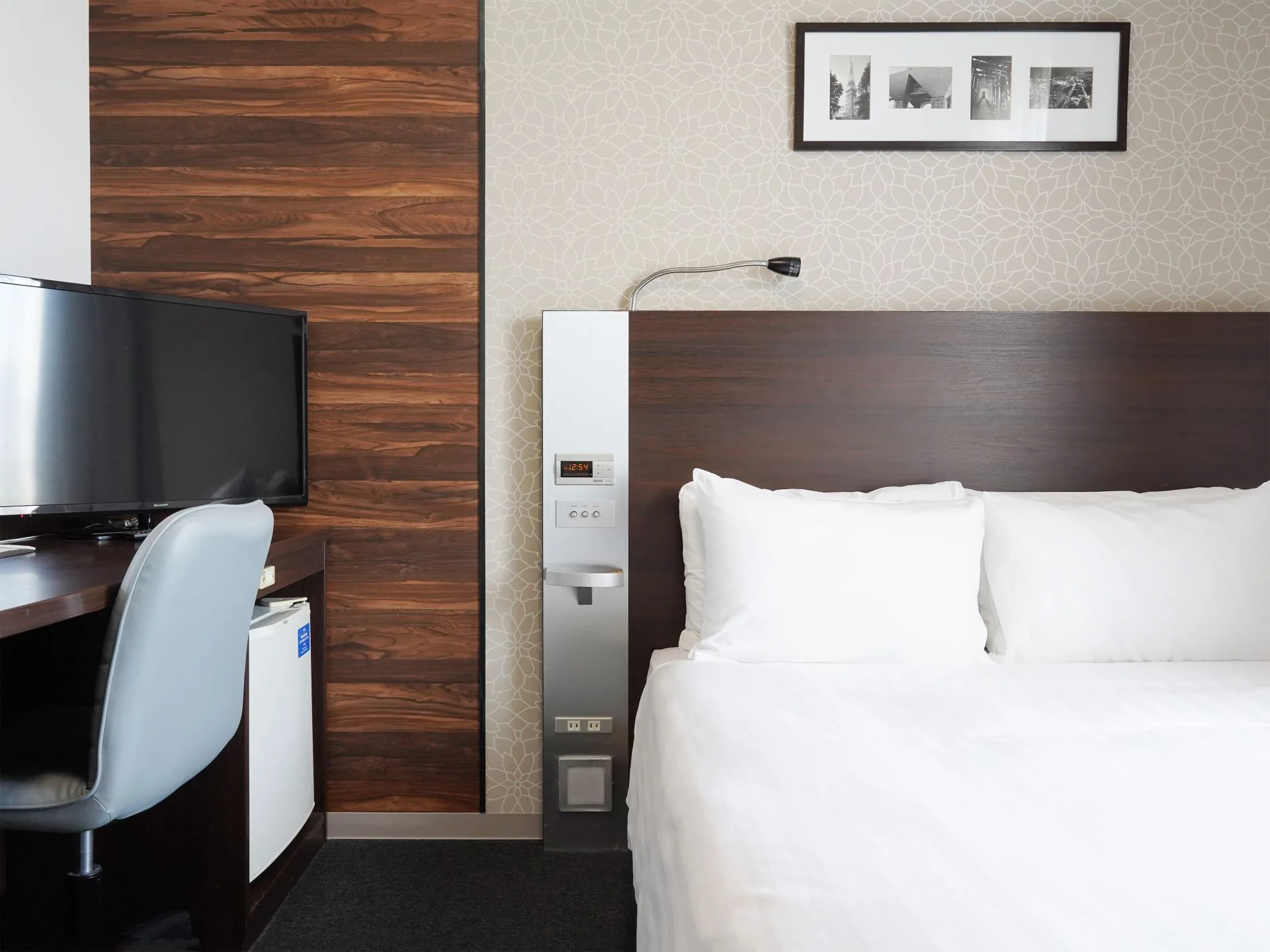
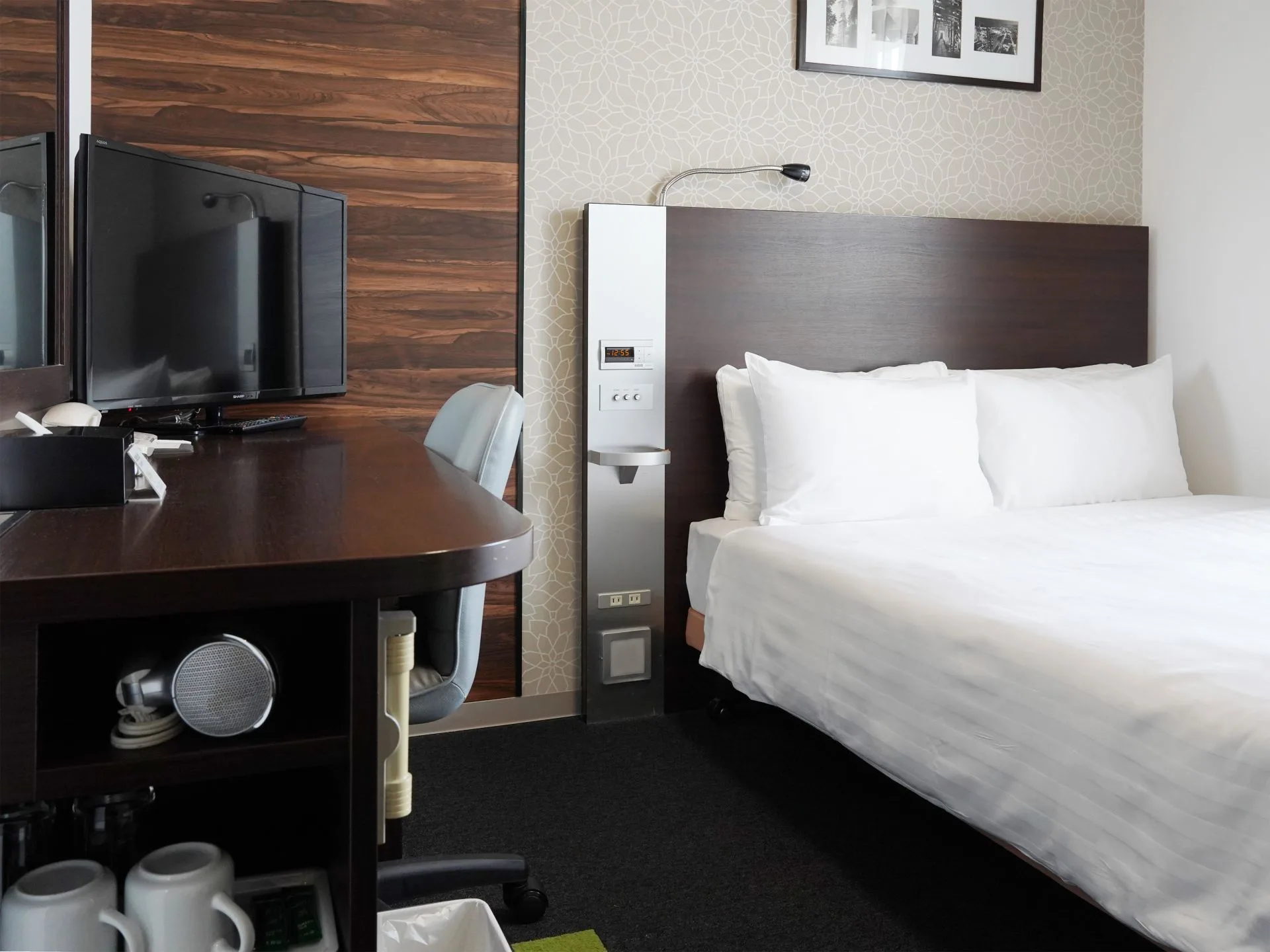
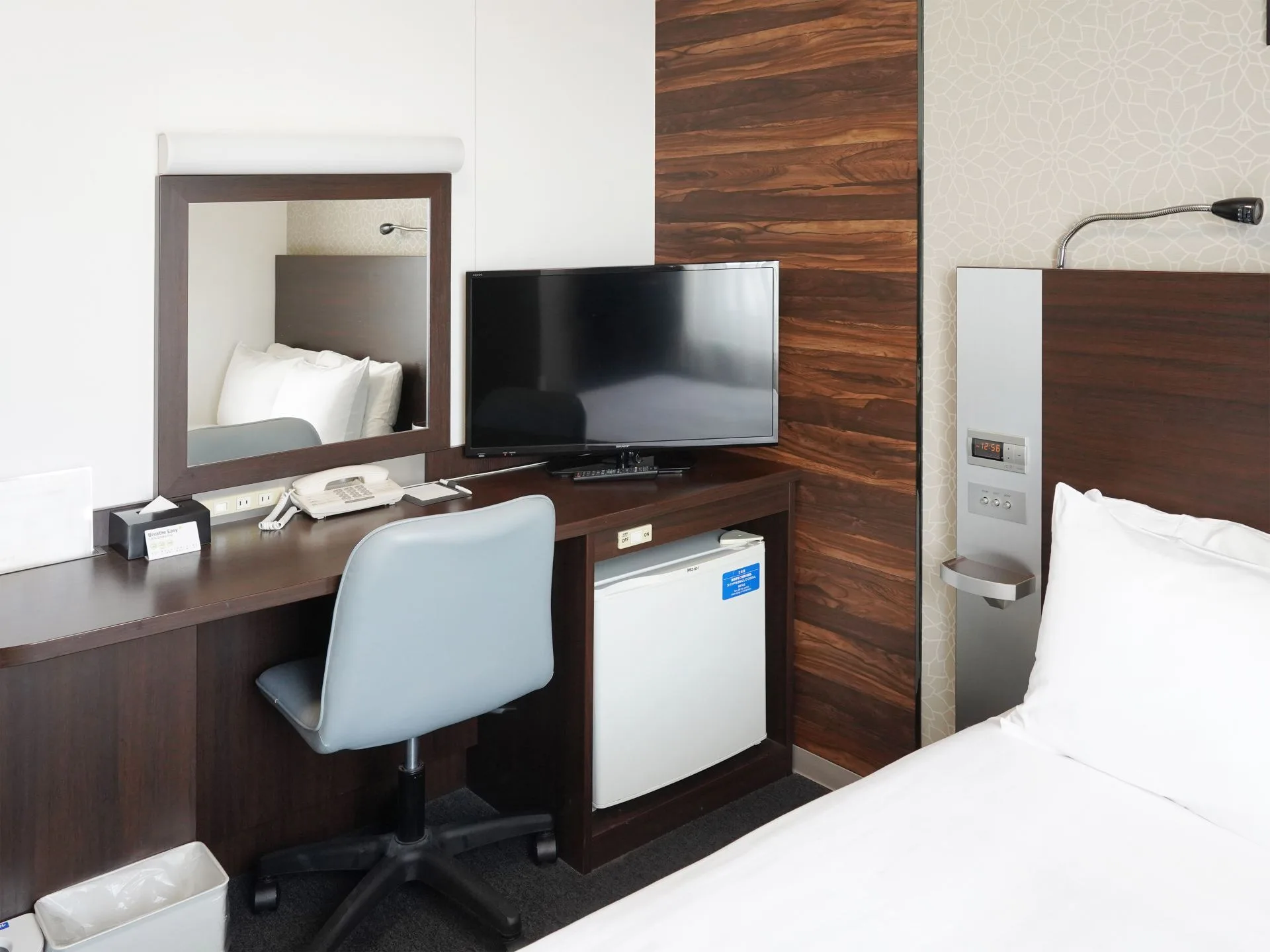
Economy Twin: two beds and the shared desk
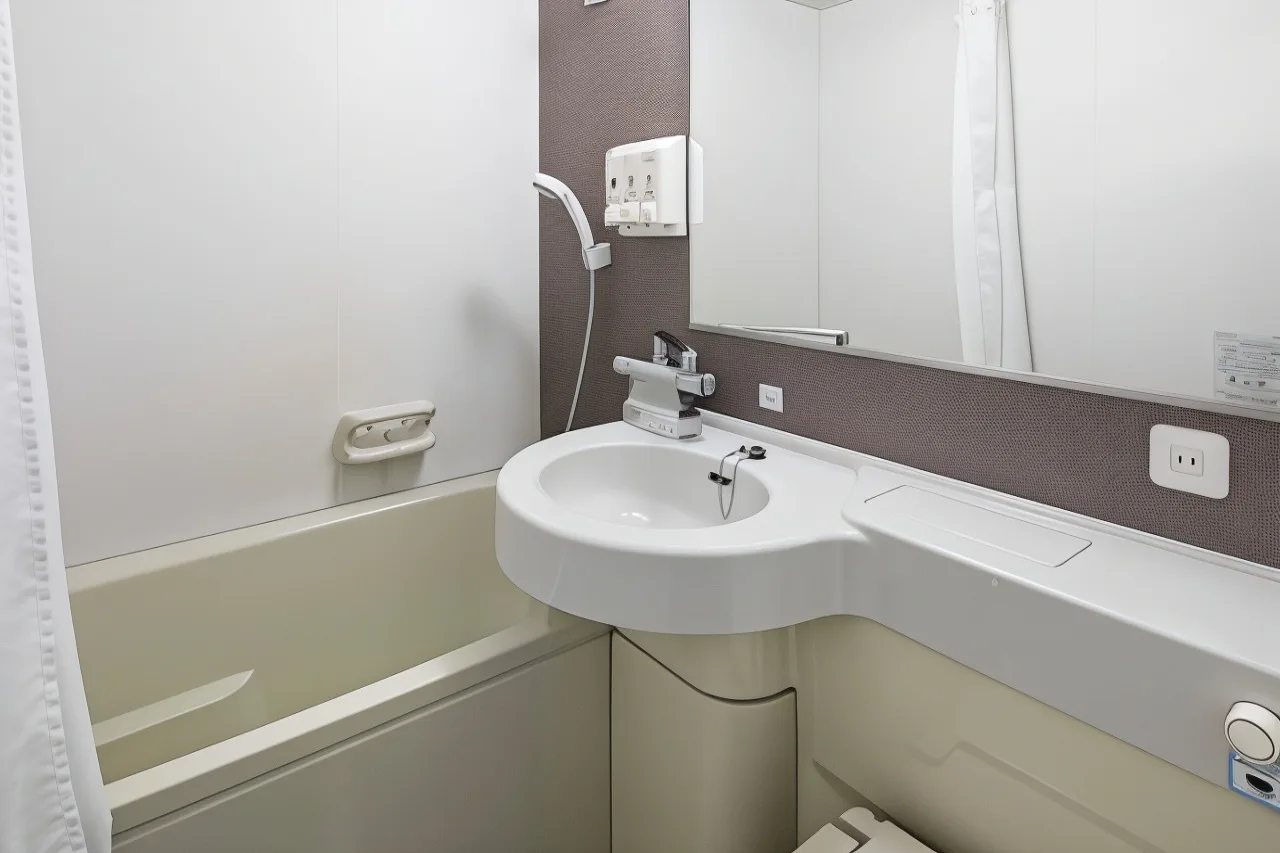
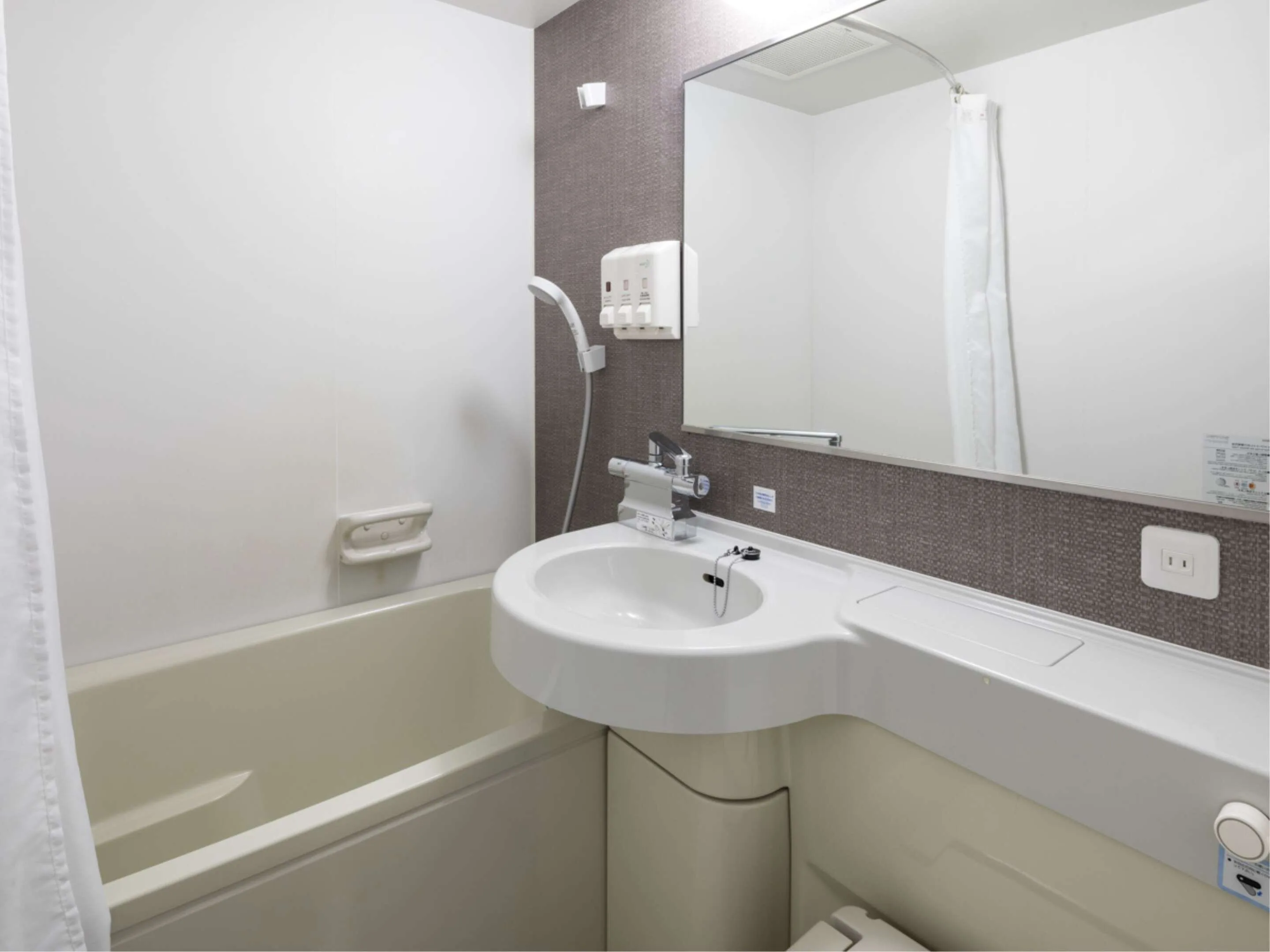
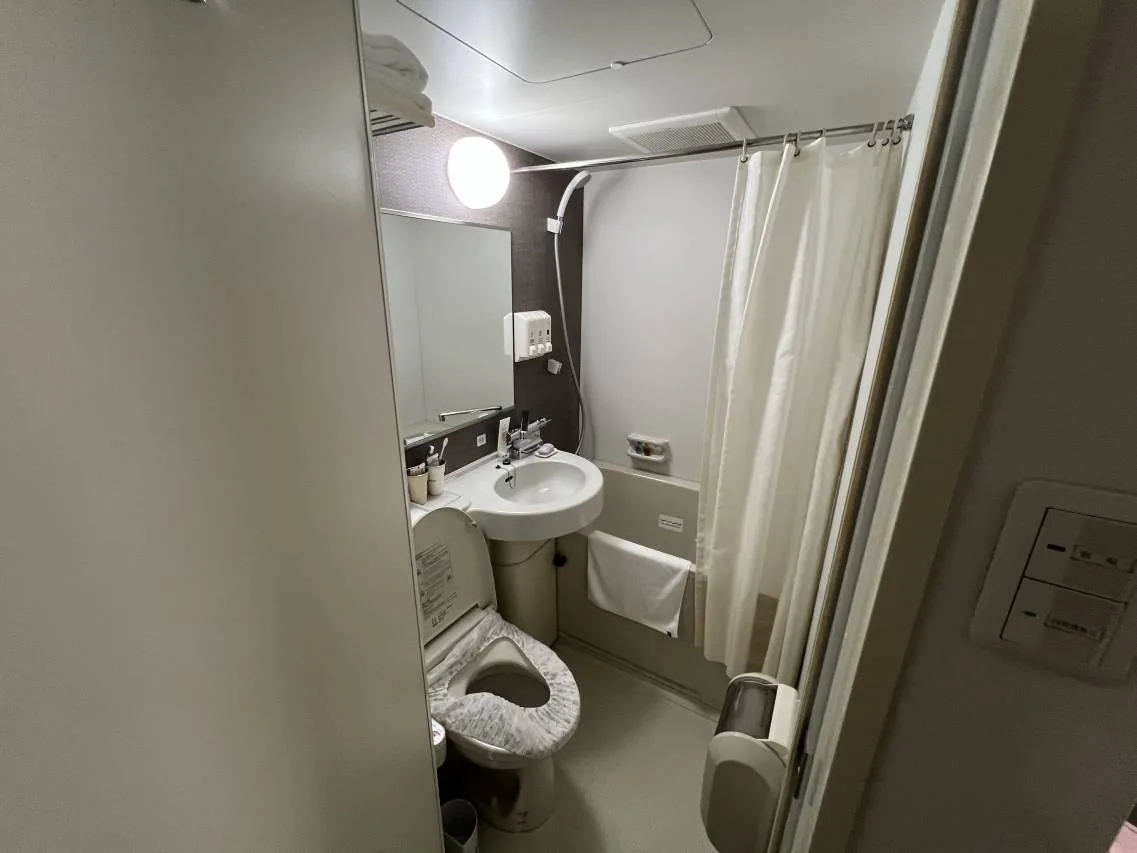
Bathroom: bathtub, sink and mirror
Room photos: real space and what to check on arrival
Photos of the Economy Double make the distance between the bed and desk easier to judge. With two large suitcases, be prepared to unpack one at a time and put cases away afterward. The Library Cafe offers somewhere to sit outside the room.
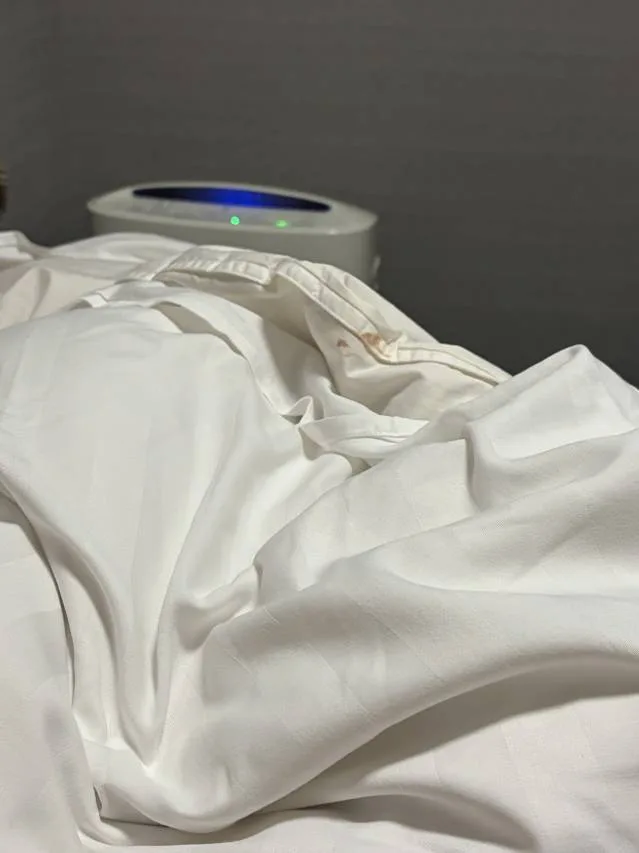
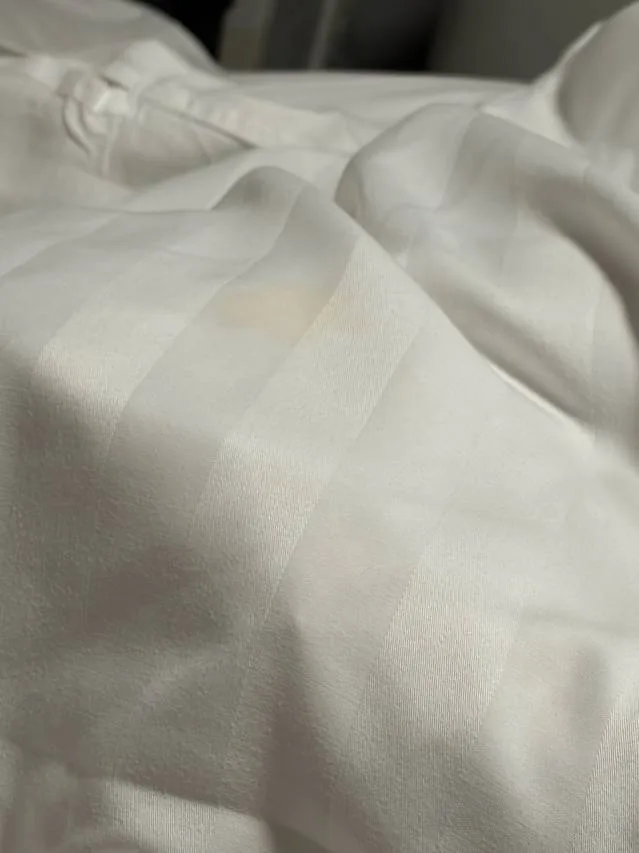
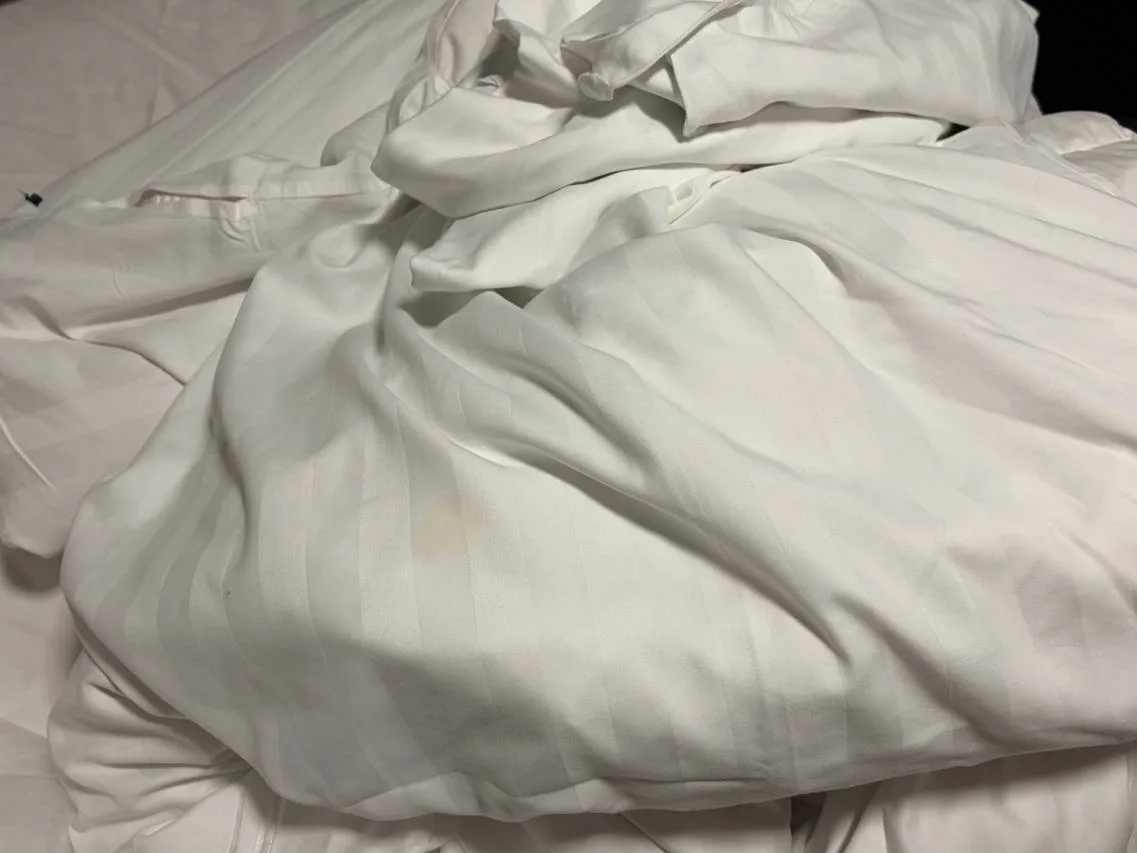
I check the bedding as soon as I walk in and ask staff right away if anything looks off. Laundry machines occasionally go out of service, so confirm which floor has a working machine if you need to wash clothes every day.
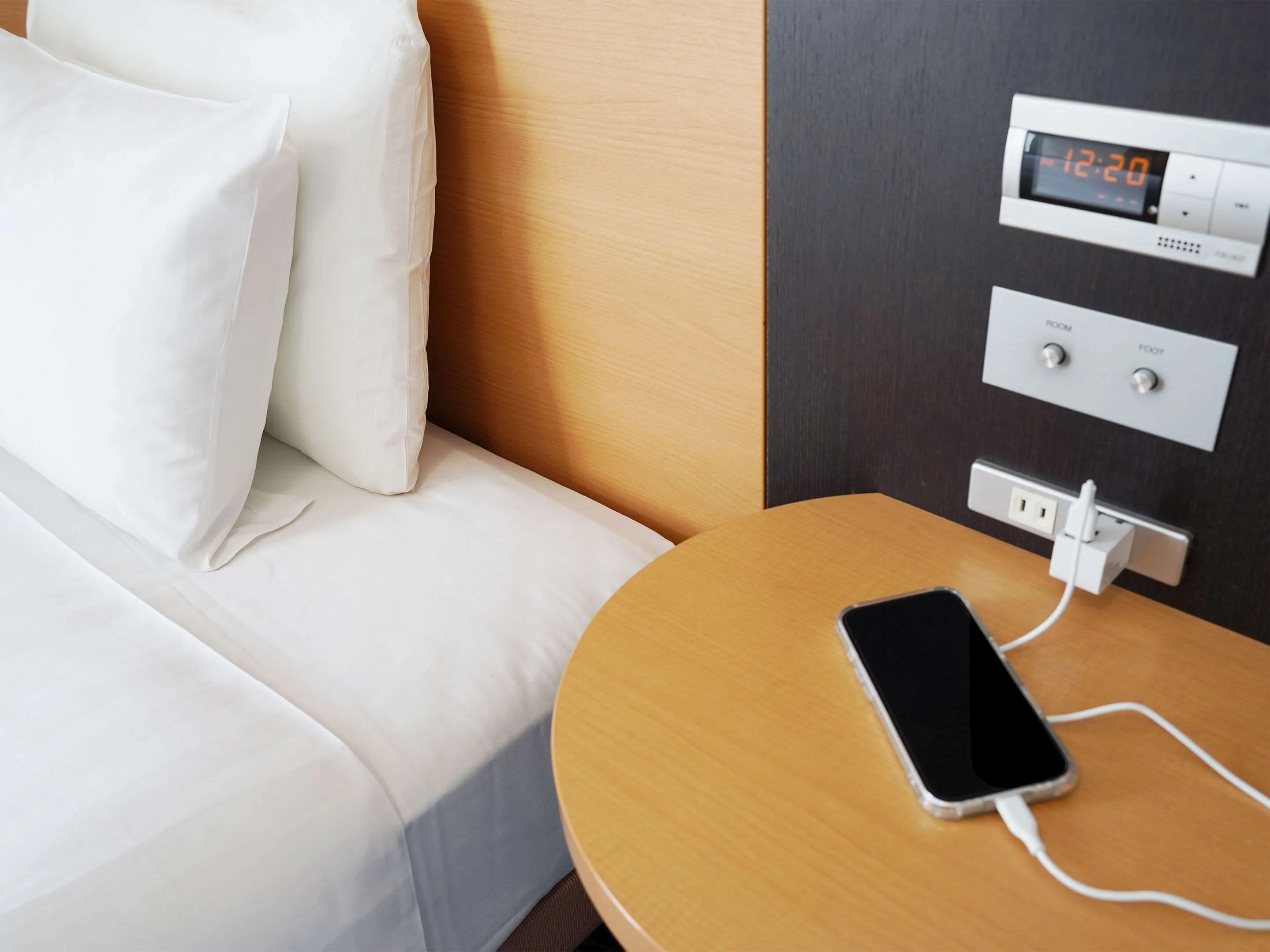
There are sockets near the bed. Pack chargers for phones and cameras rather than assuming a built-in USB port. It is easier to start the next day when devices are charged overnight.
Free breakfast saves time, though the variety is limited
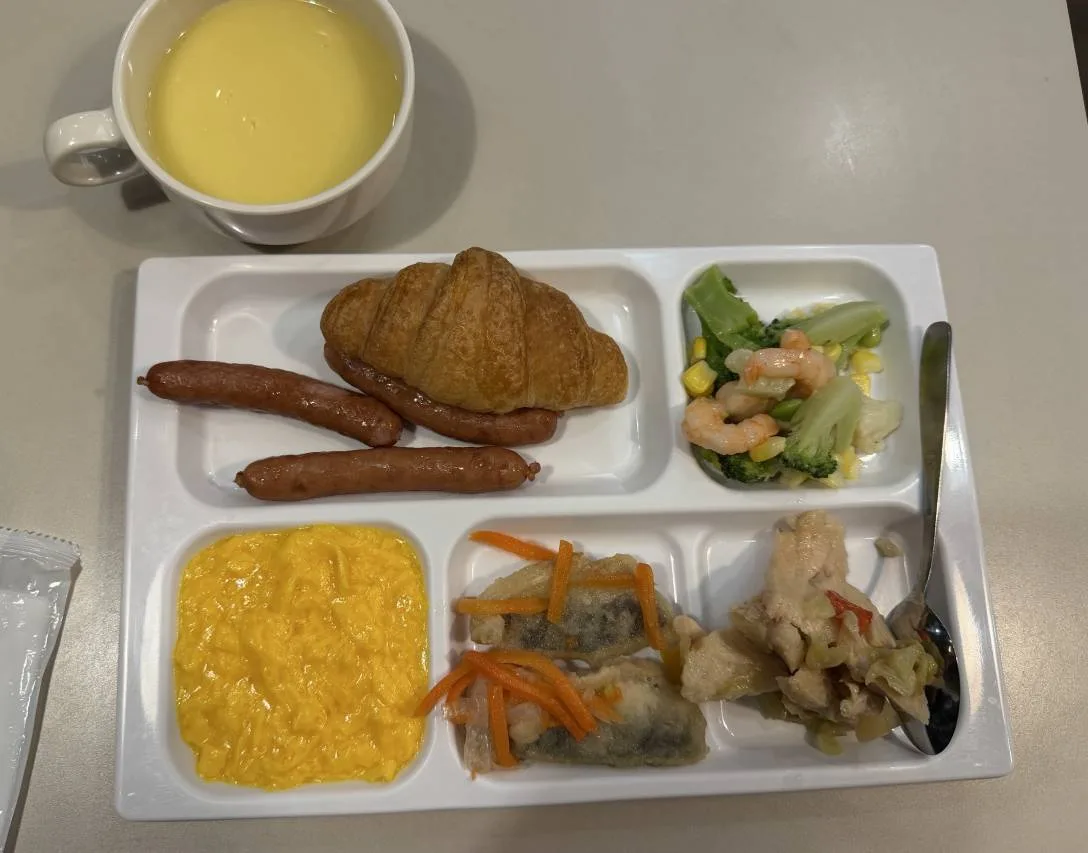
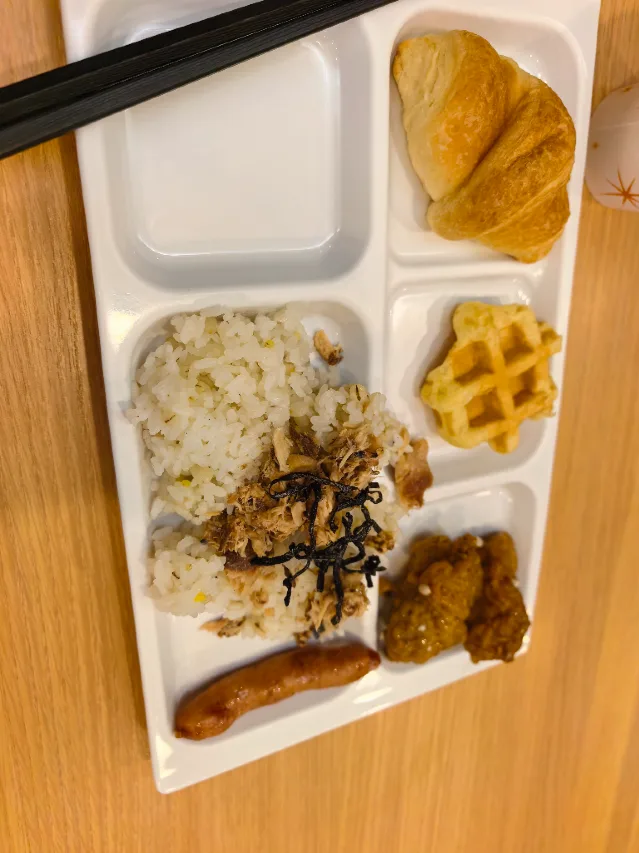
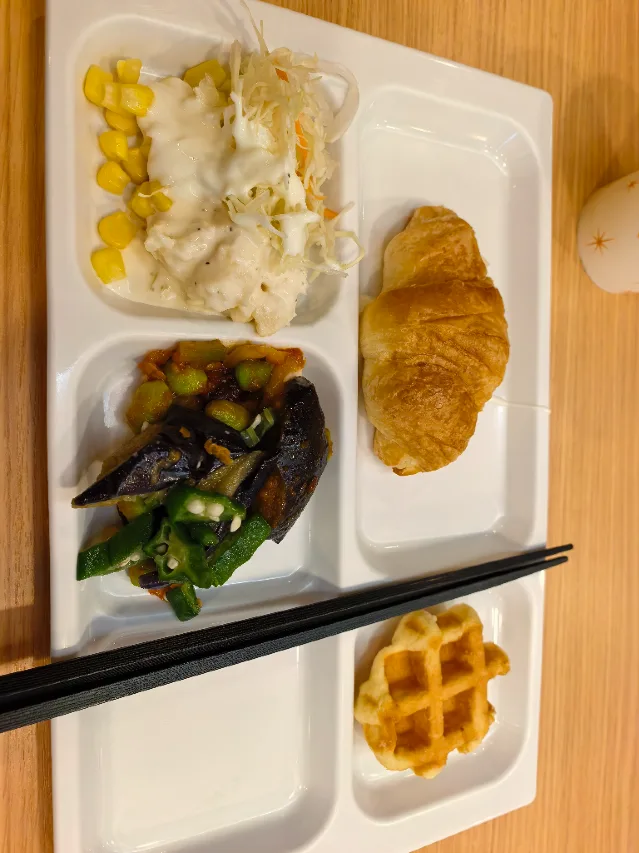
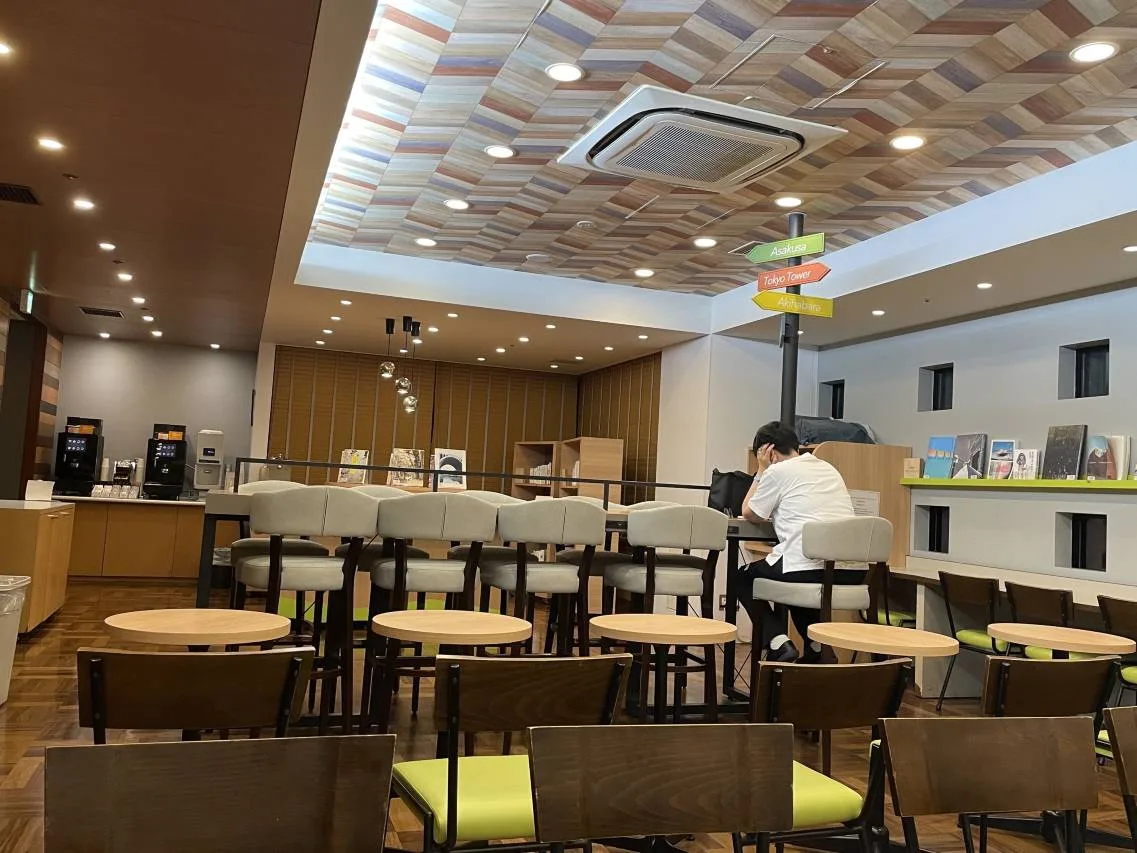
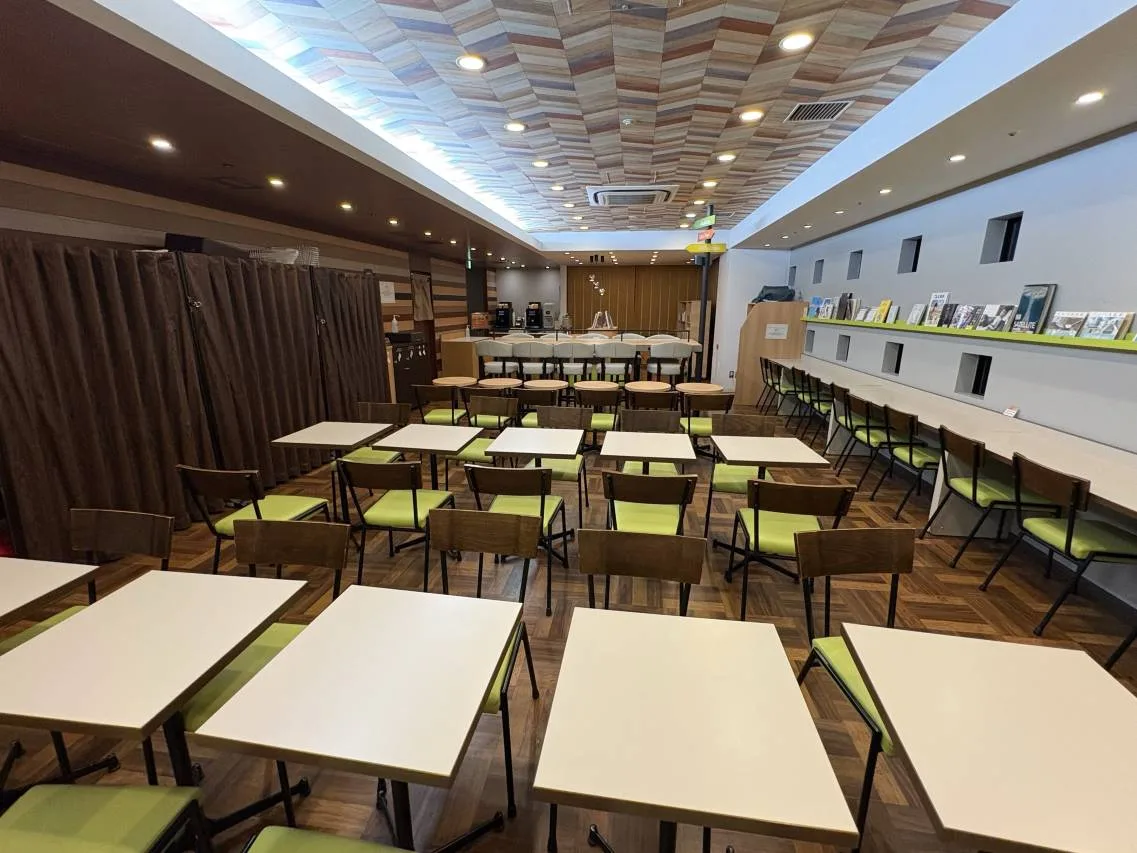
The official breakfast page lists a complimentary buffet for hotel guests, currently served 6:30–9:30 a.m. in the second-floor Library Cafe. Daily dishes rotate. If I want to go straight out after waking, it saves the search for a breakfast shop; otherwise it is an optional convenience.
Breakfast is a Western buffet, free for adults. To add breakfast for a travel companion, contact the hotel first and pay on site. Halal food is available outside the hotel — ask the front desk if you need it. Service starts at 6:30, so you can eat and leave before 8:00; it ends at 9:30, so a slow morning that starts near 10:00 will miss it.
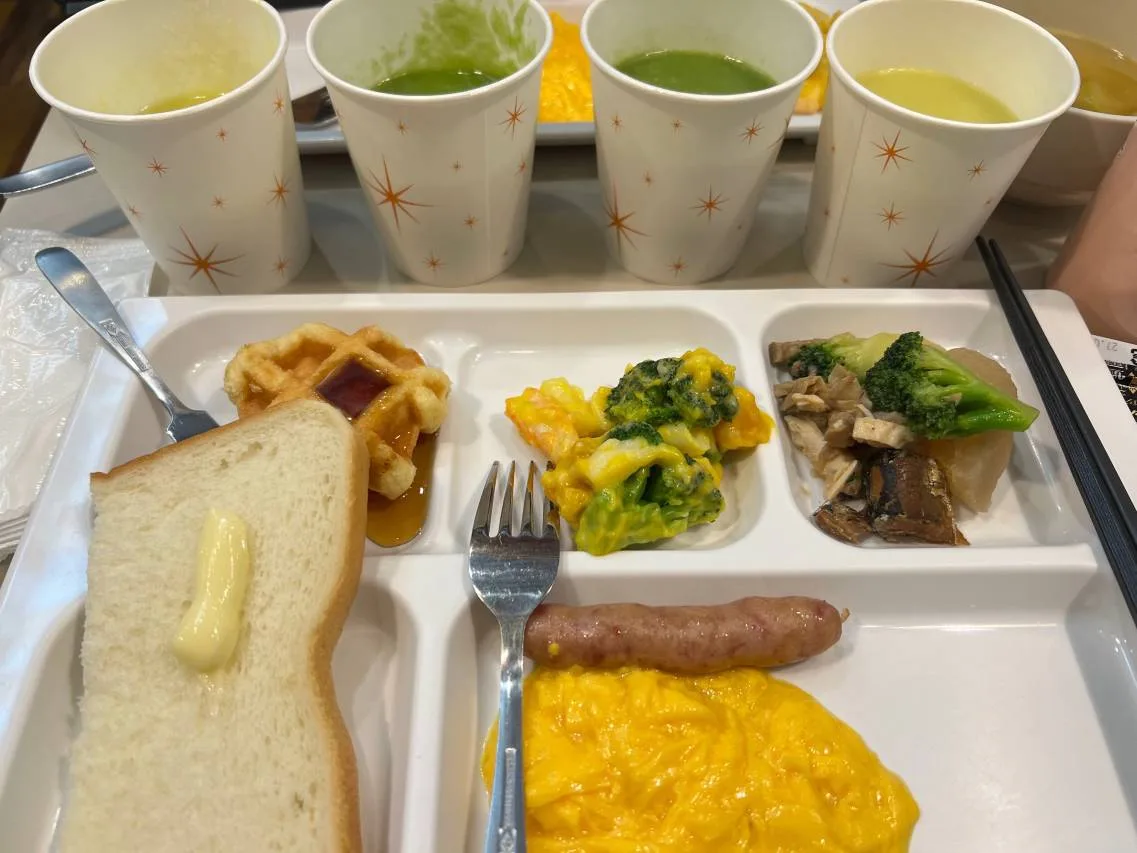
Breakfast is filling and convenient, though the variety is limited. Treat it as a simple pre-sightseeing meal rather than a lavish brunch.
The plates hold bread, eggs, sausages, rice and side dishes. Use the photos to judge what you normally eat; the daily menu changes.
For a short stay, focus on the exit; for several nights, consider the cafe and laundry
For one or two nights spent mostly outdoors, compare room type and JR access first. For longer stays, luggage space and washing become more important. With two people, the 17 m² twin deserves comparison with smaller doubles, rather than focusing only on the nightly rate.
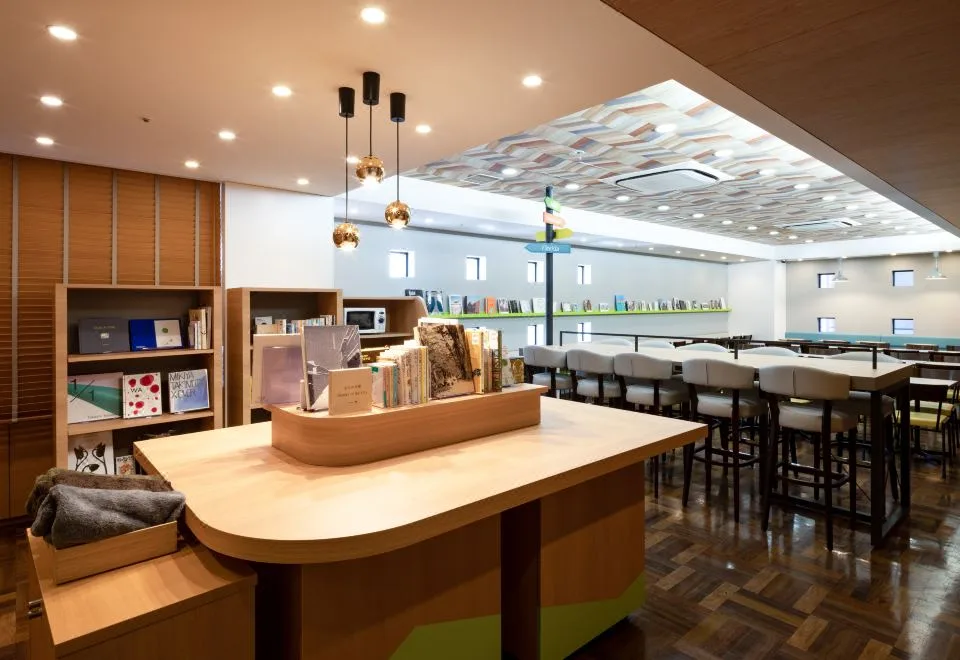
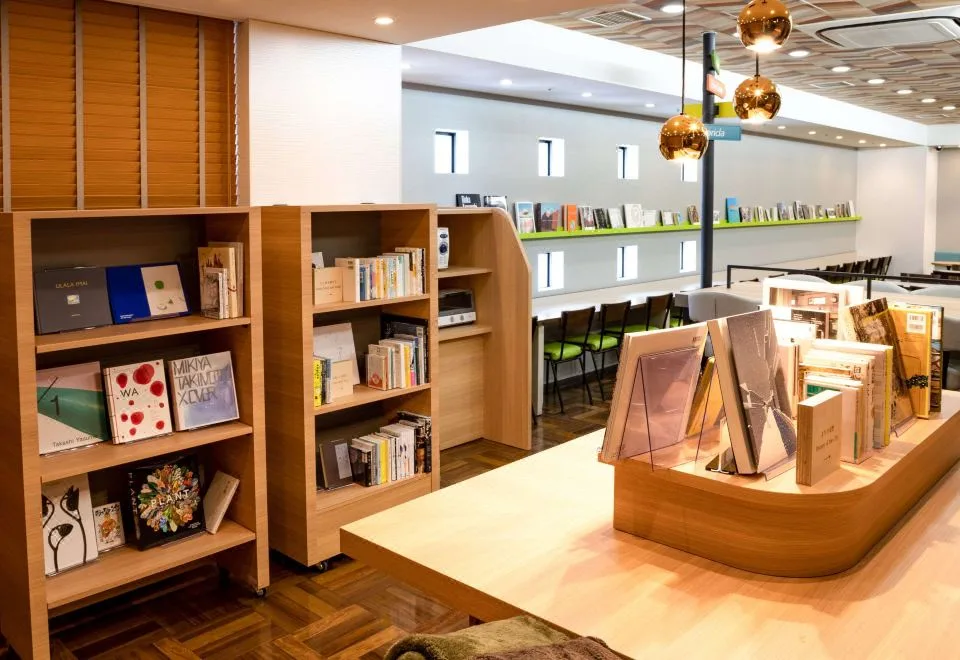
The official Library Cafe page lists free guest access from 10 a.m. until midnight, with coffee, tea, books and worktables on the second floor. It is useful for planning tomorrow’s journey or sorting photos away from the small guest-room desk. Breakfast and daytime cafe use have different hours.
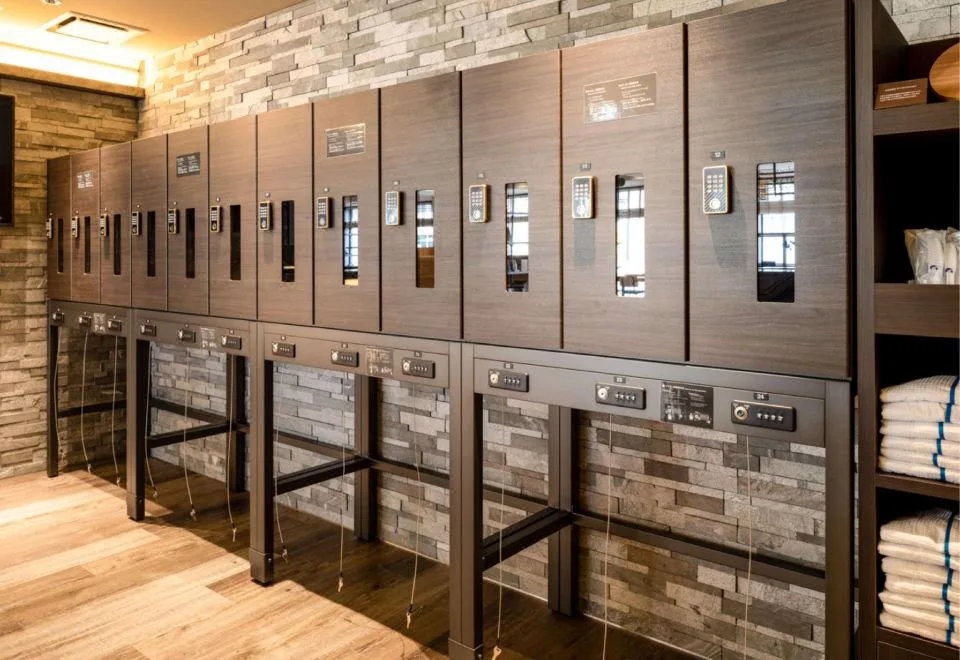
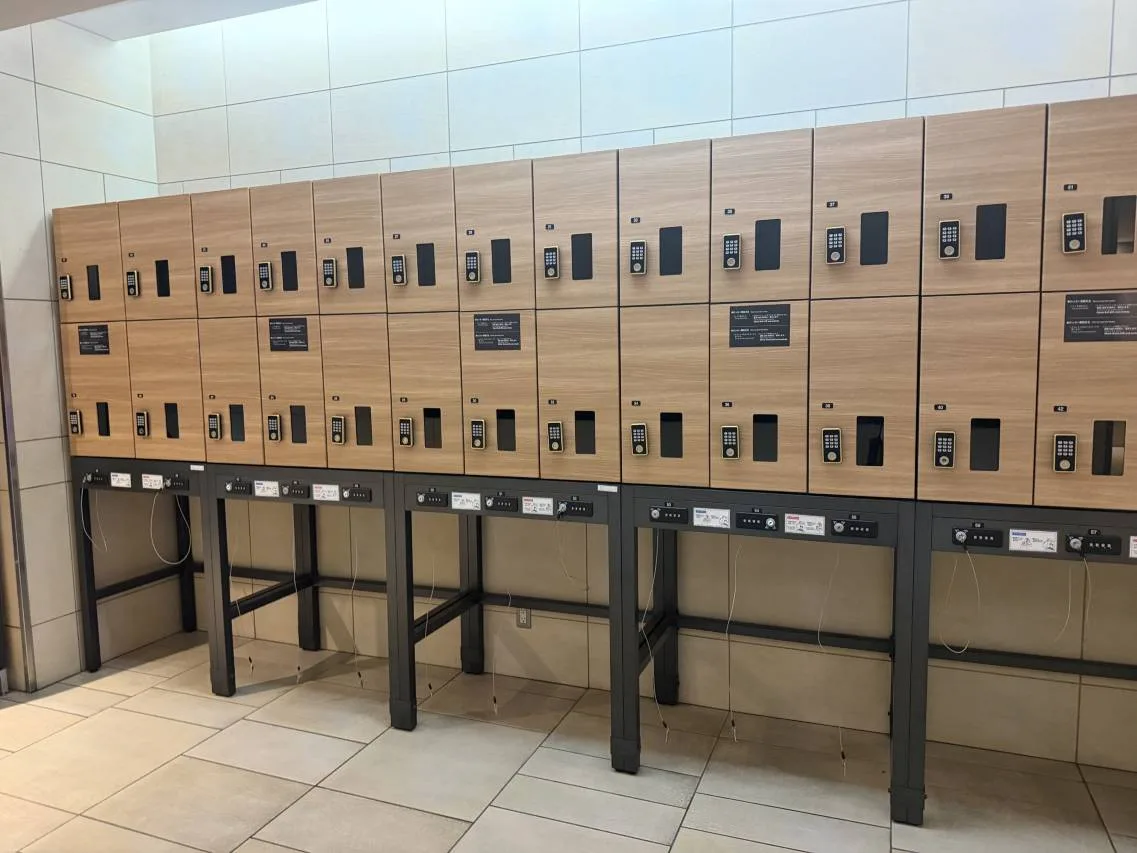
Self-service luggage storage is available before check-in and after checkout, with coin laundry on floors 4 and 8. Ask how to store bags before exploring on your final day. Regular check-in starts at 3 p.m. and checkout is by 10 a.m.; allow enough time for both breakfast and packing.
On the morning of an early Shinkansen, I ask the front desk for a wake-up call, leave my bags in the self-service storage, eat breakfast and walk to the station after checkout. On a longer stay I hang tomorrow’s clothes as soon as I return, send dirty laundry out or use the coin laundry, and the room never gets messier. The Library Cafe is open 10:00 to midnight, so in the evening I sort photos and plan the next day downstairs instead of squeezing into a 13.5 m² room.
Policies and facilities to know before you check in
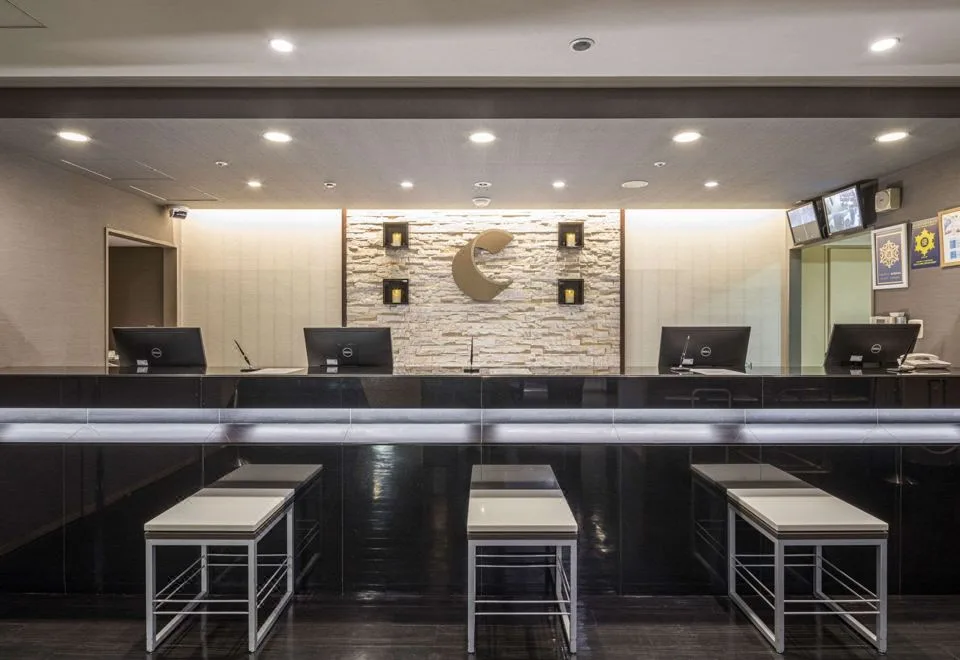
Check-in starts at 3 p.m. and checkout is by 10 a.m., with the front desk staffed around the clock. Guests must be at least 18 to check in. No deposit is required, and you can pay at the hotel in cash or by card. If you arrive outside check-in hours, contact the hotel a day ahead. Children of all ages are welcome, but no room type allows an extra bed or crib, children sharing a bed may still cost extra, and pets are not allowed — settle that before you book.
Here is how I would use the facilities: public Wi-Fi is free, the front desk speaks Chinese, English and Japanese, so questions about directions, laundry or luggage need no hand gestures. A wheelchair is kept on site, the building has an elevator, and the front desk can arrange a wake-up call. Rooms have a safe for valuables; a dryer, iron, laundry supplies and a laundry delivery service cover a longer stay. A drink vending machine handles late-night thirst; public areas are non-smoking with a separate smoking area and non-smoking floors. Fax and copy service costs extra; drivers get a car park, and the hotel can call a taxi.
My pick for JR access and a complimentary breakfast
For me, the combination worth paying attention to is Bakurocho’s JR exit, free breakfast and the daytime Library Cafe. For two travelers, decide between one 140 cm bed and two 123 cm beds, then compare 13.5–17 m² room sizes. Check the elevator route with heavy luggage, and the laundry plan for a longer stay.
If you want to step outside into central Ginza’s shopping streets, spend long hours in your room or spread several cases open at once, consider other locations or larger hotels. Otherwise, choose using the exact room layout, itinerary and total room cost.
This is how I decide: first, which line will I ride most — if it is the JR Sobu Rapid Line to Tokyo Station and I want breakfast in the hotel before heading out, this is a strong fit. Then luggage and company — two people with a large case each should take the 17 m² twin, a solo traveller on a short stay should take the single. Finally the laundry and early-morning plan; if those work, I book.
Pros and cons at a glance
Pros
- JR Bakurocho East Exit 4 is right beside the hotel — no searching after you leave the gates; the Sobu Rapid Line reaches Tokyo Station in about 4 minutes.
- Complimentary breakfast for guests, 6:30–9:30 in the second-floor Library Cafe, Western buffet style.
- The Library Cafe is free for guests from 10:00 to midnight, with coffee, tea, books and desks — somewhere to sit outside a small room during the day.
- The 17 m² Economy Twin has two 123 cm beds, so two people sleeping separately do not have to share one 140 cm bed.
- Check-in from 3 p.m., checkout by 10 a.m., front desk around the clock; free luggage storage and coin laundry on floors 4 and 8.
Cons
- The Economy Double is only 13.5 m² with one 140 cm bed — two people with a large case each have to unpack in turns.
- No room type allows an extra bed or crib, so travelling with children means counting heads and fees first.
- JR Bakurocho has no step-free route from the gates to street level; with large luggage, a wheelchair, or a stroller, use the Toei Higashi-nihombashi A4 or B1 elevator exits instead.
- Breakfast variety is limited — for a lavish brunch, eat out instead.
- Laundry machines occasionally go out of service; if you wash every day, ask which floor has a working machine.
Information checked: November 21, 2026.